Gym Equipment Treadmills
A treadmill is a great tool for getting fit, but it's also an essential tool for anyone who wants to burn calories and improve fitness. Whether you're a runner, a weight lifter, or just looking to get in shape, a treadmill is an essential tool for your home gym.
Sort
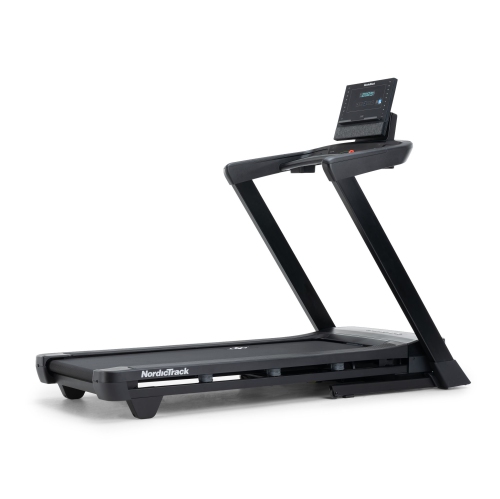

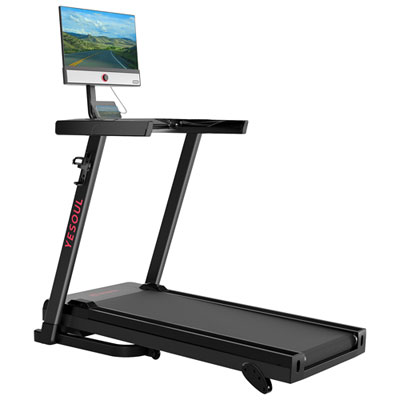
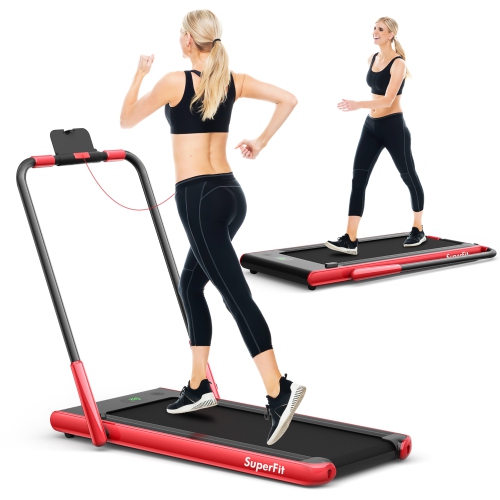
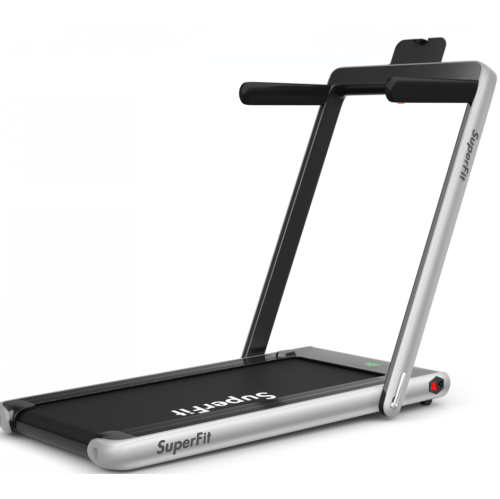
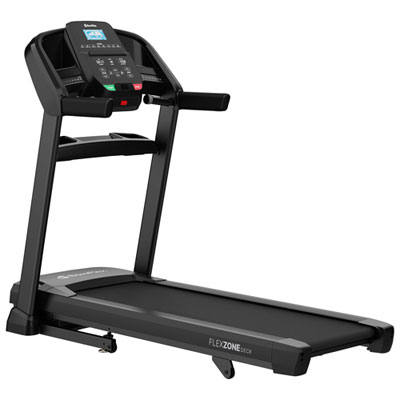
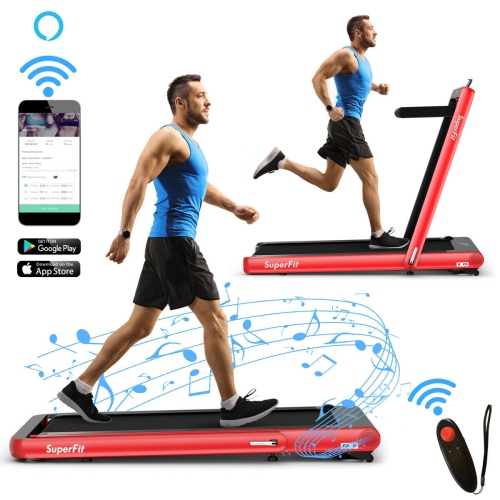
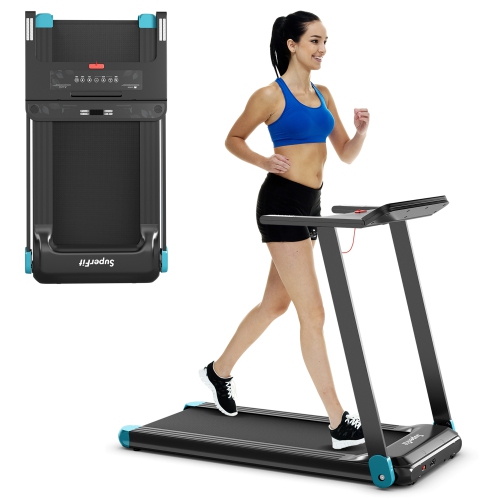
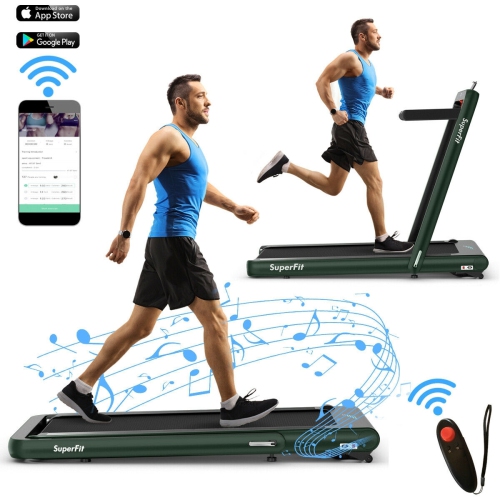
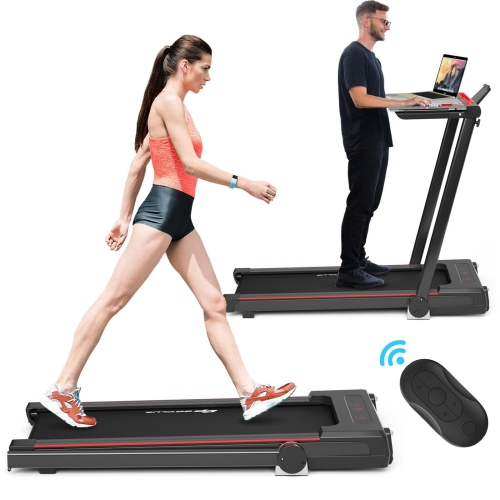
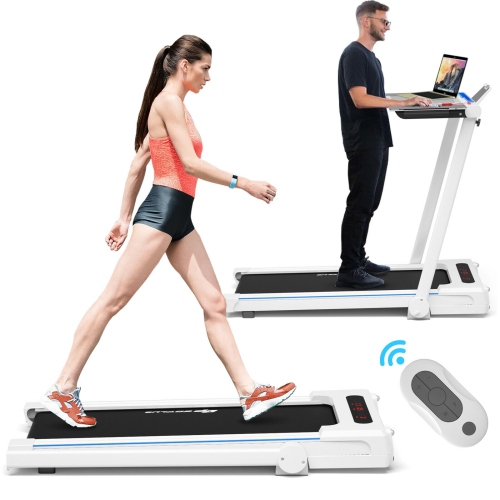

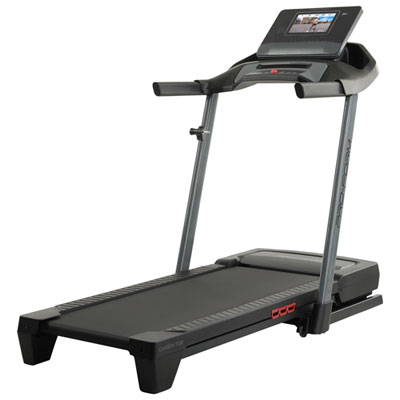
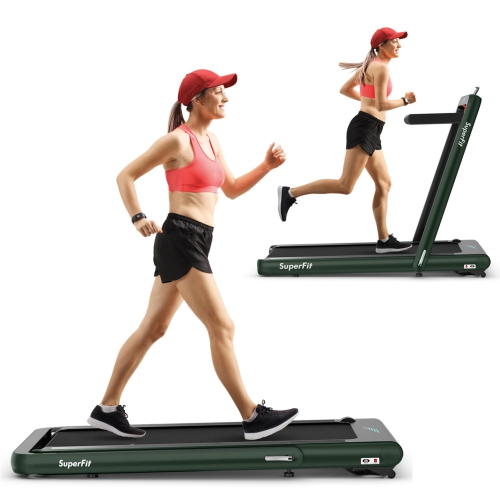
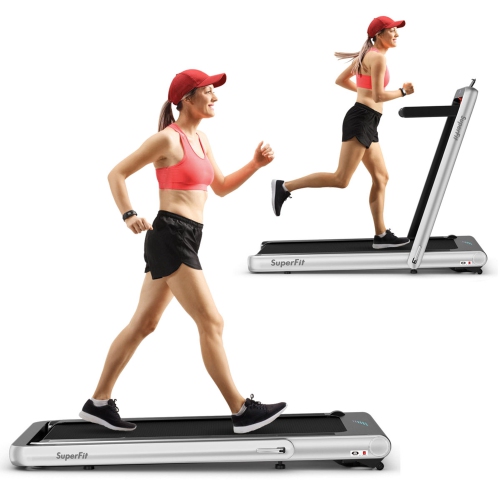
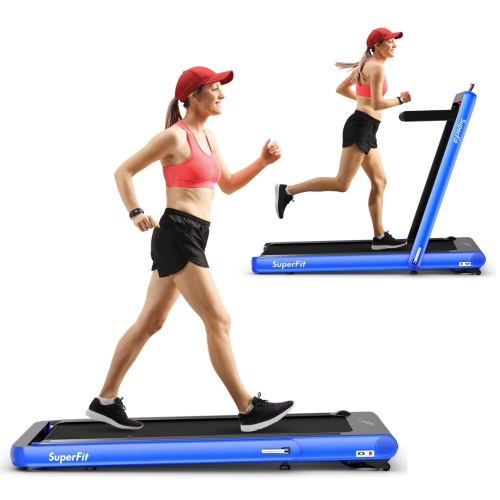
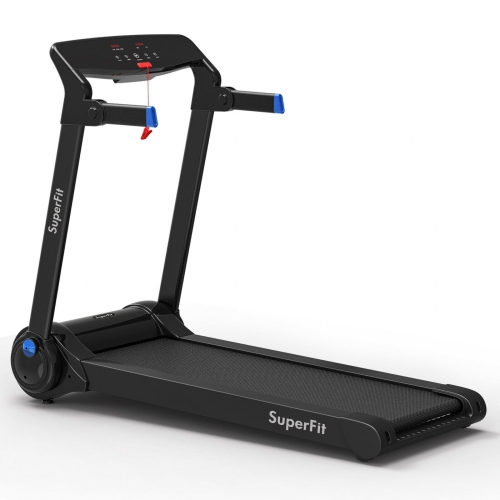
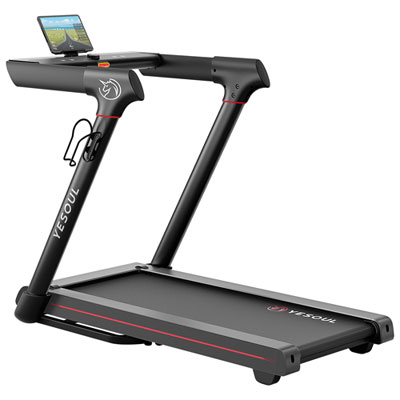
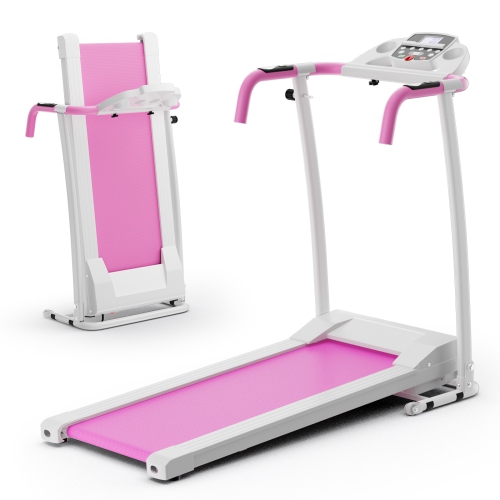
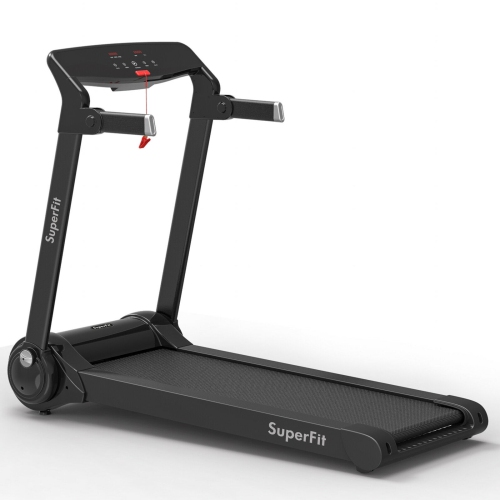
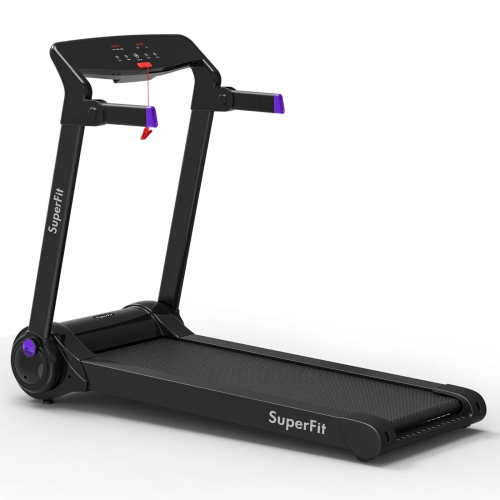
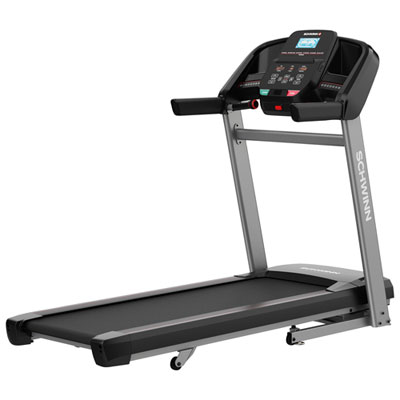
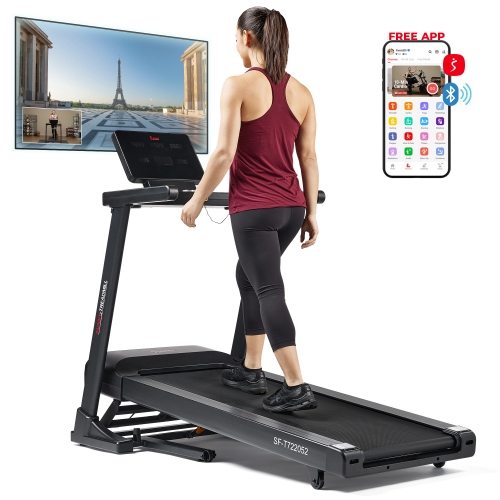
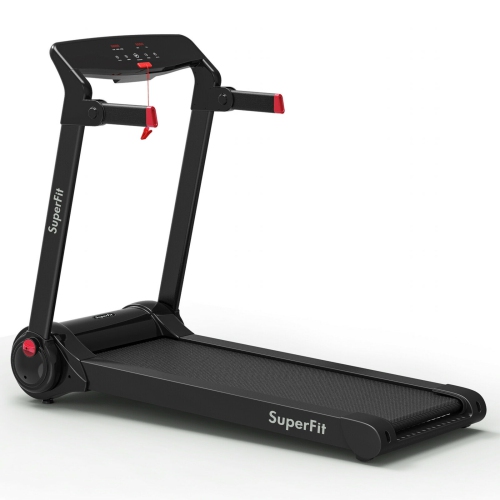
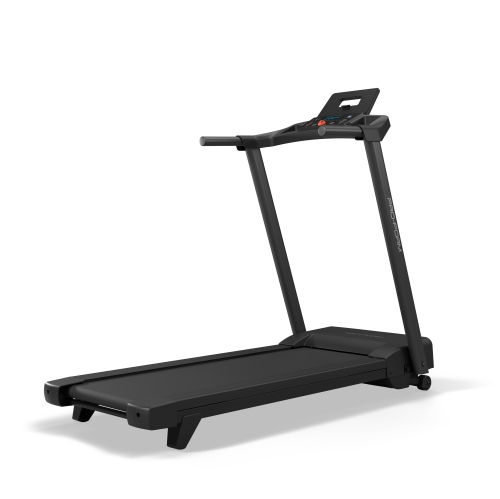
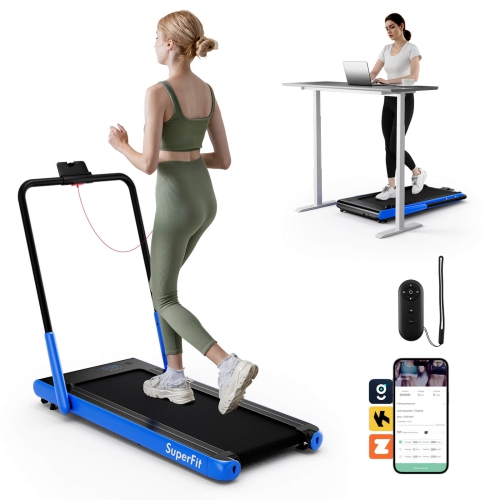
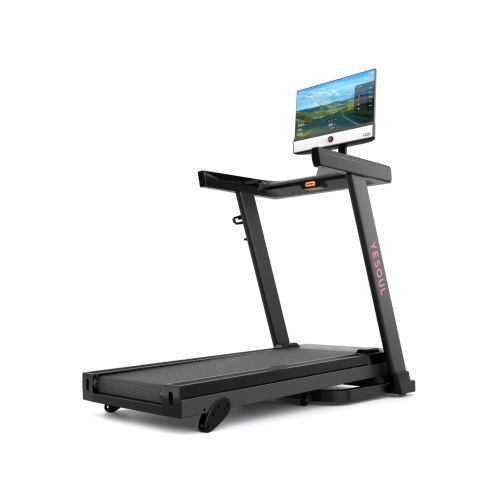
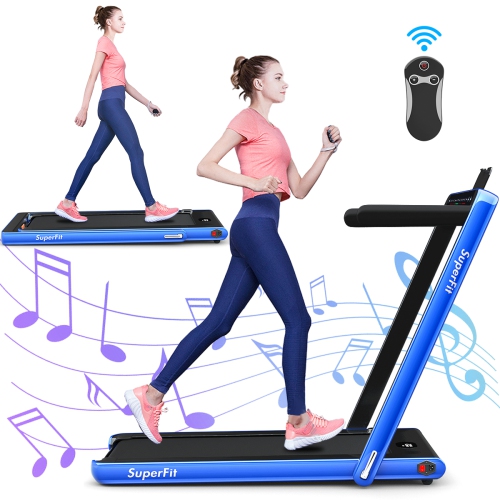
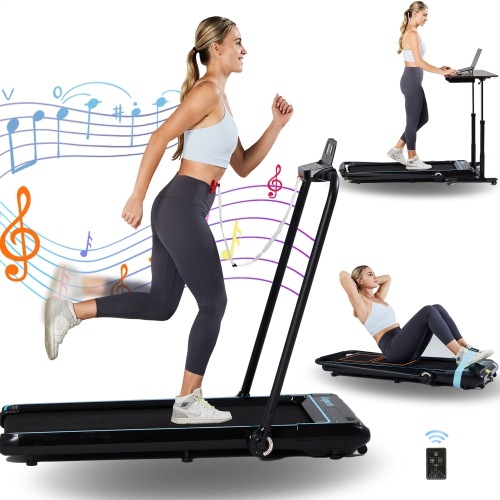
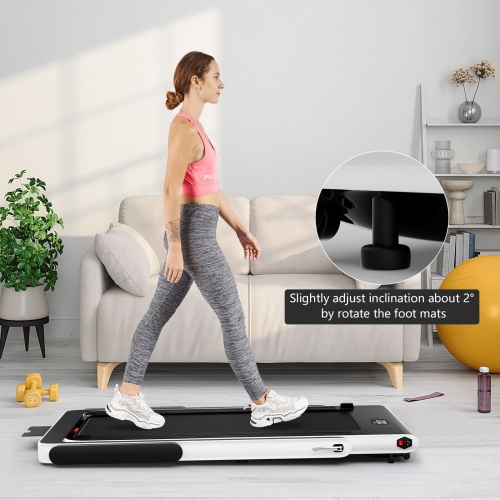
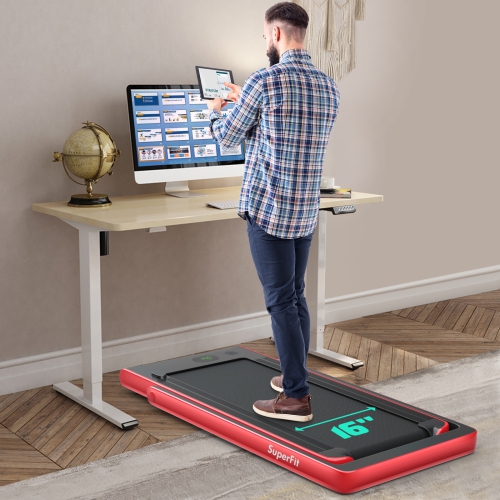
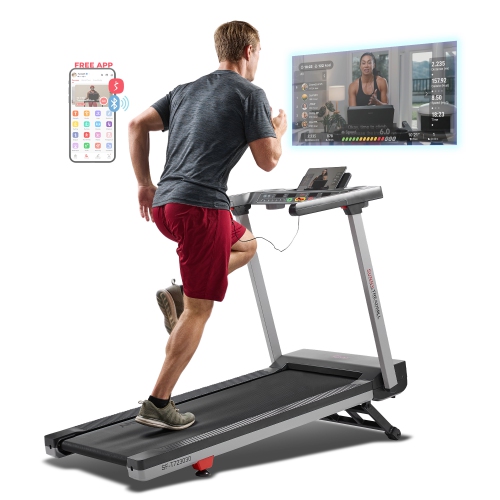
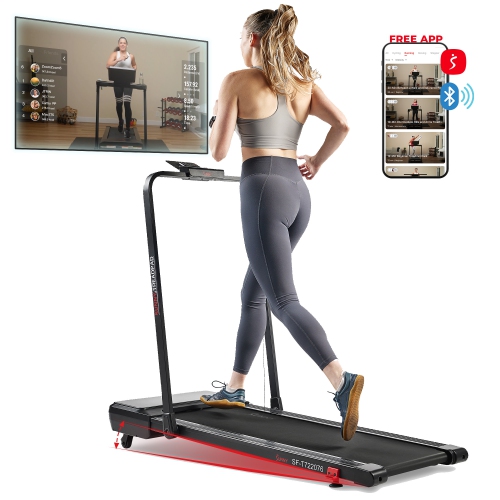
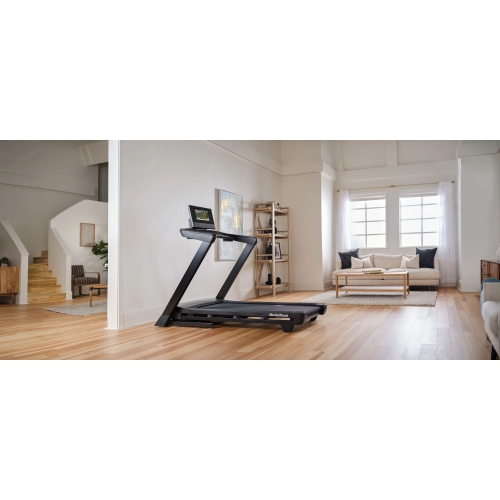
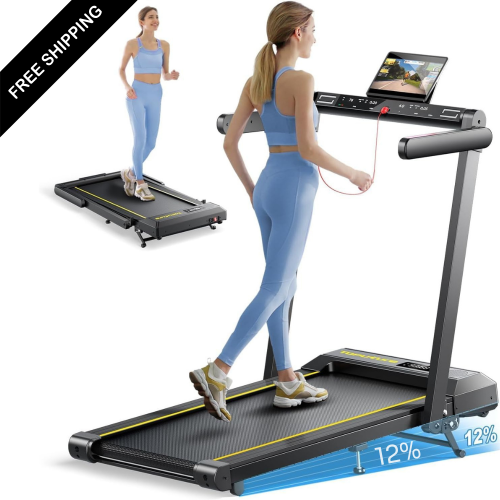
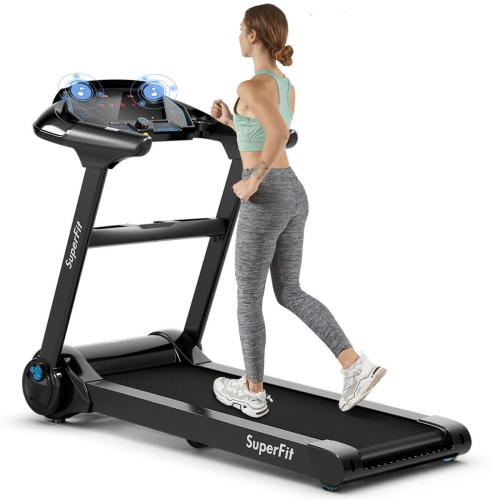
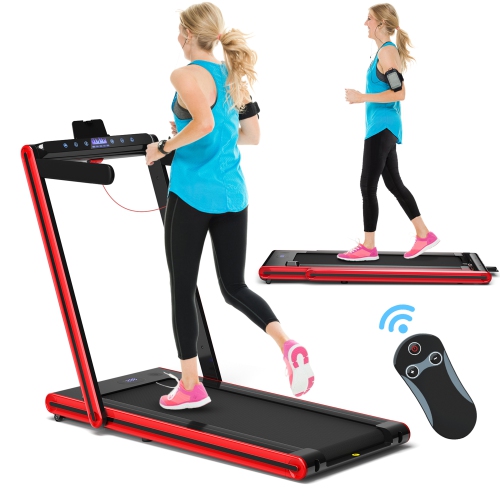
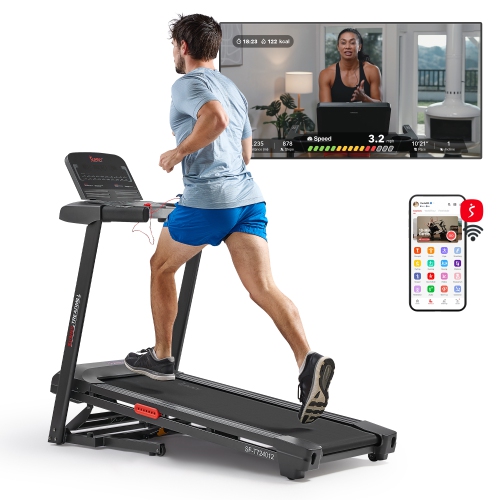
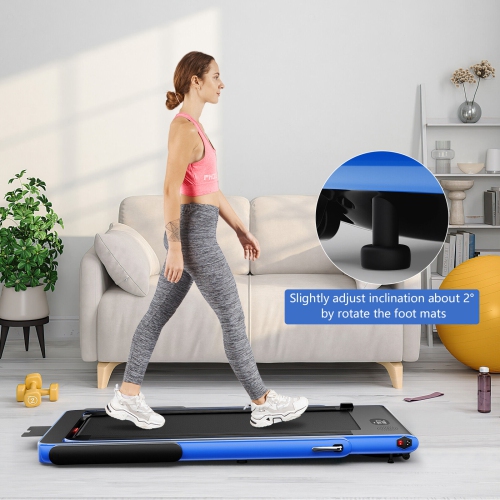
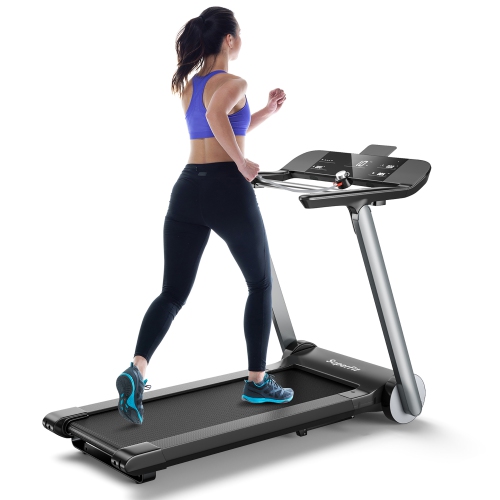
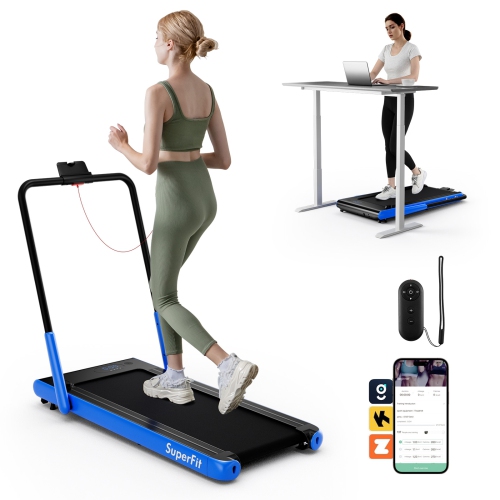
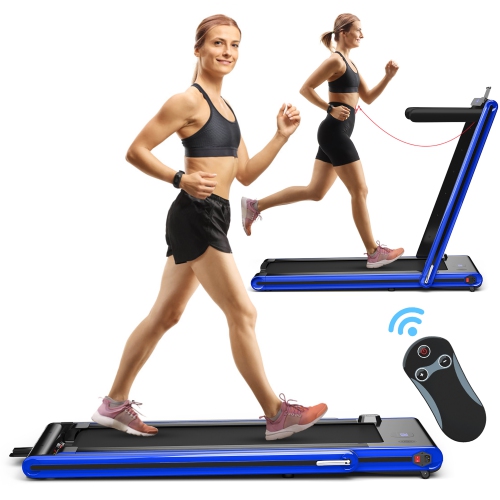
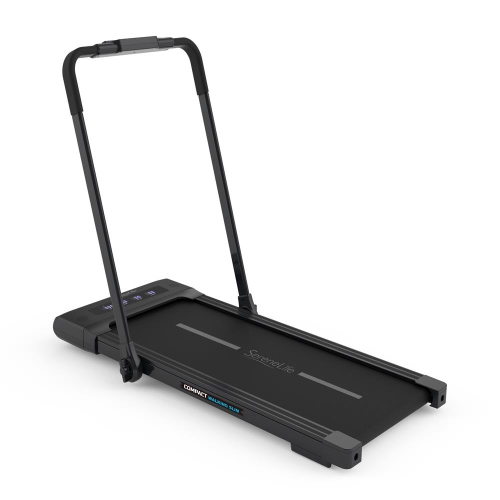
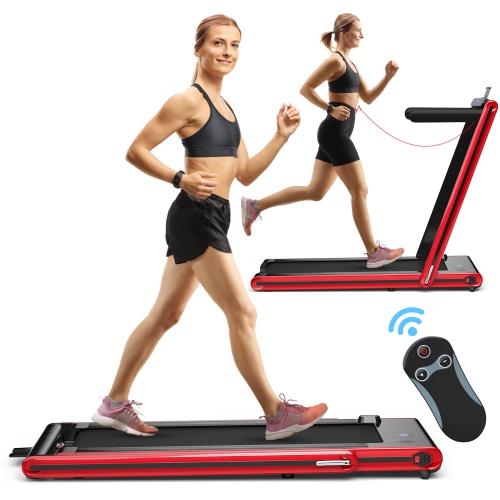

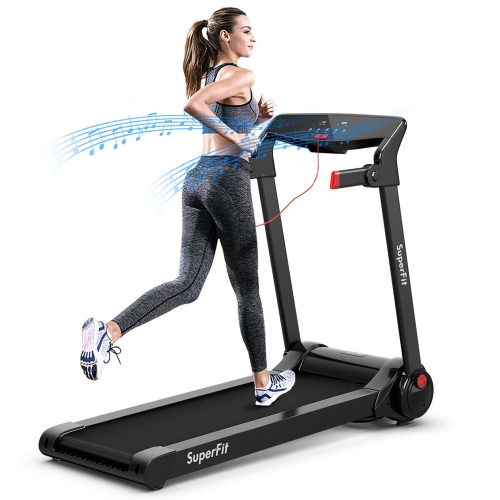
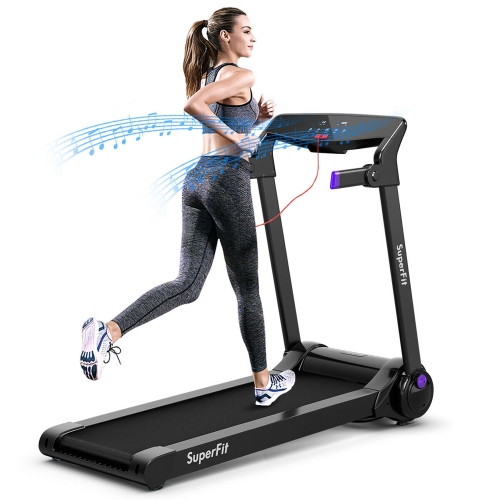
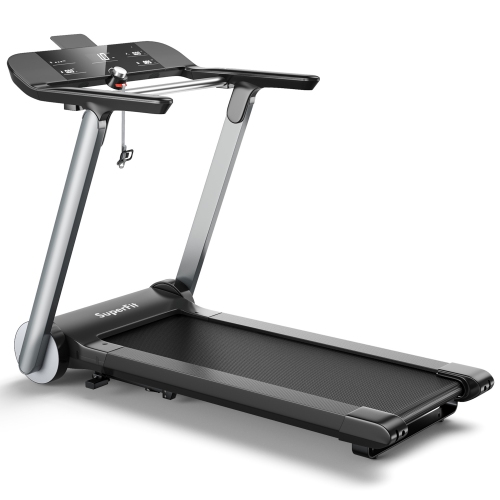
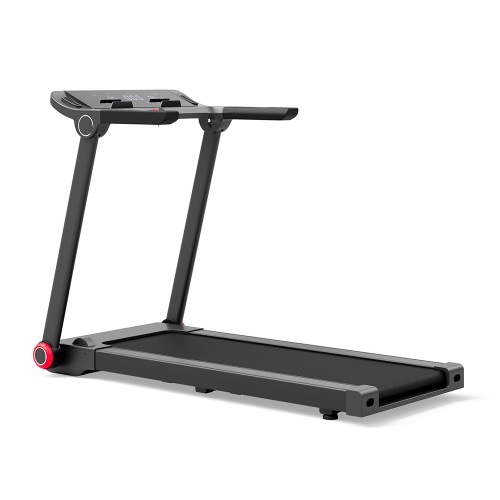
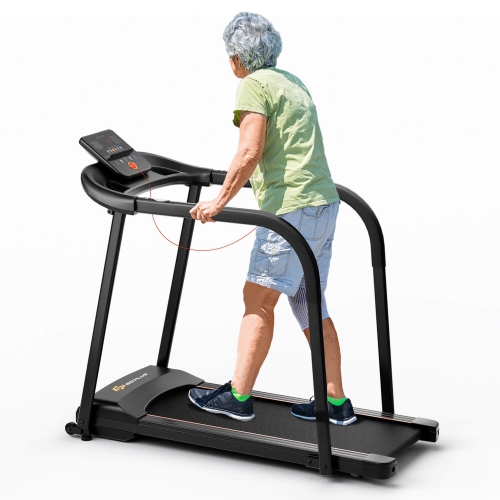
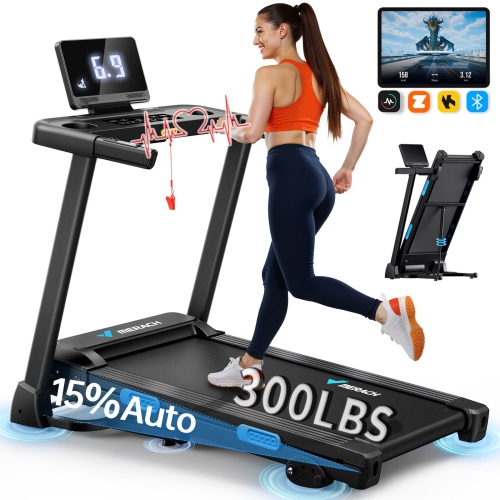
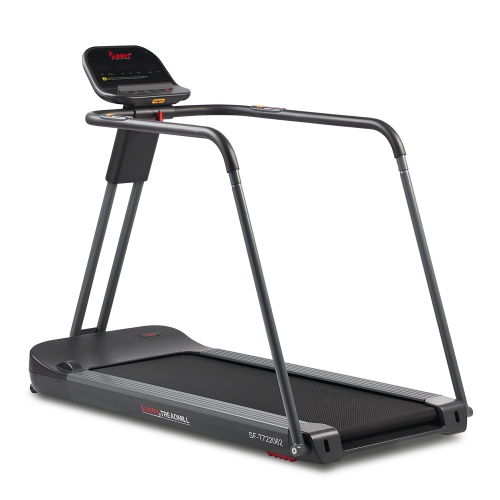
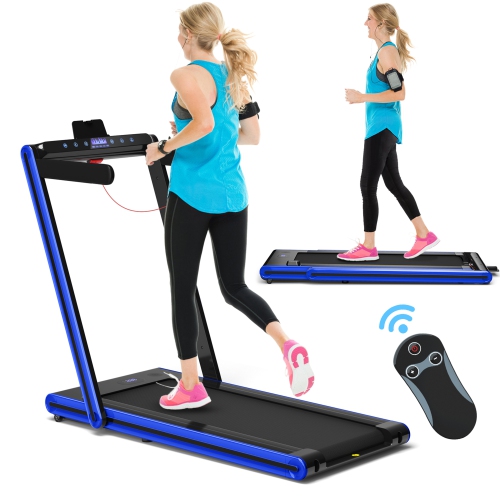
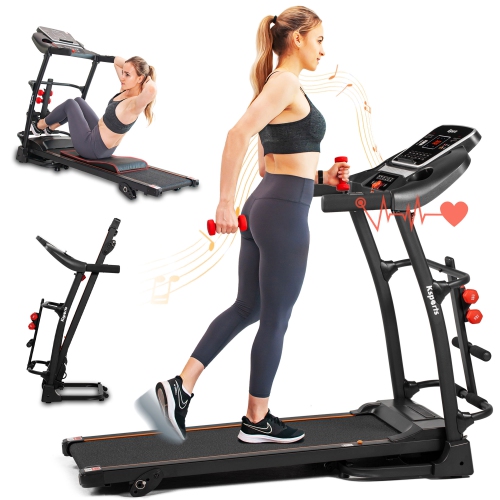
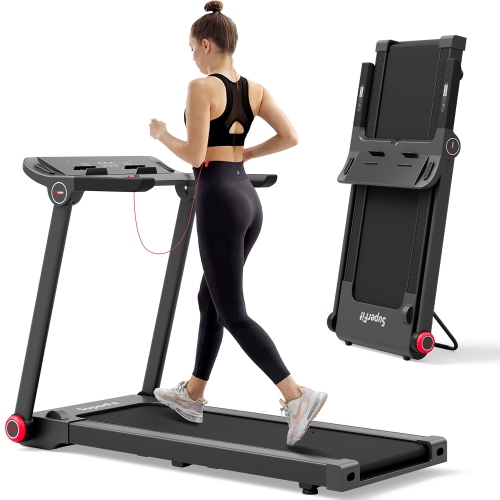
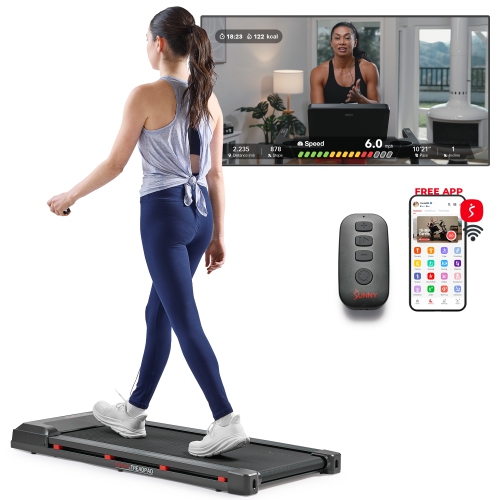
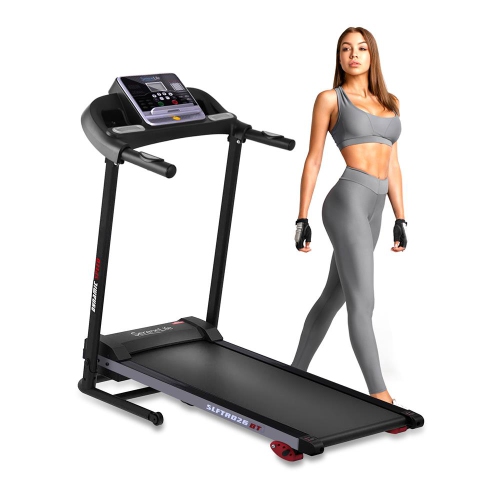
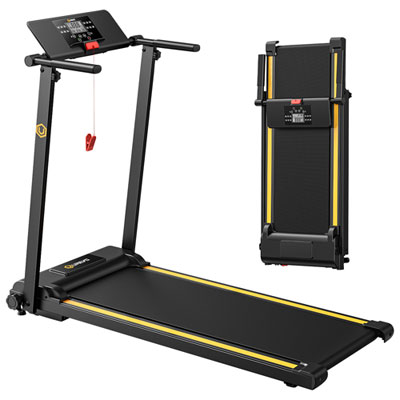
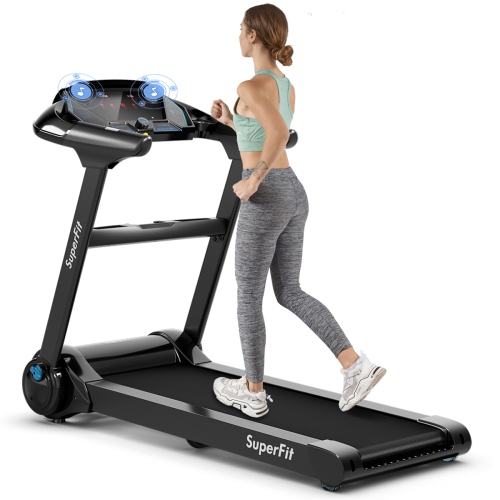

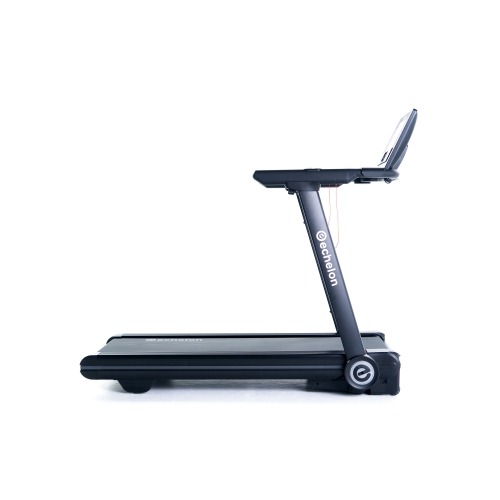
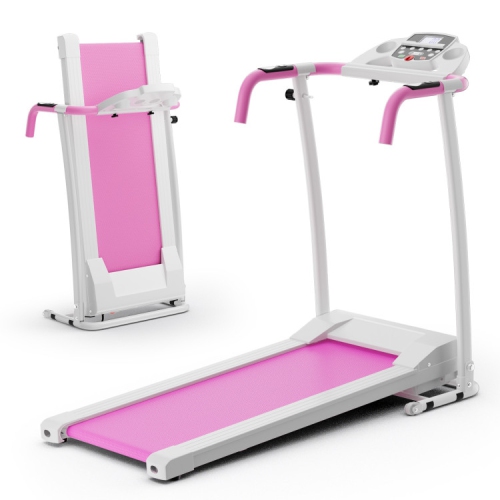
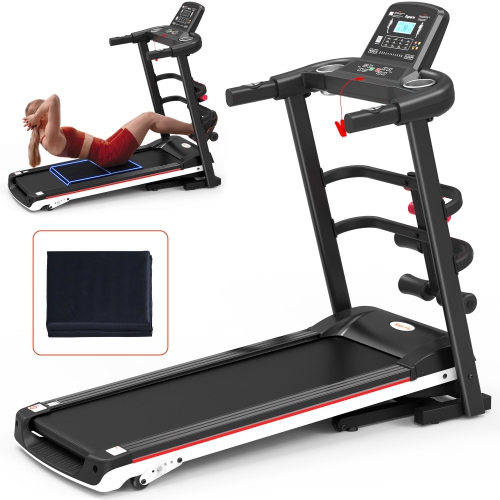
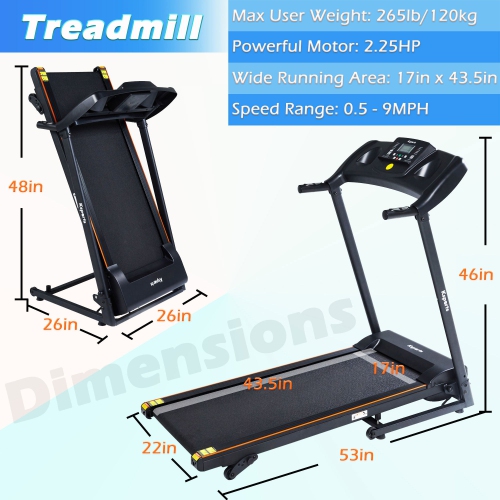
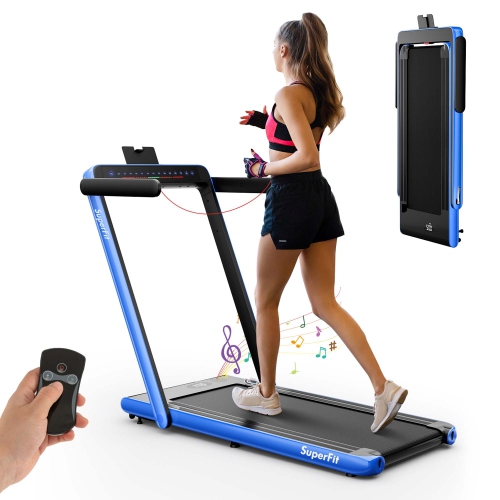
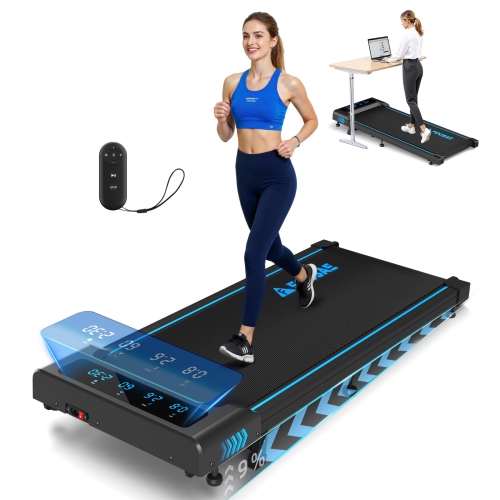
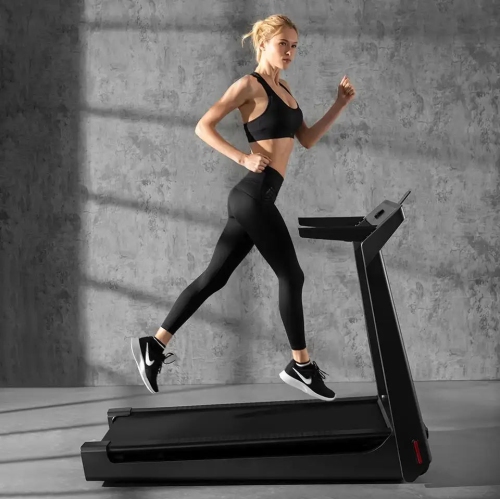
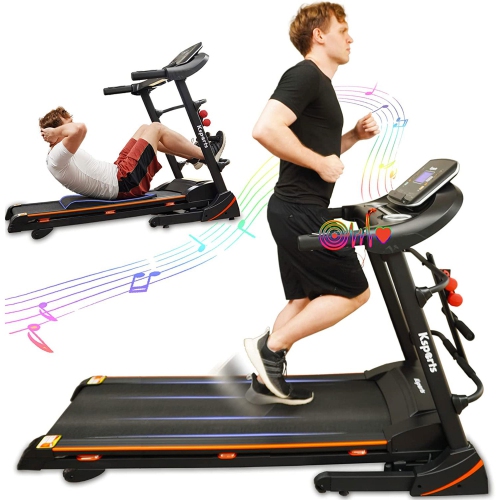
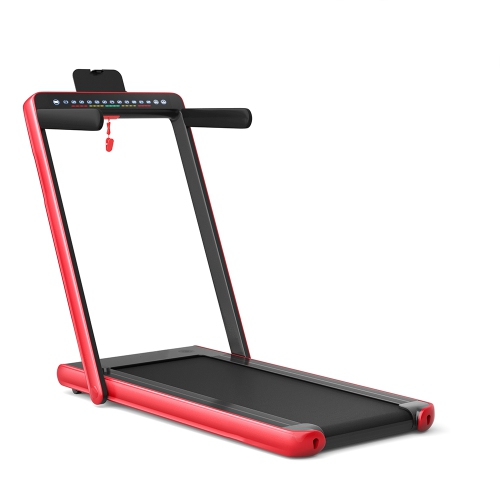
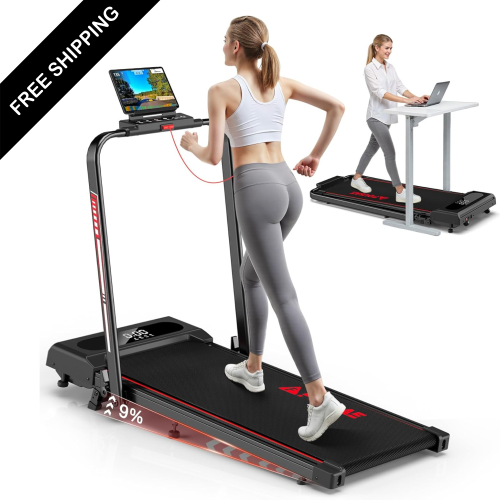
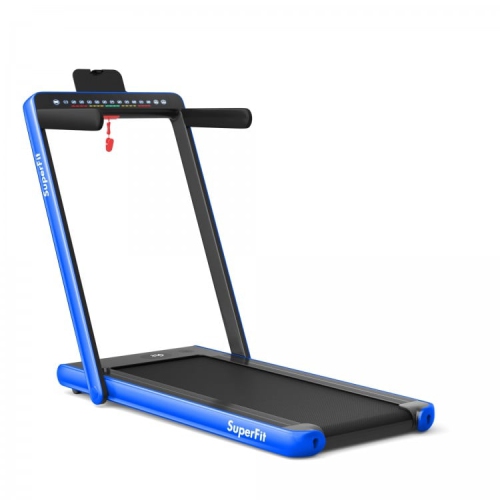
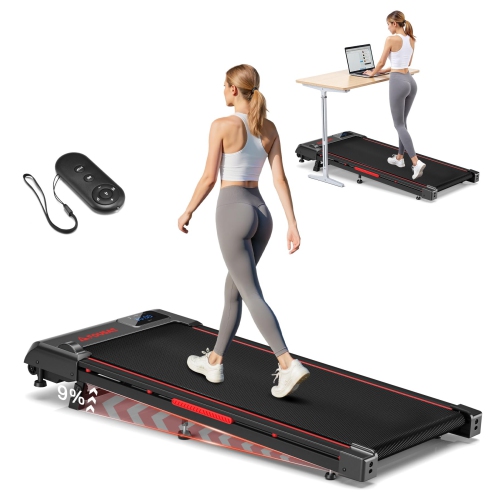
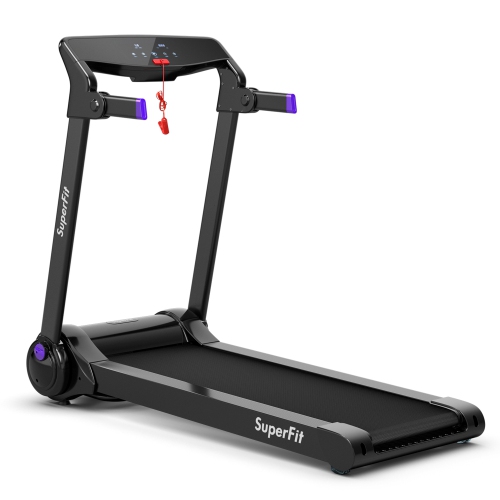
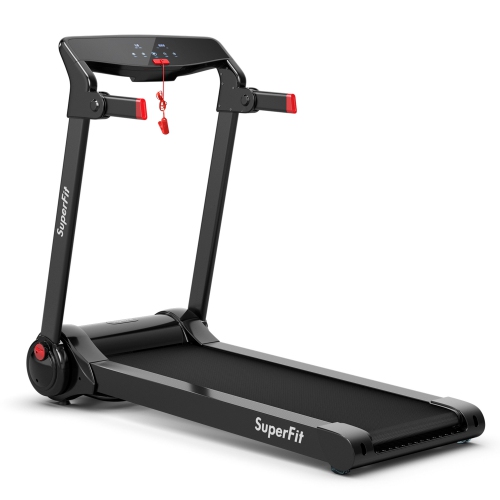
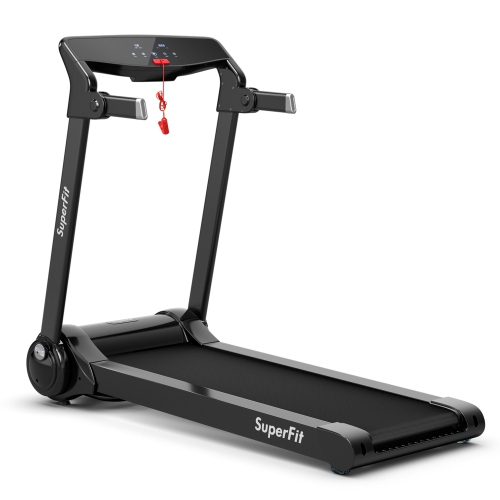
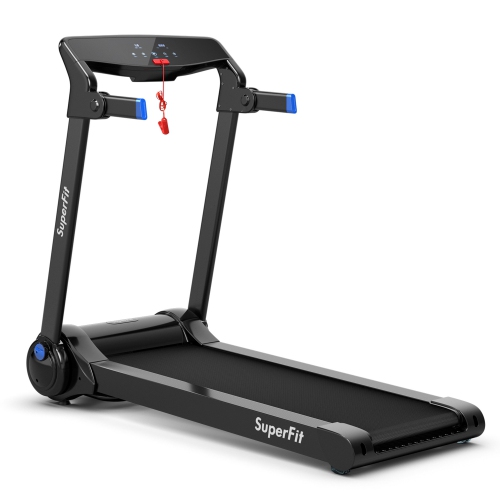
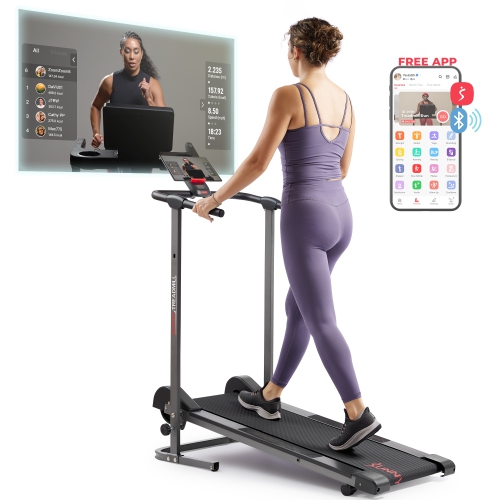

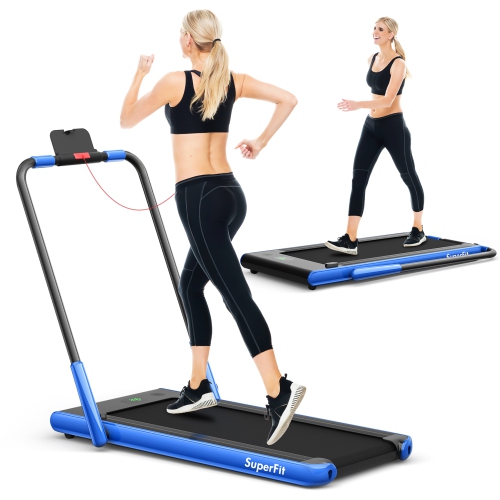
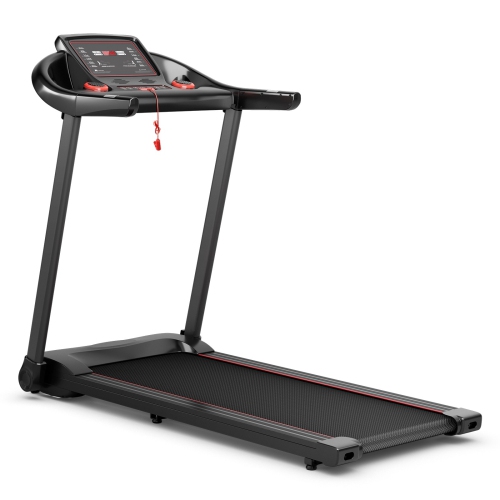
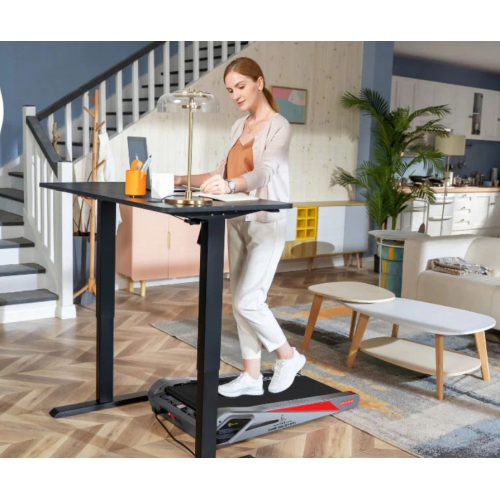
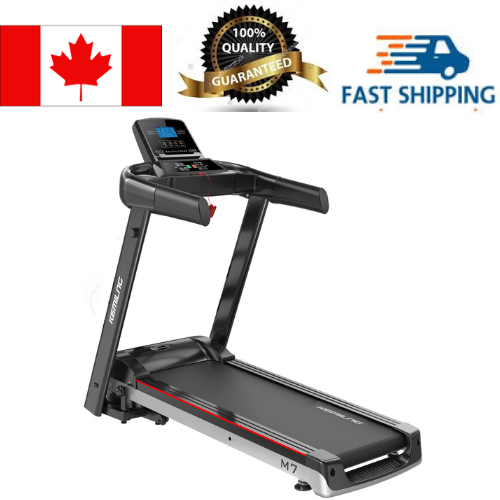
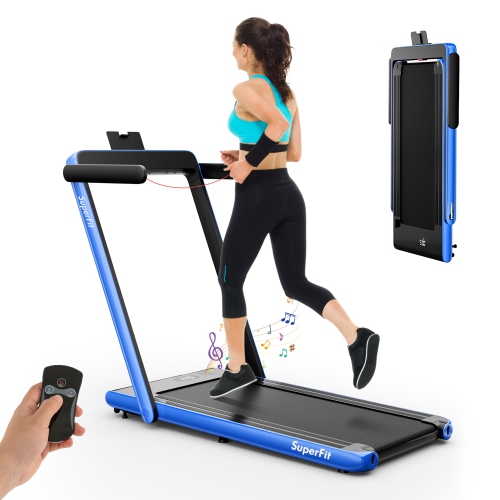
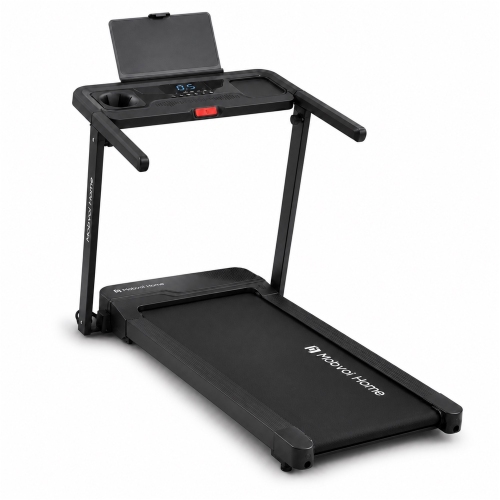
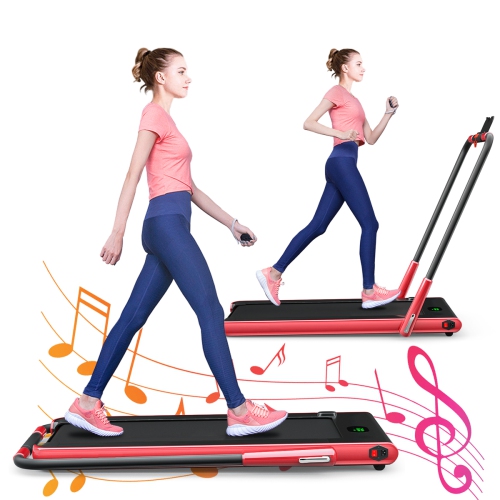
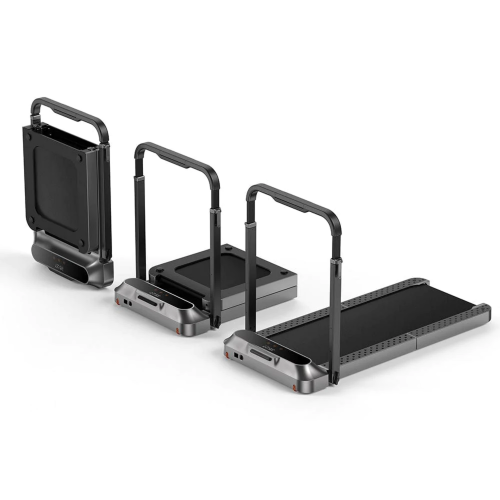
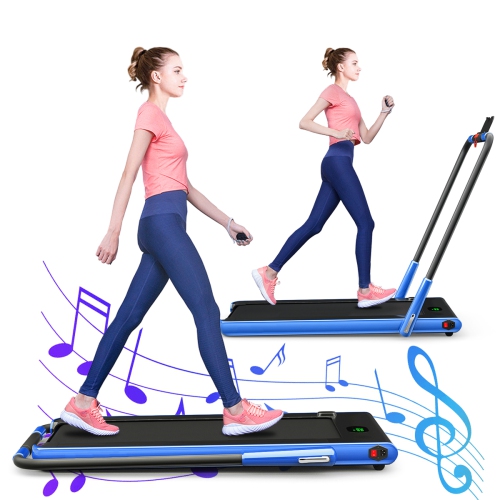
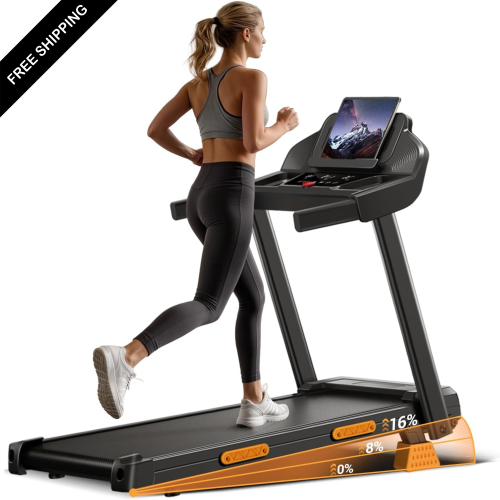
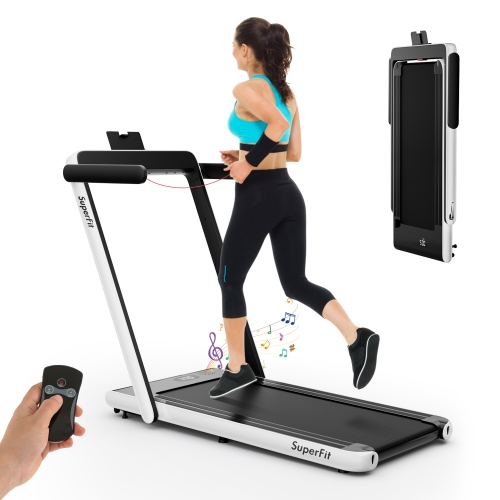
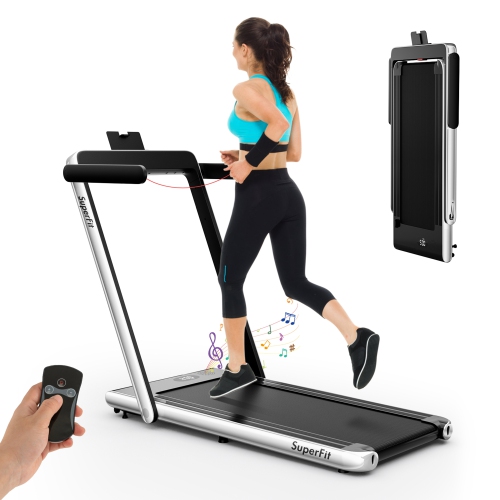
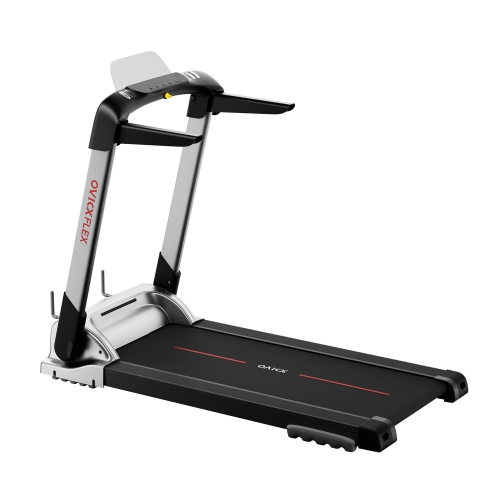
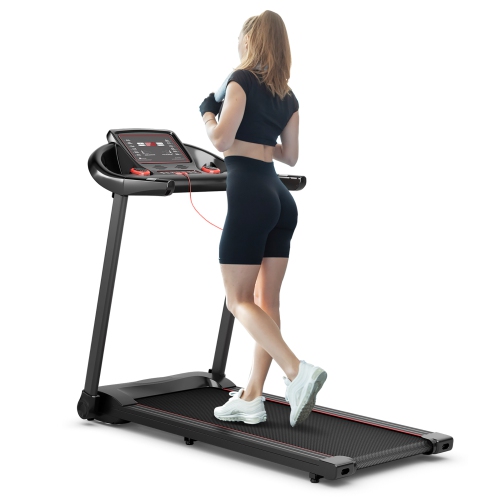
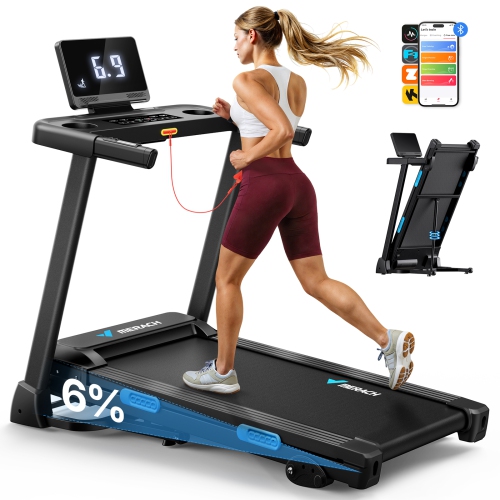
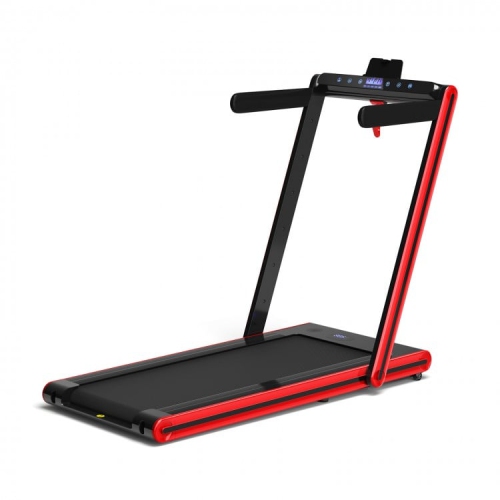
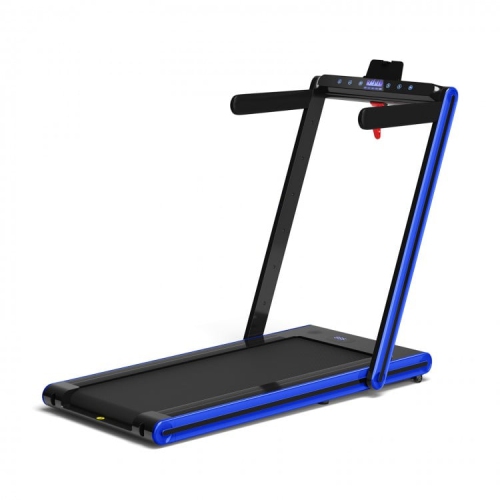

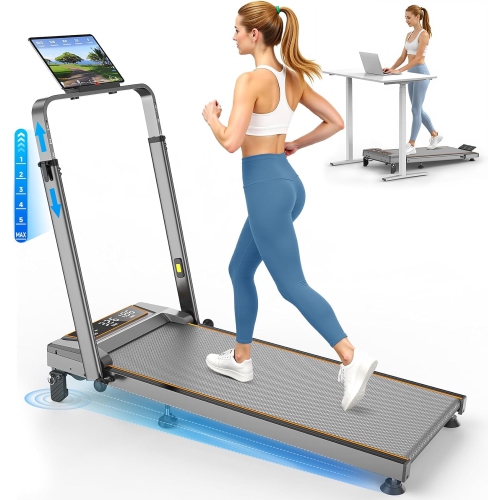
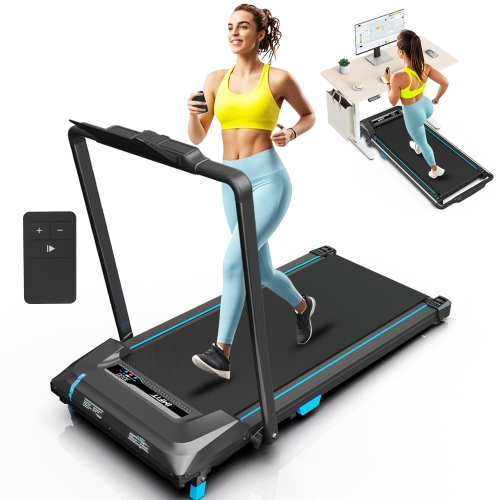

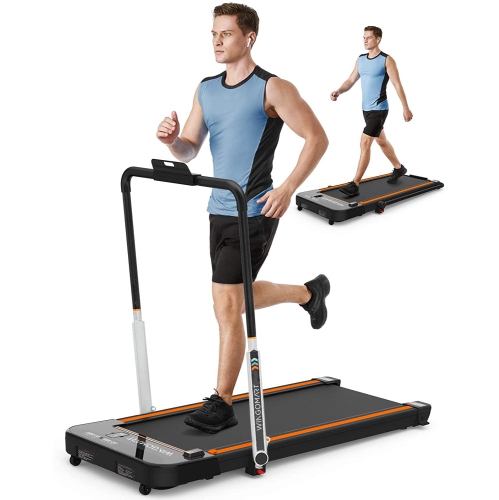
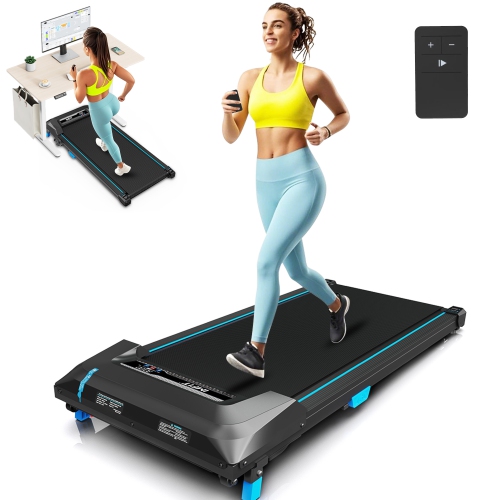
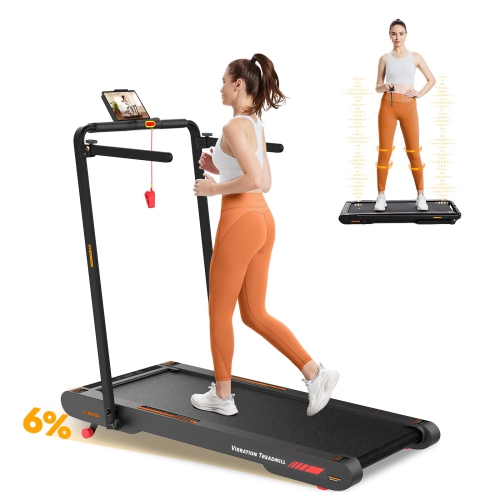
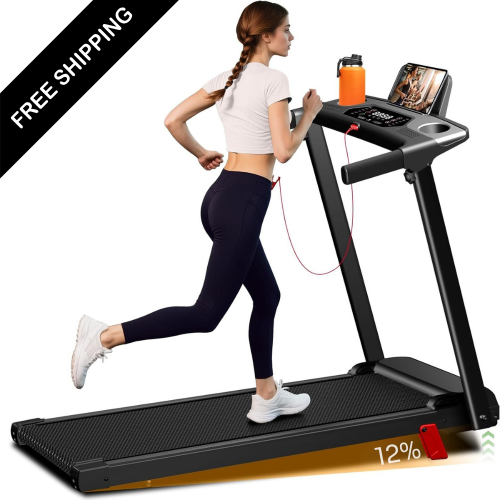
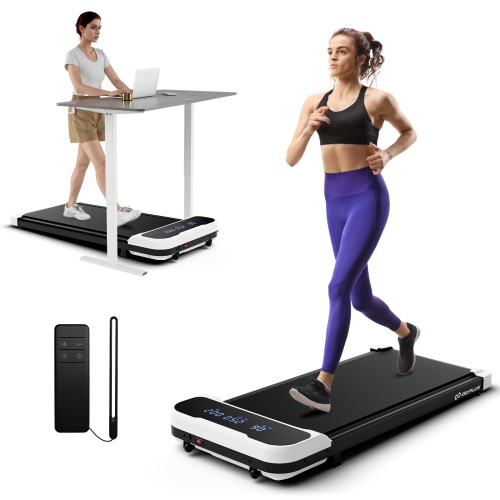
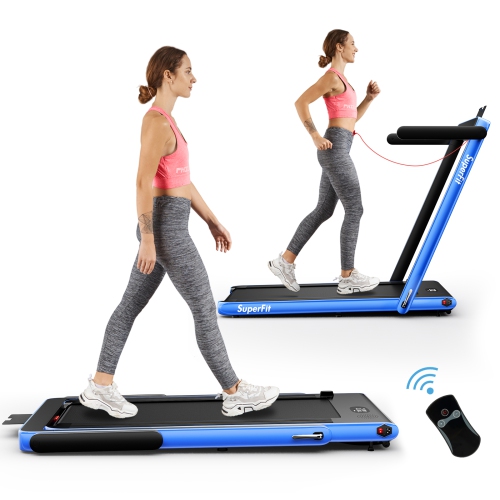
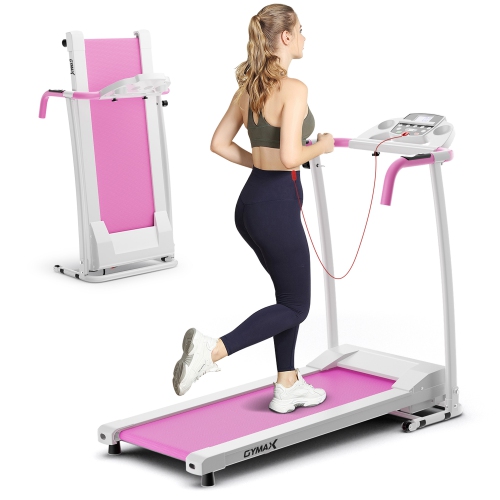
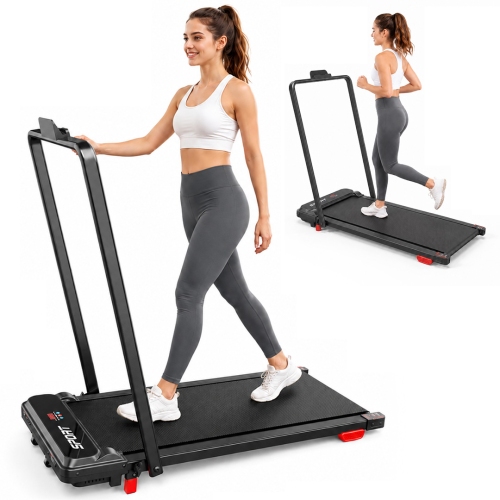
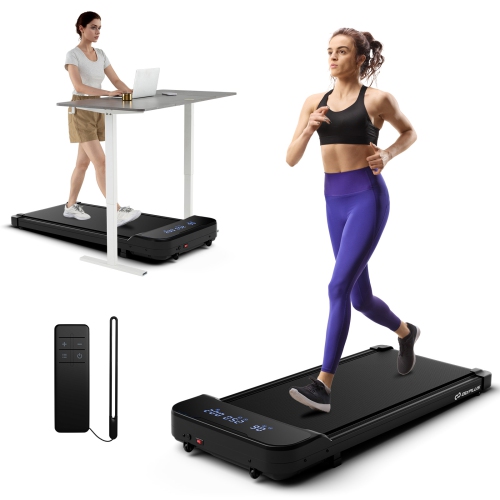
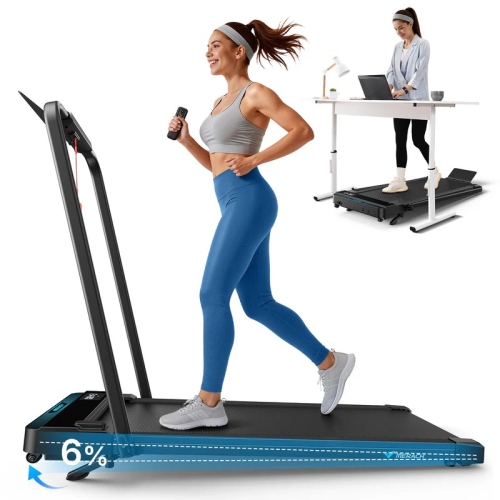
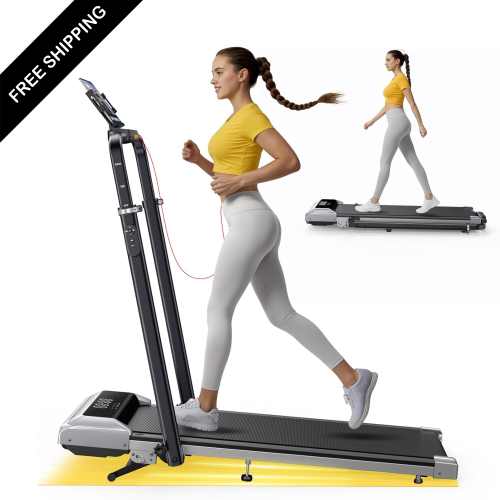
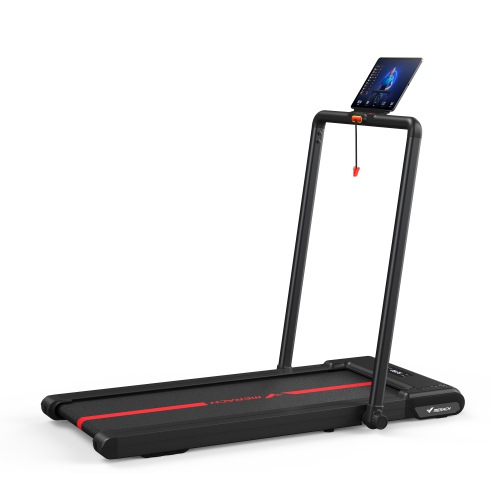
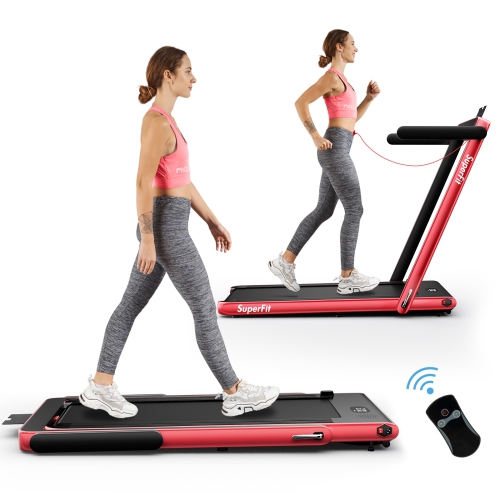
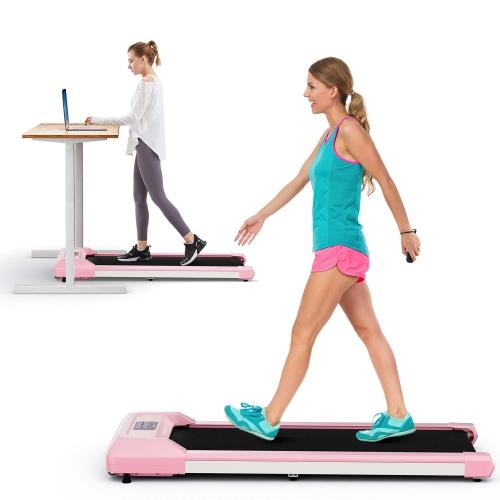
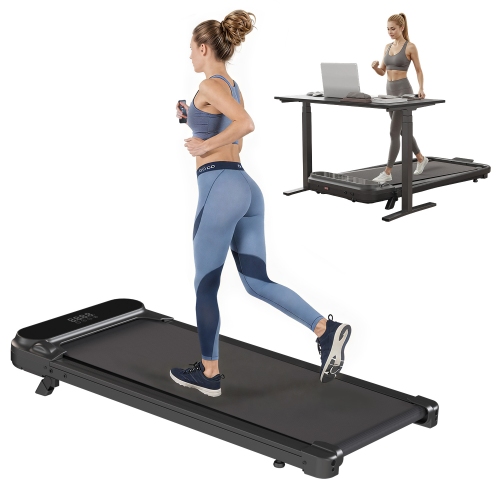
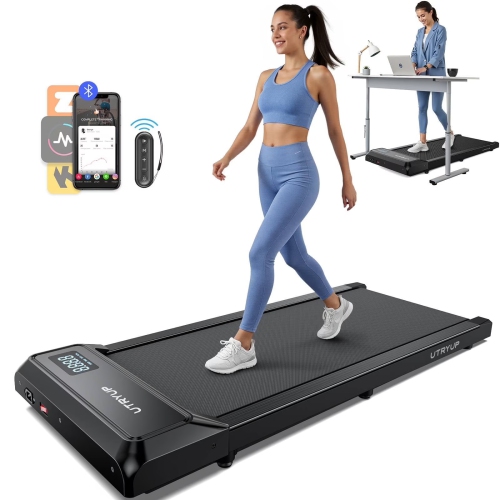
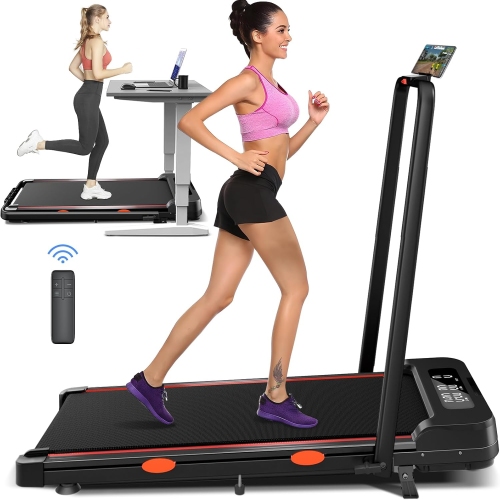
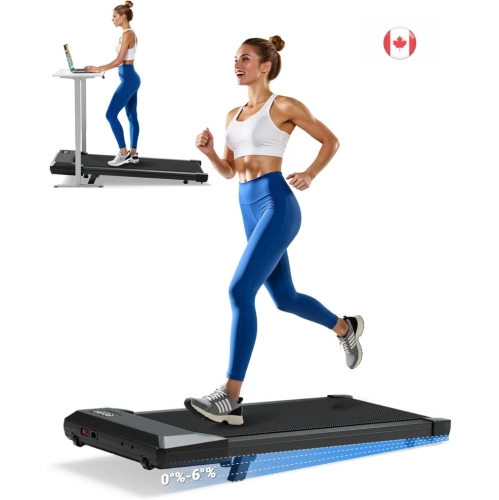
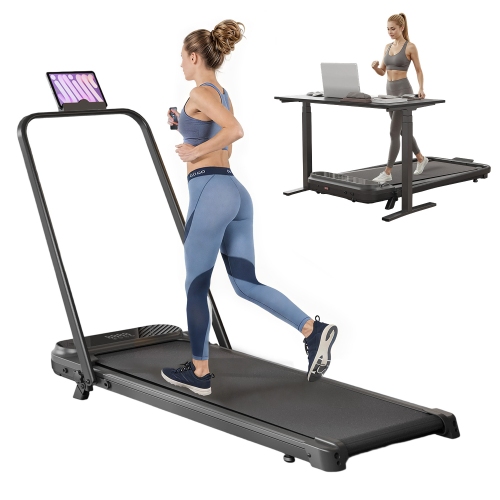
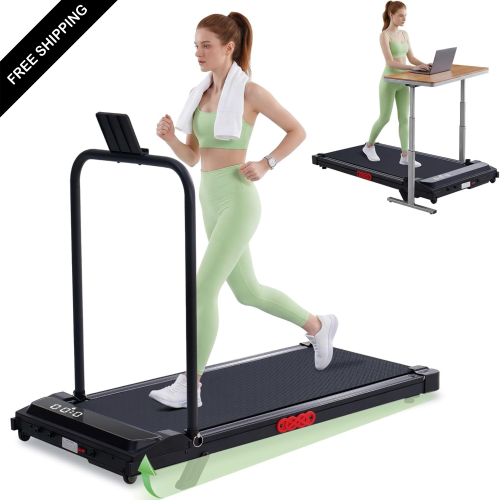
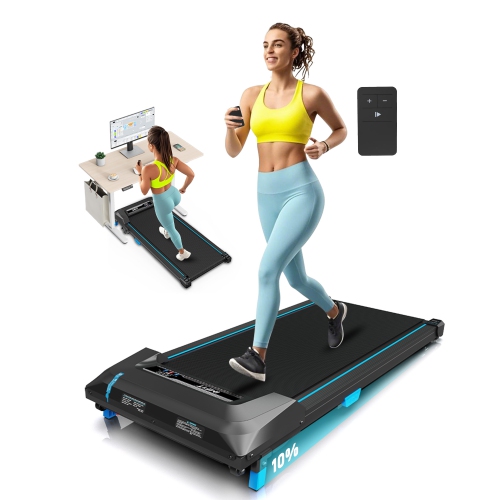
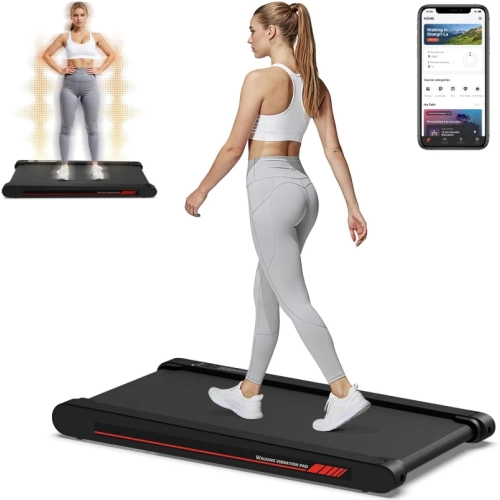
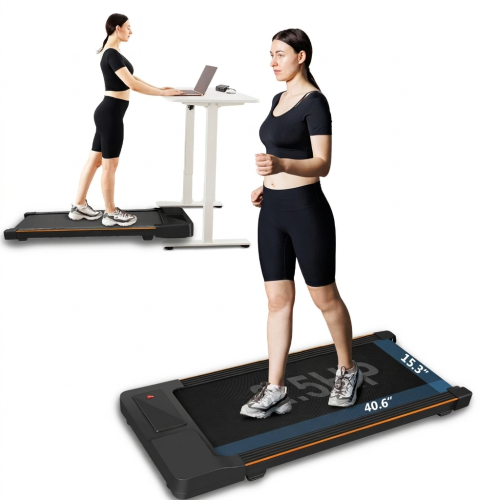
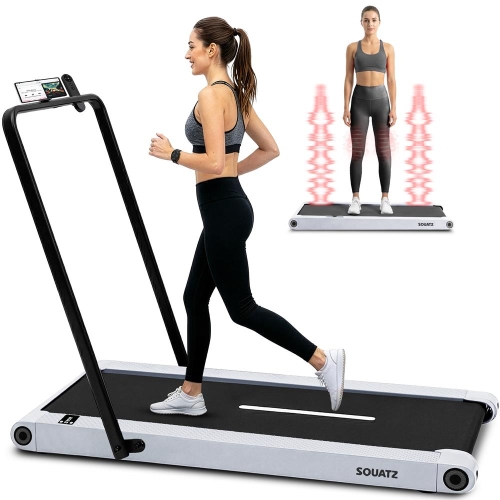
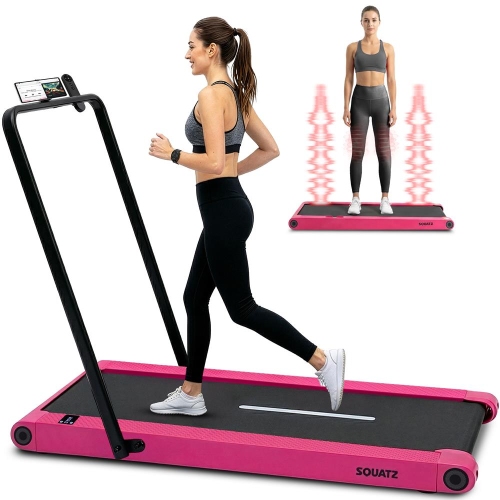
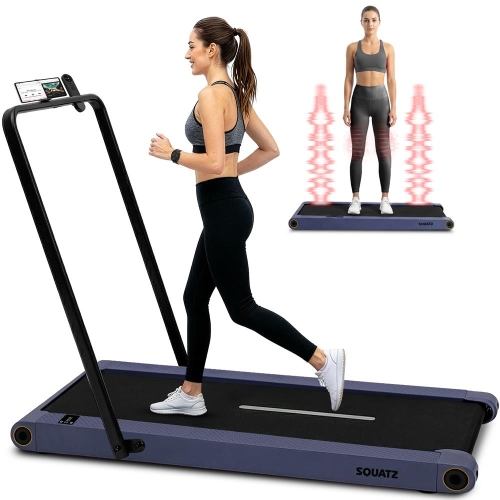
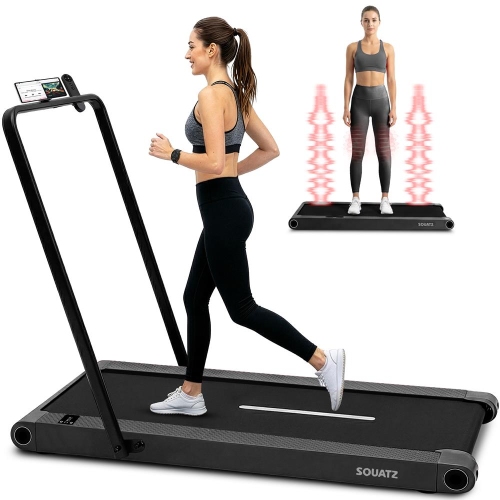

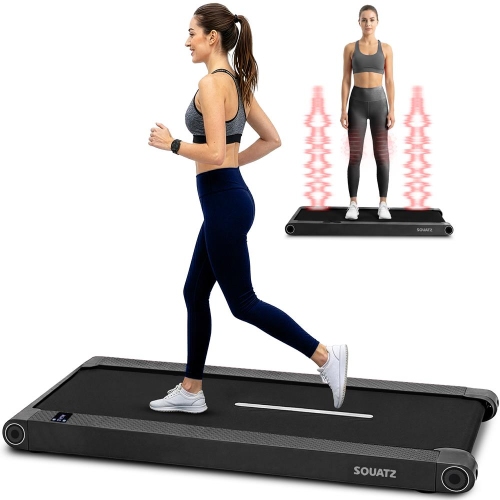


What makes a treadmill fit your stride and space
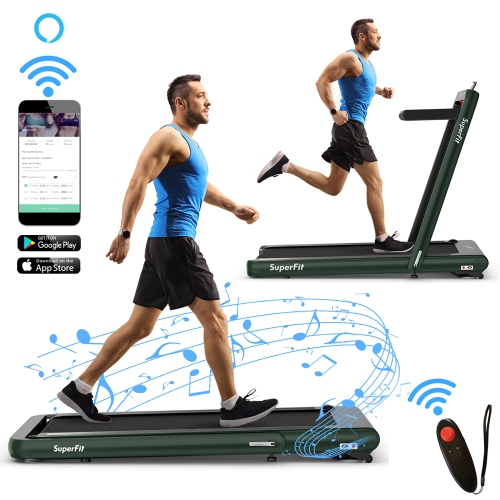
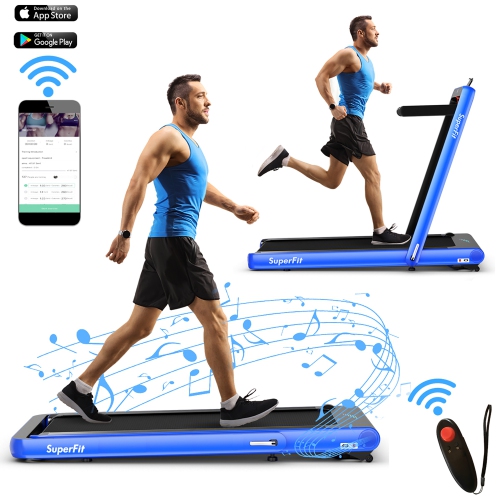
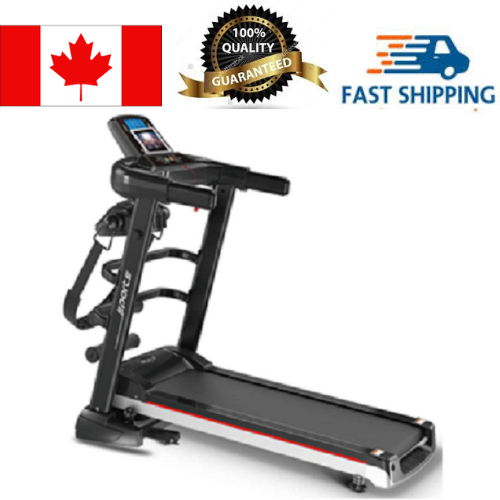
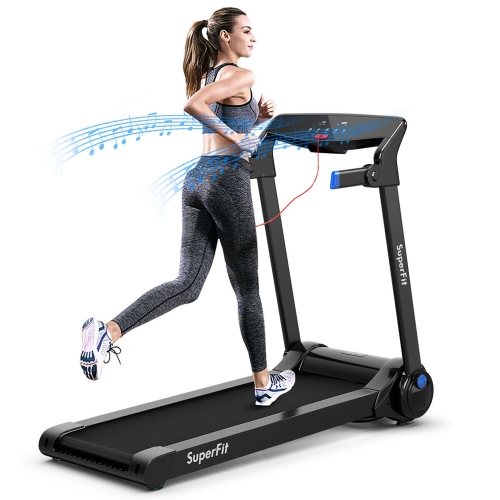
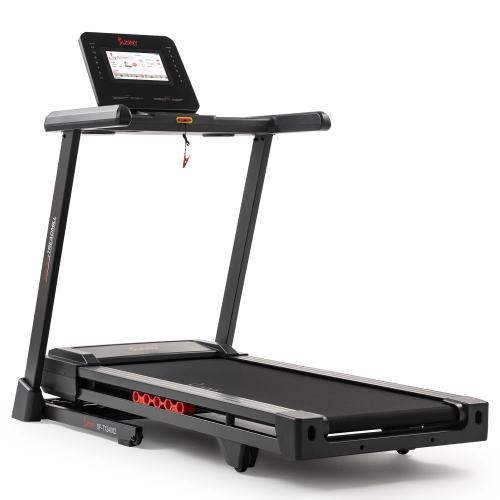
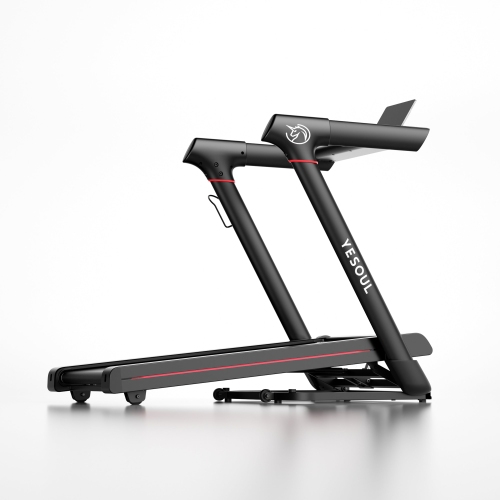
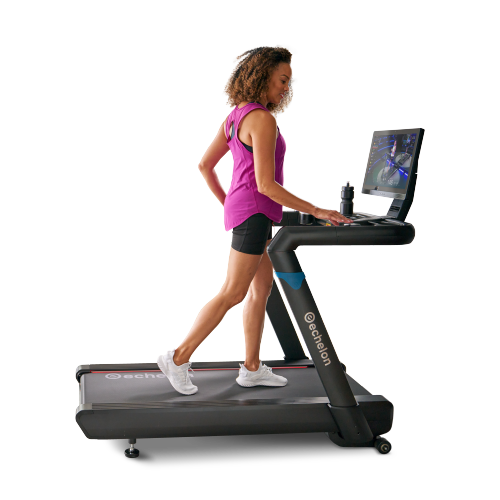
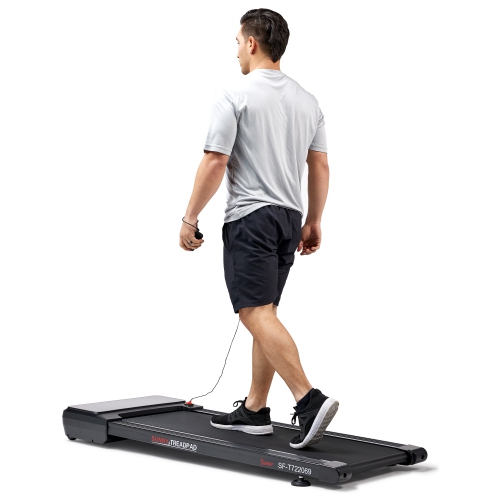
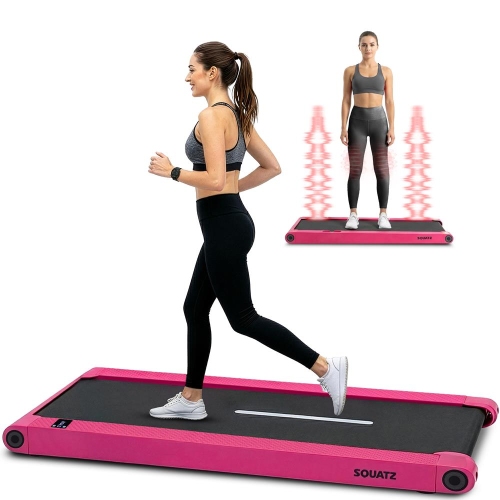
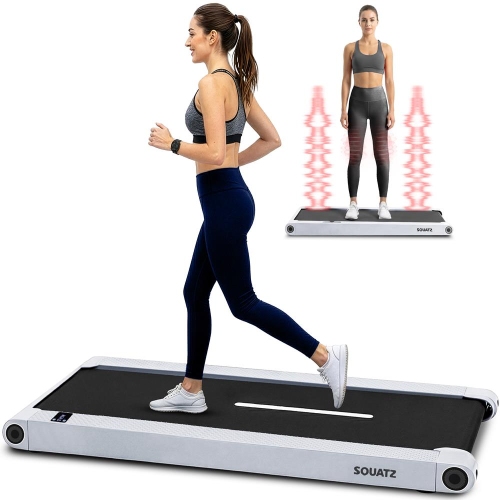
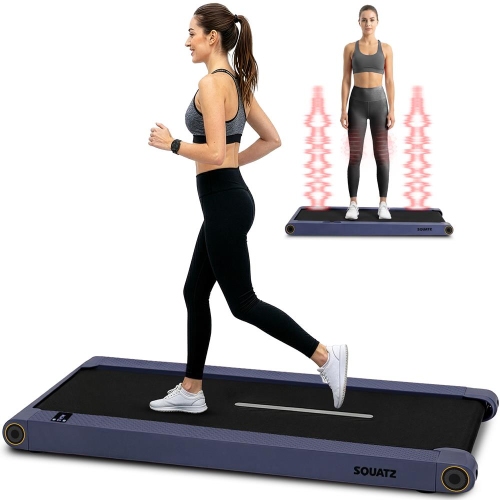
Gym equipment treadmills are indoor cardio machines with a moving belt for walking, jogging, or running. They bring a familiar form of exercise into a home workout space, allowing a steady walk before breakfast, a lunchtime jog, or a longer training session without relying on daylight or dry pavement. During the cooler months, that consistency can be especially useful when outdoor routes are slippery or difficult to fit into a busy schedule. Motorized treadmills move the belt at a selected speed, while manual treadmills rely on the user’s movement to drive it; curved manual designs have a different running feel and may take some adjustment. Across these designs, the right fit depends on the intended activity, the people sharing the machine, and the space around it. Walking generally requires less belt length and motor output than sustained running, while taller users and runners with longer strides often benefit from a more generous running surface. A belt around 51 cm wide and 152 cm long can provide useful room for running, although individual stride and overall machine design still matter. For motorized treadmills, continuous horsepower describes sustained motor output and is more informative than a peak horsepower figure alone. Frequent running and use by several household members call for a motor, deck, and frame suited to that workload, rather than simply a high maximum speed. User weight limits, permitted session lengths, and the manufacturer’s stated use are important distinctions between compact home equipment and machines intended for repeated sessions in a shared gym. The Treadmills for Fitness collection brings this everyday exercise format into focus for people building a dedicated workout room or making space for regular movement at home. Beginners, experienced runners, and households with different fitness goals may all use a treadmill, but each benefits from a machine whose controls, dimensions, and capabilities match how it will actually be used.
The running surface and support structure shape much of a treadmill’s feel. Steel frames are common for their strength and stability, while textured belts provide traction over a supportive deck. Frame construction, component quality, and the rigidity of the machine under movement matter more than an imposing appearance. A stable treadmill should feel composed during the intended workout, without excessive movement through the uprights or console. Deck cushioning can soften the feel of foot strikes compared with a hard surface, though it does not guarantee freedom from joint discomfort or injury. Some users prefer a firmer platform that feels closer to outdoor running, while others appreciate more give during a brisk walk. Powered incline adds another dimension by raising the front of the deck, increasing effort at a given speed and creating the feel of uphill movement. Some treadmills also offer decline, while others have manually adjusted incline positions that must be changed between sessions according to the manufacturer’s instructions. Smooth speed transitions, accessible handrails, and clearly marked controls make these features easier to use without interrupting a comfortable rhythm. A readable console can display elapsed time, distance, speed, and incline, with calorie figures treated as estimates rather than precise measurements. Handgrip heart rate sensors can provide a general indication, but readings may vary with movement and grip; compatibility with an external sensor may matter to users who track training intensity. Connected features can include app integration, virtual routes, instructor-led sessions, and workout history, depending on the machine and compatible services. Built-in connectivity is less important for someone who simply wants straightforward speed controls and a place to rest a tablet. For a household alternating between walking and running, quick-access buttons and easy profile changes can be more useful than a crowded screen. Bottle holders, fans, and device shelves are small details, but their positioning makes a difference during a longer session when water, airflow, and a clear view of the display become part of the routine.
A treadmill also needs to fit the room when it is in use, not just when it is stored. Its full footprint includes the deck, console, and manufacturer-specified clearance beside and behind the machine. Ceiling height deserves attention because the deck raises the user above floor level, and incline raises that position further. Folding designs can free up floor space between workouts, but the folded dimensions, lifting mechanism, and transport wheels affect how practical that arrangement will be. A machine that folds is not necessarily easy to carry upstairs or move through a narrow doorway. In an apartment or an upstairs workout room, both motor noise and the vibration of repeated foot strikes can travel beyond the immediate space. A suitable equipment mat may help protect flooring and reduce some vibration, but it will not eliminate sound transmission or make an unsuitable floor appropriate for a heavy machine. Access to an electrical outlet that meets the manufacturer’s requirements is another part of placement, along with keeping power cords out of walking paths. Day-to-day care is usually straightforward but should follow the instructions for the particular treadmill. Wiping perspiration from handrails and console surfaces with an appropriate cloth, keeping the surrounding floor free of dust, and checking belt tracking can help maintain consistent operation. Lubrication requirements vary: some belts need a specified lubricant at set intervals, while others should not be lubricated by the user. Belt tension, loose fasteners, and unusual sounds also deserve attention before a small change becomes a larger repair. Safety features such as an emergency stop and a wearable safety key should be used as directed, with children and pets kept away from the moving belt and the area behind it. For households using the treadmill regularly, durable components, accessible maintenance information, and clear warranty terms help support long-term ownership. The most useful setup is one that suits both the workout and the room, making an ordinary walk or run a comfortable part of the day.
Top selling and popular products
-
 Your price for this item is $1099.98
-
 Your price for this item is $2901.98
-
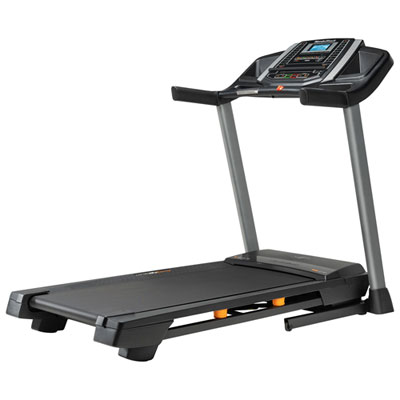 Your price for this item is $940.98
-
 Your price for this item is $1293.98
-
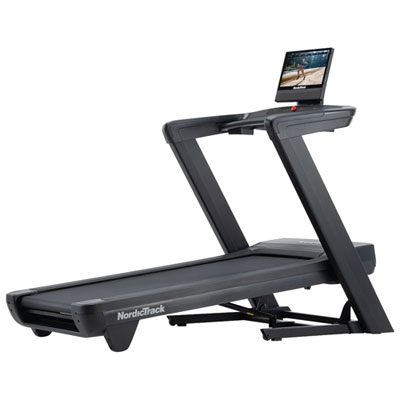 Your price for this item is $2501.98
-
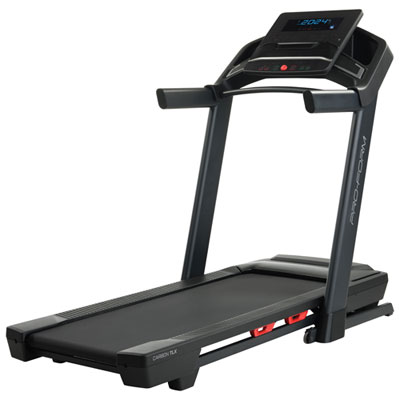 Your price for this item is $1399.99
-
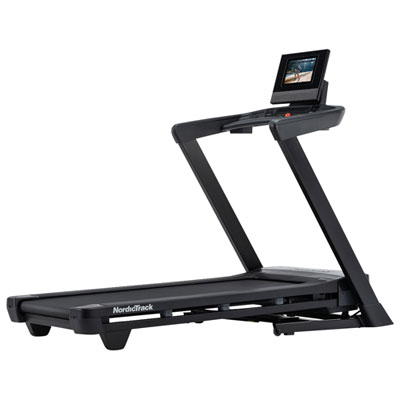 Your price for this item is $1799.99
-
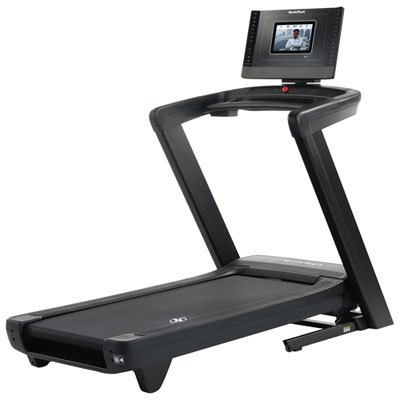 Your price for this item is $2698.98
Discover more categories related to Gym Equipment Treadmills
Top Collections:
Pokemon Centers, Kindle Devices, Best Budget Office Chairs, Canon G7X Cameras, Apple iPhones 16, Samsung Galaxy Phones, Refurbished Apple Laptops, Laptops for Students, iPhone 15 Apple, Budget Smartphones
Some products may be subject to Environmental Handling Fees
(EHF) depending on your province.
Learn more about EHFs.