Hair Styling Tools
Looking to achieve salon-worthy hair at home? Look no further than our collection of hair styling tools. Whether you're after sleek and straight locks, voluminous curls, or effortless waves, we have the perfect tools to help you achieve your desired look. From high-quality hair dryers and straighteners to curling irons and hot air brushes, our range of hair styling tools is designed to cater to all your hairstyling needs. With advanced technology and innovative features, these tools will not only style your hair flawlessly but also protect it from heat damage. Discover the power of professional-grade hair styling tools and unleash your creativity with Best Buy Canada. Also check out our selection of Automatic Hair Curlers for even more options!






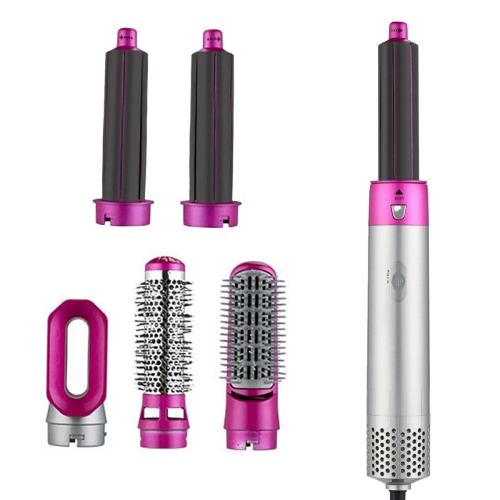
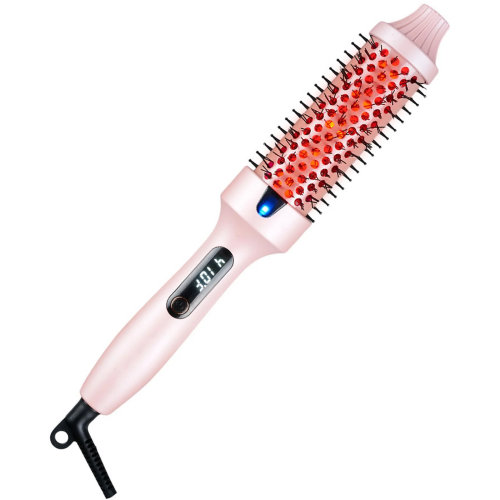
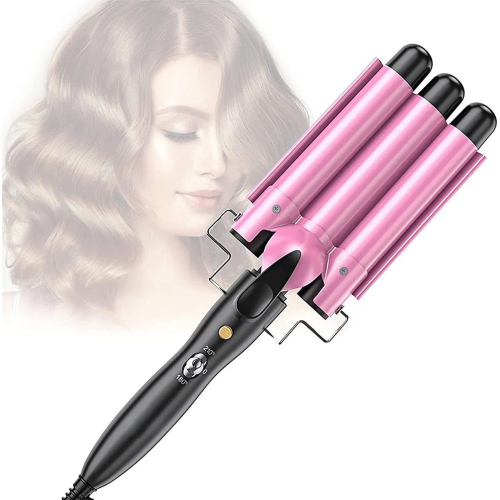
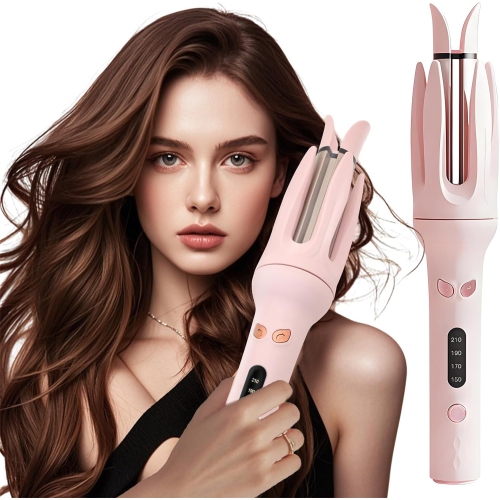








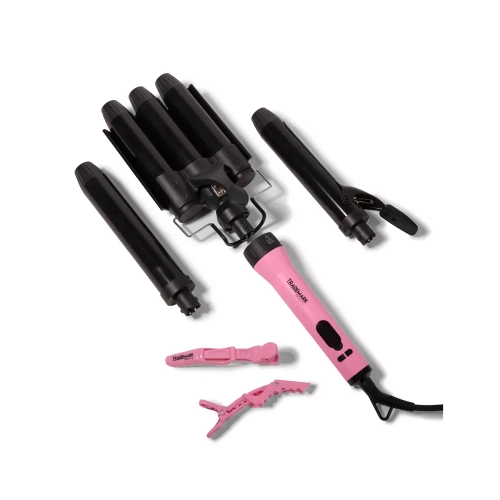

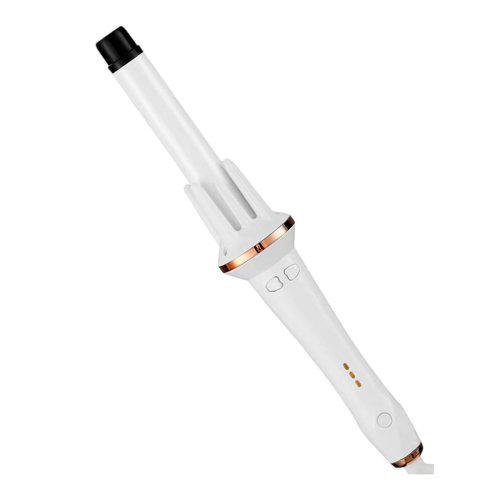
How heat settings and tool shapes affect your style
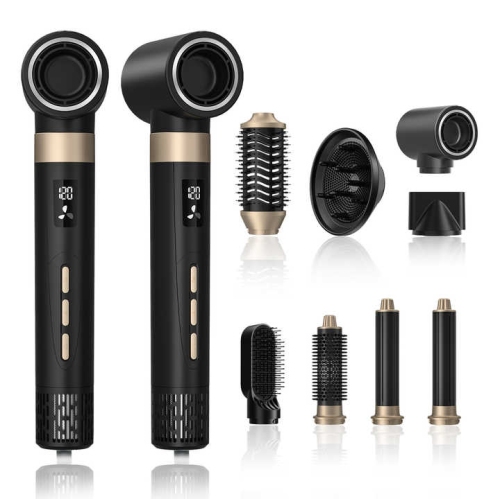
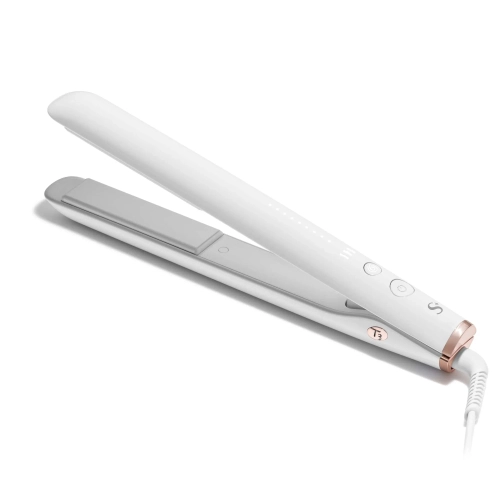
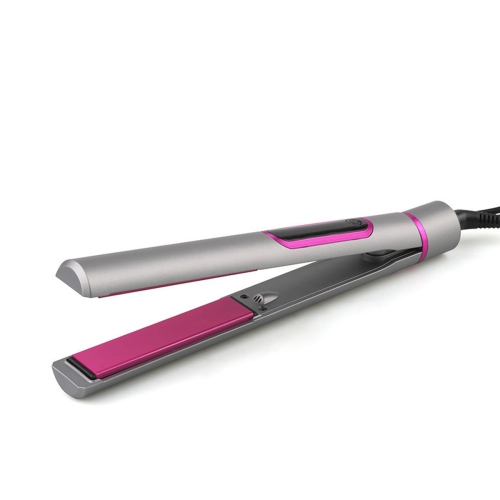
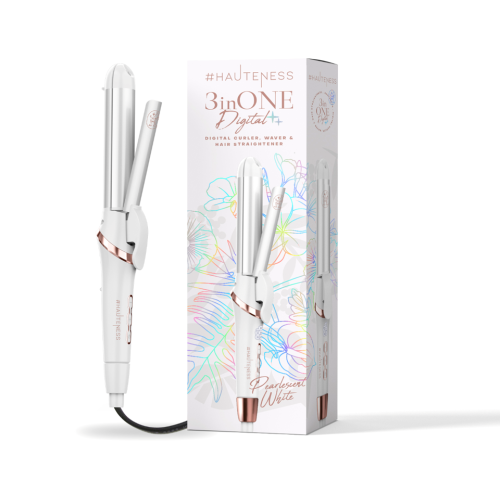
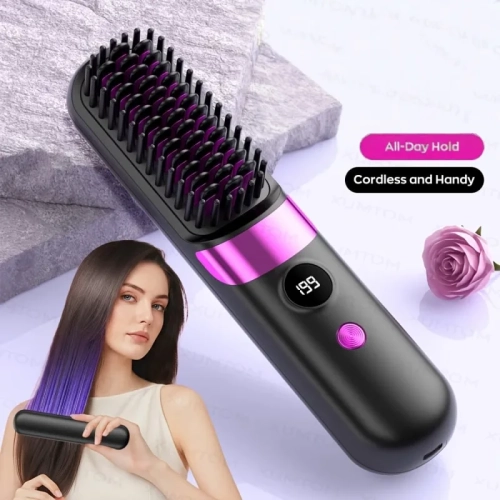
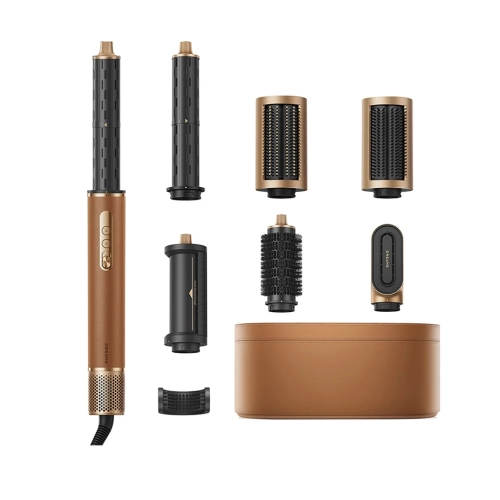
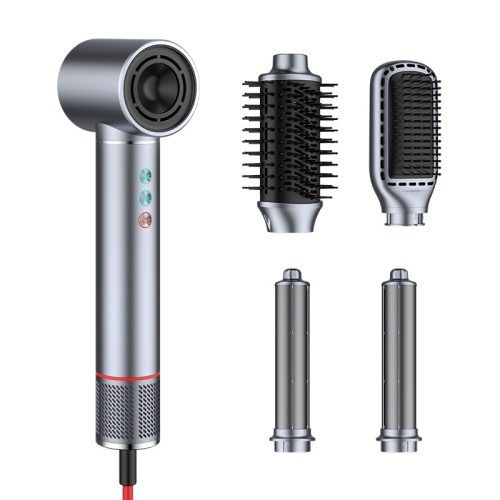
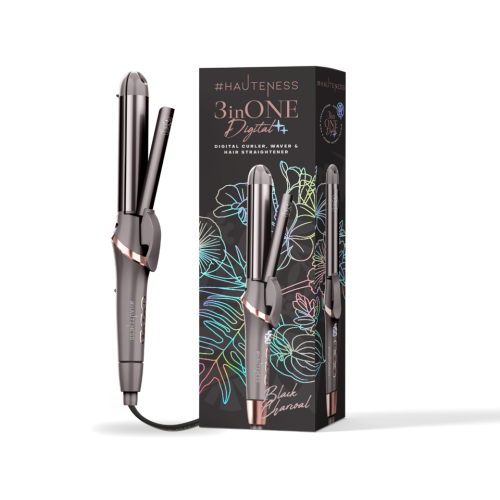
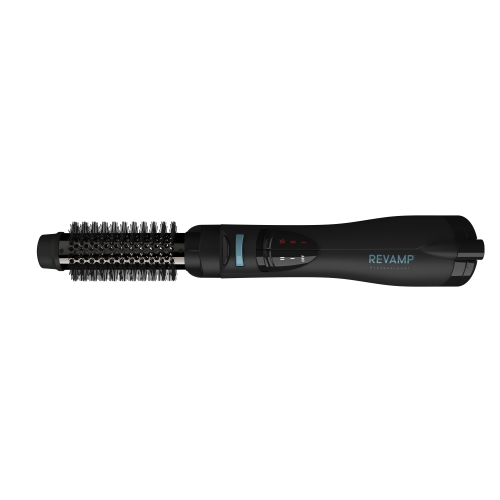
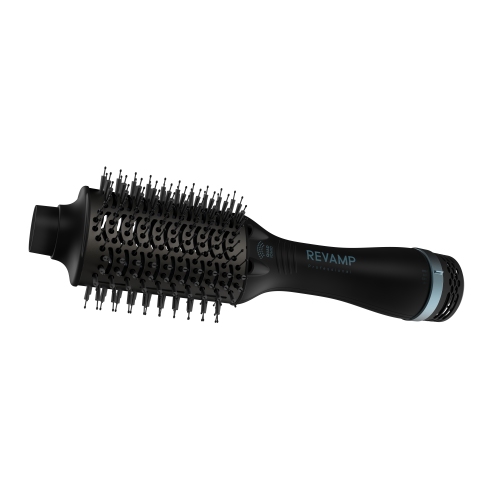
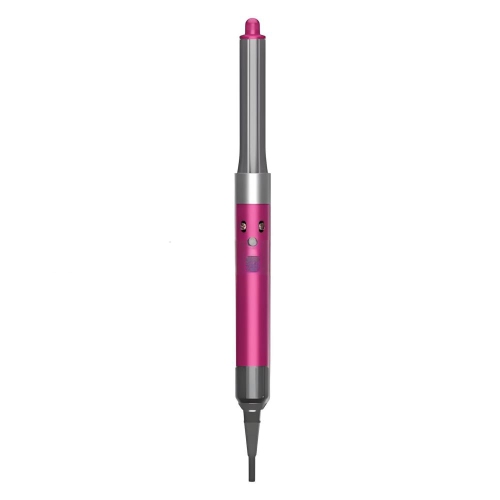
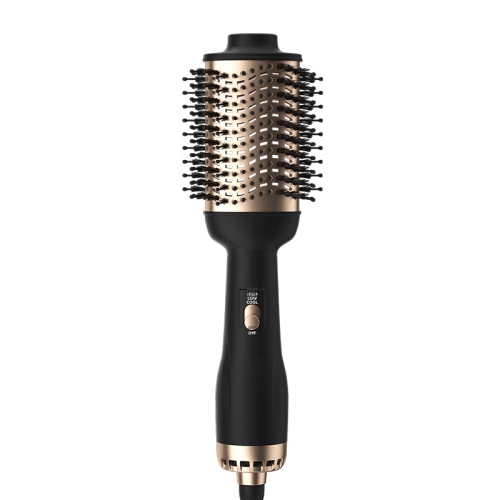
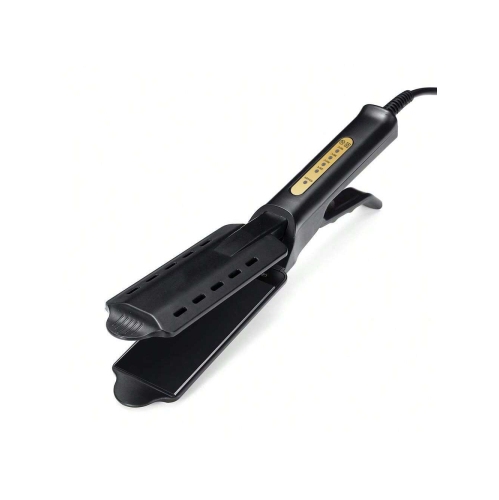
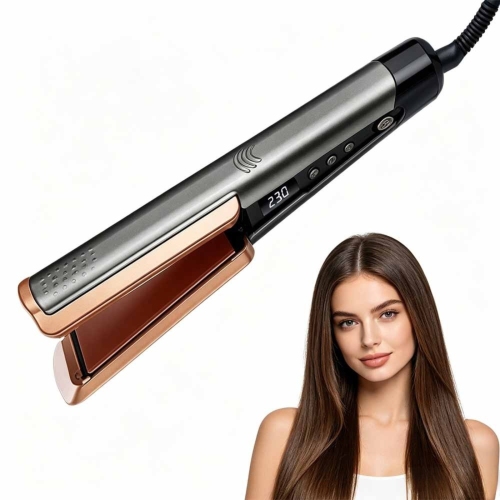
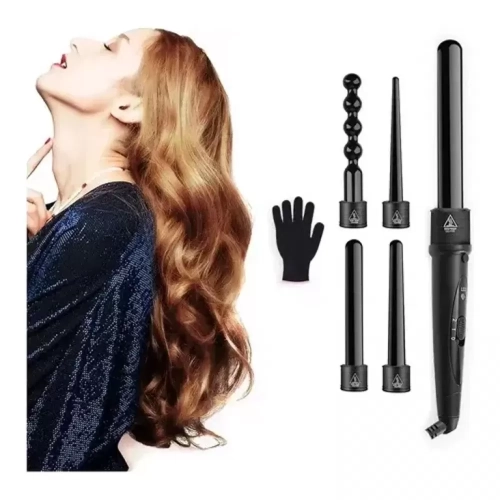
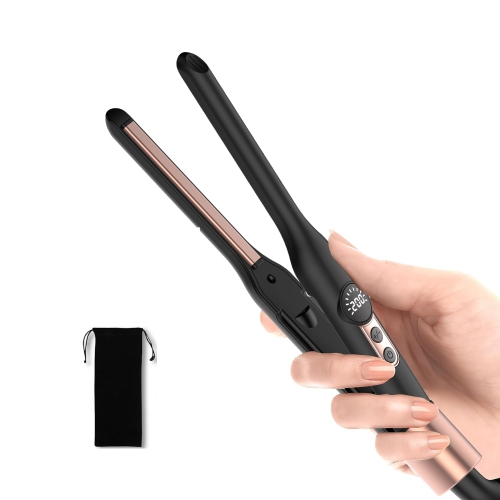
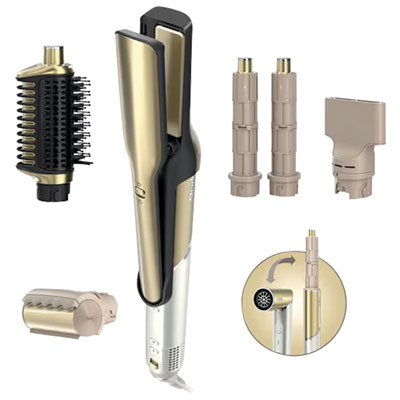
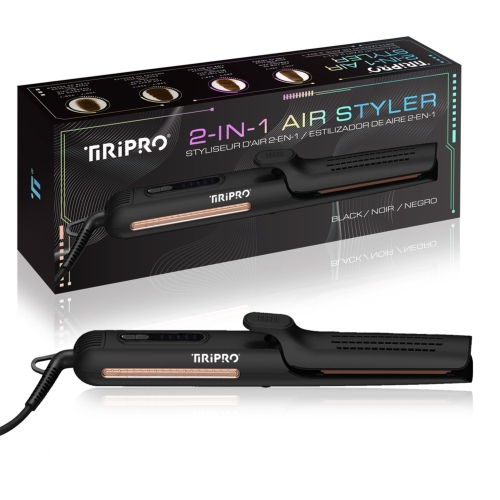
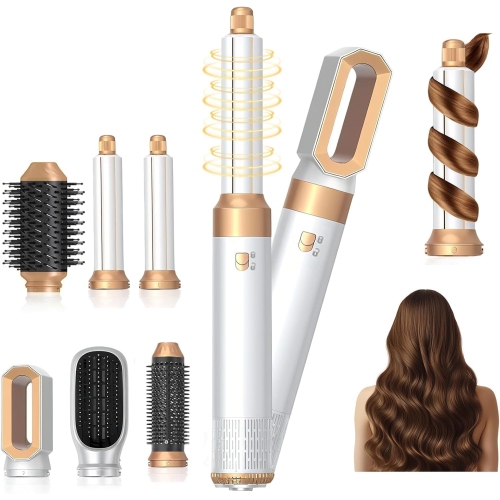
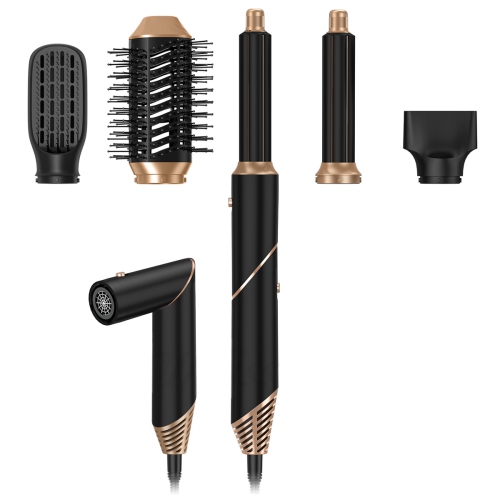
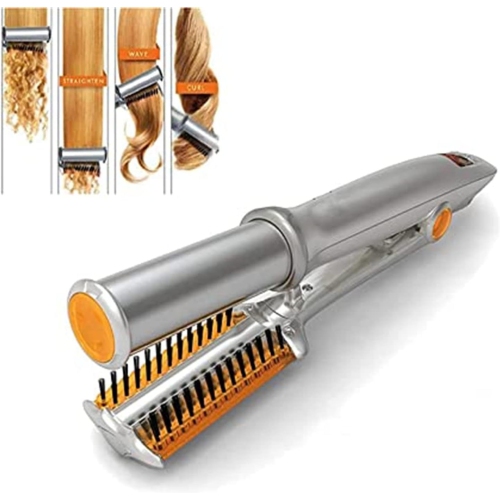
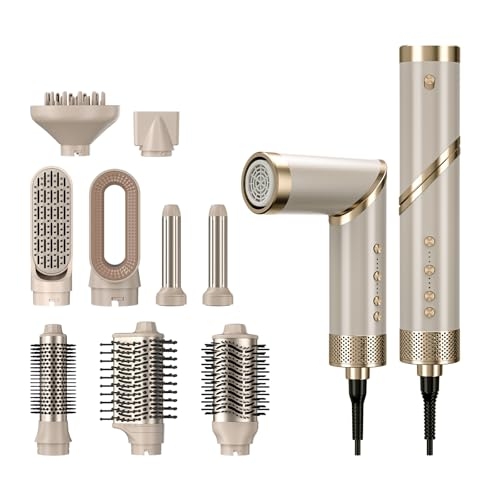
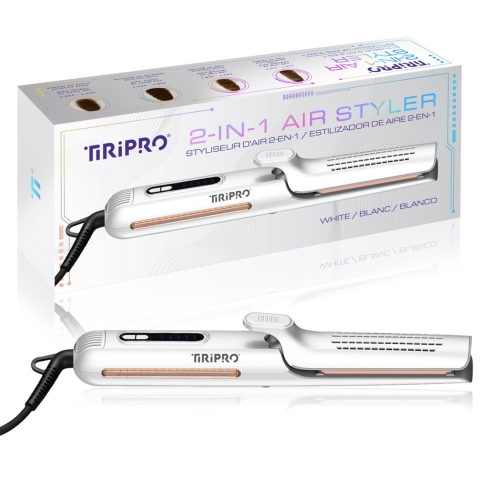
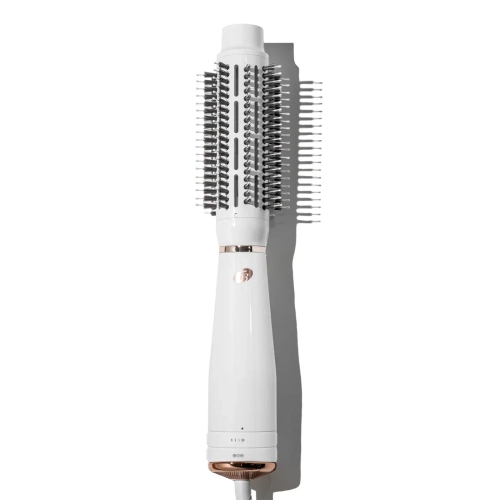
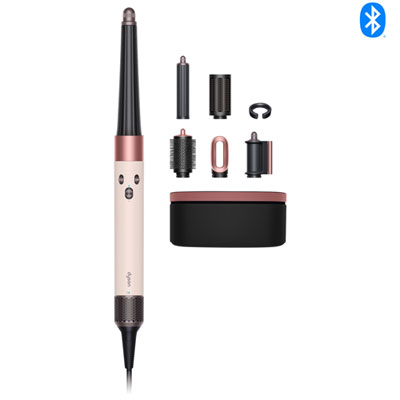
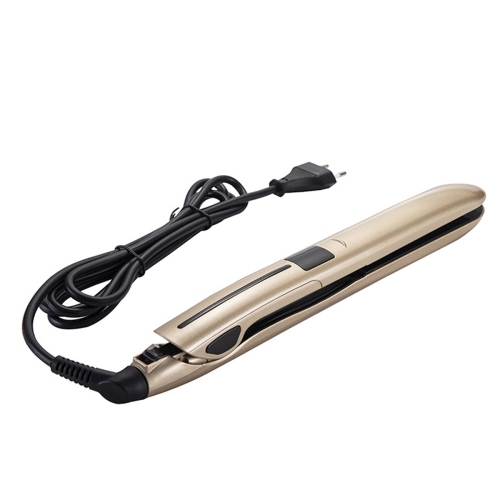
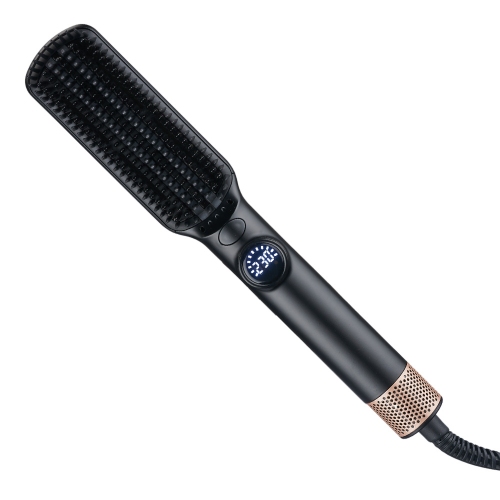
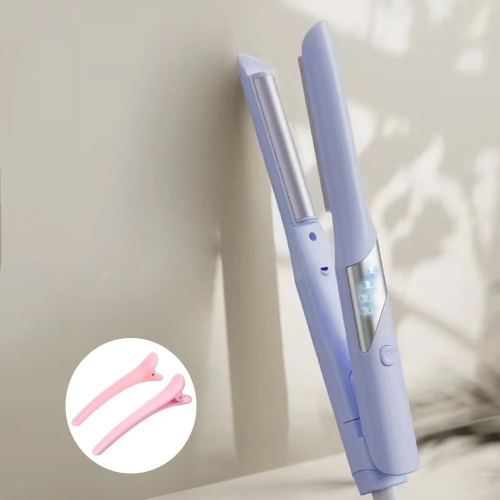
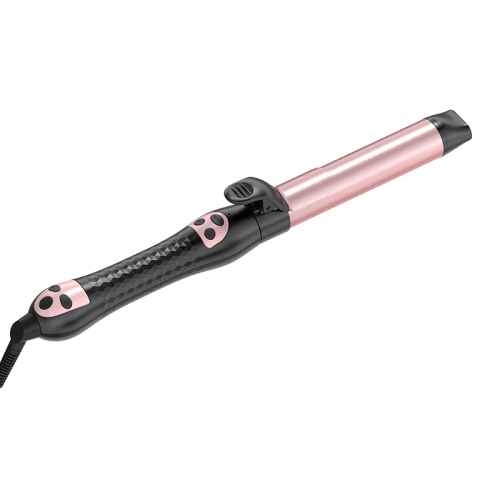
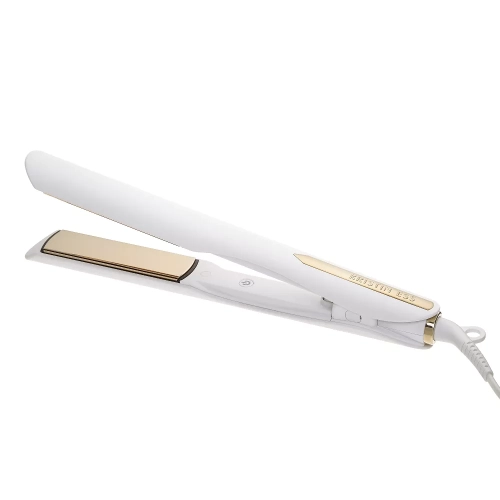
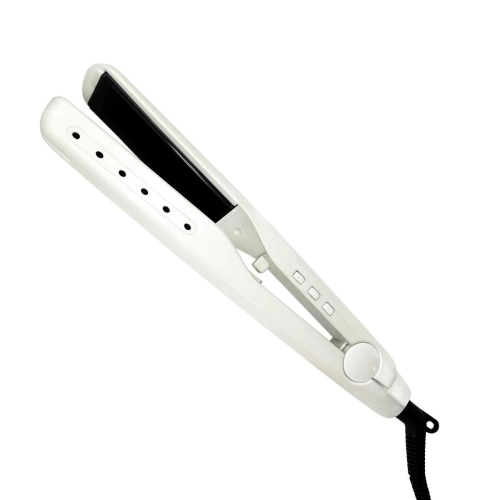
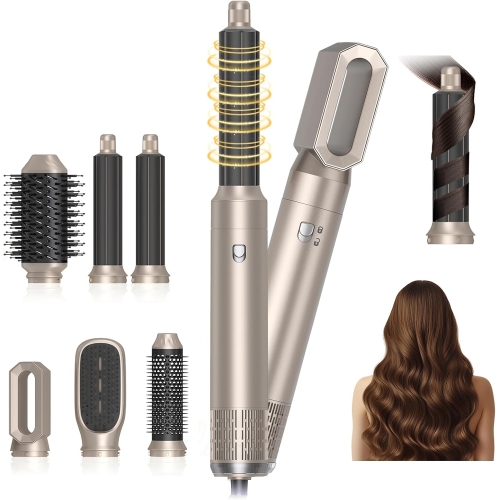
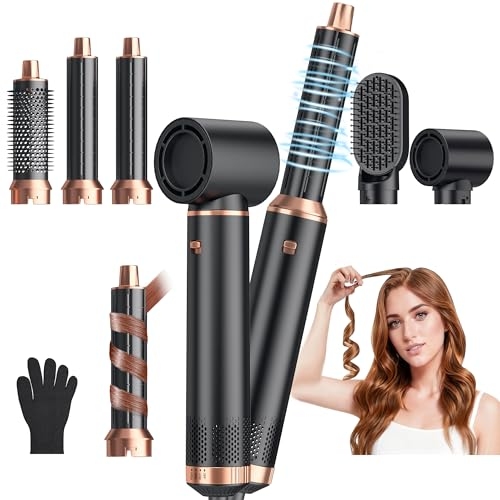
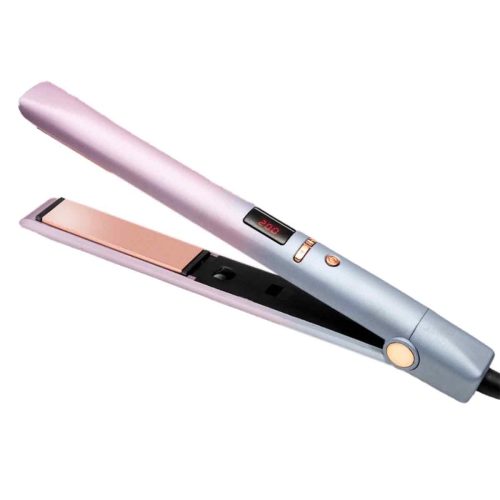
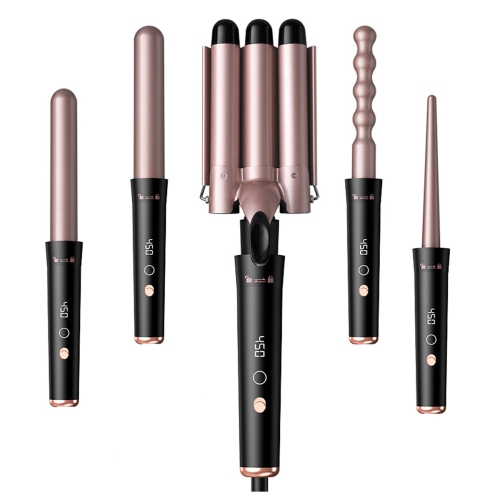
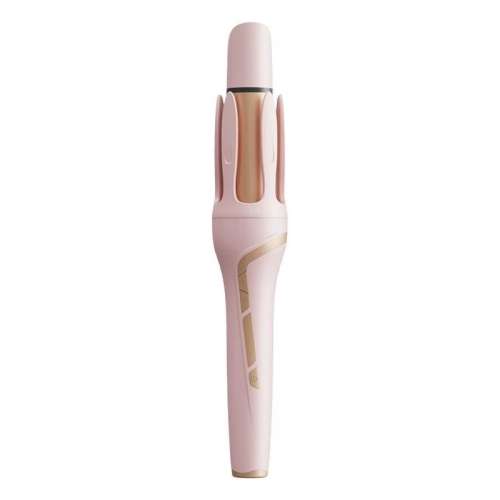
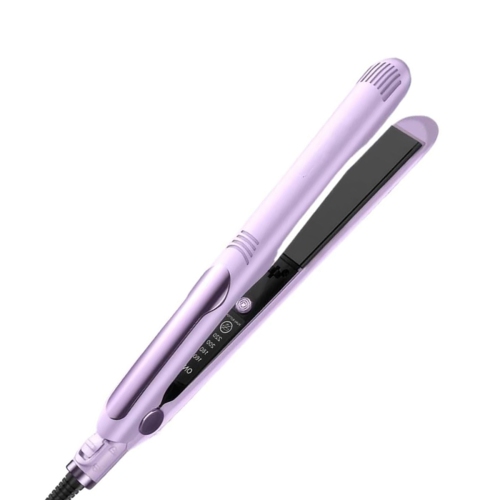
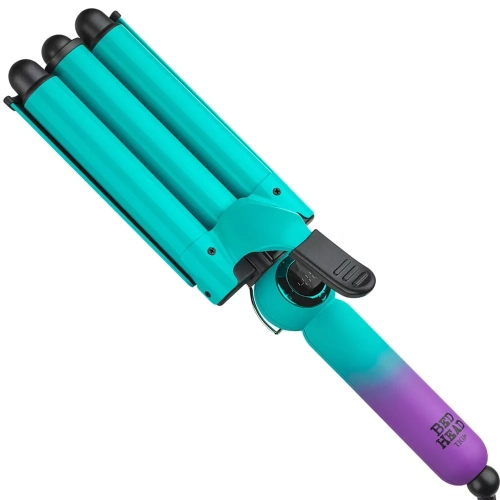
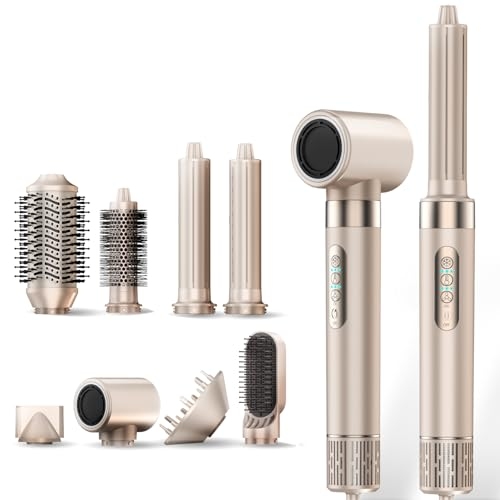
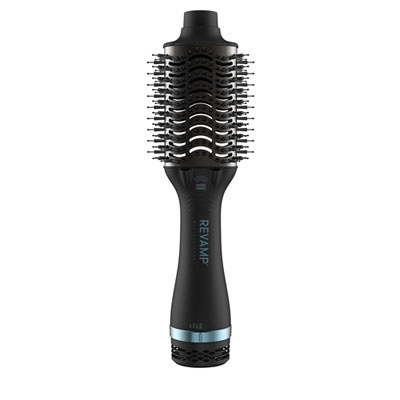
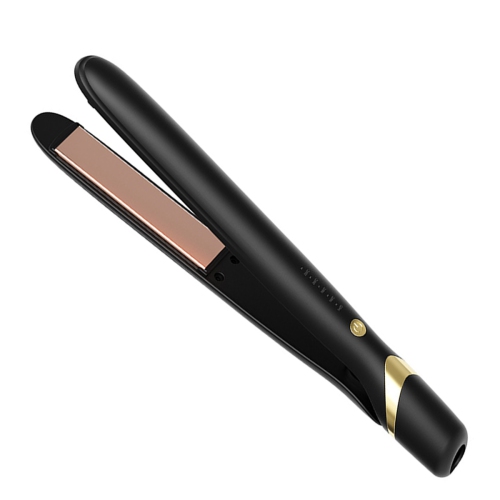
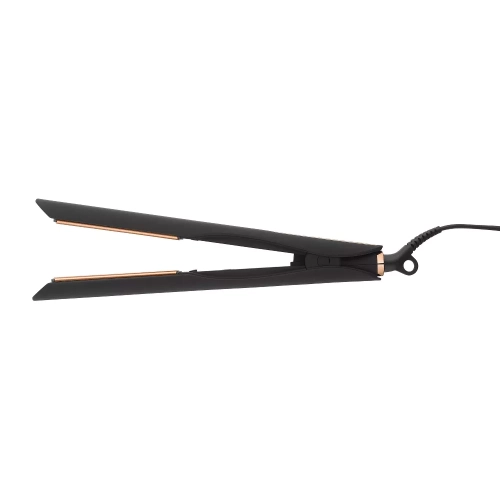
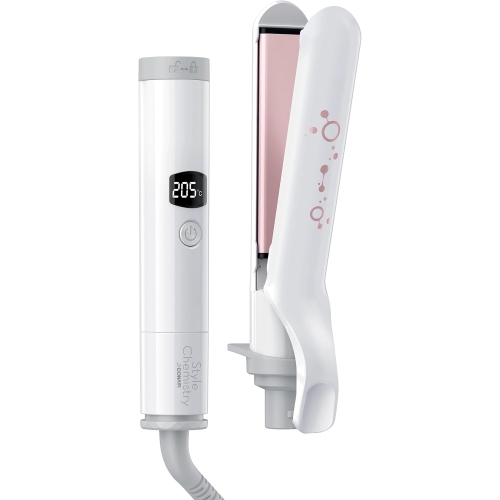
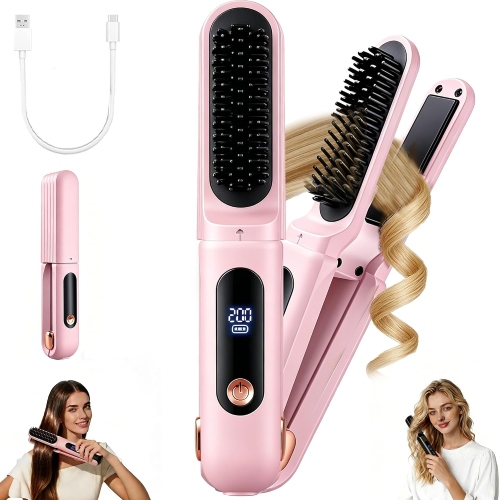
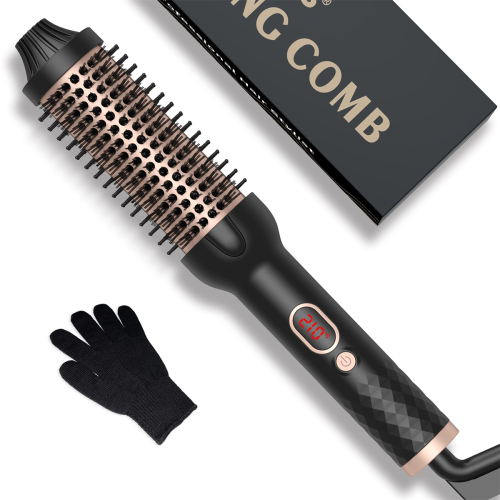
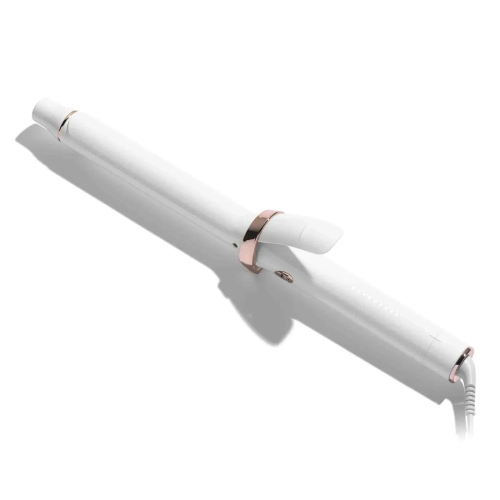
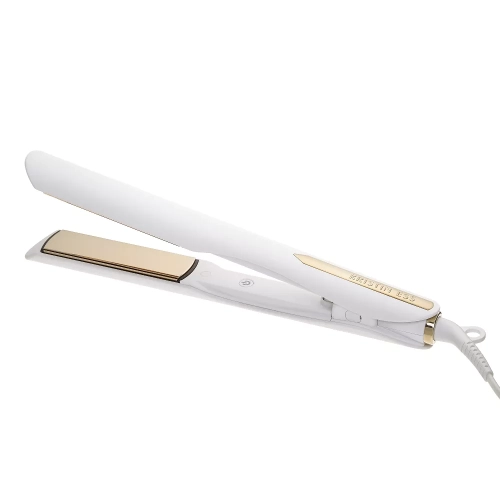
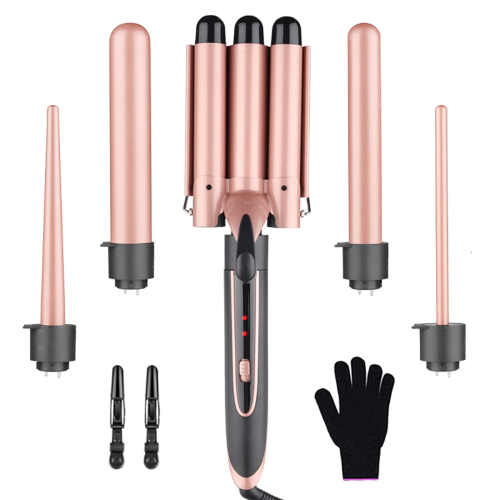
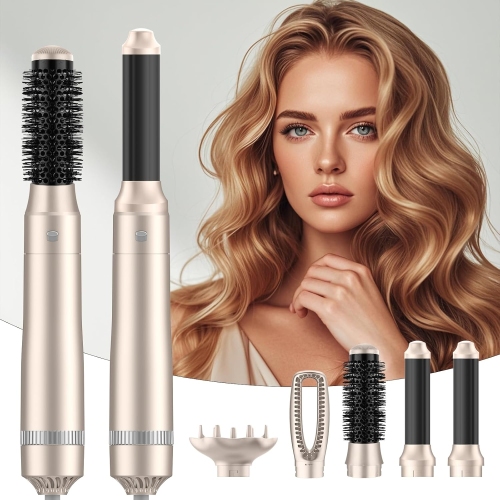
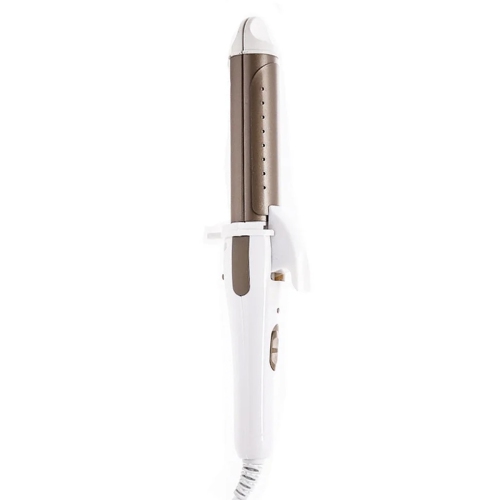
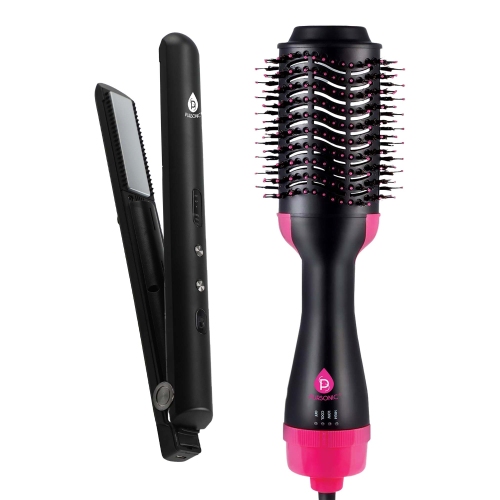
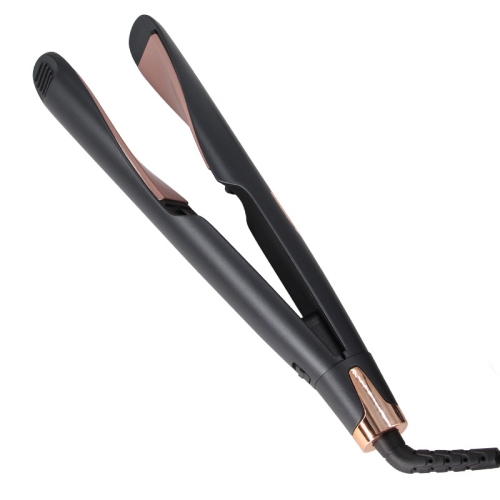
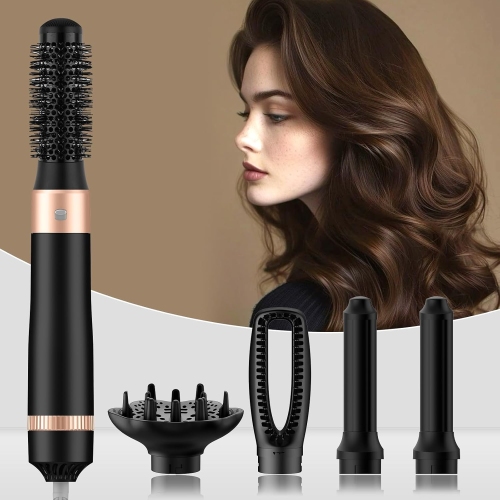
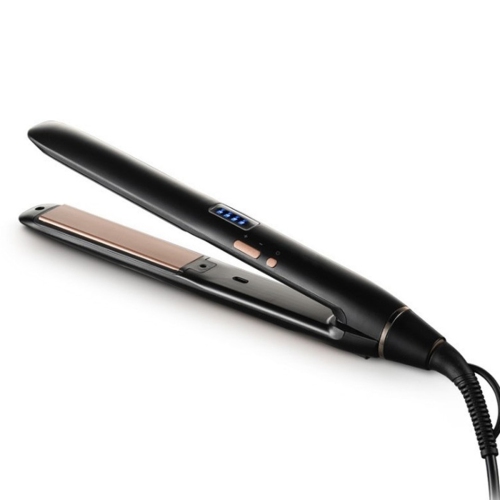
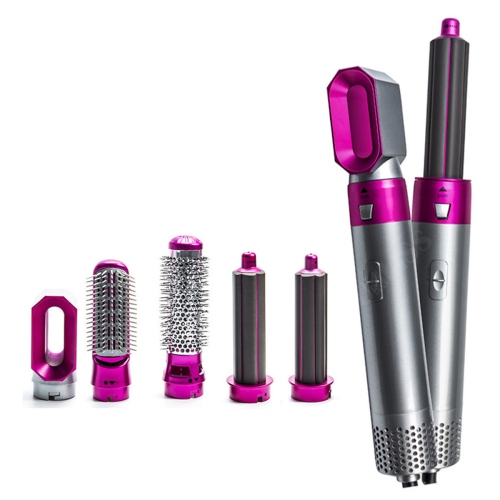
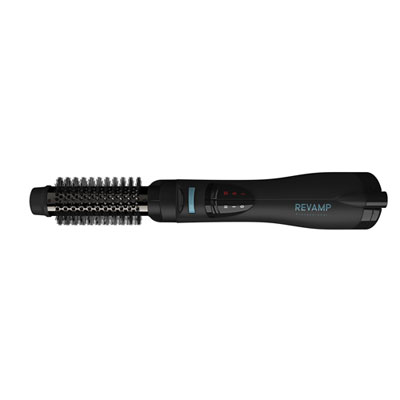
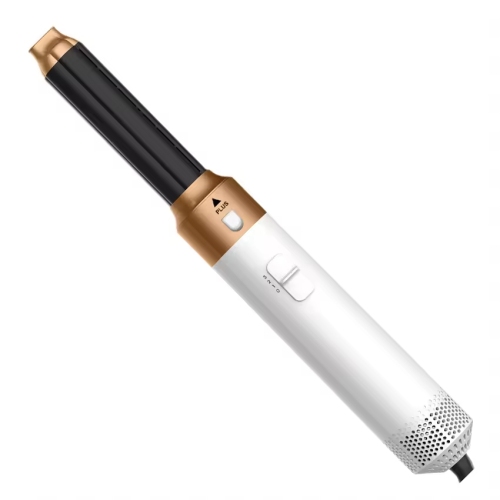
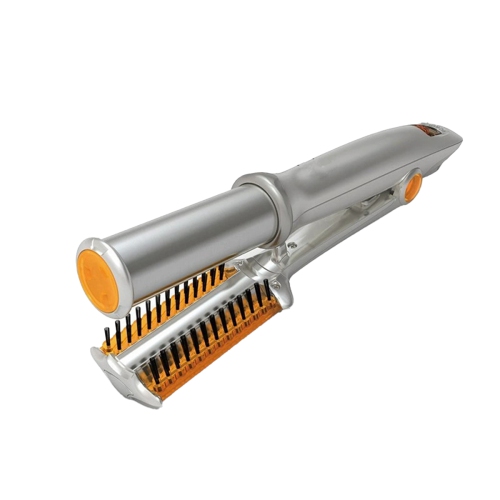
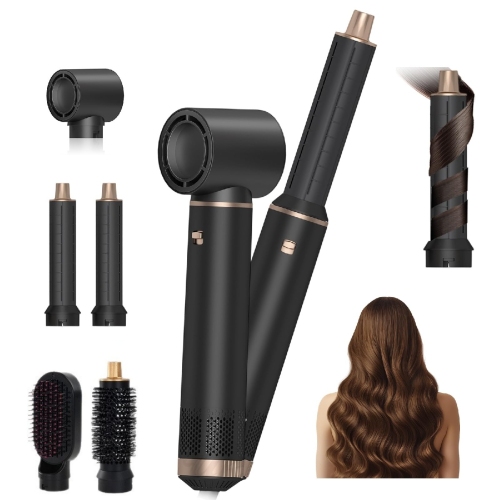
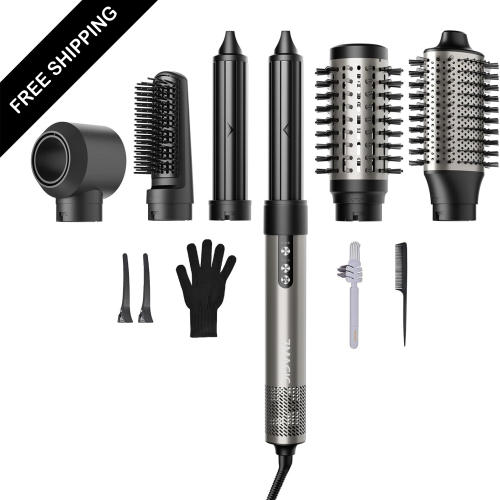
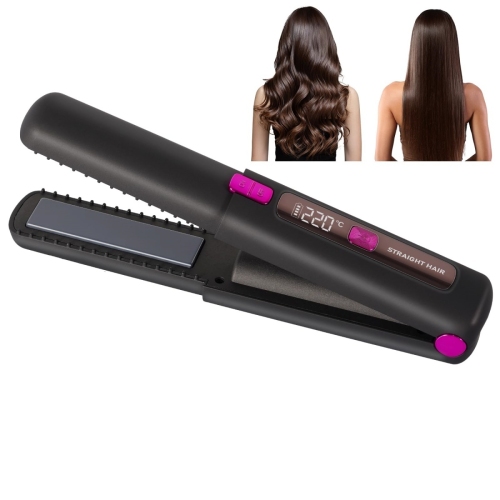
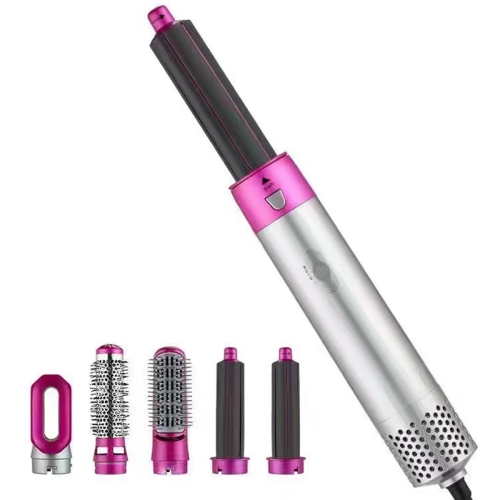
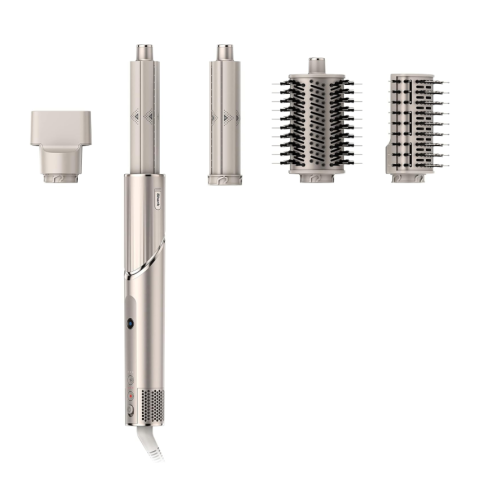
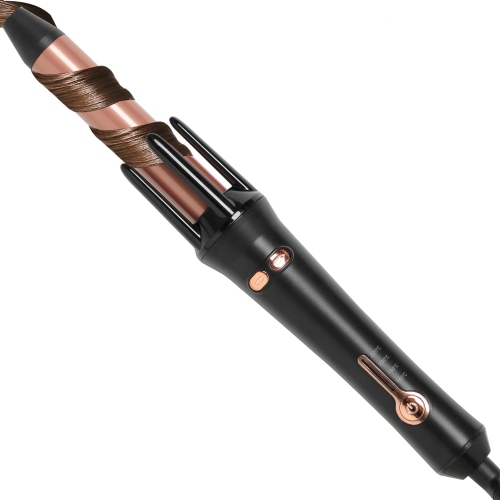
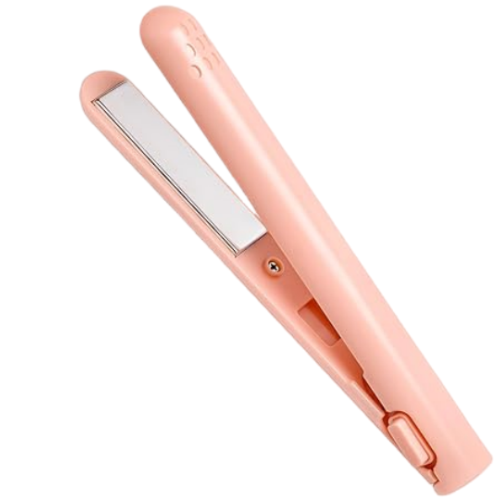
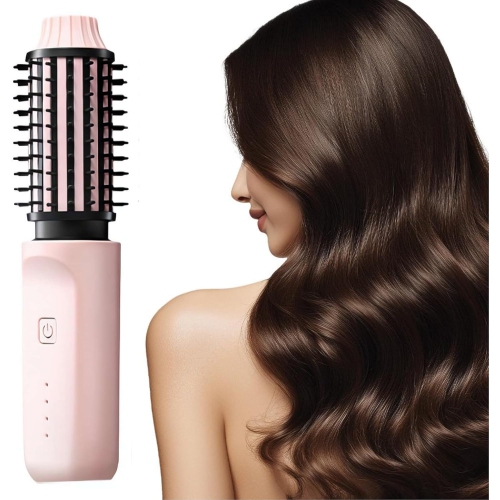
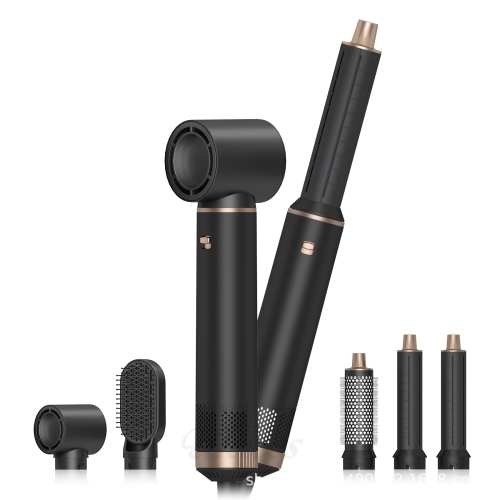
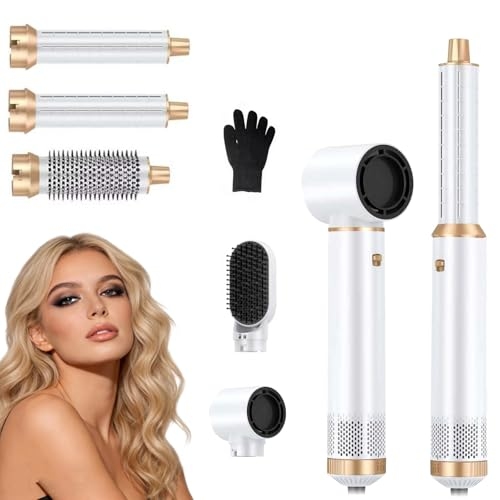
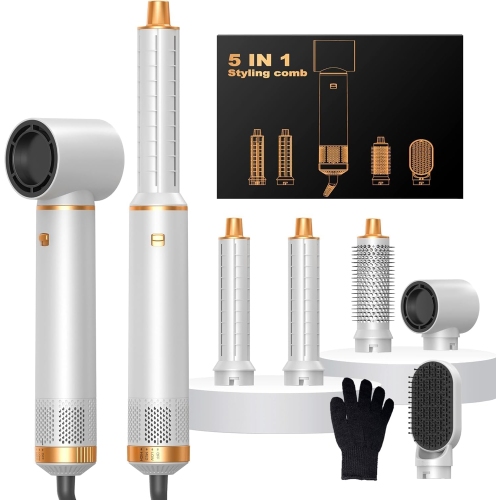
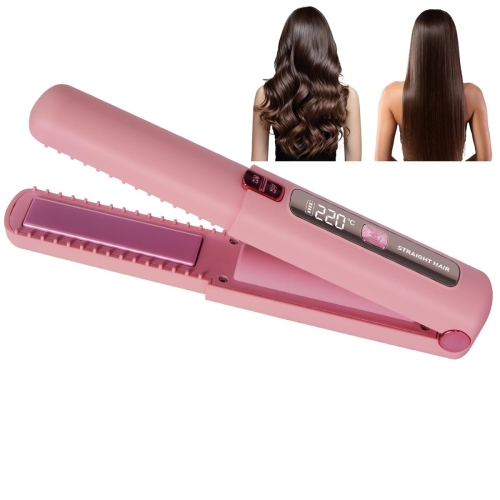
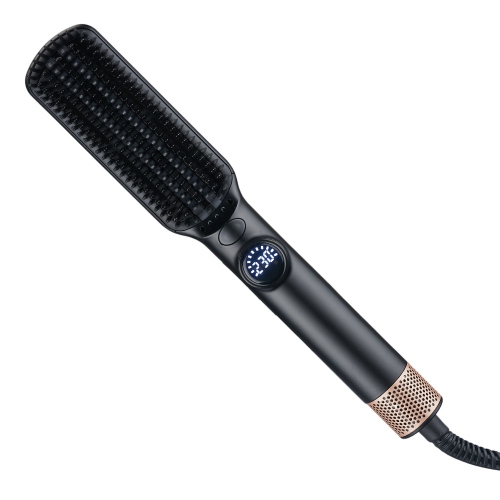
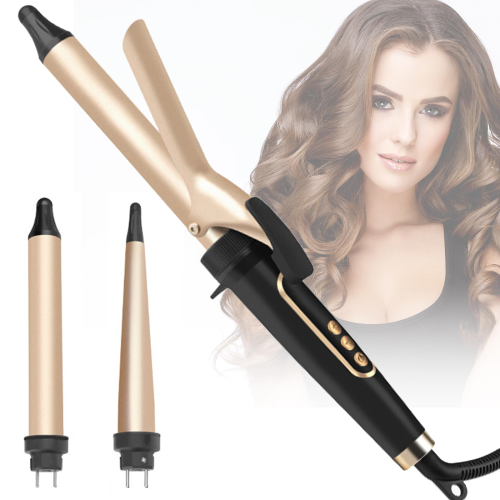
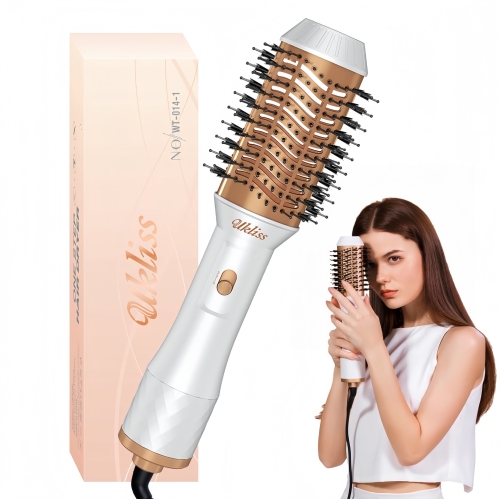
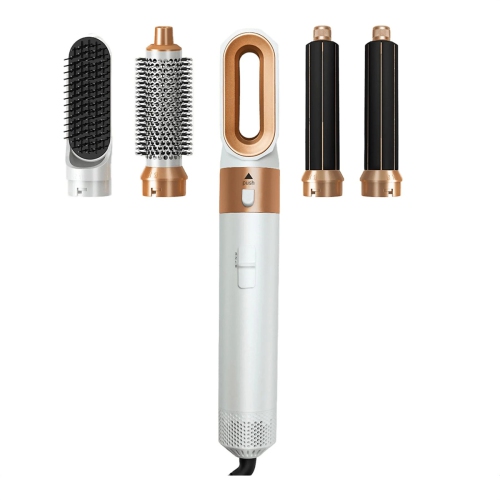
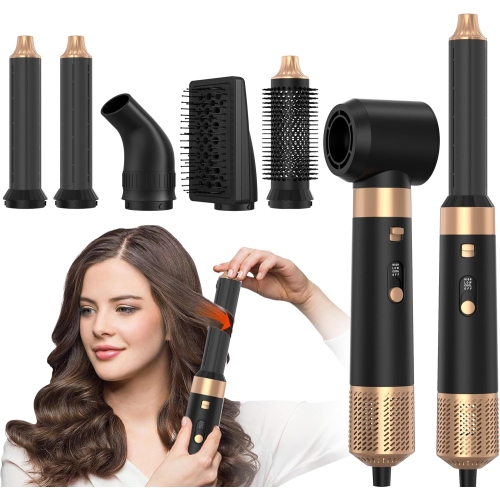
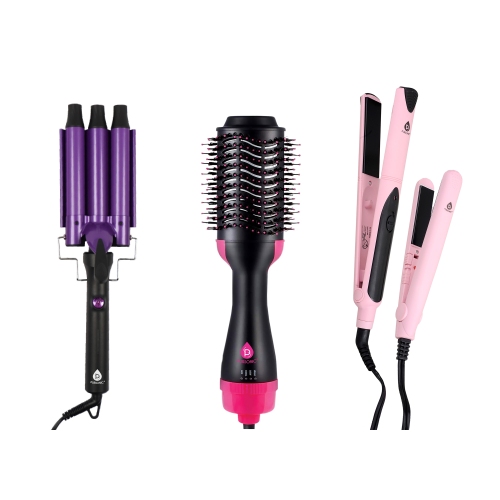
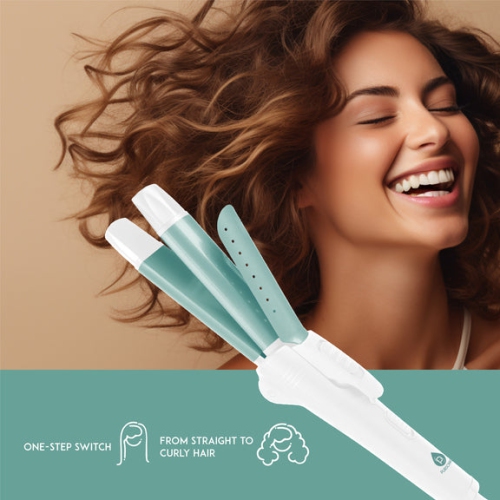
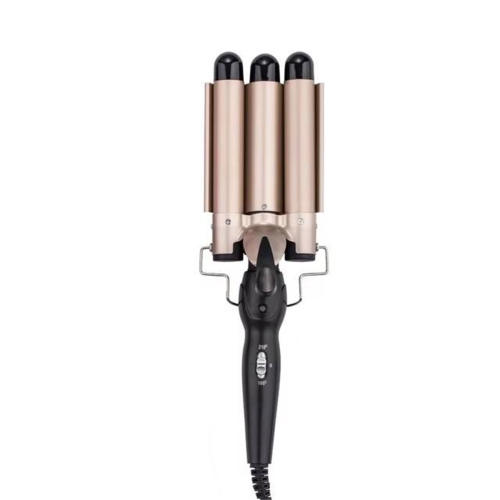
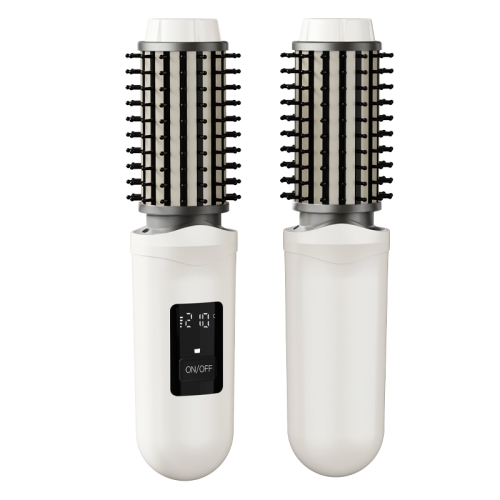
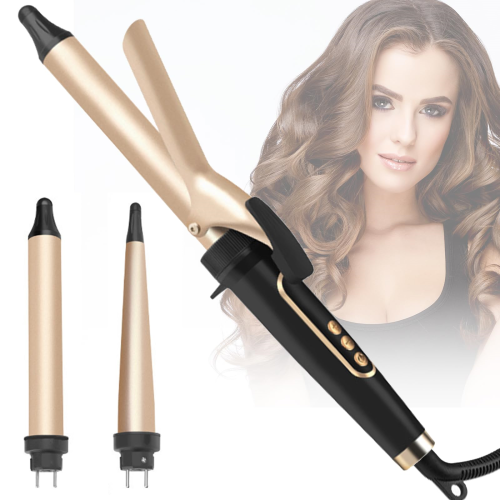
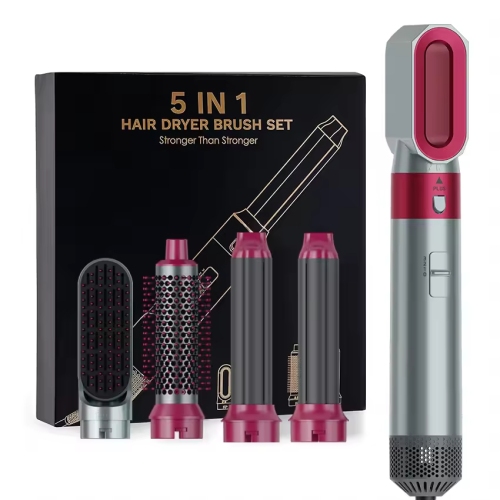
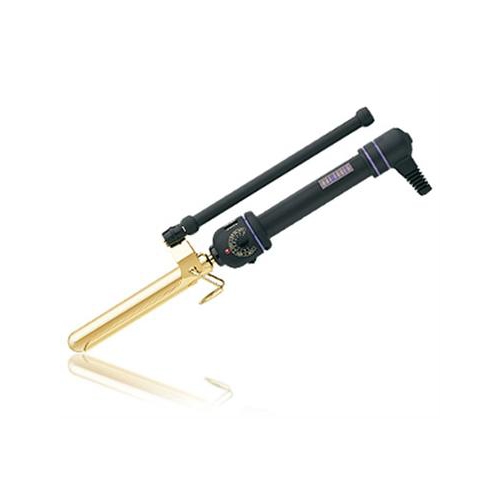
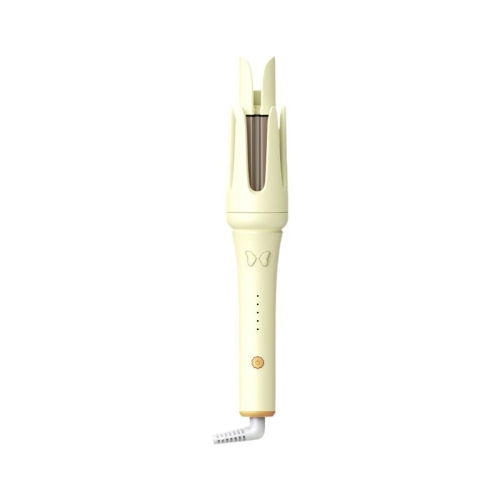
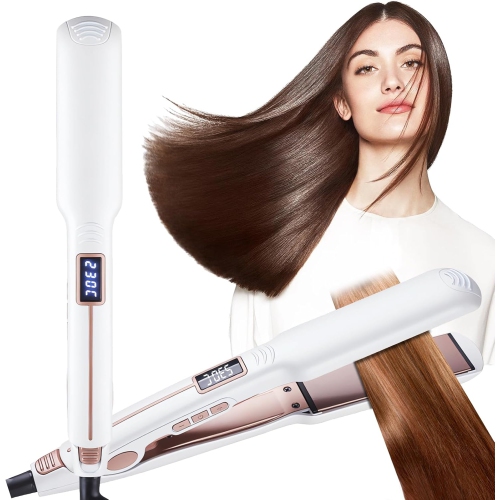
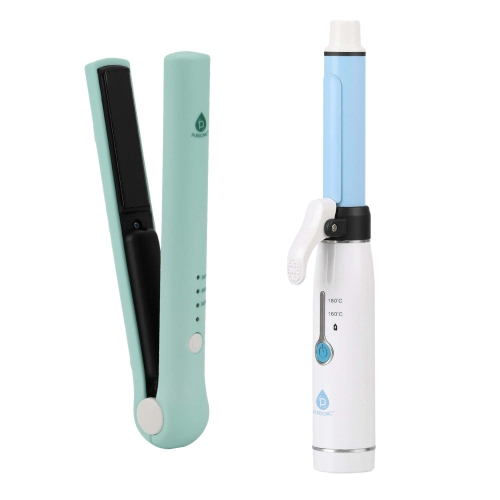
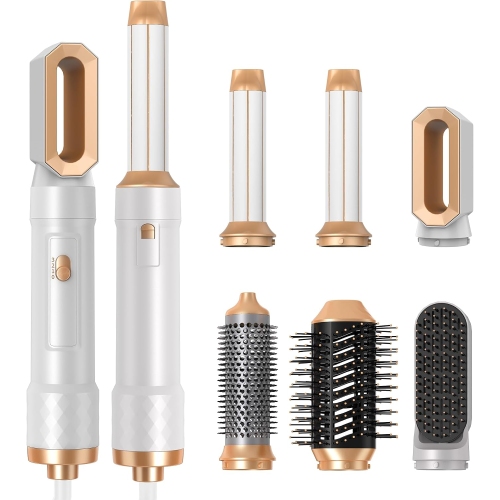
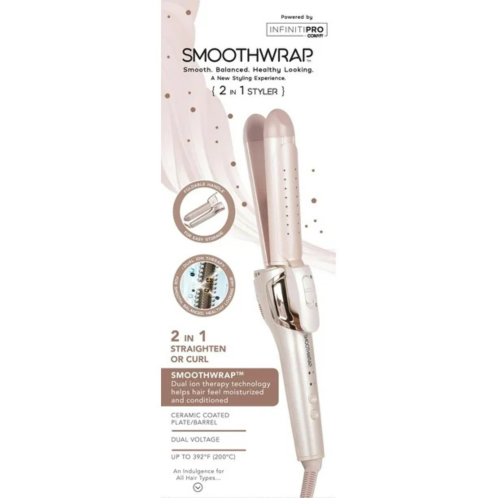
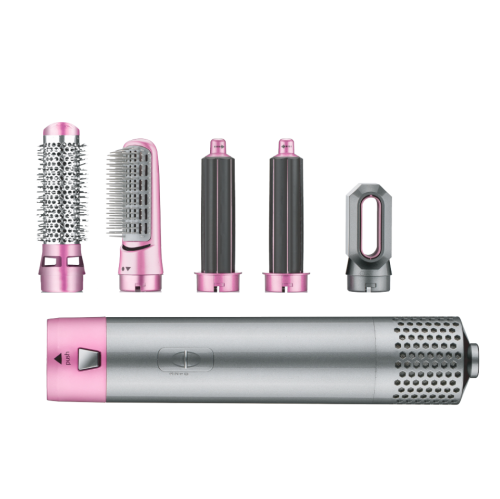
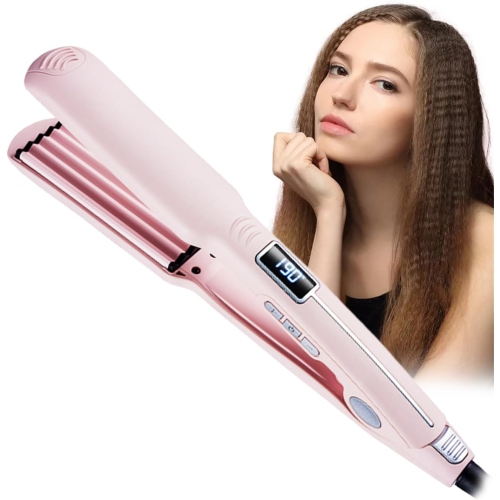
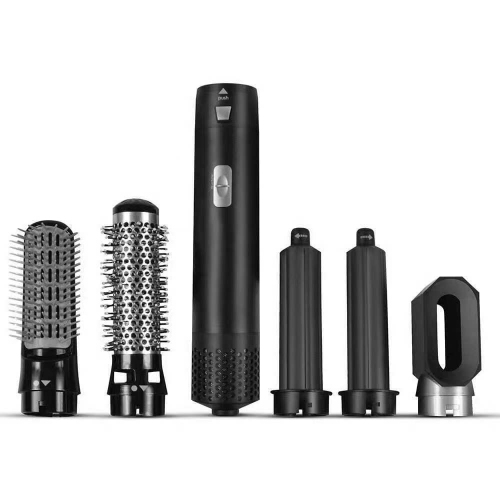
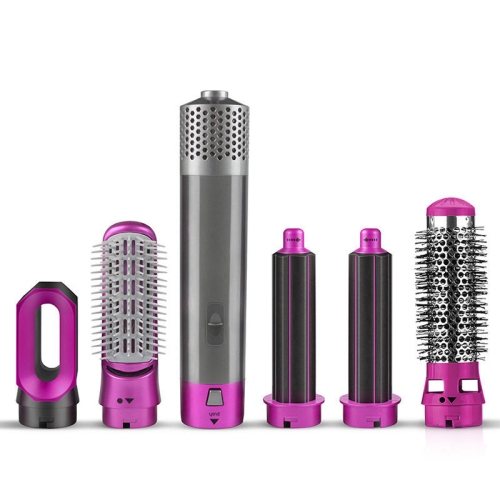
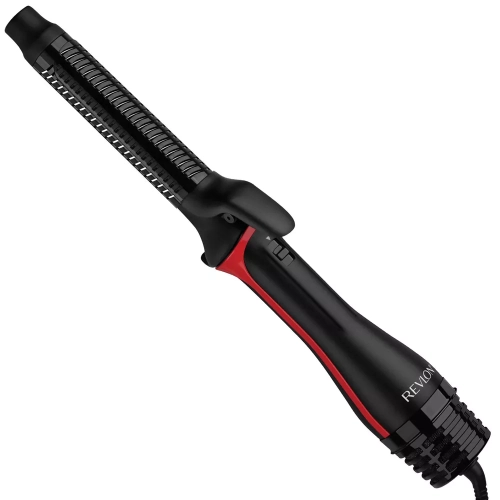
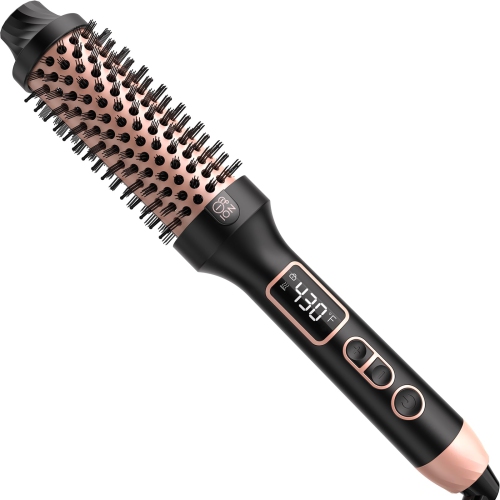
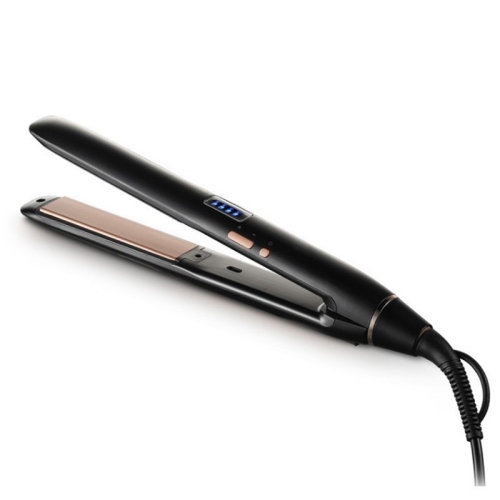
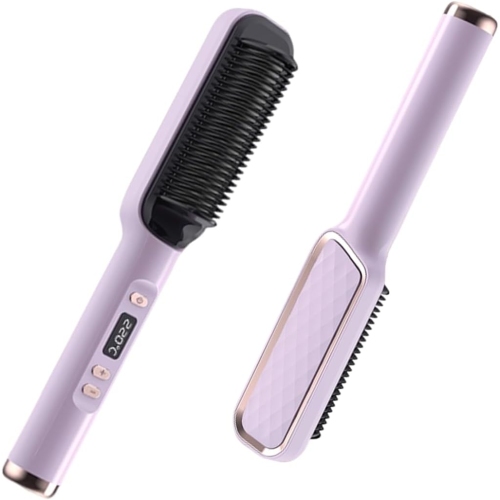
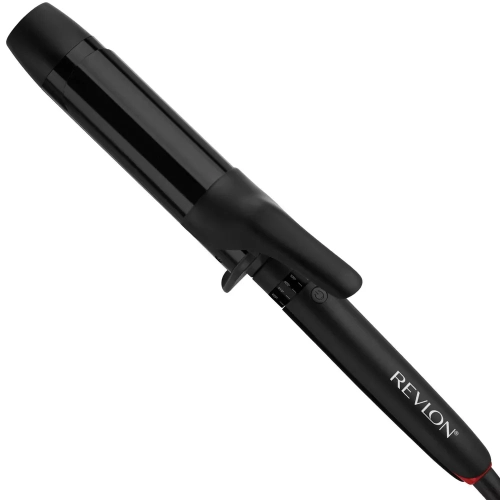
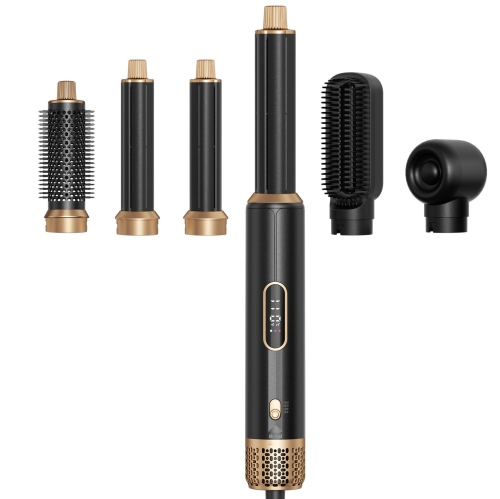
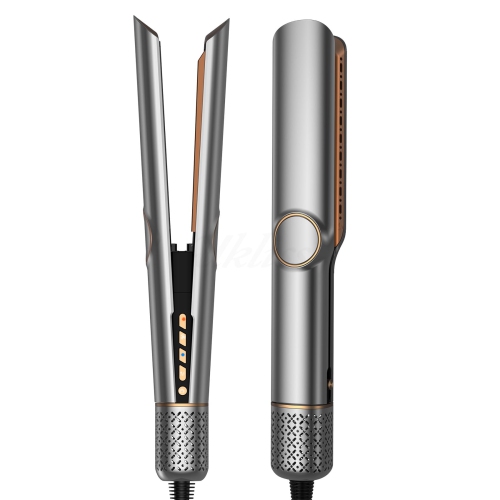
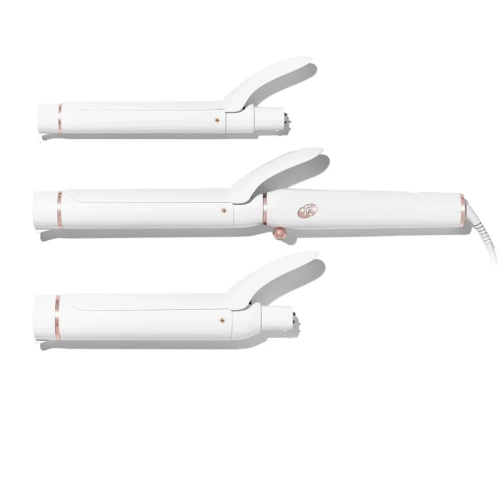
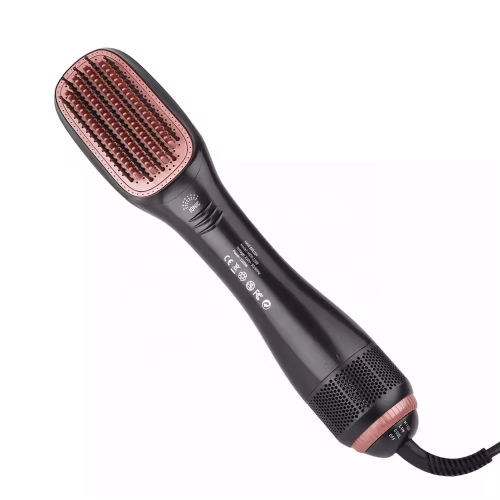
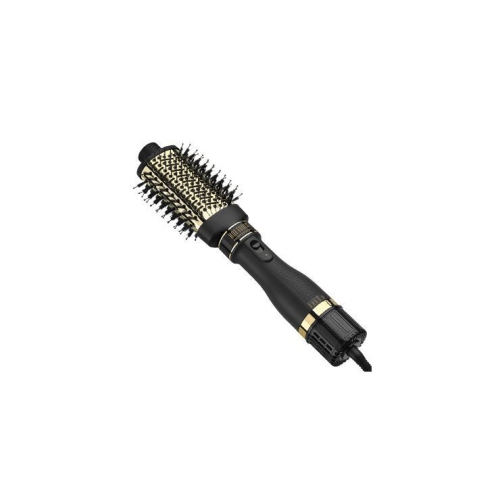
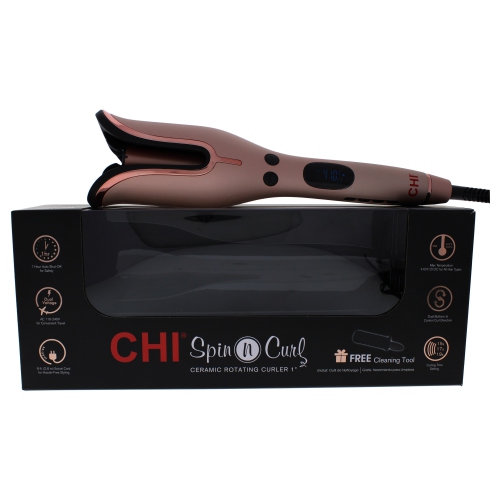
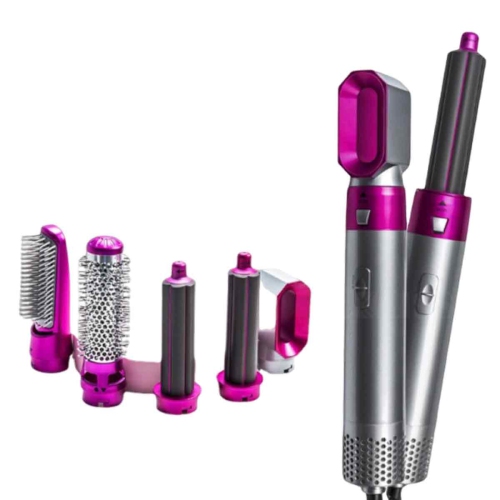
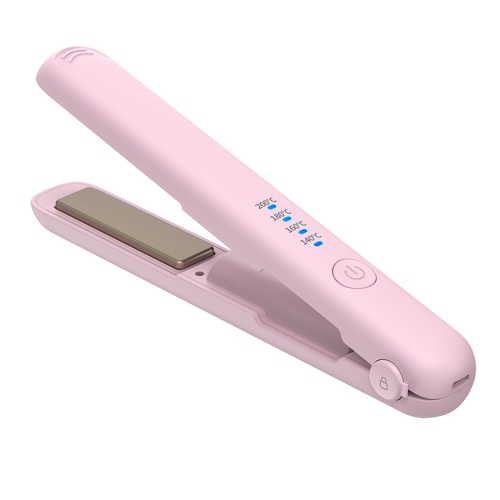
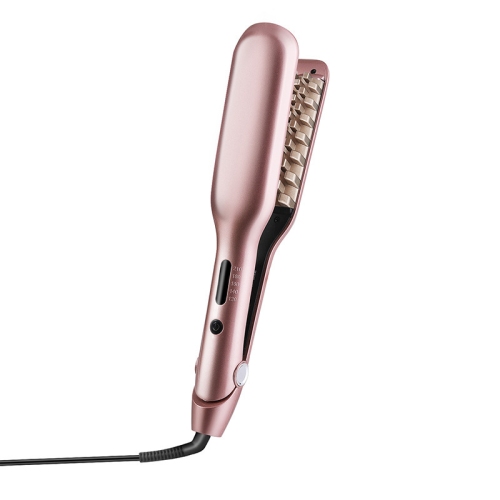
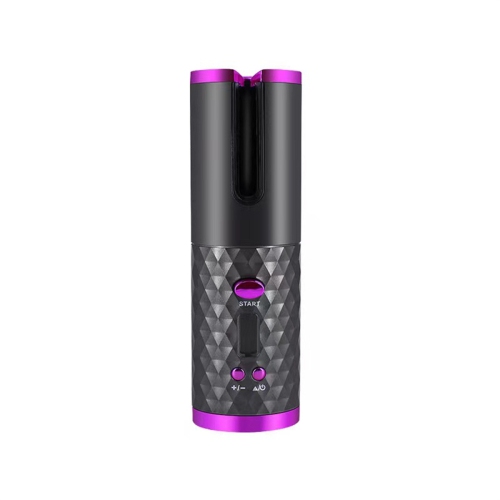
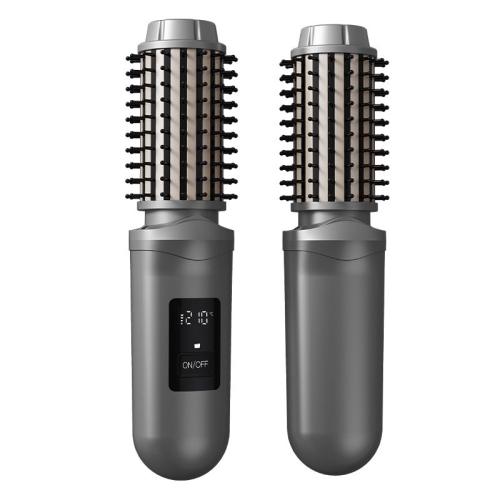
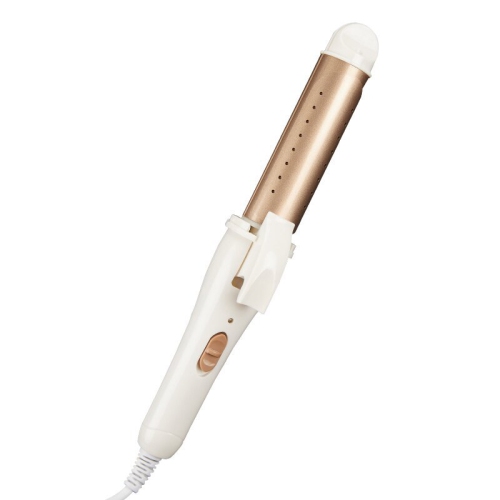
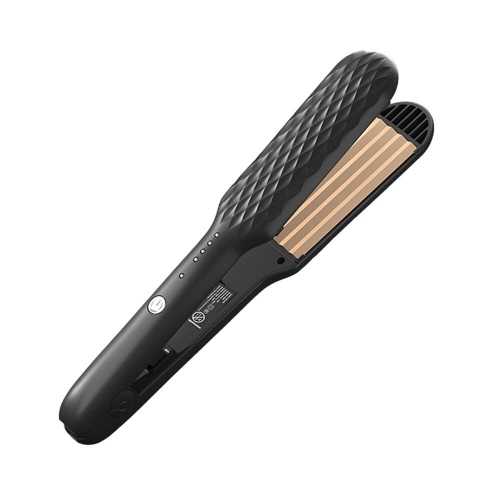
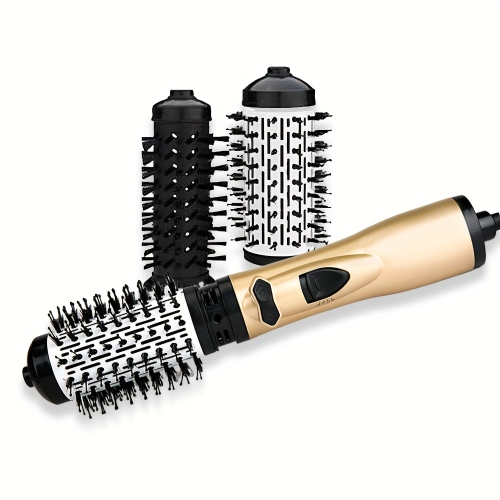
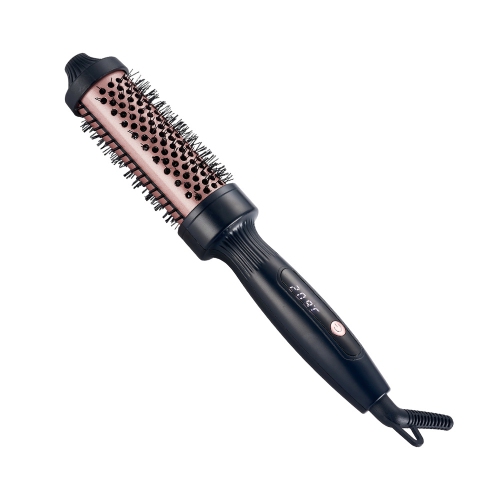
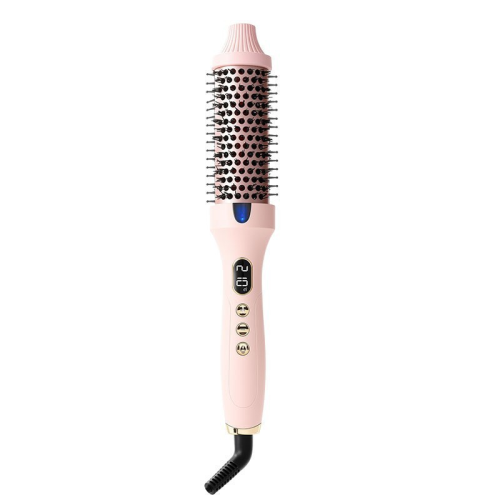
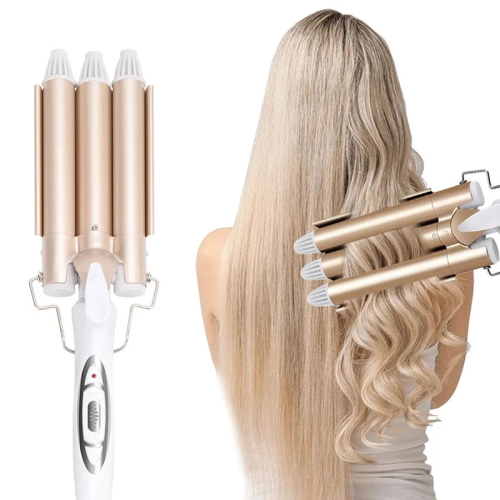
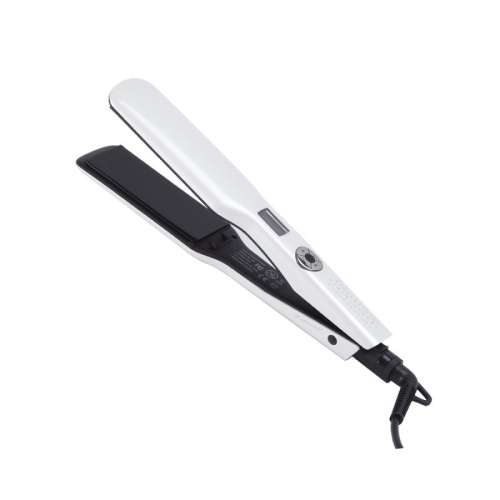
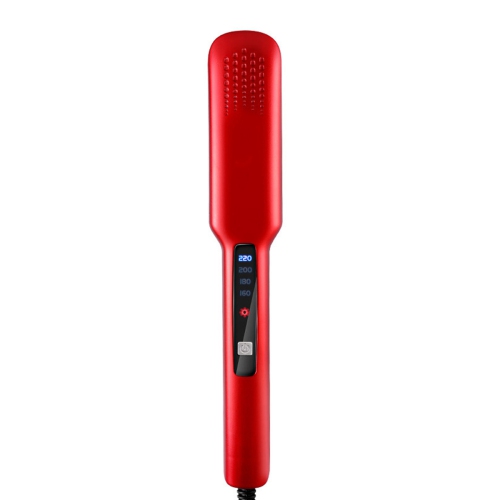
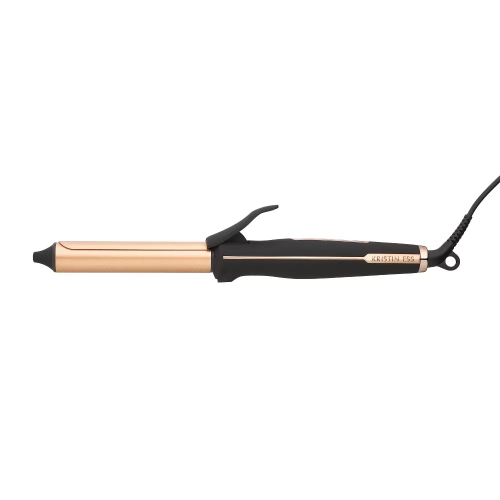
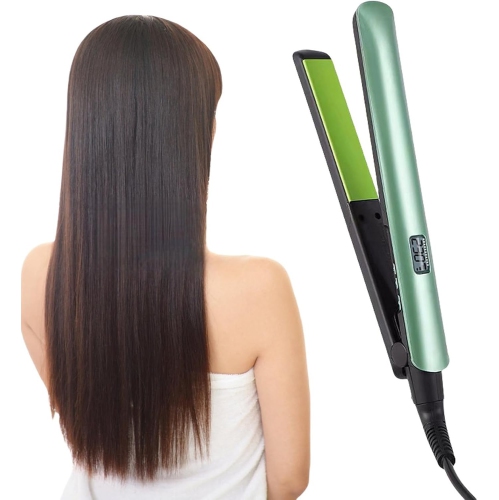
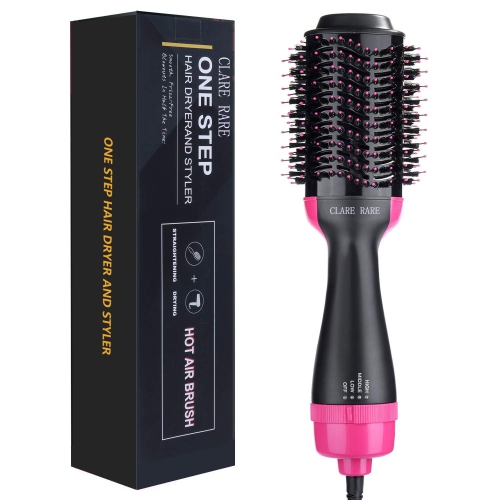
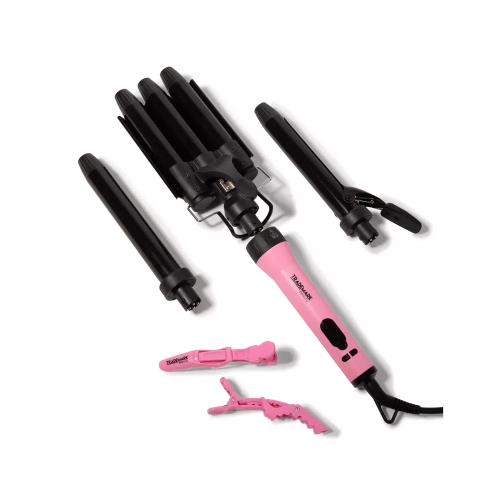
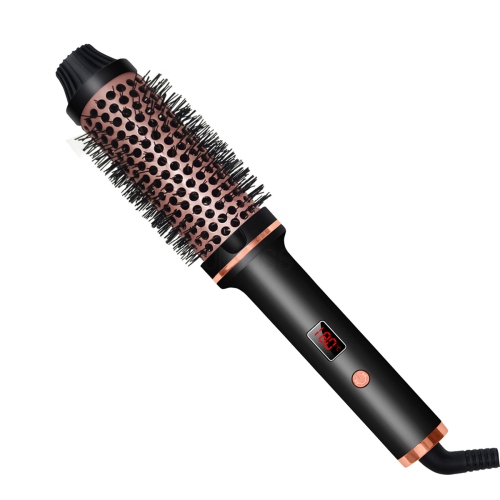
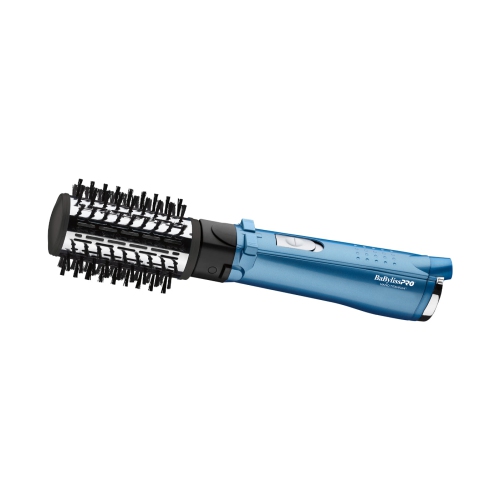
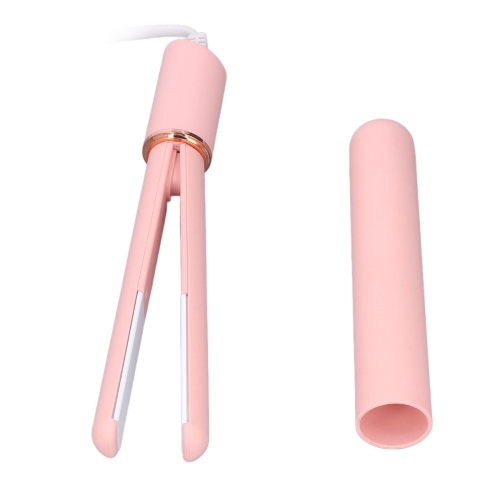
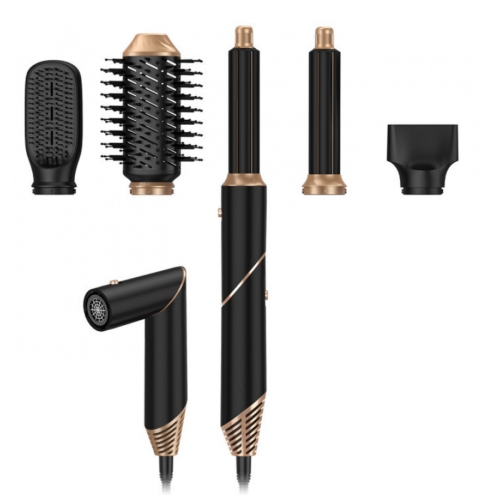
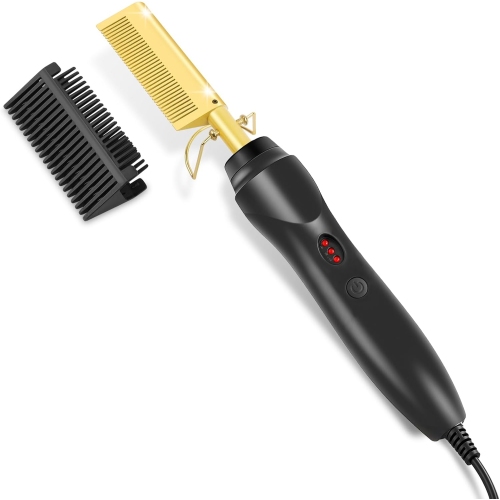
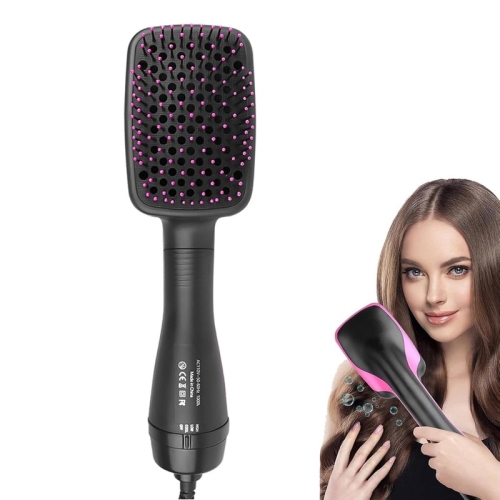
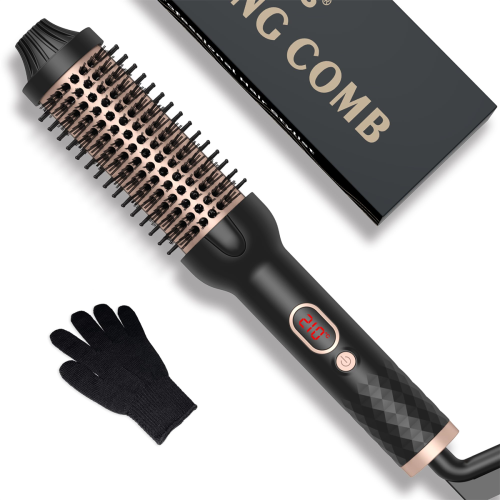
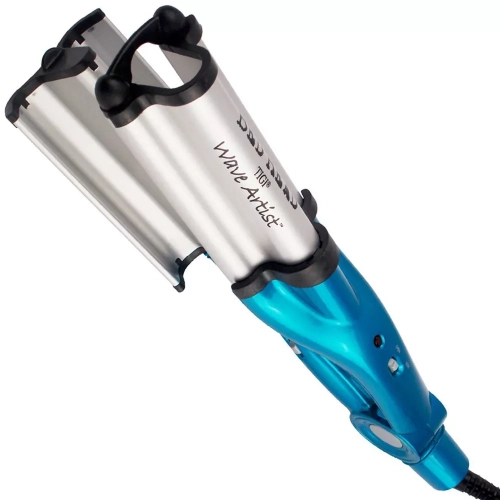
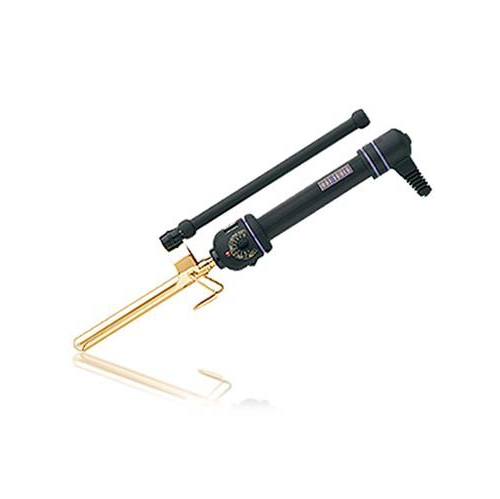
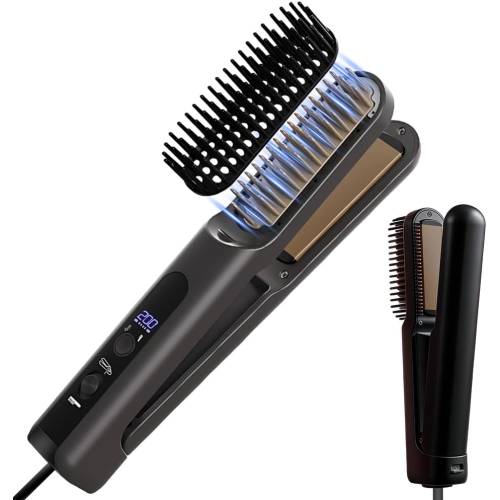
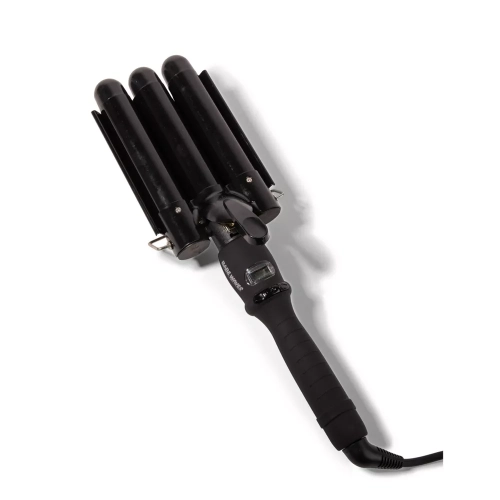
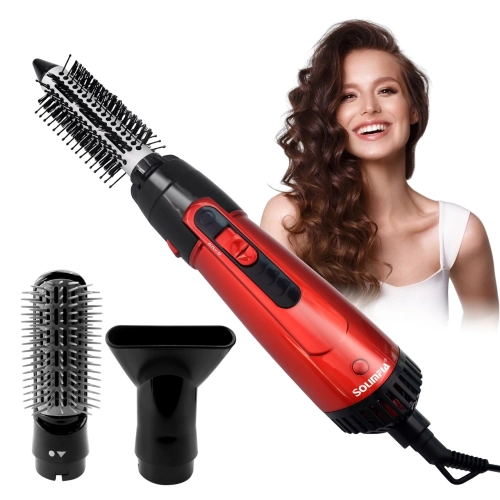
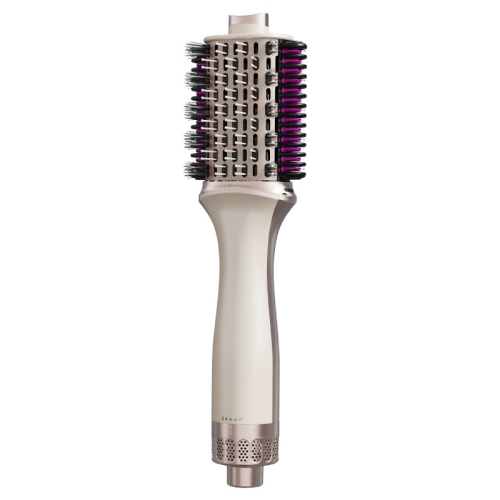
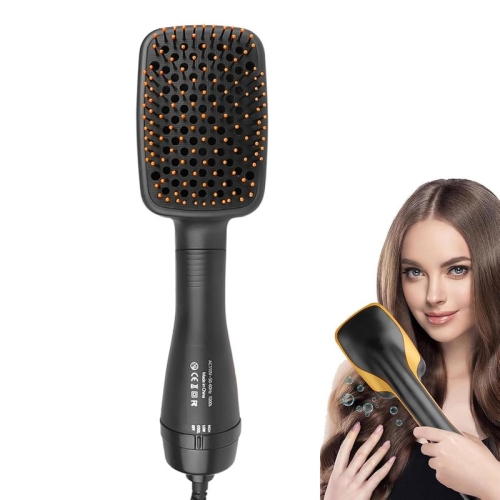
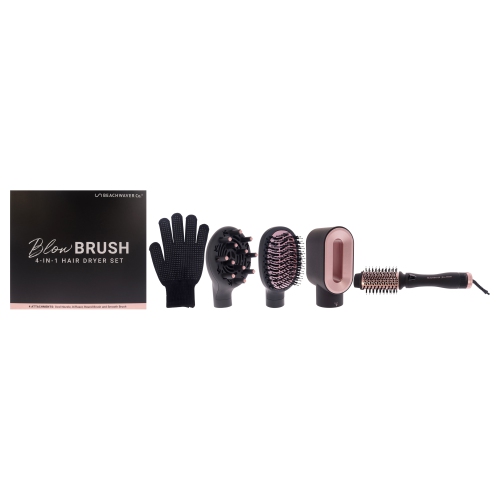
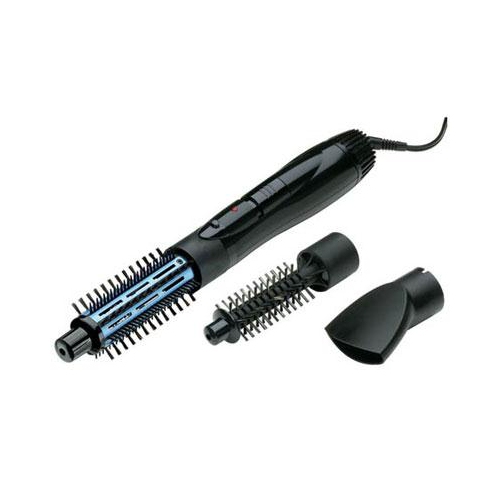
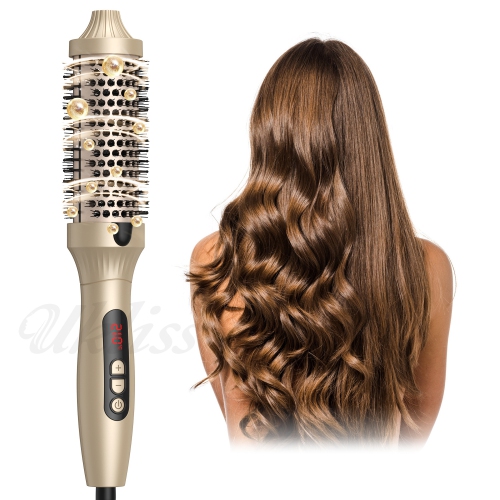
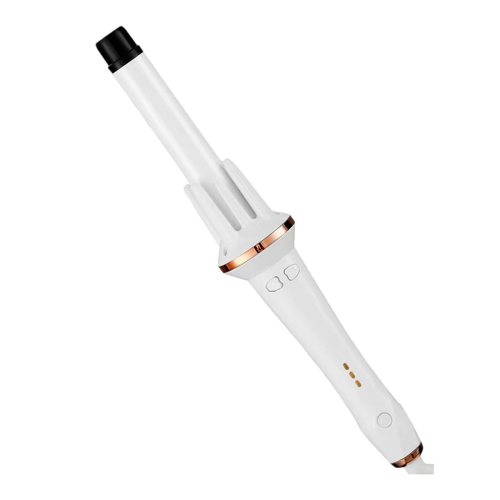
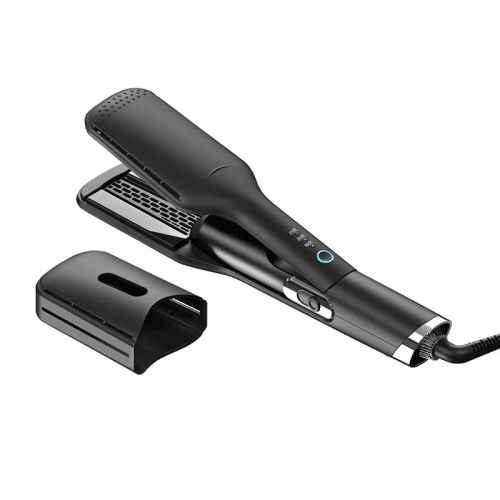
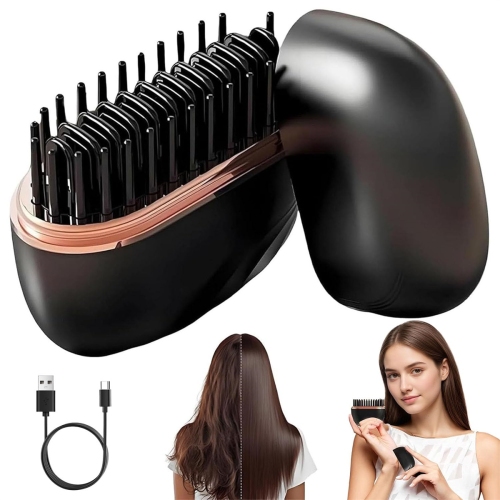
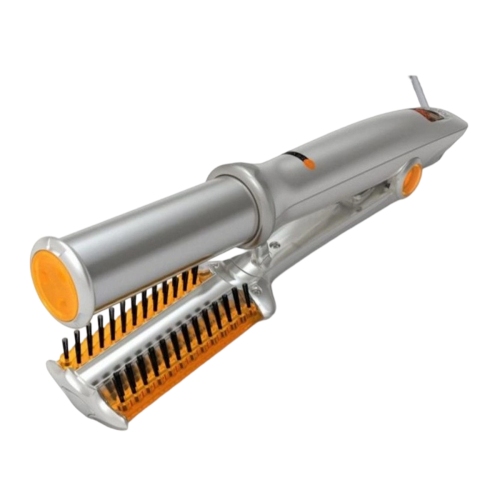
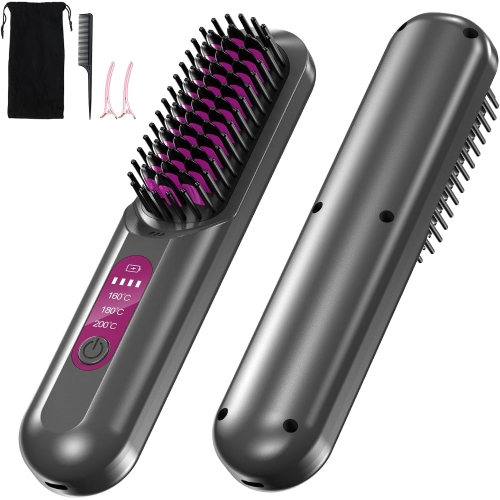
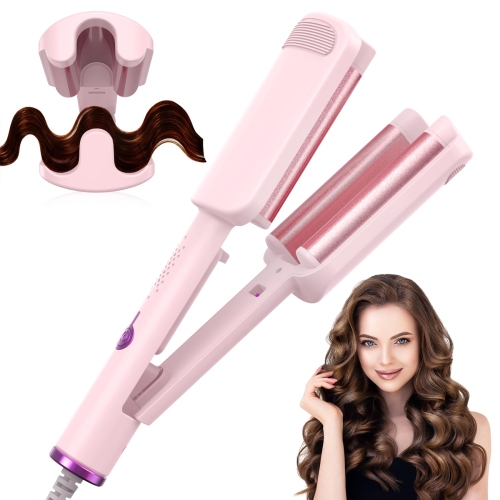
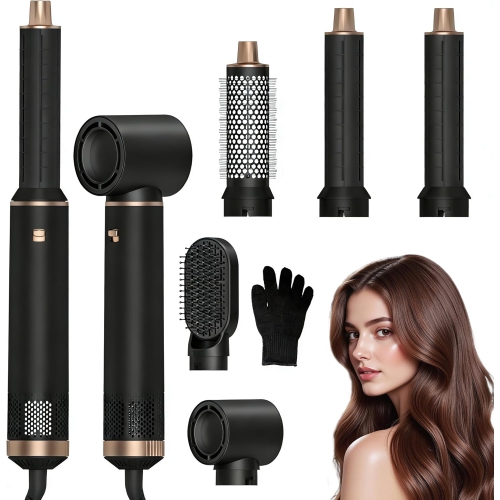
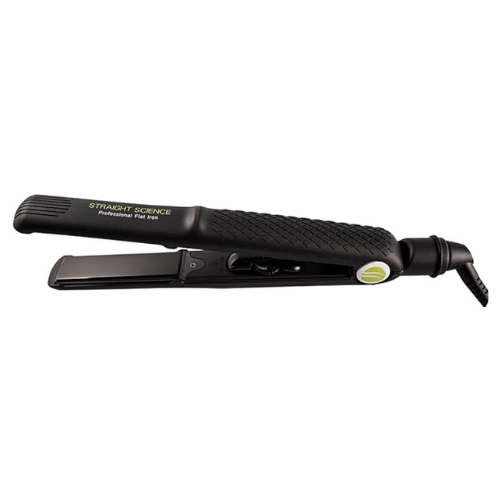
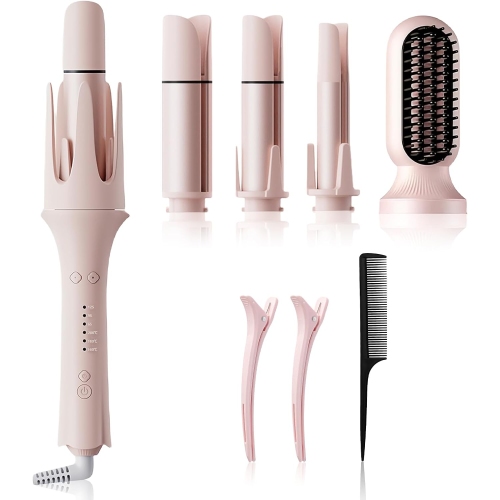
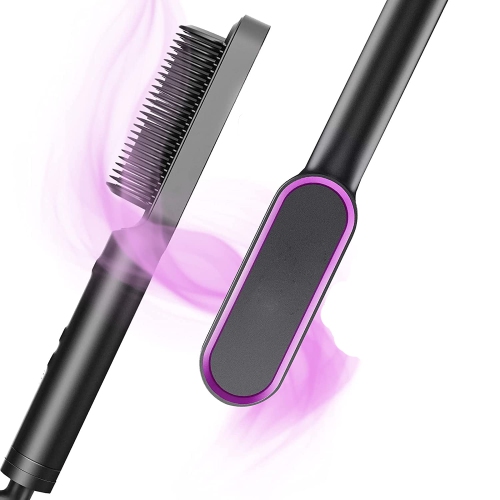
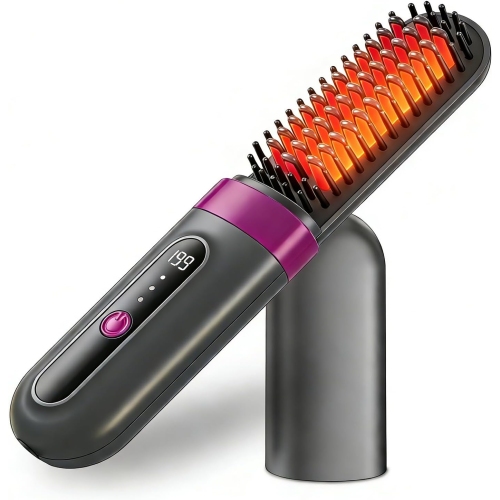
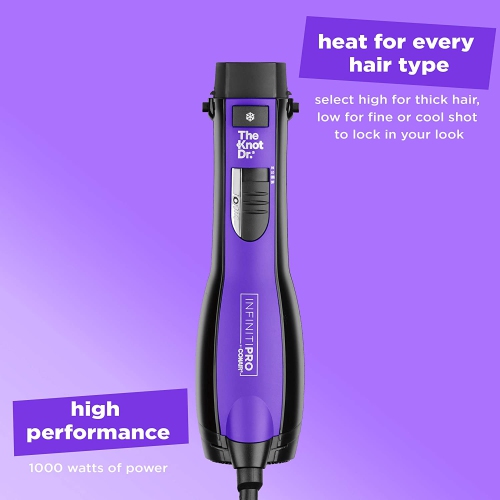
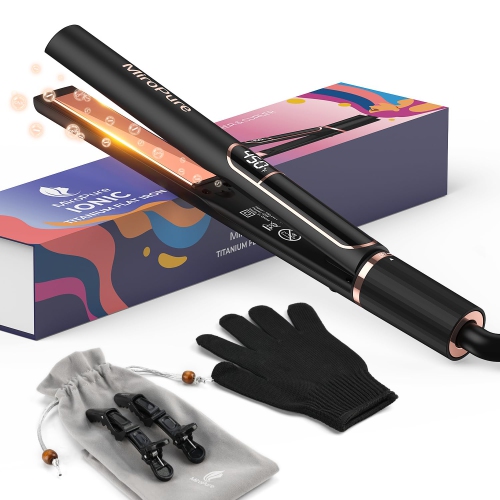
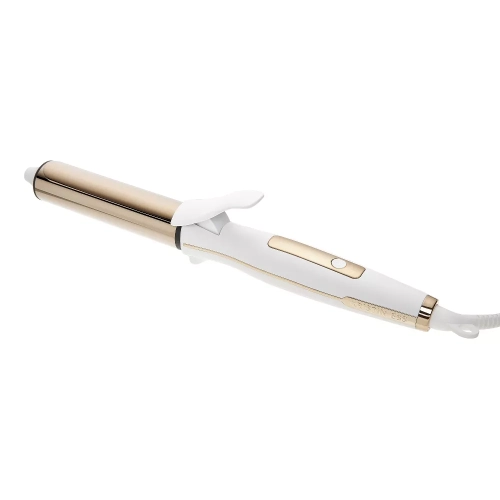
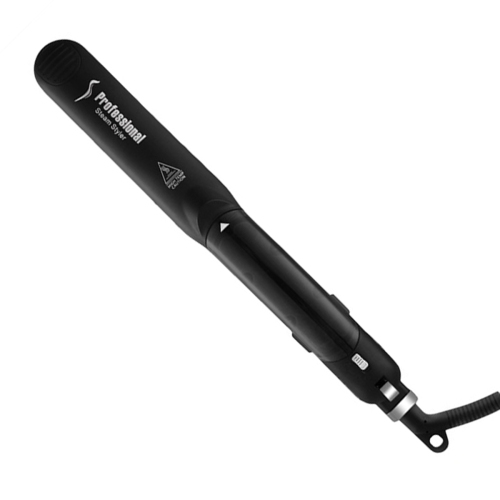
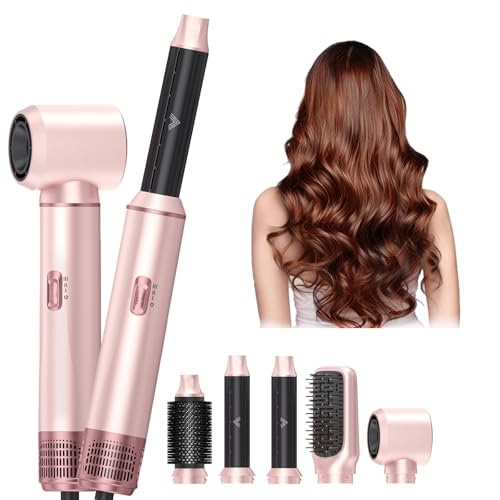
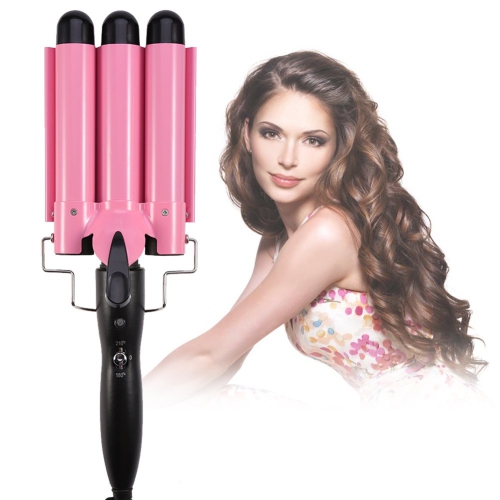
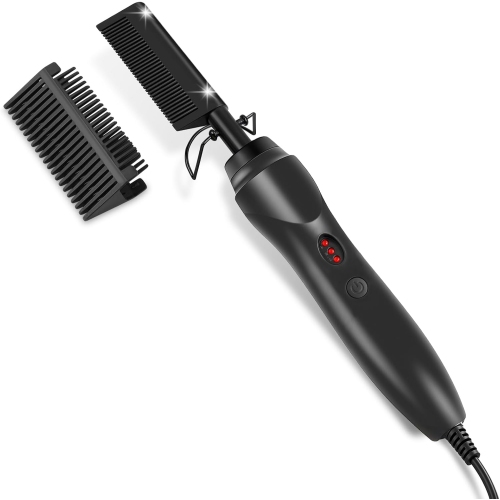
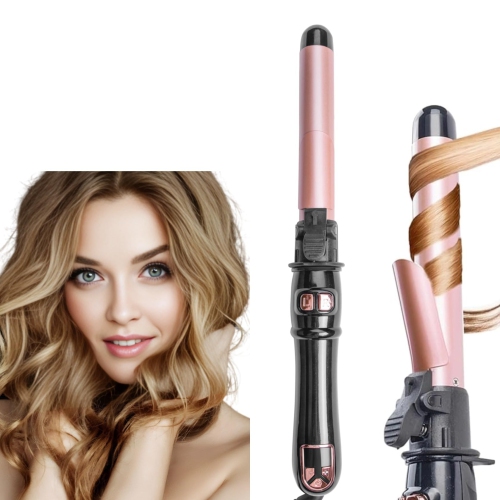
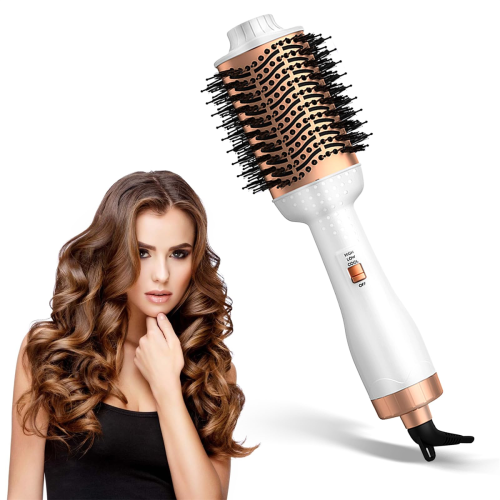
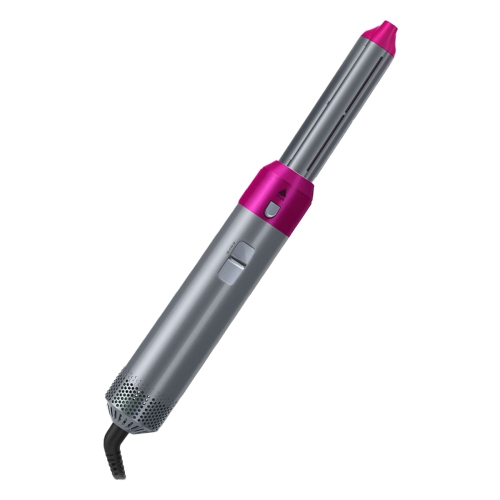
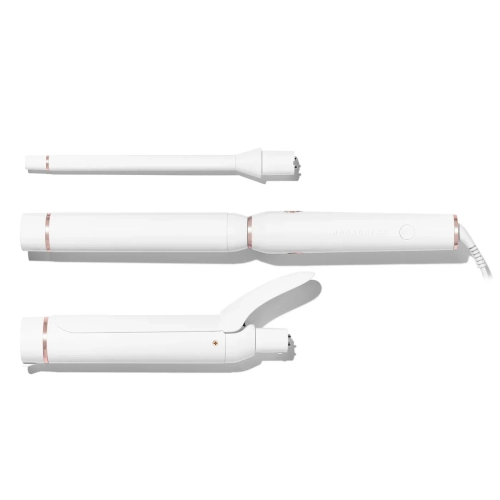
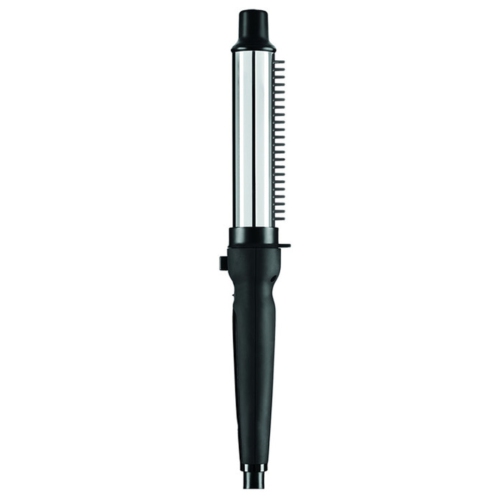
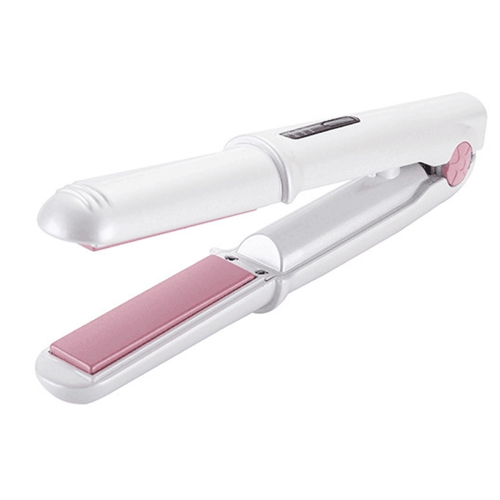
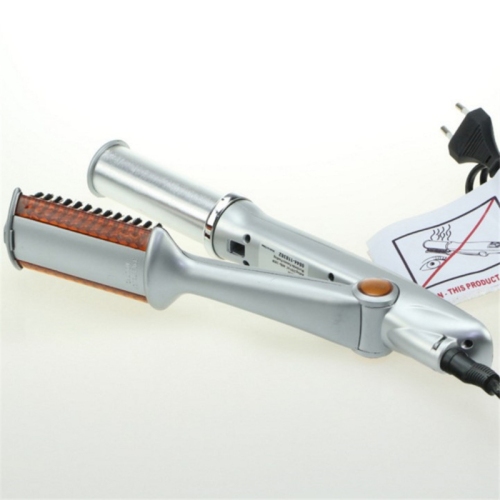
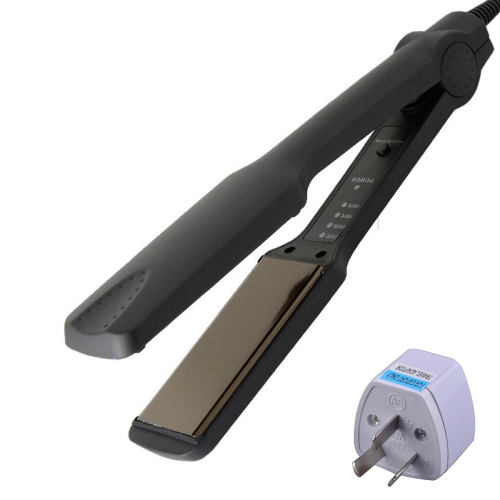
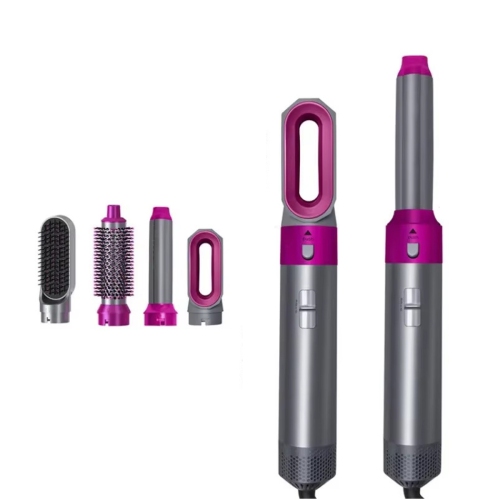
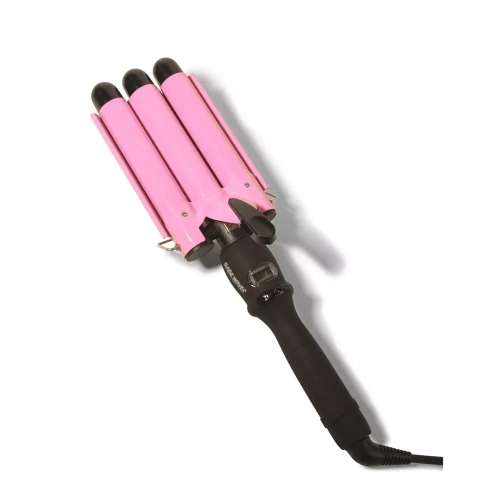
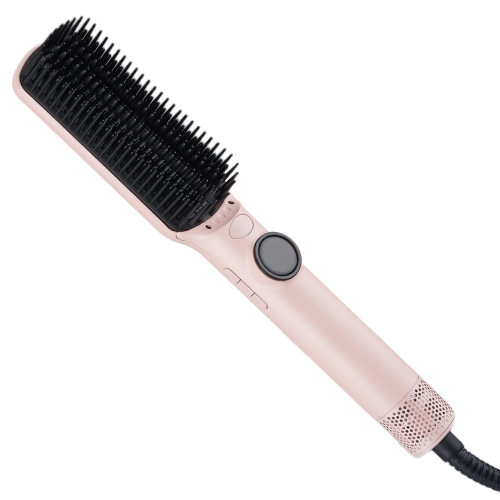
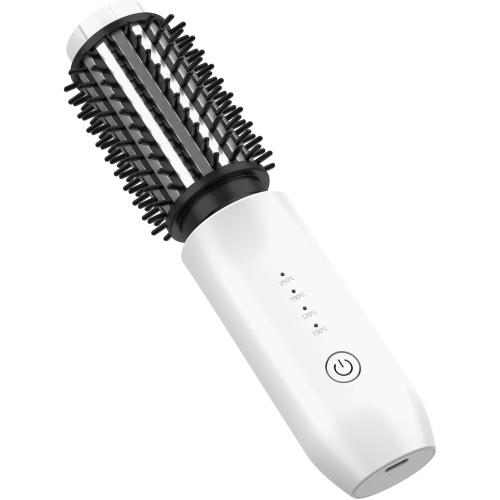
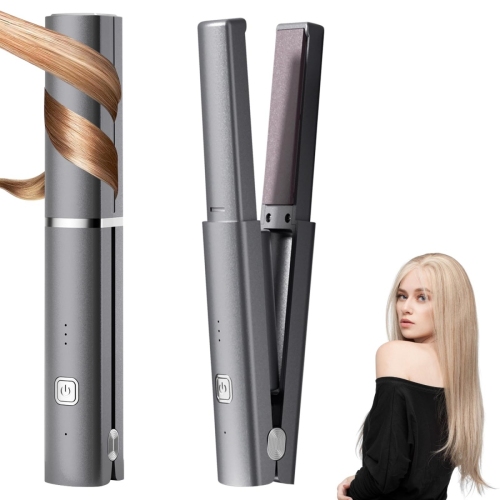
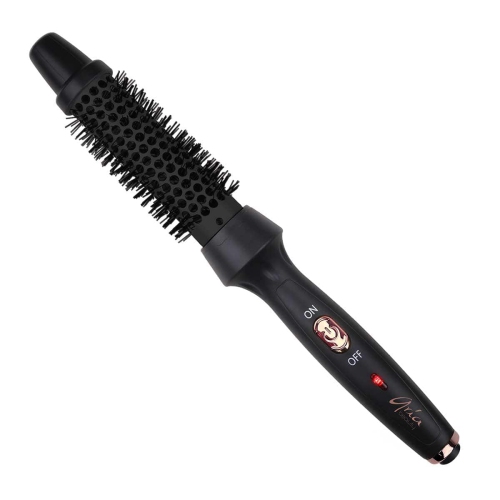
Materials and construction influence how hair styling tools feel in use and how consistently they perform. Ceramic plates and barrels are commonly used to distribute heat across the styling surface, although performance also depends on the heating system and the quality of the finish. A ceramic coating is different from a solid ceramic component, and coatings need gentle care to avoid scratches and wear. Titanium surfaces transfer heat efficiently and can support responsive styling, but they still require an appropriate heat setting for the hair being styled. Smooth plate edges and well-aligned surfaces help hair glide without catching, while floating plates can adjust slightly as sections pass between them. Ionic features are intended to help reduce static and support a smoother-looking finish, though results vary with hair texture, condition, and technique. Tool dimensions are just as important as surface materials. Narrow flat iron plates offer control on shorter hair and smaller sections; wider plates cover more hair at once but can feel less nimble near the roots. Smaller curling barrels generally create tighter curls, while larger barrels produce broader bends and loose waves when the hair is long enough to wrap around them. A tapered wand allows variation in curl size along its length. Brush shape also changes the result: a round brush can encourage lift and curved ends, while a paddle shape is useful for smoothing longer sections. For shaping a fringe, turning ends under, or supporting a fuller blowout, Hair Styling Brushes complement a range of routines. Bristle spacing, flexibility, and tip design affect how comfortably a brush moves through hair, particularly around tangles or a sensitive scalp. Hot-air brushes use airflow to dry and shape hair, whereas many heated straightening brushes are designed only for dry hair. The same distinction applies to other heated tools: a design should only be used on damp hair when its manufacturer expressly allows it. Interchangeable attachments add versatility, but a secure connection and a shape suited to the intended style are more important than the attachment count alone.
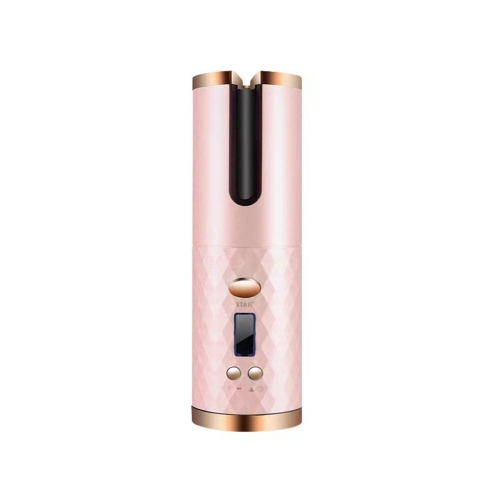
Comfort, upkeep, and storage make a noticeable difference when a styling tool becomes part of a regular routine. A lighter hair dryer can be easier to hold while working around the back of the head, and a balanced handle helps with control when styling above shoulder height. Switch placement matters, too: controls should be reachable without being easy to press accidentally. A swivel cord can reduce twisting during curling, while sufficient cord length gives more freedom around a dressing table or mirror. Cordless designs offer flexibility, but run time, charging time, and storage requirements need to suit the person using them. For travel, compact size is only part of the picture; the tool must also be compatible with the destination’s electrical supply, since a plug adapter alone does not convert voltage. At home, heat-resistant storage surfaces and protective covers can help keep hot barrels and plates away from easily damaged surfaces. Automatic shut-off is a useful additional feature, not a substitute for switching off and unplugging a tool after use. Heated appliances belong away from water, and they should cool fully before being packed away. Care requirements vary by design, but removable dryer filters, accessible brush heads, and clearly stated cleaning instructions make routine maintenance simpler. Once the appliance is unplugged and cool, removing trapped hair and cleaning away styling residue as directed can help keep surfaces and airflow paths clear. Cords should be stored loosely rather than wound tightly around the handle, and damaged cords or cracked components are reasons to stop using an appliance. Hair styling tools can also make thoughtful gifts for someone who enjoys personal care, is setting up a first home, or wants to recreate a favourite salon finish between appointments. A useful gift reflects the recipient’s hair texture, preferred styles, and comfort with styling rather than assuming everyone wants straighter hair or more elaborate curls. For some people, that means a straightforward dryer with clear controls; for others, it means flexible styling attachments or a precise curling tool for special occasions.
Top selling and popular products
-
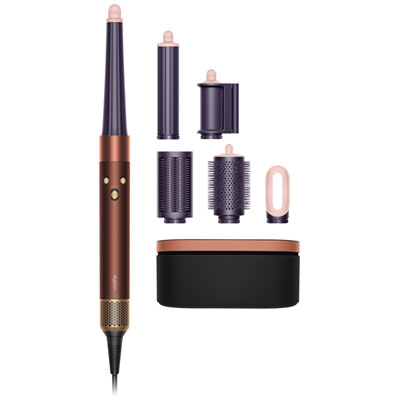 Your price for this item is $799.99
-
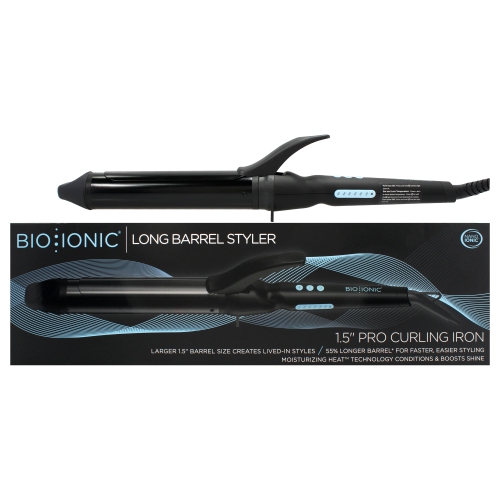 Your price for this item is $136.76
-
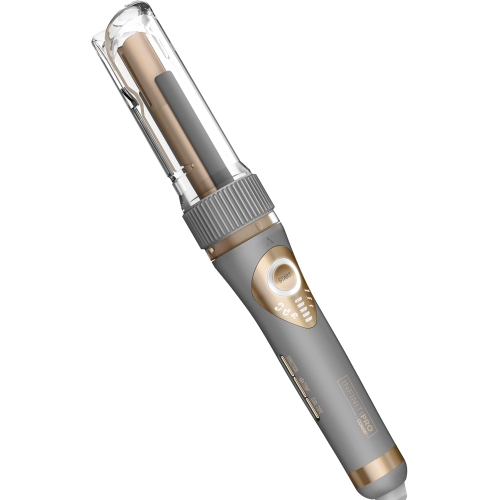 Your price for this item is $150
-
 Your price for this item is $99.99
-
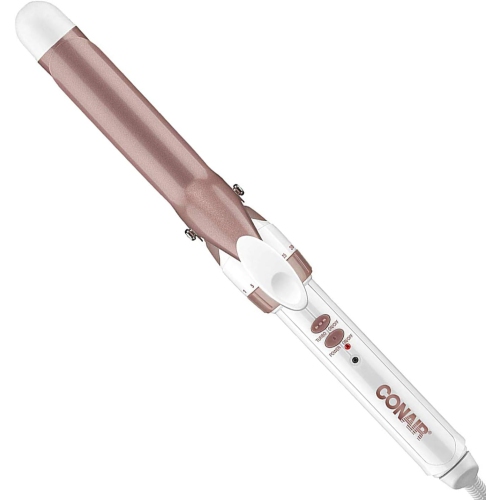 Your price for this item is $47.97
-
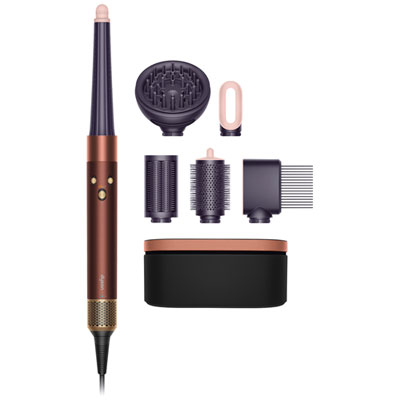 Your price for this item is $799.99
-
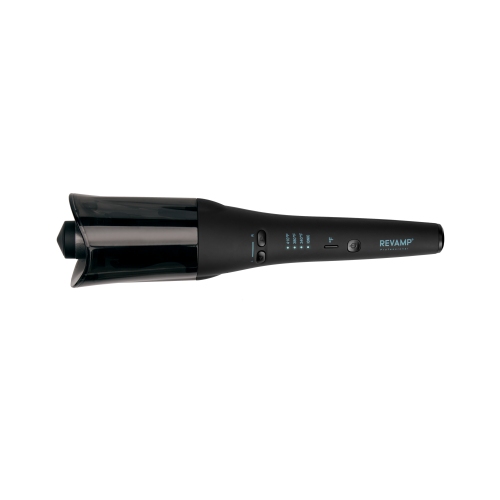 Your price for this item is $69.99
-
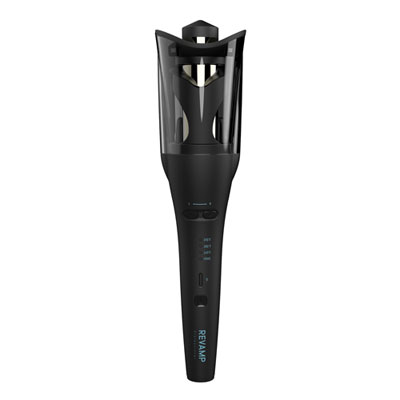 Your price for this item is $149.99