Classic Halloween Costumes

Explore classic Halloween costumes for traditional Halloween looks to wear trick-or-treating or to a costume party. Compare sizing and included pieces to find an outfit that works for your plans, and check whether accessories are included or sold separately.

Read More

Sort

Why familiar Halloween characters need only a few details

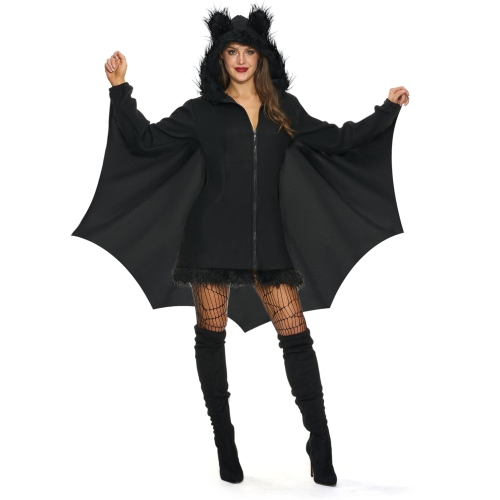
Classic Halloween costumes are familiar dress-up looks rooted in folklore, ghost stories, fairy tales, and traditional Halloween imagery. Witches, ghosts, vampires, skeletons, mummies, pumpkins, clowns, and storybook characters remain recognizable without needing a connection to a recent film or passing trend. Their appeal comes from clear visual details: a pointed hat suggests a witch, a sweeping cape gives a vampire its theatrical silhouette, and a pattern of white bones turns a dark outfit into a skeleton. These looks can be playful, eerie, or dramatic, making them suitable for children’s celebrations, family trick-or-treating, school events, and costume parties for grown-ups. A smiling pumpkin or friendly ghost brings a gentler mood to a young child’s first Halloween, while distressed fabric and sculpted details can give a familiar monster a more ominous presence. Classic characters also leave room for personal style. A witch costume might feature a simple, flowing shape or a structured bodice with layered skirts; a vampire look might lean towards old-fashioned formalwear or a pared-back black-and-red palette. Mummy costumes often use attached fabric strips or printed bandage effects, while Frankenstein’s monster is typically suggested through a broad silhouette, visible stitching, and exaggerated features. Fairy-tale outfits add another side to the assortment, with hooded capes and recognizable colour combinations offering an alternative to spooky characters. The shared visual language makes these costumes especially useful for group dressing: each person can choose a different character while still fitting a haunted-house, storybook, or classic-monster theme. They also suit celebrations where guests span several generations, since the characters rarely need much explanation. For a Halloween film night with a dress-up element, Classic Halloween Movies can provide a fitting backdrop to capes, pointed hats, and familiar monster looks. Whether the occasion calls for a brief classroom appearance or an evening of hosting guests, the strongest classic designs communicate their character through a few distinctive features rather than a complicated collection of extras.

Materials and construction influence how a Halloween costume feels as much as how it looks. Lightweight polyester is common in costume clothing because it supports vivid colours, printed patterns, and flowing shapes without adding much weight. Stretch knits allow easier bending and reaching, while woven fabrics can give jackets, collars, and skirts a more defined outline. Velvet-like finishes lend depth to dark capes and storybook outfits, satin-like surfaces catch the light, and layers of tulle create volume in skirts and decorative accents. Foam-backed sections can help a pumpkin or monster costume hold its shape, though bulkier designs may feel less convenient when sitting at a table or travelling in a vehicle. Lining, seam placement, and the texture of decorative trim matter for anyone who will wear a costume for several hours. A rough collar or scratchy cuff that seems minor during a quick try-on can become distracting halfway through a party. Fit is best understood through the costume’s measurements rather than the wearer’s usual clothing size alone, since proportions vary between designs. Chest, waist, hip, torso, and inseam measurements help distinguish a comfortable fit from one that pulls across the shoulders or sags at the knees. For children, the ability to crouch, climb a few steps, and raise both arms is particularly useful during trick-or-treating. An outfit intended for outdoor Halloween activities may also need room for a warm base layer without becoming loose enough to catch underfoot. Inside, a lighter construction may be more comfortable during dancing, games, or a busy school celebration. Fastenings deserve equal attention: a clearly placed zipper or easy-to-manage closure can simplify dressing and washroom breaks, while a separate cape may be easier to remove before sitting down. Hems that stay clear of the ground, sleeves that leave hands free, and headpieces that sit securely all contribute to a costume that feels manageable in use. Masks and hoods should allow clear vision and comfortable breathing, especially on steps or dimly lit paths. For young children, age suitability and securely attached decorations are more important than elaborate finishing touches, and long ties or loose trailing pieces are best avoided.

The intended occasion helps determine which details will be appreciated and which may become a nuisance. A costume worn while handing out treats needs enough freedom of movement for repeatedly reaching into a bowl and opening the door. At a seated dinner or film gathering, a flexible collar and a cape that can be moved aside may be more practical than a rigid, oversized shape. Children taking part in classroom activities benefit from outfits that do not interfere with writing, crafts, or sitting comfortably on the floor. For outdoor trick-or-treating, reflective details or a separate light can improve visibility without changing the character, and familiar, well-fitting footwear is often more comfortable than costume footwear over a longer route. Any costume should be kept away from candles and other open flames; battery-operated lighting offers a practical way to create a haunted setting. Durability becomes especially relevant when an outfit will be worn to several celebrations, passed between siblings, or kept for imaginative play. Reinforced seams, securely stitched trim, and closures that remain aligned under gentle movement are useful signs of thoughtful construction. Printed details may be easier to store than raised embellishments, while detachable pieces can make it simpler to protect delicate sections between uses. Care instructions should determine how each costume is cleaned, as a washable fabric does not necessarily mean every attached decoration can tolerate the same treatment. Structured foam, glued accents, delicate mesh, and richly textured finishes may require spot cleaning or gentle handling rather than machine washing. Allowing everything to dry fully before storage helps prevent lingering odours and damage, and keeping coordinating pieces together makes the outfit easier to use again. Hanging a cape can preserve its drape, while a loosely folded knit costume may fit neatly into a storage container without stretching. As a gift, a classic costume can suit someone who enjoys dress-up, community performances, or Halloween traditions, particularly when their preferred character and measurements are known. Familiar themes offer plenty of personality, but lasting enjoyment usually comes from the balance of recognizable design, comfortable fit, and construction suited to the way the costume will be worn.
Read More

FAQ

Some products may be subject to Environmental Handling Fees (EHF) depending on your province. Learn more about EHFs.