Hardware Cloth for Chicken Coops
Hardware Cloth for Chicken Coops is essential for anyone looking to create a secure and reliable enclosure for their poultry. Designed to help keep chickens safe while maintaining proper airflow, this versatile material is a popular choice among backyard farmers and hobbyists alike. Whether building a new coop or reinforcing an existing one, you'll find a range of options to suit your needs. Explore the selection of hardware cloth for chicken coops to help ensure your flock stays protected and comfortable year-round.
Sort

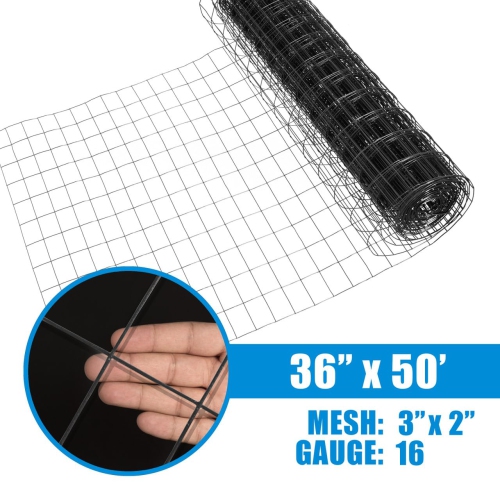
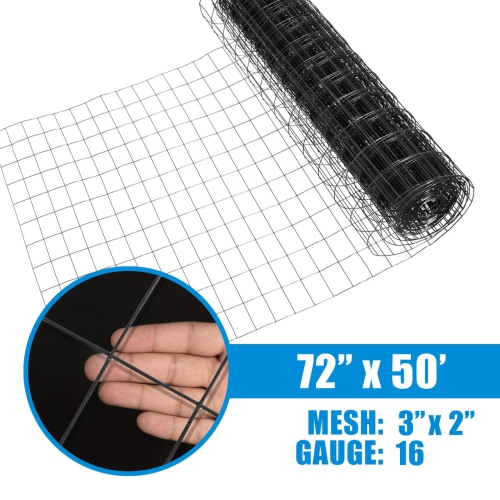
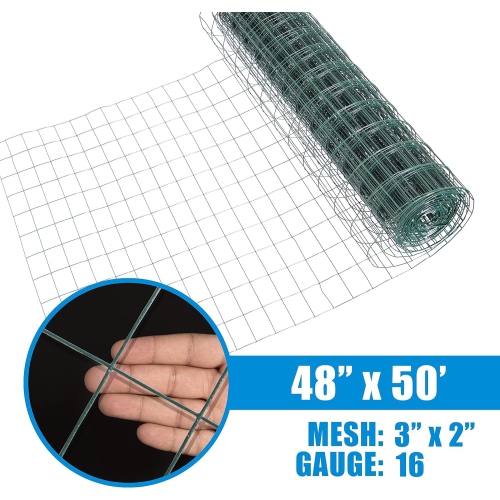
Why coop protection depends on more than mesh size
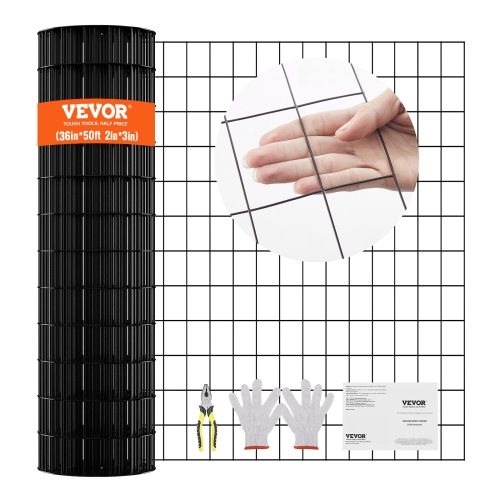
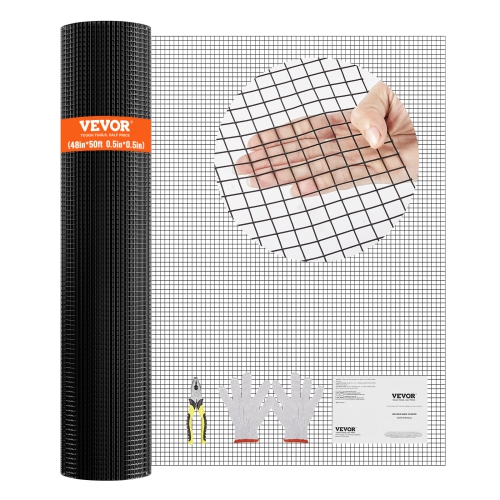
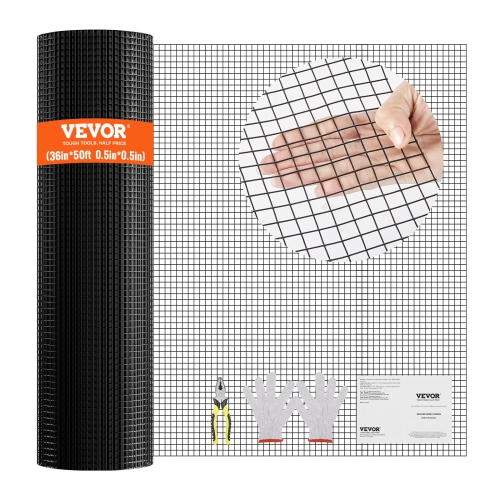
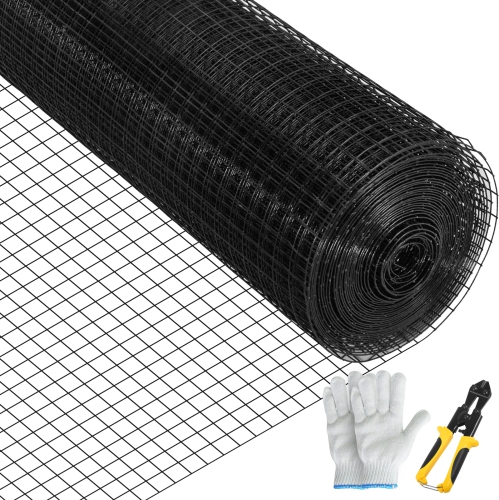
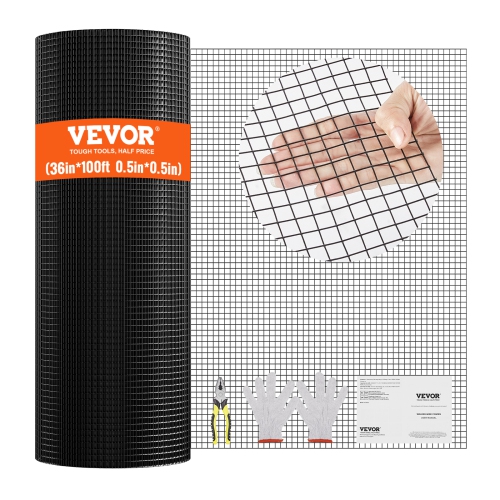
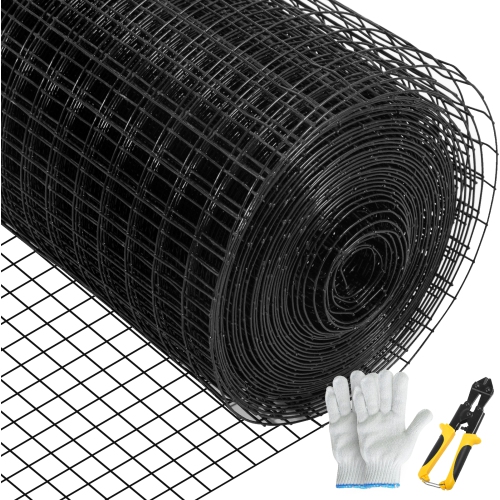
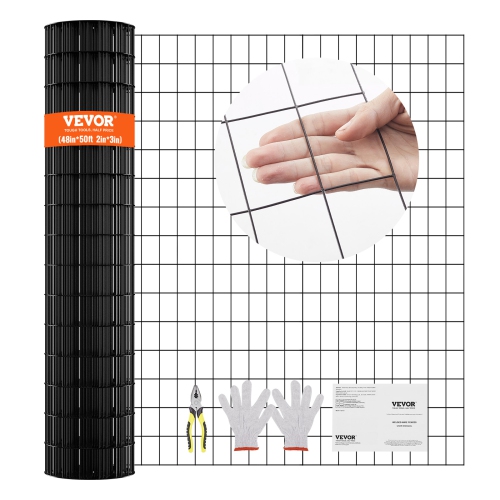
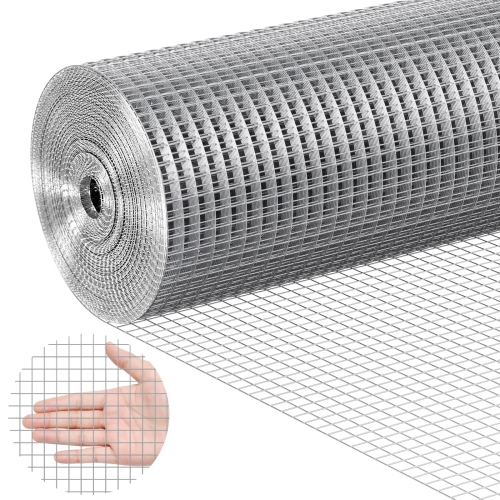
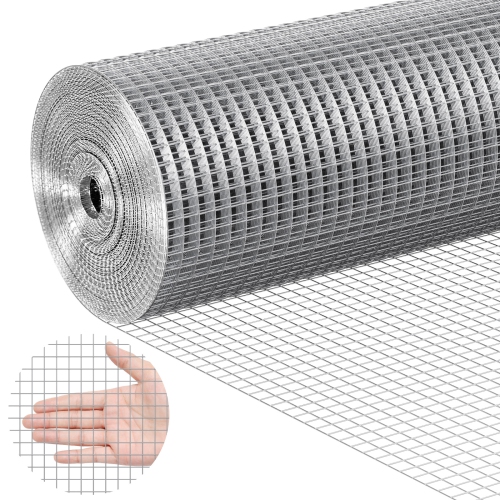
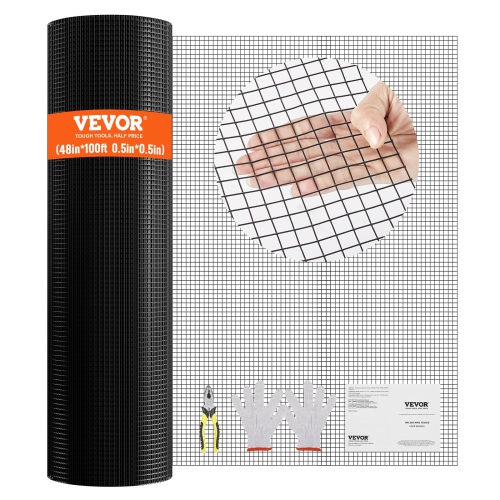
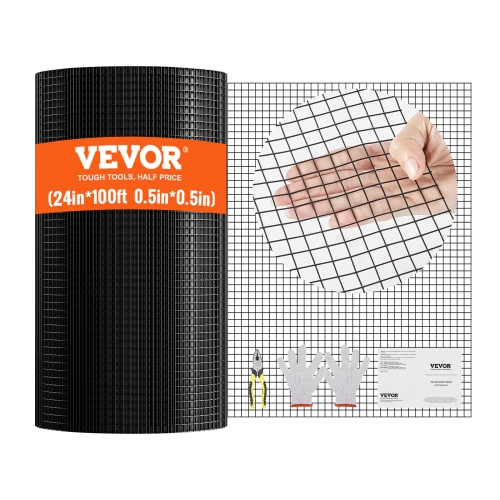
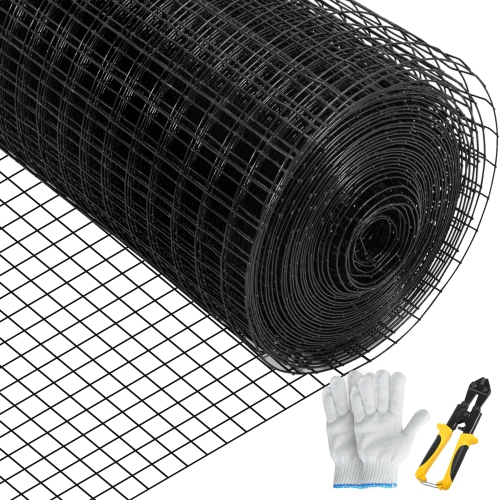
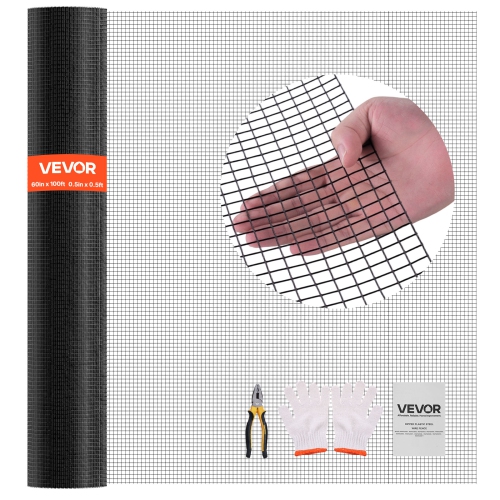
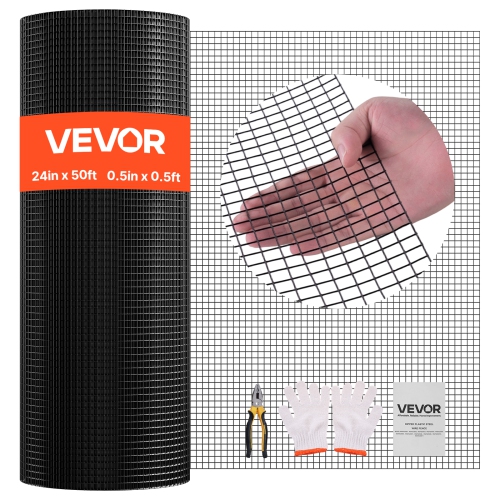
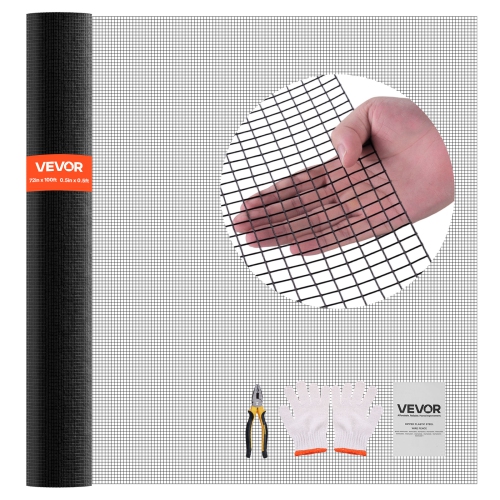
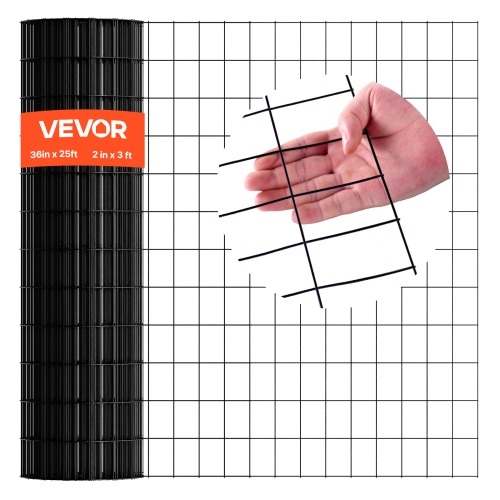
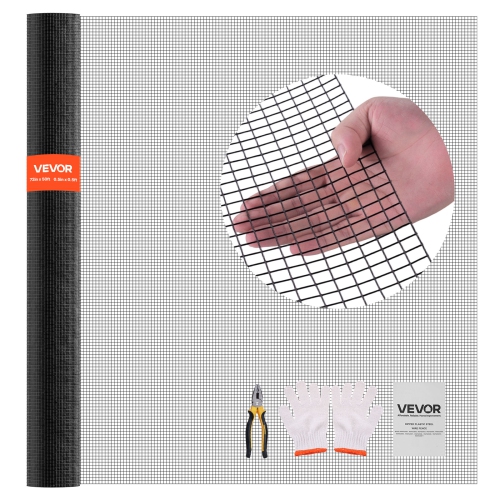
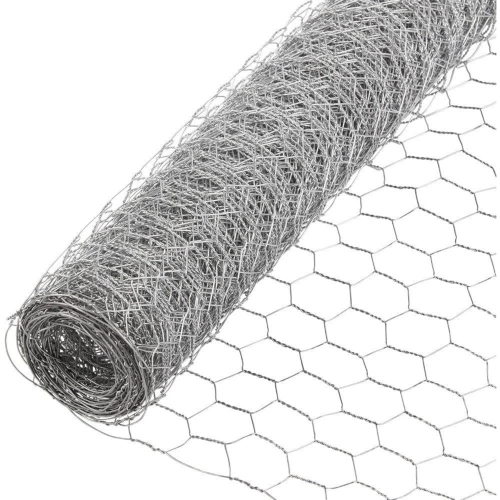
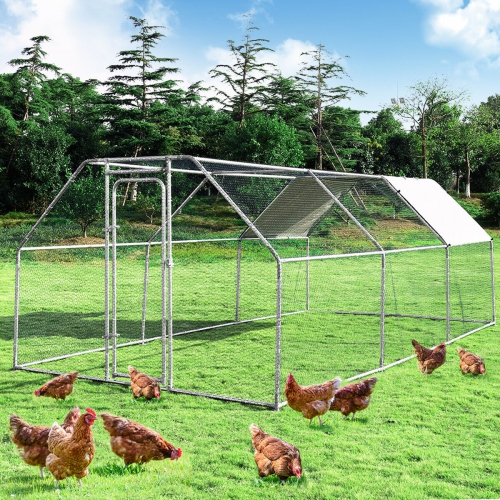
Hardware cloth for chicken coops is closely spaced metal mesh used to reinforce coop openings, enclose runs, and help keep predators away from a flock. Despite its name, it is not fabric: the mesh is made from wire, commonly galvanized steel, with welded or woven intersections. Welded hardware cloth is a common choice for poultry housing because its fixed grid holds its shape and creates a more substantial barrier than lightweight, hexagonal chicken wire. Chicken wire is primarily suited to keeping chickens contained; it should not be relied on as the main barrier against animals that can tear, chew, or pull at an enclosure. Hardware cloth serves a different purpose, adding protection around windows, ventilation openings, doors, and the lower portions of a run. Its small openings allow airflow and visibility while limiting access through the mesh. For backyard chicken keepers, hobby farmers, and people updating an older coop, the most useful distinctions are opening size, wire thickness, finish, and roll dimensions. Half-inch mesh is a common choice for general coop protection, while quarter-inch mesh can help restrict access by smaller animals that may fit through larger gaps. Neither size provides a blanket guarantee against every mouse, snake, or small predator; the animal’s size and the condition of the entire enclosure still matter. Raccoons can reach through larger openings, making closely spaced mesh particularly relevant near roosts or other places where birds rest against an enclosure. Consistent spacing, sound intersections, and secure edges are as important as the nominal mesh size. A strong panel offers limited protection if a loose corner or an uncovered gap gives an animal another route inside. The best fit is therefore hardware cloth that suits both the birds being housed and the pressure the enclosure may face, rather than mesh selected by appearance alone.
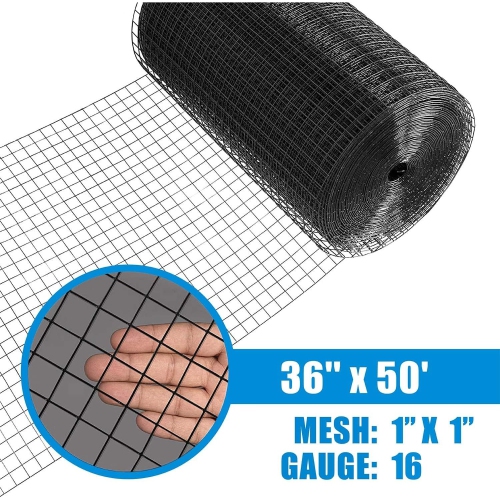
Material and construction determine how hardware cloth handles everyday use. Galvanized steel has a zinc coating that helps resist rust, making it a practical option where mesh may come into contact with damp bedding, soil, or water during cleaning. Galvanizing after welding can protect the welded intersections as well as the wire itself, although coating quality and coverage remain important. Stainless steel offers another approach to corrosion resistance, while coated mesh may provide a smoother-looking finish; any outer coating should be considered alongside the strength and material of the wire beneath it. Wire gauge describes thickness, with a lower gauge number generally indicating thicker wire within the same gauge system. Nineteen-gauge and sixteen-gauge hardware cloth are common considerations for chicken enclosures, with sixteen-gauge wire generally offering greater resistance to bending and deformation. Gauge and opening size need to be assessed together. Quarter-inch mesh is often made with thinner wire than half-inch mesh, so smaller openings do not automatically mean a stronger barrier. Thicker wire can also be harder to trim, bend, and fit neatly around narrow frames. Roll width and length affect how well the material matches the project: a wide roll can span a run panel with fewer seams, while a narrower roll may be easier to manage around vents, access doors, or a compact coop. Measurements need to allow for attachment to solid framing and sufficient overlap wherever sections meet, not just the visible opening. For example, a window opening needs a piece large enough to extend onto the surrounding frame, leaving room for secure fasteners around its perimeter. Mesh supplied in rolls can retain a curve when unrolled, and cut edges can be sharp. Handling characteristics, suitable cutting tools, and protective gloves are practical considerations, especially when fitting several panels or working around an existing structure with tight corners and uneven surfaces.
The intended placement of hardware cloth has a direct effect on its suitability. Across a coop window or vent, it provides a barrier without closing off the opening, though finer mesh can collect more dust and feathers and may need more frequent cleaning to preserve airflow. Along a run, it can reduce opportunities for animals to reach through at bird level. Around the base, hardware cloth can form an outward-facing anti-dig apron, commonly extending about one to two feet from the enclosure, to discourage animals from digging directly beside the wall. A buried vertical barrier is another approach, but neither arrangement guarantees protection on its own; soil conditions, joins, corners, and local digging animals affect performance. Mesh touching soil also needs particular attention to corrosion and wear. Attachment is a major part of durability wherever the mesh is used. Screws with broad fender washers, or wooden battens secured over the mesh edges, can spread the holding force across the wire and framing. Light-duty staples alone can be a weak point when an animal pulls repeatedly at an edge. Door frames, hinges, latches, and adjoining panels need to provide comparable security, since hardware cloth cannot compensate for a door that lifts or a frame that has softened. Inside the coop, neatly secured cut ends help prevent scratches, and mesh should not leave sharp projections where birds feed, perch, or pass through an opening. Hardware cloth is generally better suited to protective barriers than as a routine walking surface, where continuous wire contact can contribute to foot injuries. Ongoing care centres on removing trapped debris, checking for broken welds or wires, and looking for loose fasteners, damaged coatings, and gaps at seams. These checks are especially useful after alterations or signs that an animal has tested the enclosure. For properties that combine poultry keeping with food growing, Hardware Cloth for Raised Beds covers a related use for metal mesh, although soil contact and the animals being excluded call for their own material choices. For a chicken coop, the priorities remain a suitable opening size, adequate wire strength, a durable finish, and a secure fit throughout the enclosure.
Material and construction determine how hardware cloth handles everyday use. Galvanized steel has a zinc coating that helps resist rust, making it a practical option where mesh may come into contact with damp bedding, soil, or water during cleaning. Galvanizing after welding can protect the welded intersections as well as the wire itself, although coating quality and coverage remain important. Stainless steel offers another approach to corrosion resistance, while coated mesh may provide a smoother-looking finish; any outer coating should be considered alongside the strength and material of the wire beneath it. Wire gauge describes thickness, with a lower gauge number generally indicating thicker wire within the same gauge system. Nineteen-gauge and sixteen-gauge hardware cloth are common considerations for chicken enclosures, with sixteen-gauge wire generally offering greater resistance to bending and deformation. Gauge and opening size need to be assessed together. Quarter-inch mesh is often made with thinner wire than half-inch mesh, so smaller openings do not automatically mean a stronger barrier. Thicker wire can also be harder to trim, bend, and fit neatly around narrow frames. Roll width and length affect how well the material matches the project: a wide roll can span a run panel with fewer seams, while a narrower roll may be easier to manage around vents, access doors, or a compact coop. Measurements need to allow for attachment to solid framing and sufficient overlap wherever sections meet, not just the visible opening. For example, a window opening needs a piece large enough to extend onto the surrounding frame, leaving room for secure fasteners around its perimeter. Mesh supplied in rolls can retain a curve when unrolled, and cut edges can be sharp. Handling characteristics, suitable cutting tools, and protective gloves are practical considerations, especially when fitting several panels or working around an existing structure with tight corners and uneven surfaces.
The intended placement of hardware cloth has a direct effect on its suitability. Across a coop window or vent, it provides a barrier without closing off the opening, though finer mesh can collect more dust and feathers and may need more frequent cleaning to preserve airflow. Along a run, it can reduce opportunities for animals to reach through at bird level. Around the base, hardware cloth can form an outward-facing anti-dig apron, commonly extending about one to two feet from the enclosure, to discourage animals from digging directly beside the wall. A buried vertical barrier is another approach, but neither arrangement guarantees protection on its own; soil conditions, joins, corners, and local digging animals affect performance. Mesh touching soil also needs particular attention to corrosion and wear. Attachment is a major part of durability wherever the mesh is used. Screws with broad fender washers, or wooden battens secured over the mesh edges, can spread the holding force across the wire and framing. Light-duty staples alone can be a weak point when an animal pulls repeatedly at an edge. Door frames, hinges, latches, and adjoining panels need to provide comparable security, since hardware cloth cannot compensate for a door that lifts or a frame that has softened. Inside the coop, neatly secured cut ends help prevent scratches, and mesh should not leave sharp projections where birds feed, perch, or pass through an opening. Hardware cloth is generally better suited to protective barriers than as a routine walking surface, where continuous wire contact can contribute to foot injuries. Ongoing care centres on removing trapped debris, checking for broken welds or wires, and looking for loose fasteners, damaged coatings, and gaps at seams. These checks are especially useful after alterations or signs that an animal has tested the enclosure. For properties that combine poultry keeping with food growing, Hardware Cloth for Raised Beds covers a related use for metal mesh, although soil contact and the animals being excluded call for their own material choices. For a chicken coop, the priorities remain a suitable opening size, adequate wire strength, a durable finish, and a secure fit throughout the enclosure.
Top selling and popular products
-
 Your price for this item is $169.99
 -
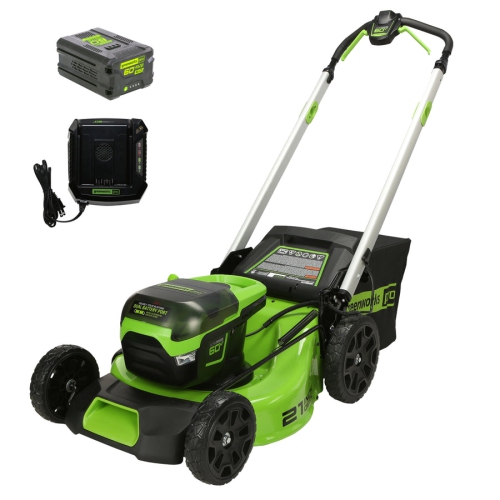 Your price for this item is $554.39
 -
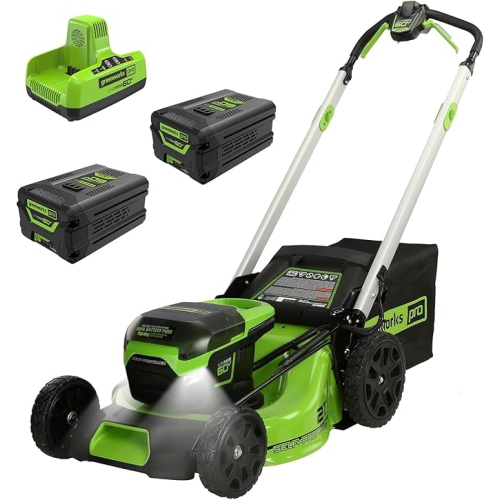 Your price for this item is $879.99
 -
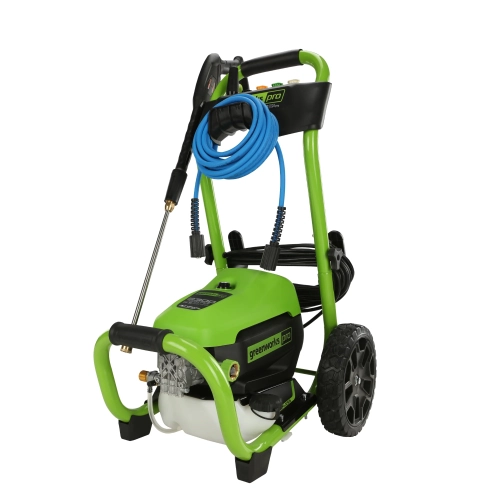 Your price for this item is $439.99
 -
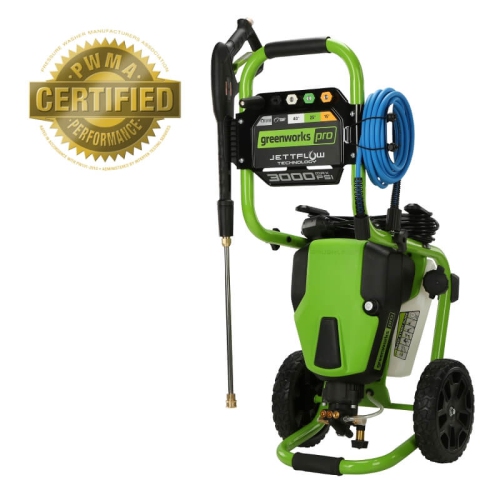 Your price for this item is $499
 -
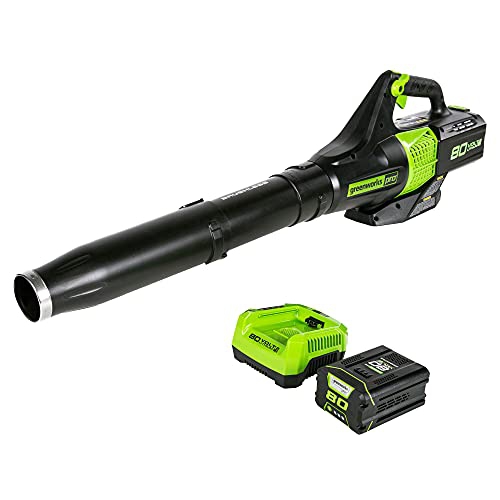 Your price for this item is $255
 -
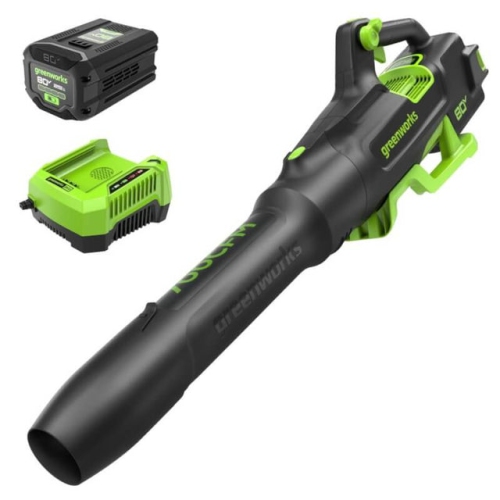 Your price for this item is $272
 -
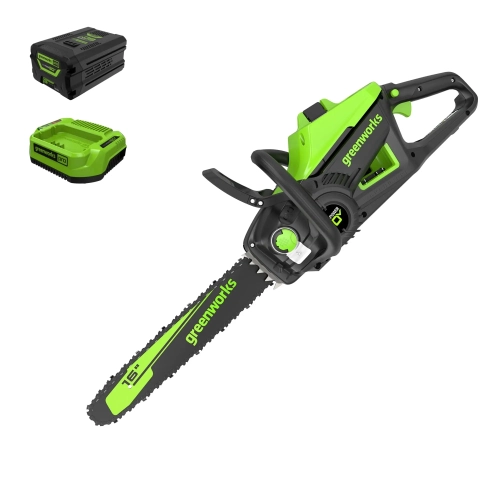 Your price for this item is $329.99
Discover more categories related to Hardware Cloth for Chicken Coops
Top Collections:
Pokemon Centers, Kindle Devices, Best Budget Office Chairs, Apple iPhones 16, Canon G7X Cameras, iPhone 15 Apple, Alarm Clock, Refurbished Apple Laptops, Flip Phones, Best Laptops for Writers
Some products may be subject to Environmental Handling Fees
(EHF) depending on your province.
Learn more about EHFs.