Headphone Cables
Looking for high-quality headphone cables to enhance your audio experience? Look no further! At Best Buy Canada, we offer a wide selection of headphone cables that are designed to deliver exceptional sound quality and durability. Whether you're a music enthusiast or a professional audio engineer, our range of headphone cables is sure to meet your needs. From coiled cables to extension cords, you'll find the perfect cable to connect your headphones to any device. Explore our collection today and take your listening experience to the next level with Best Buy.
Sort


































































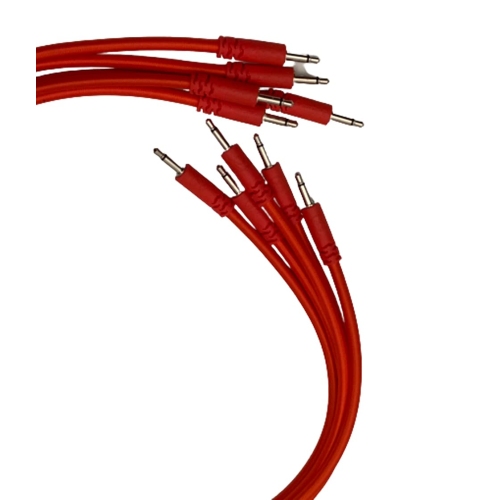


Why a matching plug does not guarantee compatibility
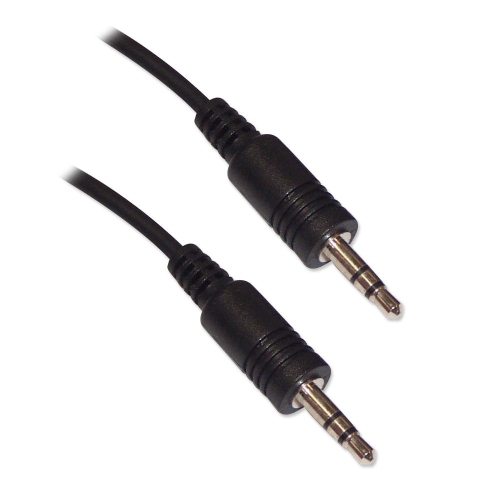
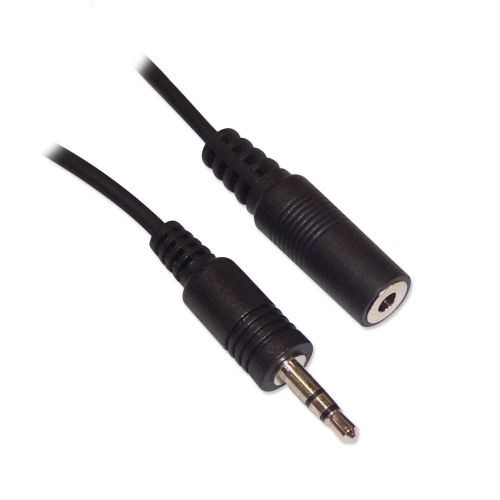
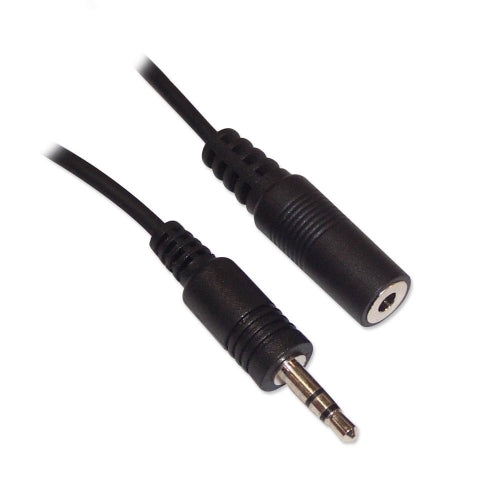
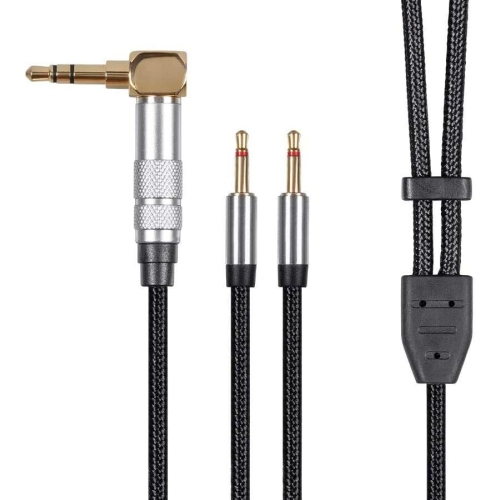
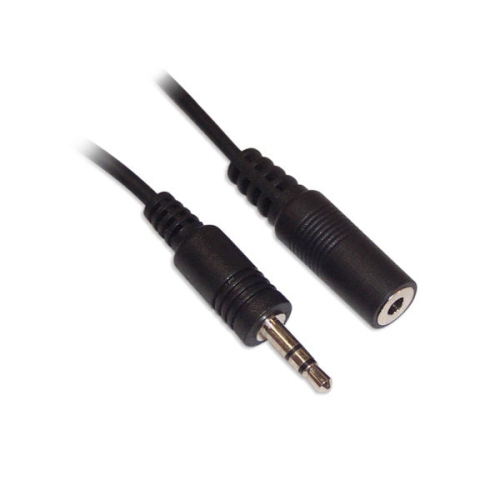
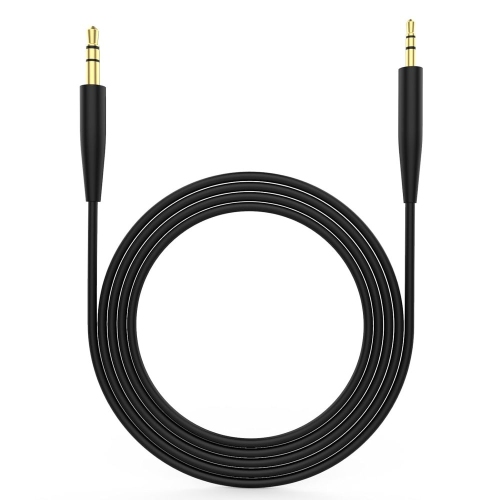
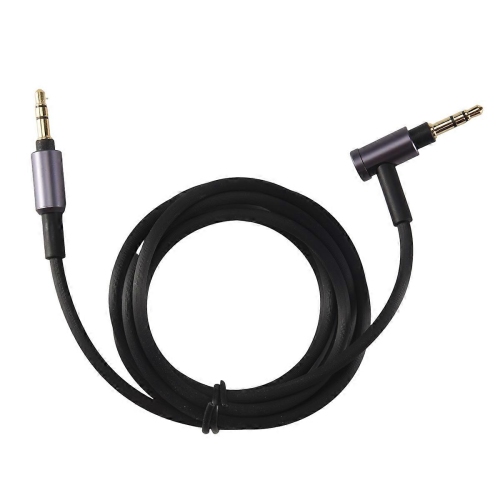
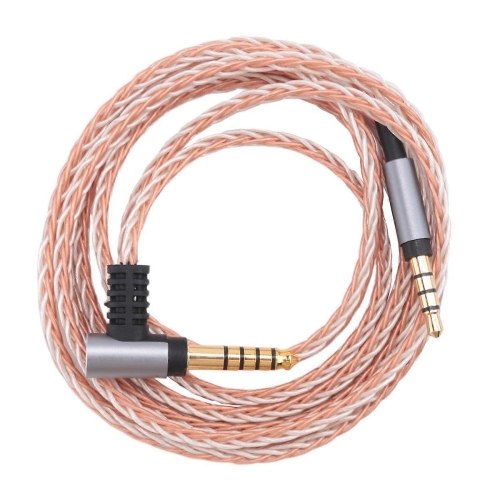
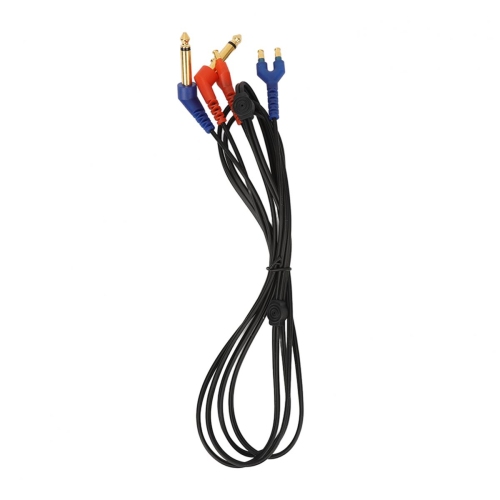
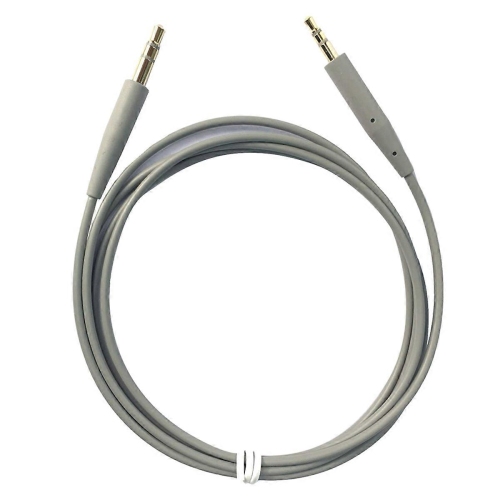
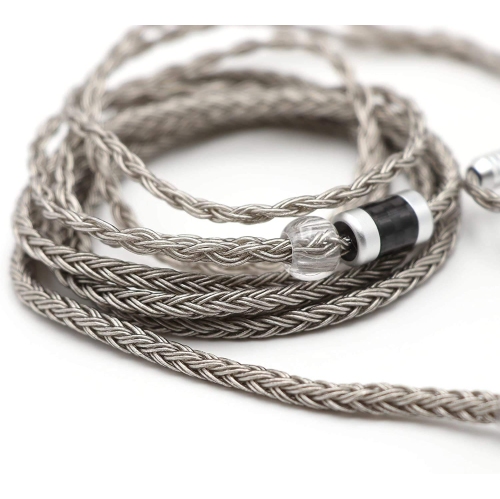
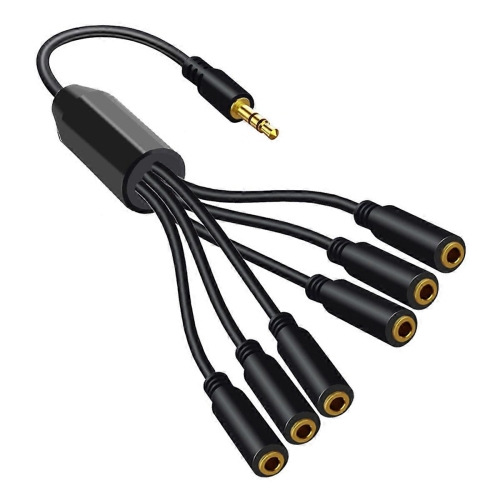
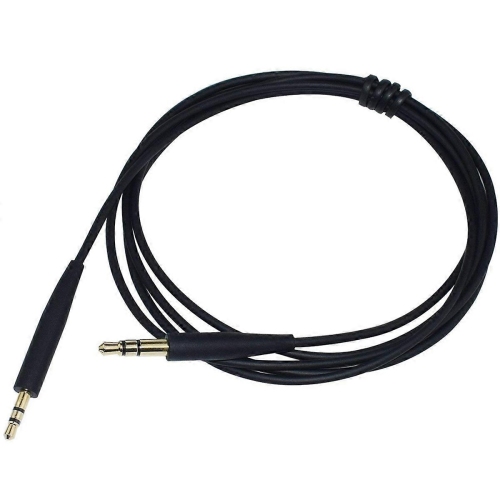
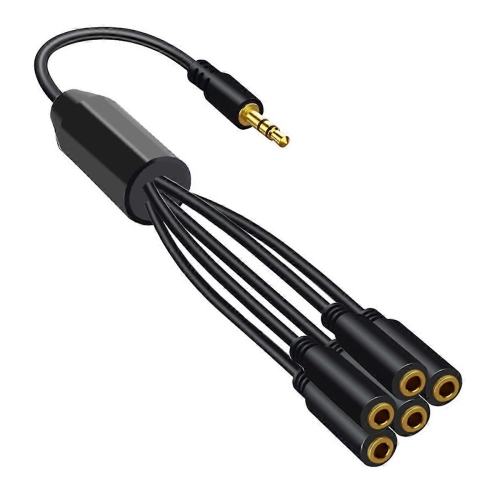
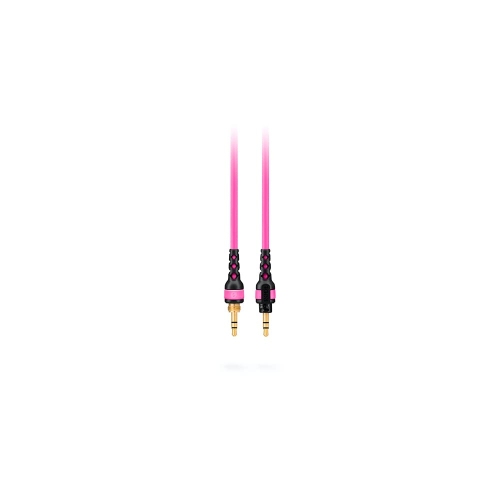
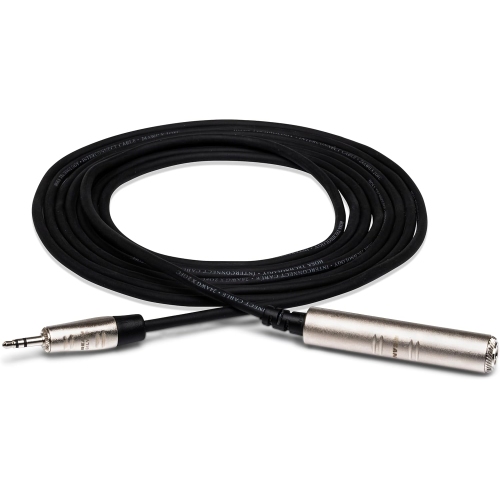
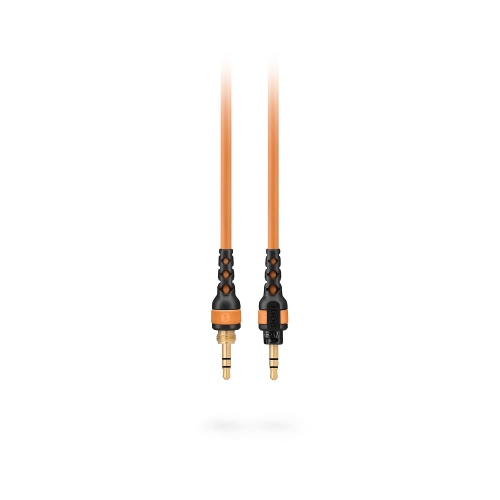
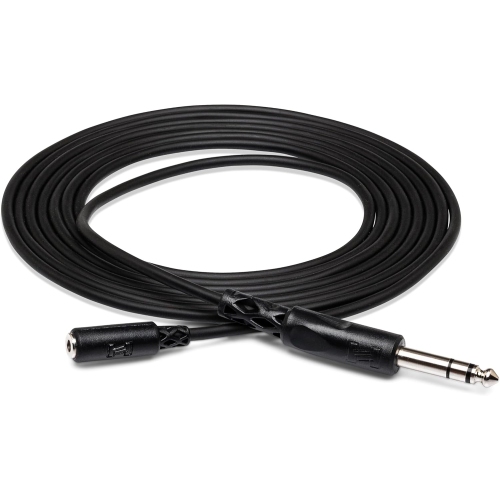
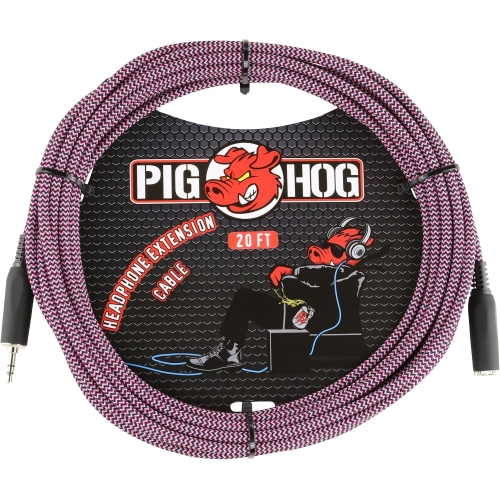
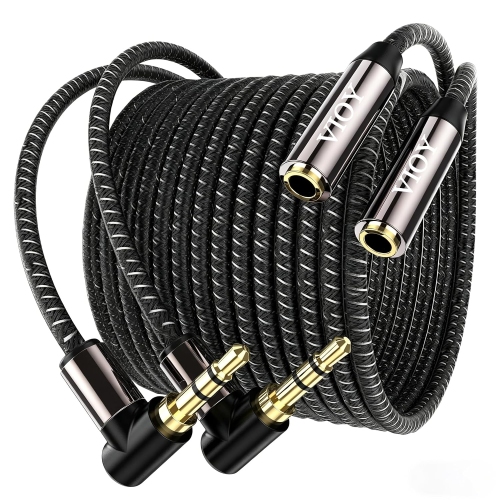
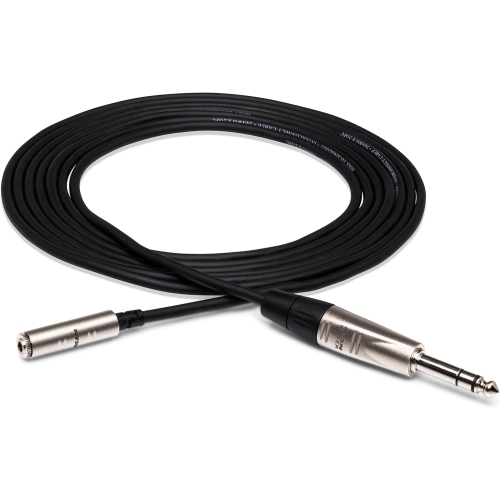
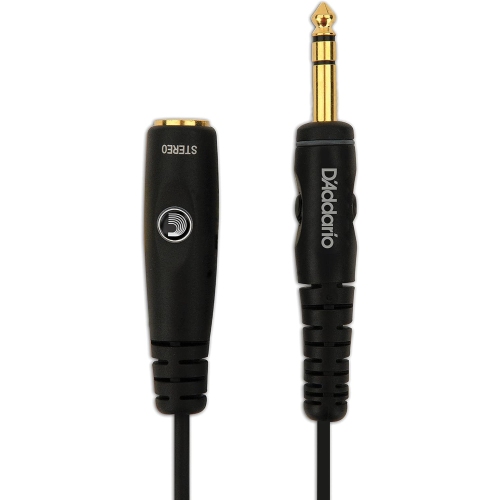
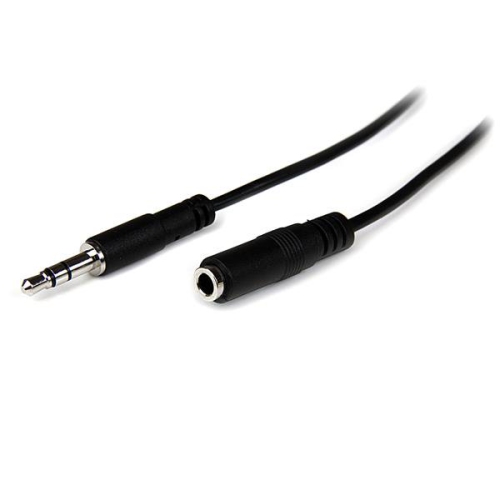
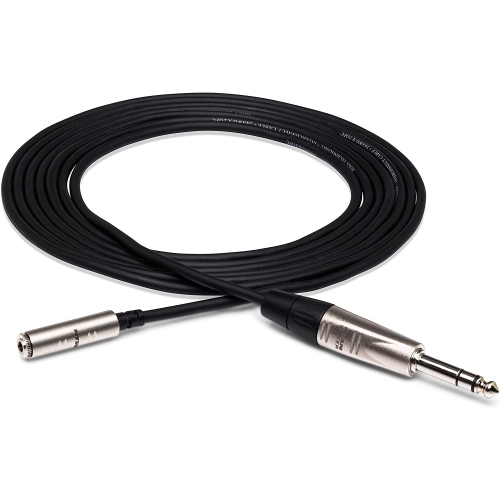
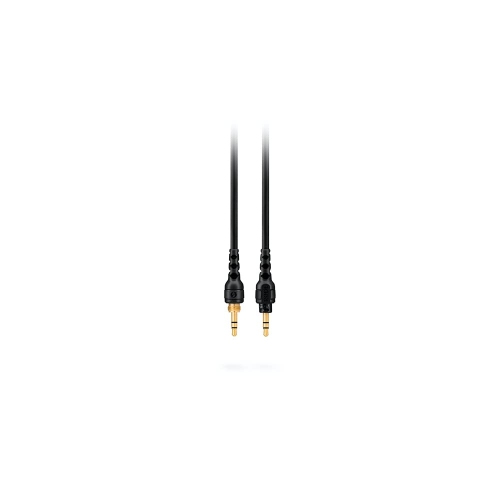
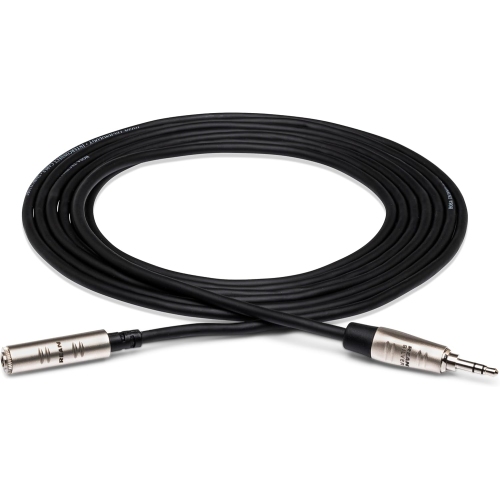
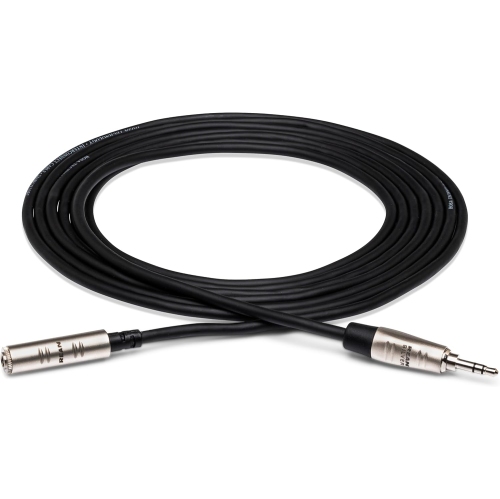
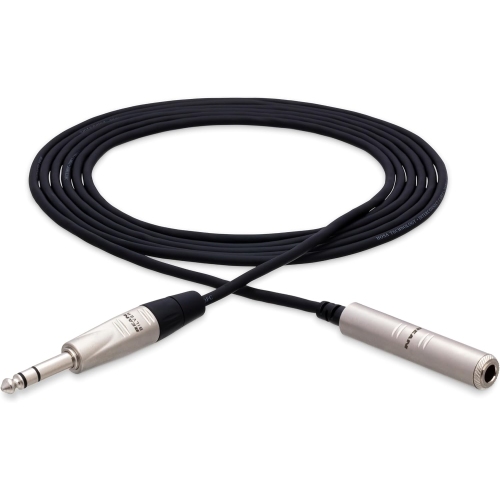
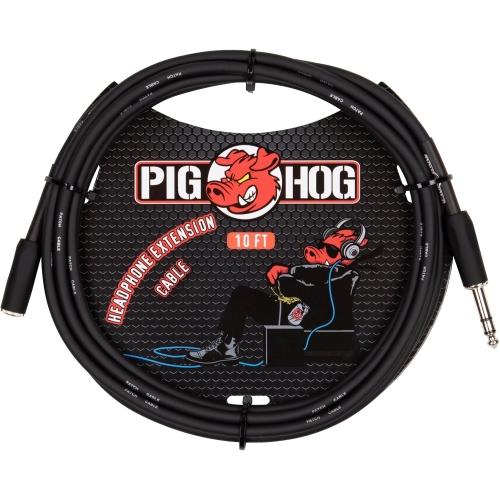
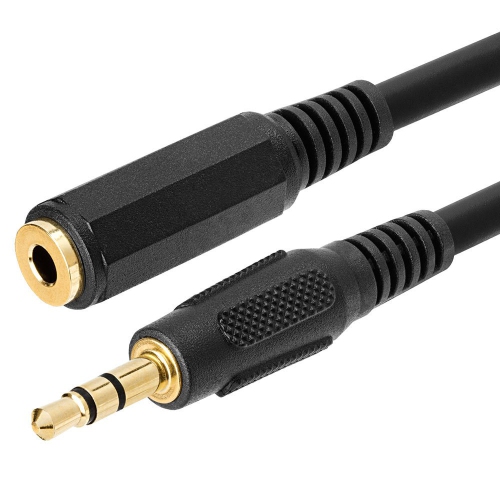
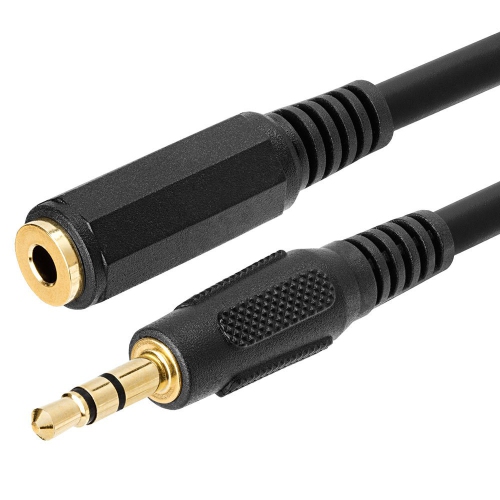
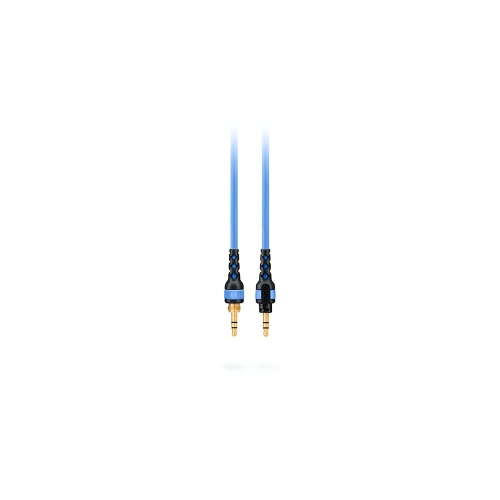
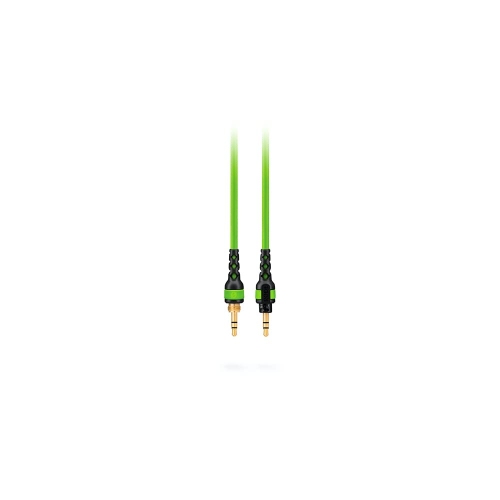
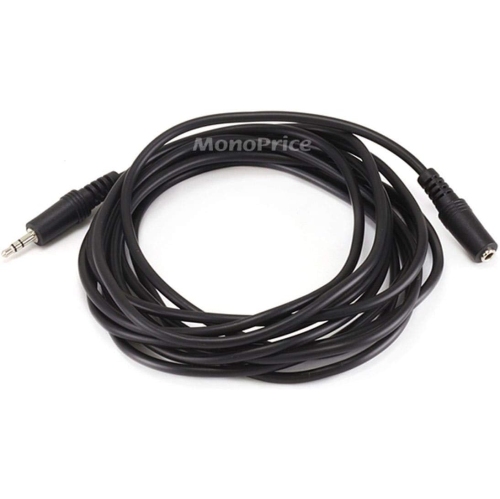
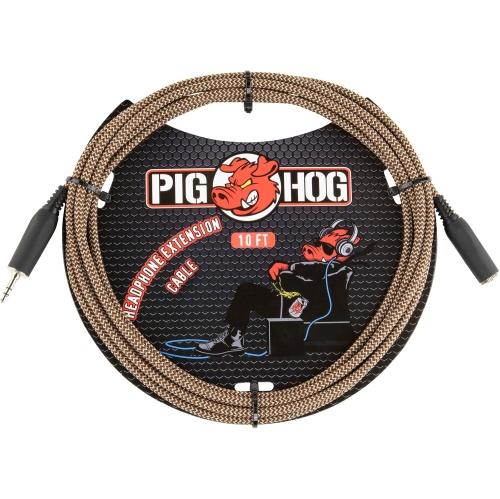
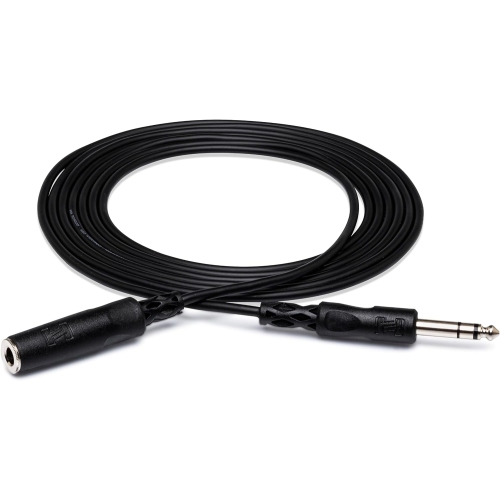
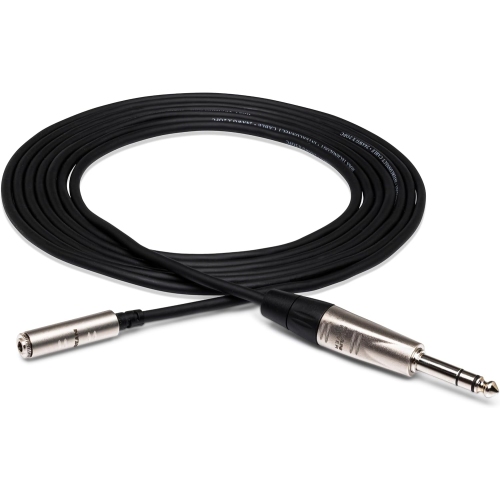
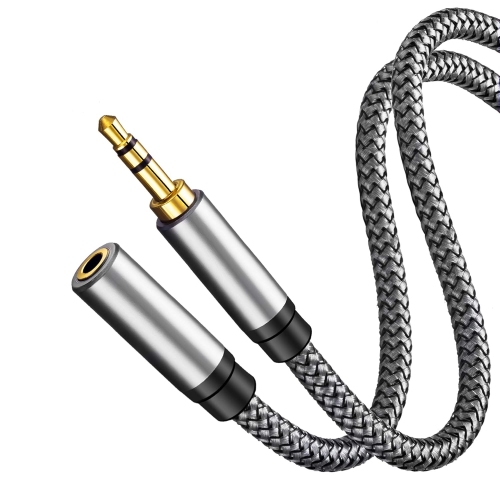
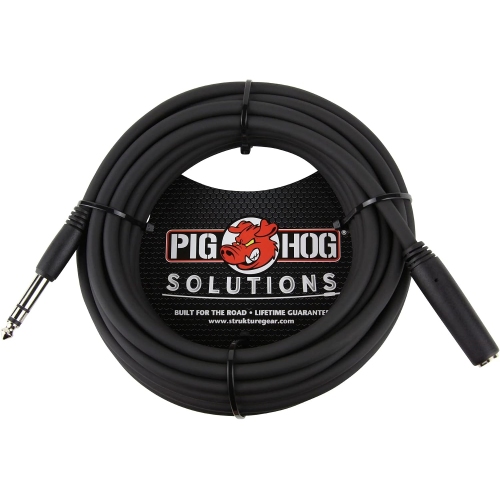
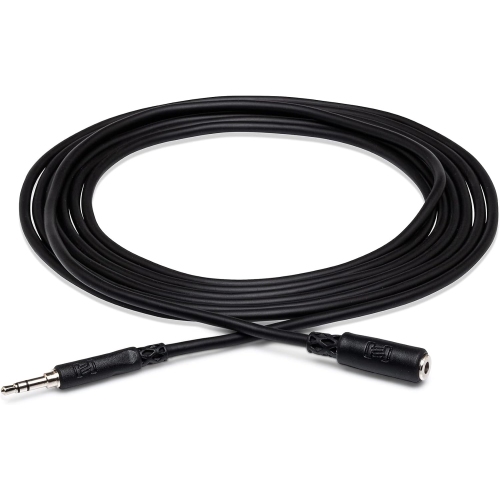
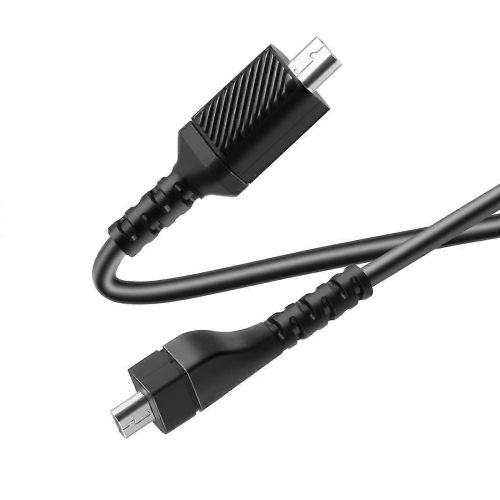
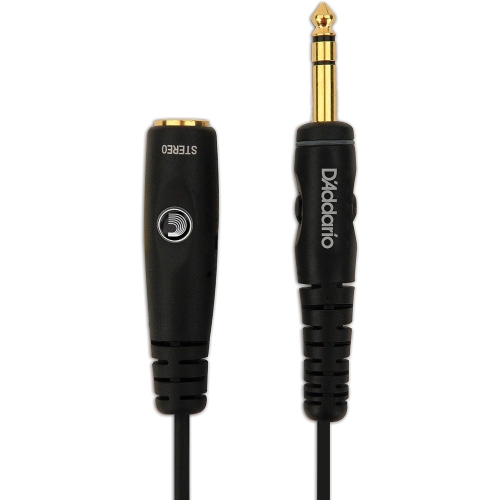
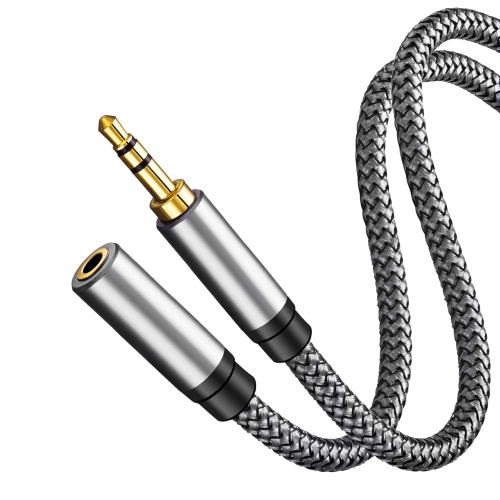
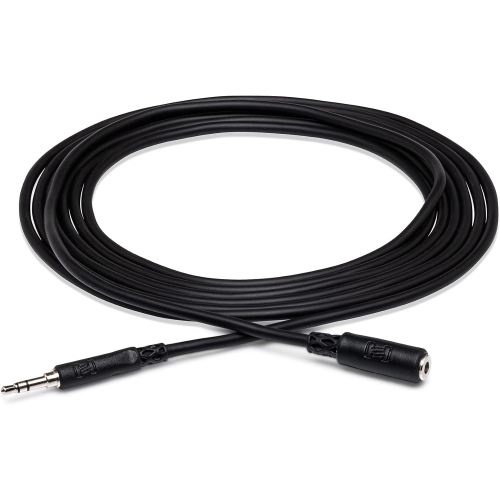
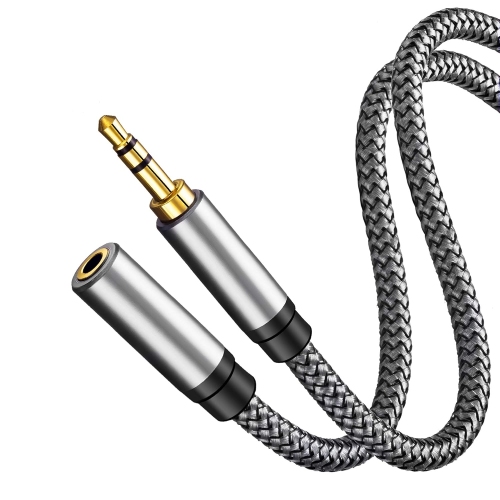
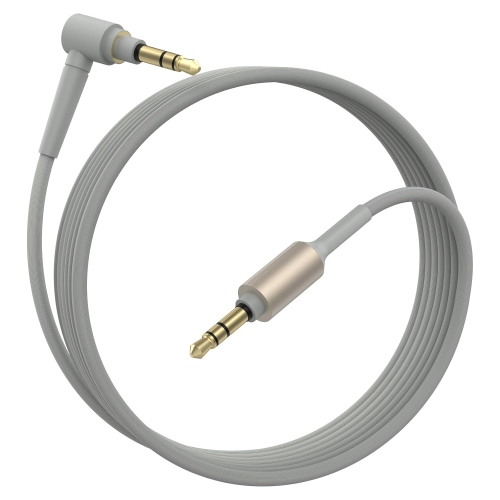
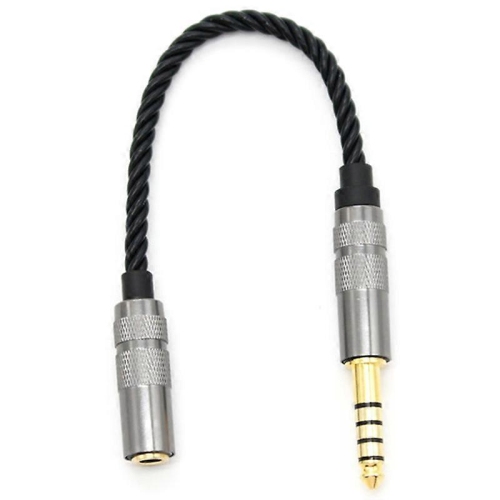
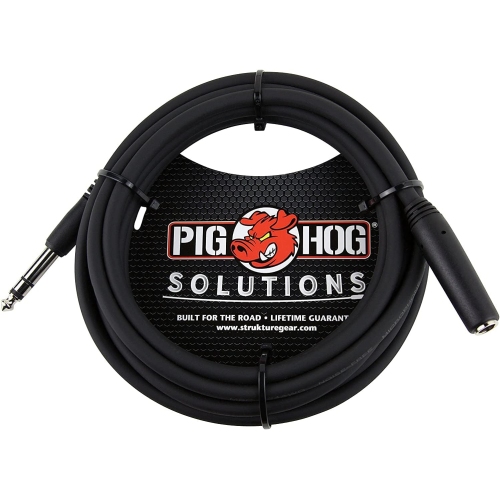
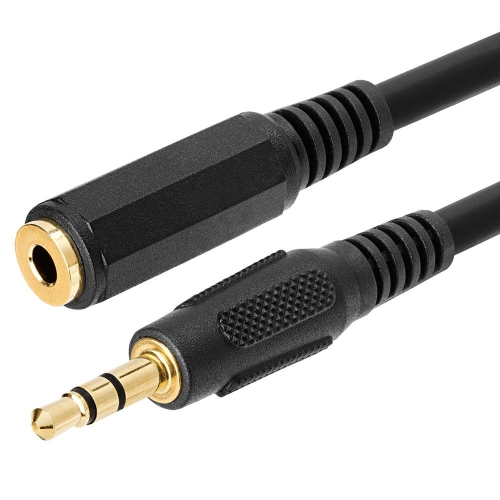
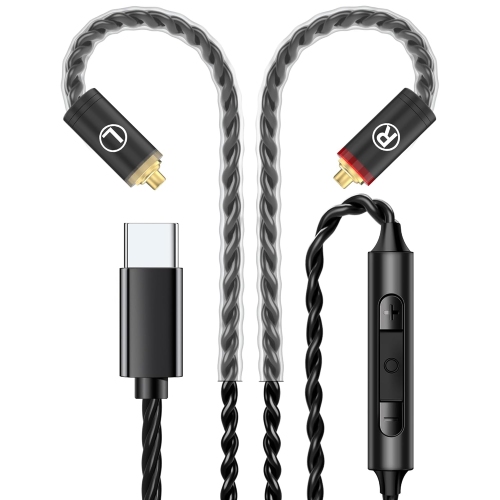
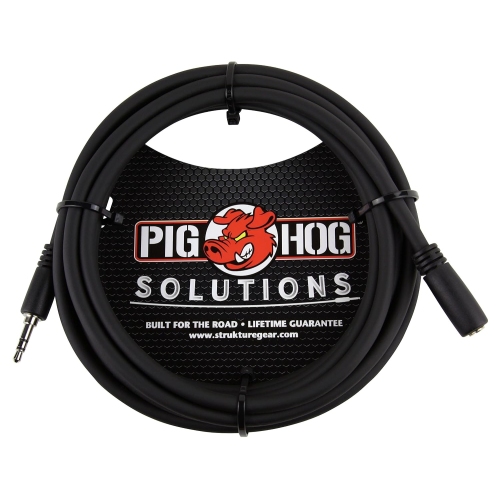
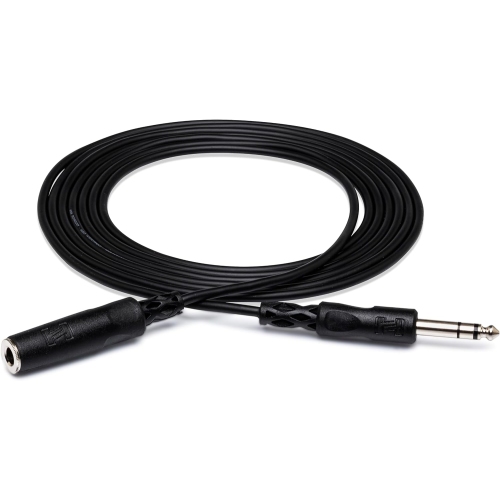
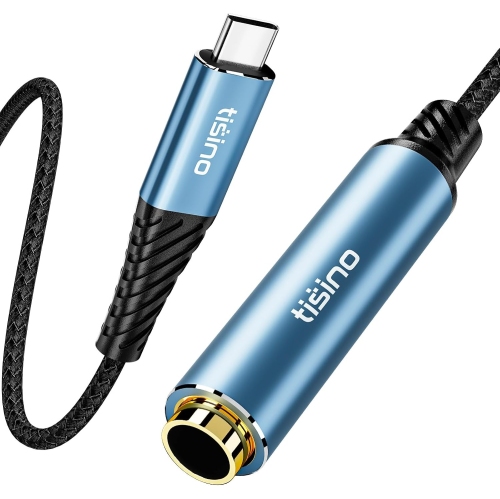
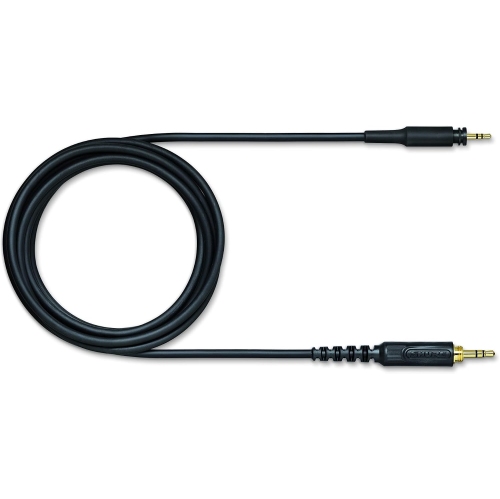
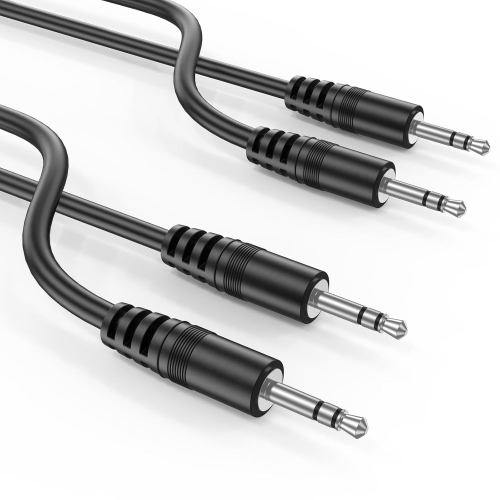
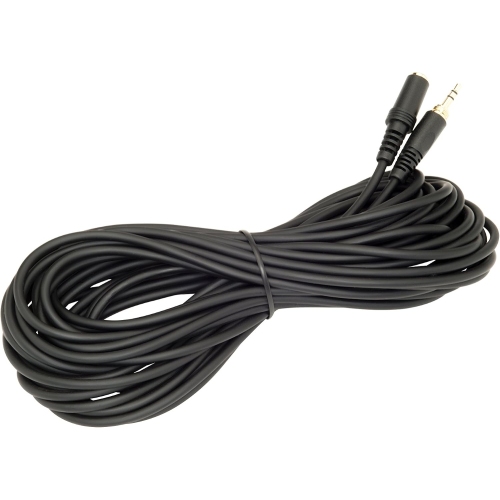
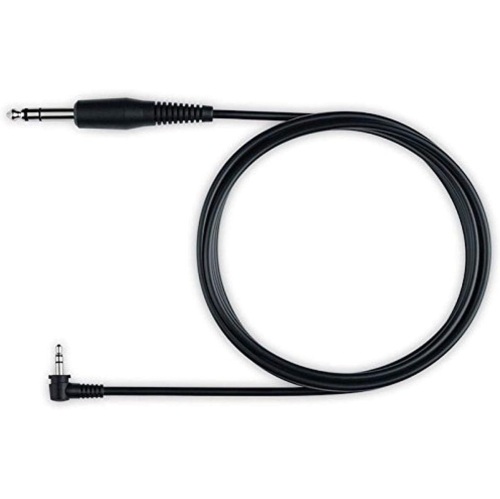
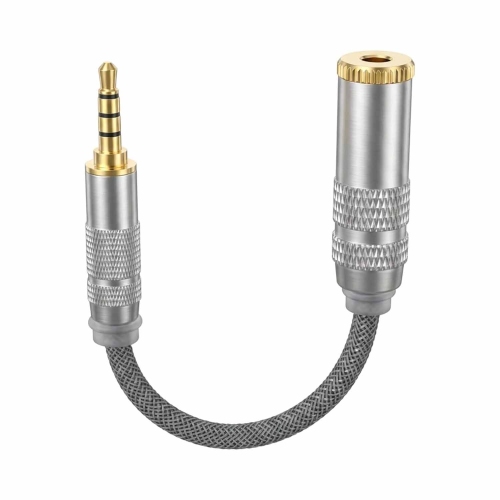
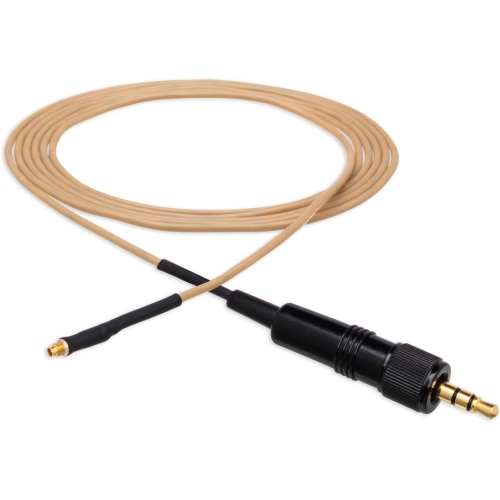
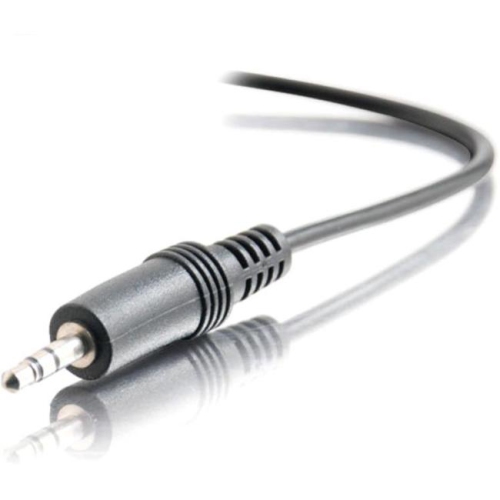
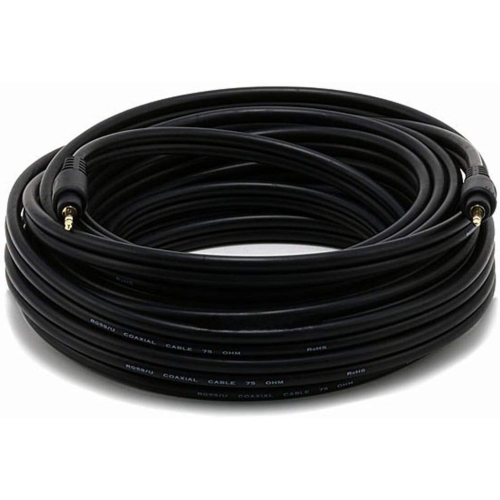
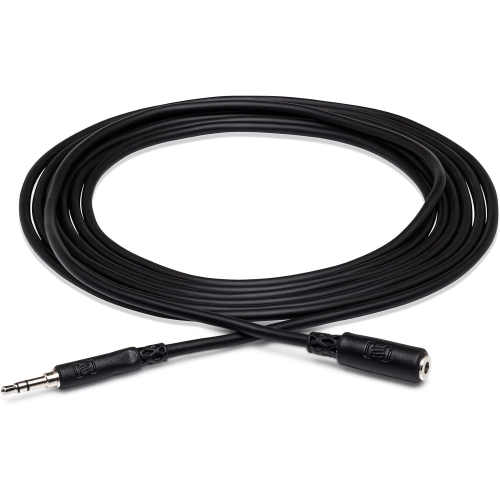
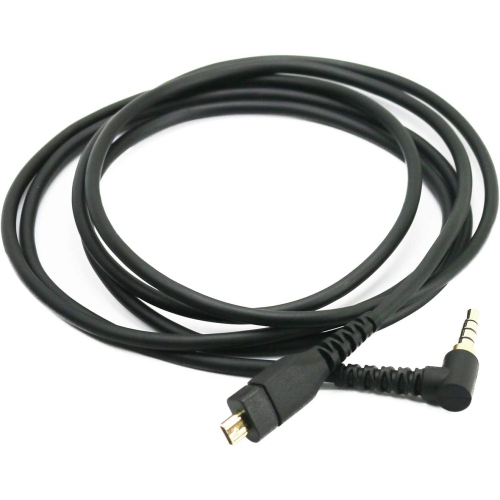
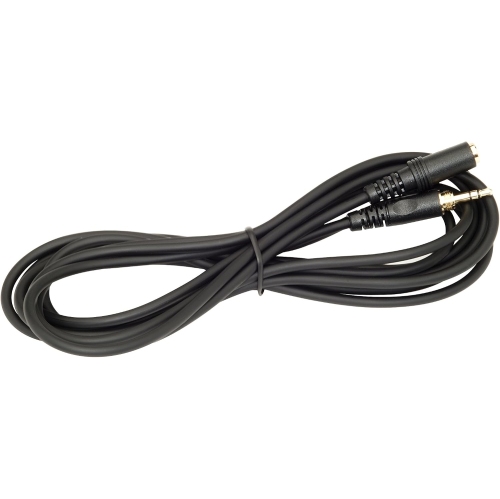
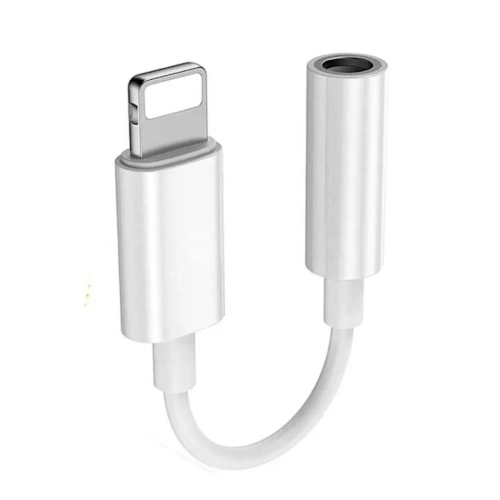
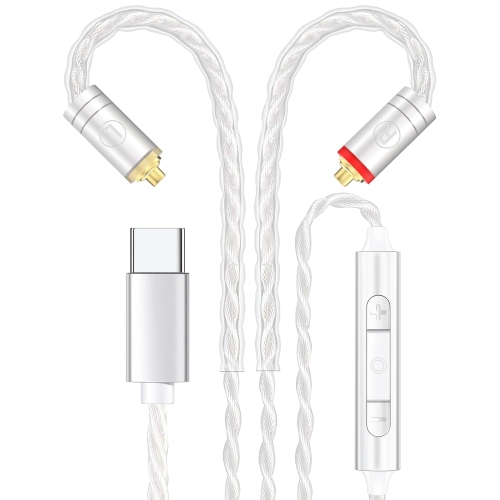
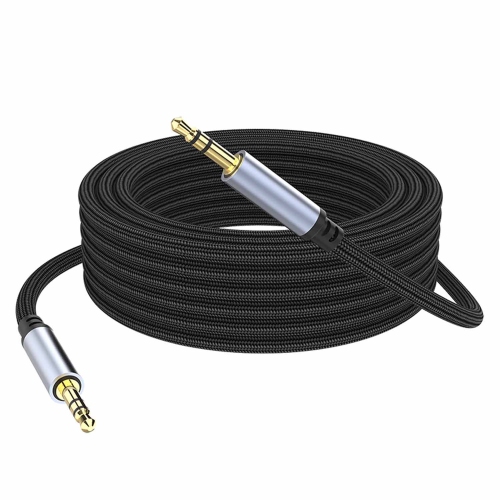
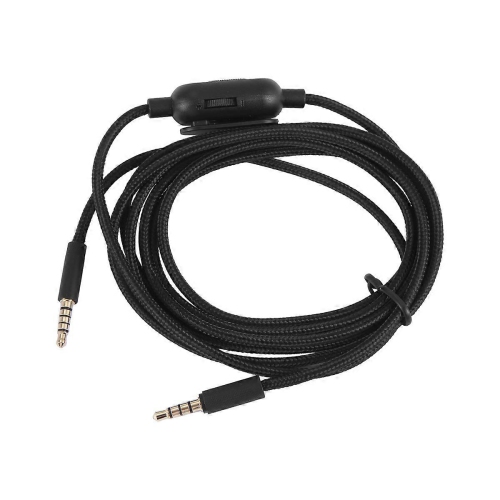
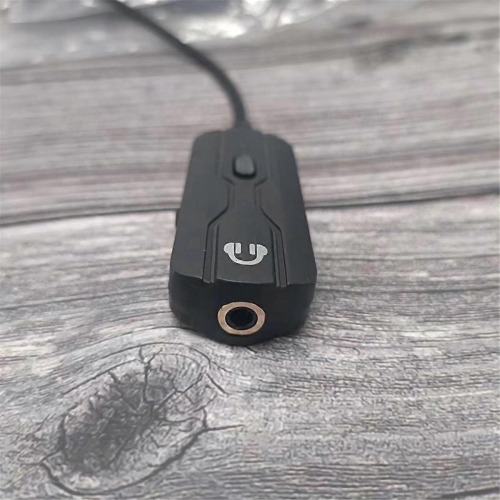
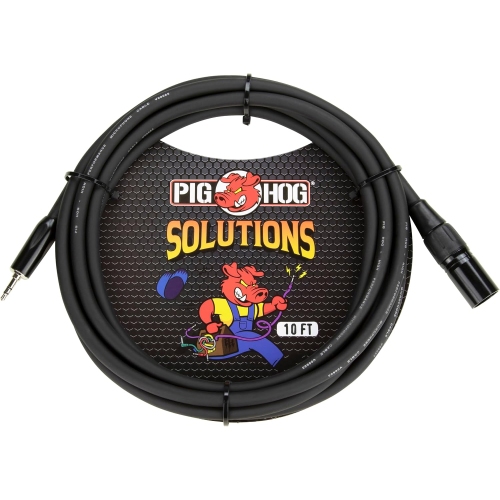
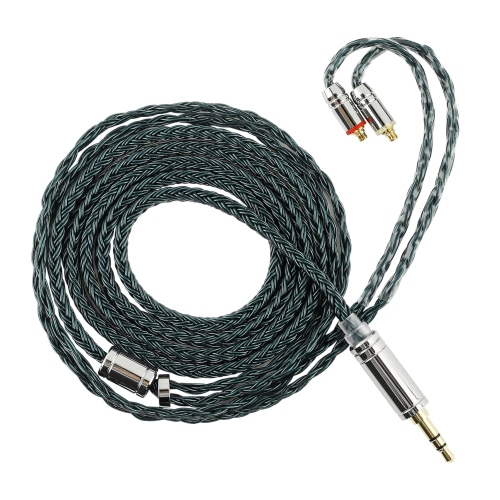
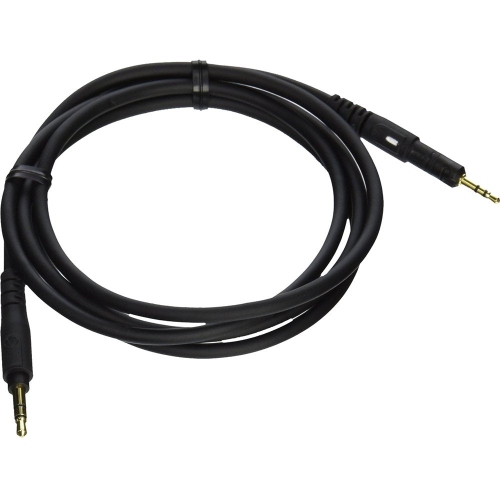
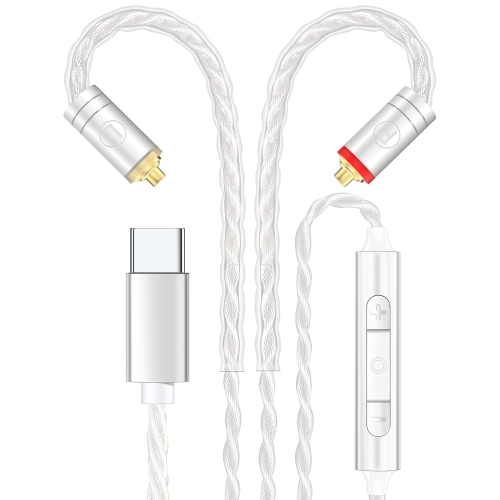
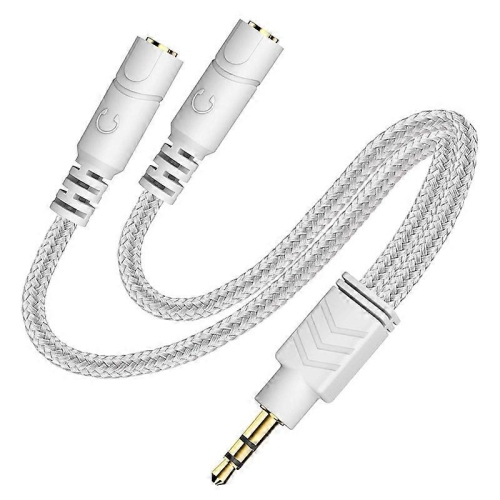
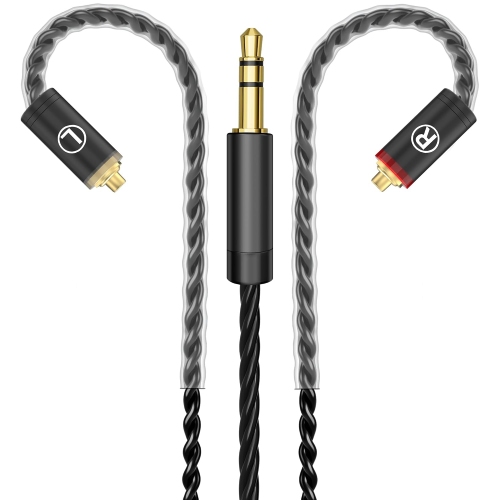
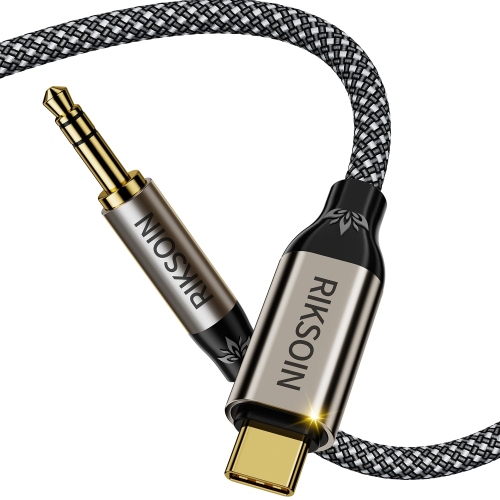
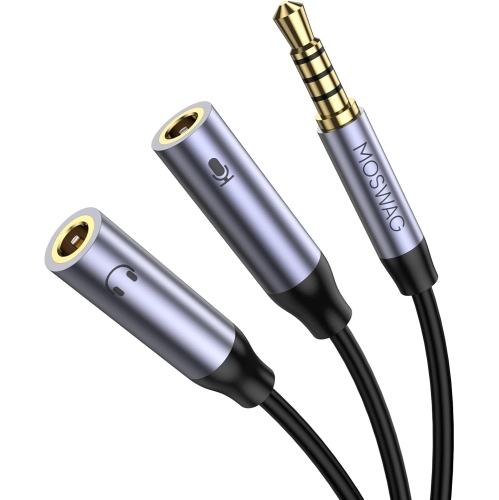
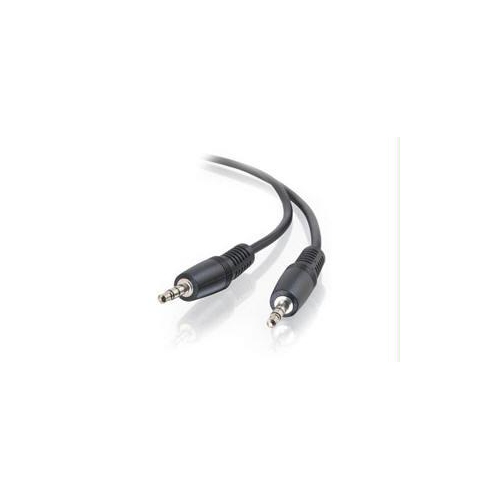
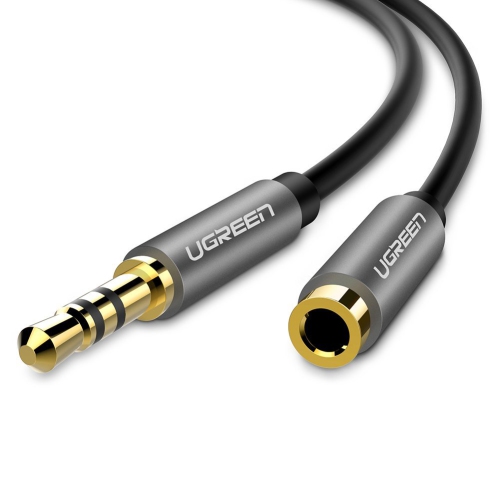
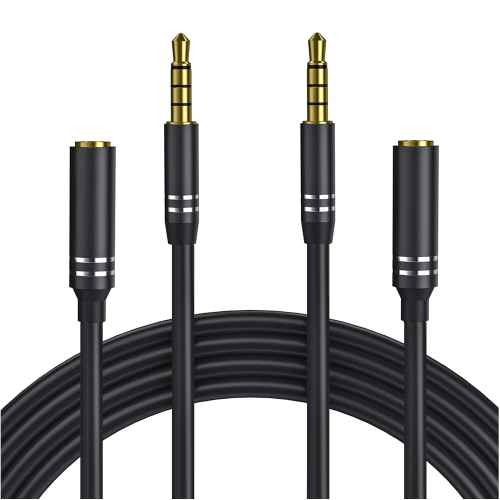
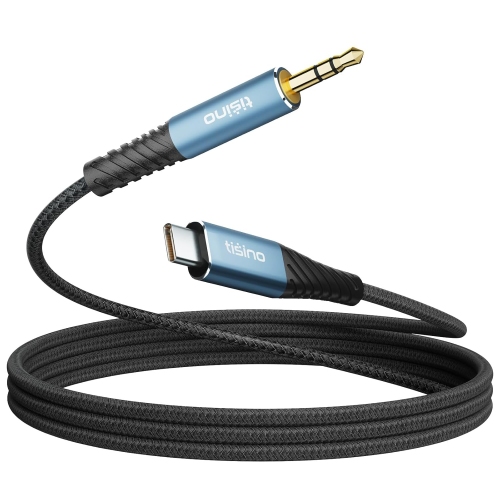
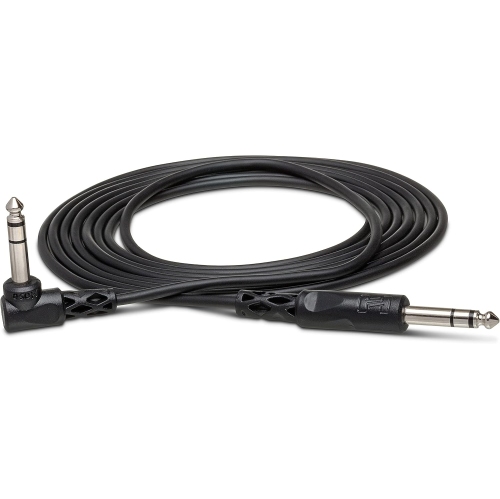
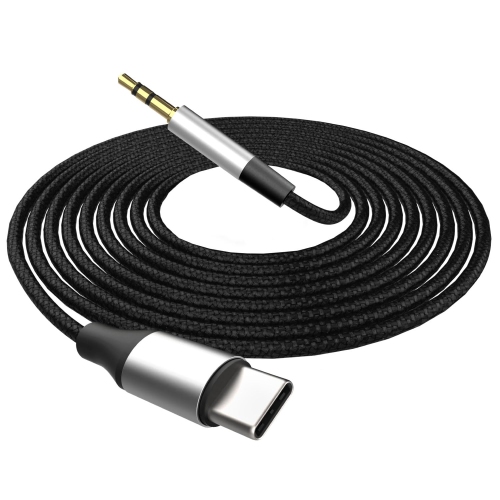
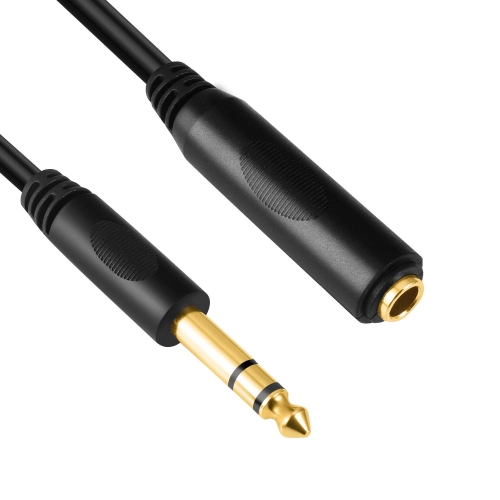
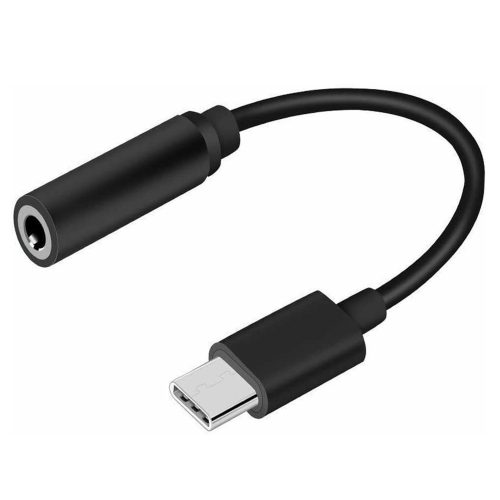
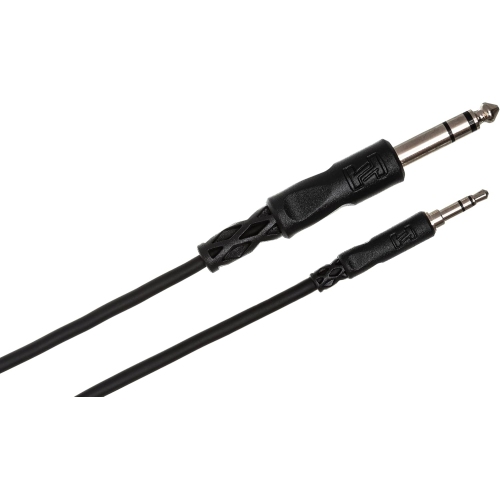
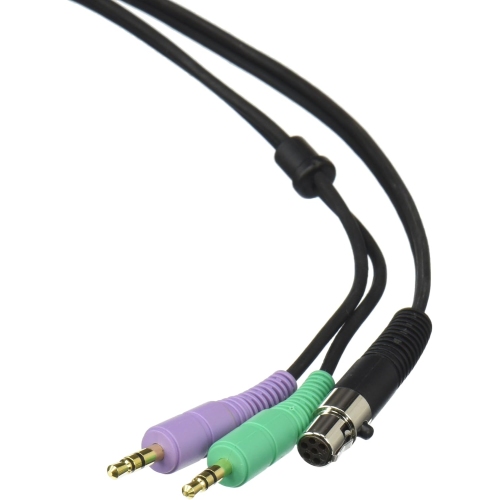
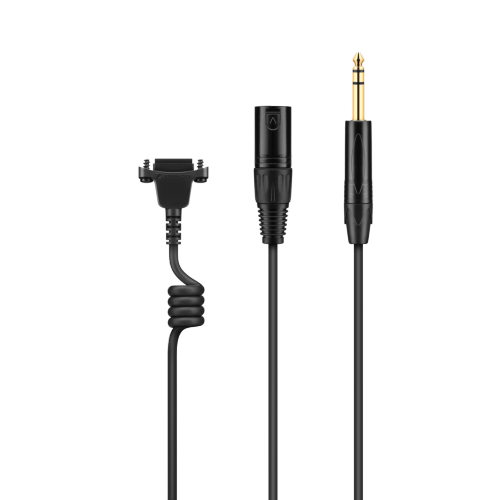
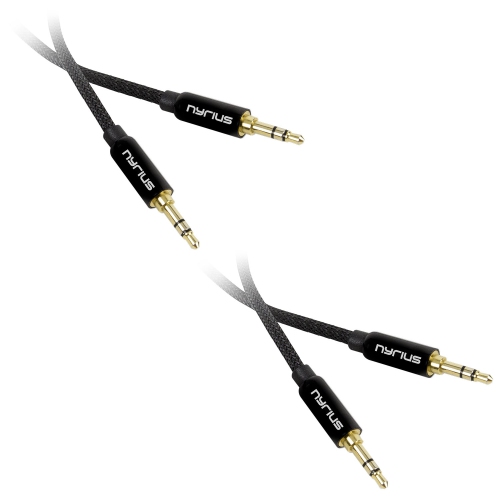
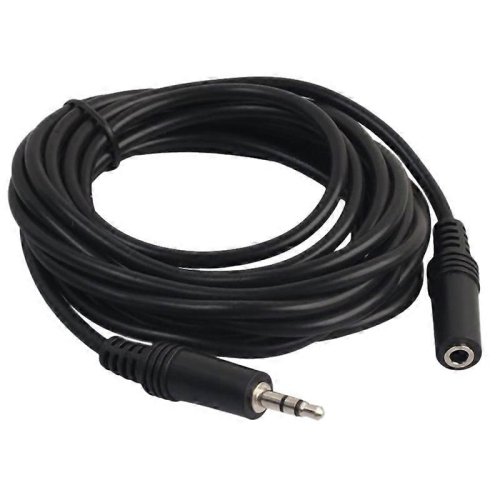
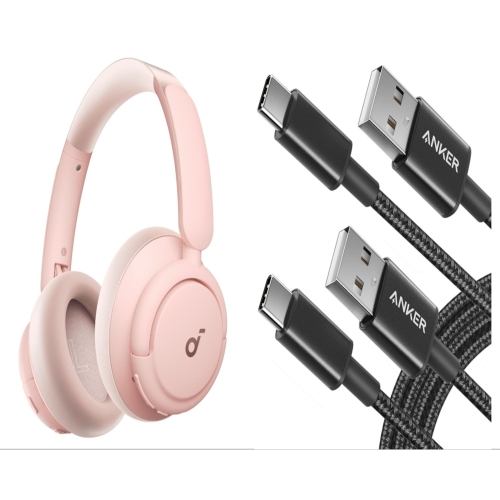
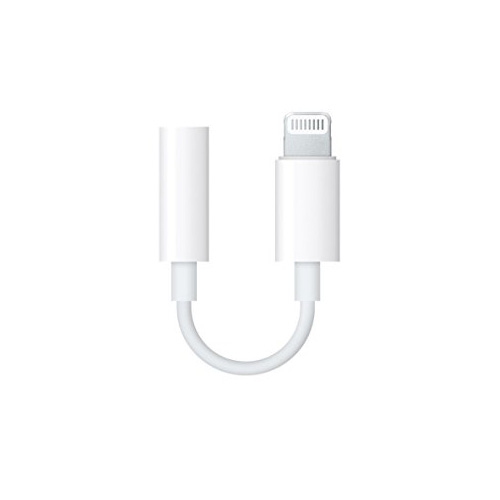
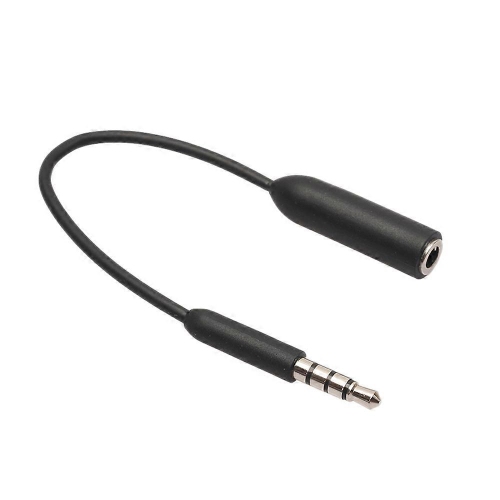
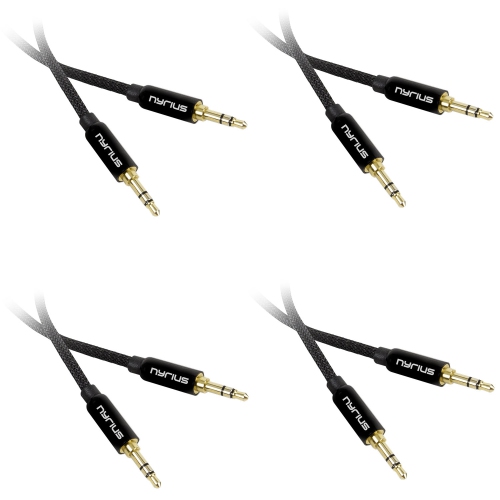
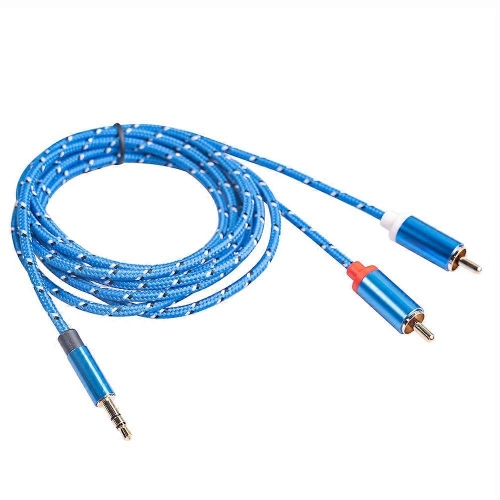
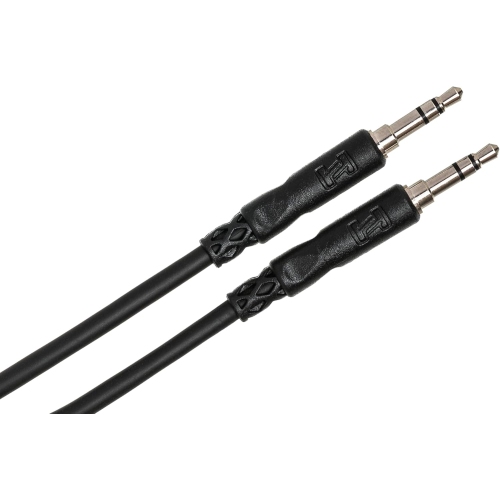
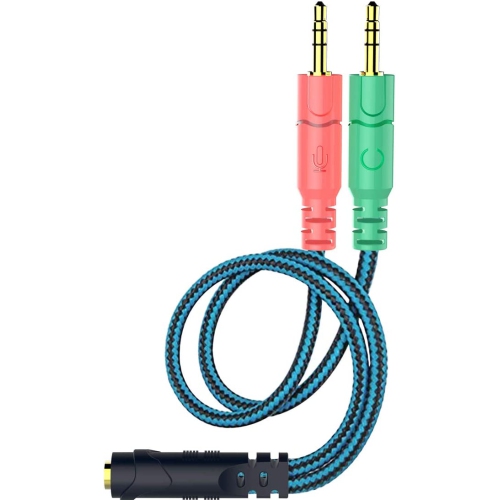
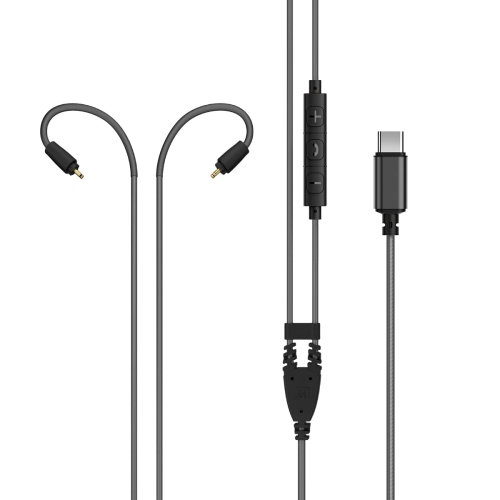
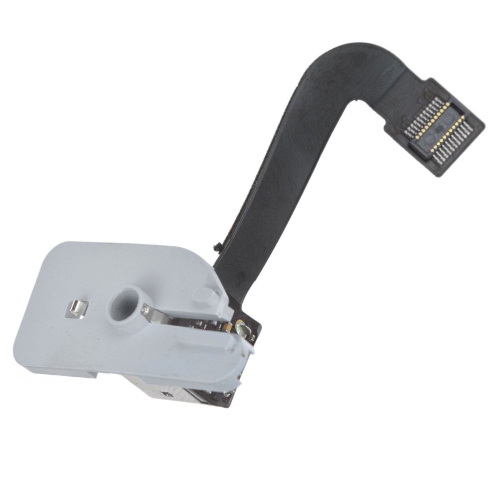
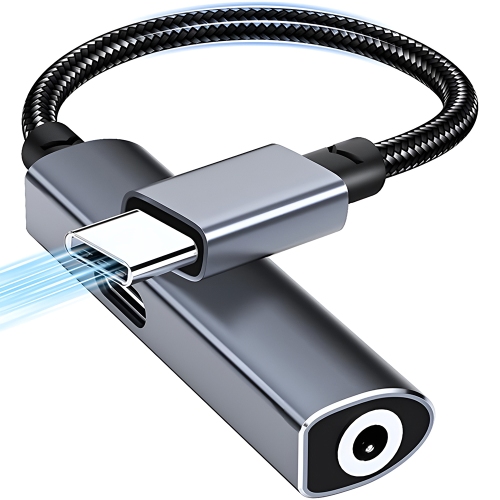
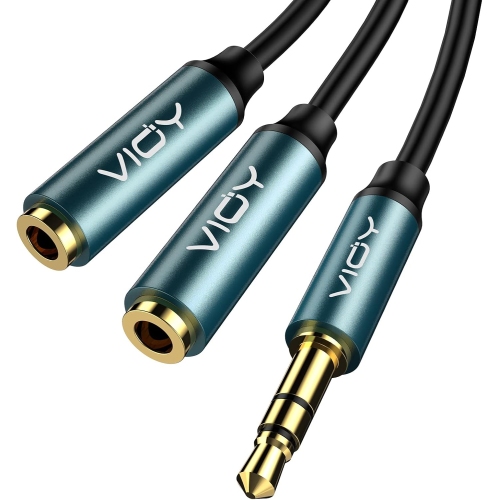
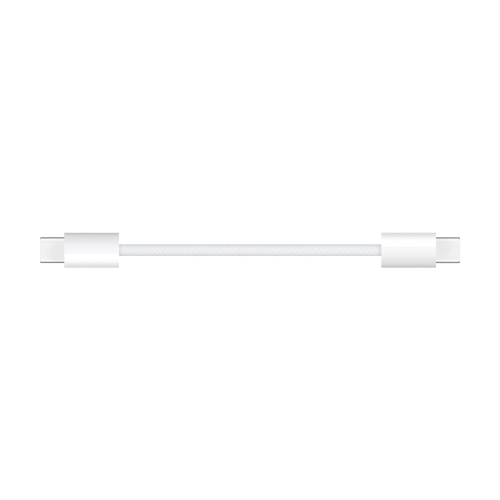
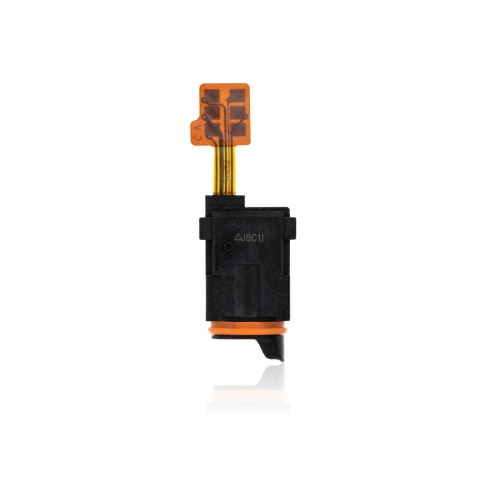
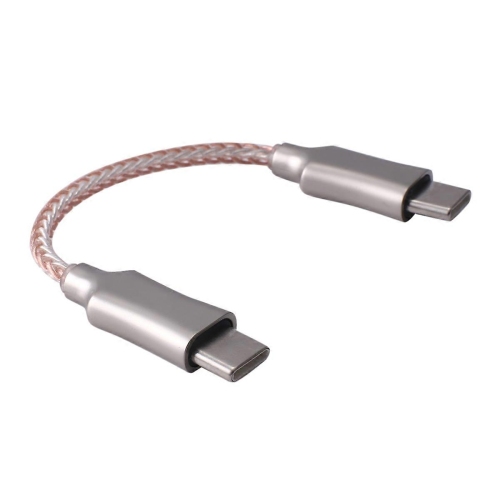
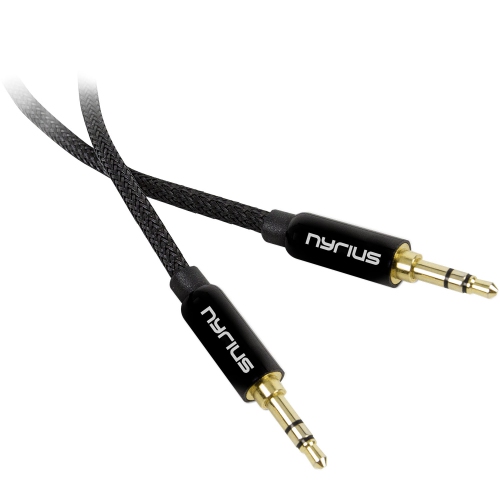
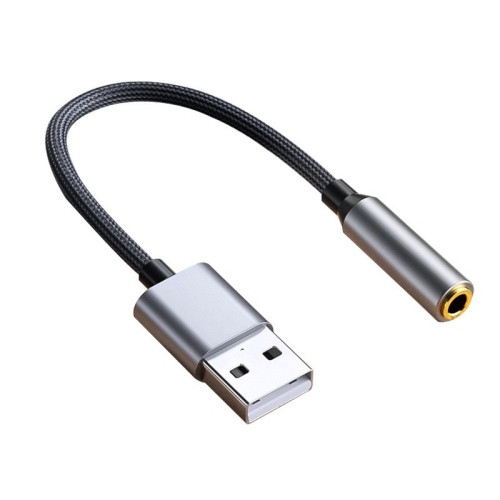
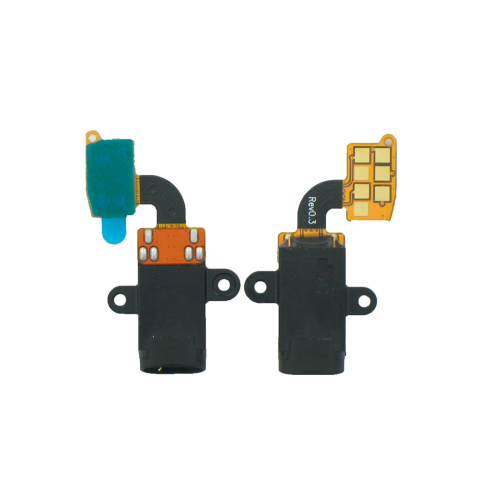
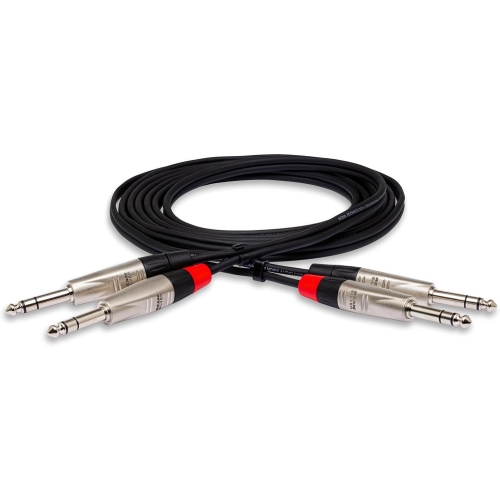
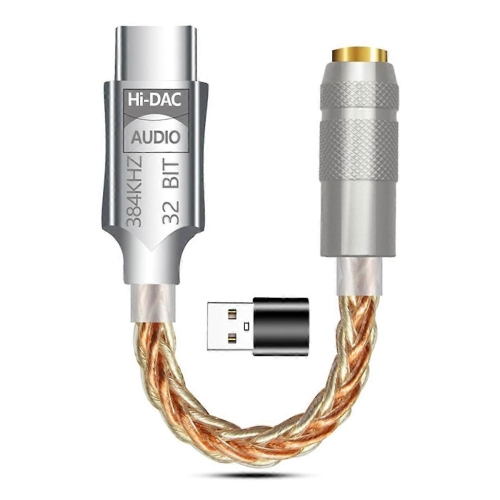
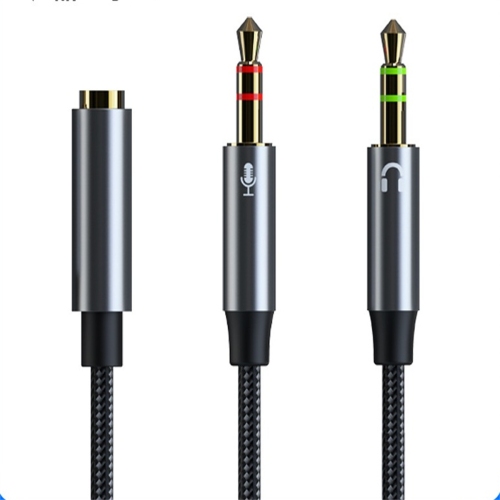
Headphone cables carry audio between compatible headphones and a listening device, amplifier, or other audio equipment. They differ in connector type, wiring, length, construction, and whether they replace a detachable cable or extend an existing connection. A replacement headphone cable connects directly to the headphones, while an extension cable usually has a socket at one end and a plug at the other. That distinction matters when a favourite pair needs a fresh connection rather than extra reach across a room. Common analogue connector sizes include 3.5 mm, often used with portable audio equipment and computers, and 6.35 mm, frequently found on amplifiers, receivers, and recording equipment. The connection at the headphones may be different from the connection at the source: some designs use a single socket, while others have separate connections for the left and right earcups. Recessed sockets, locking mechanisms, and proprietary connector shapes can also affect fit, even when the plug diameter appears correct. Connector compatibility involves more than size alone. A three-contact TRS plug commonly carries stereo audio, while a four-contact TRRS plug can also support a microphone on compatible equipment. Microphone wiring standards and inline control support vary, so a cable that plays music may not preserve every calling or playback function. Balanced headphone connections, including certain 2.5 mm and 4.4 mm designs, require matching equipment and wiring; they are not interchangeable with ordinary headphone outputs simply because an adapter fits. USB-C connections introduce another distinction, since digital audio may require a compatible digital-to-analogue converter within the cable or adapter. The presence of a USB-C port does not, by itself, establish audio compatibility. For replacement headphone cables, the headphone model’s connection requirements and the source device’s output are more useful reference points than appearance alone. These details help distinguish a straightforward replacement from a cable intended for a different audio setup.
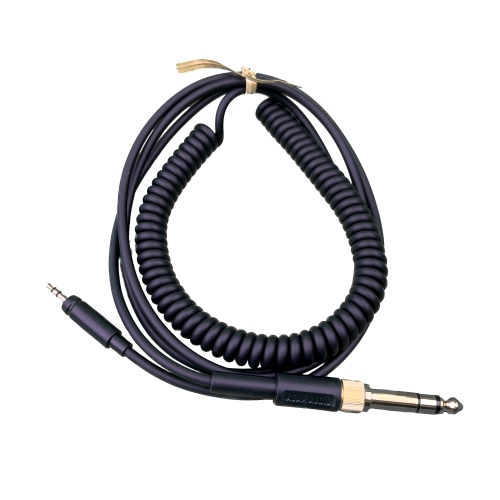
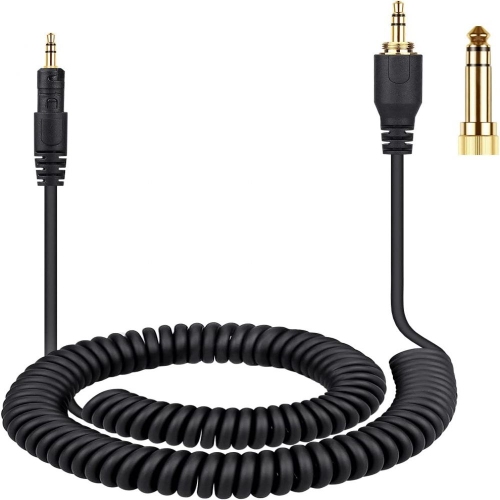
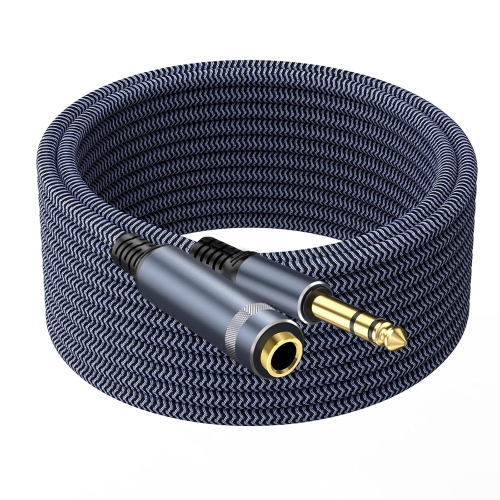
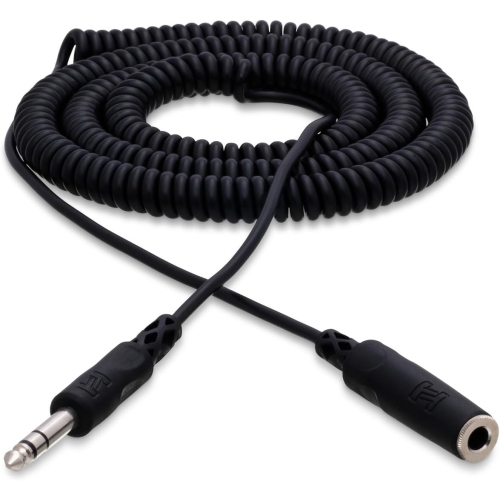
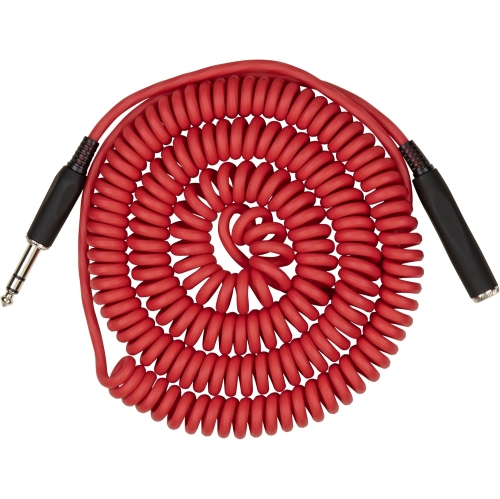
Materials and construction influence how a headphone cable feels, handles, and stands up to repeated use. Copper conductors are common, with an insulating layer and outer jacket protecting the wiring from everyday contact. Outer jackets may use PVC, flexible elastomers, or fabric braiding, each with a different feel against clothing and furniture. A smooth jacket can slide easily across a desktop, while a braided covering adds texture and may help resist surface abrasion. Braiding does not make a cable immune to damage, and a thicker cable is not automatically more durable or better sounding. The flexibility of the jacket, the quality of the terminations, and the strain relief where the wire meets each connector all affect practical performance. A supple cable can sit comfortably beside a laptop without springing back into tight loops, while a heavier design may pull noticeably on lightweight headphones. Cable noise is another tactile consideration: rubbing against a shirt or jacket can sometimes transmit sound mechanically to the earcups, particularly with sensitive headphones. Connector housings also affect comfort and clearance. A slim plug may fit through an opening in a device case, whereas a larger housing can interfere with a recessed socket. Right-angle plugs can reduce protrusion in some portable setups, while straight plugs may suit equipment with front-facing sockets. Length should match the space between the listener and the audio source, allowing enough slack for normal movement without leaving a large coil beside a chair. Shorter cables can keep a compact desk tidy; longer cables can accommodate a receiver positioned across a listening area. Coiled designs offer reach that expands and contracts, although their spring tension can tug on lighter equipment. Construction upgrades may improve handling, appearance, or resistance to wear, but a higher-specification material alone does not guarantee an audible improvement over a properly functioning, electrically suitable cable.
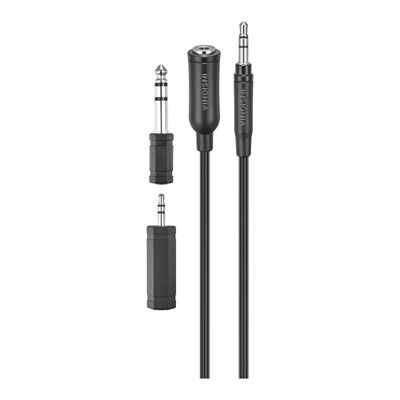
Headphone cables serve different routines, from focused listening at a desk to practising an instrument or monitoring a recording session. Someone working at a computer may value a light cable that stays clear of a keyboard and preserves a compatible headset microphone. A musician seated beside an amplifier may need enough reach to move naturally without pulling at the headphone socket. For a listening position farther from an amplifier or receiver, Audiophile Headphone Extension Cables add reach while allowing the headphones’ original cable to remain attached. An extension should match the connector arrangement and any microphone requirements of the existing setup; a stereo extension does not necessarily carry a headset’s microphone signal. Extra connections also create additional contact points, so secure seating matters when avoiding crackles or intermittent sound. For shared living spaces, a route along the edge of a desk or seating area is generally more practical than a cable stretched across a walkway. Storage and handling have an equally important role in long-term use. Pulling on the connector housing rather than the wire reduces stress on the termination, and loose loops are gentler than tightly wrapping a cable around the headphones or a portable player. Keeping plugs dry and free of visible debris helps maintain reliable contact, while avoiding chair wheels, sharp furniture edges, and tightly closed drawers protects the outer jacket. A detachable cable with exposed wiring, a damaged plug, or persistent connection problems may need replacement rather than continued bending to find a working position. Headphone cables can also make a thoughtful accessory gift for someone who enjoys music, gaming, or home recording, provided the connector type, length, and headphone compatibility are known. The most useful choice fits an established listening routine: enough freedom to settle comfortably into a chair, manageable weight during a long session, and connections suited to the equipment already in use.
Top selling and popular products
-
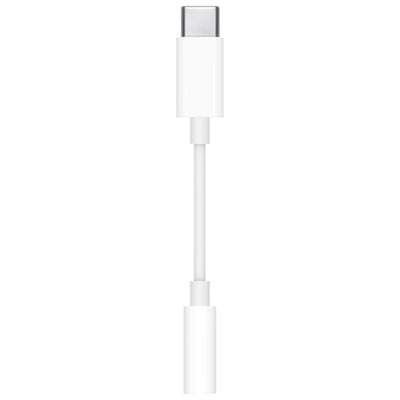 Your price for this item is $10
-
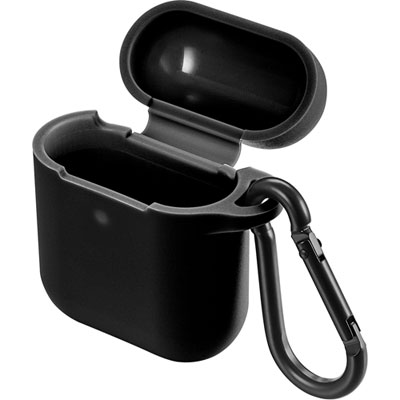 Your price for this item is $19.97
-
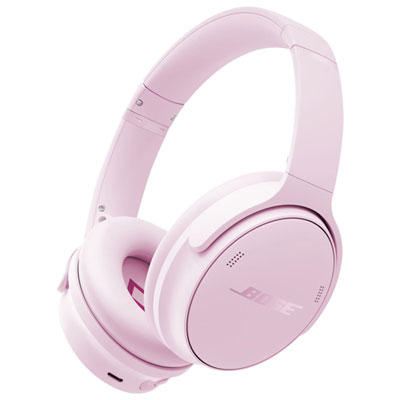 Your price for this item is $249
-
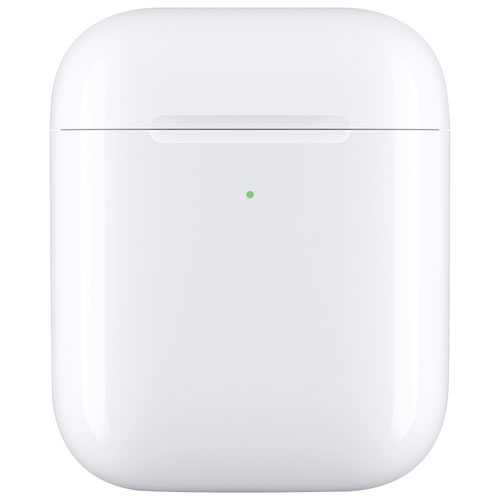 Your price for this item is $59.99
-
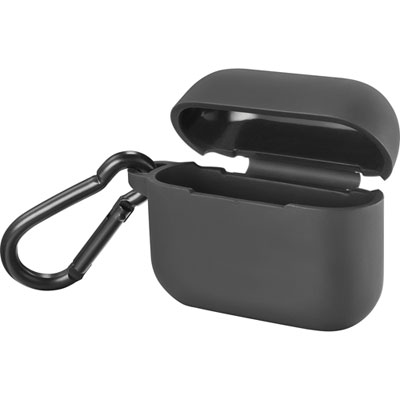 Your price for this item is $4.99
-
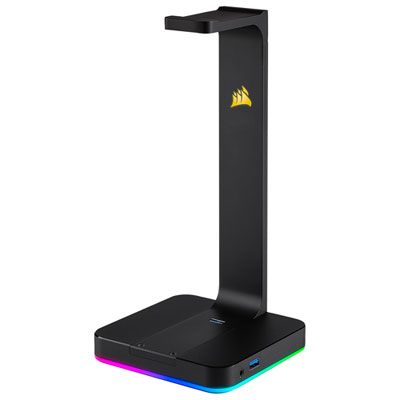 Your price for this item is $124.95
-
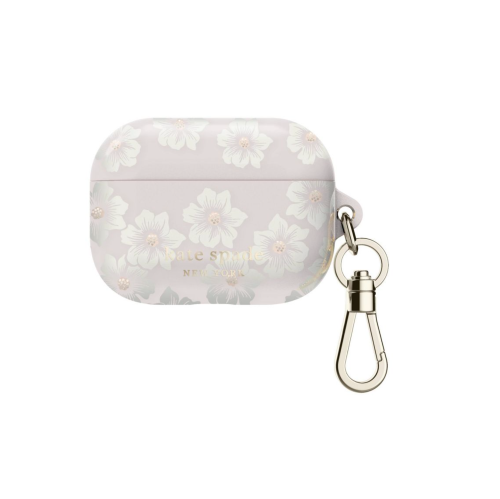 Your price for this item is $98.99
-
 Your price for this item is $49.99
Discover more categories related to Headphone Cables
Top Collections:
Best Black Friday Deals This Year, Best Black Friday Deals On Electronics, Kindle Devices, Pokemon Centers, Best Black Friday Deals On Apple Products, Best Cameras for Sports Photography, Dyson Airwrap, Pokémon 30th Celebration Cards, Apple iPhone 17 Pro, Canon G7X Cameras
Some products may be subject to Environmental Handling Fees
(EHF) depending on your province.
Learn more about EHFs.