Headphone Jack Splitters
When it comes to sharing your favorite tunes or podcasts with friends and family, a headphone jack splitter is a must-have accessory. These handy devices allow you to connect multiple pairs of headphones to a single audio source, making it easy to enjoy music, movies, or games together without disturbing others. Whether you're on a road trip, working out at the gym, or simply hanging out at home, headphone jack splitters offer convenience and versatility for all your audio-sharing needs. Discover a range of options designed to enhance your listening experience and bring people together for shared entertainment moments.
Sort





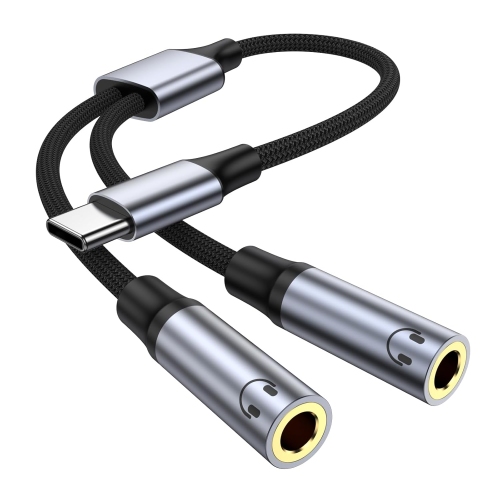


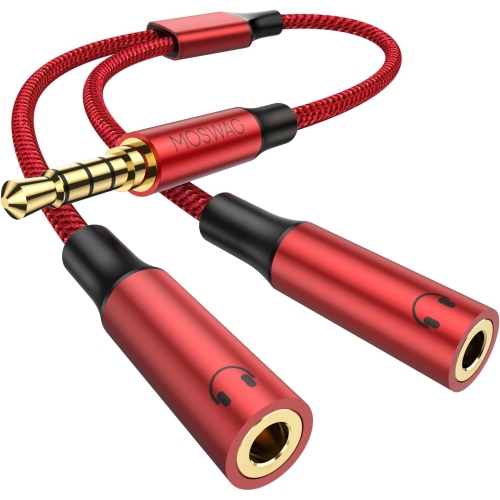


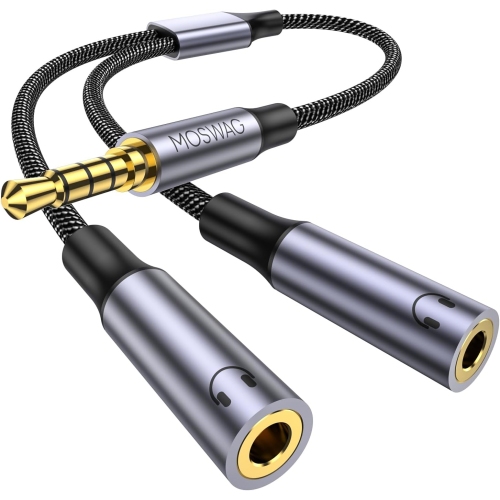


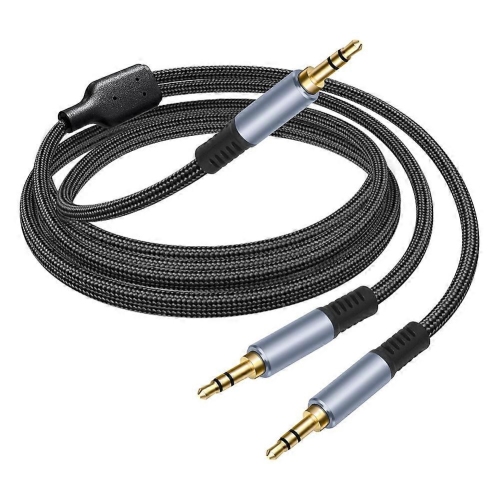
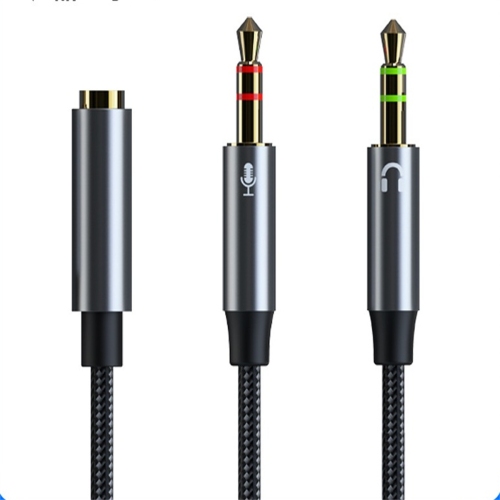


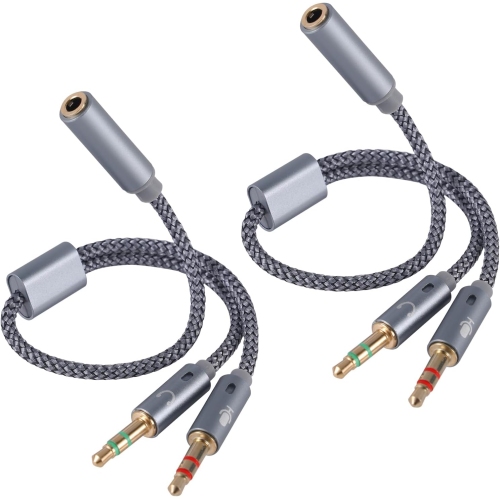

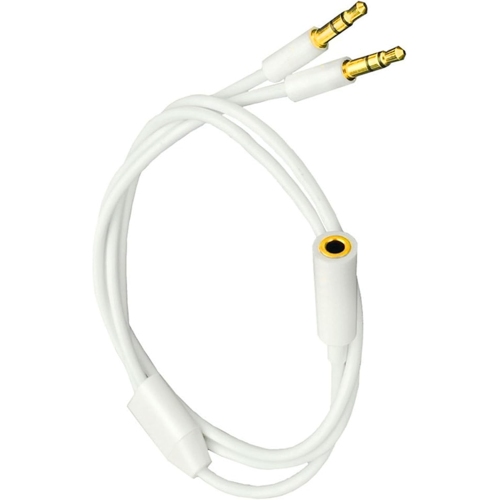


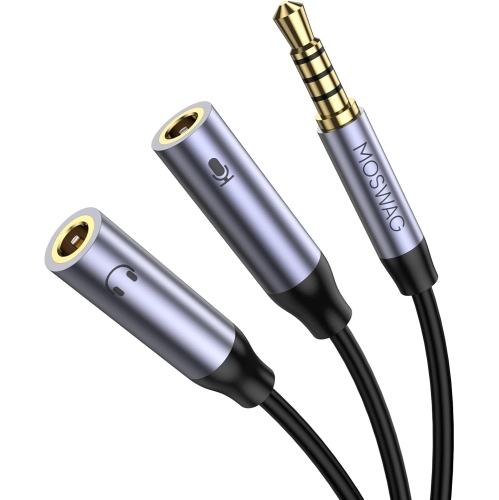


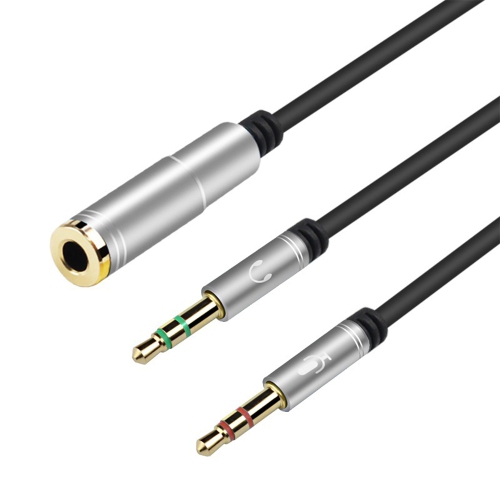
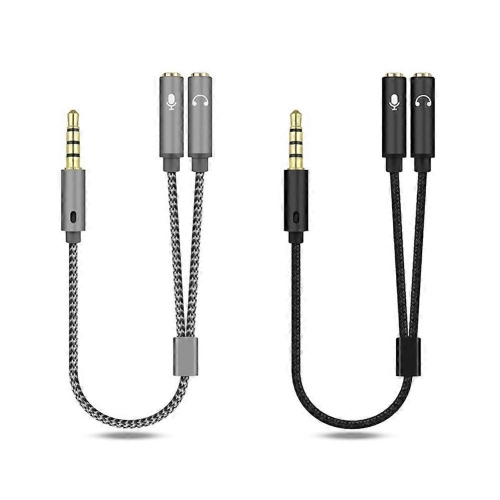
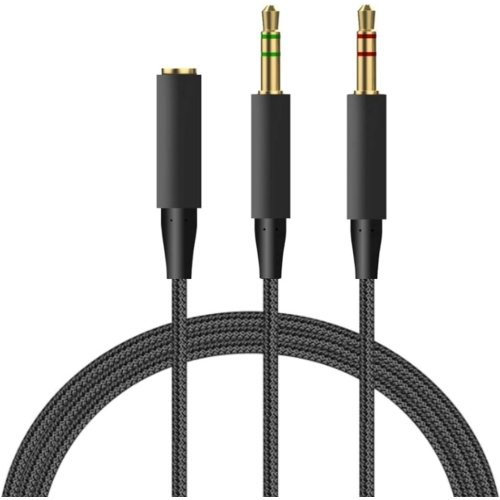


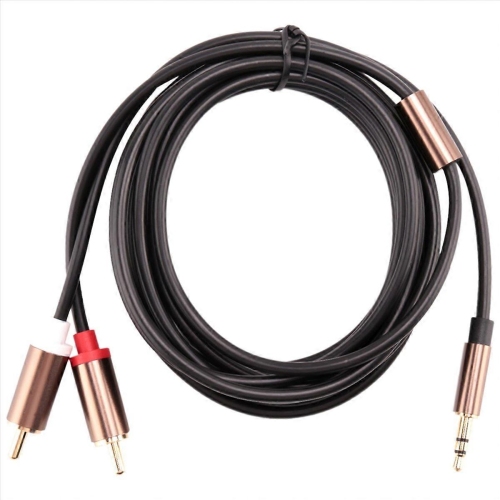











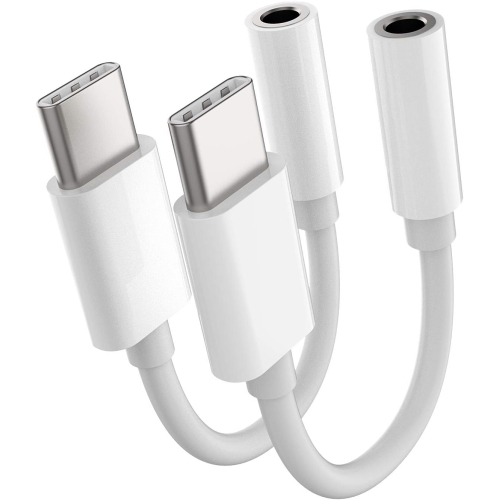
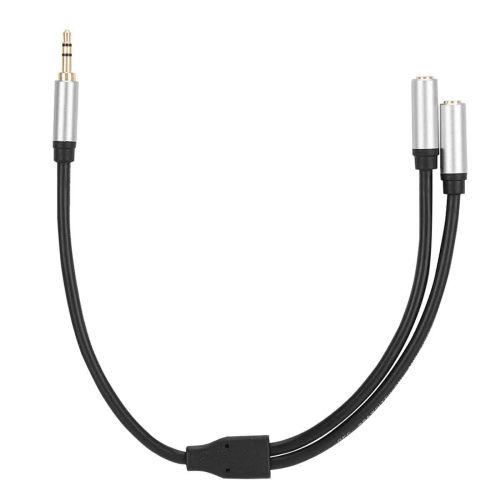
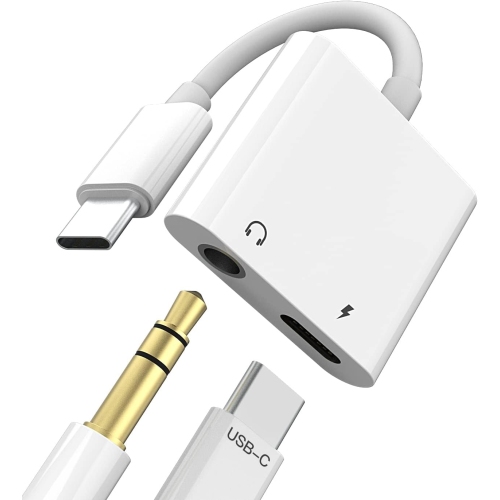
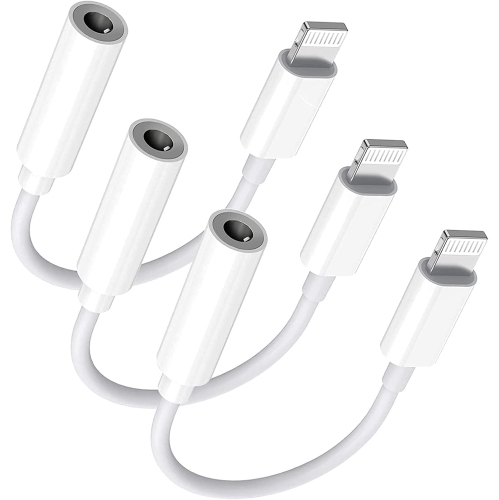

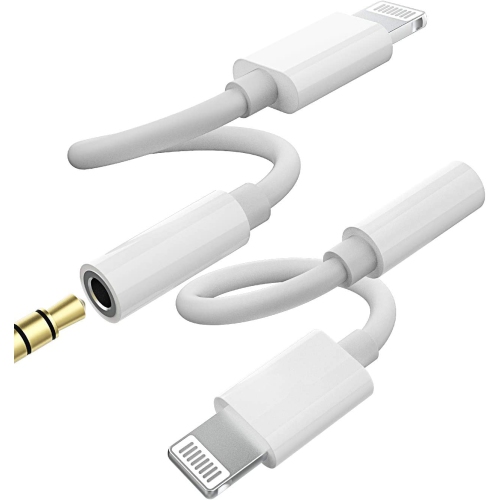
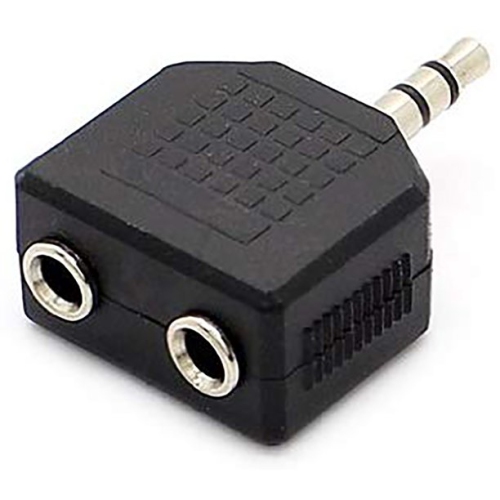
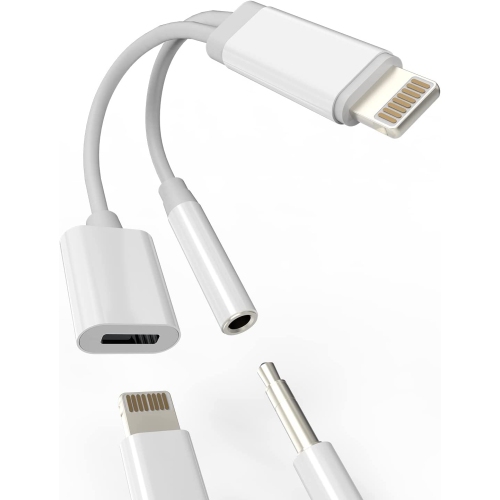
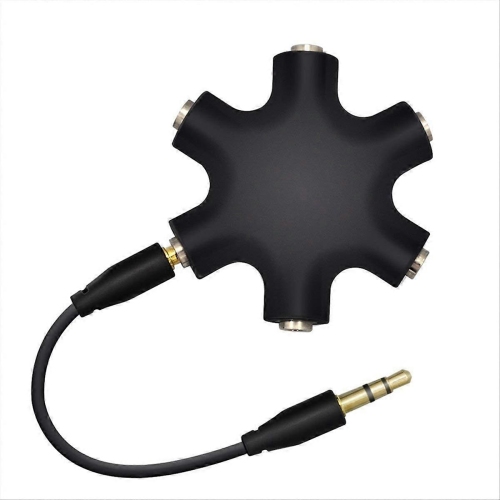

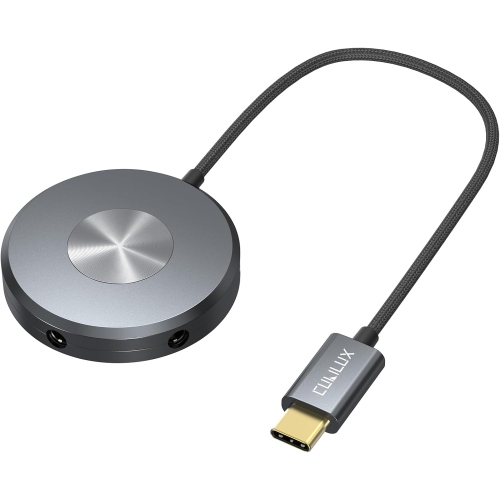
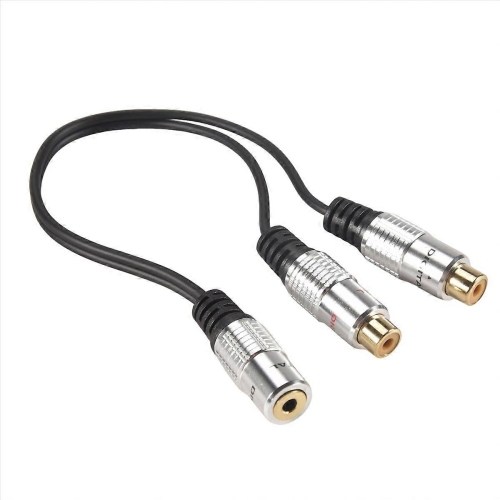


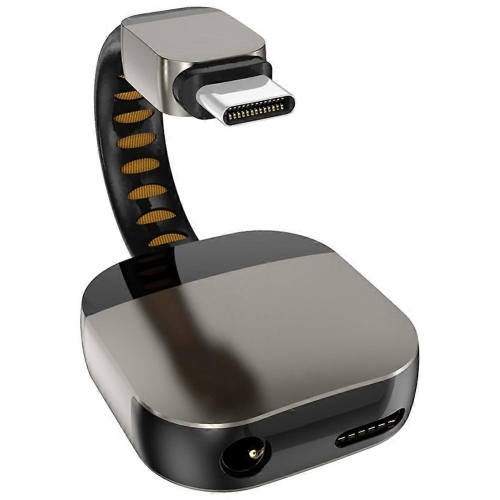
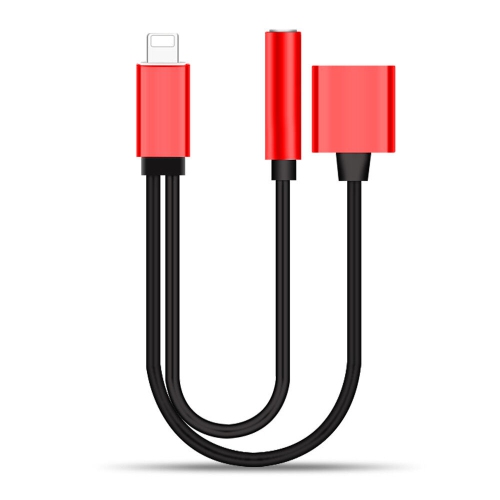

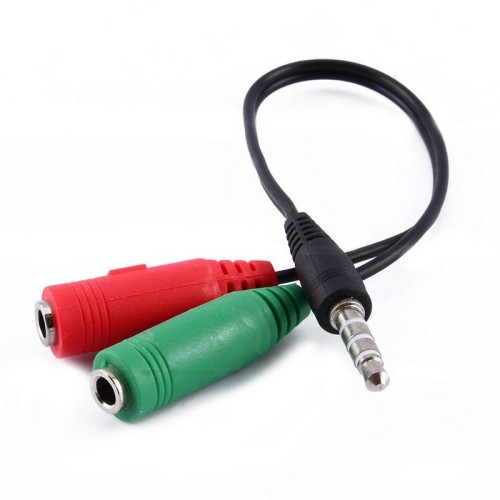
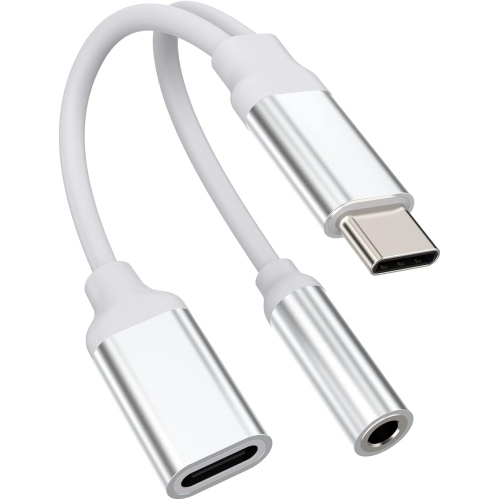

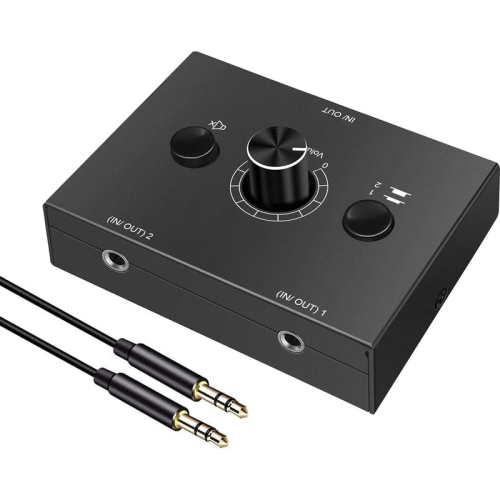
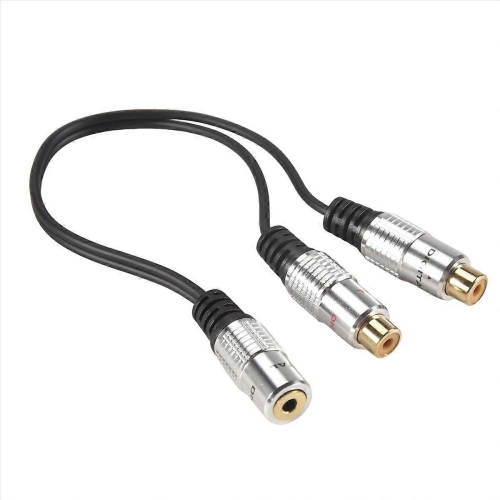
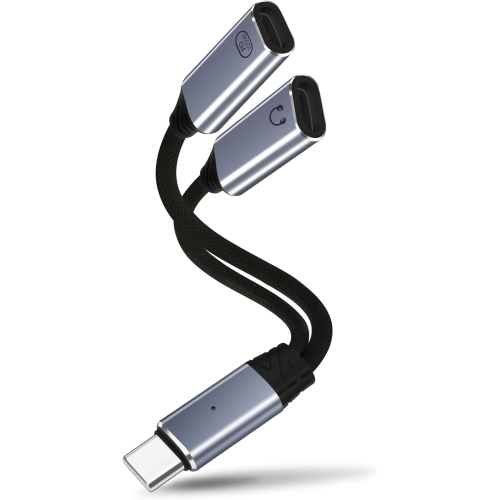
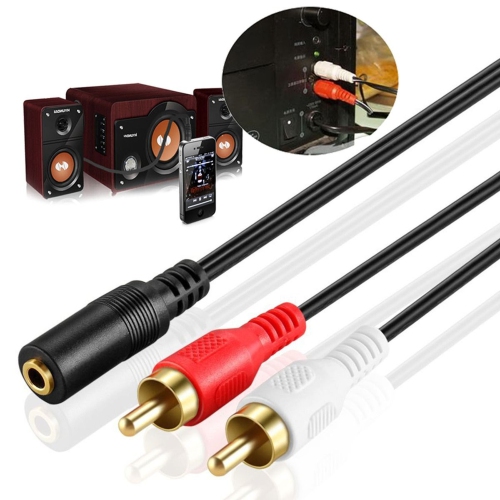
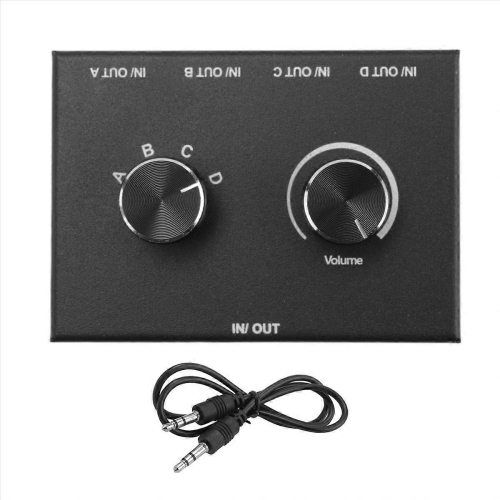


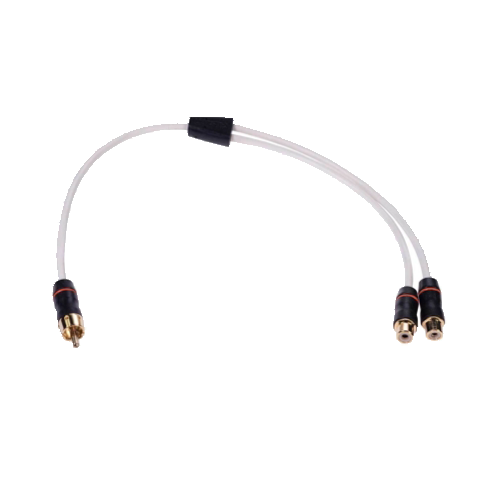
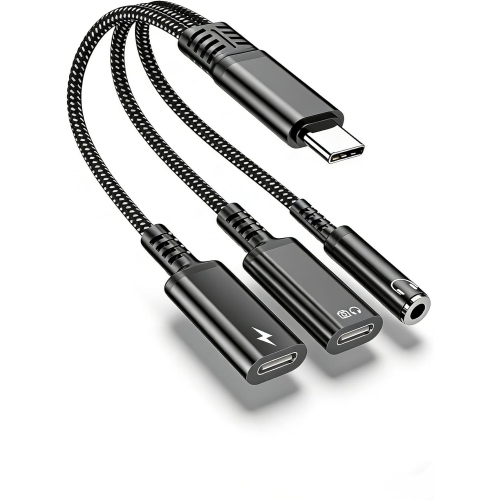


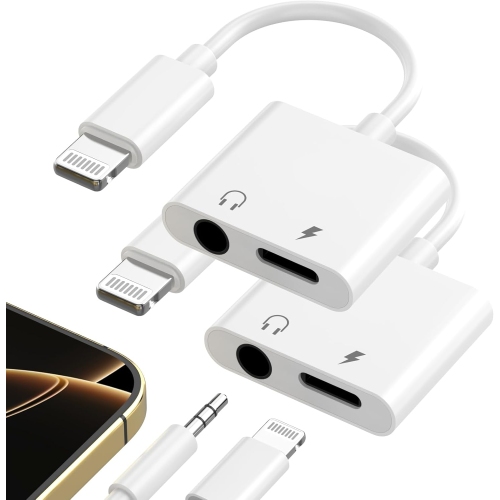
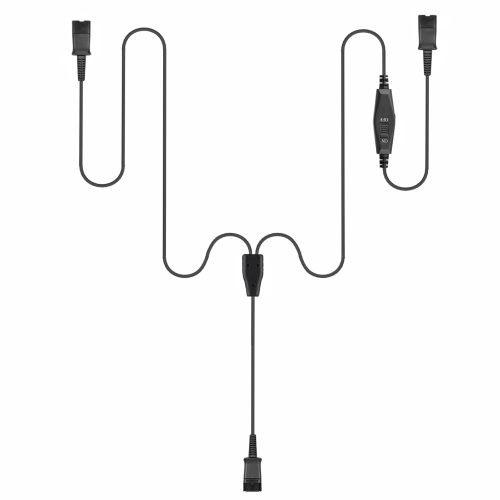


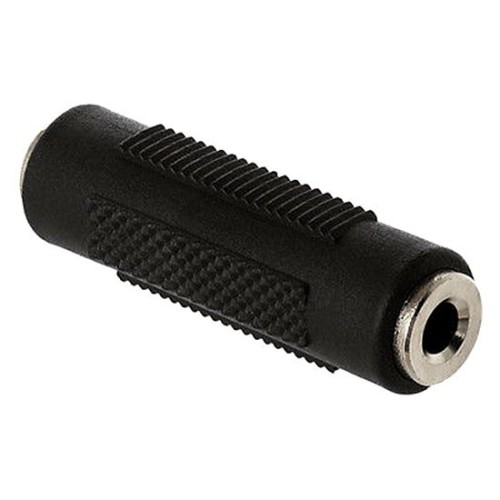


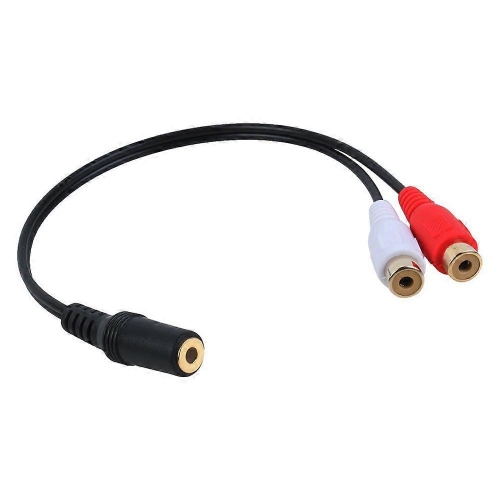


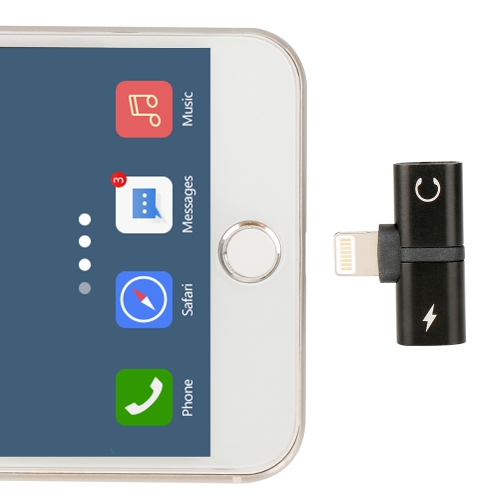
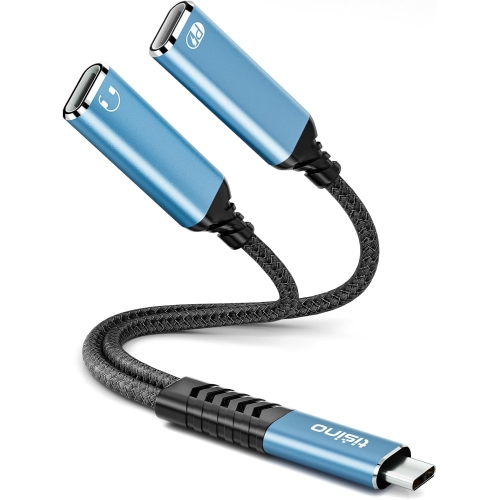


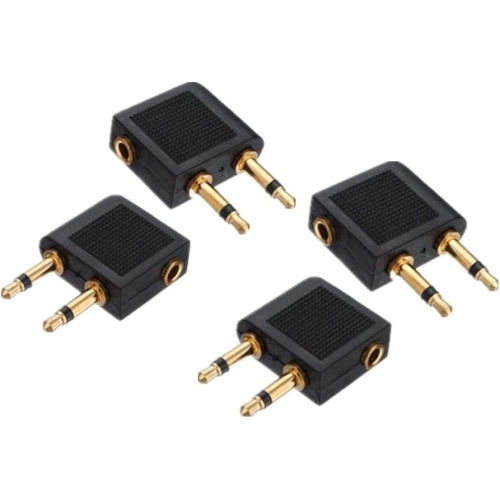






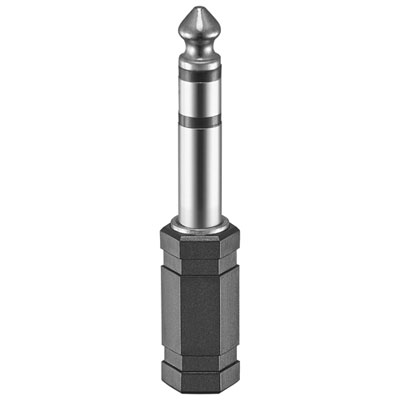


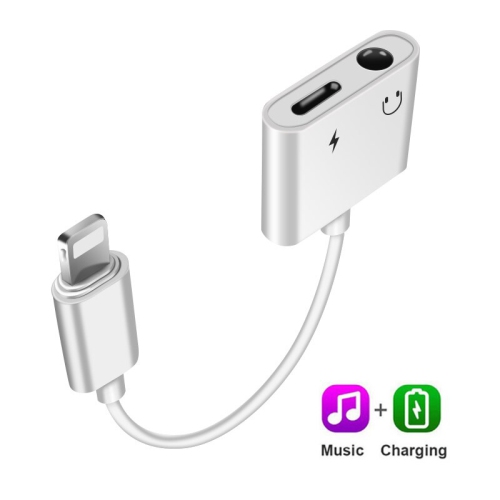

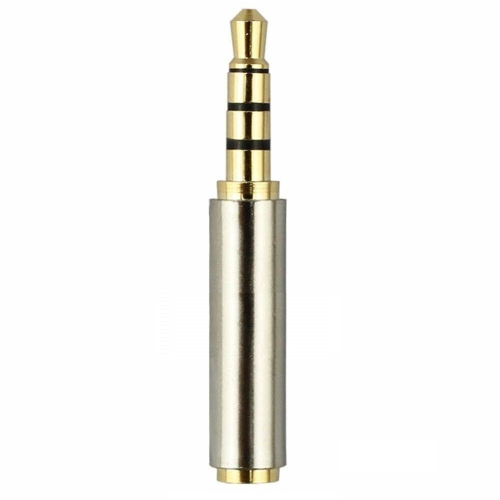


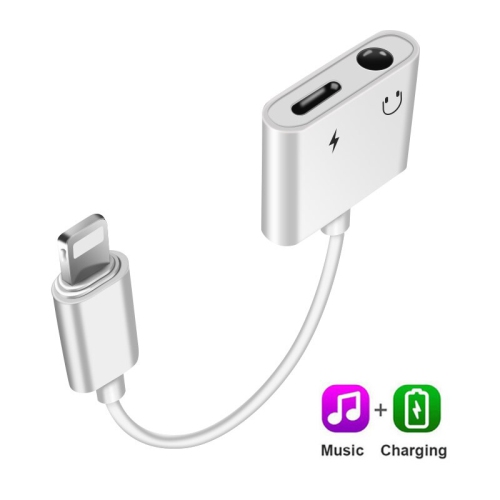
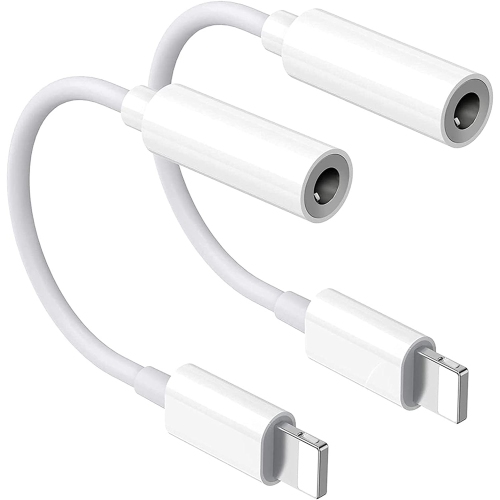
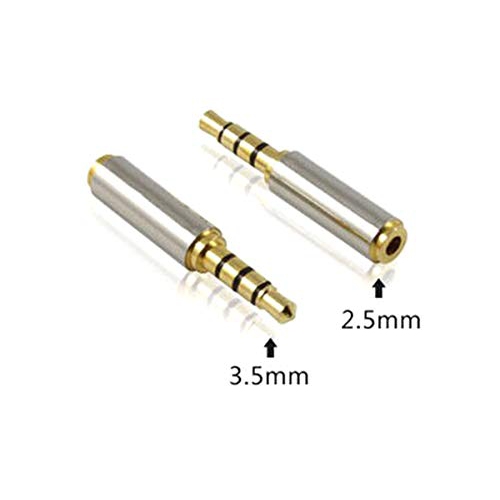
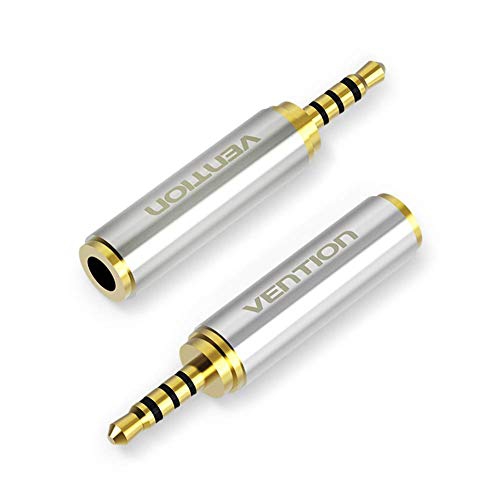


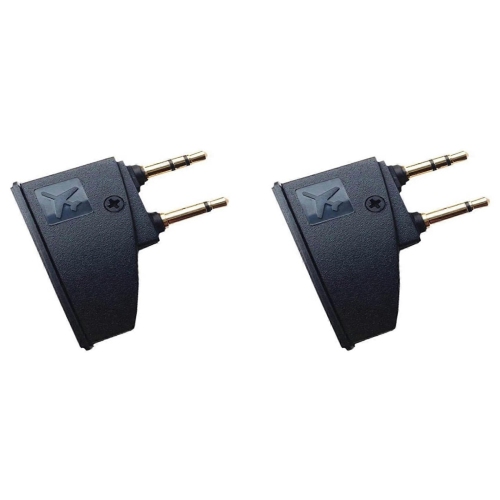
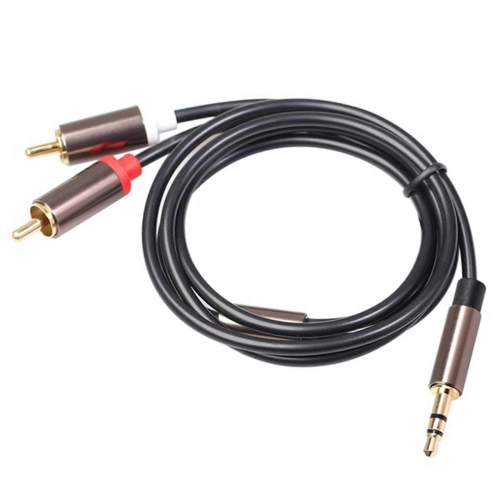


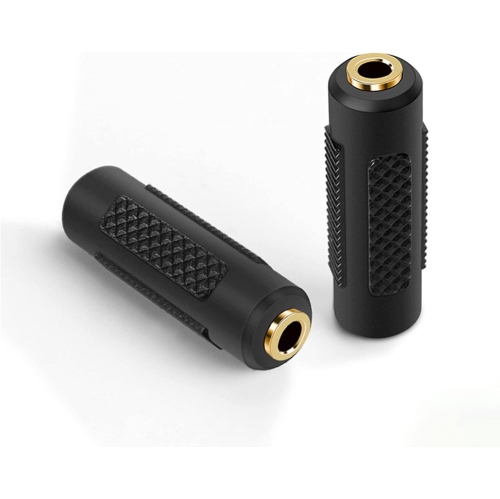
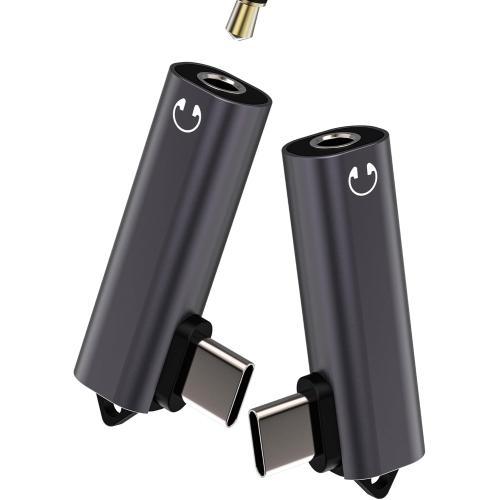
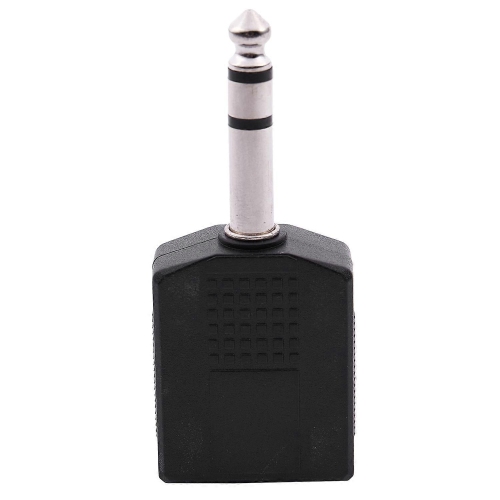
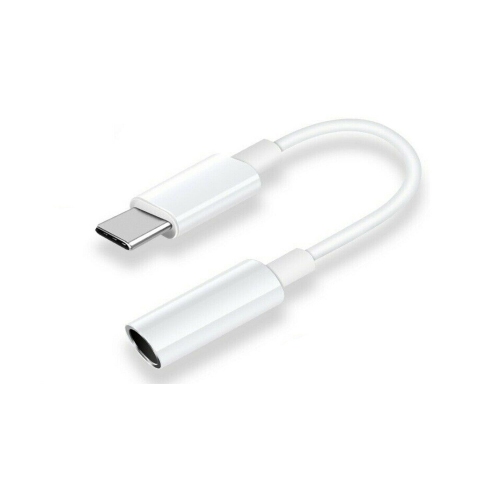
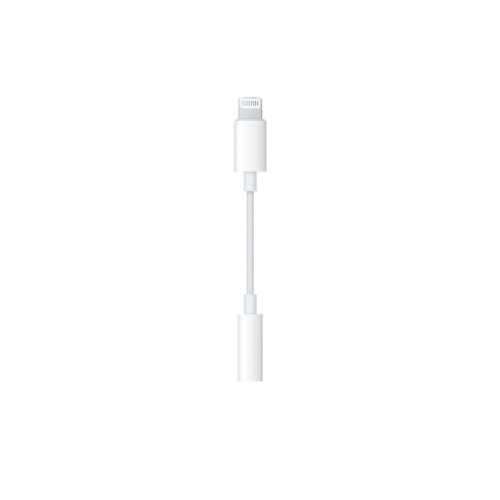
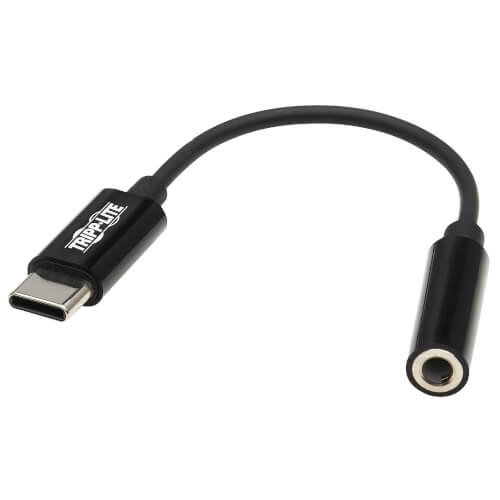
Shared listening and headset microphones need different connections
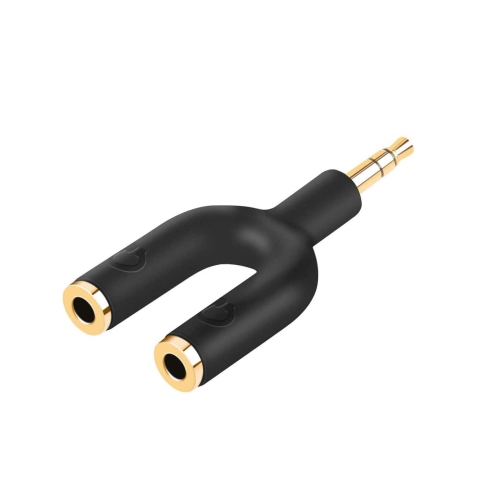
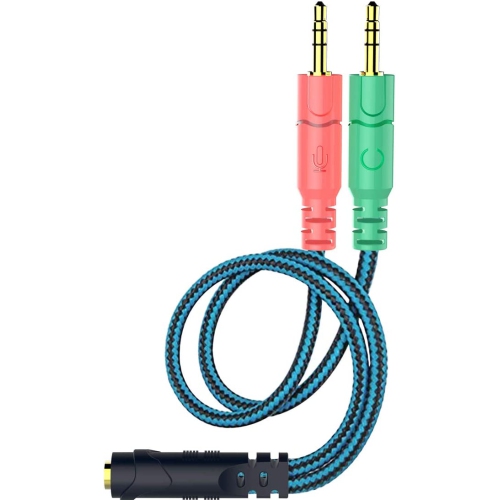
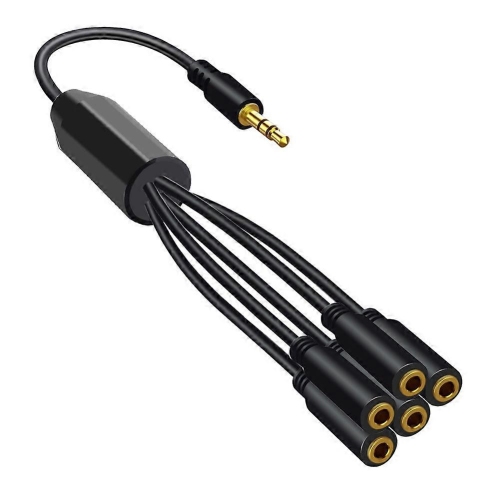
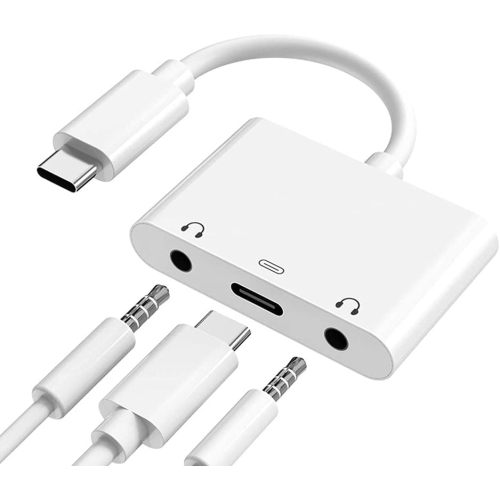
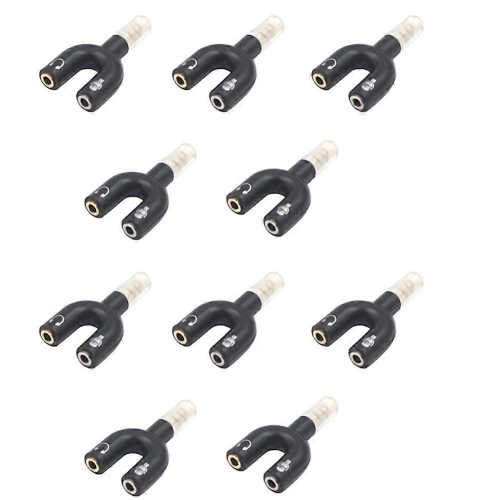
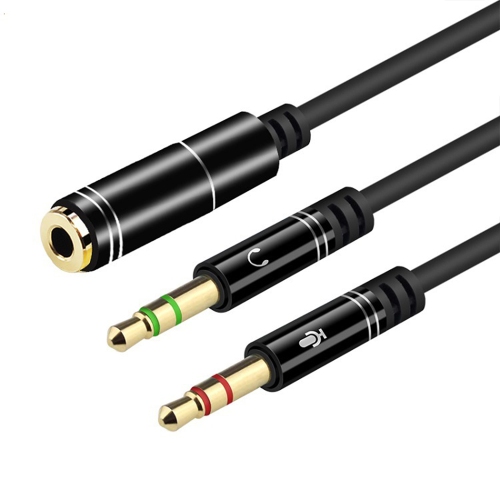
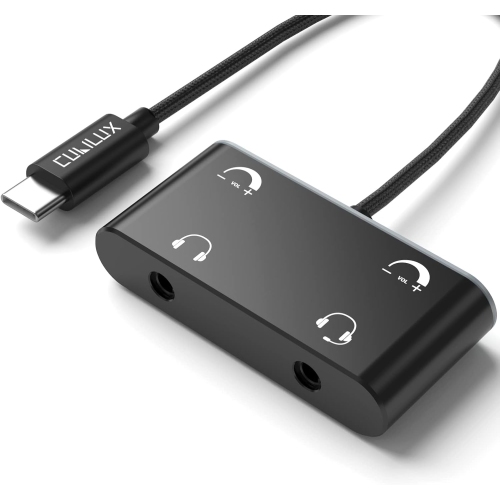
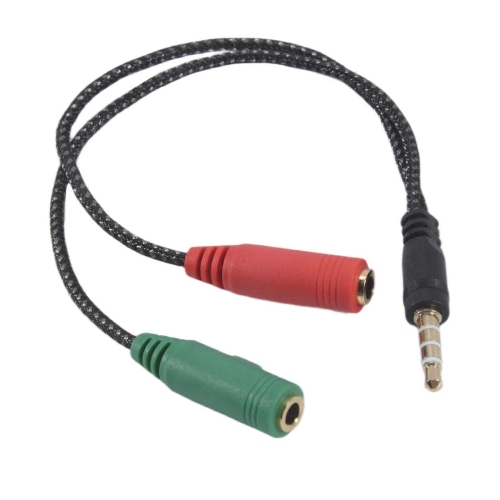
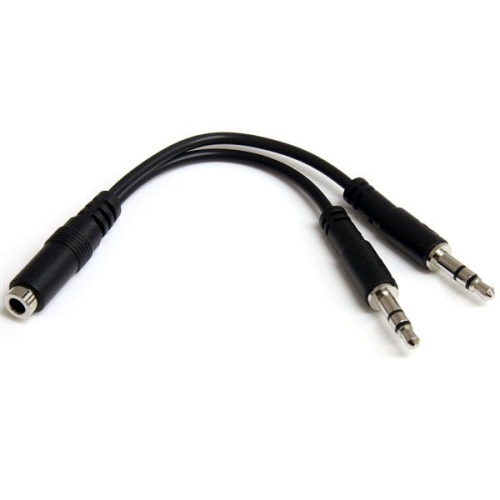
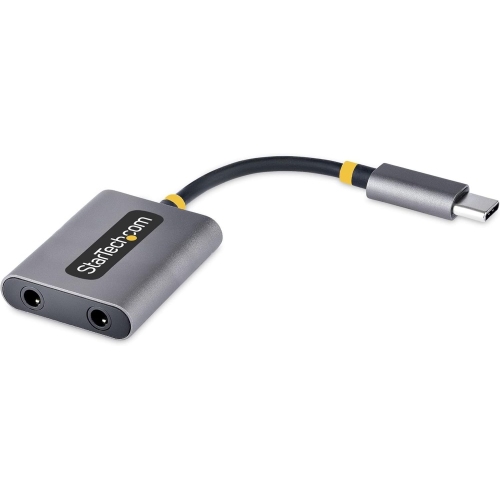
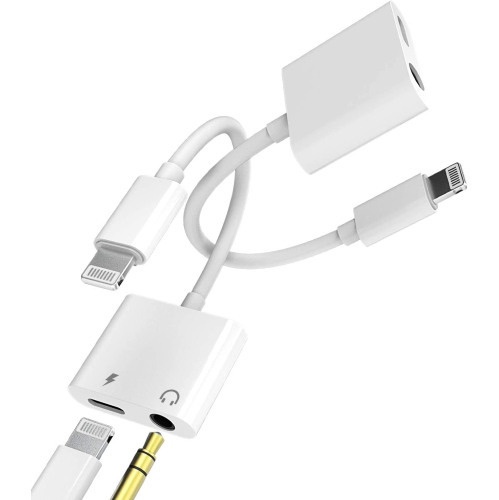
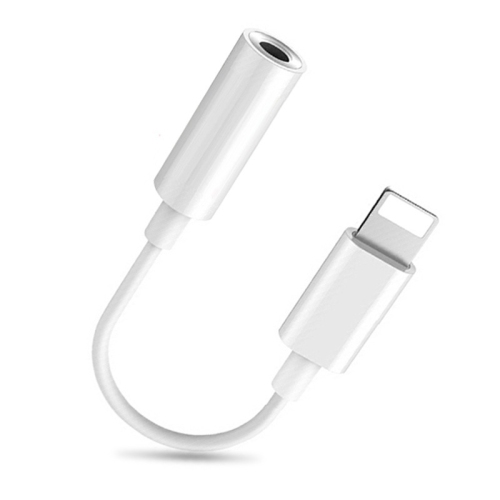
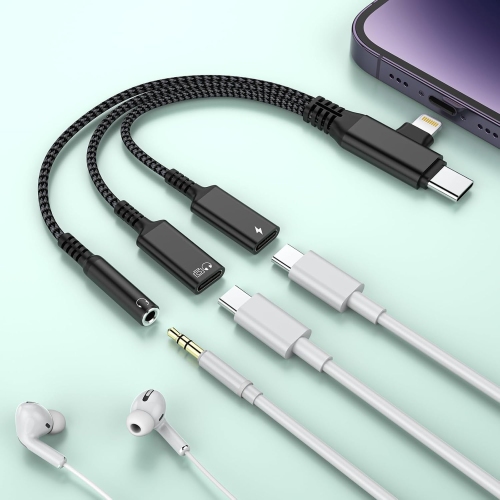
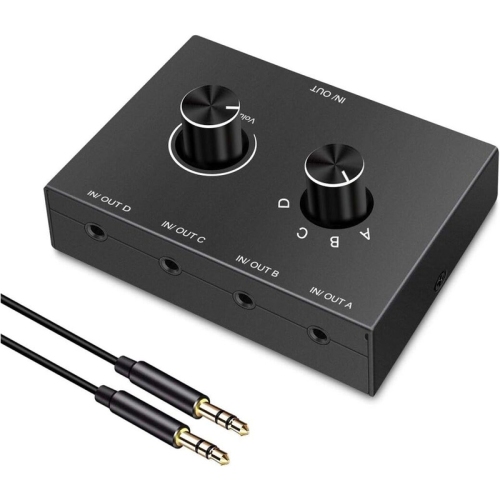
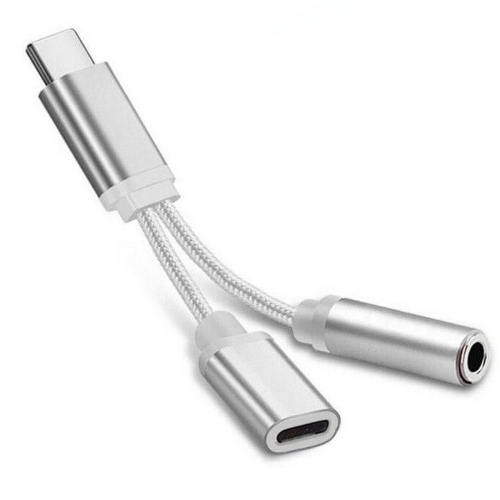
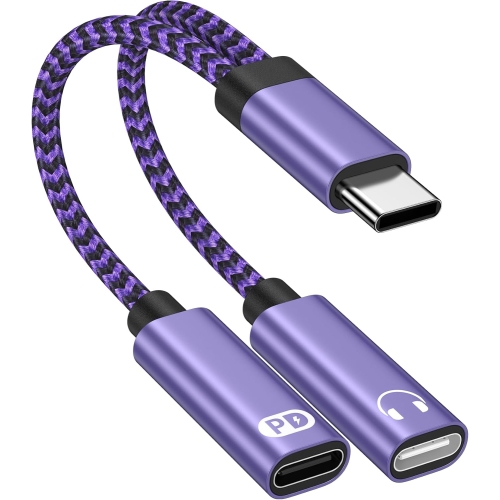
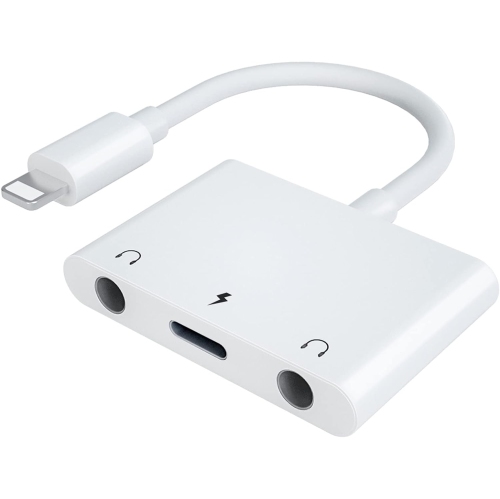
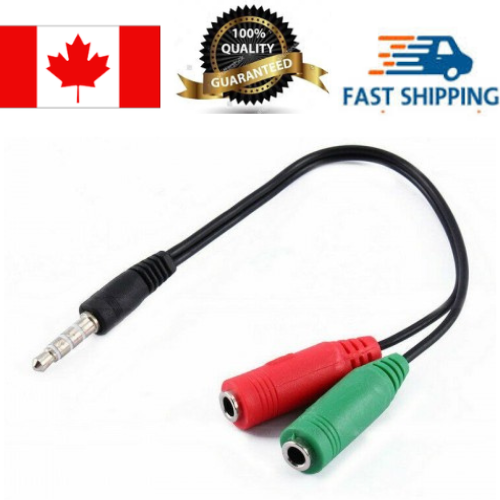
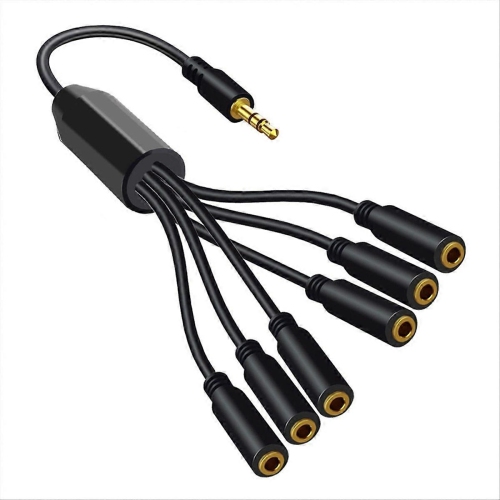
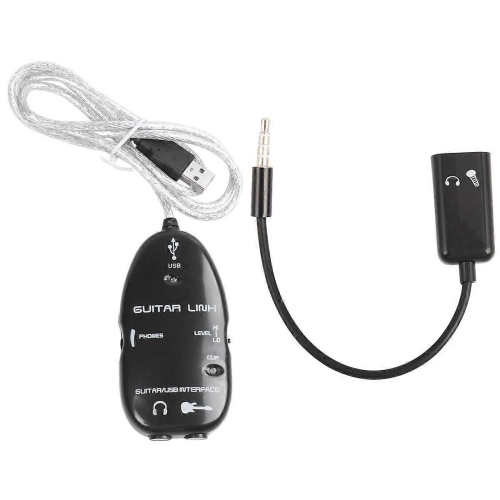
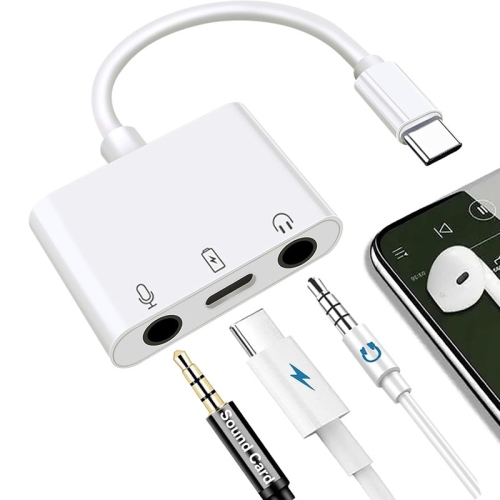
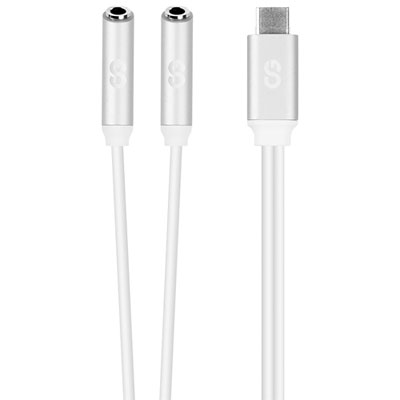
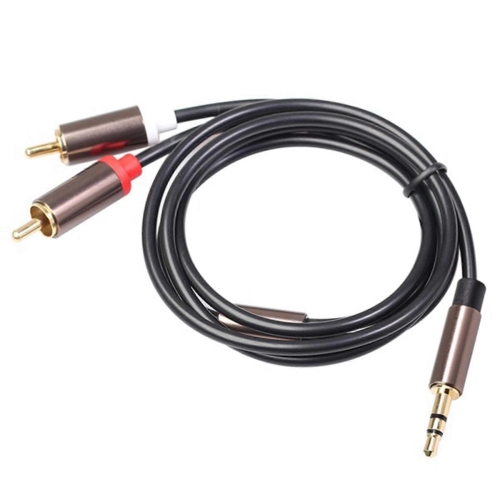
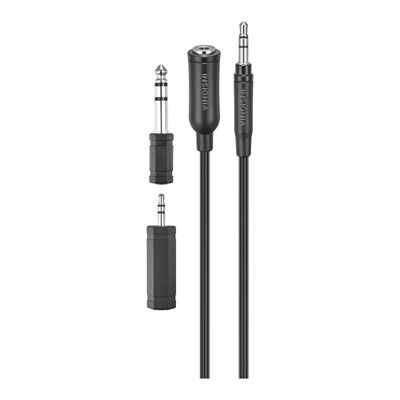
Headphone jack splitters make a single audio connection useful for more than one pair of headphones or for a headset that needs separate sound and microphone connections. The distinction matters because cables with a similar Y-shaped design can serve very different purposes. An audio-sharing splitter typically has one 3.5 mm male plug that connects to a headphone output and two 3.5 mm female sockets for wired headphones. It sends the same stereo audio to both pairs rather than assigning the left channel to one listener and the right channel to the other. This arrangement suits two people watching a film on a laptop, listening to an audiobook on a tablet, or reviewing a recorded interview together without playing sound through speakers. A headset-to-PC splitter, by contrast, usually has one female socket for a single-plug headset and two male plugs: one for the computer’s headphone output and another for its microphone input. It is intended for a headset that combines headphones and a microphone in one connection, making it useful at a desktop computer with separate audio ports. The reverse arrangement also exists, combining separate headphone and microphone plugs into a compatible combined headset socket. These connection types are not interchangeable simply because the plugs have the same diameter. A splitter made for two listeners does not automatically support a headset microphone, and a headset splitter is not intended to provide two headphone outputs. Labels, connector diagrams, and microphone support help distinguish these functions. For students sharing a recorded lecture, travellers watching a downloaded programme, or household members listening quietly in the same room, a two-headphone connection keeps the listening experience personal. For gaming, video calls, and online lessons, the relevant feature is the correct path for both incoming sound and outgoing speech. A passive analogue splitter needs no charging or wireless pairing, although it still depends on a compatible audio source and the right connections at each end.
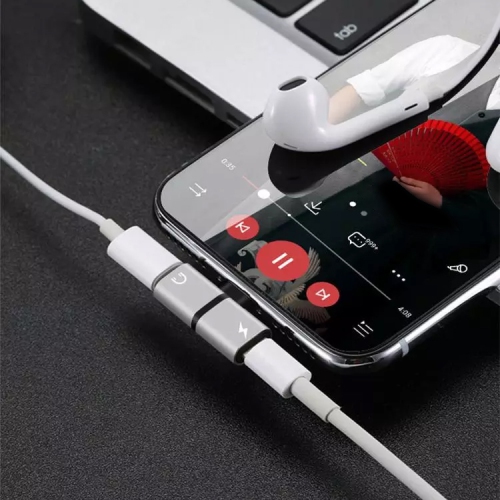
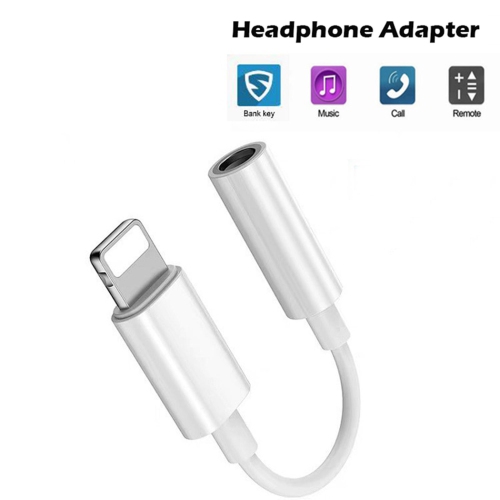
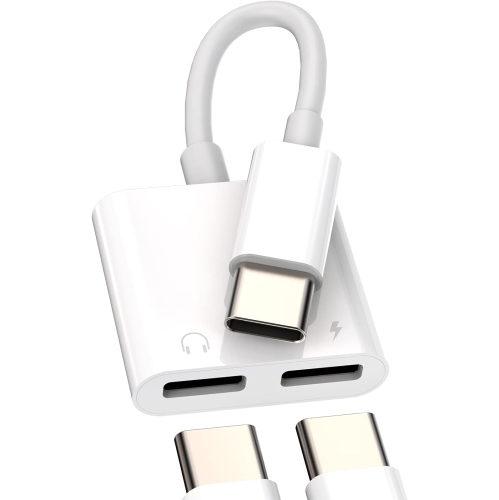
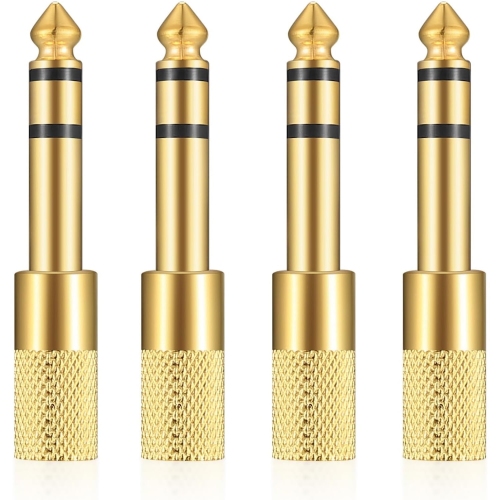
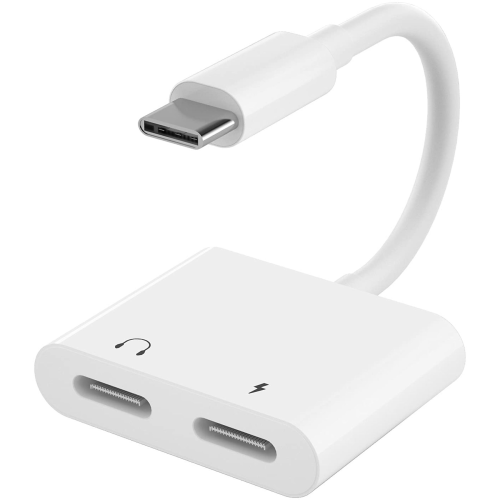
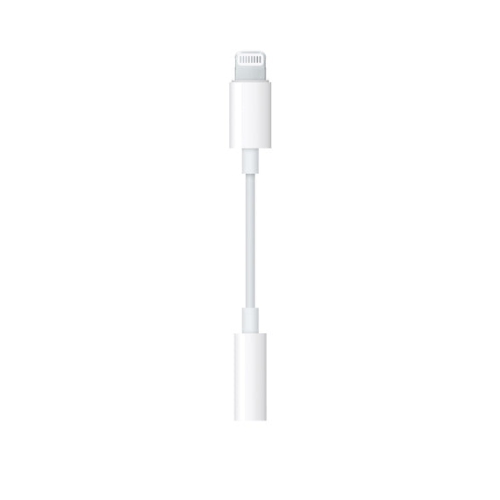
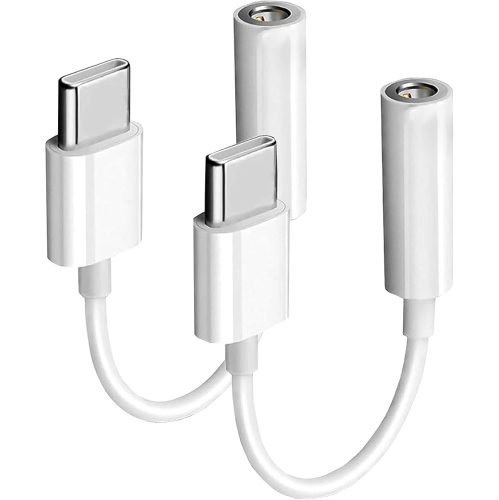
Connector size is only part of compatibility. A standard stereo headphone plug commonly uses a three-contact TRS connection, while a headset carrying stereo sound and microphone audio commonly uses a four-contact TRRS connection. The letters refer to the tip, ring, and sleeve sections of the plug, separated by insulating bands. TRS has two insulating bands and TRRS has three, making the contacts easier to identify at a glance. A four-contact connector alone does not guarantee microphone compatibility, since wiring standards can differ; CTIA and OMTP, for example, place the microphone and ground contacts differently. The device and headset specifications remain important, especially when a microphone works on one connection but not another. Port markings also clarify the intended use: separate headphone and microphone symbols indicate a different arrangement from a single combined headset symbol. Phones, tablets, and laptops without an analogue headphone socket need an appropriate audio adapter before a conventional 3.5 mm splitter can connect. A digital-port adapter must support the required audio function, including microphone input where needed; a matching physical connection is not enough. Related Headphone Jack Adapters can address changes in connector format, while a splitter addresses how the audio connection is shared or separated. Sound performance also depends on the connected equipment. A passive sharing splitter does not amplify the signal or provide independent volume adjustment by itself. Two different pairs of headphones may sound noticeably different in loudness because their sensitivity and impedance differ. Connecting both pairs can also change the electrical load on the source, which may reduce volume or affect performance on some devices. Two listeners using headphones with similar characteristics are more likely to have a comfortable shared listening level, though identical loudness is not guaranteed. Beginning at a low volume is sensible, particularly when changing headphones. For listeners who need separate volume settings or more demanding headphone connections, a powered headphone distribution amplifier serves a different purpose from a simple passive splitter.
The physical design of a headphone jack splitter affects how comfortably it fits into everyday use. A short, flexible Y-cable can leave space between two headphone plugs and reduce crowding beside neighbouring ports, while a compact block-style adapter keeps the connection close to the device. Neither shape suits every setup. A laptop with closely spaced sockets, a phone inside a thick case, or a desktop tower tucked beneath a desk can each benefit from a different connector profile and cable length. A slim plug housing may fit a recessed socket more easily, whereas a larger housing can be easier to grip when disconnecting it. Right-angle plugs can keep a cable closer to the side of a device, provided the bend does not obstruct another connection. Cable length adds reach between the source and the headphone connections, but excess cable can catch on chair arms or become tangled in a bag. Flexible jackets, braided coverings, moulded housings, and metal connector shells offer different handling characteristics. Construction at the junction and the strain relief behind each plug deserve attention because these areas flex repeatedly during use. A braided outer covering may help resist everyday abrasion, but it does not make a cable immune to sharp bends or pulling. Likewise, gold-plated contacts do not guarantee better audible sound; secure fit and sound construction matter more than appearance alone. For care, disconnect by holding the plug housing rather than tugging the cable, keep sockets free of debris, and wipe the exterior with a soft, dry cloth. Loose coils put less stress on the cable than tight wrapping around a phone or headphone earcup. Storage in a small accessory pouch helps prevent plugs from catching on other belongings. A splitter can also be a thoughtful practical gift for someone who regularly shares films or uses a wired headset, provided its connector layout matches their equipment. The most useful design is the one that fits the actual listening setup without unnecessary adapters, awkward cable tension, or uncertainty about microphone support.
Top selling and popular products
-
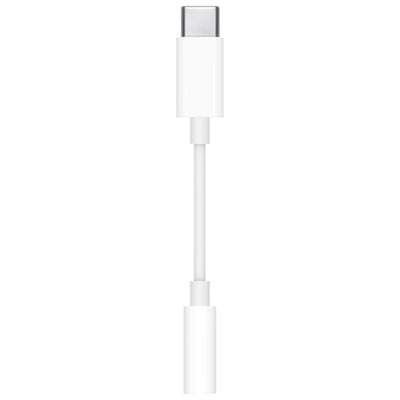 Your price for this item is $10
-
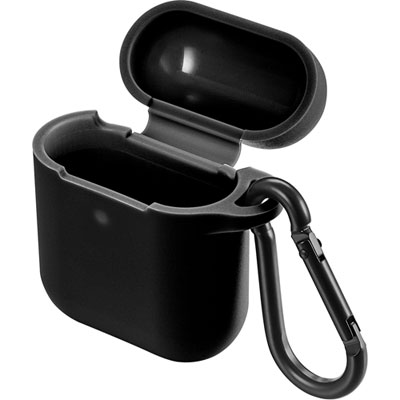 Your price for this item is $19.97
-
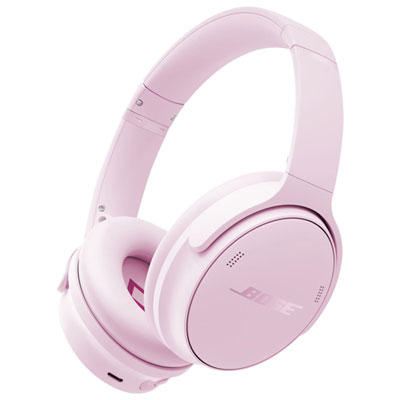 Your price for this item is $479.99
-
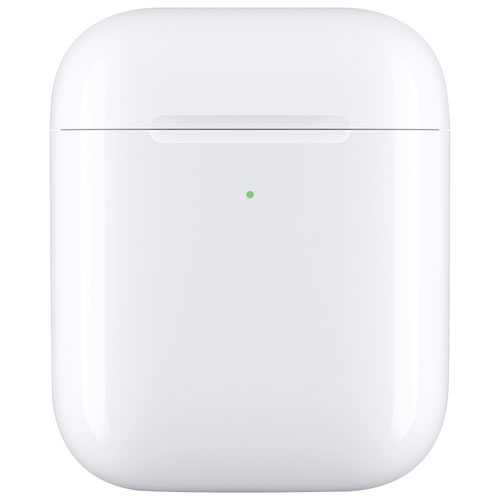 Your price for this item is $69.99
-
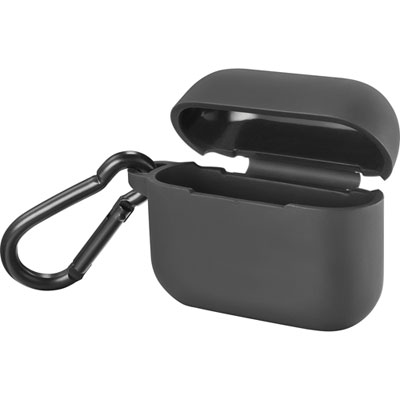 Your price for this item is $4.99
-
 Your price for this item is $124.99
-
 Your price for this item is $98.99
-
 Your price for this item is $49.99
Discover more categories related to Headphone Jack Splitters
Top Collections:
Pokemon Centers, Kindle Devices, Best Budget Office Chairs, Canon G7X Cameras, Apple iPhones 16, Samsung Galaxy Phones, Refurbished Apple Laptops, Laptops for Students, iPhone 15 Apple, Budget Smartphones
Some products may be subject to Environmental Handling Fees
(EHF) depending on your province.
Learn more about EHFs.