Audio Splitters
Enhance your auditory experience with an audio splitter, a versatile accessory that allows you to share sound effortlessly between multiple devices. Whether you're looking to connect additional headphones for a movie night or distribute audio signals to different speakers for a party, an audio splitter offers the perfect solution for seamless connectivity. Explore our selection of high-quality audio splitters designed to cater to various needs, ensuring you enjoy clear and balanced sound across all your devices. Discover how an audio splitter can transform your listening experience today.
Sort

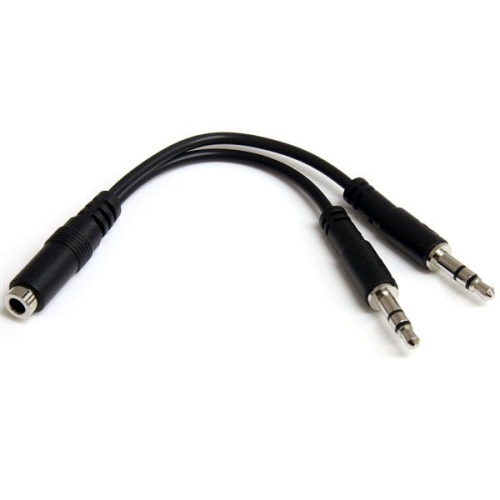


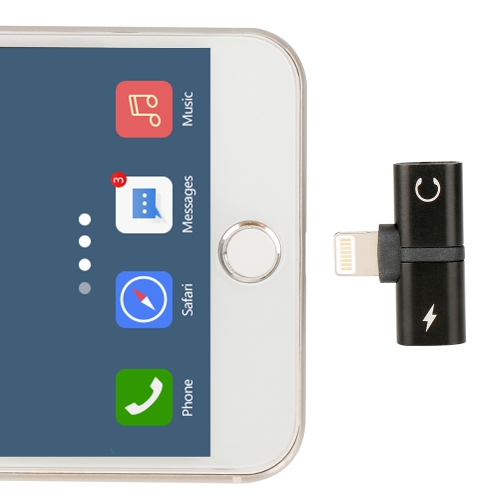


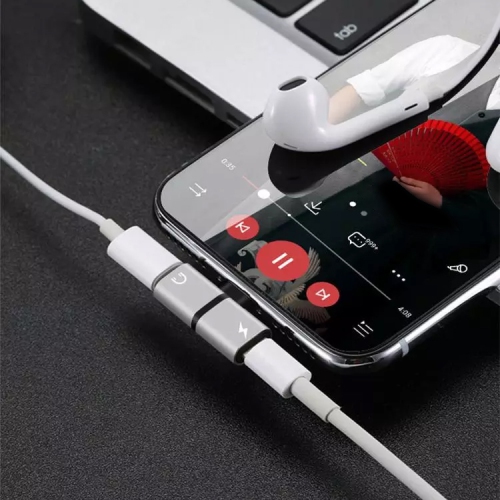

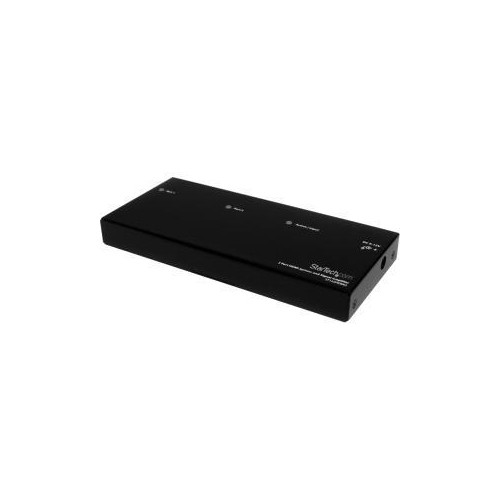
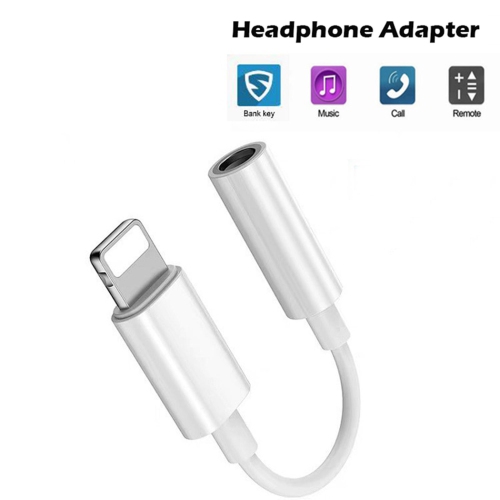


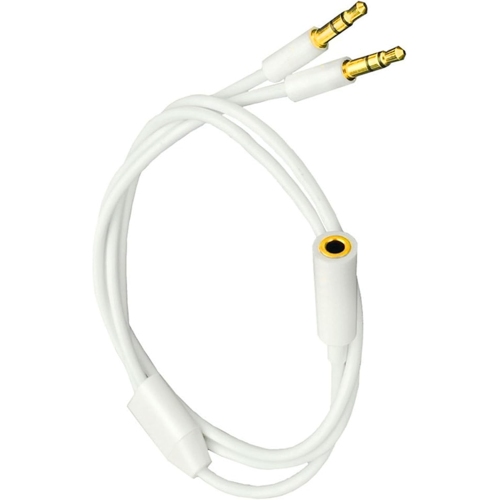

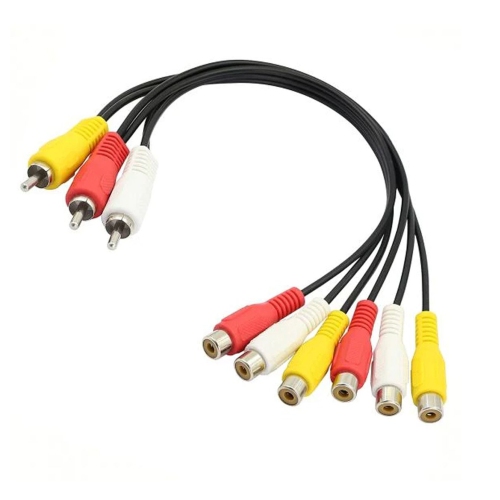
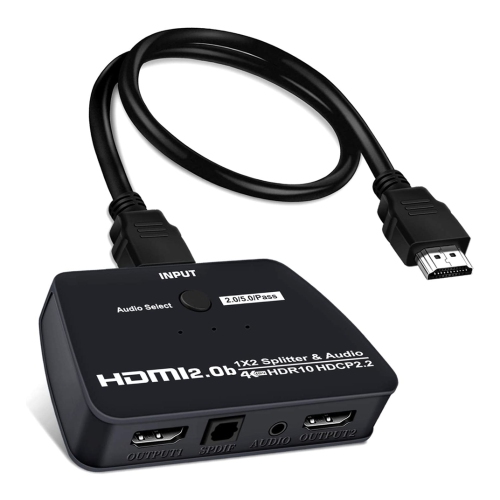
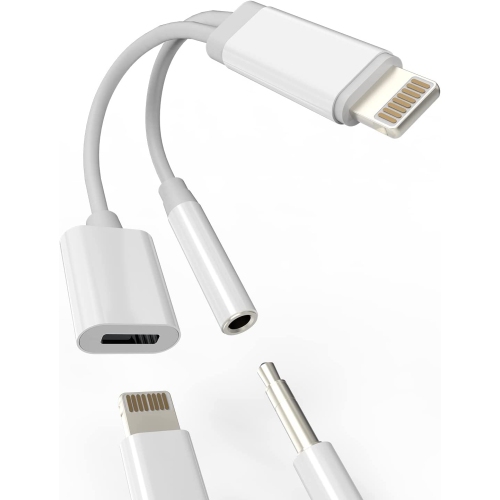


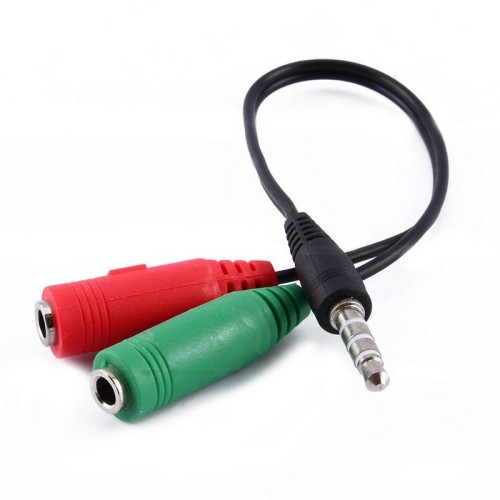


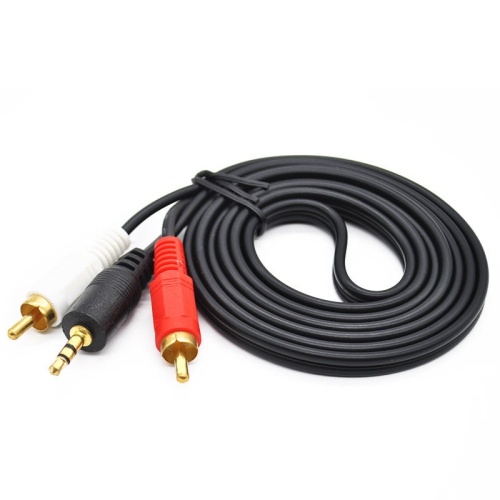
Similar plugs can serve very different audio needs
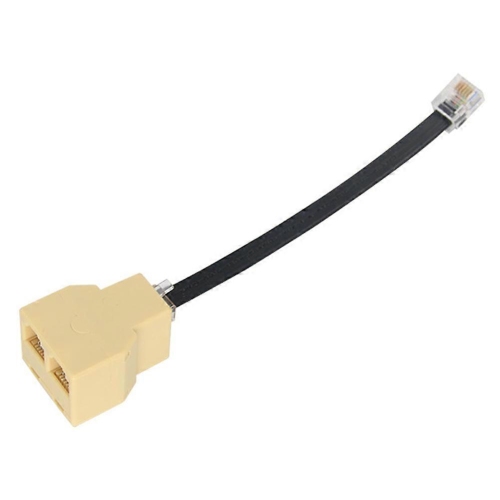
An audio splitter is a cable or device that routes one audio source to two or more outputs, allowing compatible headphones, speakers, or other audio equipment to receive the same sound. The term also covers headset splitter cables, which separate headphone audio and microphone connections rather than duplicate a listening signal. These functions serve different purposes, even when the cables look similar. A headphone-sharing splitter typically has one plug for the source and two sockets for separate pairs of wired headphones. Connected to a compatible headphone output on a laptop, tablet, or portable player, it lets two people listen to the same film, lesson, or playlist without using a room speaker. This can be useful for travel companions watching a downloaded programme, siblings sharing an audiobook, or students reviewing a language exercise together. A standard stereo headphone splitter carries both left and right channels to each headphone socket; it does not normally send only the left channel to one listener and only the right channel to the other. Each person still hears the complete stereo programme through compatible headphones. Listening levels can differ between pairs because headphones vary in impedance and sensitivity, and a passive splitter does not usually provide independent volume controls. Two pairs of wired headphones with similar characteristics can make shared listening more comfortable, although the source device’s ability to drive both pairs also matters. Inline microphones, call controls, and volume buttons are separate compatibility considerations and may not work through a splitter intended only for listening. For someone who regularly shares a screen or carries wired headphones, a compact audio splitter can be a practical accessory gift. Its usefulness comes from matching an existing connection and a familiar routine, whether that means keeping dialogue private in a shared room or letting a second listener join a podcast without exchanging earbuds.
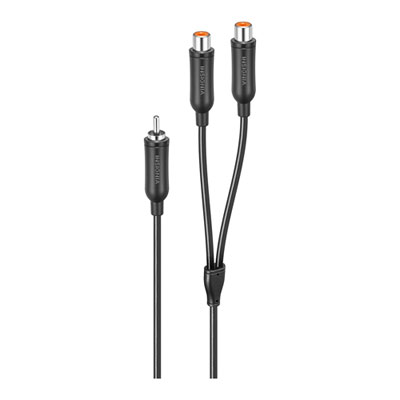
Connector layout is central to choosing between audio splitters because matching plug sizes do not necessarily mean matching functions. A common 3.5 mm stereo headphone connection uses a three-contact TRS plug, while many headsets combine stereo sound and a microphone through a four-contact TRRS plug. A headset breakout cable can connect a compatible single-plug headset to separate headphone and microphone sockets on a computer. The reverse arrangement requires an adapter designed to connect separate headphone and microphone plugs to a compatible combined headset socket. These adapters route different signals through different contacts, so they are not interchangeable with ordinary headphone-sharing splitters. Headset wiring standards can also differ, making the supported pin layout important alongside connector size and direction. The branching shape associated with Y Splitter Cables appears across several connection types, but that shape alone does not establish what a cable does. Two sockets might carry duplicate stereo audio, separate microphone and headphone signals, or individual left and right analogue channels. RCA connections, for example, commonly use separate plugs for left and right audio, whereas a stereo headphone plug carries both channels within one connector. Connections found on musical instruments and studio equipment can have other signal requirements, even when the plugs resemble familiar headphone connectors. Digital optical audio splitters belong to another category: they distribute an optical signal to multiple compatible receiving devices rather than provide sockets for analogue headphones. A powered optical distribution unit may be appropriate when one source needs to feed more than one receiver, with supported audio formats and connected-device capabilities determining whether sound is reproduced correctly. An optical switch serves a different purpose, typically selecting which source reaches an output. Similarly, a USB-C or Lightning audio adapter may need compatible conversion circuitry before it can provide an analogue headphone connection; a passive branching cable alone cannot replace that function. Clear connector descriptions, input and output labels, and stated signal support help distinguish these arrangements without relying on appearance.
Construction and physical fit affect how comfortably an audio splitter works in everyday use. A short, flexible cable can let two headphone leads fall naturally beside a laptop, while a compact rigid adapter keeps the connection close to the source. The trade-off is mechanical: a rigid adapter with two cables attached can place leverage on a small headphone socket, particularly if someone catches a lead while standing up. A cable-style splitter can reduce that leverage, provided the connected leads have enough slack. Plug housings also need room to seat fully, especially beside neighbouring ports or through the opening in a protective device case. A connection that stops short may produce intermittent sound, missing channels, or unreliable microphone operation. Flexible PVC jackets, fabric braiding, moulded housings, and metal connector shells offer different combinations of bend, texture, and bulk. Reinforced strain relief at the point where the cable meets the plug is particularly useful for an accessory that travels between a desk, bag, and sofa. Gold-plated contacts can help resist corrosion, but plating alone does not establish sound quality; secure contact, suitable wiring, and compatibility remain more meaningful considerations. Cable length should suit the distance between listeners and equipment without leaving a tangle across a keyboard or walkway. Longer runs and more demanding connections can require a different arrangement from a simple passive splitter. Feeding two high-impedance line inputs is not the same electrical task as driving two pairs of headphones, and multiple listeners who need separate level adjustments may be better served by a powered headphone distribution amplifier. A passive splitter is also not a substitute for an audio mixer: connecting two source outputs together can cause distortion or stress the connected equipment. For care, unplugging by the connector housing rather than tugging the cable helps protect internal joints, while loose loops are gentler than tight wraps around a device. Keeping plugs clean and dry and preventing heavy objects from crushing the cable can help preserve a dependable connection. The most useful audio splitter is ultimately the one whose signal routing, connector fit, and construction suit the way the connected equipment is actually used.
Top selling and popular products
-
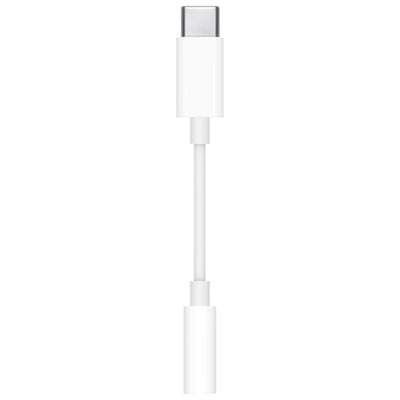 Your price for this item is $10
-
 Your price for this item is $19.97
-
 Your price for this item is $479.99
-
 Your price for this item is $69.99
-
 Your price for this item is $4.99
-
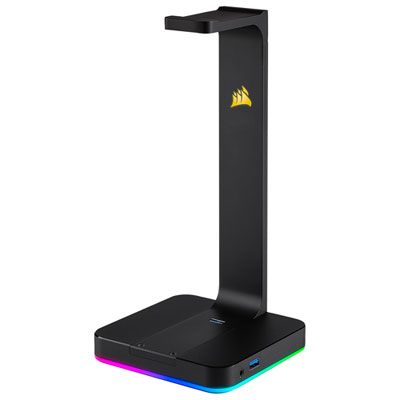 Your price for this item is $124.99
-
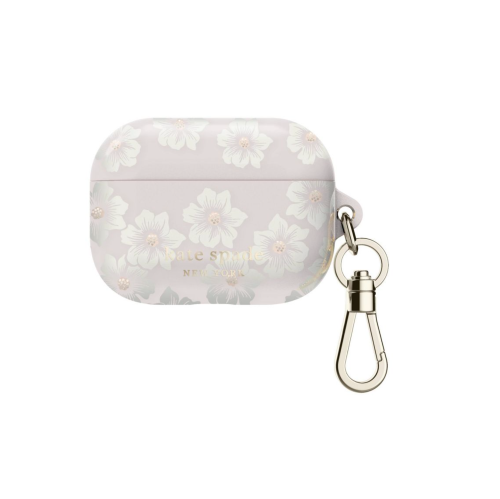 Your price for this item is $98.99
-
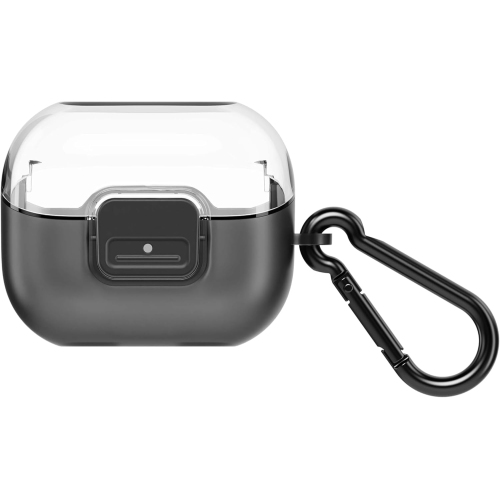 Your price for this item is $49.99
Discover more categories related to Audio Splitters
Top Collections:
Pokemon Centers, Kindle Devices, Best Budget Office Chairs, Canon G7X Cameras, Apple iPhones 16, Samsung Galaxy Phones, Refurbished Apple Laptops, Laptops for Students, iPhone 15 Apple, Budget Smartphones
Some products may be subject to Environmental Handling Fees
(EHF) depending on your province.
Learn more about EHFs.