Headphones for Recording Vocals
When it comes to recording vocals, having the right headphones can make all the difference. Whether you're a professional musician or just starting out, finding a pair of headphones specifically designed for recording vocals is essential for achieving high-quality sound. These headphones are built to provide accurate monitoring, exceptional comfort, and superior isolation, allowing you to focus on capturing every nuance and detail of your vocal performance. With a wide range of options available, finding the perfect pair of headphones for recording vocals has never been easier.
Sort
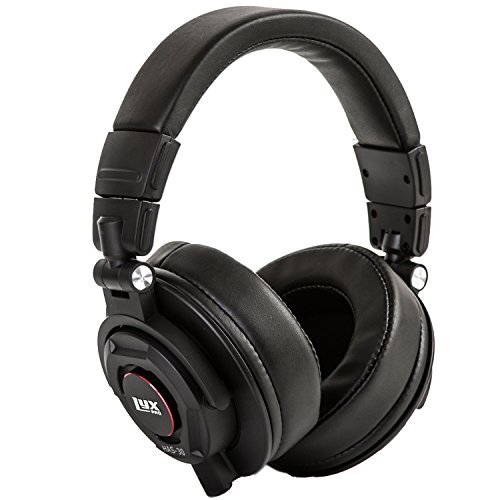
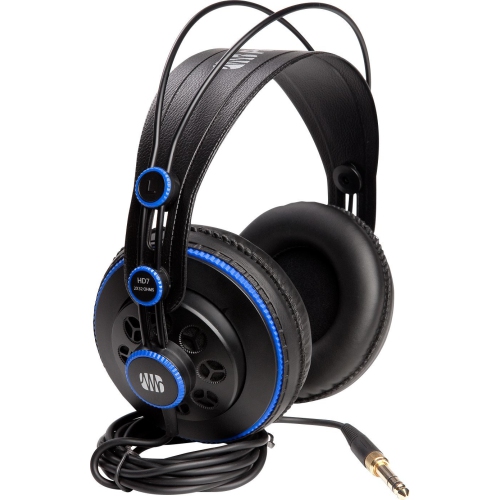
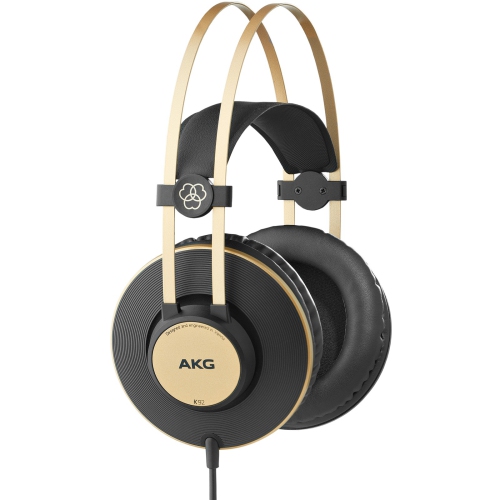
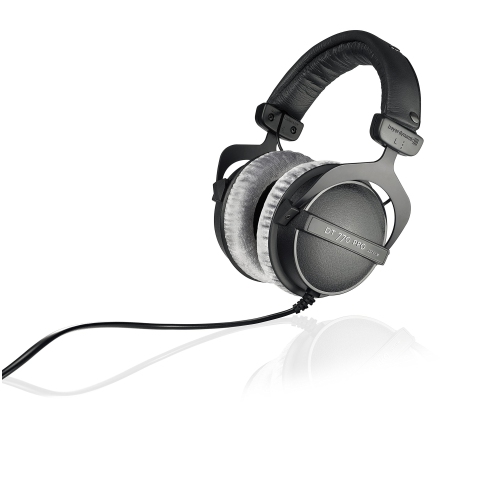
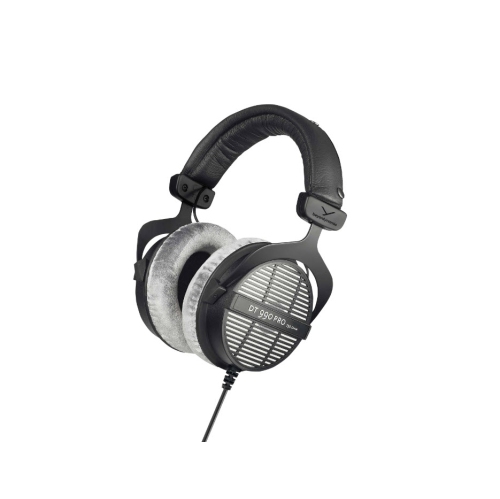
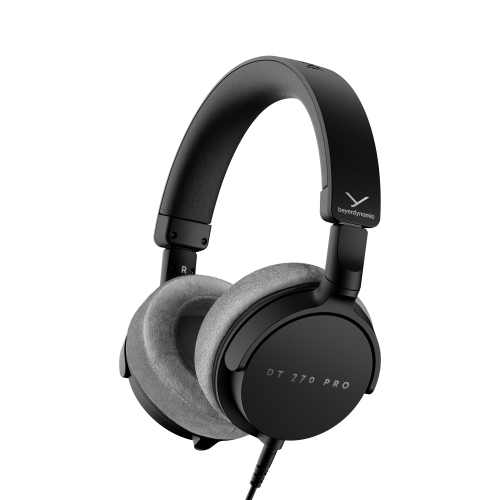
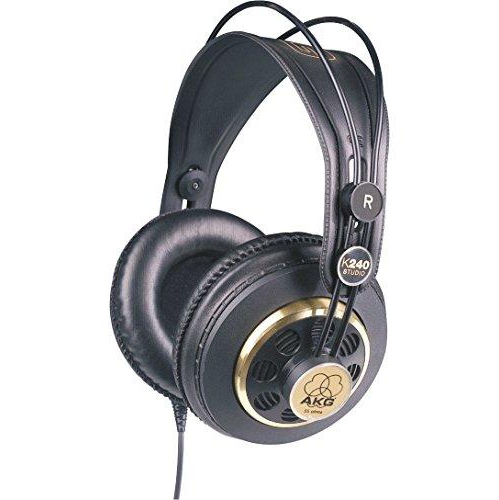
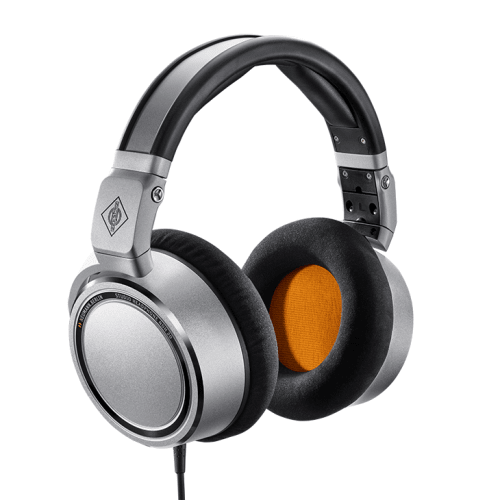
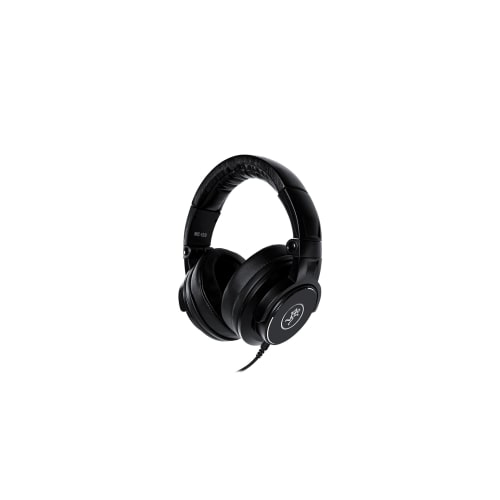
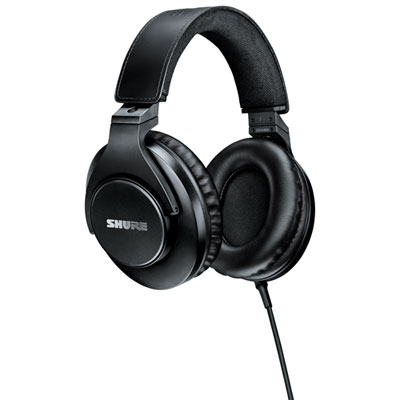
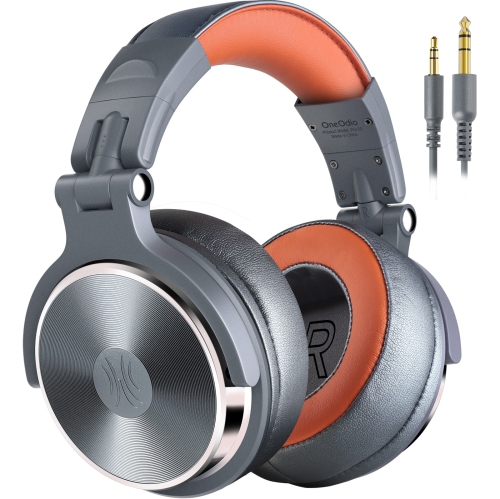
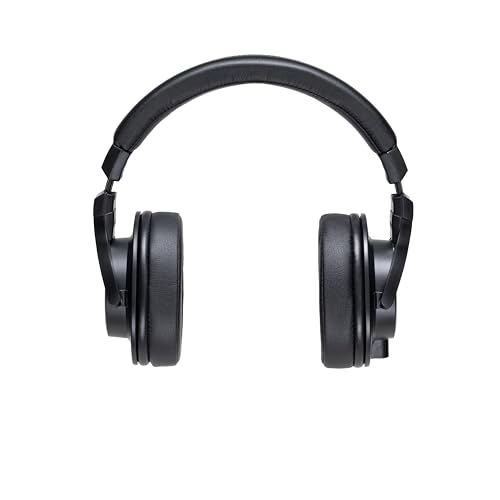
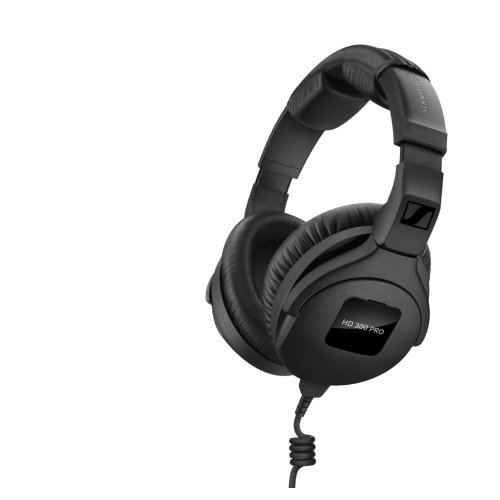
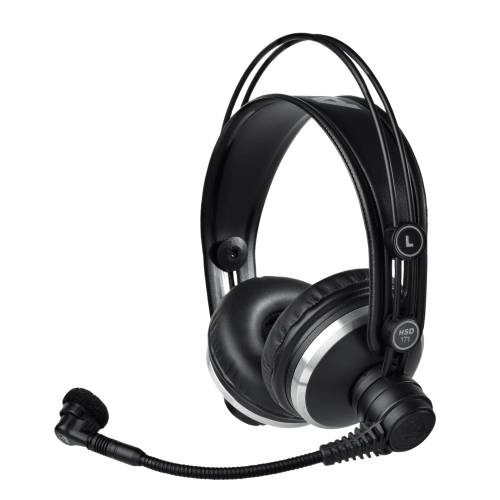
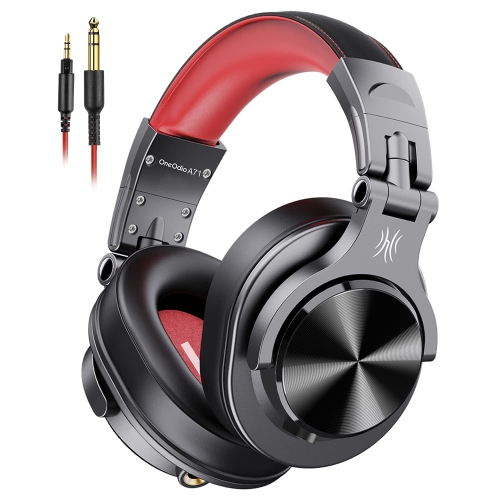
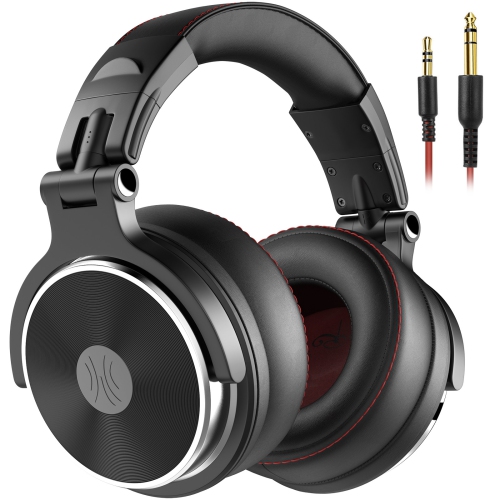
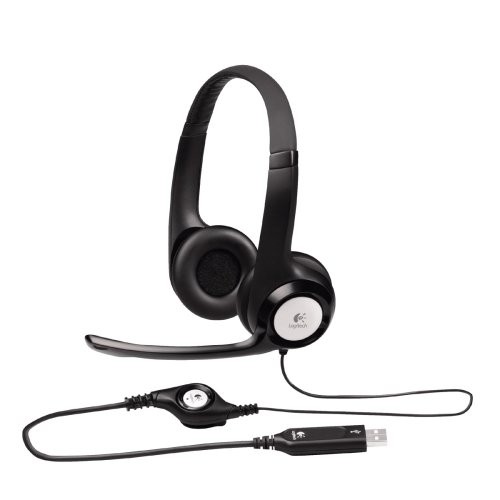


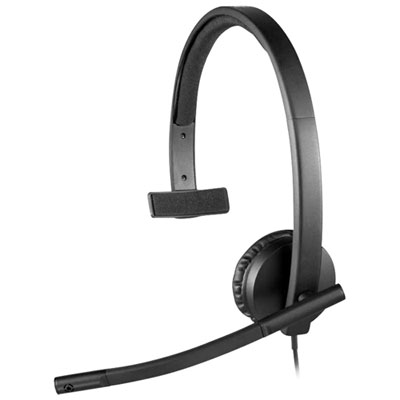
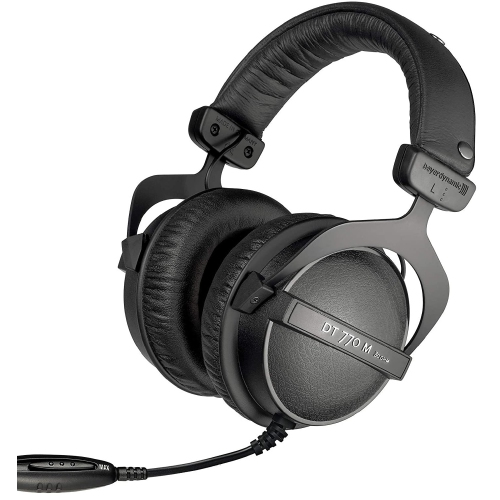
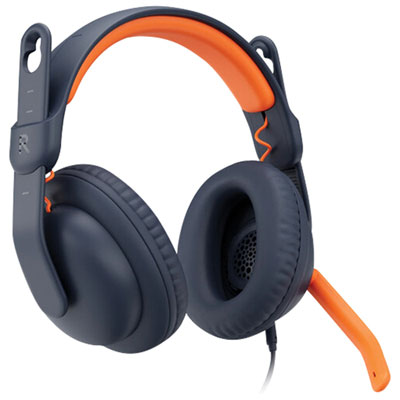
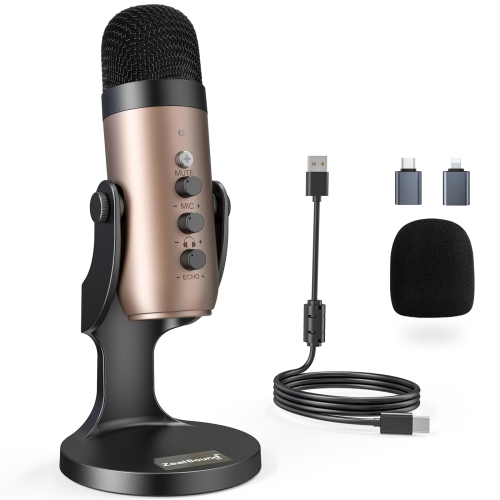
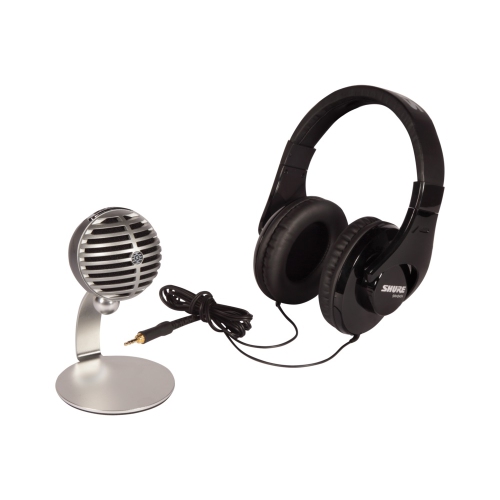
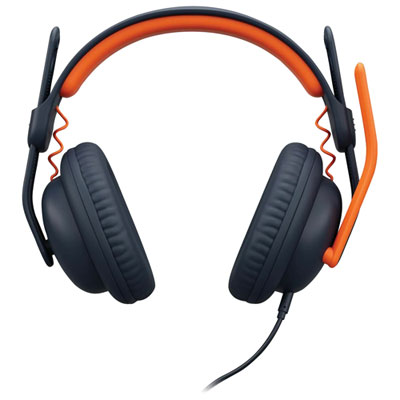
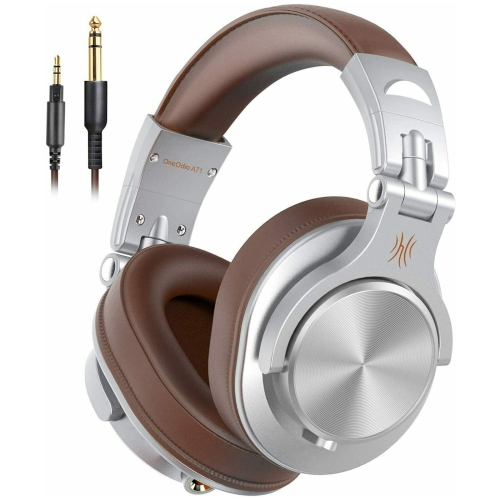
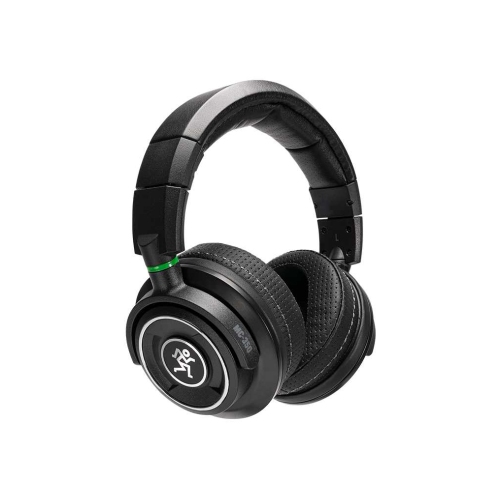
Isolation, accurate monitoring, and comfort for every vocal take
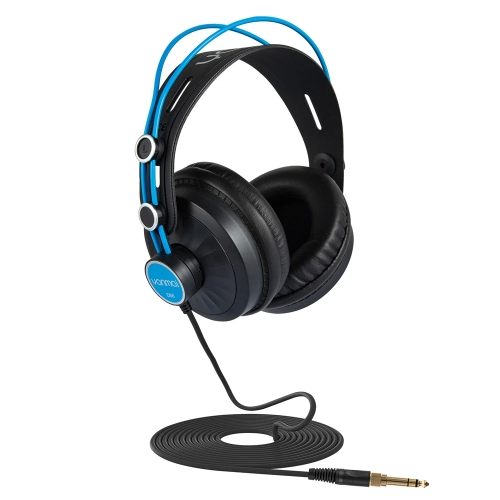
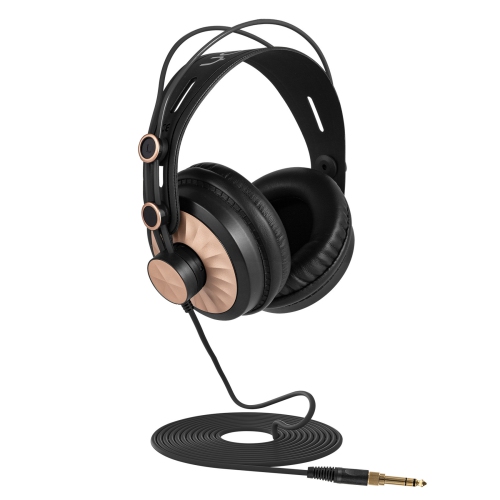
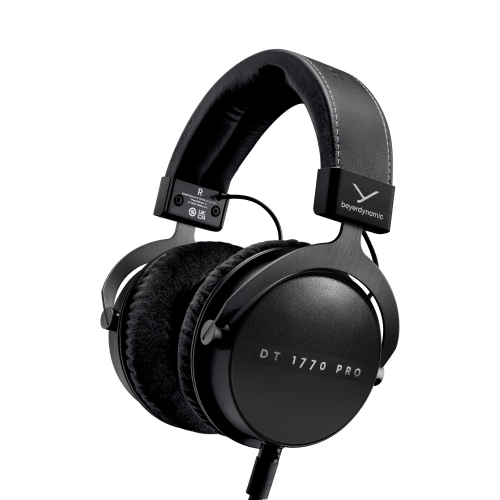
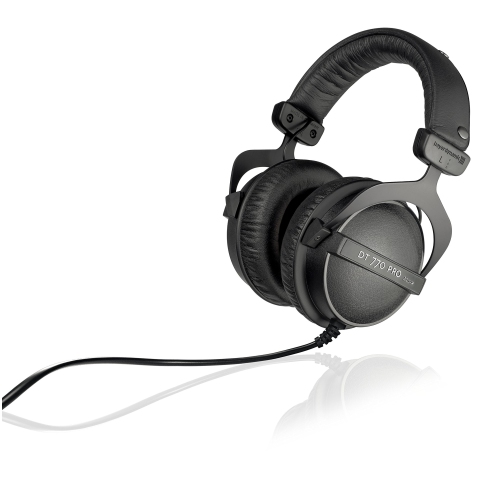
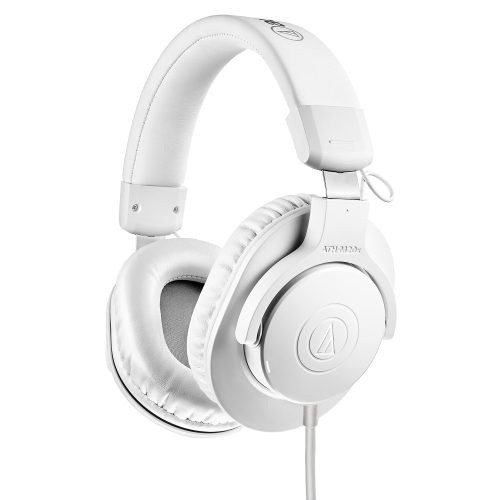
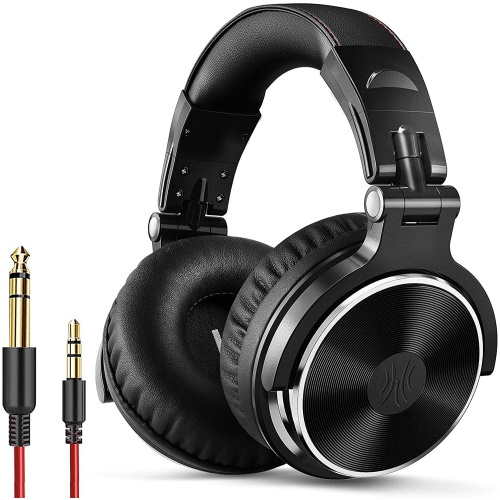
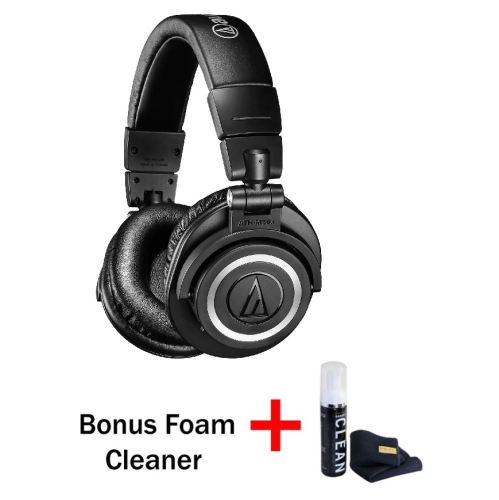
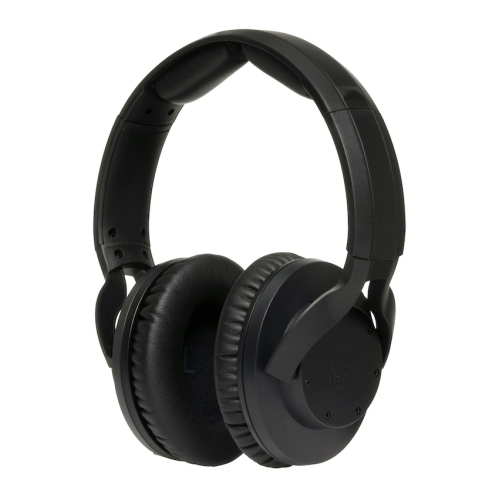
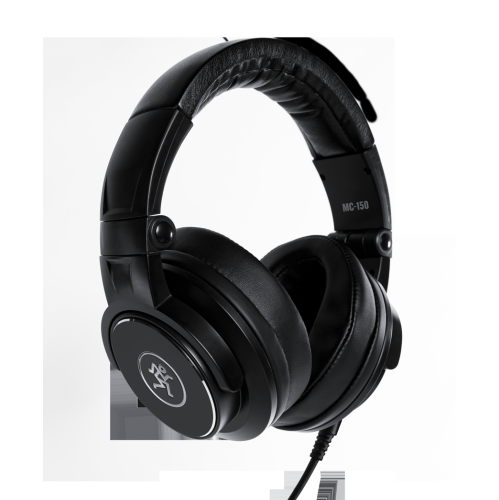
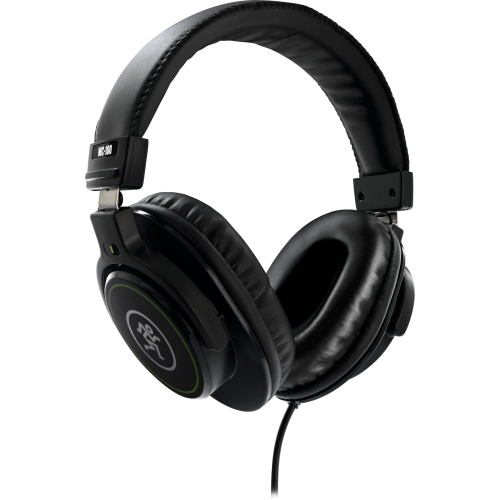
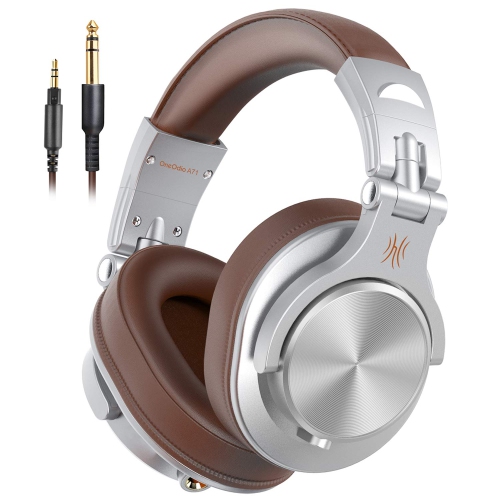
Headphones for recording vocals help singers and creators hear a backing track clearly while capturing a clean, focused performance. For most vocal recording setups, closed-back headphones are the preferred choice because their sealed earcups help prevent the music from leaking into the microphone. Even a small amount of bleed can be noticeable when a vocal track is played back, especially during quiet passages, so strong passive isolation is an important consideration. Closed-back headphones also help reduce distractions from computer fans, household activity, traffic, or other sounds in a home studio. A wired connection is generally recommended for vocal tracking because it avoids the wireless delay, also called latency, that can make the music feel slightly behind the singer’s voice. That timing difference may be subtle when listening casually, but it can be distracting when trying to maintain pitch, rhythm, phrasing, and natural expression. Look for headphones with a standard audio connection that works with the recording equipment, audio interface, mixer, computer, or mobile device being used. Some studio headphones use a straight cable, while others use a coiled cable or a detachable cable for easier storage and replacement. It is also useful to check the connector type and whether an adapter is included, particularly when connecting to equipment with a larger studio-style input. For anyone comparing options for a broader recording setup, Headphones for Music Production may also be relevant, although vocal tracking places special importance on isolation, comfort, and low-latency monitoring.
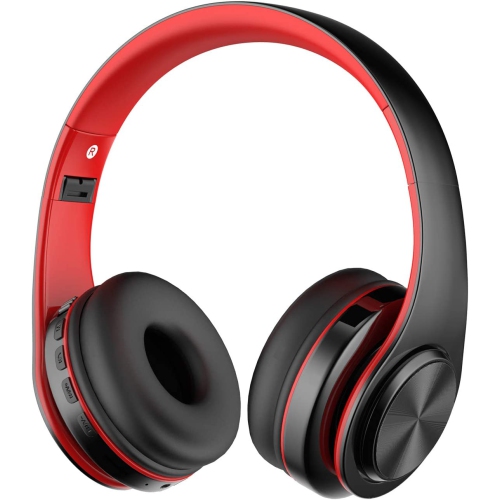
Sound quality matters just as much as sound isolation. Headphones for recording vocals should make it easy to hear the backing track, click track, guide vocals, and the singer’s own performance without exaggerating certain frequencies. A relatively balanced or flat frequency response can provide a more dependable reference, helping singers and producers notice pitch issues, timing problems, breath sounds, mouth noises, harsh consonants, and unwanted room noise. Headphones described as detailed may reveal small imperfections that are easy to miss on casual listening headphones, while a strong low-frequency emphasis can make a backing track feel exciting but may hide important details in the midrange where much of the vocal sits. The goal is not necessarily the most dramatic or coloured sound; it is a clear presentation that supports accurate decisions during a recording session. Comfort is equally important, since vocal takes can involve repeated attempts, warmups, editing, and long stretches of listening between performances. Soft earcup padding, a secure but not overly tight headband, manageable weight, and earcups that fully surround the ears can make a noticeable difference. A good fit should create a seal without pressing painfully against glasses or causing heat and fatigue. Adjustable headbands and swivelling earcups can help different users find a comfortable position. Durability is another practical consideration for headphones that travel between a bedroom studio, rehearsal space, school, or shared creative workspace. Reinforced hinges, sturdy cable connections, and replaceable parts can be useful for musicians who expect frequent use, while a carrying pouch can help protect the headphones between sessions. Active noise cancellation is not always essential for vocal recording; passive isolation from a closed-back design is often the simpler choice, especially when the priority is preventing sound from reaching the microphone.
These headphones can be useful for singers, voice-over artists, podcasters, streamers, songwriters, music students, producers, and anyone building a recording setup at home. A vocalist may use them to listen to an instrumental track while recording one take at a time, while a producer may use them to check whether a performance contains clicks, pops, sibilance, or background sounds before moving to the mixing stage. They can also support remote collaboration, online lessons, auditions, demo creation, and practice sessions when speakers would disturb other people in the home. For a singer who records in a compact room, headphones can provide a more controlled monitoring experience than speakers, which may reflect off nearby walls and furniture. They are also a thoughtful gift for a musician, student, aspiring content creator, or family member who is assembling a first home studio. When choosing a pair as a gift, consider whether the recipient records vocals with a computer, audio interface, tablet, or another device, and confirm that the connection will be compatible. It is also worth considering whether the headphones will be used only for recording or for everyday listening as well. Recording-focused headphones may have a more neutral sound and a longer cable than lifestyle models, which can be helpful in the studio but less convenient for commuting. During the cooler months, a comfortable over-ear design can also be pleasant for editing, arranging, and listening in a quiet workspace, provided the earcups remain comfortable during extended sessions. The best fit depends on the user’s recording habits, available equipment, preferred sound, and budget, but closed-back construction, a wired connection, balanced detail, comfortable padding, and dependable build quality are strong starting points when shopping for headphones for recording vocals.
Sound quality matters just as much as sound isolation. Headphones for recording vocals should make it easy to hear the backing track, click track, guide vocals, and the singer’s own performance without exaggerating certain frequencies. A relatively balanced or flat frequency response can provide a more dependable reference, helping singers and producers notice pitch issues, timing problems, breath sounds, mouth noises, harsh consonants, and unwanted room noise. Headphones described as detailed may reveal small imperfections that are easy to miss on casual listening headphones, while a strong low-frequency emphasis can make a backing track feel exciting but may hide important details in the midrange where much of the vocal sits. The goal is not necessarily the most dramatic or coloured sound; it is a clear presentation that supports accurate decisions during a recording session. Comfort is equally important, since vocal takes can involve repeated attempts, warmups, editing, and long stretches of listening between performances. Soft earcup padding, a secure but not overly tight headband, manageable weight, and earcups that fully surround the ears can make a noticeable difference. A good fit should create a seal without pressing painfully against glasses or causing heat and fatigue. Adjustable headbands and swivelling earcups can help different users find a comfortable position. Durability is another practical consideration for headphones that travel between a bedroom studio, rehearsal space, school, or shared creative workspace. Reinforced hinges, sturdy cable connections, and replaceable parts can be useful for musicians who expect frequent use, while a carrying pouch can help protect the headphones between sessions. Active noise cancellation is not always essential for vocal recording; passive isolation from a closed-back design is often the simpler choice, especially when the priority is preventing sound from reaching the microphone.
These headphones can be useful for singers, voice-over artists, podcasters, streamers, songwriters, music students, producers, and anyone building a recording setup at home. A vocalist may use them to listen to an instrumental track while recording one take at a time, while a producer may use them to check whether a performance contains clicks, pops, sibilance, or background sounds before moving to the mixing stage. They can also support remote collaboration, online lessons, auditions, demo creation, and practice sessions when speakers would disturb other people in the home. For a singer who records in a compact room, headphones can provide a more controlled monitoring experience than speakers, which may reflect off nearby walls and furniture. They are also a thoughtful gift for a musician, student, aspiring content creator, or family member who is assembling a first home studio. When choosing a pair as a gift, consider whether the recipient records vocals with a computer, audio interface, tablet, or another device, and confirm that the connection will be compatible. It is also worth considering whether the headphones will be used only for recording or for everyday listening as well. Recording-focused headphones may have a more neutral sound and a longer cable than lifestyle models, which can be helpful in the studio but less convenient for commuting. During the cooler months, a comfortable over-ear design can also be pleasant for editing, arranging, and listening in a quiet workspace, provided the earcups remain comfortable during extended sessions. The best fit depends on the user’s recording habits, available equipment, preferred sound, and budget, but closed-back construction, a wired connection, balanced detail, comfortable padding, and dependable build quality are strong starting points when shopping for headphones for recording vocals.
Top selling and popular products
-
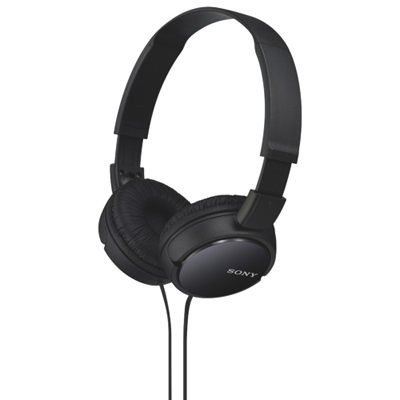 Your price for this item is $24.99
 -
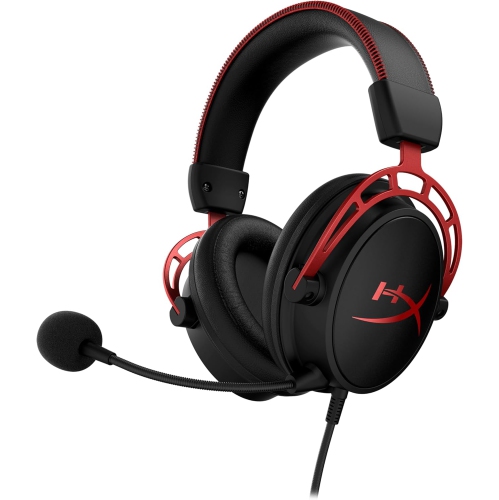 Your price for this item is $124.99
 -
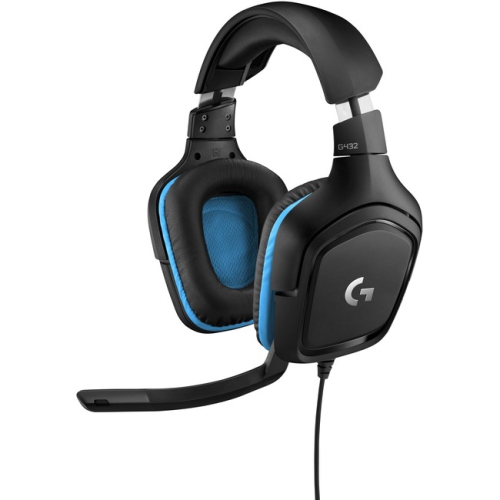 Your price for this item is $116.9
 -
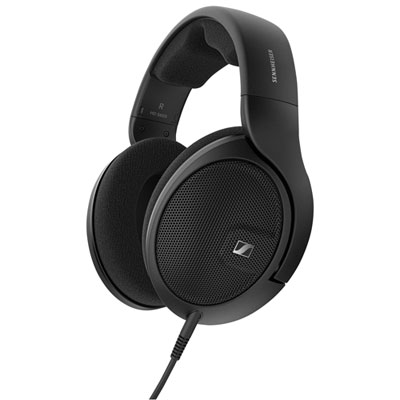 Your price for this item is $279.99
 -
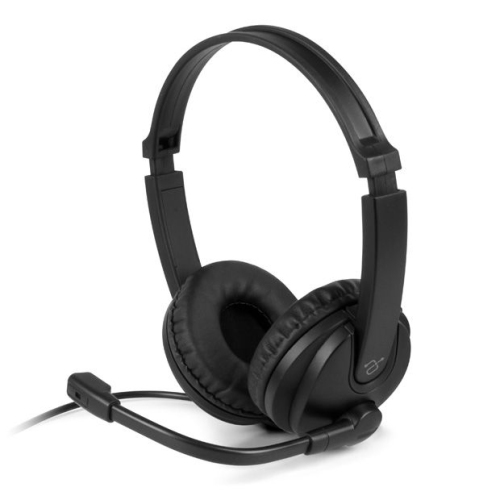 Your price for this item is $46.99
 -
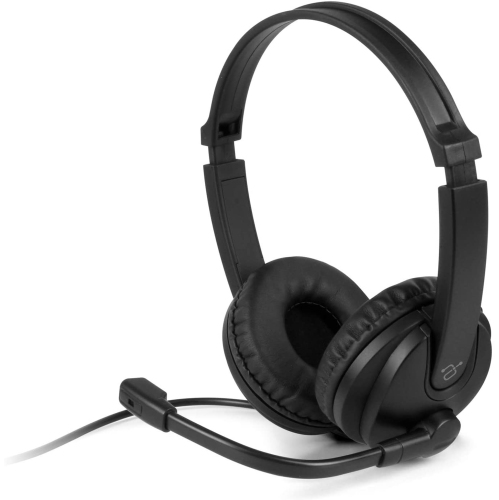 Your price for this item is $63.69
 -
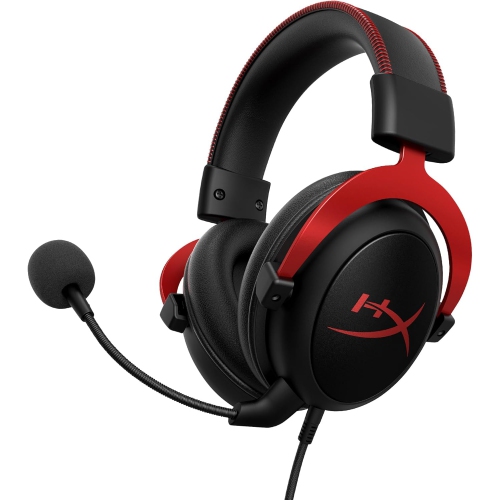 Your price for this item is $144.99
 -
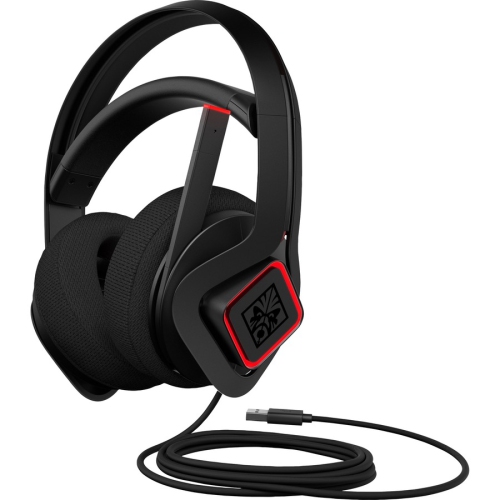 Your price for this item is $105.89
Discover more categories related to Headphones for Recording Vocals

Top Collections:
Pokemon Centers, Kindle Devices, Best Budget Office Chairs, Apple iPhones 16, Best Laptops for Writers, iPhone 15 Apple, Canon G7X Cameras, Refurbished Apple Laptops, Alarm Clock, Motorola Razr Phones
Some products may be subject to Environmental Handling Fees
(EHF) depending on your province.
Learn more about EHFs.