Headphones for Studio Recording
Headphones for studio recording offer precise audio monitoring and isolation, allowing the user to hear every detail in their mix without outside interference. They also provide a comfortable listening experience for extended periods of time, making them essential for professional audio production. Here are some of the headphones for studio recording that we offer.
Sort
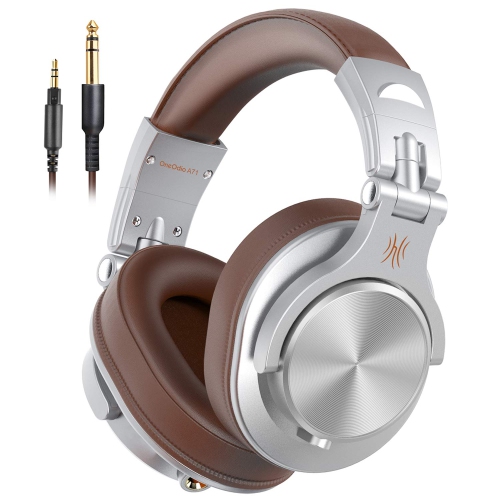
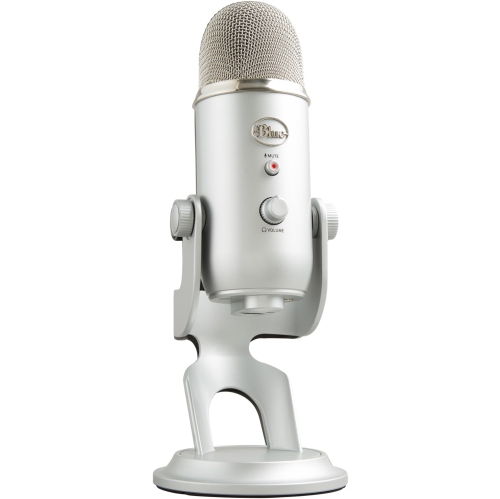
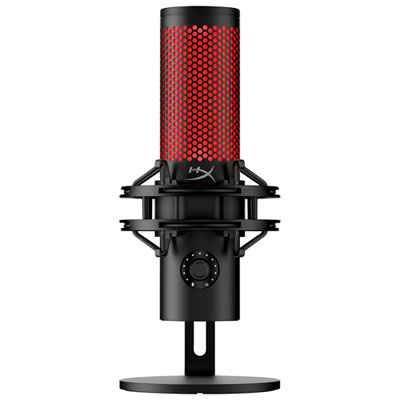

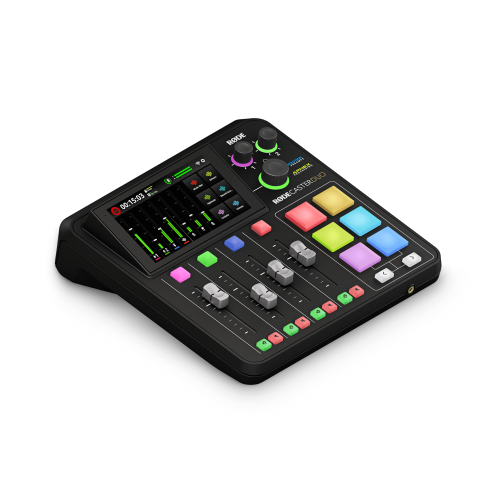
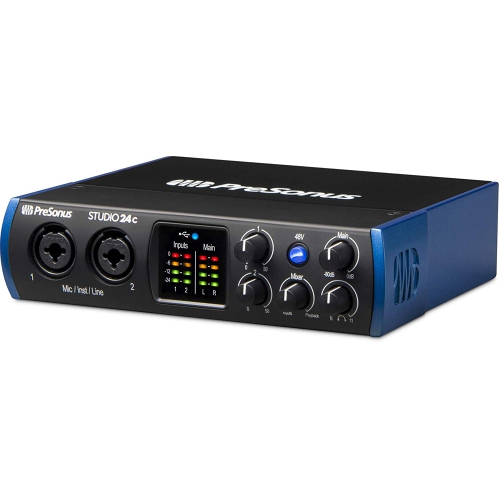
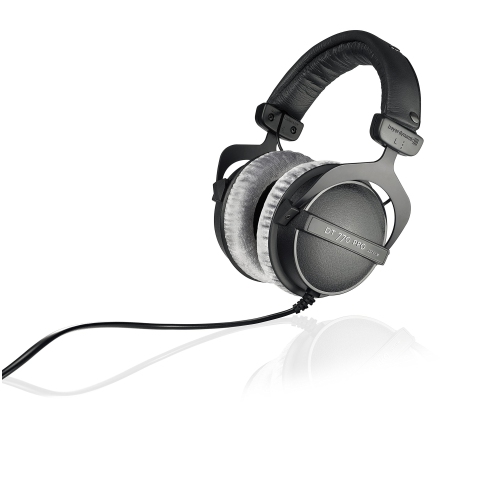
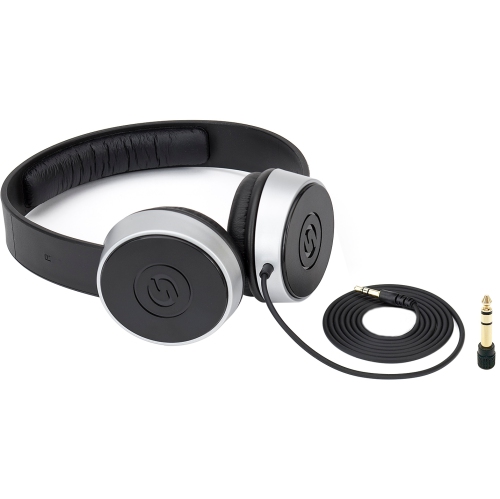
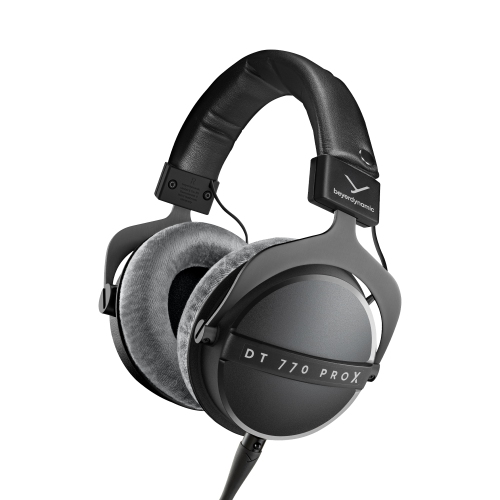
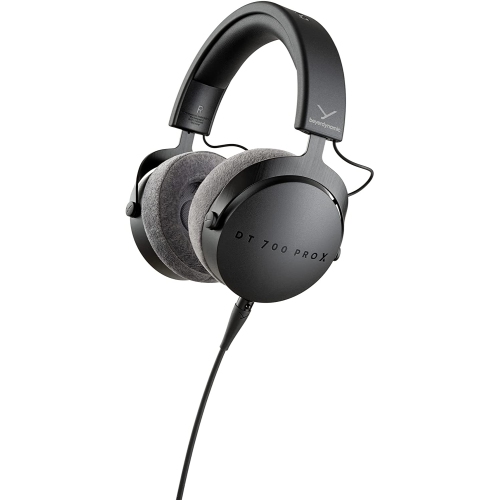
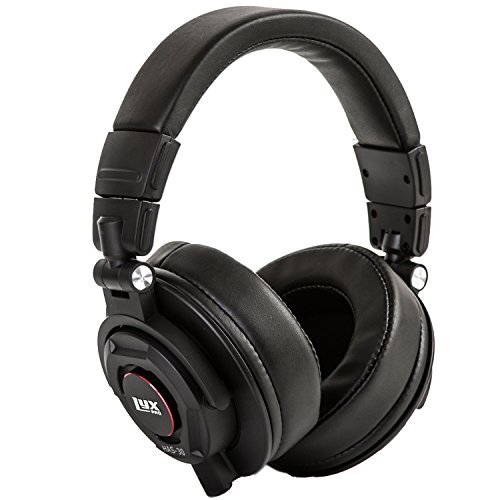
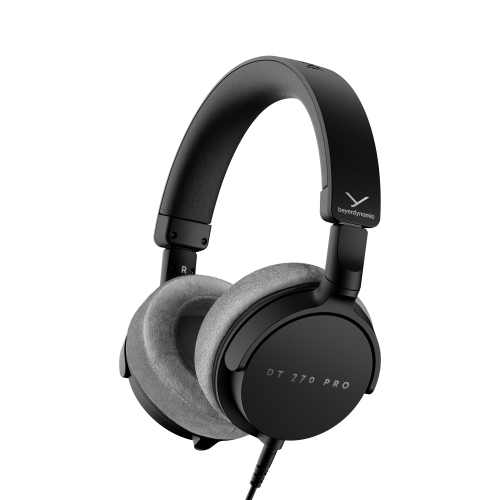
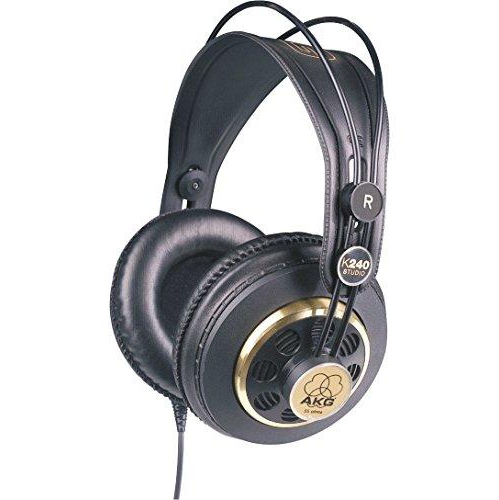
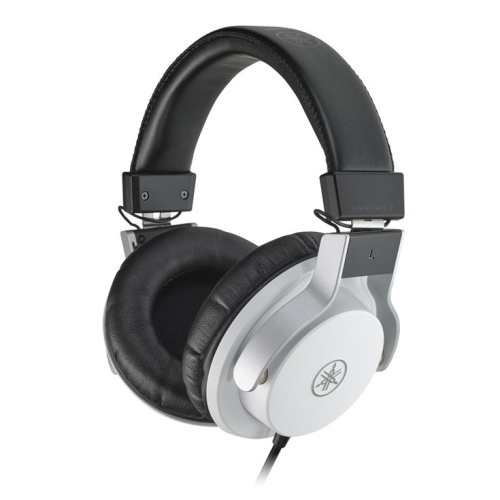
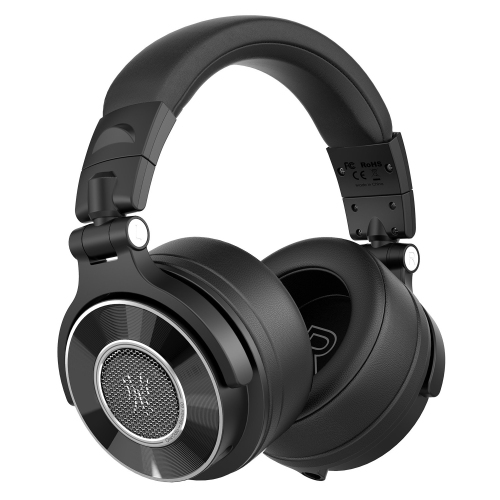
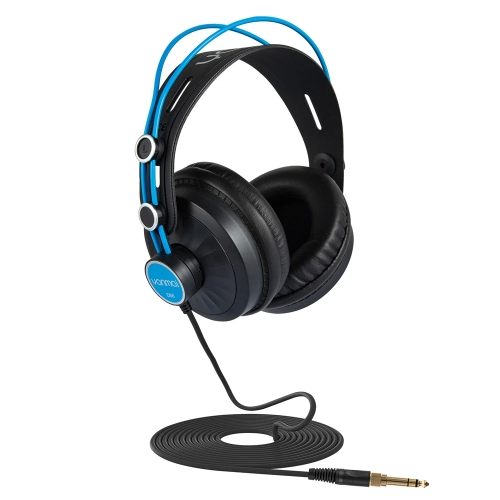
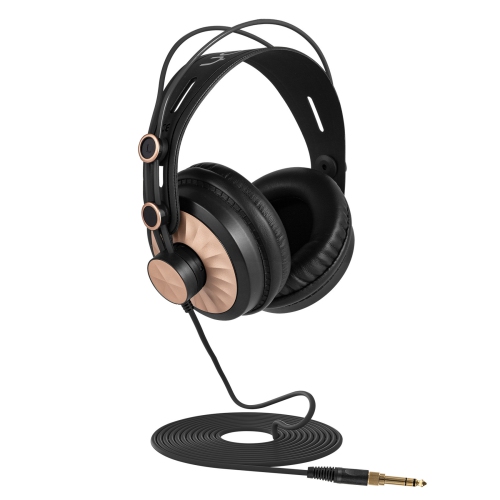
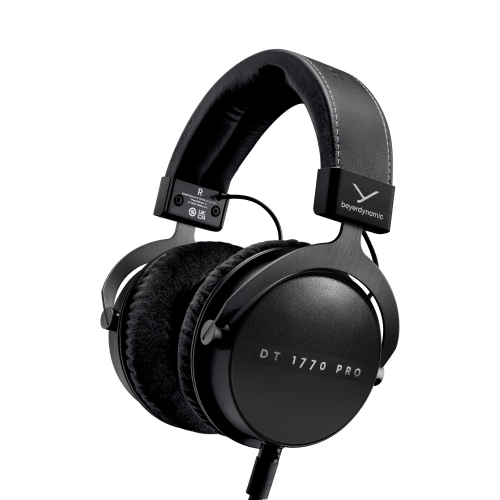
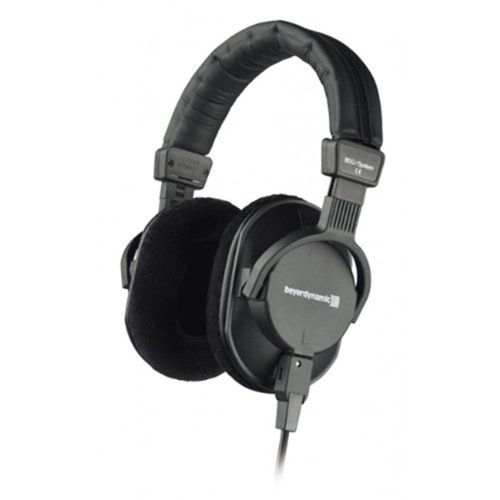
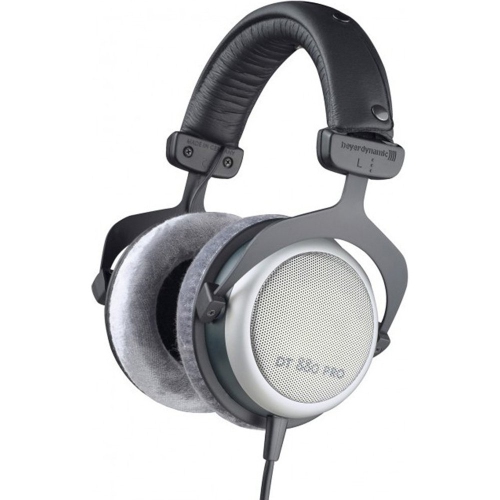
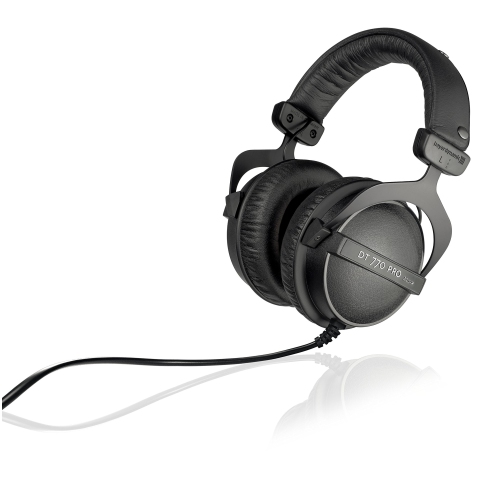
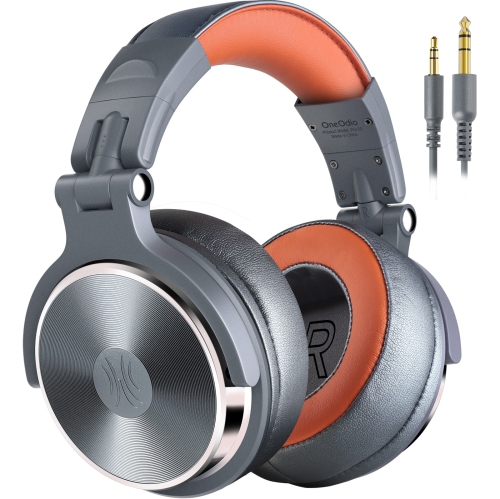
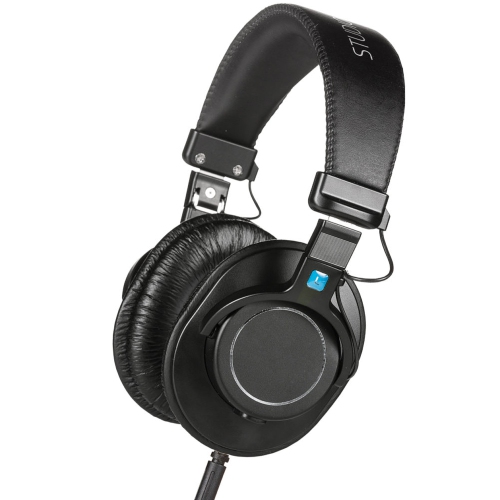
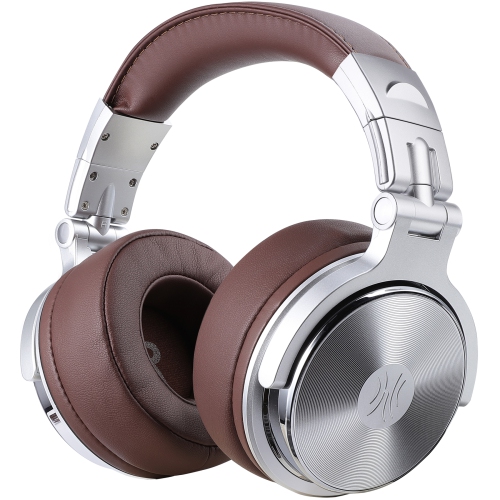

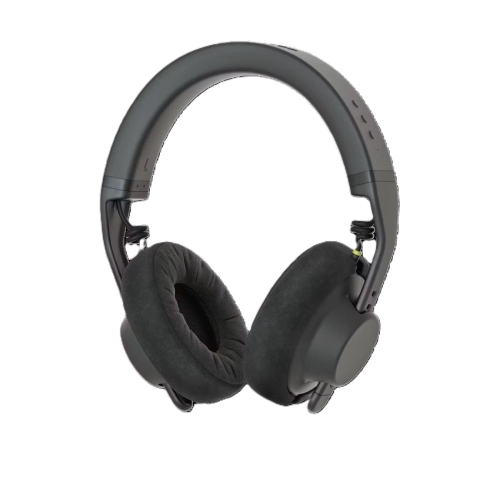
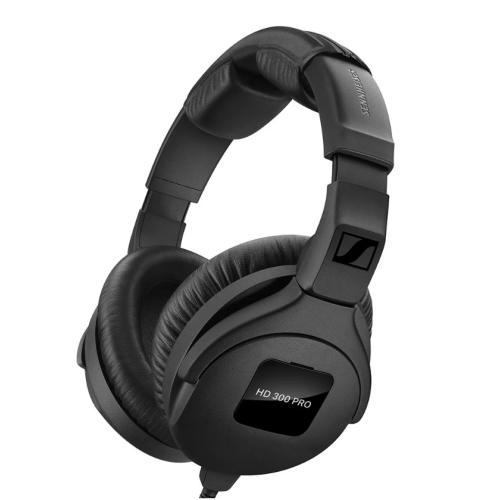
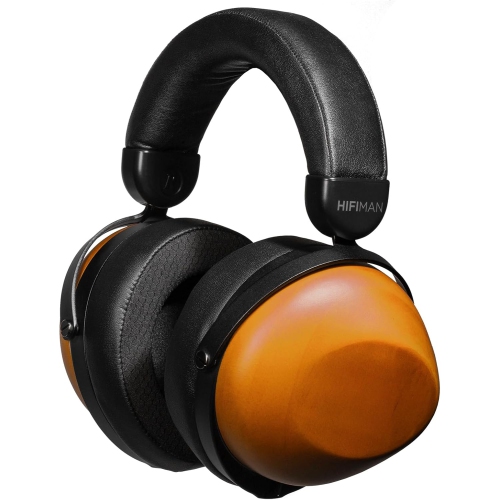
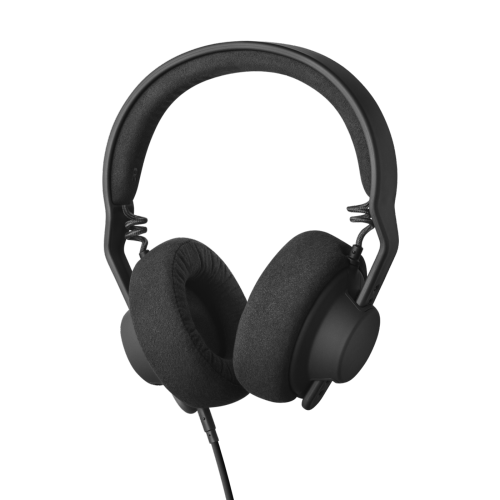
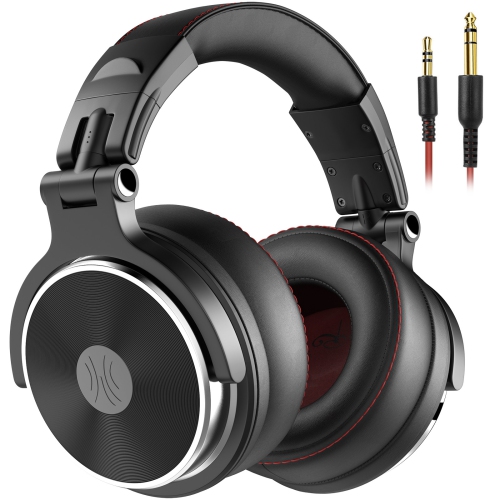
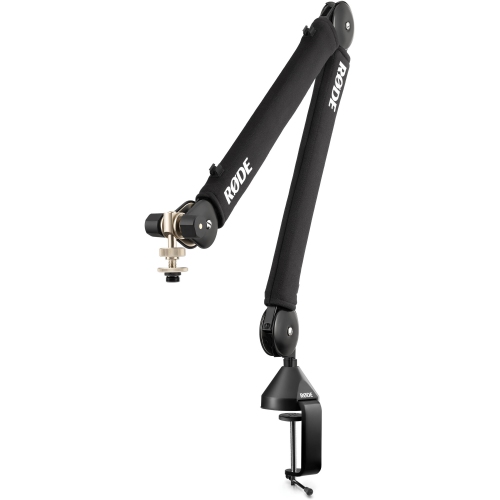

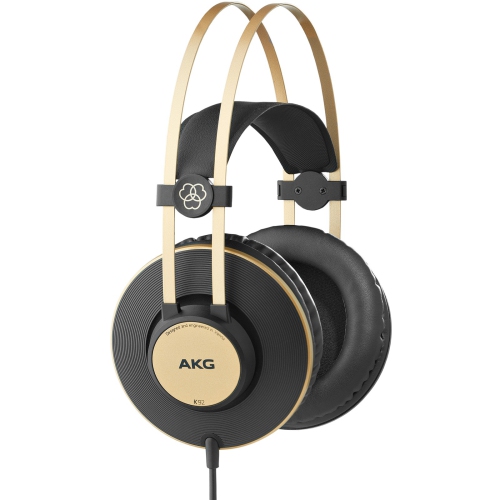
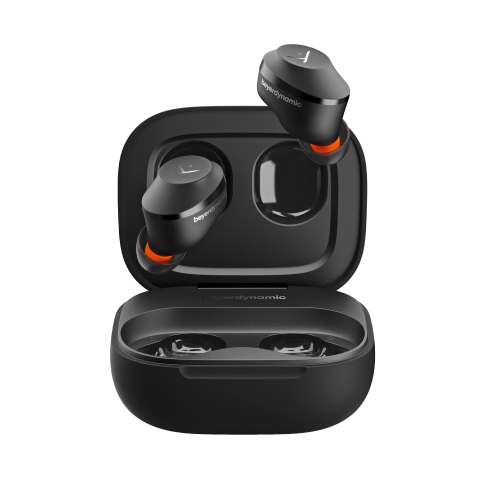
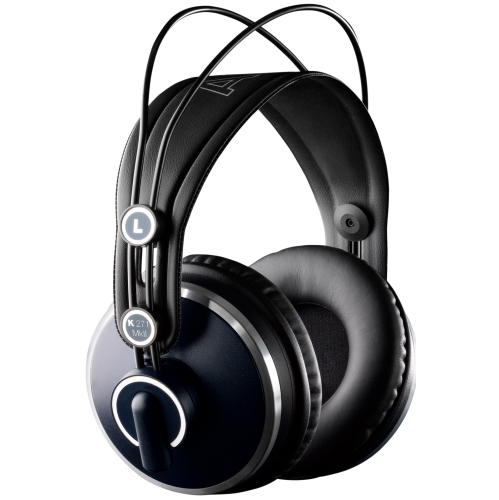
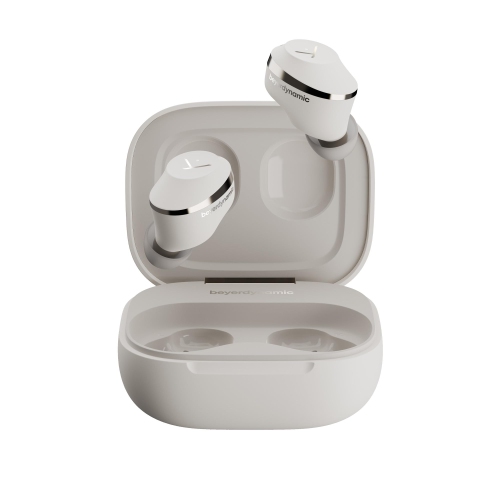
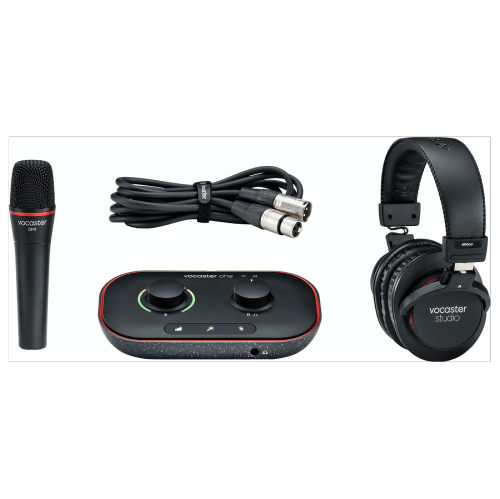
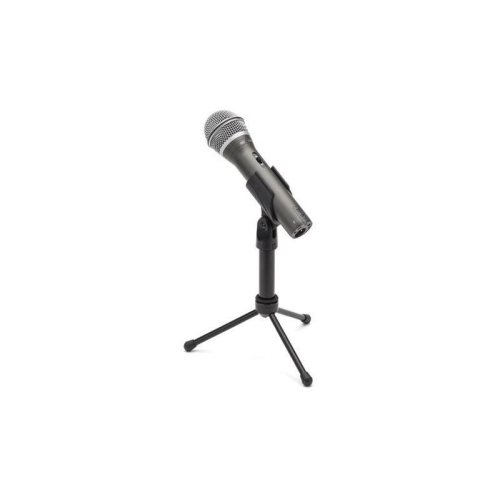
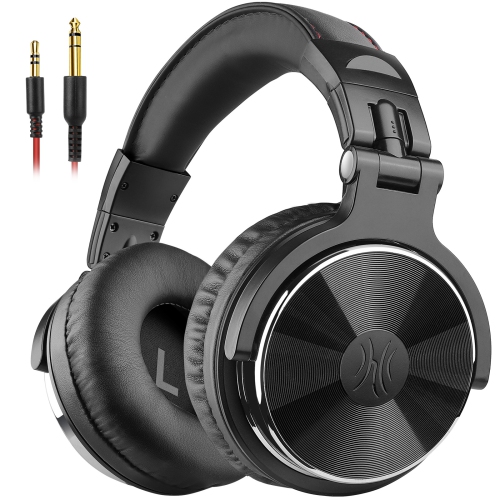
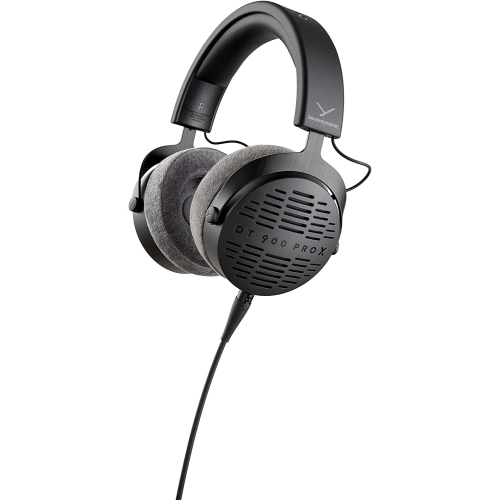
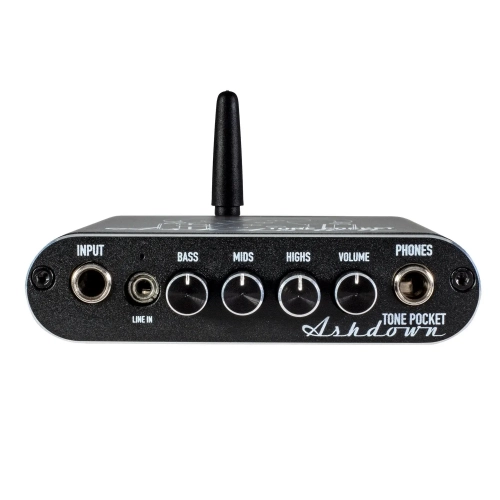
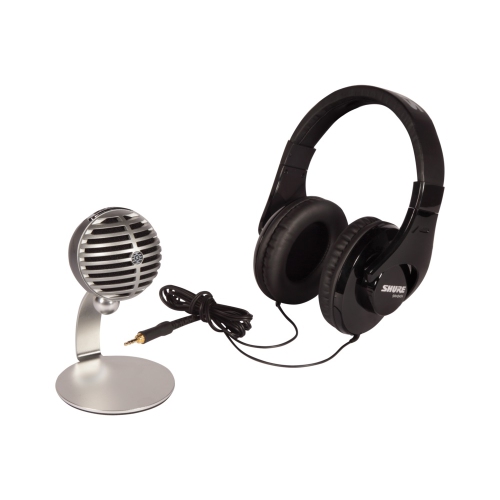
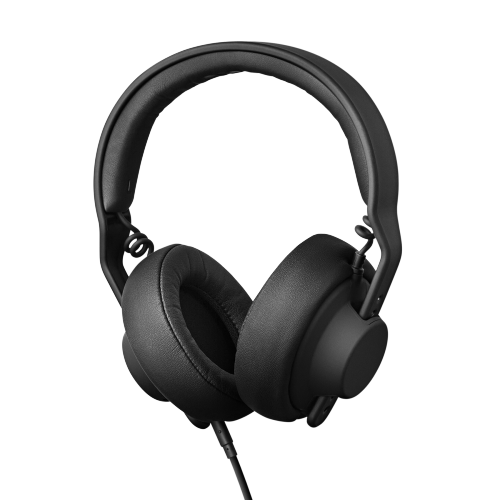
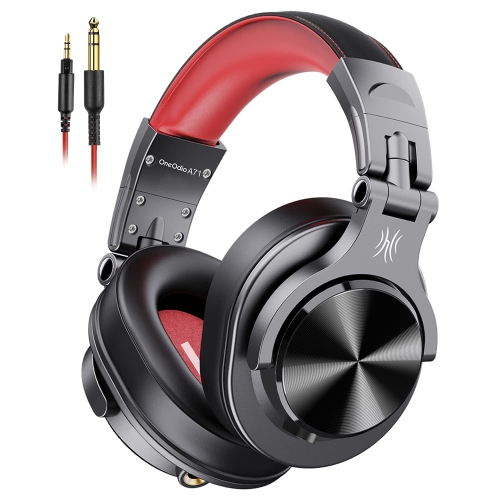
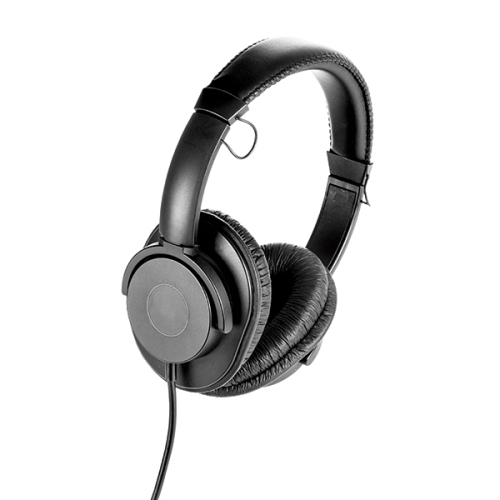
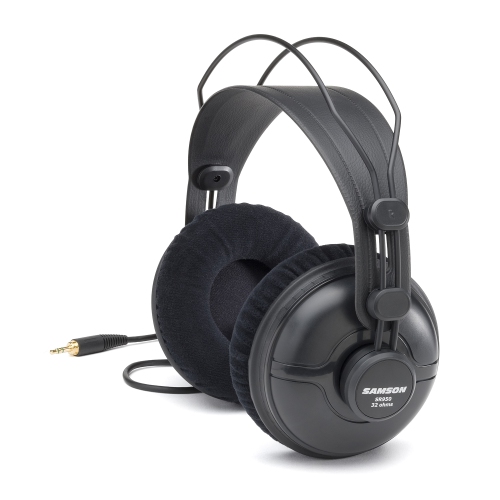
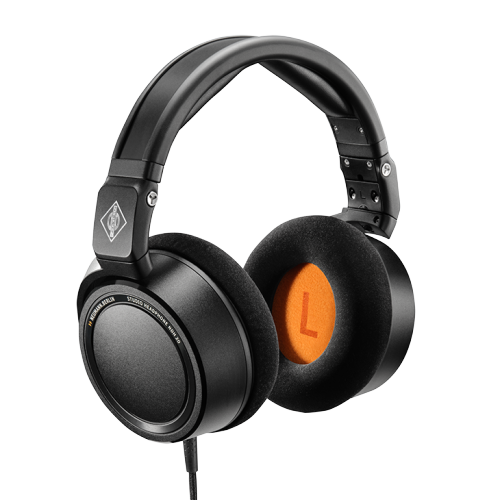
Closed-back designs help keep monitor mixes out of recordings
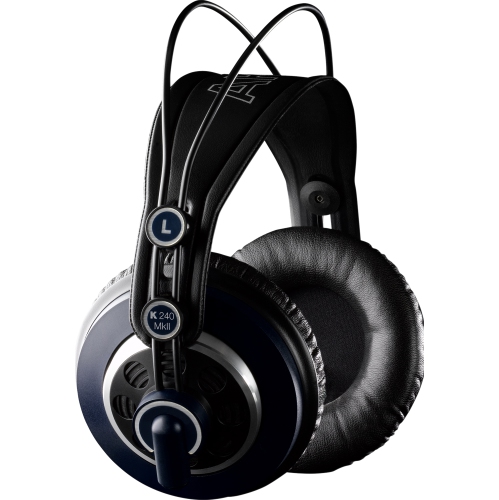
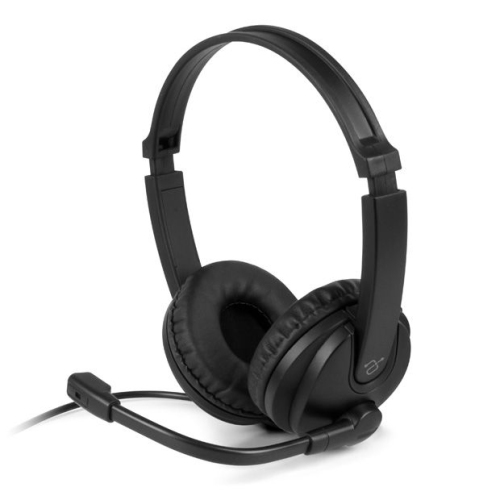
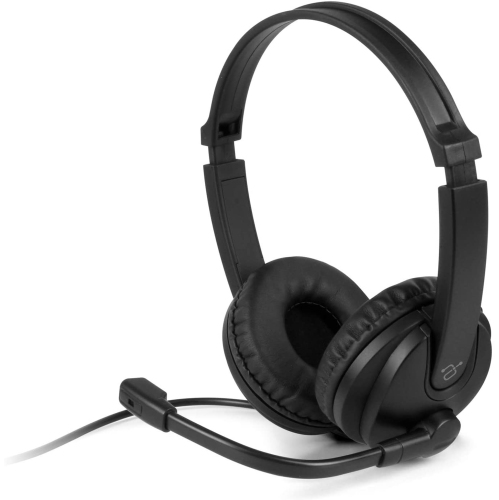
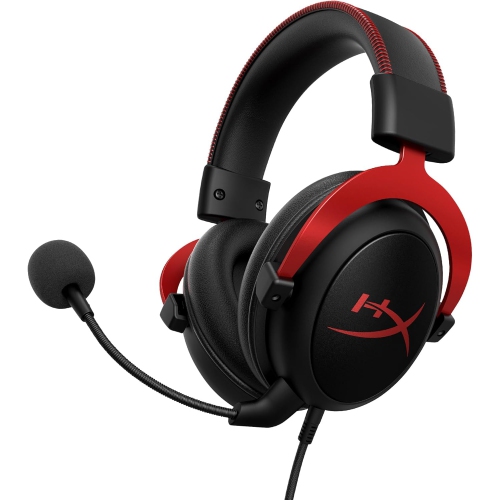
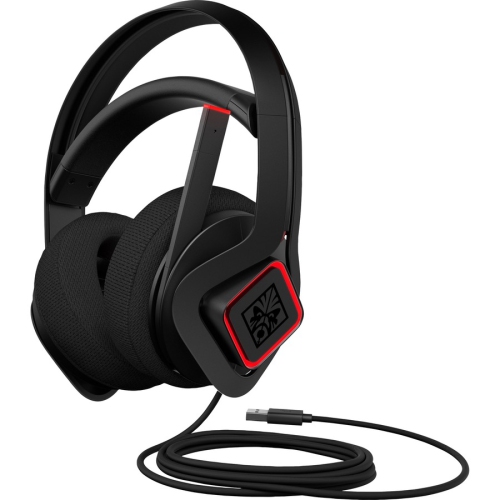
Headphones for studio recording are designed to help musicians, vocalists, producers, podcasters, and audio engineers hear a performance clearly while it is being captured. Unlike everyday listening headphones, studio recording headphones are built around accuracy, comfort, and practical isolation. During a vocal take, even a small amount of sound escaping from the ear cups can be picked up by a nearby microphone, creating unwanted bleed that may be difficult to remove later. For this reason, closed-back headphones are generally the preferred choice for tracking vocals, acoustic instruments, electric guitar, drums, voice-over, and other live sources. Their sealed ear cups help keep the monitor mix contained, allowing the performer to hear a click track, backing arrangement, or guide vocal without sending that sound back into the recording. This can make a noticeable difference when recording in a home studio, bedroom, rehearsal space, or professional control room. Closed-back designs can also provide a degree of passive noise isolation, which helps performers stay focused when computers, air conditioning, nearby conversations, or other background sounds are present. When comparing models, look for a balanced and detailed sound that makes voices and instruments easy to distinguish, along with a secure fit that remains comfortable through repeated takes. Soft ear cushions, a padded headband, an adjustable frame, and moderate clamping pressure can all matter when a session stretches from a quick demo into several hours of recording. A coiled or straight cable may suit different setups, while a sufficiently long cable can make it easier to move around a microphone stand or studio desk without tugging on the headphones. Detachable cables, replaceable ear pads, and sturdy hinges may also be useful for musicians and creators who carry their equipment between rooms, lessons, rehearsals, and recording sessions.
The choice between closed-back and open-back headphones depends largely on where and how they will be used. Closed-back headphones are the practical option for tracking because the ear cups help reduce sound leakage into an active microphone. They are especially useful when recording a quiet vocal, a spoken performance, a stringed instrument, or layered harmonies where even a faint repeat of the monitor mix could affect the final edit. Open-back headphones allow air to move through the ear cups and are valued for a more spacious, natural presentation, but they let sound travel both in and out. That makes them less suitable for recording near sensitive microphones, particularly in a quiet room, although they can be useful for mixing and mastering in a controlled environment where leakage is not a concern. Some listeners prefer the broad sense of space offered by open-back designs when checking stereo placement, reverb, panning, and the balance between instruments. For a product assortment focused on recording, however, closed-back models should generally be the starting point. Sound character is another important consideration. Headphones with a strongly exaggerated bass response can make a monitor mix exciting but may encourage a performer or engineer to set levels inaccurately. A more even response can make it easier to judge vocal presence, cymbal detail, guitar texture, and low-frequency instruments without relying on guesswork. This does not mean every studio headphone sounds identical or that one tuning suits every person. Some performers appreciate a little extra warmth, while others prefer a crisp presentation that exposes breath sounds, fret noise, timing issues, and subtle room ambience. Listening comfort and personal preference remain important, but clarity across a broad frequency range is a useful quality for recording work. Anyone expanding a home setup may also wish to browse Headphones for Music Production for options suited to arranging, editing, beat-making, and other creative tasks that may happen before or after the recording session.
Studio recording headphones can be a practical addition for beginners building a first home setup, experienced performers refining their monitoring routine, or creators who need dependable audio for lessons, auditions, podcasts, livestreams, and video projects. They can also make a thoughtful gift for a musician, singer, music student, audio hobbyist, or content creator, particularly when paired with a microphone, audio interface, keyboard, or recording software. Before choosing a pair, consider the connection used by the rest of the equipment. Many interfaces and mixers use a standard headphone output, while other devices may require an adaptor or a particular connector. Impedance can affect how easily headphones reach a suitable listening level: some models are designed to work well with computers, phones, and portable recorders, while others perform best with the additional power available from a dedicated interface or headphone amplifier. Sensitivity, cable length, folding features, and storage requirements are worth considering for mobile recording or shared spaces. A compact design may be convenient for moving between a classroom and a rehearsal room, whereas a larger over-ear style may provide the fit and isolation preferred for long sessions at a desk. It is also helpful to think about who will wear them. A performer who records vocals may value a secure seal and a cable that stays out of the way, while an engineer monitoring several takes may prioritize a neutral presentation and replaceable parts. During the warmer months or cooler months, breathable ear cushions and a comfortable fit can make extended use more pleasant, especially in rooms without ideal climate control. With the right pair, the process of recording can feel less distracting: the performer hears the cue clearly, the microphone captures the intended source, and the person behind the console can concentrate on timing, tone, and expression. Whether used for a polished studio session or a late-night project at home, headphones made for studio recording help turn a monitor mix into a precise, dependable part of the creative workflow.
The choice between closed-back and open-back headphones depends largely on where and how they will be used. Closed-back headphones are the practical option for tracking because the ear cups help reduce sound leakage into an active microphone. They are especially useful when recording a quiet vocal, a spoken performance, a stringed instrument, or layered harmonies where even a faint repeat of the monitor mix could affect the final edit. Open-back headphones allow air to move through the ear cups and are valued for a more spacious, natural presentation, but they let sound travel both in and out. That makes them less suitable for recording near sensitive microphones, particularly in a quiet room, although they can be useful for mixing and mastering in a controlled environment where leakage is not a concern. Some listeners prefer the broad sense of space offered by open-back designs when checking stereo placement, reverb, panning, and the balance between instruments. For a product assortment focused on recording, however, closed-back models should generally be the starting point. Sound character is another important consideration. Headphones with a strongly exaggerated bass response can make a monitor mix exciting but may encourage a performer or engineer to set levels inaccurately. A more even response can make it easier to judge vocal presence, cymbal detail, guitar texture, and low-frequency instruments without relying on guesswork. This does not mean every studio headphone sounds identical or that one tuning suits every person. Some performers appreciate a little extra warmth, while others prefer a crisp presentation that exposes breath sounds, fret noise, timing issues, and subtle room ambience. Listening comfort and personal preference remain important, but clarity across a broad frequency range is a useful quality for recording work. Anyone expanding a home setup may also wish to browse Headphones for Music Production for options suited to arranging, editing, beat-making, and other creative tasks that may happen before or after the recording session.
Studio recording headphones can be a practical addition for beginners building a first home setup, experienced performers refining their monitoring routine, or creators who need dependable audio for lessons, auditions, podcasts, livestreams, and video projects. They can also make a thoughtful gift for a musician, singer, music student, audio hobbyist, or content creator, particularly when paired with a microphone, audio interface, keyboard, or recording software. Before choosing a pair, consider the connection used by the rest of the equipment. Many interfaces and mixers use a standard headphone output, while other devices may require an adaptor or a particular connector. Impedance can affect how easily headphones reach a suitable listening level: some models are designed to work well with computers, phones, and portable recorders, while others perform best with the additional power available from a dedicated interface or headphone amplifier. Sensitivity, cable length, folding features, and storage requirements are worth considering for mobile recording or shared spaces. A compact design may be convenient for moving between a classroom and a rehearsal room, whereas a larger over-ear style may provide the fit and isolation preferred for long sessions at a desk. It is also helpful to think about who will wear them. A performer who records vocals may value a secure seal and a cable that stays out of the way, while an engineer monitoring several takes may prioritize a neutral presentation and replaceable parts. During the warmer months or cooler months, breathable ear cushions and a comfortable fit can make extended use more pleasant, especially in rooms without ideal climate control. With the right pair, the process of recording can feel less distracting: the performer hears the cue clearly, the microphone captures the intended source, and the person behind the console can concentrate on timing, tone, and expression. Whether used for a polished studio session or a late-night project at home, headphones made for studio recording help turn a monitor mix into a precise, dependable part of the creative workflow.
Top selling and popular products
-
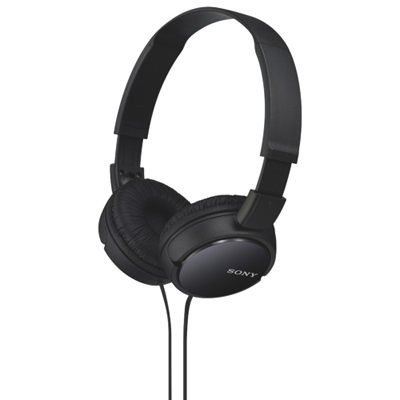 Your price for this item is $24.99
 -
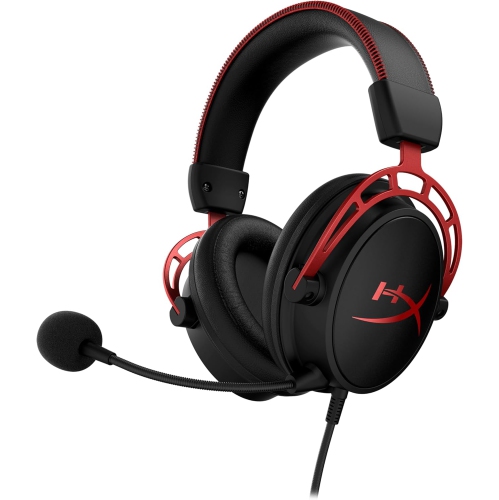 Your price for this item is $124.99
 -
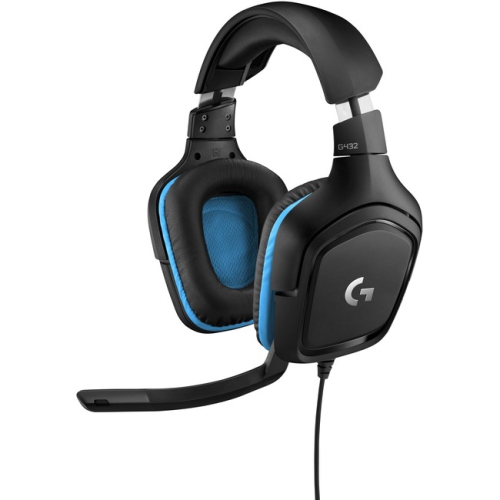 Your price for this item is $116.9
 -
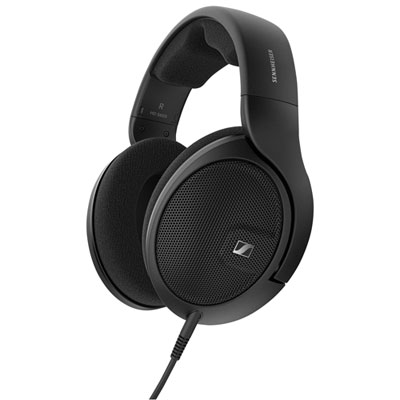 Your price for this item is $279.99
 -
 Your price for this item is $46.99
 -
 Your price for this item is $63.69
 -
 Your price for this item is $144.99
 -
 Your price for this item is $105.89
Discover more categories related to Headphones for Studio Recording

Top Collections:
Pokemon Centers, Kindle Devices, Best Budget Office Chairs, Apple iPhones 16, Best Laptops for Writers, iPhone 15 Apple, Canon G7X Cameras, Refurbished Apple Laptops, Alarm Clock, Motorola Razr Phones
Some products may be subject to Environmental Handling Fees
(EHF) depending on your province.
Learn more about EHFs.