Headphones for Music Production
If you're a music producer, a DJ, or an audio engineer, looking for headphones to help you create and mix your tracks, consider these options. They can help you hear the details in your tracks and make sure you're creating the sound you're looking for. Here are some great headphones for music production options available on the market.
Sort
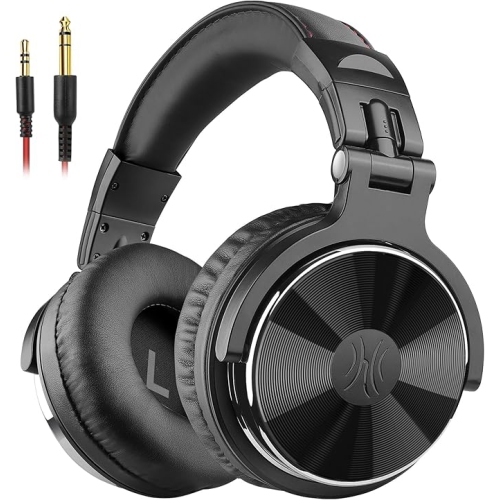
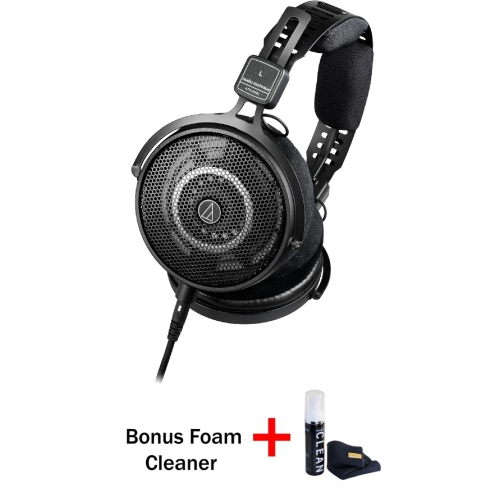
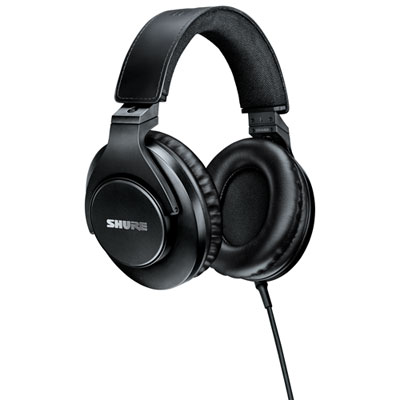
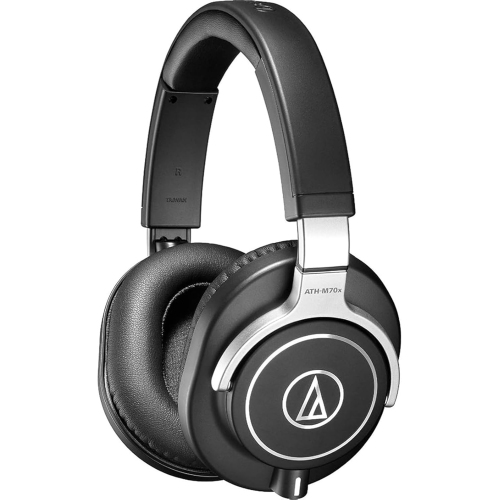
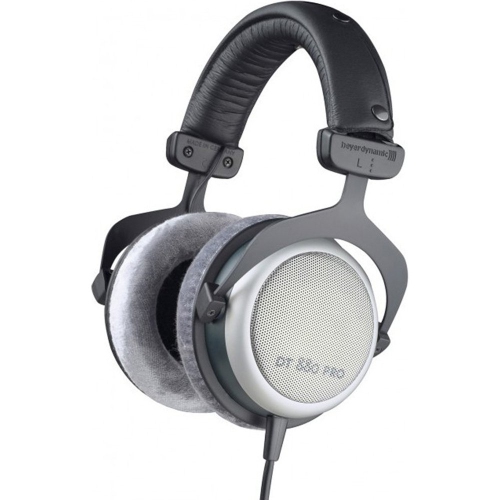
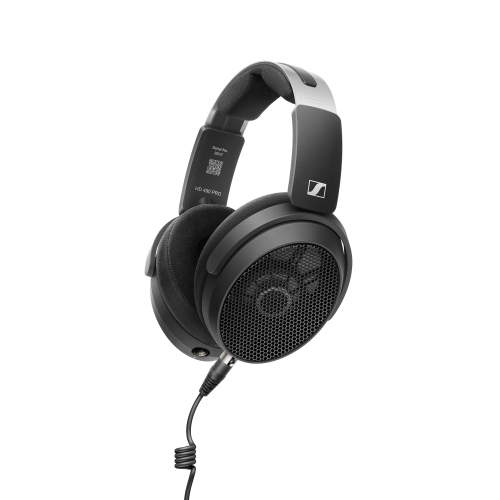

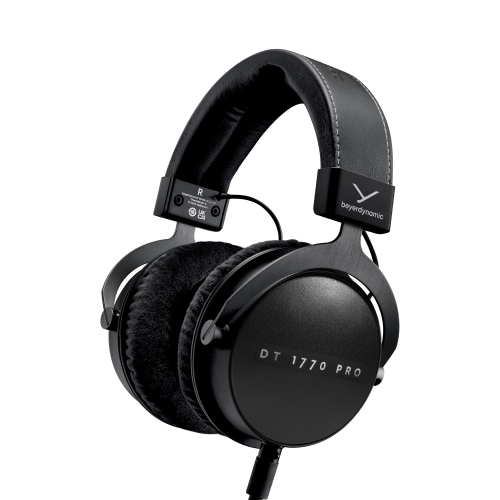
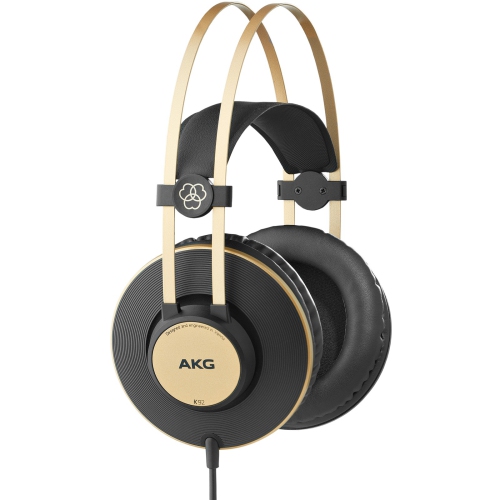

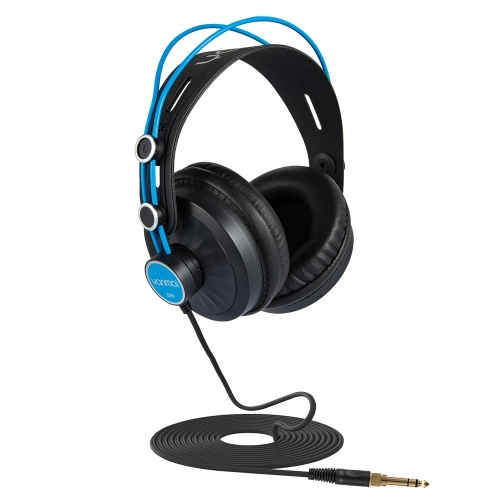
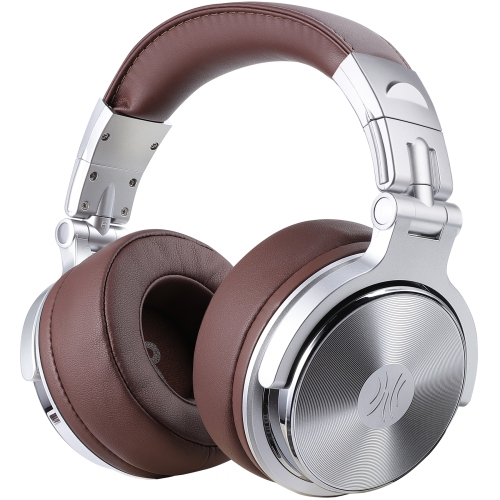
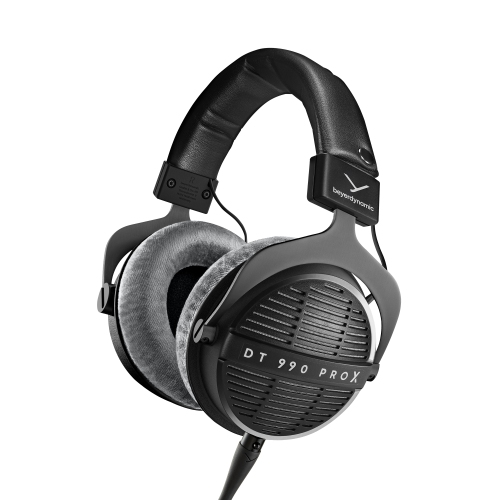

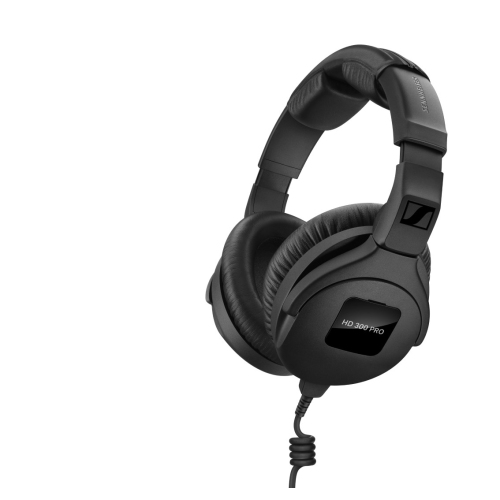
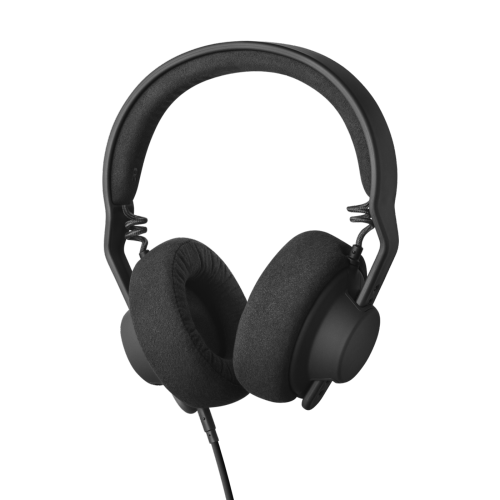
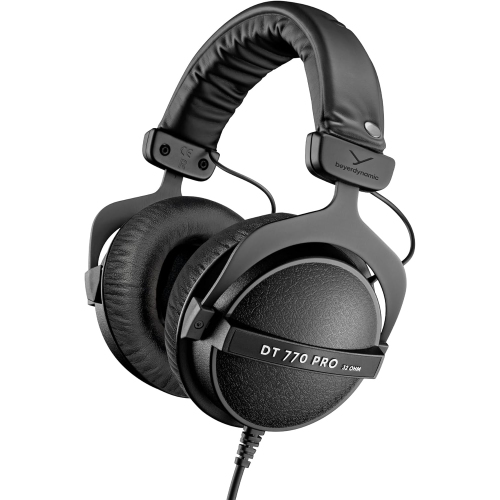
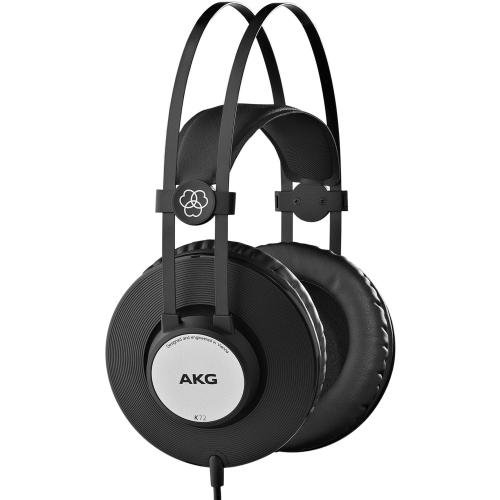
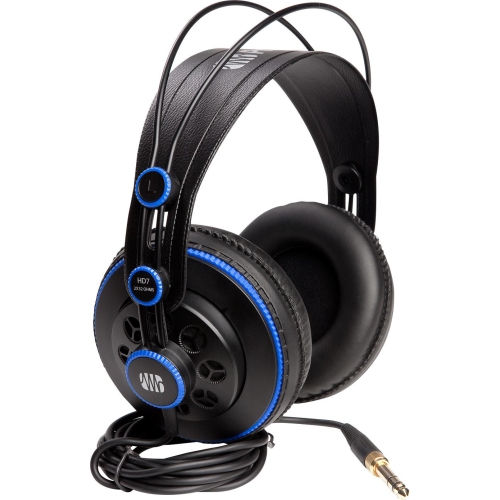
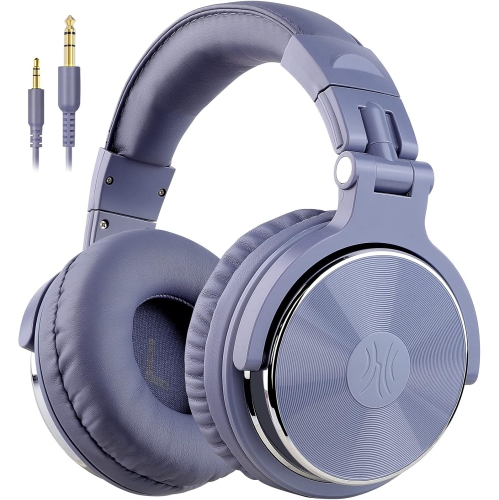
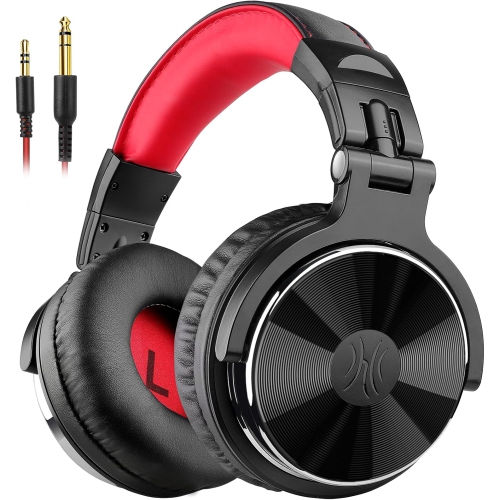
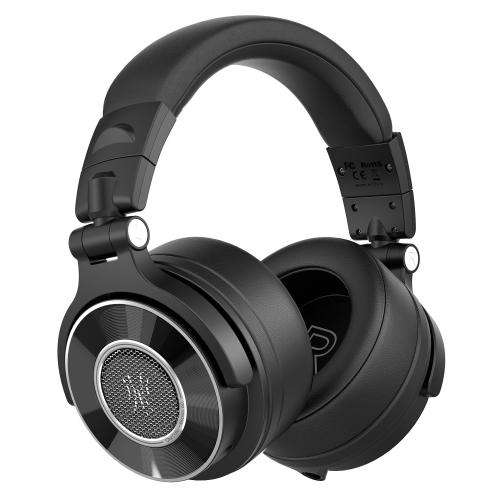

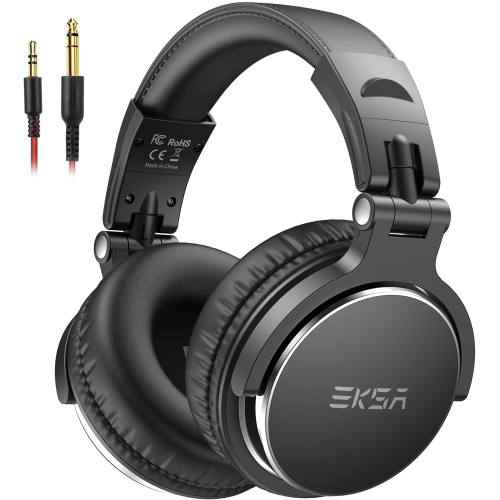
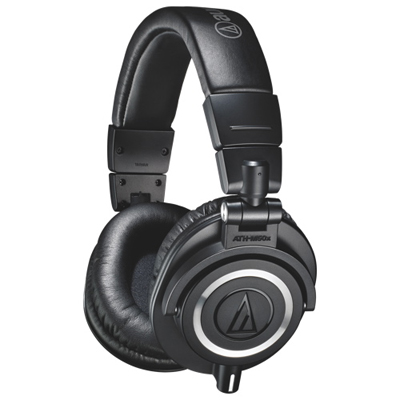

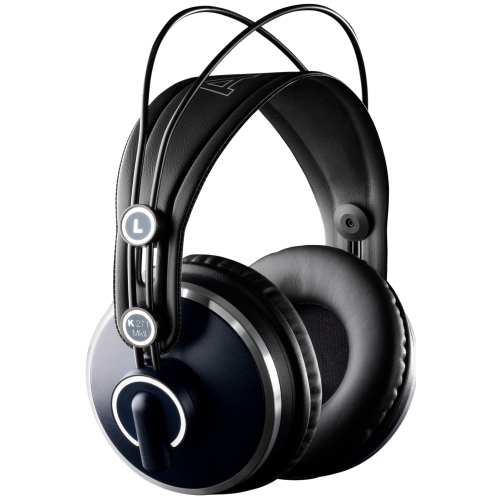


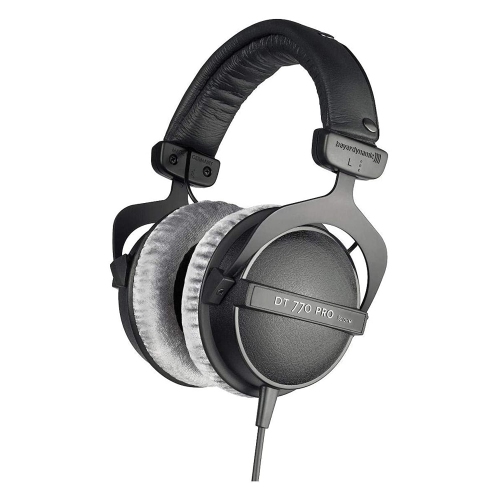
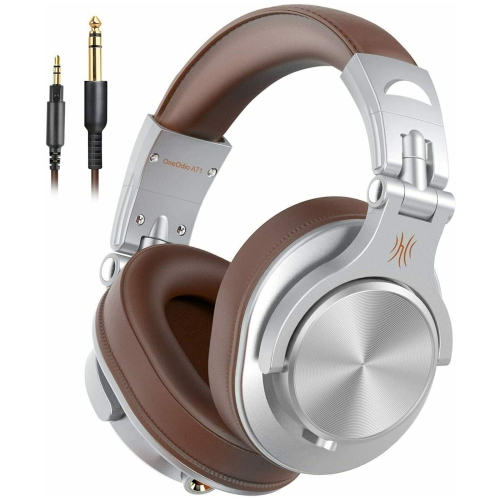

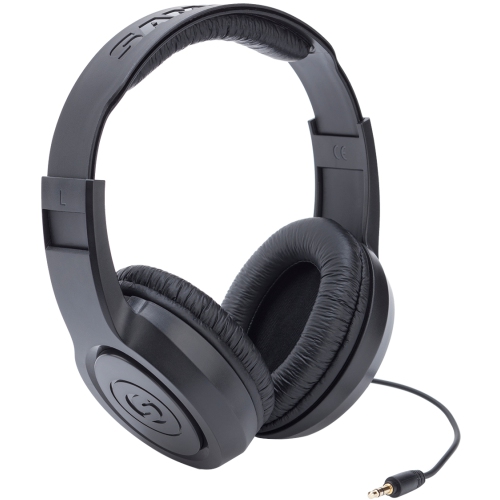
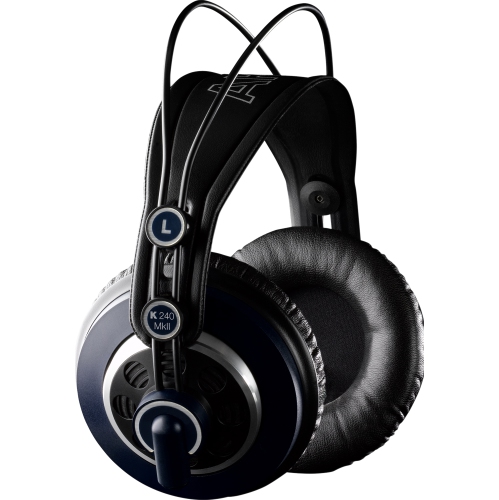


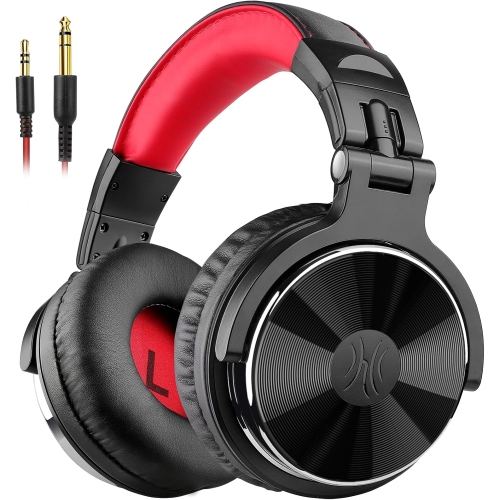
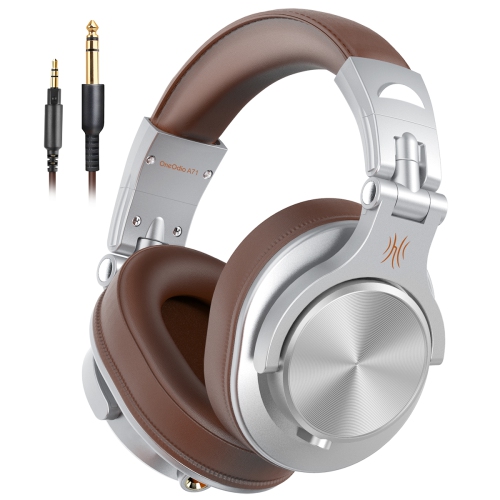
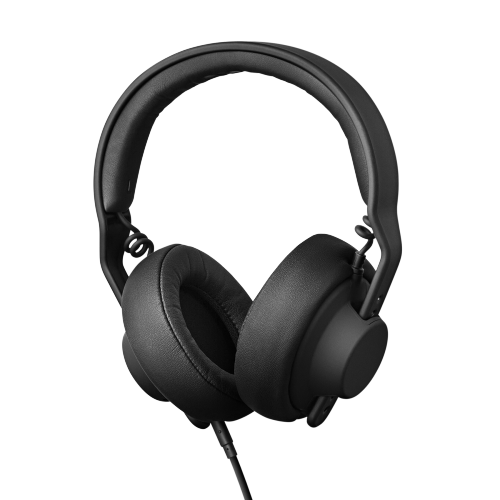
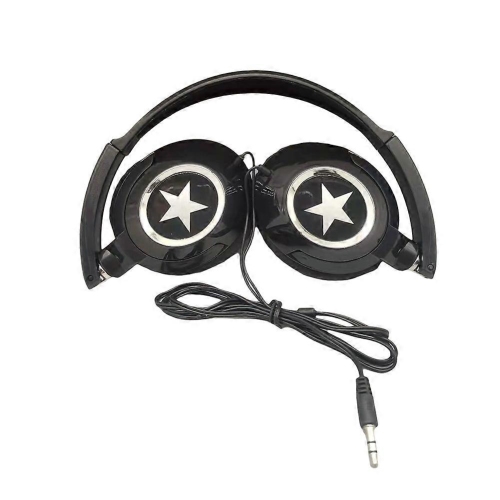

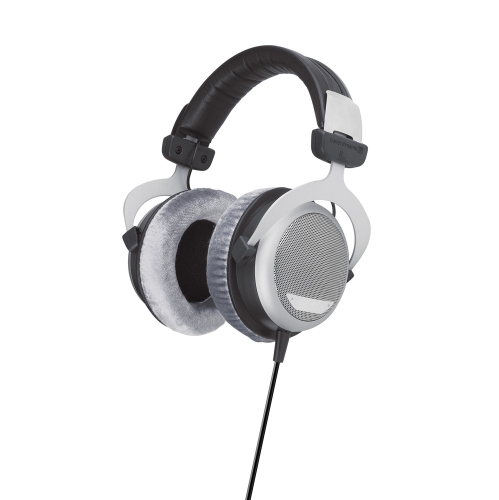
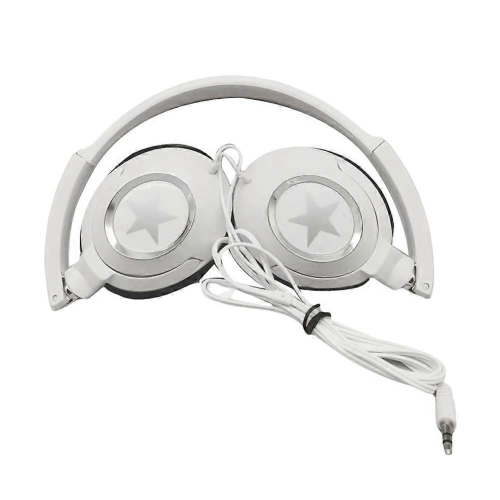
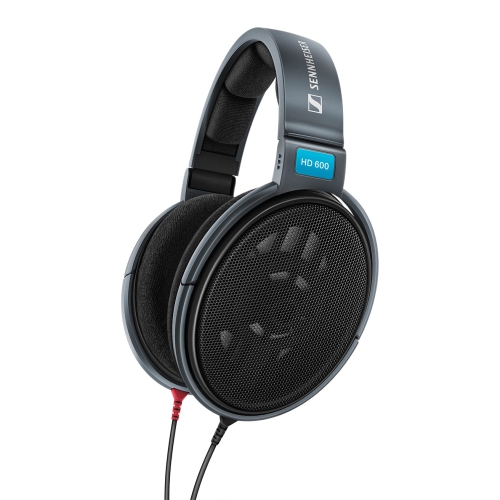
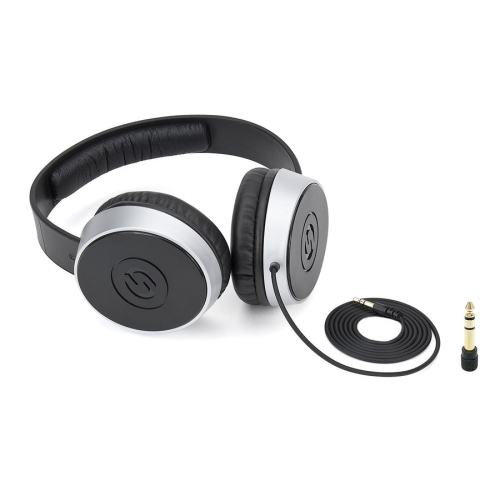
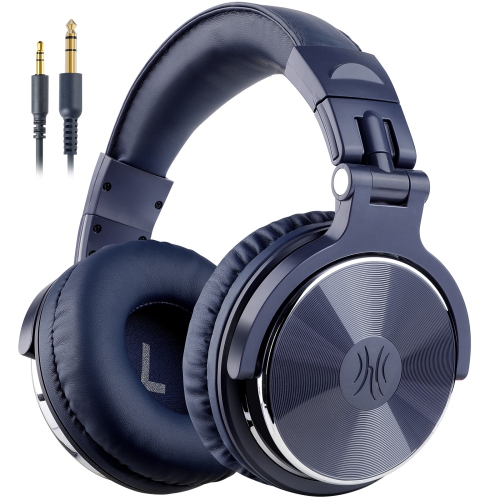
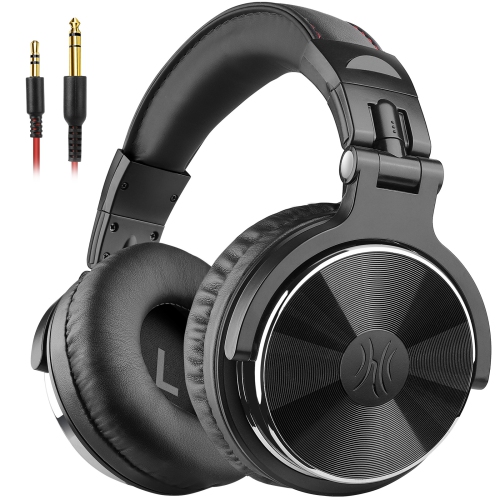
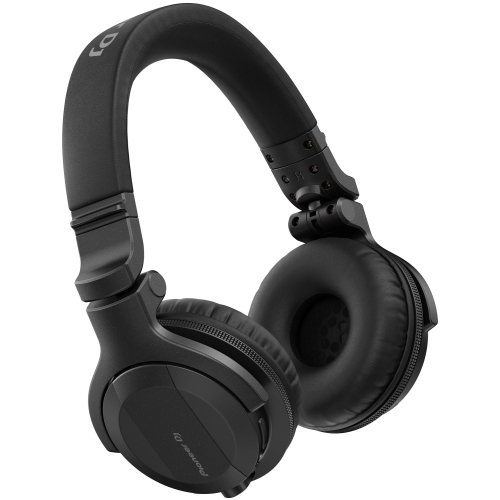
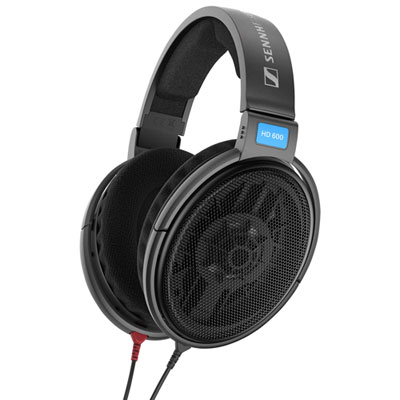
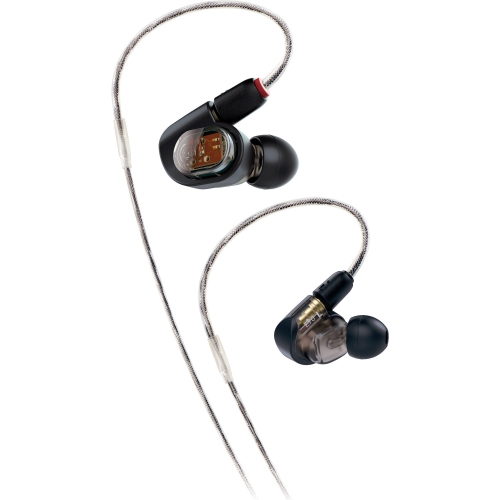
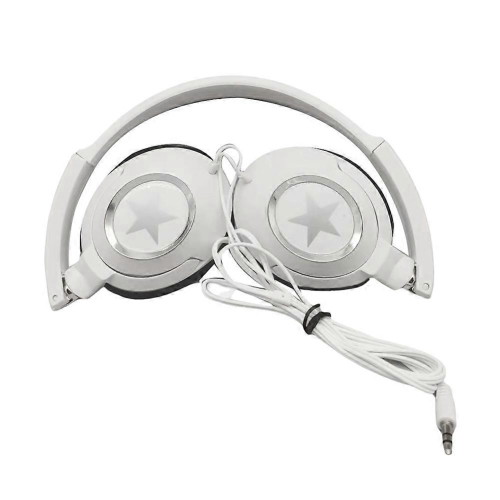


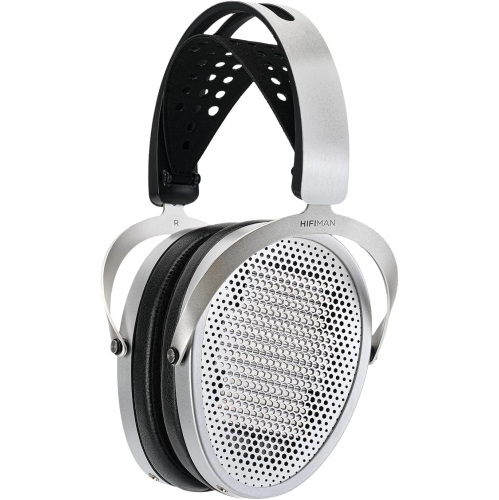
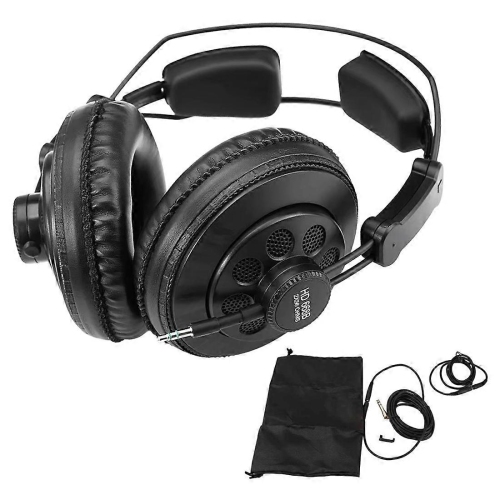


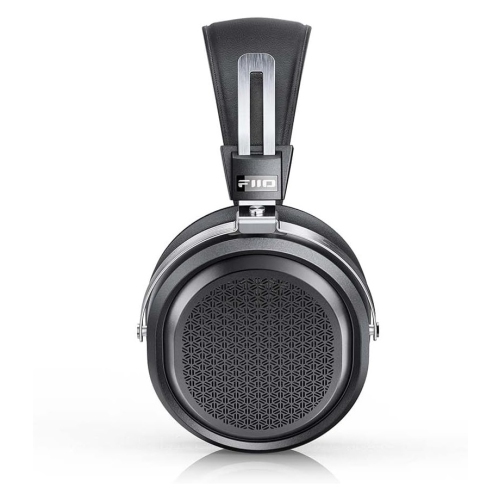


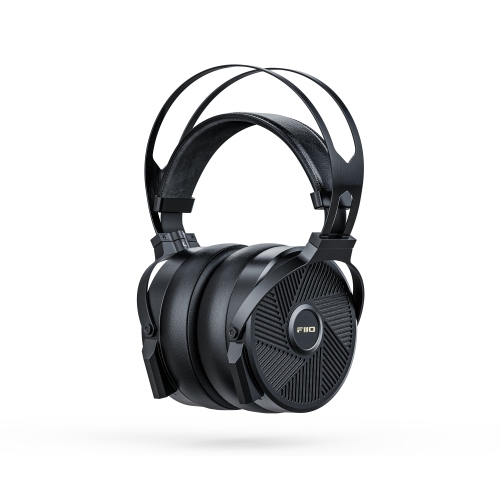
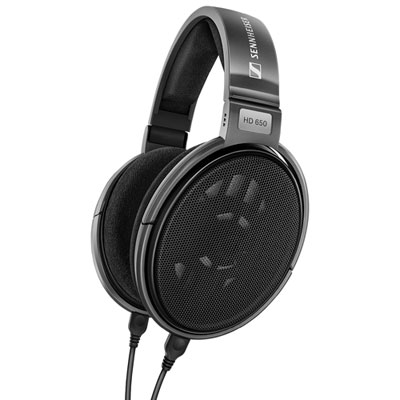

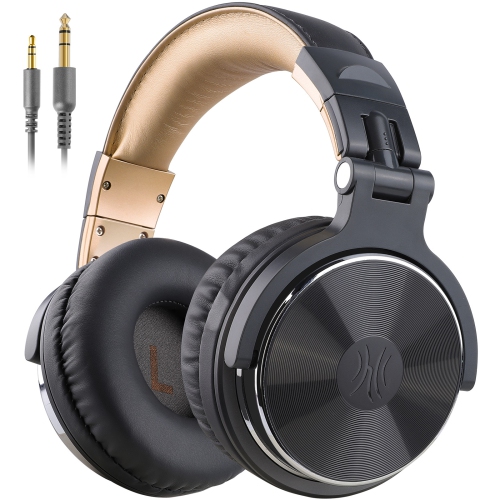
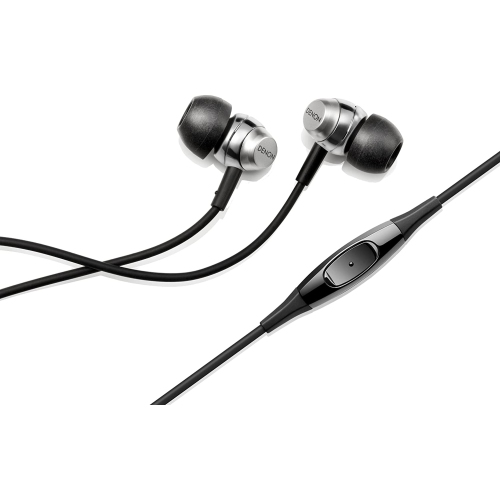
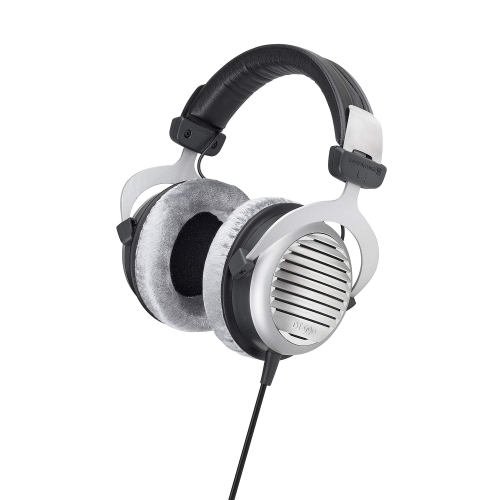
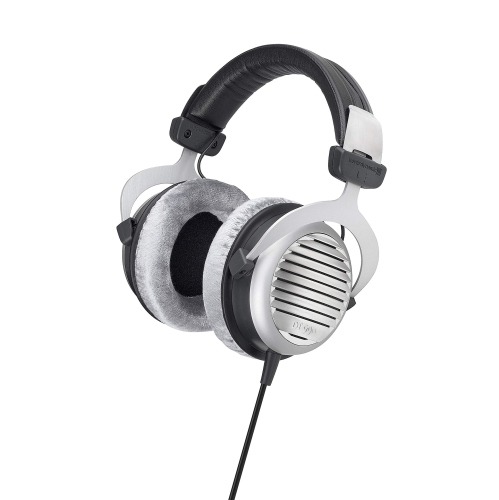
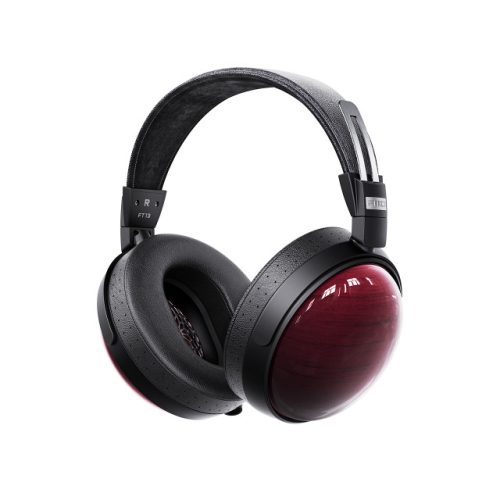
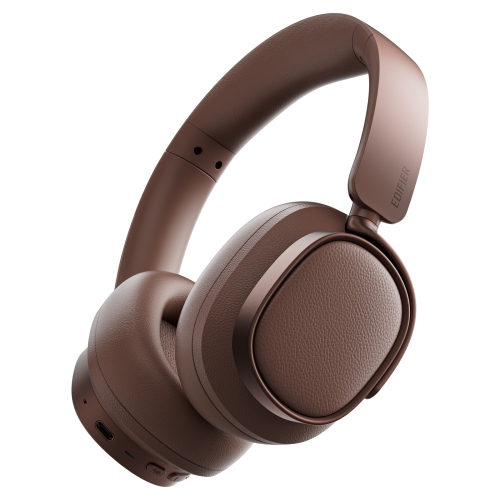
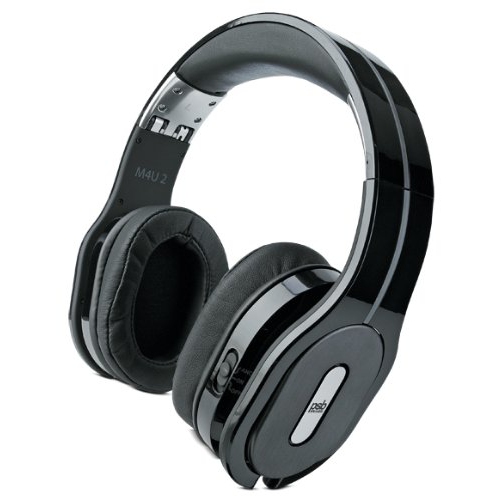
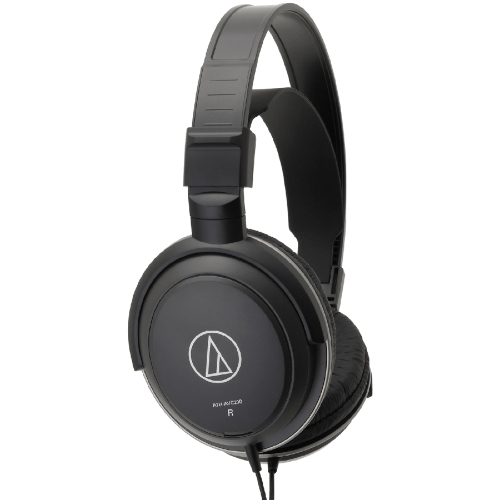


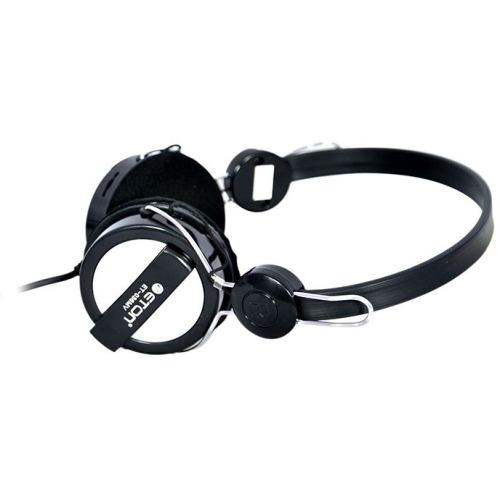
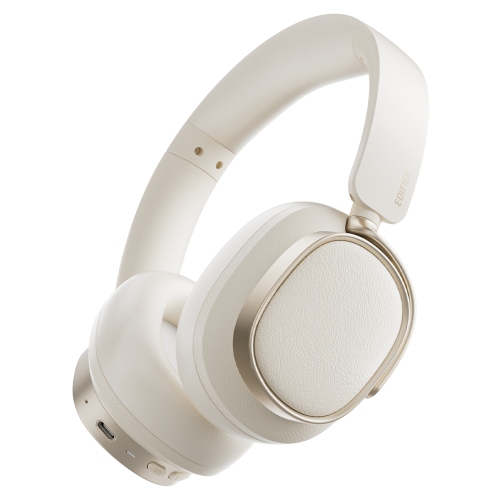
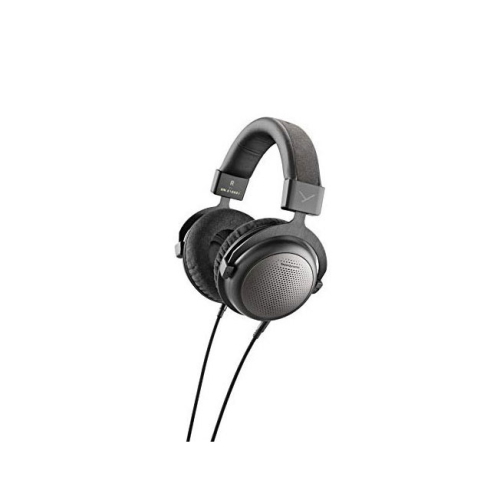
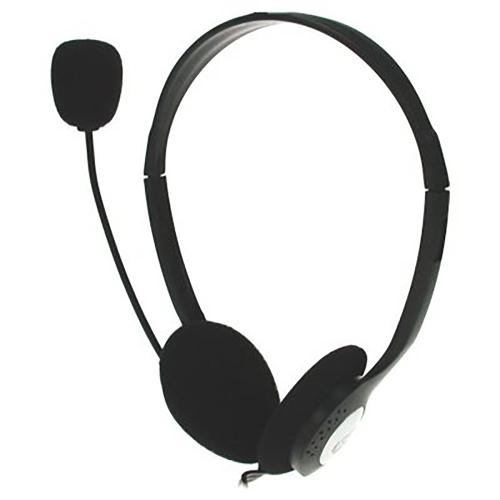
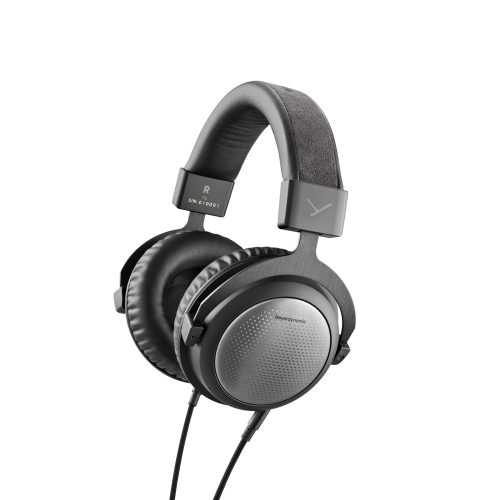

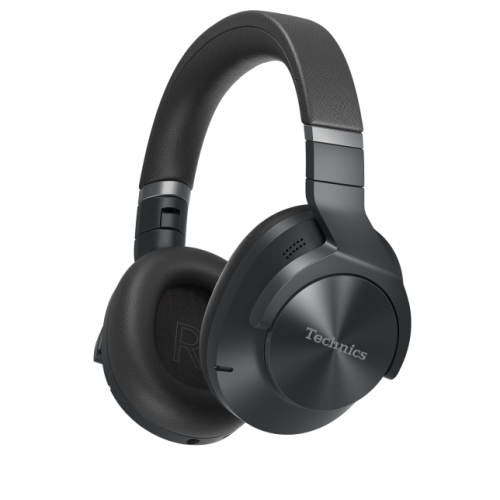

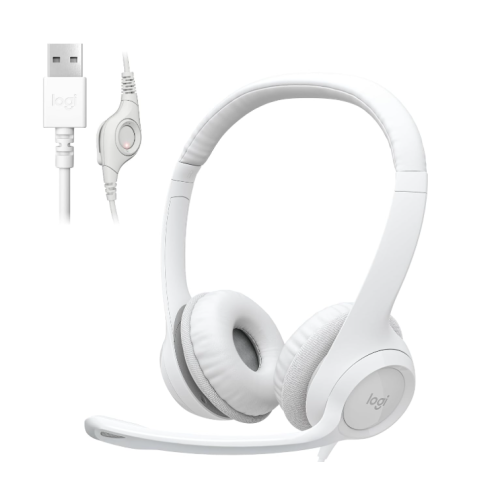
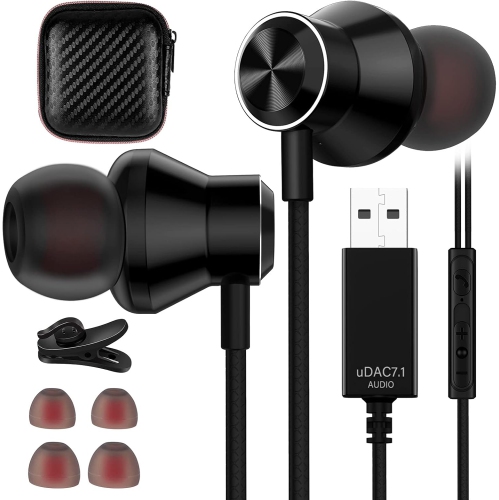
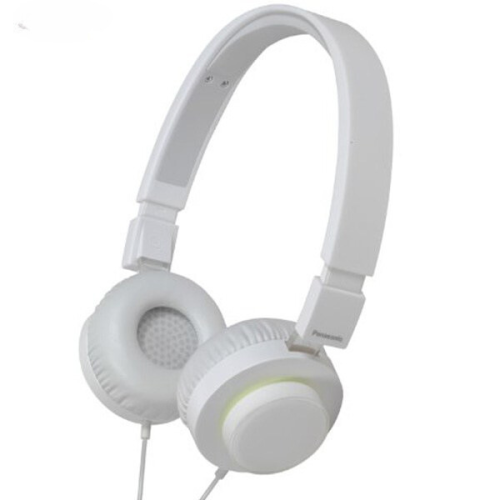
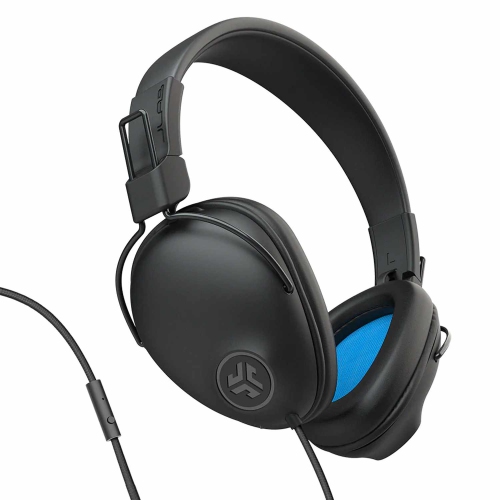
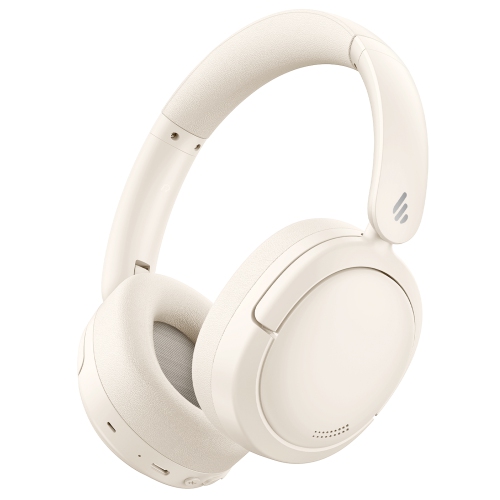
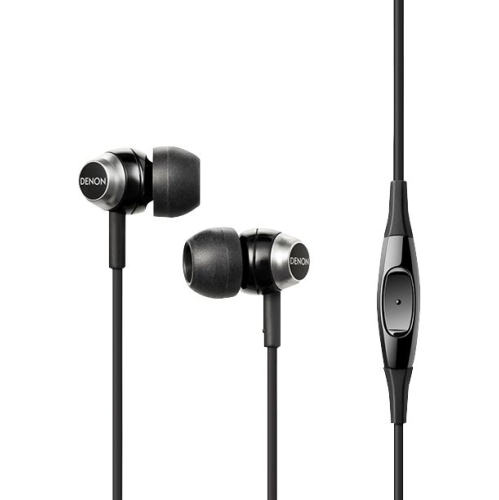

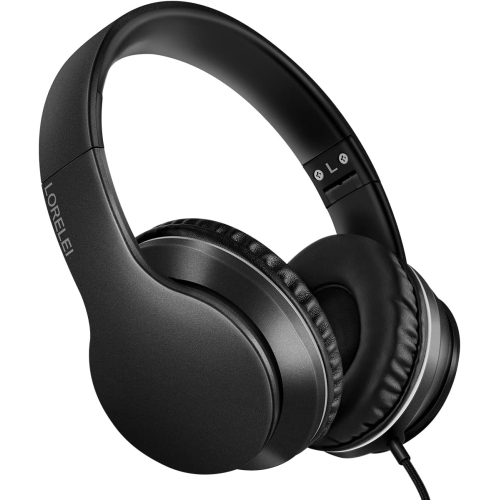
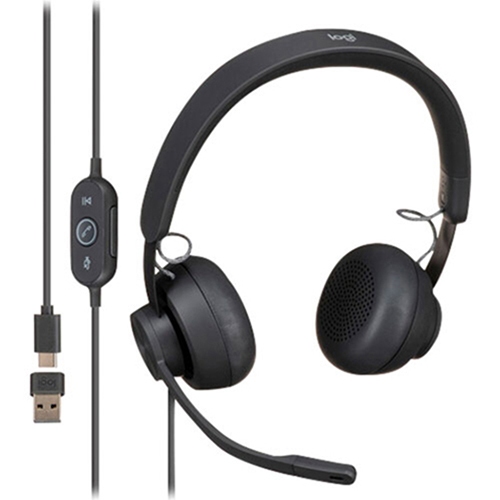

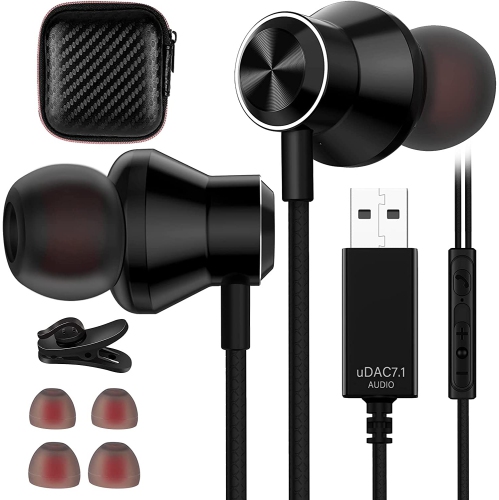
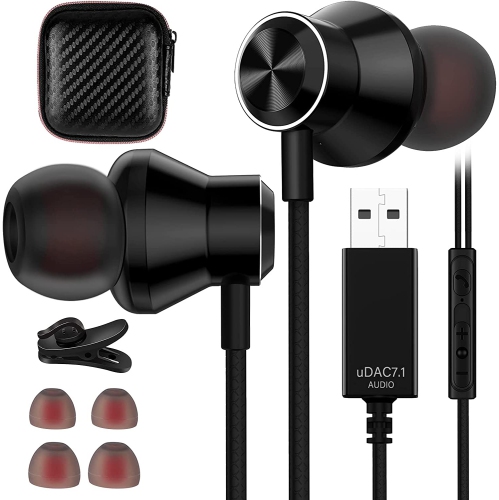
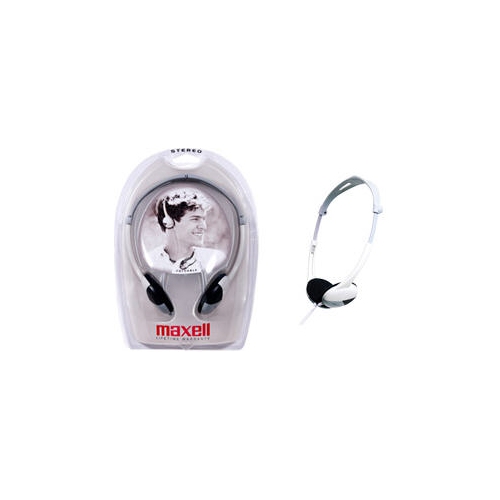
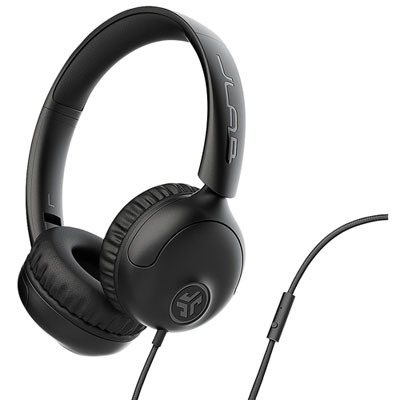


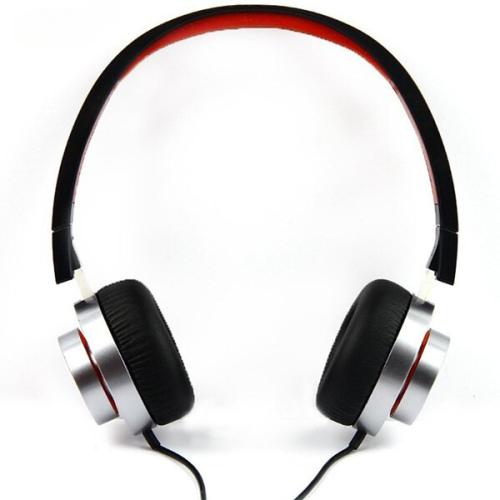

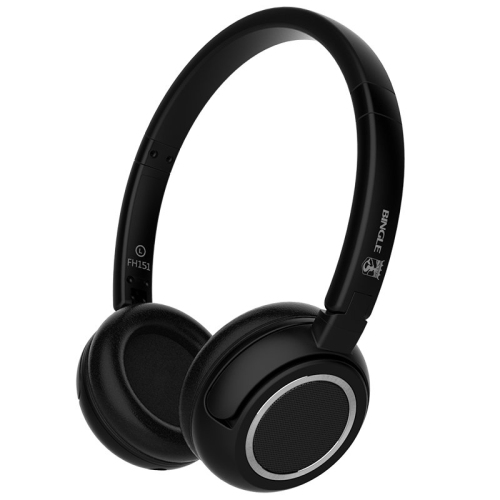
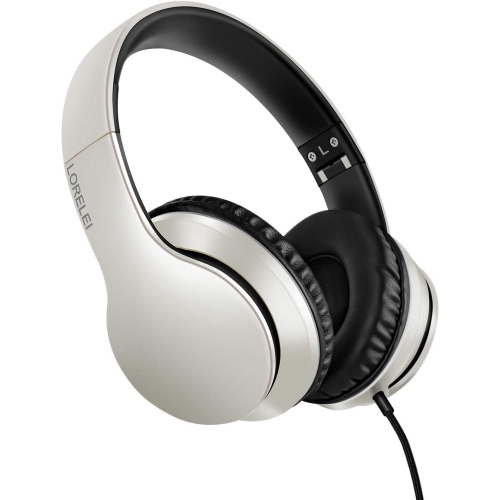

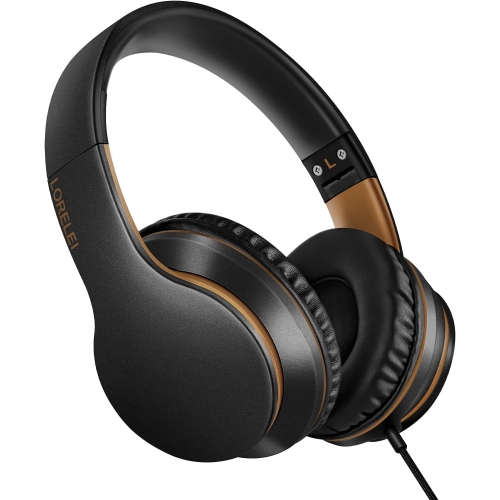
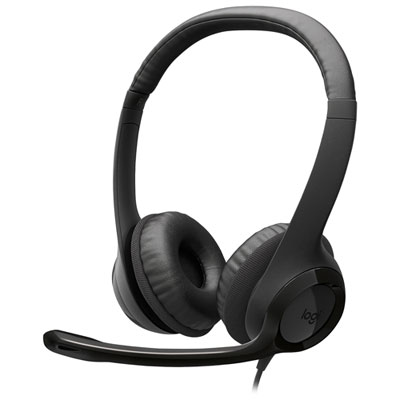


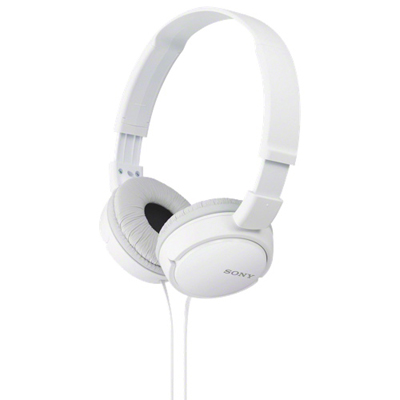


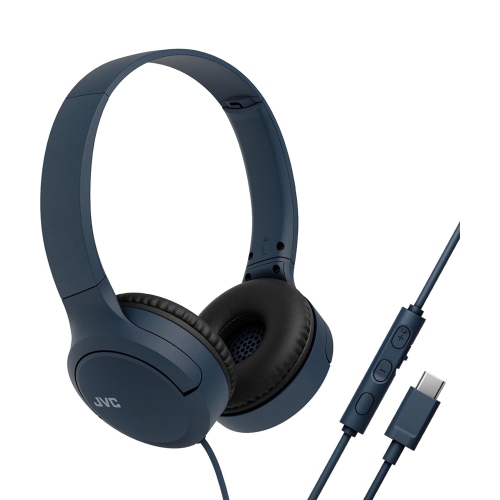

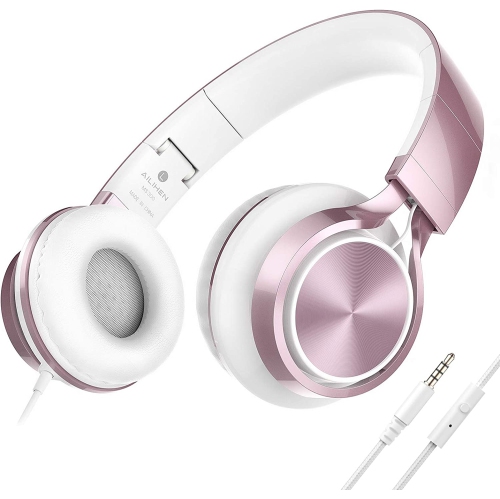
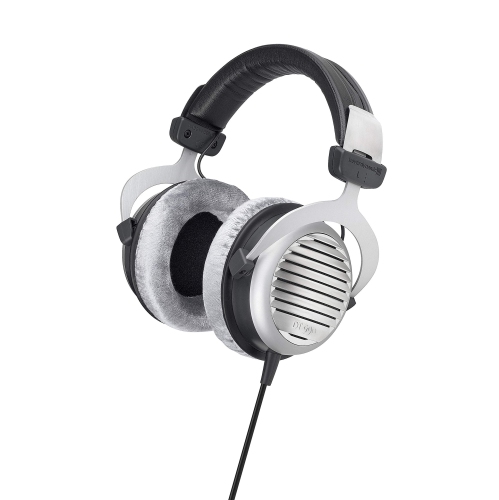
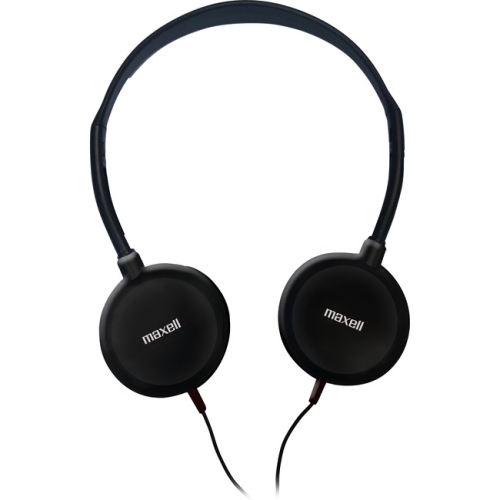

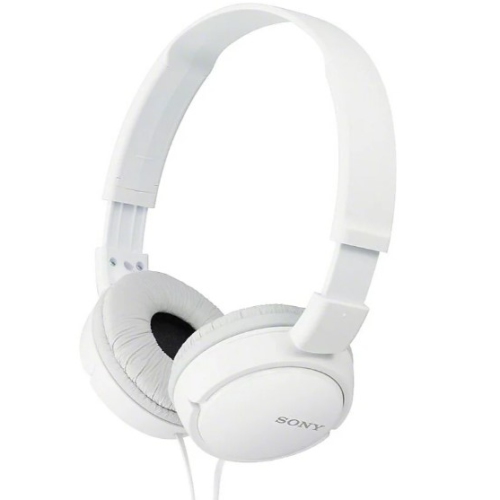


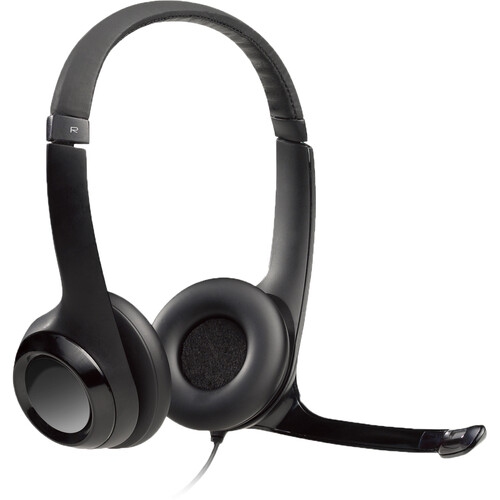


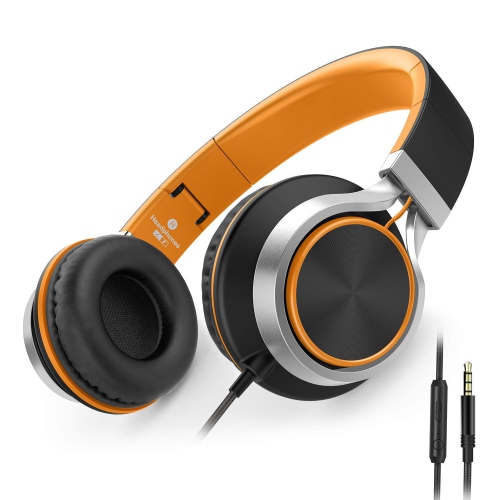

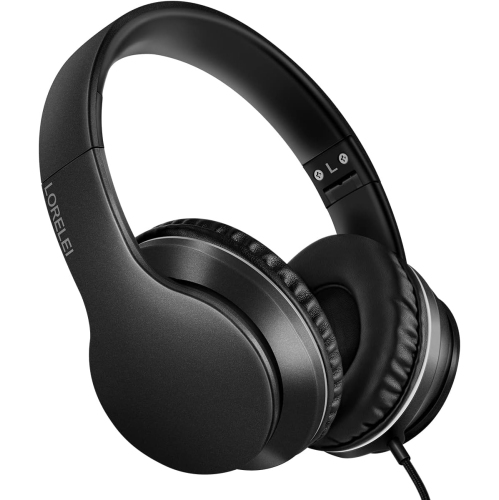


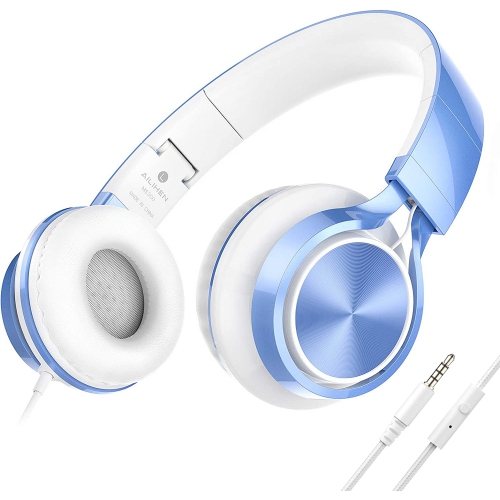
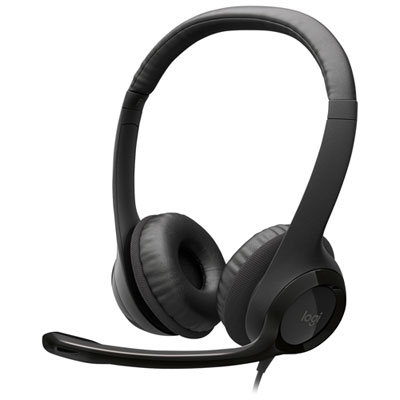
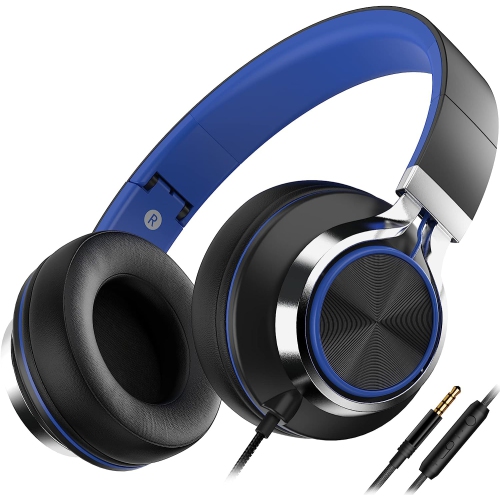

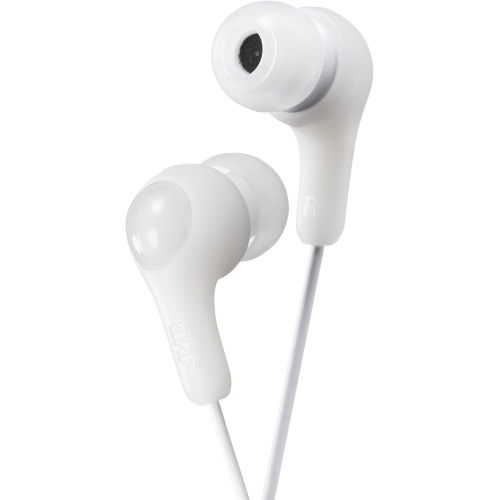

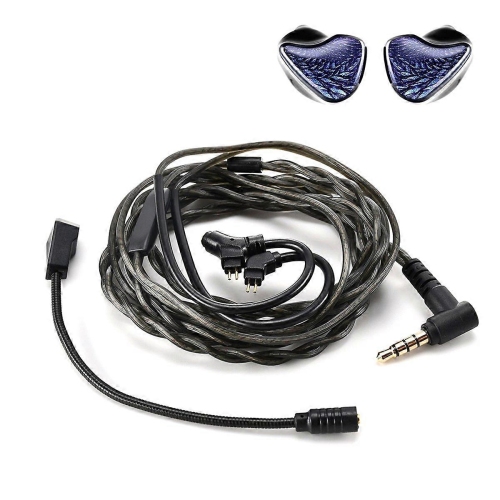
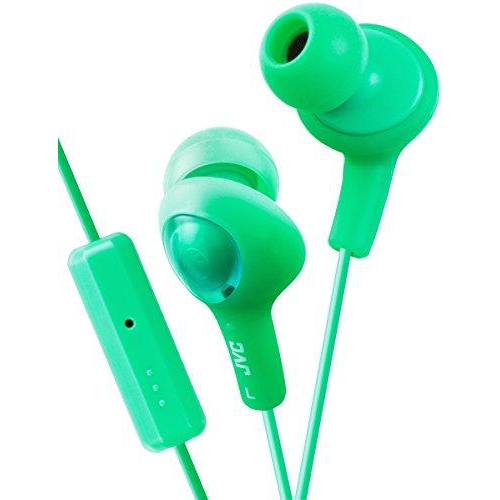
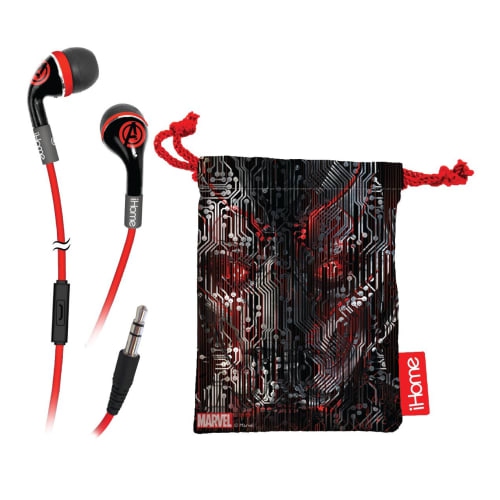
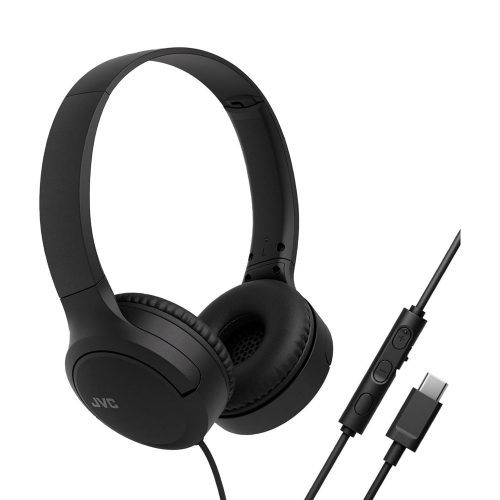


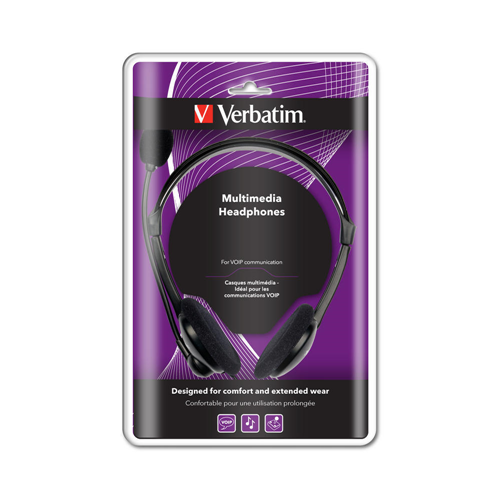
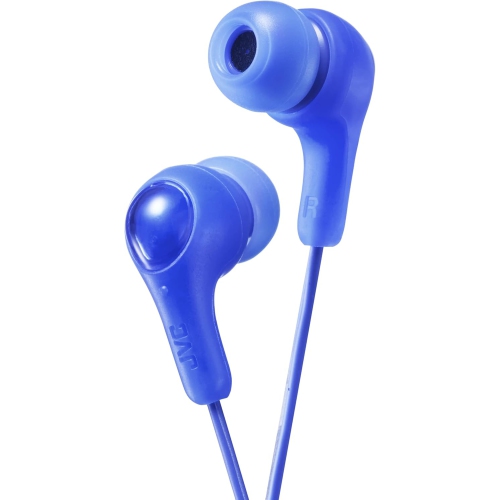

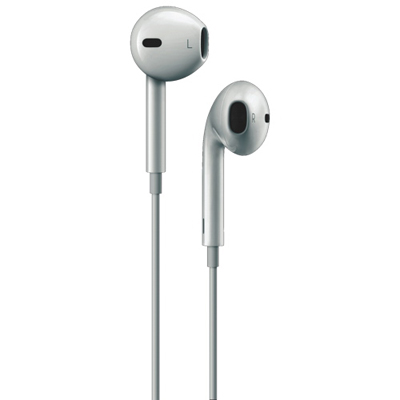


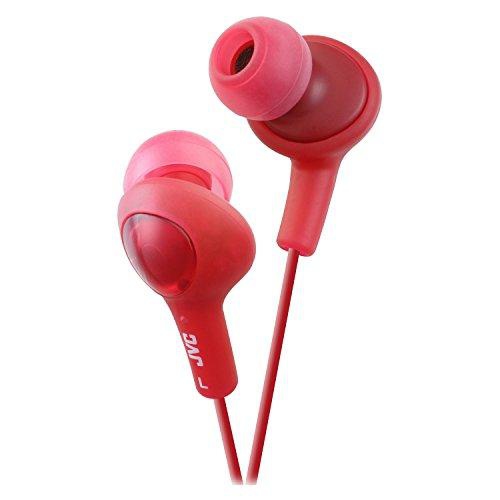
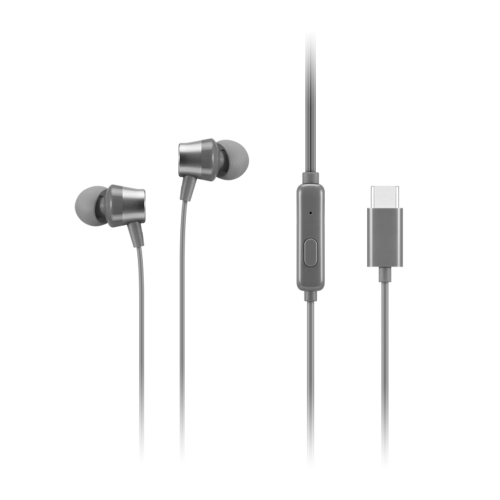
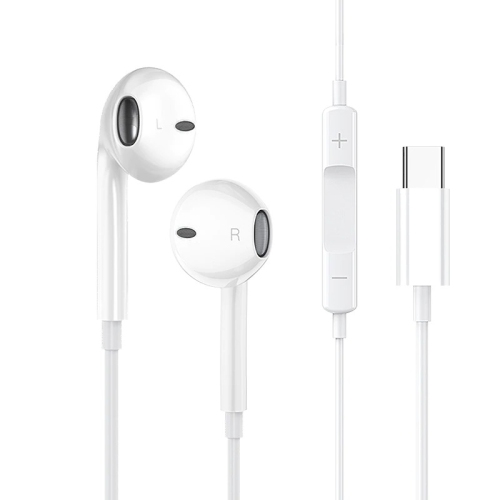
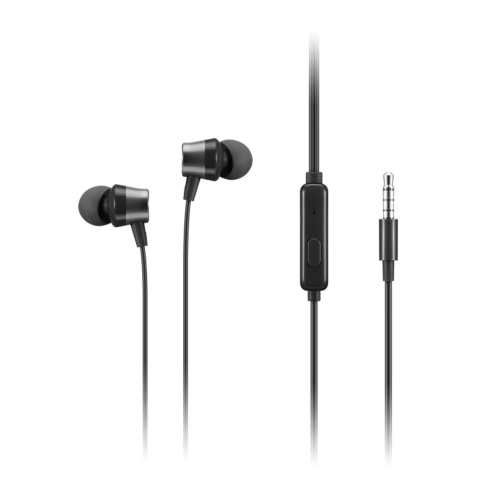
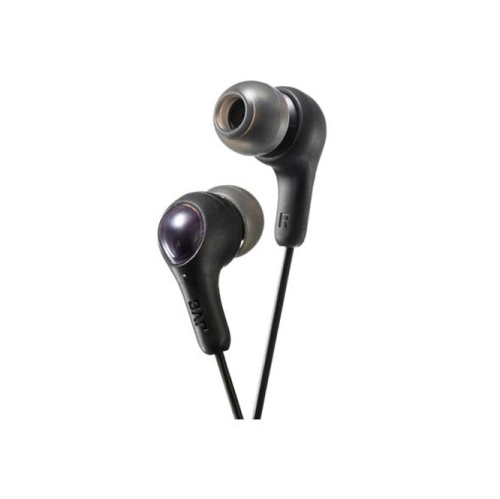
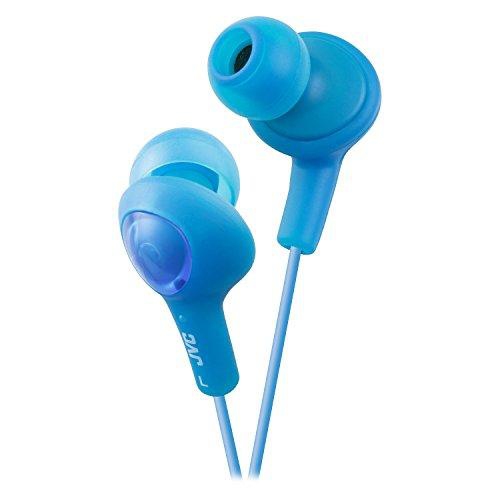

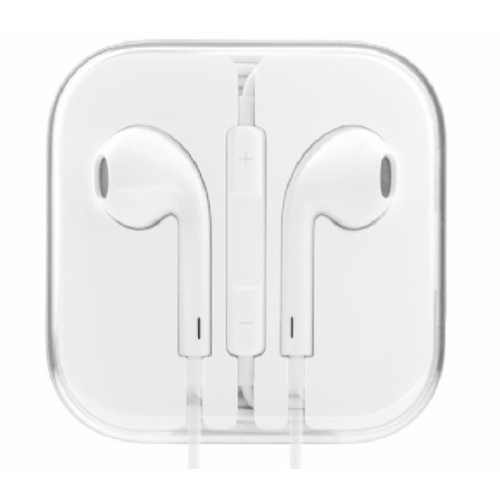

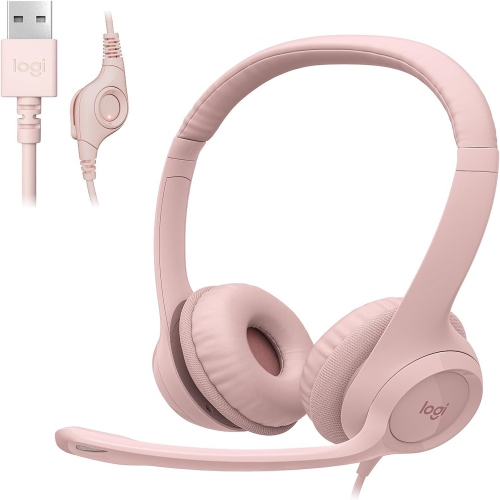

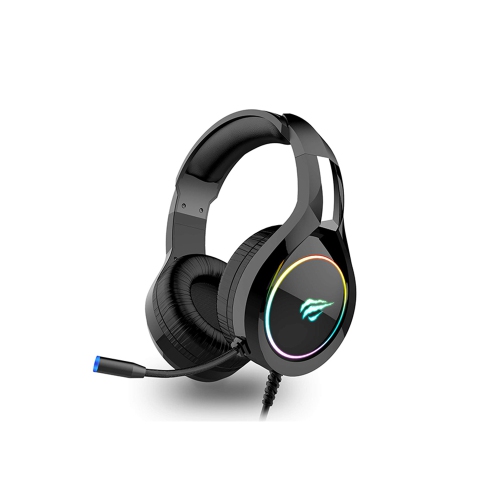

Balanced monitoring, comfortable sessions, and the right studio connection
Headphones for music production are designed to help creators hear recordings with the clarity and balance needed to make informed decisions throughout the production process. Unlike headphones made primarily for casual listening, studio-focused models generally aim for a more neutral, consistent frequency response, with less emphasis on boosted bass or sparkling treble. This balanced presentation can make it easier to identify changes in volume, tone, timing, and detail without being distracted by a sound signature that flatters certain parts of the music. A producer may use them to arrange instruments, adjust equalization, check vocal presence, edit a podcast, or listen for small clicks and background noises that are easy to miss on everyday headphones. When choosing headphones for music production, consider the stage of work they will support most often. Closed-back headphones have sealed earcups that help limit sound leakage, making them useful for recording vocals, instruments, voiceovers, and other situations where a microphone needs to capture only the intended performance. Their isolation can also help a musician stay focused in a busy home studio, shared room, or rehearsal space. Open-back headphones allow some air and sound to pass through the earcups, creating a more spacious and natural listening experience that many users appreciate while mixing and making detailed tonal adjustments. They are generally better suited to quiet environments because they provide less isolation and can allow sound to escape into a nearby microphone. Some creators keep both styles available: closed-back headphones for tracking and open-back headphones for mixing, then check the finished work on speakers, earbuds, or a car stereo to help confirm that it translates well beyond the studio.
Comfort is especially important when headphones are worn through long recording or editing sessions. Look for earcups that fully surround the ears, a headband that distributes pressure evenly, and materials that feel comfortable over extended periods. A secure fit is helpful when moving between instruments or adjusting equipment, but excessive clamping force can become tiring during a late-night mix. Weight, cable length, and cable style also affect day-to-day use. A longer cable can make it easier to reach an audio interface or mixing console, while a detachable cable may simplify storage and replacement. Coiled cables can help reduce clutter around a workstation, whereas straight cables may be more convenient for portable setups. Headphones with a standard wired connection are commonly preferred for production because they avoid wireless compression, battery concerns, and potential Bluetooth delay while recording. If the headphones have a higher impedance rating, check that the audio interface, headphone amplifier, computer, or mixer can drive them to a suitable listening level without strain. Sensitivity and power requirements can be just as important as impedance, particularly in a compact setup. A model that works well with a laptop or mobile recording device may be more convenient for travel, lessons, or songwriting away from a dedicated studio. For electronic producers, detailed low-frequency control can be particularly useful when shaping kick drums, bass lines, pads, and layered effects; browse Headphones for Electronic Music for options suited to that style of listening and production.
Headphones for music production can suit a wide range of users, from someone building a first home studio to an experienced musician refining a finished master. Beginners often value a dependable pair that reveals detail without requiring a complicated setup, while students may need durable headphones for assignments, practice, and recording sessions in shared spaces. Singers, guitarists, beat makers, composers, DJs, podcasters, sound designers, and video creators may all use studio headphones for focused monitoring. They can also make a thoughtful gift for a musician or audio enthusiast, particularly when paired with a small recording interface, microphone, stand, or protective case. During the cooler months, headphones can be especially useful for quiet work in a home office, bedroom studio, or other indoor space where speakers may disturb family members, roommates, or neighbours. Even experienced producers benefit from having a reliable reference pair nearby for checking a mix at different stages. Listen for clear separation between instruments, controlled bass that does not overwhelm the midrange, and high frequencies that reveal detail without becoming harsh. It is also worth considering how the headphones will be used after the project is complete: closed-back designs may be more versatile for commuting and general listening, while open-back designs are often best kept in a quiet room. No headphone can replace careful listening across multiple playback systems, but a well-chosen pair can provide a dependable reference point and help turn creative impressions into precise adjustments. Keep volume at a comfortable level, take regular breaks, and allow time to become familiar with the headphones’ response before making major decisions. With the right combination of sound balance, isolation, comfort, connection, and equipment compatibility, headphones for music production can become an essential part of a focused and enjoyable creative setup.
Top selling and popular products
-
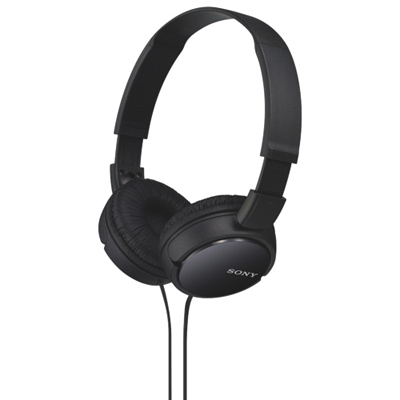 Your price for this item is $24.99
-
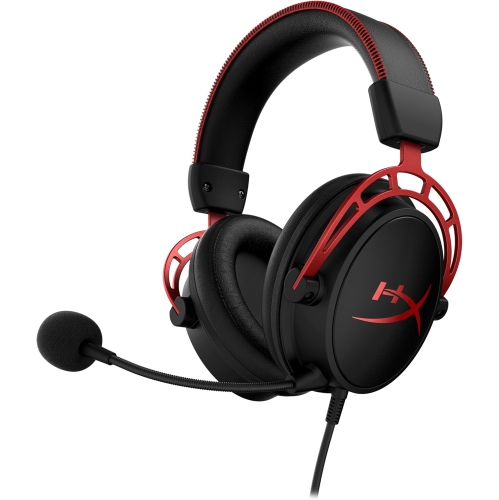 Your price for this item is $124.99
-
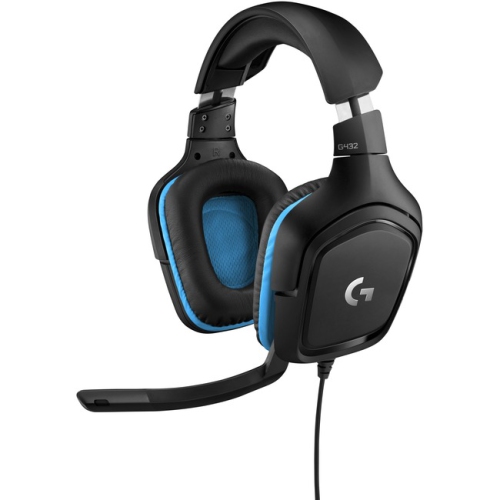 Your price for this item is $116.9
-
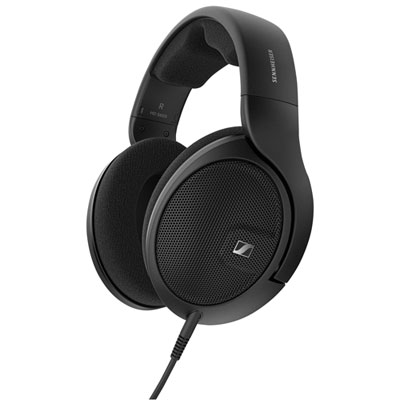 Your price for this item is $179.99
-
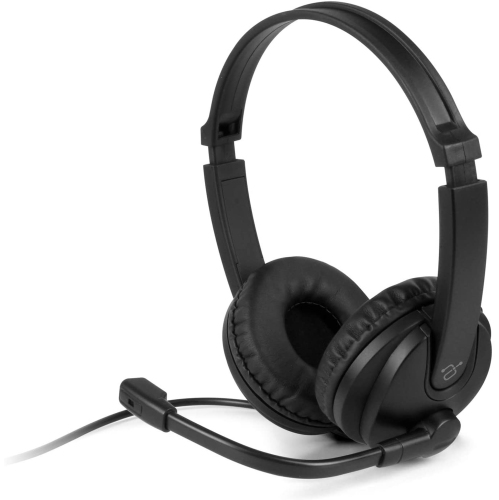 Your price for this item is $63.66
-
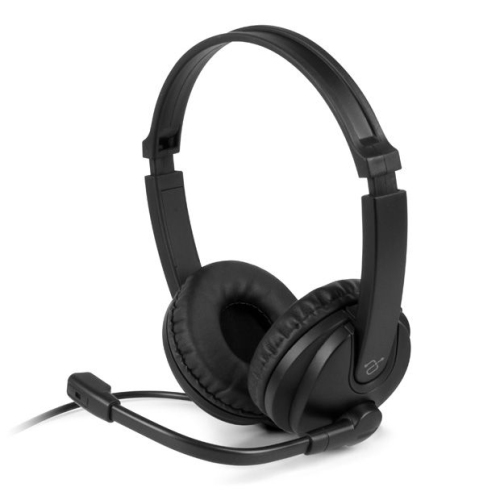 Your price for this item is $46.99
-
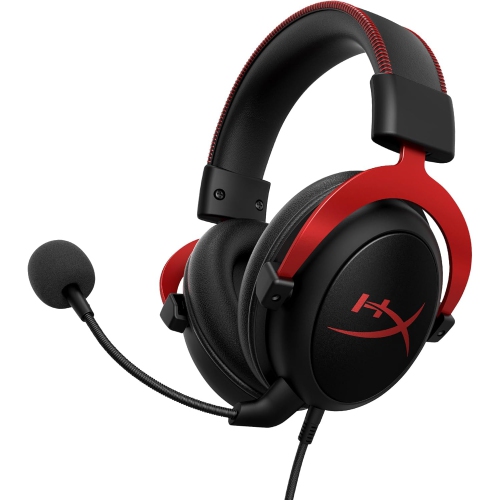 Your price for this item is $144.99
-
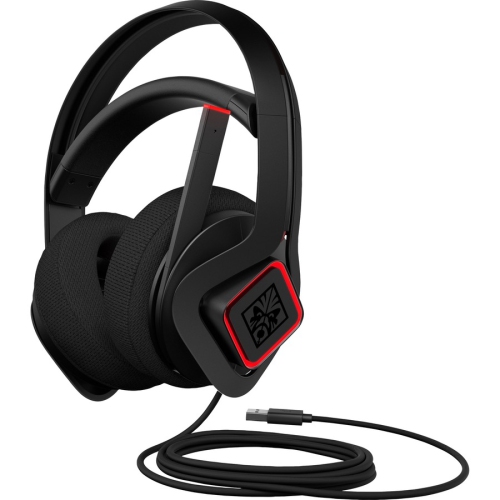 Your price for this item is $105.89
Discover more categories related to Headphones for Music Production

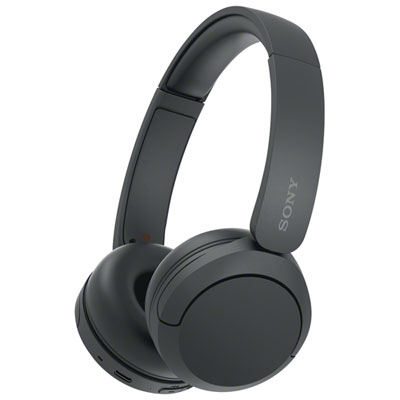
Top Collections:
Pokemon Centers, Best Cameras for Sports Photography, Kindle Devices, Samsung Galaxy Phones, Canon G7X Cameras, Pokémon 30th Celebration Cards, Refurbished Apple Laptops, iPhone 15 Apple, Laptops for Students, Budget Smartphones
Some products may be subject to Environmental Handling Fees
(EHF) depending on your province.
Learn more about EHFs.