Metal Detectors With Headphones
Looking to embark on a thrilling treasure-hunting adventure? Look no further than our collection of metal detectors with headphones. These powerful devices are designed to help you uncover hidden treasures, relics, and valuable metals with ease. Equipped with advanced technology and precision sensors, our metal detectors offer exceptional accuracy and sensitivity, ensuring that no valuable item goes unnoticed. With the added convenience of included headphones, you can immerse yourself in the hunt without any distractions. Whether you're a seasoned detectorist or just starting out, our range of metal detectors with headphones is sure to provide you with an exciting and rewarding experience.
Sort
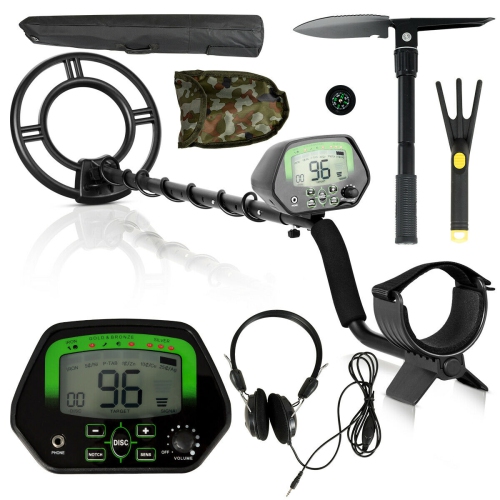
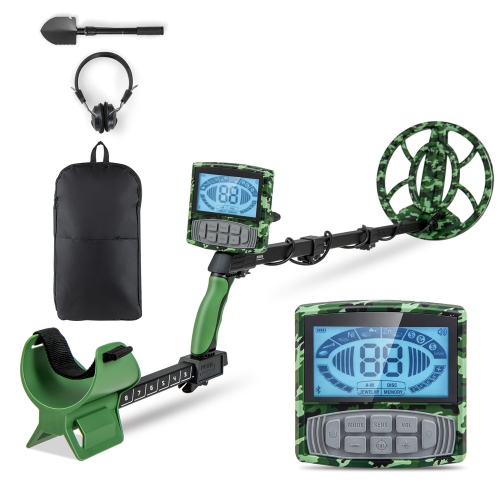
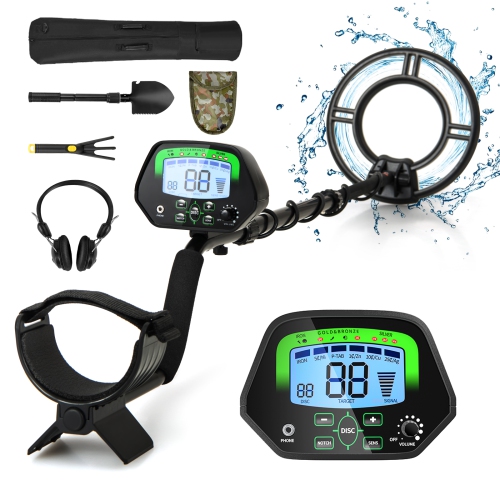
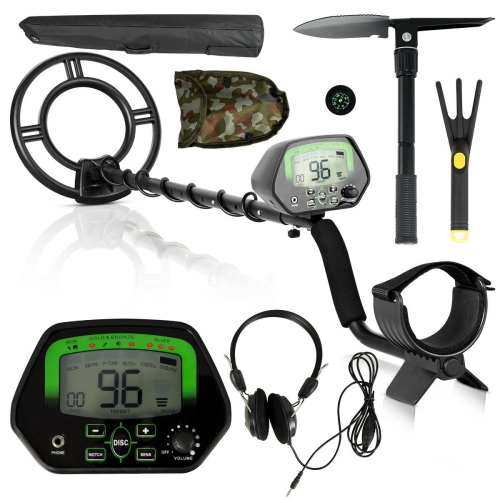
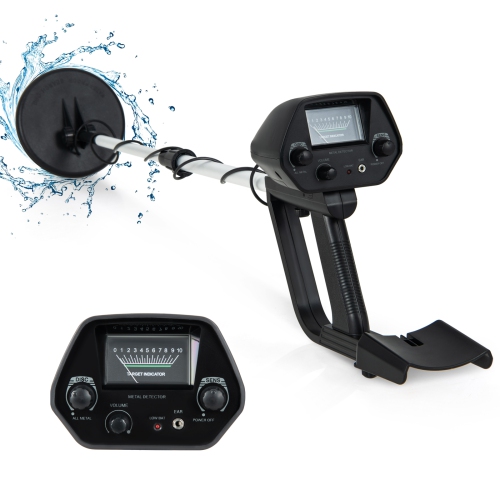
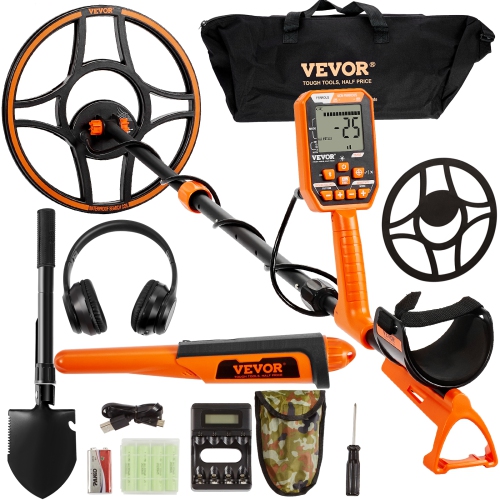
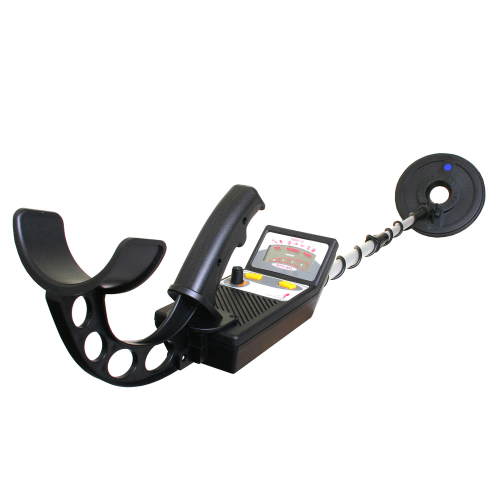
Clearer audio helps reveal promising signals in busy surroundings
Metal detectors with headphones make it easier to focus on the sounds that matter while you search. A detector’s audio response can be subtle: a soft, repeatable tone may point to a small coin, jewellery, relic, or other metal object beneath the surface, while a louder or changing signal may indicate a larger target or a different depth. Headphones help bring these details forward by reducing distractions from wind, waves, traffic, conversation, and nearby activity. They can also keep your search audio private, which is useful when you are exploring a busy beach, campground, park, or public trail. Some models include headphones in the package, while others are compatible with wired or wireless accessories that can be purchased separately. When comparing metal detectors with headphones, check the type of connection, the fit of the headphones, and whether the audio system is designed for low-latency use. Standard Bluetooth can introduce a noticeable delay between moving the search coil and hearing a response, so dedicated wireless systems or low-latency Bluetooth are often better suited to detecting. Wired headphones remain a dependable choice because they generally provide immediate sound with no pairing process, although the cable may catch on brush or become awkward when you are moving around uneven ground. A volume control, comfortable ear cushions, and a headband that stays secure during long sessions can make a meaningful difference, especially when you are spending several hours outdoors.
Your intended search area should guide the type of detector and headphones you choose. For parks, fields, and backyards, look for a comfortable setup with clear target tones, adjustable sensitivity, and settings that help distinguish common metal objects from signals worth investigating. Coin and jewellery hunters may appreciate straightforward controls and an audio response that makes it easier to compare shallow and deeper targets. Relic hunters often spend time in wooded areas or old grounds, where lightweight headphones, a secure cable connection, and a detector that can handle changing soil conditions are useful. Gold prospecting calls for equipment designed for small, low-conductivity targets and mineralized ground, while beach detecting can require additional attention to saltwater and wet sand performance. Headphones intended for ordinary land use should not automatically be considered suitable for water. If you plan to search in shallow water or around the waterline, confirm the detector’s waterproof rating, the depth limit for submersion, and whether the headphone connector is sealed for that use. Water-resistant headphones and waterproof plugs can help protect the connection, but they do not make a non-waterproof detector safe to submerge. For equipment intended specifically for submerged searches, explore Metal Detectors for Underwater. Before heading out, review local rules, obtain permission for private property, and follow site restrictions for beaches, parks, heritage areas, and other public spaces. A small digging tool, a pouch for recovered items, and a method for covering each hole neatly can make the experience more convenient and considerate.
Metal detecting can be a relaxing solo activity, a hands-on family pastime, or an engaging gift for someone who enjoys technology, history, the outdoors, or collecting. A beginner may prefer a detector with simple controls, clear feedback, and headphones that are ready to use without complicated setup. More experienced users may look for selectable operating frequencies, ground balance controls, multiple search modes, wireless audio, or the ability to fine-tune sensitivity and discrimination. Wireless headphones can make it easier to move through tall grass, brush, or uneven ground without managing a cable, while wired headphones are appealing for their simplicity and consistent connection. Consider comfort as carefully as technical specifications: a lighter detector can be easier to swing for longer periods, and headphones that fit securely without excessive pressure are more enjoyable during extended searches. As the weather warms, parks, fields, and shorelines can offer inviting places to practise listening for repeatable signals; during the cooler months, a clear headphone response can help you stay focused when wind and fallen leaves add background noise. New users should expect a learning curve. The first outing may produce plenty of signals from ordinary objects, but careful sweeping, changing the angle of the coil, and checking whether a tone repeats can gradually build confidence. Headphones make those comparisons easier to hear and can help separate a faint promising response from the general sounds of the surroundings. Store the detector and headphones dry, charge wireless components before an outing, inspect cables and connectors, and follow the manufacturer’s care instructions after use near sand, mud, or water. With the right combination of search features, audio connection, comfort, and environmental suitability, a metal detector with headphones can turn an ordinary walk into a more attentive exploration.
Your intended search area should guide the type of detector and headphones you choose. For parks, fields, and backyards, look for a comfortable setup with clear target tones, adjustable sensitivity, and settings that help distinguish common metal objects from signals worth investigating. Coin and jewellery hunters may appreciate straightforward controls and an audio response that makes it easier to compare shallow and deeper targets. Relic hunters often spend time in wooded areas or old grounds, where lightweight headphones, a secure cable connection, and a detector that can handle changing soil conditions are useful. Gold prospecting calls for equipment designed for small, low-conductivity targets and mineralized ground, while beach detecting can require additional attention to saltwater and wet sand performance. Headphones intended for ordinary land use should not automatically be considered suitable for water. If you plan to search in shallow water or around the waterline, confirm the detector’s waterproof rating, the depth limit for submersion, and whether the headphone connector is sealed for that use. Water-resistant headphones and waterproof plugs can help protect the connection, but they do not make a non-waterproof detector safe to submerge. For equipment intended specifically for submerged searches, explore Metal Detectors for Underwater. Before heading out, review local rules, obtain permission for private property, and follow site restrictions for beaches, parks, heritage areas, and other public spaces. A small digging tool, a pouch for recovered items, and a method for covering each hole neatly can make the experience more convenient and considerate.
Metal detecting can be a relaxing solo activity, a hands-on family pastime, or an engaging gift for someone who enjoys technology, history, the outdoors, or collecting. A beginner may prefer a detector with simple controls, clear feedback, and headphones that are ready to use without complicated setup. More experienced users may look for selectable operating frequencies, ground balance controls, multiple search modes, wireless audio, or the ability to fine-tune sensitivity and discrimination. Wireless headphones can make it easier to move through tall grass, brush, or uneven ground without managing a cable, while wired headphones are appealing for their simplicity and consistent connection. Consider comfort as carefully as technical specifications: a lighter detector can be easier to swing for longer periods, and headphones that fit securely without excessive pressure are more enjoyable during extended searches. As the weather warms, parks, fields, and shorelines can offer inviting places to practise listening for repeatable signals; during the cooler months, a clear headphone response can help you stay focused when wind and fallen leaves add background noise. New users should expect a learning curve. The first outing may produce plenty of signals from ordinary objects, but careful sweeping, changing the angle of the coil, and checking whether a tone repeats can gradually build confidence. Headphones make those comparisons easier to hear and can help separate a faint promising response from the general sounds of the surroundings. Store the detector and headphones dry, charge wireless components before an outing, inspect cables and connectors, and follow the manufacturer’s care instructions after use near sand, mud, or water. With the right combination of search features, audio connection, comfort, and environmental suitability, a metal detector with headphones can turn an ordinary walk into a more attentive exploration.
Top selling and popular products
-
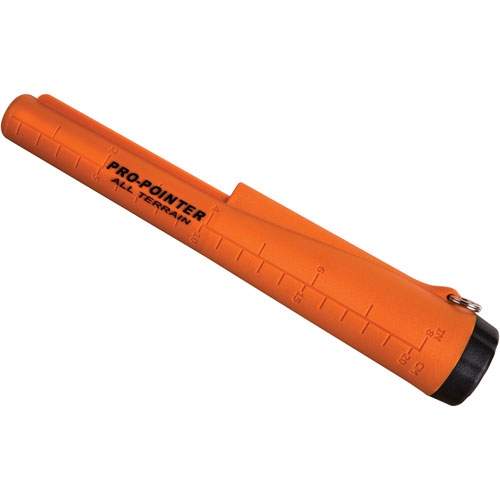 Your price for this item is $160.99
 -
 Your price for this item is $650.99
 -
 Your price for this item is $520.99
 -
 Your price for this item is $392.99
 -
 Your price for this item is $53.04
 -
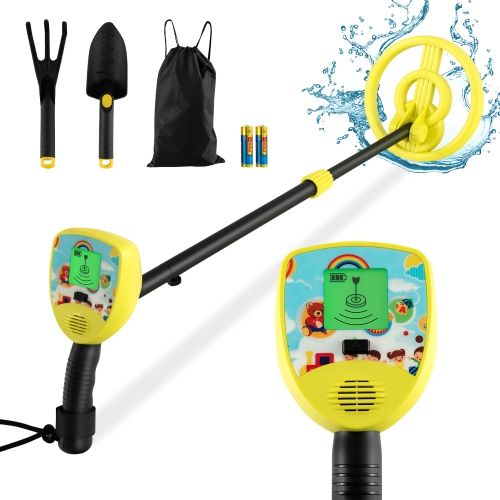 Your price for this item is $69.99
 -
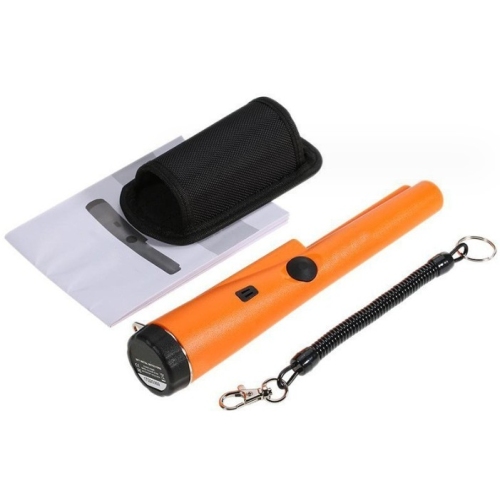 Your price for this item is $29.13
 -
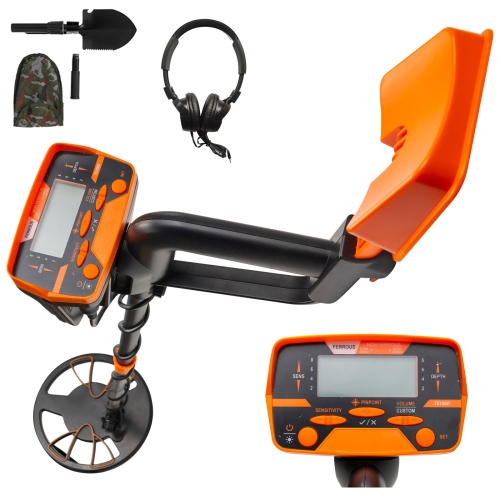 Your price for this item is $93.99
Discover more categories related to Metal Detectors With Headphones
Top Collections:
Pokemon Centers, Kindle Devices, Best Budget Office Chairs, Apple iPhones 16, Best Laptops for Writers, iPhone 15 Apple, Canon G7X Cameras, Refurbished Apple Laptops, Alarm Clock, Motorola Razr Phones
Some products may be subject to Environmental Handling Fees
(EHF) depending on your province.
Learn more about EHFs.