Underground Metal Detectors
Looking to unearth hidden treasures or explore the depths of history? Look no further than our collection of underground metal detectors. Whether you're an avid treasure hunter, a professional archaeologist, or simply curious about what lies beneath the surface, these cutting-edge devices are designed to detect and locate metals buried deep underground. With advanced technology and superior performance, our range of underground metal detectors is sure to elevate your search for valuable artifacts, coins, or even lost jewelry. Discover the excitement of uncovering hidden gems with these powerful tools that promise to take your metal detecting adventures to new depths.
Sort
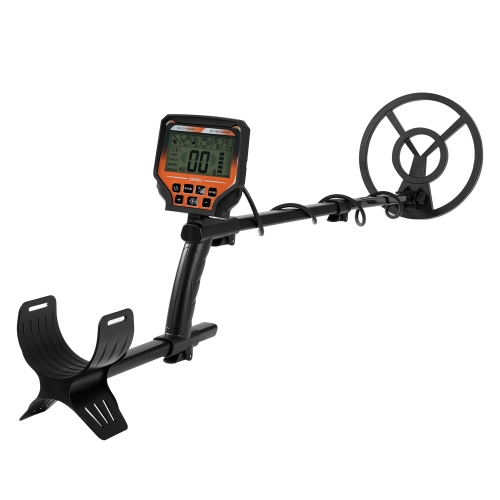
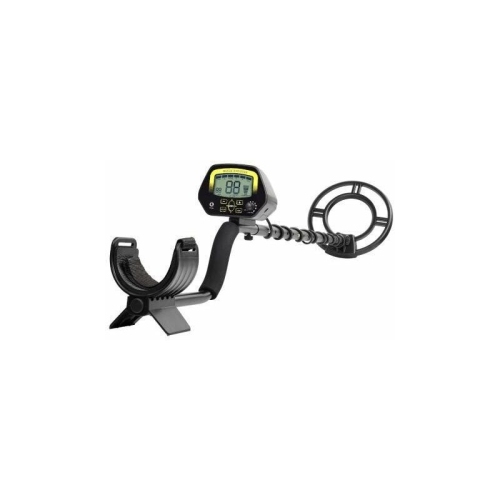
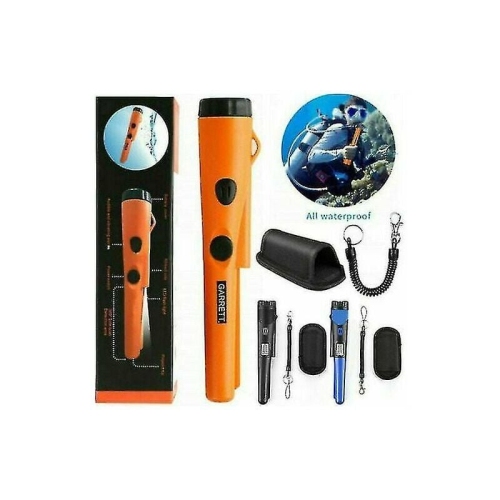
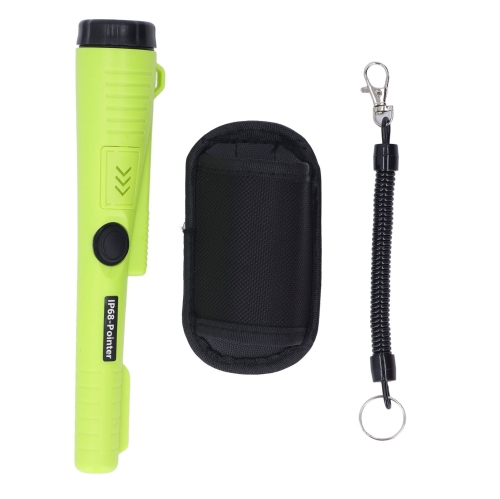
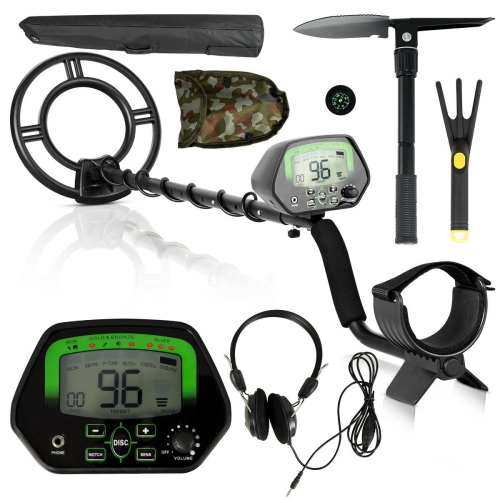
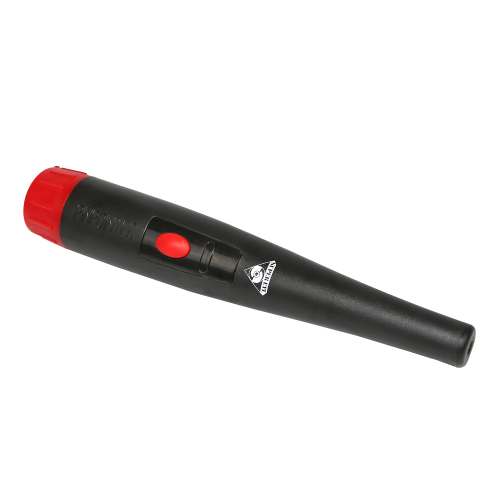
Why detection depth tells only part of the story
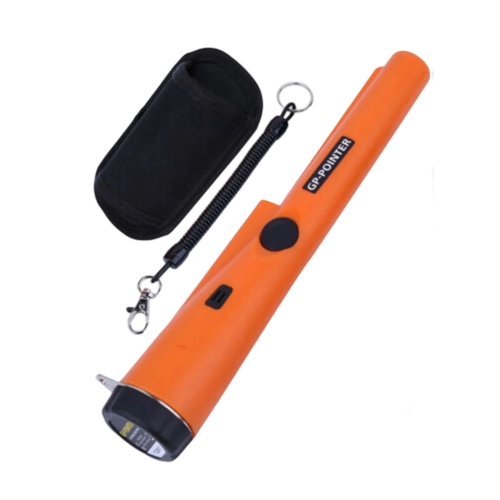
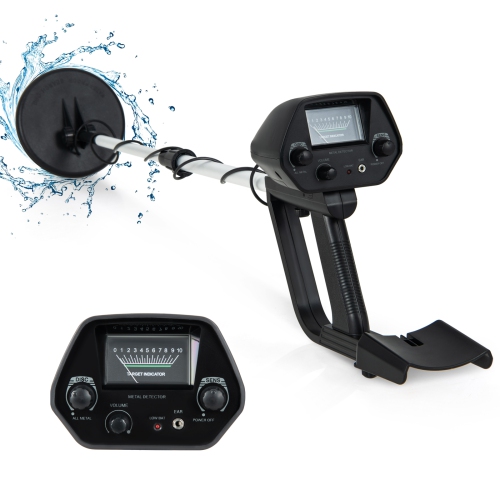
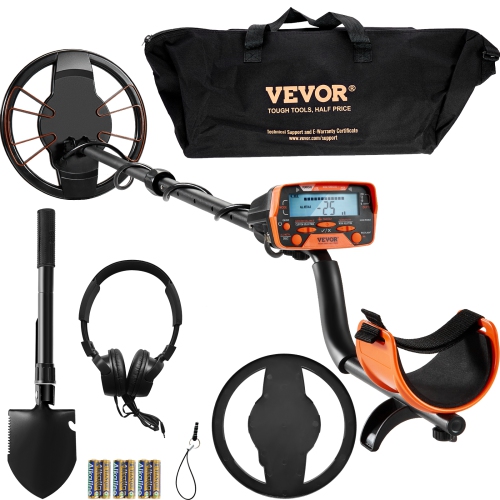
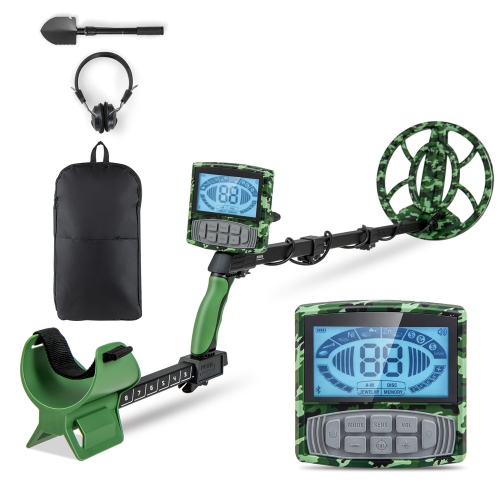
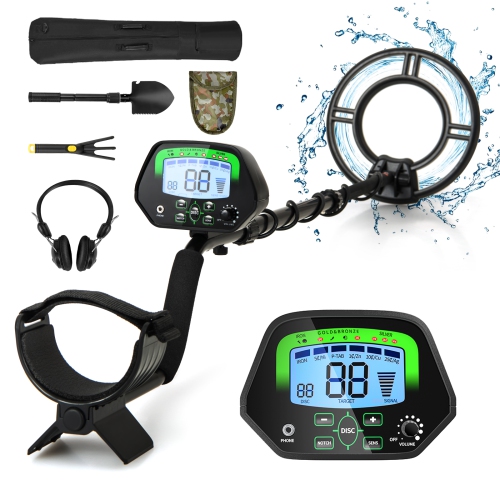
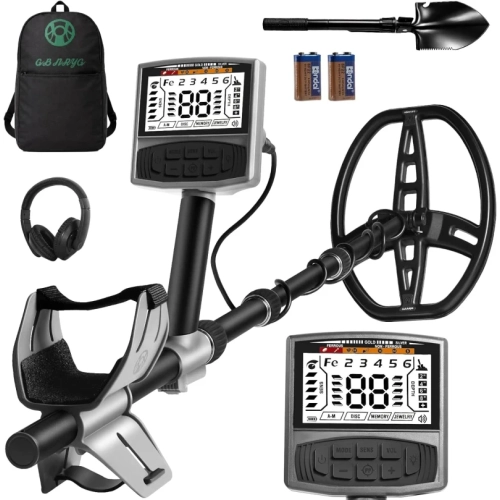
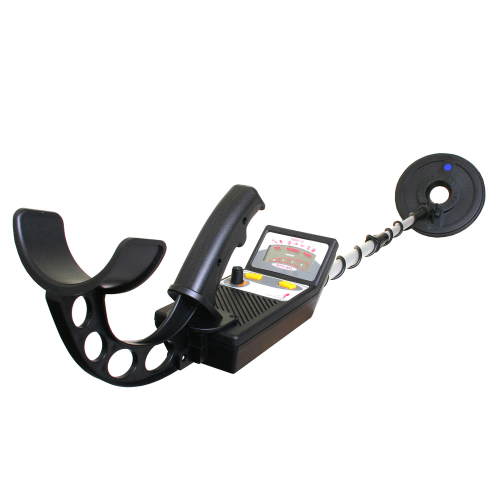
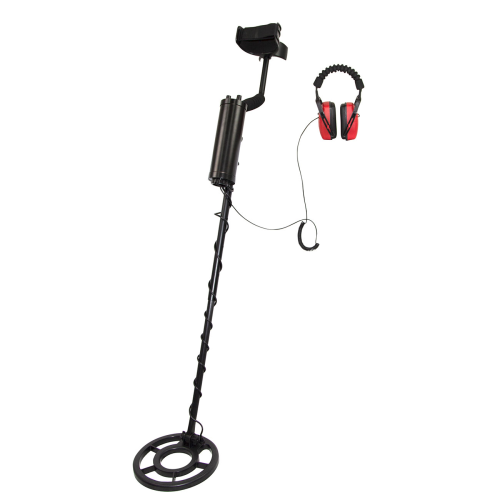
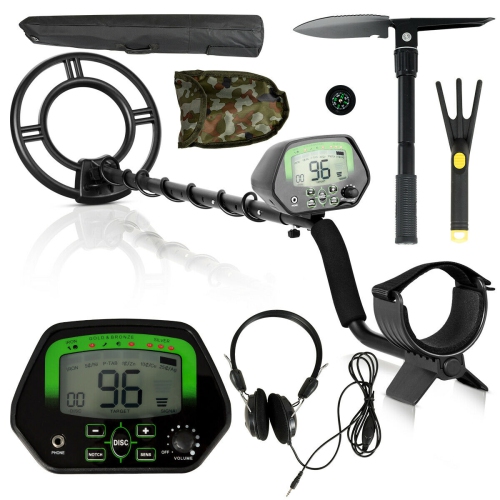
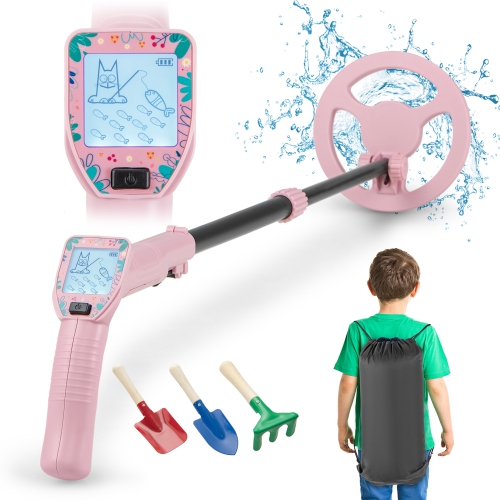
Underground metal detectors locate buried metal by generating an electromagnetic field through a search coil and measuring the response from conductive objects beneath it. That response becomes an audible tone, a visual reading, or both, helping the user narrow down a target’s position before digging. These detectors are used for finding lost jewellery, coins, metal relics, and, with suitable equipment, naturally occurring gold. Their capabilities depend on the detection technology, coil design, settings, soil composition, and the size and orientation of the buried object. A coin lying flat can produce a different signal from the same coin standing on its edge, while a large metal object may register farther below the surface than a small ring. There is no single reliable detection depth that applies to every target or location, and an on-screen depth estimate is often calibrated around a coin-sized object rather than every possible find. Very low frequency, or VLF, detectors are common choices for general hobby use because they can offer useful target identification and discrimination, which helps distinguish between different metal responses. Selectable or simultaneous multiple-frequency operation can provide added flexibility across different ground conditions, depending on the detector’s design. Pulse induction, or PI, detectors are often suited to strongly mineralized ground, although many offer less detailed metal identification than VLF designs. Ground balance helps reduce interference from minerals in the soil so that target signals are easier to distinguish. Sensitivity adjustment also matters: the highest setting is not always the most useful when electrical interference or difficult ground produces unstable readings. For someone searching a permitted picnic area for a dropped pendant, a stable signal and precise target location may be more useful than a headline depth claim. For a hobbyist exploring land with permission, adjustable settings can make it easier to separate promising signals from scattered nails and other metal debris. The most useful underground metal detector is therefore one whose capabilities match the intended search, rather than one selected on depth claims alone.
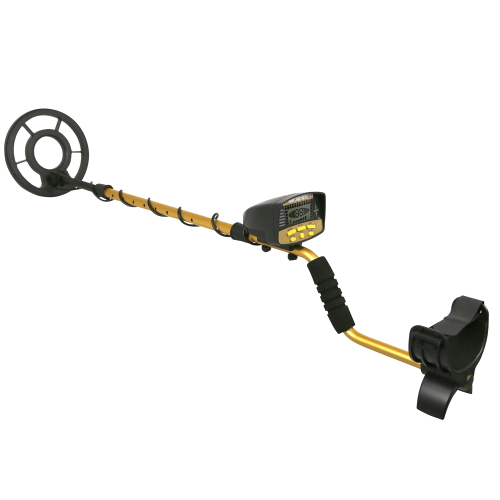
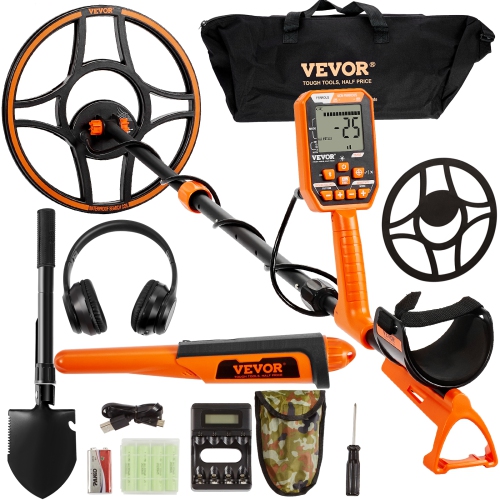
Comfort and control have a noticeable effect on how a metal detector feels after repeated sweeps. An adjustable shaft helps position the coil near the ground without forcing the user to stoop, while a supportive arm cuff and comfortable grip help keep the movement steady. Overall weight matters, but balance matters too: a detector with much of its weight near the coil can feel more tiring than its specifications suggest. Lightweight aluminium shafts and rigid composite components can reduce carrying weight, while well-fitted shaft locks help prevent unwanted movement during use. Coil size and shape influence both handling and search performance. A larger coil can cover more ground with each pass and may improve detection of certain deeper targets, but a smaller coil can be easier to manoeuvre around obstacles and separate closely spaced objects. In an area scattered with bottle caps and nails, that separation can matter more than covering a wide strip quickly. Controls should also suit the person using them. A clear display, readable target indicators, accessible buttons, and distinct audio tones make it easier to follow a signal without repeatedly changing grip or posture. Preset search modes can simplify early outings, while adjustable discrimination, ground balance, and audio settings give experienced users more control. Discrimination is not a guarantee of identifying valuable objects: some jewellery and unwanted metal share similar responses, so aggressive filtering can hide desirable targets. A built-in pinpoint mode helps narrow a signal’s location, and a separate handheld pinpointer can help locate small objects in loosened soil. Headphone compatibility is useful for hearing subtle changes without relying on the external speaker, though users still need to remain aware of their surroundings. Battery type, expected operating time, charging arrangements, and ease of battery replacement are practical considerations for longer sessions. For a detector shared by adults and younger users, shaft adjustment range, manageable weight, and straightforward controls can be especially important, with adult supervision appropriate for digging and handling unfamiliar finds.
Underground metal detectors appeal to people who enjoy patient outdoor hobbies, local history, hands-on exploration, or the simple challenge of locating something hidden from view. They can also be thoughtful gifts for curious beginners or established hobbyists, provided the recipient’s interests and likely search locations shape the choice. General coin and jewellery searching places different demands on a detector than searching for very small gold nuggets in mineralized ground. Dedicated prospecting features are useful for the latter, while clear target information and convenient handling may take priority for casual outings. The related Treasure Hunting Metal Detectors collection offers another way to explore equipment for hobby searches. Durability deserves attention alongside detection features, particularly at the coil, cable connection, shaft joints, and control housing. A waterproof search coil does not mean the entire detector can be submerged; the control unit and connections must also carry an appropriate rating for underwater use. Protective coil covers can help limit abrasion, and secure cable routing reduces snagging and movement near the shaft. Routine care generally includes removing loose dirt, cleaning components according to the manufacturer’s directions, drying them before storage, and checking fasteners and battery contacts. Removable batteries may need to be taken out for extended storage, while rechargeable packs should be maintained as directed. Responsible use is equally important to the experience. Landowner permission and applicable municipal, provincial, territorial, or federal rules determine where detecting and digging are allowed, and historic or archaeological sites may have strict restrictions. Small, carefully restored search holes and removal of ordinary litter help leave permitted areas tidy for other visitors. A hobby detector is not a substitute for a utility-locating service or clearance before excavation, and unfamiliar ammunition, sharp objects, or suspected hazardous finds should not be handled. With realistic expectations, appropriate permissions, and equipment suited to the task, detecting offers a rewarding mix of careful listening, close observation, and discovery, whether the goal is retrieving a lost ring or spending a few hours investigating signals beneath a familiar patch of ground.
Comfort and control have a noticeable effect on how a metal detector feels after repeated sweeps. An adjustable shaft helps position the coil near the ground without forcing the user to stoop, while a supportive arm cuff and comfortable grip help keep the movement steady. Overall weight matters, but balance matters too: a detector with much of its weight near the coil can feel more tiring than its specifications suggest. Lightweight aluminium shafts and rigid composite components can reduce carrying weight, while well-fitted shaft locks help prevent unwanted movement during use. Coil size and shape influence both handling and search performance. A larger coil can cover more ground with each pass and may improve detection of certain deeper targets, but a smaller coil can be easier to manoeuvre around obstacles and separate closely spaced objects. In an area scattered with bottle caps and nails, that separation can matter more than covering a wide strip quickly. Controls should also suit the person using them. A clear display, readable target indicators, accessible buttons, and distinct audio tones make it easier to follow a signal without repeatedly changing grip or posture. Preset search modes can simplify early outings, while adjustable discrimination, ground balance, and audio settings give experienced users more control. Discrimination is not a guarantee of identifying valuable objects: some jewellery and unwanted metal share similar responses, so aggressive filtering can hide desirable targets. A built-in pinpoint mode helps narrow a signal’s location, and a separate handheld pinpointer can help locate small objects in loosened soil. Headphone compatibility is useful for hearing subtle changes without relying on the external speaker, though users still need to remain aware of their surroundings. Battery type, expected operating time, charging arrangements, and ease of battery replacement are practical considerations for longer sessions. For a detector shared by adults and younger users, shaft adjustment range, manageable weight, and straightforward controls can be especially important, with adult supervision appropriate for digging and handling unfamiliar finds.
Underground metal detectors appeal to people who enjoy patient outdoor hobbies, local history, hands-on exploration, or the simple challenge of locating something hidden from view. They can also be thoughtful gifts for curious beginners or established hobbyists, provided the recipient’s interests and likely search locations shape the choice. General coin and jewellery searching places different demands on a detector than searching for very small gold nuggets in mineralized ground. Dedicated prospecting features are useful for the latter, while clear target information and convenient handling may take priority for casual outings. The related Treasure Hunting Metal Detectors collection offers another way to explore equipment for hobby searches. Durability deserves attention alongside detection features, particularly at the coil, cable connection, shaft joints, and control housing. A waterproof search coil does not mean the entire detector can be submerged; the control unit and connections must also carry an appropriate rating for underwater use. Protective coil covers can help limit abrasion, and secure cable routing reduces snagging and movement near the shaft. Routine care generally includes removing loose dirt, cleaning components according to the manufacturer’s directions, drying them before storage, and checking fasteners and battery contacts. Removable batteries may need to be taken out for extended storage, while rechargeable packs should be maintained as directed. Responsible use is equally important to the experience. Landowner permission and applicable municipal, provincial, territorial, or federal rules determine where detecting and digging are allowed, and historic or archaeological sites may have strict restrictions. Small, carefully restored search holes and removal of ordinary litter help leave permitted areas tidy for other visitors. A hobby detector is not a substitute for a utility-locating service or clearance before excavation, and unfamiliar ammunition, sharp objects, or suspected hazardous finds should not be handled. With realistic expectations, appropriate permissions, and equipment suited to the task, detecting offers a rewarding mix of careful listening, close observation, and discovery, whether the goal is retrieving a lost ring or spending a few hours investigating signals beneath a familiar patch of ground.
Top selling and popular products
-
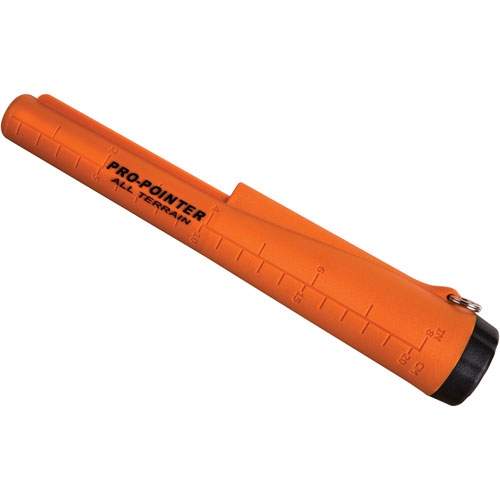 Your price for this item is $160.99
 -
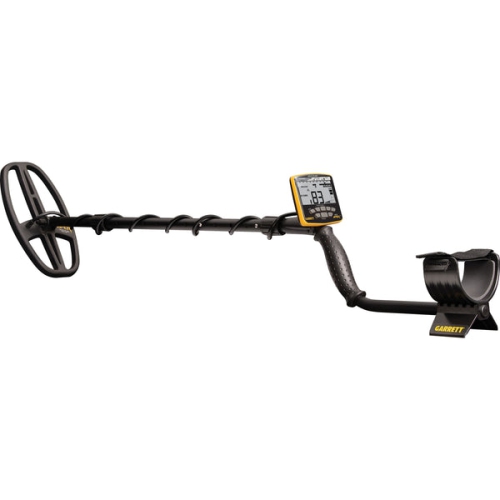 Your price for this item is $650.99
 -
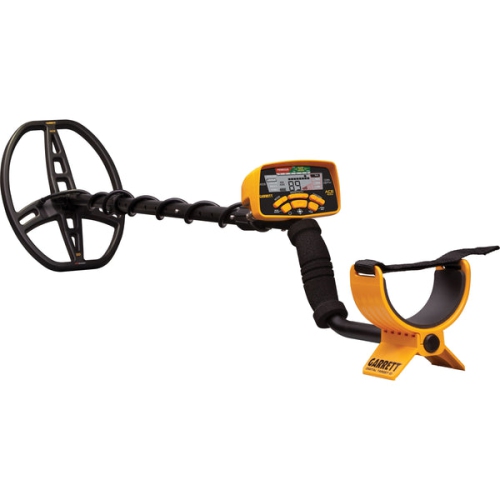 Your price for this item is $520.99
 -
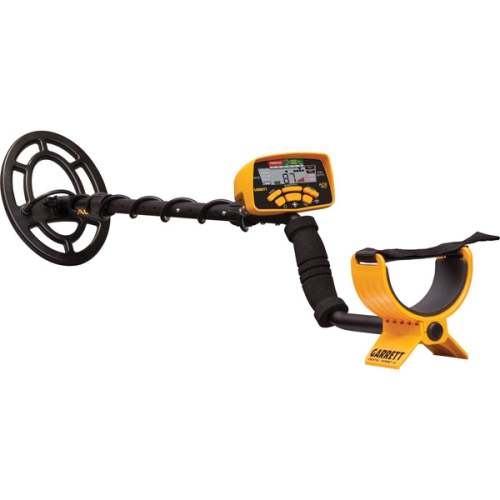 Your price for this item is $392.99
 -
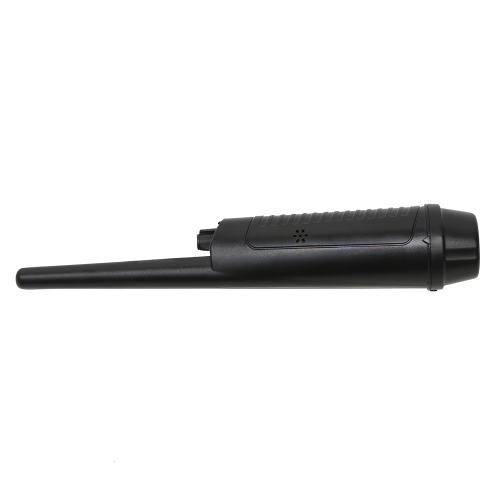 Your price for this item is $53.04
 -
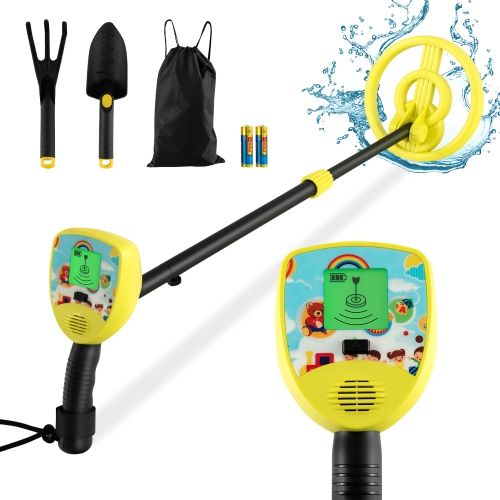 Your price for this item is $69.99
 -
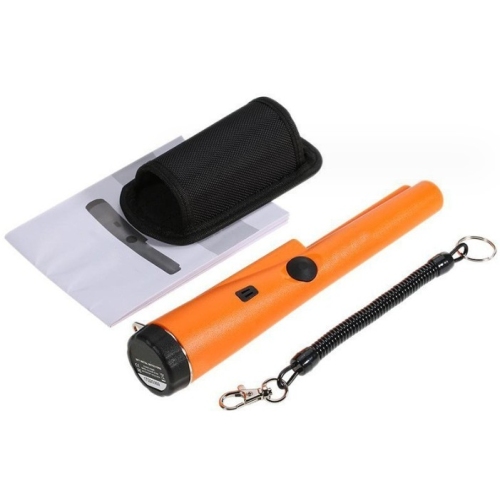 Your price for this item is $29.13
 -
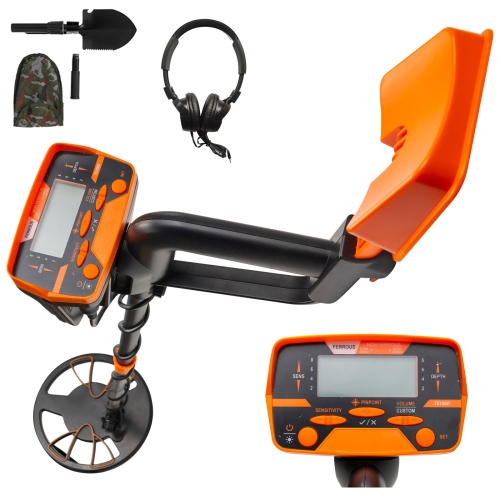 Your price for this item is $93.99
Discover more categories related to Underground Metal Detectors
Top Collections:
Pokemon Centers, Kindle Devices, Best Budget Office Chairs, Apple iPhones 16, Best Laptops for Writers, iPhone 15 Apple, Canon G7X Cameras, Refurbished Apple Laptops, Alarm Clock, Motorola Razr Phones
Some products may be subject to Environmental Handling Fees
(EHF) depending on your province.
Learn more about EHFs.