Running Headphones
Whether you're a seasoned runner or just starting out, investing in a good pair of running headphones can enhance your workout experience. Designed to stay in place during rigorous activities, these headphones provide the perfect soundtrack to keep you motivated and focused on your fitness goals. With various features such as sweat resistance, noise cancellation, and long battery life, running headphones offer the ultimate combination of comfort and performance. Whether you prefer wireless earbuds or over-ear headphones, our selection of running headphones is sure to cater to your specific needs and preferences.
Sort
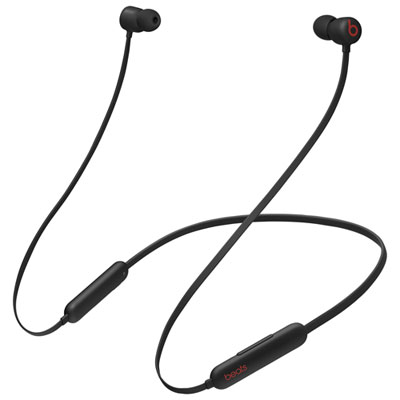
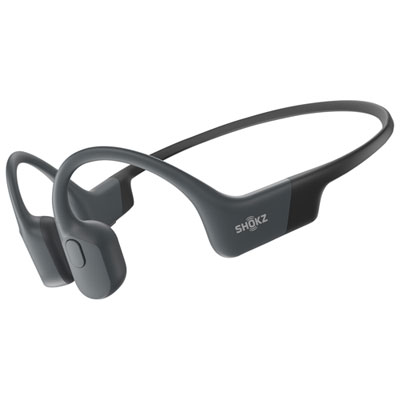
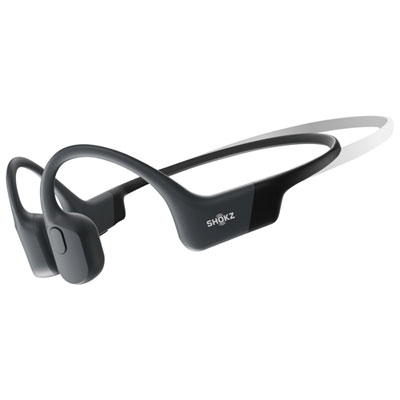
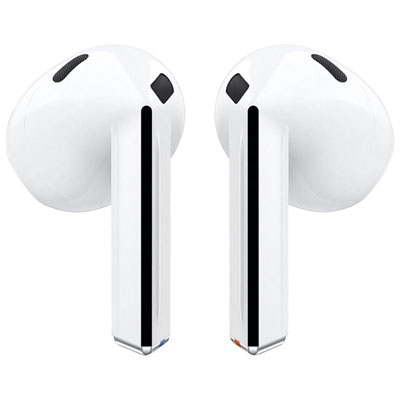
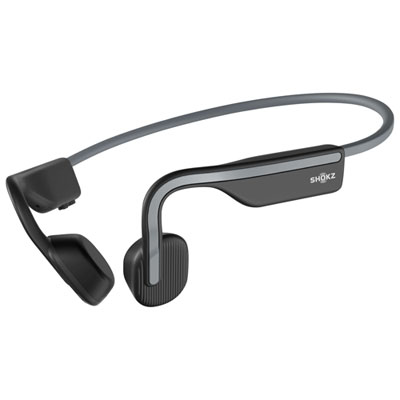
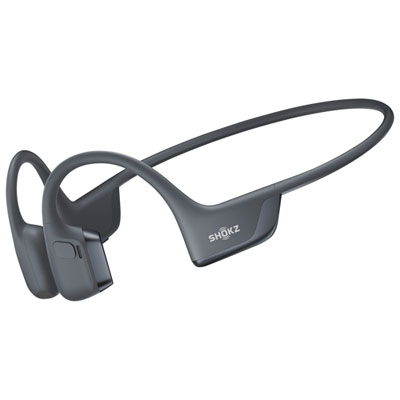

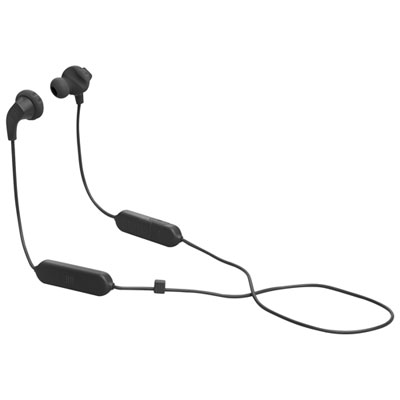
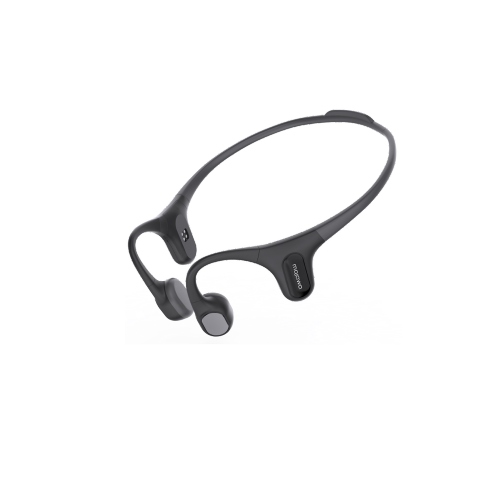

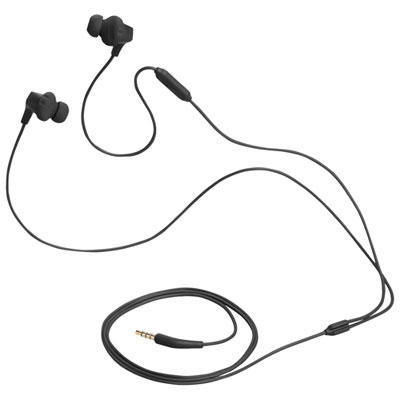
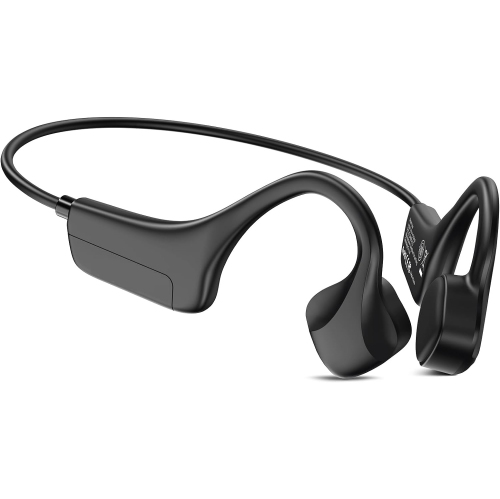
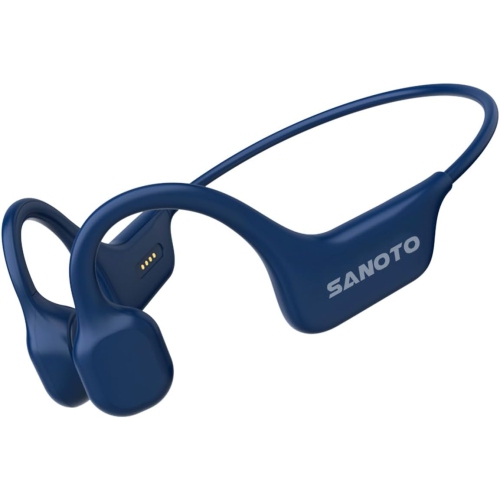
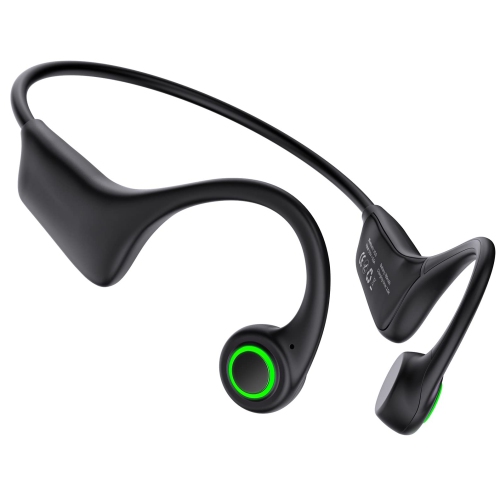
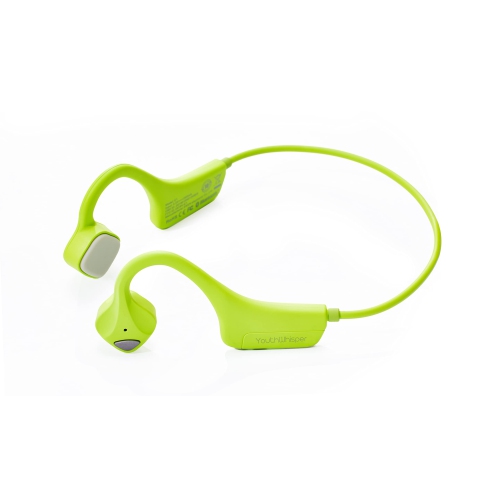
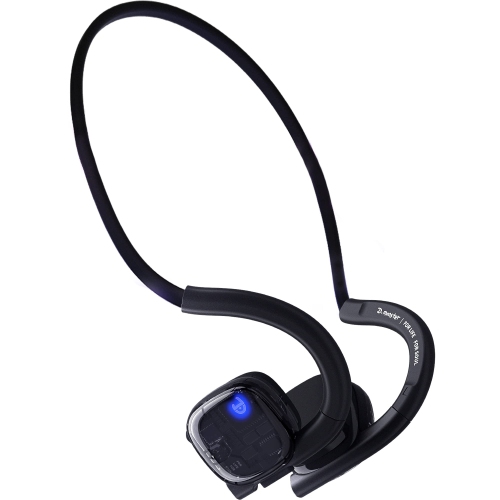
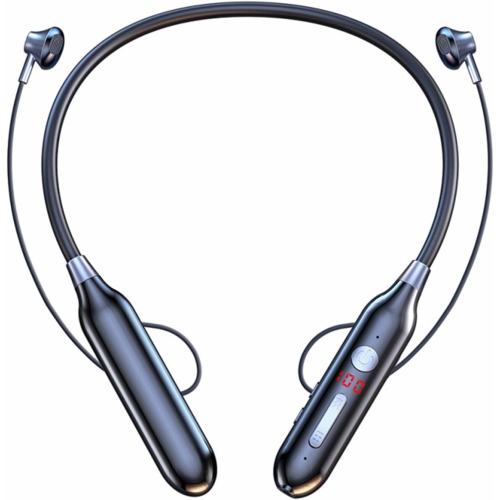
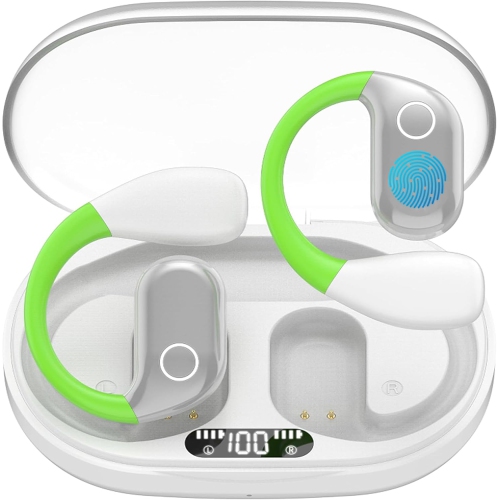

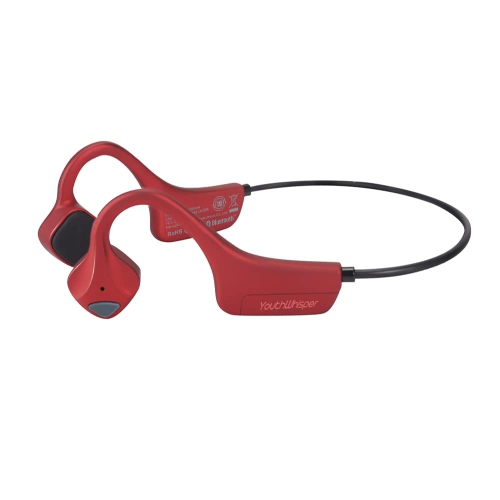
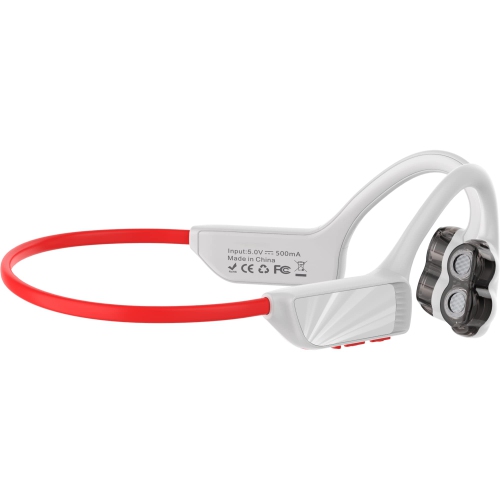
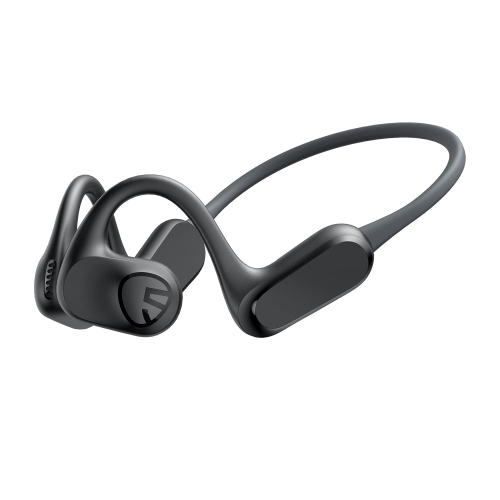
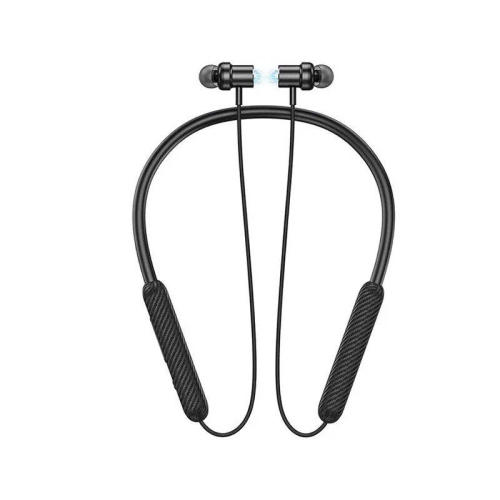
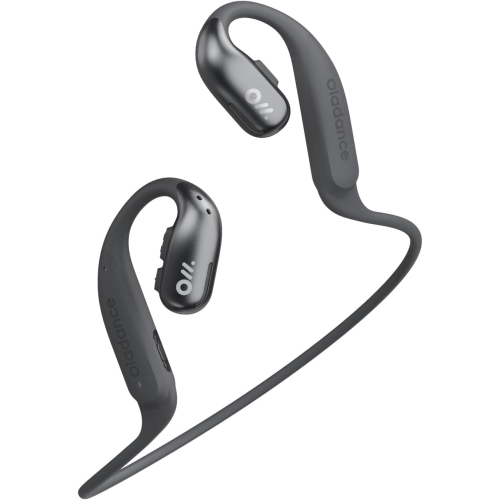
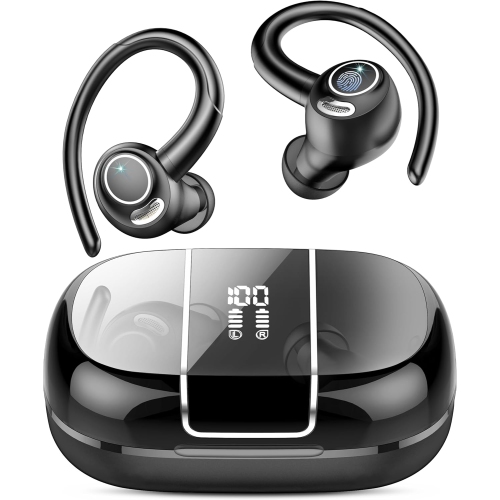
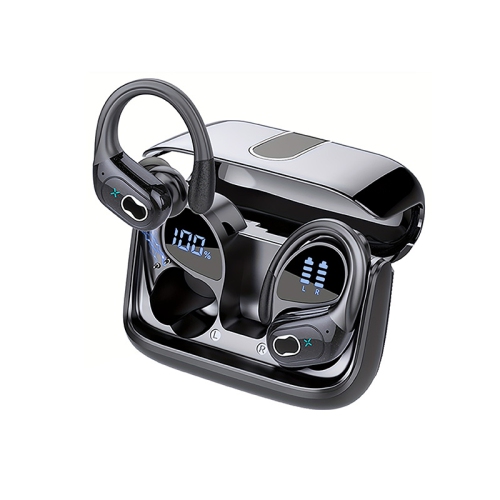
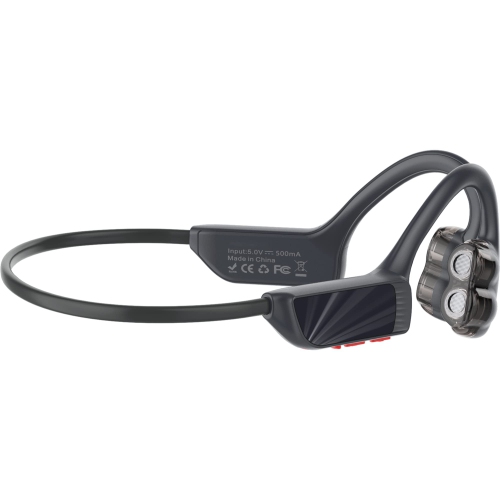


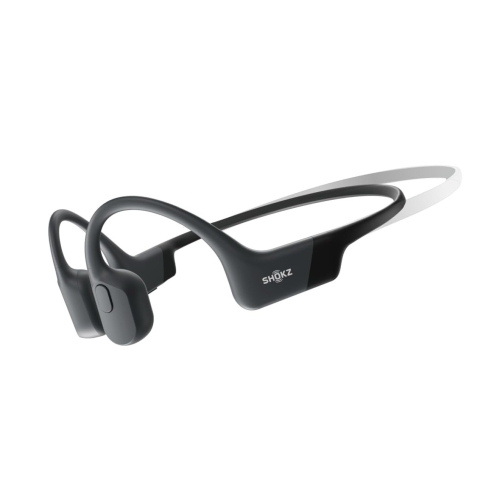
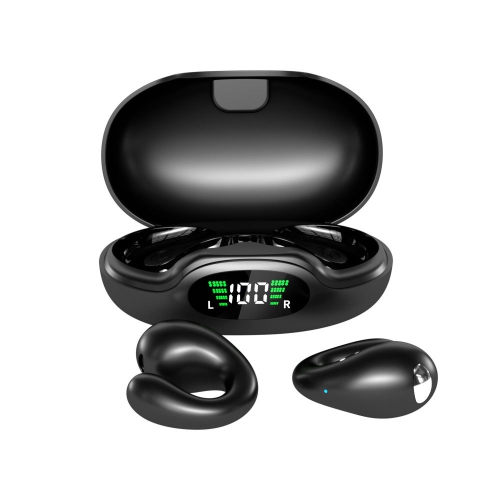
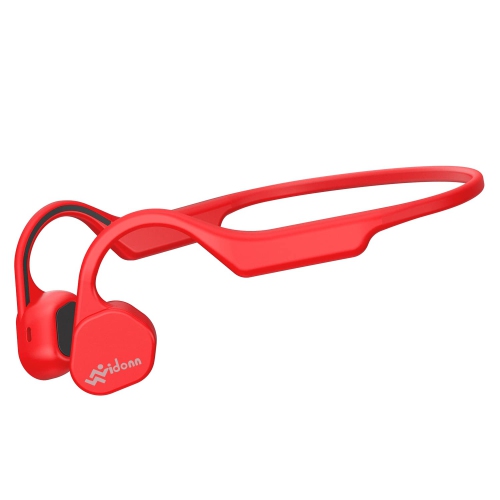
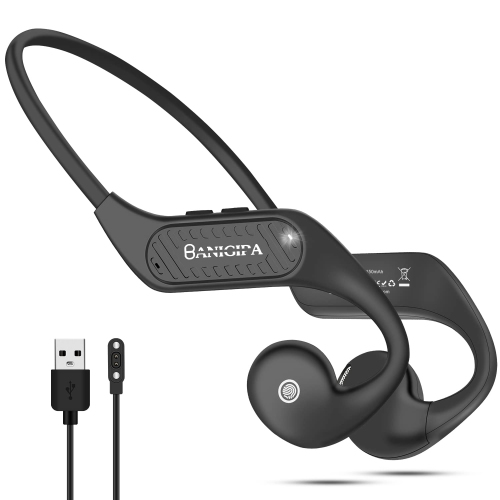
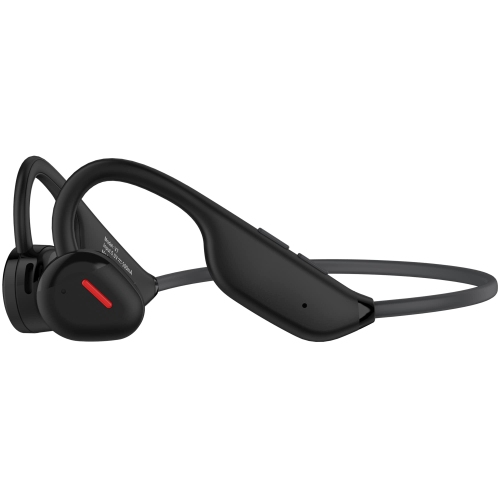
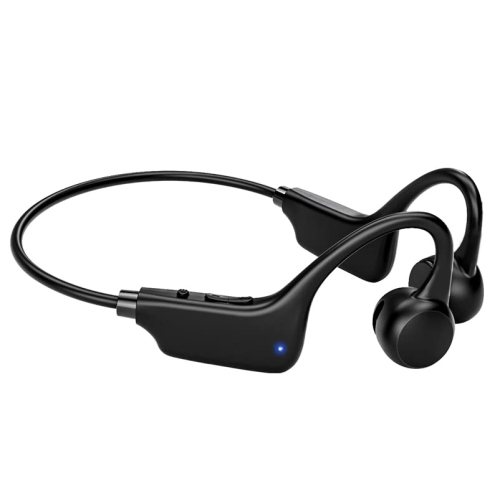
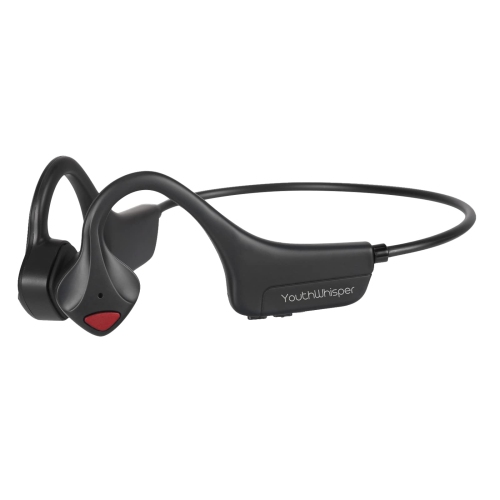
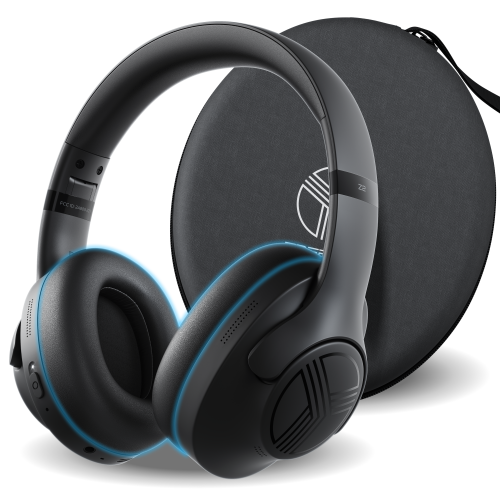
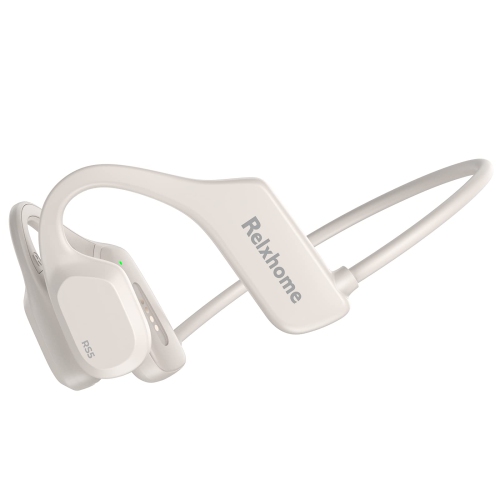
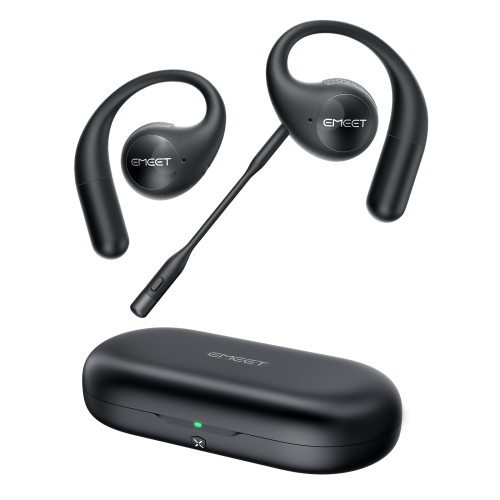
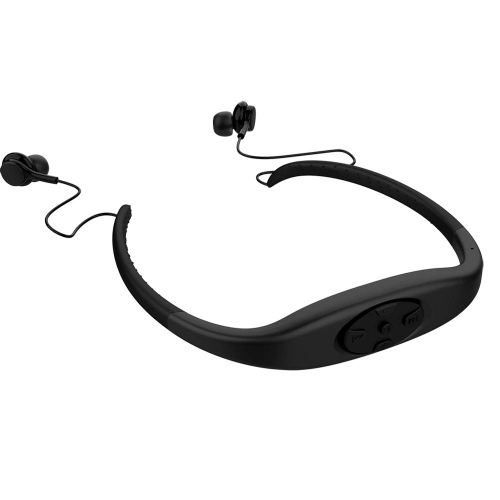
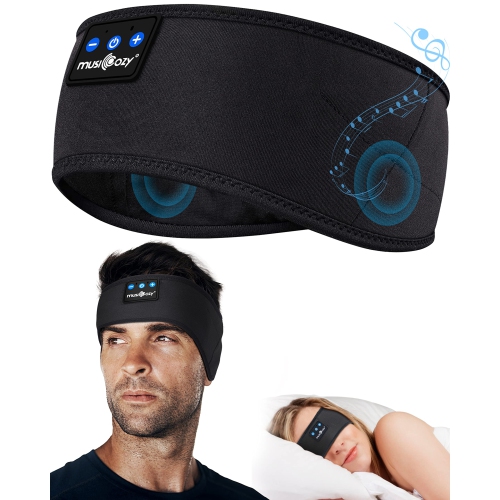
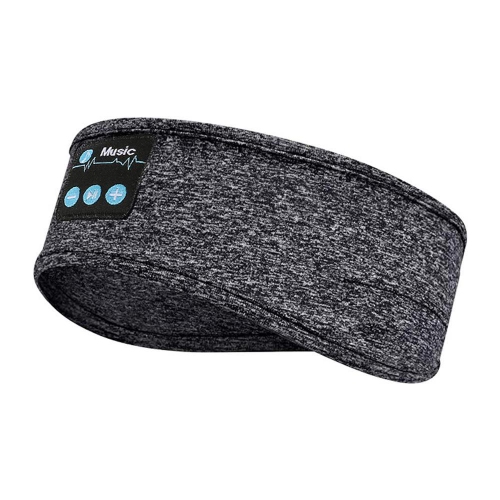
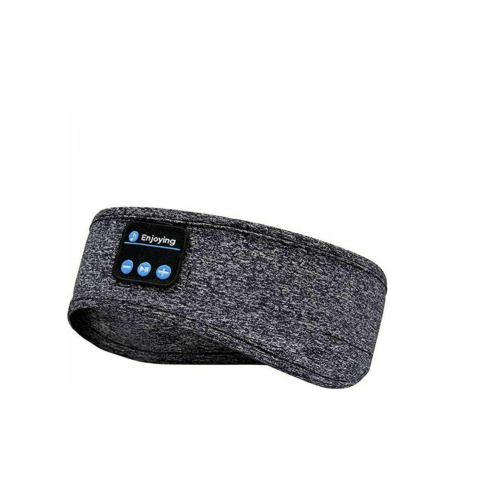
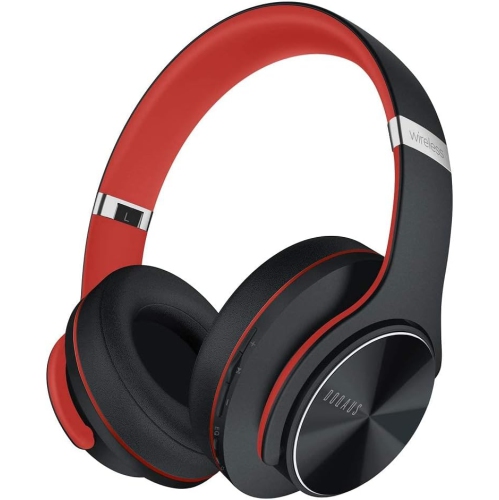
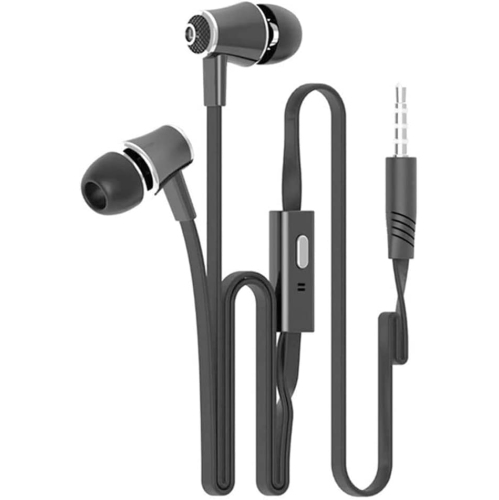
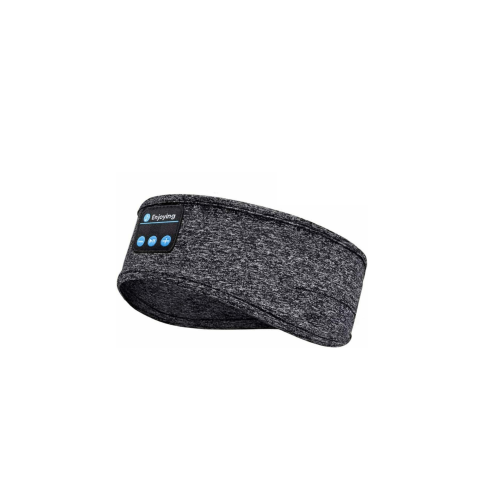
Fit, awareness, and battery life shape every run
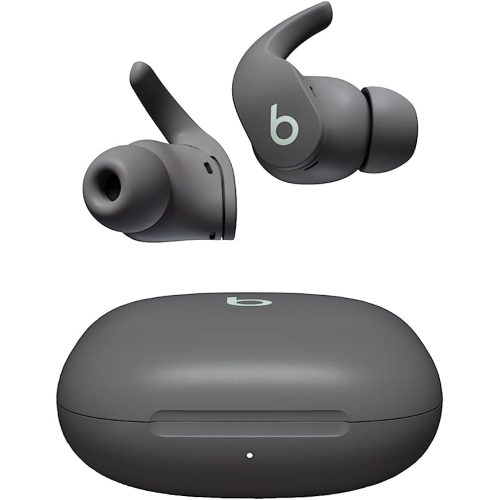
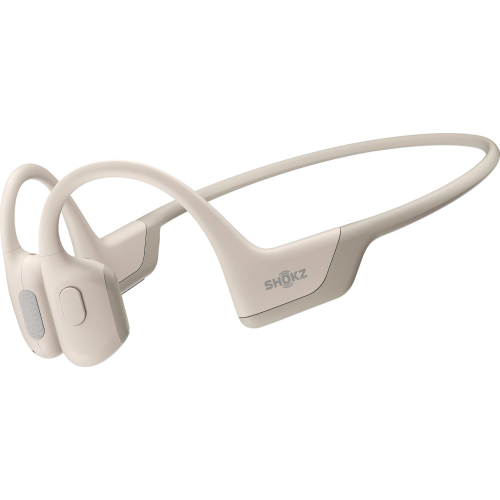
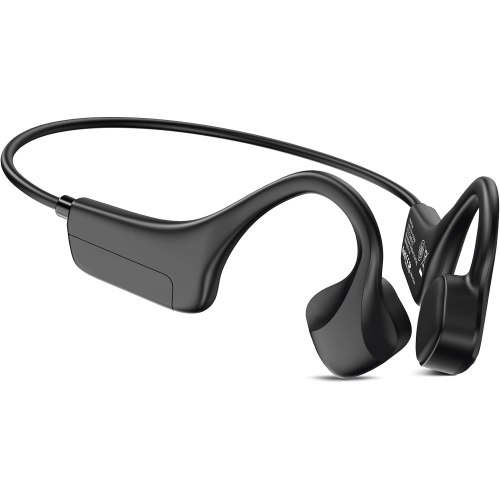
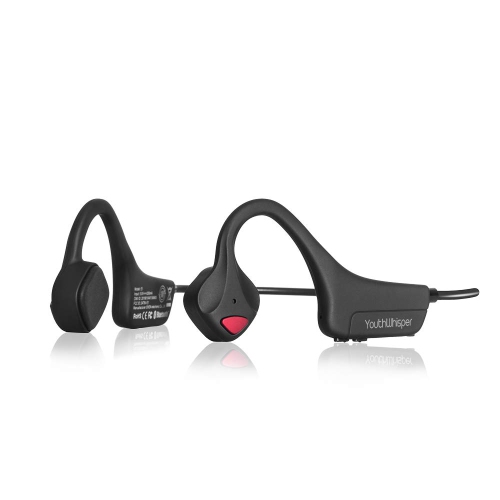
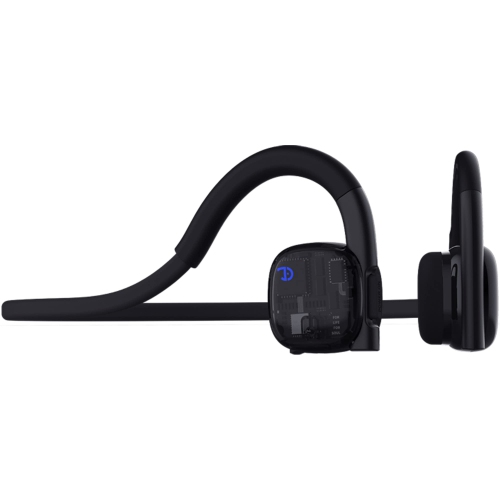
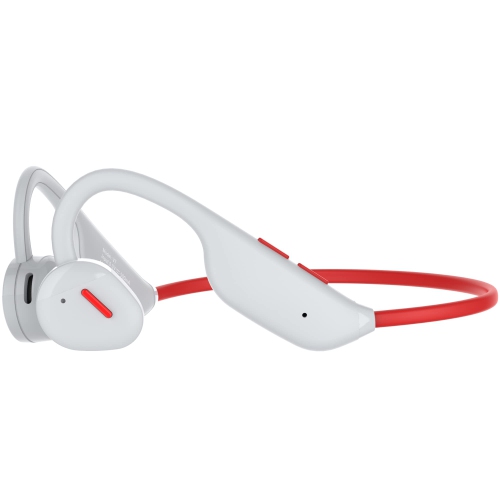
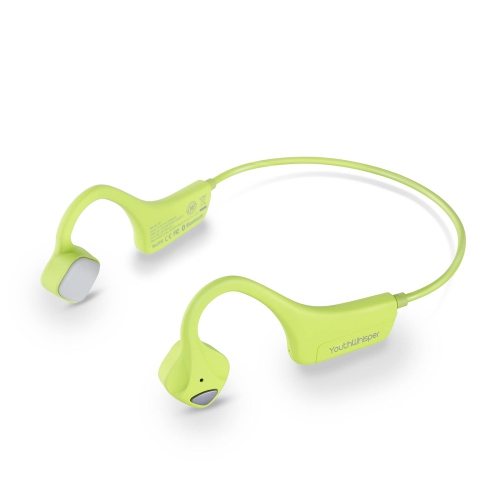
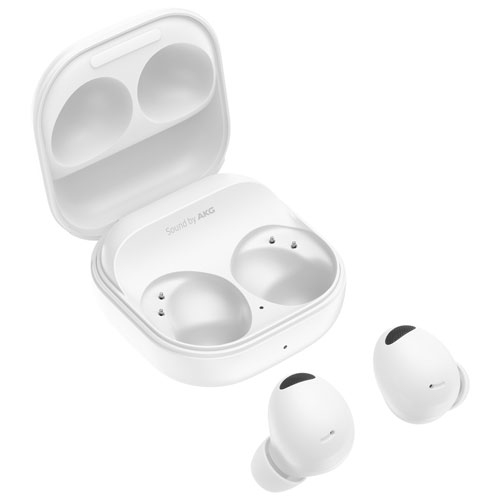
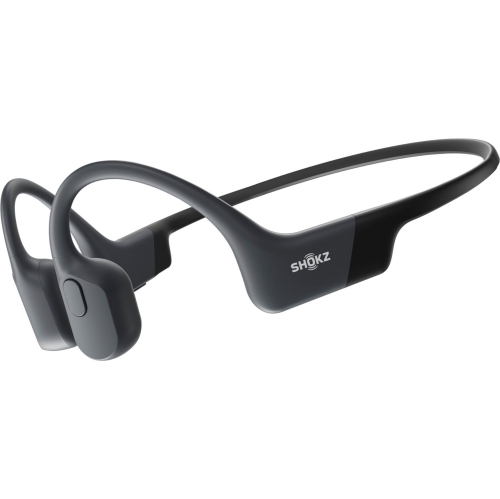
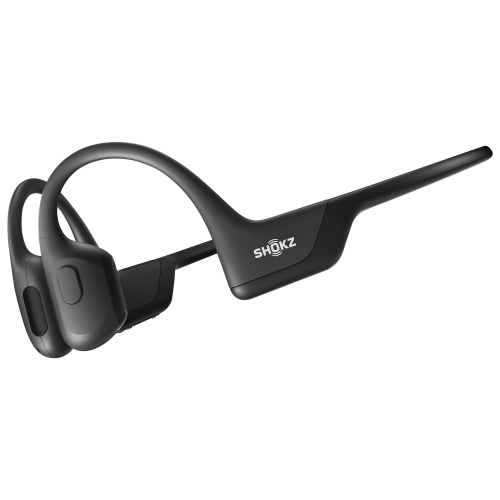
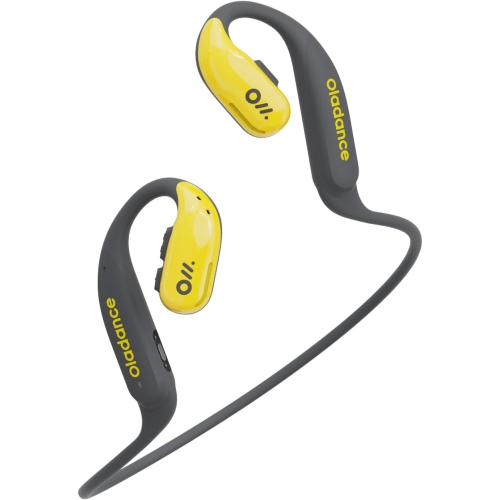
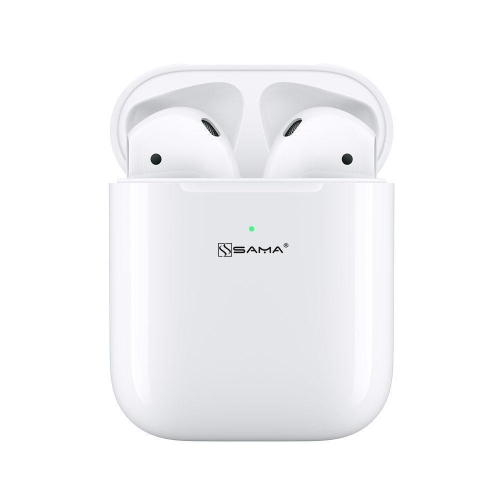
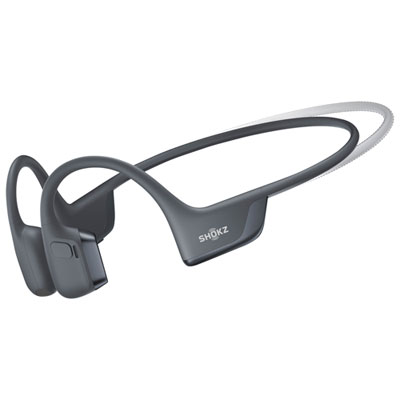
Running headphones are designed to make training more enjoyable, whether you are following a familiar route through the neighbourhood, fitting in a treadmill session, or building endurance on a quiet trail. The right pair should stay comfortably in place as your pace changes, while delivering clear sound through steady movement, footfalls, wind, and the occasional interruption from traffic or conversation. Fit is one of the most important considerations. In-ear running headphones with multiple ear tip sizes can create a snug seal, while flexible ear hooks or stabilizing fins may help prevent slipping during sprints, hill climbs, and interval workouts. Open-ear and bone-conduction designs sit outside the ear canal, allowing you to hear music or podcasts while remaining more aware of nearby cyclists, vehicles, other runners, and changing surroundings. This can be especially useful for outdoor runners who train along shared paths or roads, although awareness also depends on keeping the volume at a sensible level and following local safety practices. For those who prefer a more immersive listening experience, sealed in-ear headphones can provide stronger bass and help reduce some background noise, making them a popular choice for indoor training or routes away from traffic. Look for a design that feels secure without creating pressure points, particularly around the ears, jaw, or temples. A pair that feels comfortable during a short trial may feel very different after an hour, so consider the shape of the ear cups or ear tips, the weight of the headset, the flexibility of the band, and whether the controls can be operated easily with damp or gloved hands. Some runners like a lightweight, barely-there fit for shorter workouts, while others appreciate a more structured design that remains stable during longer distances. Running headphones can also be a thoughtful gift for someone preparing for a charity run, returning to an exercise routine, commuting on foot, or simply looking for a more engaging way to spend time outdoors.
Durability matters when headphones are exposed to perspiration, light rain, changing temperatures, and the repeated movement of an active workout. Water-resistance ratings can help indicate how a headset is intended to handle moisture, but they are not all the same. A rating designed for sweat and splashes may not mean that the headphones can be submerged, used in heavy rain, or rinsed under a tap, so check the manufacturer’s care instructions before making a purchase. During the cooler months, moisture can collect beneath a toque or headband, and bulky winter layers may affect how an over-ear or behind-the-ear design fits. Compact earbuds can be easier to wear with a hat, while an open-ear band may sit more comfortably over or around certain headwear depending on its shape. Battery life is another practical detail that can shape the daily experience. Consider how long a typical run lasts, how often the headphones will be used between charges, and whether the charging case provides several additional recharges. Longer battery life can be useful for runners who listen during workouts, walks, commutes, and travel without wanting to charge between each activity. Quick-charge capability may be helpful when a last-minute workout is on the schedule, while a visible battery indicator can prevent an unexpected silence halfway through a route. Bluetooth compatibility, connection stability, microphone quality, and simple playback controls are worth checking as well. A reliable connection helps keep audio flowing when a phone is tucked into a running belt or arm band, and built-in microphones can make it easier to take calls without removing the headset. Some headphones include dedicated controls for skipping tracks, adjusting volume, activating a voice assistant, or switching between listening modes. These features are most useful when they remain straightforward to operate while moving. For podcasts, audiobooks, and coaching cues, speech clarity may matter more than powerful bass; for music, a balanced sound profile can help preserve detail without making the audio harsh at higher volumes. If more isolation is desired, noise-control features can be convenient in indoor environments, though runners should take care when using them outdoors. A separate carrying case can protect small earbuds in a gym bag, and a secure storage solution helps prevent one earbud from disappearing among keys, towels, and charging cables.
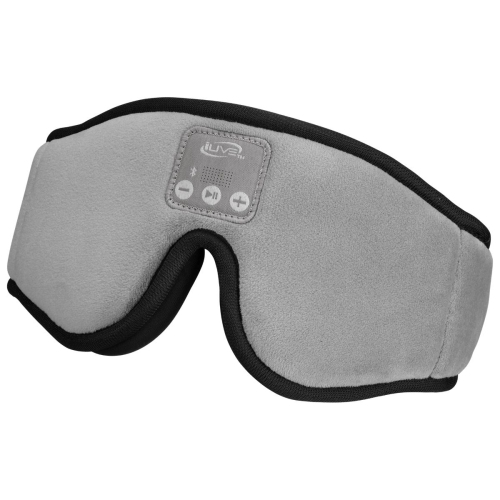
Choosing running headphones often comes down to the kind of runner and listener they will serve. Someone who runs beside busy streets may appreciate an open-ear design that preserves a greater sense of the environment, while a treadmill runner may prioritize sound isolation, strong bass, and controls that are easy to reach between intervals. A person with smaller ears may benefit from adjustable tips or a low-profile shape, and anyone who wears glasses should consider whether the headset creates pressure where the frames meet the ears. Runners who train in pairs or groups may value dependable call quality, while people who use guided workouts may want clear voices and quick access to playback controls. A secure fit is also helpful for a wide range of active routines beyond running, including walking, hiking, cycling on permitted paths, strength training, and gym classes. When selecting a gift, think about the recipient’s typical route, preferred listening style, and comfort with technology. Open-ear headphones can suit someone who wants music without feeling cut off from the world, whereas in-ear headphones may appeal to a listener who prefers a compact case and a more enclosed sound. Features such as sweat resistance, all-day battery performance, and a comfortable fit can make the gift useful well beyond a single race or training plan. For shoppers exploring other distinctive ways to combine personal audio with everyday routines, the selection of Mask Headphones offers another category to consider. Whatever the design, the best running headphones should fit naturally into a routine: easy to charge, simple to wear, secure through movement, and ready for everything from a brisk loop during cooler weather to a longer outdoor session when the air feels crisp. Taking a few minutes to compare fit, listening style, water resistance, battery life, comfort, and awareness features can help you choose headphones that feel dependable from the first steps to the final stretch.
Durability matters when headphones are exposed to perspiration, light rain, changing temperatures, and the repeated movement of an active workout. Water-resistance ratings can help indicate how a headset is intended to handle moisture, but they are not all the same. A rating designed for sweat and splashes may not mean that the headphones can be submerged, used in heavy rain, or rinsed under a tap, so check the manufacturer’s care instructions before making a purchase. During the cooler months, moisture can collect beneath a toque or headband, and bulky winter layers may affect how an over-ear or behind-the-ear design fits. Compact earbuds can be easier to wear with a hat, while an open-ear band may sit more comfortably over or around certain headwear depending on its shape. Battery life is another practical detail that can shape the daily experience. Consider how long a typical run lasts, how often the headphones will be used between charges, and whether the charging case provides several additional recharges. Longer battery life can be useful for runners who listen during workouts, walks, commutes, and travel without wanting to charge between each activity. Quick-charge capability may be helpful when a last-minute workout is on the schedule, while a visible battery indicator can prevent an unexpected silence halfway through a route. Bluetooth compatibility, connection stability, microphone quality, and simple playback controls are worth checking as well. A reliable connection helps keep audio flowing when a phone is tucked into a running belt or arm band, and built-in microphones can make it easier to take calls without removing the headset. Some headphones include dedicated controls for skipping tracks, adjusting volume, activating a voice assistant, or switching between listening modes. These features are most useful when they remain straightforward to operate while moving. For podcasts, audiobooks, and coaching cues, speech clarity may matter more than powerful bass; for music, a balanced sound profile can help preserve detail without making the audio harsh at higher volumes. If more isolation is desired, noise-control features can be convenient in indoor environments, though runners should take care when using them outdoors. A separate carrying case can protect small earbuds in a gym bag, and a secure storage solution helps prevent one earbud from disappearing among keys, towels, and charging cables.
Choosing running headphones often comes down to the kind of runner and listener they will serve. Someone who runs beside busy streets may appreciate an open-ear design that preserves a greater sense of the environment, while a treadmill runner may prioritize sound isolation, strong bass, and controls that are easy to reach between intervals. A person with smaller ears may benefit from adjustable tips or a low-profile shape, and anyone who wears glasses should consider whether the headset creates pressure where the frames meet the ears. Runners who train in pairs or groups may value dependable call quality, while people who use guided workouts may want clear voices and quick access to playback controls. A secure fit is also helpful for a wide range of active routines beyond running, including walking, hiking, cycling on permitted paths, strength training, and gym classes. When selecting a gift, think about the recipient’s typical route, preferred listening style, and comfort with technology. Open-ear headphones can suit someone who wants music without feeling cut off from the world, whereas in-ear headphones may appeal to a listener who prefers a compact case and a more enclosed sound. Features such as sweat resistance, all-day battery performance, and a comfortable fit can make the gift useful well beyond a single race or training plan. For shoppers exploring other distinctive ways to combine personal audio with everyday routines, the selection of Mask Headphones offers another category to consider. Whatever the design, the best running headphones should fit naturally into a routine: easy to charge, simple to wear, secure through movement, and ready for everything from a brisk loop during cooler weather to a longer outdoor session when the air feels crisp. Taking a few minutes to compare fit, listening style, water resistance, battery life, comfort, and awareness features can help you choose headphones that feel dependable from the first steps to the final stretch.
Top selling and popular products
-
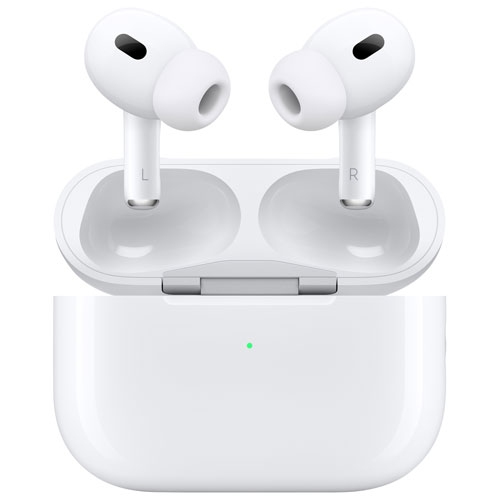 Your price for this item is $349.99
 -
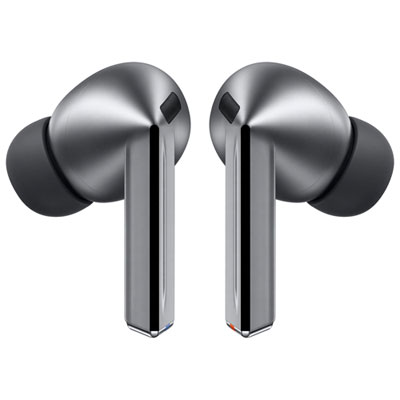 Your price for this item is $329.99
 -
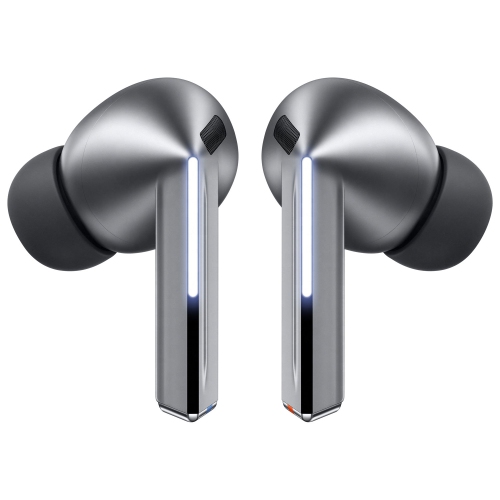 Your price for this item is $229
 -
 Your price for this item is $227
 -
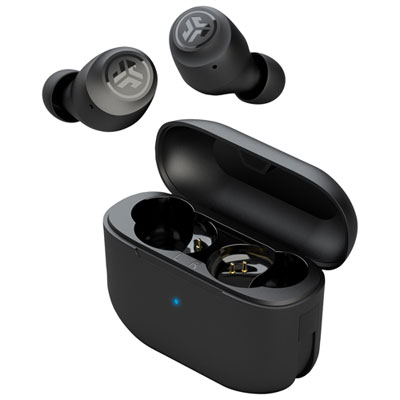 Your price for this item is $19.99
 -
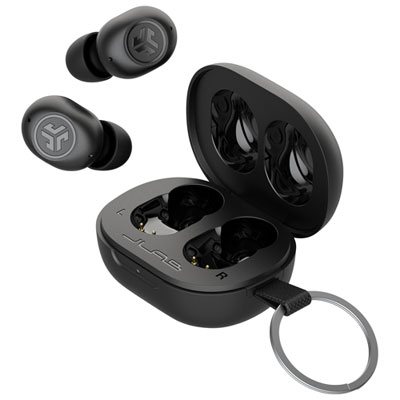 Your price for this item is $39.99
 -
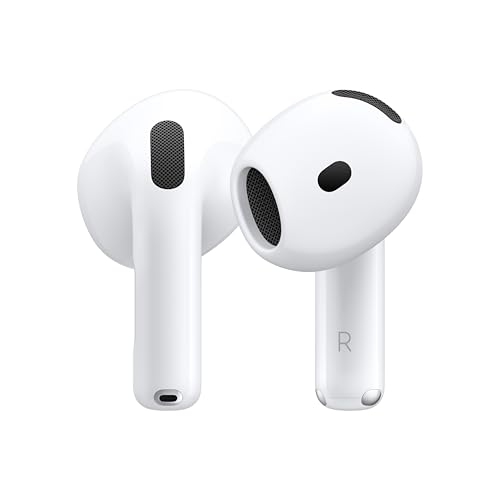 Your price for this item is $238.99
 -
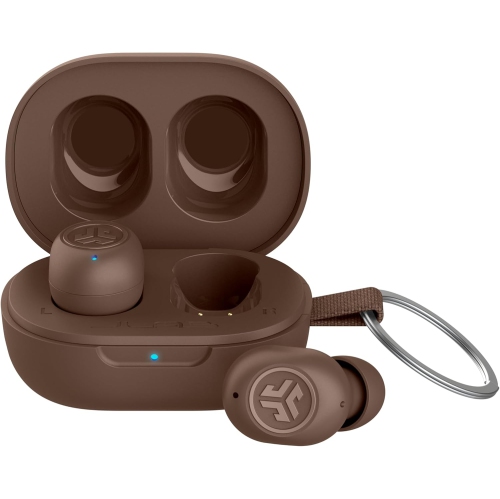 Your price for this item is $89.99
Discover more categories related to Running Headphones
Top Collections:
Pokemon Centers, Kindle Devices, Best Budget Office Chairs, Apple iPhones 16, Best Laptops for Writers, iPhone 15 Apple, Canon G7X Cameras, Refurbished Apple Laptops, Alarm Clock, Motorola Razr Phones
Some products may be subject to Environmental Handling Fees
(EHF) depending on your province.
Learn more about EHFs.