Active Headphones
Experience your music like never before with these active headphones. Designed for those who lead an active lifestyle, these headphones are built to deliver exceptional sound quality while providing a secure and comfortable fit. Whether you're hitting the gym, going for a run, or simply enjoying your favorite tunes on the go, these active headphones will keep up with your every move.
Sort


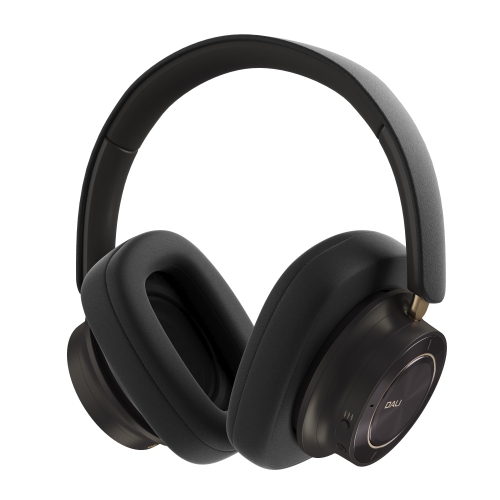
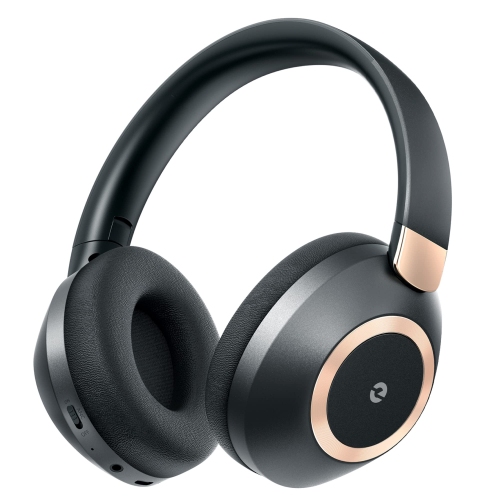

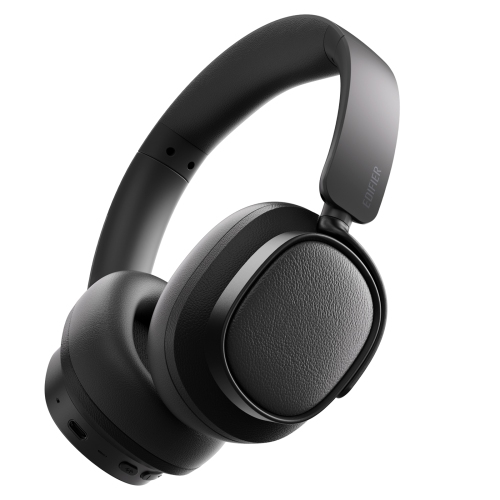
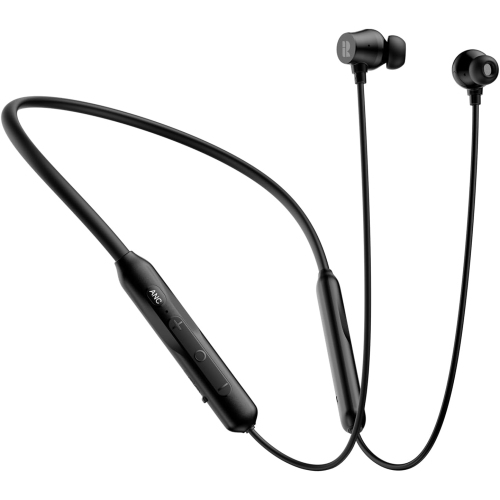







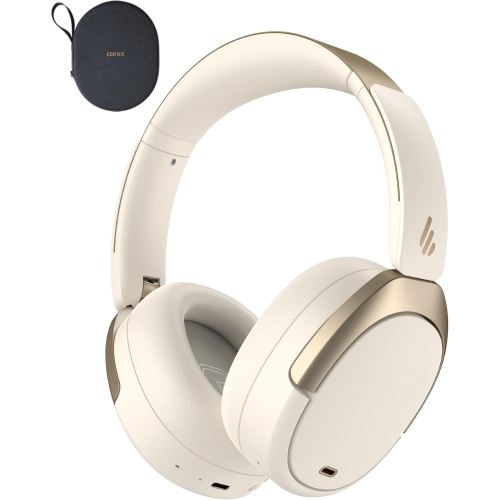


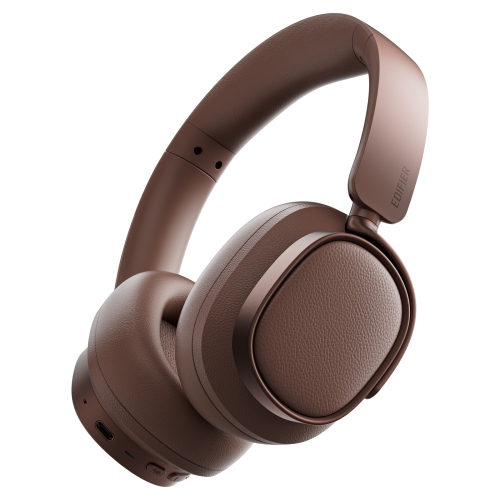


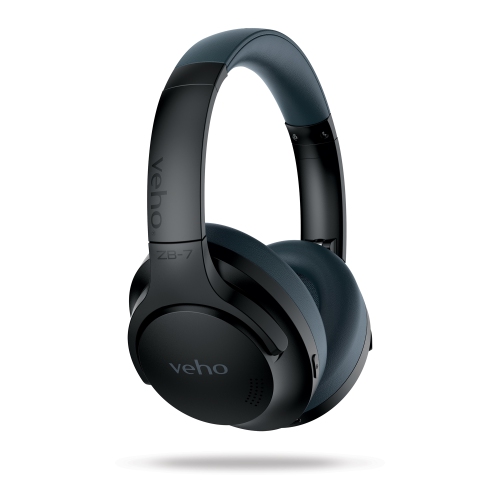
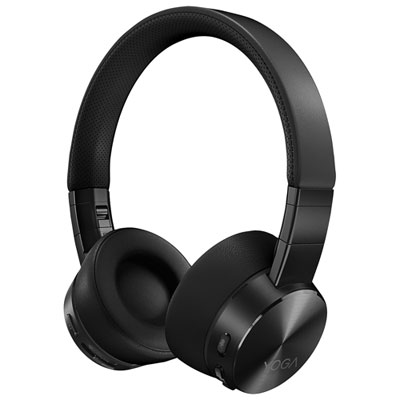

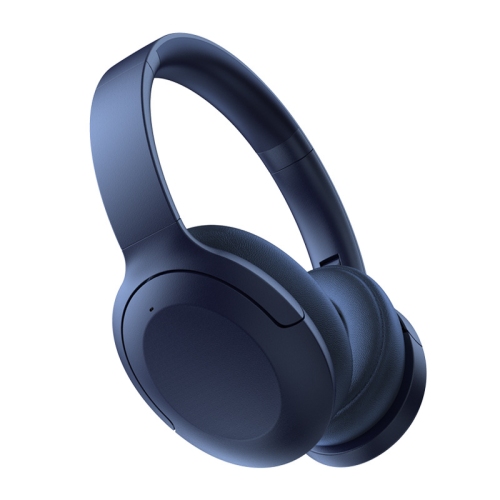
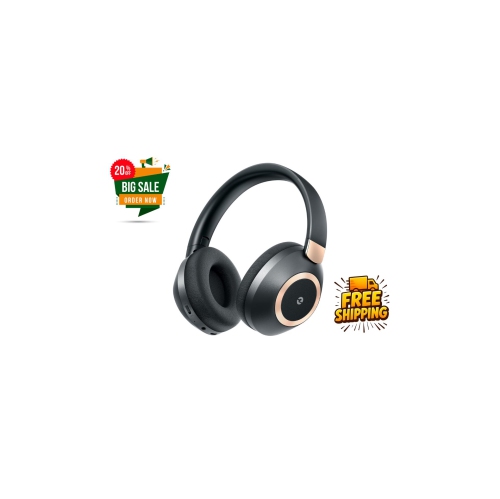

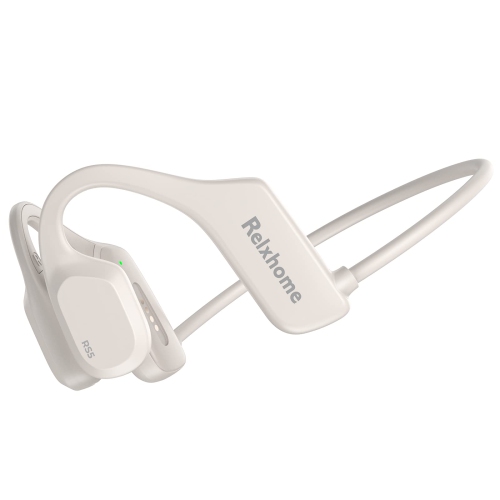


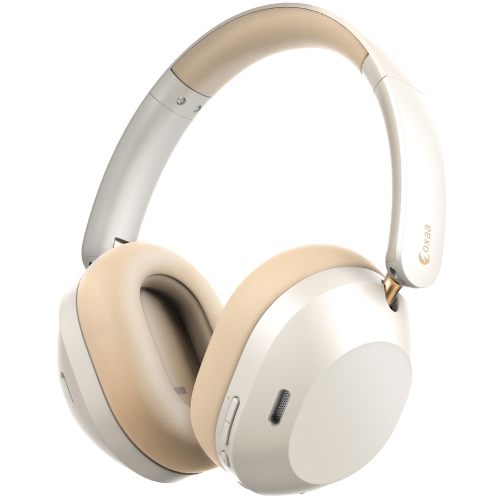
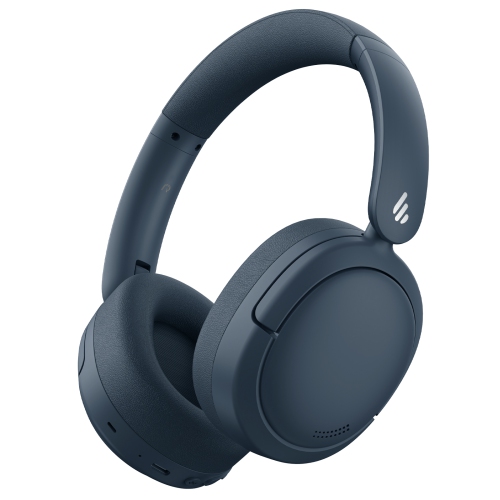

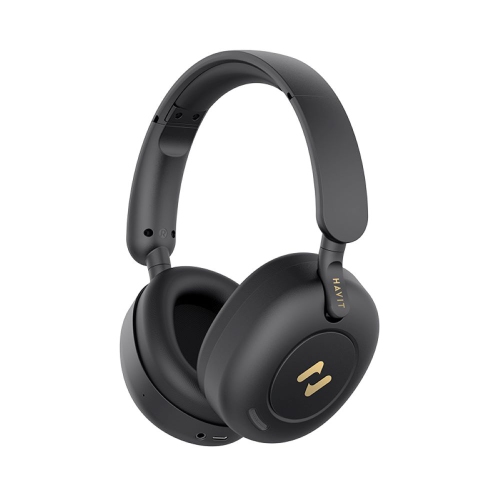

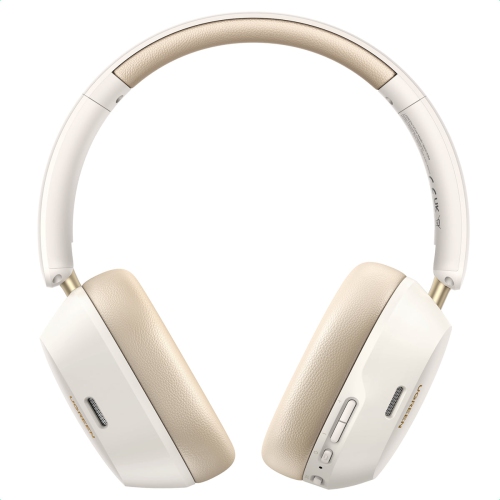
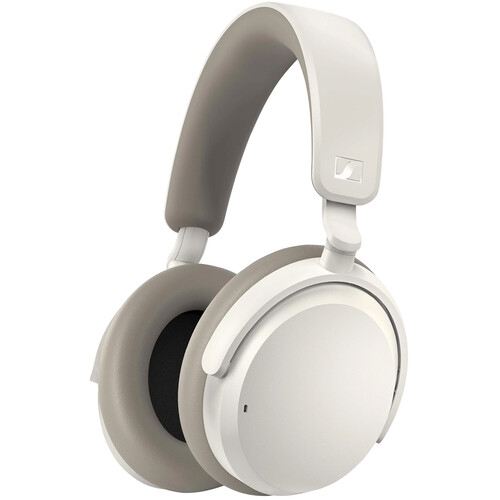


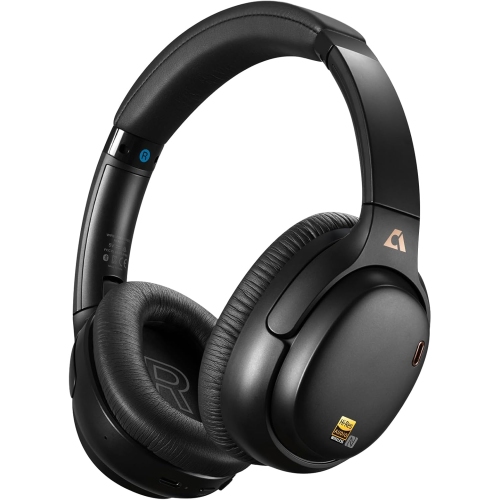
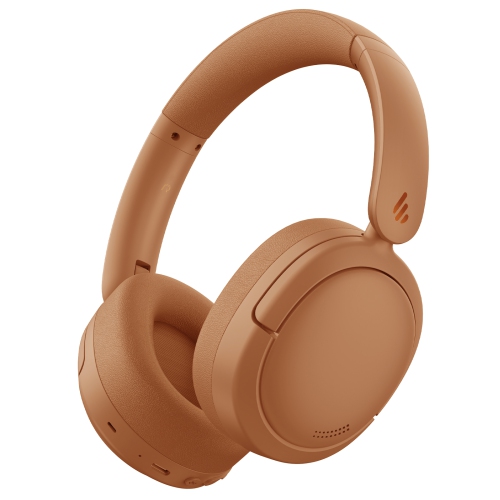
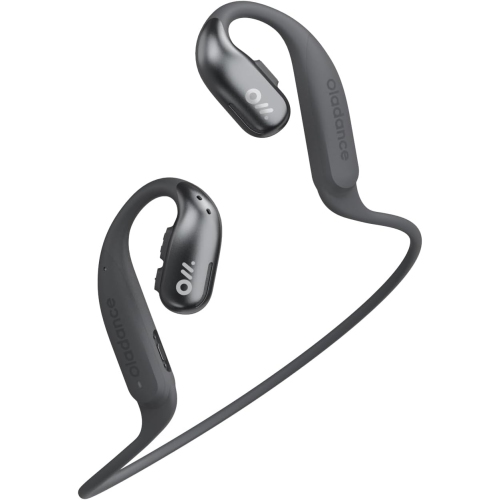


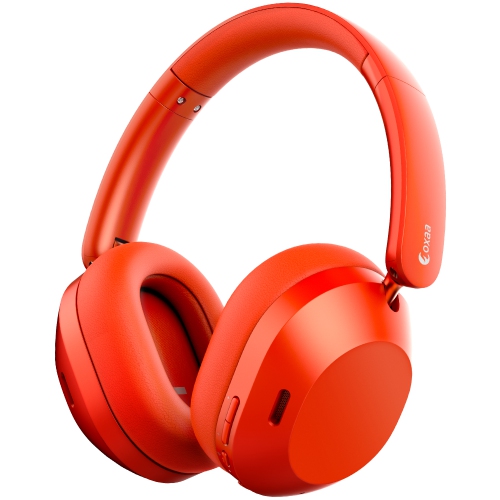
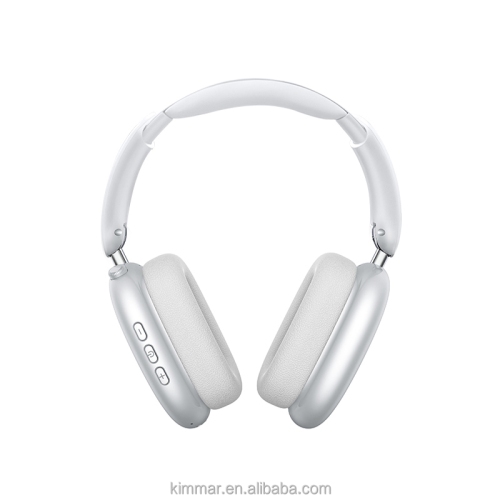
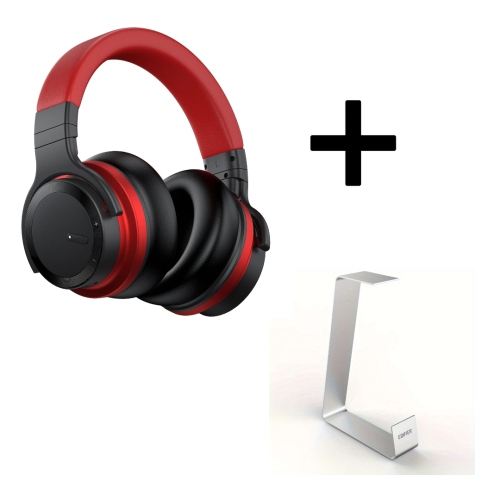

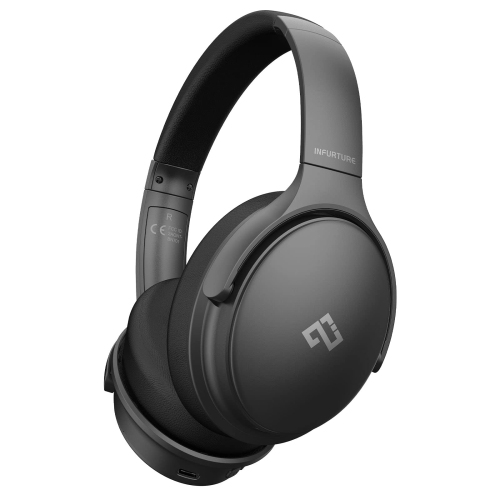
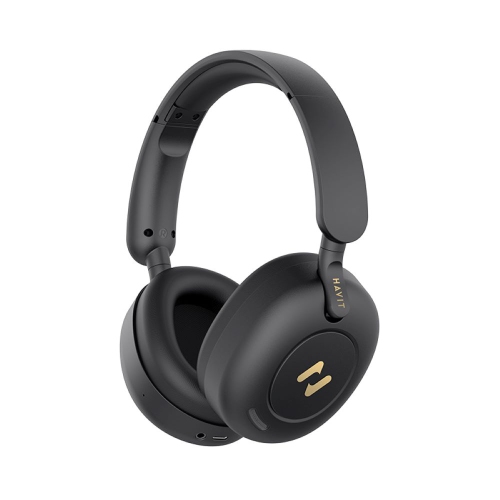
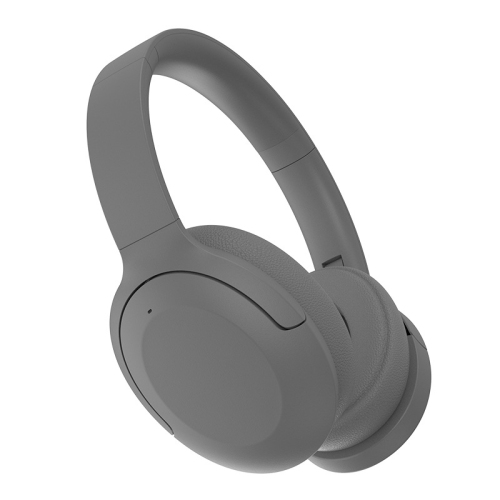
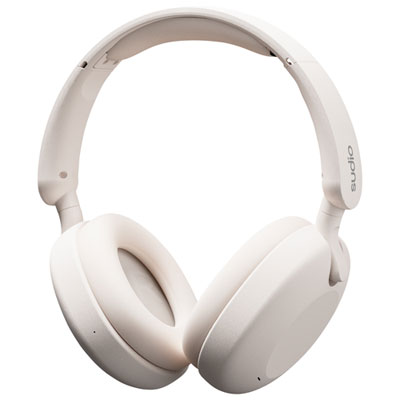


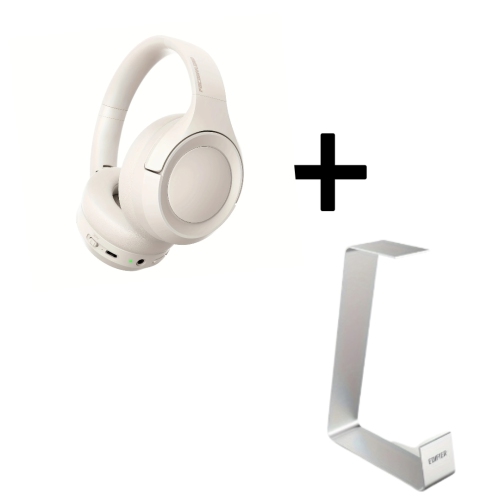
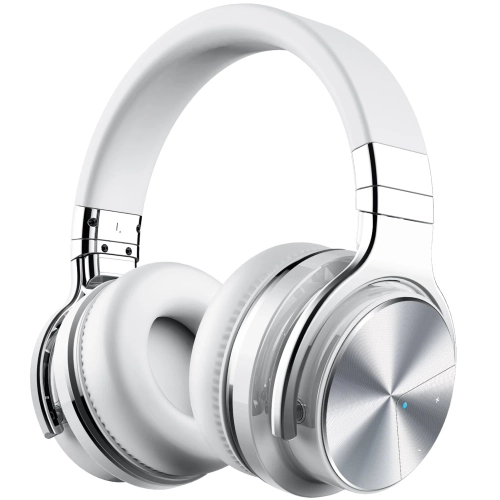

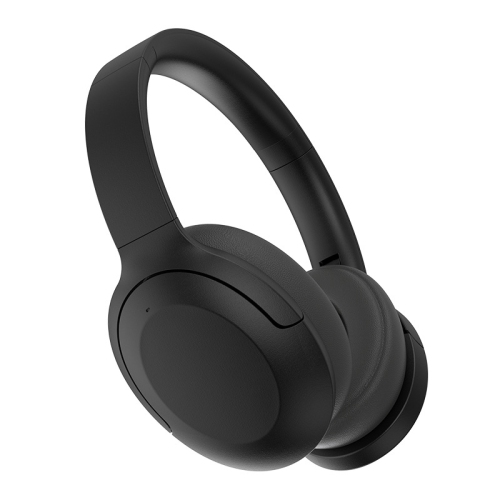


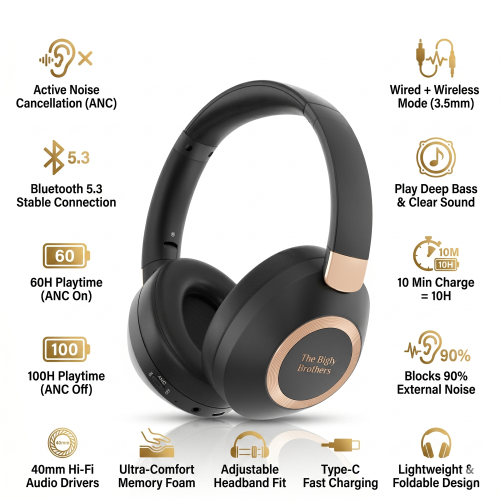


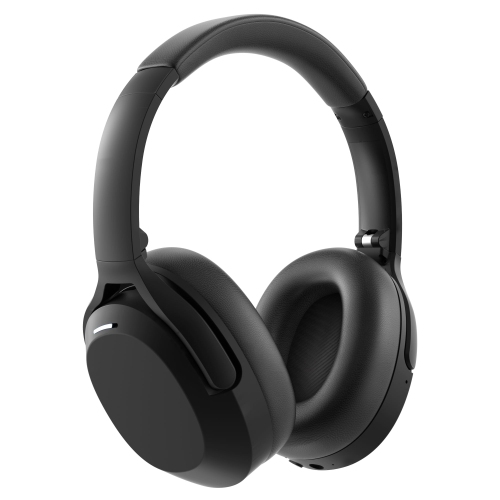


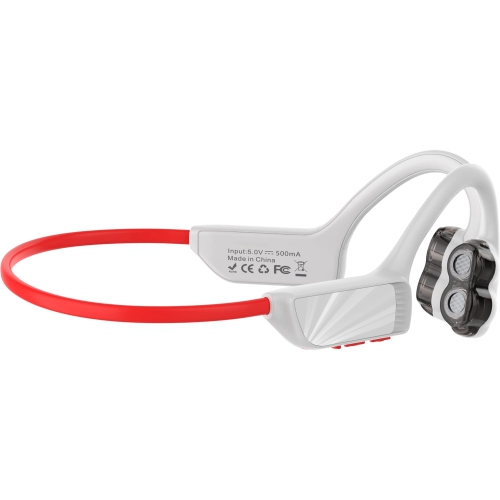
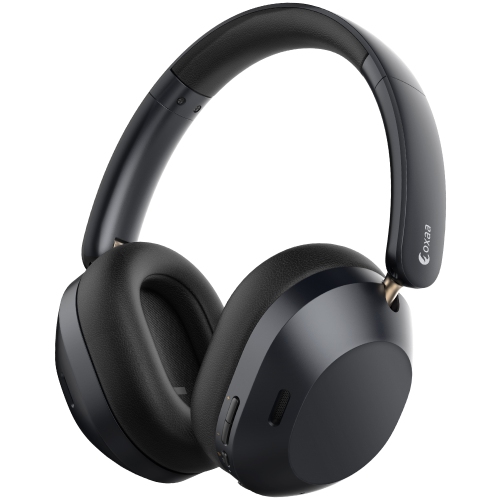

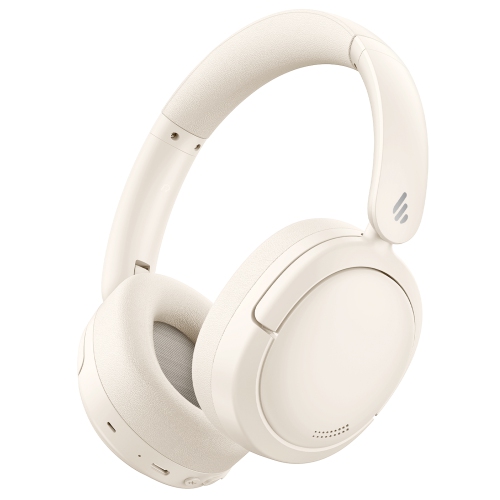
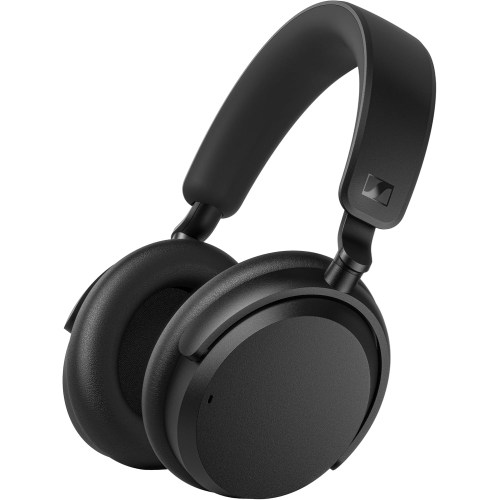

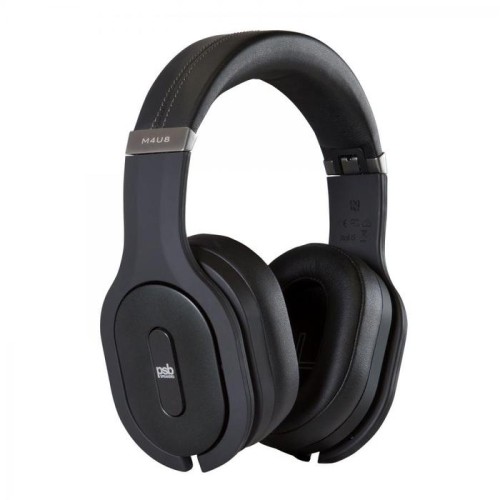


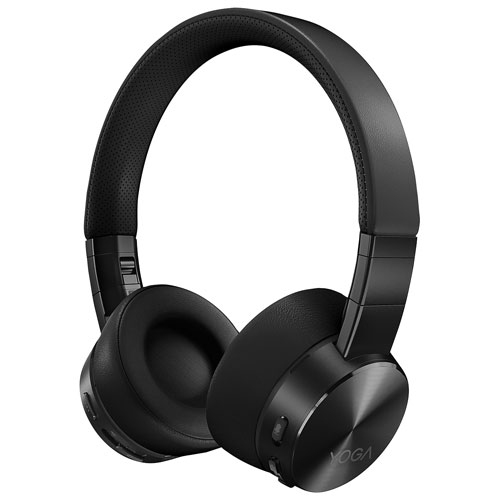
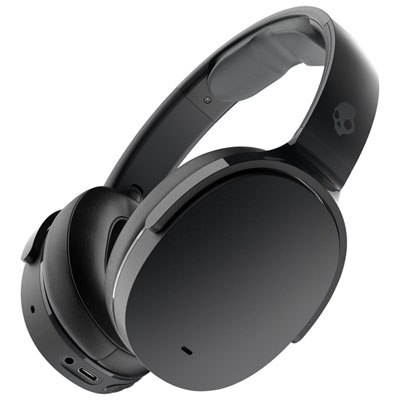
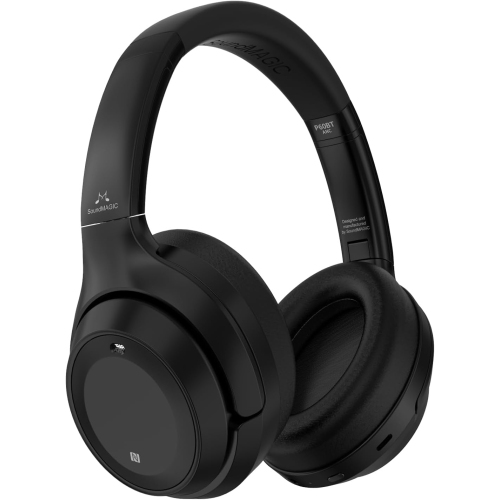


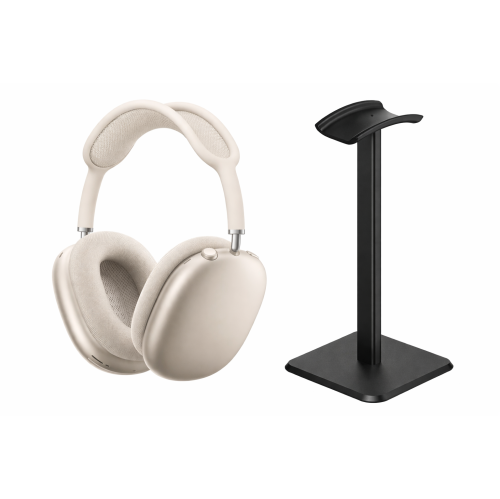

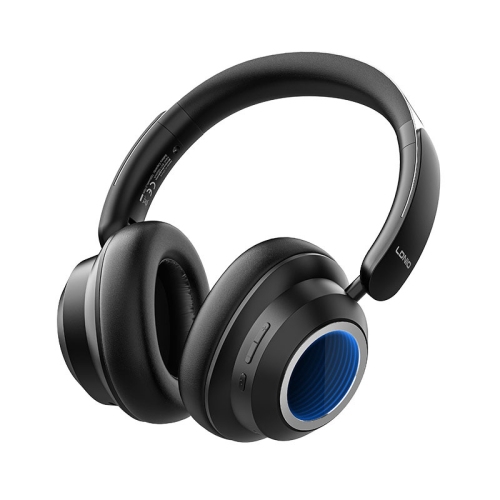


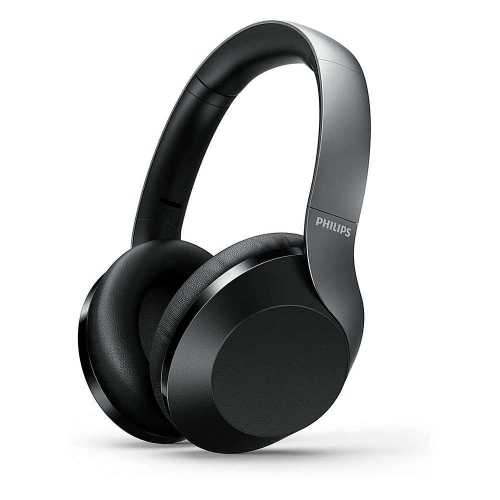


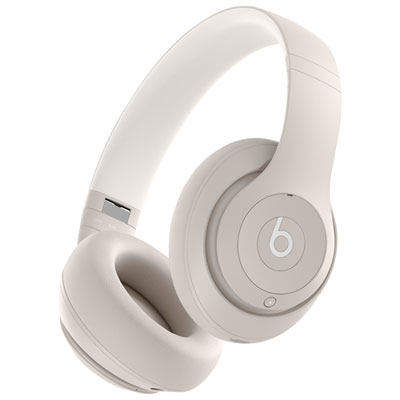


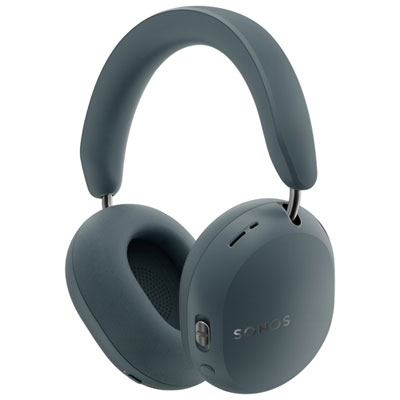

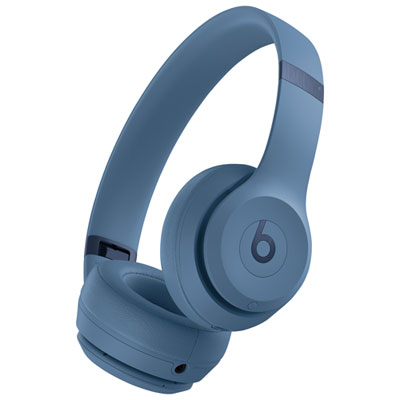
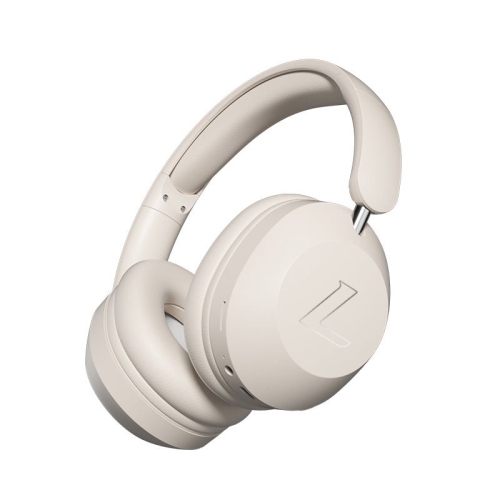

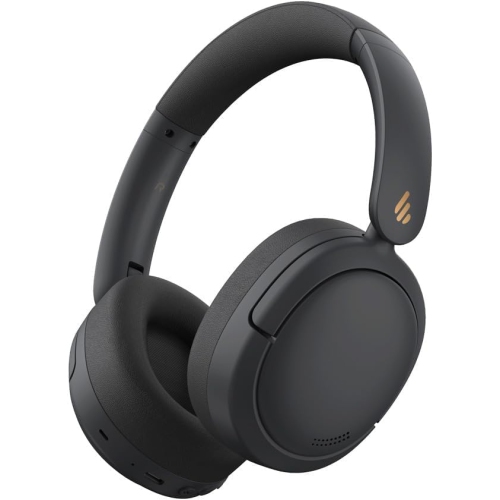


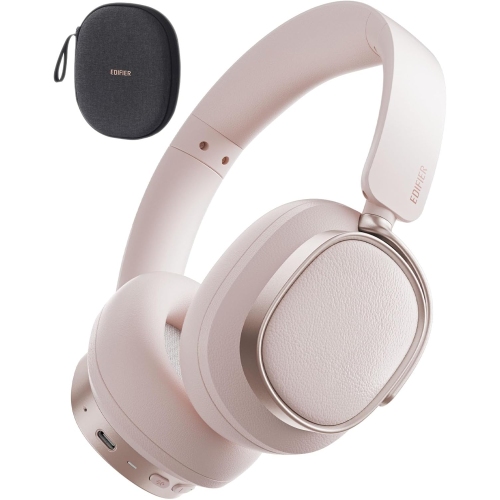





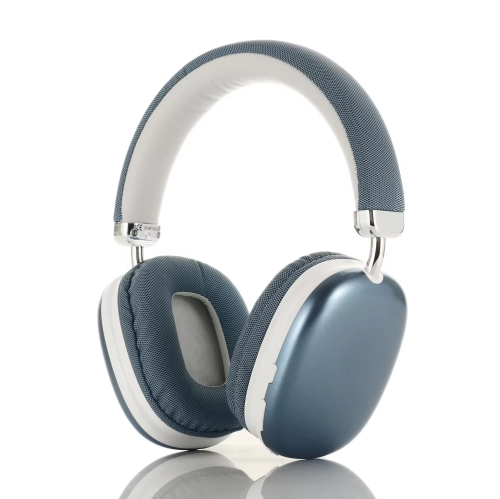
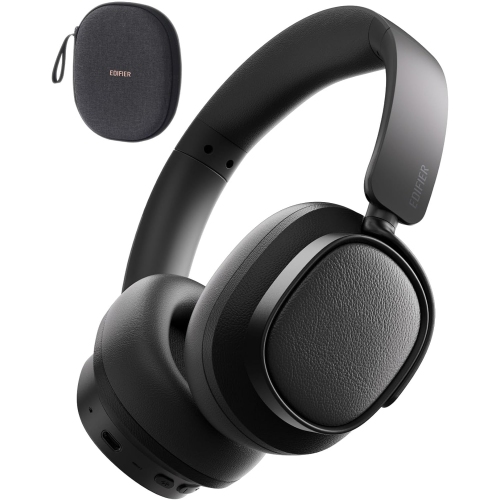


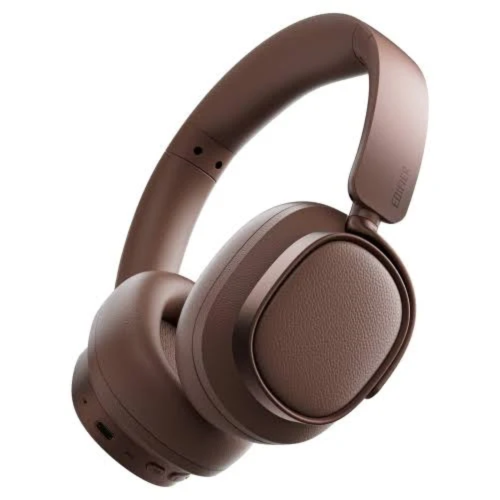
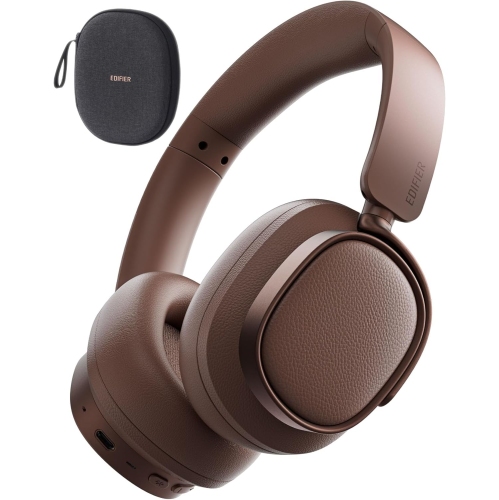







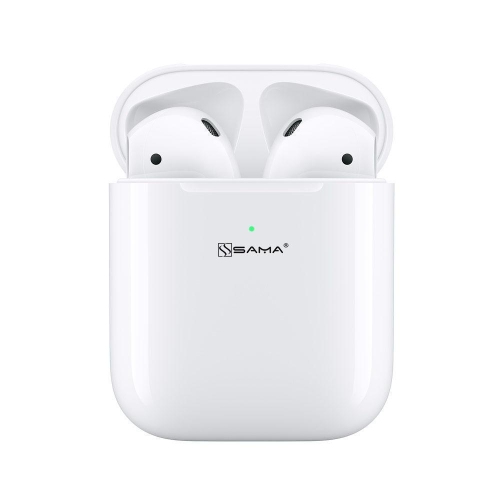


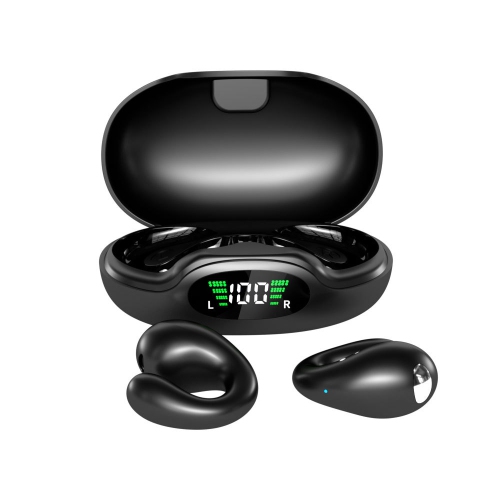
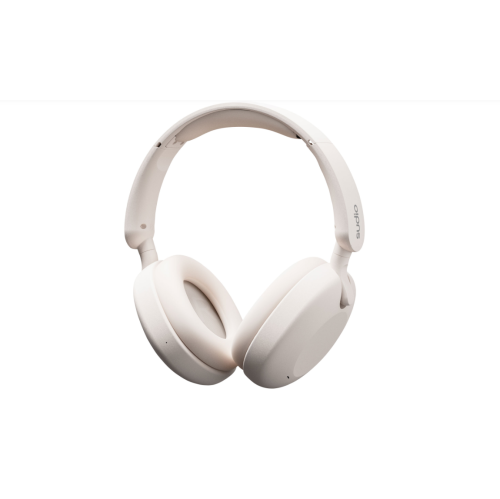
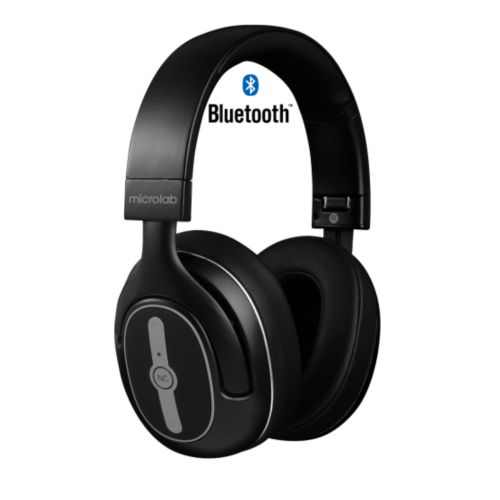






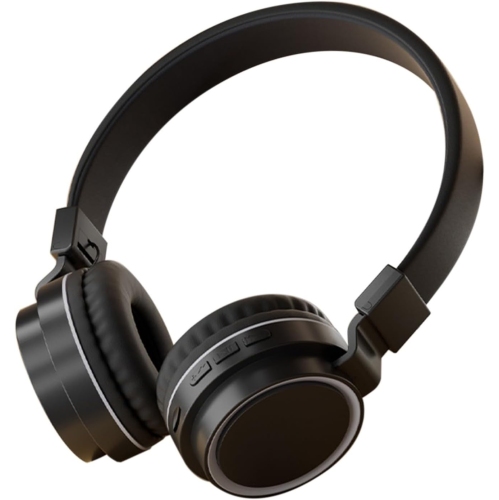

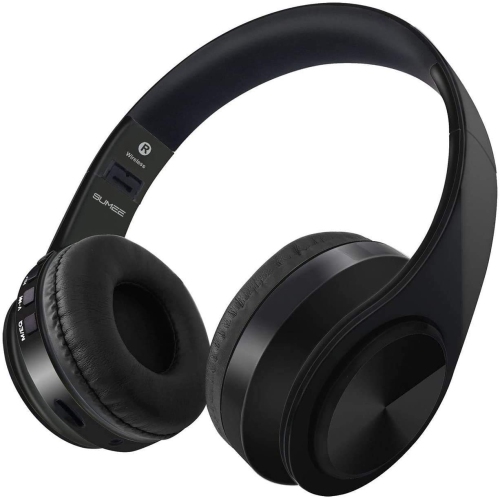


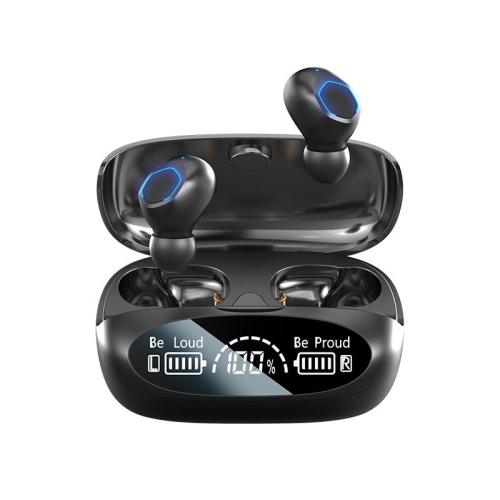
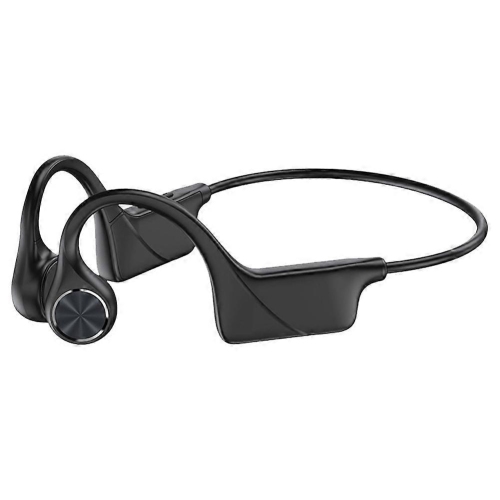
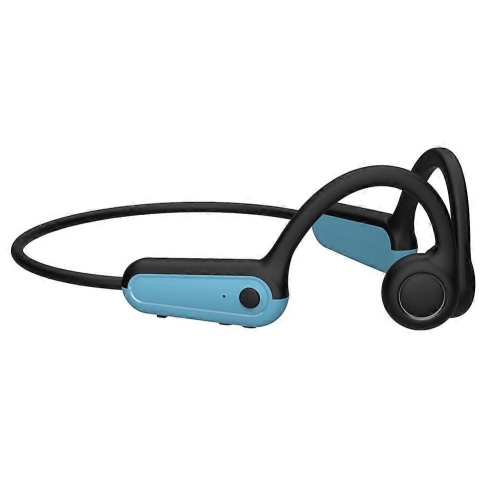


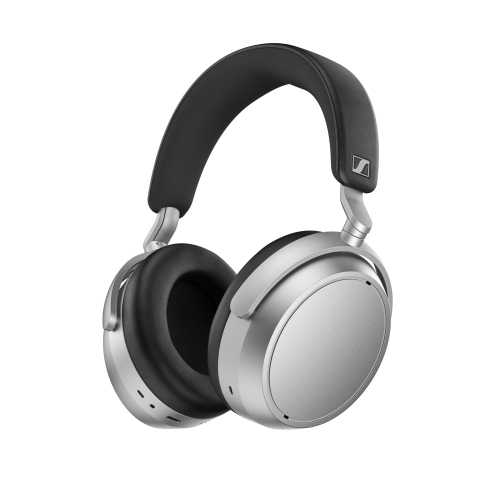
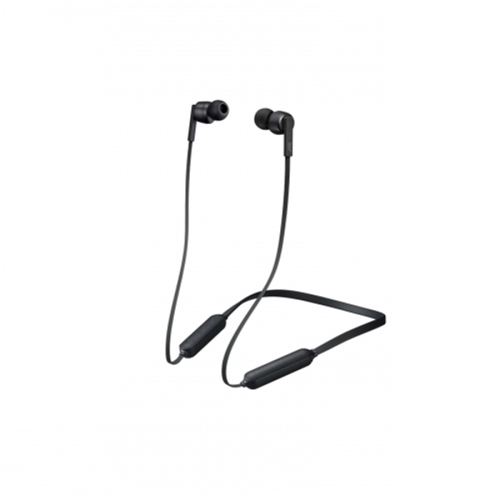
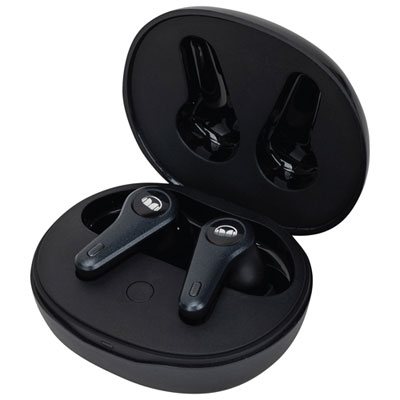

Comfortable listening starts with a fit that stays put
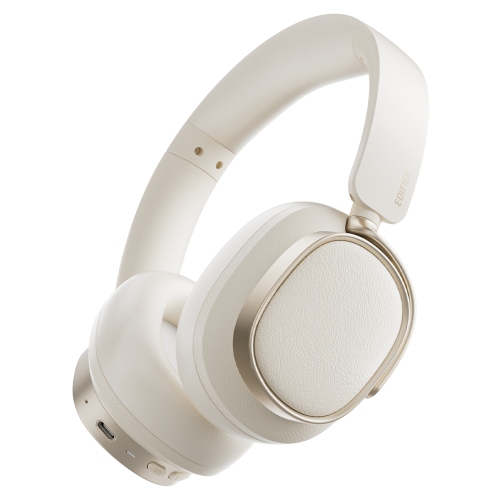
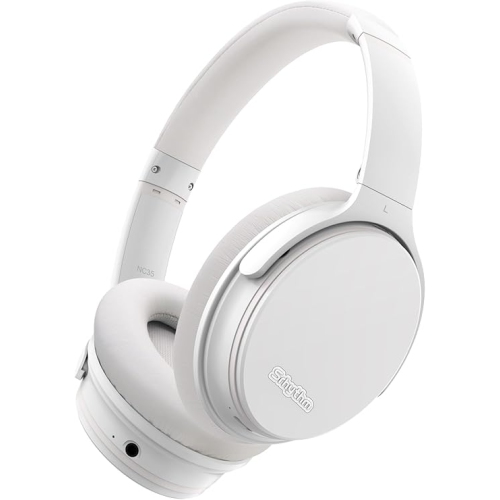
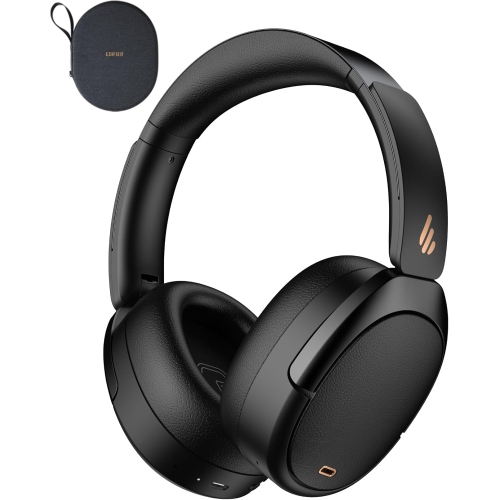
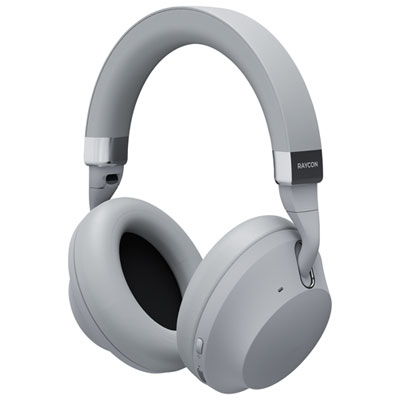
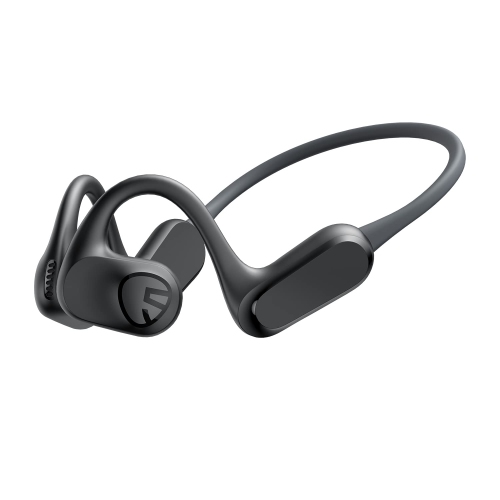
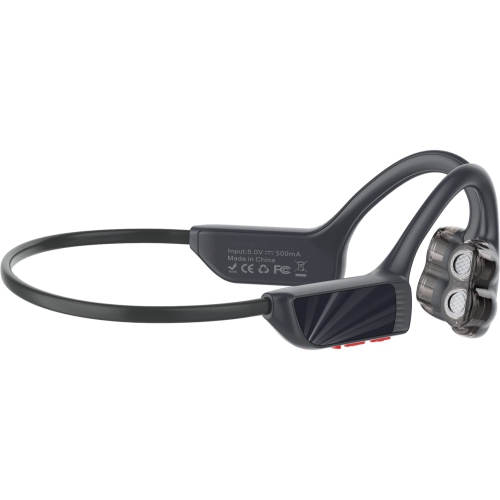
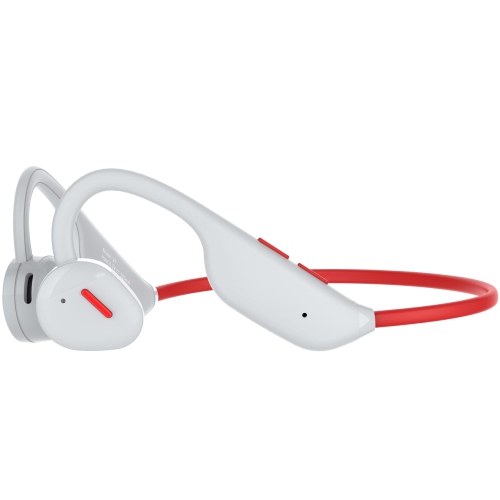
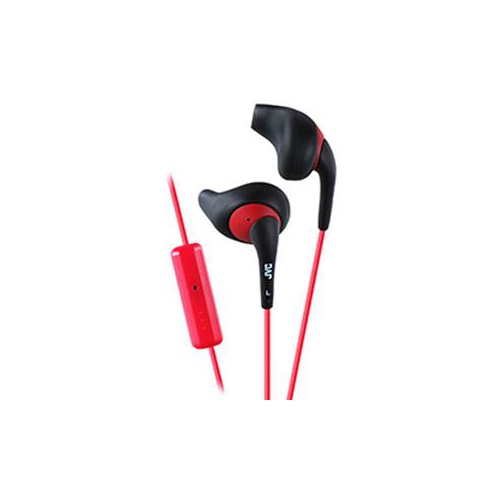
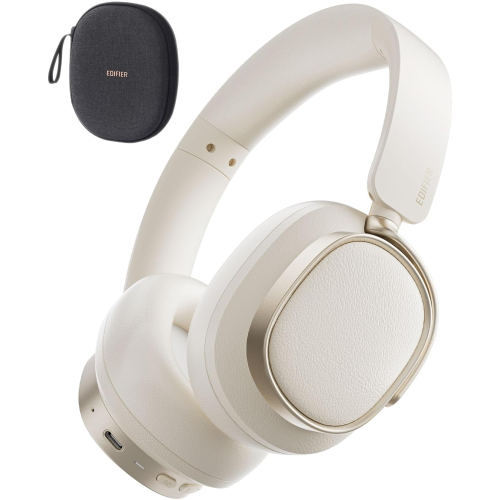
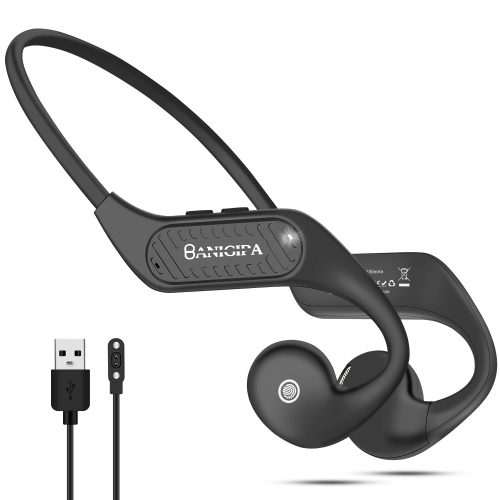
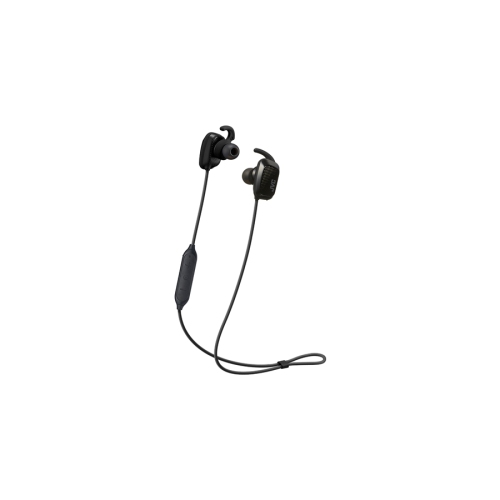
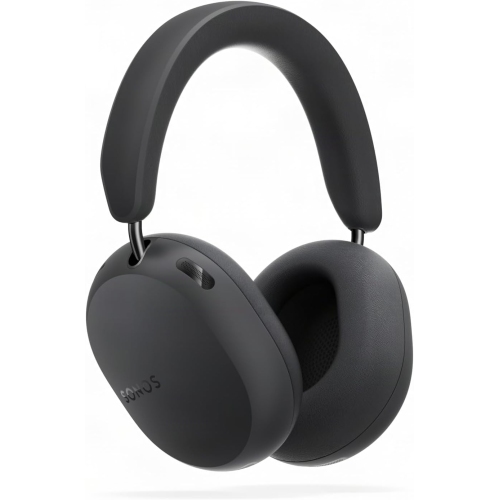
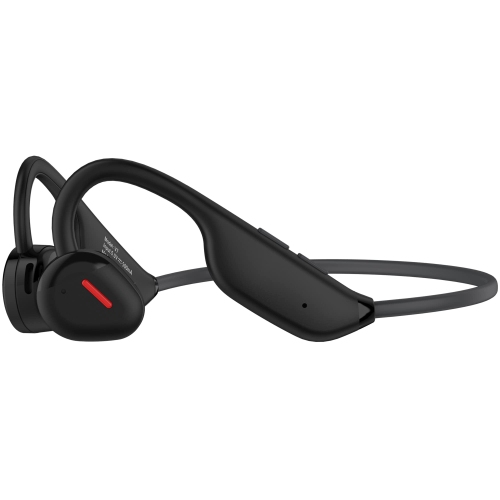
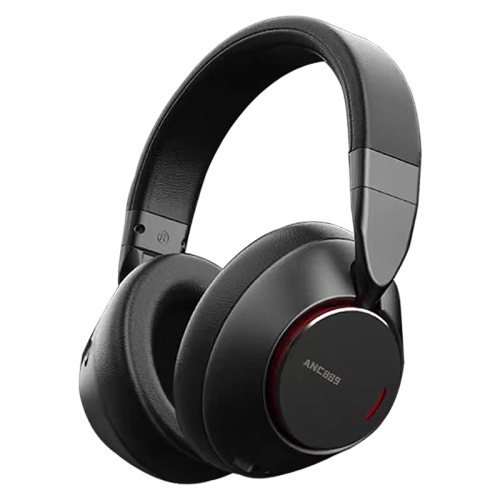
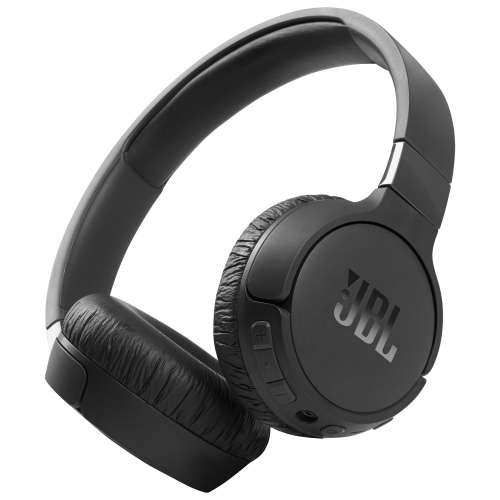
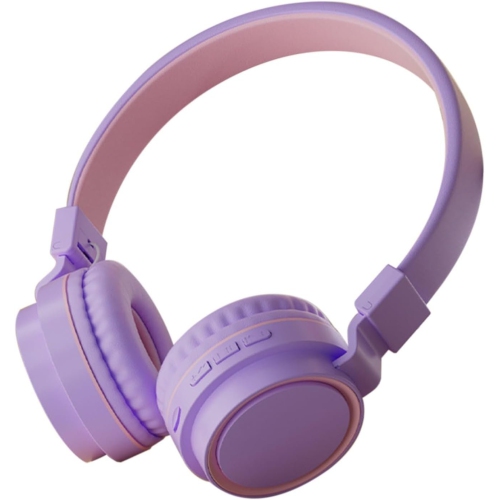
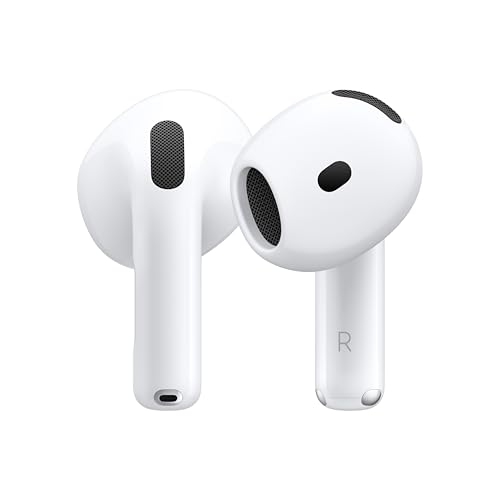
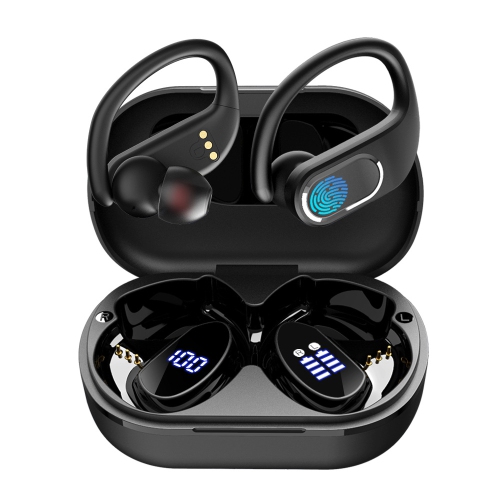
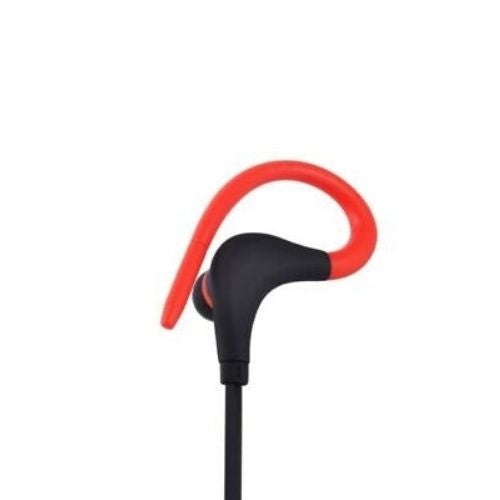
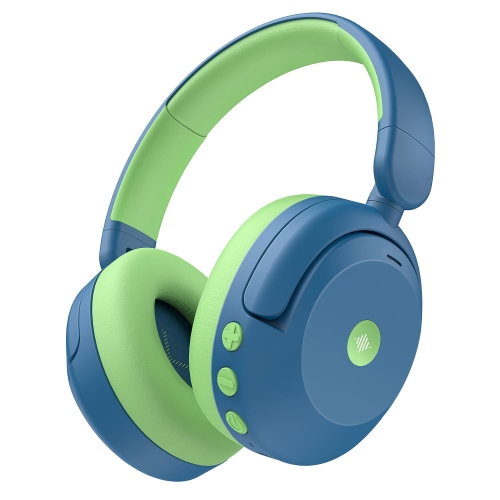
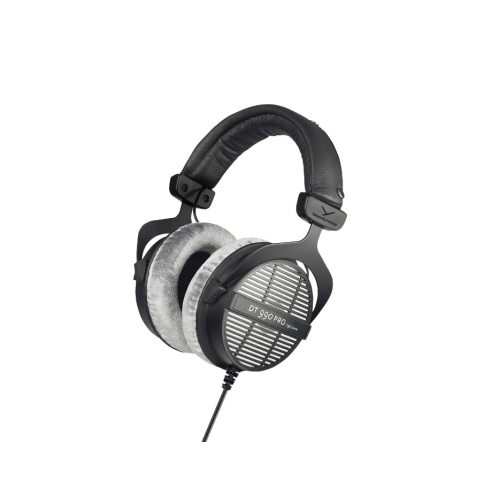
Active headphones are designed for listening during exercise and everyday movement, with an emphasis on a secure fit, comfortable materials, and features suited to an active routine. This category includes sports earbuds, over-ear headphones, and open-ear designs for activities such as running, strength training, walking, and stationary cycling. The most useful features depend on how the headphones will be worn: a runner may value a lightweight fit that stays steady through repeated footfalls, while someone lifting weights may prefer accessible controls and ear cups that remain comfortable between sets. In-ear headphones sit inside the ear canal, often using soft silicone tips to create a seal. Different tip sizes help accommodate differences between ears, and a snug fit can improve both stability and bass response without requiring excessive volume. Foam tips, where compatible, offer another fit option, although their care and replacement requirements can differ from silicone. Ear hooks and stabilizing wings provide additional support during movements such as lunges or a quick change of direction. Open-ear headphones leave the ear canal unobstructed; depending on the design, they deliver sound through small speakers positioned near the ears or through bone conduction. They can make surrounding sounds easier to hear than sealed headphones, but they do not guarantee awareness or safety, particularly at higher listening levels. Over-ear styles surround the ears with padded cushions and may appeal to people who prefer not to wear earbuds. Their larger shape can feel reassuring during lower-impact exercise, although heat buildup and movement during floor exercises are worth considering. Fit also depends on what else is being worn. Glasses, headbands, and helmets can affect how ear hooks, headbands, or ear cups sit. A comfortable design should feel stable without pinching, and the right fit should not need constant adjustment halfway through a workout. Smooth contact surfaces, manageable weight, and enough adjustment range all contribute to headphones that remain comfortable beyond the first few minutes.
Sound and listening features give active headphones different strengths across exercise settings. A steady beat can provide a useful rhythm for repetitive movement, while clear vocals make spoken coaching, podcasts, and audiobooks easier to follow. Bass-heavy tuning can add impact to music, but a balanced sound may be more comfortable for longer listening sessions or mixed playlists. Where supported, equalizer settings allow listeners to adjust the balance rather than relying on a single sound profile. Active noise cancellation reduces certain external sounds, particularly steady background noise, and can make an indoor workout feel less distracting. It is a listening feature rather than a definition of sports suitability: headphones with noise cancellation are not necessarily designed to handle sweat or stay secure during exercise. Transparency or ambient listening modes use microphones to bring outside sound into sealed headphones, which can be helpful for a brief conversation or hearing an announcement. These modes still require attention to the surroundings and are not a substitute for safe listening habits. Open-ear designs offer a different approach by keeping the ears physically uncovered, with a trade-off in how much bass and detail remain audible in noisy places. Controls also matter when a phone is tucked into a pocket or gym bag. Physical buttons can provide a distinct press for pausing a track or changing volume, while touch controls offer a smooth surface but may respond differently to damp fingers or accidental contact. Microphone performance is relevant for anyone taking calls between activities, though voice clarity varies with background noise and microphone placement. Wireless connectivity reduces cable movement during exercise, and support for switching between compatible devices can simplify the transition from a workout to a call. Battery specifications deserve context: playback time can change with volume, noise cancellation, calls, and other enabled features. For true wireless earbuds, the listening time from one charge is separate from the additional power stored in the charging case. Quick charging, where supported, can help with short sessions, but the stated charging conditions still apply.
Durability is especially important for headphones that spend time against skin, in a workout bag, and beside frequently used exercise gear. Sweat resistance and water resistance are not interchangeable with full waterproofing. An ingress protection rating describes tested resistance to particular exposures, and the manufacturer's stated limits determine whether a design is suitable for splashes, sweat, or other contact with moisture. A rating on the earbuds does not necessarily apply to their charging case, and headphones intended for general exercise should not be assumed suitable for swimming. Materials influence daily upkeep as well as comfort. Silicone ear tips are often removable for cleaning according to the care instructions, while mesh openings, microphone ports, and charging contacts need gentler handling. Padded ear cushions can collect perspiration, so removable or replaceable cushions may be useful for frequent wear when the design supports them. After a workout, wiping away moisture with a soft cloth and allowing the headphones to dry fully before charging helps protect the contact points. A closed case or tightly packed bag is not the best place for damp headphones to dry. Cleaning products, direct heat, and immersion can damage materials or internal components unless the manufacturer specifically permits them. Storage matters, too: a protective case keeps loose keys and other hard objects away from ear tips, headbands, and charging ports. For people who move between exercise, commuting, and longer journeys, some priorities overlap with Travel Headphones, including comfortable padding, portable storage, and enough battery life for extended listening. Active headphones can also make a thoughtful gift for a regular walker, a gym enthusiast, or someone building an exercise routine. Personal fit is an important consideration, making adjustable headbands or multiple included ear-tip sizes particularly useful. The strongest match is not necessarily the design with the most listening modes; it is the one that suits the recipient's activities, feels comfortable in motion, and fits naturally into their everyday care and charging habits.
Top selling and popular products
-
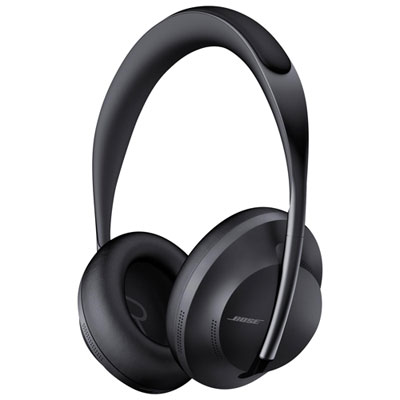 Your price for this item is $479.97
-
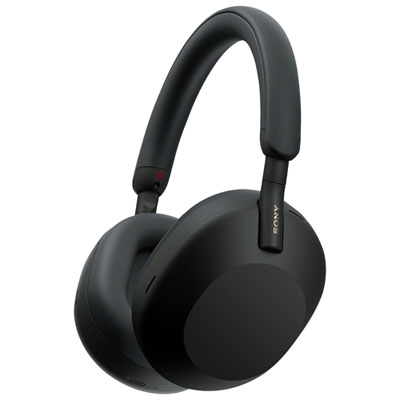 Your price for this item is $499.99
-
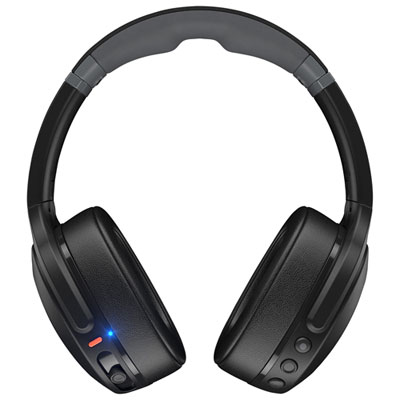 Your price for this item is $199.99
-
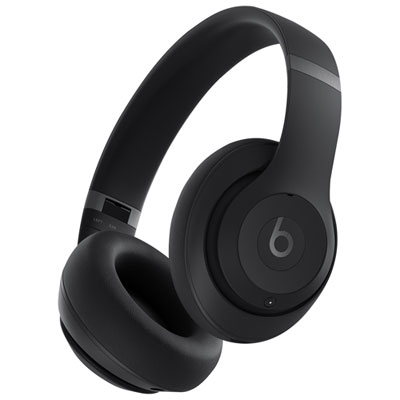 Your price for this item is $399
-
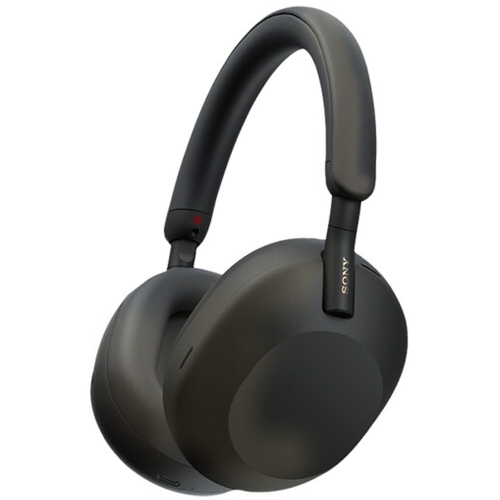 Your price for this item is $438
-
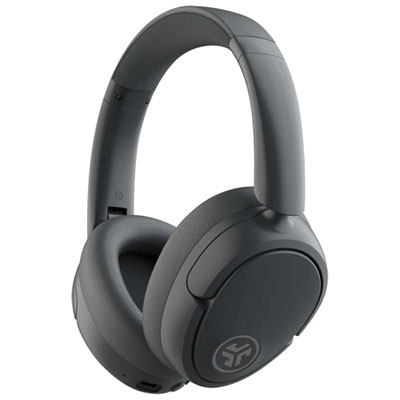 Your price for this item is $119.99
-
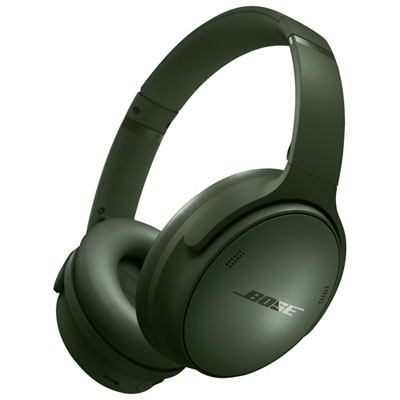 Your price for this item is $479.99
-
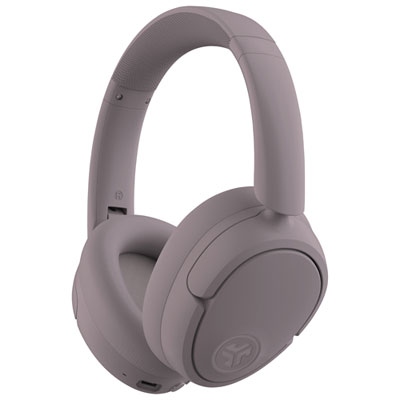 Your price for this item is $119.99
Discover more categories related to Active Headphones
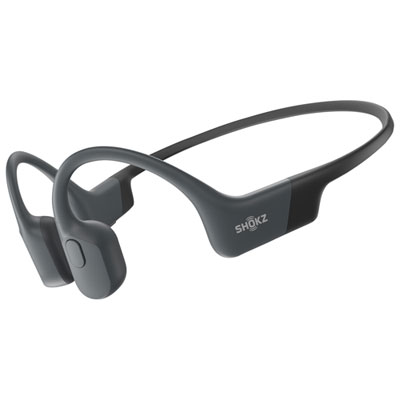
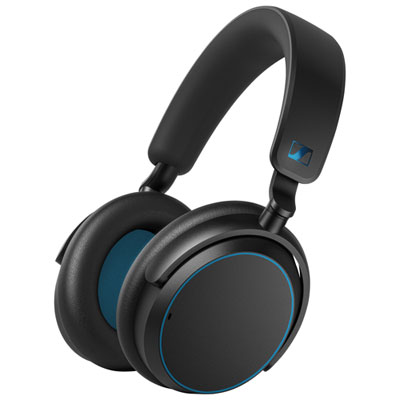
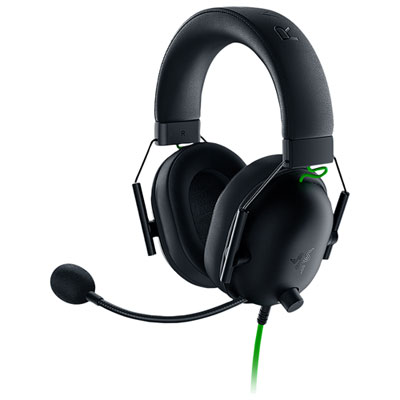
Top Collections:
Pokemon Centers, Best Cameras for Sports Photography, Kindle Devices, Samsung Galaxy Phones, Canon G7X Cameras, Pokémon 30th Celebration Cards, Refurbished Apple Laptops, iPhone 15 Apple, Laptops for Students, Budget Smartphones
Some products may be subject to Environmental Handling Fees
(EHF) depending on your province.
Learn more about EHFs.