Studio Monitor Headphones
With the rise of home recording, there's been a corresponding increase in the number of people who want to hear what they're doing in the studio. If you're one of these people, you'll want a pair of headphones that can do more than just block out noise. You want a pair that will help you hear your recordings as they should be heard: with precision, clarity, and accuracy. Here are some of the best studio monitor headphones available today.
Sort
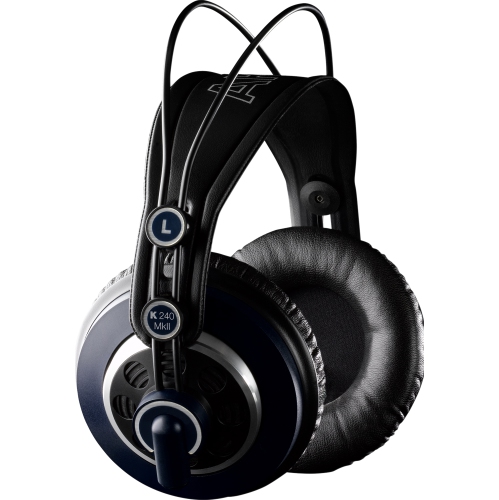

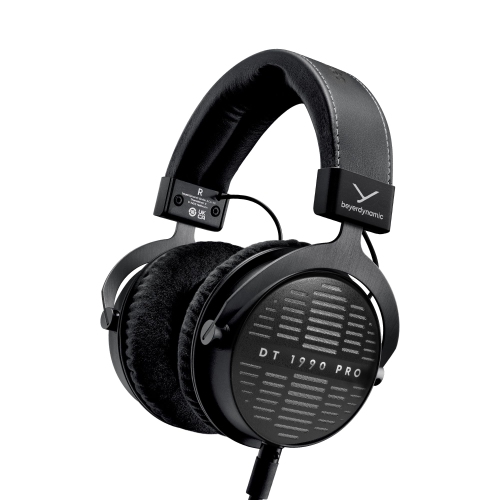
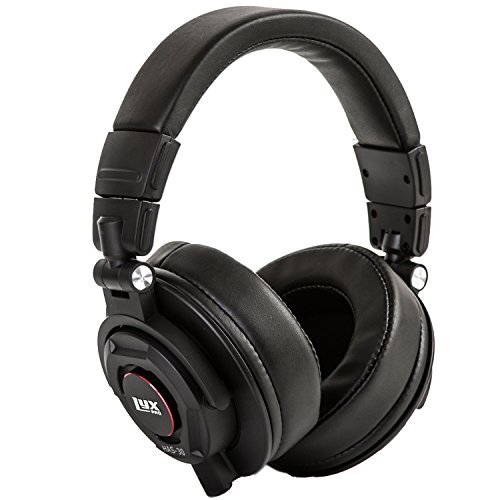
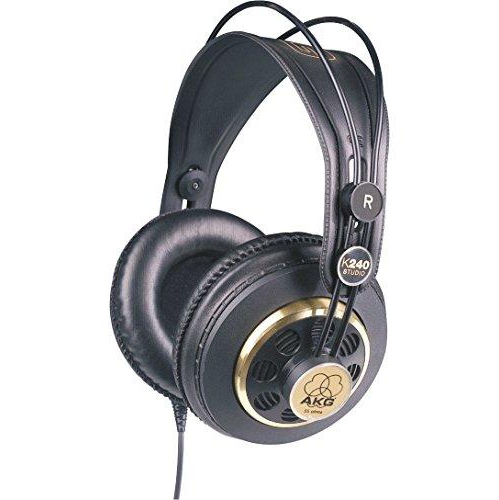
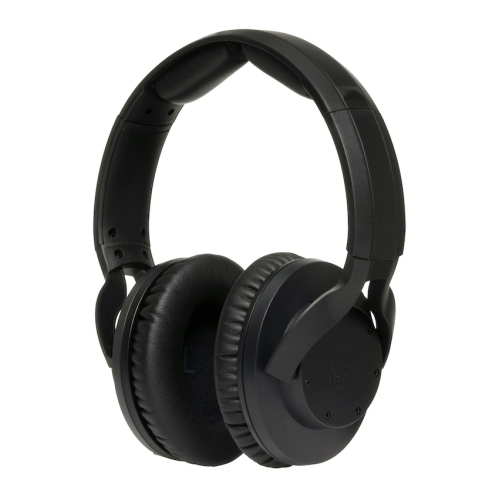
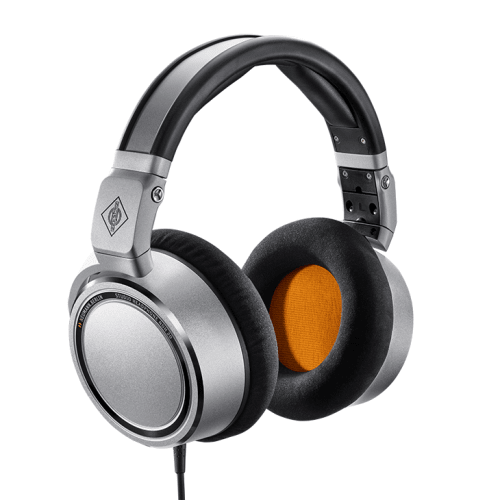
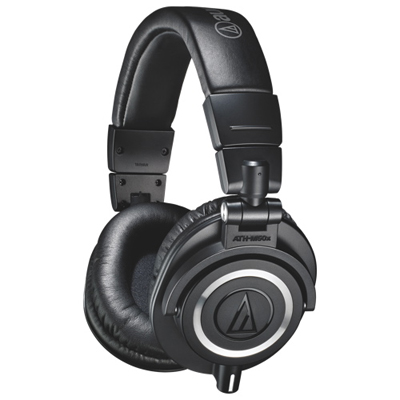

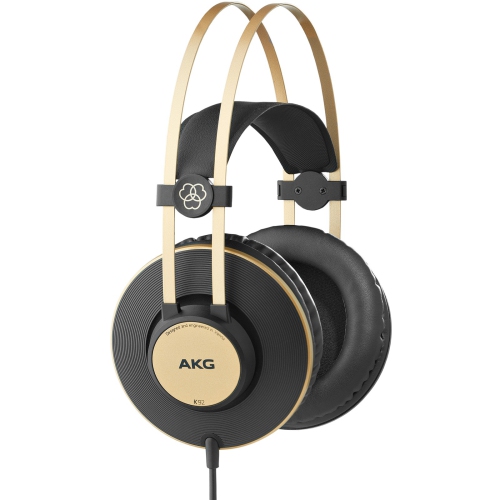
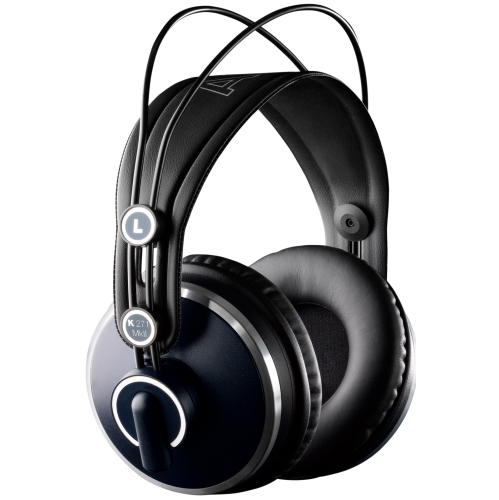
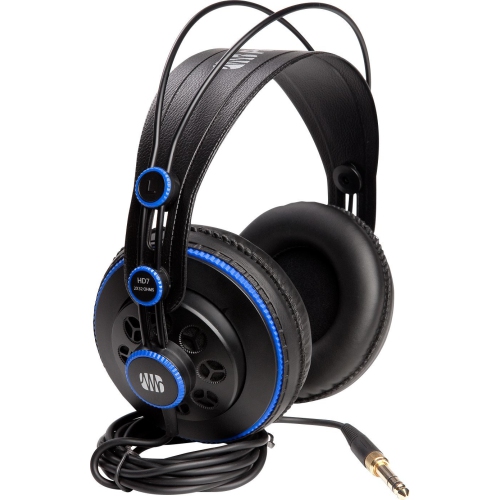
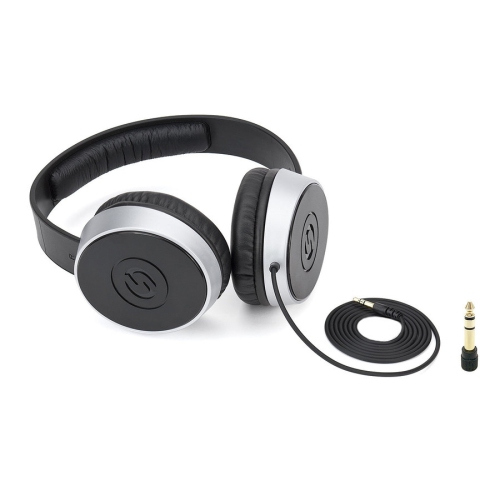
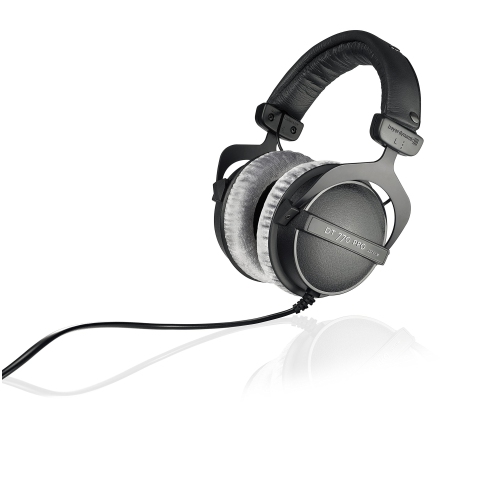
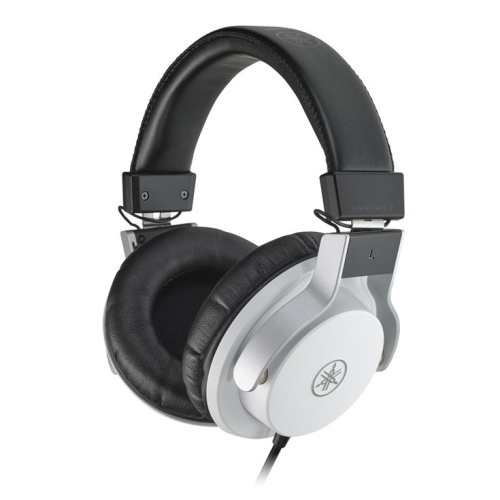

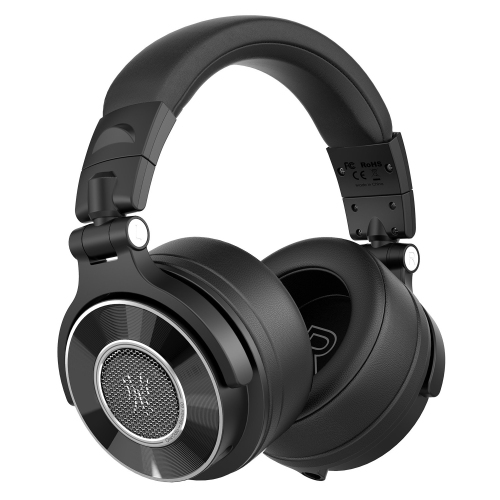

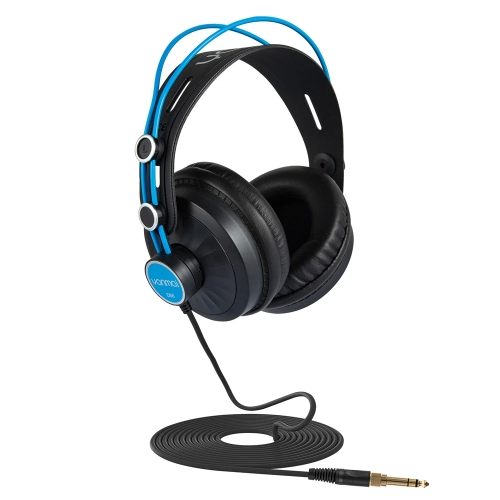
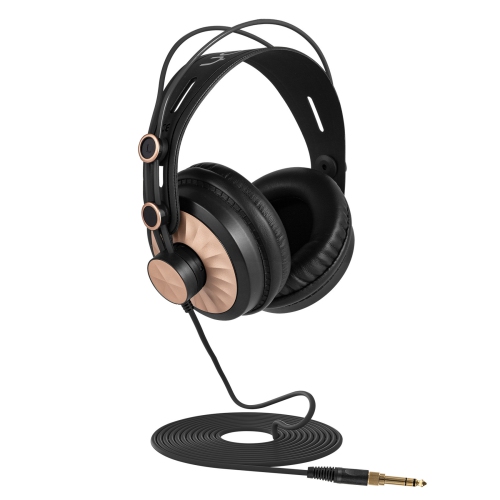
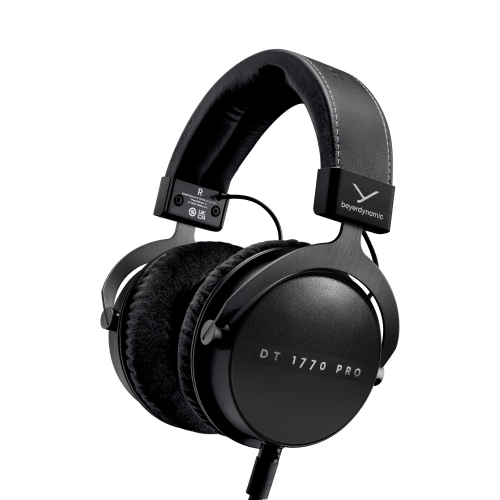
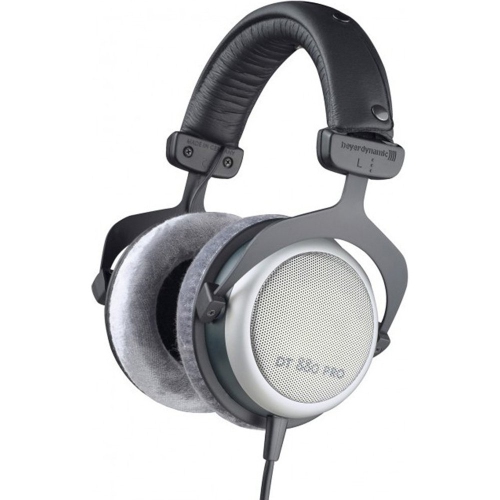
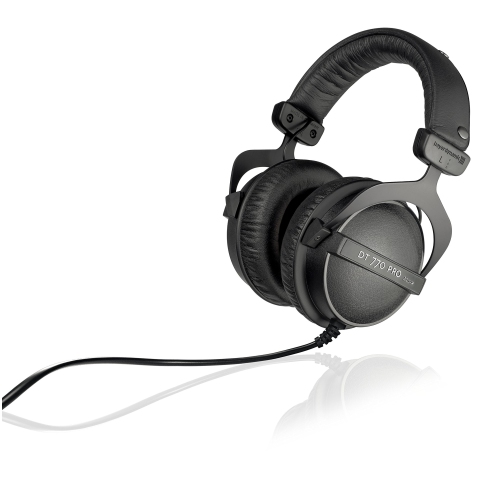
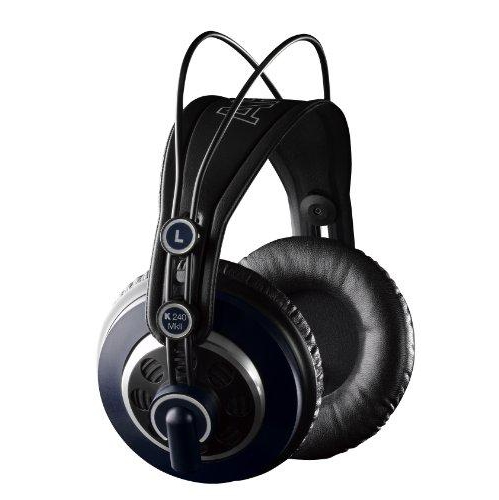
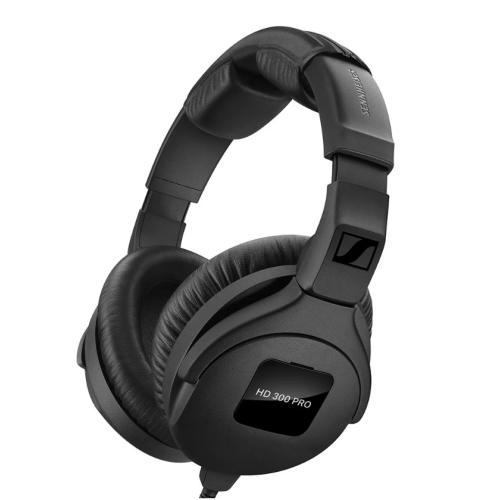
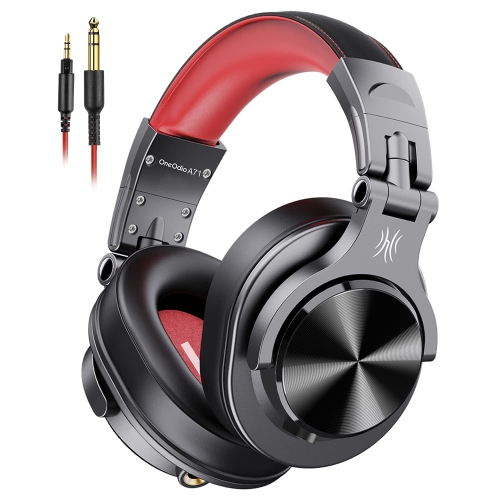
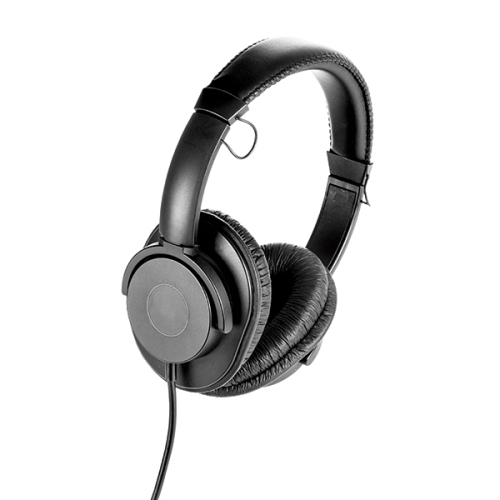
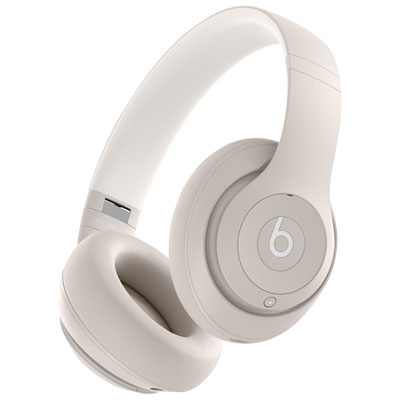
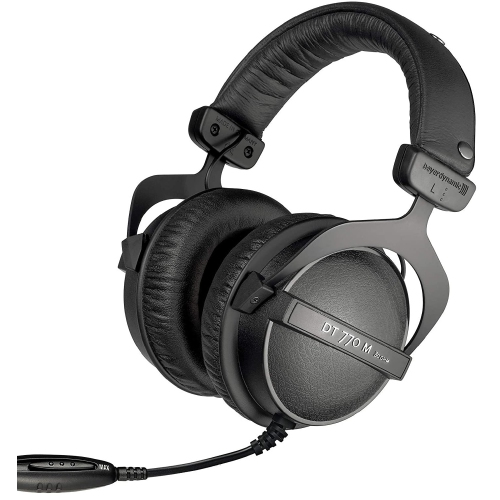
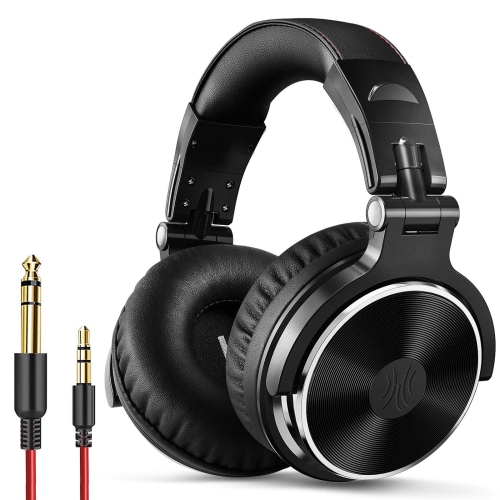
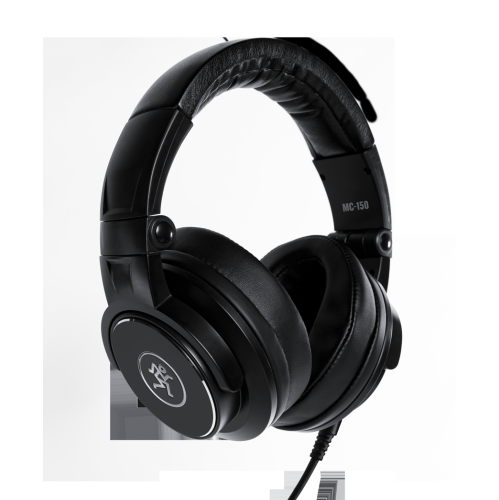
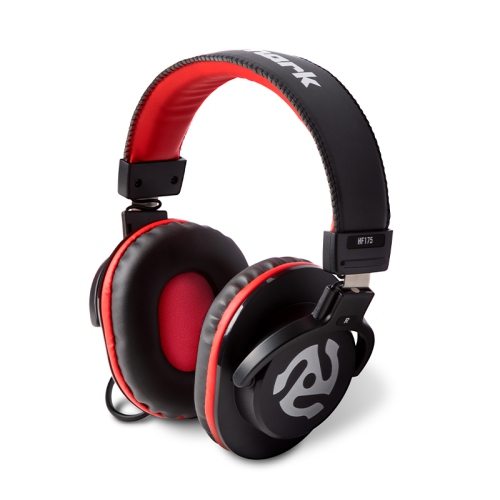
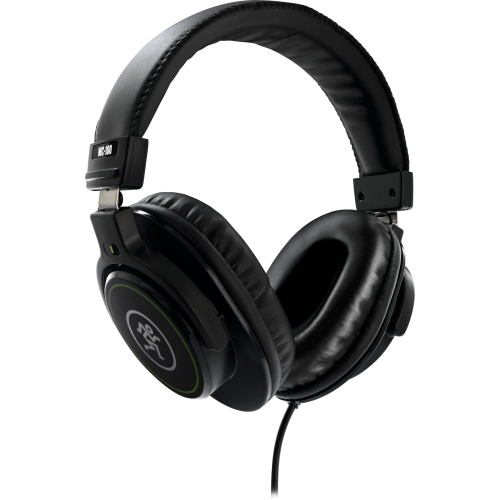
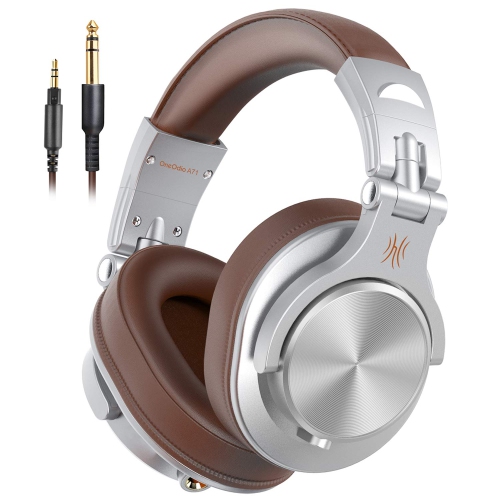
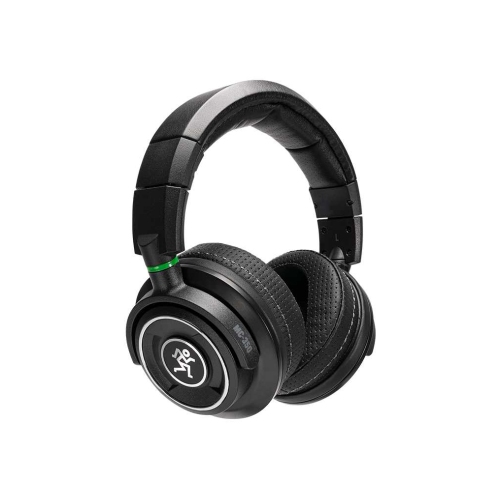
Neutral sound and thoughtful design for focused listening
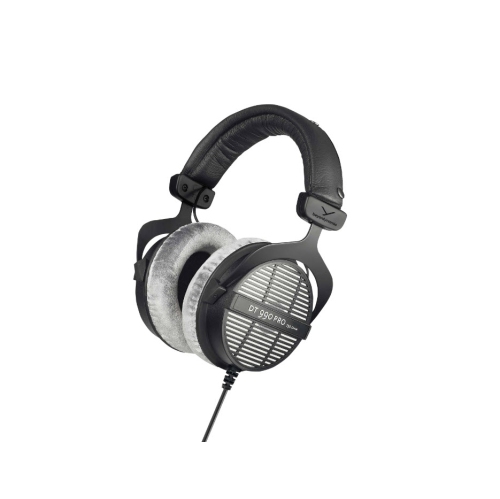
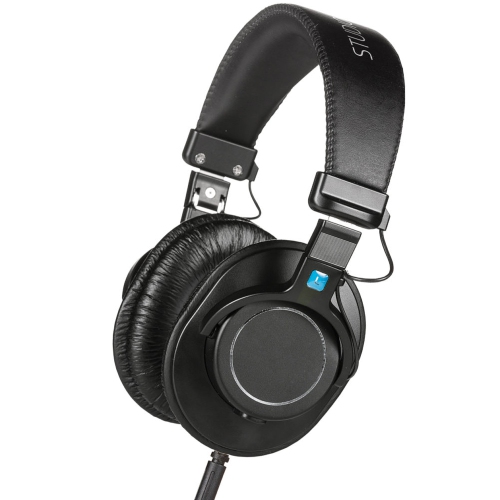
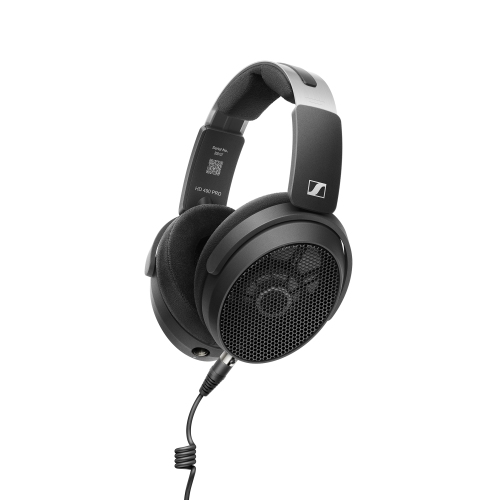
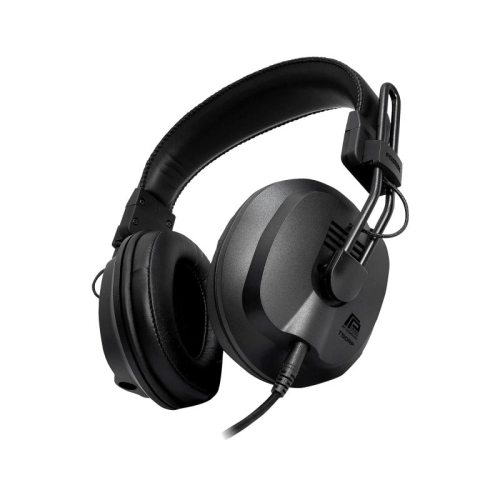
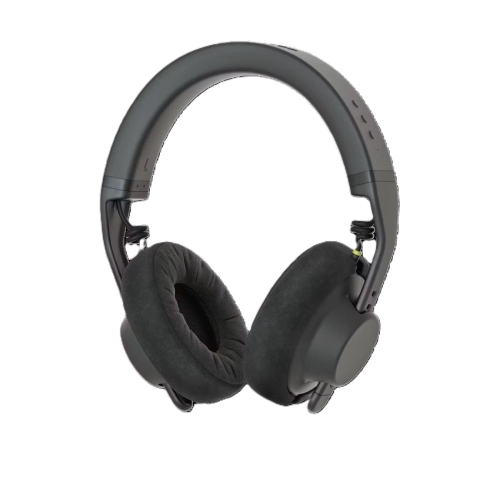
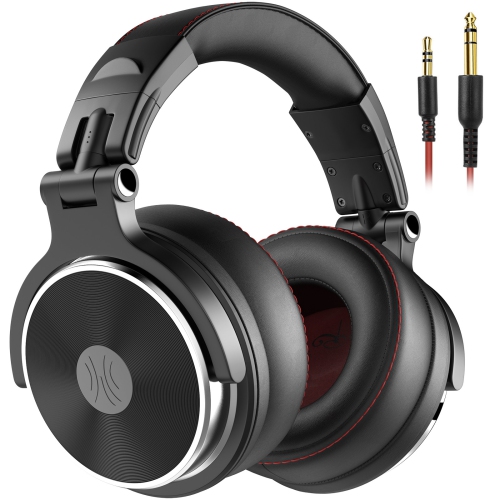
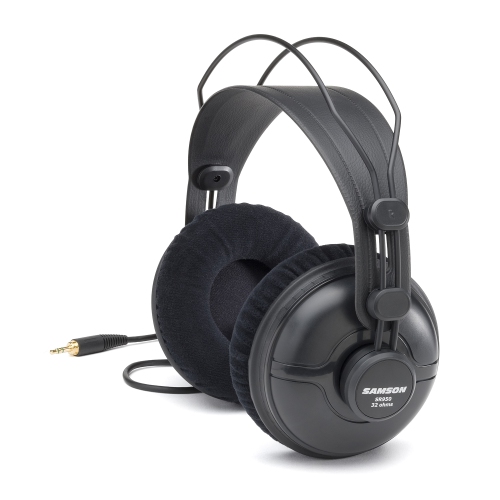
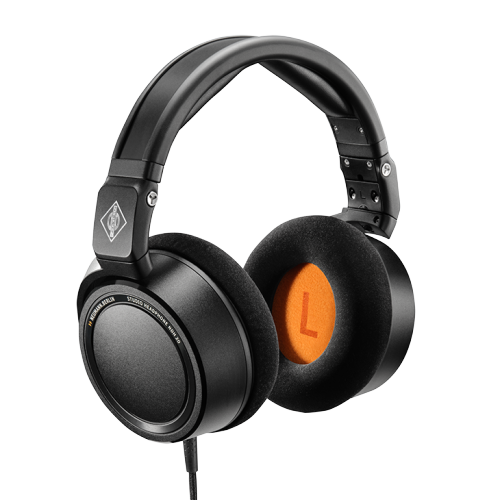
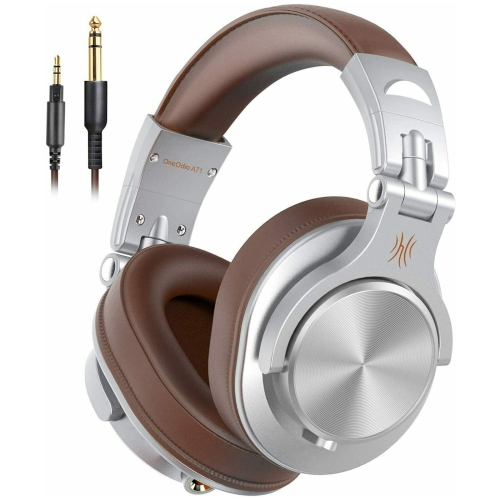
Studio monitor headphones are designed to help you hear recordings with clarity, balance, and precision. Unlike headphones that emphasize bass, treble, or other parts of the frequency range for a more dramatic listening experience, studio monitor headphones aim for a flatter, more neutral presentation. That makes it easier to notice details such as a vocal that sits too far back in the mix, a guitar string that rings longer than expected, or a low-frequency hum hiding beneath an otherwise quiet recording. Musicians, producers, recording engineers, DJs, podcasters, video editors, and music students may all use them as part of a listening setup. They can be especially useful when working at home, where loudspeakers may disturb other people or where the shape of the room affects what you hear. A closed-back design uses sealed earcups to reduce outside noise and limit sound leakage, making it a practical choice for recording vocals, acoustic instruments, voiceovers, and other microphone work. The seal helps performers concentrate on the backing track while reducing the chance that the headphone signal will spill into the microphone. Closed-back studio monitor headphones are also convenient for editing audio in shared spaces, listening during travel, or reviewing a project when the room around you is busy. An open-back design allows air and some sound to pass through the earcups, often creating a more spacious and natural sense of depth. This can be useful for mixing, critical listening, and long sessions where an airy presentation feels more comfortable. Open-back headphones generally provide less isolation, so they are best suited to quiet rooms rather than recording booths, public spaces, or areas where sound leakage could be distracting. For more options suited to detailed listening and production work, browse Studio Headphones for Mixing.
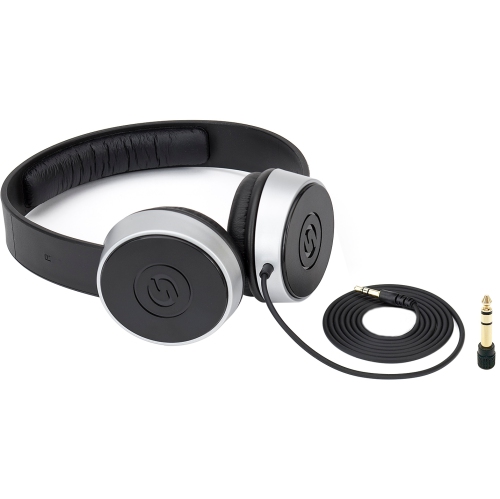
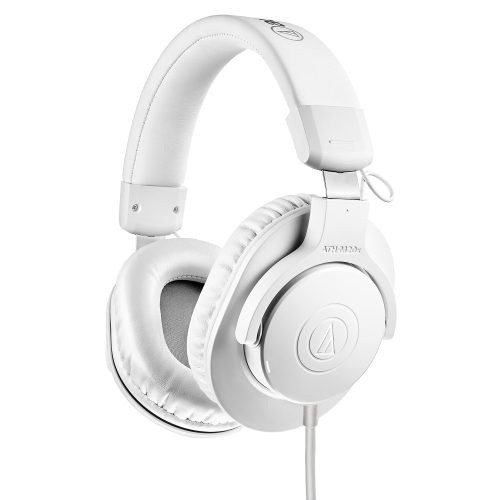
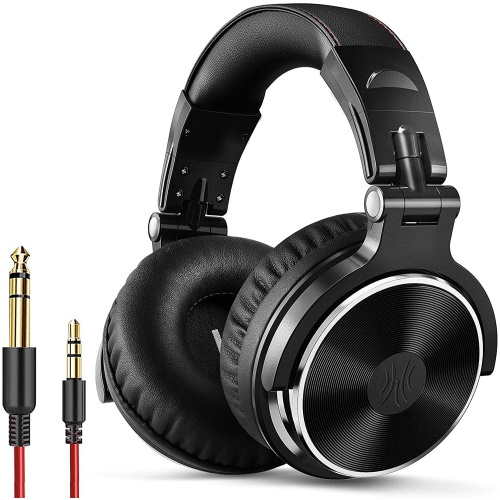
When choosing studio monitor headphones, start by considering how and where they will be used. For tracking, isolation is usually a priority, while mixing and mastering may call for a spacious, revealing sound. Comfort matters just as much as technical performance because a short editing task can easily turn into several hours of listening. Look for padded earcups, a headband that distributes pressure evenly, and an adjustable fit that stays secure without feeling tight. Over-ear cups can help surround the ears and reduce pressure on the outer ear, while swivelling or folding components may make storage and transport easier. The materials used for the ear cushions also affect the experience: soft fabric or velour may feel breathable during extended sessions, while synthetic leather can provide a snug seal and may be easier to wipe clean. Consider the cable as well. A detachable cable can be replaced or changed to suit a particular setup, and different cable lengths can be useful in a compact home studio or a larger recording space. Some models include straight and coiled cable options, while others may offer adapters for connecting to audio interfaces, mixers, keyboards, laptops, or mobile devices. Impedance is another specification worth checking. Headphones with higher impedance may benefit from a dedicated headphone amplifier or an audio interface with sufficient output, whereas lower-impedance models are often easier to drive from everyday devices. Sensitivity, frequency response, driver size, and maximum power handling can provide additional context, but specifications should be considered alongside comfort, construction, and the equipment already in your studio. A robust design is helpful for headphones that will travel between rehearsal spaces, classrooms, production rooms, and live events. At the same time, a lighter pair may be preferable for editing spoken audio or attending online lessons during the cooler months, when quiet indoor work becomes part of the daily routine.
Studio monitor headphones can also be a thoughtful gift for someone building a creative workspace. They suit a first-time musician learning to record at home, a singer preparing vocal takes, a student exploring music production, or a podcast host refining the sound of interviews. They are useful for more than professional studios: a guitarist can use them to practise along with backing tracks, a filmmaker can check dialogue and background ambience, and a listener can revisit familiar albums while hearing details that ordinary listening headphones may smooth over. For the best results, encourage the user to take a little time to become familiar with the sound. Neutral headphones may seem less dramatic at first because they are not designed to add extra bass or sparkle, but that balanced presentation can reveal the true character of a recording. When mixing, listening at a moderate level helps preserve concentration and reduces fatigue, while short breaks can make it easier to return with fresh ears. Keeping the earcups, cable, and connectors clean and storing the headphones where they will not be crushed can also help preserve their fit and performance. Studio monitor headphones work particularly well alongside a computer, audio interface, MIDI keyboard, microphone, or portable recorder, but they can also be used on their own for focused listening. Whether the goal is to capture a clean vocal take, adjust the balance of a home recording, edit a video soundtrack, or simply enjoy music with greater detail, the right pair should match the listener’s equipment, working space, comfort preferences, and usual listening habits.
When choosing studio monitor headphones, start by considering how and where they will be used. For tracking, isolation is usually a priority, while mixing and mastering may call for a spacious, revealing sound. Comfort matters just as much as technical performance because a short editing task can easily turn into several hours of listening. Look for padded earcups, a headband that distributes pressure evenly, and an adjustable fit that stays secure without feeling tight. Over-ear cups can help surround the ears and reduce pressure on the outer ear, while swivelling or folding components may make storage and transport easier. The materials used for the ear cushions also affect the experience: soft fabric or velour may feel breathable during extended sessions, while synthetic leather can provide a snug seal and may be easier to wipe clean. Consider the cable as well. A detachable cable can be replaced or changed to suit a particular setup, and different cable lengths can be useful in a compact home studio or a larger recording space. Some models include straight and coiled cable options, while others may offer adapters for connecting to audio interfaces, mixers, keyboards, laptops, or mobile devices. Impedance is another specification worth checking. Headphones with higher impedance may benefit from a dedicated headphone amplifier or an audio interface with sufficient output, whereas lower-impedance models are often easier to drive from everyday devices. Sensitivity, frequency response, driver size, and maximum power handling can provide additional context, but specifications should be considered alongside comfort, construction, and the equipment already in your studio. A robust design is helpful for headphones that will travel between rehearsal spaces, classrooms, production rooms, and live events. At the same time, a lighter pair may be preferable for editing spoken audio or attending online lessons during the cooler months, when quiet indoor work becomes part of the daily routine.
Studio monitor headphones can also be a thoughtful gift for someone building a creative workspace. They suit a first-time musician learning to record at home, a singer preparing vocal takes, a student exploring music production, or a podcast host refining the sound of interviews. They are useful for more than professional studios: a guitarist can use them to practise along with backing tracks, a filmmaker can check dialogue and background ambience, and a listener can revisit familiar albums while hearing details that ordinary listening headphones may smooth over. For the best results, encourage the user to take a little time to become familiar with the sound. Neutral headphones may seem less dramatic at first because they are not designed to add extra bass or sparkle, but that balanced presentation can reveal the true character of a recording. When mixing, listening at a moderate level helps preserve concentration and reduces fatigue, while short breaks can make it easier to return with fresh ears. Keeping the earcups, cable, and connectors clean and storing the headphones where they will not be crushed can also help preserve their fit and performance. Studio monitor headphones work particularly well alongside a computer, audio interface, MIDI keyboard, microphone, or portable recorder, but they can also be used on their own for focused listening. Whether the goal is to capture a clean vocal take, adjust the balance of a home recording, edit a video soundtrack, or simply enjoy music with greater detail, the right pair should match the listener’s equipment, working space, comfort preferences, and usual listening habits.
Top selling and popular products
-
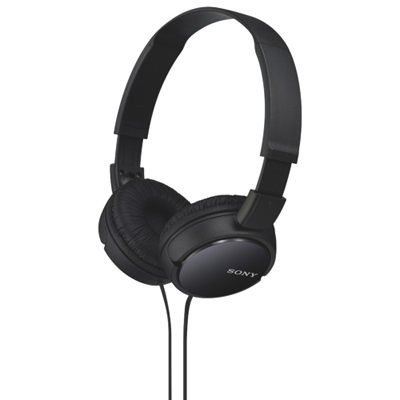 Your price for this item is $24.99
 -
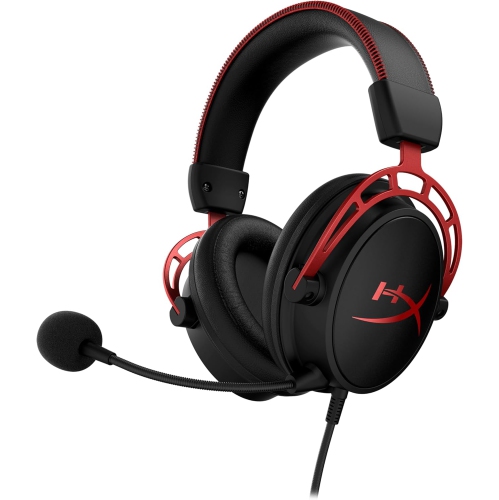 Your price for this item is $124.99
 -
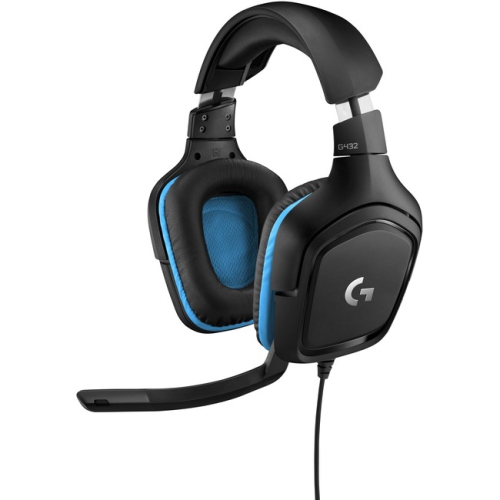 Your price for this item is $116.9
 -
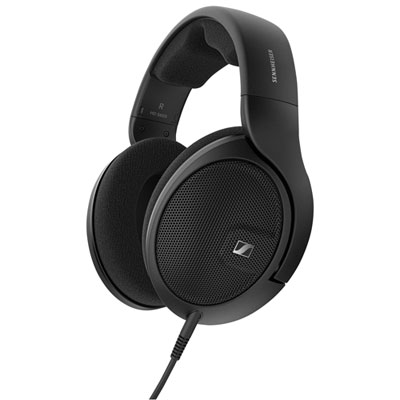 Your price for this item is $279.99
 -
 Your price for this item is $46.99
 -
 Your price for this item is $63.69
 -
 Your price for this item is $144.99
 -
 Your price for this item is $105.89
Discover more categories related to Studio Monitor Headphones
Top Collections:
Pokemon Centers, Kindle Devices, Best Budget Office Chairs, Apple iPhones 16, Best Laptops for Writers, iPhone 15 Apple, Canon G7X Cameras, Refurbished Apple Laptops, Alarm Clock, Motorola Razr Phones
Some products may be subject to Environmental Handling Fees
(EHF) depending on your province.
Learn more about EHFs.