Wireless Headphones for DJs
Whether you're a professional DJ or a music enthusiast looking to immerse yourself in your favorite beats, wireless headphones are a must-have accessory for anyone on the go. With advancements in technology, wireless headphones provide the freedom to move without being tethered to your device, allowing you to focus on your music and performance. Designed with comfort, durability, and high-quality sound in mind, these wireless headphones cater to the needs of DJs who require reliable gear for their performances. Explore our selection of wireless headphones tailored specifically for DJs and take your music experience to the next level.
Sort
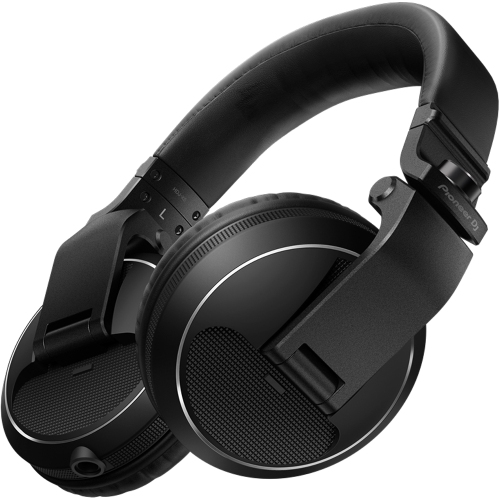
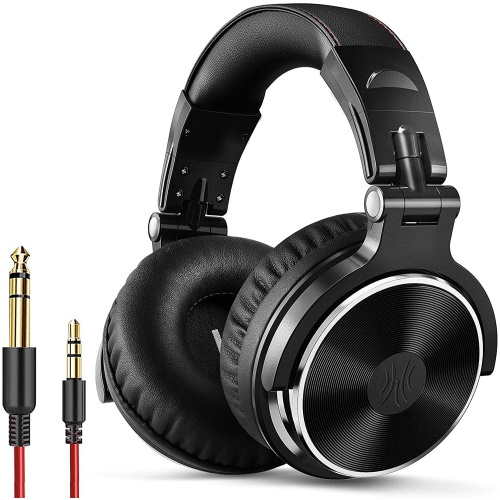
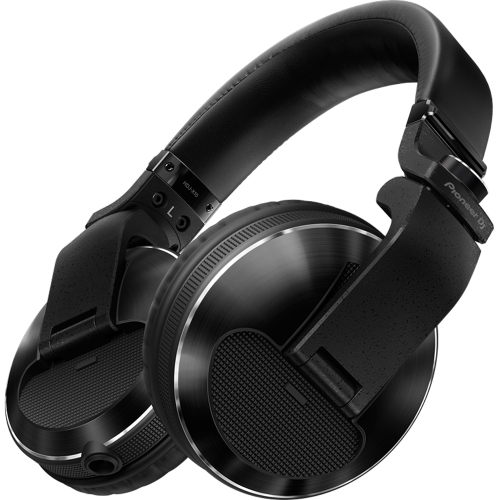
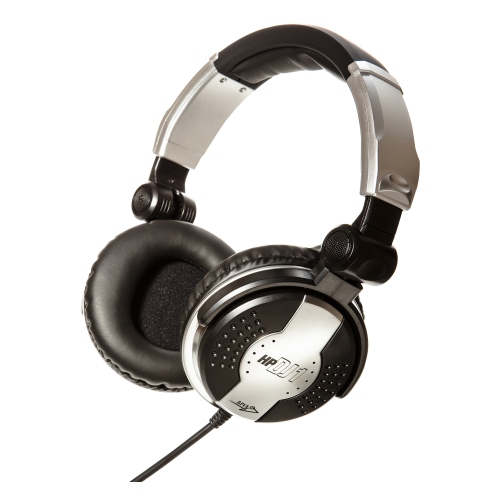
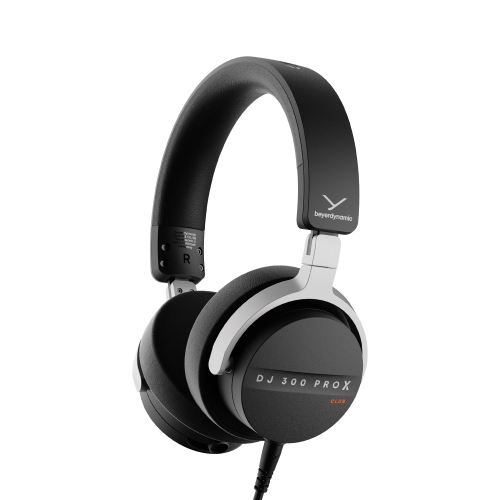
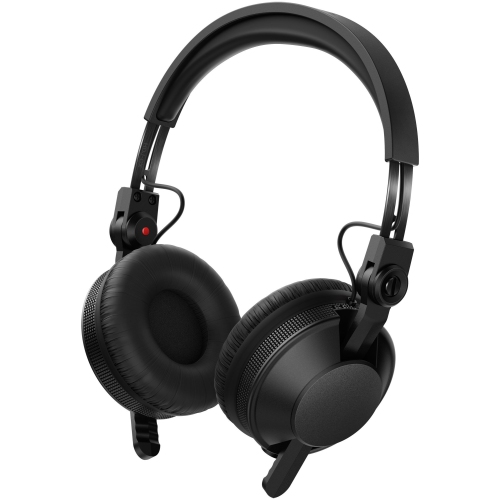
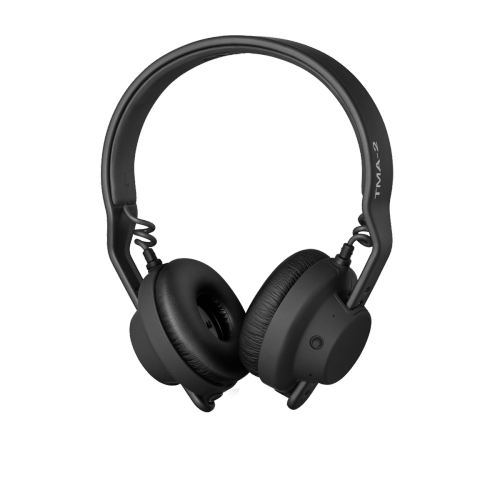
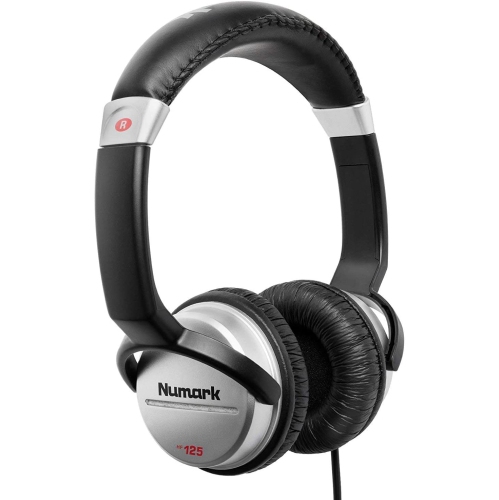
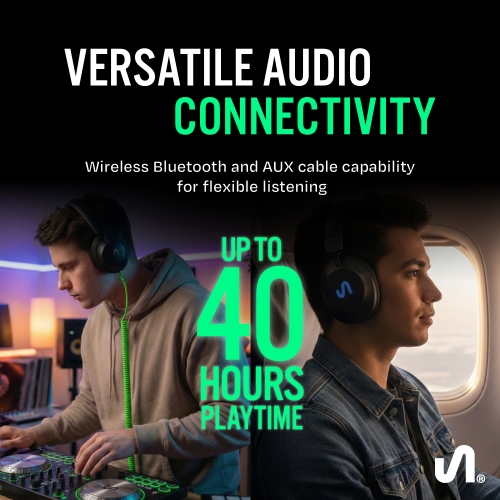
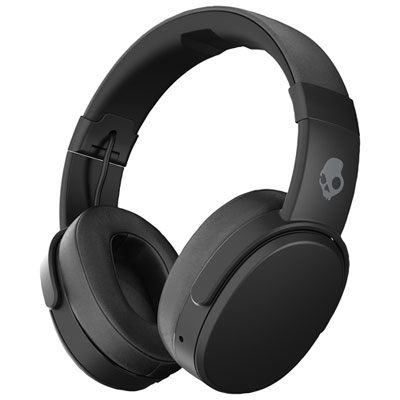
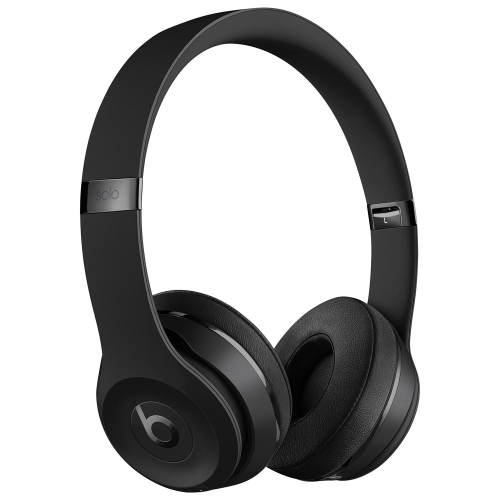
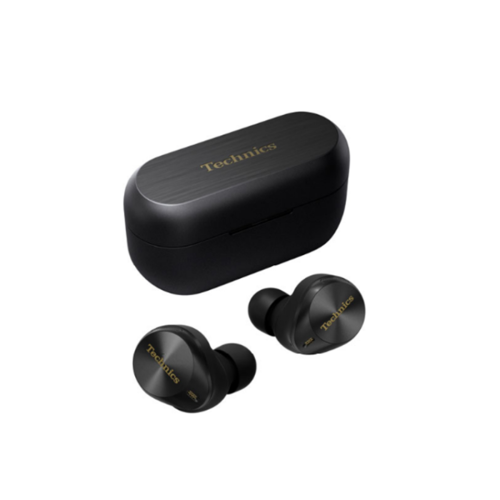
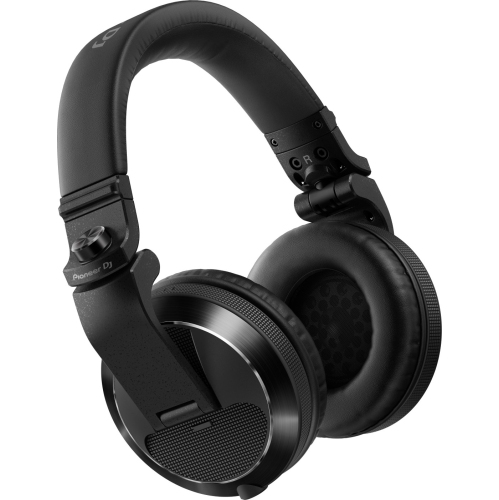
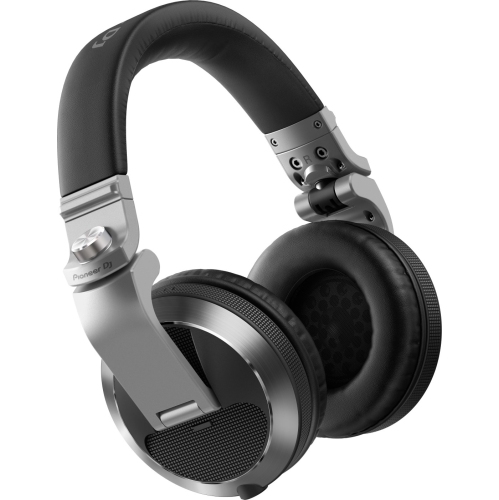
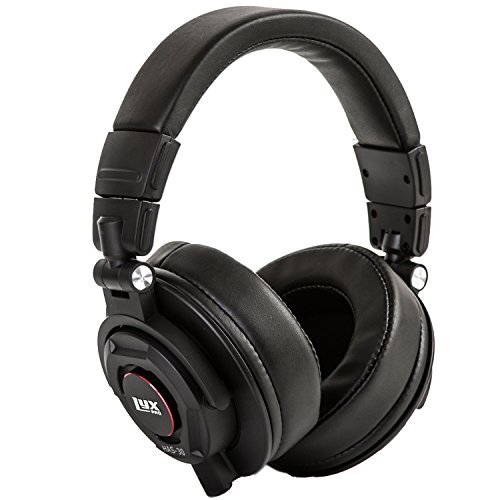
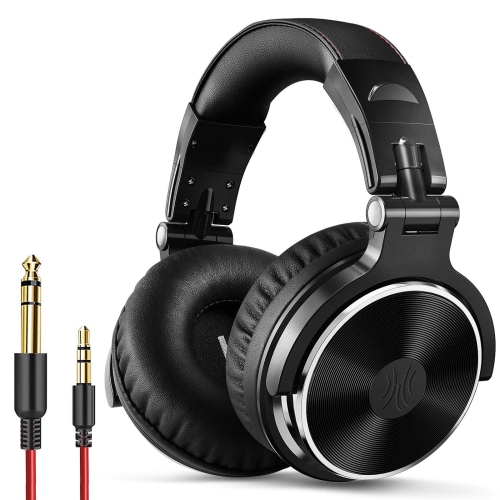
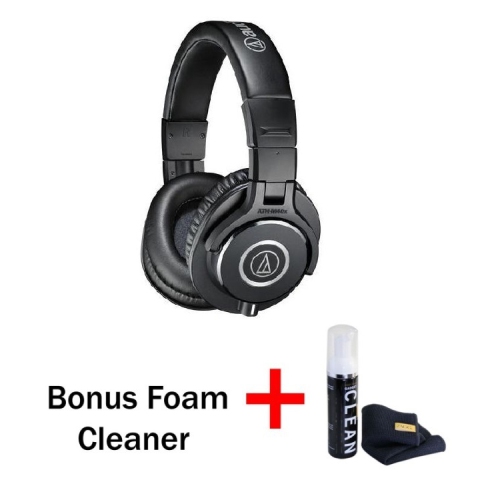
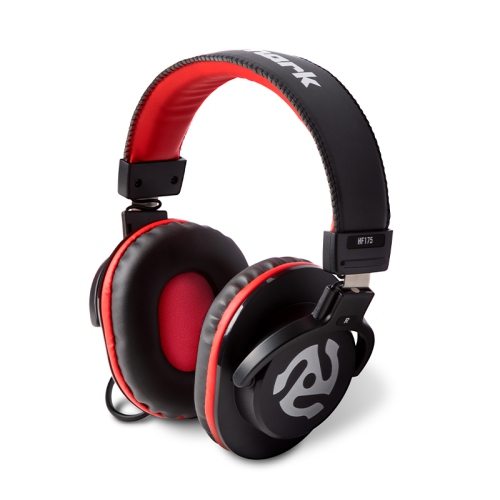
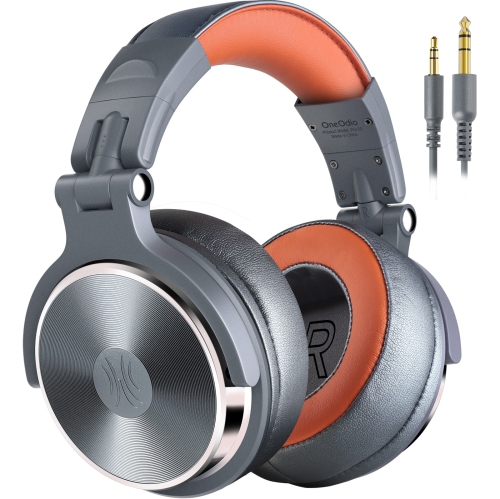
Low latency and wired backup matter most onstage
Wireless headphones for DJs give performers more freedom to move around the booth, check equipment, and manage a set without a cable catching on a mixer, laptop, or turntable. They are useful for practising at home, preparing playlists, monitoring a performance, and making quick cue adjustments while standing at a club, wedding reception, private party, or other live event. The most important feature for DJ use is not wireless convenience alone, but low-latency audio. Latency is the short delay between an audio signal leaving the source and reaching your ears. With ordinary Bluetooth headphones, that delay can be noticeable when cueing a track, aligning beats, or monitoring vocals, which can make the music feel slightly behind the controls. Wireless DJ headphones may instead use a dedicated radio transmitter, a proprietary low-latency connection, or another purpose-built wireless system designed to keep the delay extremely small. Some options can deliver latency under 10 milliseconds, while other low-latency designs may be closer to 20 milliseconds. For live beatmatching, the connection method listed in the product specifications matters more than the word “wireless” on its own. Standard Bluetooth can still be convenient for casual listening, travel, or reviewing a mix away from the booth, but it should not automatically be treated as suitable for real-time performance. A transmitter that connects to a mixer, DJ controller, audio interface, or other source can provide a more dependable link, while Bluetooth support adds flexibility for phones, tablets, and computers. DJs who produce or edit tracks may also want to explore Wireless Headphones for Music Production for models suited to extended listening and studio-focused work.
When comparing wireless headphones for DJs, start by considering how and where they will be used. A performer playing live sets should look for an ultra-low-latency mode, a transmitter with a stable range, and controls that are easy to find without taking their attention away from the mix. A practice-focused DJ may prefer a model that switches between a dedicated wireless connection and regular Bluetooth, especially if the same headphones will be used on a commute or at home. A wired backup is another valuable feature. Even a well-designed wireless system depends on battery power, and a cable can keep the session going if the battery needs charging, the transmitter is unavailable, or wireless interference appears in a crowded venue. Check whether the cable connection supports the source equipment and whether the headphones can be used passively when powered off. Battery life should be long enough for a full practice session or performance, with extra capacity for setup and sound checks. Charging time, battery indicators, and the ability to use the headphones while charging can make a meaningful difference during busy event days. Range is also worth considering: a DJ who remains close to a controller may need less distance than someone moving across a large room, but walls, other wireless devices, and venue equipment can affect performance. A dedicated wireless system often includes a small transmitter that connects directly to the audio source, so confirm the available ports and any required adapters before buying. Headphones with separate volume controls, mute functions, or simple connection indicators can make booth adjustments faster and less distracting.
Comfort and physical design are just as important as connection speed, particularly when headphones are worn for several hours. Over-ear earcups can help reduce the sound of a busy room and make it easier to focus on the cue mix, while on-ear designs may feel lighter and less warm during longer sessions. Adjustable headbands, soft padding, moderate clamping force, and swivelling earcups are useful for DJs who monitor with one ear or move the headphones on and off repeatedly. Folding hinges and a protective case can help when the headphones travel between home, rehearsals, and venues, while a sturdy build is helpful for gear that is handled frequently in dark booths and crowded equipment bags. Sound preferences vary, but DJs commonly look for clear mids, controlled bass, and enough detail to hear transients, percussion, vocals, and timing cues without the low end becoming indistinct. Active noise cancellation may be helpful during travel or preparation in a noisy space, although some performers prefer a design that lets them stay more aware of the room during a live set. Wireless headphones for DJs can make a thoughtful gift for a beginner learning to mix, a mobile DJ building a portable setup, or an experienced performer who wants less cable clutter between sets. They can also suit music fans who value over-ear comfort and flexible listening, provided the connection features match their needs. As the weather warms and during the cooler months, a versatile pair can move easily from a home desk to a rehearsal space, a venue, or a quiet listening session, making low latency, dependable battery life, wired compatibility, comfort, and source connectivity the key details to compare before choosing.
When comparing wireless headphones for DJs, start by considering how and where they will be used. A performer playing live sets should look for an ultra-low-latency mode, a transmitter with a stable range, and controls that are easy to find without taking their attention away from the mix. A practice-focused DJ may prefer a model that switches between a dedicated wireless connection and regular Bluetooth, especially if the same headphones will be used on a commute or at home. A wired backup is another valuable feature. Even a well-designed wireless system depends on battery power, and a cable can keep the session going if the battery needs charging, the transmitter is unavailable, or wireless interference appears in a crowded venue. Check whether the cable connection supports the source equipment and whether the headphones can be used passively when powered off. Battery life should be long enough for a full practice session or performance, with extra capacity for setup and sound checks. Charging time, battery indicators, and the ability to use the headphones while charging can make a meaningful difference during busy event days. Range is also worth considering: a DJ who remains close to a controller may need less distance than someone moving across a large room, but walls, other wireless devices, and venue equipment can affect performance. A dedicated wireless system often includes a small transmitter that connects directly to the audio source, so confirm the available ports and any required adapters before buying. Headphones with separate volume controls, mute functions, or simple connection indicators can make booth adjustments faster and less distracting.
Comfort and physical design are just as important as connection speed, particularly when headphones are worn for several hours. Over-ear earcups can help reduce the sound of a busy room and make it easier to focus on the cue mix, while on-ear designs may feel lighter and less warm during longer sessions. Adjustable headbands, soft padding, moderate clamping force, and swivelling earcups are useful for DJs who monitor with one ear or move the headphones on and off repeatedly. Folding hinges and a protective case can help when the headphones travel between home, rehearsals, and venues, while a sturdy build is helpful for gear that is handled frequently in dark booths and crowded equipment bags. Sound preferences vary, but DJs commonly look for clear mids, controlled bass, and enough detail to hear transients, percussion, vocals, and timing cues without the low end becoming indistinct. Active noise cancellation may be helpful during travel or preparation in a noisy space, although some performers prefer a design that lets them stay more aware of the room during a live set. Wireless headphones for DJs can make a thoughtful gift for a beginner learning to mix, a mobile DJ building a portable setup, or an experienced performer who wants less cable clutter between sets. They can also suit music fans who value over-ear comfort and flexible listening, provided the connection features match their needs. As the weather warms and during the cooler months, a versatile pair can move easily from a home desk to a rehearsal space, a venue, or a quiet listening session, making low latency, dependable battery life, wired compatibility, comfort, and source connectivity the key details to compare before choosing.
Top selling and popular products
-
 Your price for this item is $24.99
 -
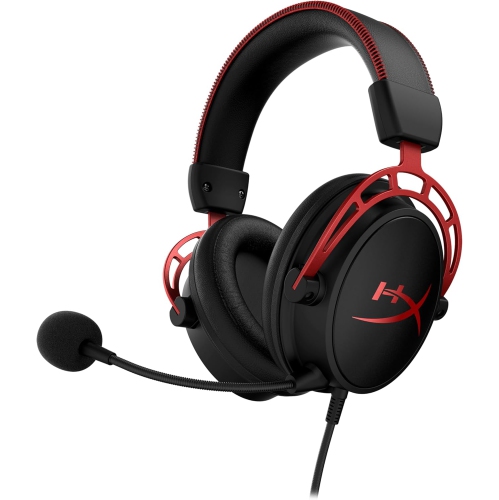 Your price for this item is $124.99
 -
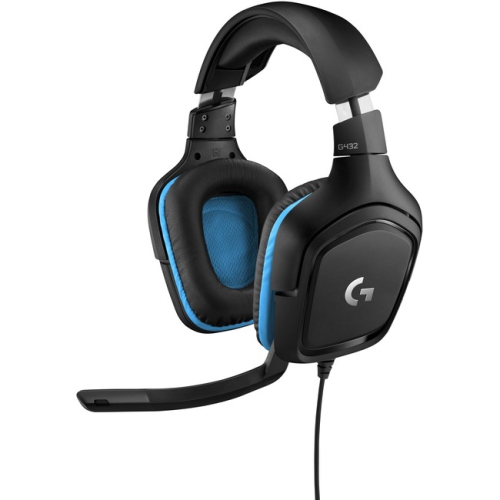 Your price for this item is $111.98
 -
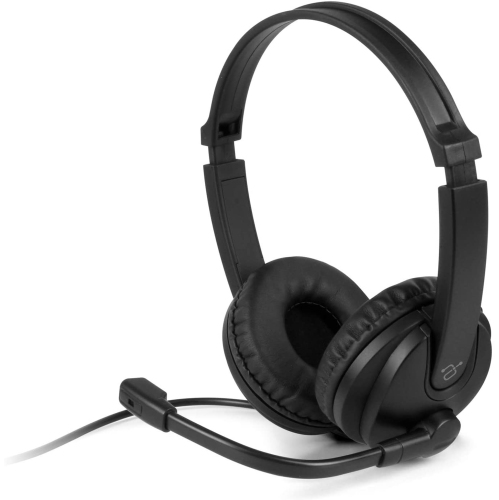 Your price for this item is $62.82
 -
 Your price for this item is $46.99
 -
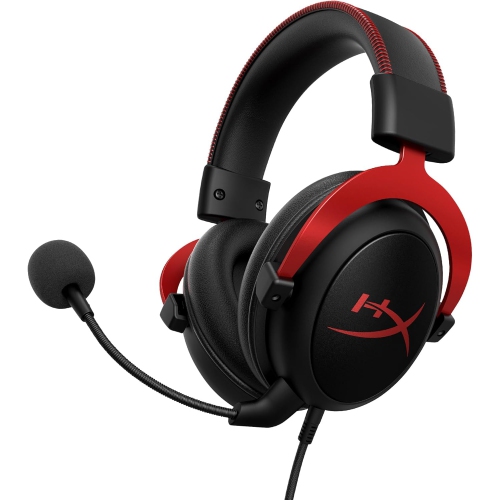 Your price for this item is $144.99
 -
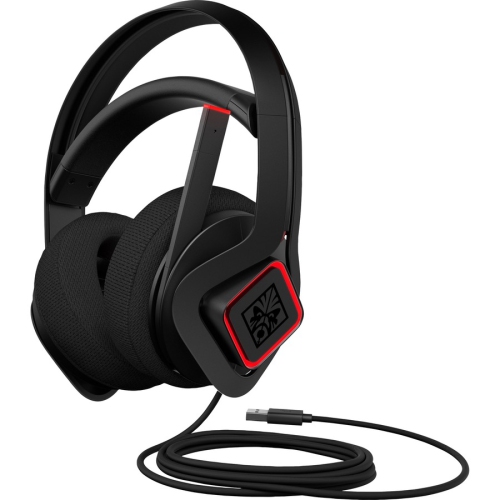 Your price for this item is $105.89
 -
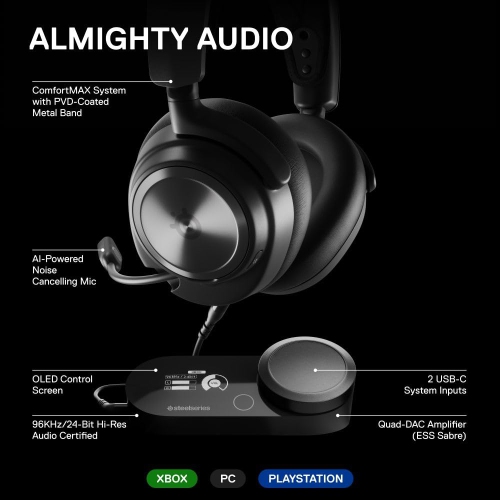 Your price for this item is $249.99
Discover more categories related to Wireless Headphones for DJs
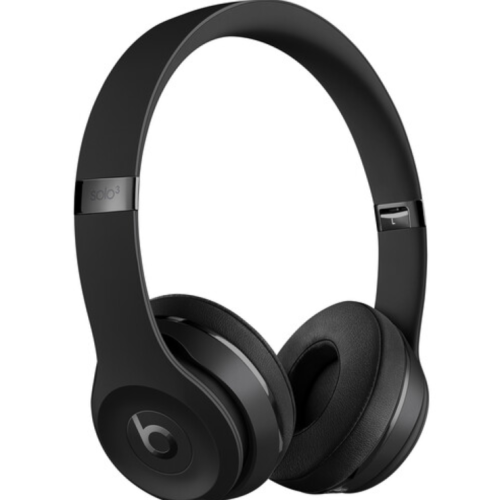
Top Collections:
Best Laptops for Video Editing, Pokemon Centers, Samsung Z Fold, Kindle Devices, Best Cell Phones Under $300, Best Laptops for Writers, Best Budget Office Chairs, Best Cell Phones Under $500, Best Laptop Computers for Students, iPhone 15 Apple
Some products may be subject to Environmental Handling Fees
(EHF) depending on your province.
Learn more about EHFs.