Wireless Headphones for Music Production
Wireless Headphones for Music Production deliver the freedom and flexibility needed to create, mix, and master without the limitations of cables. Whether you're working in a professional studio or setting up a home workspace, these headphones offer a seamless way to monitor your sound and fine-tune every detail. Explore a wide selection designed to support your creative process and help you achieve the best results in your music projects.
Sort




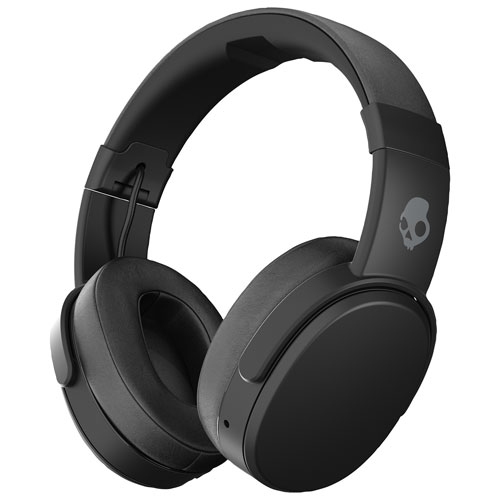


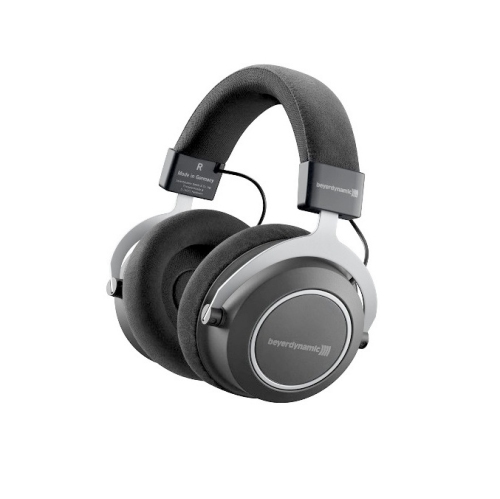

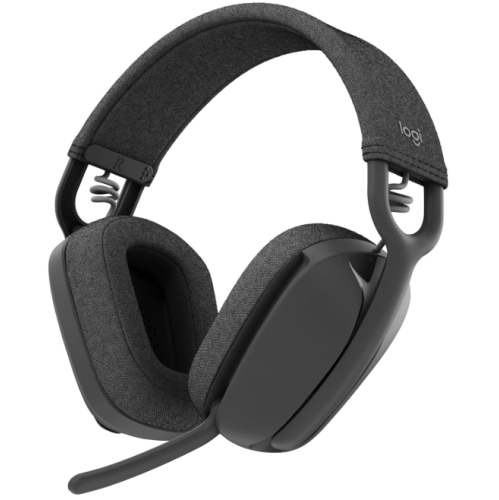


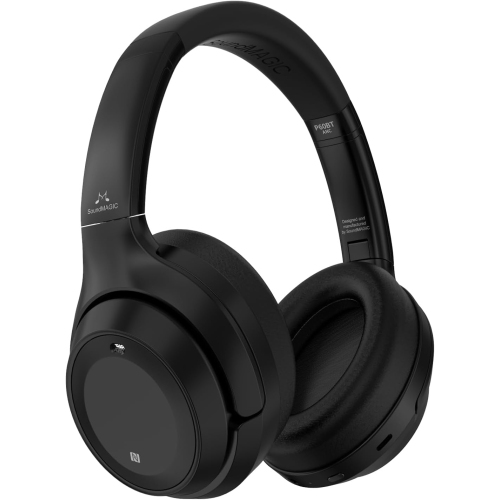

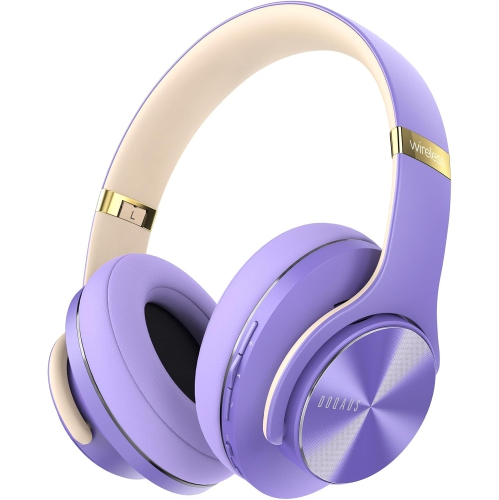
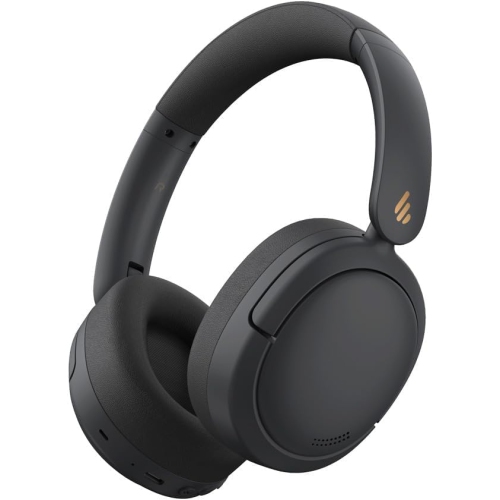
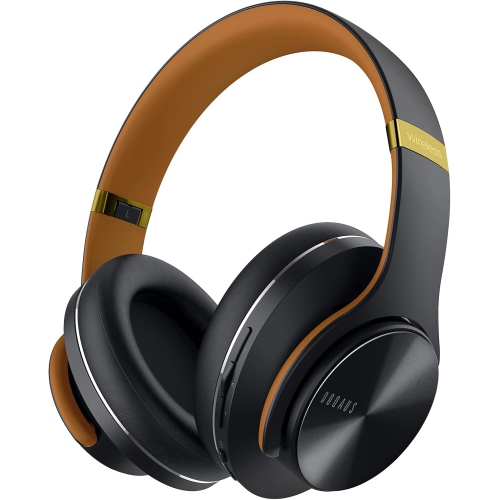
Wireless freedom comes with trade-offs in the studio
Wireless headphones for music production offer freedom to move between a keyboard, a computer, and a listening chair, but their suitability depends on how they transmit sound and what the session involves. Standard Bluetooth connections can introduce enough latency to make live playing and recording uncomfortable, and many use lossy audio compression that can affect critical listening. That delay can exceed 100 milliseconds in some setups, creating a noticeable gap between pressing a piano key and hearing the note. For arranging songs, auditioning samples, or reviewing an exported mix, the same delay may be much less disruptive. Dedicated low-latency wireless systems can be better suited to real-time monitoring, although performance depends on the complete connection, not simply the word “wireless.” Some use a dedicated radio-frequency transmitter or a Wi-Fi connection rather than conventional Bluetooth; neither connection type guarantees low latency or neutral sound on its own. Computer compatibility, transmitter requirements, and measured end-to-end delay all matter, especially when the audio interface and recording software add their own processing time. Hybrid headphones with a supported wired audio mode provide another useful approach: wireless listening for arranging and playback, with a cable for tracking vocals or playing software instruments. A charging socket does not necessarily support wired audio, and some headphones retain internal processing even with a cable connected. Wireless convenience and studio accuracy are separate qualities, so a low-latency connection still needs to be paired with a balanced sound signature. For final mix decisions, a dependable wired reference or familiar studio monitors remain useful checks. The most practical role for wireless headphones is often as one part of a production setup rather than its only listening reference. They can make a long editing session less restrictive, let a producer step away from the desk while hearing an arrangement, and provide a useful impression of how a track translates to everyday wireless listening.
Sound balance matters because production headphones need to reveal relationships within a track, not simply make every song sound bigger. Strongly boosted bass can make a kick drum seem louder than it really is, encouraging adjustments that leave the finished mix thin elsewhere. Pronounced treble can exaggerate vocal sibilance or cymbal brightness, while recessed midrange can hide the detail that gives guitars, keyboards, and voices their place. A reasonably neutral response, clear separation, and consistent performance at moderate listening levels support more dependable decisions. Familiar reference tracks are especially valuable: a producer who knows how a particular vocal, bass line, or snare should sound has a useful point of comparison before adjusting an unfinished song. Closed-back construction can help limit sound leakage into a nearby microphone and reduce distractions in a shared room. It does not make headphones completely silent to others, so playback level still matters when recording a quiet vocal or an acoustic instrument. Open-back construction allows more sound to pass in both directions and is generally better suited to private listening spaces than microphone tracking. Active noise cancellation can improve concentration around steady background noise, but it is not the same as acoustic isolation, and switching listening modes may change the tonal balance. Consistent settings help make comparisons meaningful. Spatial audio effects, bass enhancement, and personalized sound profiles can also alter the presentation; ordinary stereo playback is generally the more useful baseline unless the project specifically calls for another format. Small details become easier to judge when the headphones behave predictably from session to session. A reverb tail fading behind a vocal, the edge of a distorted bass note, or the balance between a kick and a low synthesizer part benefits more from clarity and familiarity than from an exaggerated sense of impact.
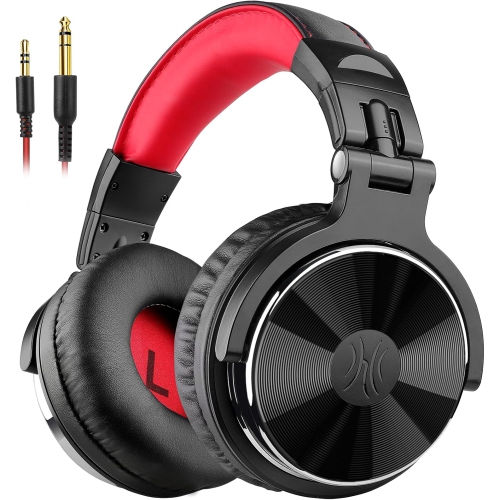
Comfort and construction become especially important when a short beat-making session turns into several hours of editing. Over-ear cups with enough room around the ears can reduce pressure, while a well-padded headband spreads weight across the head. A secure fit should hold its position when reaching for a controller without clamping so tightly that it becomes distracting. Glasses, hair, and ear shape can affect the seal, which may also change bass response. Breathable fabric pads and smooth synthetic coverings feel different against the skin, and pad material, thickness, and wear can influence both comfort and sound. Replaceable cushions, sturdy hinges, and clearly defined adjustment points are useful features for headphones that move regularly between a home studio and a carrying case. Battery life needs to cover the intended session with some margin, particularly when noise cancellation or other processing increases power use. Charging time, automatic power-saving behaviour, and whether playback continues while charging can affect how smoothly headphones fit into a working day. Straightforward controls are helpful when pausing a reference track or changing volume without interrupting an editing task. Connections also deserve attention: switching automatically between a phone and a computer can be convenient for general use but disruptive during focused playback. For someone balancing music projects with meetings, Wireless Headphones for Work provides a related category, though call features do not establish suitability for studio monitoring. Care is usually simple: wipe contact surfaces with a soft cloth, follow the manufacturer’s cleaning directions, keep moisture away from openings, and store the headphones without crushing the pads or straining the headband. Music students, songwriters, electronic musicians, and home producers may appreciate wireless headphones as a gift, particularly when the fit and connection options suit equipment they already use. The strongest match comes from understanding the recipient’s routine: composing away from the desk, editing spoken recordings, checking arrangements, or listening closely to finished mixes each places different demands on the same pair of headphones.
Top selling and popular products
-
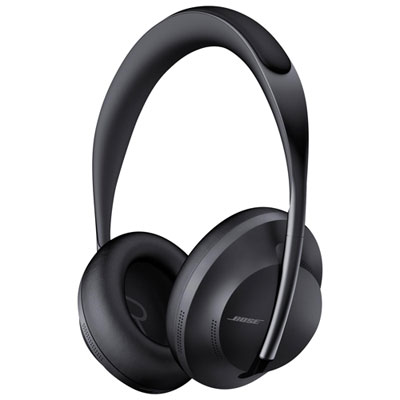 Your price for this item is $479.97
-
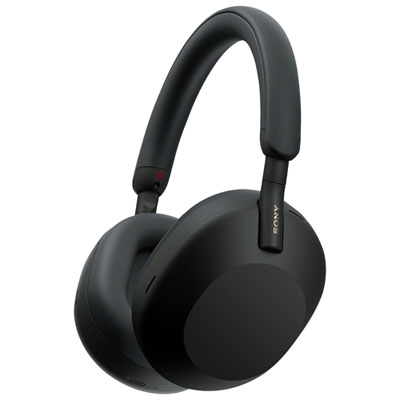 Your price for this item is $499.99
-
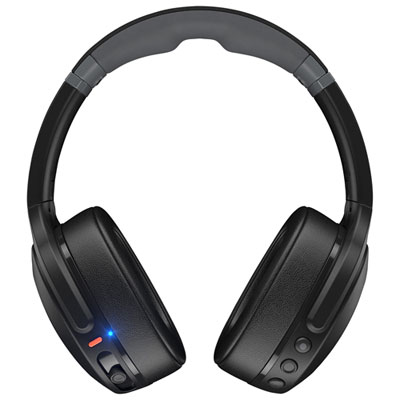 Your price for this item is $199.99
-
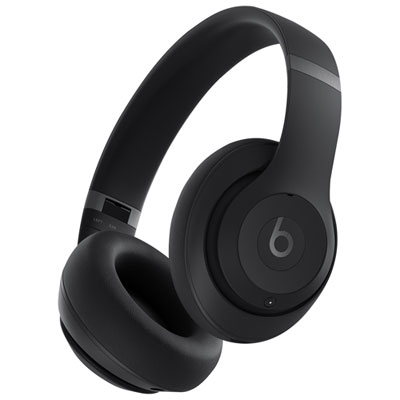 Your price for this item is $399
-
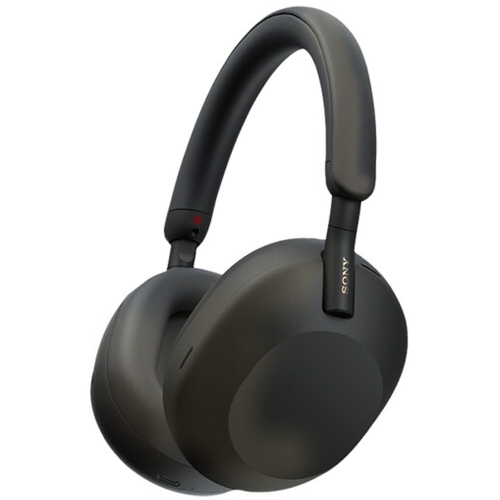 Your price for this item is $438
-
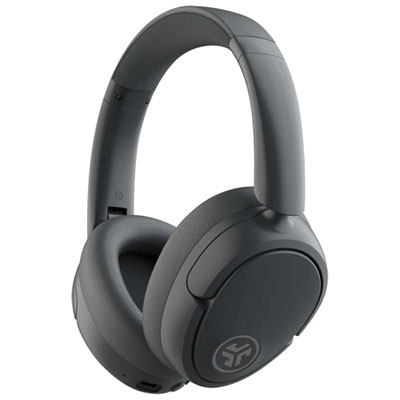 Your price for this item is $119.99
-
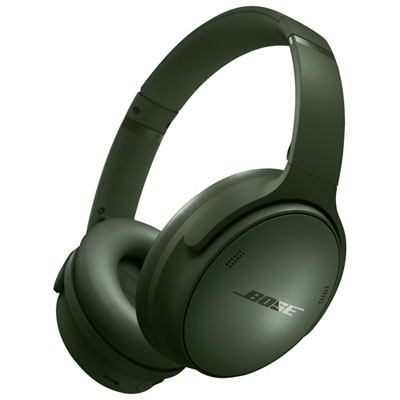 Your price for this item is $479.99
-
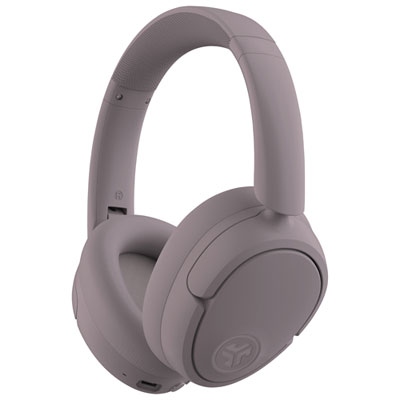 Your price for this item is $119.99
Discover more categories related to Wireless Headphones for Music Production
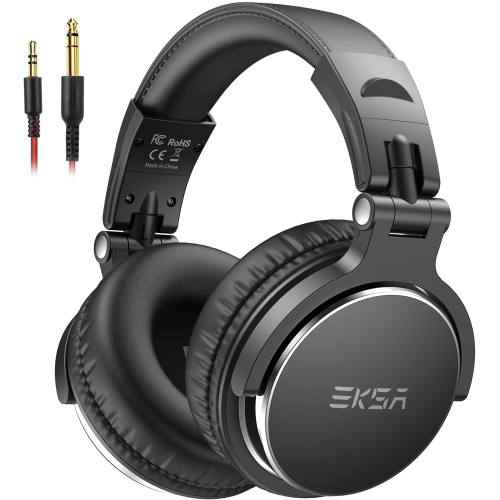

Top Collections:
Pokemon Centers, Best Cameras for Sports Photography, Kindle Devices, Samsung Galaxy Phones, Canon G7X Cameras, Pokémon 30th Celebration Cards, Refurbished Apple Laptops, iPhone 15 Apple, Laptops for Students, Budget Smartphones
Some products may be subject to Environmental Handling Fees
(EHF) depending on your province.
Learn more about EHFs.