Yamaha Piano Headphones
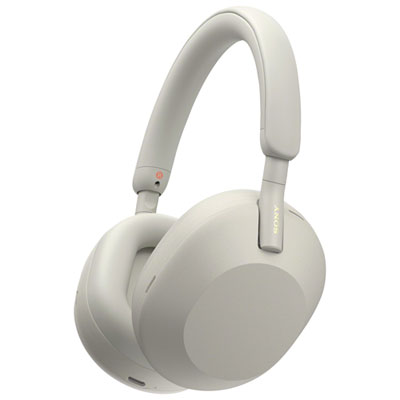
If you're a piano player, you know that the right headphones can make all the difference. You need headphones that are comfortable, sound great, and block out distractions so you can focus on your practice. Here are some great headphones for Yamaha pianos available.
Sort

What to know about comfortable, low-latency piano practice
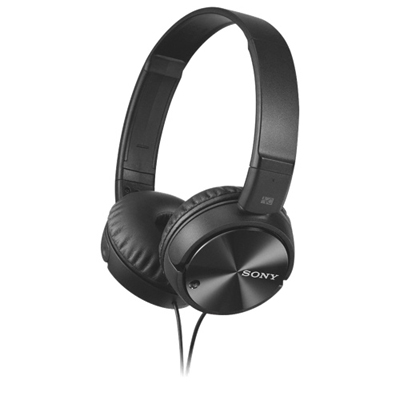
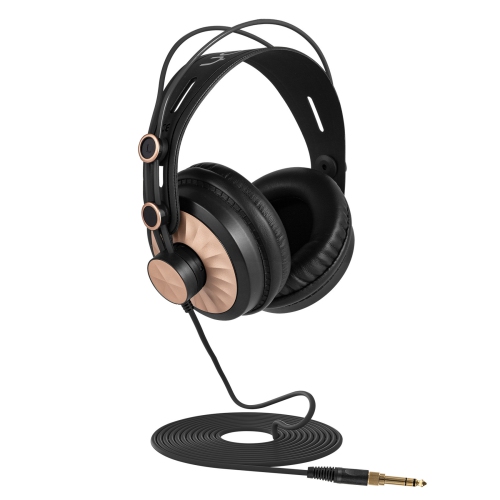
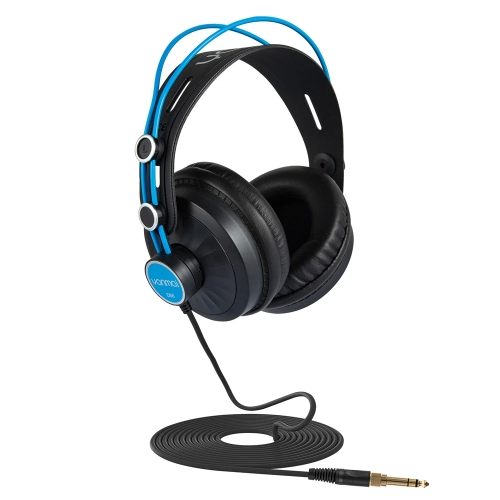
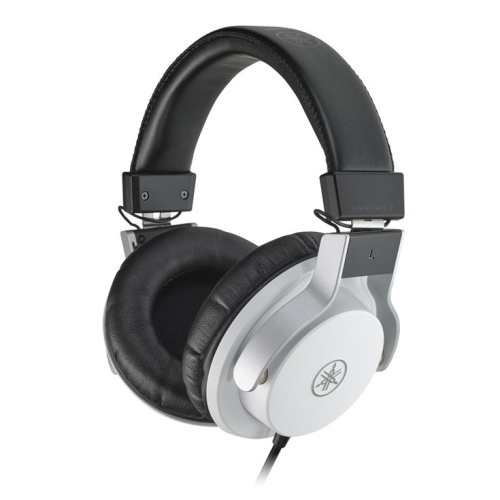
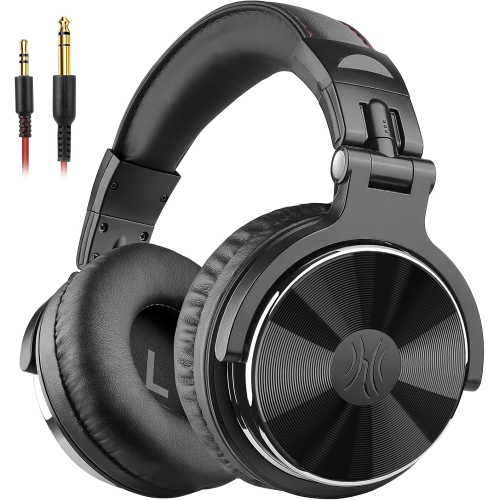
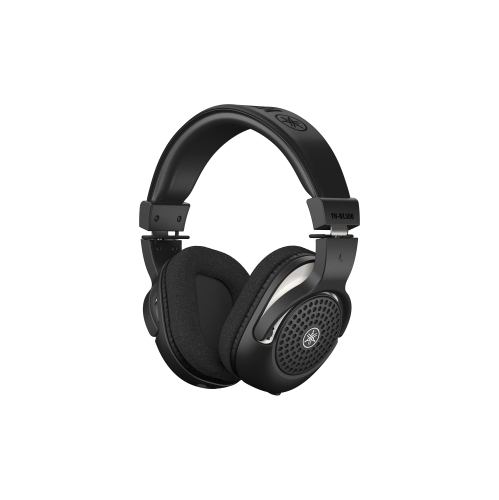
Headphones for a digital piano can make practice more comfortable, focused, and flexible, especially when several people share a home or when playing late in the evening. Plugging in a suitable pair lets you hear the full range of the instrument without filling the room with sound, while still preserving the detail needed to judge timing, dynamics, and expression. These headphones are useful for beginners learning scales, chords, and simple melodies, as well as experienced players working through challenging pieces or recording ideas. They can also be a thoughtful gift for a piano student, a keyboard player setting up a home studio, or anyone who enjoys playing without disturbing family members, roommates, or neighbours. When choosing headphones for a digital piano, start by checking the connection on the instrument. Many digital pianos and keyboards use a large 6.35 mm (1/4-inch) PHONES output, while many everyday headphones use a smaller 3.5 mm (1/8-inch) plug. A suitable screw-on or snap-on adapter may be included, but it is worth confirming the plug size and adapter compatibility before purchasing. A secure connection is particularly important during practice because a loose adapter can introduce crackling, cut-outs, or unwanted movement when the player shifts on the bench. Wired headphones remain a dependable choice because they send sound directly from the instrument with virtually no noticeable delay. That immediate response helps the sound match the movement of the keys, which is essential when practising rhythm, fast passages, or music that depends on precise pedal work. Standard Bluetooth headphones can introduce approximately 150 to 200 milliseconds of audio delay, making notes feel slightly late and disrupting the natural connection between playing and listening. For this reason, conventional wireless headphones are generally better suited to casual listening than to playing a digital piano, unless they use a dedicated low-latency system designed for musical instruments.
Comfort and sound design also deserve close attention. Closed-back headphones surround the ears and limit the amount of piano sound escaping into the room, which can be helpful in a shared living space or during quiet practice. They often create a more contained, intimate listening experience, allowing the player to concentrate on individual notes and subtle changes in volume. Open-air designs allow more sound to circulate, creating a spacious and natural presentation that can resemble the feeling of listening to an acoustic instrument in a room. They may be a good fit for longer sessions because the presentation can feel less enclosed, although they may let more sound reach people nearby. Lightweight over-ear cushions can reduce pressure around the ears, while an adjustable headband helps the headphones stay comfortable for players of different ages and sizes. Look for soft padding, a manageable overall weight, and a cable length that reaches the piano output without pulling across the player’s lap or catching on the bench. Sound quality should be balanced rather than exaggerated. Clear high notes help reveal articulation and finger control, while full but controlled bass gives left-hand parts and lower piano registers enough body without overwhelming the middle range. Larger drivers, including designs around 40 mm, can provide a broad and detailed presentation, but driver size alone does not determine performance. The most suitable pair is one that makes the instrument sound natural and allows the player to listen for both musical expression and technical accuracy. Players who practise for extended periods may appreciate headphones that reduce ear fatigue and avoid overly sharp treble or excessive bass. A volume control on the cable can make small adjustments convenient, although it is still wise to keep listening levels moderate, particularly for children. Wireless options can offer freedom from a cable, but the key specification is musical latency rather than wireless convenience alone. A dedicated instrument-focused wireless system with latency below roughly 4 milliseconds is designed to keep the sound closely aligned with the keys, preserving timing and playing feel. This type of connection may appeal to performers who want to move more freely around a room without sacrificing responsiveness. For a simple home setup, however, a well-fitting wired pair is often the most straightforward solution. Headphones for a digital piano can also be used with keyboards, electronic drums, computers, and other compatible audio equipment, although the connection and sound output should be checked for each device. If a household includes several musicians, browsing related options such as Guitar Headphones can help compare features designed for other instruments, including comfort, cable reach, and low-latency performance. During the warmer season and into the cooler months, piano headphones make it easier to maintain a regular routine, whether that means quiet morning exercises, afternoon lessons, or evening playing after the rest of the household has settled down. A suitable pair should match the piano’s output, respond quickly enough for natural timing, and remain comfortable from the first scale to the final chord.
Comfort and sound design also deserve close attention. Closed-back headphones surround the ears and limit the amount of piano sound escaping into the room, which can be helpful in a shared living space or during quiet practice. They often create a more contained, intimate listening experience, allowing the player to concentrate on individual notes and subtle changes in volume. Open-air designs allow more sound to circulate, creating a spacious and natural presentation that can resemble the feeling of listening to an acoustic instrument in a room. They may be a good fit for longer sessions because the presentation can feel less enclosed, although they may let more sound reach people nearby. Lightweight over-ear cushions can reduce pressure around the ears, while an adjustable headband helps the headphones stay comfortable for players of different ages and sizes. Look for soft padding, a manageable overall weight, and a cable length that reaches the piano output without pulling across the player’s lap or catching on the bench. Sound quality should be balanced rather than exaggerated. Clear high notes help reveal articulation and finger control, while full but controlled bass gives left-hand parts and lower piano registers enough body without overwhelming the middle range. Larger drivers, including designs around 40 mm, can provide a broad and detailed presentation, but driver size alone does not determine performance. The most suitable pair is one that makes the instrument sound natural and allows the player to listen for both musical expression and technical accuracy. Players who practise for extended periods may appreciate headphones that reduce ear fatigue and avoid overly sharp treble or excessive bass. A volume control on the cable can make small adjustments convenient, although it is still wise to keep listening levels moderate, particularly for children. Wireless options can offer freedom from a cable, but the key specification is musical latency rather than wireless convenience alone. A dedicated instrument-focused wireless system with latency below roughly 4 milliseconds is designed to keep the sound closely aligned with the keys, preserving timing and playing feel. This type of connection may appeal to performers who want to move more freely around a room without sacrificing responsiveness. For a simple home setup, however, a well-fitting wired pair is often the most straightforward solution. Headphones for a digital piano can also be used with keyboards, electronic drums, computers, and other compatible audio equipment, although the connection and sound output should be checked for each device. If a household includes several musicians, browsing related options such as Guitar Headphones can help compare features designed for other instruments, including comfort, cable reach, and low-latency performance. During the warmer season and into the cooler months, piano headphones make it easier to maintain a regular routine, whether that means quiet morning exercises, afternoon lessons, or evening playing after the rest of the household has settled down. A suitable pair should match the piano’s output, respond quickly enough for natural timing, and remain comfortable from the first scale to the final chord.
Top selling and popular products
-
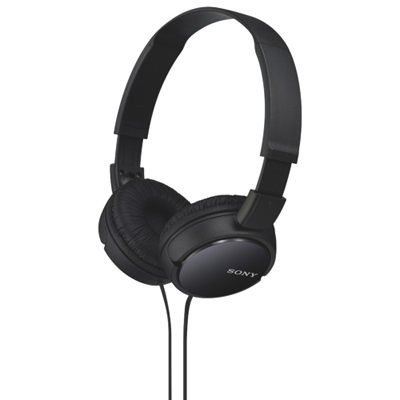 Your price for this item is $24.99
 -
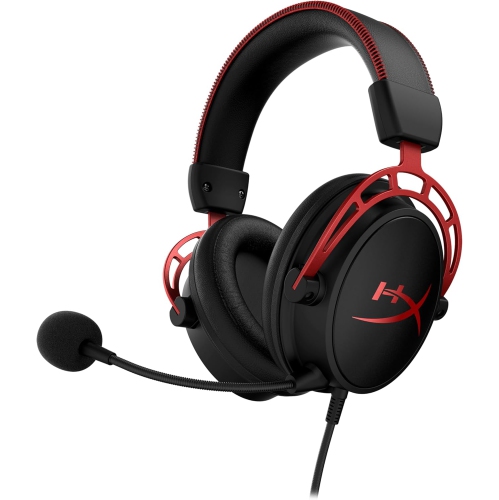 Your price for this item is $124.99
 -
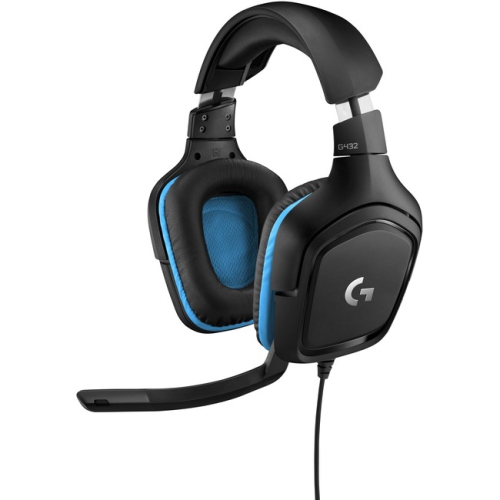 Your price for this item is $116.9
 -
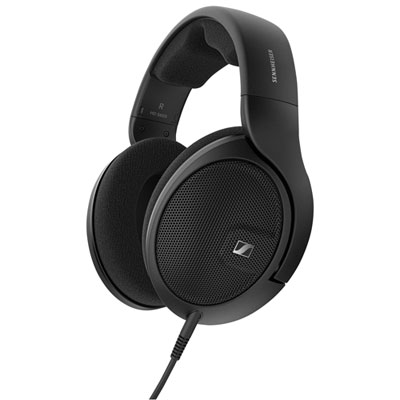 Your price for this item is $179.99
 -
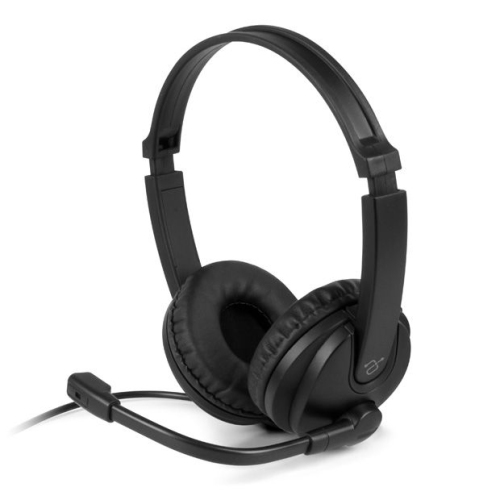 Your price for this item is $46.99
 -
 Your price for this item is $63.66
 -
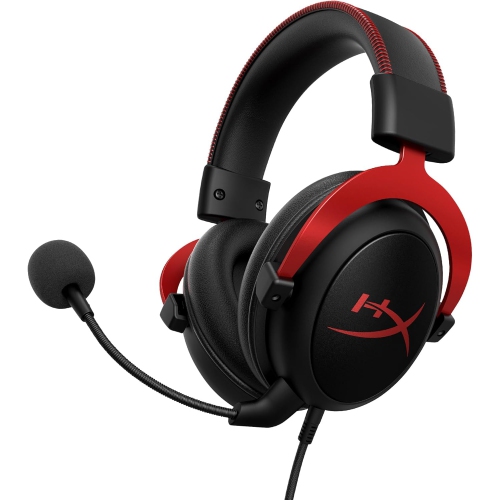 Your price for this item is $144.49
 -
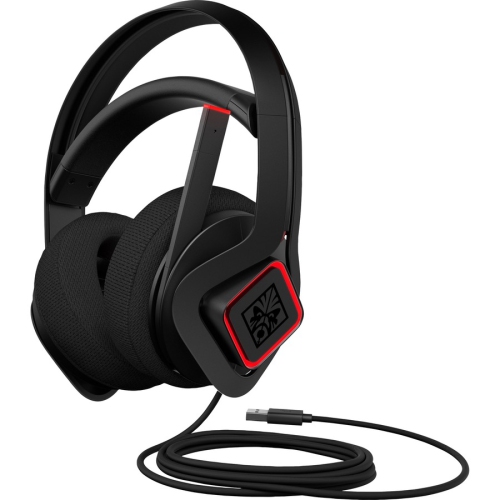 Your price for this item is $105.89
Discover more categories related to Yamaha Piano Headphones
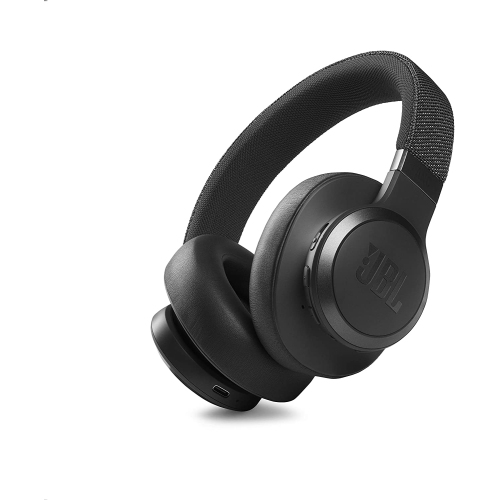
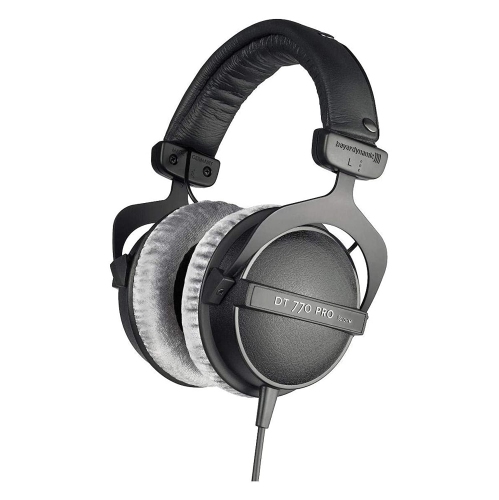
Top Collections:
Pokemon Centers, Kindle Devices, Best Budget Office Chairs, Canon G7X Cameras, Apple iPhones 16, Samsung Galaxy Phones, Refurbished Apple Laptops, Laptops for Students, iPhone 15 Apple, Budget Smartphones
Some products may be subject to Environmental Handling Fees
(EHF) depending on your province.
Learn more about EHFs.