10000 Lux Lights
Looking to brighten up your space and boost your mood? Look no further than our collection of 10000 Lux Lights. These powerful light sources emit a brightness of 10,000 lux, providing you with a natural and energizing light that mimics the sun's rays. Whether you're looking to combat seasonal affective disorder (SAD), improve your focus and productivity, or simply create a more vibrant atmosphere, these lights are designed to deliver exceptional performance. Discover the perfect High Brightness light for your needs and experience the transformative power of light therapy today.
Sort





























Why distance matters as much as lamp brightness
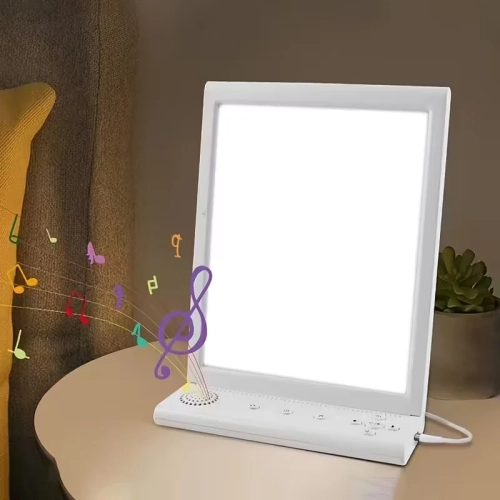
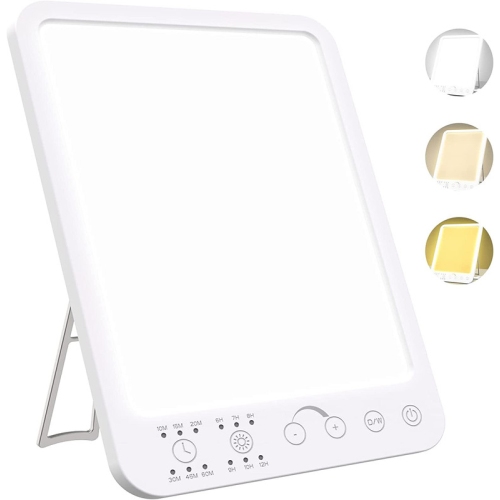
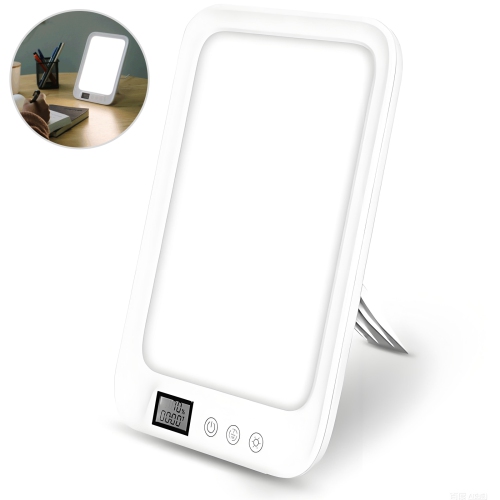
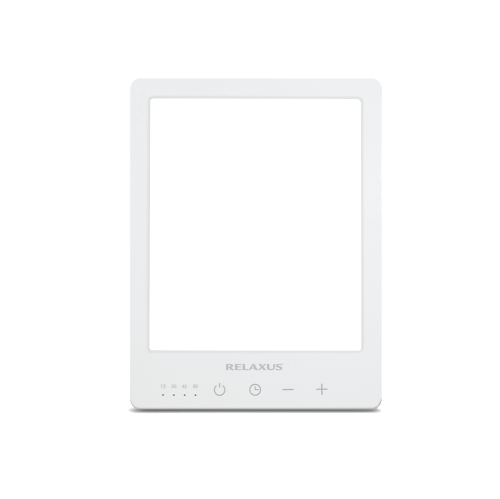
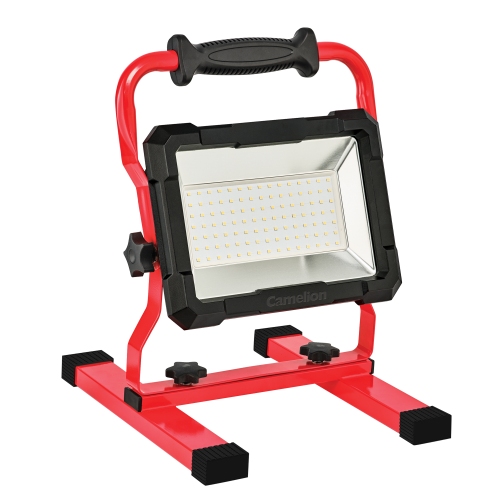
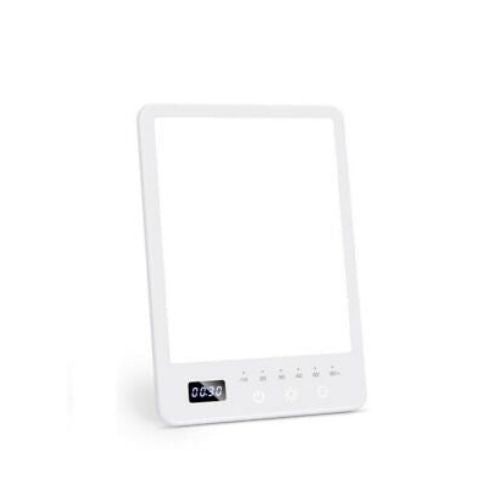
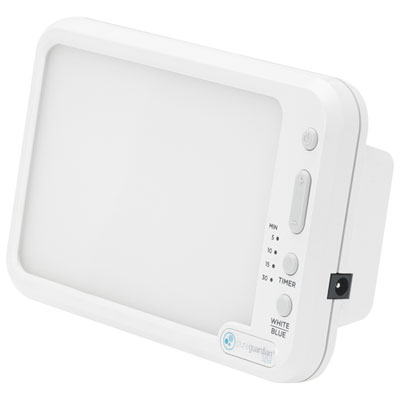
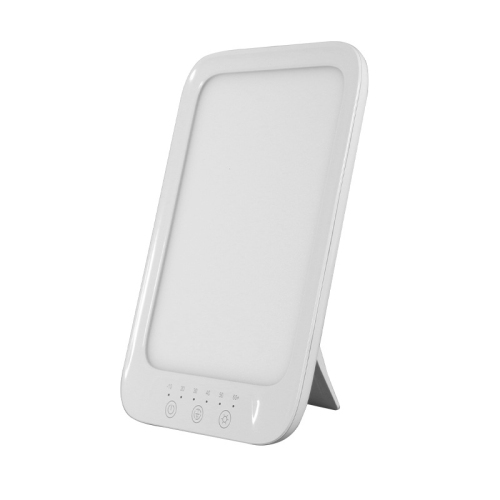
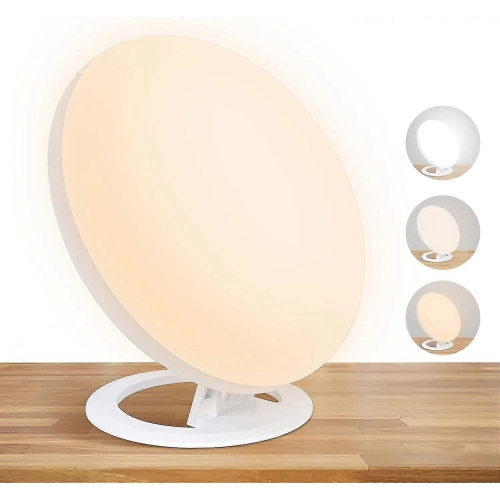
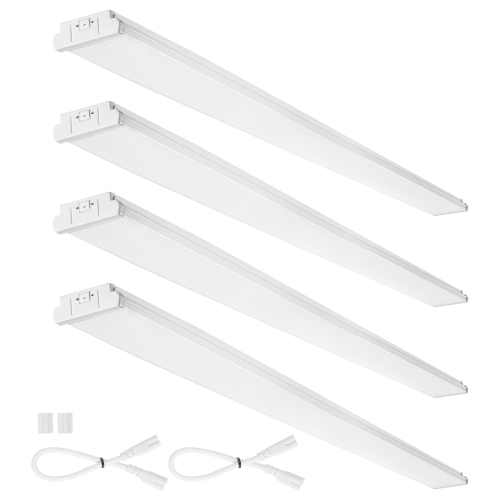
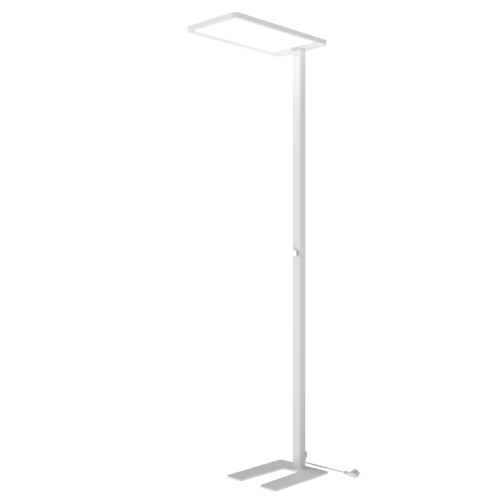
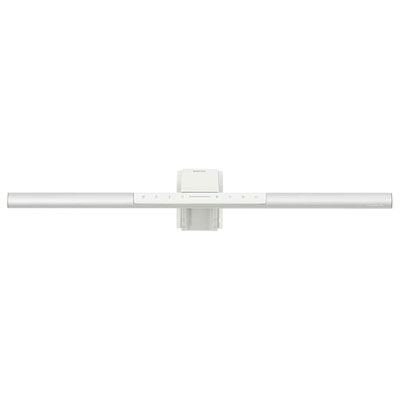
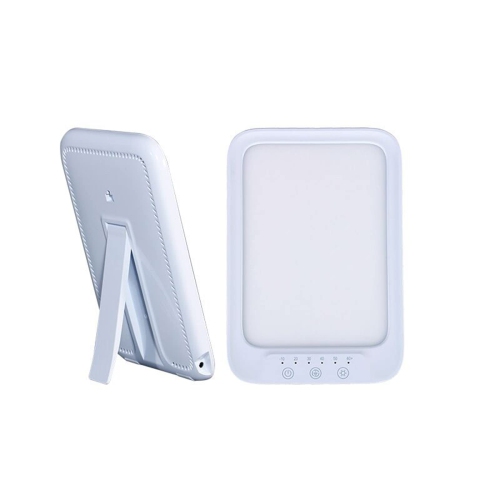
10,000-lux lights are high-intensity lamps commonly used for bright light therapy, delivering a measured level of illumination at a specified distance from the light source. Lux describes how much light reaches a surface, rather than how much light a lamp produces overall. That distinction matters: a lamp rated at 10,000 lux reaches that level only under the measurement conditions stated by its manufacturer. Moving farther away generally reduces the light reaching your eyes, so the stated treatment distance is just as important as the brightness rating. These lamps are often associated with support for seasonal affective disorder, or SAD, and certain sleep-wake concerns under professional guidance. They are not simply extra-bright reading lamps, and brightness alone does not establish that a device is suitable for therapy. A purpose-built light therapy lamp should clearly describe its intended use, light output, positioning requirements, and ultraviolet filtering or UV-free design. Bright light therapy works through light reaching the eyes, not through exposure of the skin, and it is different from tanning, heat therapy, and red light treatments. The lamp usually sits within the user’s field of view while they read, eat breakfast, or work at a desk, without requiring them to stare directly into the illuminated panel. For someone hoping to make a session part of an everyday routine, that practical fit can matter more than a long list of controls. A panel positioned beside a breakfast place setting needs a stable base and enough room to stand at the correct distance; a lamp used beside a monitor needs an angle that does not create distracting reflections. Unlike a decorative table lamp, a therapy light is chosen around a defined use position. Clear specifications make it easier to judge whether that position will work comfortably in a particular space. A small panel may suit a narrow desk, but its size should be considered alongside the distance at which it delivers its stated intensity.
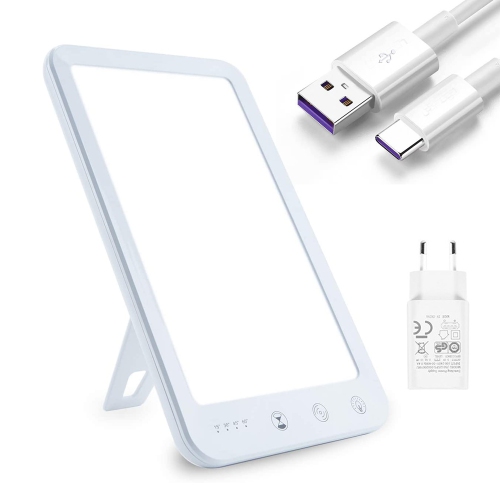
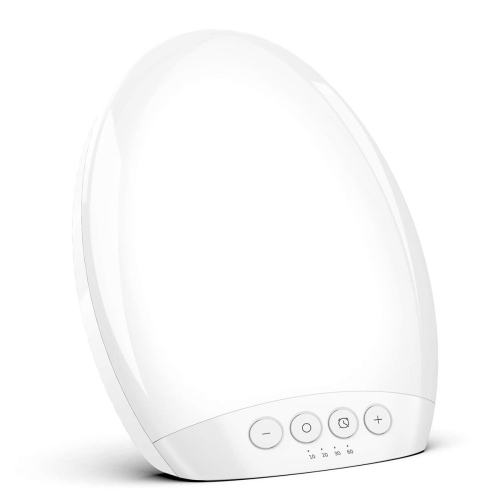
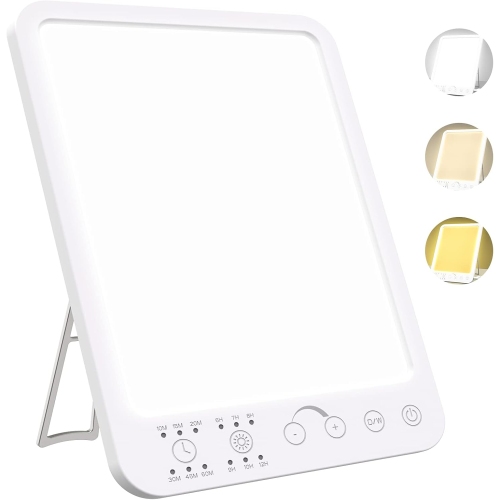
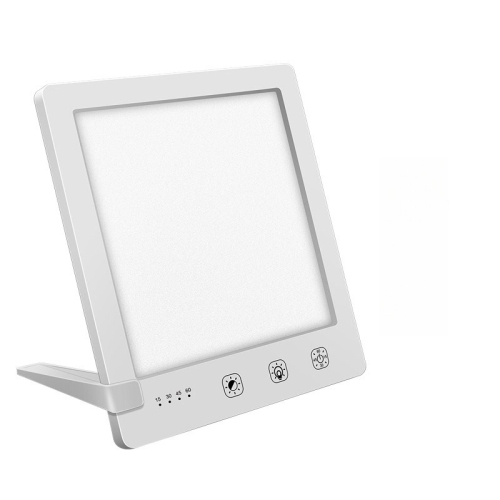
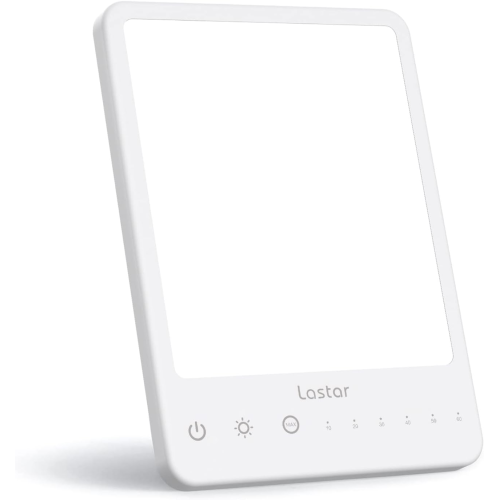
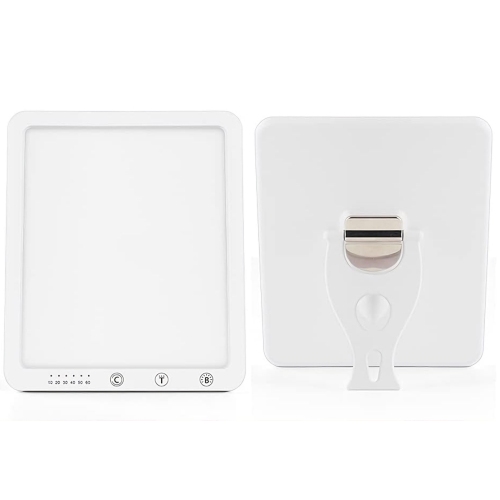
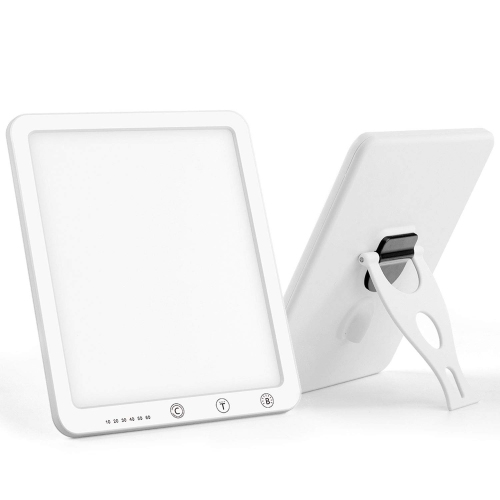
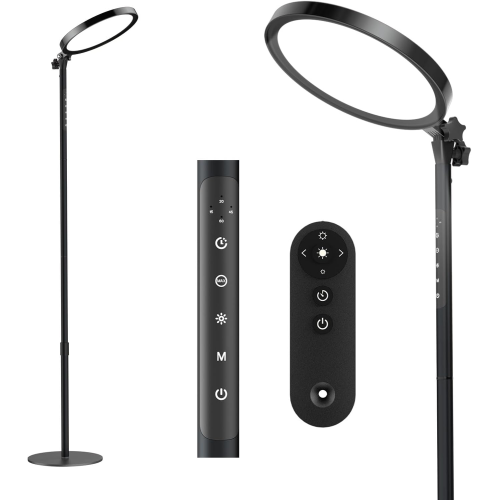
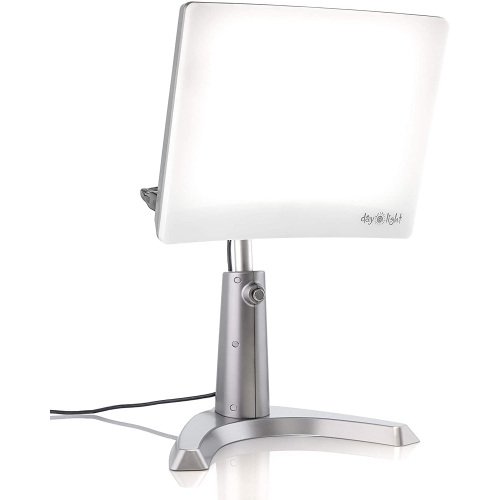
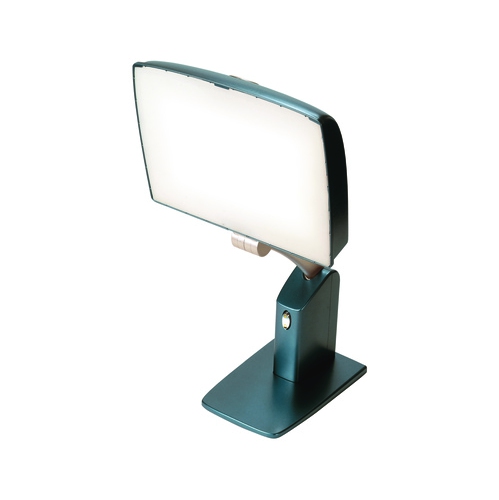
The shape, construction, and controls of a 10,000-lux light influence how comfortably it fits into daily life. Broad light panels can provide more flexibility for small changes in posture, whereas compact designs take up less room and are easier to carry between spaces. Neither format automatically provides a better therapy session; the useful comparison is the illuminated area, the rated distance, and the placement options together. An adjustable stand can help direct the panel towards the eyes while keeping it slightly off to one side, according to the manufacturer’s instructions. A firm hinge and a base that stays steady when the controls are touched are worthwhile details, especially on a desk shared with a laptop, notebooks, and a mug. Housings may be made from lightweight plastic or metal, with a diffuser over the light source to spread illumination more evenly. Smooth, accessible surfaces make routine dusting simpler, while protected edges and a well-supported stand help with everyday handling. LED designs are common and generally require little lamp maintenance, although any light source, diffuser, or power supply should be cared for as directed. Brightness settings can make a panel more comfortable to use, but reducing the setting may also mean it no longer delivers 10,000 lux at the stated distance. A timer helps track a session without watching the clock, and straightforward buttons can be easier to operate than controls that require repeated taps through several modes. Colour temperature is a separate specification from lux: it describes the warm or cool appearance of white light, not the amount reaching the user. For ordinary room lighting with a warmer appearance, 3000k Lights serve a different purpose and should not be treated as a substitute for a purpose-built therapy lamp. When comparing therapy lights, descriptions of colour and visual comfort are useful, but they do not replace clear intensity measurements and intended-use information.
A workable routine depends on more than choosing a powerful light. Sessions using 10,000-lux lamps often last about 20 to 30 minutes, frequently in the morning, but the appropriate timing, distance, and duration depend on the device and the person using it. There is no single sitting distance that applies to every lamp. Following the manufacturer’s positioning instructions helps avoid the common mistake of placing a compact panel across the room and assuming its full rated intensity will still reach the eyes. Someone reading at a kitchen table may find a freestanding panel easy to accommodate, while a person moving between a home office and another workspace may value a lighter housing and a stand that folds securely. Check whether a portable design needs a wall outlet, since a compact size does not necessarily mean cordless operation. A cord long enough for the intended location reduces the temptation to position the lamp awkwardly, and cables should stay clear of walkways and table edges. For care, switch off and unplug the lamp before cleaning, follow the stated cleaning method, and avoid abrasive materials that could scratch the diffuser. Keep liquids away from controls and connections, and do not cover ventilation openings. Before using bright light therapy to address mood or sleep symptoms, discuss suitability with a healthcare professional, particularly if there is a history of bipolar disorder, an eye condition, or medication use that increases light sensitivity. UV-free light is not automatically appropriate for everyone, and headaches, eyestrain, nausea, or agitation can occur. New discomfort or changes in mood warrant professional advice rather than simply continuing the same routine. As a gift, a therapy lamp is best chosen for someone who has expressed an interest in using one and can confirm that it suits their needs. Thoughtful selection centres on clear specifications, comfortable placement, simple upkeep, and an intended use that matches the recipient’s routine.
Top selling and popular products
-
 Your price for this item is $194.99
-
 Your price for this item is $166.99
-
 Your price for this item is $54.99
-
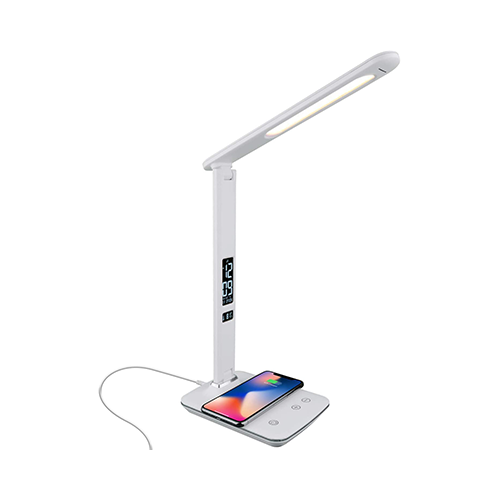 Your price for this item is $72.99
-
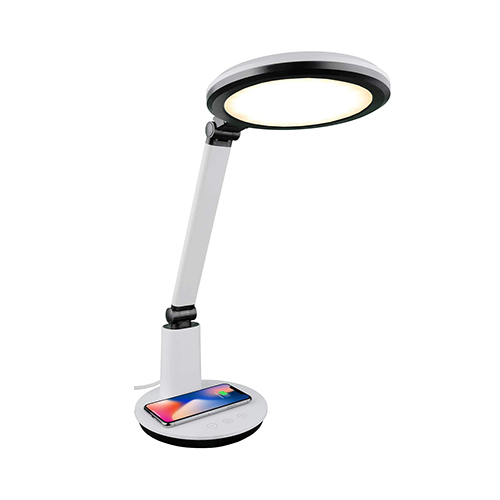 Your price for this item is $109.99
-
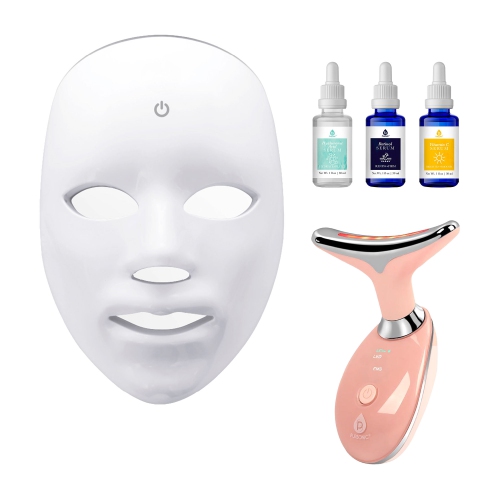 Your price for this item is $149.99
-
 Your price for this item is $102.99
-
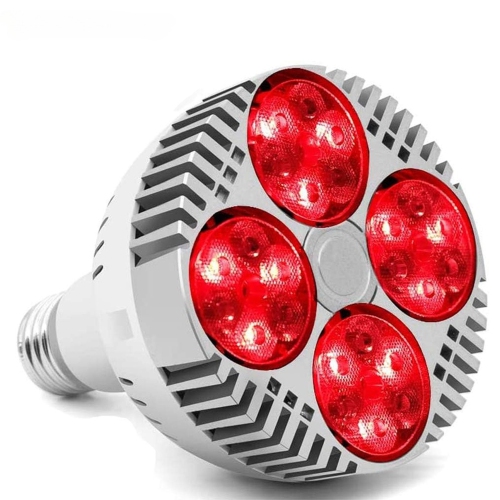 Your price for this item is $56.99
Discover more categories related to 10000 Lux Lights

Top Collections:
Pokemon Centers, Best Cameras for Sports Photography, Kindle Devices, Samsung Galaxy Phones, Canon G7X Cameras, Pokémon 30th Celebration Cards, Refurbished Apple Laptops, iPhone 15 Apple, Laptops for Students, Budget Smartphones
Some products may be subject to Environmental Handling Fees
(EHF) depending on your province.
Learn more about EHFs.