Verilux Happylight
Brighten up your day with Verilux Happylight options designed to enhance your home or workspace. Whether you're looking to create a more inviting atmosphere or add a touch of light to your daily routine, these lamps offer a convenient solution for any setting. Explore a range of styles and sizes to find the perfect Verilux Happylight to suit your needs and elevate your environment.
Sort


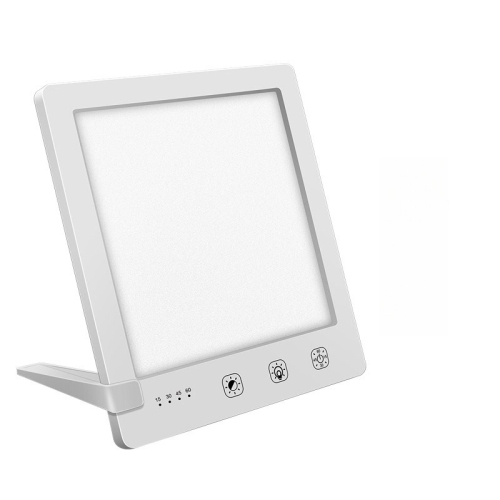
What matters beyond a light therapy lamp’s brightness
Light therapy lamps provide bright, visible light for a planned daily routine, rather than simply adding illumination to a room. Often called bright-light lamps or light therapy lights, they are used by people looking to support daytime alertness, maintain a consistent sleep-wake schedule, or address concerns associated with reduced daylight. Their purpose differs from that of an ordinary reading lamp: the light is designed to reach the eyes indirectly while the user sits nearby, without staring into the panel. Many lamps in this category are designed to deliver up to 10,000 lux at a specified distance. Lux measures the amount of light reaching a surface, so that figure is meaningful only when considered alongside the manufacturer’s stated positioning and distance. Moving a lamp farther away can substantially reduce the light reaching the user, even when the panel still looks bright. A large panel and a small panel may therefore require different placements to provide their intended output. UV-free light therapy lamps are designed to provide visible light without ultraviolet exposure; they are not tanning lamps and do not help the body produce vitamin D. Descriptions such as full-spectrum refer to characteristics of the light, but do not replace practical details about intensity, positioning, and recommended use. Adjustable brightness can make a lamp more comfortable to sit beside, while colour-temperature settings change whether its light appears warmer or cooler. These are separate features, and a cooler-looking setting does not automatically mean a higher therapeutic light level. The Light Therapy Lamp SAD collection offers related options for people exploring bright-light routines during periods of reduced daylight. Across this category, the most useful distinctions are how the light is delivered, how easily the lamp fits into daily activities, and whether its operating requirements suit the person using it. Bright-light therapy may help some people, but its effects vary, and a lamp should not be treated as a guaranteed solution for low mood, fatigue, or sleep difficulties.
The physical fit of a light therapy lamp matters because regular use depends on having a comfortable place for it. On a breakfast table, a compact upright panel can sit beside a bowl and a newspaper without taking over the whole surface. At a desk, a wider panel may fit more naturally beside a monitor, provided it can be positioned at the recommended distance without blocking the screen or shining directly into someone else’s workspace. Panel dimensions, base depth, and the angle of the stand all affect that fit. A slim body may still need considerable tabletop space once its support is extended, while an adjustable stand can make it easier to place the light within the intended viewing area. Wall mounting is an option only for lamps designed for that purpose, with installation requirements that suit the chosen location. Controls also influence everyday comfort. Clearly marked buttons, accessible brightness adjustments, and an easy-to-read timer can be helpful when a lamp becomes part of a quiet morning routine. A countdown timer offers a convenient way to track a session, although the appropriate duration depends on the lamp’s instructions and individual needs. Memory settings, where included, can reduce repeated adjustments, while touch controls may appeal to someone who prefers a simple, uncluttered panel. Light spread is another consideration: a broad, evenly illuminated surface may feel different from a smaller, more concentrated source, even when both list similar maximum lux ratings. Reflections on glossy screens, the height of a chair, and the position of nearby windows can all affect comfort. Portability involves more than weight, too. A compact shape does not necessarily mean cordless operation, and the power cord, adapter, and protective storage space remain part of the setup. For someone moving between a home office and a kitchen table, a stable stand and manageable cable may matter more than an especially thin profile. The right arrangement leaves room for ordinary activities while keeping the lamp positioned as intended.
Materials and construction contribute to how well a light therapy lamp handles repeated use. Many designs combine a moulded plastic housing with an LED light source and a diffusing panel that spreads the light across the front surface. A smooth diffuser helps create an even appearance, while a secure frame protects the panel from everyday handling. The stand, hinge, and base deserve as much attention as the illuminated surface: a lamp that stays steady when its controls are pressed is easier to live with on a busy desk or a narrow side table. Non-slip feet can help limit movement on smooth furniture, and a well-supported hinge should hold the selected angle without gradually dropping. Integrated LEDs often mean there is no routine bulb change, although serviceability and replacement arrangements vary by design. Care is generally straightforward and should follow the manufacturer’s directions. Unplugging the lamp before cleaning, wiping the housing with a soft cloth, and keeping moisture away from controls and electrical connections help protect its finish and components. Abrasive cleaners can scratch a diffuser, while wrapping a cord tightly around the body can strain its connection. For storage or travel, protecting the light panel from pressure and keeping the adapter together with the lamp makes the next setup simpler. These practical details can be especially relevant when choosing a lamp as a gift for someone who has already expressed an interest in light therapy. Easy controls, a suitable footprint, and a clear instruction manual are more useful than assuming that the recipient wants the greatest number of settings. Health considerations also matter. People with eye conditions, bipolar disorder, or medications that increase sensitivity to light should seek advice from a healthcare professional before use. Persistent changes in mood, energy, or sleep also deserve medical attention rather than reliance on a lamp alone. Timing and duration should follow appropriate professional advice and the manufacturer’s instructions, particularly because bright light used at the wrong time can interfere with sleep. A comfortable setup, realistic expectations, and consistent attention to safe use make the category easier to assess for an individual routine.
Top selling and popular products
-
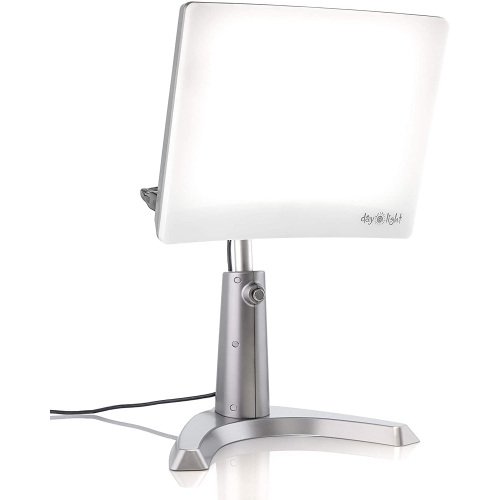 Your price for this item is $194.99
-
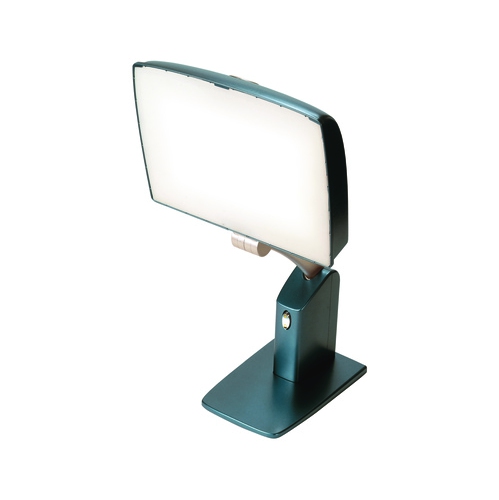 Your price for this item is $166.99
-
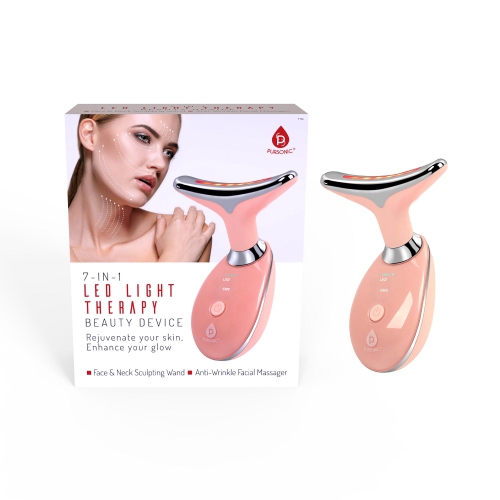 Your price for this item is $54.99
-
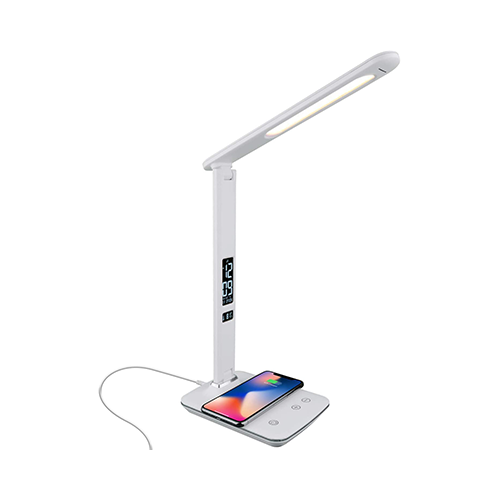 Your price for this item is $72.99
-
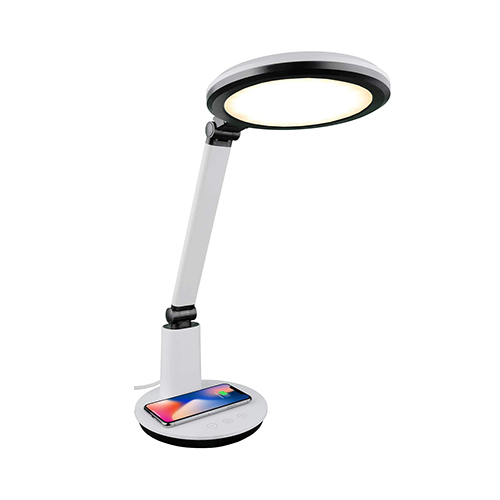 Your price for this item is $109.99
-
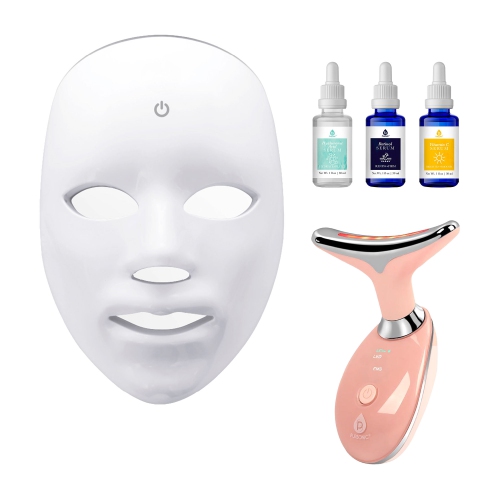 Your price for this item is $149.99
-
 Your price for this item is $102.99
-
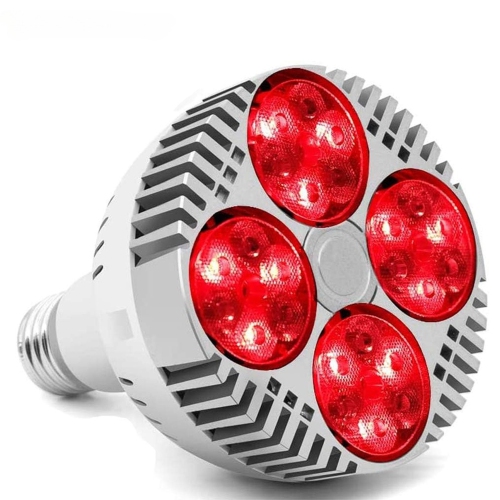 Your price for this item is $56.99
Discover more categories related to Verilux Happylight

Top Collections:
Pokemon Centers, Best Cameras for Sports Photography, Kindle Devices, Samsung Galaxy Phones, Canon G7X Cameras, Pokémon 30th Celebration Cards, Refurbished Apple Laptops, iPhone 15 Apple, Laptops for Students, Budget Smartphones
Some products may be subject to Environmental Handling Fees
(EHF) depending on your province.
Learn more about EHFs.