Ab Crunch Machines
Get ready to sculpt those abs with our range of Ab Crunch Machines! Whether you're a fitness enthusiast or just starting your fitness journey, these machines are designed to target your core muscles and help you achieve that toned midsection you've always wanted. With their ergonomic design and adjustable settings, our Ab Crunch Machines provide the perfect combination of comfort and effectiveness. Say goodbye to endless sit-ups and hello to a more efficient and enjoyable way to strengthen your core. Browse our selection now and take the first step towards achieving your fitness goals!
Sort


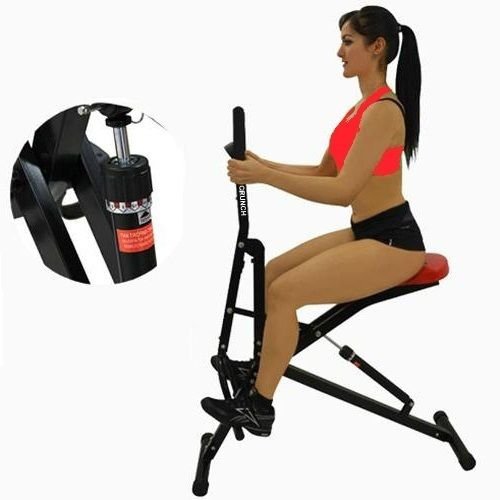
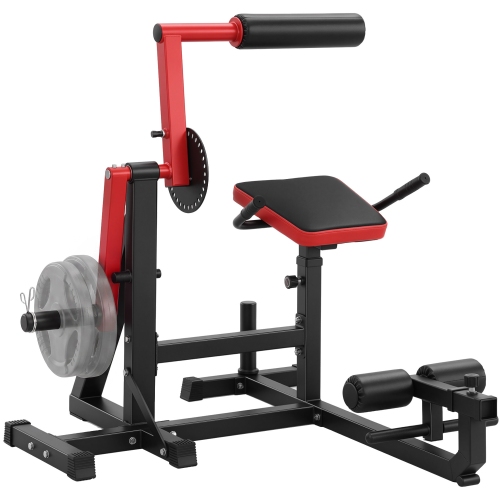

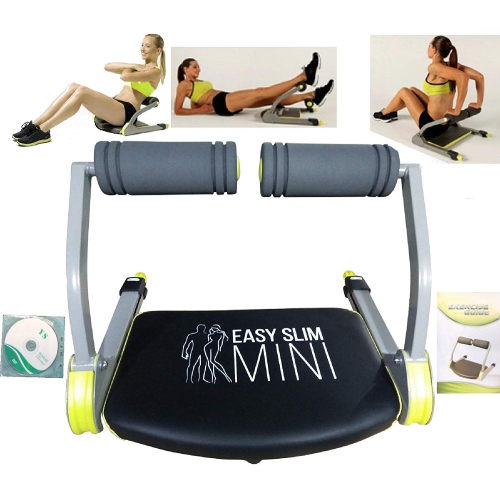


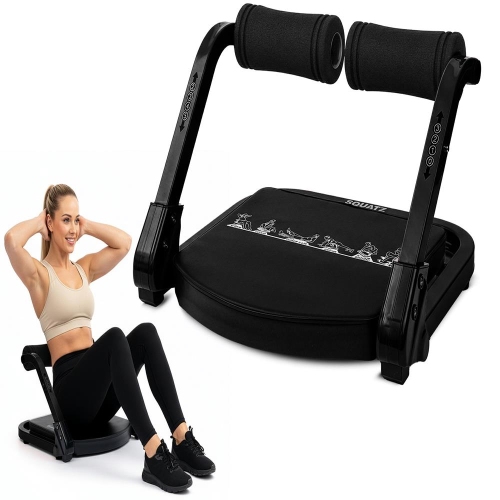








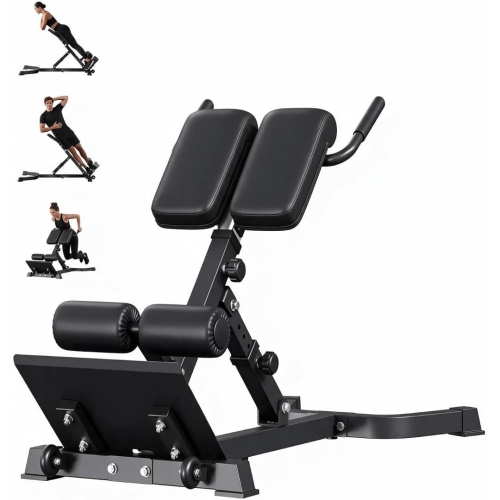

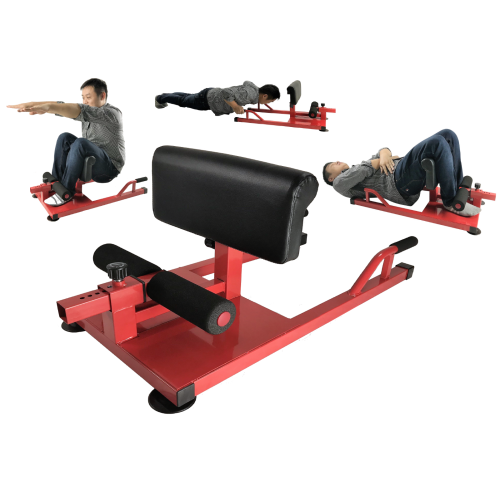

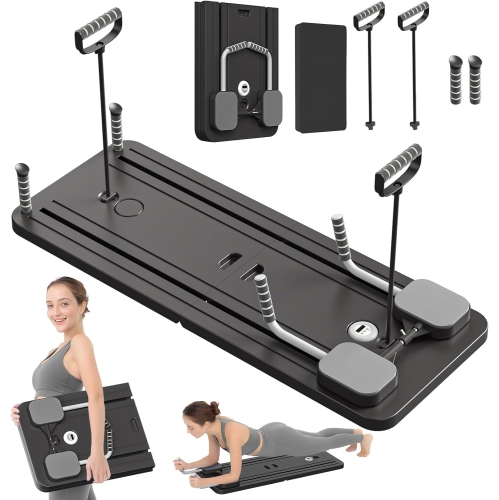

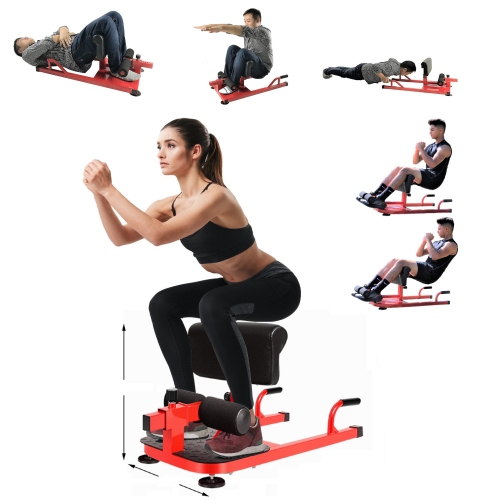
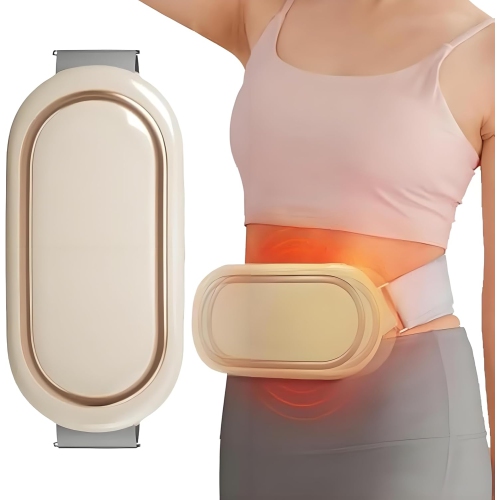

How fit and resistance shape supported abdominal training
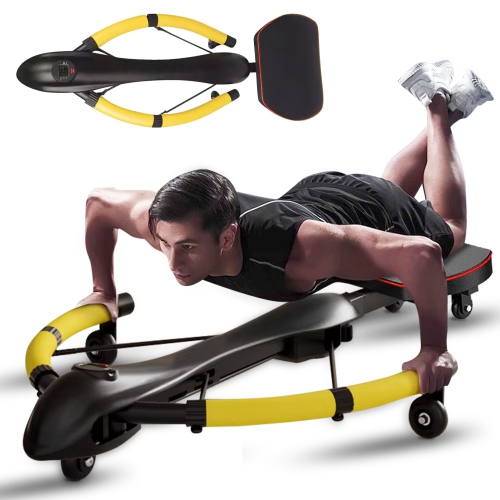
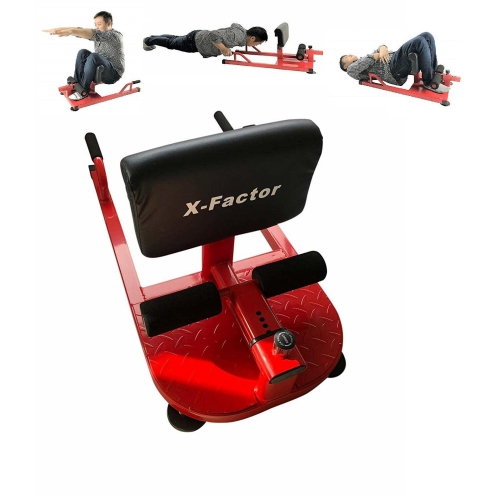
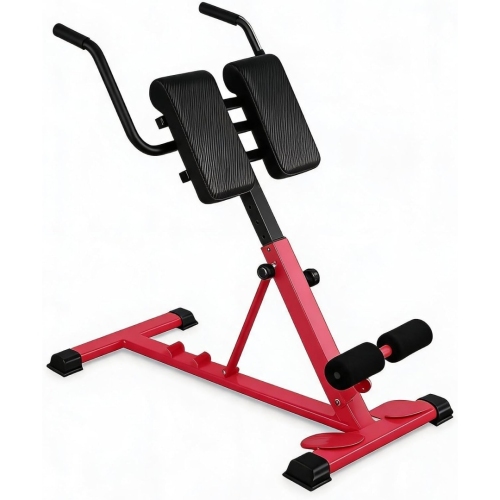
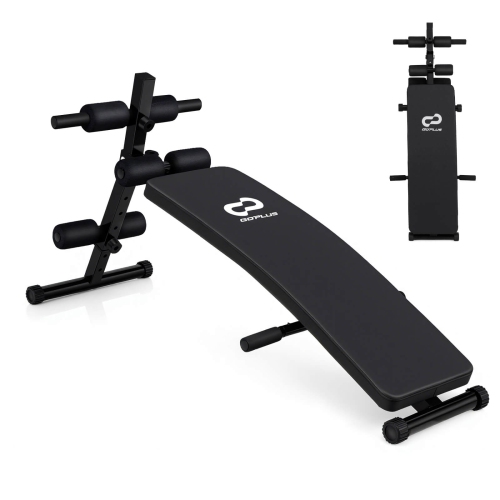
Ab crunch machines are strength-training equipment designed to work the abdominal muscles through a supported, resisted crunching motion. They primarily target the rectus abdominis, the muscle running along the front of the abdomen, while other core muscles help maintain body position depending on the design. Unlike a floor crunch, a resistance-based machine provides a way to change the load without holding a weight against the chest. Selectorized machines use a weight stack and adjustment pin, while plate-loaded designs use separately loaded weight plates. Some compact abdominal trainers instead provide assistance, leverage, or resistance through a different mechanism, so the way a machine works matters more than its name alone. A seated ab crunch machine typically includes a seat, padded contact points, and handles that support a controlled movement as the ribcage moves towards the pelvis. The guided path can make abdominal training easier to repeat consistently, although it still requires an appropriate fit and deliberate muscle control. This makes the category relevant to people adding direct abdominal work to a strength routine, exercisers who prefer supported equipment, and home gym users seeking a dedicated training station. Adjustable resistance can also accommodate gradual increases in training difficulty rather than relying only on additional repetitions. However, a machine’s fixed path will not suit every body equally, and working the abdomen on its own does not replace the varied demands of a complete exercise routine. Planks, carries, and other movements challenge the core in different ways, particularly by resisting movement rather than producing a crunch. Abdominal strength and visible muscle definition are also different goals: an ab crunch machine can train muscle, but it does not selectively remove fat from the waist. For a product category centred on abdominal exercise, the most useful distinctions are how each design creates resistance, how it supports the body, and whether its range of adjustment matches the people who will use it.
Fit is especially important because padding and handles need to meet the body at comfortable, functional points throughout the movement. Seat height, back support, handle position, and any lower-body supports influence how naturally a user can settle into the machine. A taller person may need more space between the seat and upper pads, while someone with a shorter torso may find that a fixed handle position encourages reaching rather than controlled abdominal movement. In a shared home gym, several adjustment positions can make the equipment more practical for users of different heights. Comfortable padding should spread pressure across the intended contact area without forcing the neck, shoulders, or hips into an awkward position. Generous padding alone is not a guarantee of a good fit; its firmness, shape, and placement matter too. Materials and construction affect how the machine feels during repeated use. Steel frames, secure joints, and a stable base help support consistent movement, while the quality of upholstery, cables, pulleys, bearings, and adjustment hardware contributes to durability. Smooth resistance should feel predictable rather than catching or changing abruptly through the intended motion. On weight-stack designs, clearly marked load settings and an accessible selector pin simplify adjustments. Plate-loaded equipment needs suitable loading points and enough clearance to add or remove plates comfortably. The machine’s listed weight capacity, resistance limits, and intended setting are important considerations, particularly where several people will use it frequently. Equipment designed for occasional home exercise may have different requirements from equipment intended for repeated use in a shared training space. Dimensions deserve equal attention: the floor footprint does not always include the room needed for moving handles, loading weights, getting seated, or making adjustments. In a spare room that also holds a bench or exercise bike, that extra clearance can determine whether the layout remains usable. A level surface and suitable floor protection can help support a stable setup, provided they are compatible with the manufacturer’s installation requirements. Delivery access, assembly needs, and the machine’s assembled weight also matter when planning a location, especially if the equipment must pass through a narrow doorway or go upstairs.
The appeal of an ab crunch machine often comes from having a defined place for abdominal work within a broader workout. A user finishing a strength session can sit down, select a manageable resistance, and focus on a controlled contraction rather than arranging separate accessories on the floor. The handles generally provide support; pulling hard with the arms can shift attention away from the intended abdominal movement. Similarly, a load that encourages jerking, excessive bending, or a fast return is unlikely to provide the same controlled experience as a resistance level suited to the user. Exhaling during the crunch and allowing a deliberate return can help establish a steady rhythm, with the precise setup and movement following the equipment’s instructions. Resistance increases are most useful when the existing load can be moved comfortably with consistent form. Anyone with back or neck concerns, or discomfort during spinal bending, should seek qualified advice about whether this type of exercise is appropriate. For a home gym that includes targeted lower-body training, Leg Curl Machines provide a separate option for hamstring-focused exercise, serving a different role from abdominal equipment. Keeping an ab crunch machine in good condition supports a more dependable training experience over time. Upholstery can be wiped down after use with a cleaner approved by the manufacturer, and seams, fasteners, cables, and moving parts benefit from regular inspection according to the maintenance schedule. Sweat residue, loose hardware, or worn padding should not be overlooked simply because the frame still feels solid. Lubrication requirements vary, so maintenance products should only be used where specified. In a shared space, returning adjustments to a familiar position and keeping the surrounding floor clear makes the station easier to use. As a gift, this is best suited to someone who has expressed an interest in dedicated abdominal equipment and has the space for it. Confirming their preferred exercise style, fit needs, and assembly arrangements helps make the choice practical rather than leaving a substantial machine without a suitable place or purpose.
Top selling and popular products
-
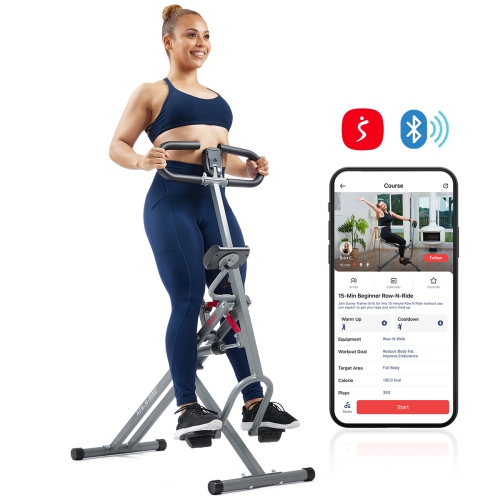 Your price for this item is $199.95
-
 Your price for this item is $249.99
-
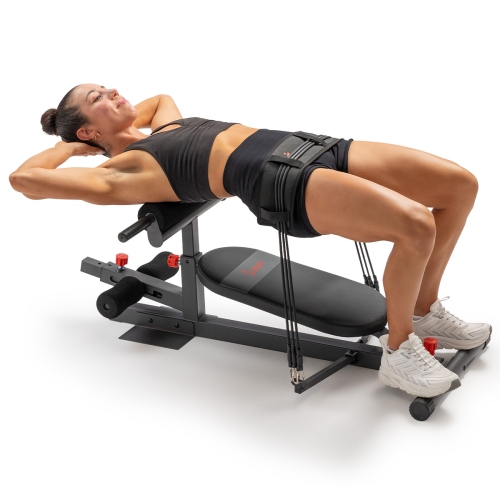 Your price for this item is $249.99
-
 Your price for this item is $79.95
-
 Your price for this item is $114.99
-
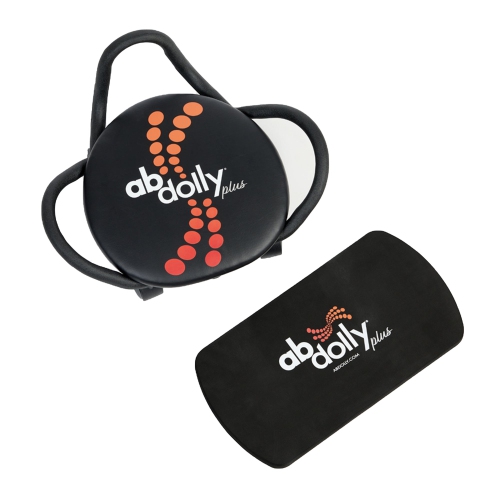 Your price for this item is $193.99
-
 Your price for this item is $249.99
-
 Your price for this item is $98.99
Discover more categories related to Ab Crunch Machines

Top Collections:
Pokemon Centers, Best Cameras for Sports Photography, Kindle Devices, Samsung Galaxy Phones, Canon G7X Cameras, Pokémon 30th Celebration Cards, Refurbished Apple Laptops, iPhone 15 Apple, Laptops for Students, Budget Smartphones
Some products may be subject to Environmental Handling Fees
(EHF) depending on your province.
Learn more about EHFs.