Leg Raise Machines
Our leg raise machines are designed to target and strengthen your core and lower body, these machines offer a versatile and effective way to achieve your fitness goals. Whether you're a seasoned athlete or just starting out on your fitness journey, our leg raise machines provide a challenging yet rewarding workout. From adjustable models for customizable intensity to compact options perfect for home gyms, we have the right machine to suit your needs. Get ready to sculpt those abs and build strong, toned legs with our selection of leg raise machines.
Sort
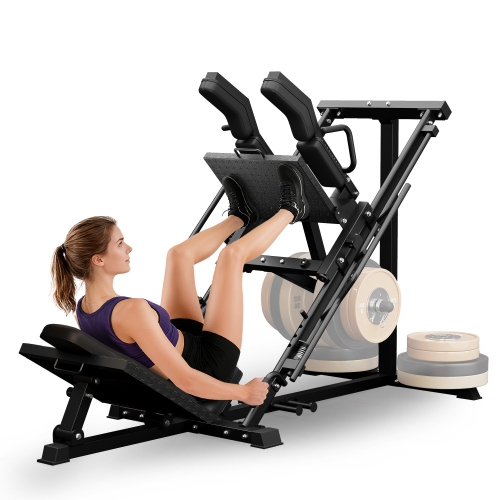
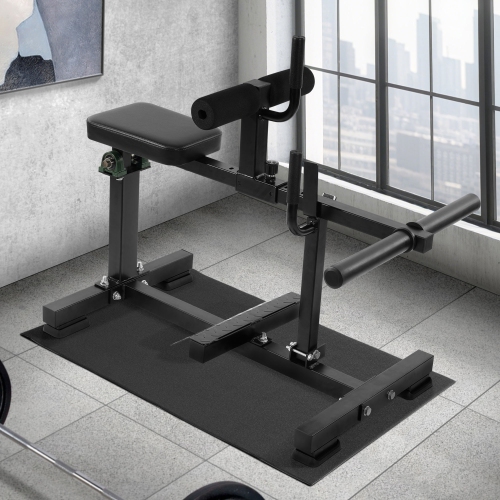
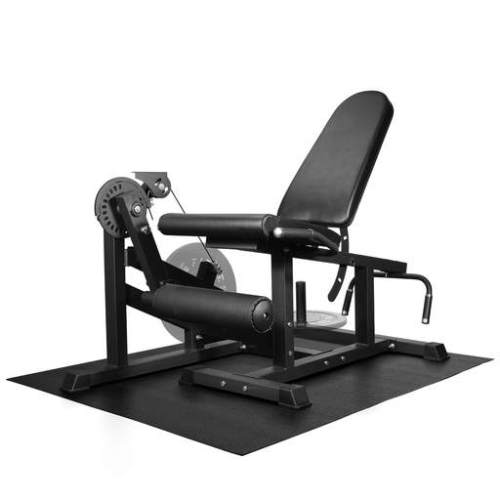
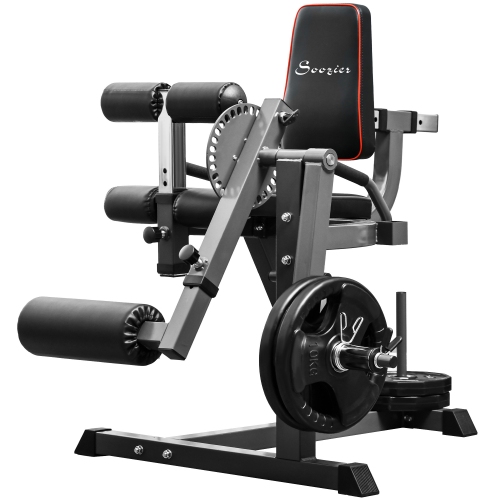
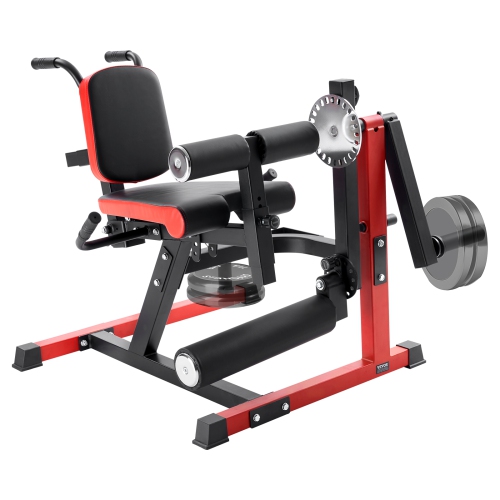
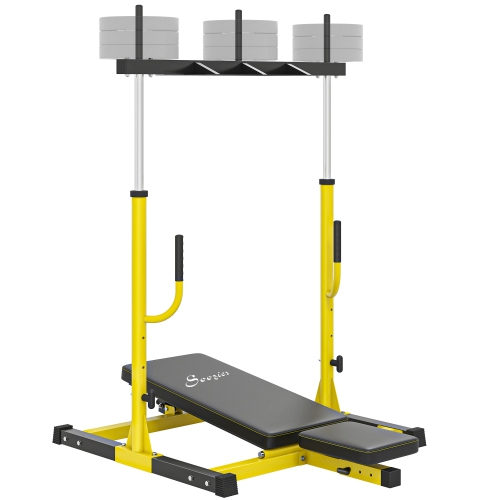
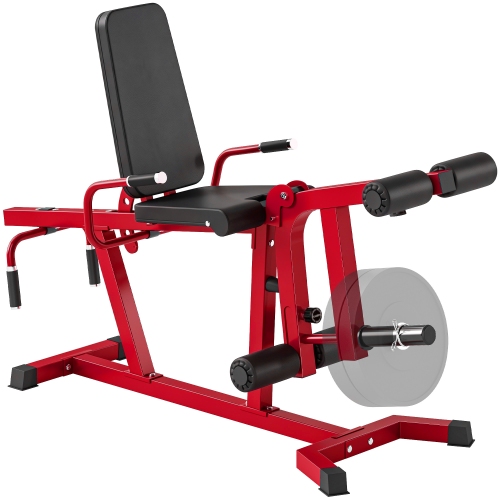
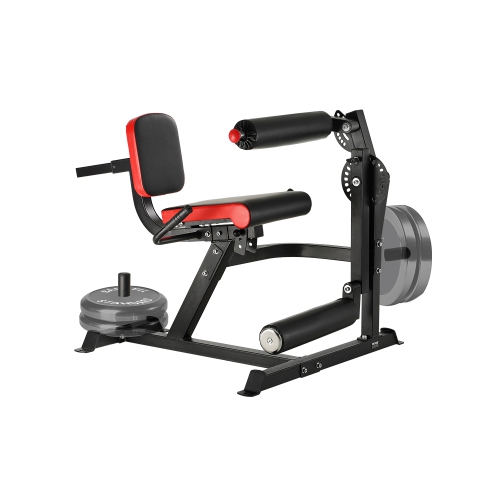
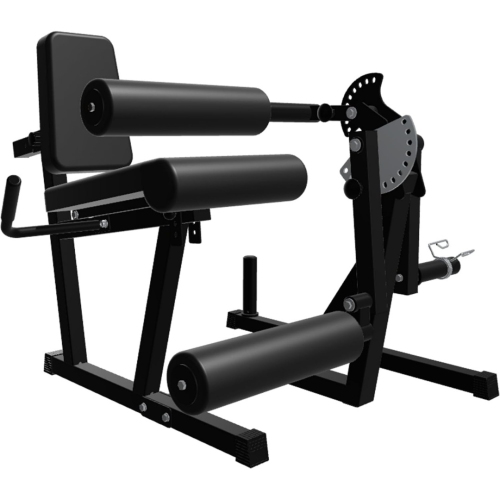
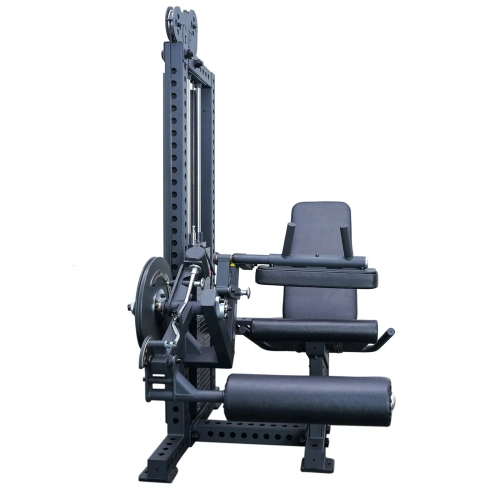
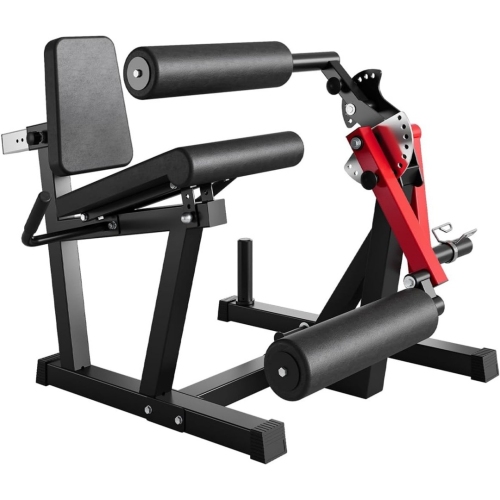
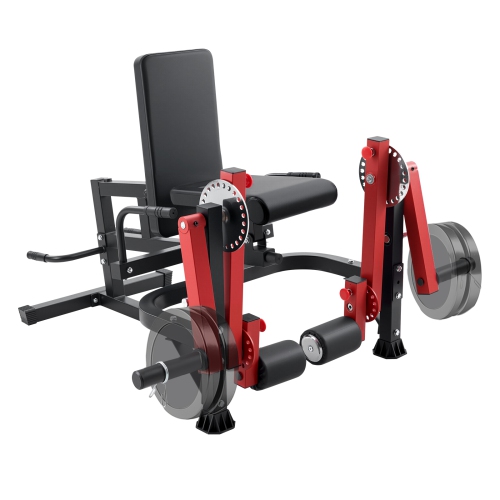
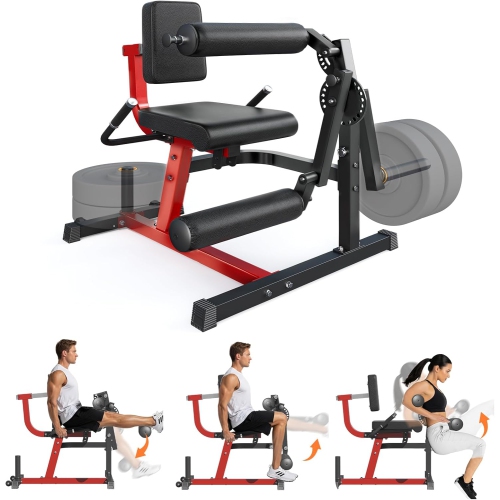
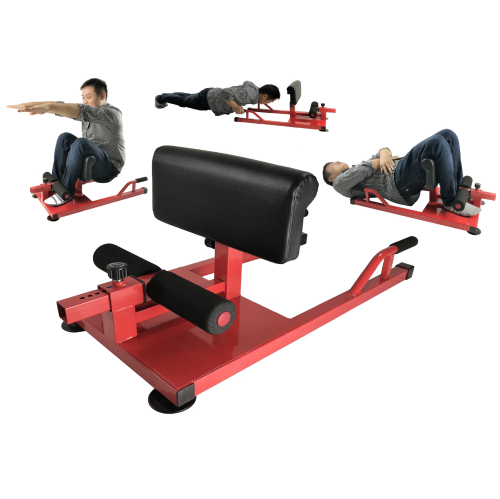
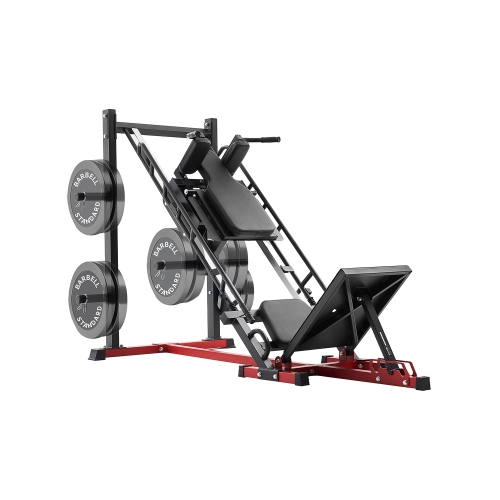
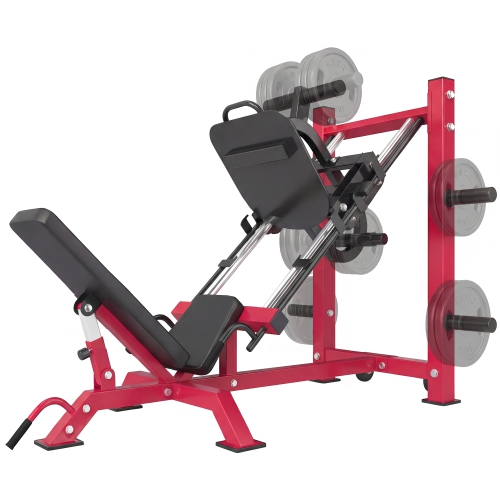
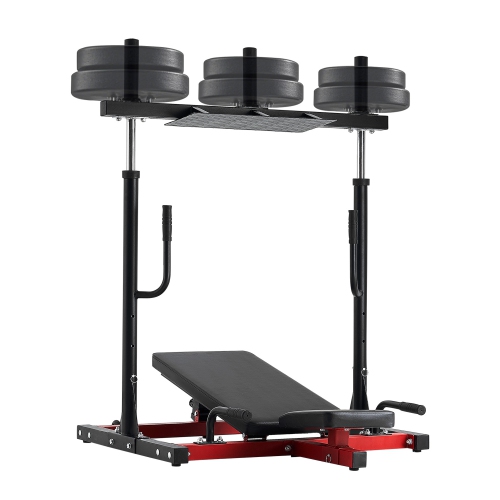
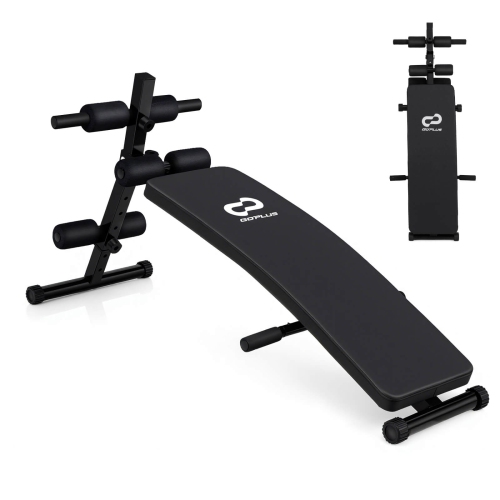
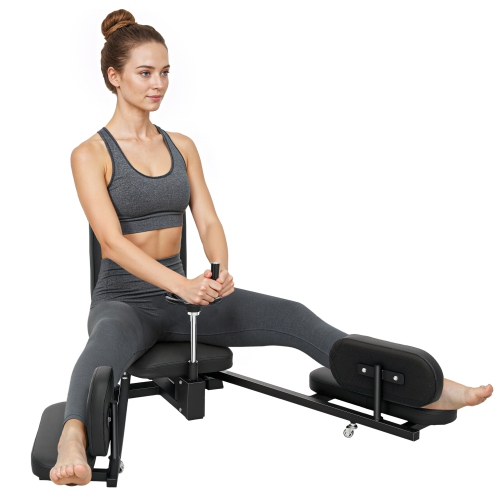
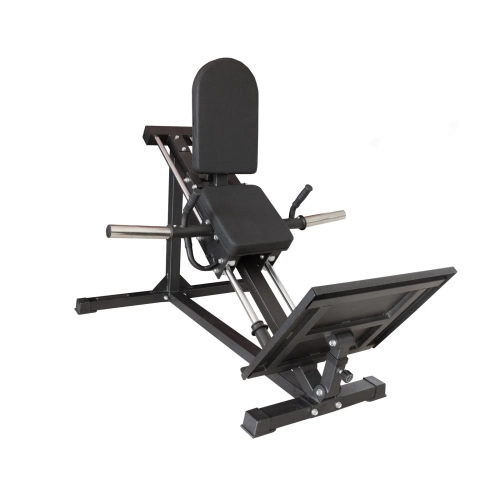
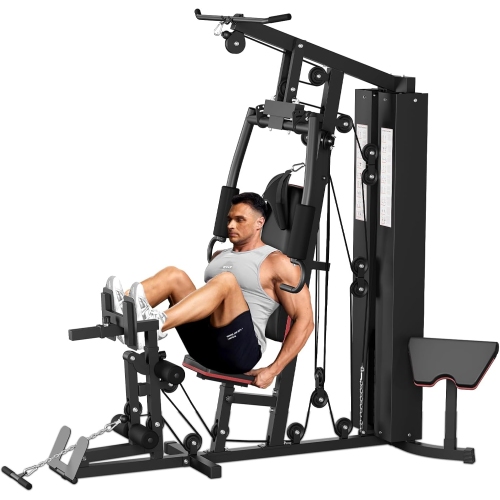
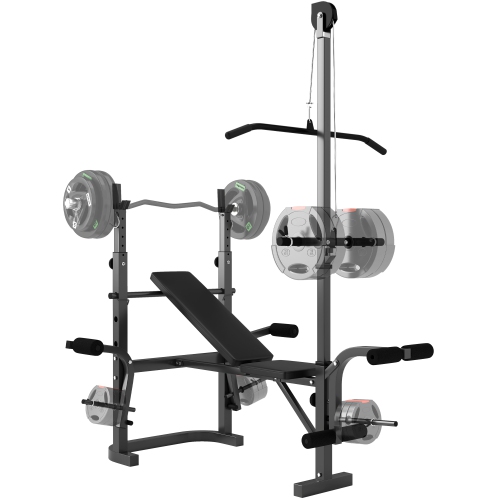
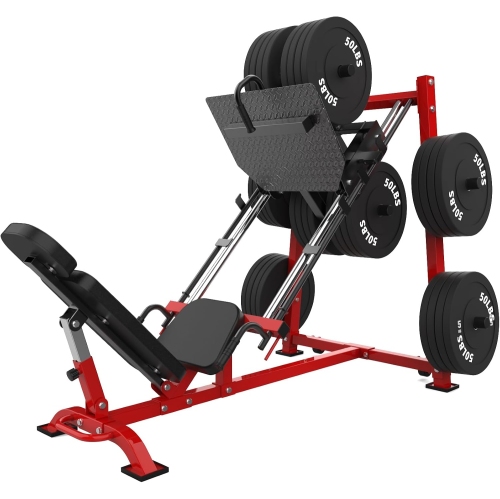
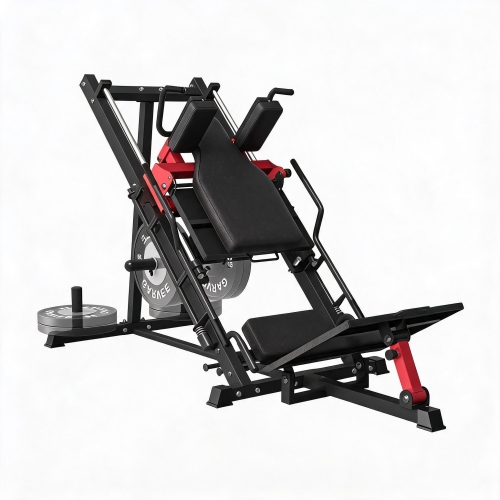
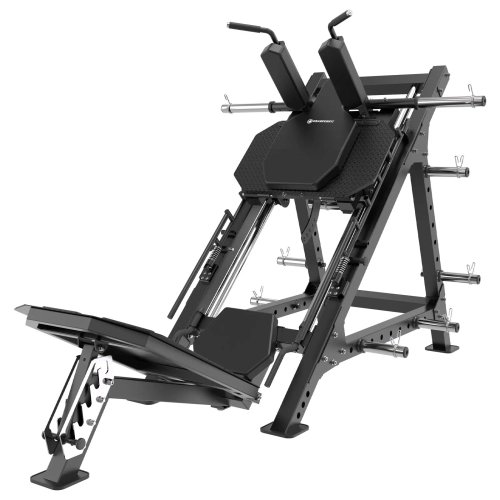
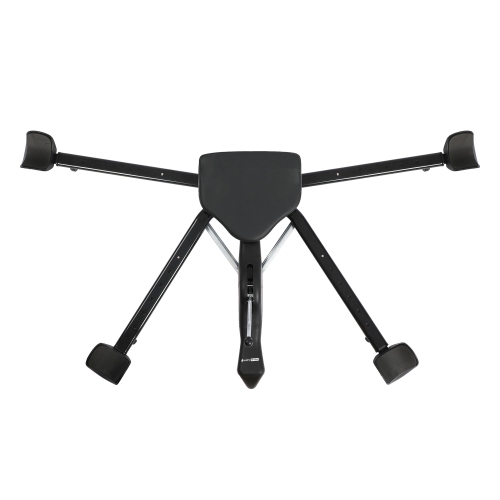
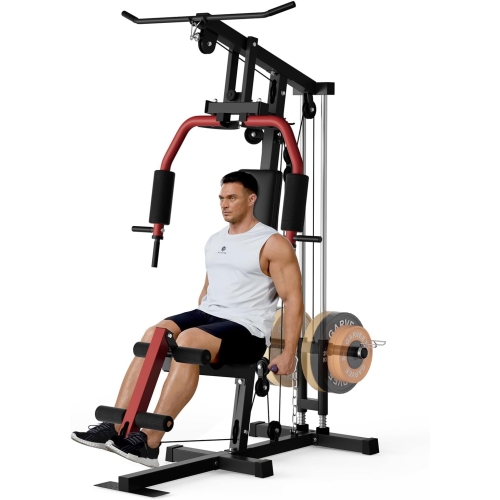
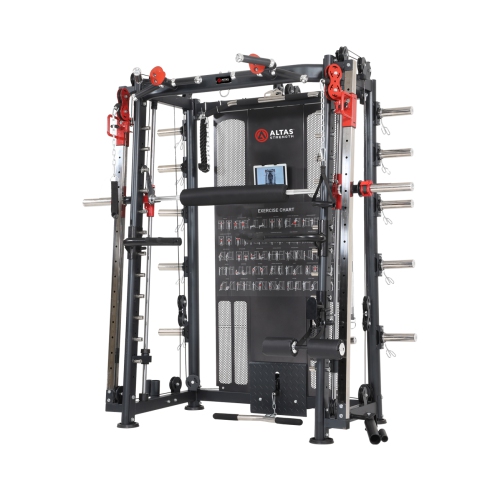
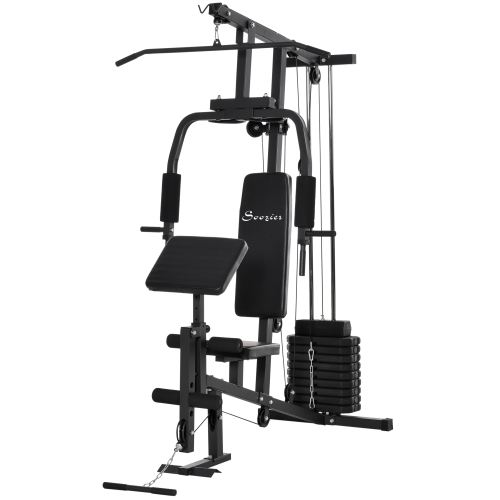
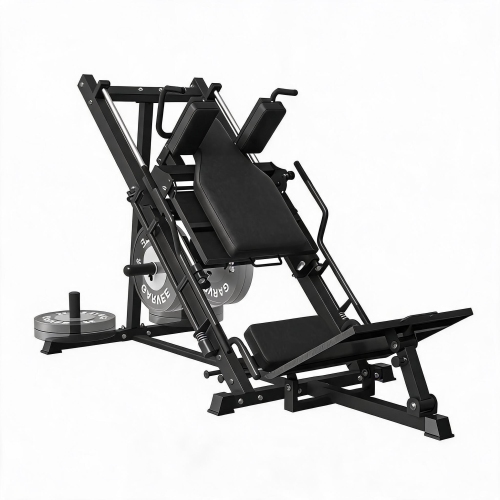

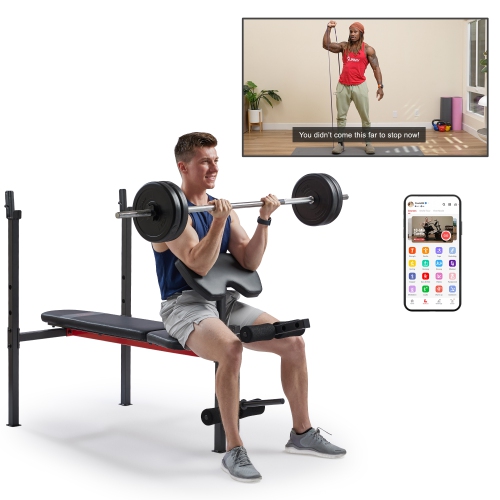
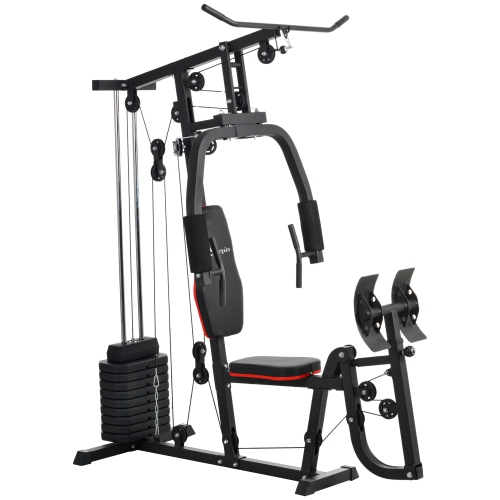
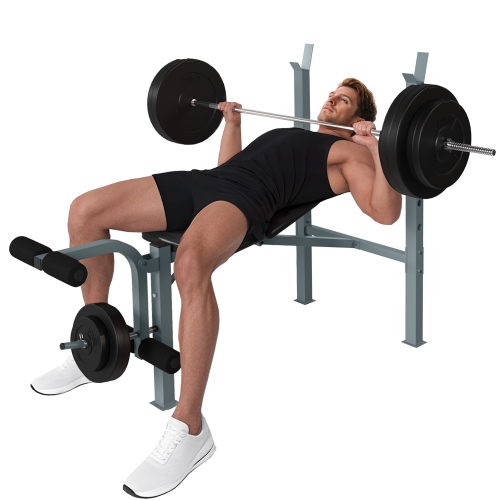
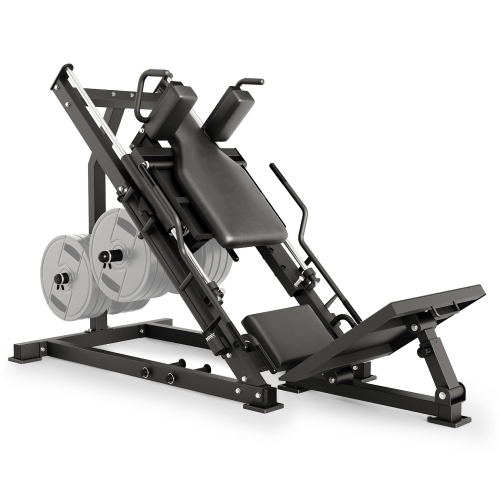
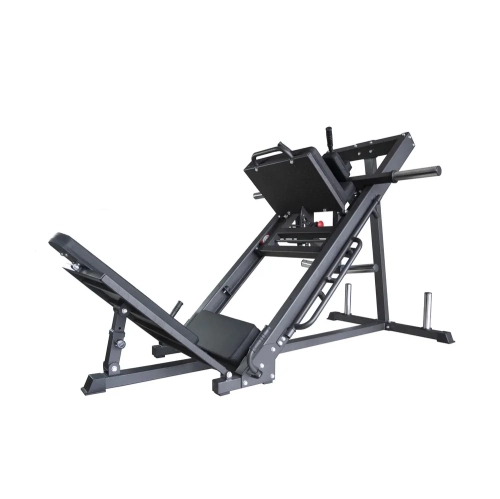
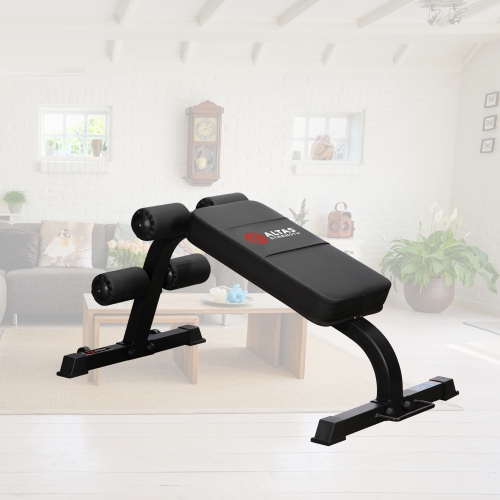
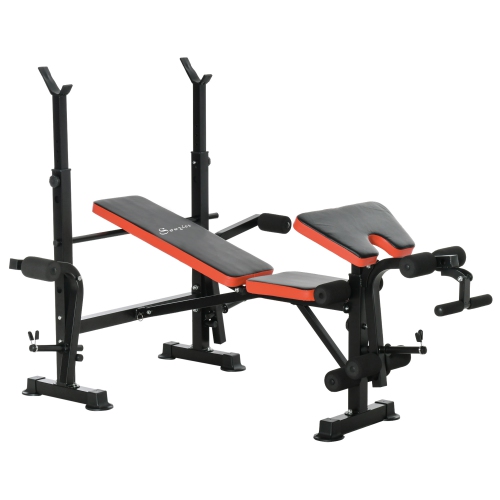
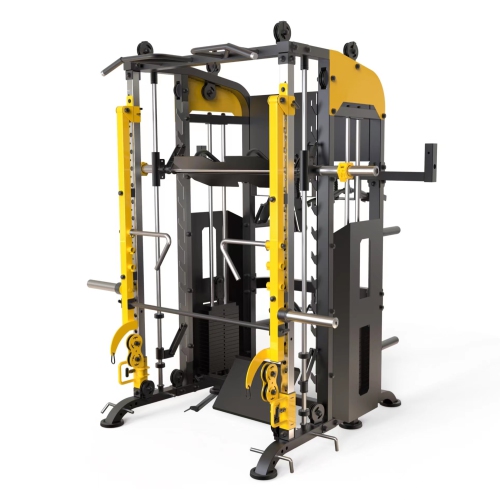
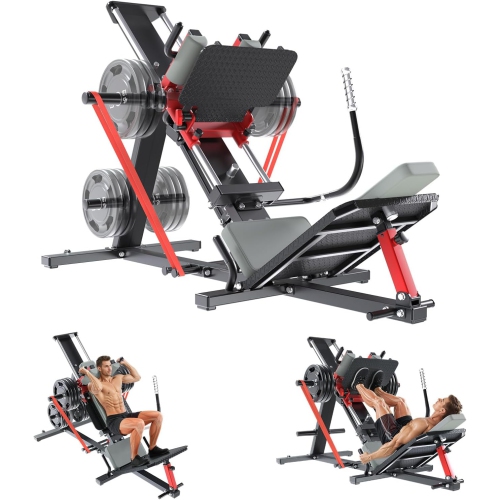
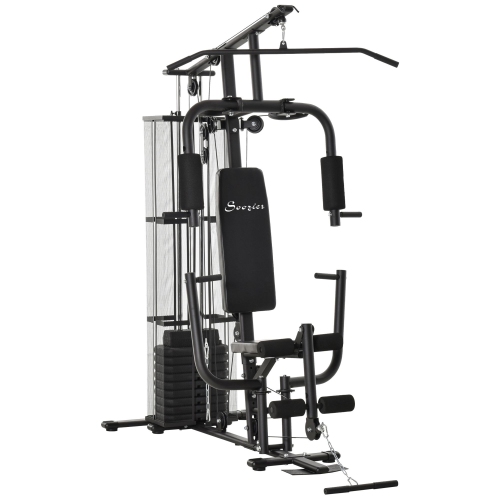
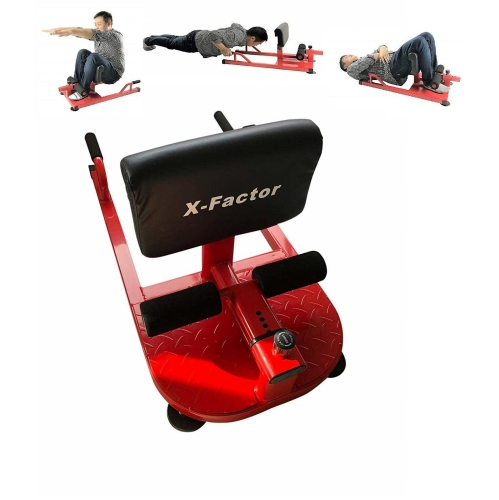
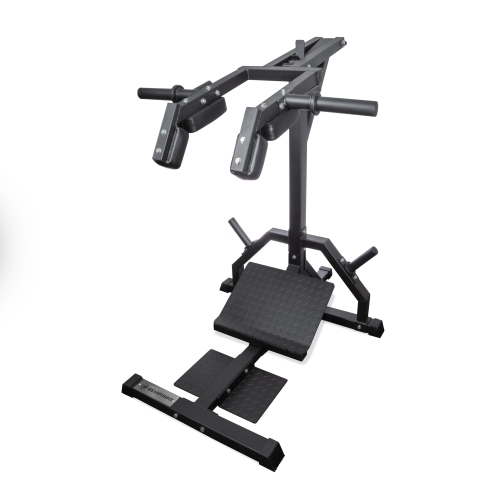
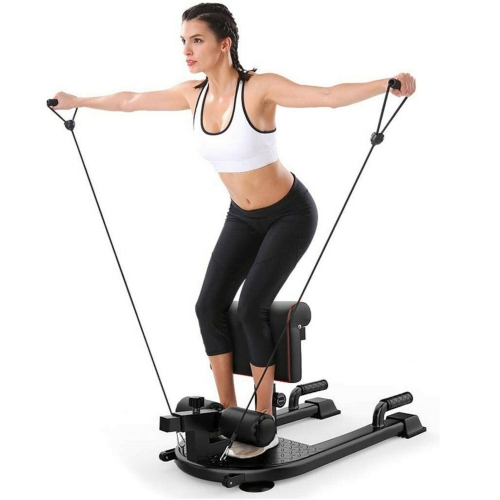
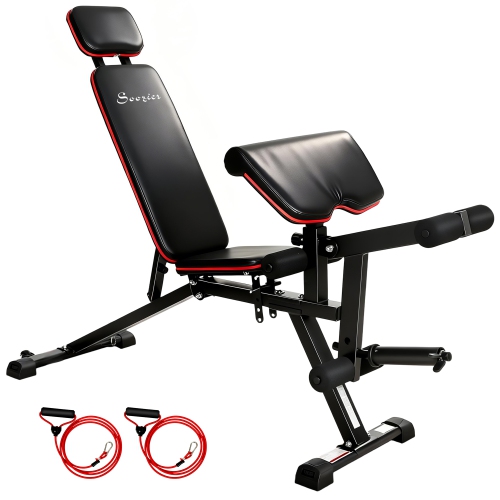
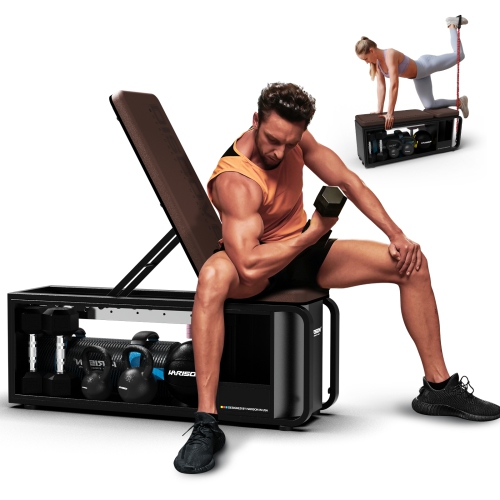
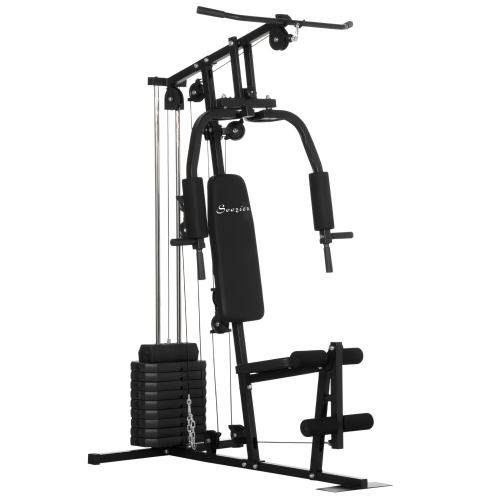
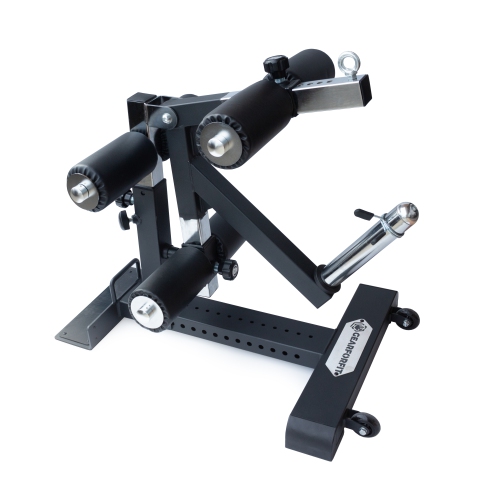
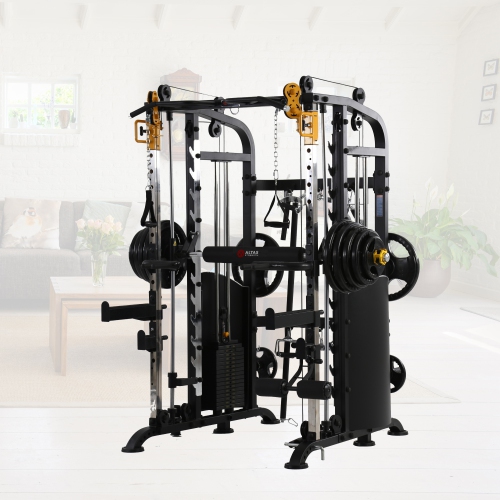
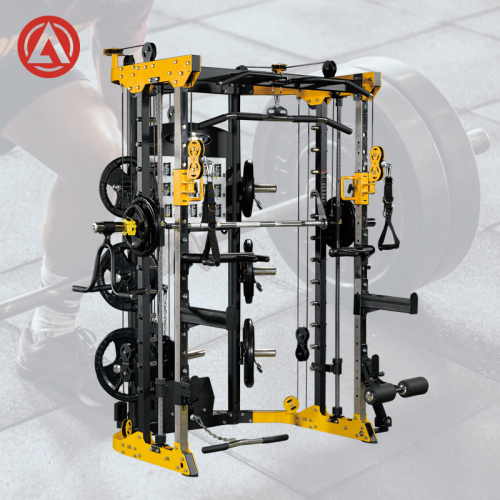
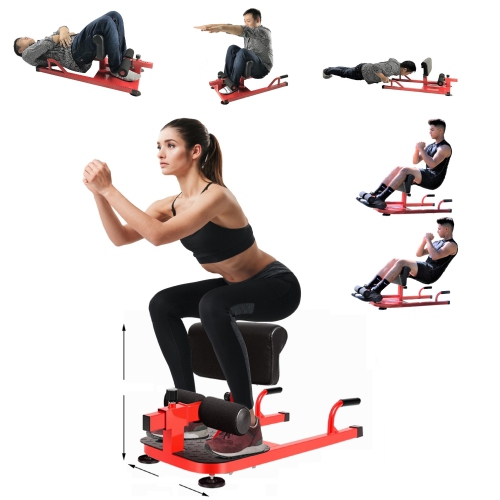
Supported knee raises for controlled core-focused home workouts
Leg raise machines are fitness stations designed to support controlled lower-body and core exercises while you remain upright, rather than lying on the floor. Most models include padded arm rests, a back pad and hand grips that help support your upper body as you lift your knees or legs. This setup can make it easier to focus on your movement, posture and breathing while reducing the need to balance on your hands. Depending on the design, a leg raise machine may also include a pull-up bar, dip handles or other exercise stations, making it a practical choice for a home gym with limited space. The main movement involves lifting the knees towards the torso, which works the abdominal muscles while also engaging the hip flexors and other muscles that help stabilise the pelvis. When performed with a controlled tempo, knee raises can strengthen the rectus abdominis and involve the obliques as you maintain a steady position. They can be useful for beginners who are learning how to brace their core, as well as experienced fitness enthusiasts who want to add more challenging bodyweight exercises to a routine. A leg raise machine may also complement floor-based core training, including exercises available with Ab Crunch Machines, especially when you want to vary your position or train from a supported station. These machines are not designed to remove body fat from one specific area; instead, they can form part of a broader fitness plan that includes regular activity, resistance training and balanced nutrition. For someone setting up a workout area at home, a leg raise machine can offer a dedicated place for short core sessions between work, household responsibilities or other training. It may also be a thoughtful gift for a person who enjoys strength training, is building a home gym or prefers equipment that supports several bodyweight movements. During the cooler months, when outdoor activities may be less convenient, having accessible equipment indoors can make it easier to maintain a consistent routine.
When comparing leg raise machines, start with the available space and the type of training the user plans to do. Measure the intended area carefully, including the machine’s height, width and depth, and leave enough room around it to mount the station safely and move between exercises. Height is especially important if the machine includes an overhead pull-up bar, while the floor surface should be level and suitable for a stable base. Look for a sturdy frame, secure feet and padding that supports the back and forearms without feeling excessively soft or restrictive. The arm rests should allow the elbows to sit comfortably, and the handles should provide a firm grip without forcing the wrists into an awkward position. Weight capacity is another important consideration, particularly if several people will use the equipment or if the user intends to add dynamic movements over time. Adjustable features can help accommodate different body sizes, while a compact or multi-use design may be preferable in an apartment, spare room or shared workout space. Think about whether the machine is intended mainly for knee raises or whether the user would benefit from additional functions such as dips, pull-ups or supported holds. Extra stations can increase versatility, but they may also require more room and a more careful comparison of overall stability. Assembly requirements matter as well; check the instructions, hardware and recommended tools before setting up the machine, and tighten all fasteners according to the manufacturer’s directions. A machine that feels solid during a slow knee raise should remain stable when the user changes grip or transitions between exercises. Padded surfaces should be easy to access and positioned so that the user can maintain a neutral spine rather than leaning excessively into the back pad. These details can make the difference between equipment that sits unused and a station that becomes part of a realistic, repeatable routine.
A sensible starting movement is the supported knee raise. After stepping into position, the user can rest the forearms on the pads, hold the grips, draw the shoulders down away from the ears and gently brace the midsection. With the knees bent at approximately a 90-degree angle, lift them towards the torso without swinging, then lower them slowly until the body returns to a stable starting position. Beginners may begin with a small number of controlled repetitions and focus on keeping the back supported, rather than trying to lift the knees as high as possible. As strength and coordination improve, straight-leg raises can add difficulty because the longer lever created by extended legs demands more work from the core and hip flexors. Oblique raises involve guiding the knees slightly to one side while keeping the movement controlled, which can increase the challenge for the muscles along the sides of the torso. A brief pause at the top of each repetition can make the exercise more demanding without requiring additional weights, while a slower lowering phase can help reinforce control. Avoid swinging, kicking or using momentum, since these habits reduce the work performed by the intended muscles and may make the station feel less stable. It is also wise to keep the shoulders relaxed, breathe throughout each repetition and stop if there is sharp pain, unusual pressure or loss of control. New users, anyone returning to exercise after a long break and people managing an injury or health condition may benefit from professional guidance before beginning a new routine. Leg raise machines can support core-focused training, but they work best as one part of a balanced programme that also includes movements for the legs, back, chest and overall cardiovascular fitness. Whether used for a quick session before the day begins, a structured home workout or supplementary training after other exercises, the right station can provide a comfortable and repeatable way to practise knee raises, straight-leg raises and oblique variations throughout the year.
When comparing leg raise machines, start with the available space and the type of training the user plans to do. Measure the intended area carefully, including the machine’s height, width and depth, and leave enough room around it to mount the station safely and move between exercises. Height is especially important if the machine includes an overhead pull-up bar, while the floor surface should be level and suitable for a stable base. Look for a sturdy frame, secure feet and padding that supports the back and forearms without feeling excessively soft or restrictive. The arm rests should allow the elbows to sit comfortably, and the handles should provide a firm grip without forcing the wrists into an awkward position. Weight capacity is another important consideration, particularly if several people will use the equipment or if the user intends to add dynamic movements over time. Adjustable features can help accommodate different body sizes, while a compact or multi-use design may be preferable in an apartment, spare room or shared workout space. Think about whether the machine is intended mainly for knee raises or whether the user would benefit from additional functions such as dips, pull-ups or supported holds. Extra stations can increase versatility, but they may also require more room and a more careful comparison of overall stability. Assembly requirements matter as well; check the instructions, hardware and recommended tools before setting up the machine, and tighten all fasteners according to the manufacturer’s directions. A machine that feels solid during a slow knee raise should remain stable when the user changes grip or transitions between exercises. Padded surfaces should be easy to access and positioned so that the user can maintain a neutral spine rather than leaning excessively into the back pad. These details can make the difference between equipment that sits unused and a station that becomes part of a realistic, repeatable routine.
A sensible starting movement is the supported knee raise. After stepping into position, the user can rest the forearms on the pads, hold the grips, draw the shoulders down away from the ears and gently brace the midsection. With the knees bent at approximately a 90-degree angle, lift them towards the torso without swinging, then lower them slowly until the body returns to a stable starting position. Beginners may begin with a small number of controlled repetitions and focus on keeping the back supported, rather than trying to lift the knees as high as possible. As strength and coordination improve, straight-leg raises can add difficulty because the longer lever created by extended legs demands more work from the core and hip flexors. Oblique raises involve guiding the knees slightly to one side while keeping the movement controlled, which can increase the challenge for the muscles along the sides of the torso. A brief pause at the top of each repetition can make the exercise more demanding without requiring additional weights, while a slower lowering phase can help reinforce control. Avoid swinging, kicking or using momentum, since these habits reduce the work performed by the intended muscles and may make the station feel less stable. It is also wise to keep the shoulders relaxed, breathe throughout each repetition and stop if there is sharp pain, unusual pressure or loss of control. New users, anyone returning to exercise after a long break and people managing an injury or health condition may benefit from professional guidance before beginning a new routine. Leg raise machines can support core-focused training, but they work best as one part of a balanced programme that also includes movements for the legs, back, chest and overall cardiovascular fitness. Whether used for a quick session before the day begins, a structured home workout or supplementary training after other exercises, the right station can provide a comfortable and repeatable way to practise knee raises, straight-leg raises and oblique variations throughout the year.
Top selling and popular products
-
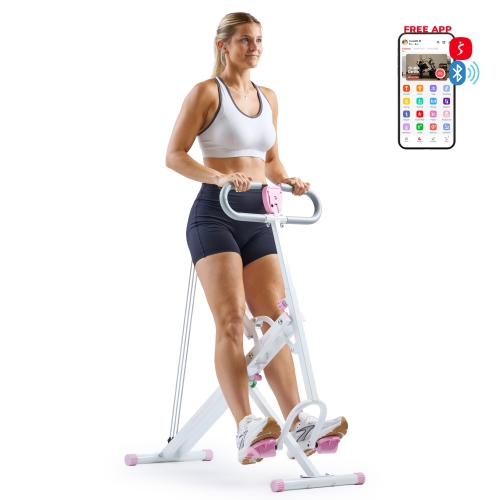 Your price for this item is $179.95
 -
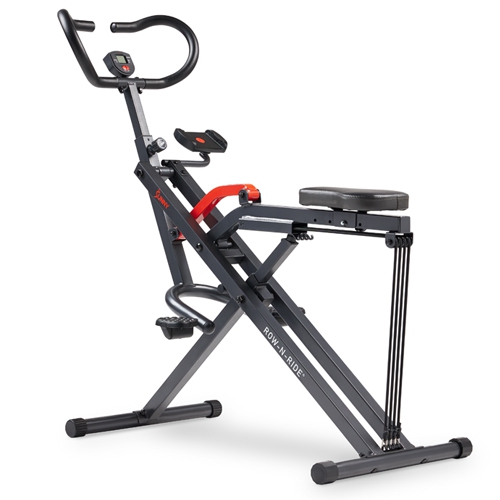 Your price for this item is $249.95
 -
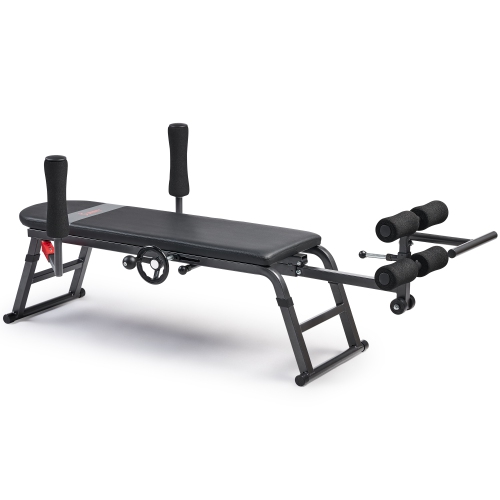 Your price for this item is $419.99
 -
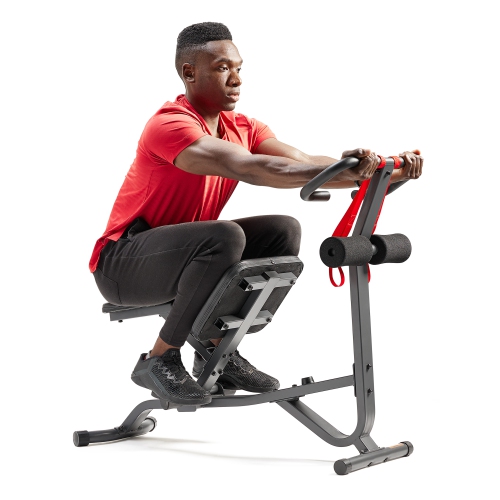 Your price for this item is $419.99
 -
 Your price for this item is $369.99
 -
 Your price for this item is $4109.99
 -
 Your price for this item is $90.99
 -
 Your price for this item is $481.99
Discover more categories related to Leg Raise Machines

Top Collections:
Pokemon Centers, Best Cameras for Sports Photography, Kindle Devices, Samsung Galaxy Phones, Canon G7X Cameras, Pokémon 30th Celebration Cards, Refurbished Apple Laptops, iPhone 15 Apple, Laptops for Students, Budget Smartphones
Some products may be subject to Environmental Handling Fees
(EHF) depending on your province.
Learn more about EHFs.