Adjustable Fitness Benches
Looking to enhance your home gym setup with versatile and space-saving equipment? Our selection of adjustable fitness benches offers a wide range of options to help you achieve your fitness goals. Whether you're focusing on strength training, weightlifting, or bodyweight exercises, these benches provide the flexibility and support you need for a variety of workouts. With adjustable features that cater to different incline levels and positions, these fitness benches are designed to maximize your workout efficiency and effectiveness. Browse our collection now to find the perfect adjustable fitness bench to take your home workouts to the next level.
Sort

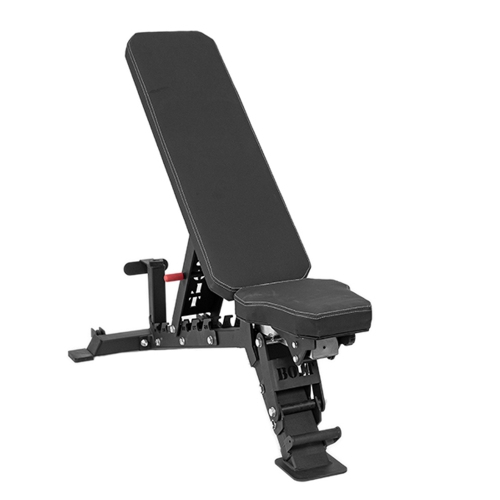
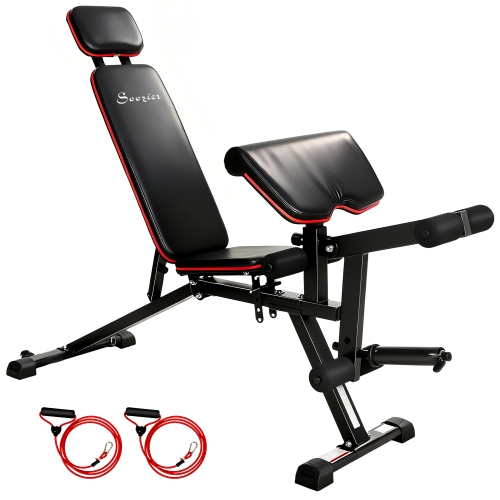
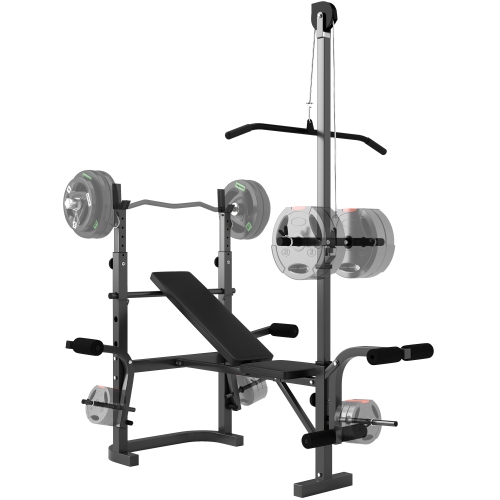
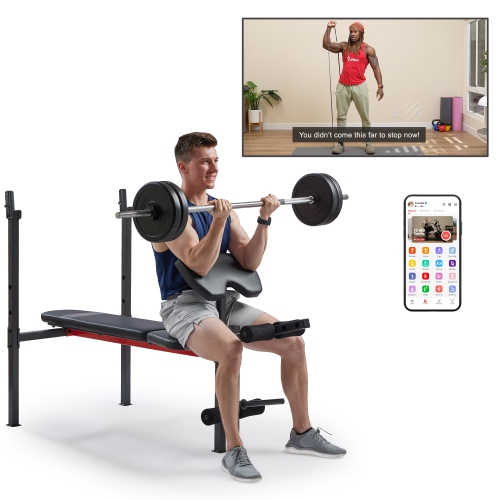
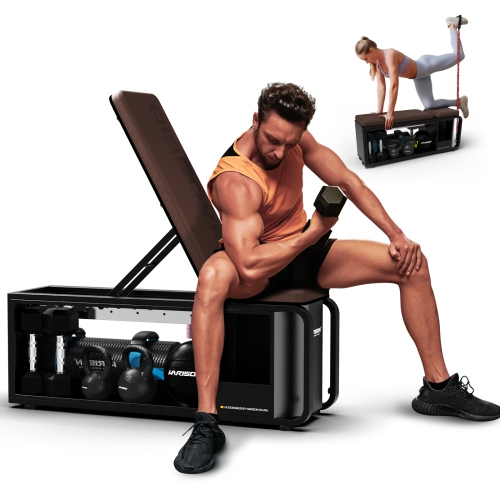


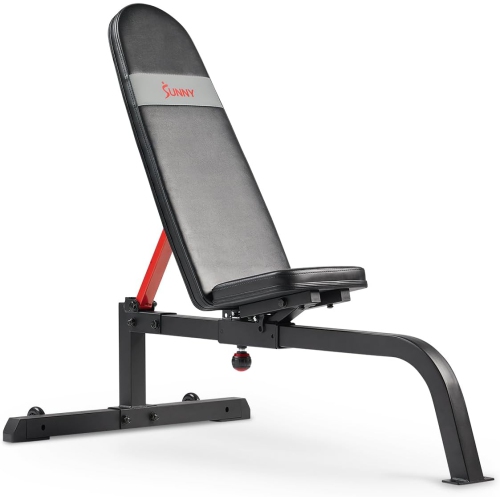


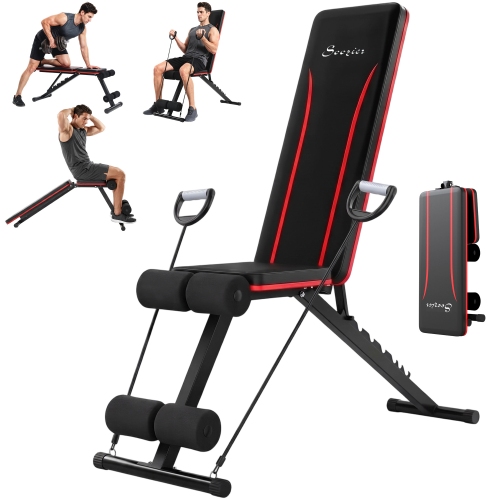


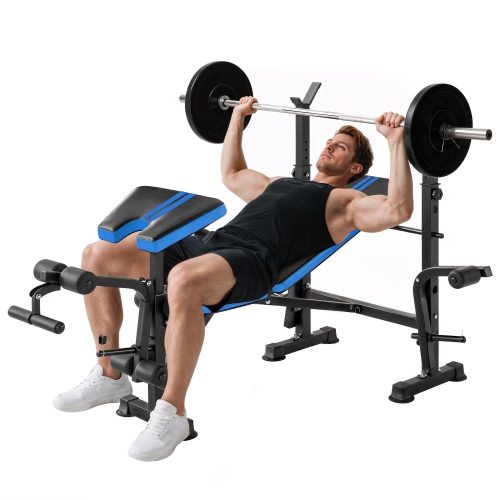


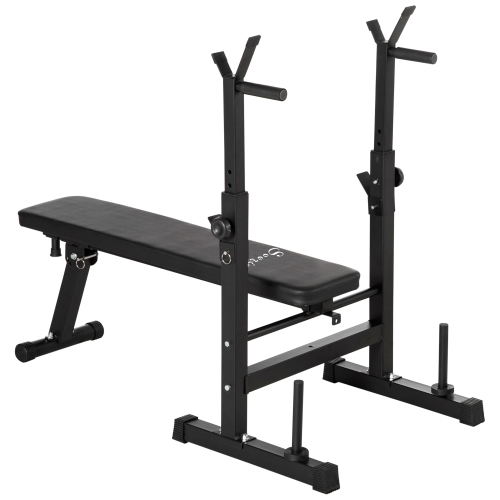
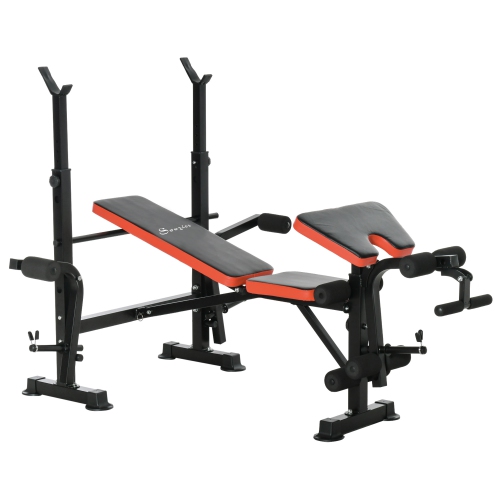
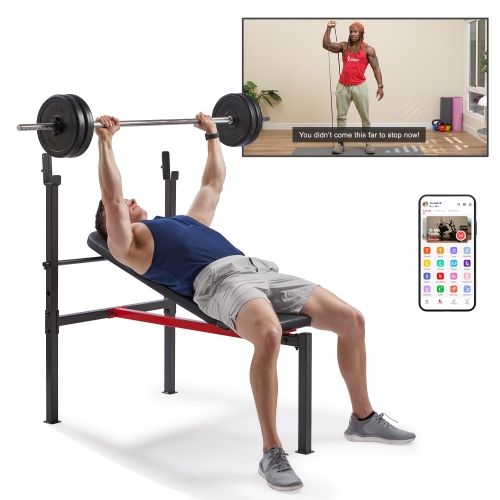
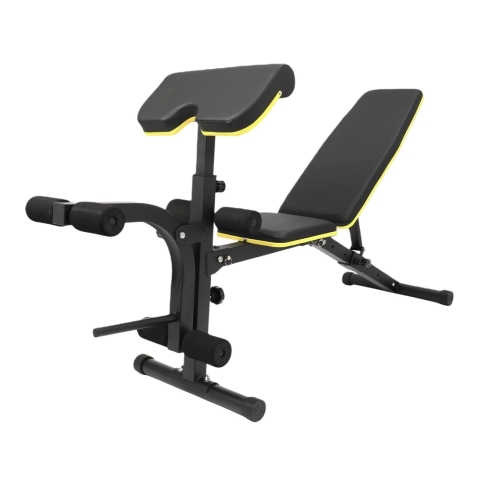

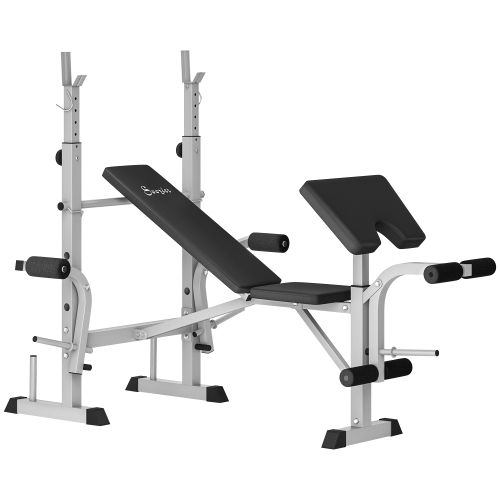

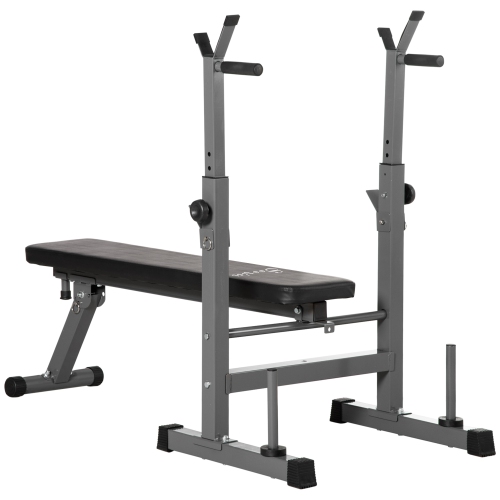
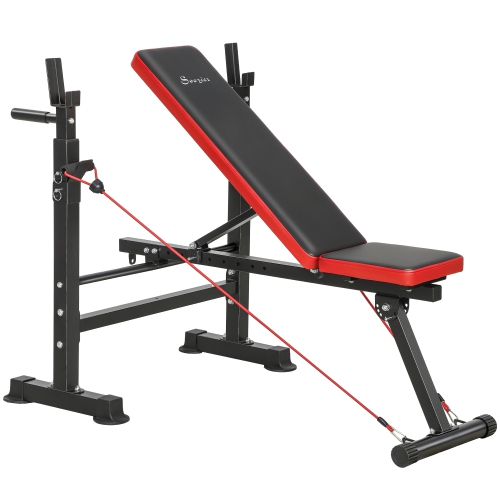
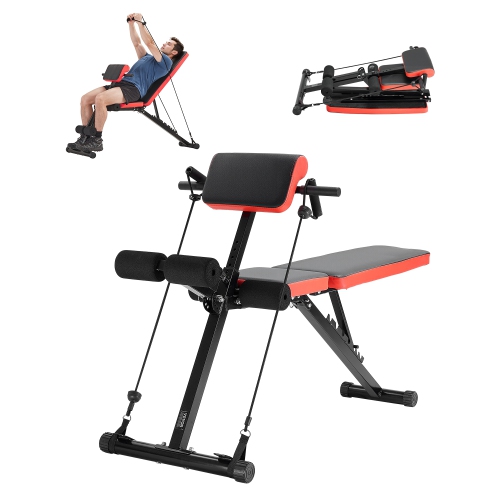
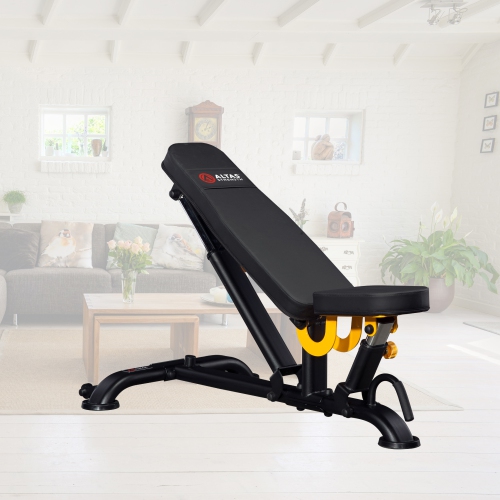

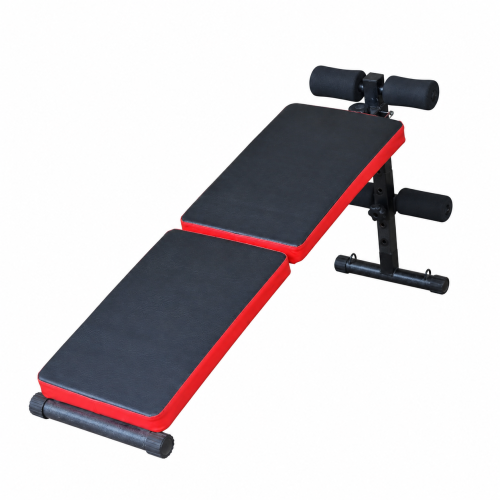

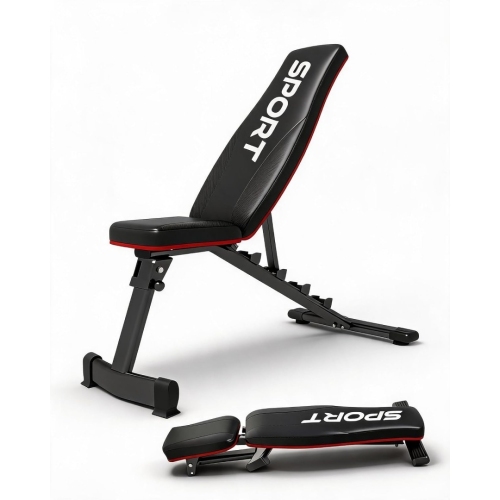
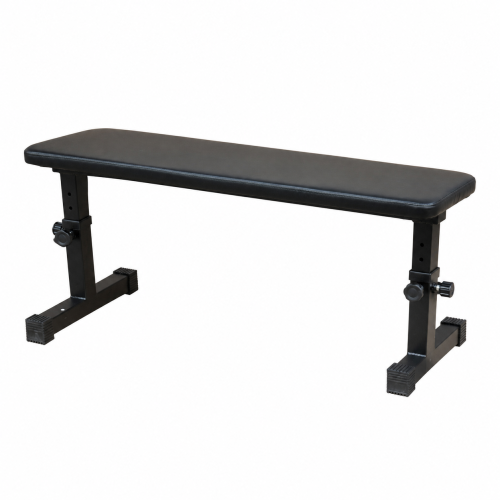
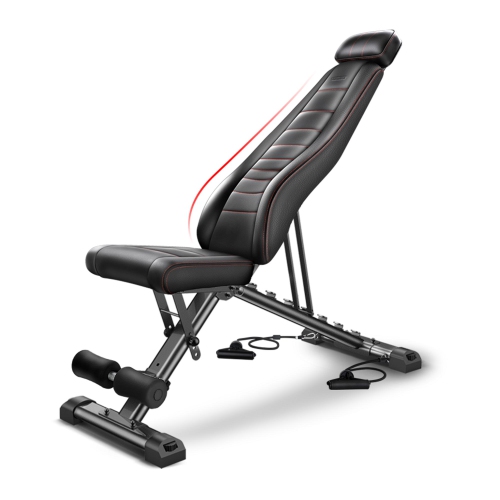

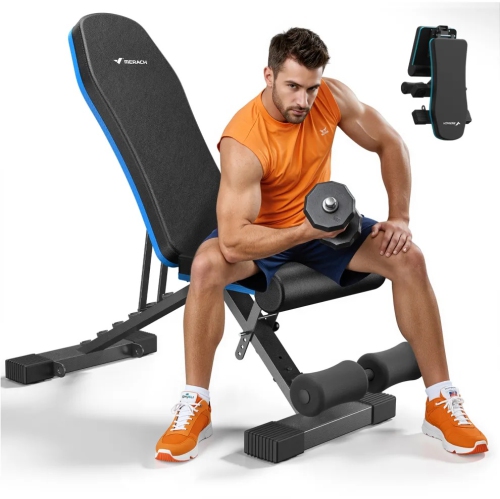
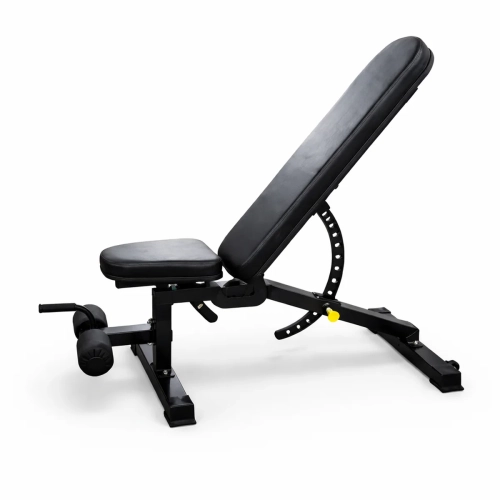
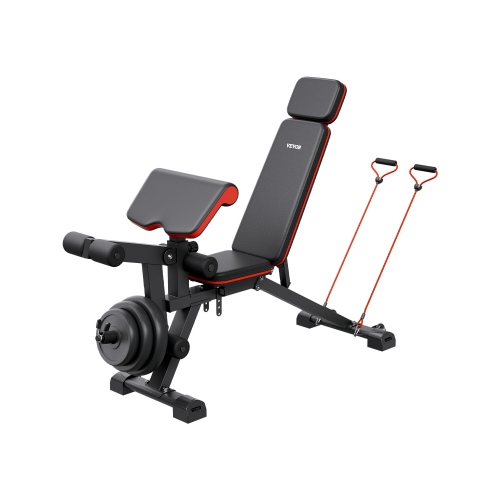

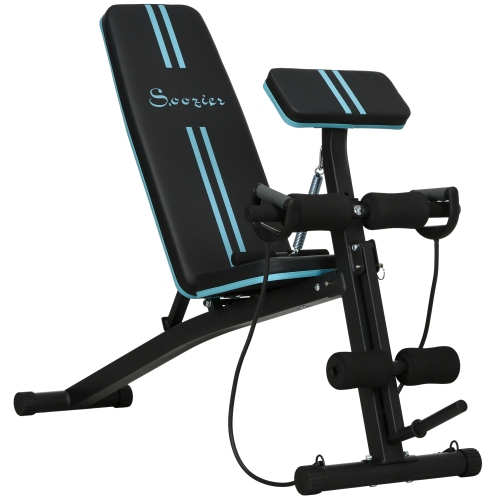
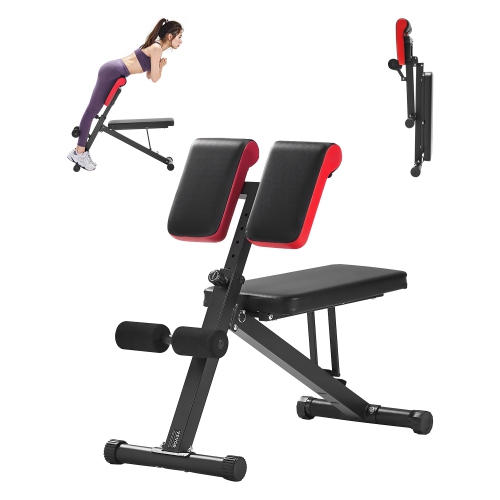
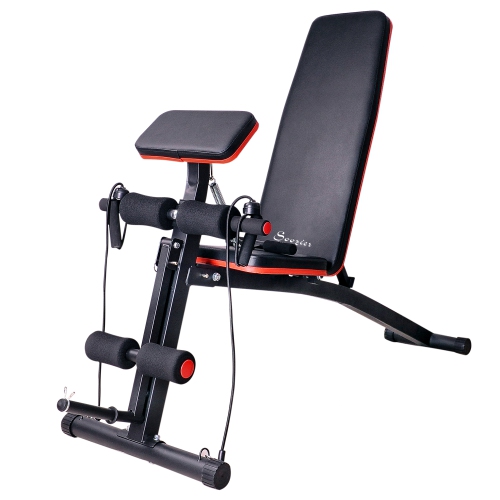

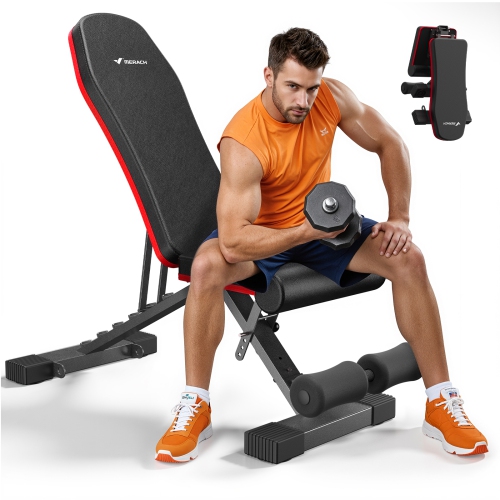
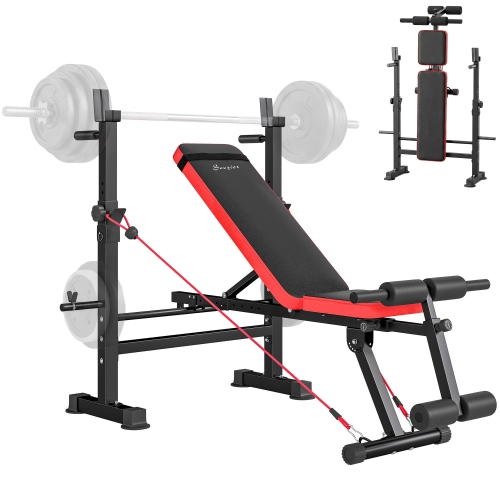
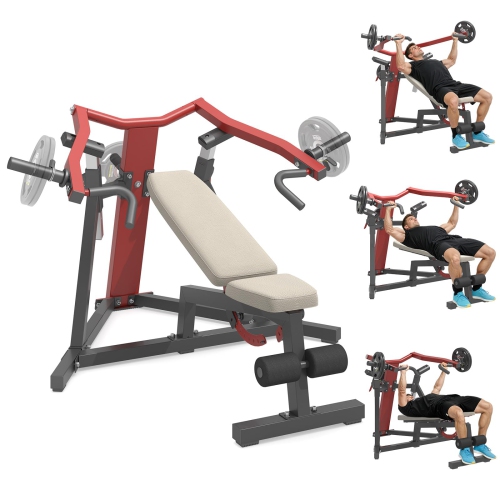
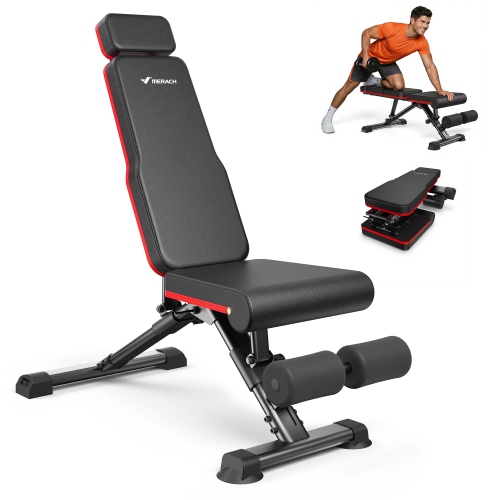

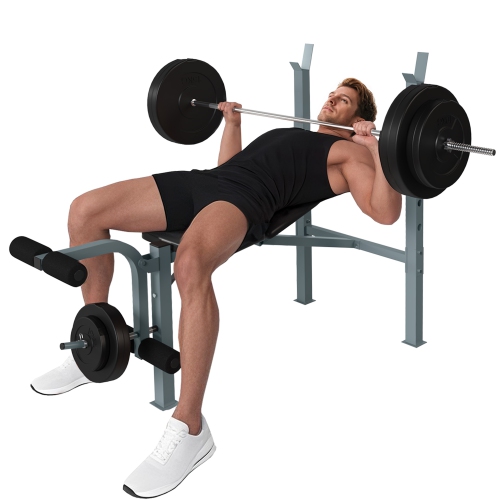
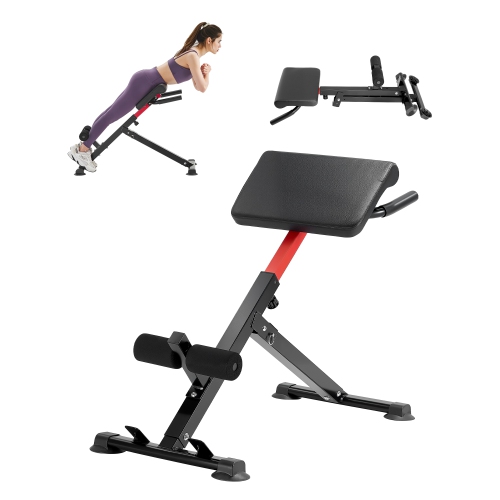


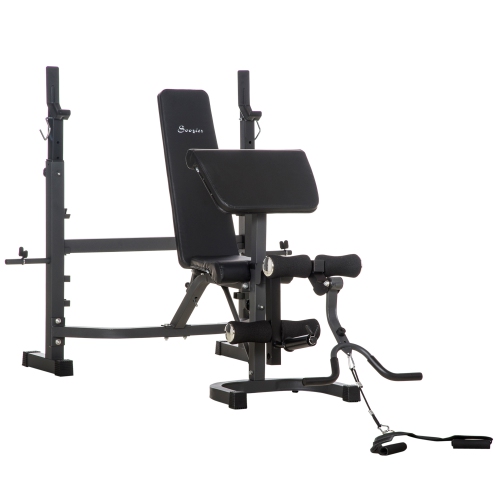
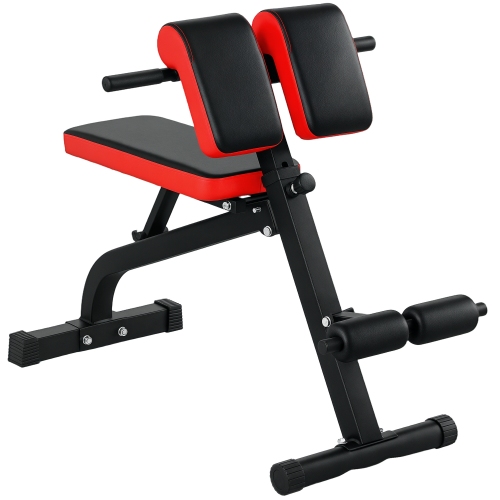
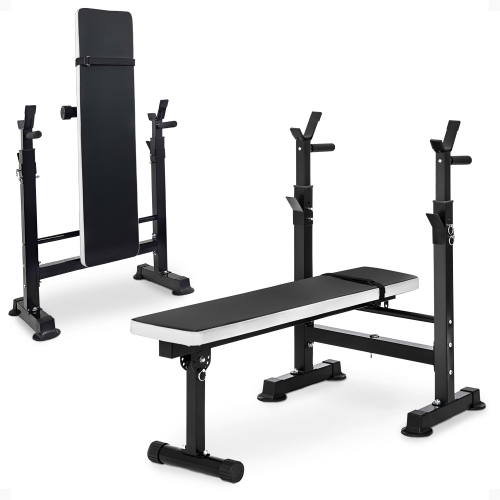
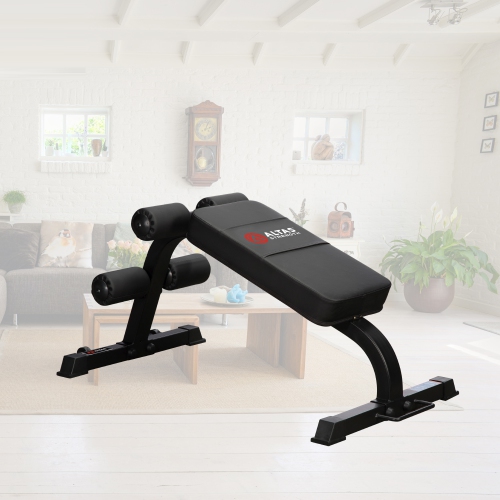

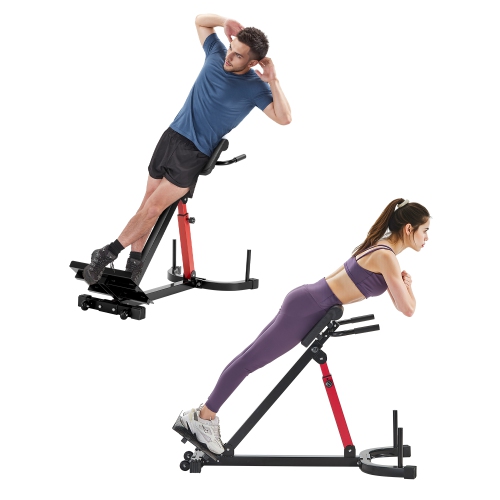
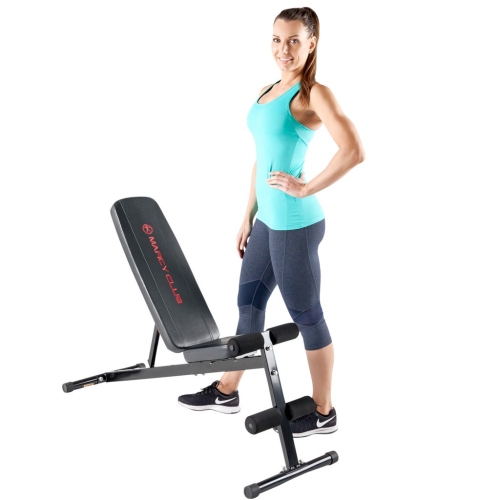
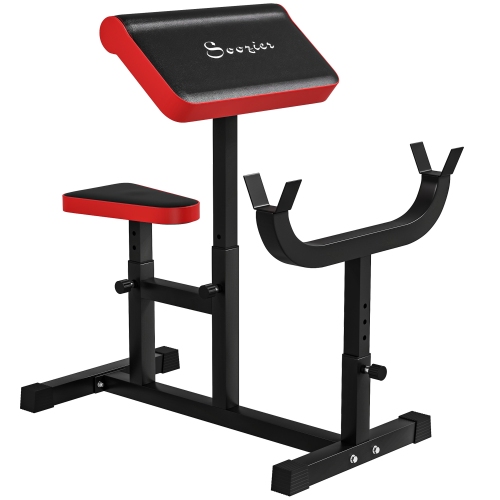
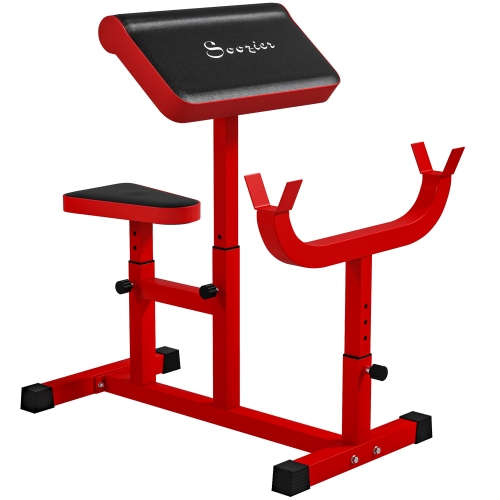
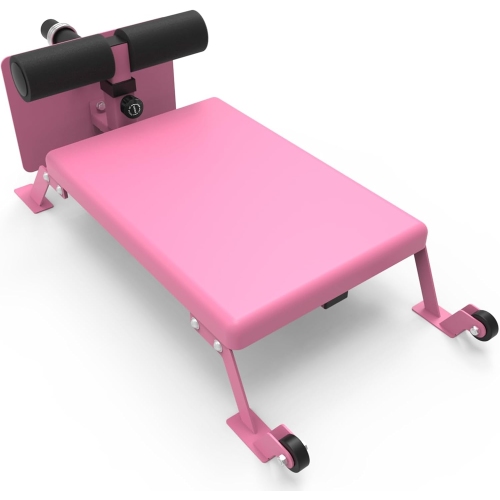
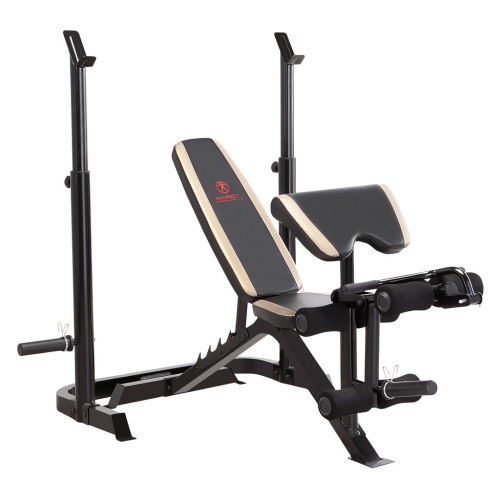
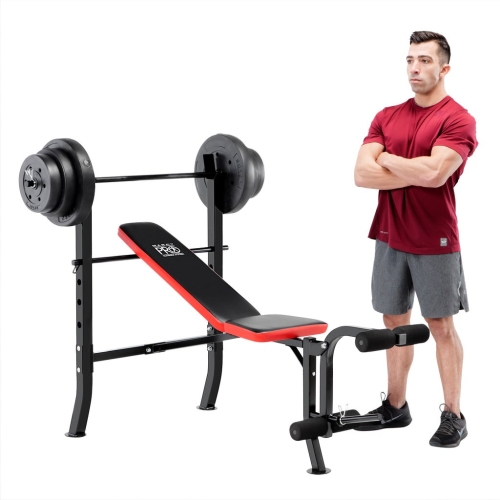

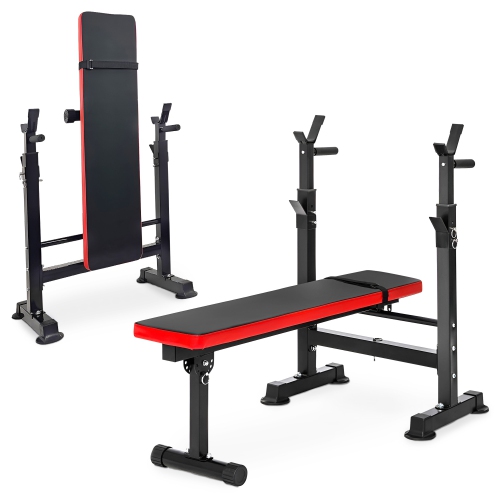
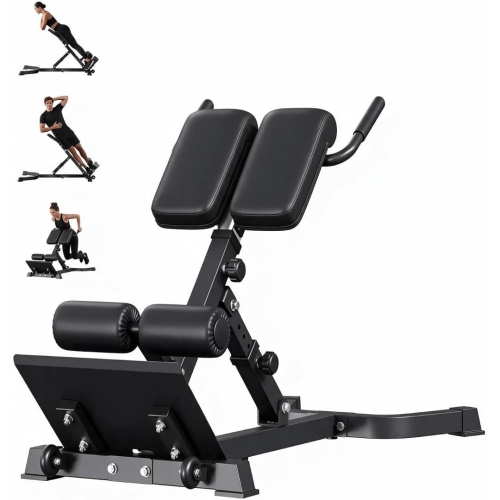
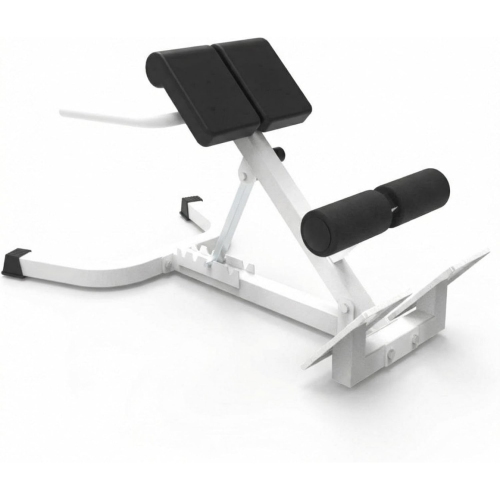
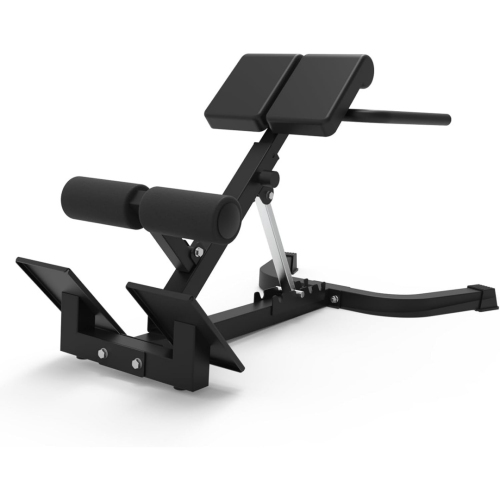
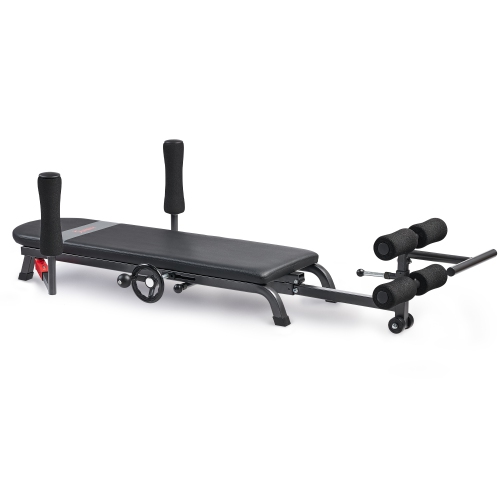
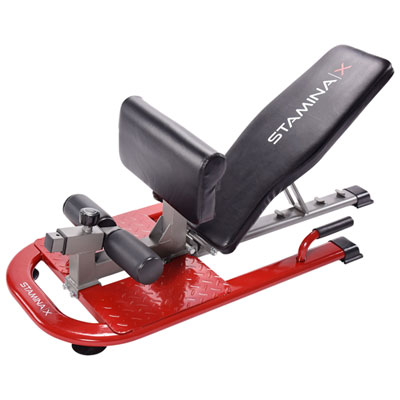
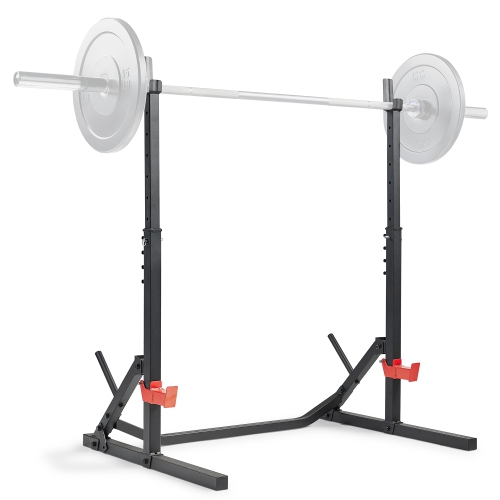
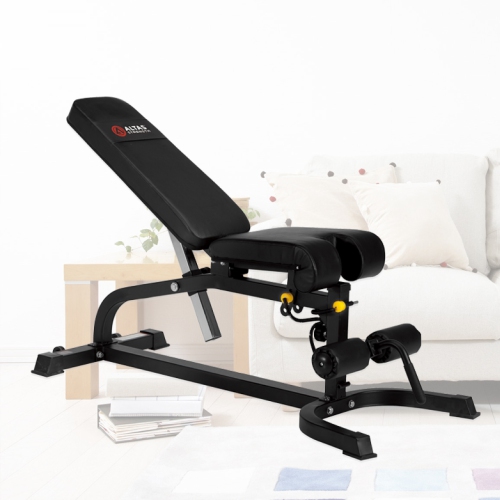
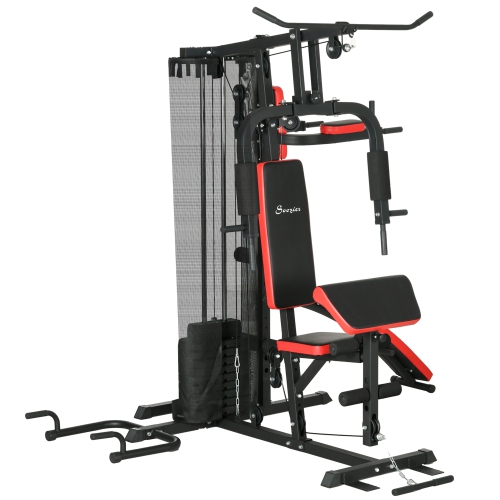
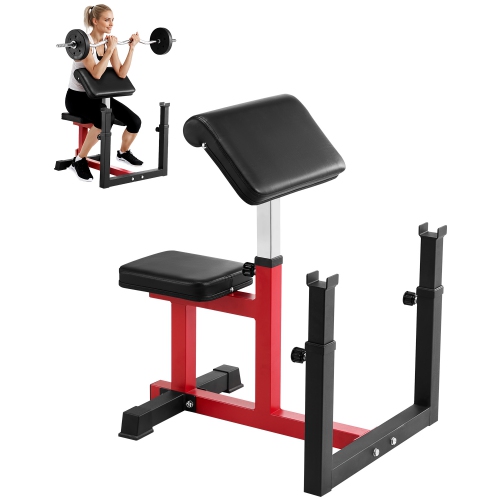


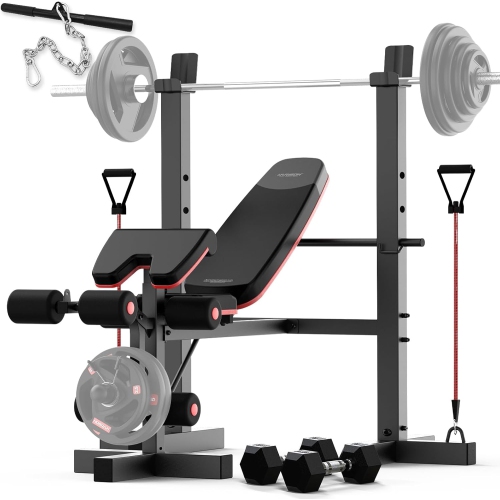
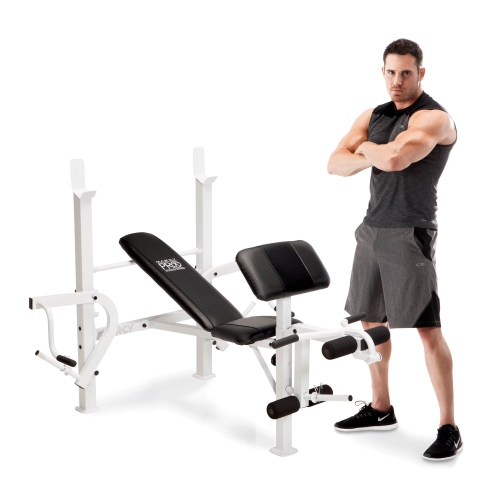
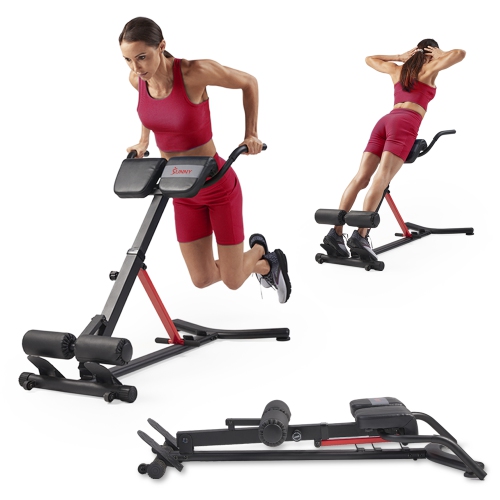

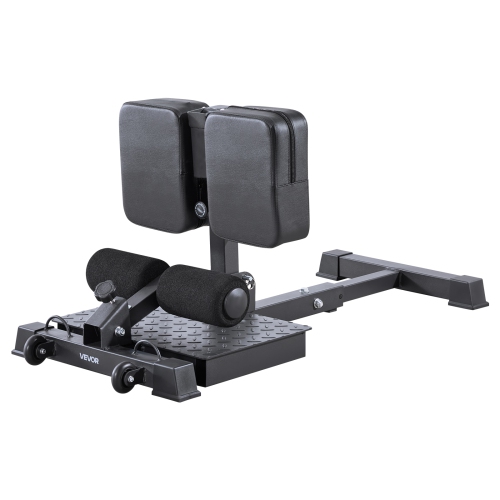
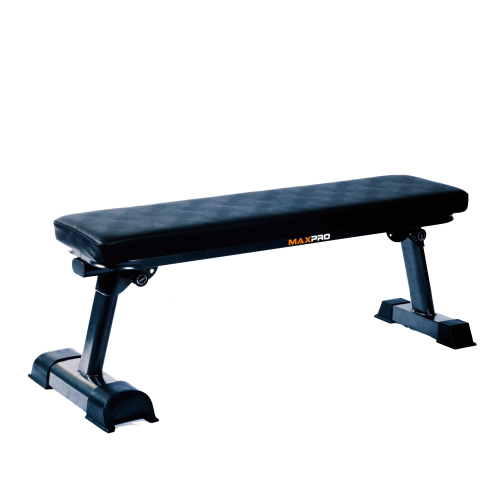


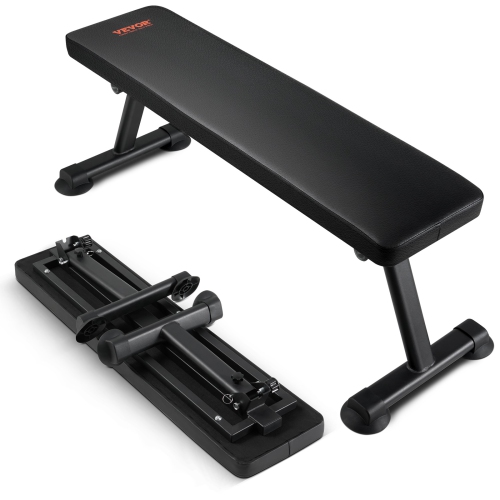
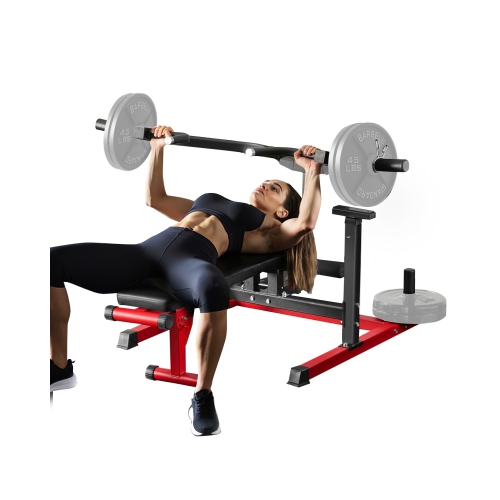
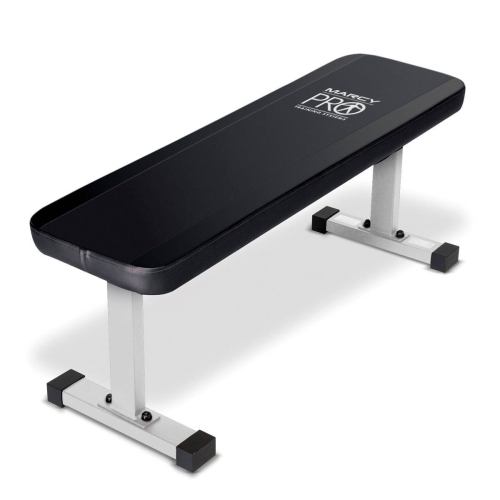


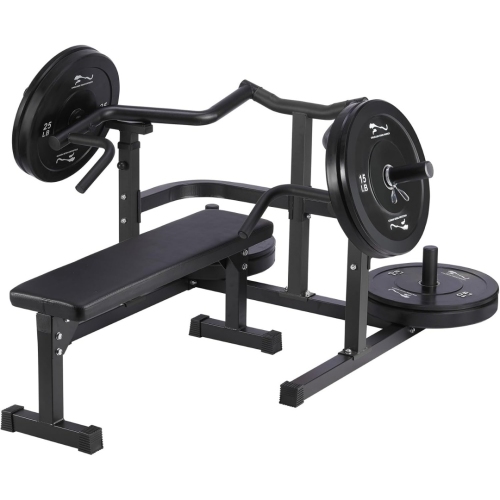
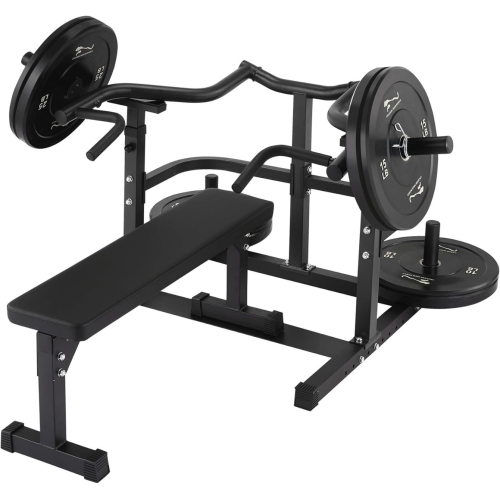
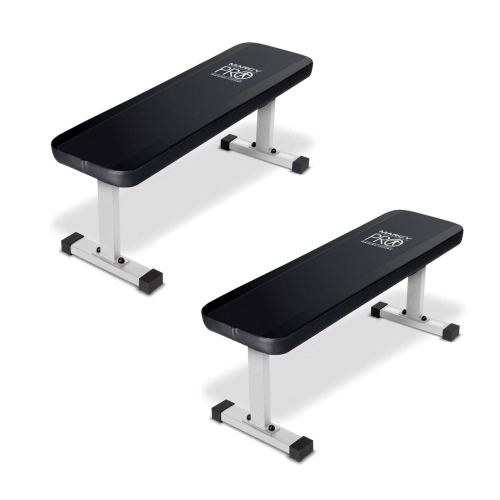
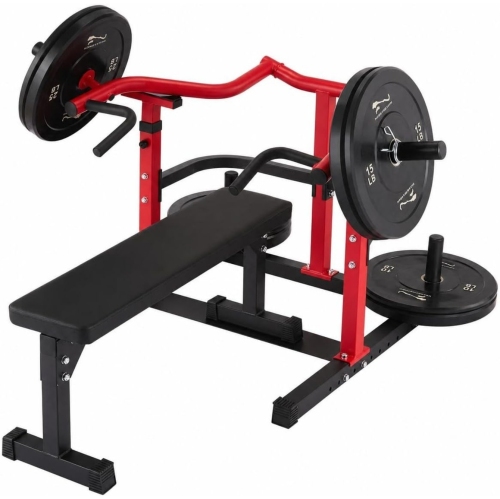
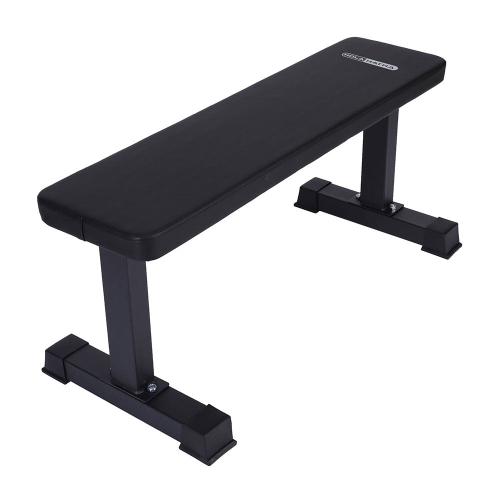
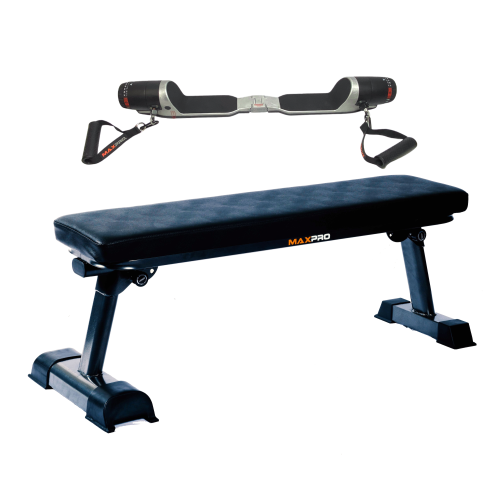
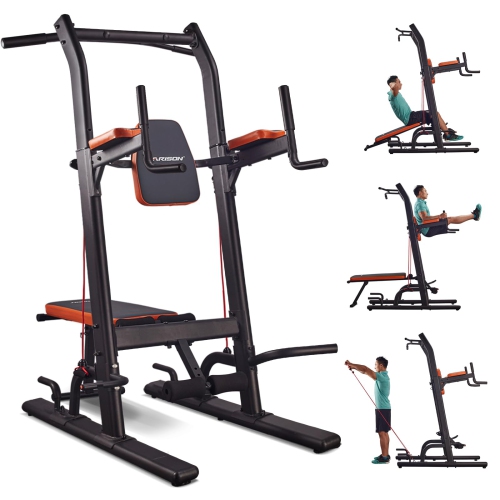
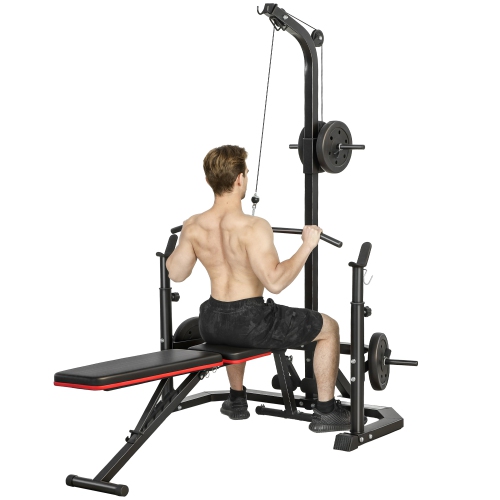
More exercise positions from a single workout bench
Adjustable fitness benches are strength-training benches with a backrest that moves between different angles, allowing one piece of equipment to support several exercise positions. Most offer flat and incline settings, while some also include decline positions for movements that require a downward slope. This flexibility makes them useful in home gyms, shared workout rooms, and dedicated training spaces where a fixed flat bench may not suit every routine. A flat position provides a level surface for exercises such as dumbbell presses, while an inclined backrest changes the pressing angle and offers support for seated movements. More upright settings can suit seated shoulder presses or curls, depending on the bench design and the exercise. Certain configurations also support chest-supported rows, giving the torso a resting surface while the arms move through the lift. These uses make adjustable fitness benches relevant to beginners building a manageable dumbbell routine as well as experienced lifters who want more positioning options. The related Adjustable Benches category centres on this same combination of support and versatility. Differences between benches extend beyond the number of backrest settings: seat adjustment, pad length, frame shape, and the distance between the seat and backrest all affect how a bench feels during a workout. An independently adjustable seat can help provide support during incline exercises, while a longer back pad may better accommodate a taller user’s torso and head. A bench intended mainly for dumbbell exercises may have different space and compatibility requirements from one used with a barbell rack. For someone moving between presses, seated curls, and supported rows, a bench with clearly marked settings and an accessible adjustment mechanism can make those transitions less awkward. The most useful configuration is one that matches the movements being performed, rather than simply offering the greatest number of positions or attachments.
Construction and fit have a direct effect on the experience of using an adjustable workout bench. Steel frames are common, but the frame material alone does not establish strength or stability; tubing dimensions, joints, hardware, base geometry, and adjustment components also matter. A broad support base can help limit rocking, and non-slip feet can improve contact with an appropriate floor surface. The bench still needs a level location with enough clearance for the user, weights, and any surrounding equipment. Published weight limits deserve particular attention because a rating may refer to the combined weight of the user and the lifted load, rather than the weights alone. Capacity definitions and any position-specific restrictions should be checked against the manufacturer’s documentation. Padding usually combines a foam core with a wipeable upholstery surface, often vinyl or another synthetic material. Firm, supportive foam can provide cushioning without allowing the shoulders and hips to sink excessively; thickness by itself is not a reliable measure of comfort or durability. Upholstery texture, seam placement, and the way the cover is secured can also influence comfort and wear. During a flat press, for example, the pad should offer dependable contact beneath the upper body without forcing an awkward position. Bench height affects whether the user can place their feet securely for the intended exercise, while pad width influences both torso support and freedom of movement around the shoulders. The gap between the seat and backrest may be more noticeable to some users when the bench is flat. Adjustment systems commonly use a ladder-style support or a pin mechanism, and secure engagement is essential before each set. Separate backrest and seat settings offer more ways to fine-tune positioning, although their usefulness depends on body proportions and training preferences. Decline capability is a distinct feature rather than a standard assumption, and exercises using that position may require purpose-designed leg supports. An attachment should only be used with a bench designed to accept it.
Space, handling, and routine care are equally important for a bench that will be used regularly at home. Its working footprint includes more than the outline of the frame: there must also be room to sit down, lie back, lift and lower weights, and move around the ends without stepping over other equipment. A bench positioned inside a rack needs suitable clearance and alignment with the rack’s supports and safety features; fitting between the uprights does not, by itself, establish compatibility. Folding designs can suit rooms that serve more than one purpose, although folded dimensions and the effort required to move the frame vary. Transport wheels and a lifting handle can make repositioning easier, especially when a bench needs to move between a workout area and a storage space. Upright storage is appropriate only when the manufacturer permits it and the bench can remain secure in that position. Heavier construction may feel reassuring during use, but it also makes handling more demanding, which matters in a shared household or a room with limited access. Protective gym flooring can help shield the underlying floor and provide a suitable contact surface, provided it is firm and compatible with the equipment. After training, wiping the upholstery with a soft cloth and a manufacturer-approved cleaner helps remove perspiration and surface residue. Harsh cleaning agents, abrasive pads, and excessive moisture can damage covers or finishes, while trapped moisture around seams and metal joints is best avoided. Periodic checks of bolts, feet, upholstery, and adjustment parts help identify looseness or wear before it affects use. Torn padding, damaged supports, or a locking mechanism that does not engage properly should be addressed before the next workout. For households with multiple users, easy-to-read angle markings and straightforward seat adjustments can make a shared bench more practical. As a fitness gift, an adjustable bench is most suitable when the recipient’s training interests, available space, and equipment needs are already known. Whether it supports a compact dumbbell setup or a more extensive strength-training area, its lasting value comes from comfortable proportions, dependable adjustment, and construction suited to the way it will be used.
Top selling and popular products
-
 Your price for this item is $189.99
-
 Your price for this item is $209.99
-
 Your price for this item is $138.99
-
 Your price for this item is $247.99
-
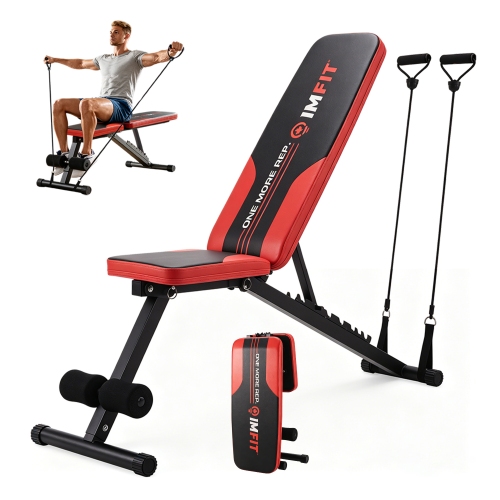 Your price for this item is $119.98
-
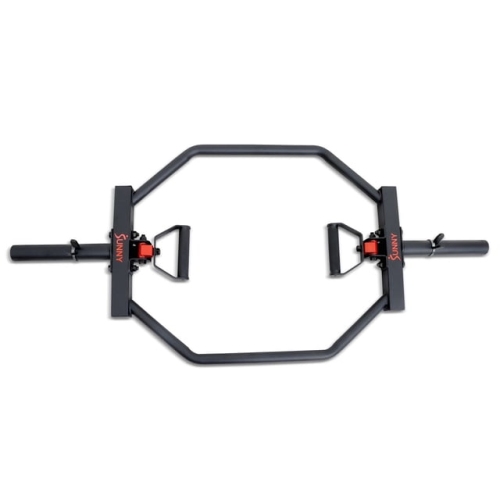 Your price for this item is $99.99
-
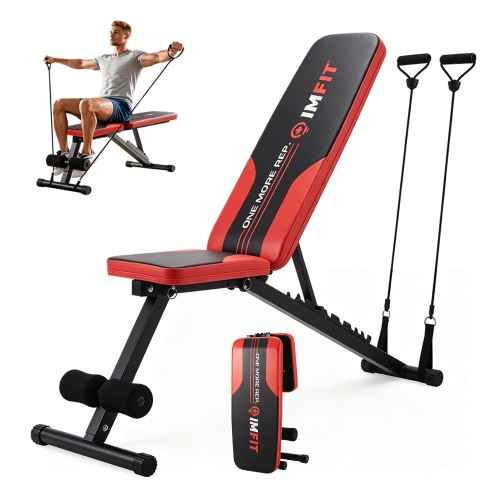 Your price for this item is $109.97
-
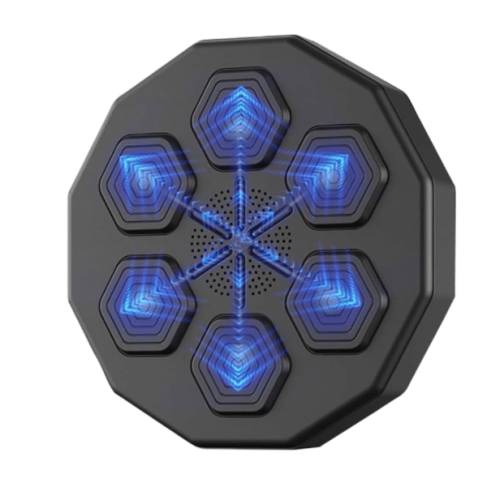 Your price for this item is $95.99
Discover more categories related to Adjustable Fitness Benches
Top Collections:
Pokemon Centers, Kindle Devices, Best Cameras for Sports Photography, Pokémon 30th Celebration Cards, Canon G7X Cameras, Samsung Galaxy Phones, iPhone 15 Apple, Best Black Friday Deals On Electronics, Jackery Power Stations, Solar Generators for Home
Some products may be subject to Environmental Handling Fees
(EHF) depending on your province.
Learn more about EHFs.