Rollator Walkers
Rollator walkers offer a convenient and supportive solution for individuals seeking assistance with mobility. Designed to provide stability and ease of movement, these walkers are ideal for those looking to maintain their independence while navigating daily activities. With various features such as adjustable handles, ergonomic grips, and durable wheels, rollator walkers are versatile aids that can enhance the quality of life for users. Whether you need extra support for walking around the house, running errands, or enjoying outdoor strolls, a rollator walker can be a reliable companion to help you stay active and mobile.
Sort
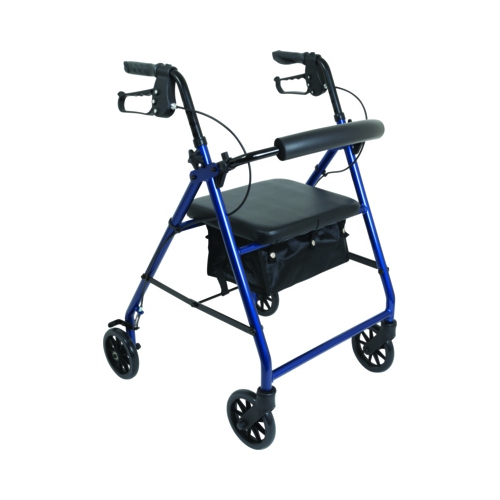
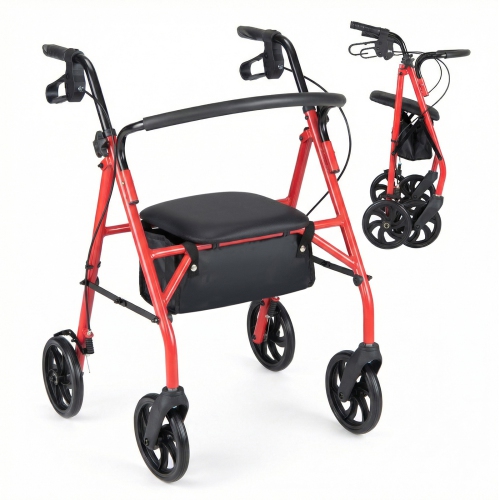
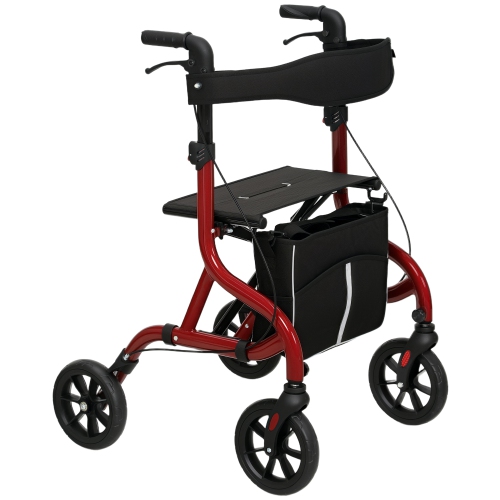
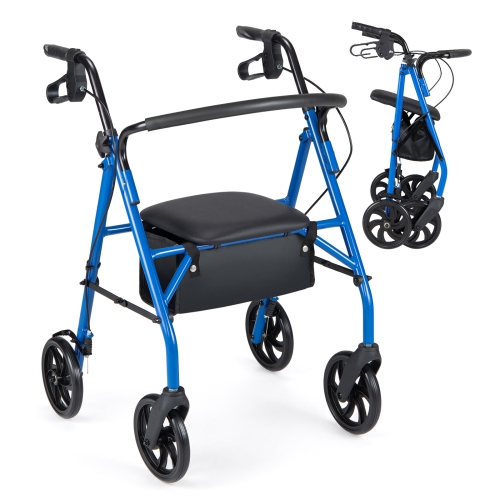
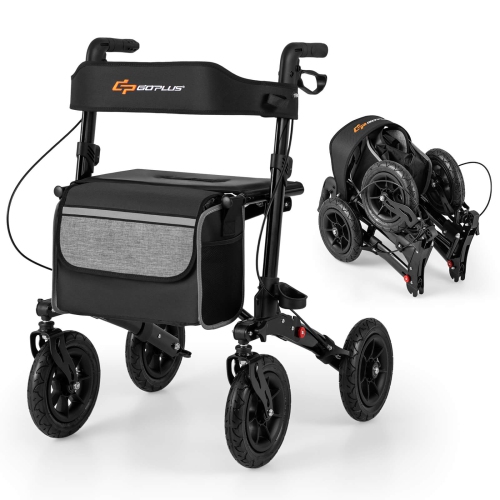
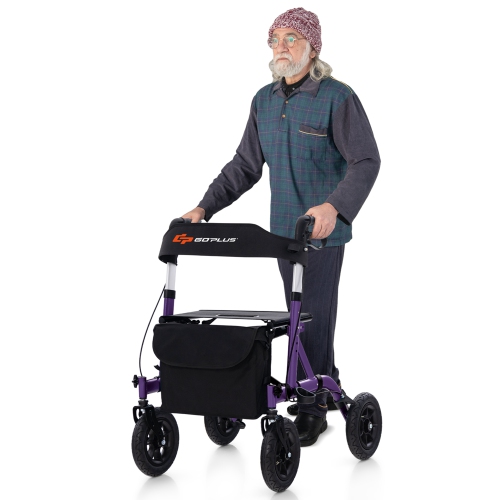

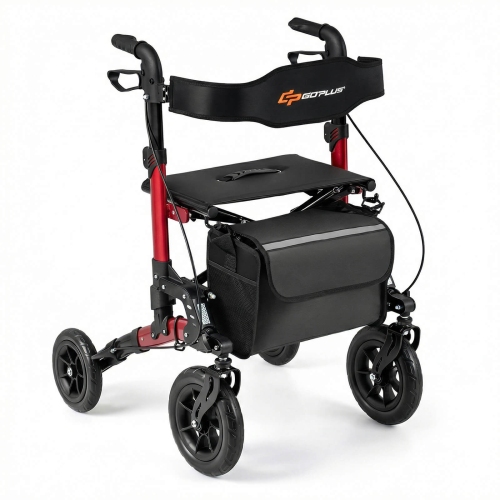
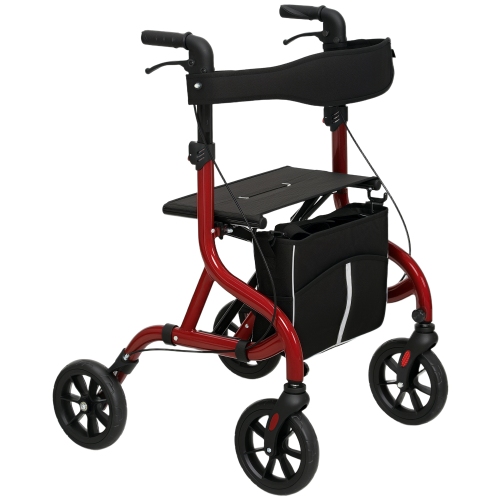
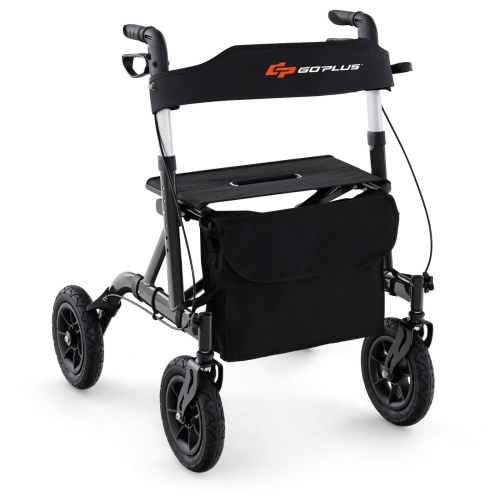

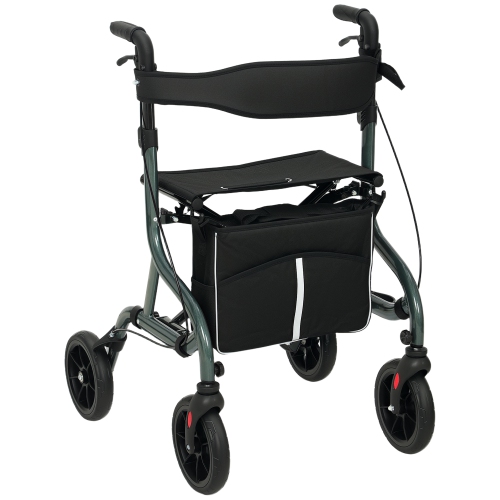
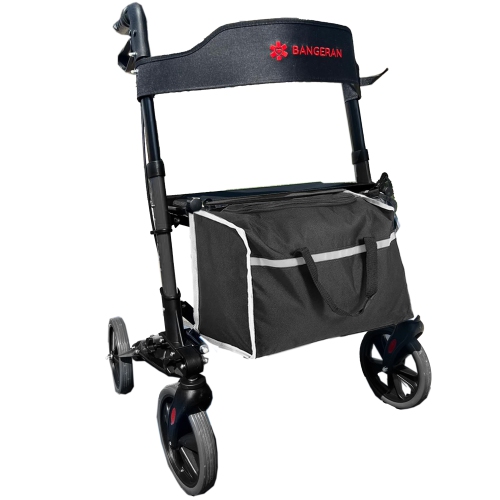
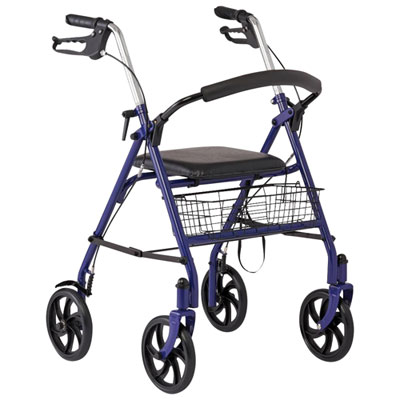
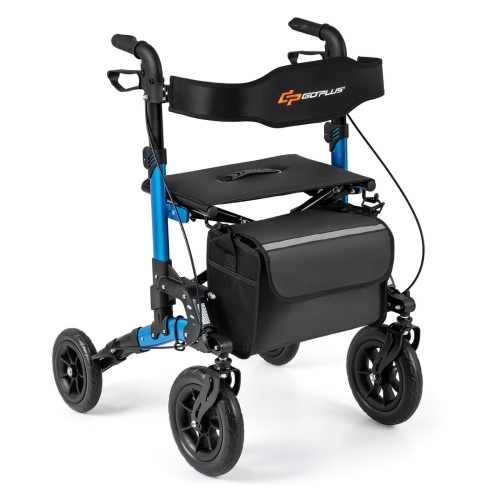
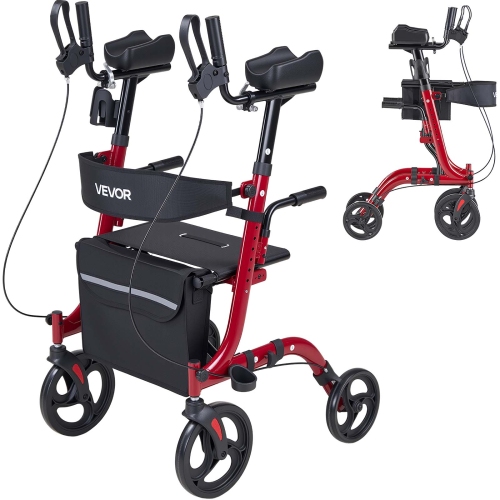
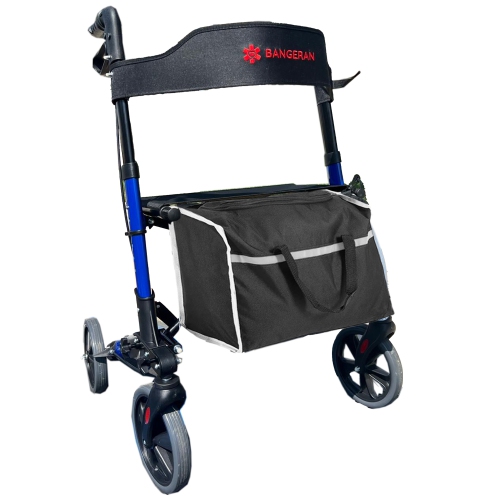
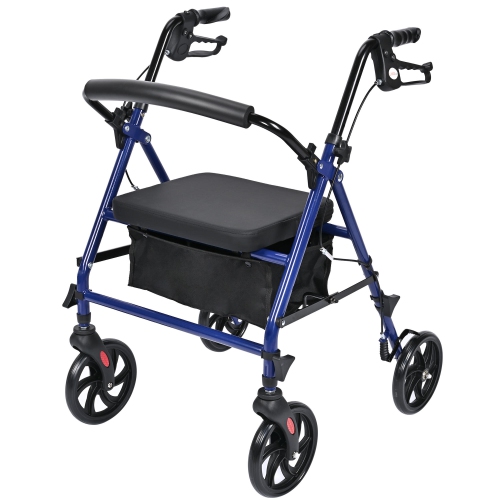
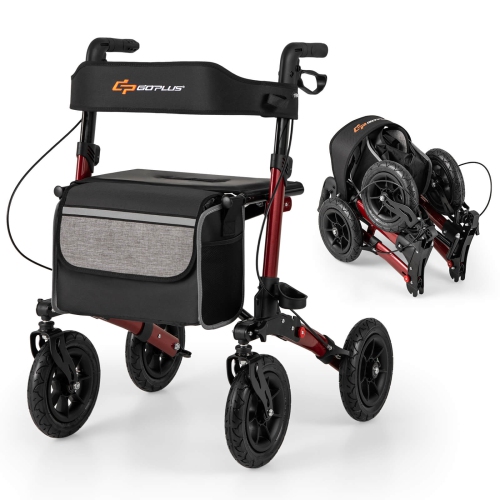
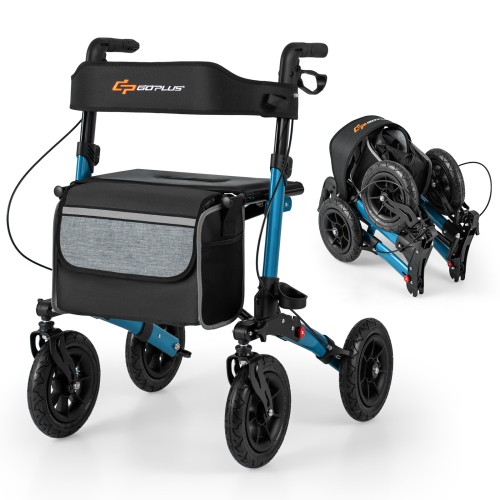
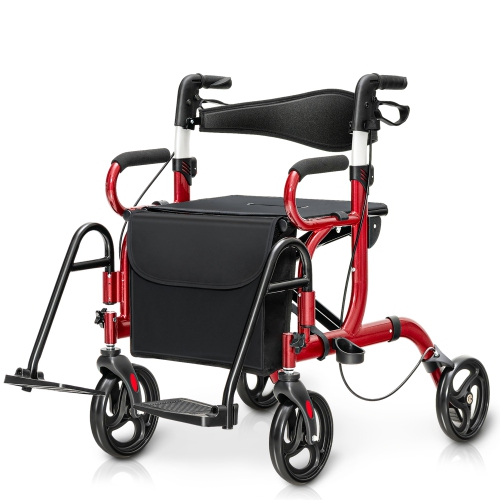
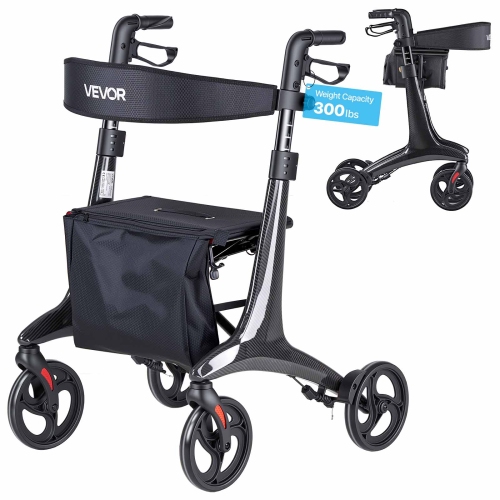
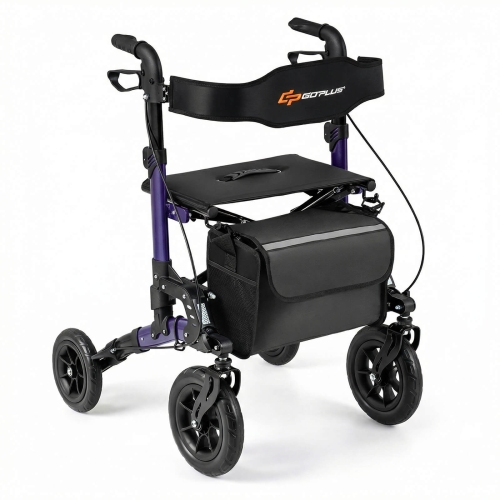
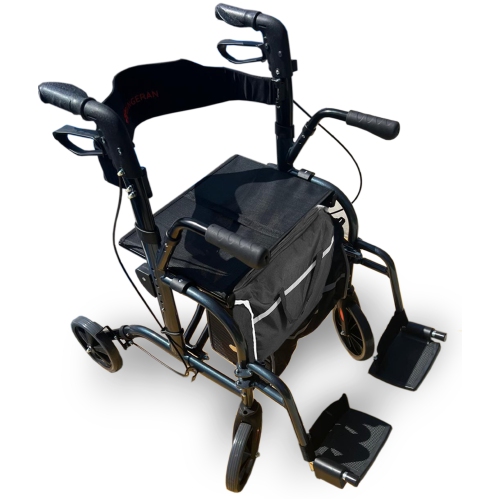
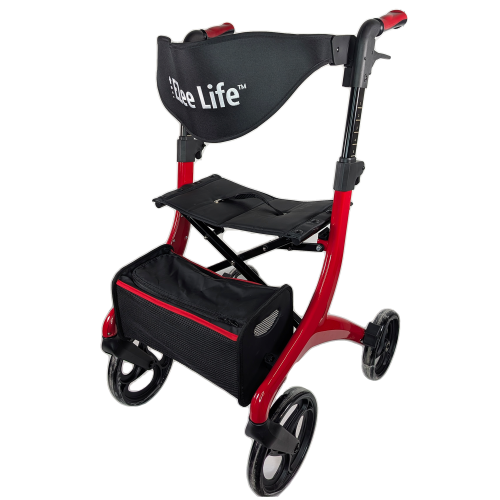
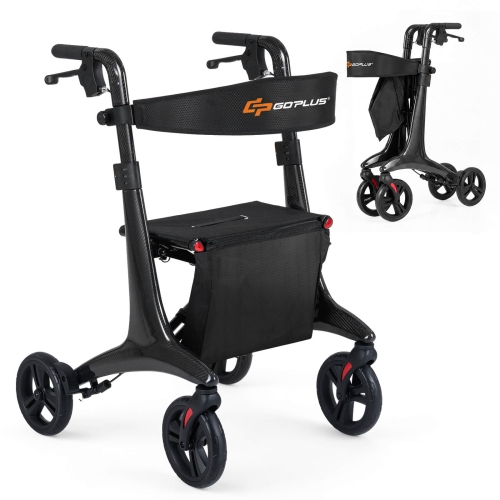
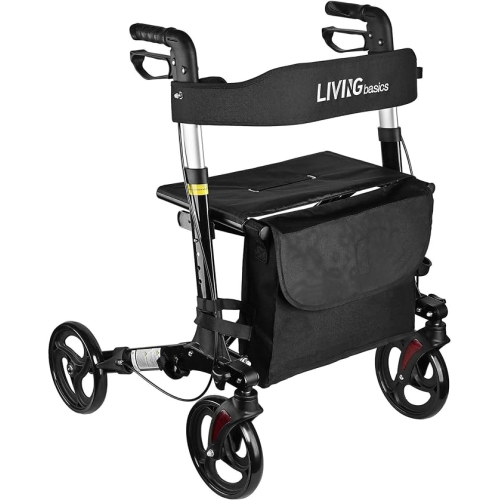
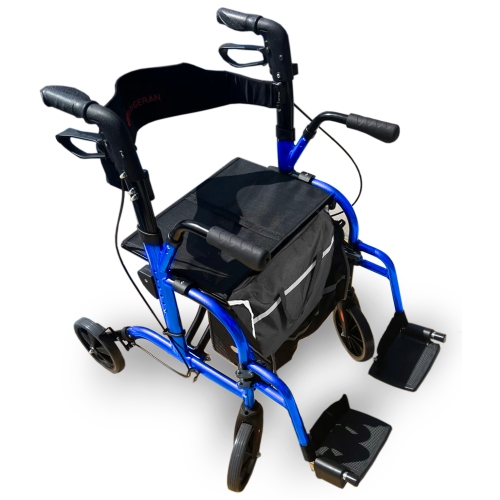
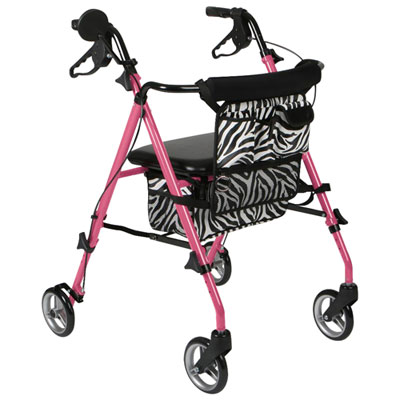
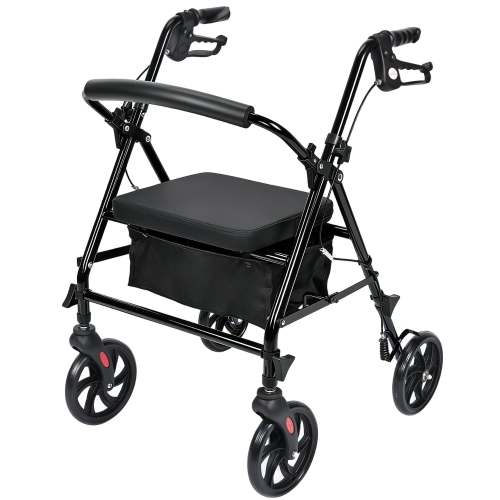
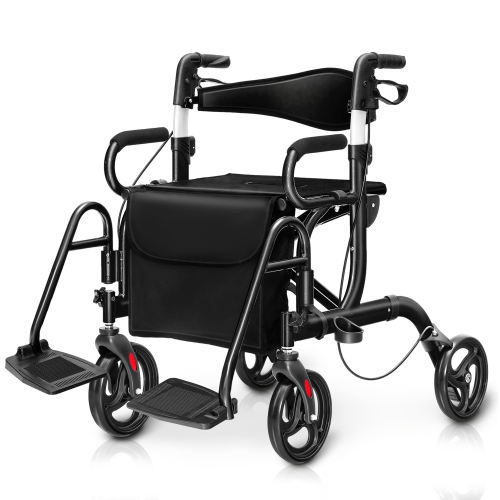
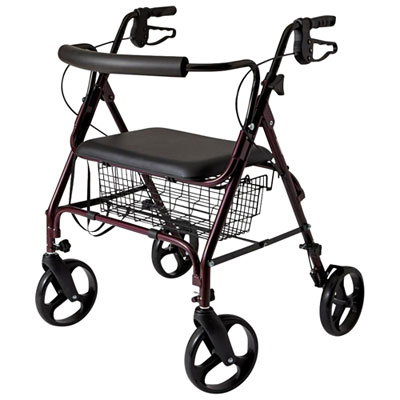
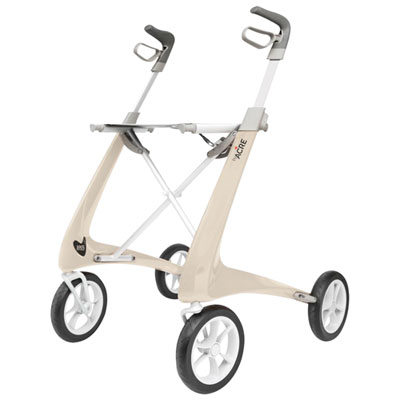

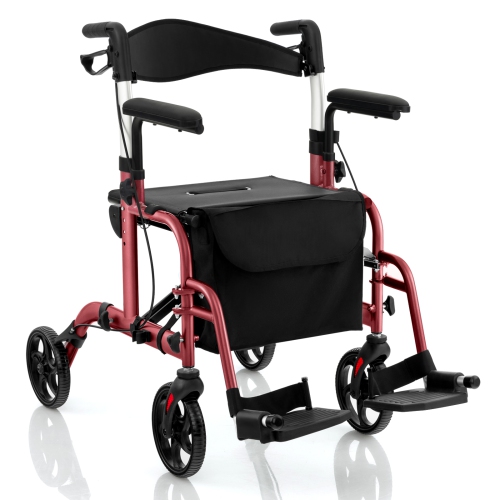
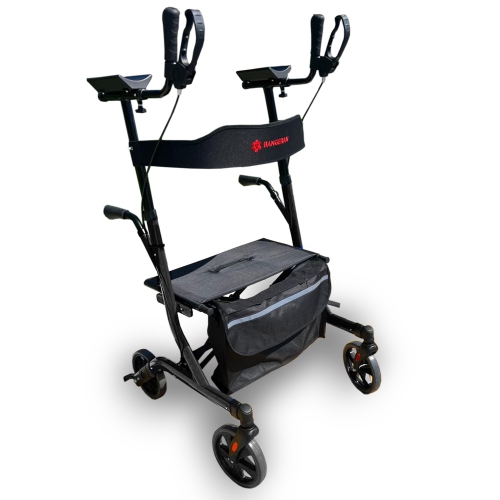
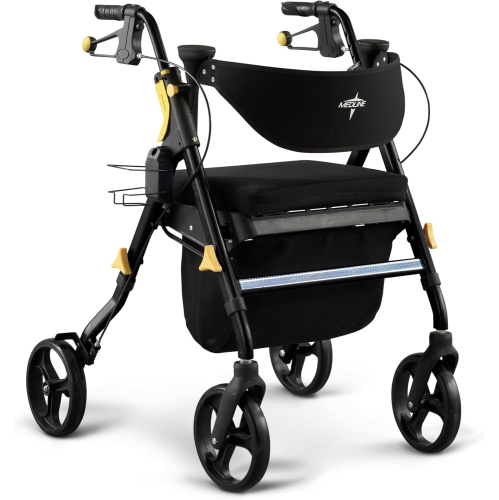
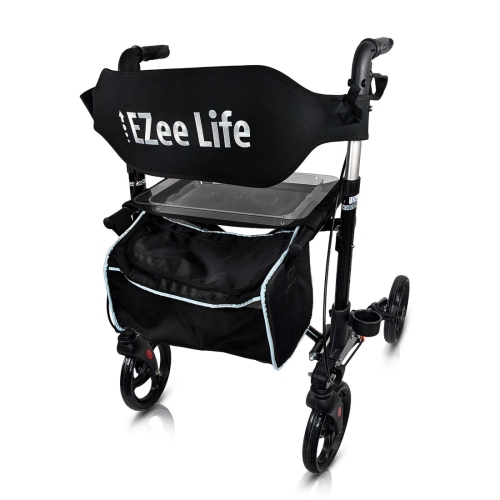
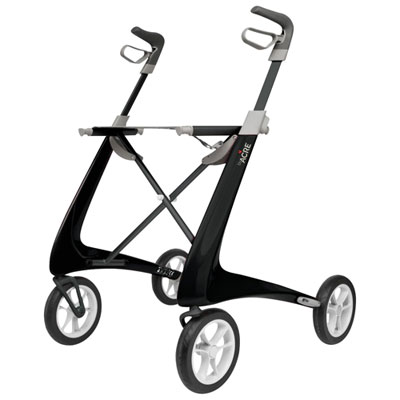
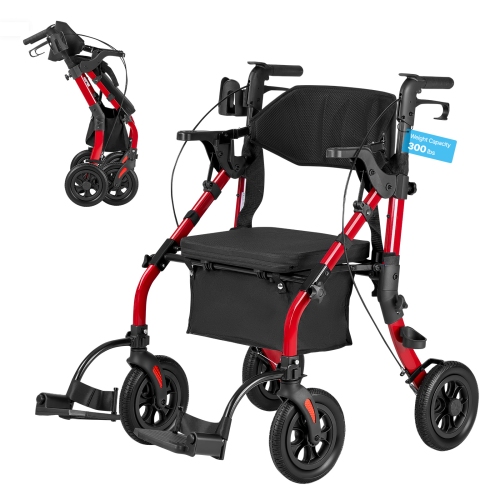
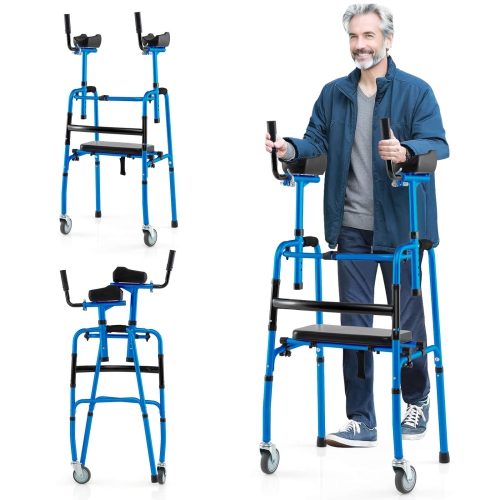
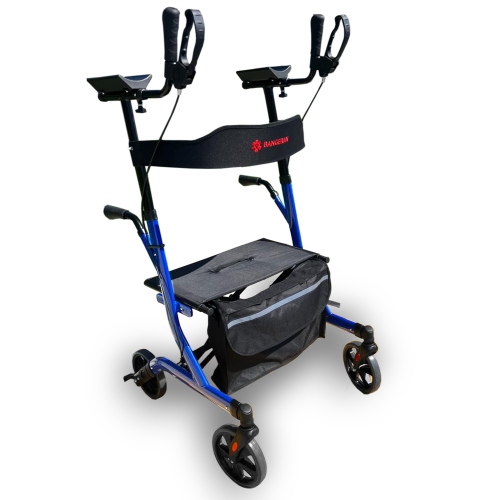
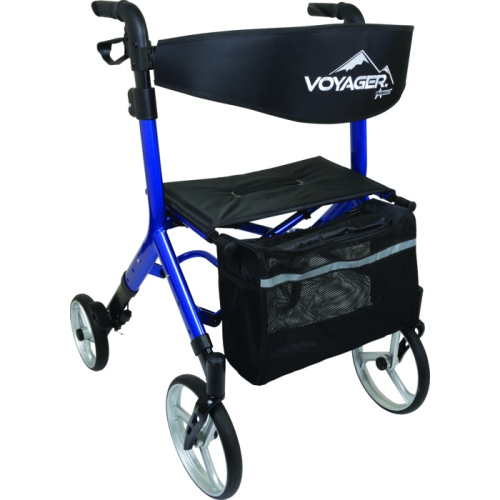
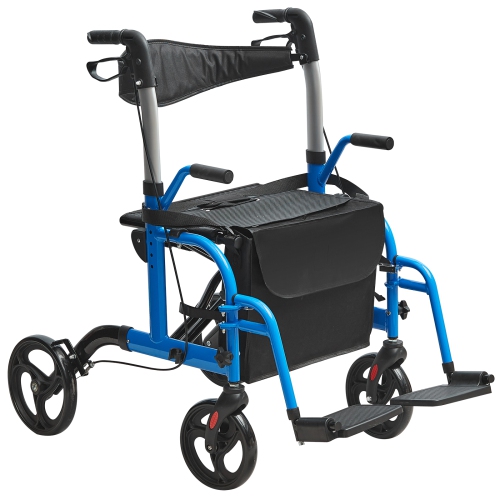
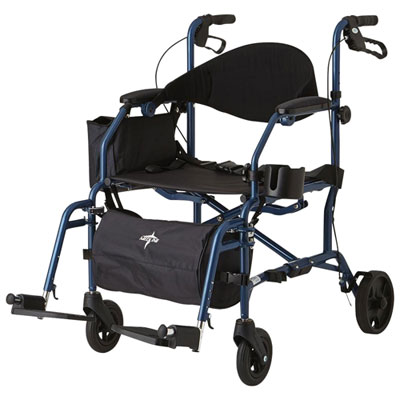
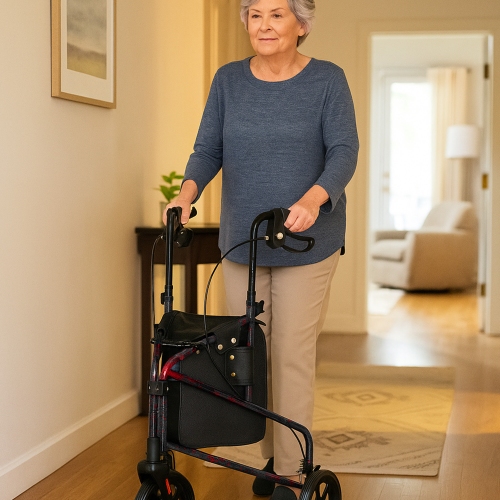
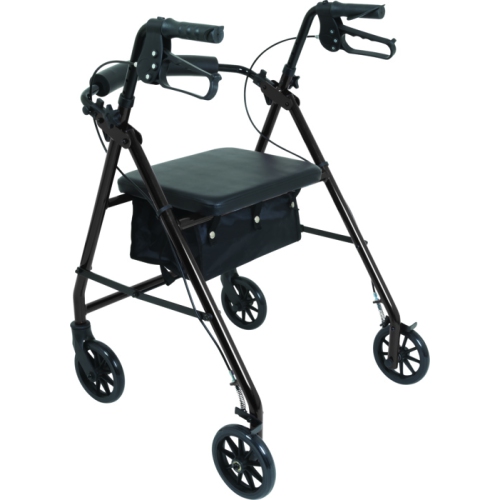
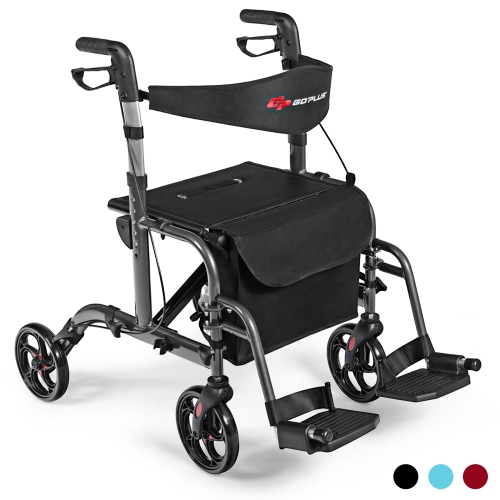
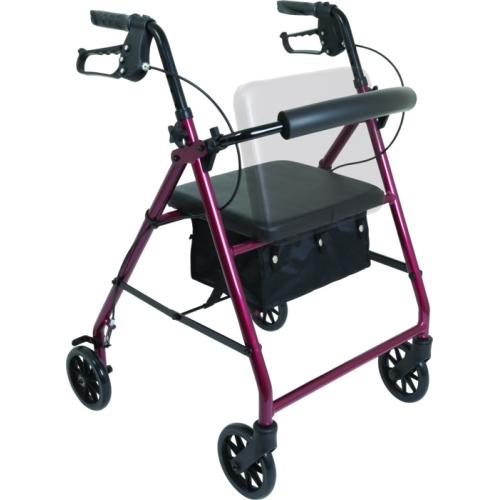
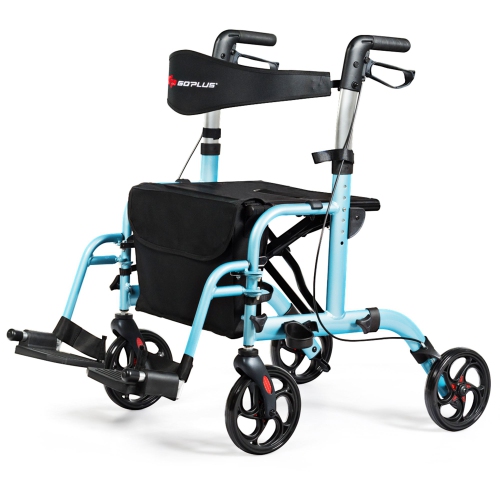
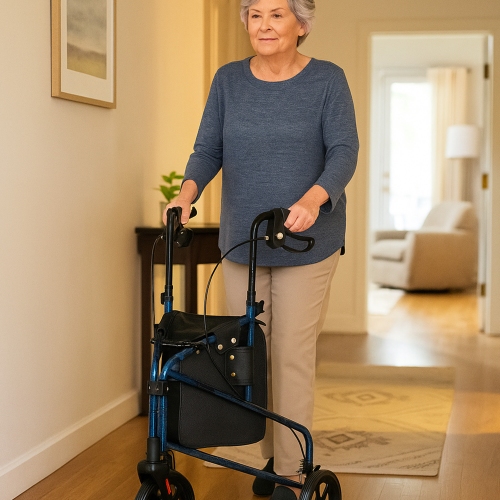
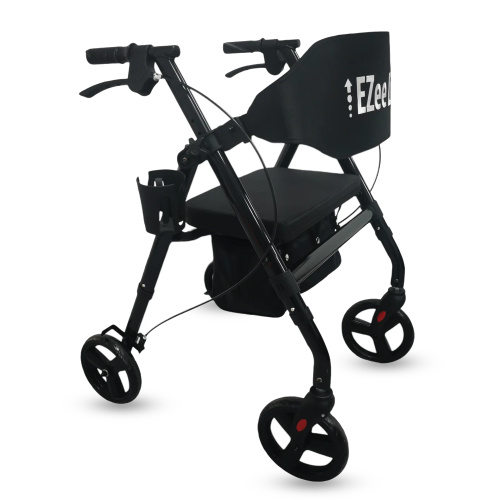
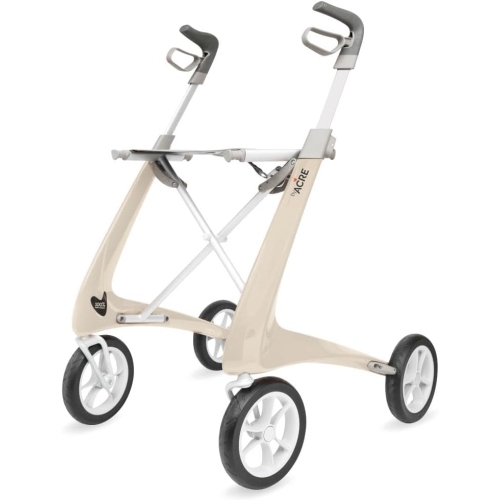
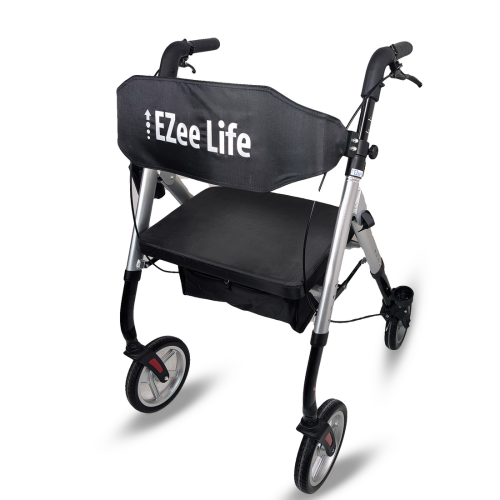
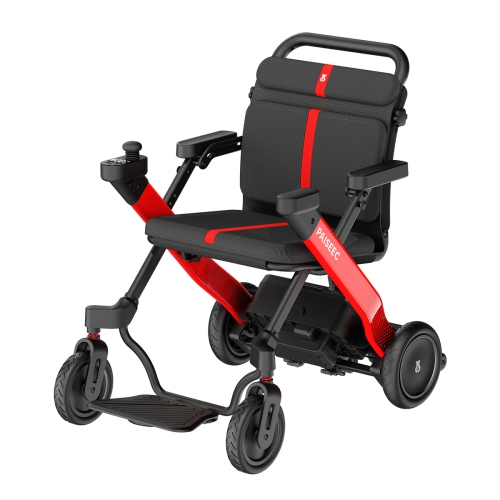
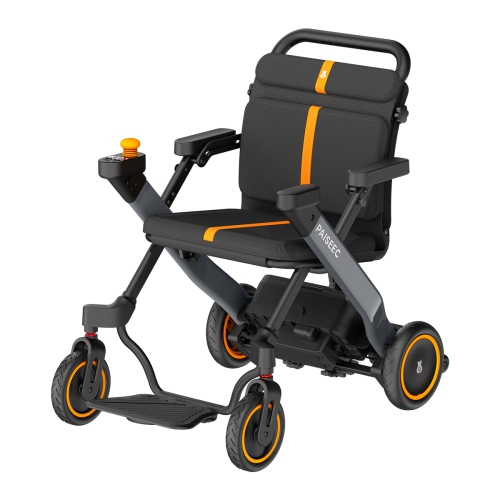
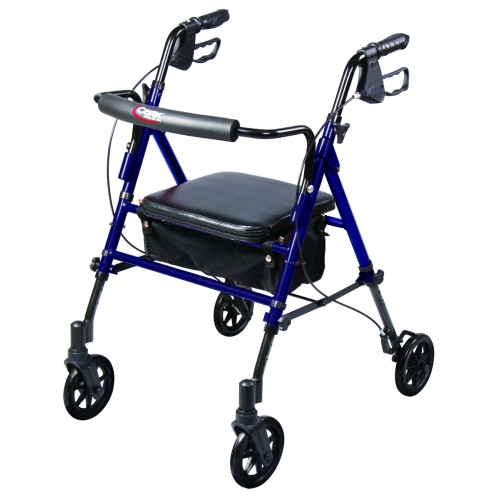
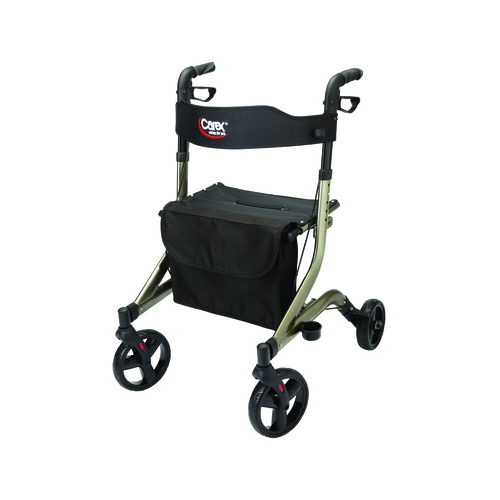
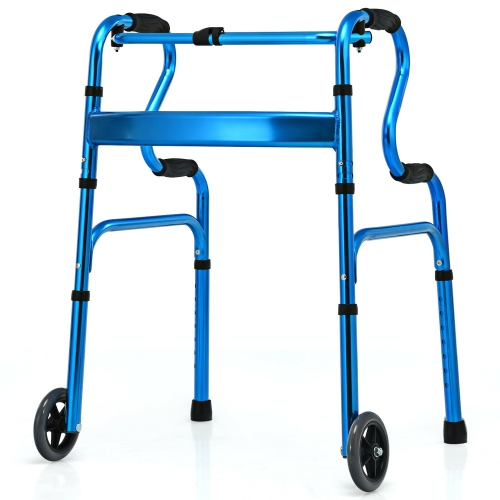
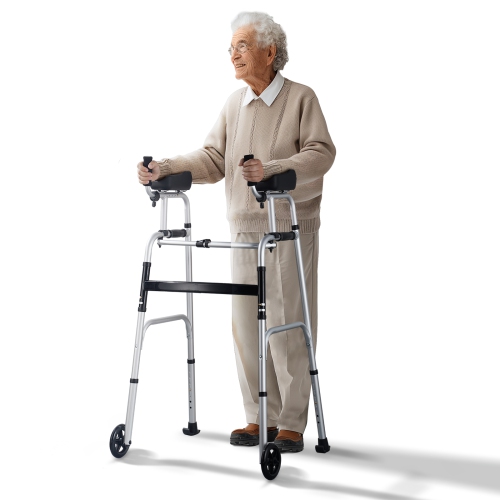
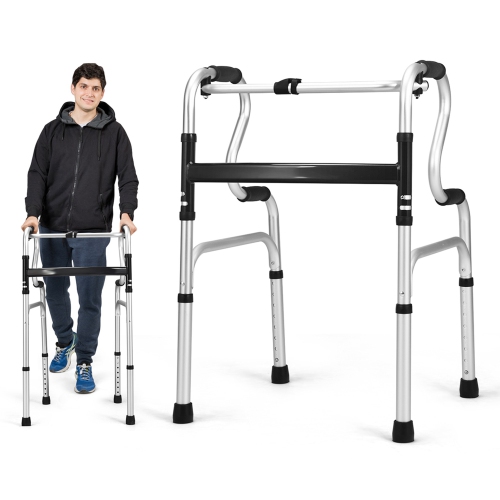
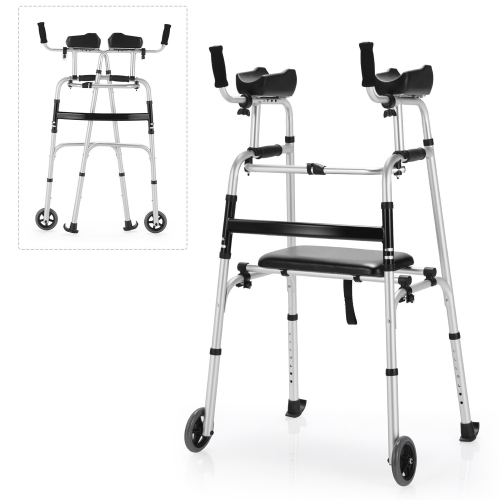
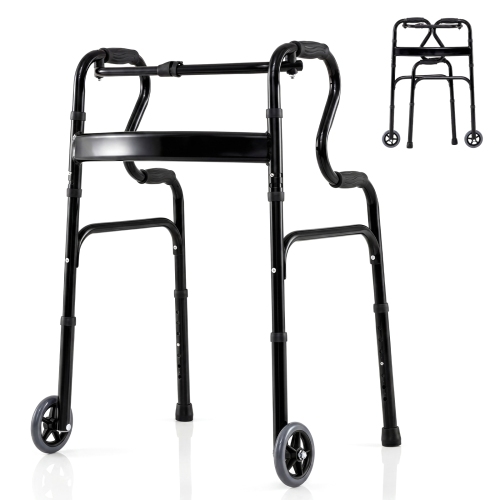
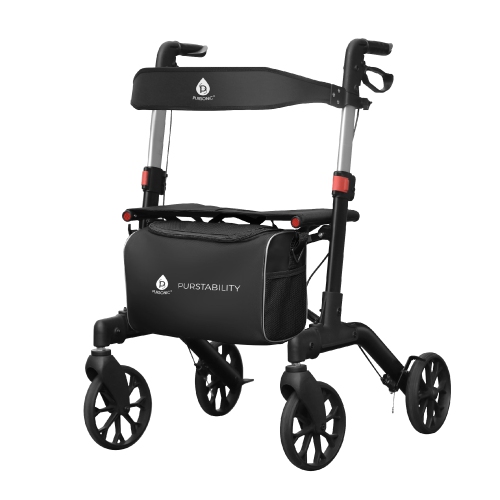
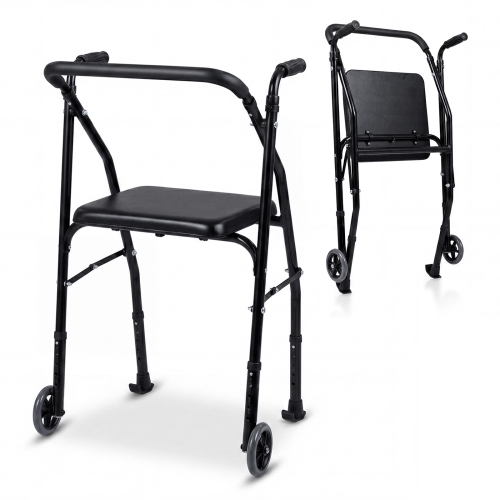
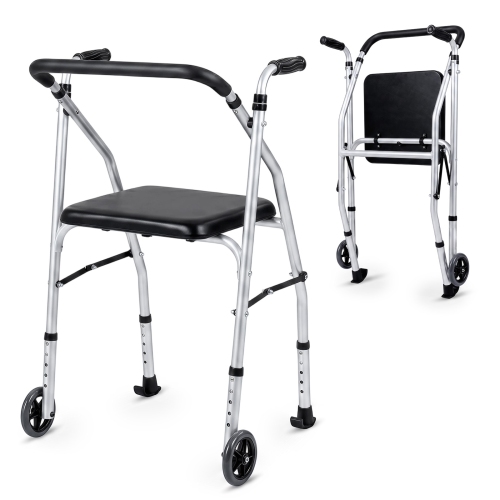
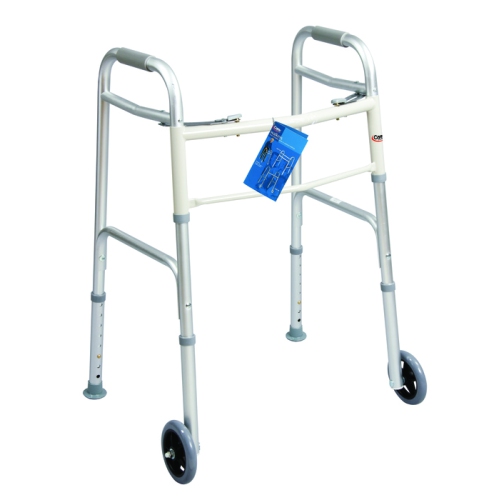
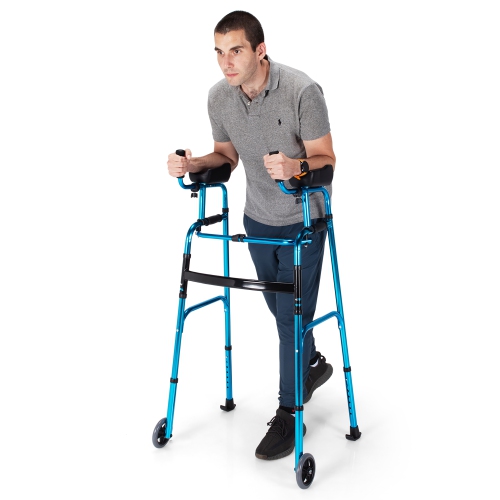
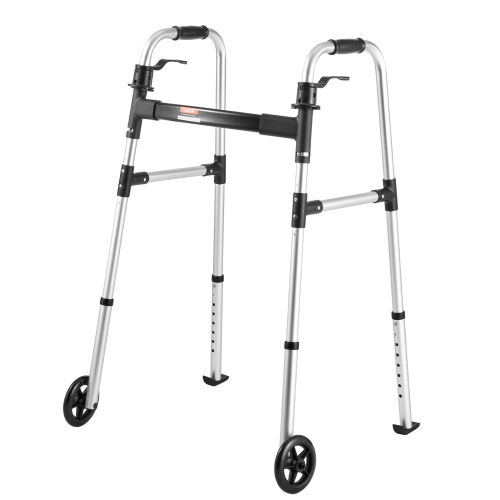
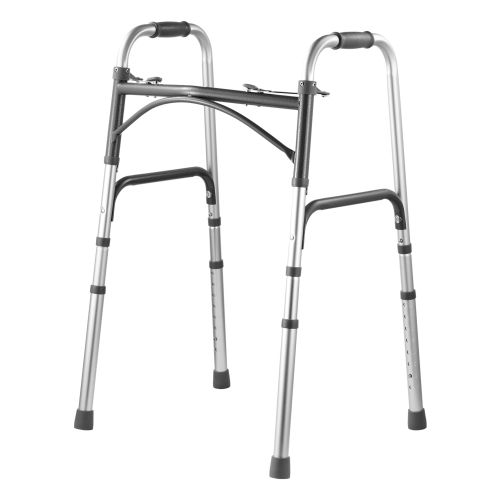
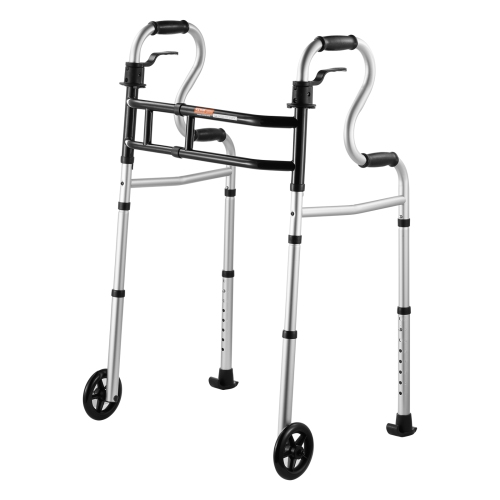
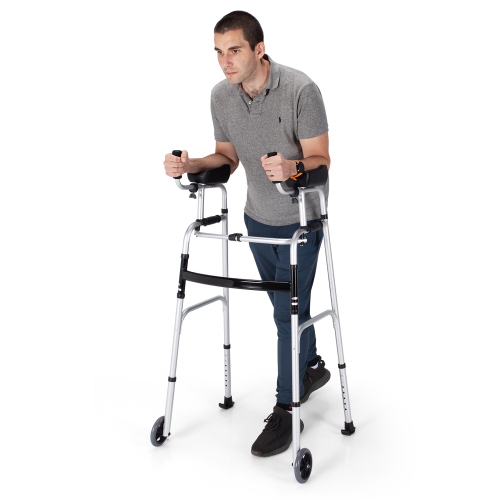
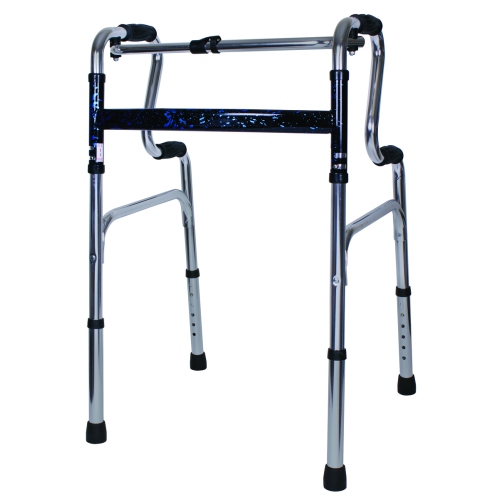
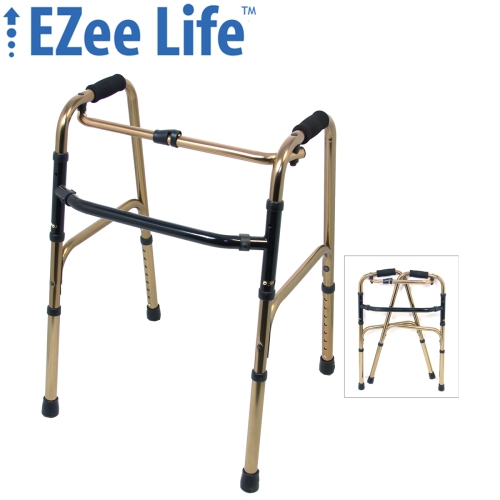

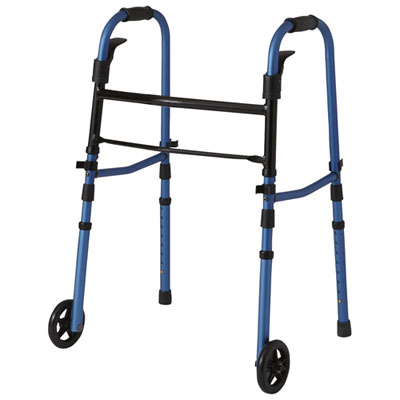
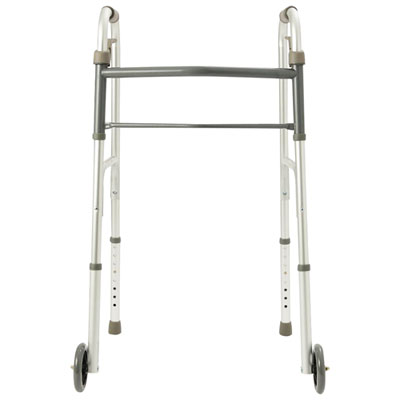
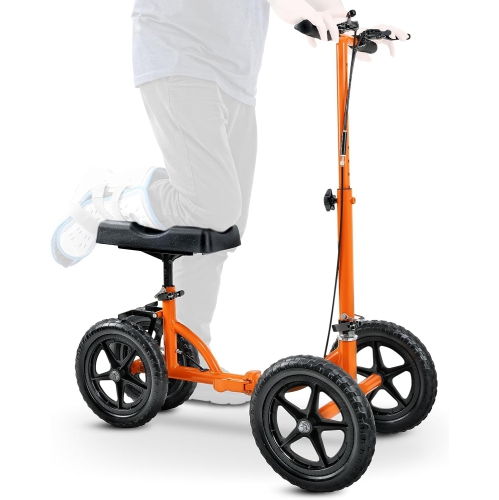
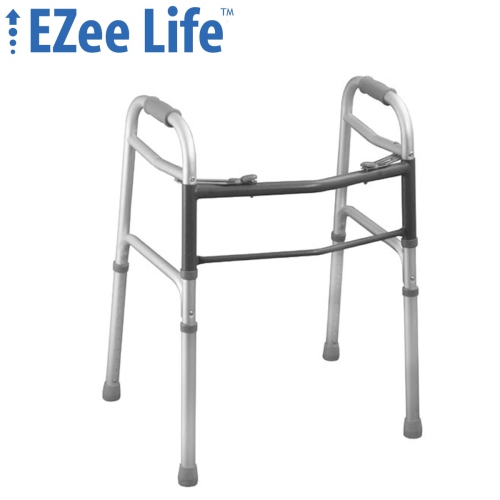
Walking support with room to pause and rest
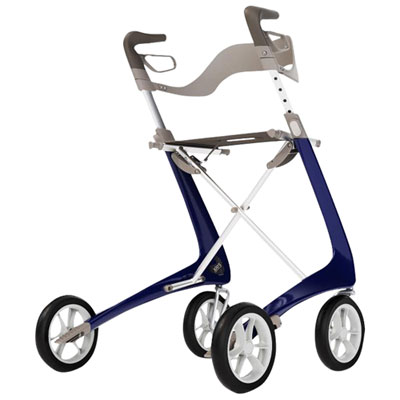
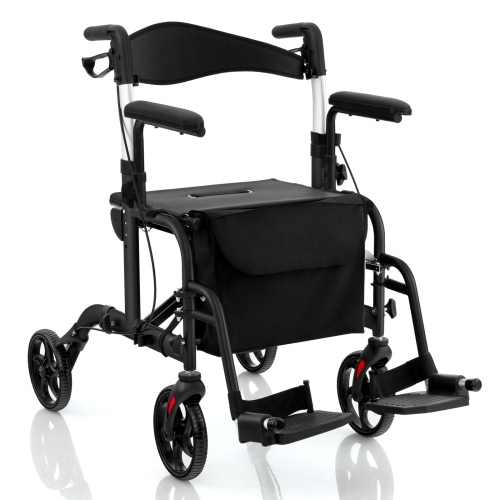
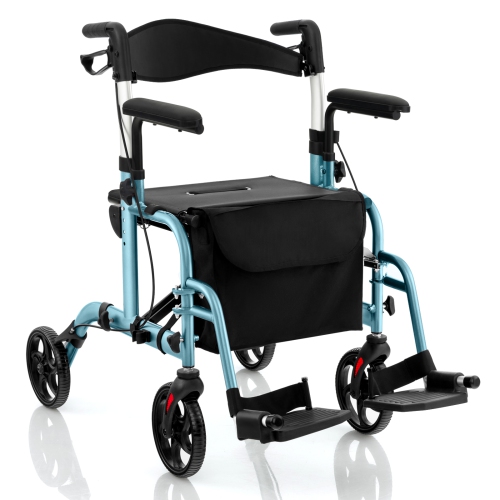
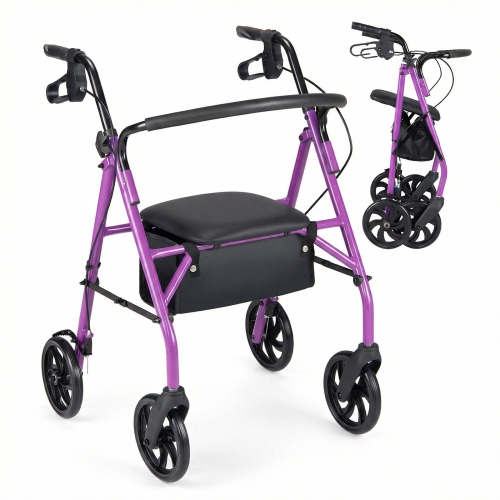
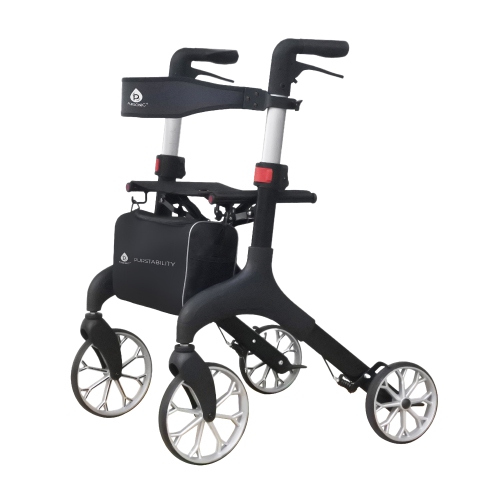
Rollator walkers are wheeled mobility aids designed to provide balance support while walking, with hand-operated brakes that help users control movement and secure the frame when stopped. Most have four wheels, a built-in seat, and a backrest or support strap, although three-wheel designs offer a different balance of manoeuvrability and features and generally do not include a seat. Unlike a standard walking frame that must be lifted and placed ahead with each step, a rollator moves along the ground as the user walks. This makes it useful for people who can walk but need additional steadiness or somewhere to rest during longer outings. Older adults, people with reduced stamina, and individuals managing certain mobility limitations may find this style helpful, depending on their abilities and care needs. A rollator is not intended to support someone’s full body weight, and it is not interchangeable with a wheelchair or a walking aid prescribed for keeping weight off an injured leg. Being able to grip the handles, operate the brakes, turn safely, and control the rolling frame is important. A physiotherapist or occupational therapist can help establish whether a rollator suits those requirements. Within the broader range of Walkers With Wheels, rollators offer a convenient combination of walking support, storage, and a resting place. Their everyday value often comes down to small details: a basket that keeps a library book within reach, handles that remain comfortable through a grocery trip, or a seat for a pause while accompanying family on an outing. A storage pouch can also leave both hands free for steering and braking rather than carrying a handbag. For anyone choosing a mobility aid for a parent, partner, or another family member, involving the person who will use it helps ensure that fit, handling, and appearance match their preferences. Mobility support is personal, and a frame that feels manageable and comfortable is more useful than one chosen solely for its features.
Fit affects how naturally a rollator moves with its user. Handle height should allow an upright walking posture with relaxed shoulders and a slight bend at the elbows; measuring near wrist height while standing in usual walking shoes provides a common starting point for assessment. Handles set too low can encourage leaning forward, while handles set too high can make steering and braking awkward. The stated adjustment range matters more than whether a frame is simply described as suitable for adults. Seat height and width deserve equal attention. A resting seat should provide enough room to sit comfortably, with feet supported on the ground, without making sitting down or standing up unnecessarily difficult. The space between the handles and the position of the backrest can also affect comfort. Weight capacity is specific to each design and should always be checked in the manufacturer’s specifications. Some standard rollators are rated for up to approximately 300 lb, while certain heavy-duty or bariatric designs accommodate approximately 400 to 500 lb; these are examples of common ranges, not ratings that apply to every frame. Wider seats and reinforced construction can provide additional room and support, but the overall width still needs to suit the home. Bathroom entrances, narrow hallways, and the space beside a dining chair can reveal clearance issues that are easy to overlook. Wheel size also influences intended use. Wheels around 6 inches in diameter are common on compact designs for relatively smooth surfaces, while wheels around 8 to 10 inches can negotiate pavement joints and small surface irregularities more easily. Larger wheels do not make every path suitable, and loose gravel, steep slopes, and high thresholds can still present difficulties. Swivelling front wheels help with turns, while the frame’s width and turning radius determine how easily it moves around furniture. Brakes should feel accessible without an uncomfortable reach or excessive hand effort. Many loop-style brakes are squeezed to slow the rollator and pushed down to engage the parking position, but operation varies by design. Parking brakes must be engaged before using the seat, on a firm, level surface, following the manufacturer’s directions.
Materials, folding mechanisms, and routine care all contribute to how well a rollator fits into daily life. Aluminum frames are common because they combine relatively low weight with practical strength, while steel frames can be heavier and are used in some reinforced designs. Carbon fibre frames can reduce lifting weight further, although material alone does not establish durability, capacity, or handling. Frame joints, wheel assemblies, brake components, and the quality of the folding latch matter as well. A lighter frame may be easier to lift into a car boot, but the folded dimensions are just as important when storage space is limited. Some rollators fold side to side; others fold front to back. The location of the release handle, whether the frame stays securely folded, and whether it can stand when folded affect how convenient it is to put away. Removable bags and baskets can simplify carrying belongings separately, provided their stated load limits are observed. Heavy bags hung from the handles can affect balance and should not replace designated storage. Seat materials range from wipe-clean padded surfaces to flexible fabric, with differences in cushioning, drying time, and ease of cleaning. Handle shape and texture also matter, especially for someone with sensitive hands or limited grip strength. Regular care generally includes wiping the frame with a suitable mild cleaner, cleaning debris from the wheels, and checking for loose fasteners, worn tyres, frayed brake cables, or changes in braking performance. Cleaning and maintenance should follow the manufacturer’s instructions, particularly around moving parts and upholstery. A brake that no longer holds securely needs attention before the rollator is used again. Unless explicitly designed and approved for transport use, a rollator should not be used to push someone while they are seated. For everyday walking, the most suitable combination of features is one that supports the user’s actual routines: moving between rooms, navigating a building entrance, carrying a few personal belongings, and taking a seated break safely when needed.
Top selling and popular products
-
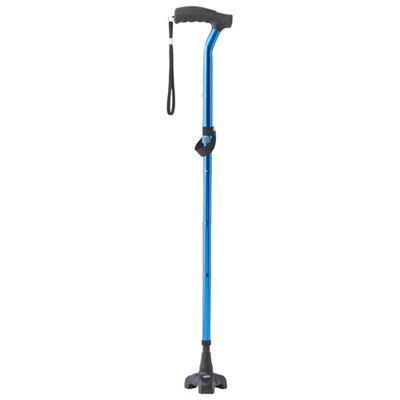 Your price for this item is $35.99
-
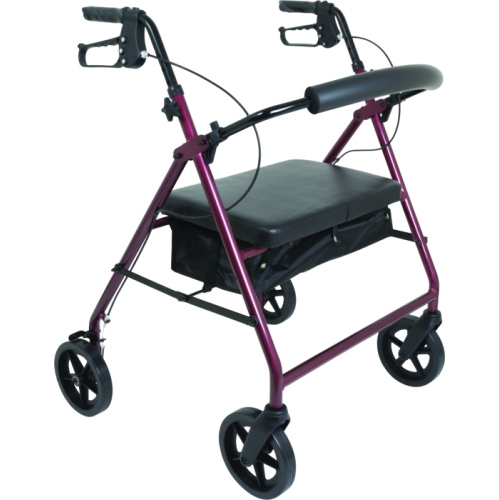 Your price for this item is $244.99
-
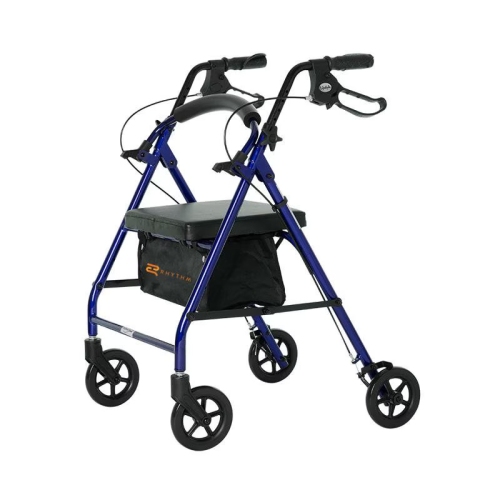 Your price for this item is $151.99
-
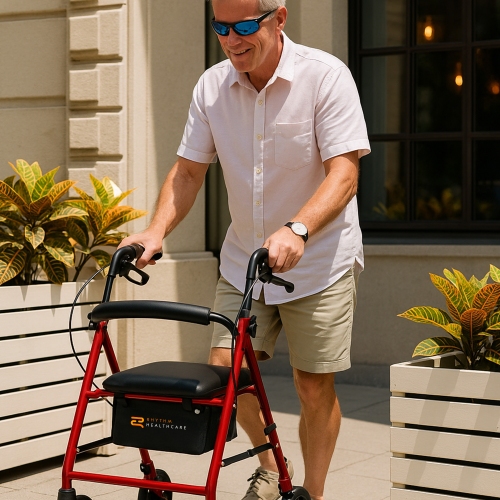 Your price for this item is $138.99
-
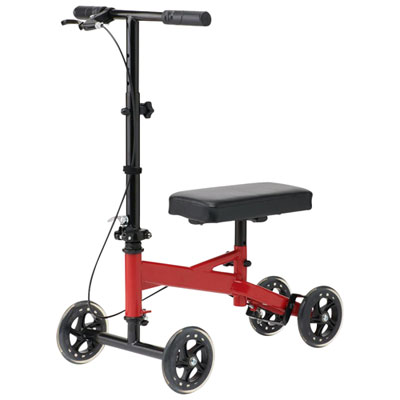 Your price for this item is $169.99
-
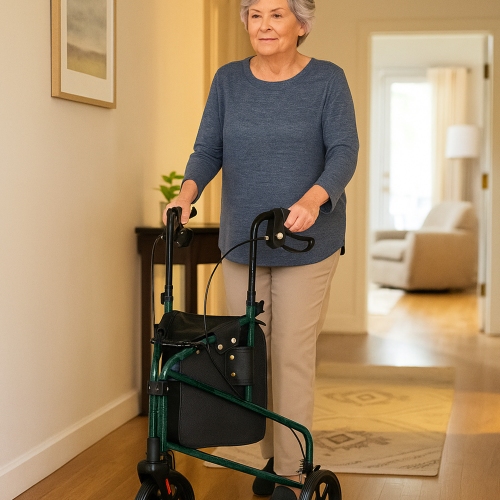 Your price for this item is $205.99
-
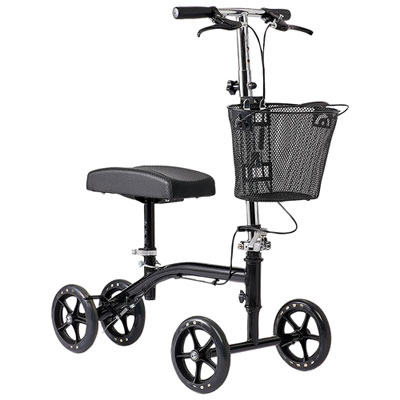 Your price for this item is $196.98
-
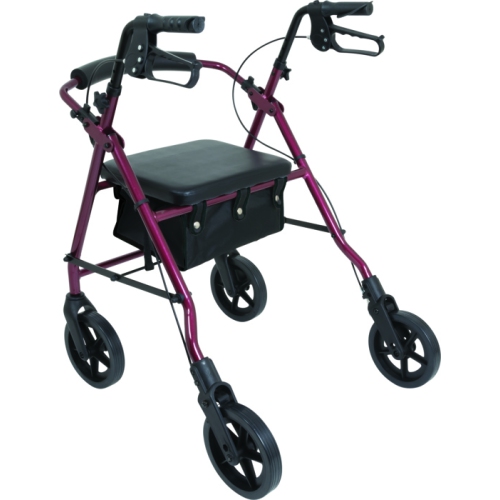 Your price for this item is $199.99
Discover more categories related to Rollator Walkers
Top Collections:
Pokemon Centers, Kindle Devices, Best Budget Office Chairs, Canon G7X Cameras, Apple iPhones 16, Samsung Galaxy Phones, Refurbished Apple Laptops, Laptops for Students, iPhone 15 Apple, Budget Smartphones
Some products may be subject to Environmental Handling Fees
(EHF) depending on your province.
Learn more about EHFs.