Assistive Listening Devices
Enhance your auditory experience with our diverse range of assistive listening devices designed to cater to individuals seeking clarity and precision in their everyday activities. Whether you're looking for a discreet personal amplifier, a versatile TV listening system, or a reliable amplified phone, we have the perfect solution to meet your needs. Explore our collection of cutting-edge technologies that prioritize comfort, convenience, and exceptional sound quality, allowing you to stay connected and engaged in any environment.
Sort
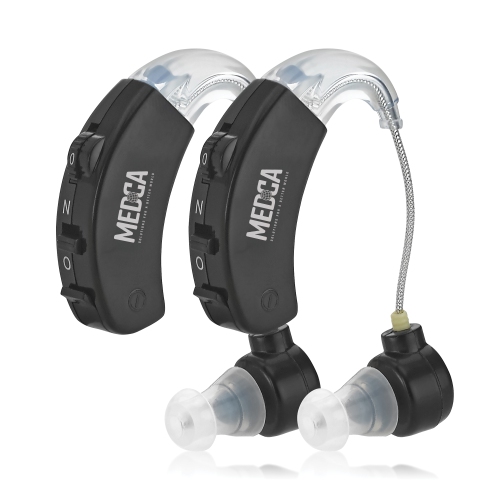
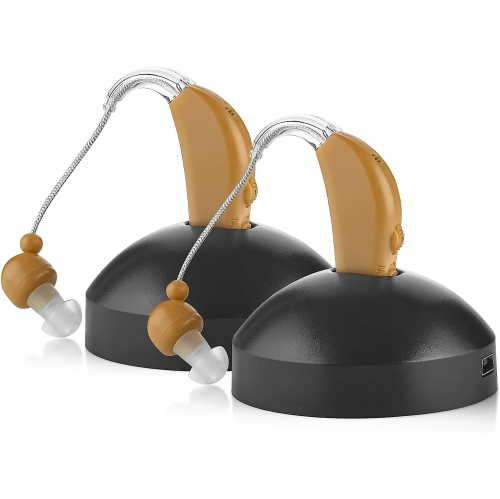
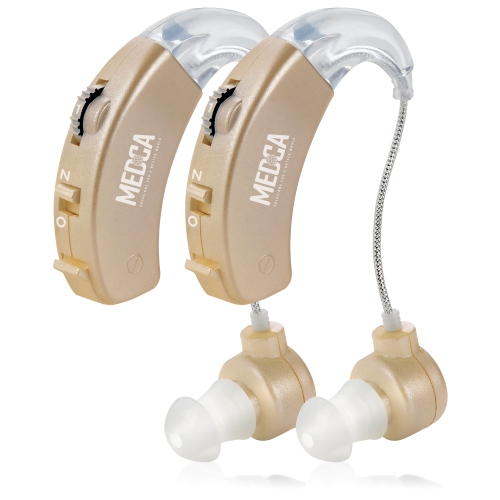
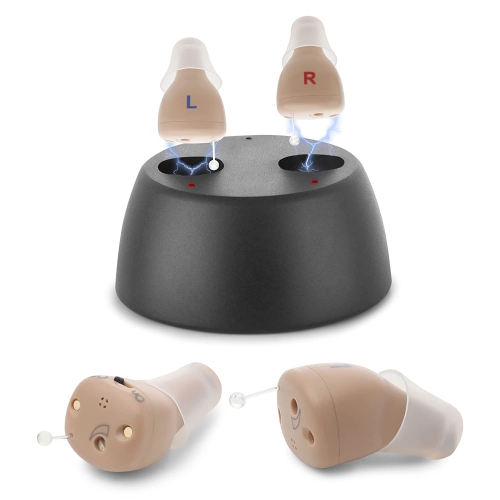
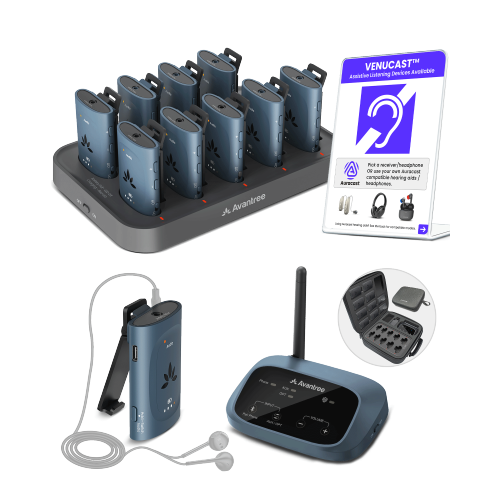
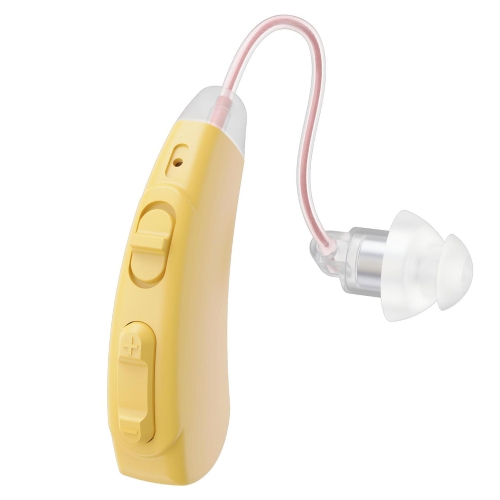
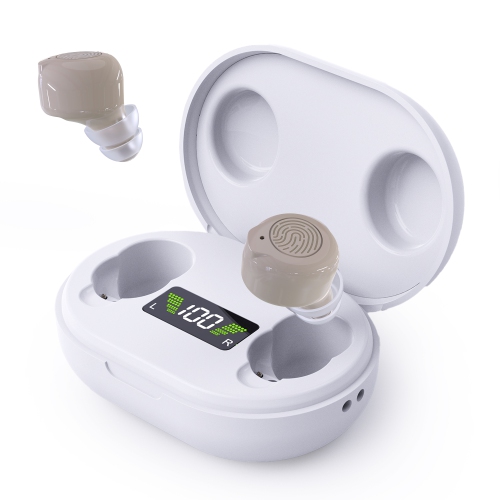
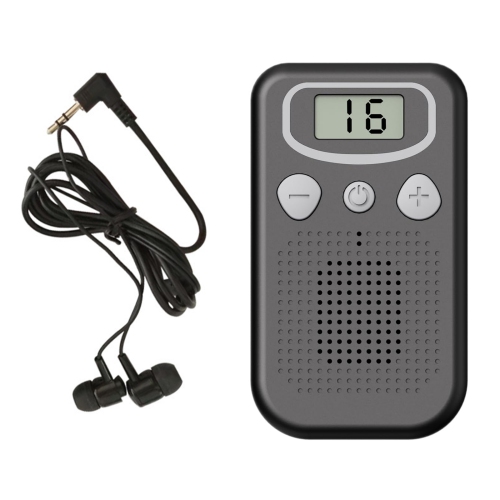
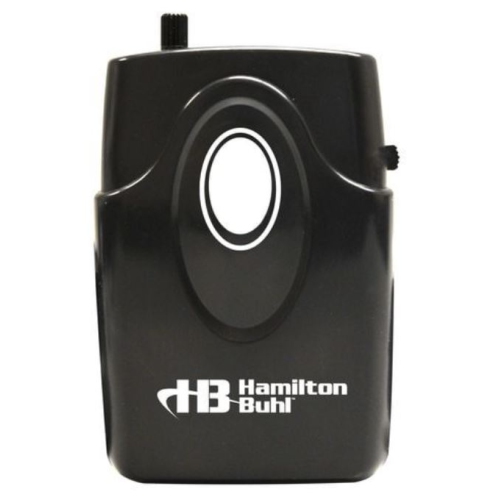
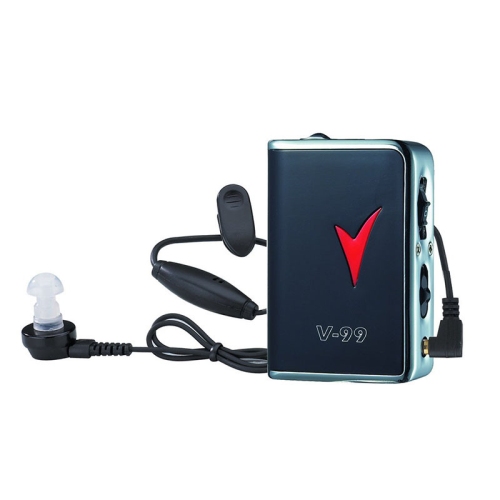
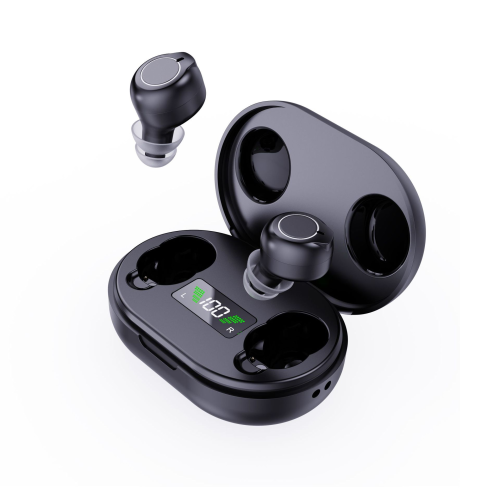
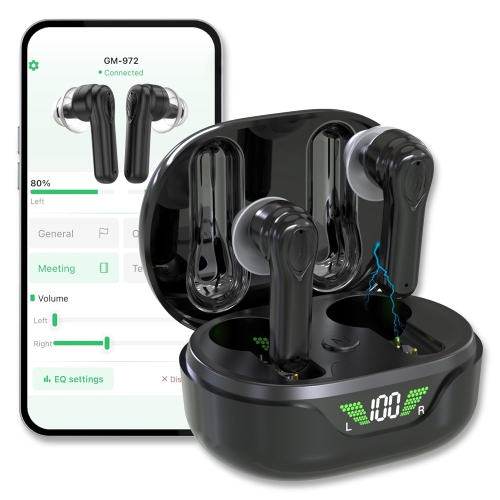
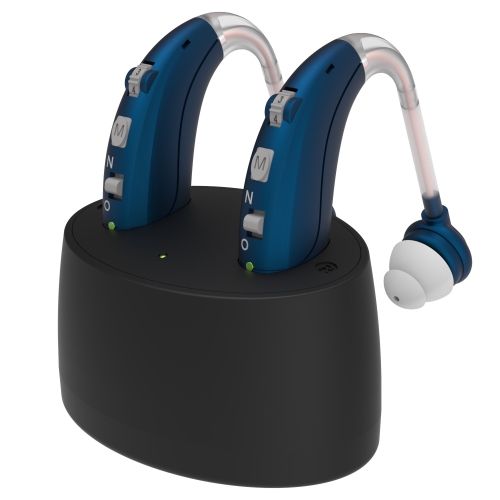
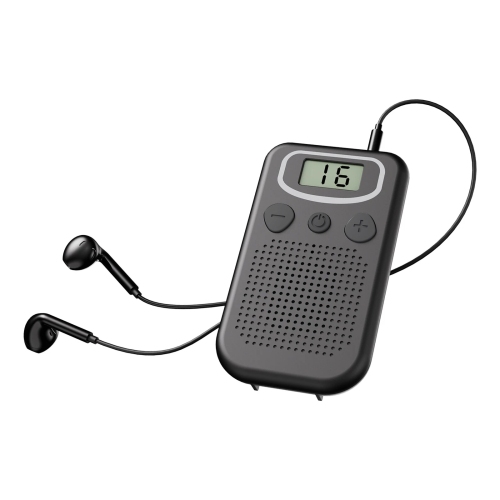
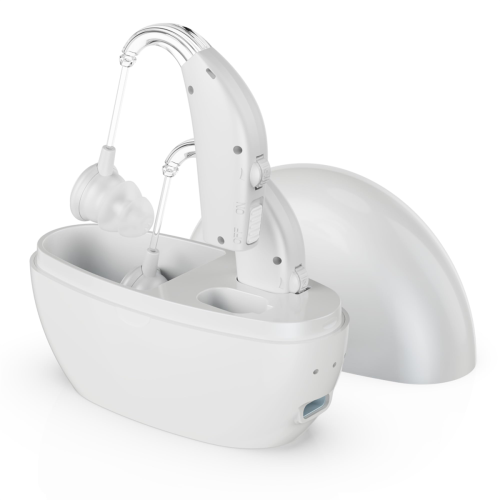
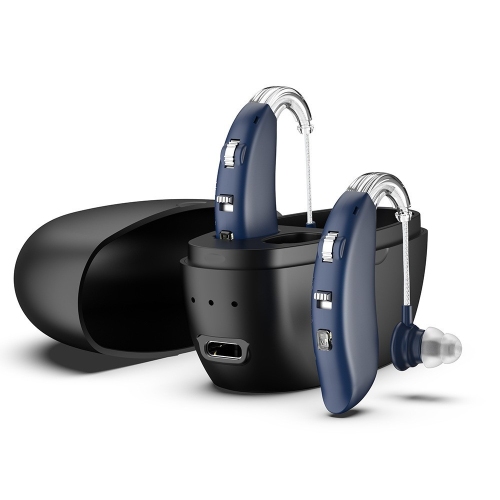
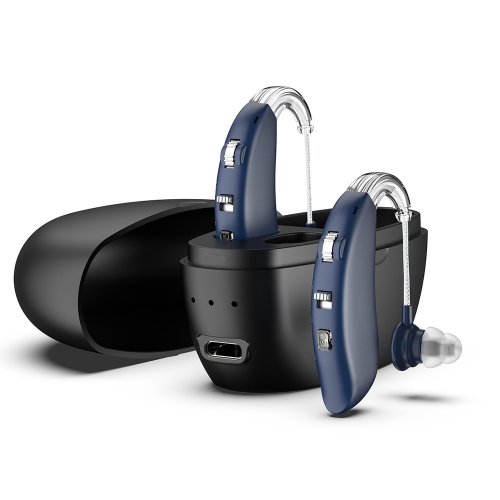
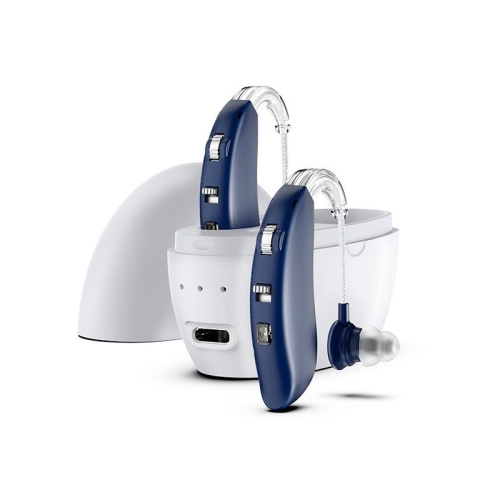
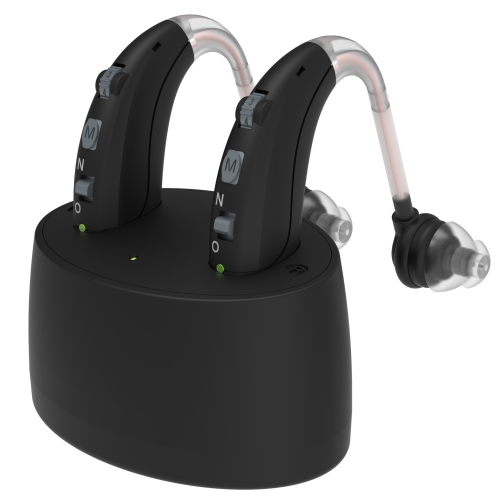
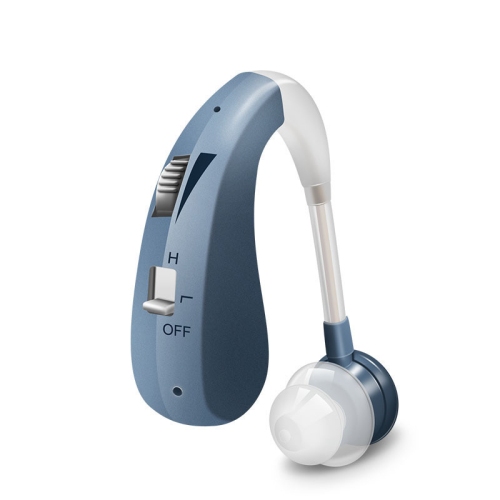
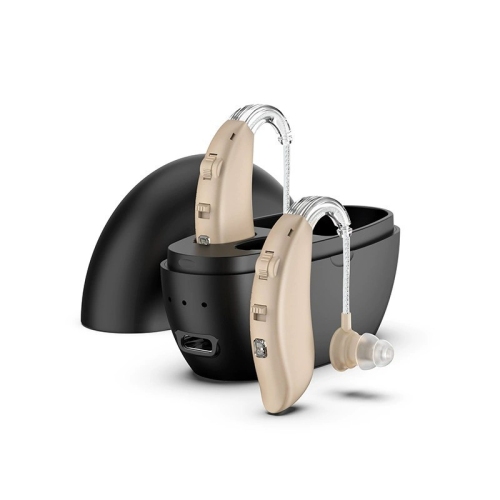
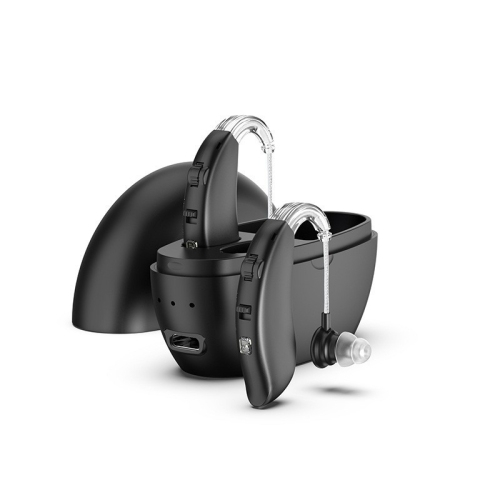
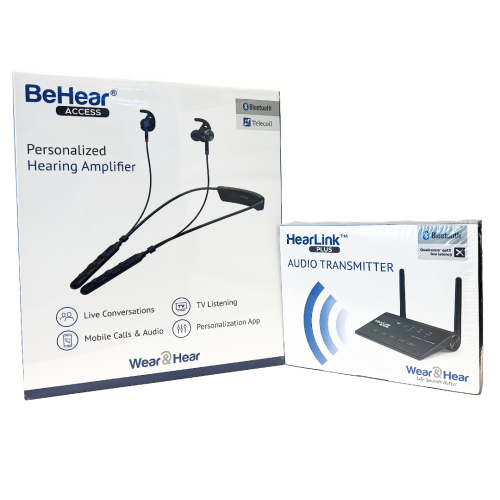
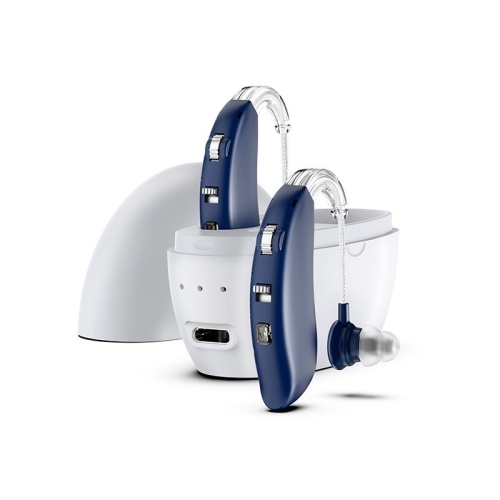
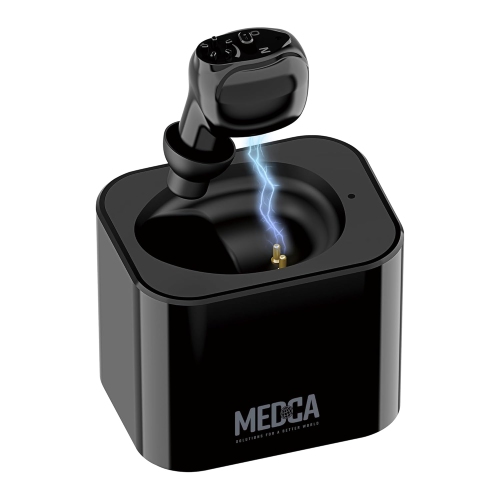
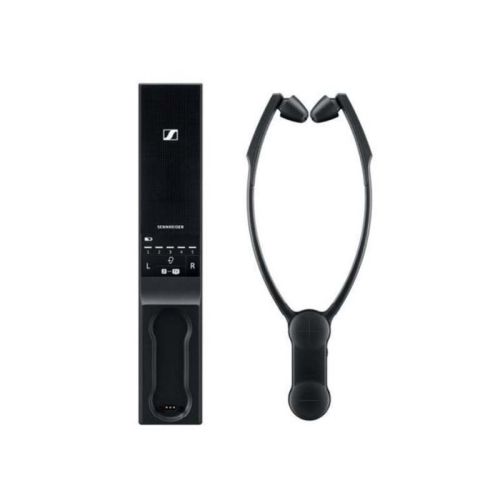
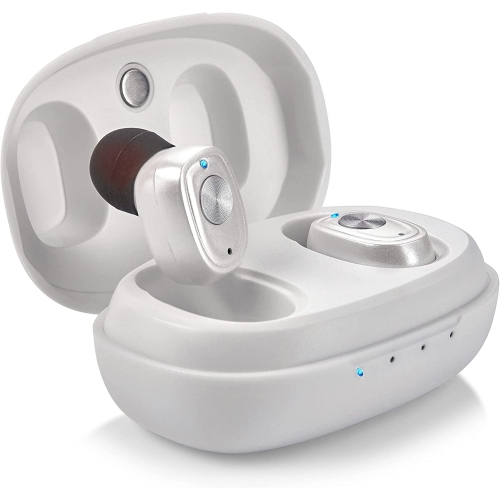
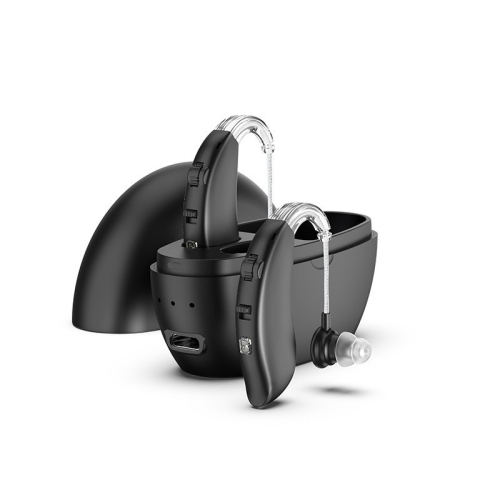
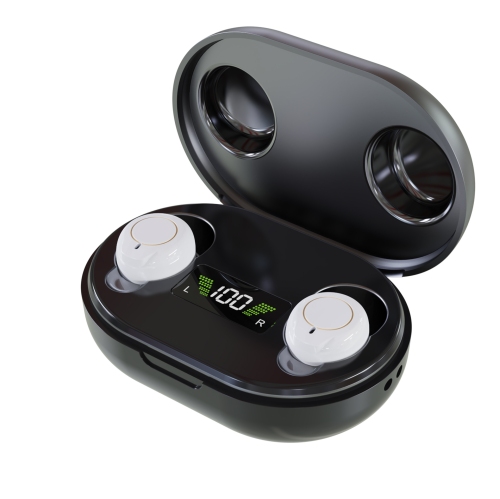
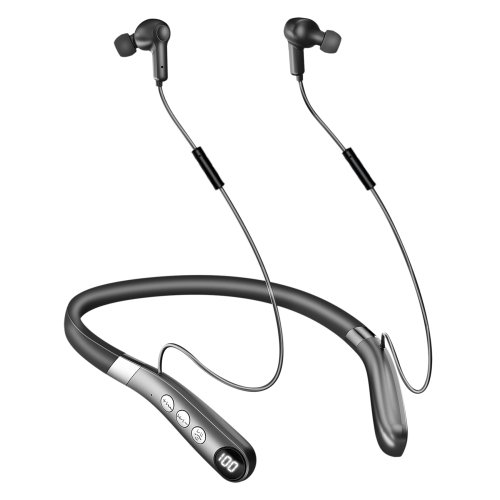
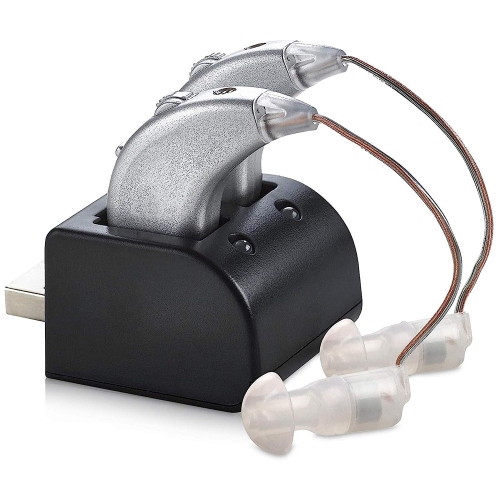
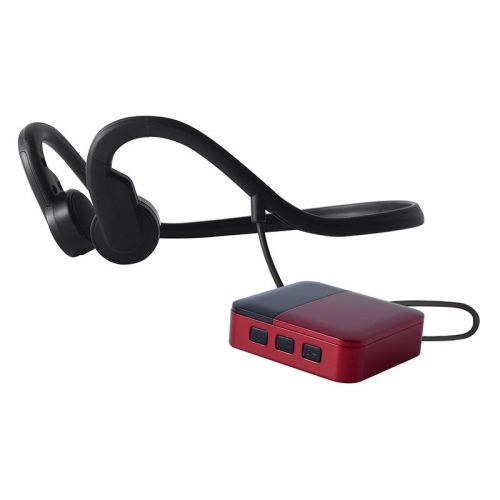
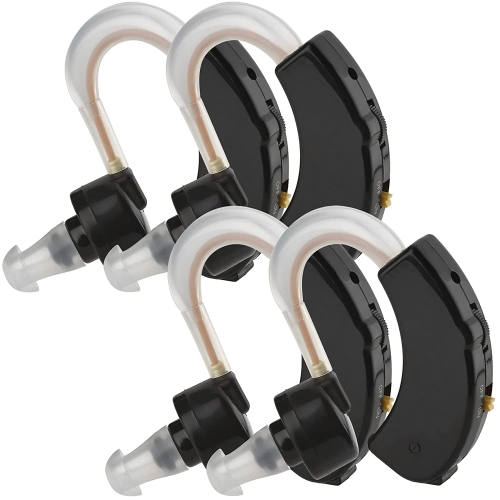
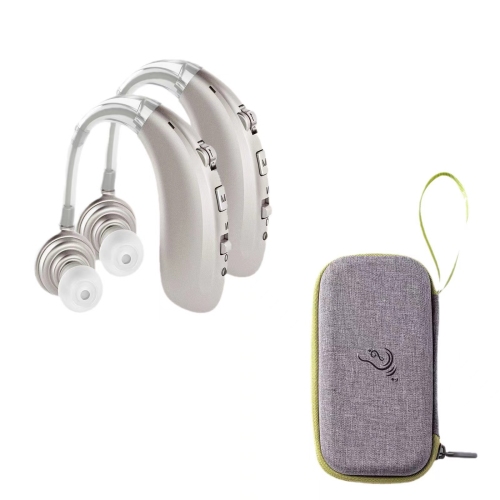
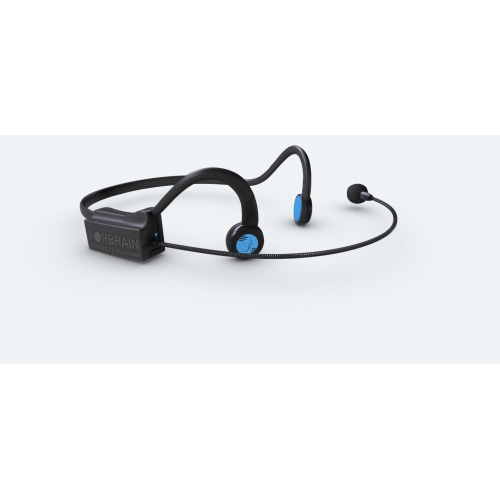
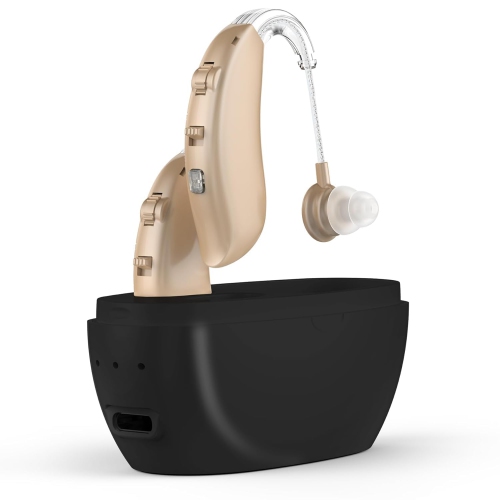
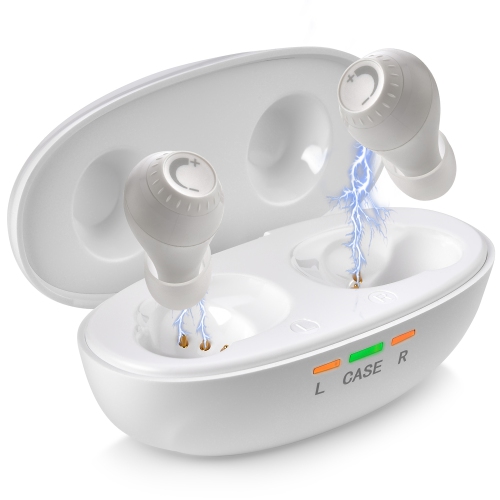
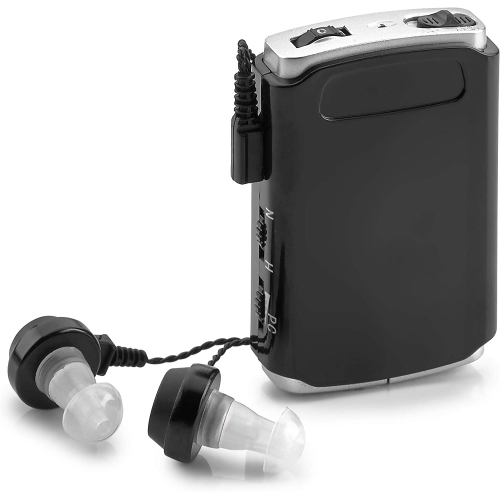
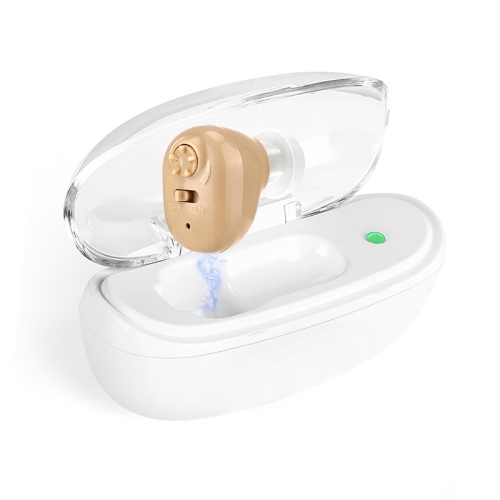
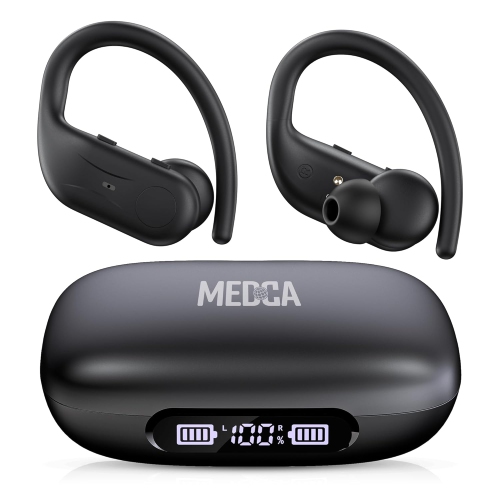
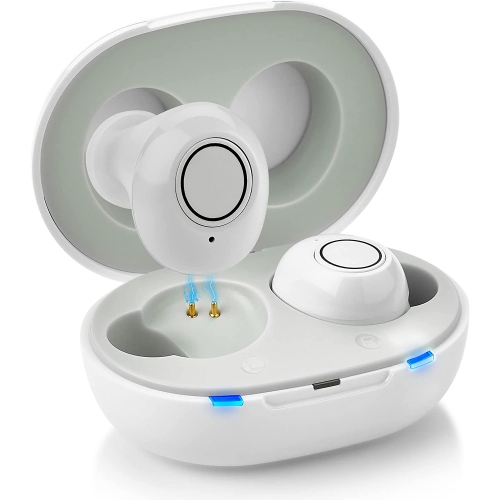
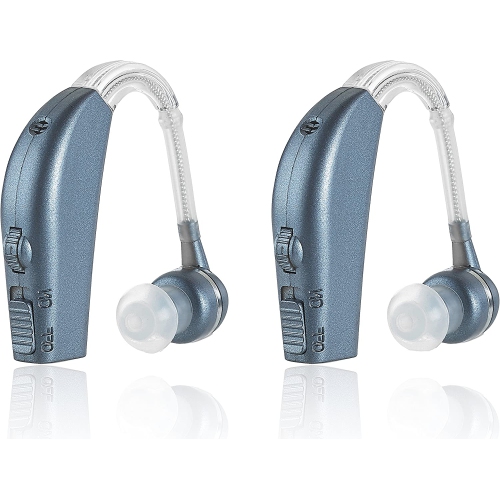
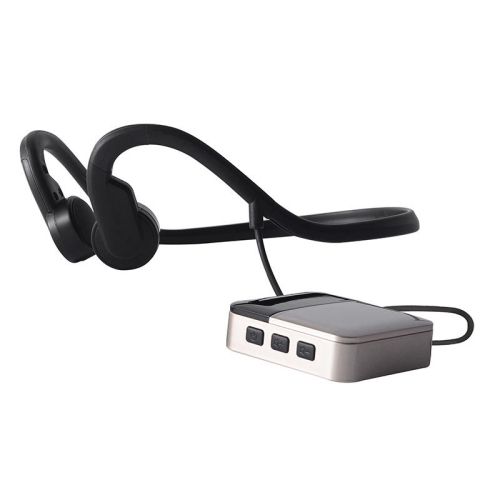
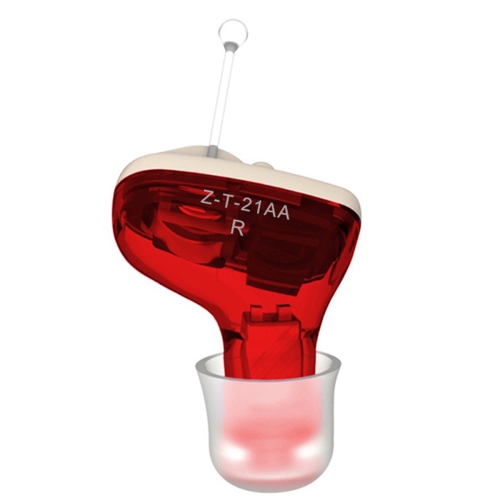
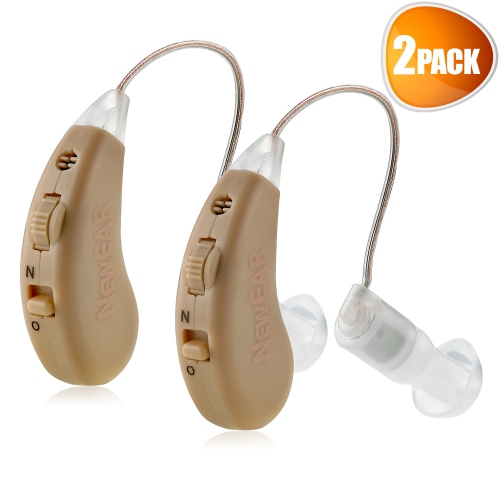
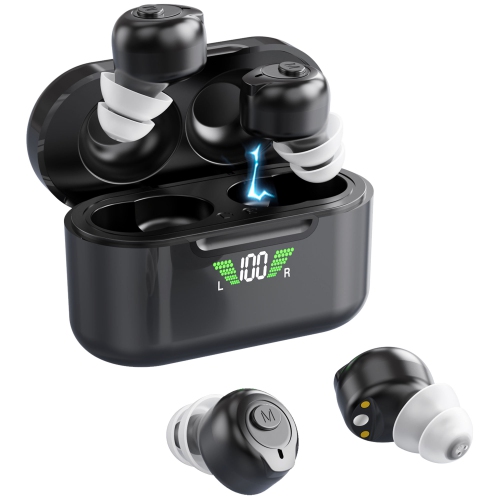
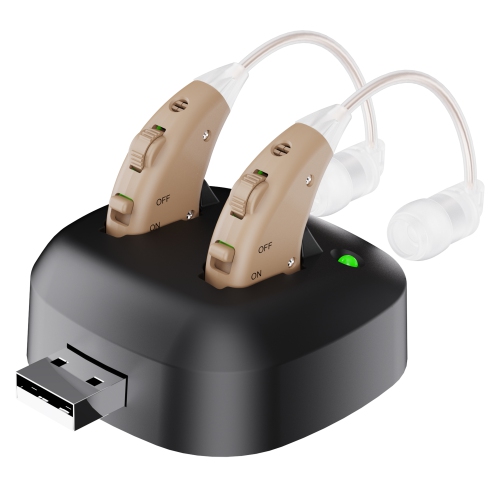
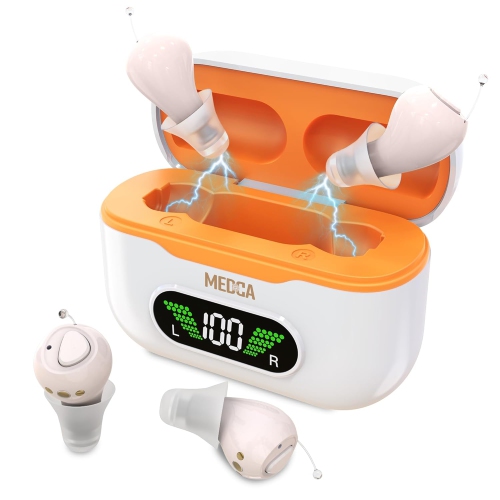
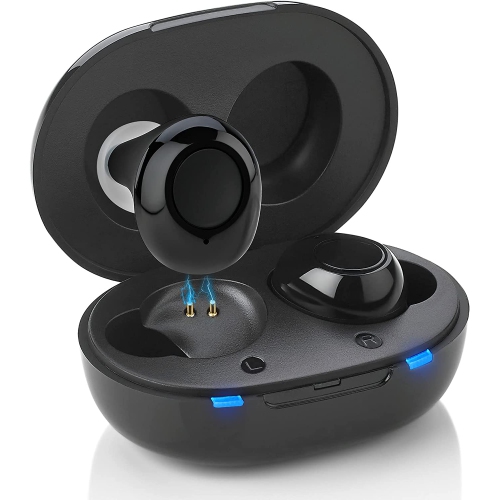
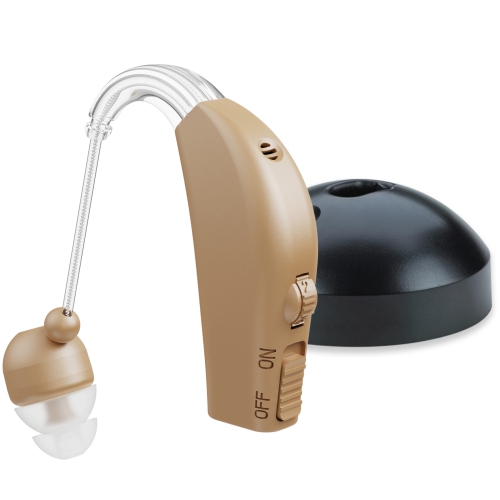
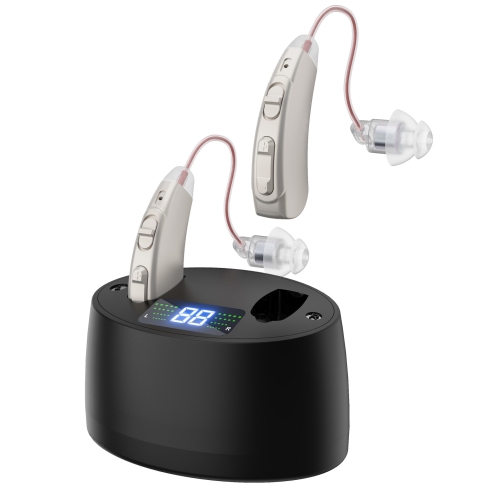
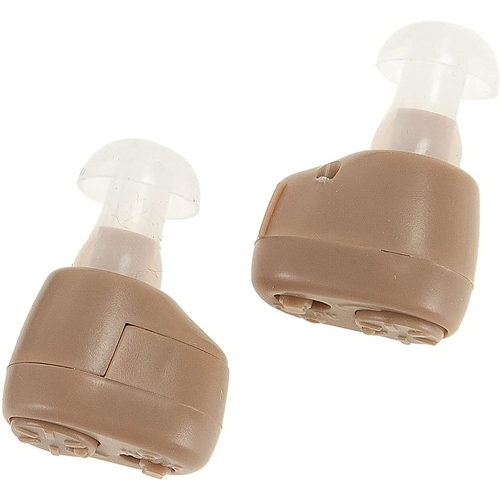

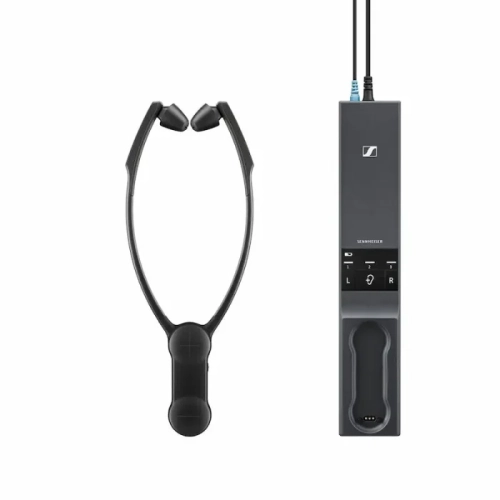
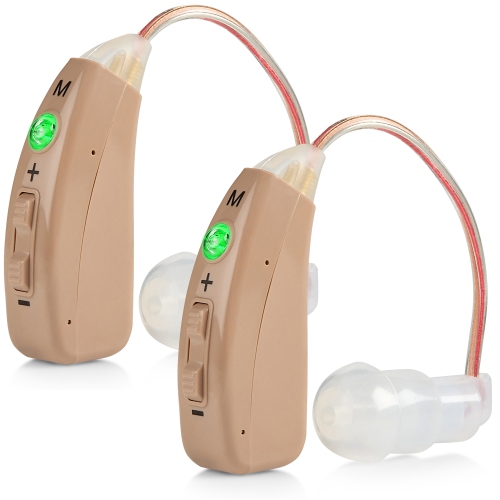
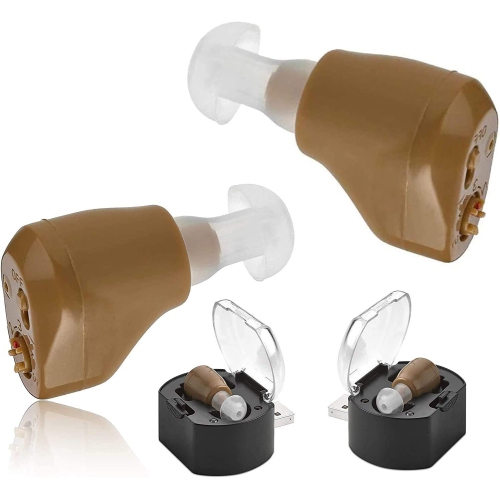
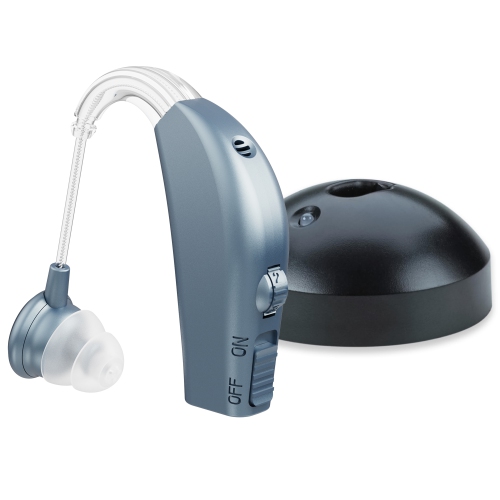
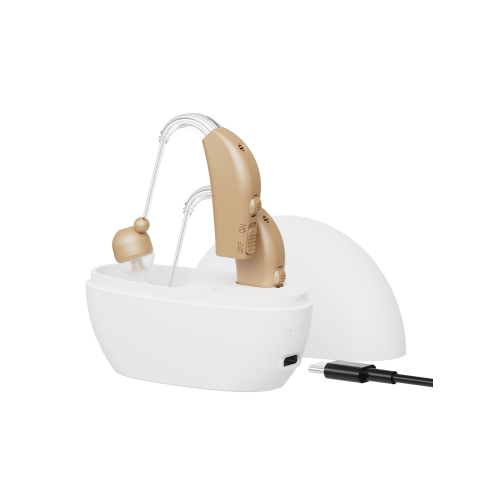
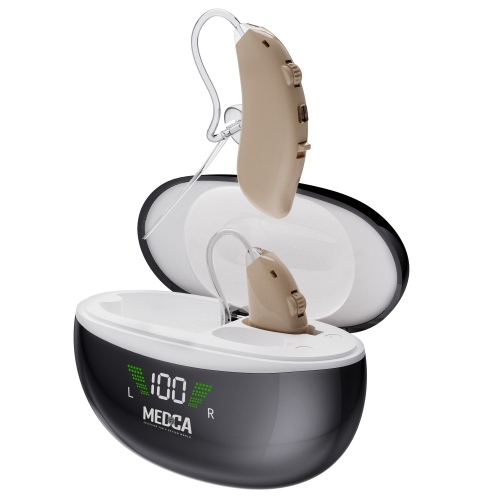
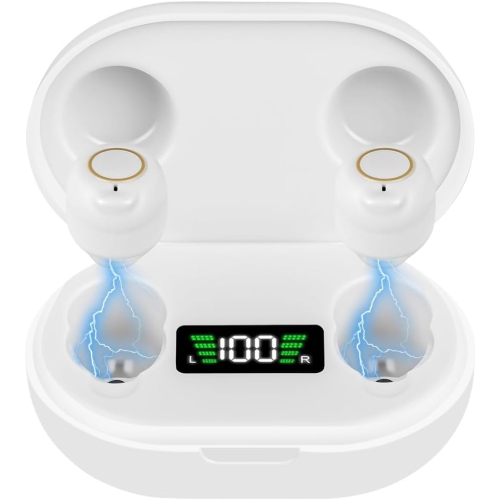
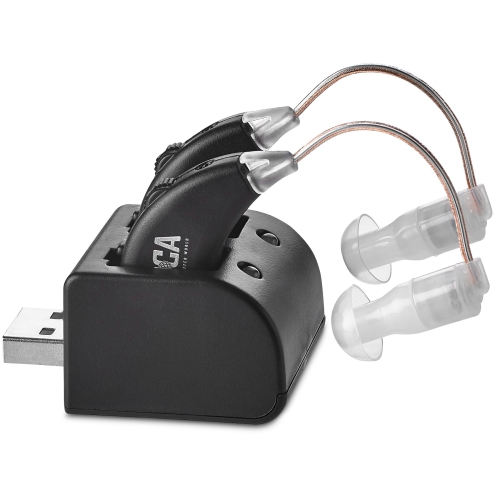

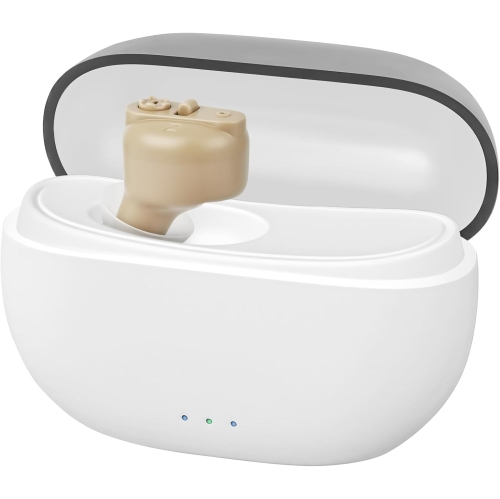
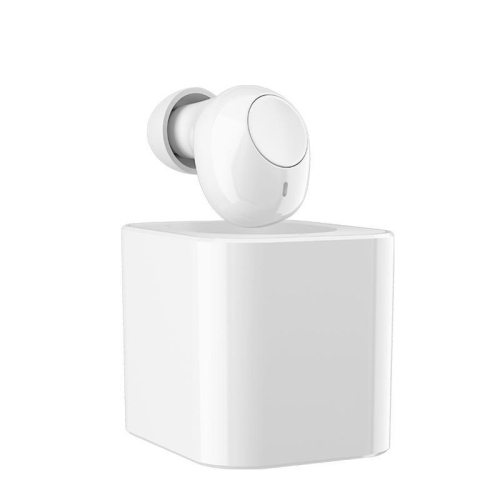
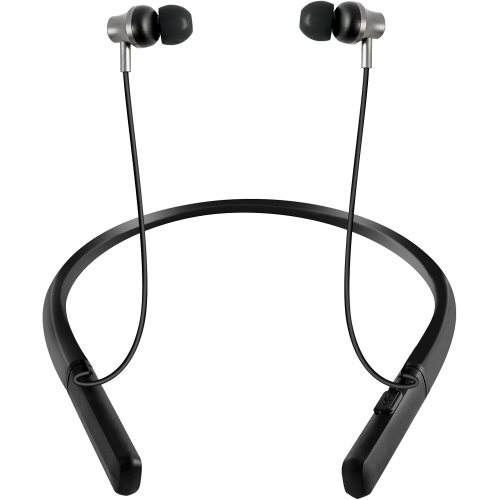
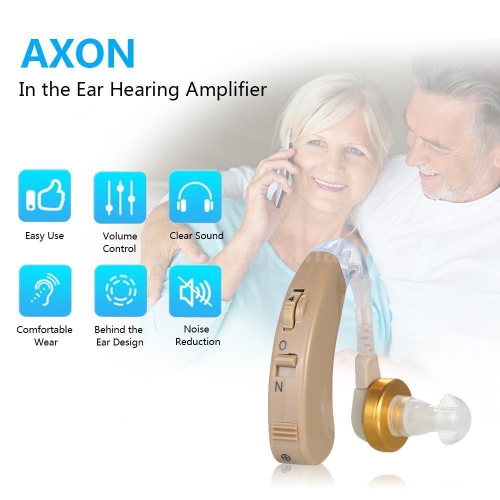
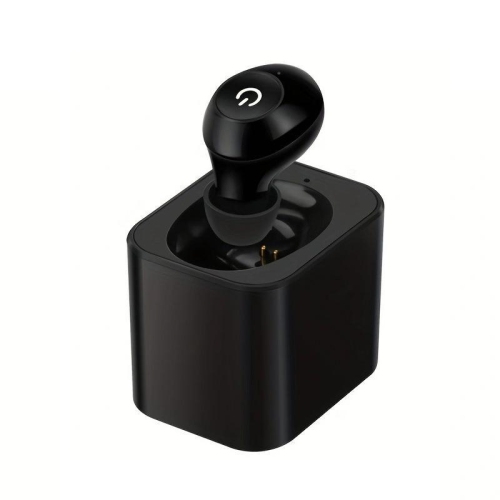
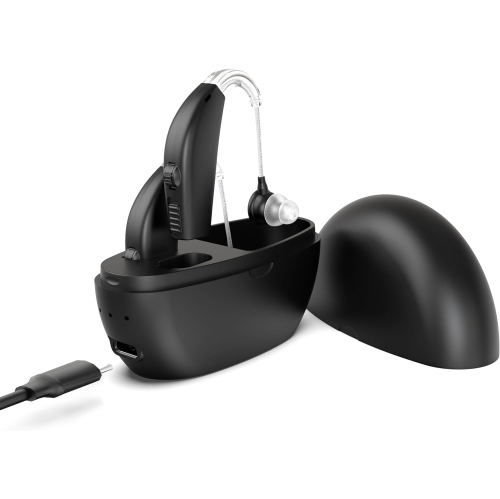
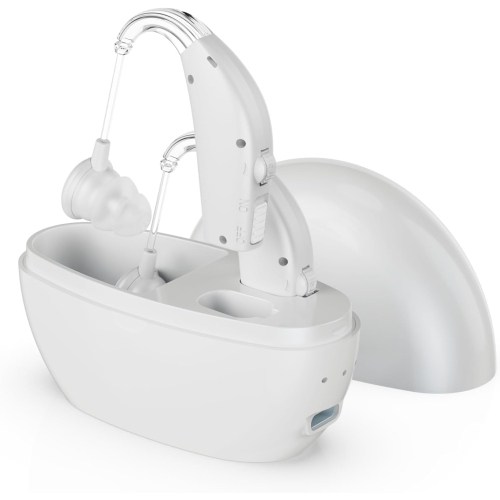
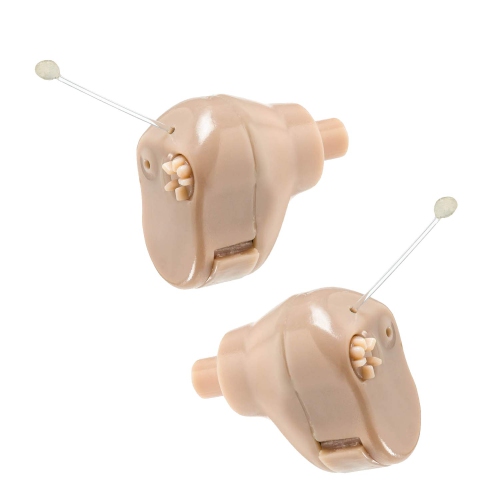
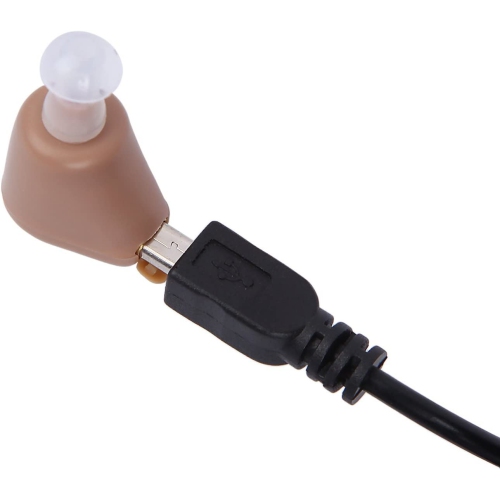
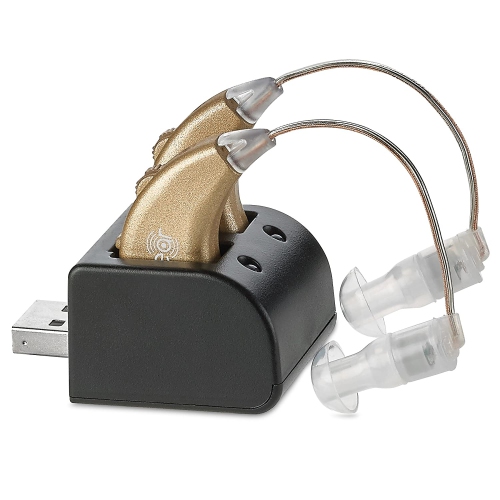
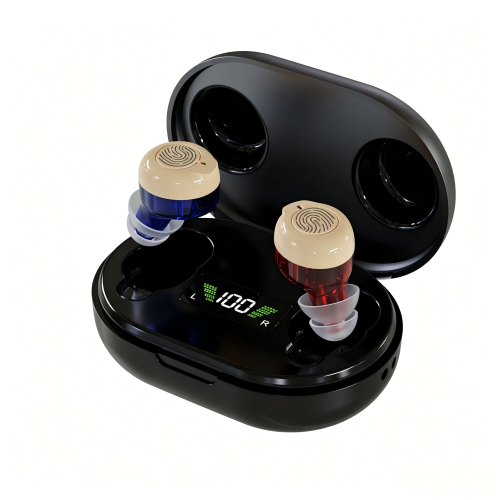
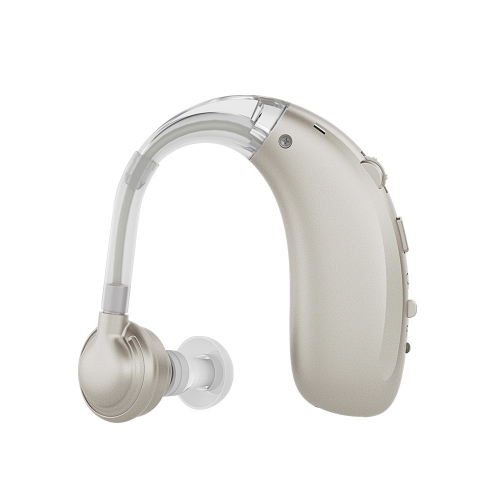
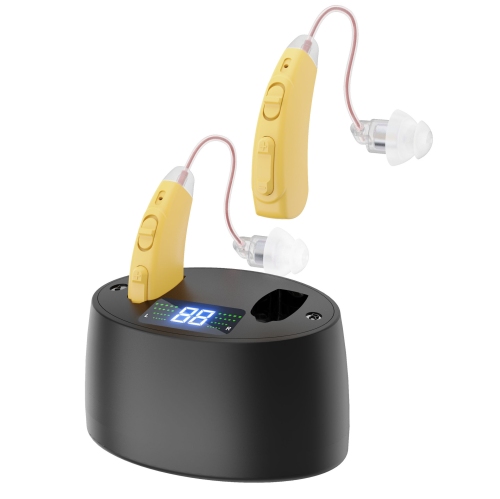
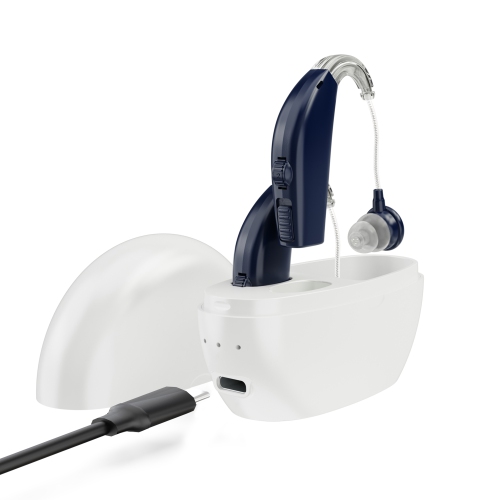
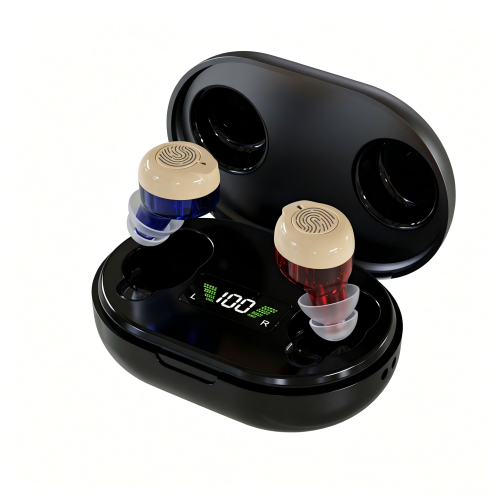
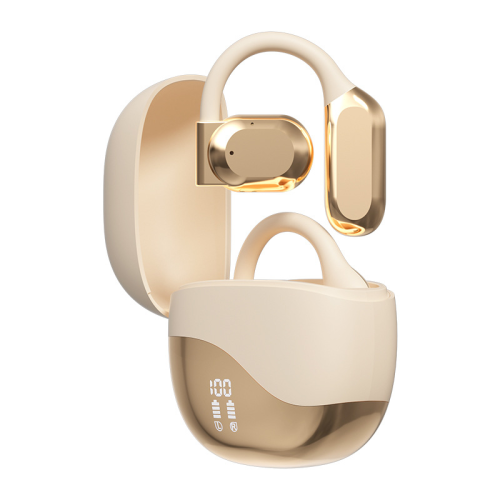
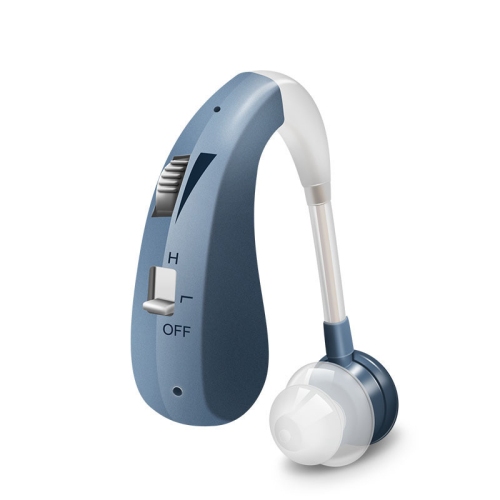
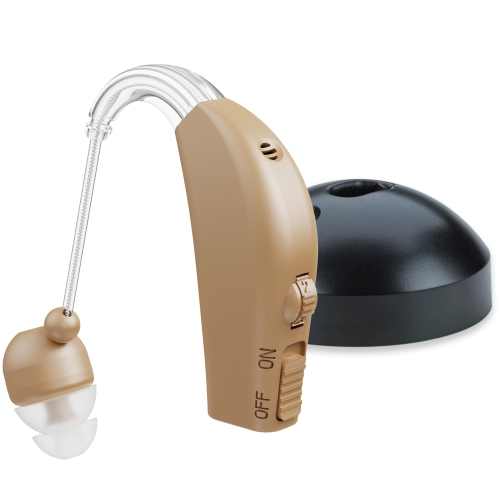
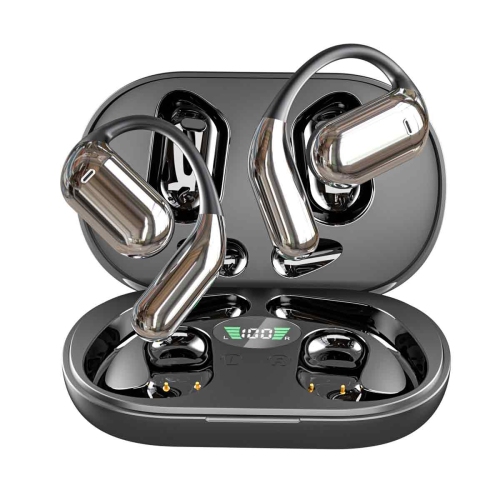
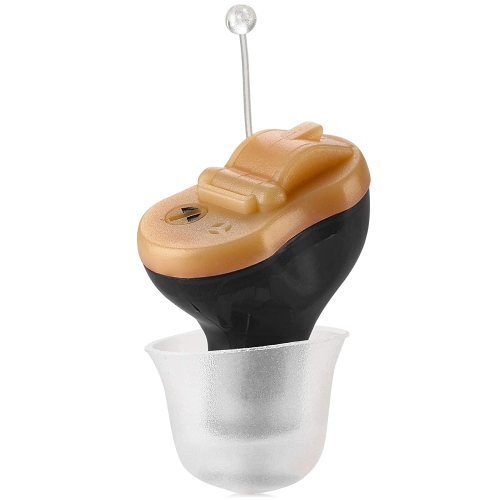
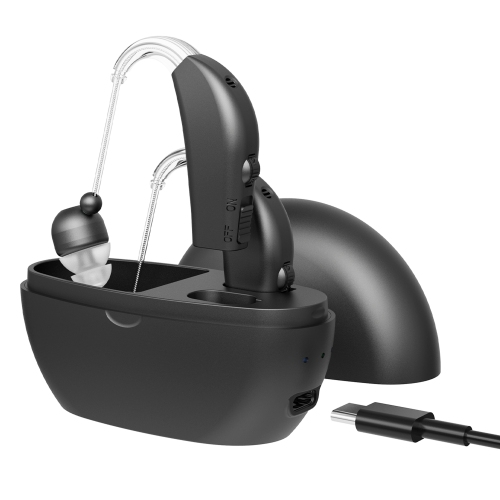
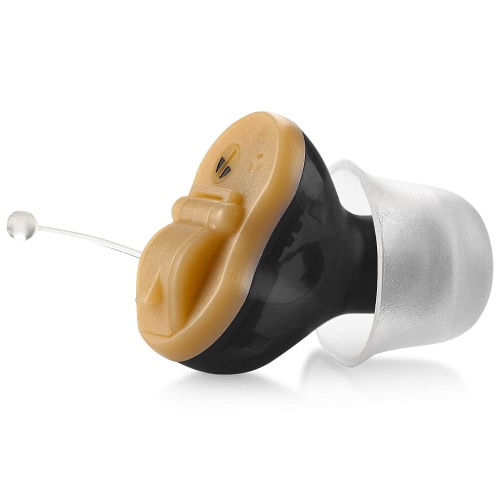
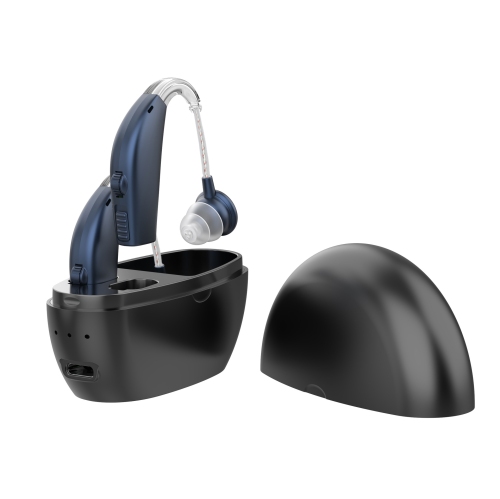
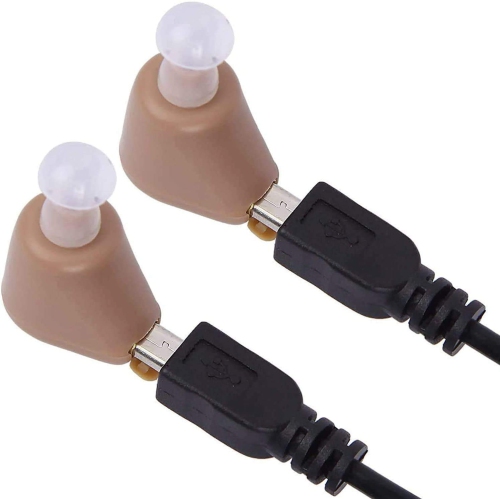
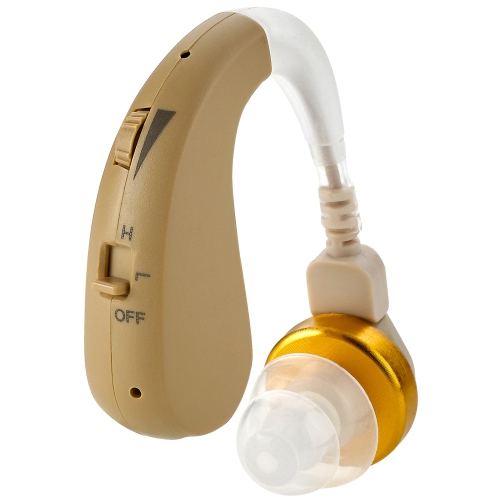
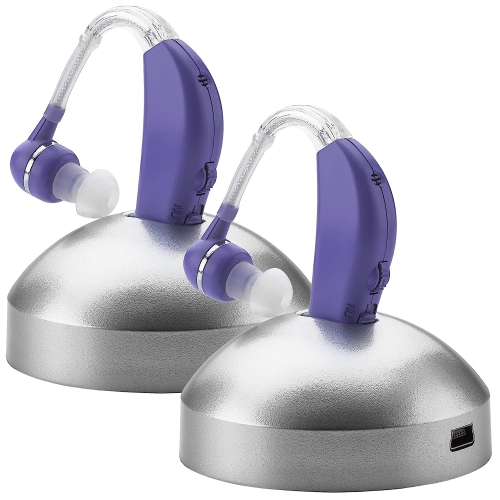
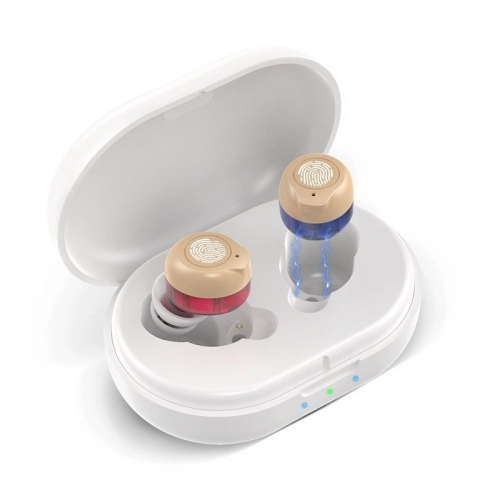
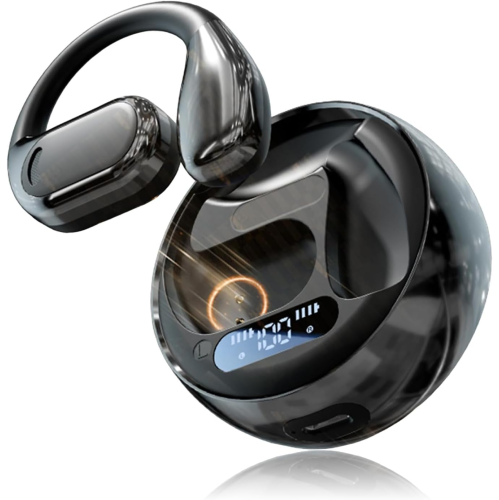
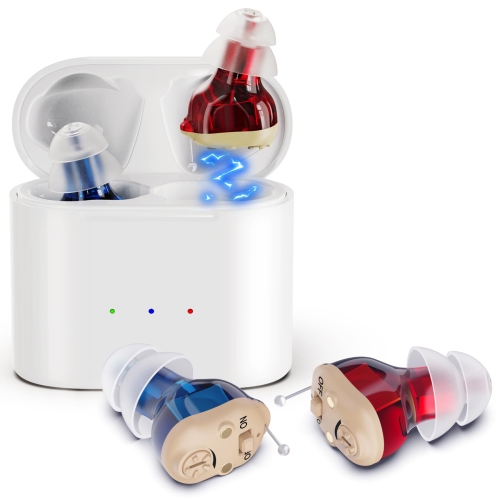
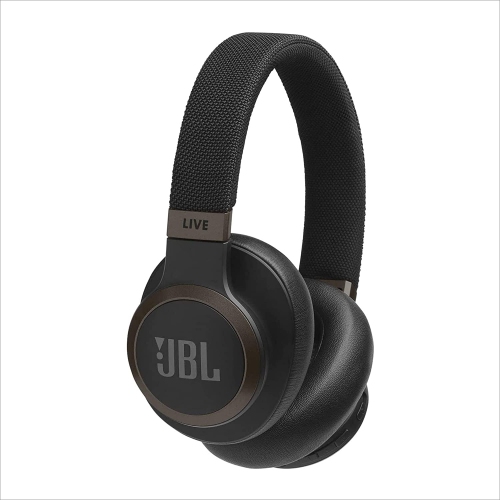
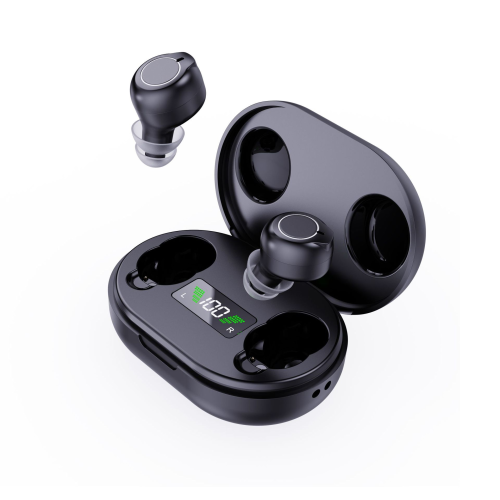
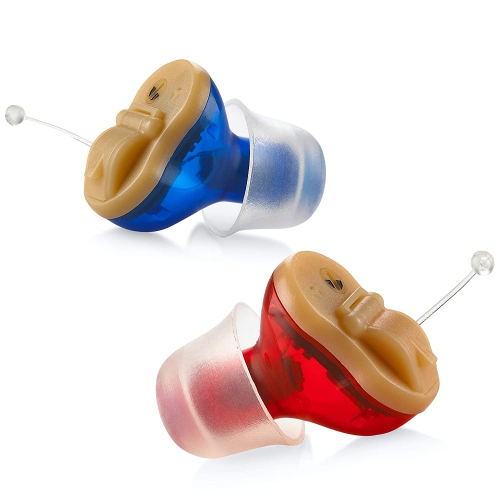
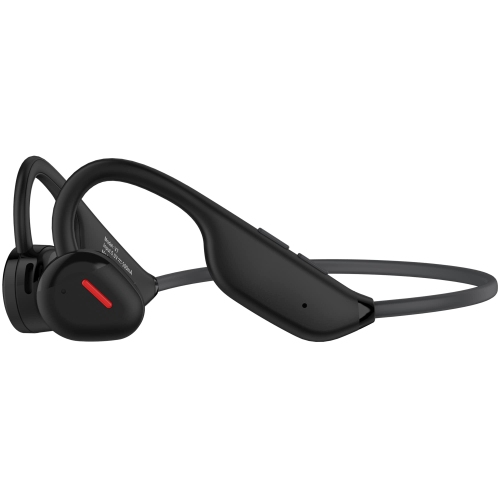
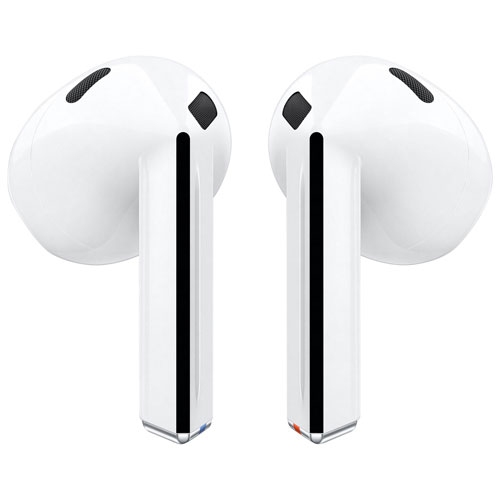
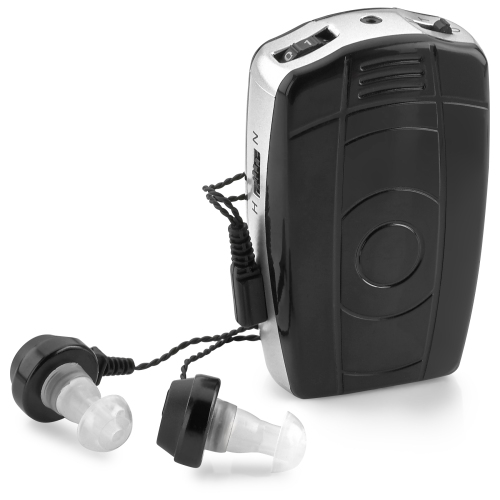
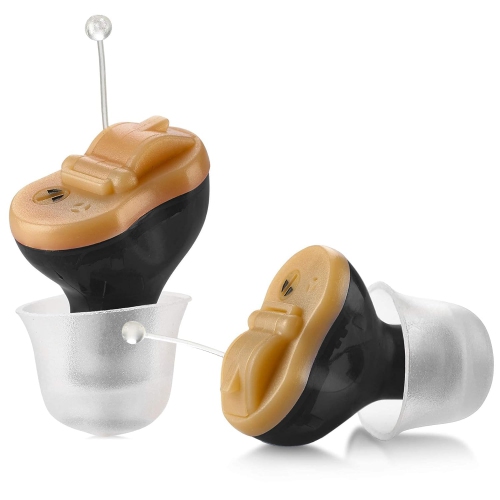
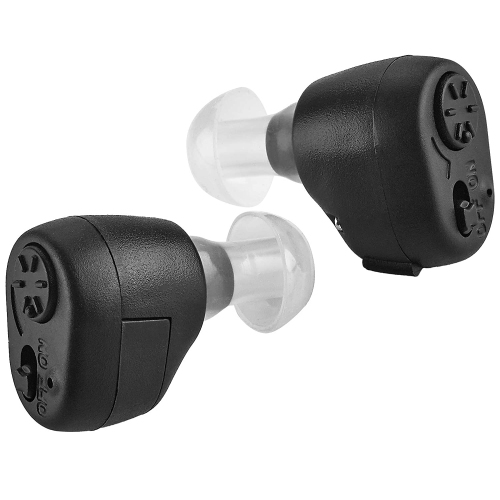
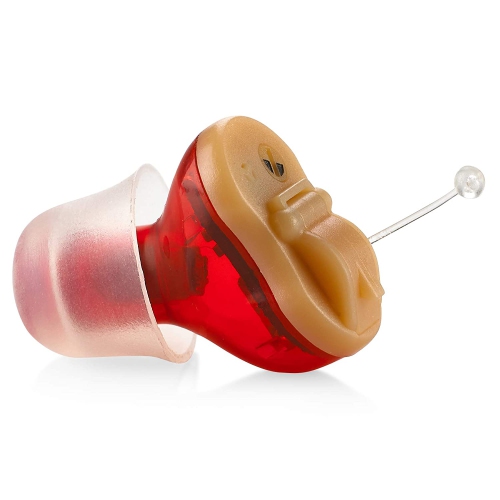
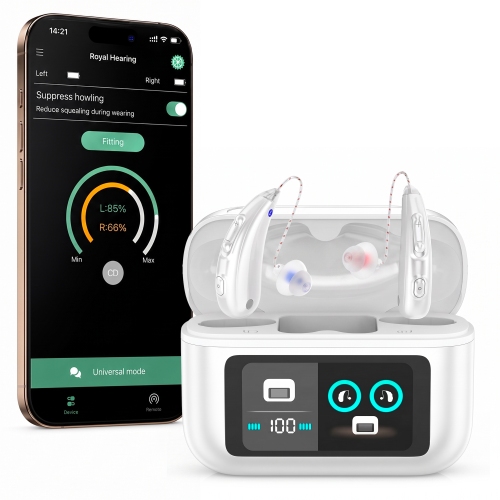
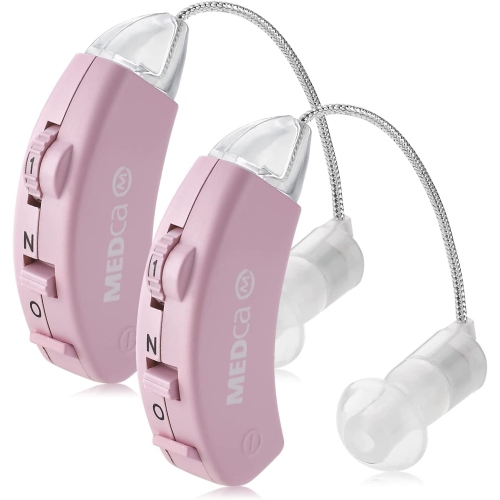
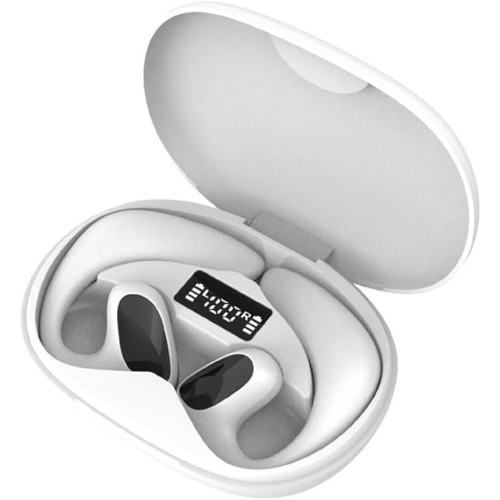
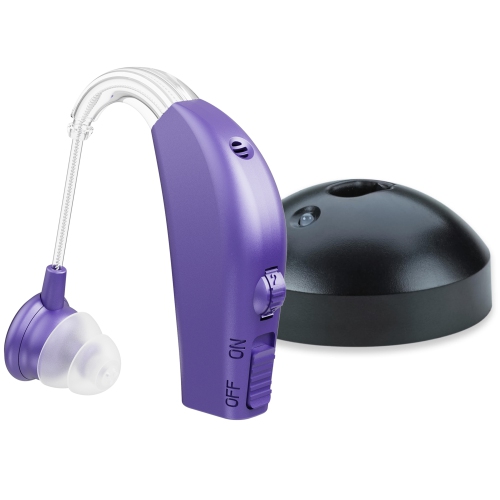
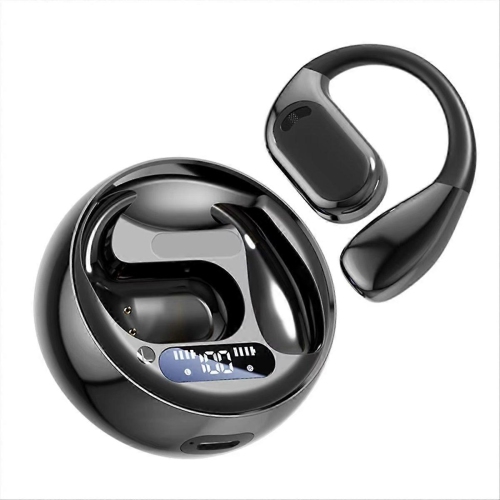
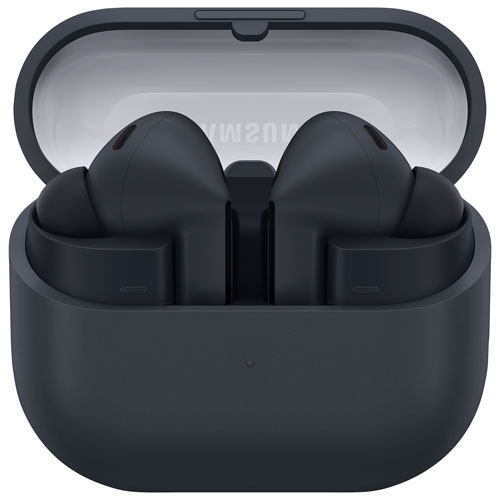
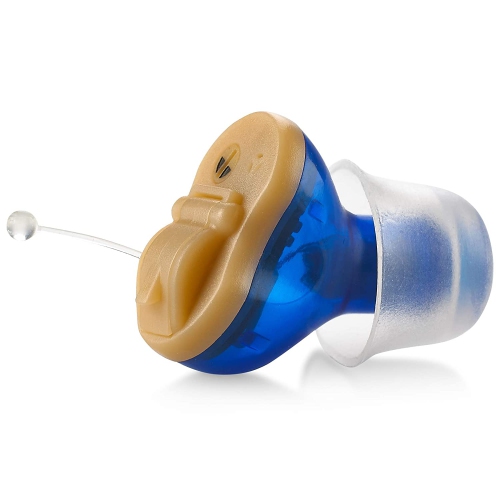
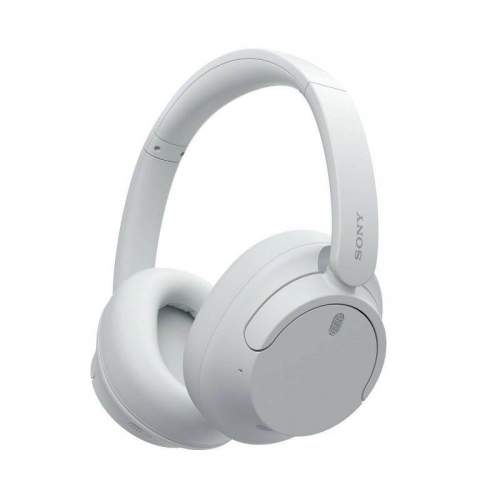
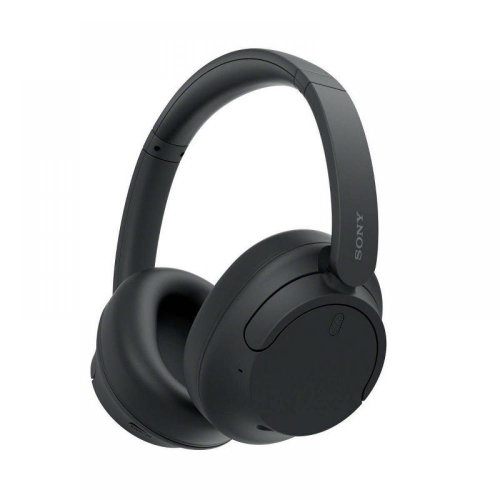
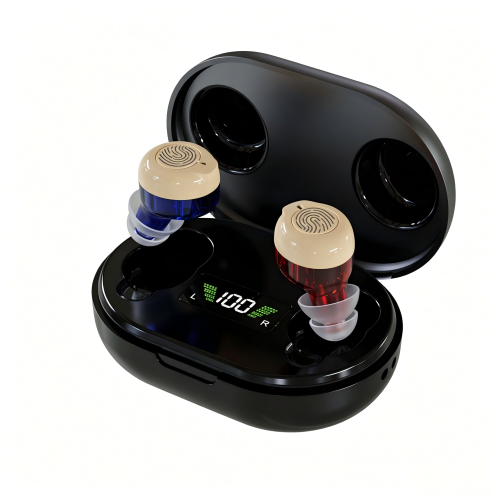

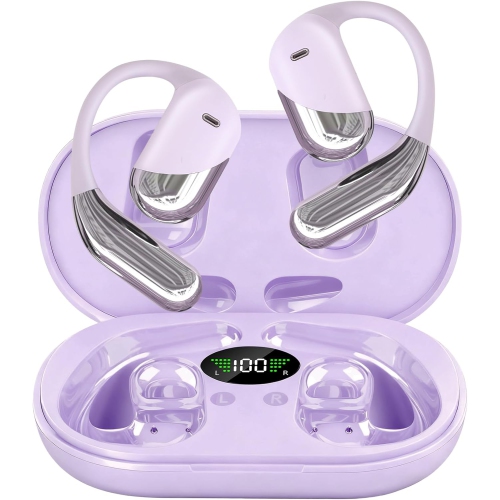

Hear conversations more clearly in the moments that matter
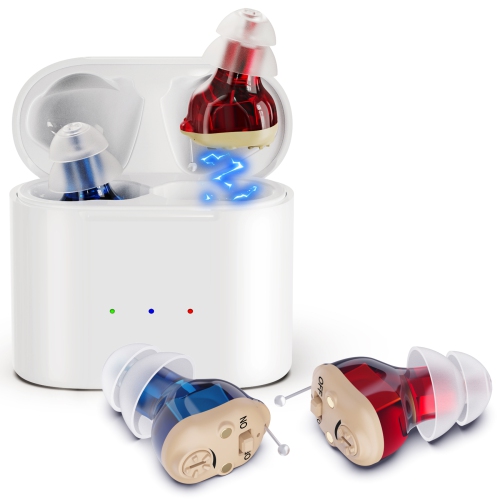
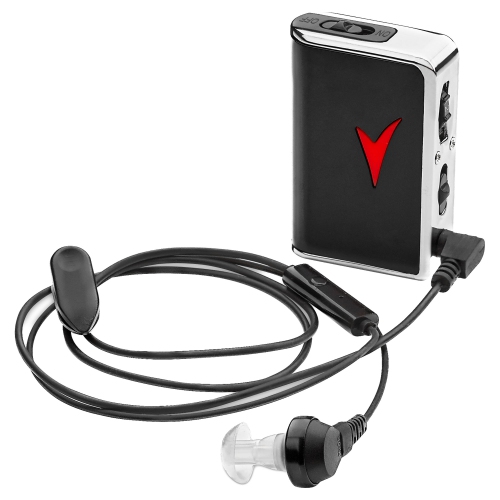
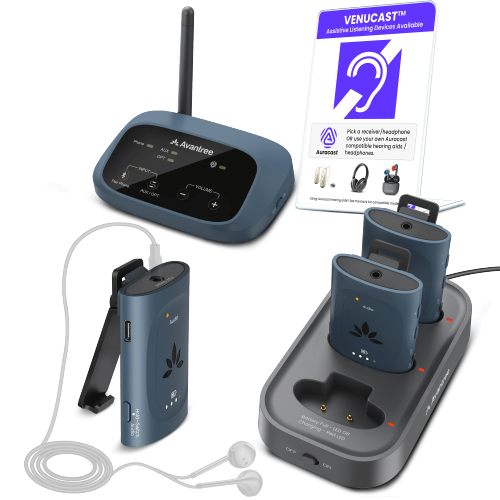
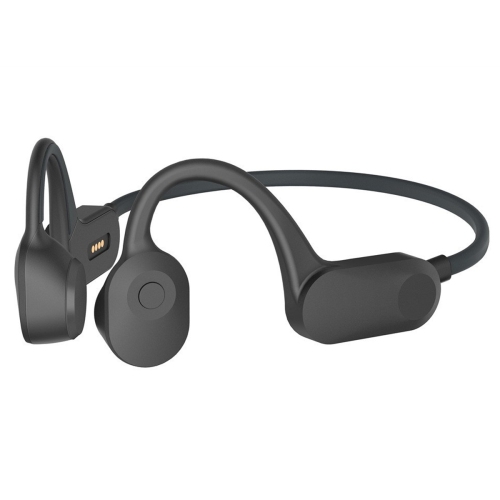
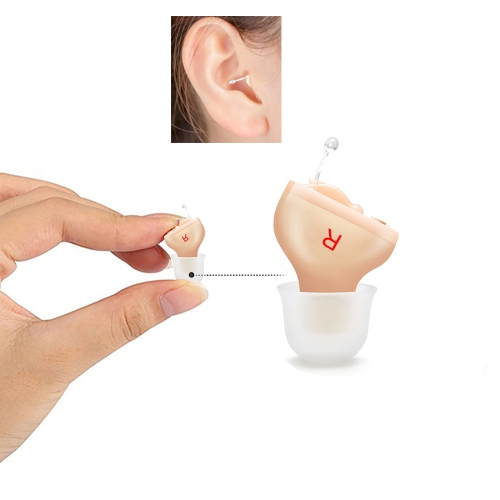
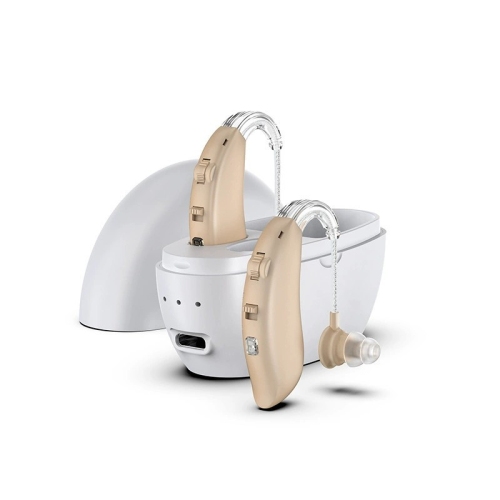
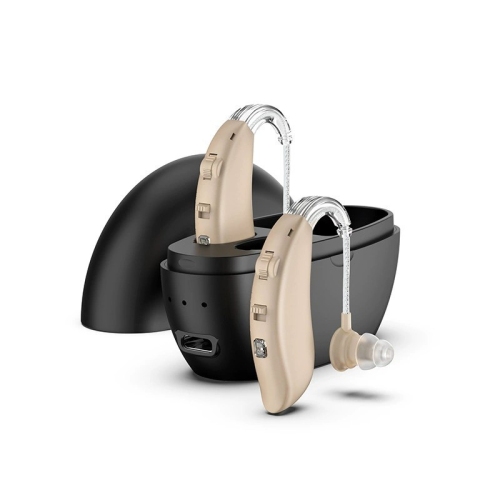
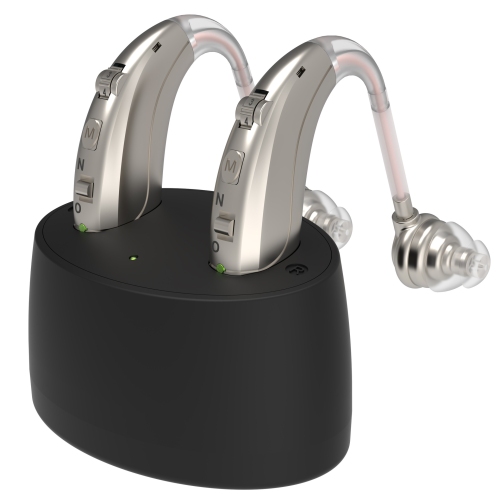
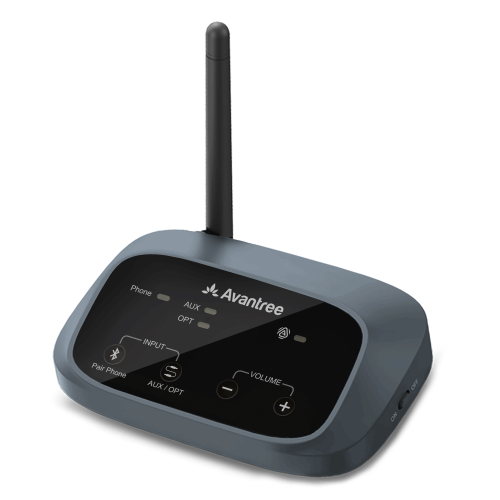
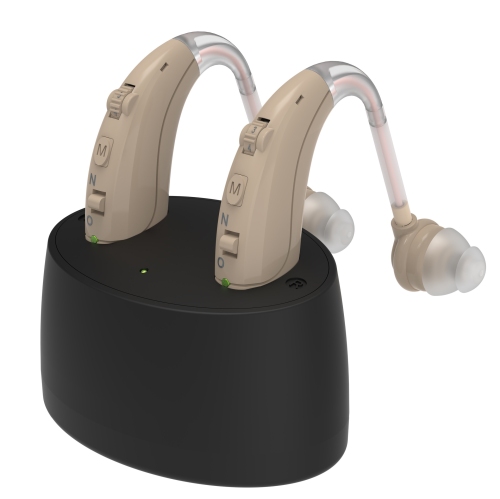
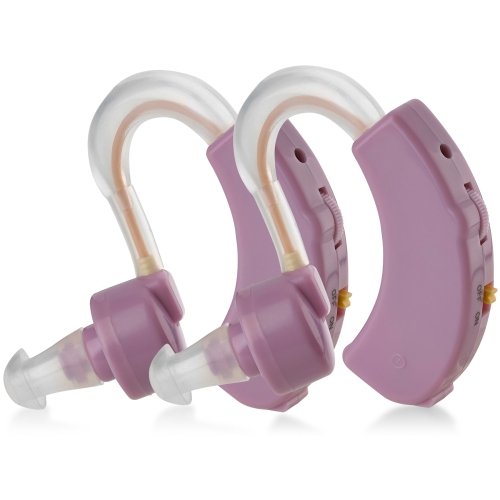
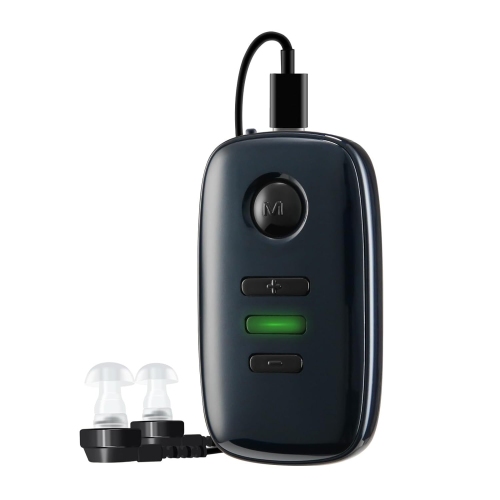
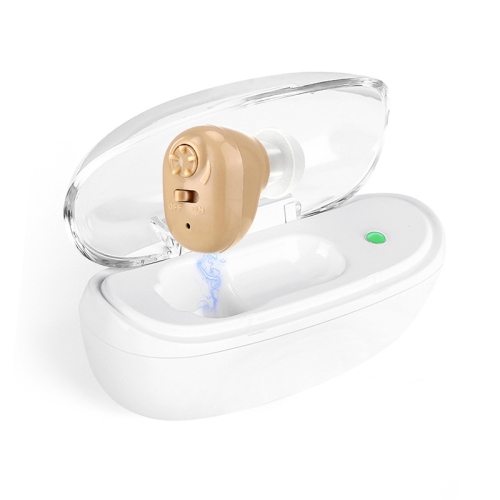
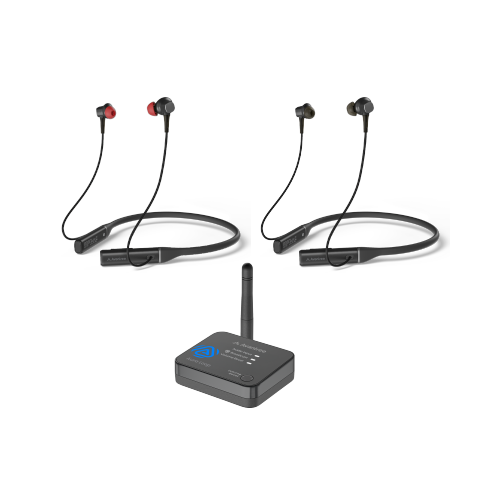
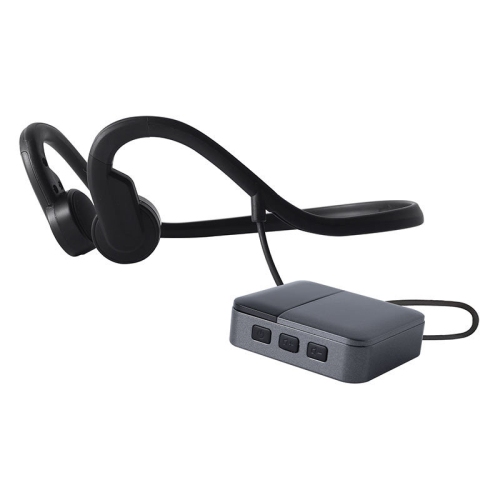
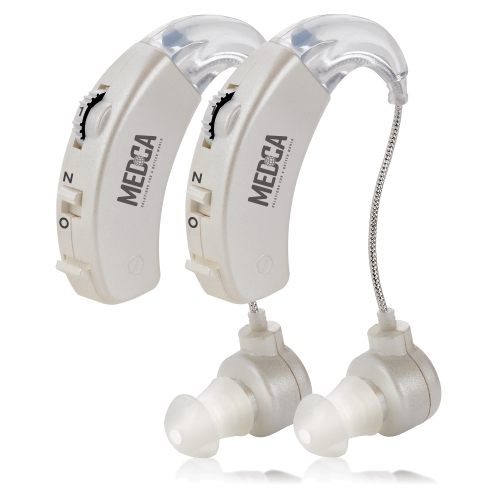
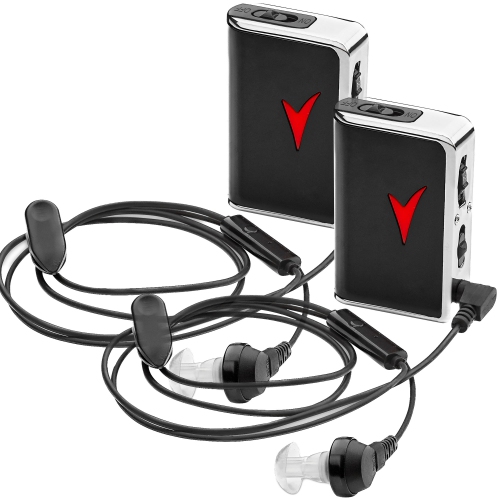
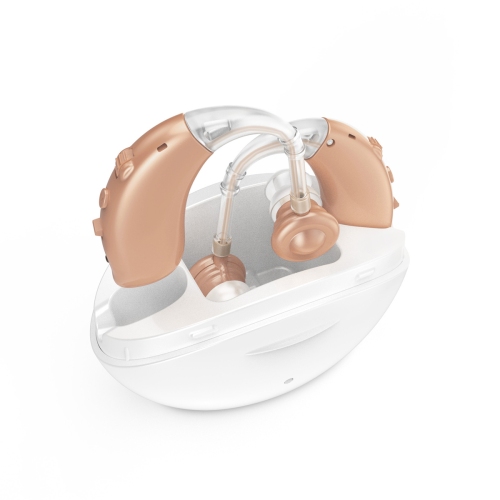
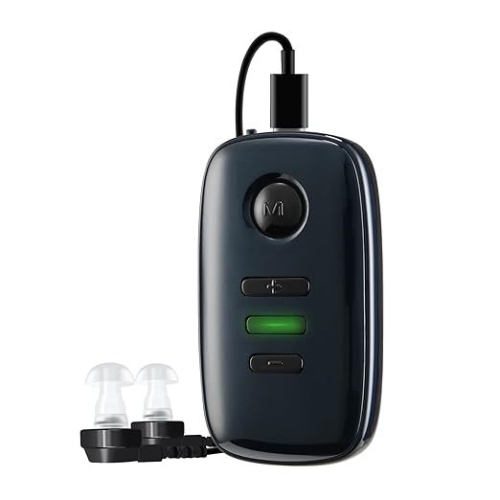
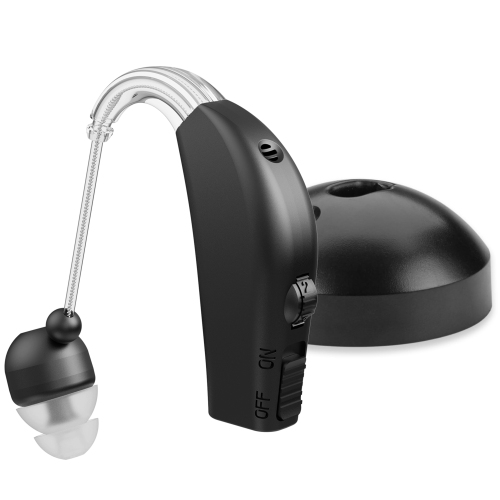
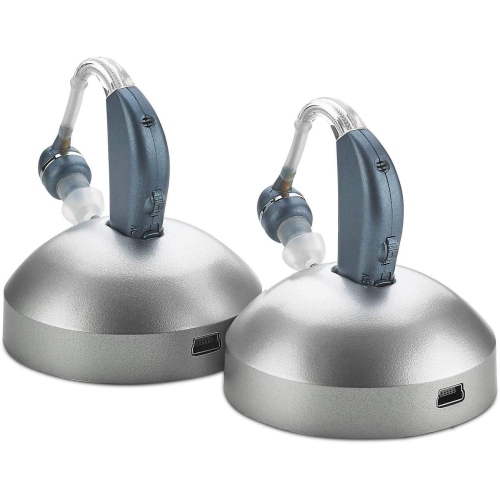
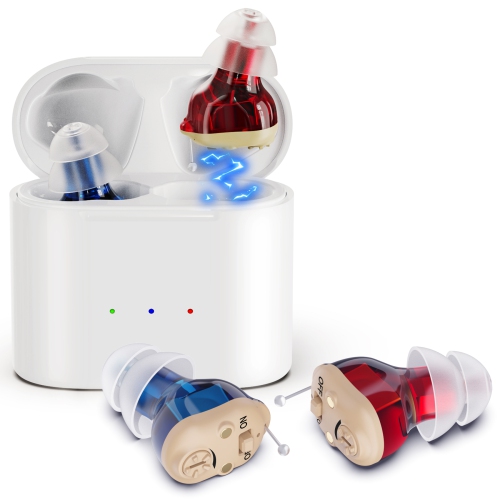
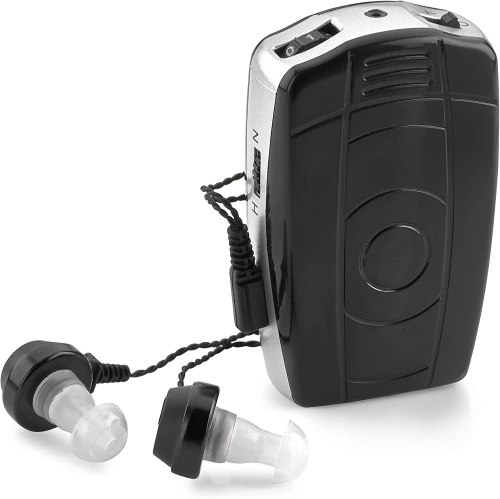
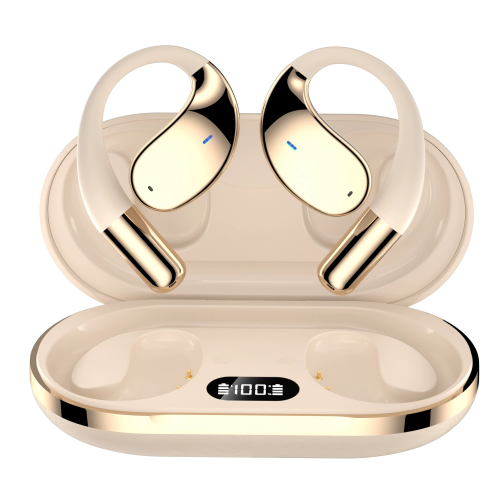
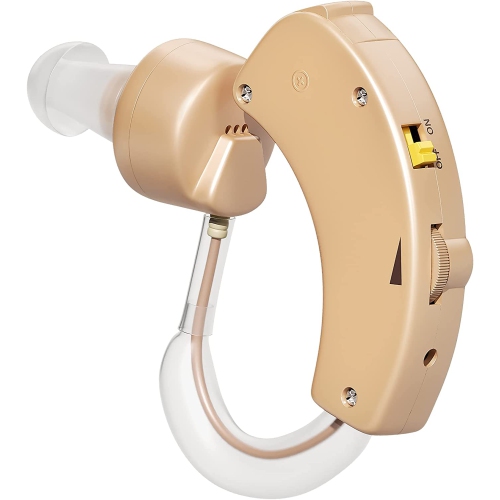
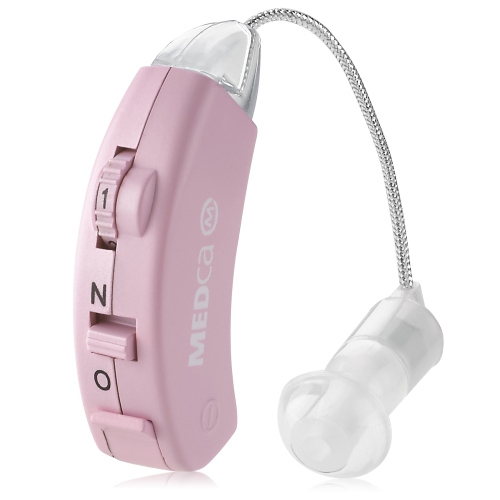
Assistive listening devices are designed to make speech, television audio, phone conversations, and everyday sounds easier to follow in situations where distance, background noise, or room acoustics get in the way. They can be used on their own or alongside hearing aids, depending on the listener’s needs and the type of device. A personal amplifier, for example, uses a microphone to pick up nearby speech and sends it to headphones or an earpiece, making face-to-face conversations more distinct at the kitchen table, in a busy café, or while visiting with family outdoors. TV listening systems send audio directly to a receiver, headphones, or compatible hearing aids, so the listener can adjust their own volume without raising it for everyone else in the room. Phone amplifiers and caption-supported communication tools can also help make calls less tiring, particularly when voices sound faint or difficult to understand. For wireless options that connect with compatible televisions, mobile devices, and other audio sources, explore Wireless Listening Devices. These products may be useful for people with hearing loss, those who find crowded spaces challenging, older adults who want more control over their listening experience, or anyone recovering from a temporary change in hearing. They can also be a thoughtful gift for a parent, grandparent, or loved one who regularly turns up the television, misses parts of group conversations, or prefers a little extra clarity during calls. The most helpful choice is one that fits naturally into the person’s daily routine and feels simple enough to use without assistance.
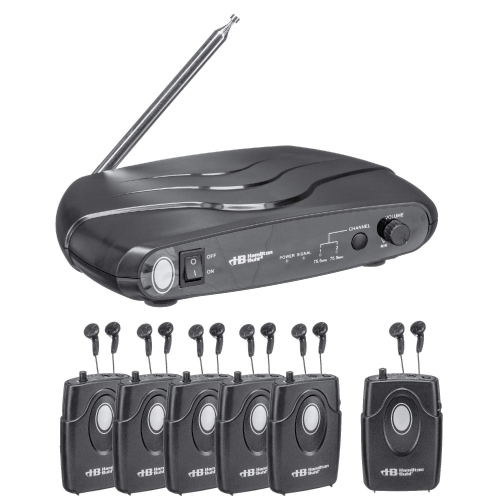
Different assistive listening technologies are suited to different environments. FM and digital systems use a microphone and receiver to transmit a speaker’s voice over a distance, which can be helpful in classrooms, meetings, guided tours, community halls, and other group settings. Infrared systems send audio through invisible light and are often used in theatres, auditoriums, places of worship, and other indoor spaces where the listener needs to hear a presentation clearly from a seat. Hearing loop systems create a magnetic signal that can be received by hearing aids or cochlear implants equipped with a telecoil, also known as a T-coil. When compatible, a loop can deliver speech or program audio directly to the hearing device while reducing the distraction of nearby conversations, echoes, and room noise. Personal amplifiers are more portable and are generally intended for close-range conversations, making them practical to carry in a pocket, purse, or small bag during visits and errands. Visual or vibrating alert systems address a different need by helping signal events such as a ringing doorbell, a smoke alarm, an incoming call, or an alarm clock through flashes of light or physical vibration. When comparing options, consider where the device will be used most often, whether the listener needs one-to-one conversation support or access to a shared audio source, and how much portability matters. A lightweight system may be ideal for moving from room to room, while a dedicated home setup may provide a more comfortable experience for regular television viewing.
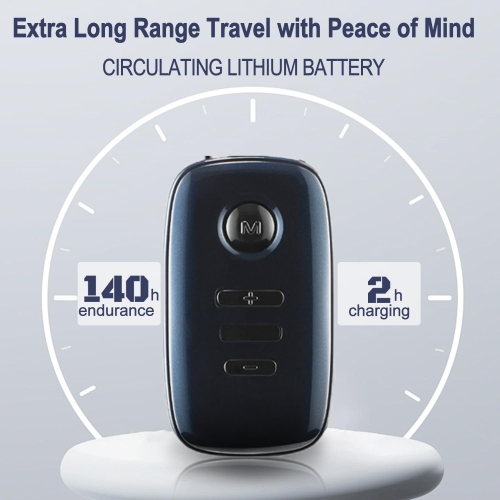
Compatibility and ease of use deserve close attention before choosing an assistive listening device. Check whether the system works with existing hearing aids, cochlear implants, telecoils, Bluetooth connections, televisions, smartphones, landlines, or other equipment already in the home. Some devices connect directly, while others use a transmitter, receiver, charging base, neck loop, headphones, or a wired connection. Think about controls as well: large buttons, clear volume adjustment, straightforward pairing, and an easy-to-read display can make a meaningful difference, particularly for someone who is not comfortable changing settings on small electronics. Battery life and charging arrangements are also worth considering, especially when the device may be used during long visits, appointments, performances, or family gatherings. A comfortable fit is just as important as amplification; headphones, earbuds, and wearable receivers should feel secure without creating pressure or fatigue. Assistive listening devices are not a replacement for professional hearing care, and persistent difficulty hearing should be discussed with an audiologist or other qualified healthcare professional. Hearing needs can change from one setting to another, so it can help to describe the situations that cause the most difficulty, such as understanding a soft-spoken person across a table, following dialogue during a film, or hearing announcements in a large room. With the right combination of features, an assistive listening device can bring back the small details that make communication feel more natural: a grandchild’s story at the dinner table, a favourite programme heard at a comfortable volume, or a conversation that continues easily as the weather cools and gatherings move indoors.
Different assistive listening technologies are suited to different environments. FM and digital systems use a microphone and receiver to transmit a speaker’s voice over a distance, which can be helpful in classrooms, meetings, guided tours, community halls, and other group settings. Infrared systems send audio through invisible light and are often used in theatres, auditoriums, places of worship, and other indoor spaces where the listener needs to hear a presentation clearly from a seat. Hearing loop systems create a magnetic signal that can be received by hearing aids or cochlear implants equipped with a telecoil, also known as a T-coil. When compatible, a loop can deliver speech or program audio directly to the hearing device while reducing the distraction of nearby conversations, echoes, and room noise. Personal amplifiers are more portable and are generally intended for close-range conversations, making them practical to carry in a pocket, purse, or small bag during visits and errands. Visual or vibrating alert systems address a different need by helping signal events such as a ringing doorbell, a smoke alarm, an incoming call, or an alarm clock through flashes of light or physical vibration. When comparing options, consider where the device will be used most often, whether the listener needs one-to-one conversation support or access to a shared audio source, and how much portability matters. A lightweight system may be ideal for moving from room to room, while a dedicated home setup may provide a more comfortable experience for regular television viewing.
Compatibility and ease of use deserve close attention before choosing an assistive listening device. Check whether the system works with existing hearing aids, cochlear implants, telecoils, Bluetooth connections, televisions, smartphones, landlines, or other equipment already in the home. Some devices connect directly, while others use a transmitter, receiver, charging base, neck loop, headphones, or a wired connection. Think about controls as well: large buttons, clear volume adjustment, straightforward pairing, and an easy-to-read display can make a meaningful difference, particularly for someone who is not comfortable changing settings on small electronics. Battery life and charging arrangements are also worth considering, especially when the device may be used during long visits, appointments, performances, or family gatherings. A comfortable fit is just as important as amplification; headphones, earbuds, and wearable receivers should feel secure without creating pressure or fatigue. Assistive listening devices are not a replacement for professional hearing care, and persistent difficulty hearing should be discussed with an audiologist or other qualified healthcare professional. Hearing needs can change from one setting to another, so it can help to describe the situations that cause the most difficulty, such as understanding a soft-spoken person across a table, following dialogue during a film, or hearing announcements in a large room. With the right combination of features, an assistive listening device can bring back the small details that make communication feel more natural: a grandchild’s story at the dinner table, a favourite programme heard at a comfortable volume, or a conversation that continues easily as the weather cools and gatherings move indoors.
Top selling and popular products
-
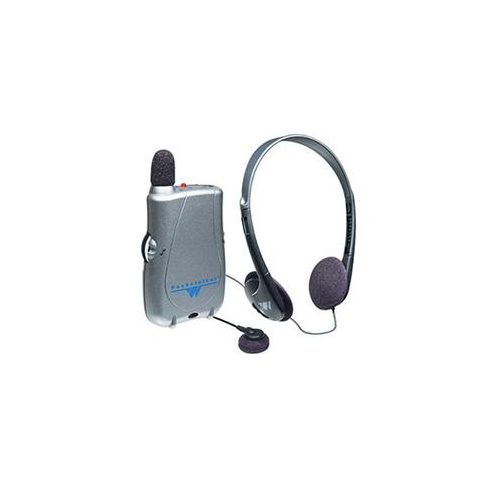 Your price for this item is $331.22
 -
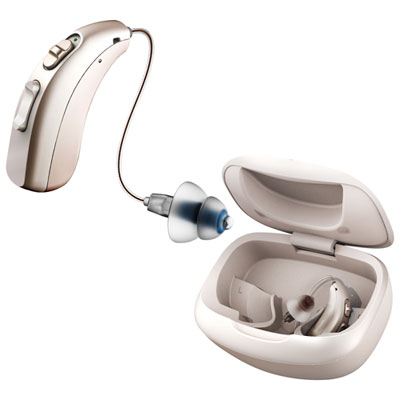 Your price for this item is $499.99
 -
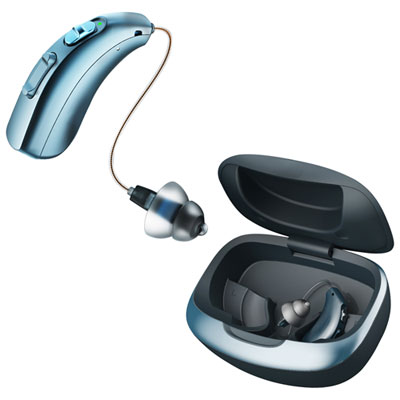 Your price for this item is $349.99
 -
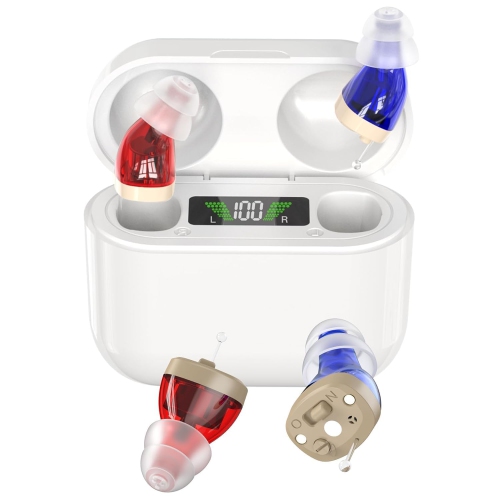 Your price for this item is $289.99
 -
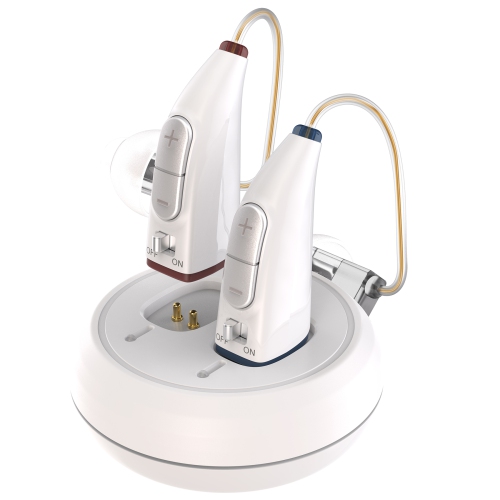 Your price for this item is $259.99
 -
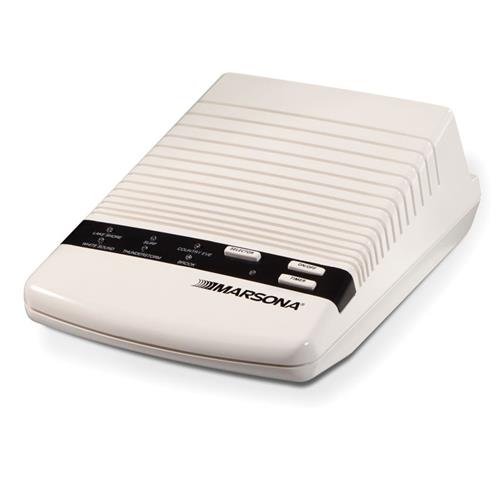 Your price for this item is $36.24
 -
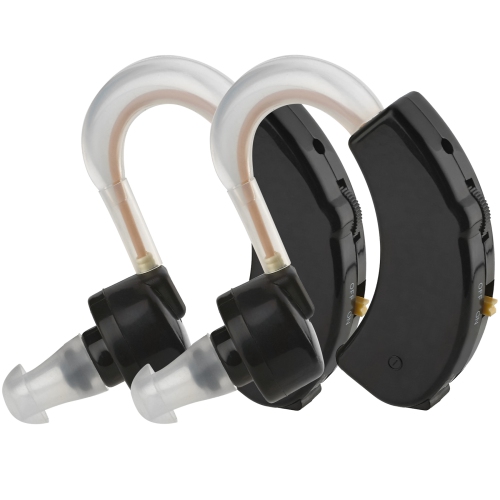 Your price for this item is $49.99
 -
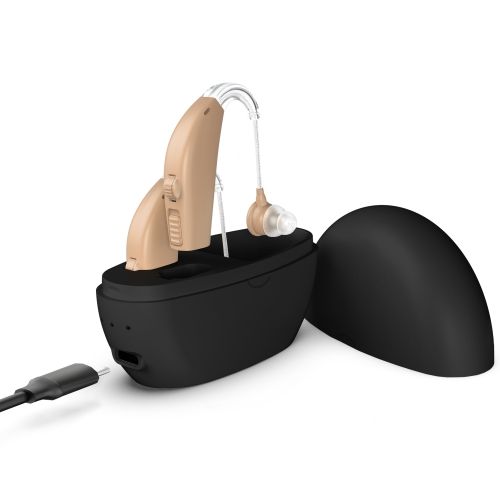 Your price for this item is $82.99
Discover more categories related to Assistive Listening Devices
Top Collections:
Pokemon Centers, Best Cameras for Sports Photography, Kindle Devices, Samsung Galaxy Phones, Canon G7X Cameras, Pokémon 30th Celebration Cards, Refurbished Apple Laptops, iPhone 15 Apple, Laptops for Students, Budget Smartphones
Some products may be subject to Environmental Handling Fees
(EHF) depending on your province.
Learn more about EHFs.