Assistive Devices
Discover a wide selection of assistive devices designed to enhance daily living and promote independence. From innovative technology solutions to ergonomic aids, our range of products offers practical assistance for individuals with diverse needs. Whether you're looking for mobility aids, communication devices, or home safety equipment, Best Buy Canada has you covered. Explore our assortment of assistive devices to find the perfect solution to support your unique lifestyle and make everyday tasks more manageable.
Sort

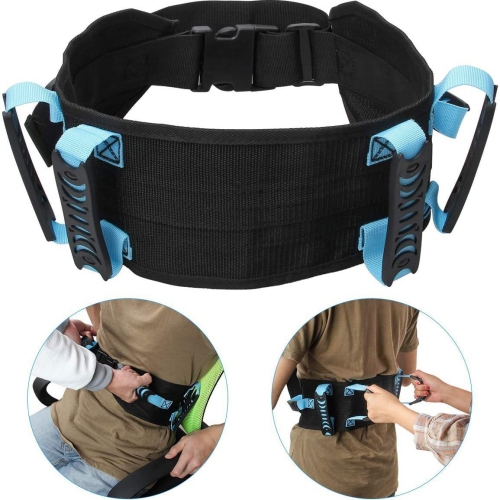
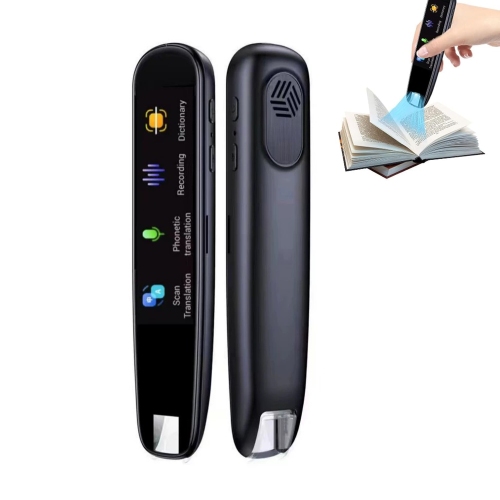
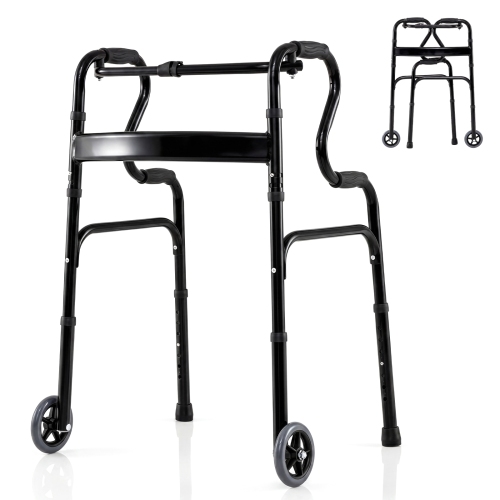
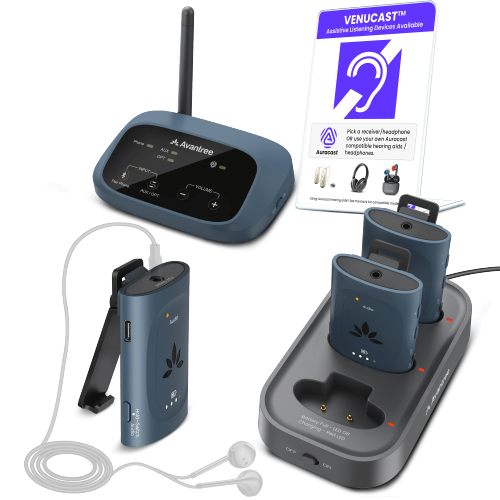


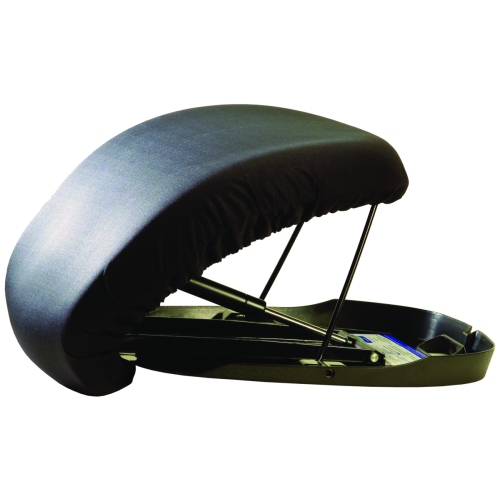
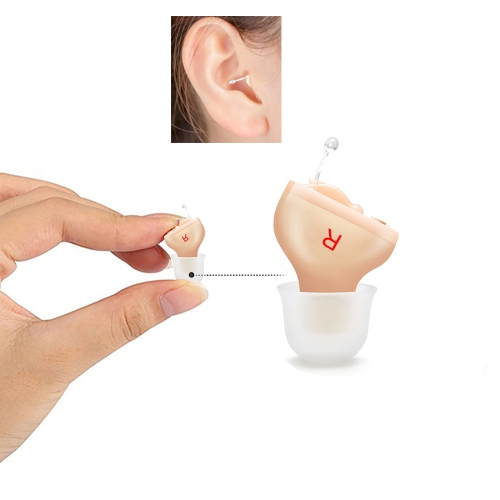
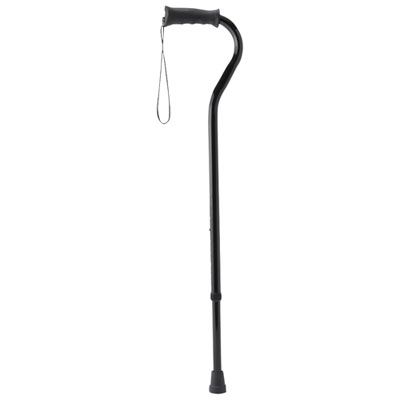
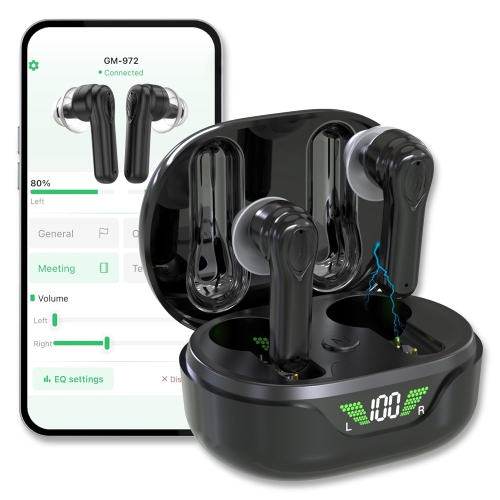
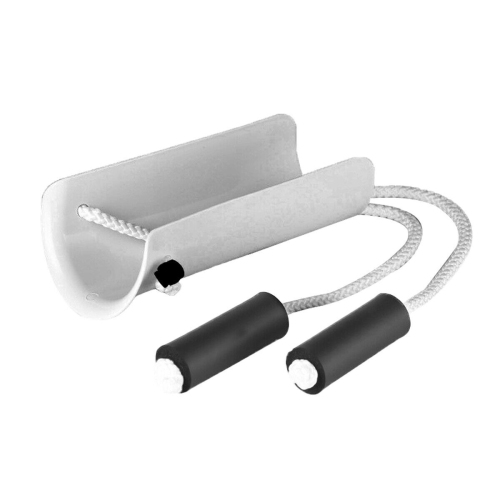
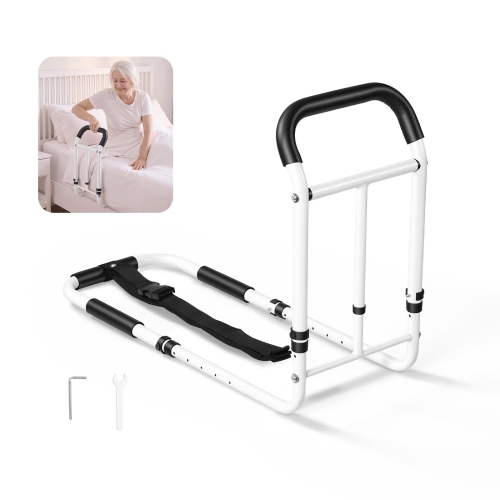
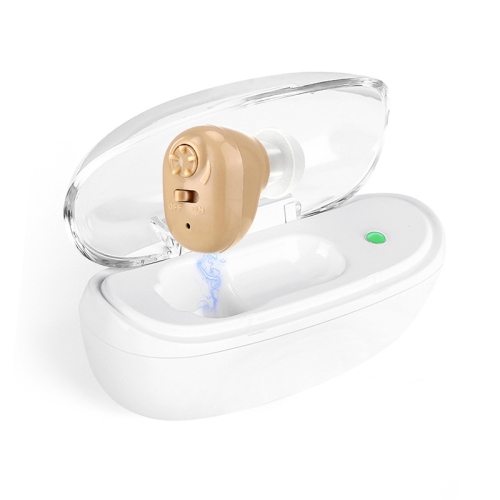
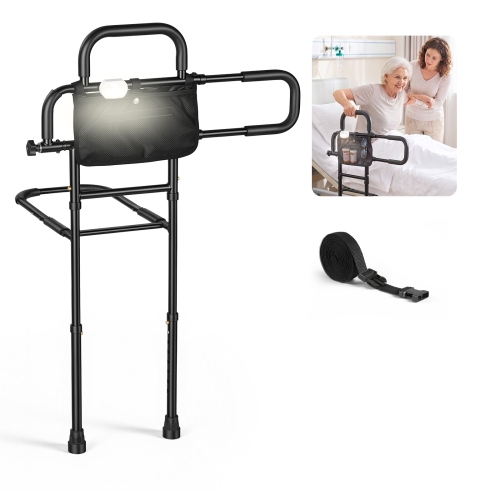
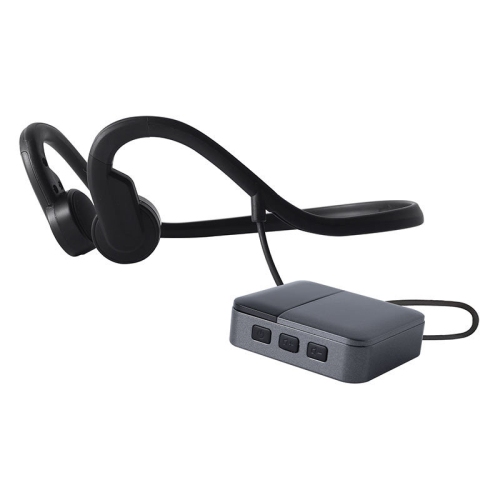
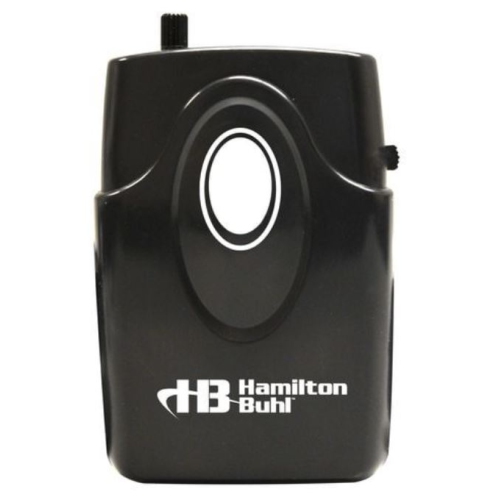
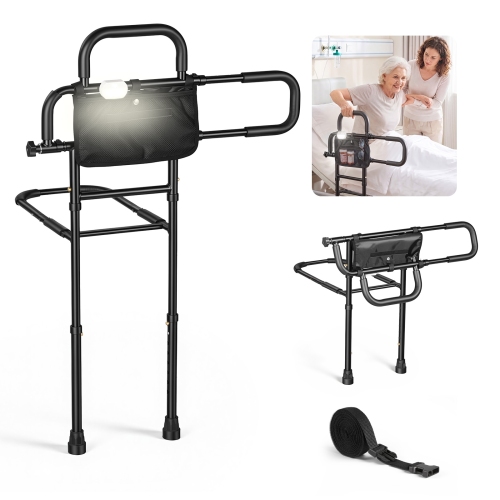
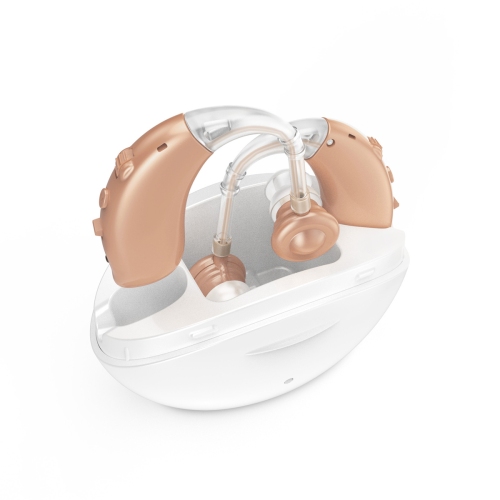
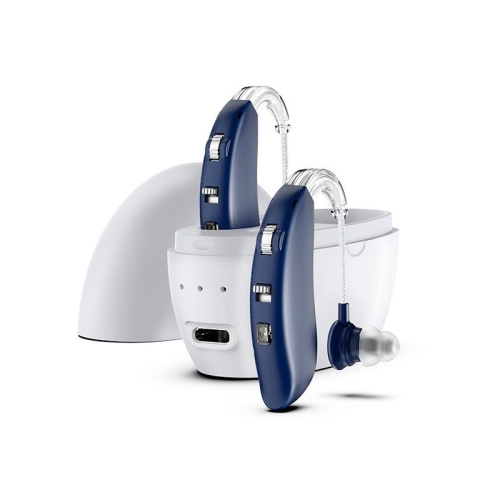
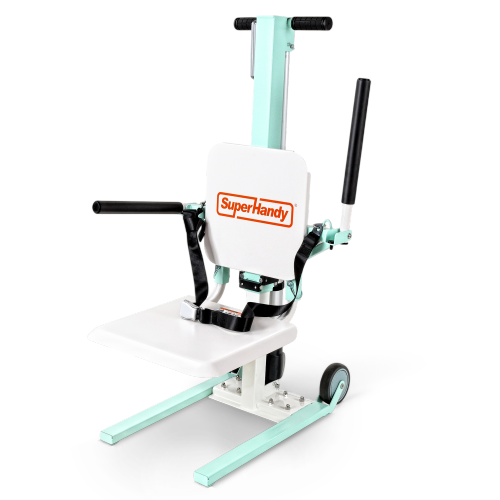
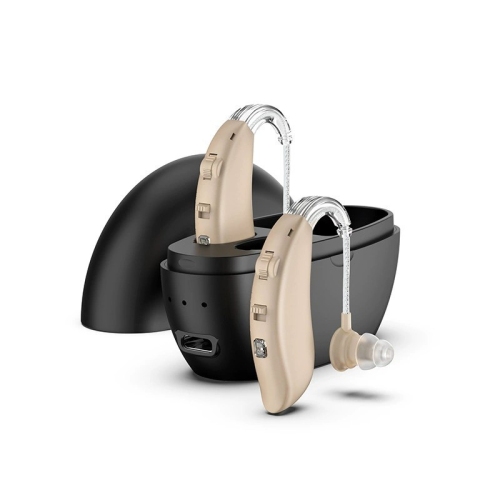
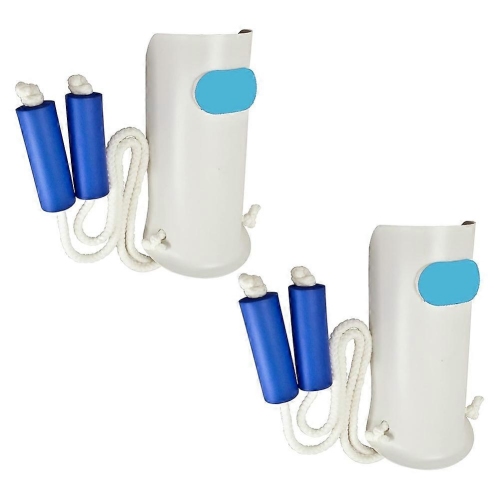
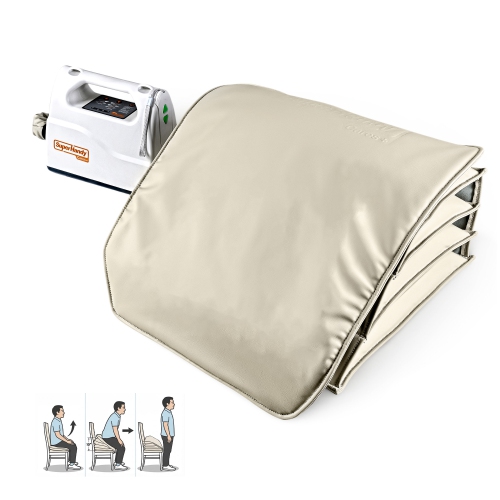
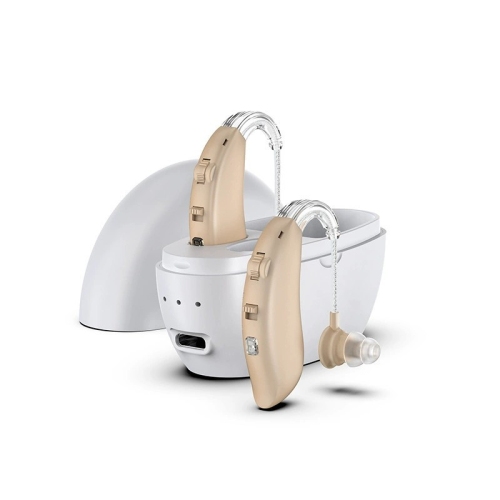
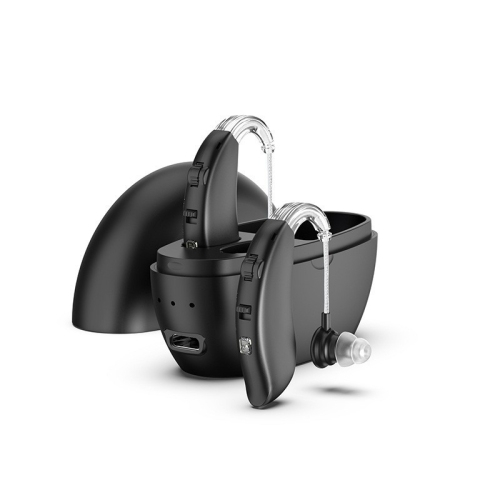
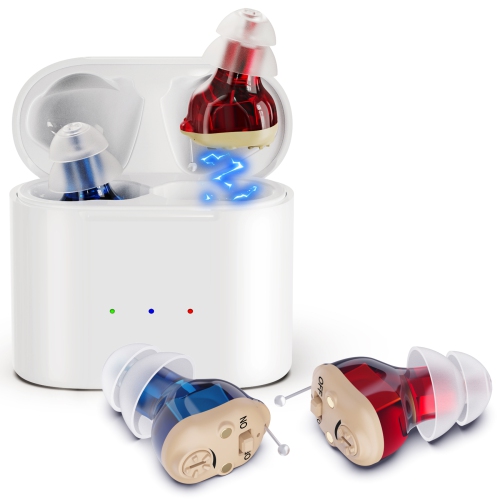
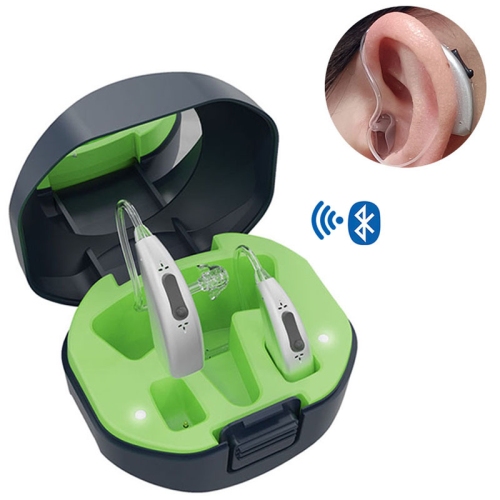
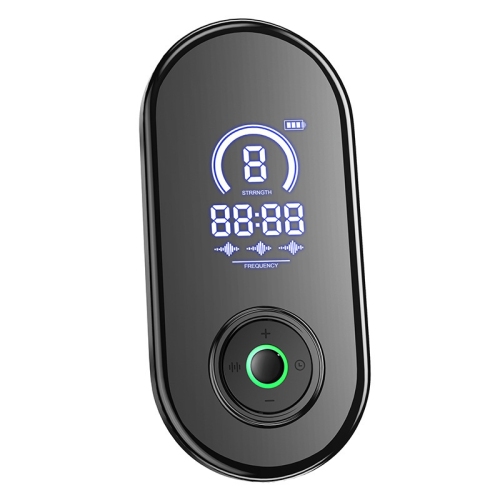
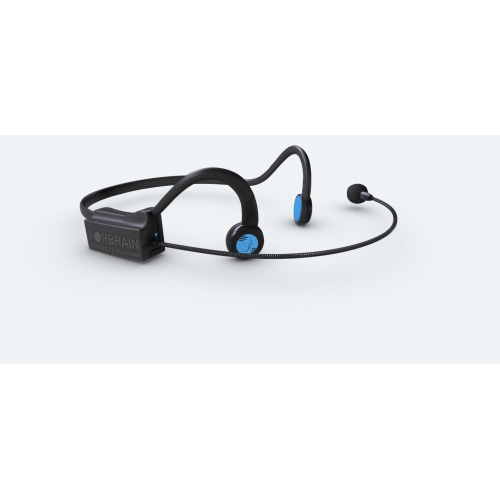
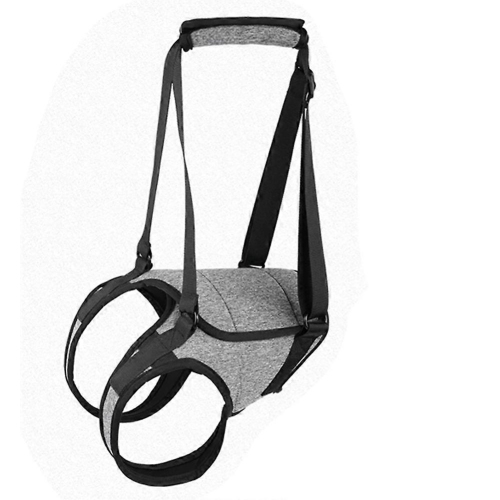
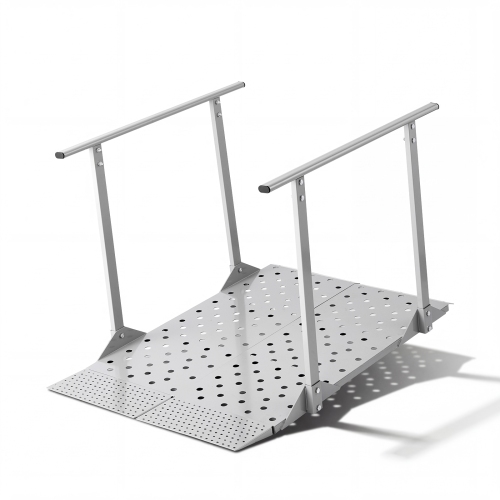

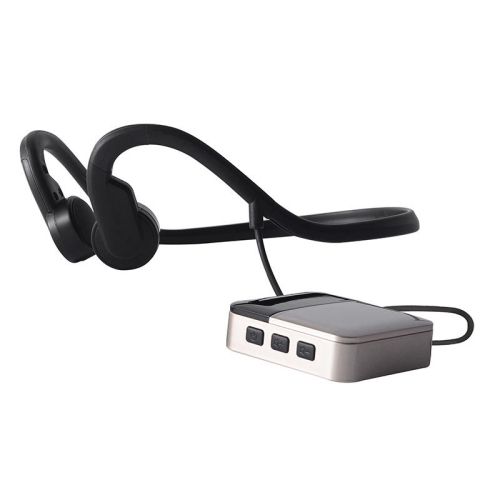
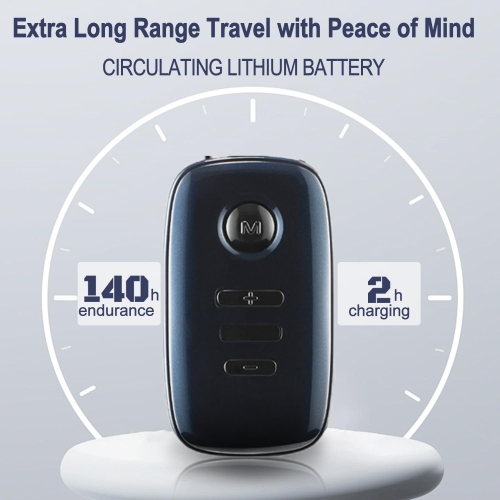
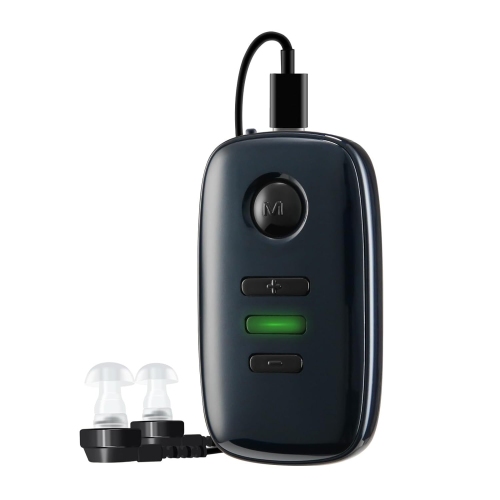
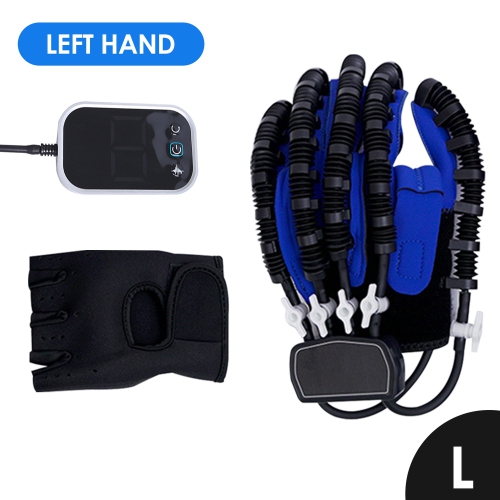
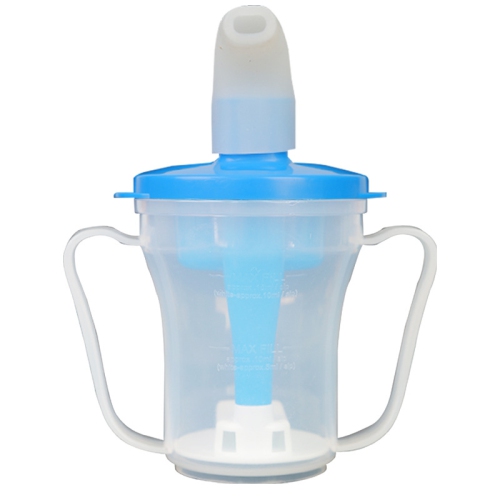
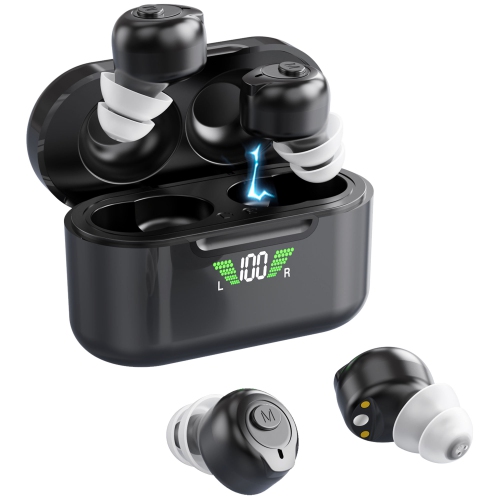
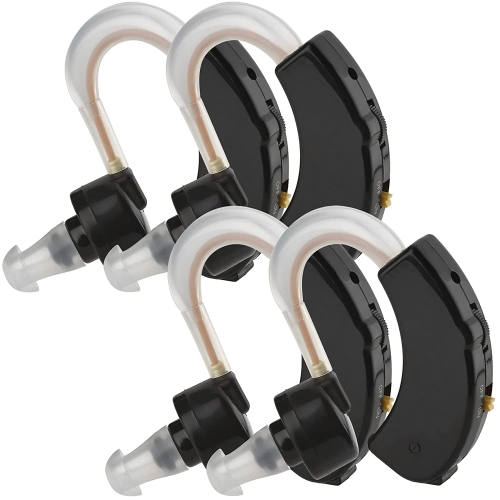
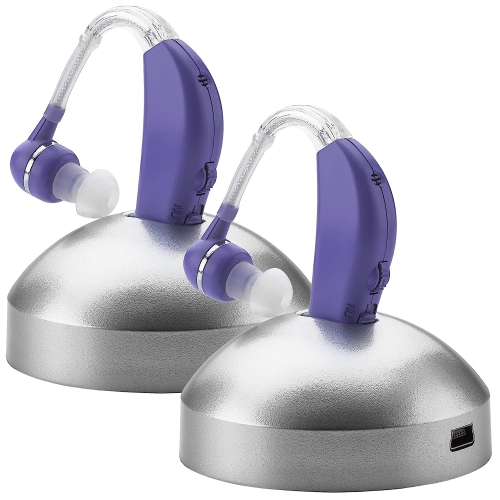
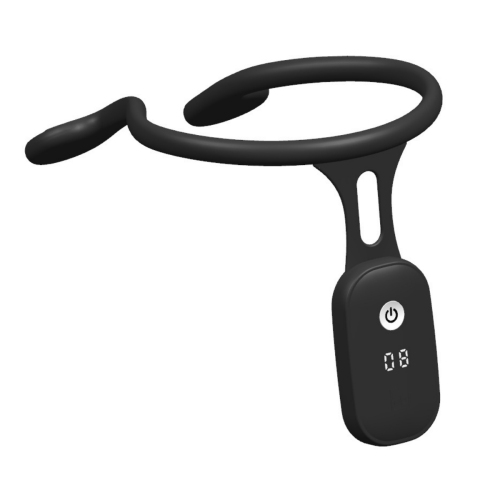
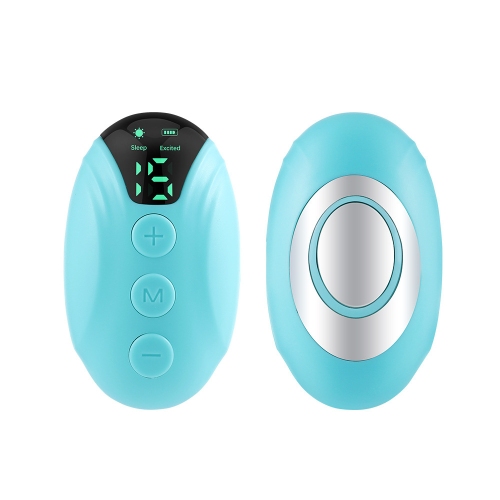
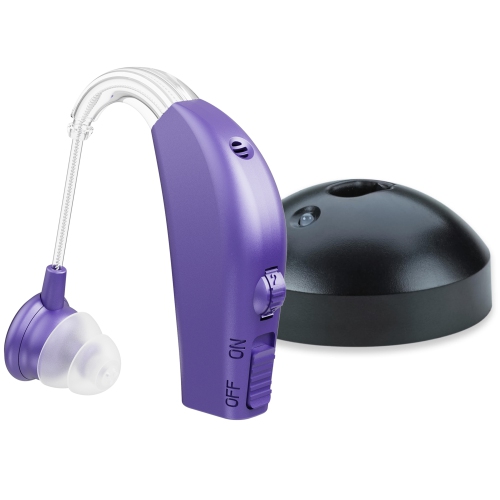
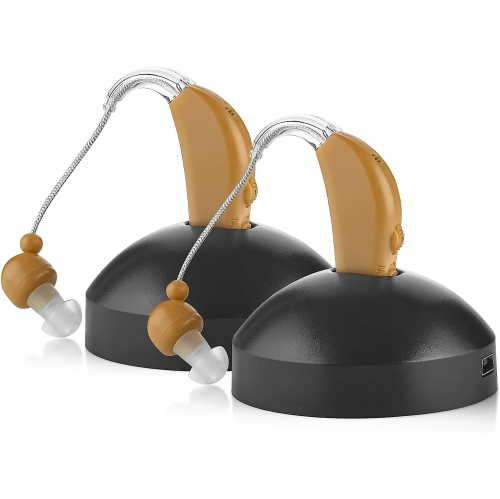
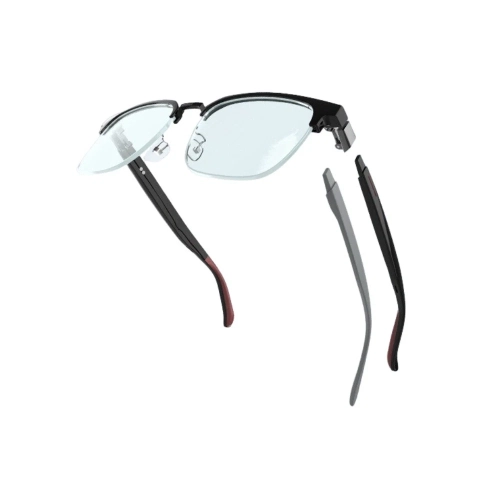
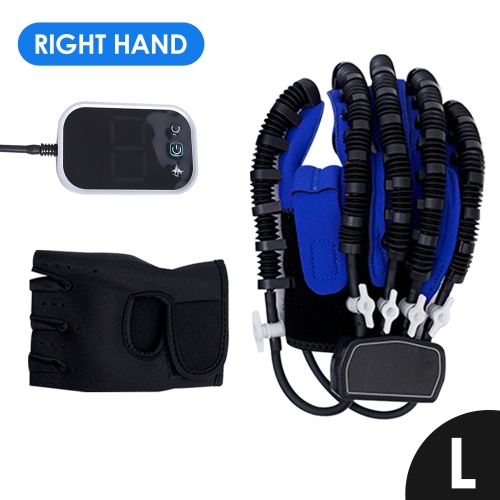
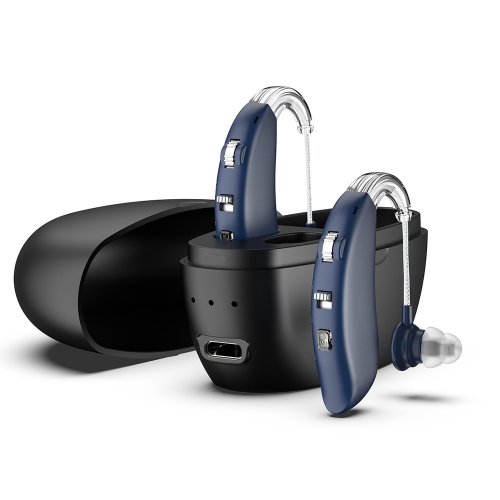
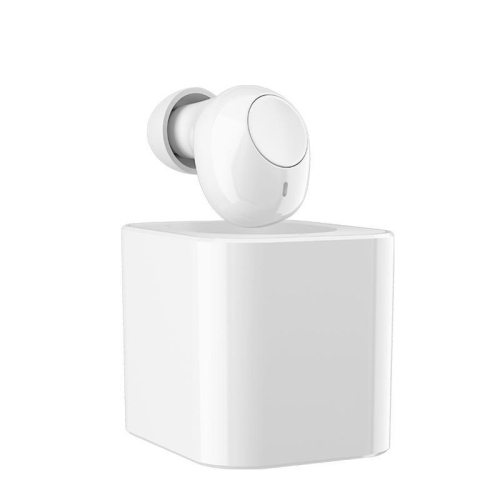

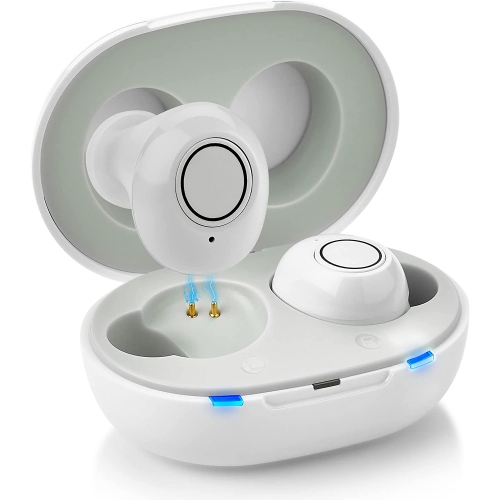
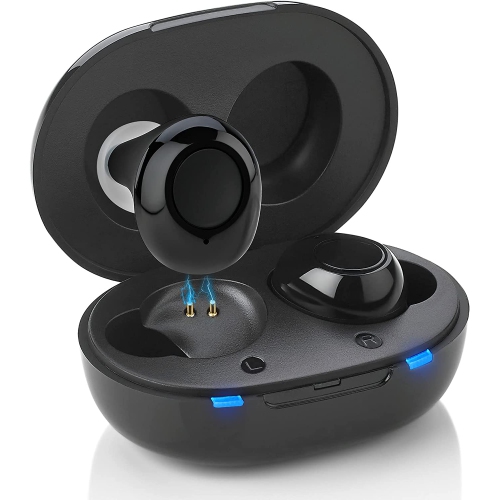
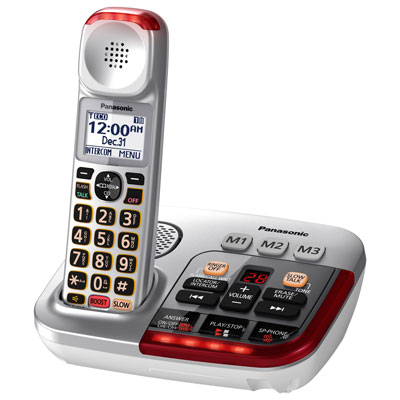
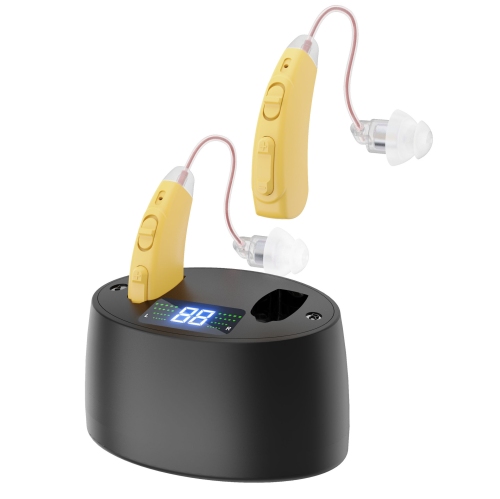
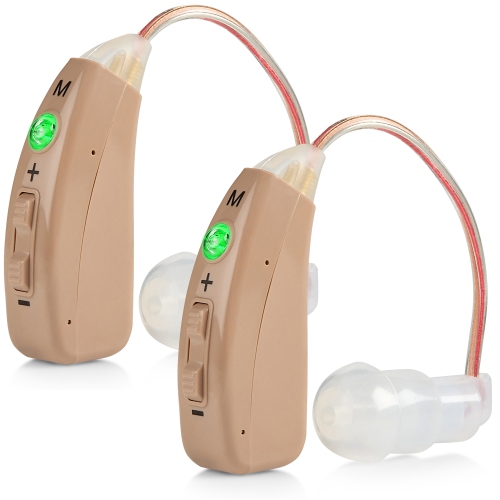
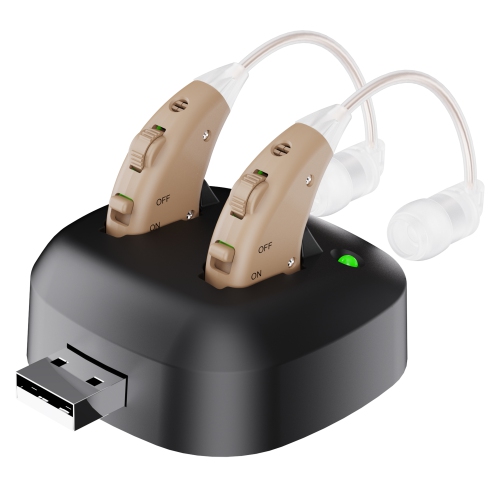
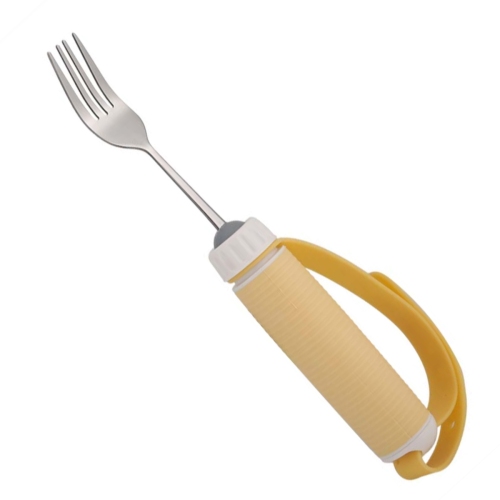
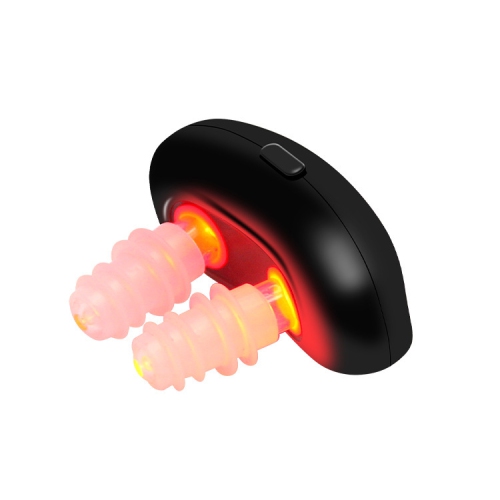
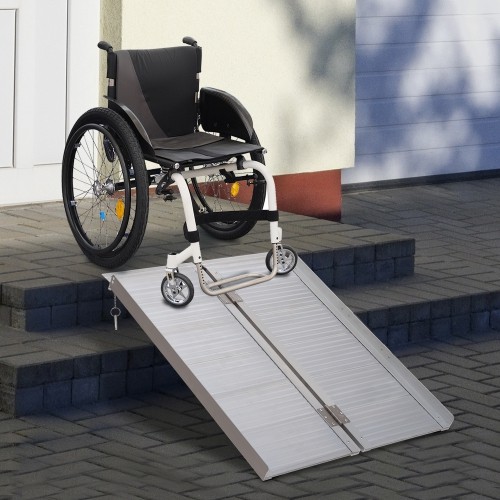
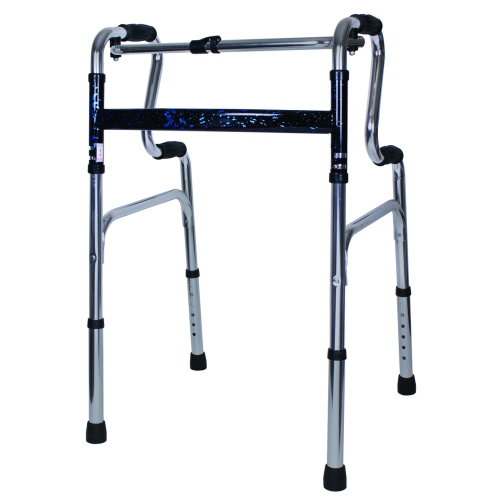
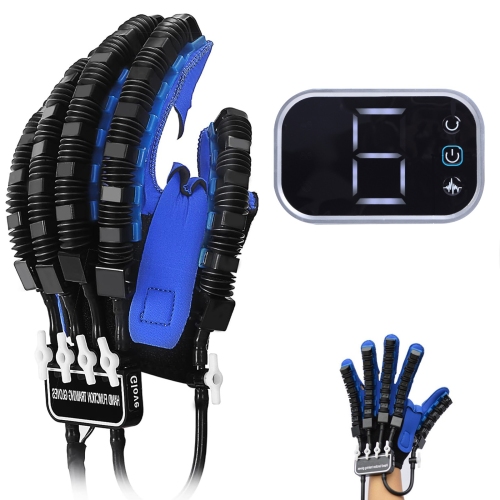
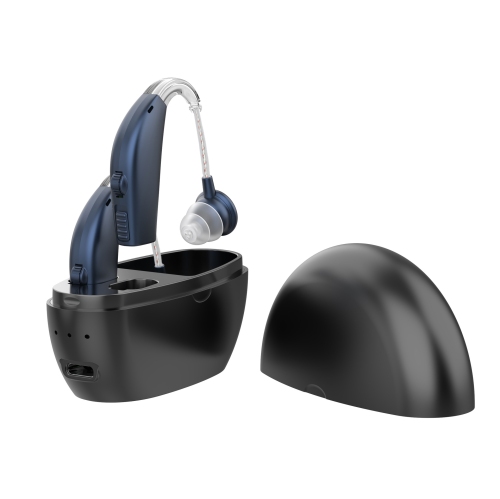
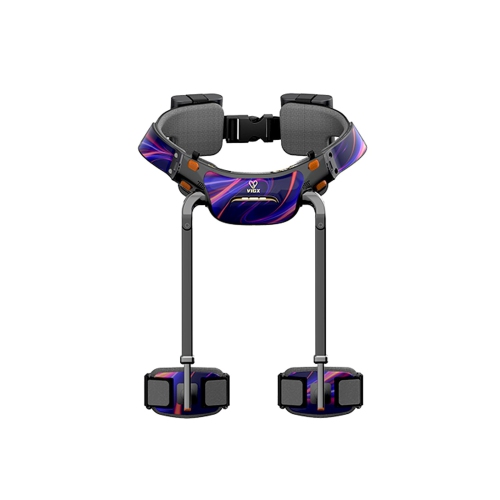
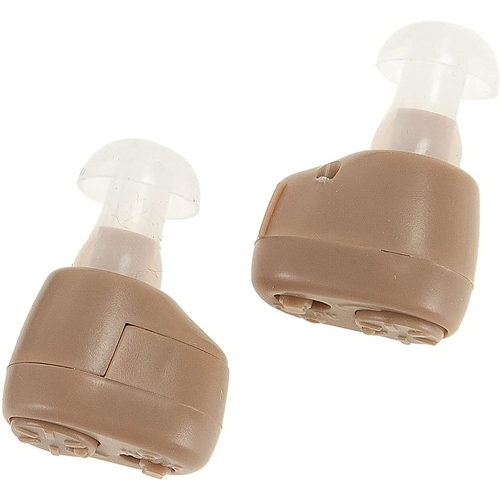
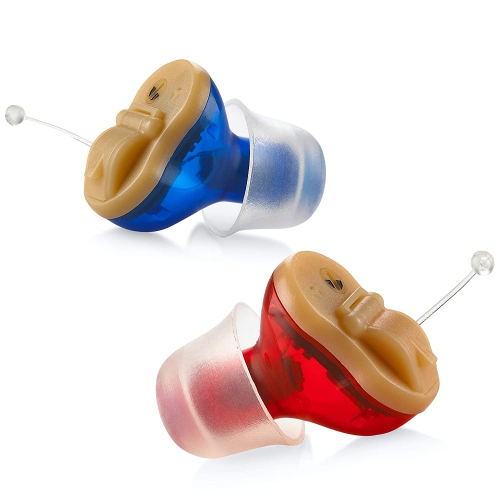

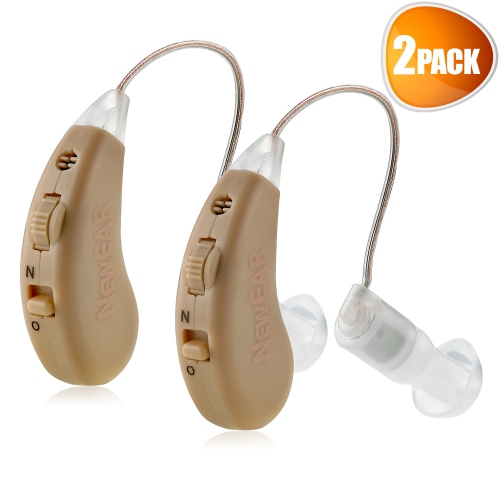
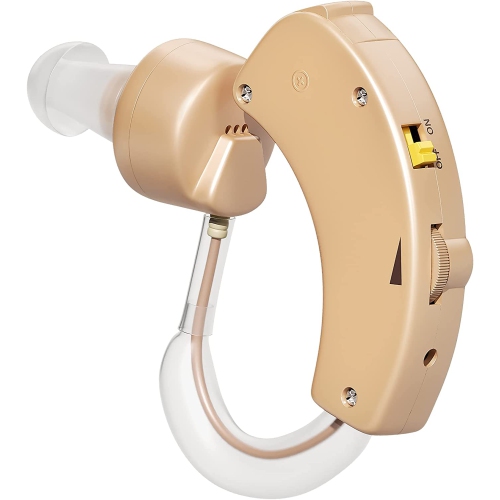
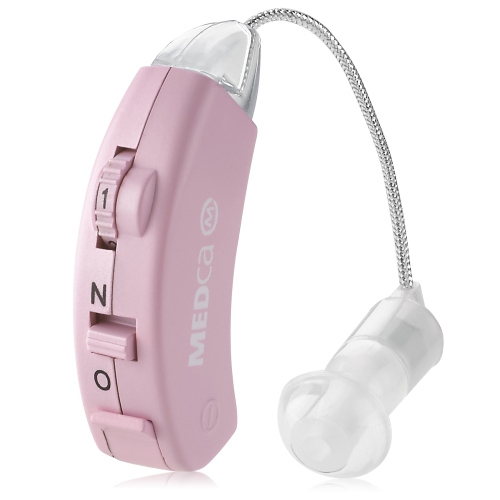
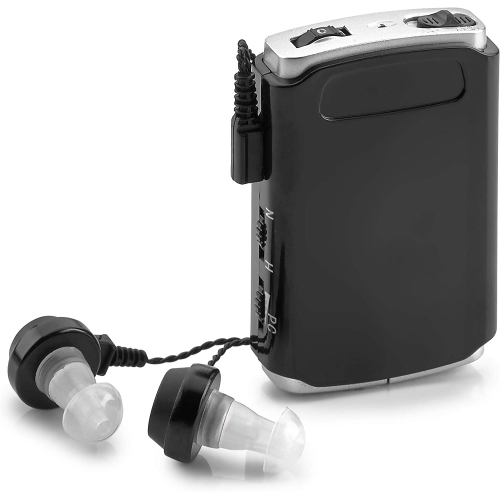
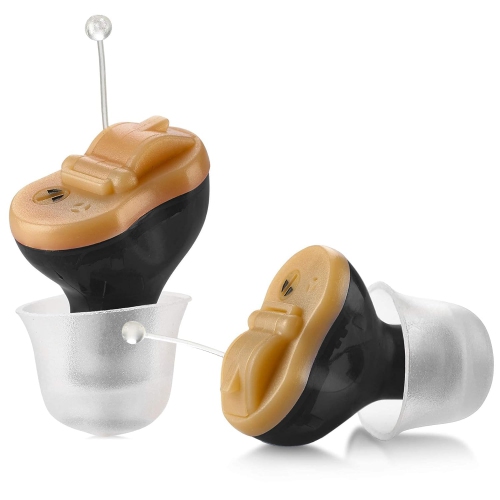
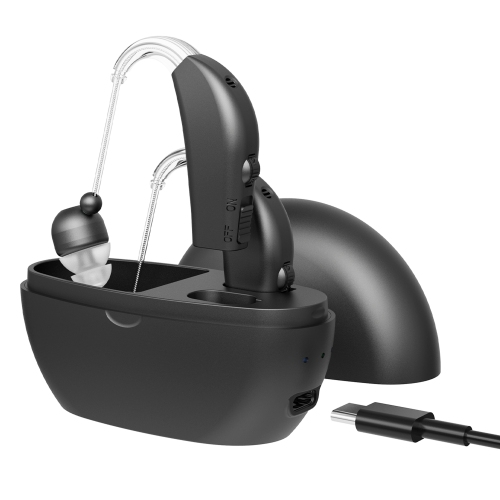
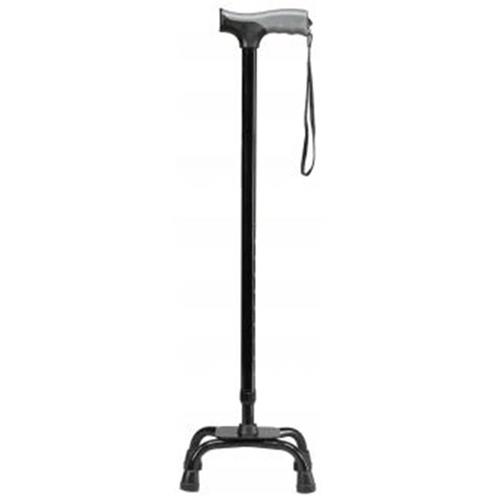
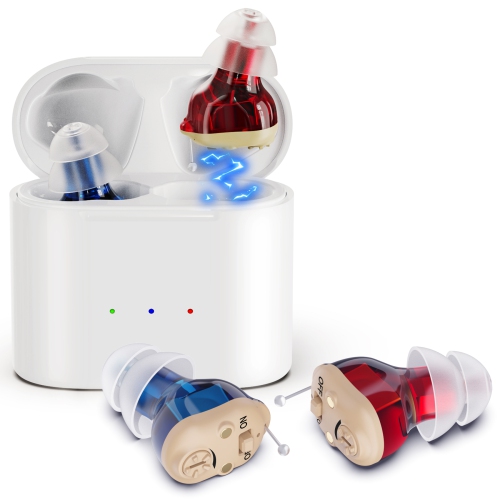
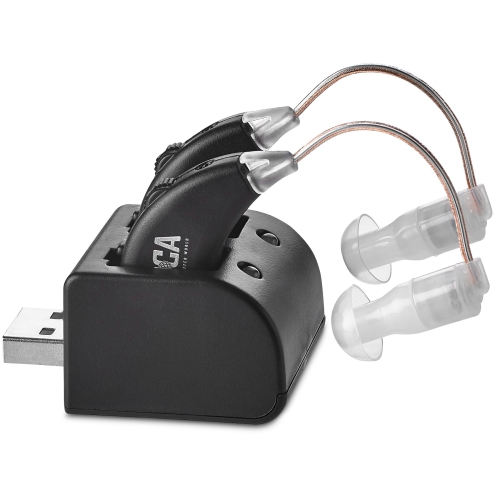
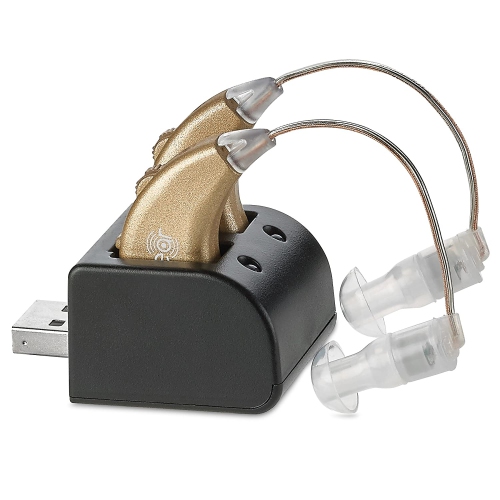
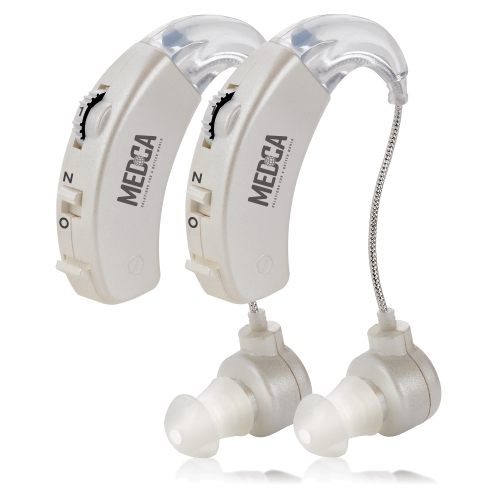
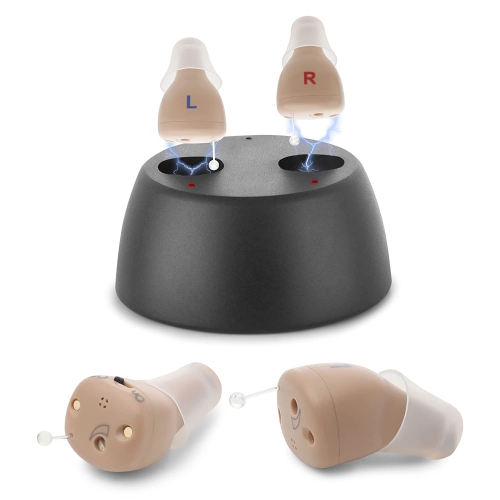
Practical support for more independent daily living
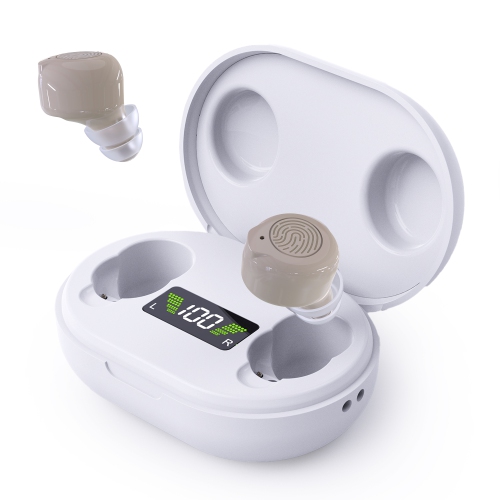
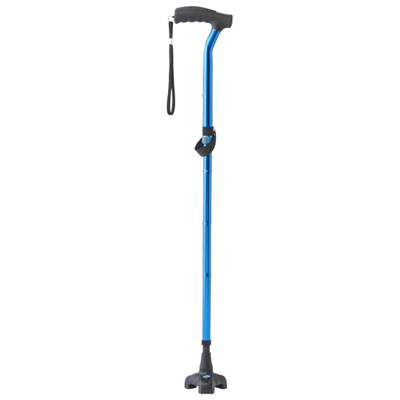
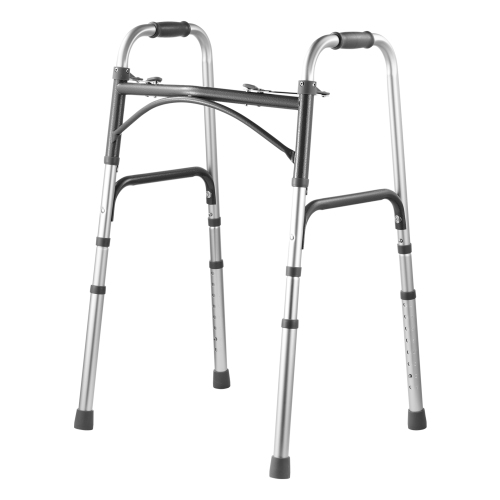
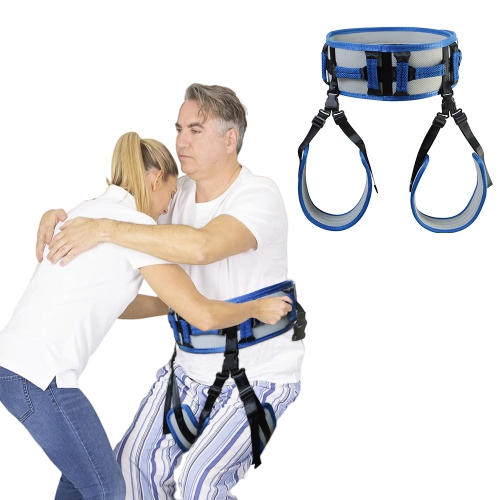
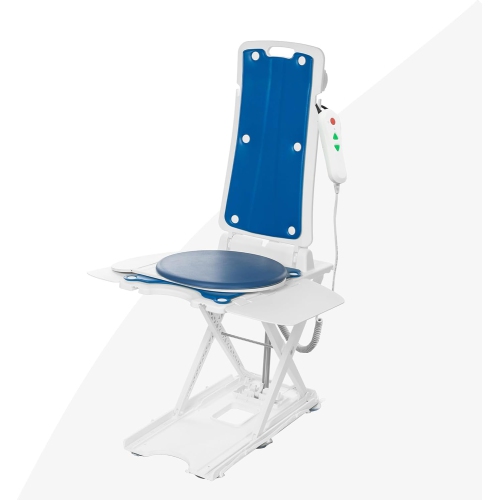
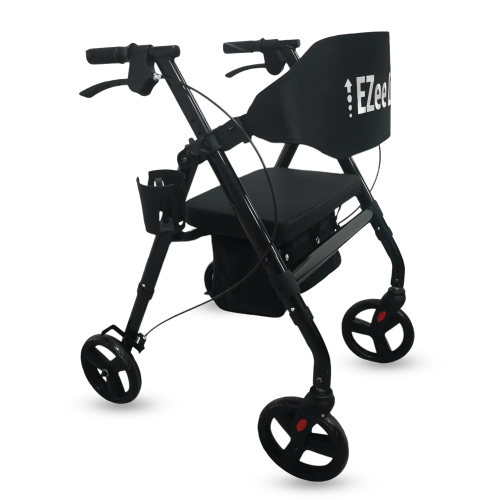
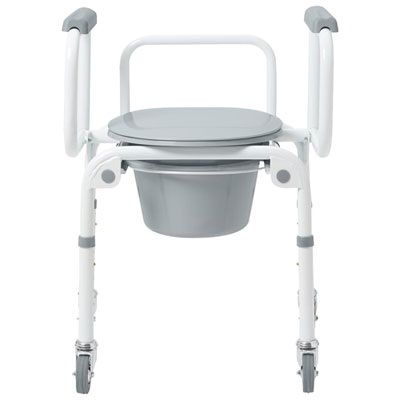
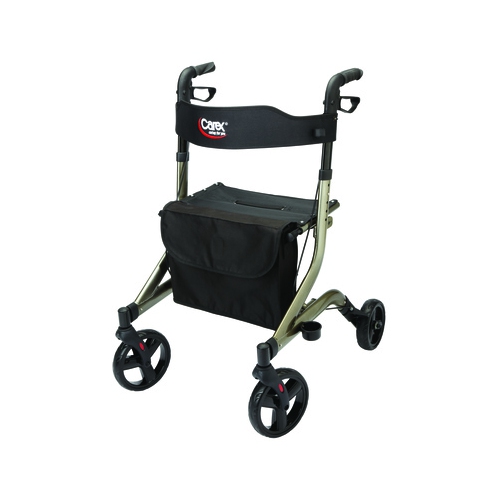
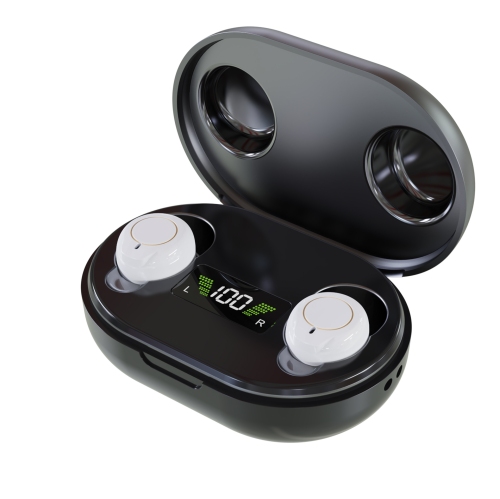
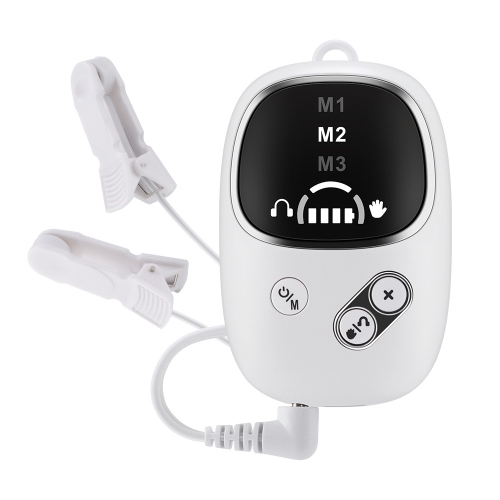
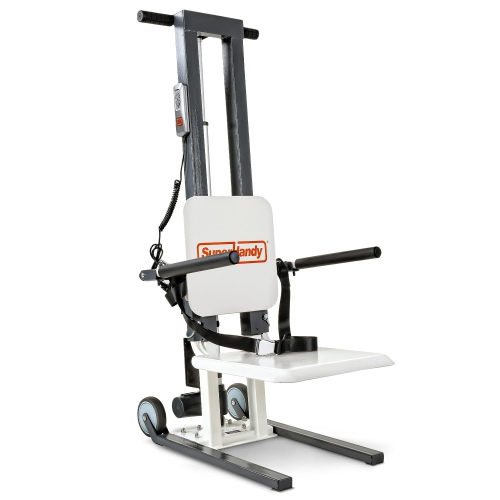
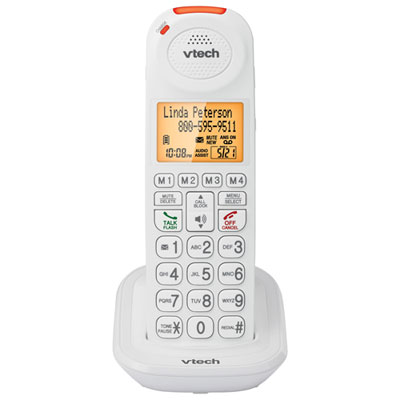
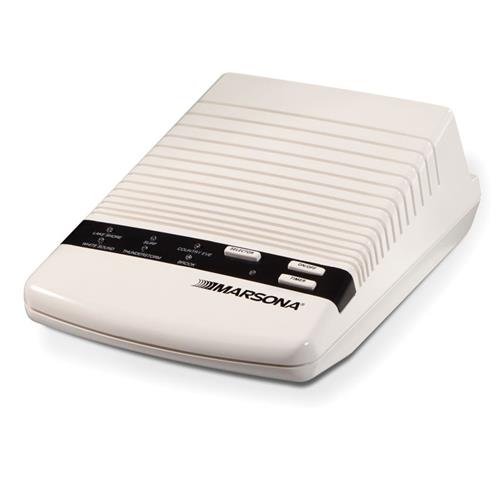
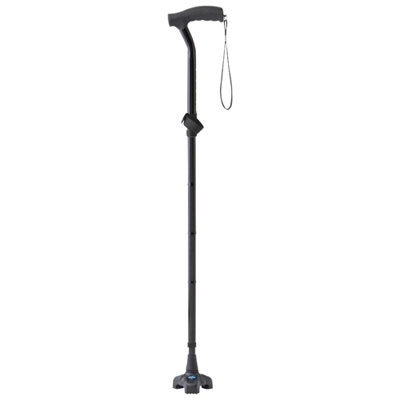
Assistive devices play a vital role in supporting individuals of all ages and abilities to navigate daily life with greater confidence, comfort, and independence. These tools are thoughtfully designed to address a wide range of needs—whether it’s mobility, sensory, cognitive, or daily living challenges. For those living with physical disabilities, mobility aids such as canes, walkers, wheelchairs, and scooters can make it easier to move around both indoors and outdoors, from a stroll through the park on a warm day to running errands as the seasons turn cooler. Sensory aids, including magnifiers, braille displays, and amplified telephones, enhance communication and access to information for people with visual or hearing impairments. In addition, cognitive and communication aids—like reminder clocks and electronic communication boards—can be particularly helpful for seniors or anyone managing memory, speech, or learning challenges, providing gentle reminders and reliable ways to stay connected with loved ones.
Selecting the right assistive device often starts with considering the specific needs and preferences of the user. For some, it may be about regaining independence after an injury or surgery; for others, it’s about enhancing quality of life when dealing with a long-term condition. Many families find that gifting an assistive device can be a thoughtful and practical way to support a loved one’s well-being, especially during transitions such as returning to school, moving into a new living environment, or preparing for the shift in routines that comes with the change in seasons. Occupational therapists, physiotherapists, and medical specialists can provide valuable guidance in choosing the most suitable options, ensuring a proper fit and optimal function. Features like ergonomic grips, adjustable heights, lightweight frames, or intuitive controls can make a significant difference in ease of use and comfort over time. For those who rely on technology, computer-based tools such as screen readers, voice recognition software, and large-print keyboards open up new opportunities for learning, work, and social connection.
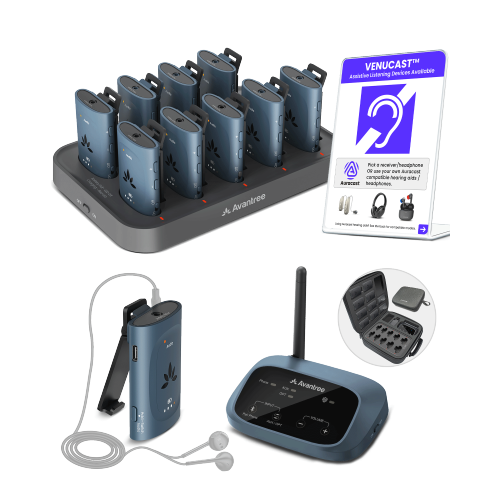
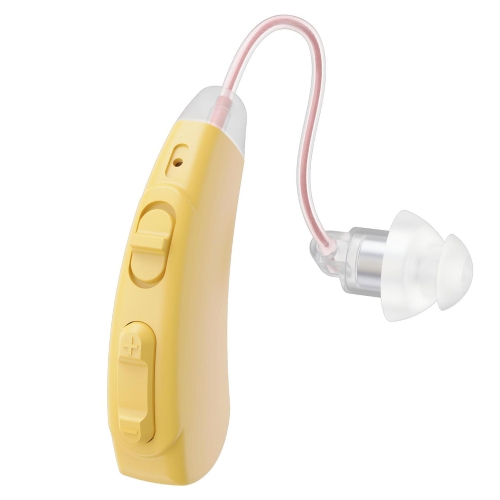
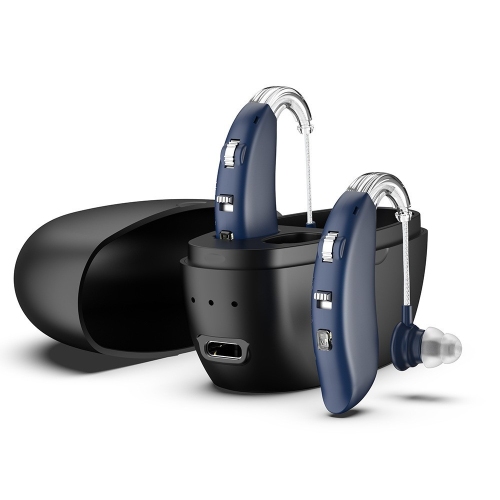
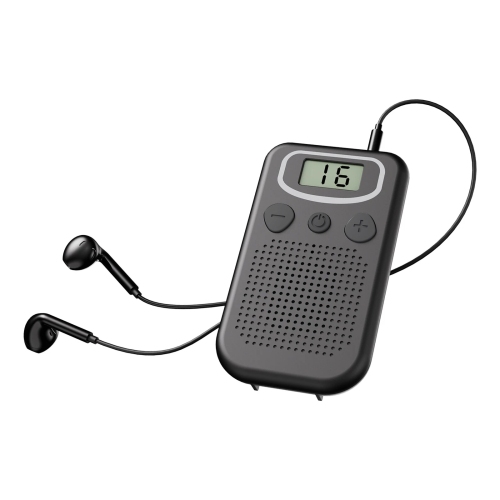
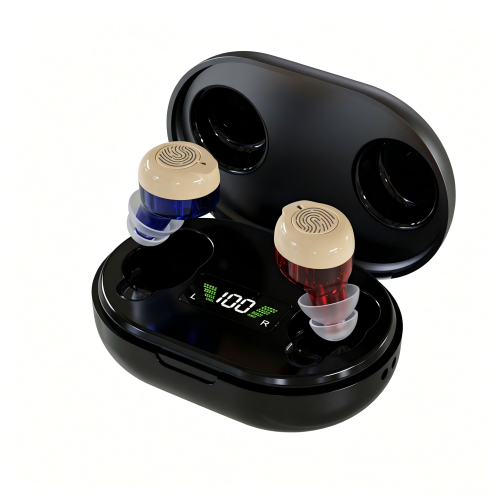
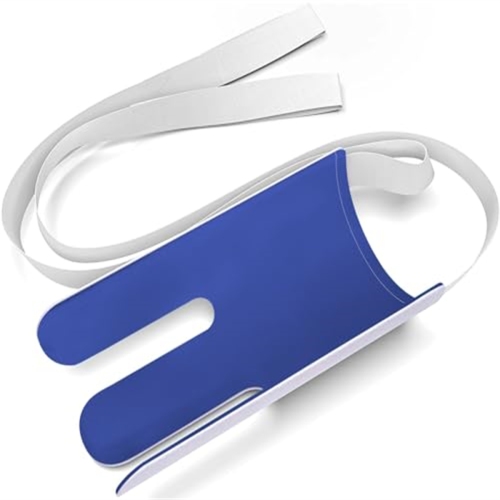
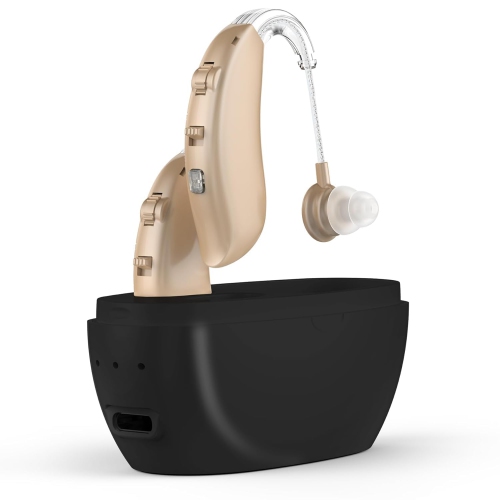
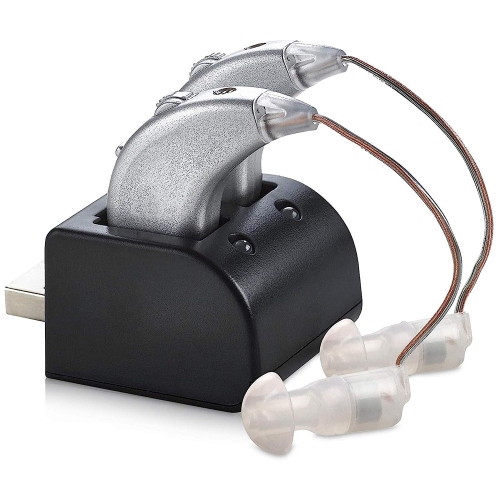
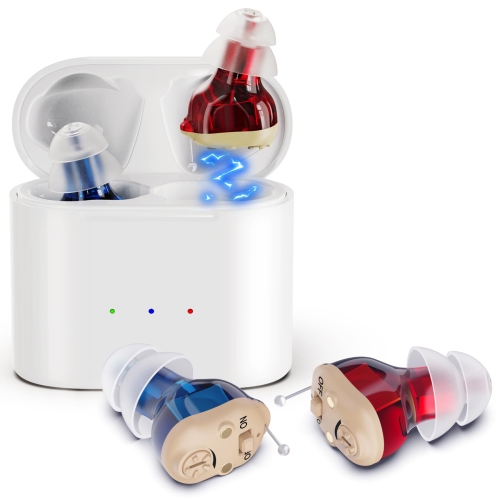
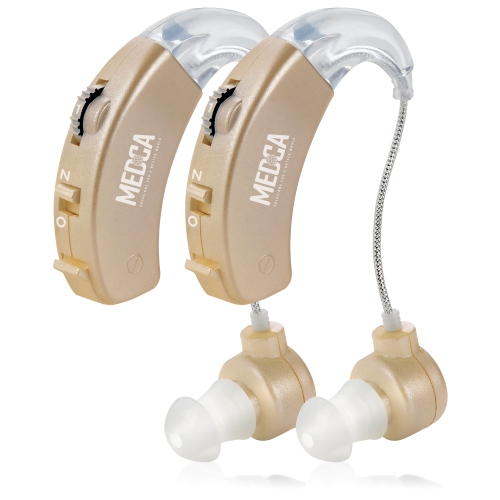
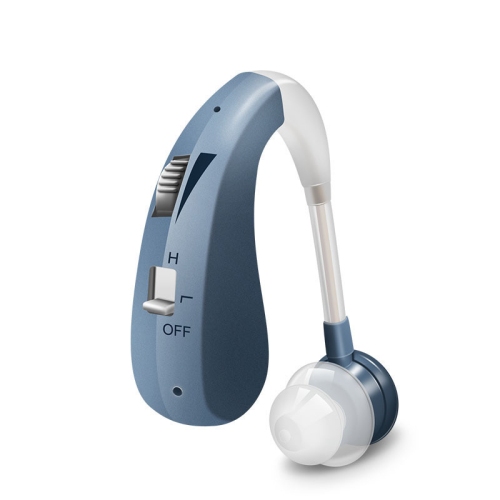
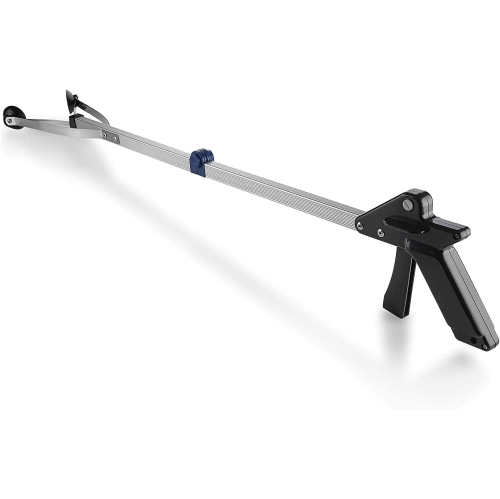
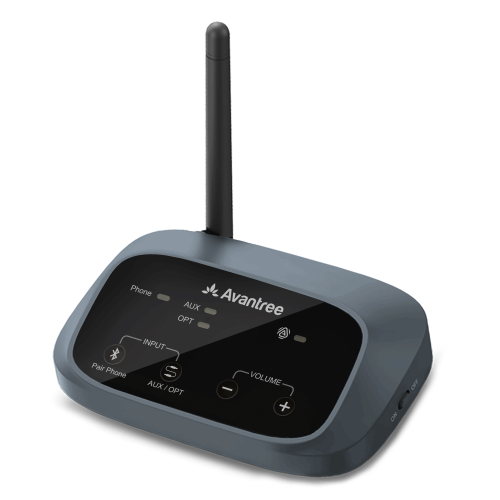
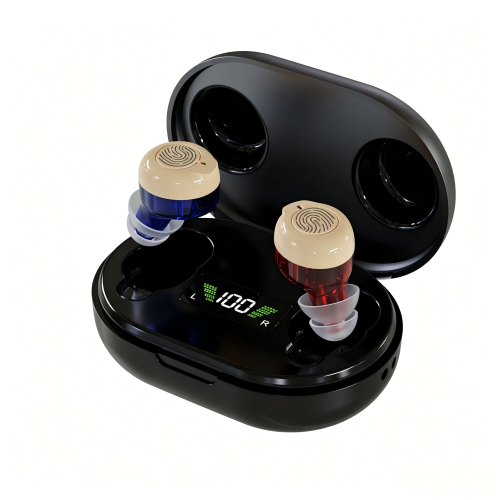
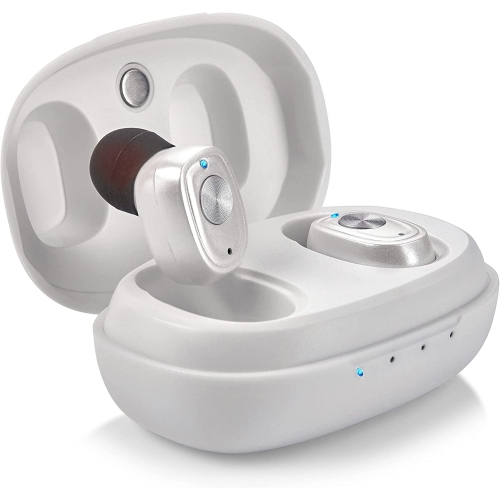
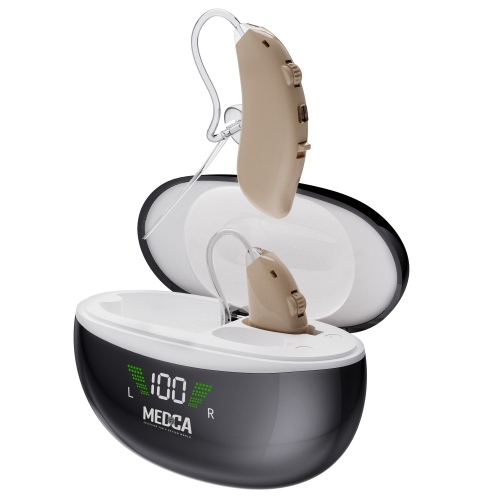
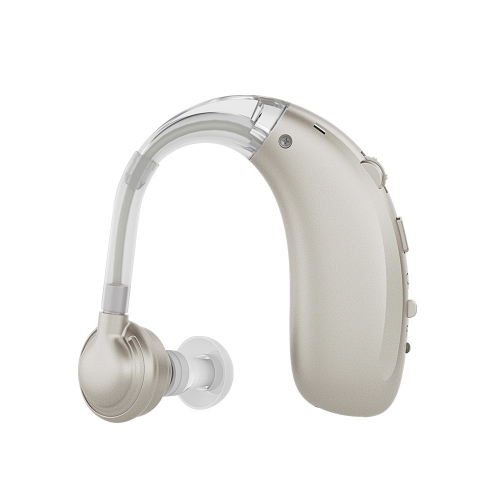
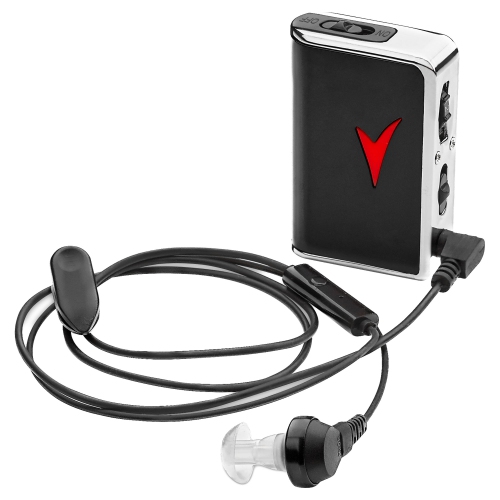
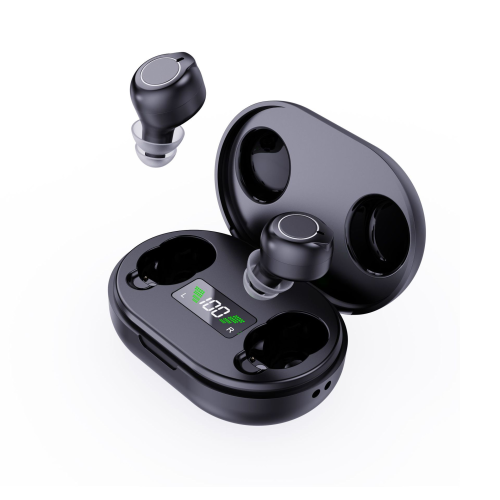
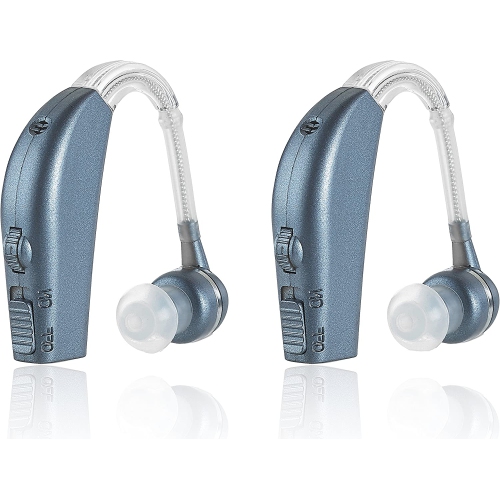
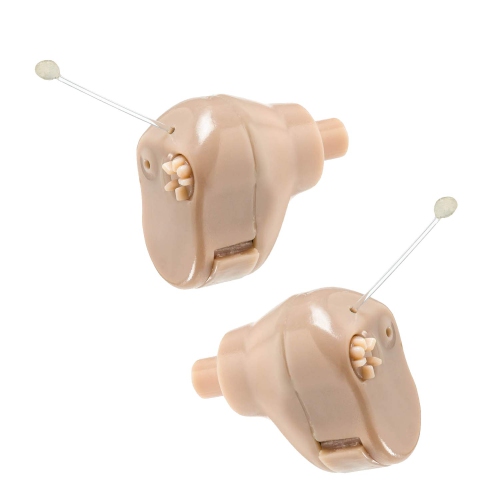
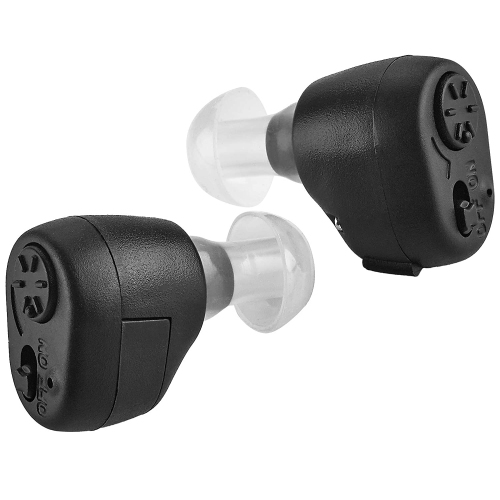
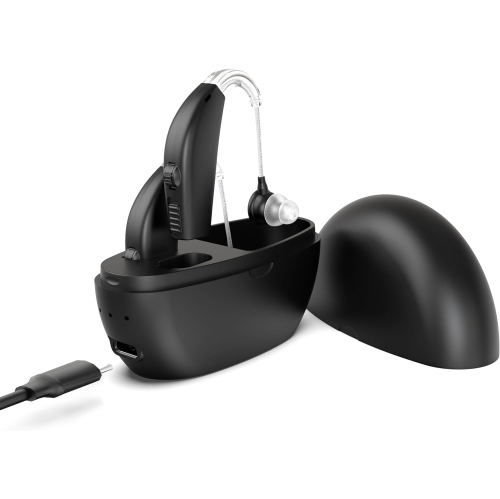
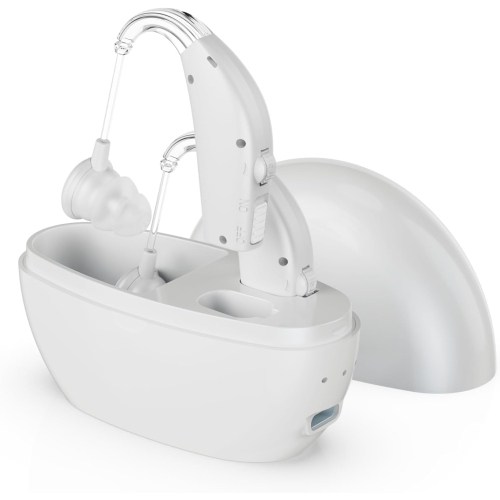
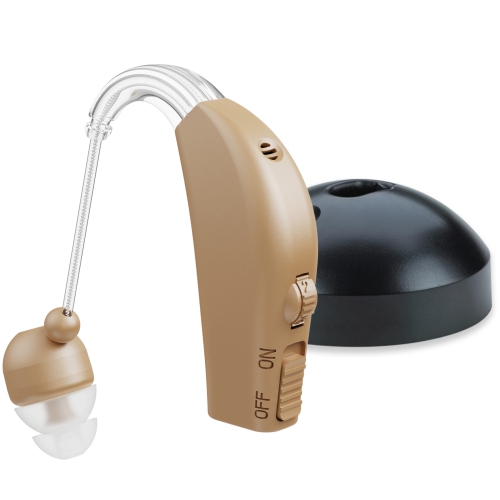
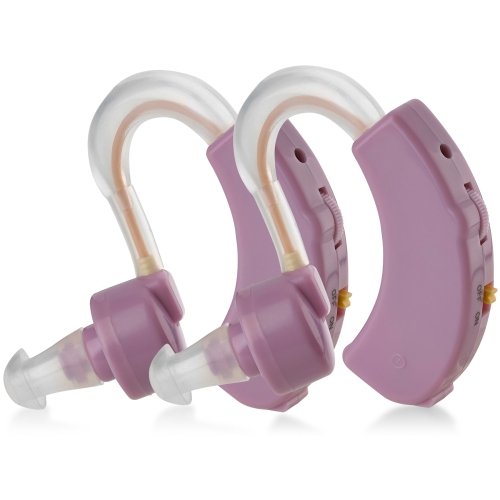
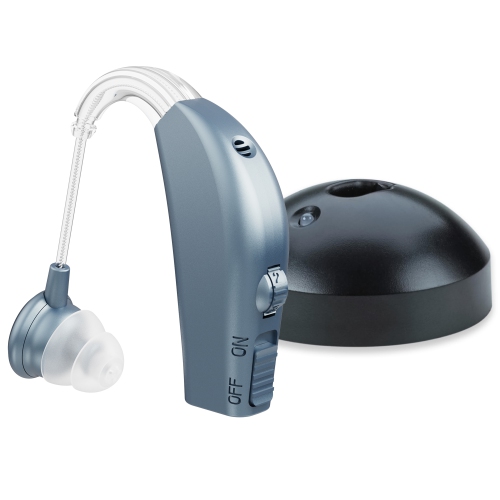
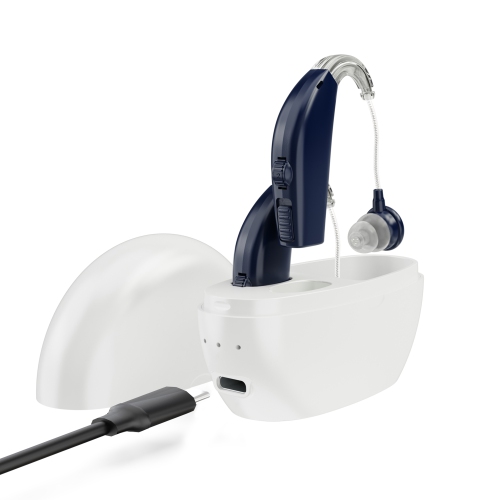
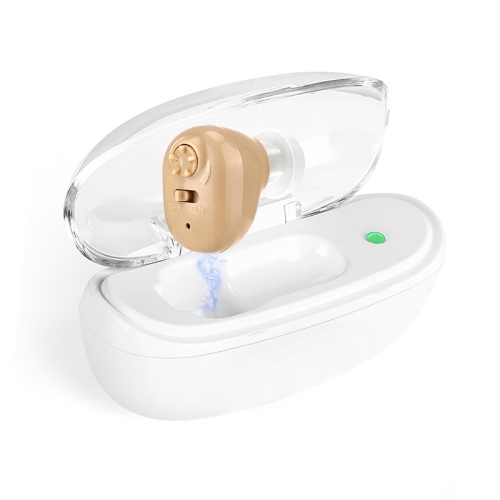
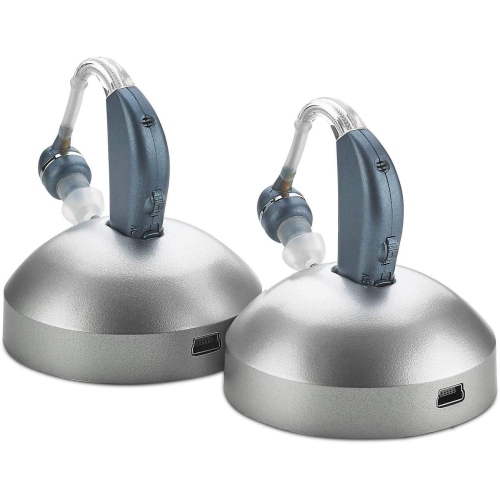
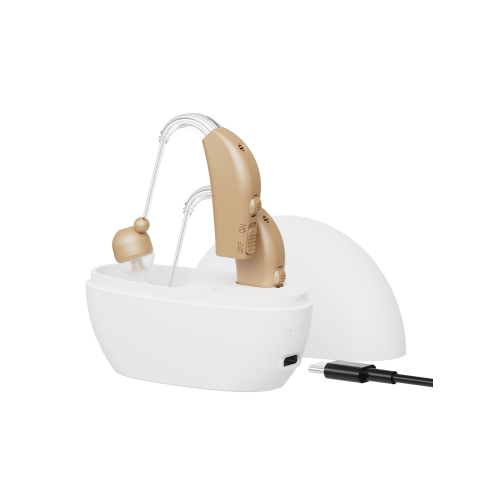
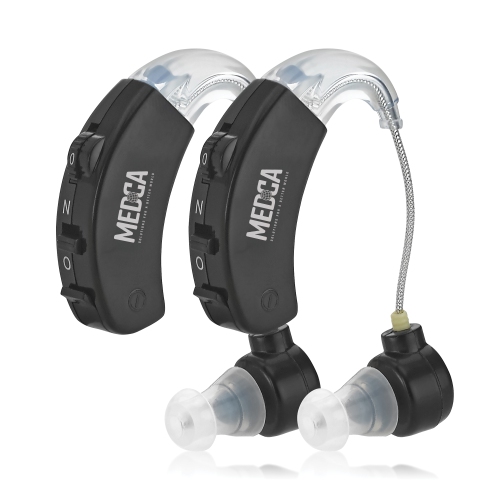
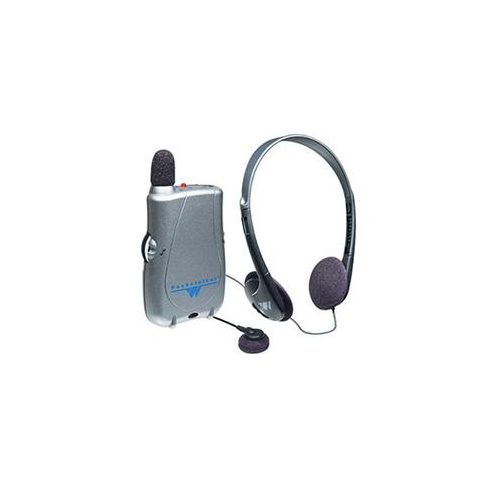
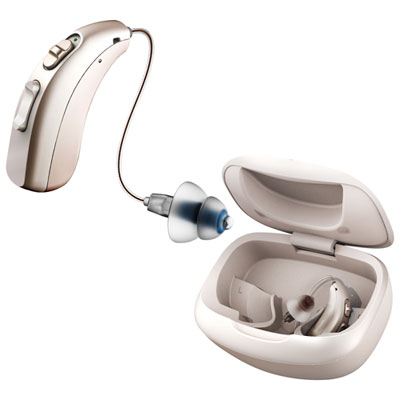
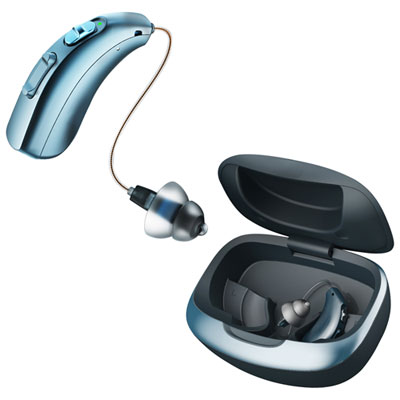
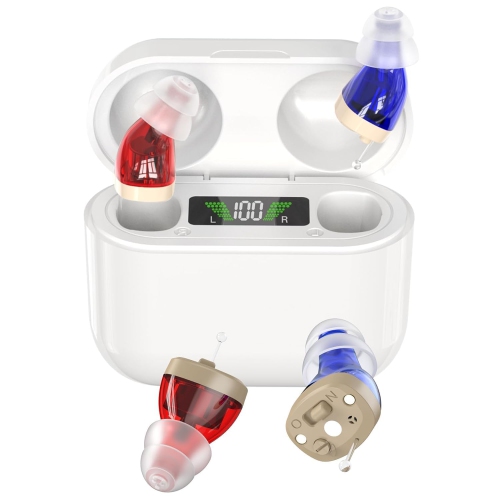
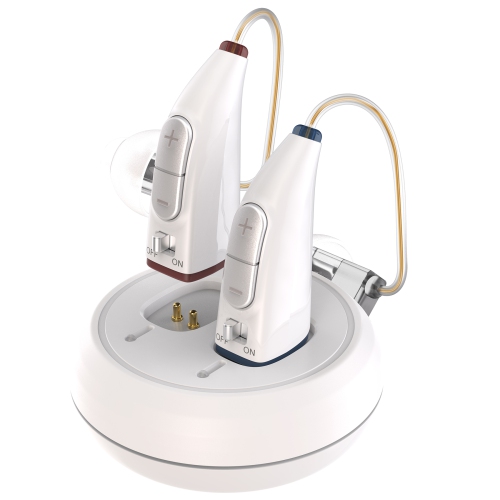
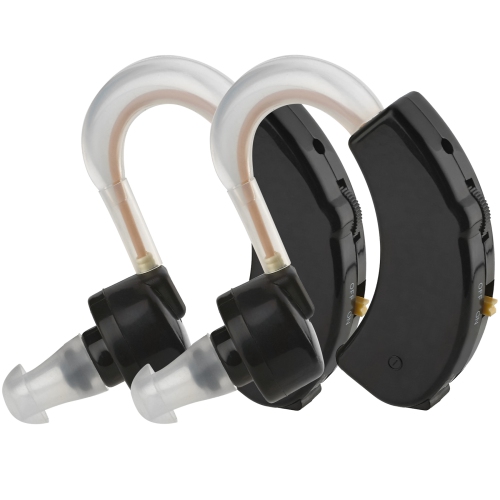
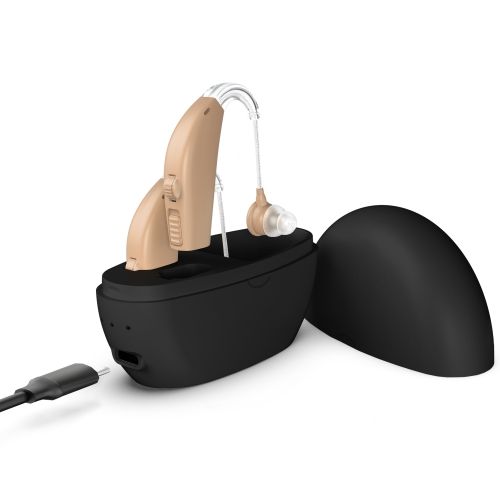
It’s also important to remember that assistive devices are not one-size-fits-all; customization and adaptability are key to meeting individual needs. Daily living tools—like button hooks, long-handled reachers, and non-slip mats—bring added safety and convenience to routine tasks, from dressing and meal preparation to personal care. As families gather for holidays or spend more time indoors during the cooler months, these devices help foster a sense of independence and participation in cherished activities. For those seeking solutions to hearing challenges, options such as personal amplifiers and specialized telephones can make a world of difference. To explore more about these, visit our dedicated page for Assistive Listening Devices. No matter the circumstance, investing in the right assistive device can empower users to engage more fully with their environment and the people around them, making everyday experiences safer, more accessible, and more enjoyable.
Selecting the right assistive device often starts with considering the specific needs and preferences of the user. For some, it may be about regaining independence after an injury or surgery; for others, it’s about enhancing quality of life when dealing with a long-term condition. Many families find that gifting an assistive device can be a thoughtful and practical way to support a loved one’s well-being, especially during transitions such as returning to school, moving into a new living environment, or preparing for the shift in routines that comes with the change in seasons. Occupational therapists, physiotherapists, and medical specialists can provide valuable guidance in choosing the most suitable options, ensuring a proper fit and optimal function. Features like ergonomic grips, adjustable heights, lightweight frames, or intuitive controls can make a significant difference in ease of use and comfort over time. For those who rely on technology, computer-based tools such as screen readers, voice recognition software, and large-print keyboards open up new opportunities for learning, work, and social connection.
It’s also important to remember that assistive devices are not one-size-fits-all; customization and adaptability are key to meeting individual needs. Daily living tools—like button hooks, long-handled reachers, and non-slip mats—bring added safety and convenience to routine tasks, from dressing and meal preparation to personal care. As families gather for holidays or spend more time indoors during the cooler months, these devices help foster a sense of independence and participation in cherished activities. For those seeking solutions to hearing challenges, options such as personal amplifiers and specialized telephones can make a world of difference. To explore more about these, visit our dedicated page for Assistive Listening Devices. No matter the circumstance, investing in the right assistive device can empower users to engage more fully with their environment and the people around them, making everyday experiences safer, more accessible, and more enjoyable.
Top selling and popular products
-
 Your price for this item is $331.22
 -
 Your price for this item is $499.99
 -
 Your price for this item is $349.99
 -
 Your price for this item is $289.99
 -
 Your price for this item is $259.99
 -
 Your price for this item is $36.24
 -
 Your price for this item is $49.99
 -
 Your price for this item is $82.99
Discover more categories related to Assistive Devices
Top Collections:
Pokemon Centers, Best Cameras for Sports Photography, Kindle Devices, Samsung Galaxy Phones, Canon G7X Cameras, Pokémon 30th Celebration Cards, Refurbished Apple Laptops, iPhone 15 Apple, Laptops for Students, Budget Smartphones
Some products may be subject to Environmental Handling Fees
(EHF) depending on your province.
Learn more about EHFs.