Back Support Belts for Men
Back support belts for men are designed to provide extra comfort and stability during daily activities, work, or fitness routines. Whether you’re looking to enhance your posture or add reassurance while lifting, these versatile accessories can help you feel more confident throughout your day. Explore a range of options to find the right fit and support level for your lifestyle needs. Discover how back support belts for men can make a difference at home, on the job, or at the gym.
Sort
What makes a lumbar belt comfortable for everyday use
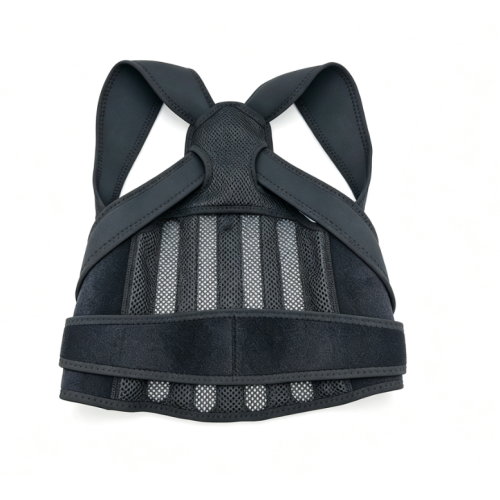
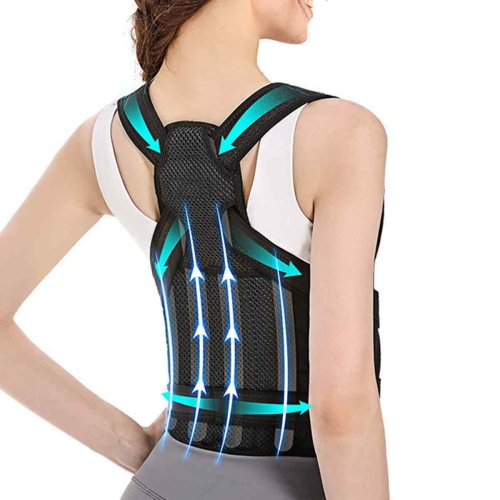
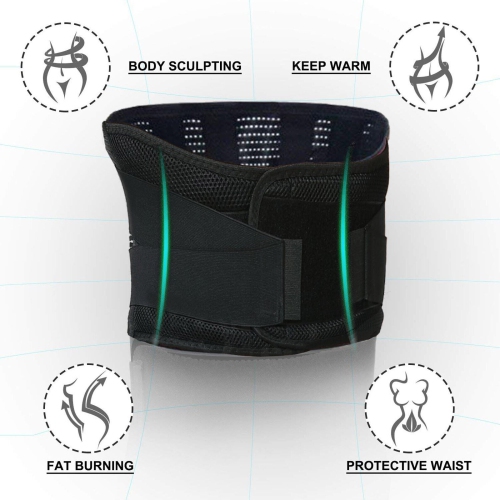
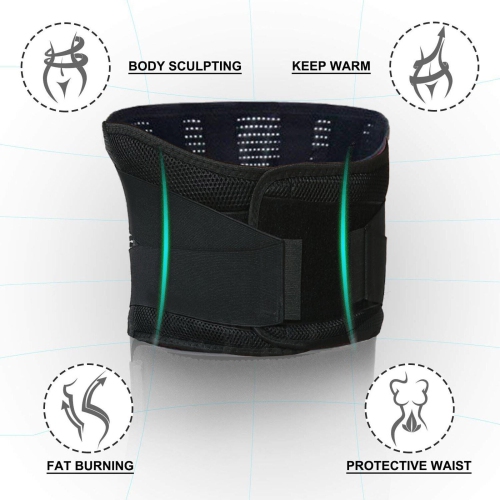
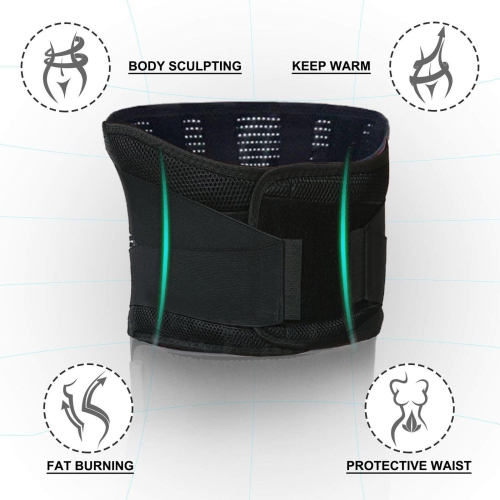
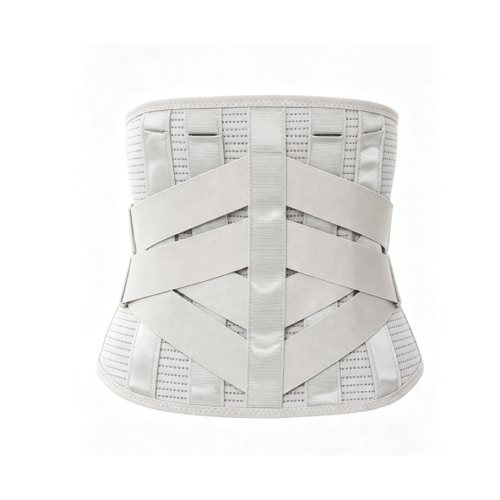
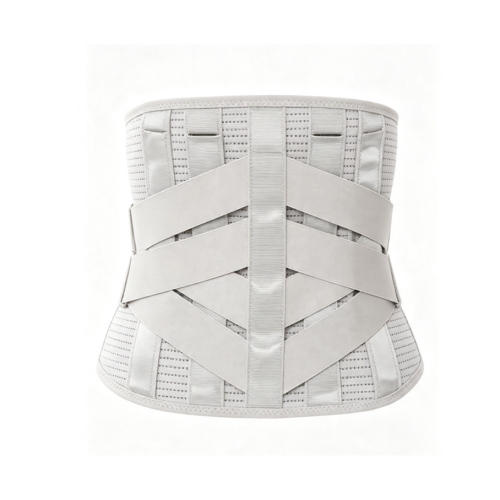
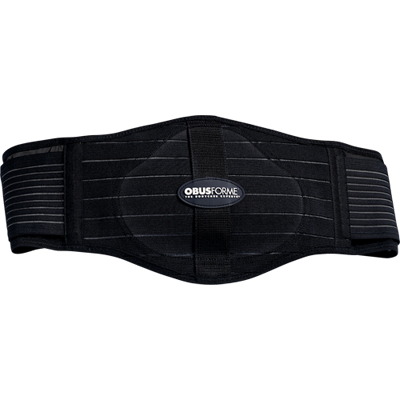
Back support belts for men are adjustable supports worn around the waist and lower back to provide compression and a more supported feeling during certain activities. Often called lumbar support belts, they typically combine a flexible body with fastening straps, and some designs include panels or stays that add structure across the lower back. They may be used during physical work, household tasks, or periods of sitting when a little extra support feels helpful. For someone who regularly moves cartons, works at a bench, or spends part of the day seated at a desk, the practical appeal is a belt that fits securely without making every bend or change of position feel awkward. Gentle pressure around the trunk may also act as a reminder to pay attention to posture and movement, although wearing a belt does not automatically correct posture or make heavy lifting safe. Back support belts are not a substitute for appropriate lifting techniques, manageable loads, movement breaks, or advice about an underlying back problem. Their usefulness depends on the task, the fit, and the reason for wearing them. A flexible lumbar belt intended for everyday activities is also different from a weightlifting belt designed for bracing during particular strength exercises; the two should not be treated as interchangeable simply because both wrap around the waist. Back support belts sit within the broader category of Back Support Braces, where differences in coverage, rigidity, and adjustment can mean a noticeably different wearing experience. The most relevant features are those that suit the wearer’s routine, whether that means a discreet profile beneath a work shirt, a flexible shape for alternating between sitting and standing, or adjustable compression for a more personalized fit. Support should feel purposeful rather than restrictive, allowing the wearer to breathe comfortably and move without sharp pressure at the ribs or hips.
Materials and construction have a direct effect on how a back support belt feels against clothing and skin. Elastic fabrics allow some stretch as the body moves, while mesh sections can improve airflow and help reduce the close, clammy feeling that sometimes comes with extended wear. Neoprene has a cushioned, close-fitting feel, but it can retain warmth and may not suit everyone’s skin or comfort preferences. Soft edging, smooth seams, and a lining that does not bunch are useful details, particularly when the belt is worn over a thin shirt. Firmer panels and flexible stays can help a belt maintain its shape, though extra structure may feel less comfortable when leaning forward or sitting in a chair with a pronounced backrest. Width matters for similar reasons: a broad belt covers more of the lumbar area, but it should not dig into the lower ribs or press against the tops of the thighs when seated. A shorter torso may need a different profile than a longer torso, regardless of the size printed on the label. Men’s trouser sizes are not a reliable substitute for the body measurement specified in a belt’s sizing chart, since the support may sit higher than the trouser waistband. Measuring at the indicated position helps distinguish a genuinely suitable fit from one that merely fastens. Hook-and-loop closures make adjustments straightforward, while secondary pull straps can offer more control over compression. Those straps should have enough adjustment range to stay secure without being pulled to their limit. A good fit remains reasonably level around the body and does not repeatedly roll, slide upward, or gather into folds. Clothing layers also influence comfort: a smooth, lightweight layer can reduce rubbing, while bulky seams, a thick waistband, or objects in pockets may create pressure beneath the belt. Trying normal movements, including sitting down and reaching within a comfortable range, helps reveal whether the shape suits everyday use.
Durability is often found in details that are easy to overlook, such as reinforced stitching at strap attachments, neatly finished edges, and fastening surfaces that meet fully rather than catching only at a narrow corner. Repeated stretching, laundering, and contact with clothing can gradually affect elastic recovery and the grip of hook-and-loop fasteners. A belt that begins to slip, loses its shape, or needs constant tightening may no longer deliver the same fit, even if the fabric still looks intact. Care requirements vary by material, so the manufacturer’s washing and drying directions matter more than a one-method-fits-all approach. Many fabric supports call for gentle cleaning and air-drying, while designs with removable stays may need those components taken out before washing. Fastening straps before cleaning or storage can help keep them from snagging other fabrics, and clearing lint from hook-and-loop surfaces can help preserve their grip. The belt should be fully dry before it is worn again or put away. In daily use, comfort is more important than achieving the tightest possible fastening. Excessive pressure, skin irritation, numbness, or restricted breathing are reasons to loosen or remove the support rather than continue wearing it. Wear time should follow the product directions and, when relevant, a healthcare professional’s advice; a belt is not necessarily intended for uninterrupted use throughout the day or while sleeping. People managing a diagnosed back condition, recovering from an injury, or experiencing persistent or worsening pain should seek guidance about whether this type of support is appropriate. For everyday routines, a belt works best as one part of a broader approach that includes suitable workstation positioning, sensible handling of loads, and regular changes in posture. Someone alternating between a chair and a standing workstation may value easy adjustment, while someone doing occasional household lifting may place greater importance on secure fastening and freedom of movement. Matching those practical needs with the right shape, material, and fit makes the support easier to use as intended.
Top selling and popular products
-
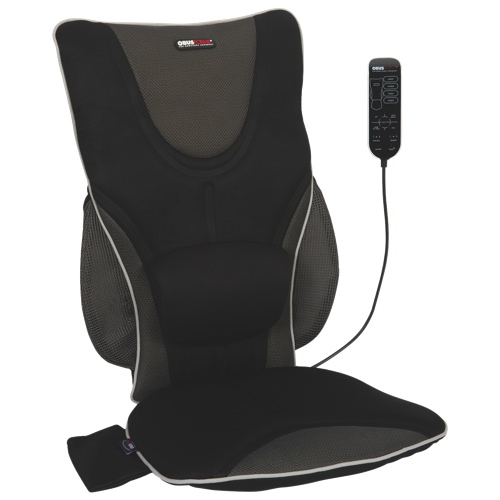 Your price for this item is $79.99
-
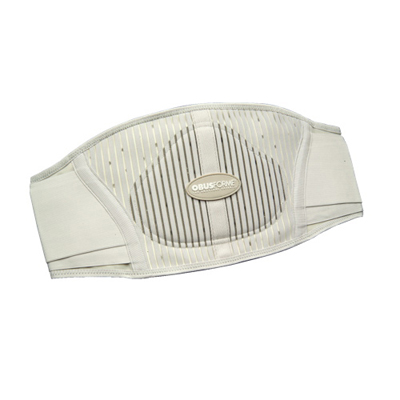 Your price for this item is $44.99
-
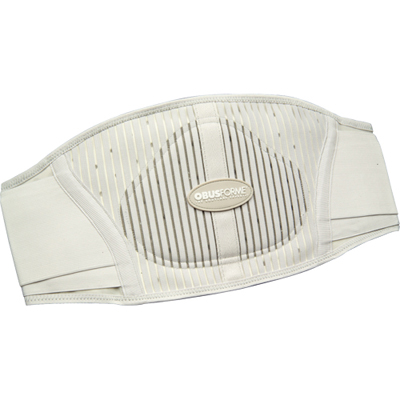 Your price for this item is $44.99
-
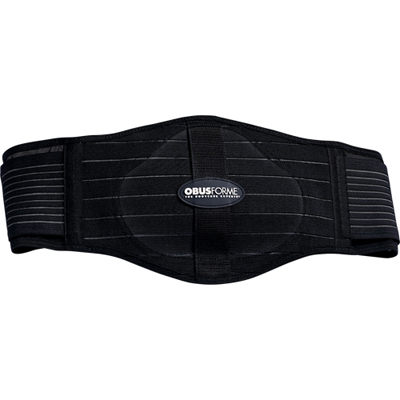 Your price for this item is $44.99
-
 Your price for this item is $44.99
-
 Your price for this item is $24.99
-
 Your price for this item is $42.99
-
 Your price for this item is $49.99
Discover more categories related to Back Support Belts for Men
Top Collections:
Best Black Friday Deals This Year, Best Black Friday Deals On Electronics, Kindle Devices, Pokemon Centers, Best Black Friday Deals On Apple Products, Best Cameras for Sports Photography, Dyson Airwrap, Pokémon 30th Celebration Cards, Apple iPhone 17 Pro, Canon G7X Cameras
Some products may be subject to Environmental Handling Fees
(EHF) depending on your province.
Learn more about EHFs.