Support for Back Pain Relief
Support for Back Pain Relief is essential for maintaining comfort and mobility throughout your day. Whether you're working at a desk, relaxing at home, or staying active, the right support can make a significant difference in managing discomfort. Explore a variety of solutions designed to help ease tension and promote better posture, so you can enjoy daily activities with greater ease. Find options that fit your lifestyle and experience the benefits of enhanced back support.
Sort

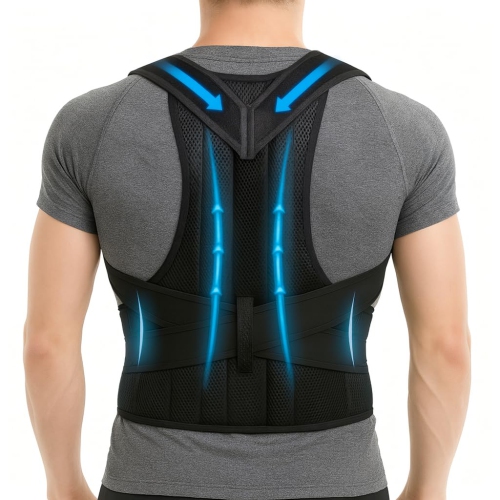
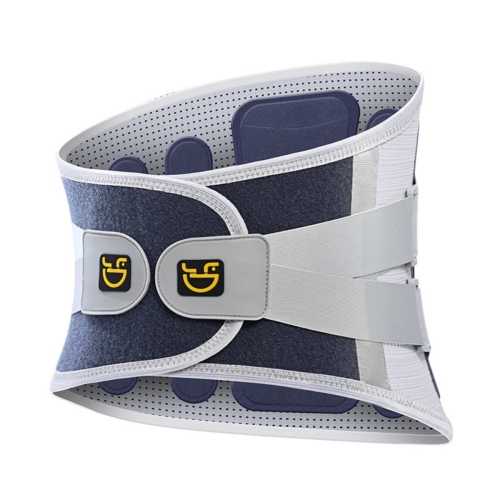
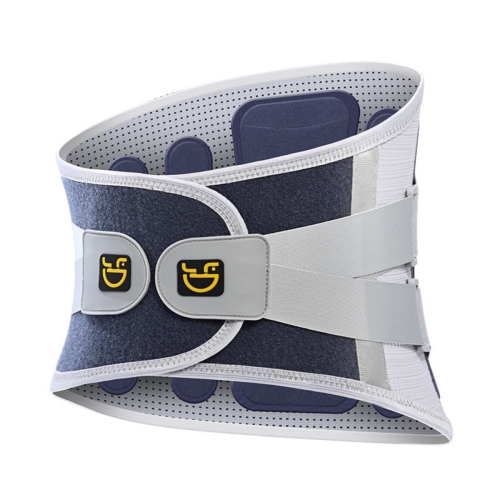
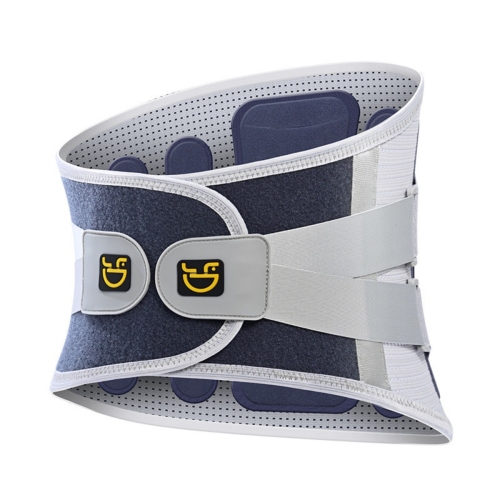


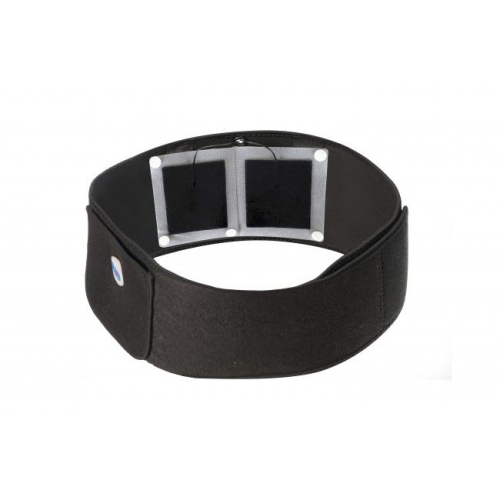

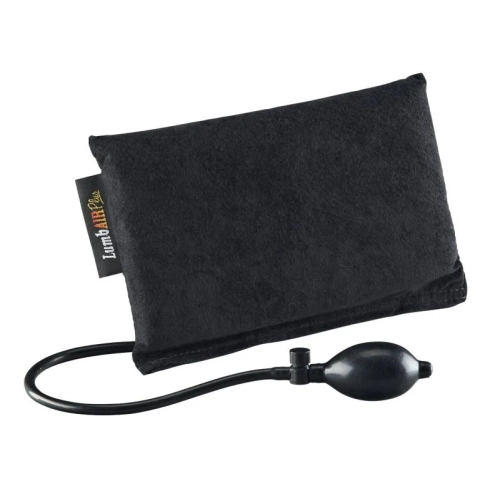
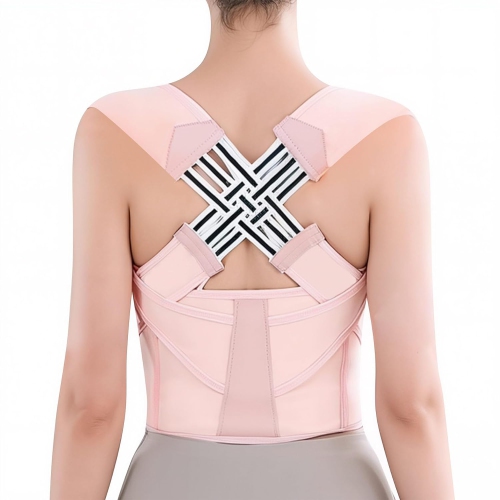
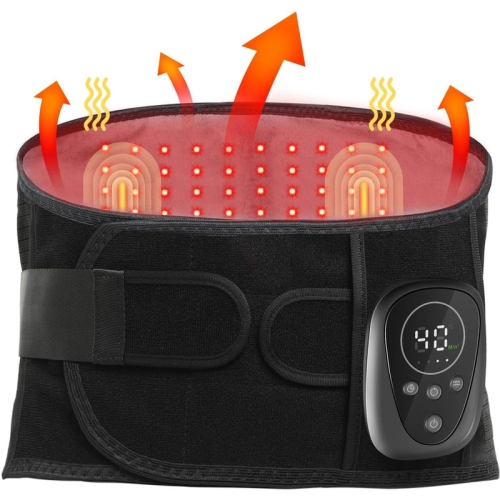
Different activities call for different kinds of back support
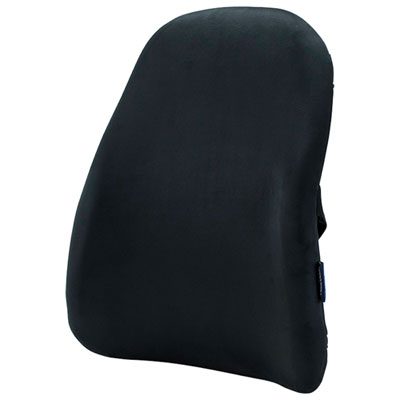
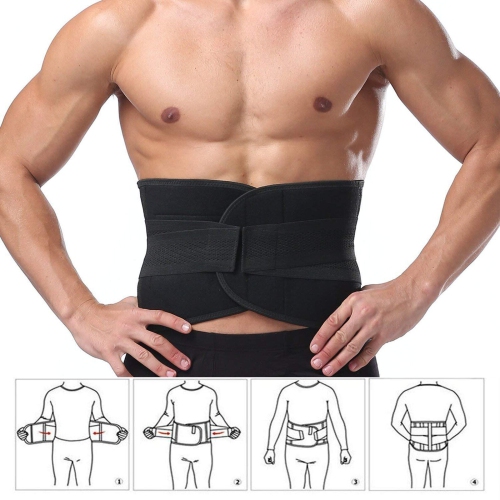
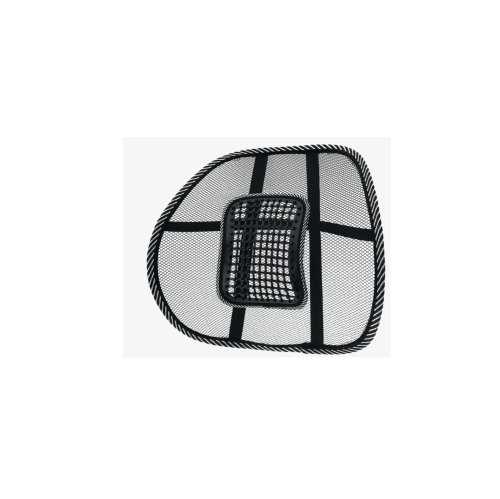
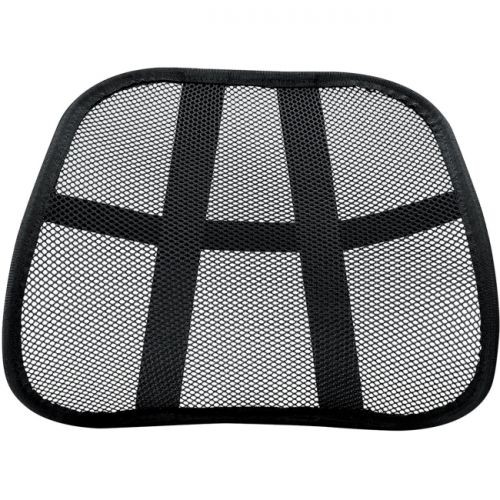
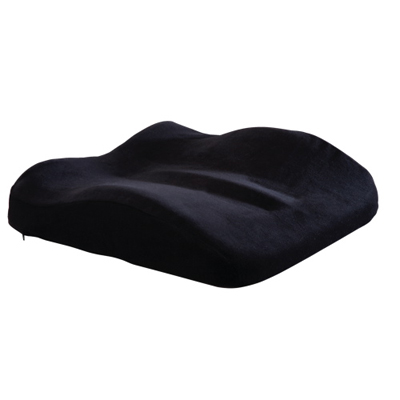
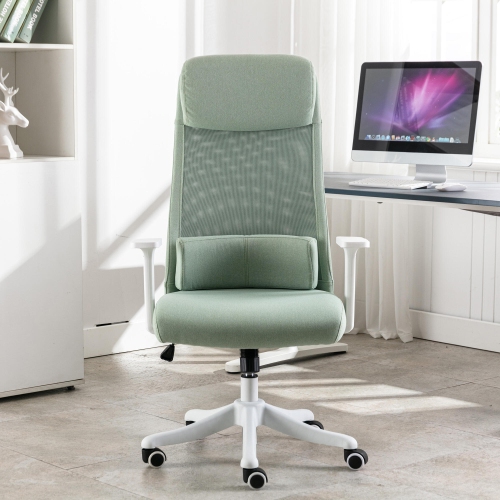
Support for back pain relief can include lumbar cushions, adjustable back supports, positioning pillows, and devices that provide gentle warmth or massage. Each serves a different purpose: a lumbar cushion helps fill the space between the lower back and a chair, a wearable support provides adjustable compression, and a positioning pillow changes how the body rests. The most suitable choice depends on where discomfort occurs, which activities bring it on, and whether support is needed while sitting, resting, or moving. A selection of Back Pain Relief Products can complement a comfortable seating arrangement and everyday movement without being treated as a cure for the underlying cause of pain. For someone who spends hours at a desk, a contoured cushion may make a chair feel more supportive, particularly when its height can be adjusted to meet the natural curve of the lower back. Someone who reads in an armchair may prefer a broader shape that spreads contact across a larger area. Cushion depth matters as much as softness: an overly thick cushion can push the body forward and leave less room on the seat, while one that compresses completely may offer little lasting support. Memory foam gradually conforms under pressure, whereas firmer foam generally has a more consistent feel when changing positions. Mesh panels and breathable covers can make prolonged contact more comfortable, and straps help keep a cushion from slipping when standing up or sitting down. A removable cover is useful for seating shared by several household members or used throughout the day. Support should feel comfortable rather than force the back into an exaggerated arch. Even a well-fitted cushion works best alongside a chair that allows the feet to rest securely and leaves enough space behind the knees. Regular changes in position remain important; supportive accessories are not intended to make staying still for long periods comfortable indefinitely.
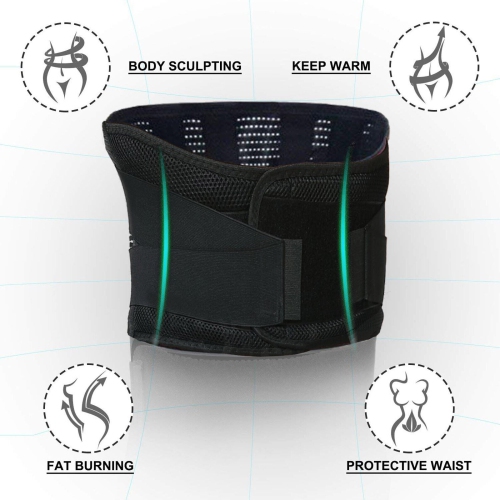
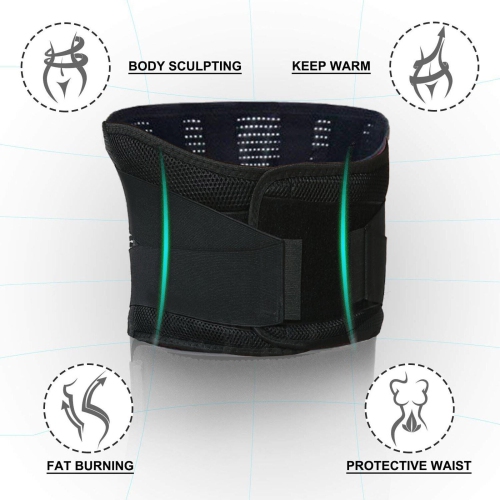
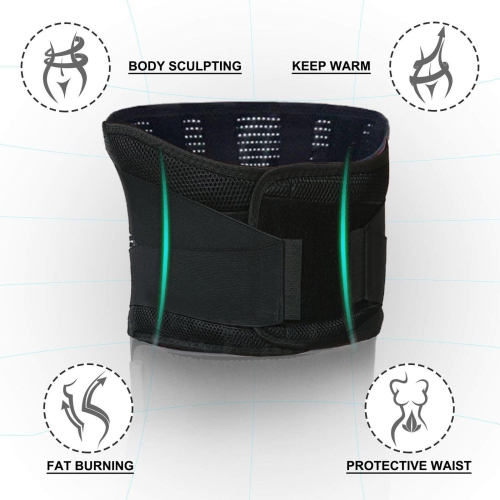
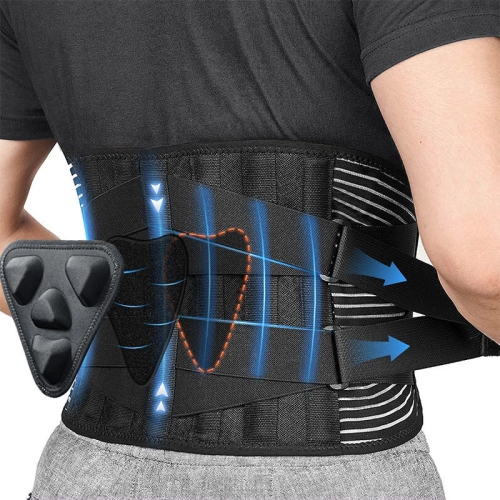
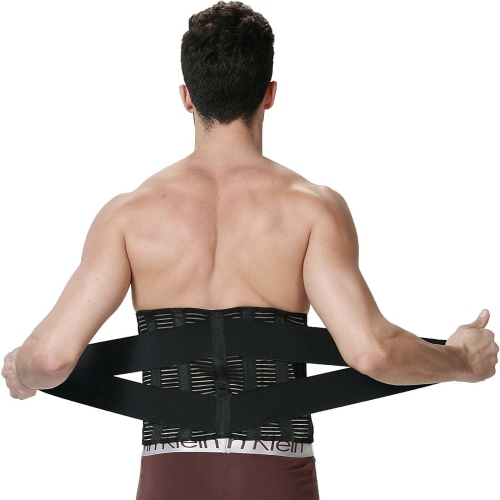
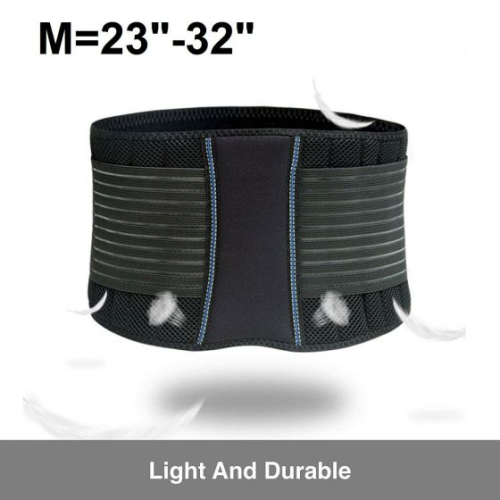
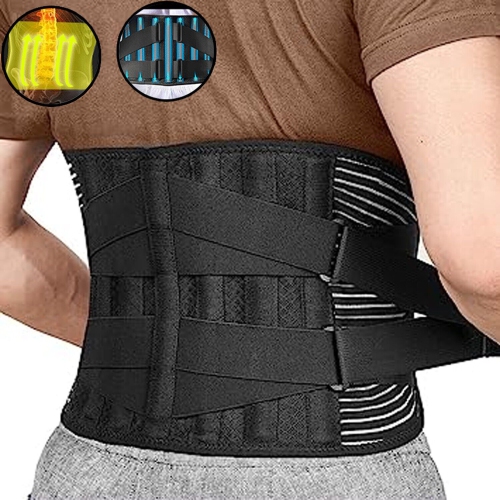
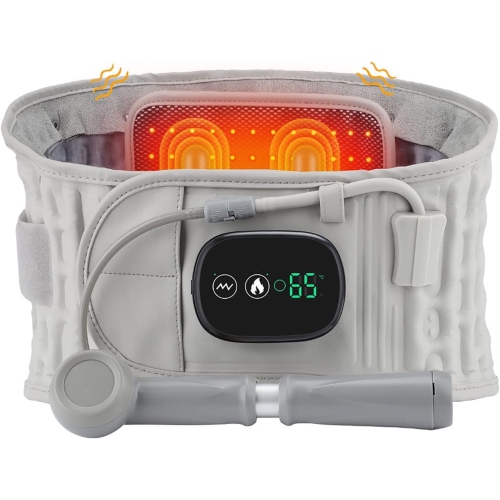
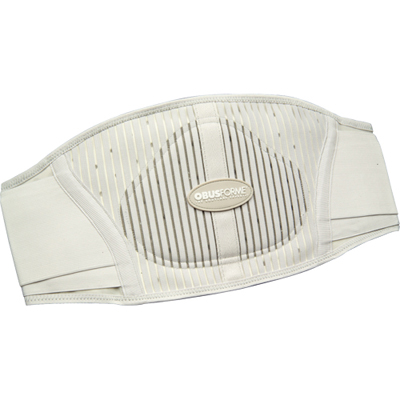
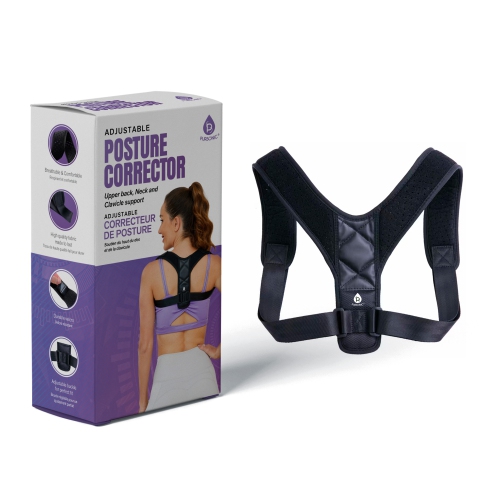
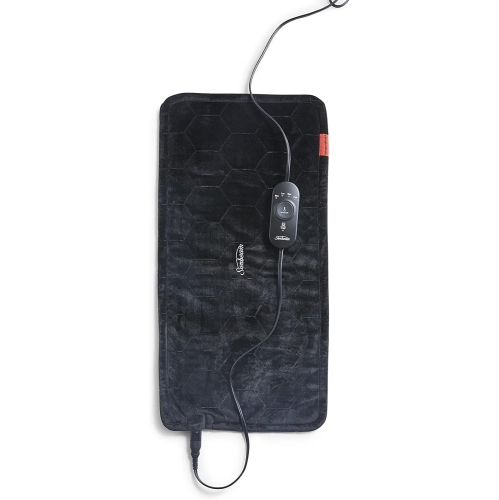
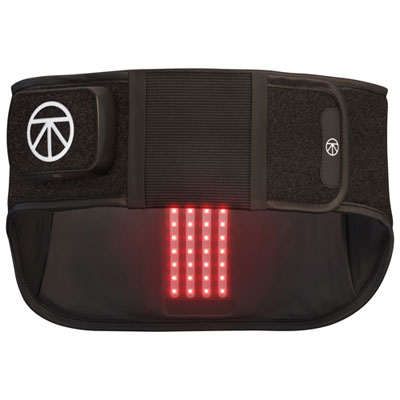
Wearable back supports offer a different kind of fit, with flexible panels, adjustable closures, and varying levels of structure around the waist and lower torso. Their intended use can range from occasional comfort during everyday activities to more specific support recommended by a healthcare professional. A general-purpose wrap should not be assumed to provide the same function as a prescribed brace, and neither should be treated as permission to lift heavier loads or push through pain. Sizing is usually based on a measurement around the part of the body identified by the manufacturer, rather than a familiar clothing size. A secure fit should allow comfortable breathing and movement without pinching, rolling at the edges, or causing tingling. Broad fastening areas can make small adjustments easier, while smooth seams and soft lining matter when a support sits against clothing or skin. For comfort during rest, heat wraps and massage cushions provide other options. Gentle warmth may temporarily ease muscle stiffness, while massage can offer a soothing sensation in tense areas; neither approach is suitable for every type of back pain. Temperature controls, accessible buttons, timers, and automatic shut-off features are practical considerations, particularly for someone who finds small controls difficult to handle. An automatic shut-off is a safeguard, not a reason to use a heating device while asleep or leave it unattended. Heat should be used for the duration and with the protective layers specified by the manufacturer, with the skin checked regularly for irritation. People with reduced sensation, circulation concerns, or conditions that affect skin sensitivity should seek advice before using heat. Massage intensity also deserves attention: more pressure is not necessarily more helpful, especially over a tender area. Some massage devices create a gentle vibration, while others apply a more concentrated kneading action. The location of the controls, the shape of the contact surface, and whether the device requires an electrical outlet all influence how comfortably it fits into a resting space.
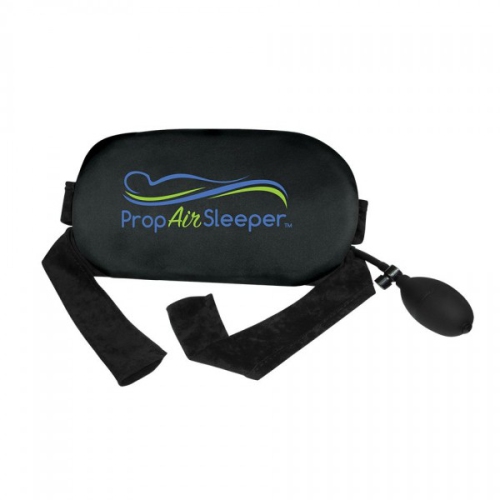
Support during sleep and other periods of rest is often about positioning rather than adding firmness everywhere. Side sleepers may find that a pillow between the knees helps keep the legs comfortably spaced, while some back sleepers prefer support beneath the knees. A body pillow offers a longer surface to hold or rest against, and a wedge creates a gradual incline rather than the uneven layers formed by several loose pillows. The useful height and firmness depend on body proportions, mattress feel, and preferred sleeping position; a shape that feels supportive to one person may feel bulky to another. Foam density, stitching, cover construction, and the ability to regain shape after compression all contribute to durability. Care requirements are worth considering because a washable cover does not necessarily mean the inner cushion can go into the washing machine. Some foam inserts need spot cleaning and thorough air-drying, while certain fabric covers require a gentle wash cycle or drying without heat. Electrical comfort devices have different care needs and should only be cleaned as directed, with detachable components handled according to their instructions. For daily use, a cover that is straightforward to remove and replace can be more practical than elaborate detailing. Portability also matters when support moves between a desk chair and a resting area: lighter cushions are easier to carry, while bulkier designs may be better suited to one location. When choosing a comfort-related gift, the recipient’s preferences, measurements, and willingness to use the support matter more than an assumption about what their back needs. An adjustable, easy-care option may be practical, but a medical-style brace is best chosen with the wearer’s input and appropriate professional advice. These products can contribute to a more comfortable routine, but persistent, worsening, or unexplained back pain deserves medical assessment. New leg weakness, numbness around the groin, or changes in bladder or bowel control require urgent medical attention rather than a different cushion or support.
Top selling and popular products
-
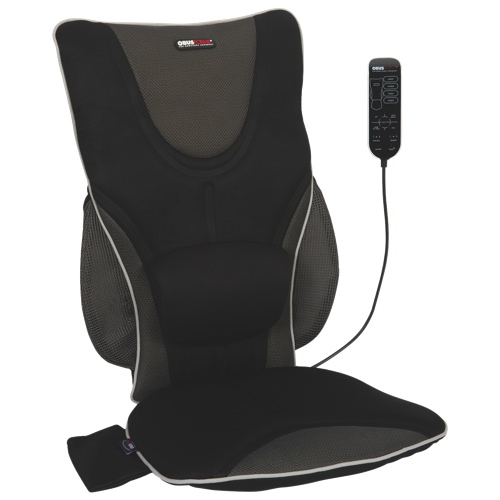 Your price for this item is $79.99
-
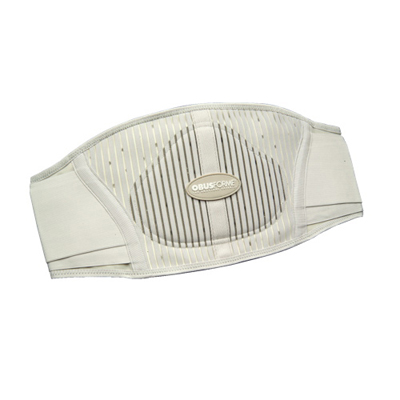 Your price for this item is $44.99
-
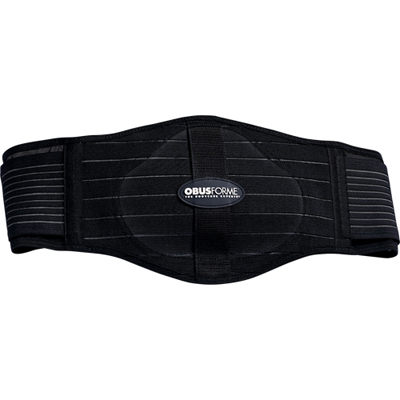 Your price for this item is $44.99
-
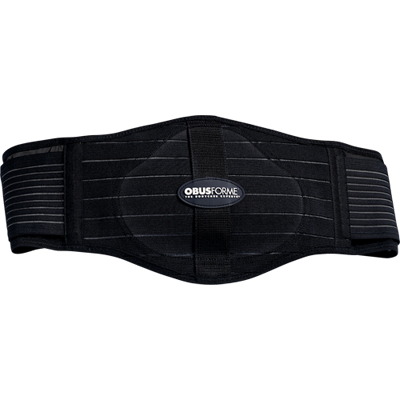 Your price for this item is $44.99
-
 Your price for this item is $44.99
-
 Your price for this item is $110.68
-
 Your price for this item is $24.99
-
 Your price for this item is $49.99
Discover more categories related to Support for Back Pain Relief
Top Collections:
Best Black Friday Deals This Year, Best Black Friday Deals On Electronics, Kindle Devices, Best Black Friday Deals On Apple Products, Best Budget Office Chairs, Best Cameras for Sports Photography, Dyson Airwrap, Canon G7X Cameras, Best Laptops for Writers, Samsung Galaxy Phones
Some products may be subject to Environmental Handling Fees
(EHF) depending on your province.
Learn more about EHFs.