Balance Boards for Standing Desks
Achieve a healthier and more active workday with our selection of balance boards for standing desks. Designed to enhance your productivity and well-being, these innovative accessories provide a dynamic surface for you to engage your core muscles while you work. Whether you're looking to improve your posture, increase circulation, or simply add a fun element to your daily routine, our range of balance boards offers something for everyone. Explore our collection today and discover the perfect balance board to take your standing desk experience to new heights.
Sort



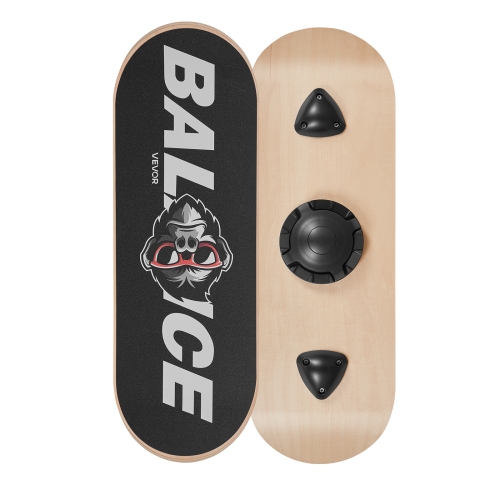
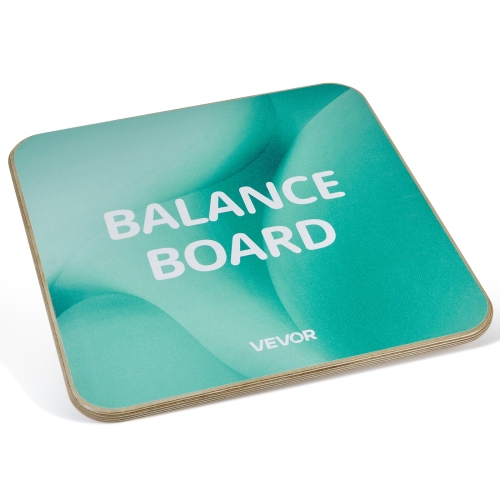
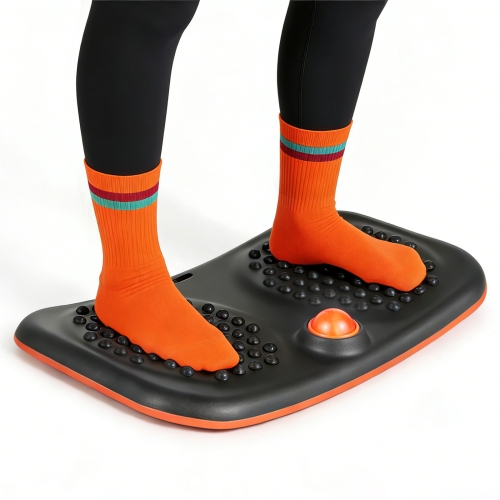
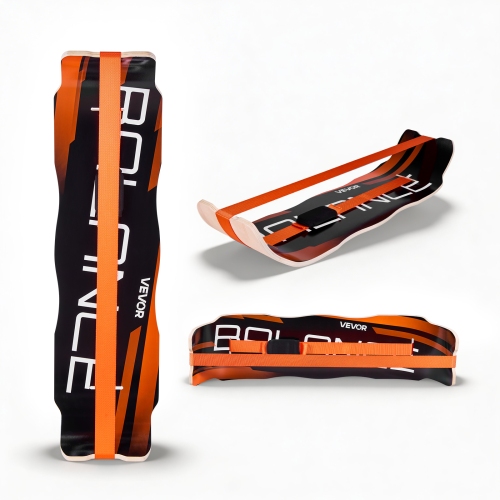

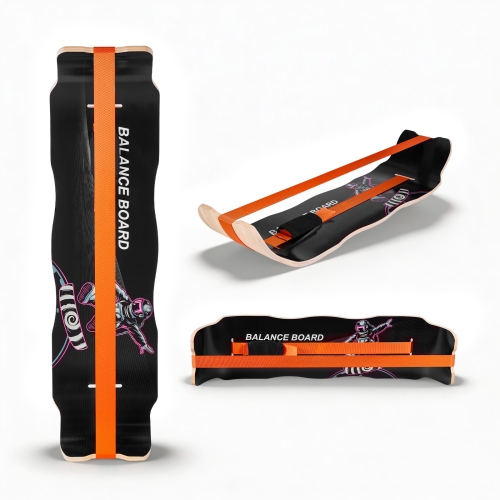
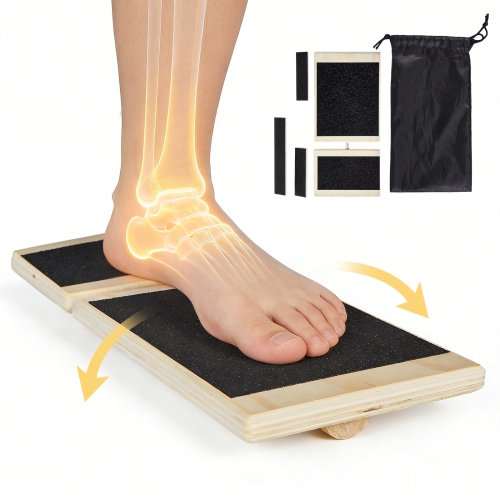
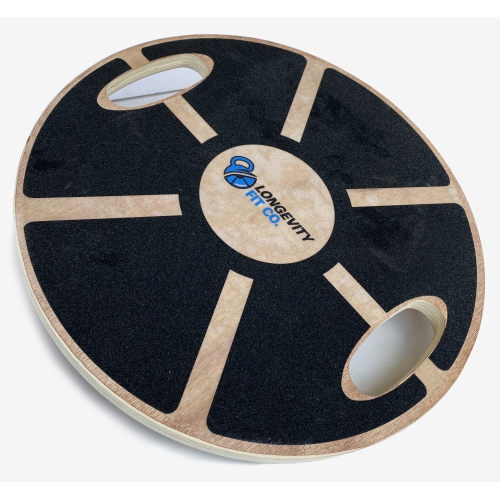


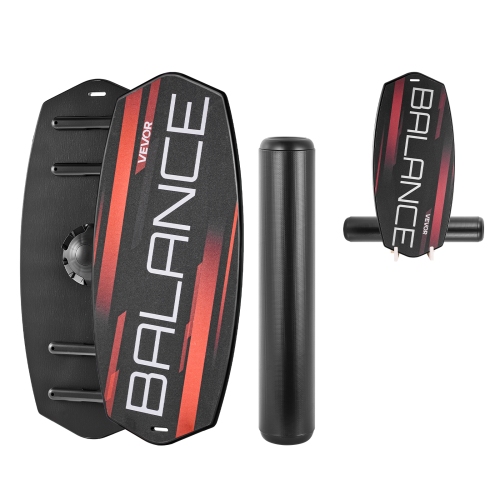
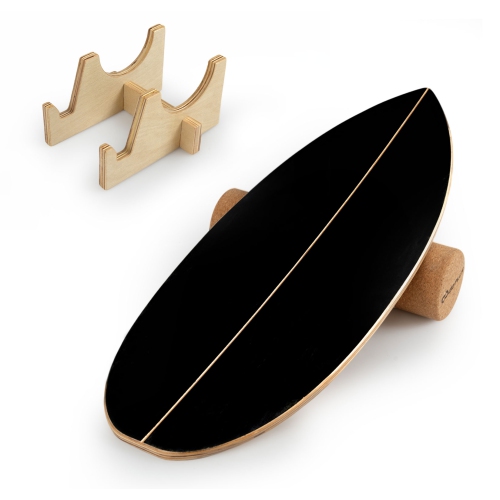
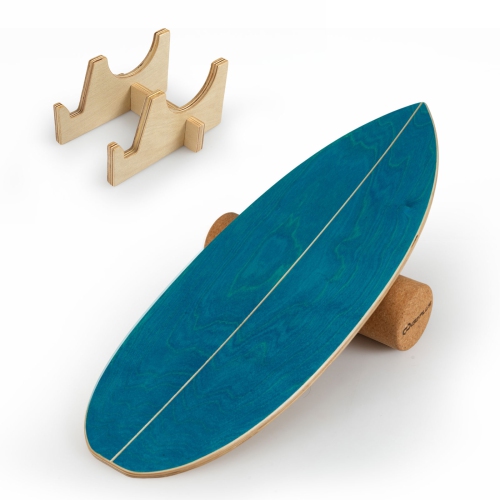
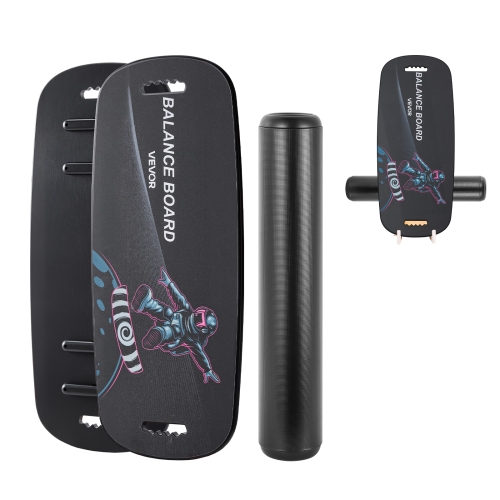
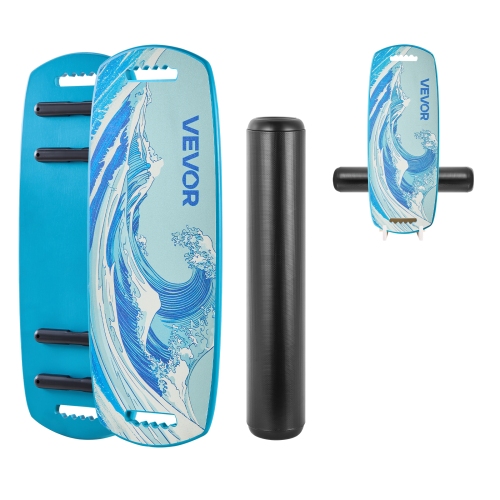
Gentle movement without turning desk work into a workout
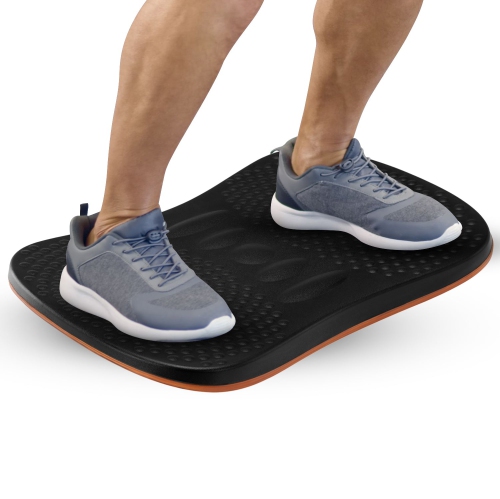
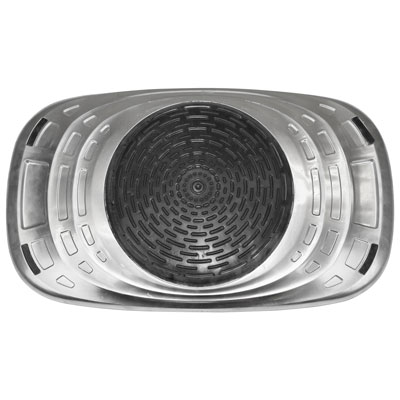
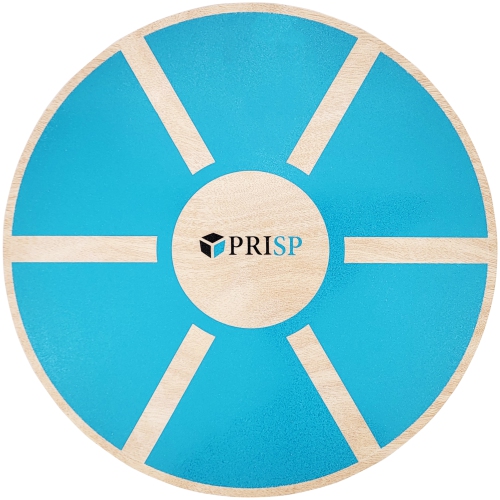
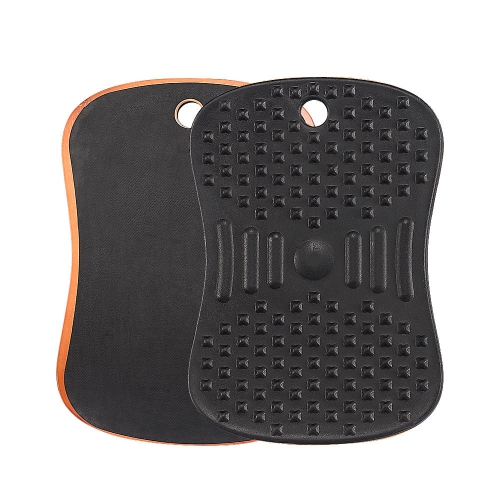
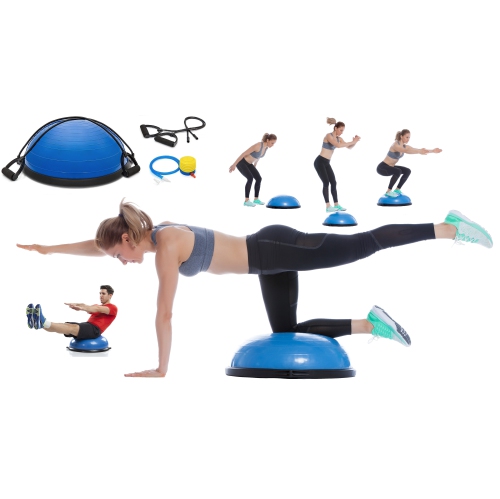
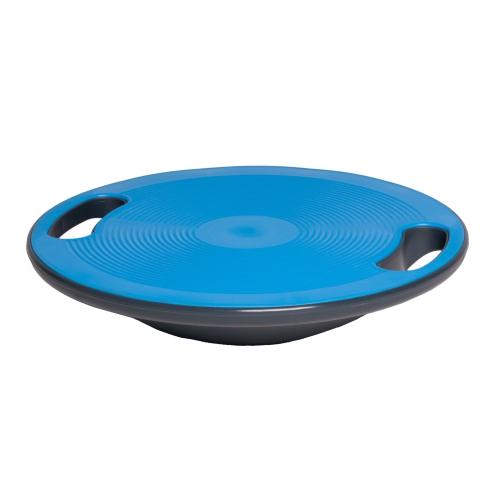
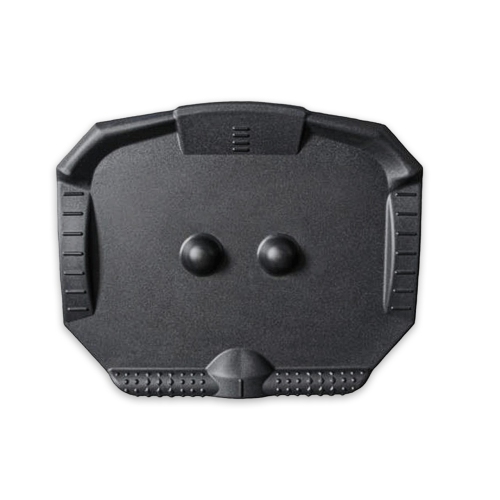
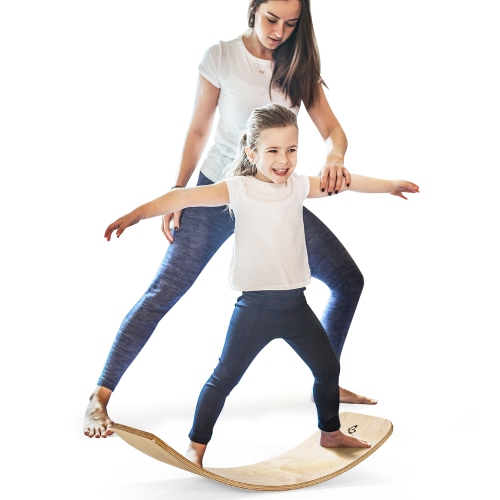
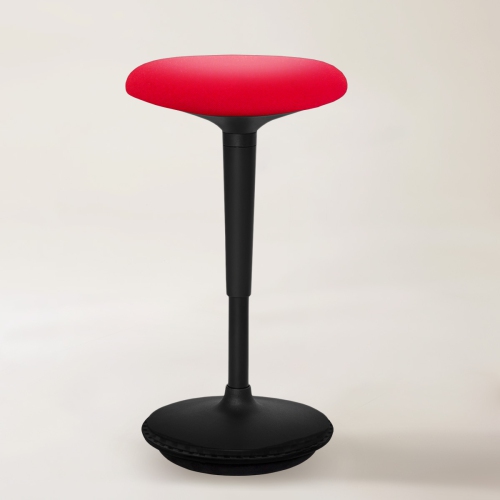
Balance boards for standing desks are platforms that allow gentle weight shifts while working upright, adding movement to a position that can otherwise feel quite static. Unlike a flat standing mat, a balance board has a shaped underside or tilting base that responds as weight moves between the feet. The aim for desk use is controlled, manageable motion rather than a demanding balancing exercise: a slight lean while reading an email, a slow side-to-side shift during a call, or small adjustments between typing tasks. Rocker boards generally tilt along one axis, making their movement relatively predictable. Wobble boards typically have a rounded base that allows tilting in multiple directions, although the amount of movement depends on the design. Cushioned balance boards combine a moving platform with a padded standing surface, offering a softer feel underfoot without turning the board into a stationary mat. These differences matter more than an athletic appearance, since a board used beside a keyboard should let attention stay on the work. Gentle movement may help some people feel less stiff or more comfortable during standing periods, but a board does not guarantee relief from pain or fatigue. It is also not a substitute for walking breaks, changes in posture, or a suitable chair. Maintaining balance involves small muscular adjustments, yet desk use should not be treated as a strength-training session. For someone who already alternates between sitting and standing, a low-profile board with a limited tilt range can add variety without making the workspace feel like a gym. Someone comfortable with balance equipment may prefer multidirectional movement, provided it remains easy to control while working. The most suitable style is one that supports a relaxed stance and does not require constant effort to stay centred. If keeping steady interrupts concentration or makes the shoulders tense, a gentler design or a flat standing surface may be a better match.
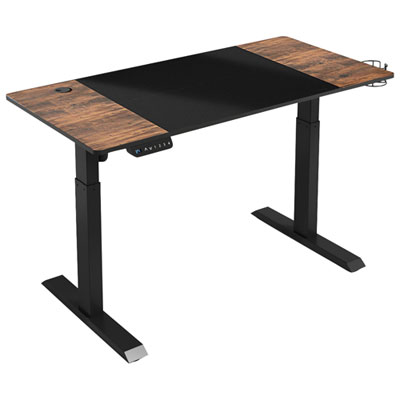
Materials, dimensions, and surface construction shape how a standing desk balance board feels in daily use. Wood and layered plywood decks can provide a firm platform, while moulded plastic designs may offer a lighter build or an integrated curved base. Neither material alone determines quality or strength; construction, the stated weight limit, and the condition of the board all matter. A textured rubber surface, grip coating, or cushioned foam layer can help feet maintain contact, but each feels different through shoes or socks. Firm grip textures may be more comfortable with indoor footwear, while padded surfaces can soften contact underfoot. Footwear compatibility should follow the manufacturer’s directions, especially where socks could slide or hard soles could damage the deck. A platform needs enough usable space for a comfortable stance without forcing the feet close together or leaving toes near an edge. Overall dimensions also need to suit the room: a broad deck may feel spacious in an open home office but awkward beneath a narrow desk surrounded by drawers and cables. Check the stated load capacity rather than assuming a thick wooden deck or a heavy base will support every user. Board height deserves equal attention because standing on a raised platform changes the relationship between the body, keyboard, and screen. The desk should still allow relaxed shoulders and comfortable elbow positioning, with the monitor at a suitable viewing height. A coordinated setup may also involve Desk Tops for Standing Desk, particularly when planning enough surface space for a monitor, keyboard, and everyday work essentials. Underfoot clearance is just as important as desktop space. The board should have room to tilt without touching desk legs, storage units, or a nearby wall. Rounded edges, a predictable stopping point, and a base suited to the flooring are useful details to assess alongside the deck material. A taller or more pronounced curve is not automatically better for office use; a modest range of motion can be easier to live with through ordinary work tasks.
Daily practicality often determines whether a balance board becomes part of a comfortable routine or ends up tucked away. In a shared office or an upstairs room, the sound of the base contacting the floor can matter, particularly during calls. Base materials and floor compatibility deserve attention before use: a board may behave differently on a hard surface than on carpet, and a thick rug can interfere with the intended movement. Any protective layer should be compatible with the board and flooring rather than improvised from a loose mat that could slip. Begin with brief standing periods on a clear, level surface, allowing time to get used to stepping on, finding a centred stance, and stepping off. Keep cables, bags, and rolling chairs away from the movement area, and avoid relying on the desktop to catch a loss of balance. Tasks such as reading or listening to a presentation may suit gentle rocking better than detailed spreadsheet work or precise mouse movements. Sitting down, standing on the floor, and taking short walks should remain easy options throughout the day. People with dizziness, balance difficulties, reduced sensation in their feet, or an injury affecting standing should seek advice from a qualified healthcare professional before using a board. For regular care, follow the material-specific cleaning directions, remove grit that could scratch surfaces, and let any cleaned grip area dry fully before use. Wood should not be soaked, and foam or rubber surfaces should be checked for wear, peeling, or damage. Inspect the underside and any fasteners as directed, and stop using a board that develops cracks, loose parts, or unpredictable movement. Storage matters too: a carry handle or a shape that fits safely beside the desk can make transitions simpler, as long as the stored board cannot tip into a walkway. As a gift for a home-office worker or someone building a sit-stand workspace, suitability depends on their desk height range, available floor space, balance confidence, and personal preferences. A well-matched board offers a straightforward way to vary standing time while keeping everyday work at the centre of the setup.
Top selling and popular products
-
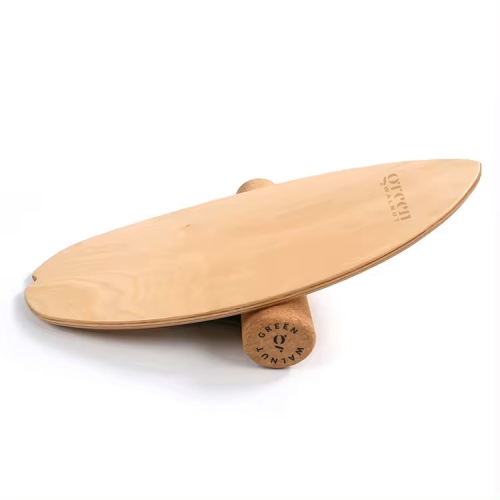 Your price for this item is $109.99
-
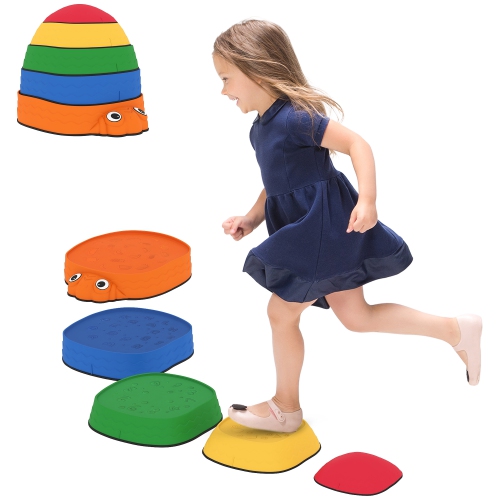 Your price for this item is $26.99
-
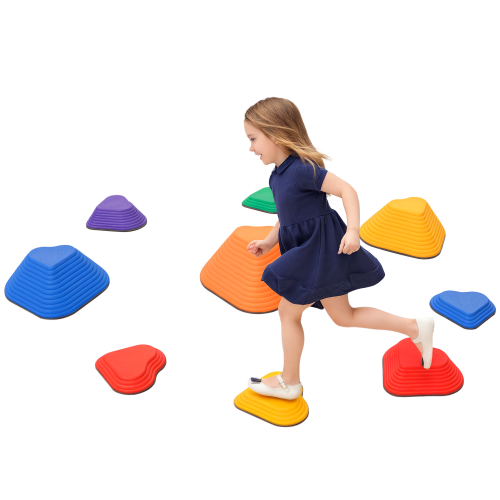 Your price for this item is $39.99
-
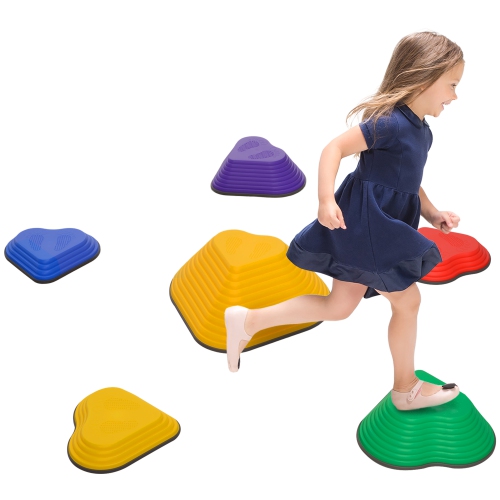 Your price for this item is $29.99
-
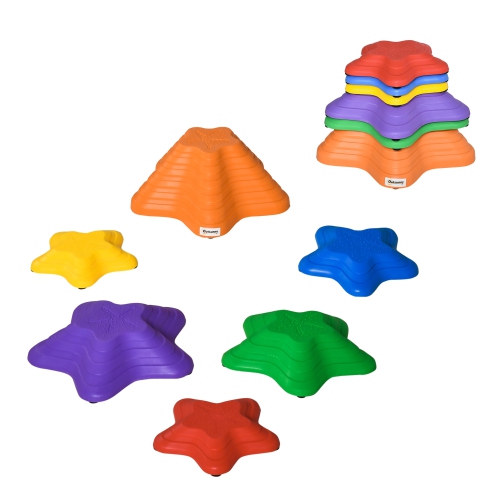 Your price for this item is $33.99
-
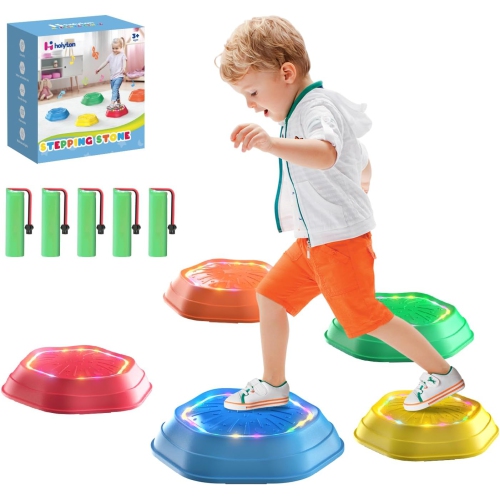 Your price for this item is $99.99
-
 Your price for this item is $36.45
-
 Your price for this item is $36.99
Discover more categories related to Balance Boards for Standing Desks
Top Collections:
Pokemon Centers, Kindle Devices, Best Budget Office Chairs, Canon G7X Cameras, Apple iPhones 16, Samsung Galaxy Phones, Refurbished Apple Laptops, Laptops for Students, iPhone 15 Apple, Budget Smartphones
Some products may be subject to Environmental Handling Fees
(EHF) depending on your province.
Learn more about EHFs.