Bands for Stretching
If you're looking to enhance your flexibility and take your workouts to the next level, look no further than this wide selection of bands for stretching. These versatile and durable bands are designed to help you improve your range of motion, increase muscle strength, and achieve a deeper stretch. Whether you're a beginner or an experienced fitness enthusiast, these bands offer a convenient and effective way to target different muscle groups and add variety to your exercise routine.
Sort

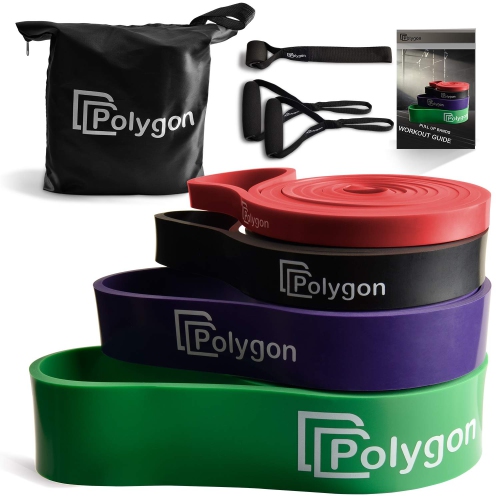
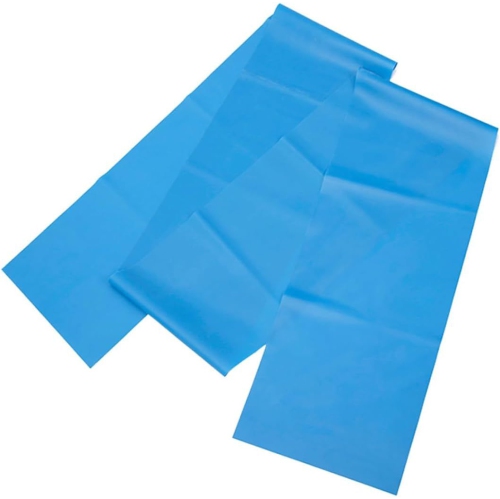

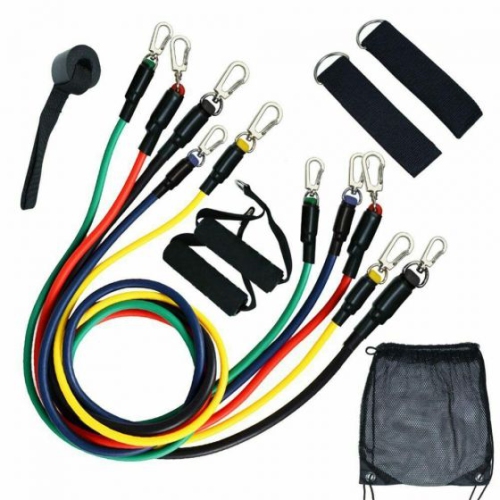


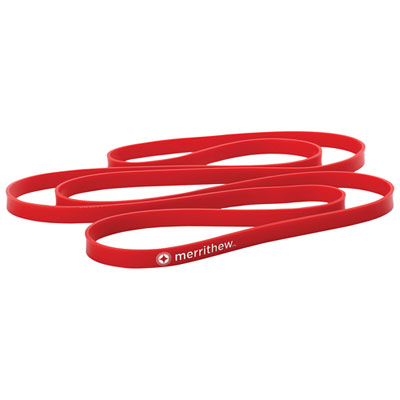
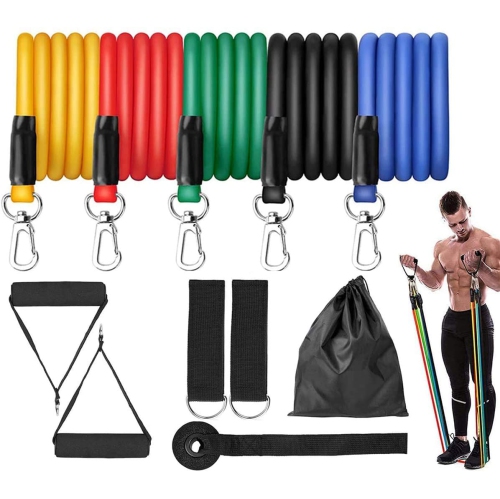


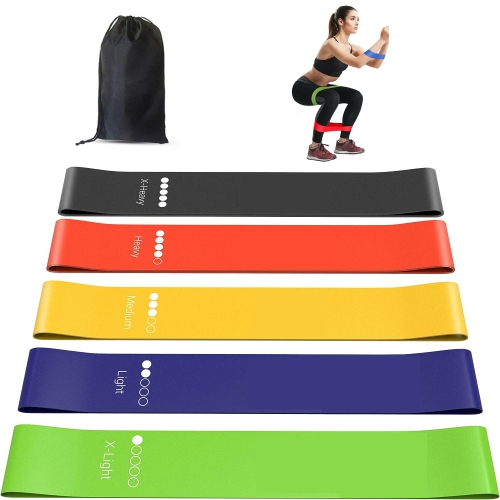


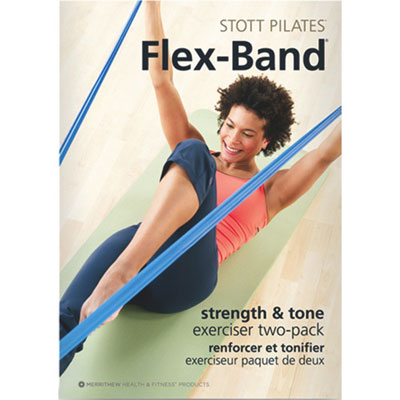
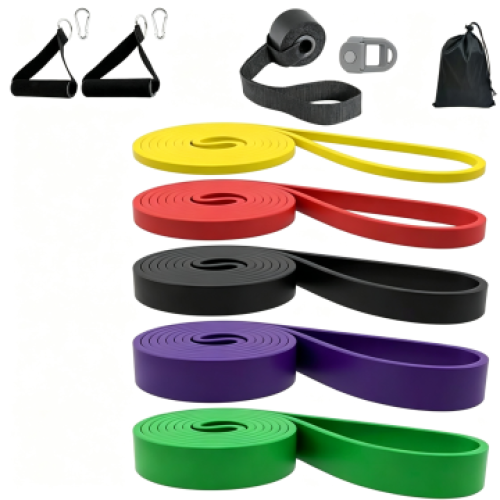
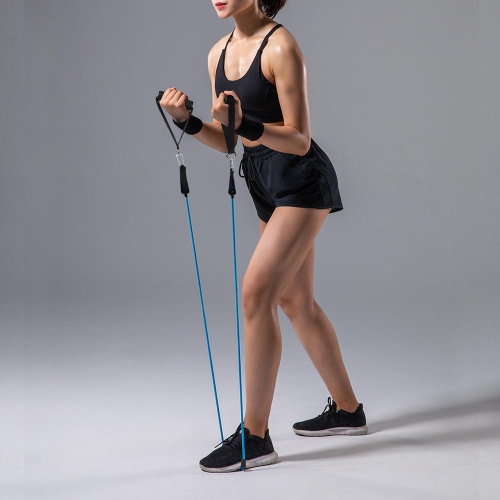


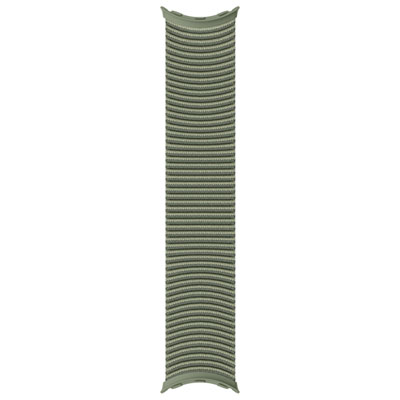


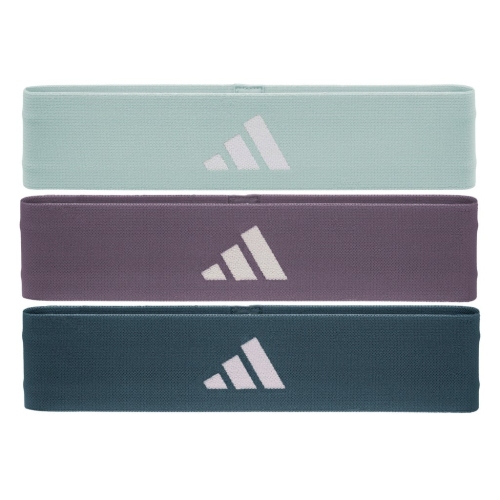

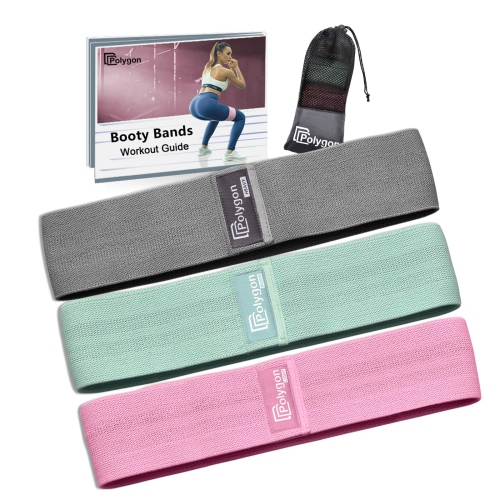


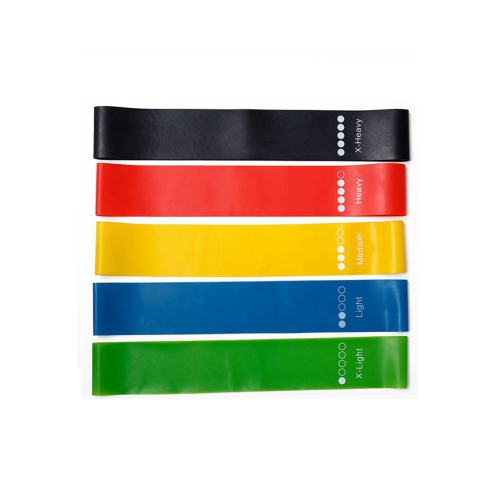


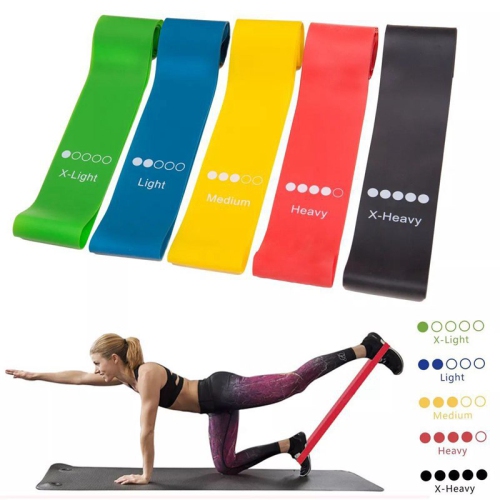



































How bands and straps differ during assisted stretches
Bands for stretching are lightweight fitness accessories that provide a handhold, gentle tension, or added reach during flexibility and mobility exercises. The category includes elastic resistance bands, continuous loops, and stretching straps with multiple handholds, though these designs do not all work in the same way. Elastic bands lengthen under tension and offer resistance as they stretch, while non-elastic straps provide a steadier connection between the hands and the part of the body being stretched. That distinction matters when comparing accessories for a yoga session, a post-workout stretch, or a brief movement break at home. A long, flat band can offer an adjustable grip along its length, while a strap with sewn loops gives the hands defined places to hold without wrapping material around the fingers. Continuous-loop bands have no loose ends and can suit movements where maintaining a closed connection is useful. Short loops, often used around the thighs for strengthening exercises, serve a different purpose from longer bands that provide reach for assisted stretches. For someone lying on a mat with one leg raised, a sufficiently long strap can help bridge the distance between the hands and foot without requiring an awkward reach. During seated movements, extra length can also make it easier to maintain a comfortable position rather than rounding forward simply to grasp the ends. These accessories can support a regular flexibility routine, but they do not need to produce a deeper stretch to be useful; a controlled, comfortable position is more important than pulling farther. People who practise yoga or Pilates, exercise at a gym, walk regularly, or spend long periods seated may find them a practical addition to their movement equipment. Their compact size also makes them easy to carry between home and a studio or tuck beside a mat, where they remain within reach without taking up the space of larger exercise equipment.
Materials, dimensions, and construction affect how a stretching band feels in the hands and behaves during use. Natural rubber latex is common in elastic bands because it stretches readily, but anyone with a latex allergy needs an option explicitly identified as latex-free. Some synthetic materials provide elasticity without natural rubber latex, while woven stretching straps may use cotton, polyester, nylon, or a blend. Fabric-covered resistance bands can still contain elastic components, so a fabric exterior alone does not establish that a band is latex-free. A smooth, flat surface may feel different against the palms or under the foot than a woven strap with a textured finish. Wider bands spread contact over a larger area, although they may also bunch or fold during certain movements. Narrower straps take up less room in a bag but can concentrate pressure at the contact point. Length is equally important: the right amount depends on body proportions, reach, and the intended movement, not simply whether someone is new to stretching. Multiple handholds can make grip adjustments easier, especially when holding a long strap would otherwise leave too much loose material. Loops should provide usable space for the hands without forcing an uncomfortable wrist position, and seams should lie comfortably wherever they contact the skin. For elastic designs, resistance describes the force required to stretch the material; it is not a measure of how much flexibility a person needs. A lighter band may be easier to control for gentle movements, whereas a stronger band can require considerably more effort even before reaching a useful length. Colours often distinguish resistance levels within a range, but there is no universal colour system across manufacturers. Dimensions, resistance information, material composition, and intended use therefore provide a clearer basis for comparison than colour alone. Sets with several resistance levels can suit households with different exercise needs, while a single well-matched strap may be sufficient for someone whose main purpose is assisted stretching rather than resistance training.
Everyday durability depends on both the quality of the construction and how the accessory is handled between sessions. Elastic bands benefit from checks for nicks, cracks, thinning areas, or changes in texture, while woven straps need attention around frayed edges, stitching, and loop attachments. A damaged band can break under tension, so visible deterioration is a reason to stop using it rather than test how much stretch remains. Rough flooring, sharp jewellery, and abrasive shoe edges can wear contact points; a clear exercise space and smooth surfaces help limit that wear. Cleaning requirements vary by material, and the manufacturer's care directions take priority over a general washing routine. Some bands can be wiped with a damp cloth and mild soap, while some fabric straps permit washing, but neither method should be assumed suitable for every design. Allowing the accessory to dry fully before storage helps keep a carrying pouch or drawer clean, and storage away from direct sunlight and heat helps protect materials that are sensitive to prolonged exposure. Maximum stretch limits and approved attachment methods also vary. A band meant to be held in the hands should not be treated as door-anchor equipment unless its design and instructions support that use. For people returning to movement after an injury or using a band as part of rehabilitation, a physiotherapist can help establish the appropriate type of accessory and range of motion. Stretching should remain controlled rather than forced, with no sharp pain, numbness, or sudden pulling. Hand-focused exercise accessories have a separate role: Finger Stretcher Resistance Bands provide resistance as the fingers open and are distinct from the long bands and straps used for assisted body stretches. As a gift, a stretching band is most useful when matched to the recipient's existing activities, preferred grip style, and material sensitivities. For personal use, the same practical details matter most: comfortable contact, sufficient reach, manageable tension, and care requirements that fit easily into an established routine.
Top selling and popular products
-
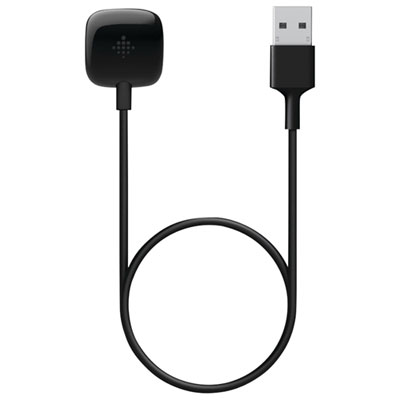 Your price for this item is $24.99
-
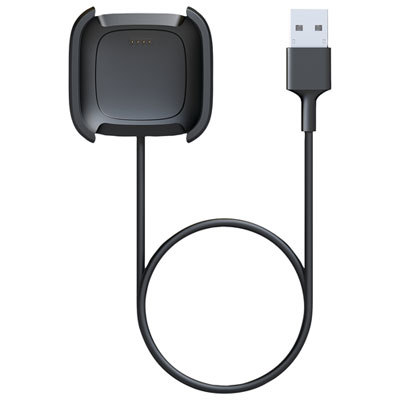 Your price for this item is $24.95
-
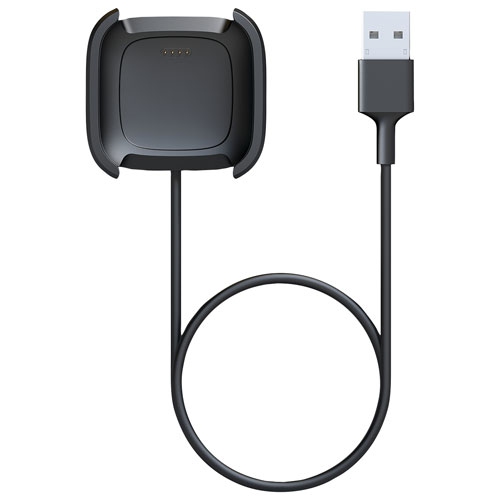 Your price for this item is $49
-
 Your price for this item is $24.97
-
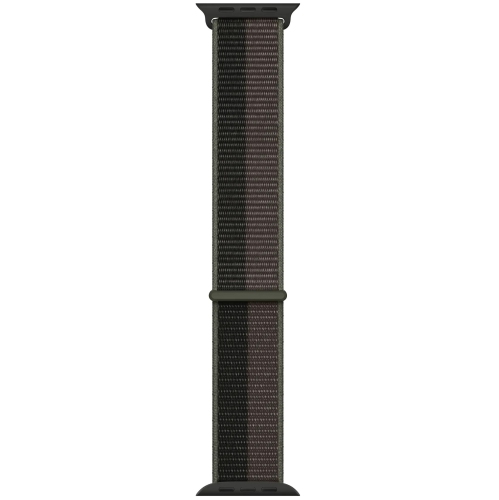 Your price for this item is $69.99
-
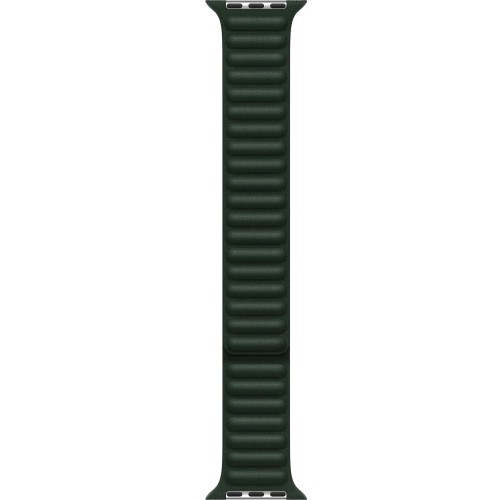 Your price for this item is $91.31
-
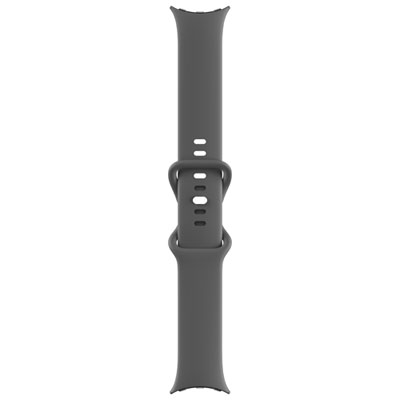 Your price for this item is $45.98
-
 Your price for this item is $39.99
Discover more categories related to Bands for Stretching
Top Collections:
Pokemon Centers, Best Cameras for Sports Photography, Kindle Devices, Samsung Galaxy Phones, Canon G7X Cameras, Pokémon 30th Celebration Cards, Refurbished Apple Laptops, iPhone 15 Apple, Laptops for Students, Budget Smartphones
Some products may be subject to Environmental Handling Fees
(EHF) depending on your province.
Learn more about EHFs.