Elastic Bands
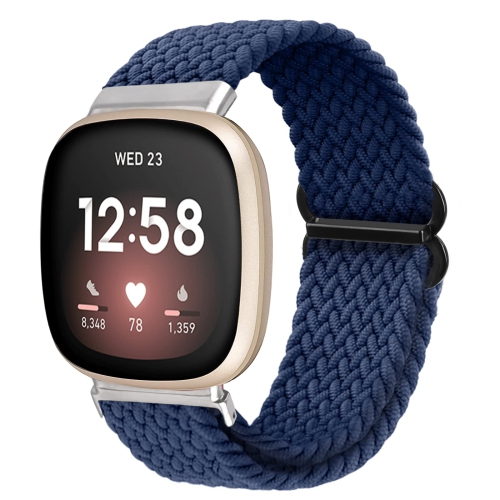
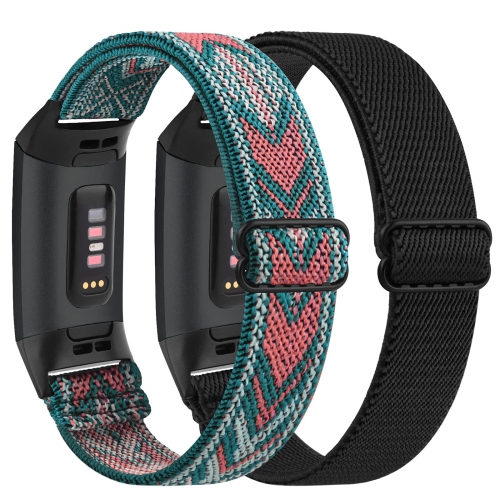
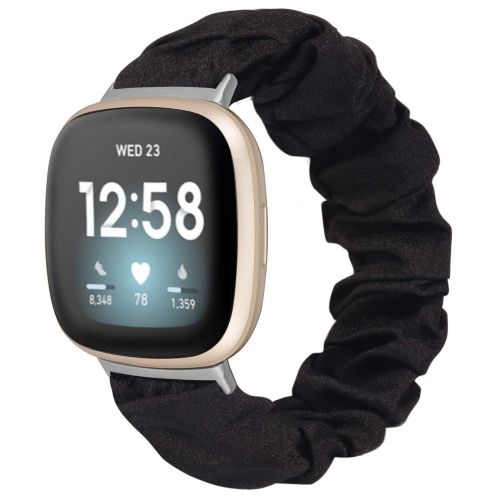
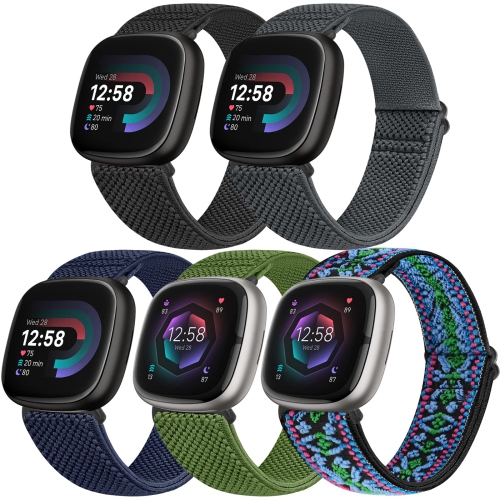
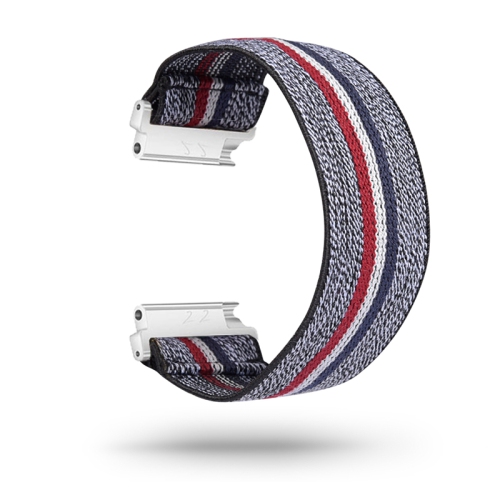
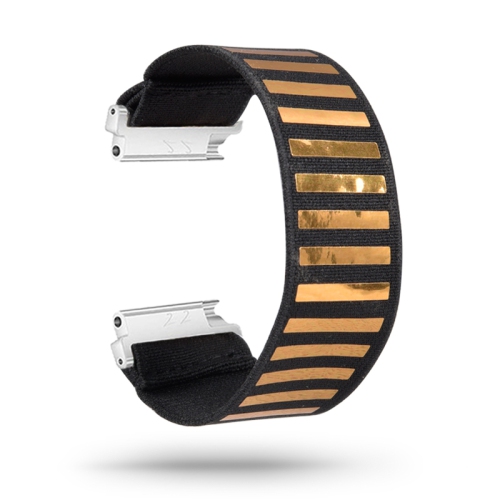
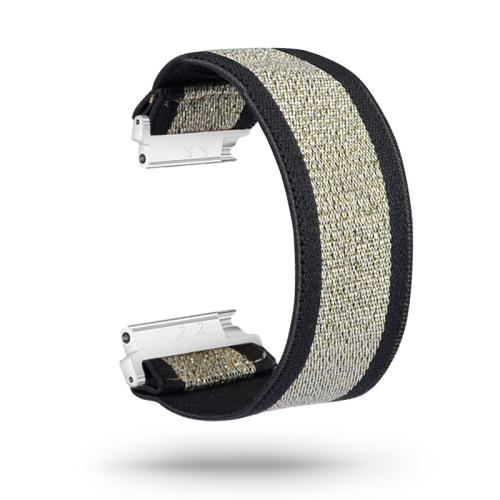
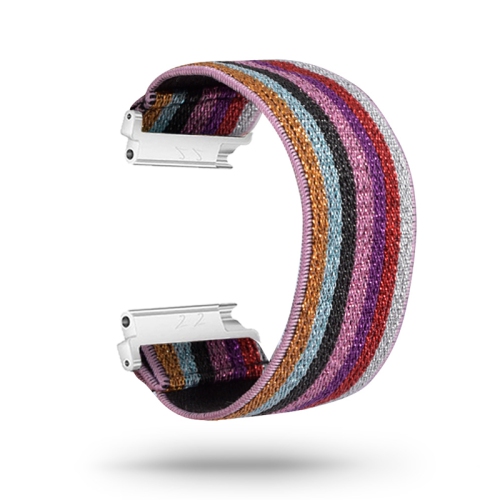
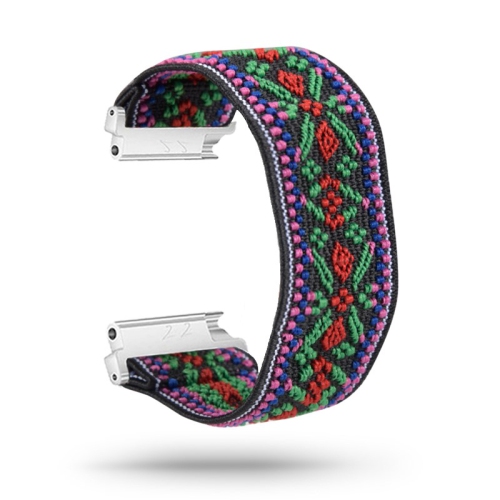
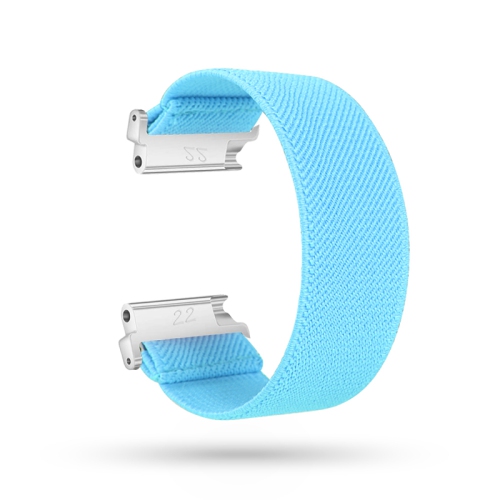
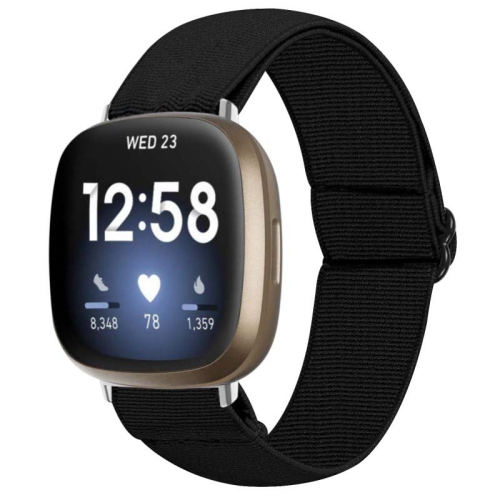
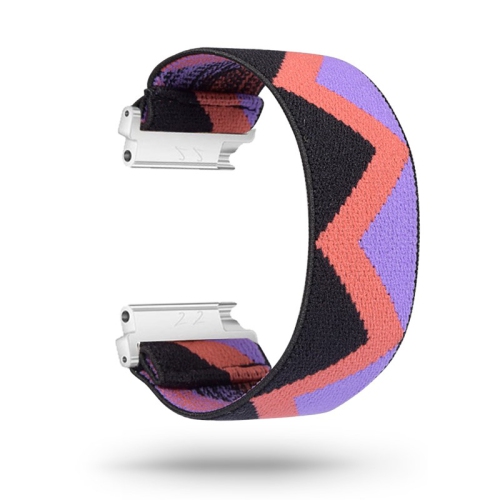
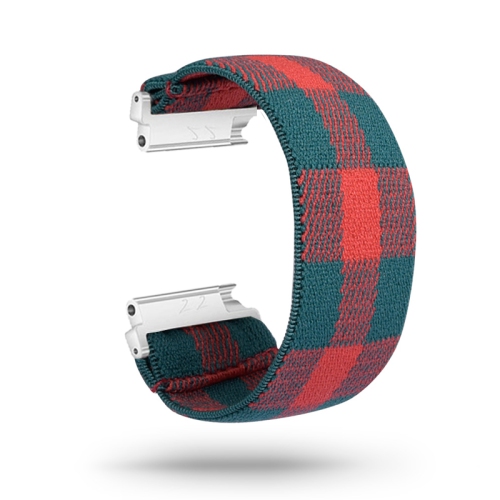
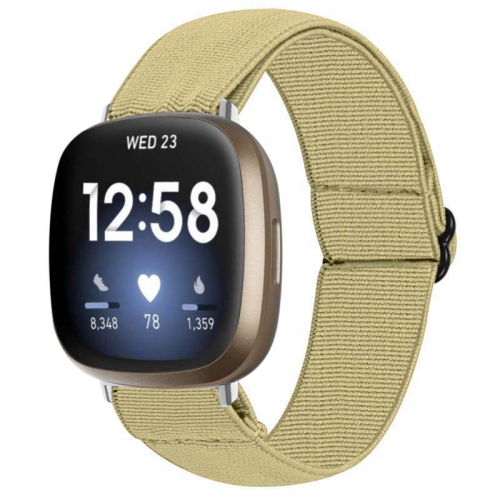
Upgrade your watch with our selection of elastic watchbands, designed to provide both style and functionality. Whether you're looking for a comfortable band for everyday wear or a sporty option for your active lifestyle, we have a variety of elastic watchbands to choose from. With durable materials and adjustable designs, these bands offer a secure fit while adding a touch of personal flair to your timepiece. Explore our collection today and find the perfect elastic watchband to suit your needs and elevate your wrist game.
Sort



































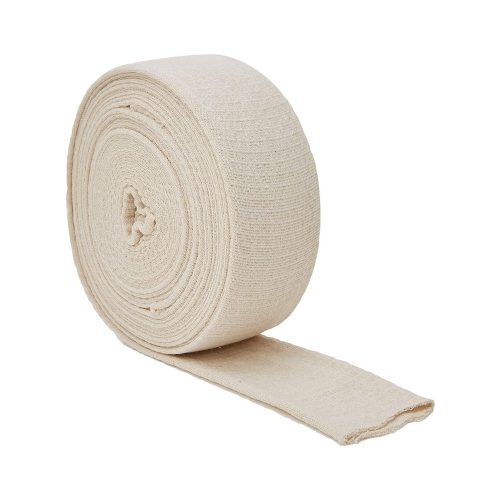
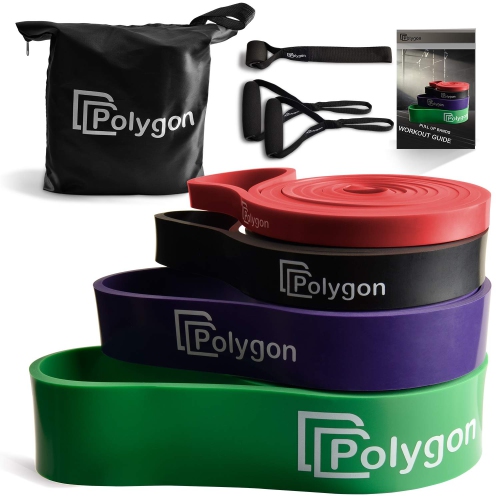


Why the right stretch depends on the task
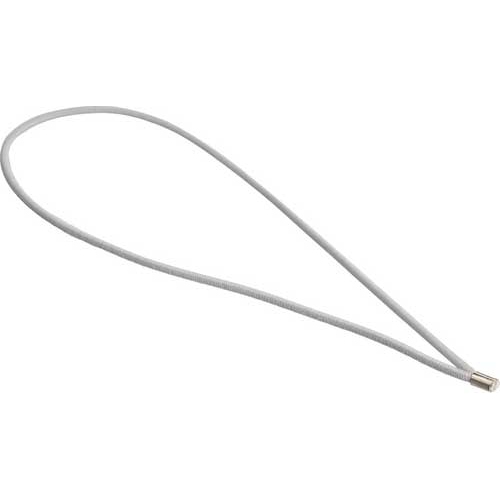
Elastic bands are flexible loops or strips made from rubber, synthetic elastomers, or fabric containing elastic fibres. Their ability to stretch and return towards their original shape makes them useful for holding things together, adding give to clothing, and creating resistance during exercise. Although these uses share the same basic principle, the bands themselves are not interchangeable: a small rubber band for a stack of index cards serves a different purpose from sewing elastic or a resistance loop designed for workouts. For household and office tasks, the most useful fit depends on the size, shape, and weight of the bundle. A band should hold securely without being stretched close to its limit, digging into soft surfaces, or bending the edges of papers. Wider bands spread pressure over a larger area, while narrower bands can suit lighter, smaller bundles. Length measurements deserve attention because a loop’s laid-flat length is different from its full circumference; checking how the measurement is defined helps avoid a band that is either loose or overly tight. Natural rubber offers substantial stretch and grip, while synthetic alternatives may suit people who need to avoid natural rubber latex, provided the material is clearly identified. Colour can also have a practical role, such as separating sets of craft supplies or keeping household paperwork grouped by task. Around a desk, elastic bands can keep rolled paper from unfurling or hold loose stationery together, but delicate photographs, painted finishes, and important documents are better protected from direct contact with rubber, which can deteriorate or leave marks over time. Bands used near food should be explicitly suitable for that purpose. Small loops also need to be kept away from young children and pets. For everyday organization, a correctly sized band provides a simple, removable hold without requiring adhesive or a permanent fastening.
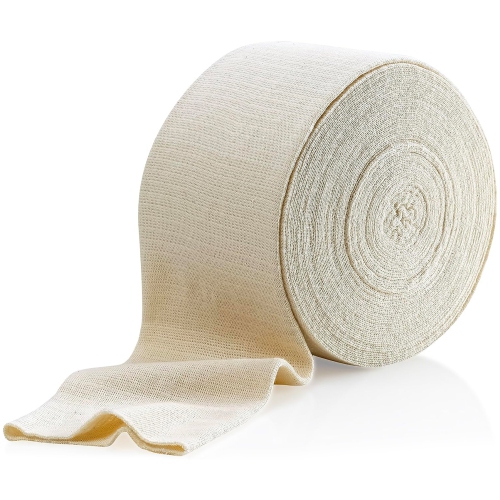
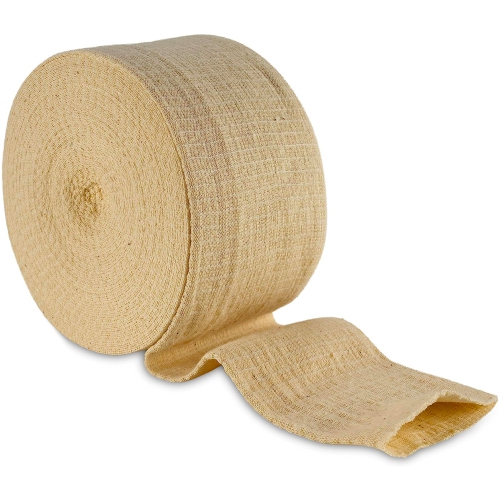
Sewing elastic brings stretch to waistbands, cuffs, gathered edges, and other fabric details that need to move comfortably with the wearer. The main types include braided, knitted, and woven elastic, each with a different feel and response to tension. Braided elastic typically becomes narrower as it stretches and is commonly threaded through a fabric casing. Knitted elastic is generally soft and can work well where comfort against the body matters, while woven elastic tends to provide a firmer hold and maintain its width under tension. Construction varies, so the stated use and sewing directions matter more than appearance alone. Width should suit both the garment and the space intended to hold the elastic: a narrow casing can cause a wider strip to fold, while an oversized casing may allow a narrow strip to twist. For a waistband, comfort comes from balancing a secure fit with enough give for sitting, bending, and everyday movement. Measuring the intended wearer and testing a temporary fit before closing the casing can help prevent pinching or sagging. Seam allowances, overlap at the join, and the fabric’s weight also affect the finished result. A lightweight sleeve cuff needs a different balance of softness and support from the waistband of heavier lounge trousers. Anyone repairing clothing, making costumes, or working on home sewing projects may find these distinctions useful, particularly when replacing elastic that has lost its spring while the surrounding fabric remains in good condition. Fibre content and care requirements should match the finished project as closely as possible. Heat, repeated stretching, and unsuitable washing methods can shorten elastic’s useful life, so checking the care directions before sewing helps prevent problems later. When appropriate for the material, testing a small piece through the planned wash cycle can reveal changes in stretch or texture. A smooth join and an untwisted length inside the casing make a noticeable difference to the comfort and finish of a handmade or repaired garment.
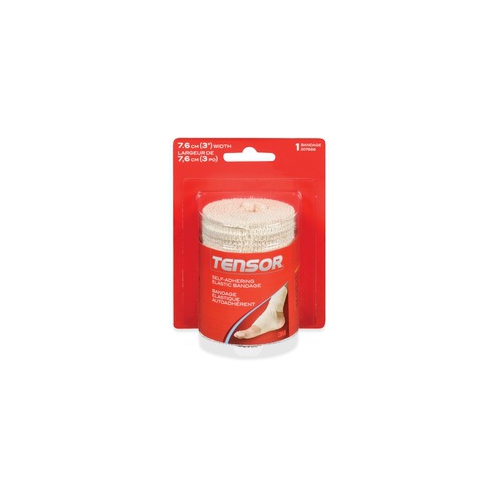
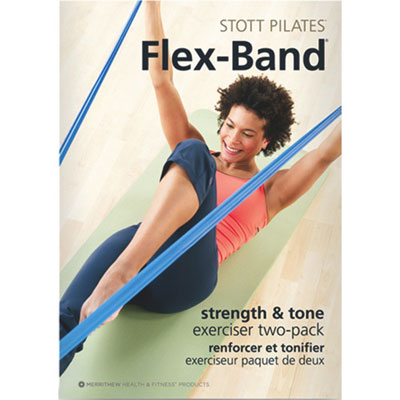
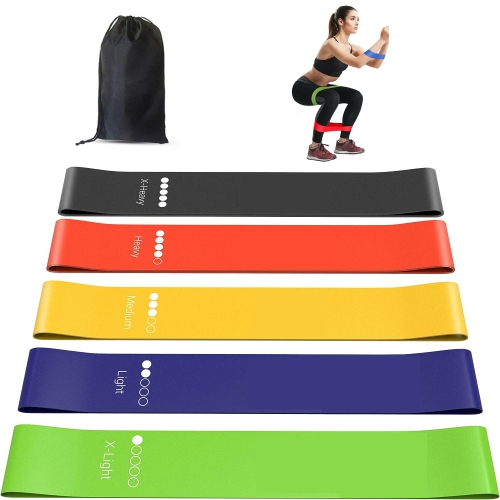
Exercise elastic bands, usually called resistance bands, are built for repeated stretching under controlled tension. They come in formats such as long flat strips, continuous loops, and tubes, with some designs incorporating handles or attachment points. Long bands can suit a range of upper- and lower-body movements, while shorter loops are often used around the legs for targeted exercises. Fabric-covered loops may feel different against clothing from smooth rubber loops, but comfort, grip, and resistance depend on the construction rather than the material name alone. Resistance generally increases as a band is stretched, and colour coding is not standardized across manufacturers. A colour that indicates light resistance in one range may mean something different in another, making the stated resistance and intended use more useful comparisons. Beginners, regular exercisers, and people following a clinician-directed rehabilitation programme may all use bands, although the appropriate movements and tension levels differ. For controlled rows or presses, the band needs enough usable length to allow the intended movement without exceeding its stated stretch limit. For mobility work, Bands for Stretching offers a related category for those focused on flexibility and assisted movement. A manageable level of resistance allows steady technique without jerking, shortened movements, or uncomfortable joint strain. Anyone using bands after an injury should follow advice from a qualified healthcare professional rather than treating every band as suitable for rehabilitation. Before each session, check for cuts, cracks, thinning areas, damaged seams, or loose connections, and use anchors only as directed. Rough edges and improvised attachment points can damage a band or allow it to slip. Cleaning instructions vary: some surfaces can be wiped with a damp cloth, while fabric designs may require a different method. Let bands dry as directed before putting them away, and store them away from direct sunlight, excessive heat, and sharp objects. Their compact size makes exercise bands practical for a home workout space or travel bag, and they can be a thoughtful gift when the recipient’s training preferences and material sensitivities are known. Across household, sewing, and fitness uses, matching the band’s construction to its task is what makes its flexibility genuinely useful.
Top selling and popular products
-
 Your price for this item is $24.99
-
 Your price for this item is $24.95
-
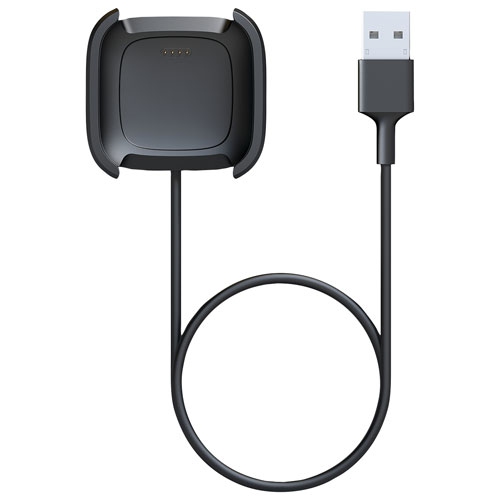 Your price for this item is $49
-
 Your price for this item is $24.97
-
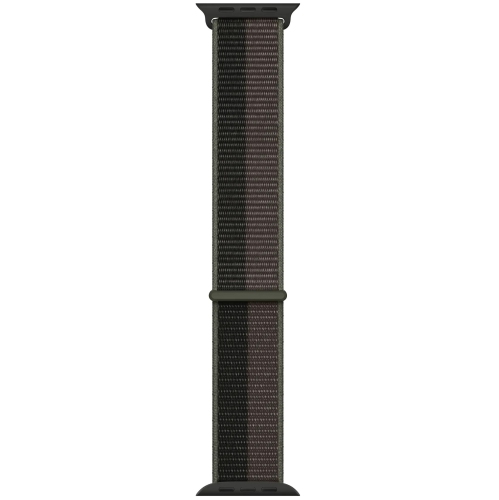 Your price for this item is $69.99
-
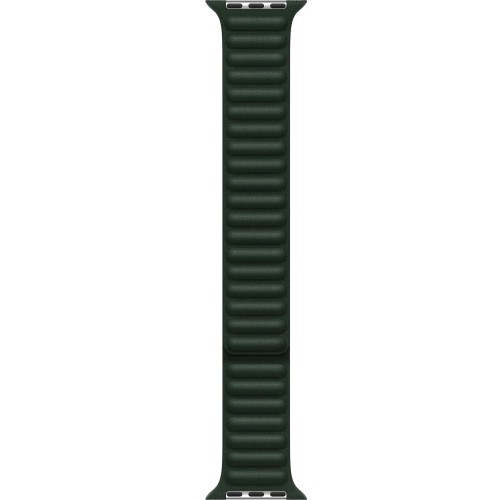 Your price for this item is $91.31
-
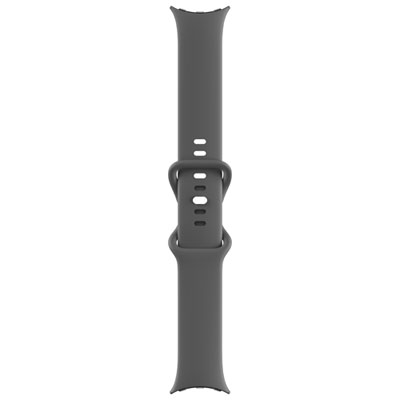 Your price for this item is $45.98
-
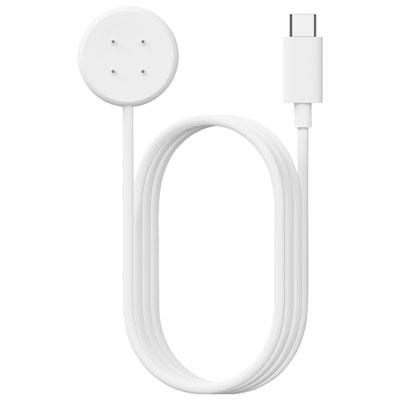 Your price for this item is $39.99
Discover more categories related to Elastic Bands

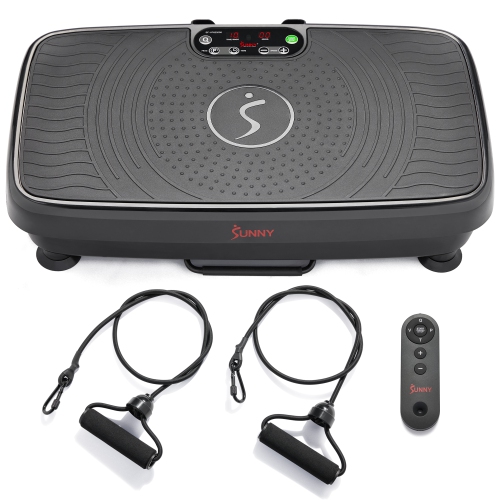
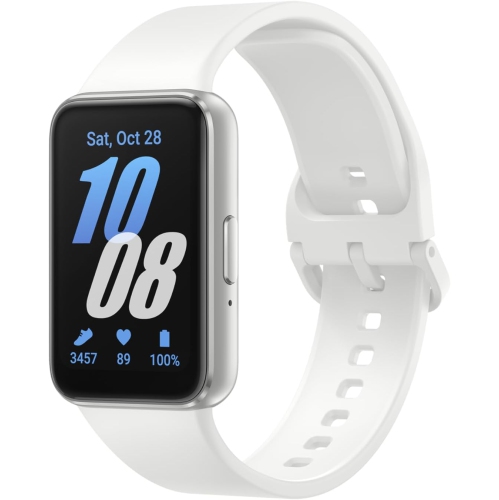
Top Collections:
Pokemon Centers, Best Cameras for Sports Photography, Kindle Devices, Samsung Galaxy Phones, Canon G7X Cameras, Pokémon 30th Celebration Cards, Refurbished Apple Laptops, iPhone 15 Apple, Laptops for Students, Budget Smartphones
Some products may be subject to Environmental Handling Fees
(EHF) depending on your province.
Learn more about EHFs.