Bike Pedal Exercisers
Get ready to take your fitness routine to the next level with a Bike Pedal Exerciser. Whether you're looking to stay active while working from home or wanting to add a low-impact workout to your daily routine, this versatile piece of equipment is perfect for all fitness levels. With its compact design and easy-to-use features, you can pedal your way to improved cardiovascular health and toned muscles without leaving the comfort of your home. So, get ready to break a sweat and achieve your fitness goals with a Bike Pedal Exerciser.
Sort

















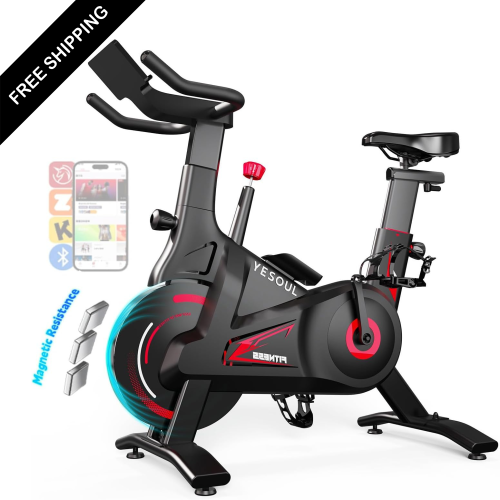

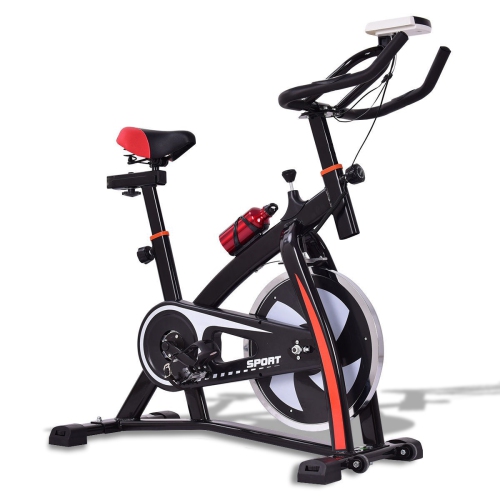
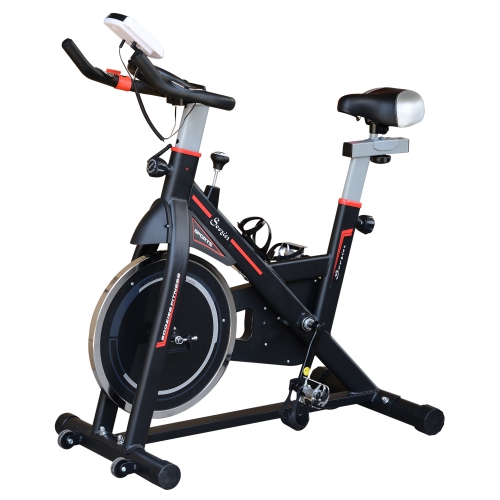

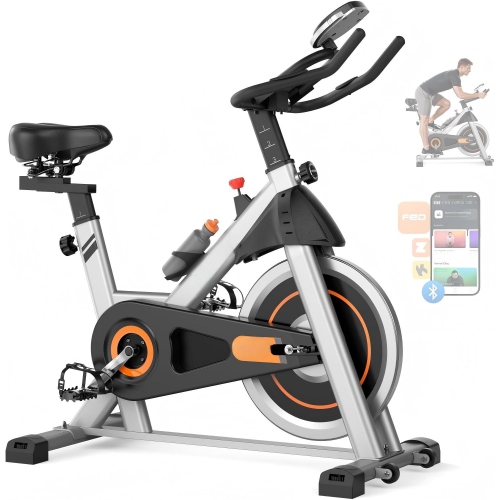
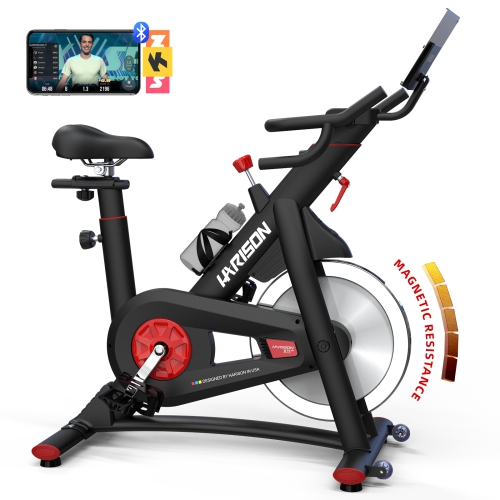

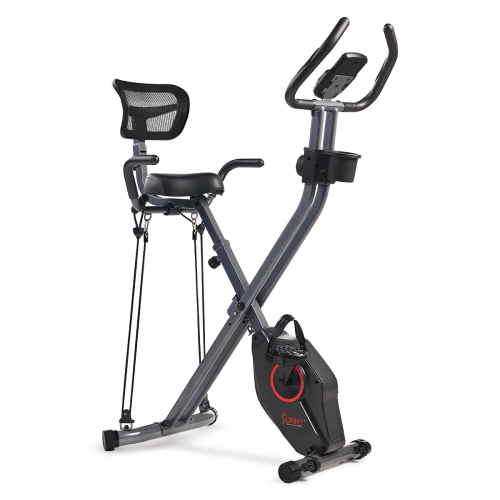
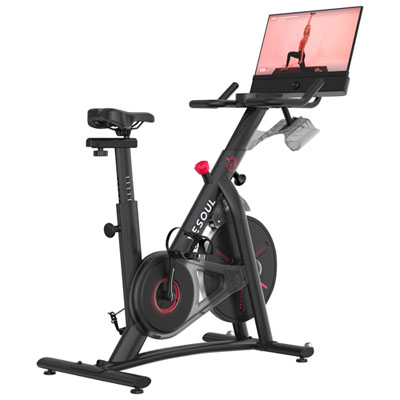


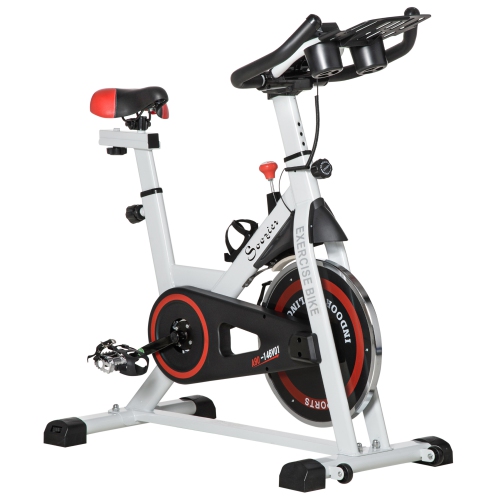
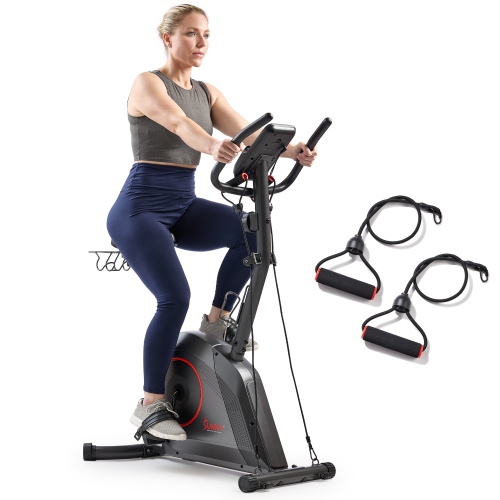
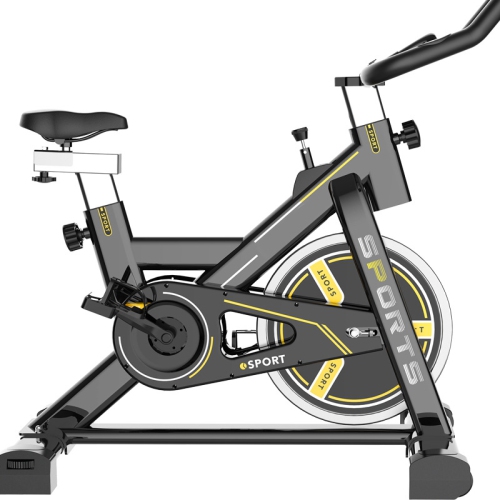


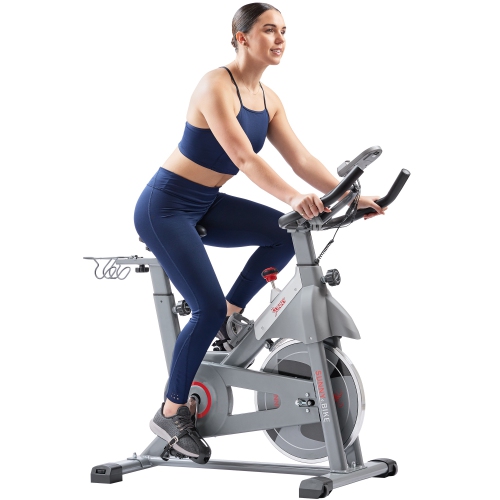
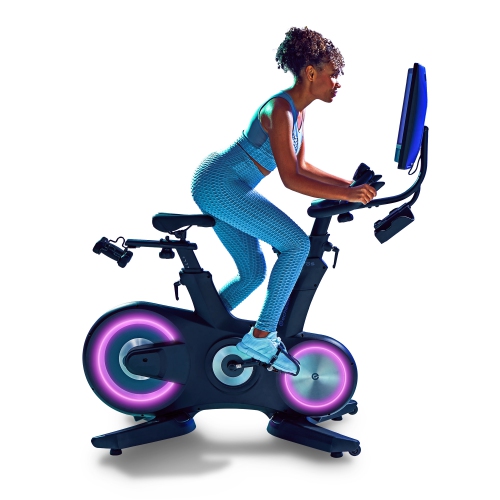
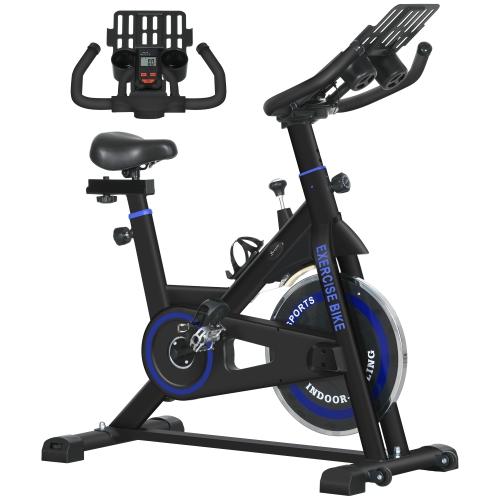


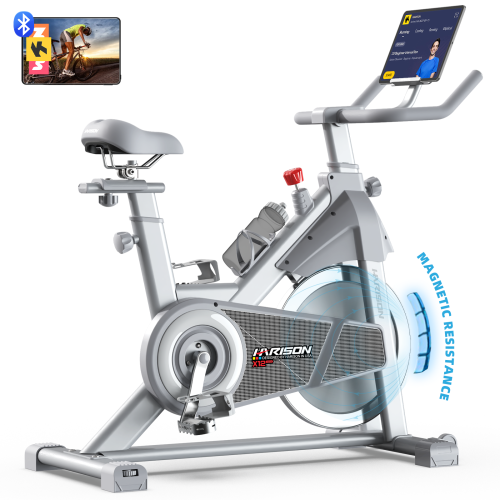
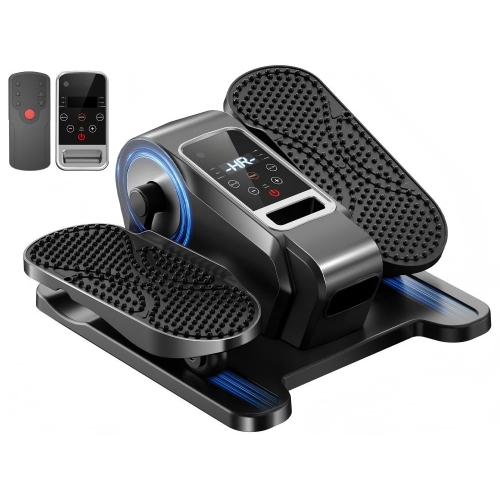

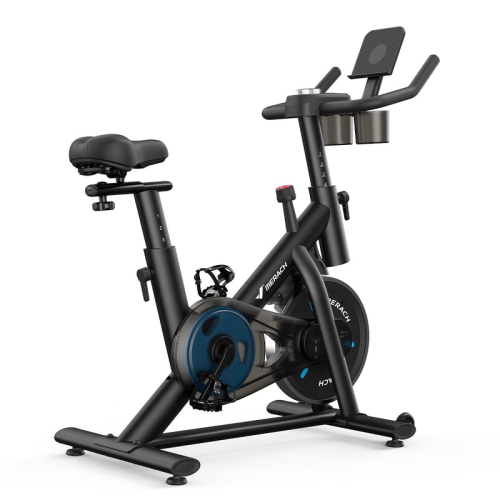
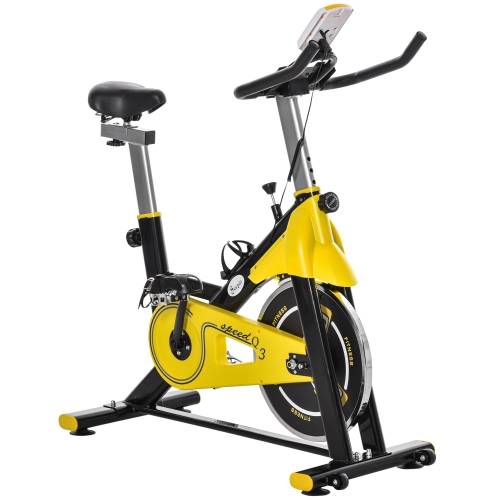

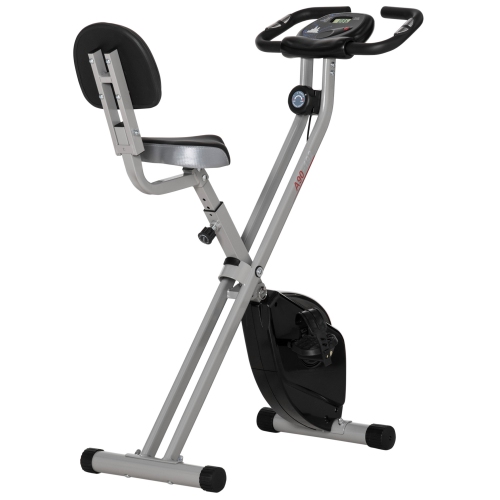


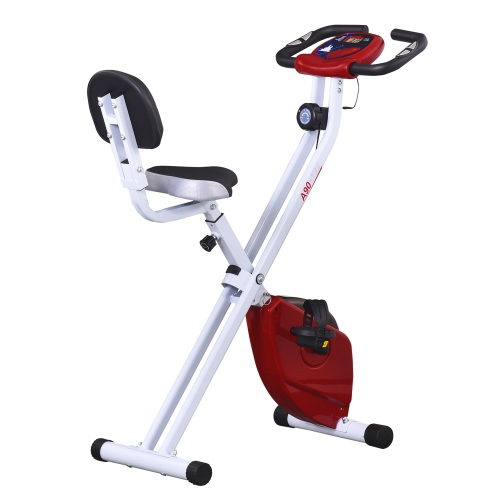


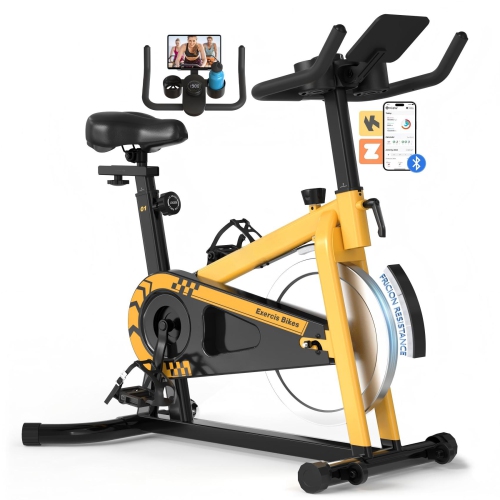


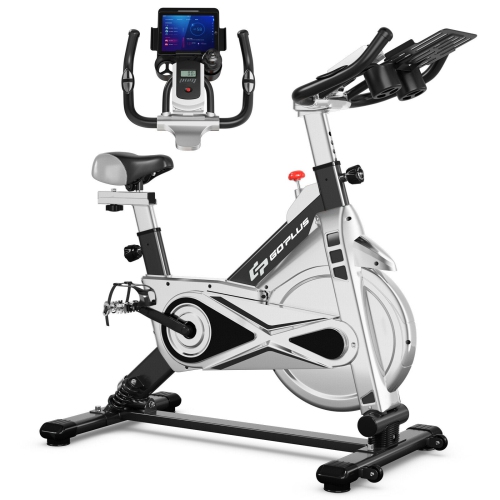

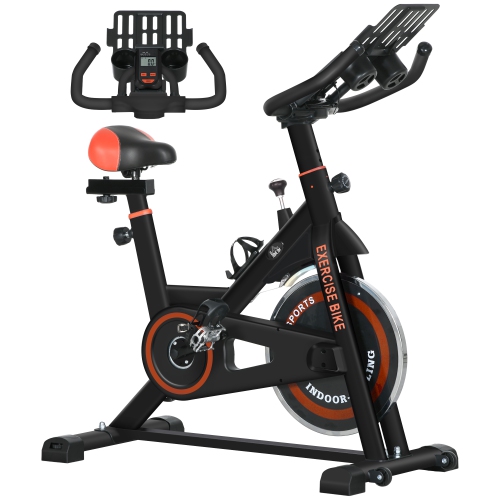
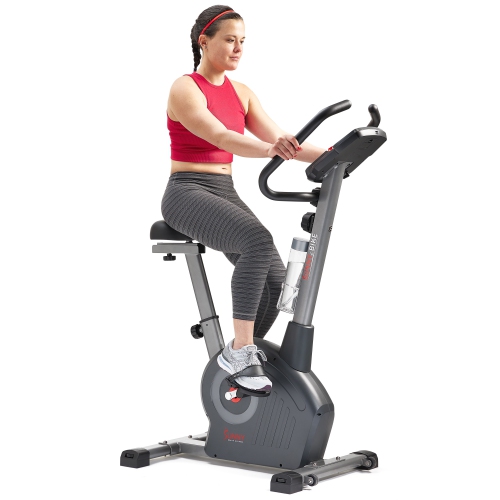
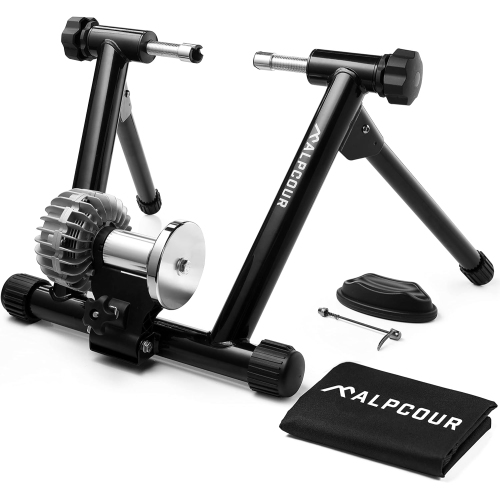






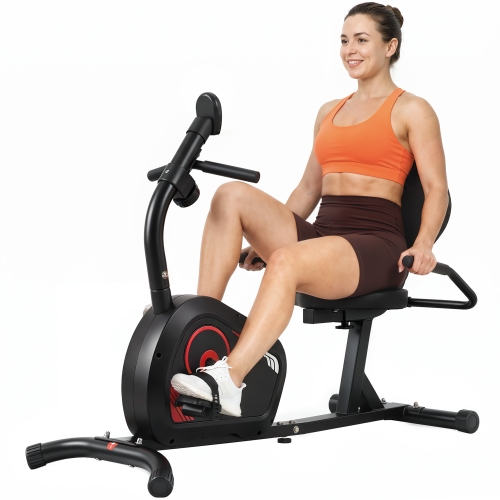
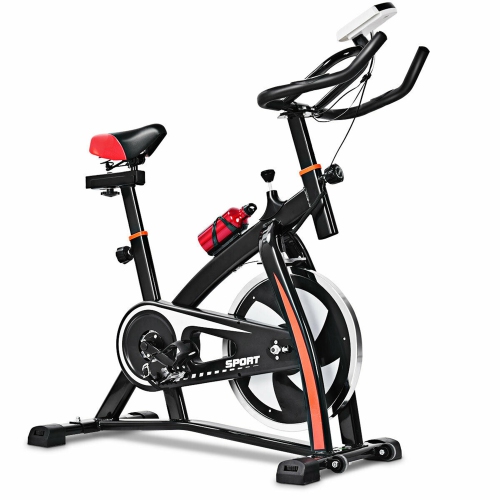
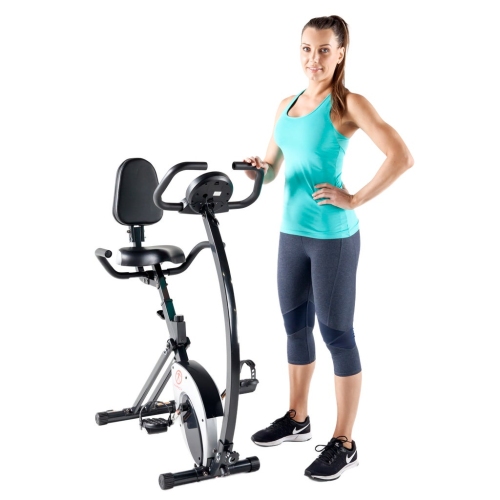

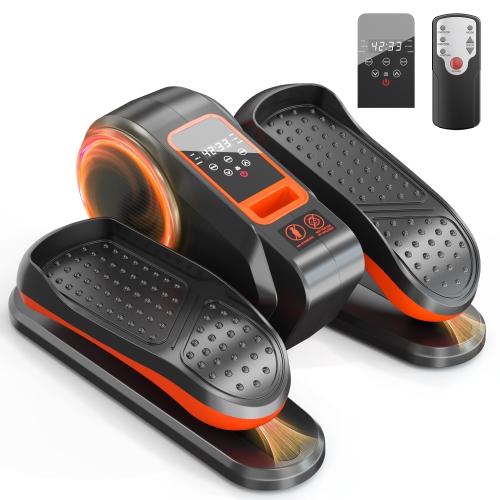
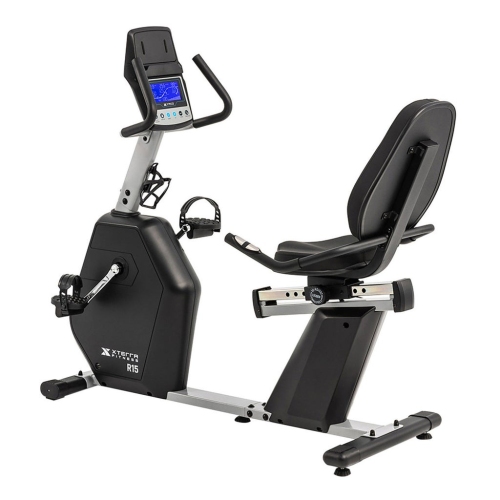

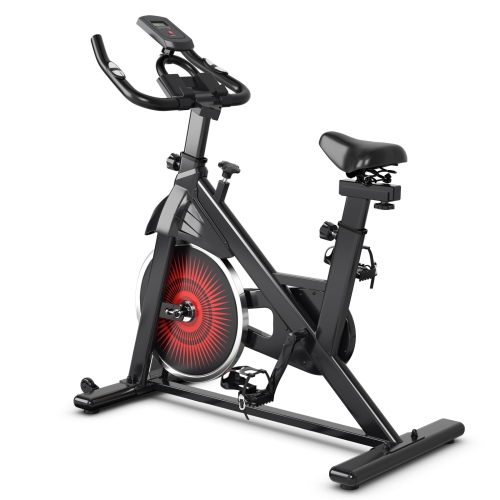


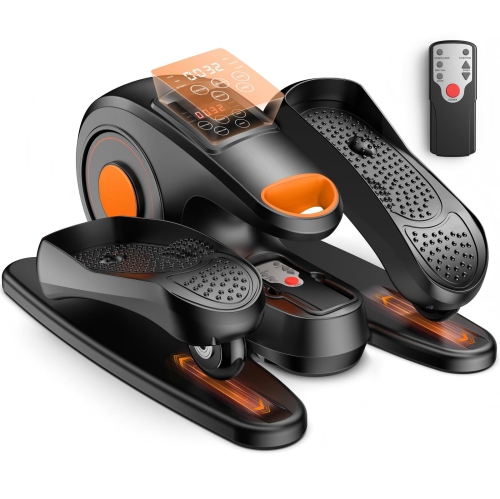
Low-impact pedalling for everyday moments at home
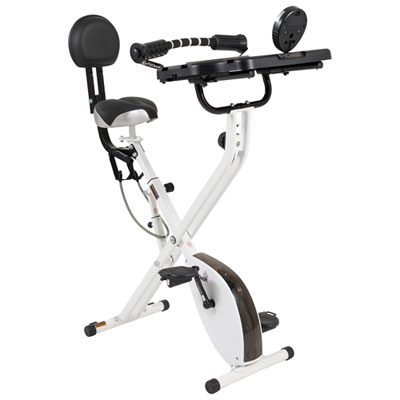
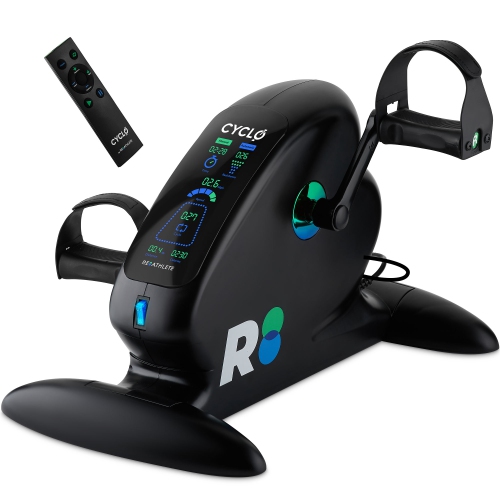
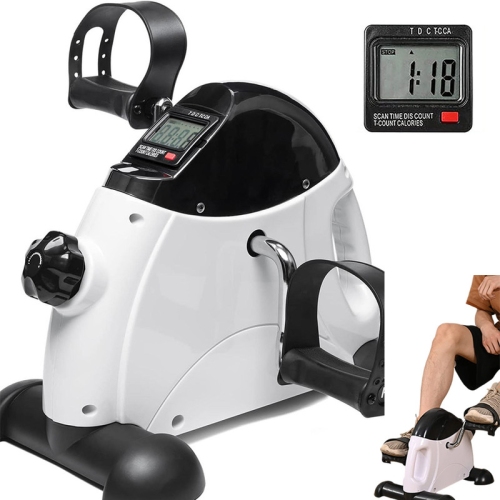
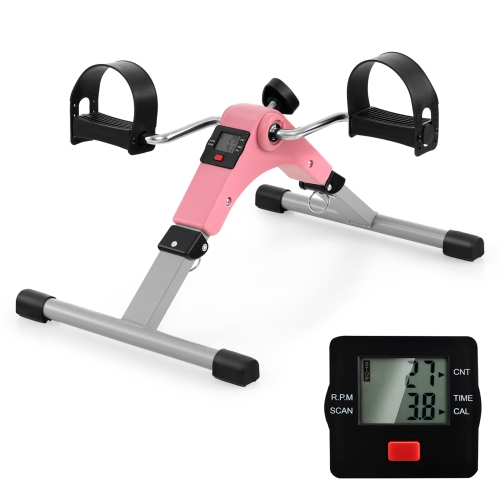
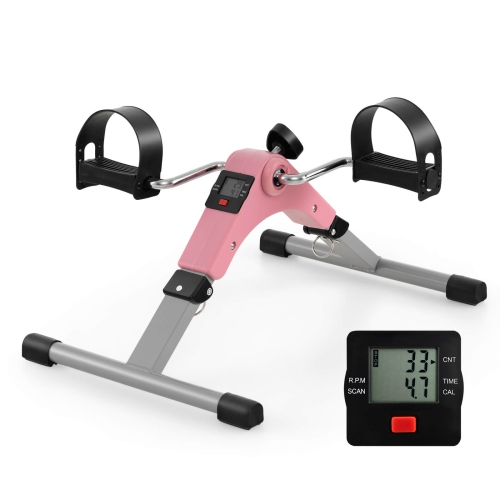
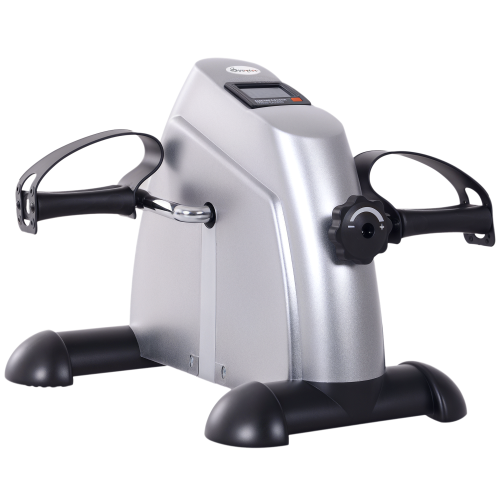
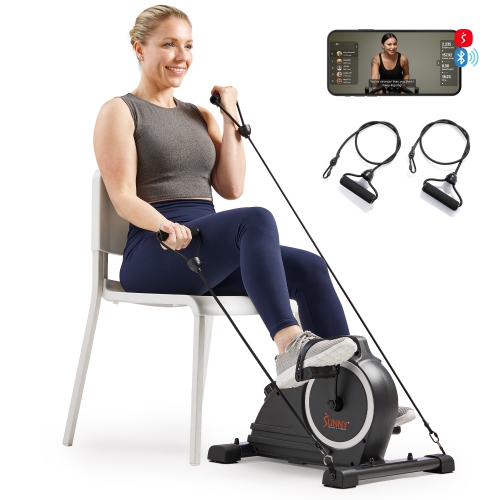
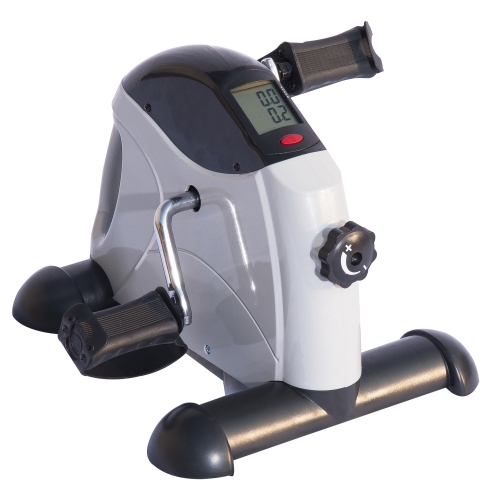
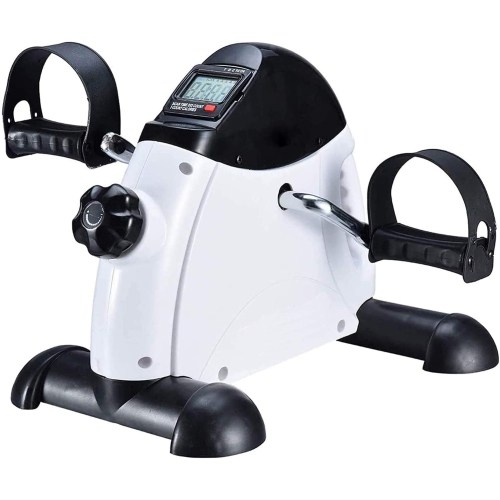
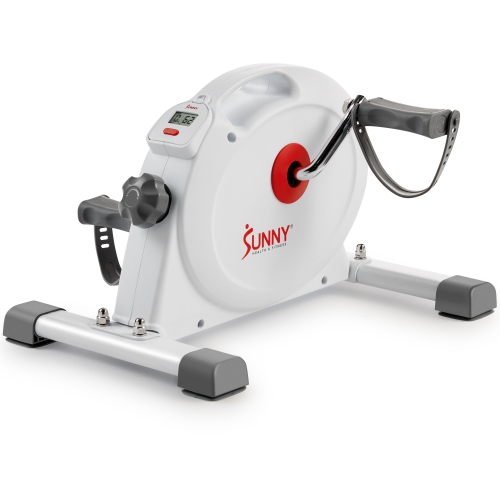
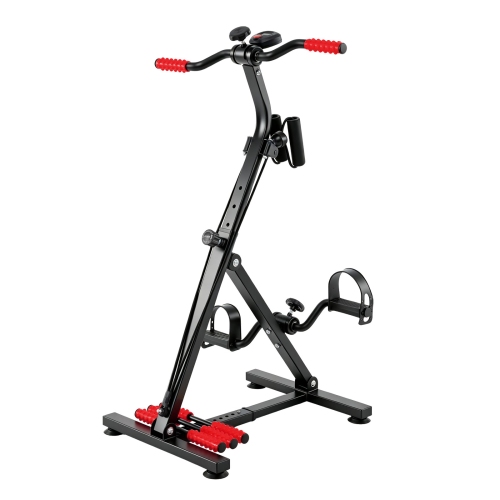
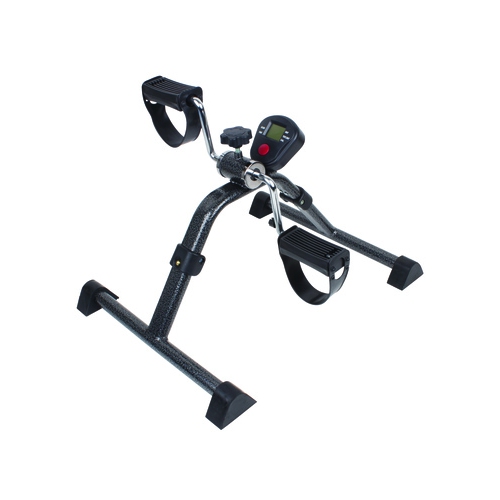
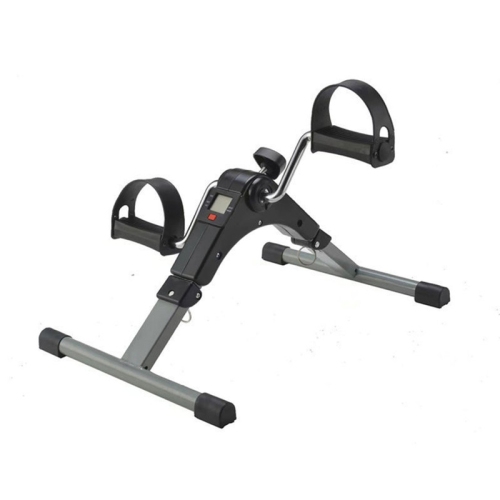
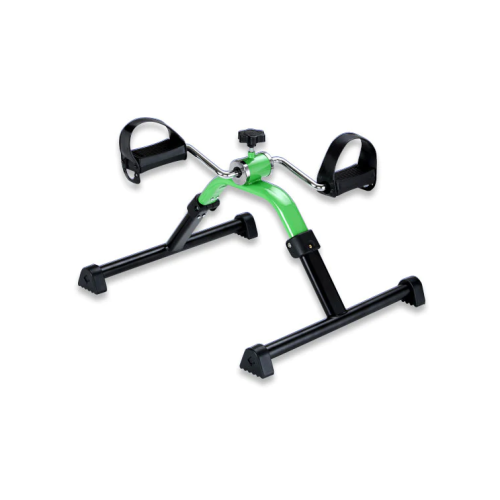
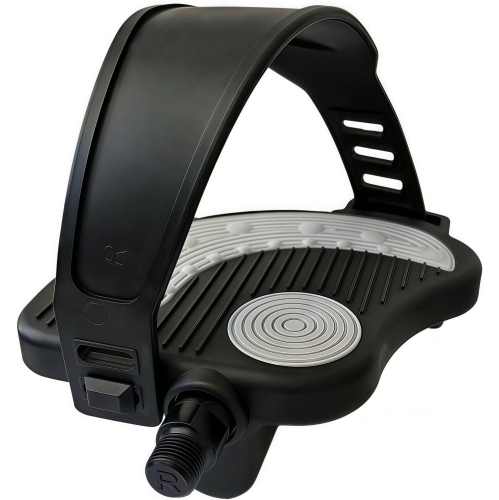
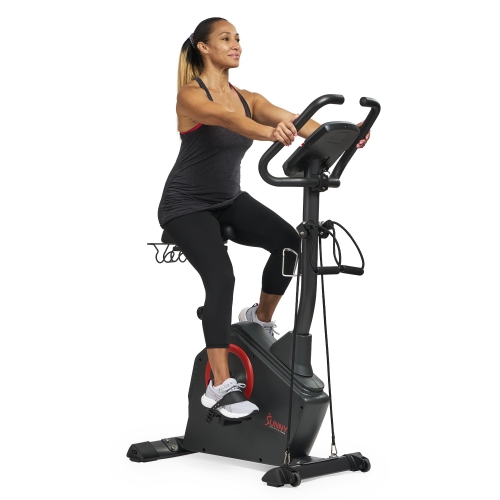
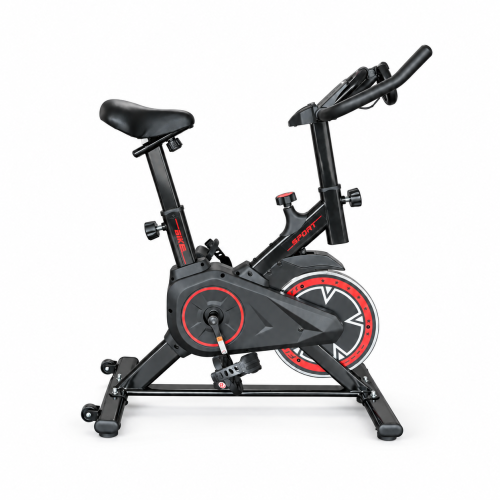
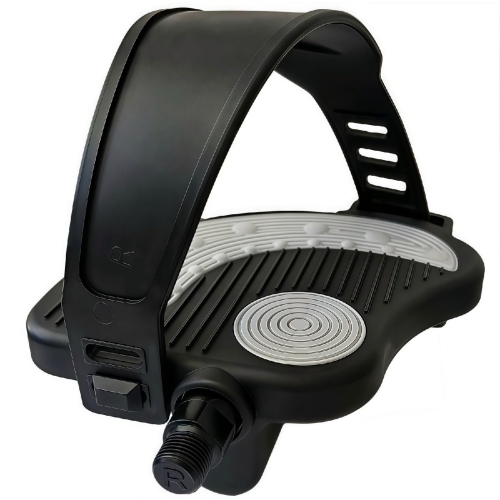
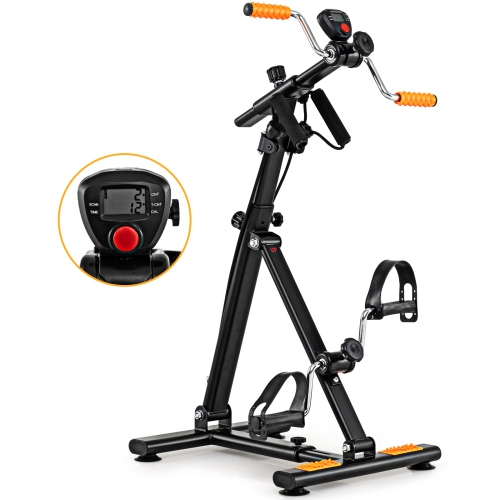
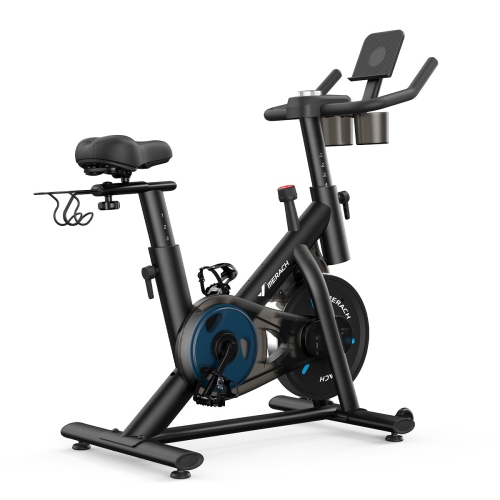
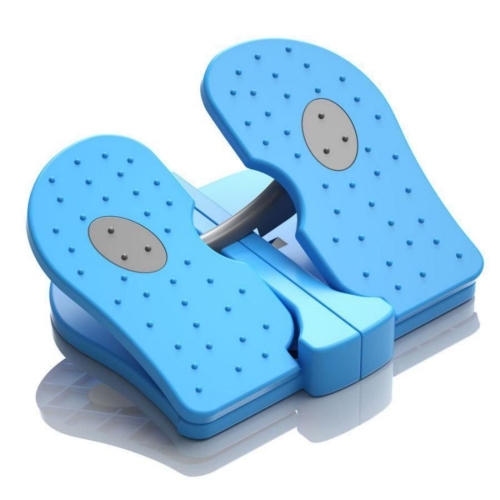
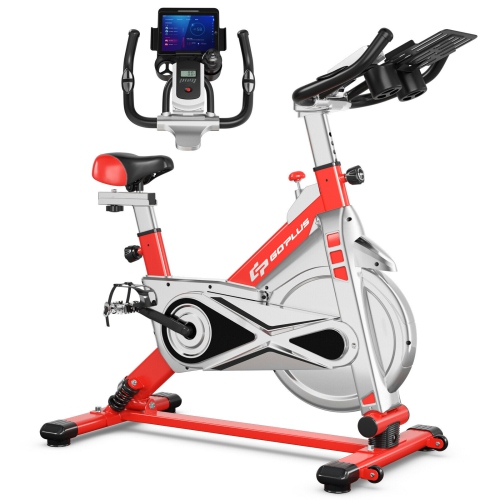
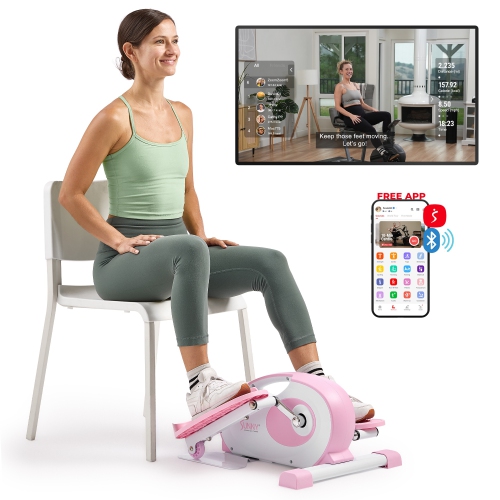
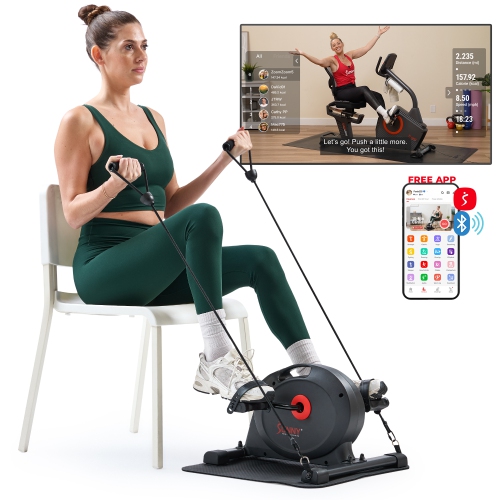
Bike pedal exercisers are compact fitness devices that let you pedal from a seated position without the frame, saddle, or handlebars of a full-size exercise bike. Placed on the floor in front of a suitable chair, they provide a way to add low-impact leg movement to everyday activities such as reading, watching television, or taking a break from computer work. Some designs also support arm exercise when positioned on a sturdy tabletop, although this use needs to be explicitly supported by the manufacturer. Their small footprint makes them practical for apartments, shared living spaces, and home offices where a larger exercise machine would take up too much room. Unlike a stationary bike, a pedal exerciser relies on separate seating, so comfort and stability depend on how the chair, pedals, and user fit together. These devices are generally suited to seated movement and light activity rather than standing pedalling, sprint training, or the riding experience of an indoor cycling bike. They can appeal to adults who spend long periods sitting, older adults who prefer a seated activity, and people building a manageable movement routine. For someone recovering from an injury or managing a health condition, suitability depends on advice from a qualified healthcare professional rather than the device’s size or apparent simplicity. A pedal exerciser may also make a thoughtful gift for a person who has expressed interest in convenient home fitness, particularly when storage space and ease of use are important. Related Foot Pedal Exercisers offer another way to browse this type of seated exercise equipment. Across this category, the most meaningful differences are the resistance mechanism, pedal motion, frame stability, overall dimensions, and controls. Those details influence whether a unit feels comfortable during a few minutes of movement beside the sofa or a longer session at a desk. Portability matters too: a carrying handle or folding frame can make it easier to move the exerciser out of a shared space after use.
Resistance determines how much effort each pedal stroke requires, but the adjustment method alone does not tell the whole story. A manual tension knob may control a friction-based mechanism or adjust magnetic resistance, depending on the design. Friction-based systems use contact between components to create resistance, while magnetic systems use magnets to vary the load without the same rubbing contact at the resistance mechanism. Magnetic designs often provide a smoother, quieter feel, although actual sound levels also depend on construction, pedalling speed, and the surface beneath the unit. For use during video calls or in a shared room, a stable housing and even pedal action can matter as much as the resistance type. Lower settings are useful for gentle movement, while a broader adjustment range allows more variation in effort; a small pedal exerciser should not be assumed to deliver the same workload as a full-size exercise bike. Fit is equally important. Under-desk use requires enough clearance for the knees at the highest point of the pedal stroke, not just enough space to slide the housing beneath the desktop. Desk supports, keyboard trays, chair height, and the distance between the seat and pedals can all affect that clearance. A suitable position allows a slight bend in the knee when the pedal is farthest away, without forcing the user to reach forward or rock from side to side. A firm, stable chair helps maintain that position, whereas a chair on free-rolling casters may move backwards during pedalling. Wide feet, non-slip pads, and an appropriate exercise mat can help limit movement, but their effectiveness varies with the flooring. Suction-style feet need a compatible smooth surface and are not equally effective on every floor. Pedal size and adjustable straps also deserve attention: the foot should rest securely without a strap pressing uncomfortably across the shoe. For an exerciser designed for arm use, comfortable hand contact and a secure tabletop position become additional considerations.
Materials and construction affect how a pedal exerciser handles repeated use and how easily it fits into a daily routine. Steel frames can provide a solid base, while lighter metal construction may be easier to carry between rooms; total weight, footprint, and balance all contribute to stability. Moulded plastic housings cover moving components on enclosed designs, while open-frame exercisers leave more of the structure visible. Neither style alone guarantees durability. Secure joints, firmly attached pedals, well-fitted crank components, and dependable folding locks are more useful details to assess. A folding design can suit a shallow storage space, provided its folded dimensions fit and the locking mechanism is manageable for the person using it. A heavier enclosed unit may feel more planted during use but be less convenient to lift from behind a chair each day. Displays vary by design and may show elapsed time, pedal revolutions, cadence, distance, or estimated calories burned. Cadence, often expressed as revolutions per minute, describes pedalling speed; it is different from the total number of revolutions completed. Distance and calorie figures are generally estimates rather than precise measures of travel or individual energy use. Large digits, simple buttons, and a readable viewing angle can be more useful than a long list of functions, especially when the screen sits near the floor. Battery access matters for displays that require replacement batteries, and any powered features may introduce placement or cord-management considerations. Day-to-day care usually involves wiping contact surfaces with a soft cloth and a manufacturer-approved cleaning method, keeping moisture away from displays and internal parts, and checking straps, feet, and fasteners for wear or looseness. Lubrication or mechanical adjustments should follow the manufacturer’s directions rather than a general maintenance routine. Storage should leave pedals and straps protected from being caught or bent, with the unit positioned away from walkways. The best fit for regular use is often the design that combines comfortable motion, straightforward controls, secure placement, and a setup that does not become a chore each time it is used.
Top selling and popular products
-
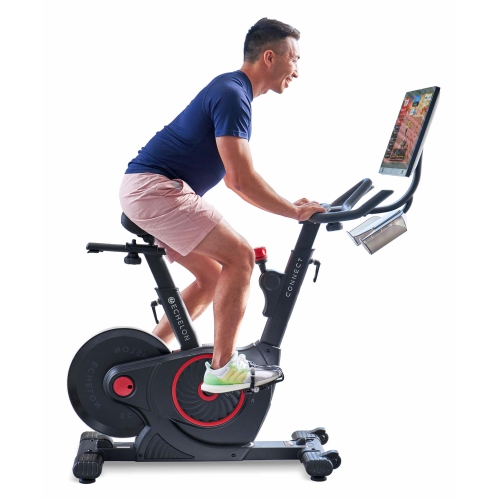 Your price for this item is $1899.99
-
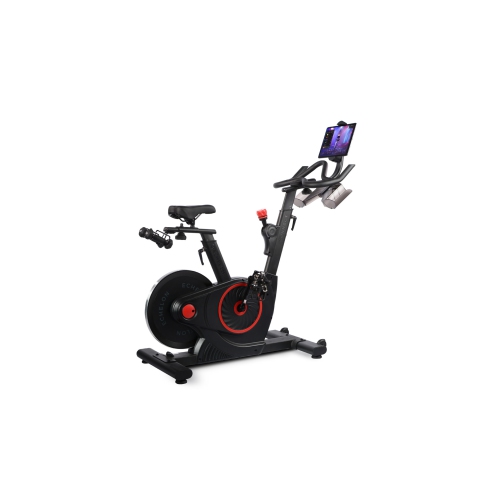 Your price for this item is $1299.99
-
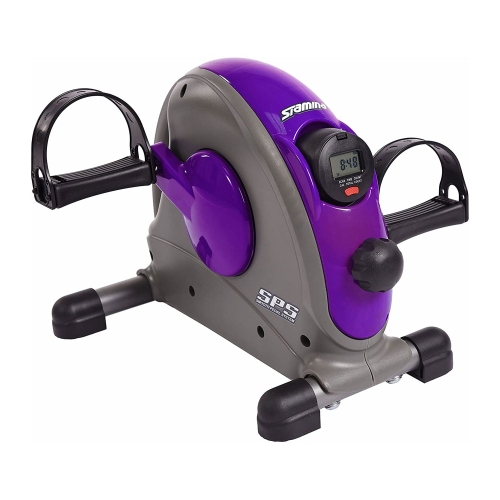 Your price for this item is $169.99
-
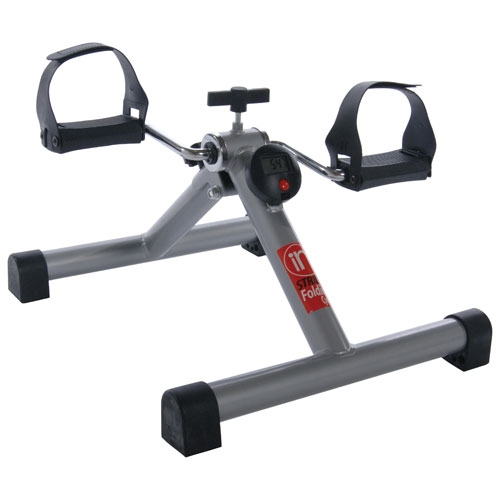 Your price for this item is $103.99
-
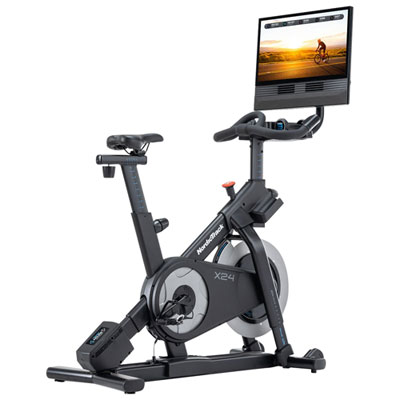 Your price for this item is $2701.98
-
 Your price for this item is $159.99
-
 Your price for this item is $899.99
-
 Your price for this item is $769.99
Discover more categories related to Bike Pedal Exercisers

Top Collections:
Pokemon Centers, Best Cameras for Sports Photography, Kindle Devices, Samsung Galaxy Phones, Canon G7X Cameras, Pokémon 30th Celebration Cards, Refurbished Apple Laptops, iPhone 15 Apple, Laptops for Students, Budget Smartphones
Some products may be subject to Environmental Handling Fees
(EHF) depending on your province.
Learn more about EHFs.