Foot Pedal Exercisers
Looking to incorporate exercise into your daily routine but finding it hard to make time for the gym? Look no further than foot-pedal exercisers. These compact and versatile devices provide an easy and convenient way to stay active from the comfort of your own home or office. Whether you're looking to improve cardiovascular health, strengthen leg muscles, or simply increase overall mobility, foot-pedal exercisers can help you achieve your fitness goals without the need for bulky equipment or expensive gym memberships.
Sort
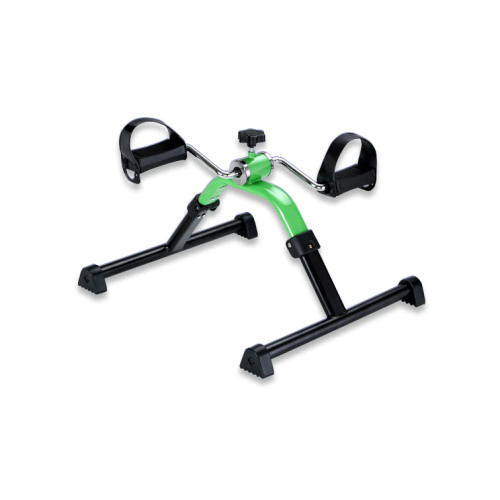
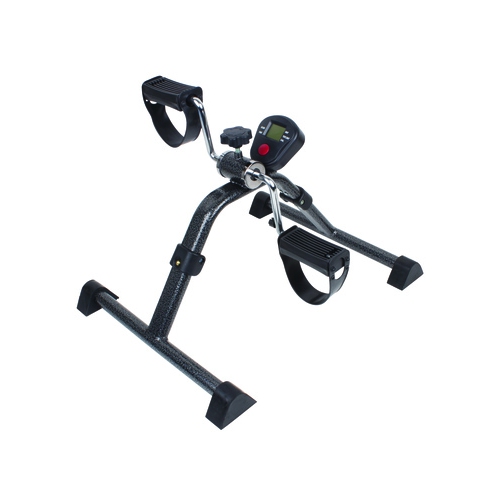
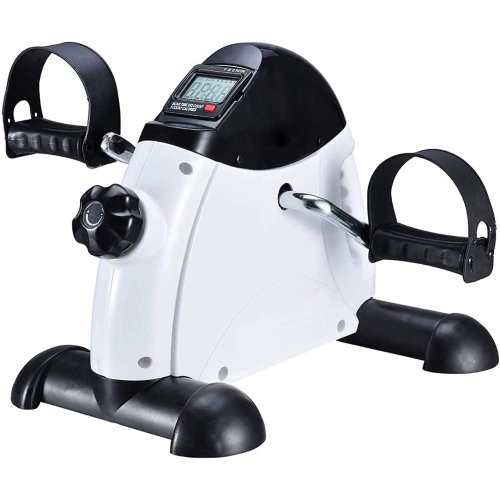
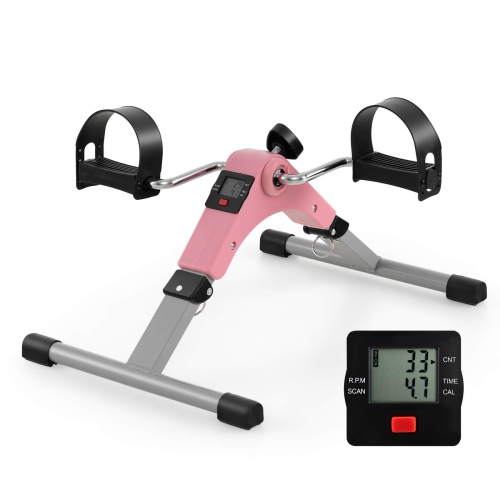


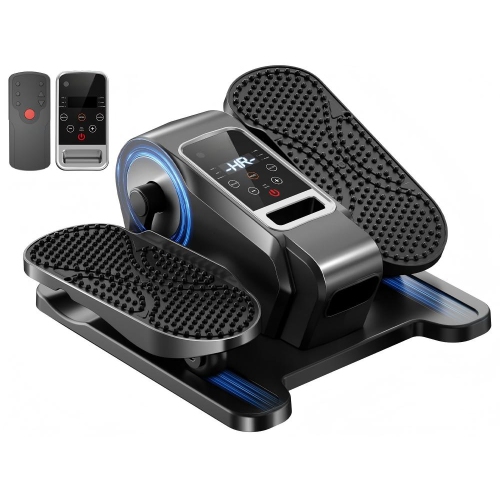
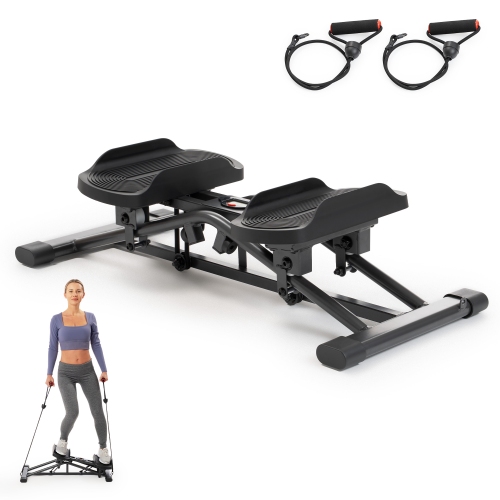
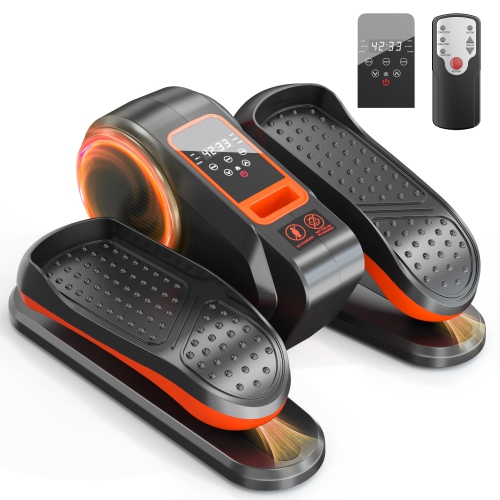
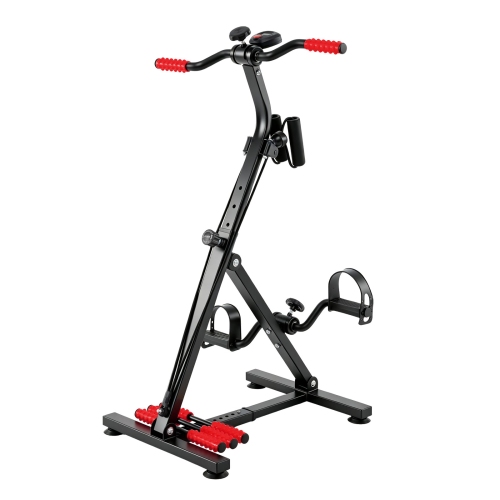
Low-impact movement that fits into everyday routines
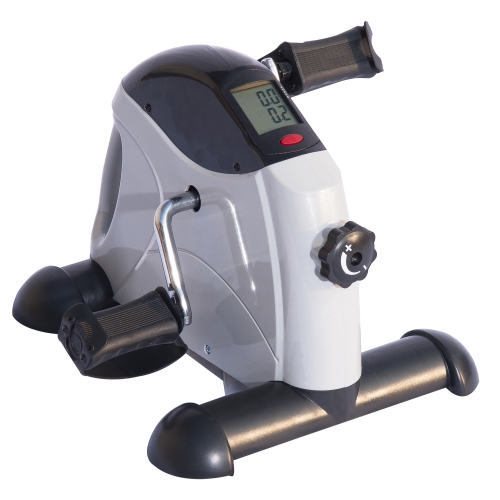
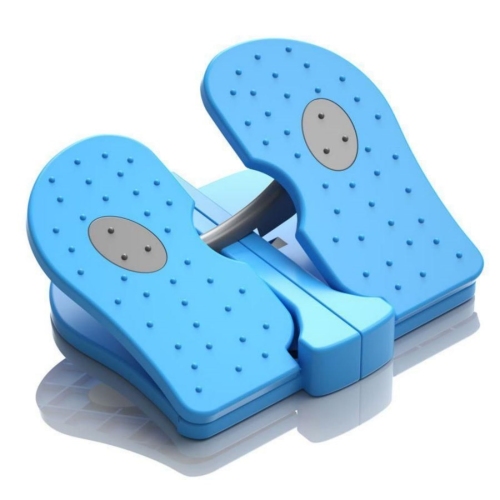
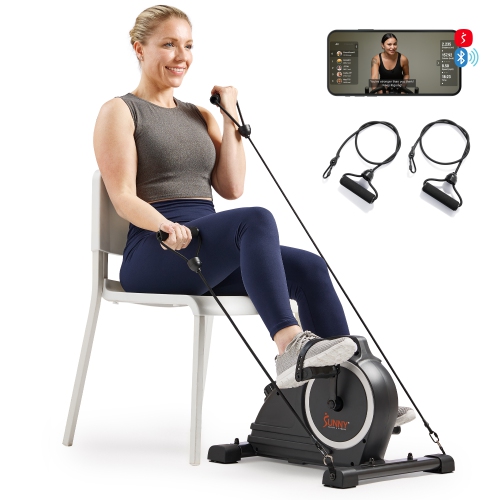
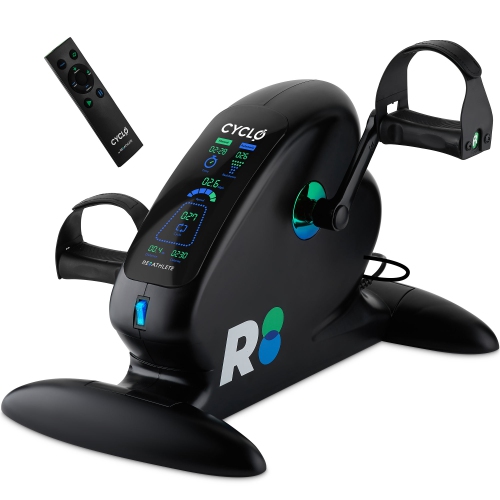
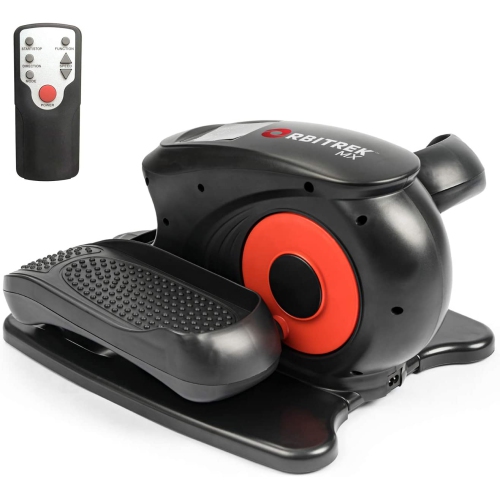
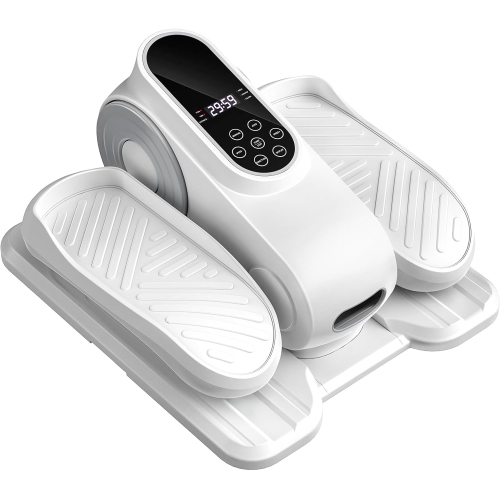
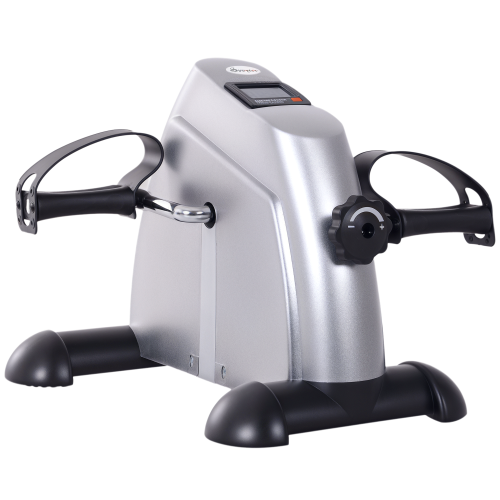
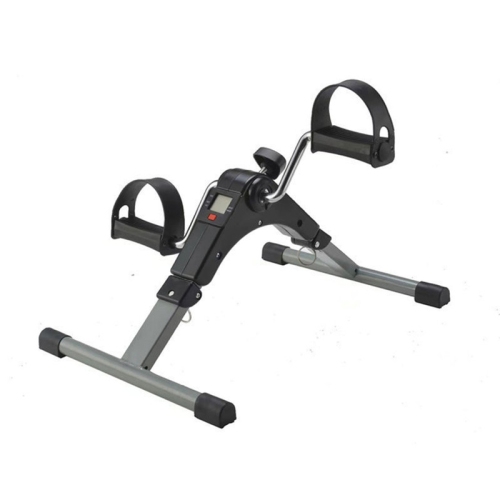
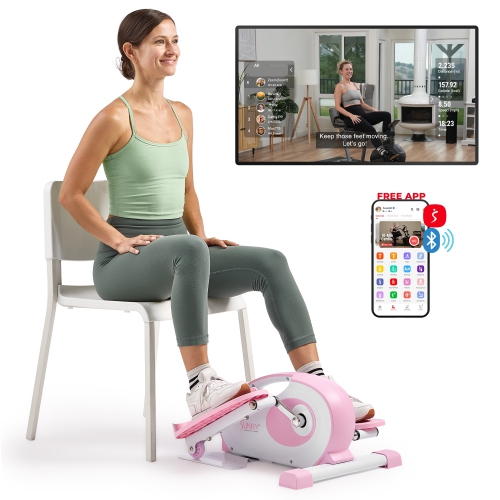
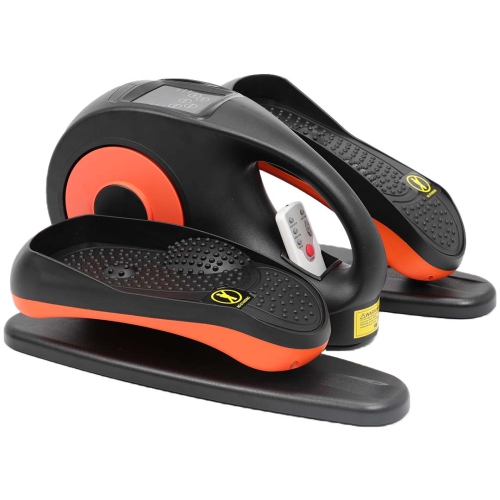
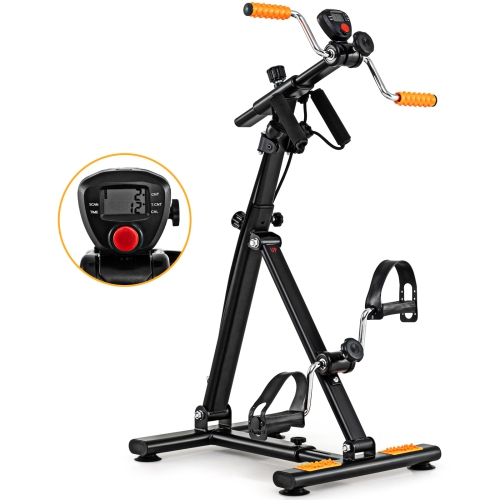
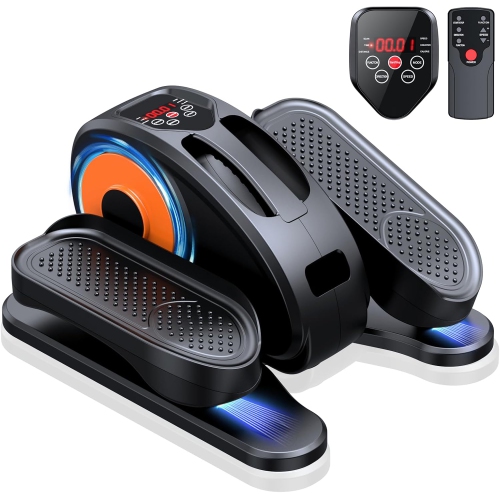
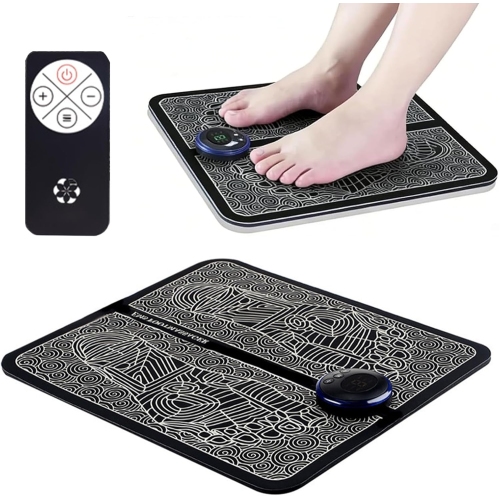
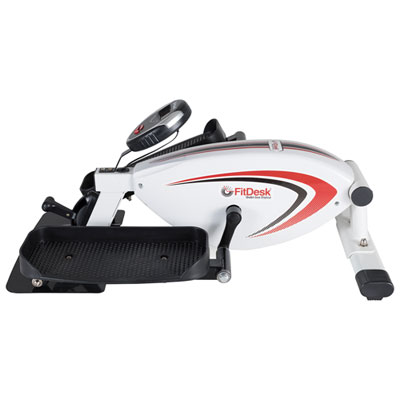
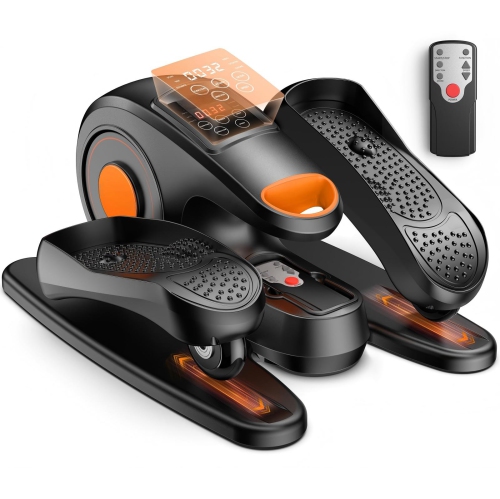
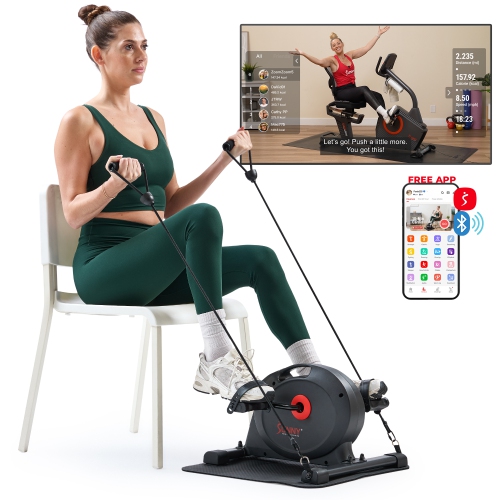
Foot pedal exercisers are compact, low-impact fitness machines designed to keep your legs moving while you sit. Often called mini pedal exercisers, under-desk pedal bikes, or seated pedal exercisers, they use two foot platforms connected to rotating pedals, allowing you to cycle from a chair, sofa, or office seat. Their small footprint makes them practical for homes with limited space, and many can be stored in a closet, beside a chair, or under a bed when not in use. Depending on the design, a foot pedal exerciser may support gentle movement, light cardio, muscle conditioning, or a structured seated workout. Some people use one while working at a desk, reading, watching television, or taking a break from standing, while others choose one as part of a mobility or rehabilitation routine recommended by a qualified healthcare professional. The seated position can be helpful for users who find traditional exercise equipment difficult to access, including older adults, people easing back into activity after an injury, and anyone looking for a lower-impact alternative to walking or standing workouts. It can also be a thoughtful gift for a parent, grandparent, remote worker, or family member who enjoys staying active at home. As with any fitness equipment, it is important to choose activities that match the user’s abilities and to follow professional advice when recovering from surgery, managing pain, or dealing with a medical condition. A foot pedal exerciser is not a replacement for prescribed physiotherapy, but it may complement an approved exercise plan by making short periods of movement easier to fit into everyday routines. When comparing options, consider how the unit will be used and where it will be placed. A product intended for an office should fit comfortably beneath the desk without forcing the knees too high, while one for a living room may have more flexibility around height and available floor space. Users who prefer a traditional cycling action may like a standard mini-pedaller with a higher circular motion, whereas an under-desk elliptical uses a flatter gliding path that can work better under low desks. You can also browse related options in Bike Pedal Exercisers when comparing seated cycling equipment.
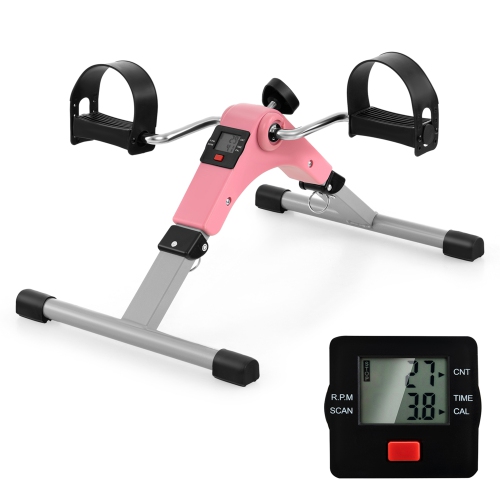
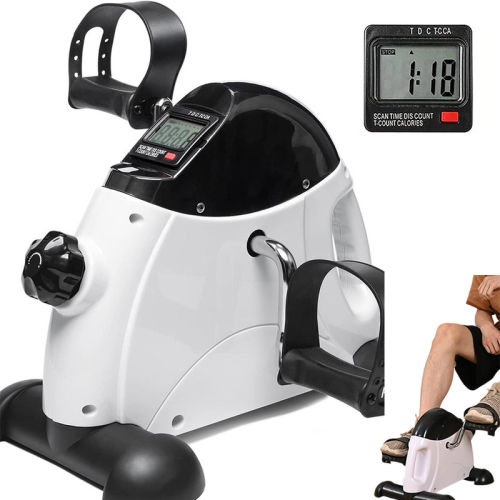
The resistance system is another important consideration. Basic manual foot pedal exercisers commonly use a tension knob or dial, allowing the user to adjust how easy or challenging the pedalling feels. These models are often lightweight and straightforward, making them convenient for occasional use, short movement breaks, or users who value simple controls. Magnetic resistance models can provide a smoother, quieter pedalling experience and may offer more consistent adjustment across different intensity levels. Some units include a digital monitor that tracks information such as elapsed time, pedal revolutions, estimated calories, or distance. These readouts can help users notice patterns and build a regular habit, although display calculations are estimates rather than medical measurements. Motorized or motor-assisted foot pedal exercisers turn the pedals for the user at a selected speed, which may be suitable for gentle passive movement when recommended by a healthcare provider. Because motorized units vary considerably in operation, speed settings, and intended use, check the instructions carefully and confirm that the design is appropriate for the person using it. Look closely at the base and pedal construction as well. A broad, stable frame with non-slip feet can help keep the exerciser in place on hard flooring, while adjustable foot straps can help secure different shoe sizes during use. A heavier model may feel more planted, but a lighter one is easier to move from room to room. Pay attention to the pedal spacing, the range of motion, and the overall height, especially if the exerciser will be used beneath a desk or by someone with limited knee or hip mobility. Noise level can matter in shared spaces, home offices, apartments, or rooms where someone is resting. A smooth mechanism and properly tightened parts can make the experience more comfortable for everyone nearby. Before beginning, place the unit on a level surface, sit in a supportive chair, and ensure that the pedals move freely without striking the desk, chair legs, or surrounding furniture.
A foot pedal exerciser works best when it becomes a comfortable part of a routine rather than an occasional item that stays tucked away. An office worker might use it for several short sessions during the day, keeping the movement gentle enough to remain focused on a call or screen. Someone watching a favourite programme may pedal at an easy pace during part of the episode, while a family member recovering at home may use brief, supervised sessions as directed by a physiotherapist. Starting slowly is usually the most practical approach: adjust the resistance to a manageable level, keep the back supported, position the feet securely, and stop if there is sharp pain, dizziness, unusual shortness of breath, or discomfort that does not settle. The goal may be steady movement, improved leg strength, greater comfort with bending and extending the knees, or simply a way to break up long periods of sitting. Users should avoid placing the exerciser on an unstable surface and should leave enough room around it to get in and out of the chair safely. For gift-giving, portability, simple controls, and easy storage are especially useful features because they make the equipment less intimidating for someone new to seated exercise. A display may appeal to a goal-oriented user, while a quiet, compact design may be better for someone who shares a workspace or living area. During the warmer and cooler parts of the year, when outdoor routines may be less convenient because of changing weather, a compact seated exerciser can provide an accessible option indoors. Prices commonly range from about $30 for basic manual models to approximately $220 for magnetic, motorized, or feature-rich designs, with differences in construction, resistance adjustment, tracking functions, and included accessories influencing the cost. Reviewing the dimensions, user instructions, warranty details, weight, and return information before buying can help ensure the exerciser suits the intended chair, desk, floor surface, and activity level. Whether chosen for active sitting, gentle home movement, or a carefully planned rehabilitation routine, the right foot pedal exerciser should feel stable, comfortable, easy to adjust, and simple enough to use consistently.
The resistance system is another important consideration. Basic manual foot pedal exercisers commonly use a tension knob or dial, allowing the user to adjust how easy or challenging the pedalling feels. These models are often lightweight and straightforward, making them convenient for occasional use, short movement breaks, or users who value simple controls. Magnetic resistance models can provide a smoother, quieter pedalling experience and may offer more consistent adjustment across different intensity levels. Some units include a digital monitor that tracks information such as elapsed time, pedal revolutions, estimated calories, or distance. These readouts can help users notice patterns and build a regular habit, although display calculations are estimates rather than medical measurements. Motorized or motor-assisted foot pedal exercisers turn the pedals for the user at a selected speed, which may be suitable for gentle passive movement when recommended by a healthcare provider. Because motorized units vary considerably in operation, speed settings, and intended use, check the instructions carefully and confirm that the design is appropriate for the person using it. Look closely at the base and pedal construction as well. A broad, stable frame with non-slip feet can help keep the exerciser in place on hard flooring, while adjustable foot straps can help secure different shoe sizes during use. A heavier model may feel more planted, but a lighter one is easier to move from room to room. Pay attention to the pedal spacing, the range of motion, and the overall height, especially if the exerciser will be used beneath a desk or by someone with limited knee or hip mobility. Noise level can matter in shared spaces, home offices, apartments, or rooms where someone is resting. A smooth mechanism and properly tightened parts can make the experience more comfortable for everyone nearby. Before beginning, place the unit on a level surface, sit in a supportive chair, and ensure that the pedals move freely without striking the desk, chair legs, or surrounding furniture.
A foot pedal exerciser works best when it becomes a comfortable part of a routine rather than an occasional item that stays tucked away. An office worker might use it for several short sessions during the day, keeping the movement gentle enough to remain focused on a call or screen. Someone watching a favourite programme may pedal at an easy pace during part of the episode, while a family member recovering at home may use brief, supervised sessions as directed by a physiotherapist. Starting slowly is usually the most practical approach: adjust the resistance to a manageable level, keep the back supported, position the feet securely, and stop if there is sharp pain, dizziness, unusual shortness of breath, or discomfort that does not settle. The goal may be steady movement, improved leg strength, greater comfort with bending and extending the knees, or simply a way to break up long periods of sitting. Users should avoid placing the exerciser on an unstable surface and should leave enough room around it to get in and out of the chair safely. For gift-giving, portability, simple controls, and easy storage are especially useful features because they make the equipment less intimidating for someone new to seated exercise. A display may appeal to a goal-oriented user, while a quiet, compact design may be better for someone who shares a workspace or living area. During the warmer and cooler parts of the year, when outdoor routines may be less convenient because of changing weather, a compact seated exerciser can provide an accessible option indoors. Prices commonly range from about $30 for basic manual models to approximately $220 for magnetic, motorized, or feature-rich designs, with differences in construction, resistance adjustment, tracking functions, and included accessories influencing the cost. Reviewing the dimensions, user instructions, warranty details, weight, and return information before buying can help ensure the exerciser suits the intended chair, desk, floor surface, and activity level. Whether chosen for active sitting, gentle home movement, or a carefully planned rehabilitation routine, the right foot pedal exerciser should feel stable, comfortable, easy to adjust, and simple enough to use consistently.
Top selling and popular products
-
 Your price for this item is $1899.99
 -
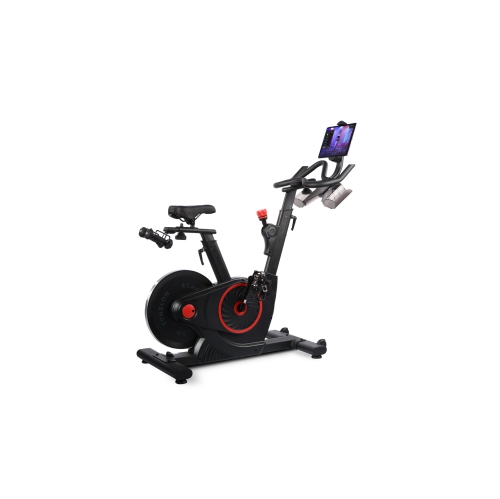 Your price for this item is $1299.99
 -
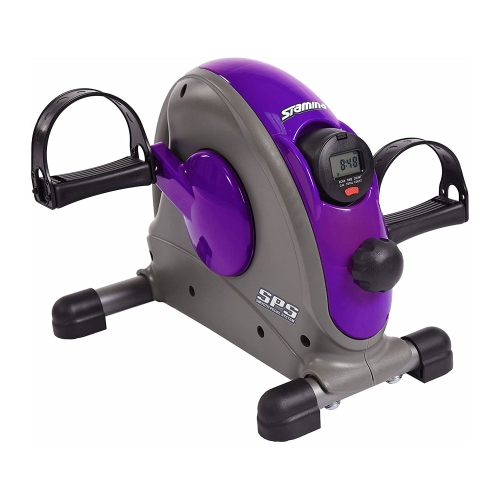 Your price for this item is $169.99
 -
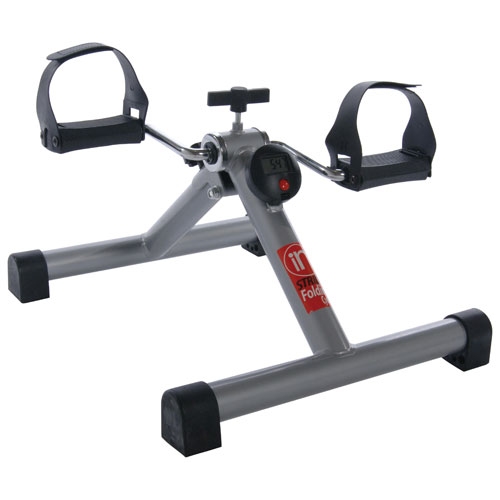 Your price for this item is $103.99
 -
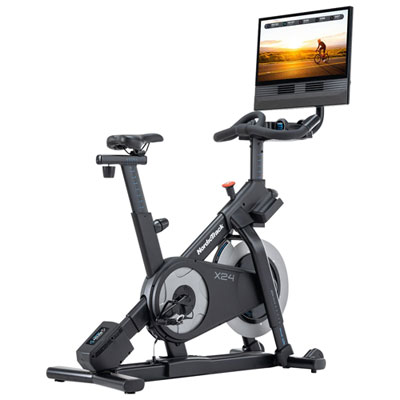 Your price for this item is $2701.98
 -
 Your price for this item is $159.99
 -
 Your price for this item is $899.99
 -
 Your price for this item is $769.99
Discover more categories related to Foot Pedal Exercisers
Top Collections:
Pokemon Centers, Best Cameras for Sports Photography, Kindle Devices, Samsung Galaxy Phones, Canon G7X Cameras, Pokémon 30th Celebration Cards, Refurbished Apple Laptops, iPhone 15 Apple, Laptops for Students, Budget Smartphones
Some products may be subject to Environmental Handling Fees
(EHF) depending on your province.
Learn more about EHFs.