Black Knee Pads
Black knee pads are essential gear for anyone seeking protection and comfort during physical activities. Whether you're into sports, fitness, or outdoor adventures, these versatile pads provide reliable support and cushioning for your knees. Designed to minimize impact and reduce the risk of injury, black knee pads are a must-have for maintaining peak performance and enjoying your favorite activities with confidence. Explore our selection to find the perfect pair that suits your needs and keeps you moving safely.
Sort


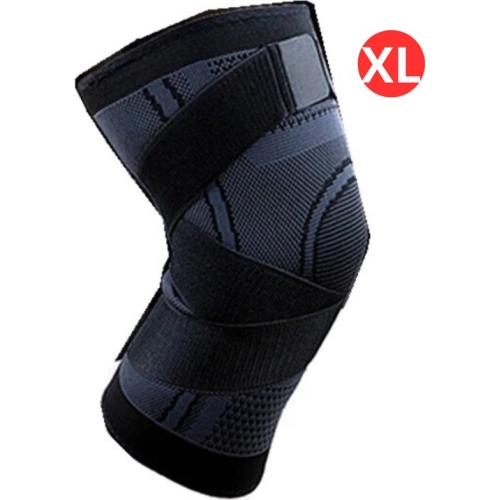
Why cushioning and fit depend on how you move
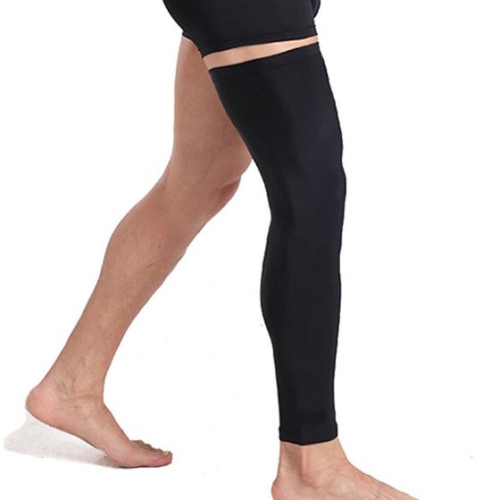
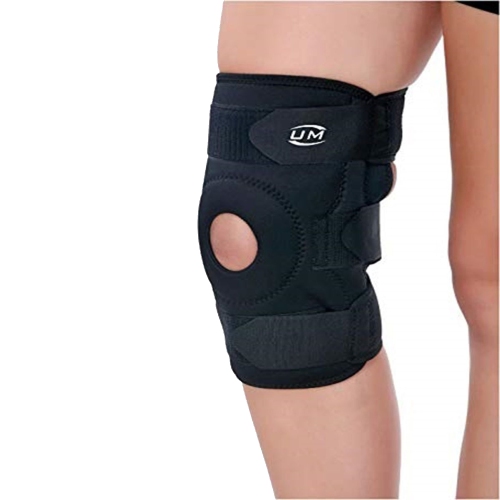
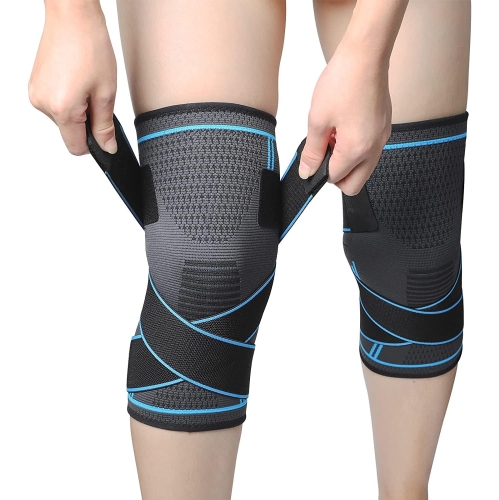
Black knee pads provide cushioning and coverage for activities that involve kneeling, sliding, or frequent contact with the ground, from volleyball practice and dance rehearsals to flooring projects and garden maintenance. The black colour offers a straightforward look that pairs easily with athletic clothing, work trousers, and uniforms, although the intended activity matters far more than appearance when choosing a pair. Sports knee pads generally favour flexible padding and a close fit that allows quick changes of direction. For indoor volleyball, cushioning across the front of the knee helps soften contact with the court during low defensive movements, while a stretch sleeve keeps the profile compact beneath shorts. Dance knee pads often place greater emphasis on freedom of movement, particularly when a routine involves floor transitions, crawling, or kneeling with the knee deeply bent. Work knee pads are built around a different pattern of movement: repeated kneeling, standing, and shifting across a surface while completing a task. A broad padded base can help spread pressure when fitting trim, assembling furniture at floor level, or tending a low garden bed. Hard outer caps can offer a barrier against rough surfaces, while softer caps may provide better grip and be more suitable around finished flooring, depending on their material and construction. For tasks on hardwood or other delicate surfaces, look for an outer surface specifically described as non-marking, and keep it free of trapped grit. Black fabric can make some marks less noticeable, but it does not prevent dirt, abrasion, or wear. Colour alone also says nothing about impact protection, so the activity description and any stated testing or certification deserve attention. A lightweight sleeve made for indoor practice should not be treated as interchangeable with protective equipment intended for wheeled sports or demanding jobsite tasks. Matching the design to the surface and movement helps distinguish a pad suited to brief household chores from one intended for repeated court contact or longer periods of kneeling.
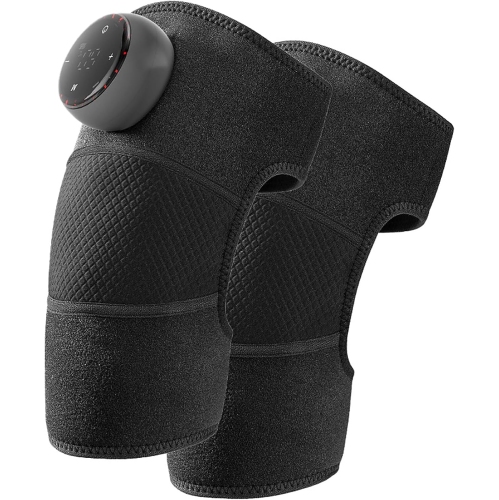
Materials and fit shape how black knee pads feel after the first few minutes of use. Foam padding is common because it offers cushioning without necessarily adding much weight, but its thickness, density, and ability to retain its shape all influence comfort. Softer foam may feel comfortable immediately, while firmer padding can provide a more supportive feel under sustained pressure; neither characteristic alone establishes how well a pad will perform. Some work designs combine foam with gel sections to distribute pressure, while sports styles may use shaped or segmented padding that bends with the joint. Stretch knit fabrics help sleeve-style pads follow the leg, and mesh panels can improve airflow during active use. Neoprene blends offer flexibility and a snug feel, though they can feel warmer than lighter, more open fabrics. A smooth lining and neatly finished seams matter when the pad sits directly against the skin, especially during a long practice or repetitive movement. Fit should be secure without pinching, restricting circulation, or leaving the padding off-centre when the knee bends. Sizing varies between designs, so the manufacturer's measurement instructions are more useful than relying on a usual clothing size. Some size charts use measurements above or below the knee rather than directly around the kneecap. Sleeve styles need enough stretch to pull on comfortably while staying in place; strap styles allow adjustment and can be practical over work trousers. Wider straps may spread pressure more evenly, but their placement is just as important, since a strap bunching behind the knee can become distracting when crouching. Trying the movements associated with the activity provides a useful fit check: a volleyball stance, a controlled floor transition, or kneeling and standing beside a low cupboard. The pad should remain centred without constant pulling or tightening. During the cooler months, extra clothing can change the fit, particularly with work pads worn over heavier trousers. A design that fits comfortably over thin fabric may need a different adjustment over thicker layers, without becoming loose enough to rotate around the leg.
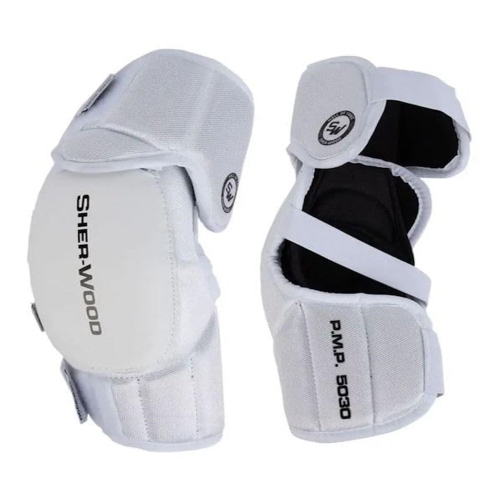
Durability depends on how well the construction suits the task and how the pads are maintained between uses. Reinforced stitching, securely attached straps, and abrasion-resistant outer fabrics are useful details for repeated wear, particularly where the pad rubs against a court, workshop floor, or paving stone. A tough outer shell does not make the whole pad maintenance-free: stretched elastic, frayed seams, damaged closures, or padding that remains flattened can affect its fit and cushioning. Regular inspection is especially worthwhile after a hard fall or a demanding project, and replacement should follow the manufacturer's guidance when damage or loss of function appears. Care requirements differ by material. Some fabric knee pads can be machine washed as directed, while others require hand washing or wiping with a damp cloth. Removable inserts may need separate treatment, and high heat can damage elastic, foam, adhesives, or moulded components. Allowing pads to dry fully before putting them into a gym bag or toolbox helps limit odours and keeps damp fabric from sitting against other gear. Hook-and-loop closures work better when lint and debris are cleared away, and fastening them before washing, where the care instructions permit, can reduce snagging. For anyone moving between outdoor chores and indoor projects, checking the underside for grit helps protect both the pad and the next surface it touches. Black knee pads can be a practical gift for a recreational volleyball player, a dance student, a keen gardener, or someone who spends weekends on hands-on home projects, provided their activity and measurements are known. Younger users need an appropriately sized design rather than an adult pad tightened beyond its intended range. For activities involving contact at more than one joint, Elbow Pads may form another part of an activity-appropriate protective setup. Knee pads themselves are not a substitute for supportive equipment, suitable training, or breaks during prolonged kneeling, and they are not the same as a knee brace intended to address joint support. The most useful pair is one that suits the actual routine: flexible enough for movement, stable enough to stay positioned, and straightforward enough to clean and wear consistently.
Top selling and popular products
-
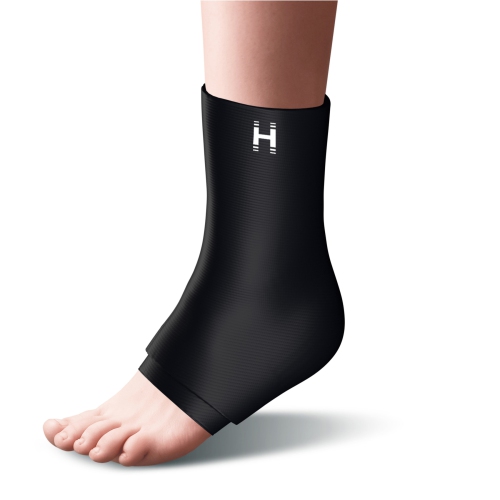 Your price for this item is $39.99
-
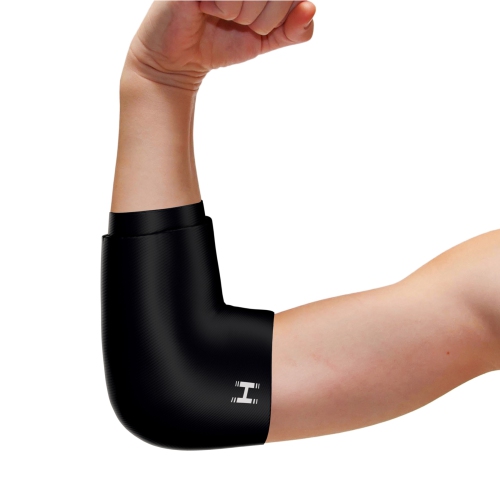 Your price for this item is $39.99
-
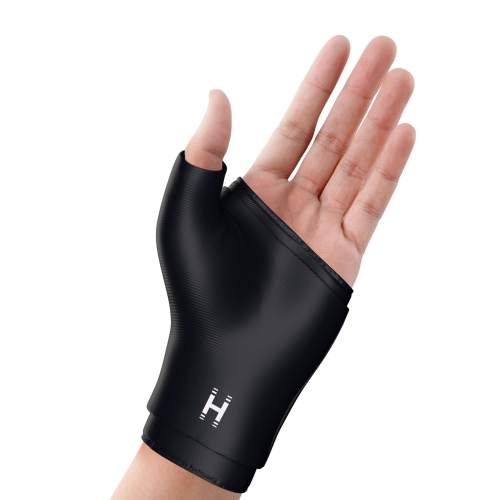 Your price for this item is $29.99
-
 Your price for this item is $90
-
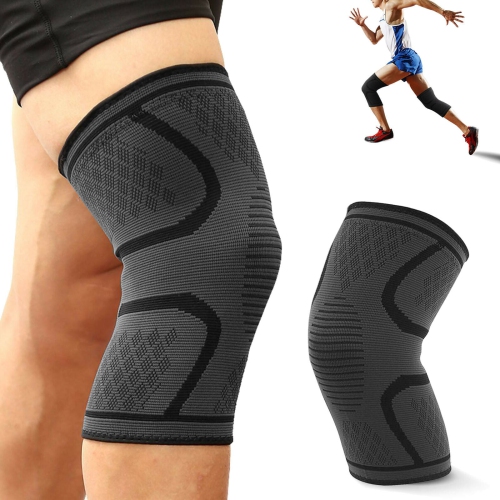 Your price for this item is $39
-
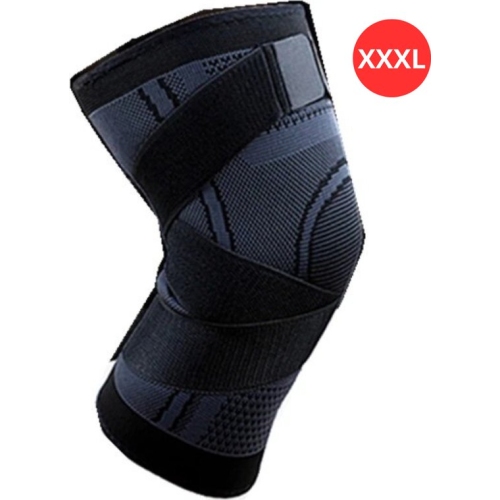 Your price for this item is $49.99
-
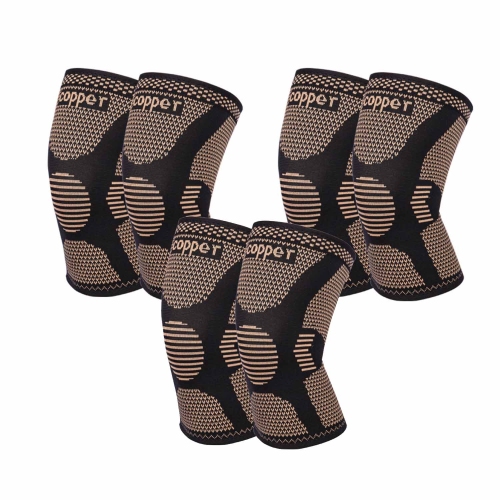 Your price for this item is $36.99
-
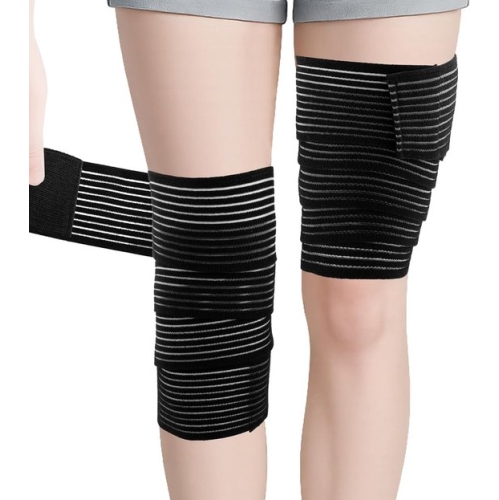 Your price for this item is $40.99
Discover more categories related to Black Knee Pads

Top Collections:
Best Black Friday Deals This Year, Best Black Friday Deals On Electronics, Kindle Devices, Pokemon Centers, Best Black Friday Deals On Apple Products, Best Cameras for Sports Photography, Dyson Airwrap, Pokémon 30th Celebration Cards, Apple iPhone 17 Pro, Canon G7X Cameras
Some products may be subject to Environmental Handling Fees
(EHF) depending on your province.
Learn more about EHFs.