Knee Sleeves
Protect your knees and enhance your performance with our selection of knee sleeves. Whether you're an athlete looking for extra support during workouts or someone in need of relief from knee pain, our range of knee sleeves offers compression, stability, and comfort. Designed to provide a snug fit and promote better circulation, these sleeves are perfect for various activities such as weightlifting, running, or simply easing discomfort during daily tasks. Find the perfect knee sleeve to meet your needs and take your performance to the next level.
Sort
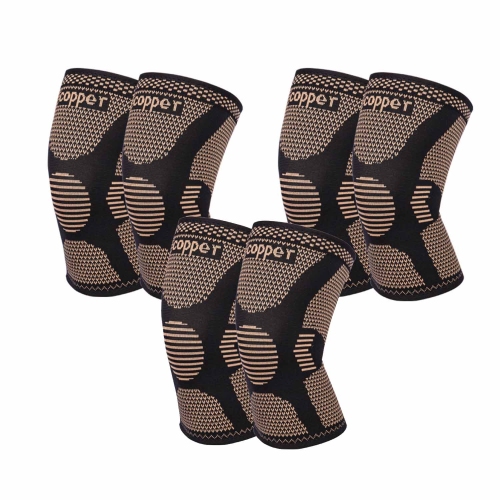
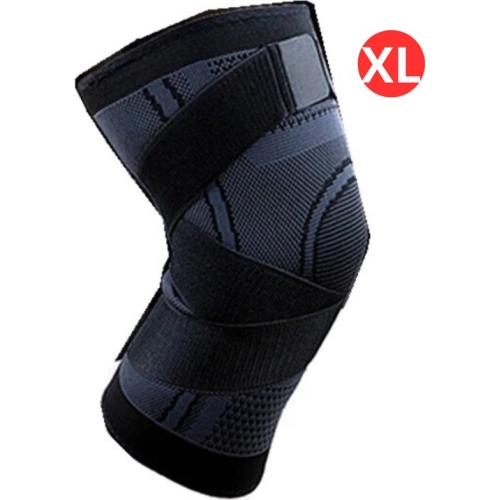
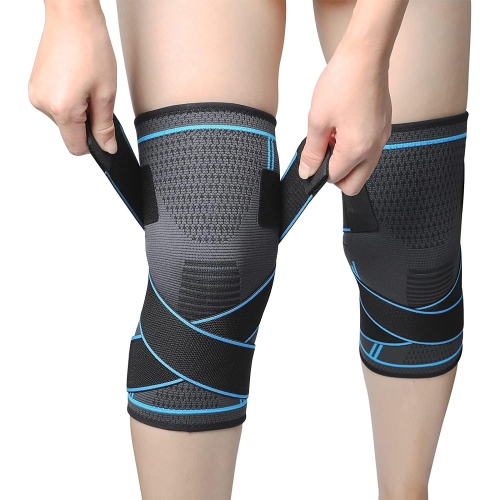
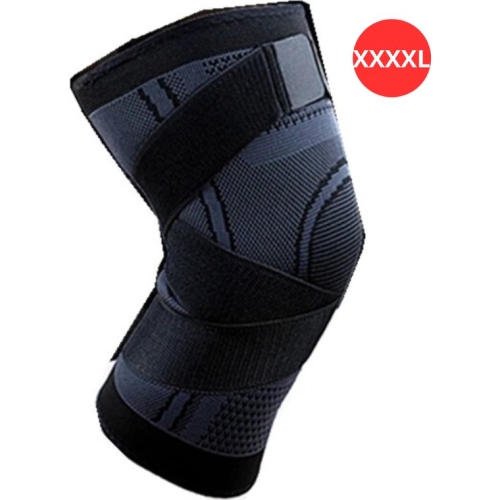
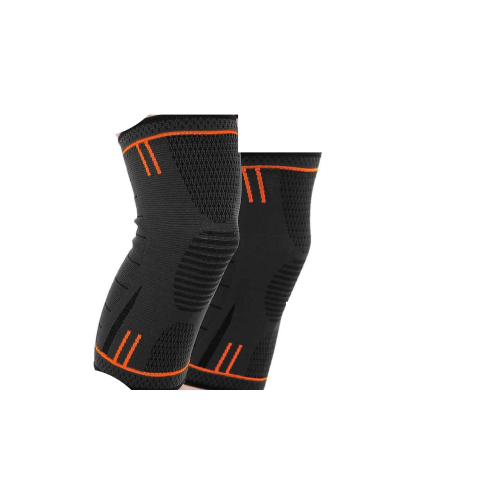
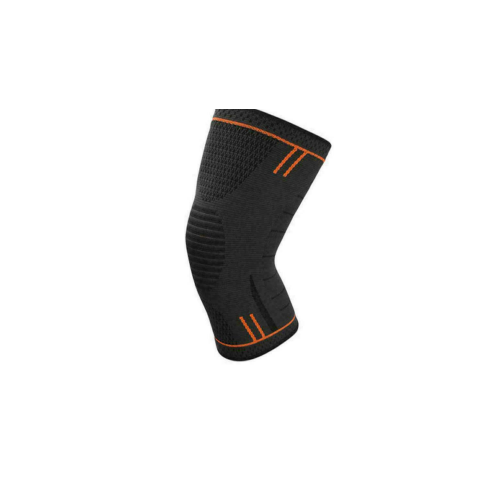
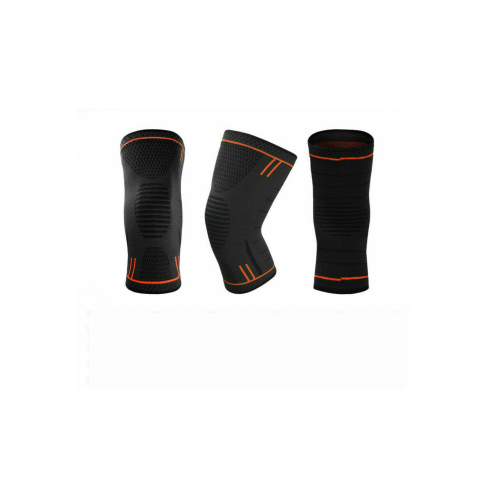


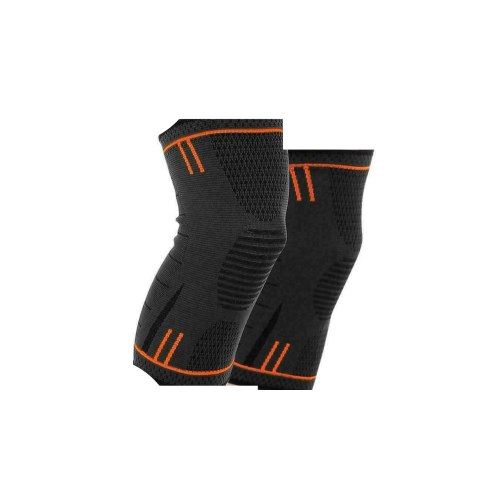
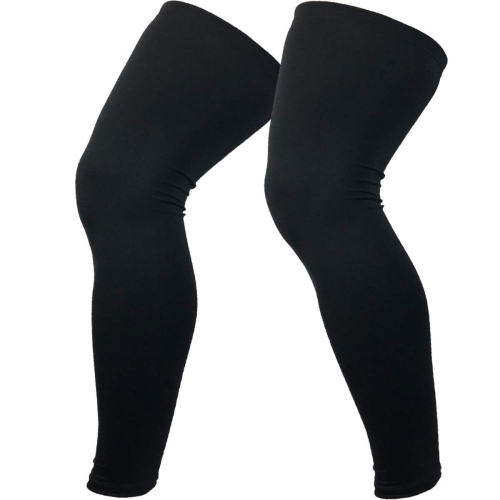
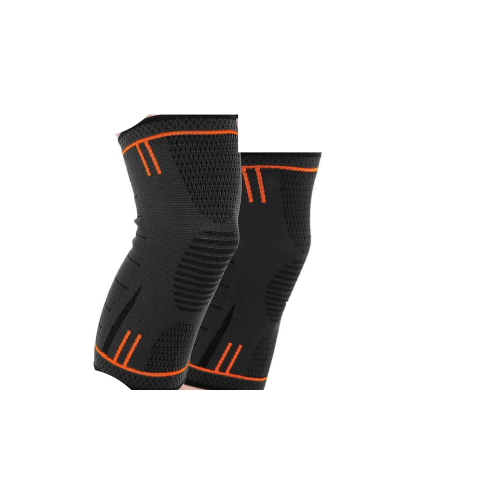
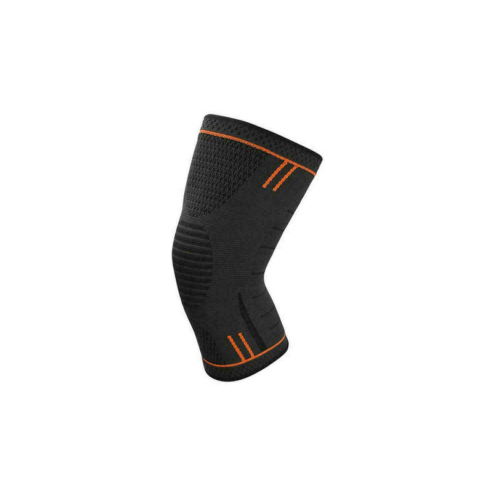
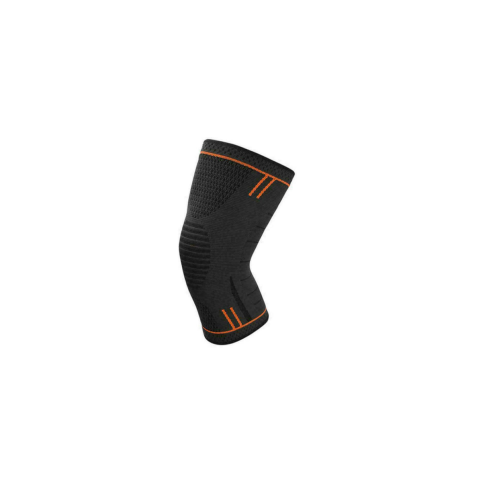
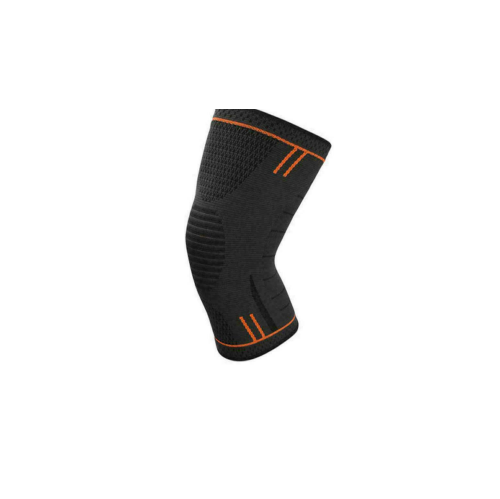

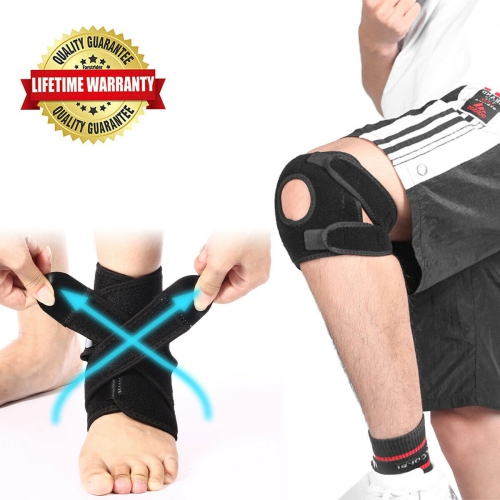
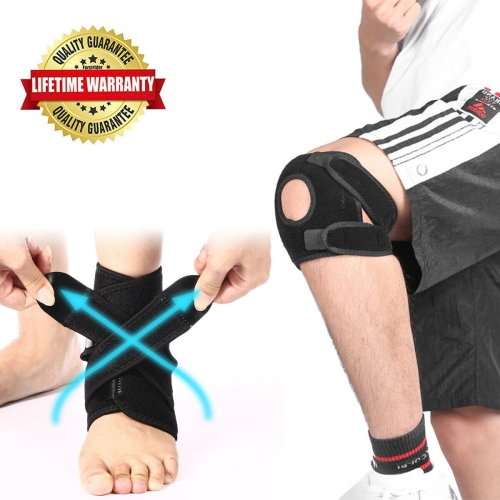
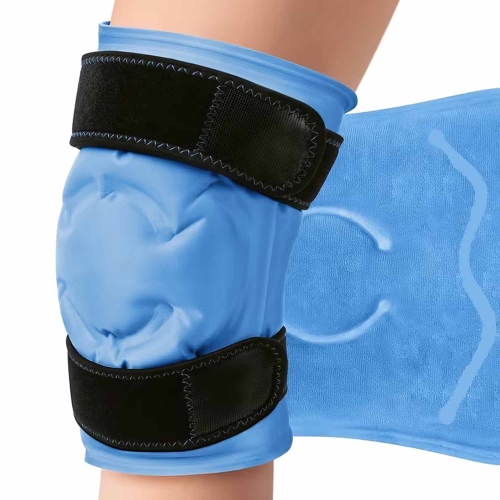
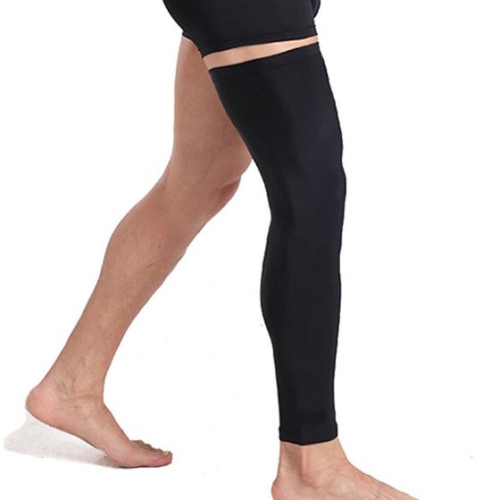
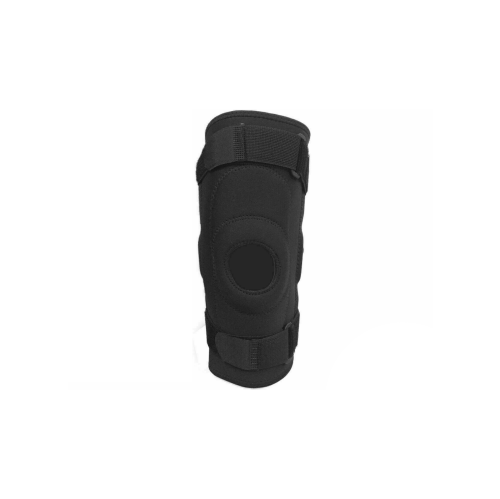
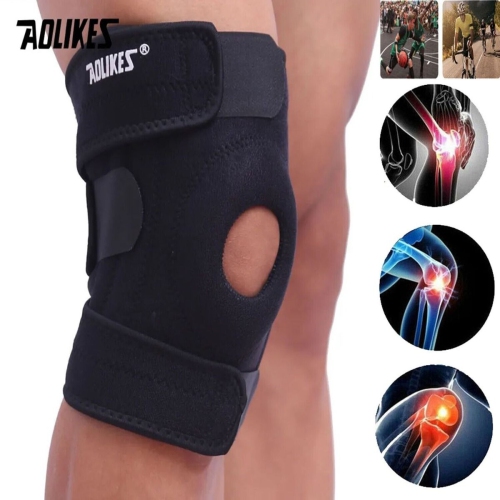







How thickness, sizing and care shape training support
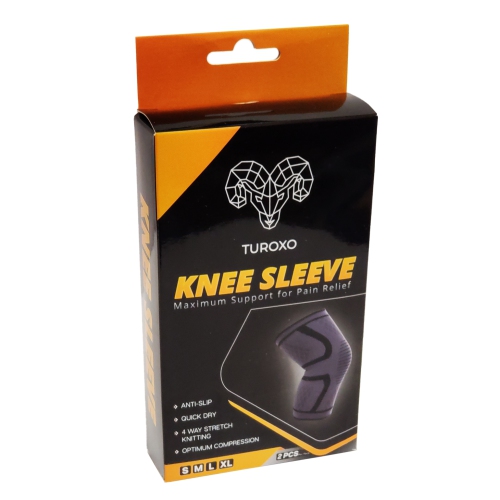
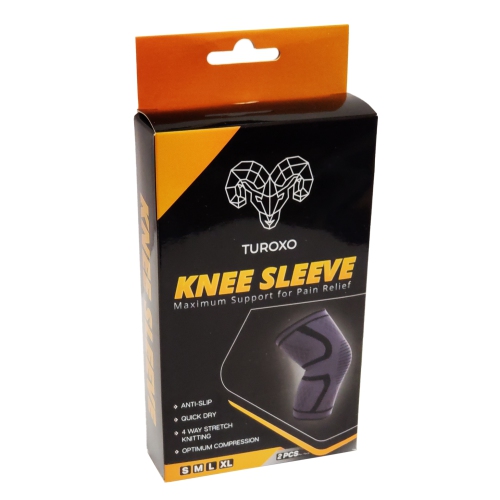
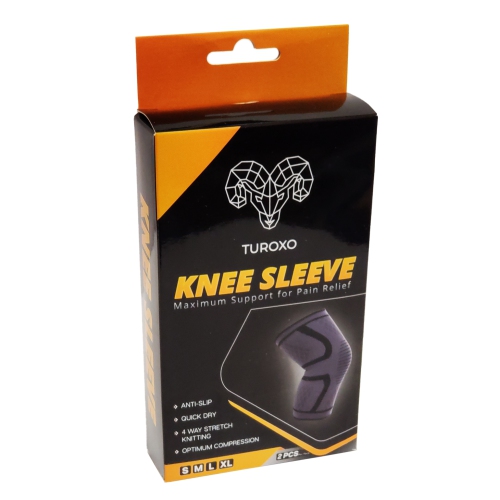
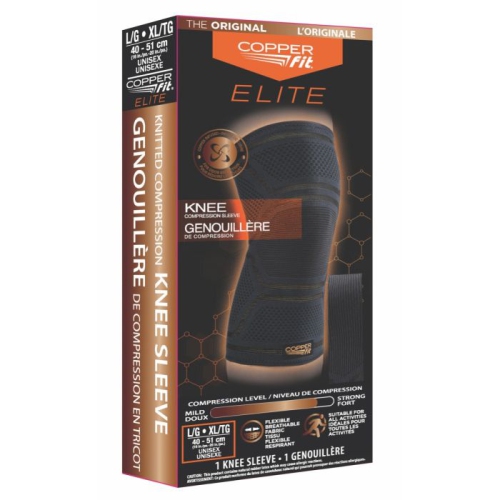
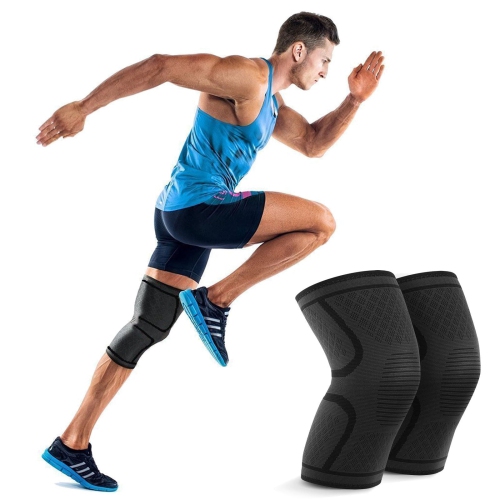
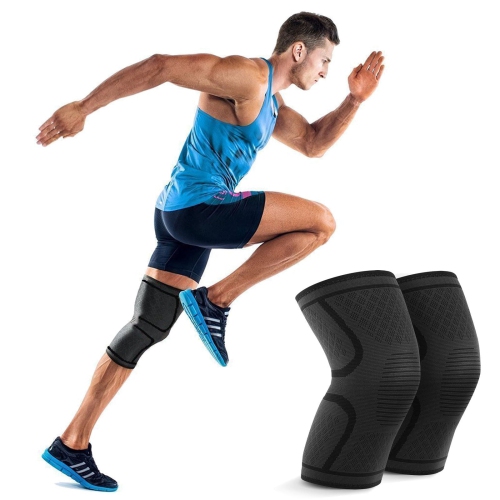
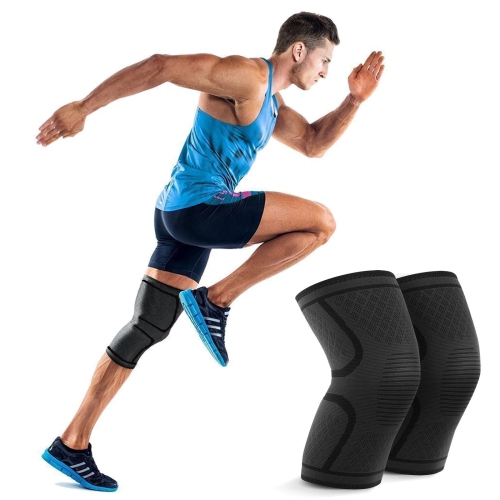
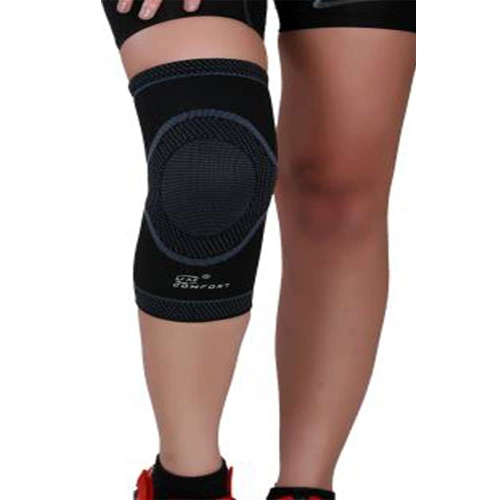
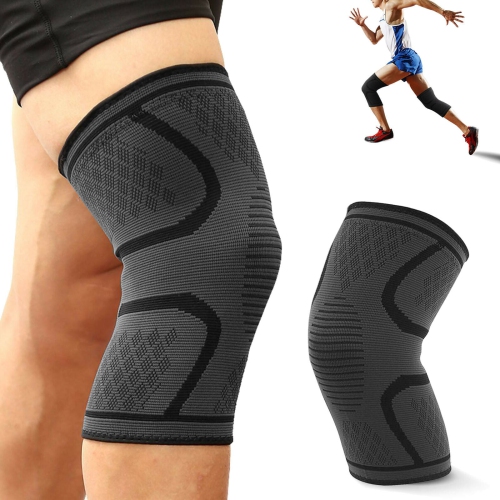
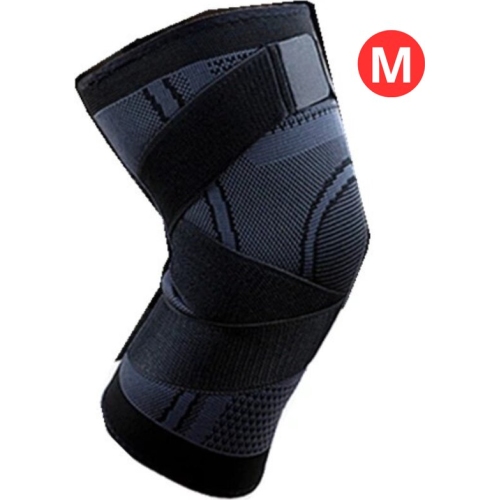
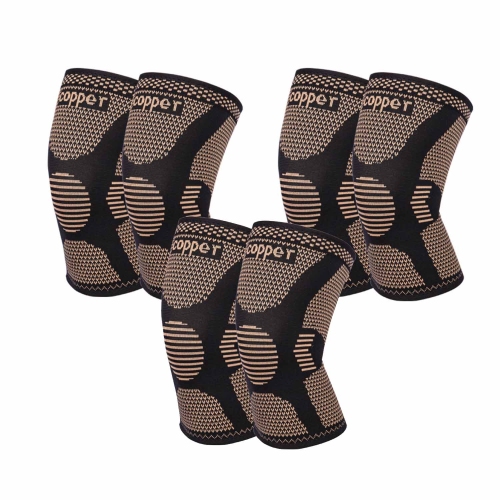
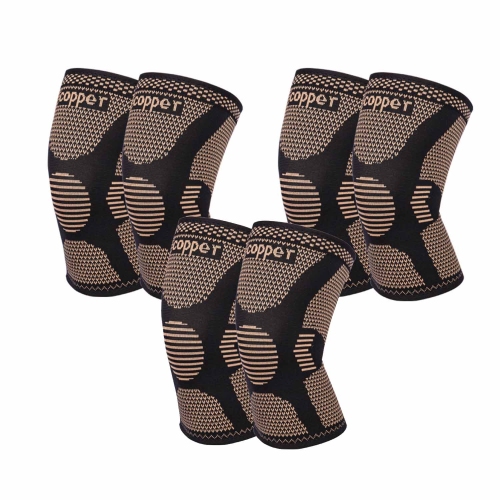
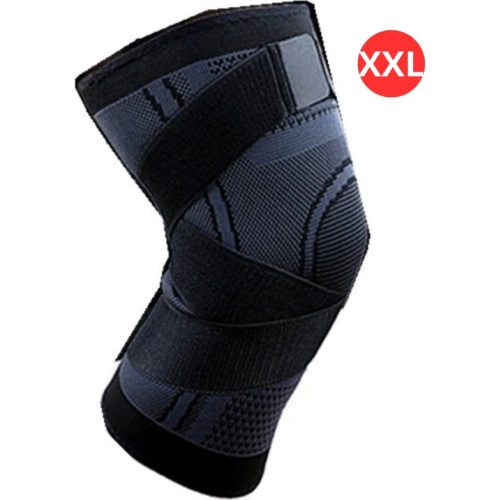
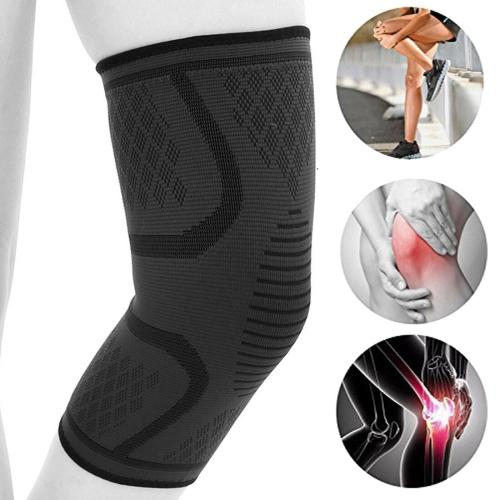
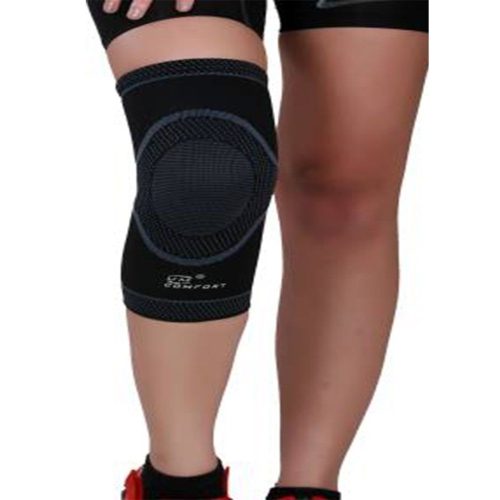
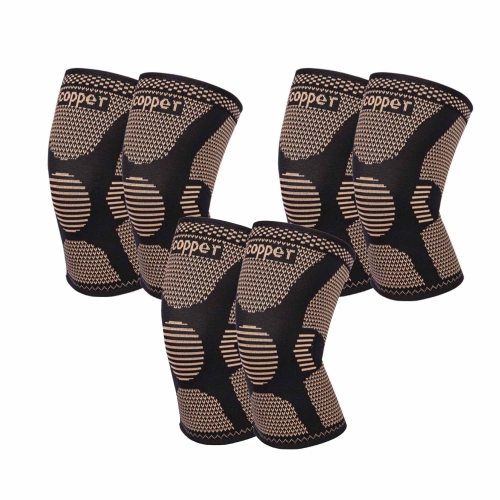
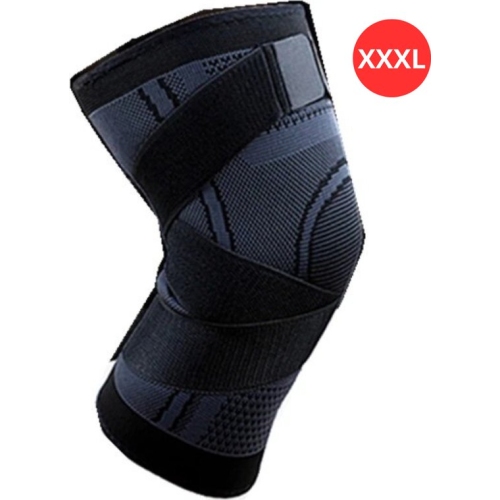
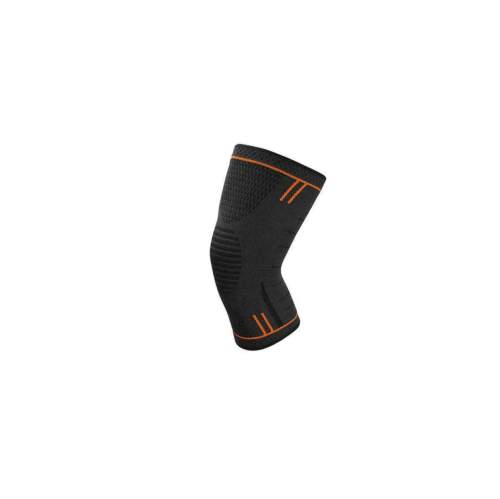
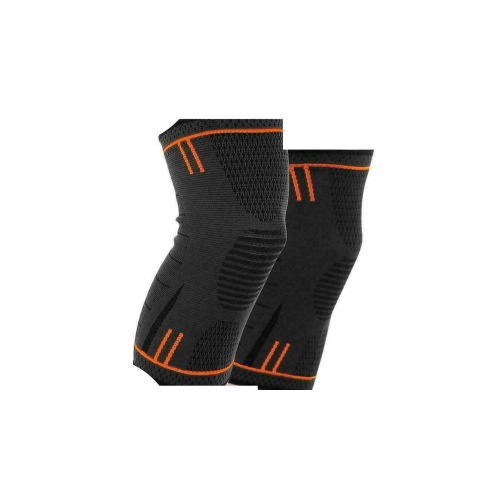
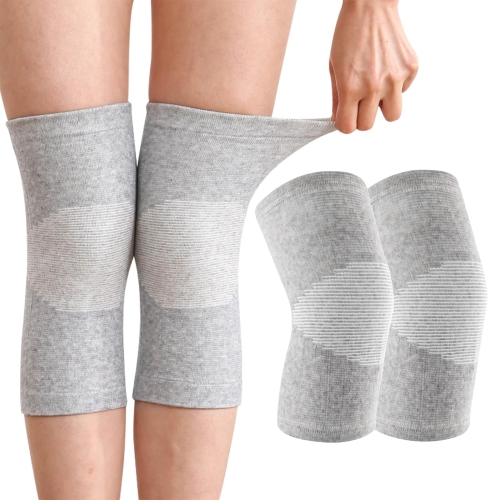
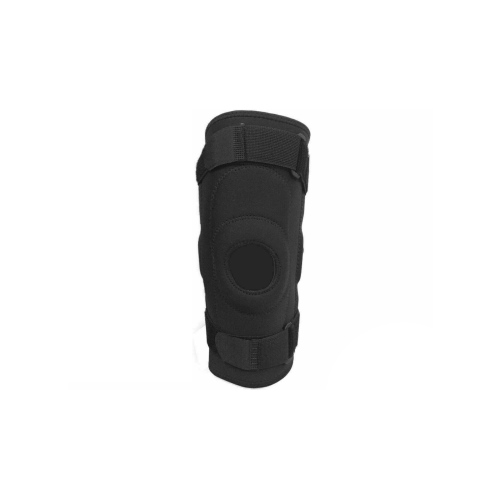
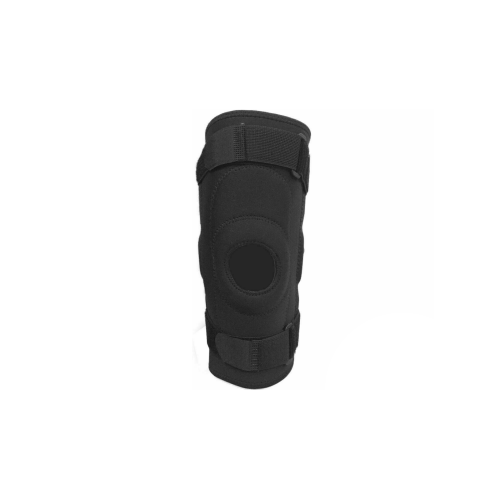
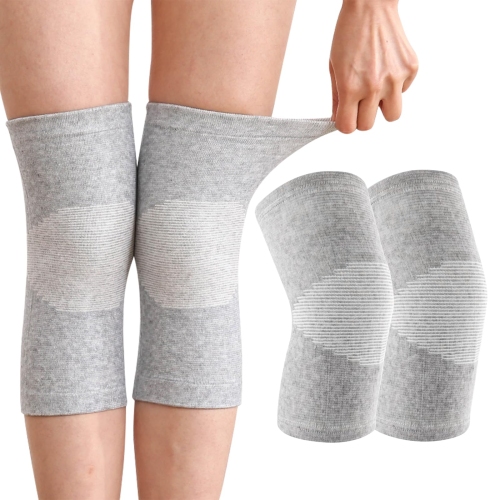
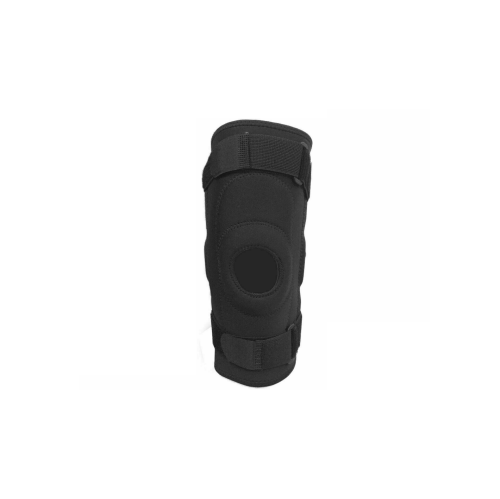
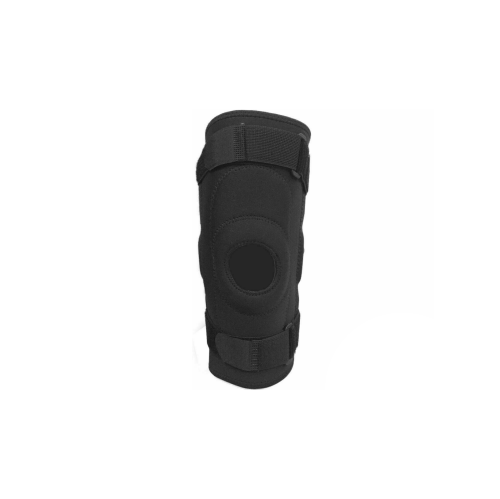
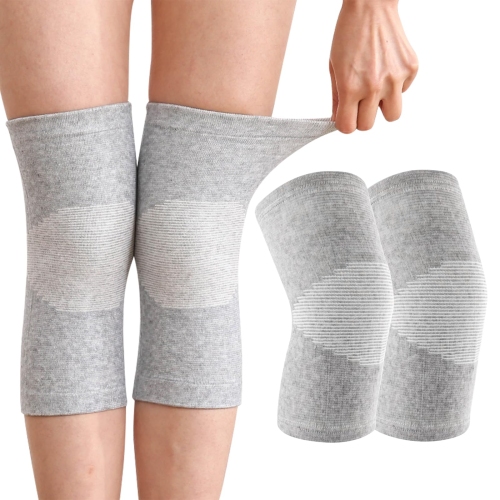
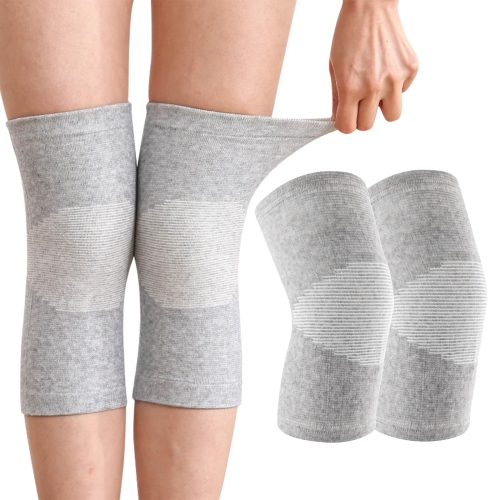
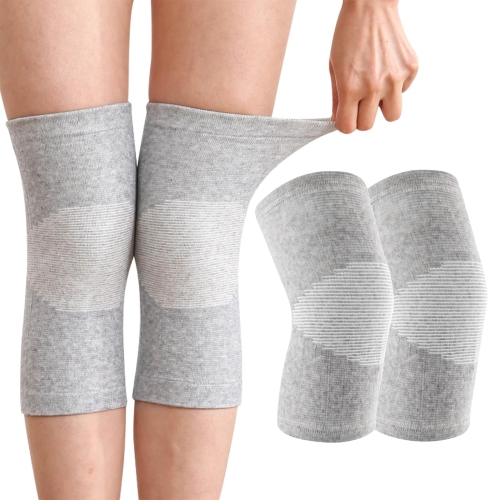
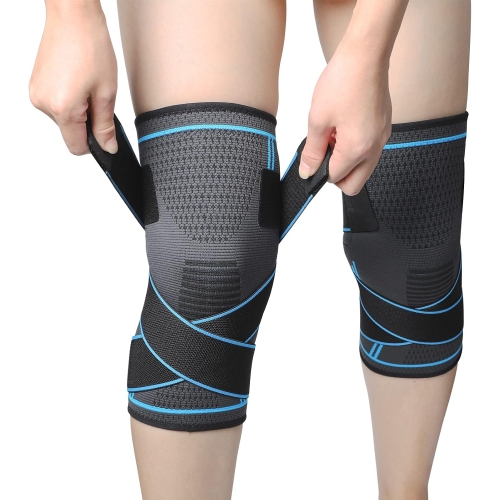
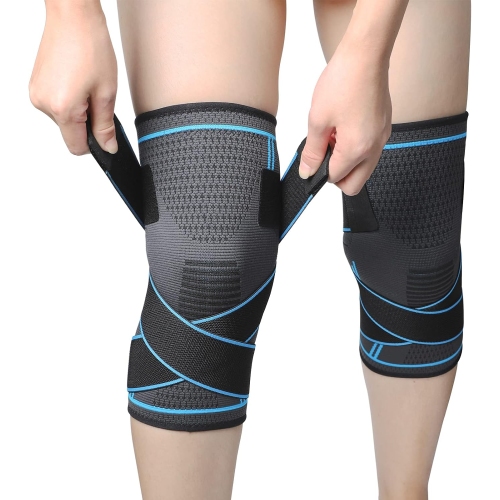
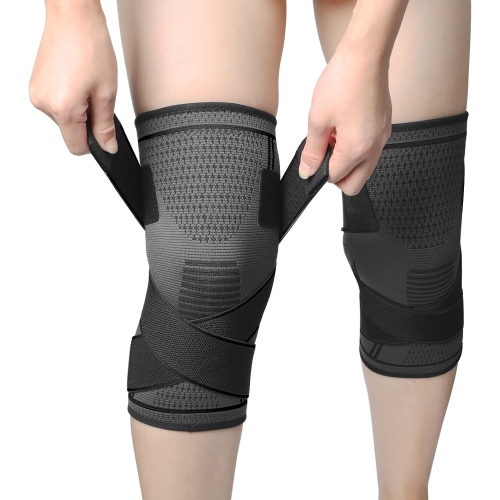
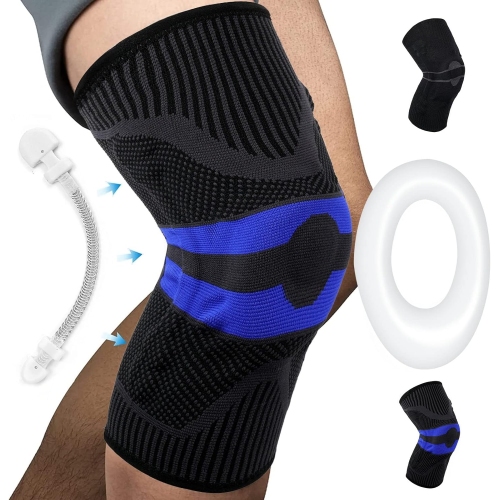
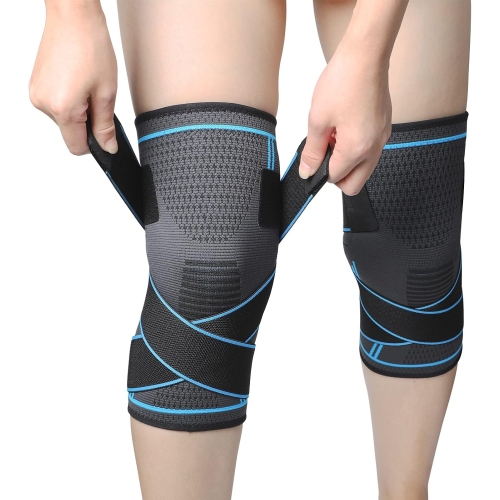
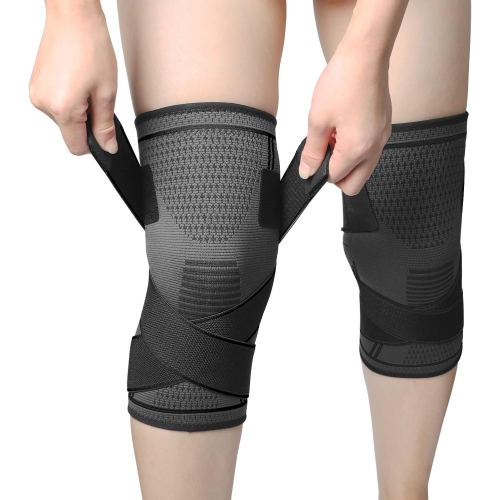
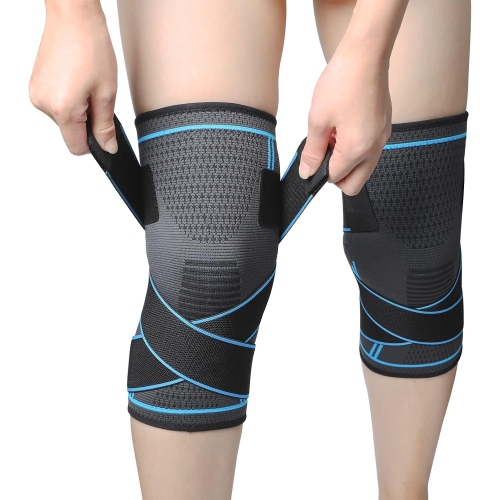
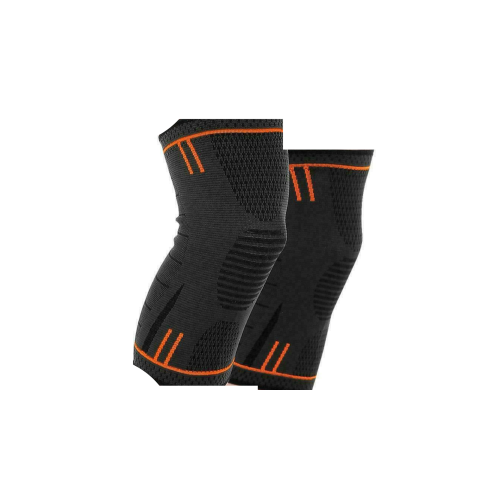
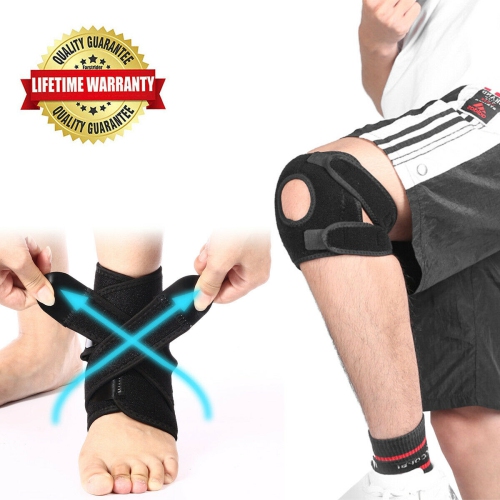
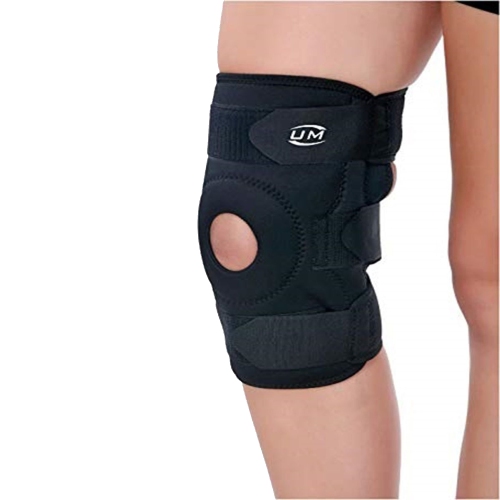
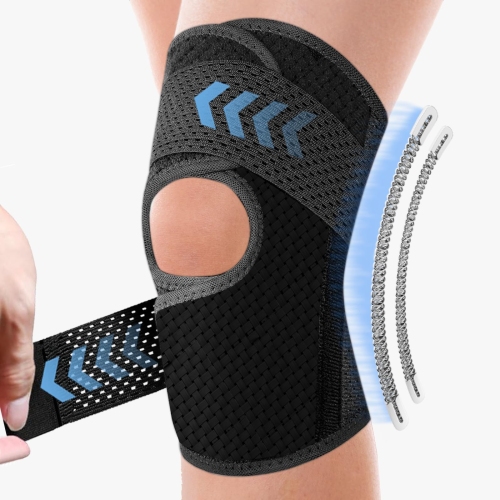
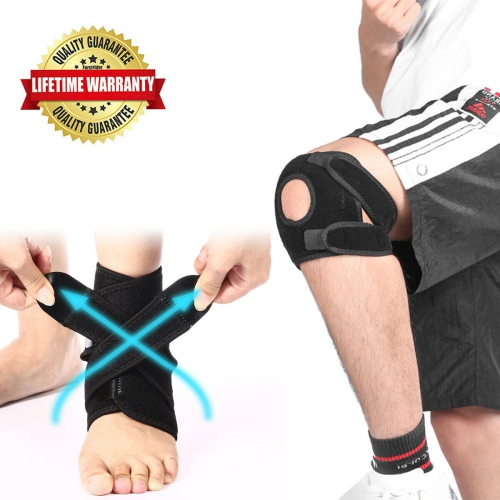
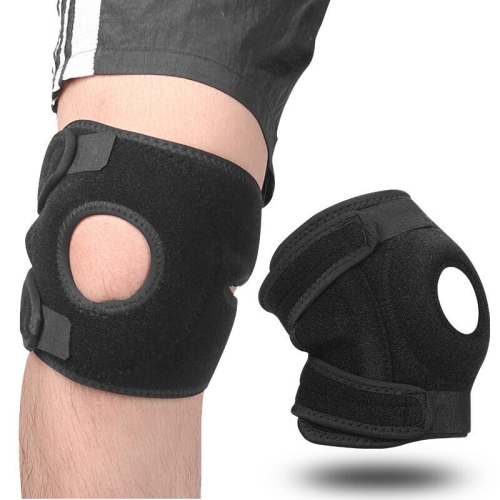
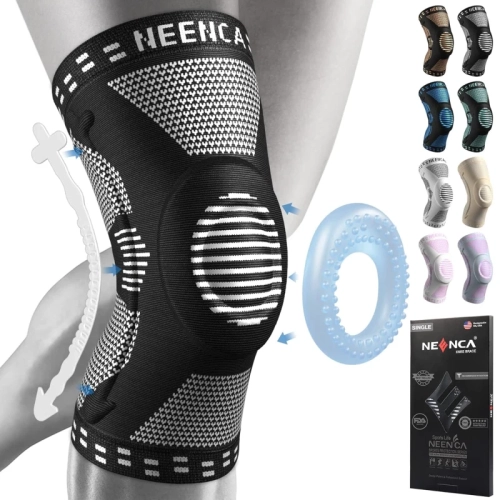
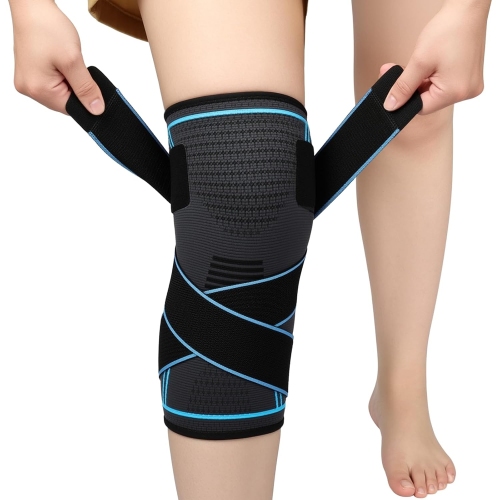
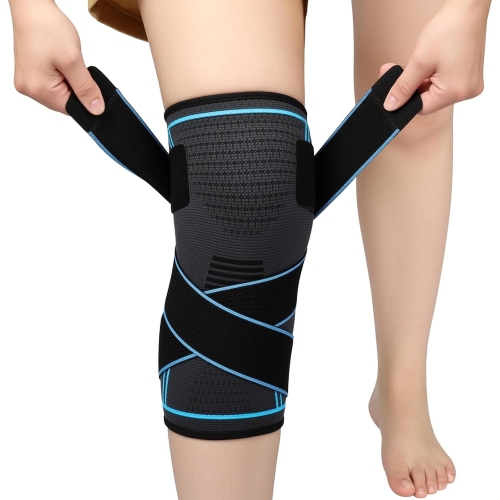
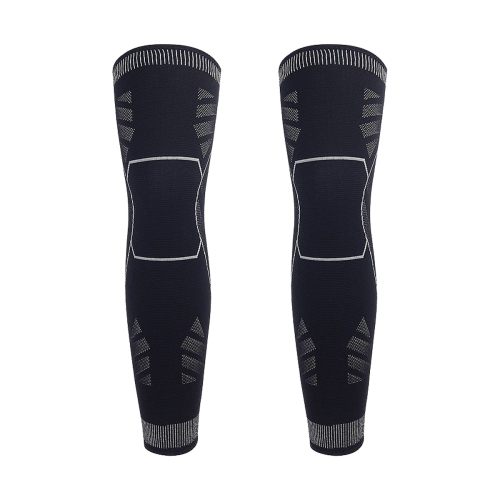
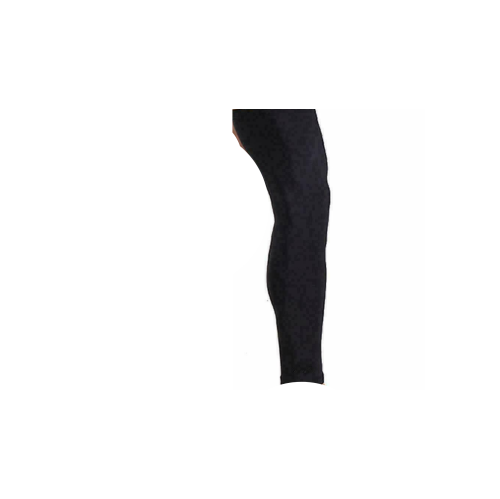
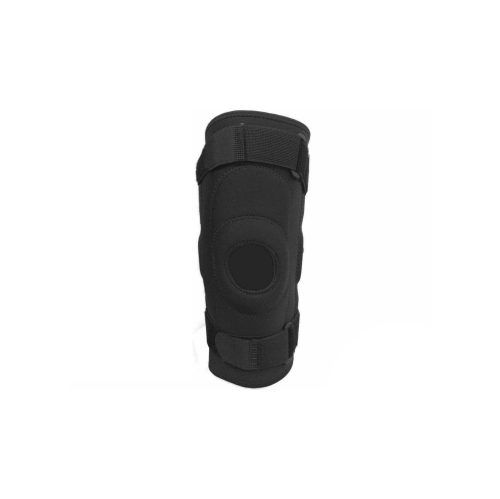
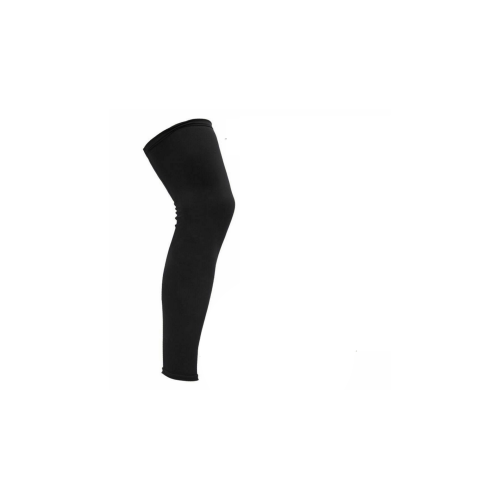
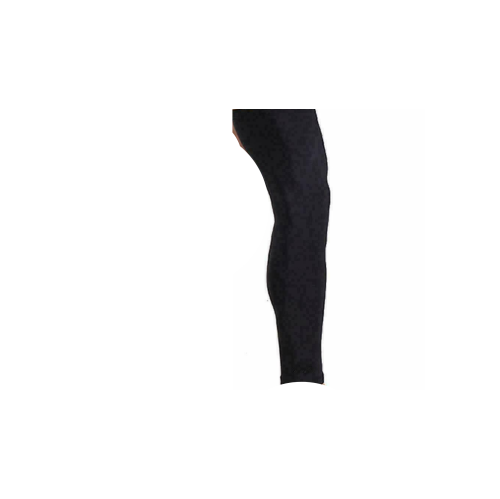
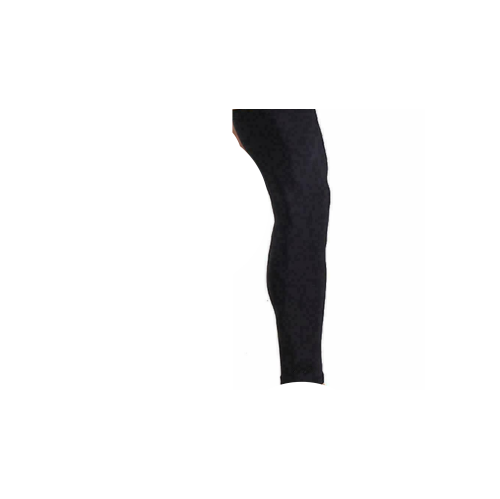
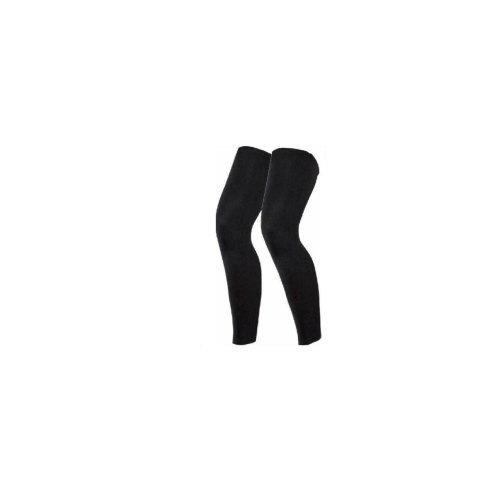
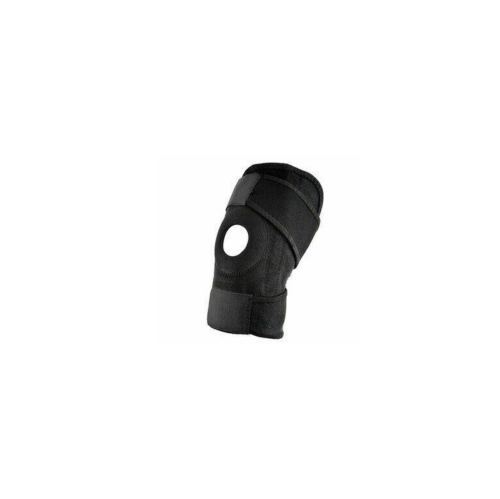
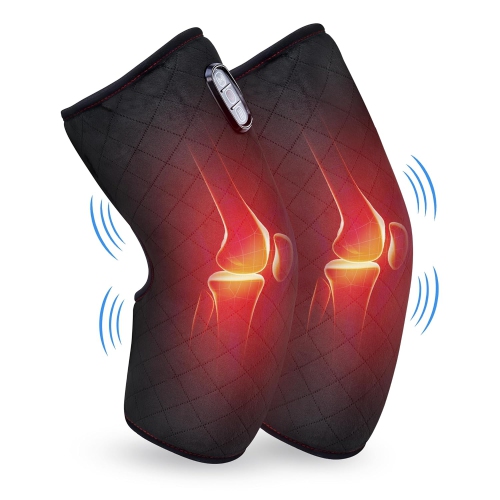
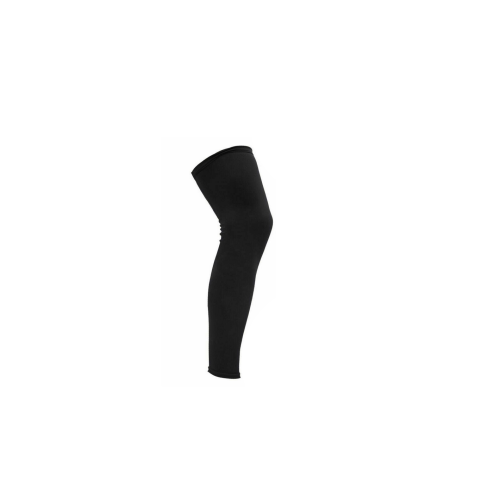
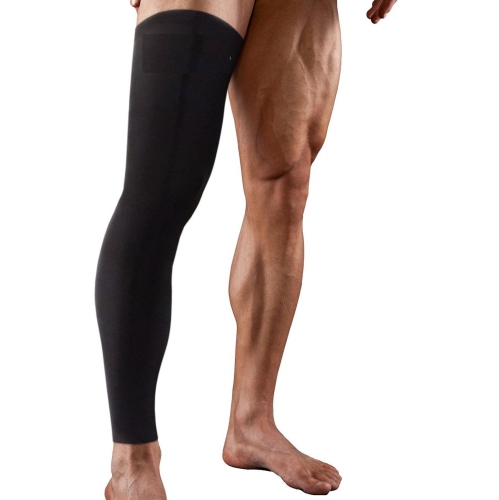
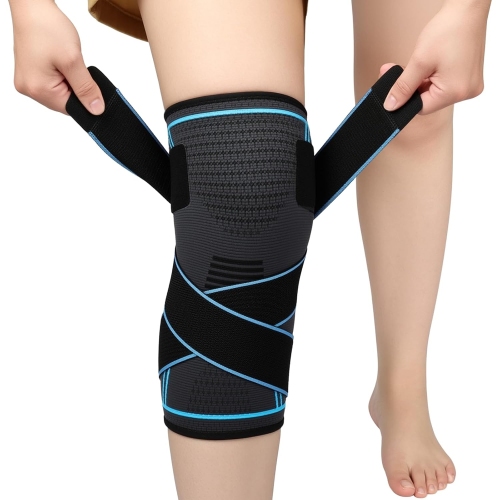
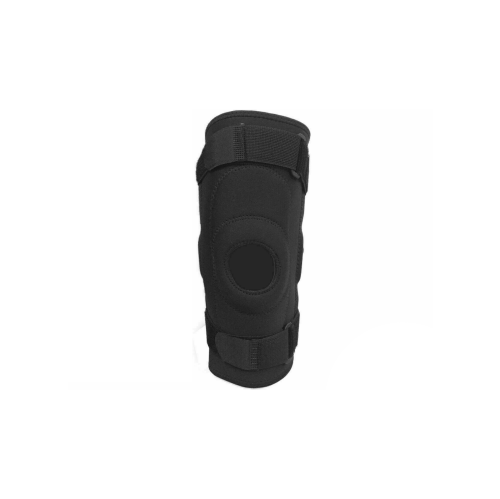
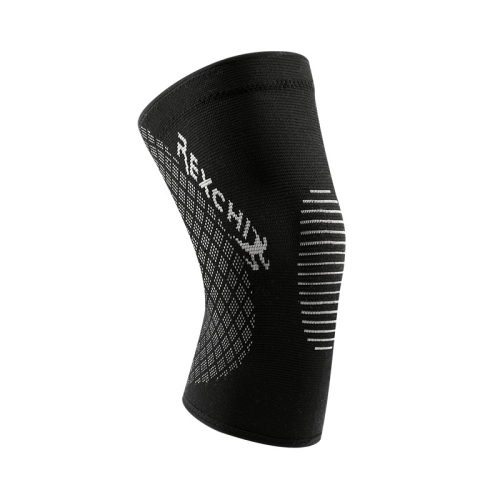
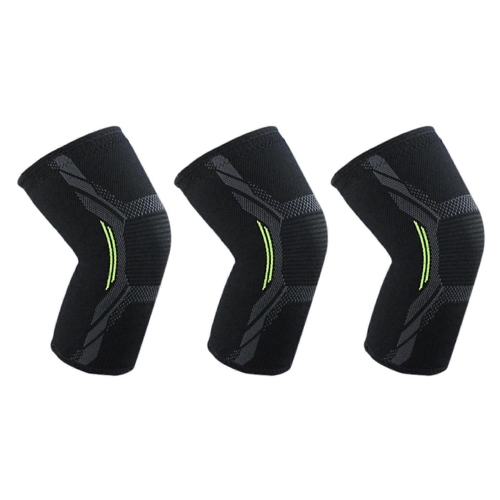
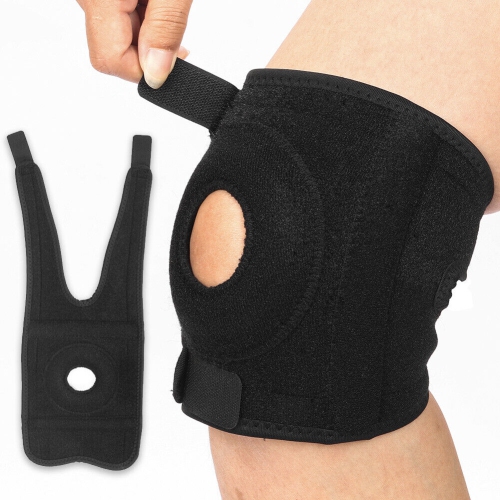
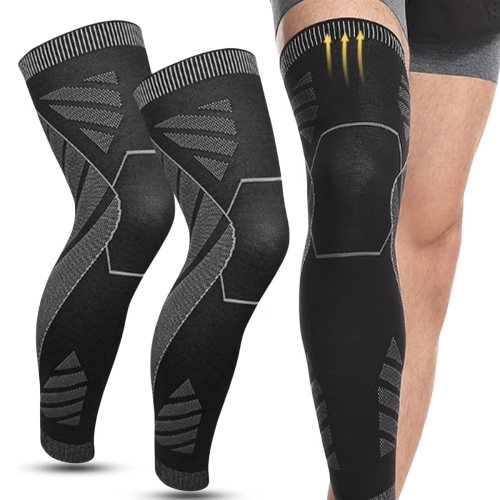
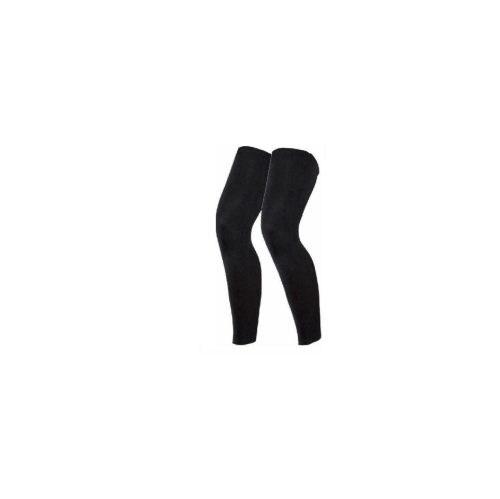
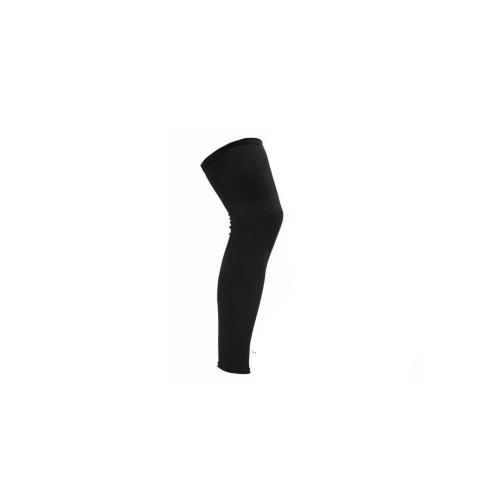
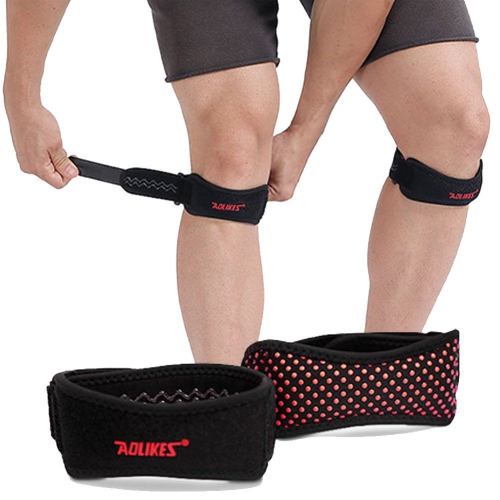
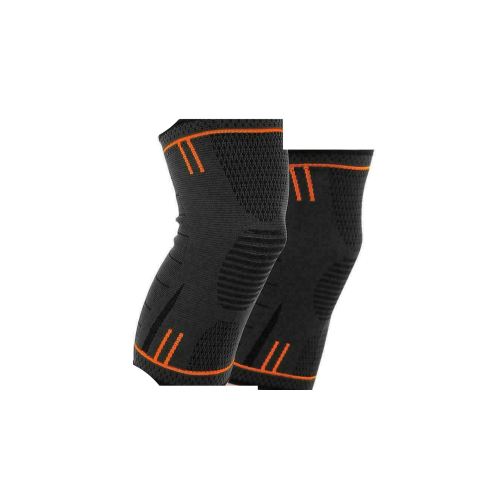
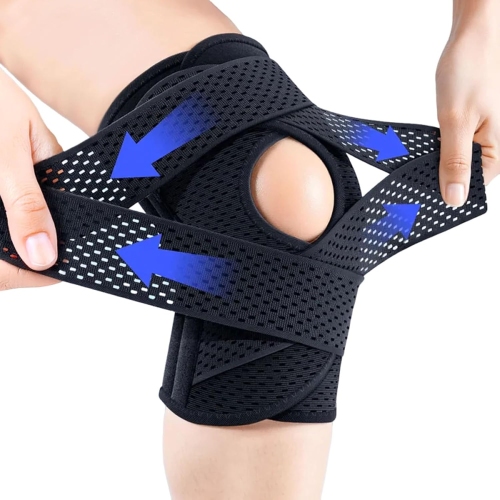
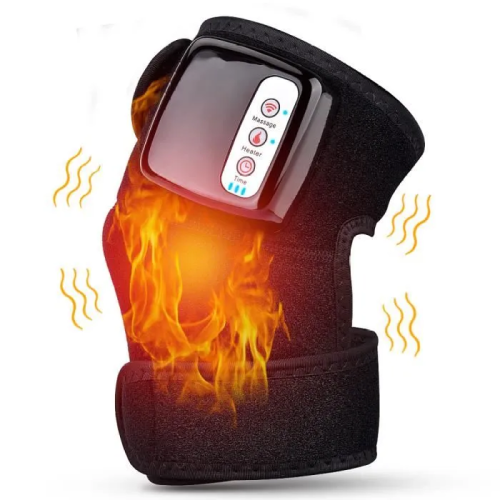
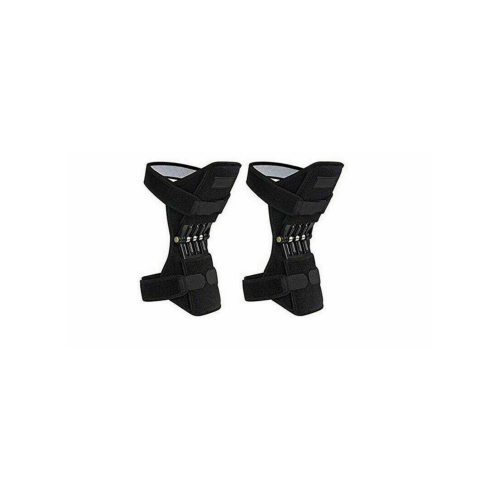
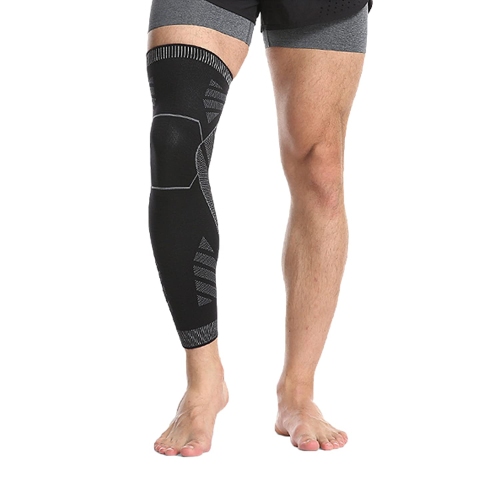
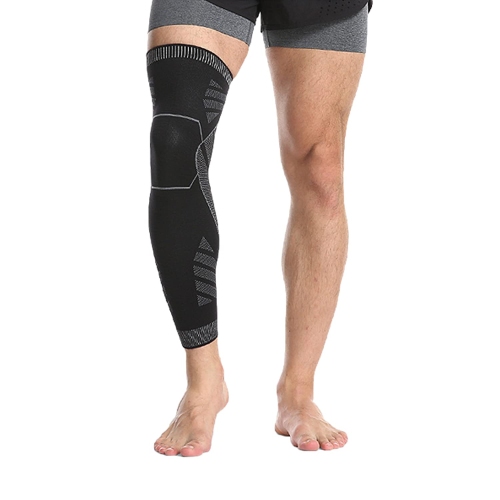
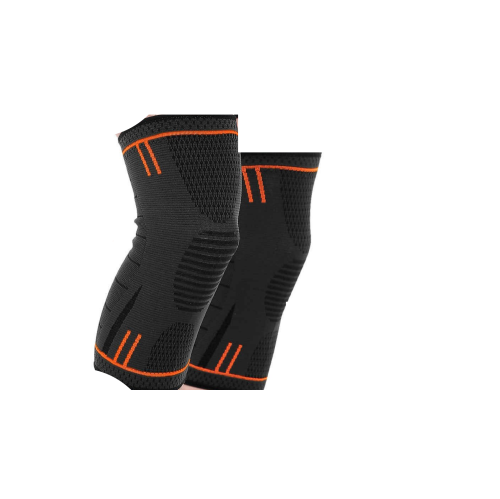
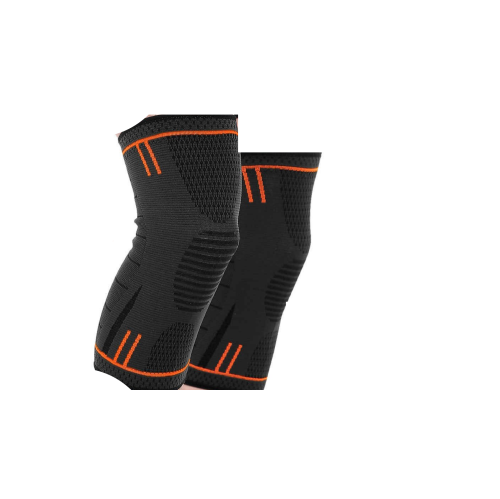
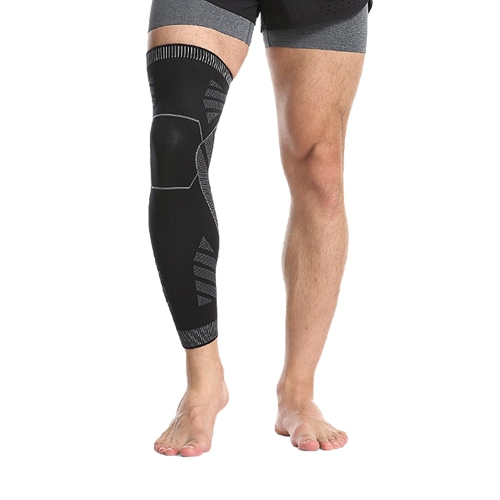
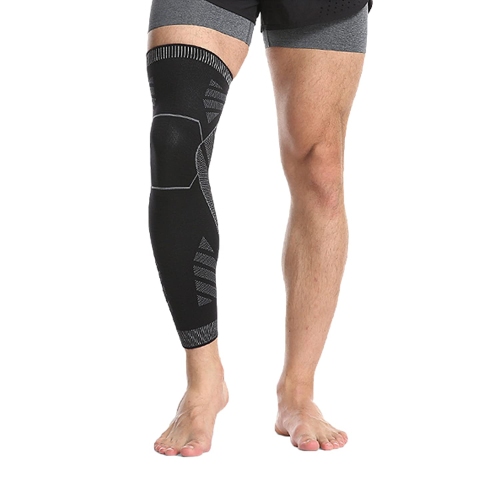
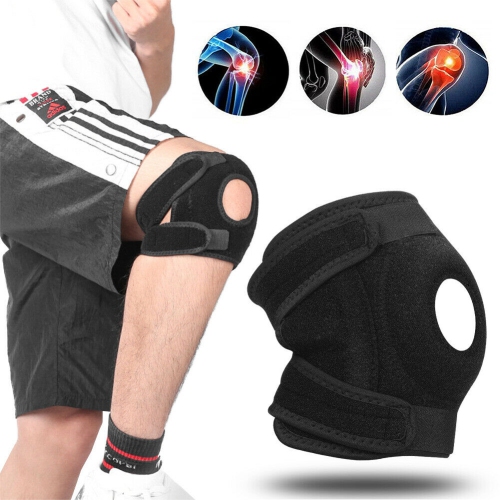
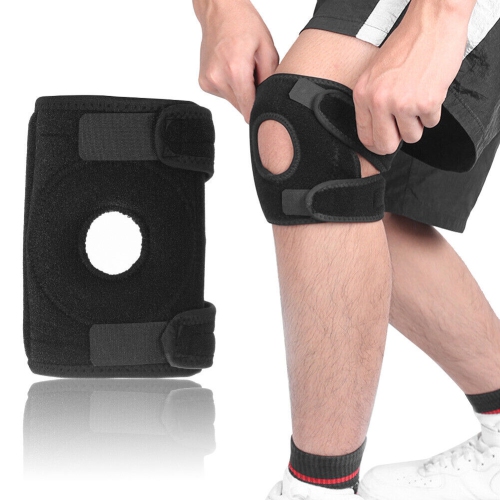
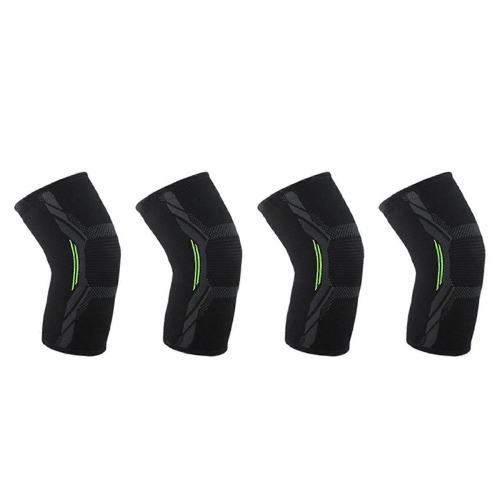
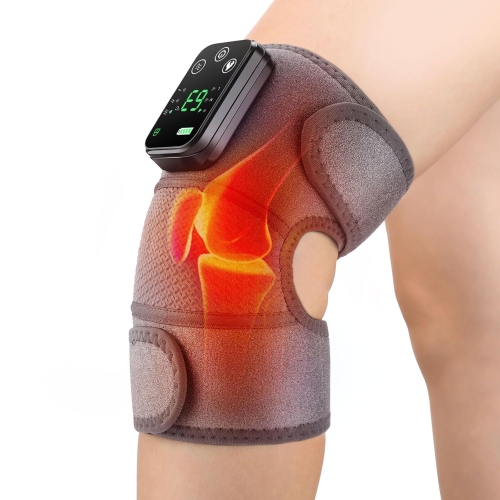
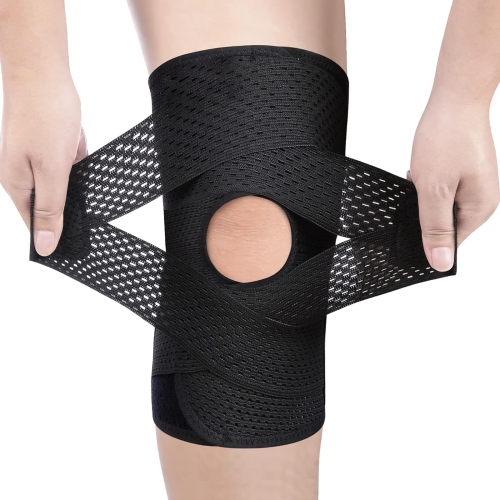
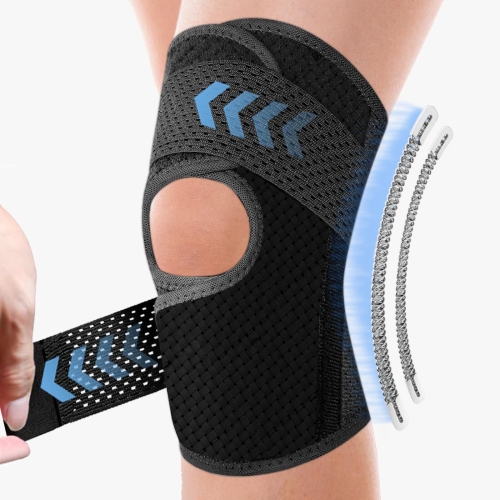
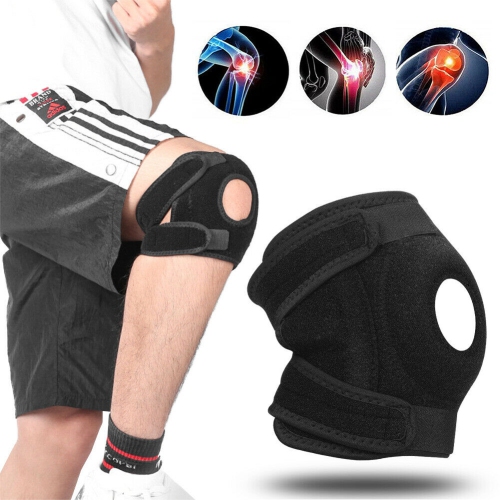
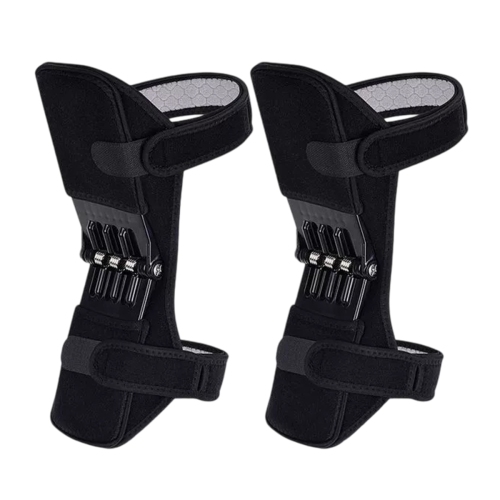
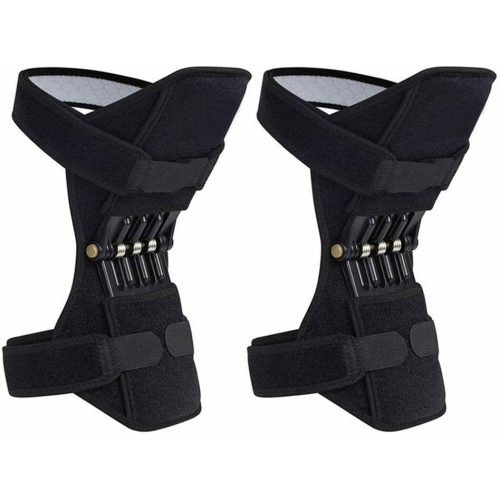
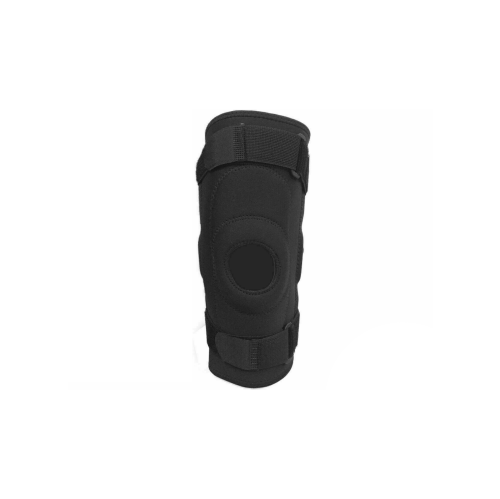
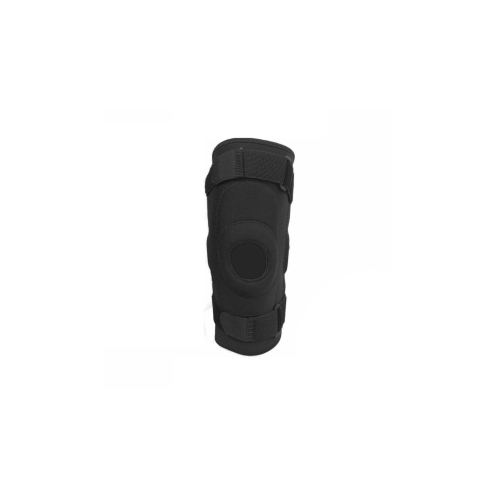
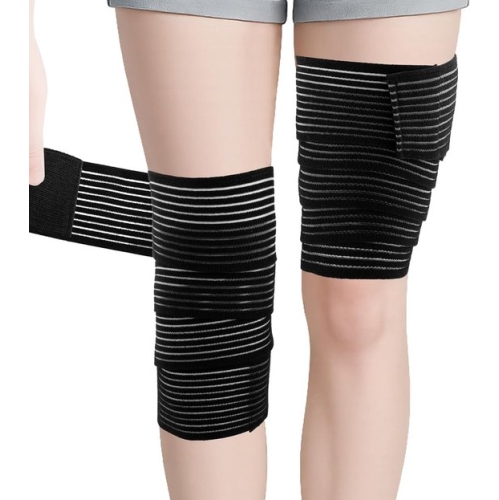
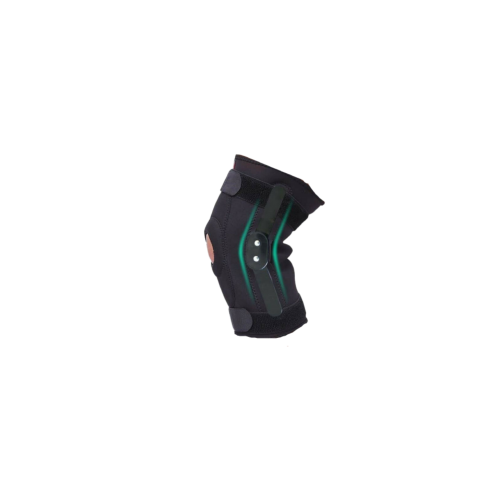
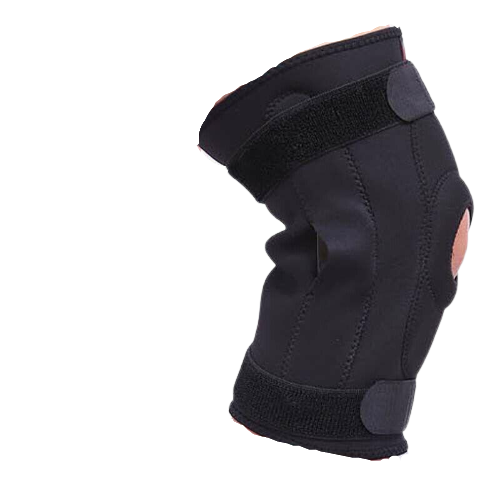
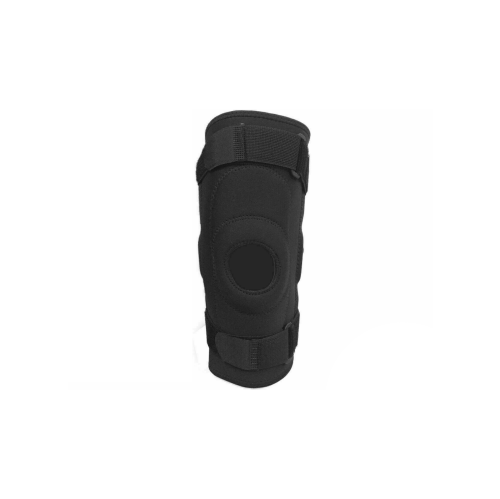
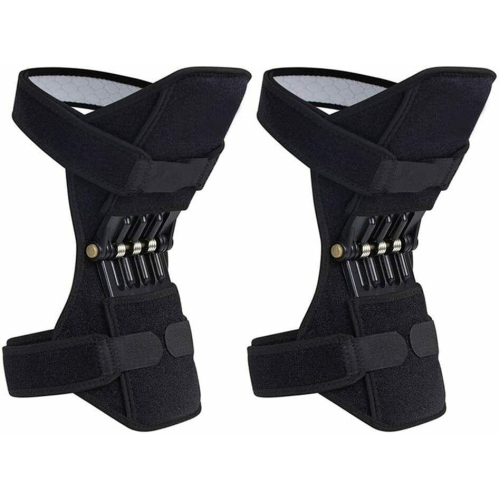
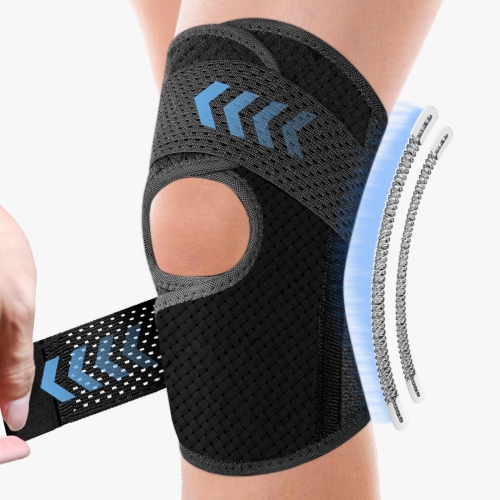
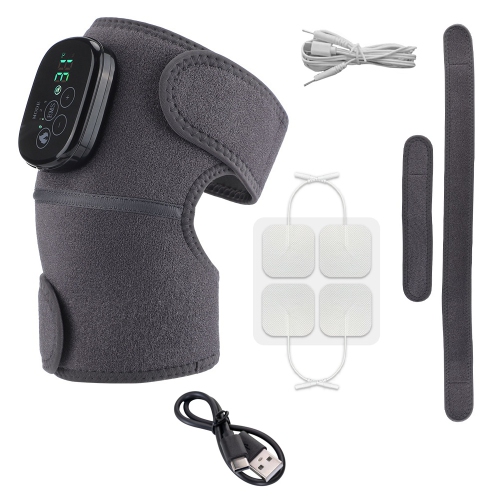
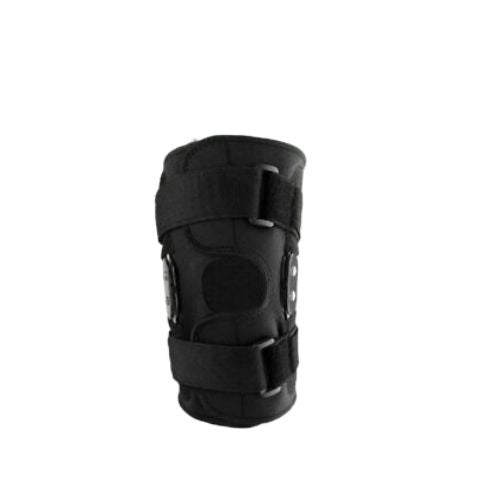
Knee sleeves are tubular, close-fitting supports designed to slide over the knee and provide warmth, compression and a greater sense of stability during movement. They are commonly made from neoprene, elastic fabric or a blend of flexible materials, and they cover the area above and below the kneecap without restricting normal movement as much as a hinged brace. Many people wear them for squats, lunges, weight training, CrossFit-style workouts, running, cycling, court sports and general fitness. The gentle pressure can help the wearer feel more aware of the knee’s position, while the retained warmth may help the surrounding muscles, tendons and ligaments feel prepared during activity, particularly during cooler months or in an unheated gym. Some athletes also appreciate the added confidence that comes from having a snug layer around the joint when moving through repeated bends, lifts and landings. Knee sleeves are not a replacement for medical assessment or treatment, and they should not be used to push through sharp pain, significant swelling or an injury that needs professional care. For people exploring other neoprene-based supports and accessories, Neoprene Sleeves may also be relevant, although the right choice depends on the intended body area and activity.
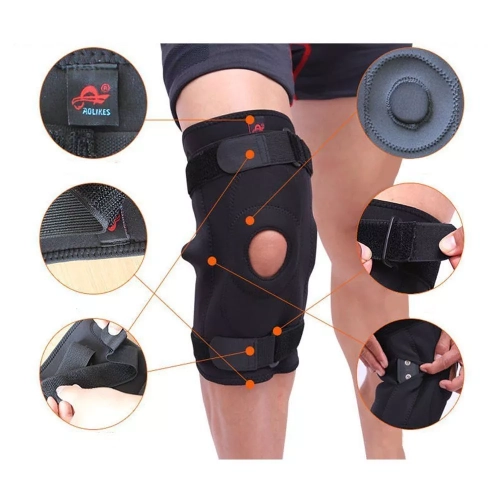
Thickness is one of the most important details to compare because it affects flexibility, warmth, compression and the amount of assistance felt during a lift. Sleeves around 3mm are generally lighter and more flexible, making them a practical option for running, cycling, mobility work, recreational exercise and activities where a full range of motion matters. A 5mm sleeve offers a balance between support and movement, which suits functional fitness, dynamic training and a mix of strength and conditioning exercises. Thicker sleeves around 7mm provide firmer compression and a more substantial feel, and they are often chosen for heavy squats, powerlifting and other strength-focused training where warmth and support are priorities. A thicker sleeve may feel restrictive during fast footwork or deep mobility drills, while a thinner sleeve may not provide the secure, structured sensation some lifters prefer under heavier loads. Consider the activity, the amount of time the sleeves will be worn and whether the main goal is warmth, everyday support, freedom of movement or a stronger rebound sensation at the bottom of a squat. Knee sleeves can also make a thoughtful gift for someone who enjoys training, coaches a team, returns to recreational sport during the cooler months or spends long sessions warming up before lifting. Before purchasing, check whether the pair is intended for one knee or both, review the material and stitching, and look for details such as reinforced seams, an anatomical shape or an interior finish that helps reduce slipping. A sleeve should feel secure without causing numbness, tingling, unusual discolouration or uncomfortable pressure behind the knee.
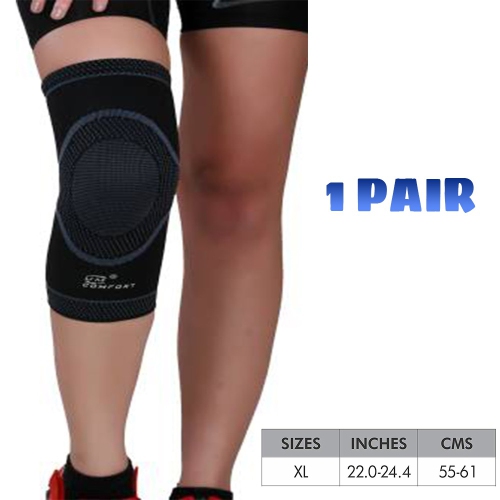
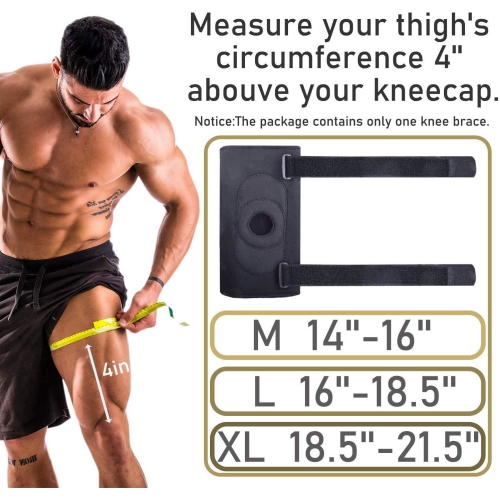
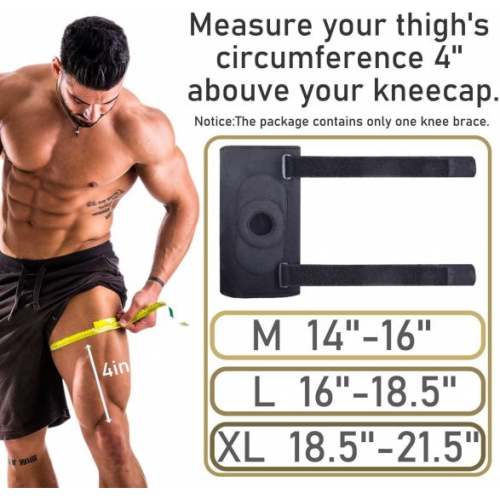
Accurate sizing makes a noticeable difference to comfort and performance. Measure around the centre of the kneecap with the leg straight, then compare that measurement with the specific manufacturer’s size chart rather than relying only on clothing size. For regular training, general fitness and first-time use, following the recommended size usually provides the best balance of compression and ease of removal. Some experienced powerlifters choose a tighter fit for maximum compression during heavy attempts, but sizing down can make sleeves difficult to put on and may create excessive pressure during longer workouts. A sleeve that bunches behind the knee, rolls at the top or slides down during movement may be the wrong size or shape for the wearer. To put one on, turn it partially inside out, position the lower edge below the kneecap, then roll it upward so the centre of the sleeve sits evenly over the joint. After training, hand wash in cold water with mild detergent and rinse thoroughly; a small amount of white vinegar may help freshen fabric that has absorbed sweat. Allow neoprene sleeves to air dry fully away from direct heat, and avoid a hot dryer or washing machine spin cycle, since high heat and aggressive spinning can damage the material and reduce its stretch. Storing them flat or loosely folded once dry helps preserve their shape. With the right thickness, fit and care routine, knee sleeves can become a dependable part of a training bag, ready for an early outdoor run, a cool commute to the gym or a focused strength session indoors.
Top selling and popular products
-
 Your price for this item is $39.99
-
 Your price for this item is $39.99
-
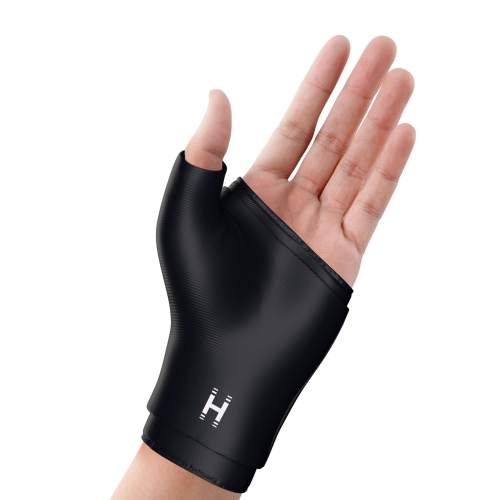 Your price for this item is $29.99
-
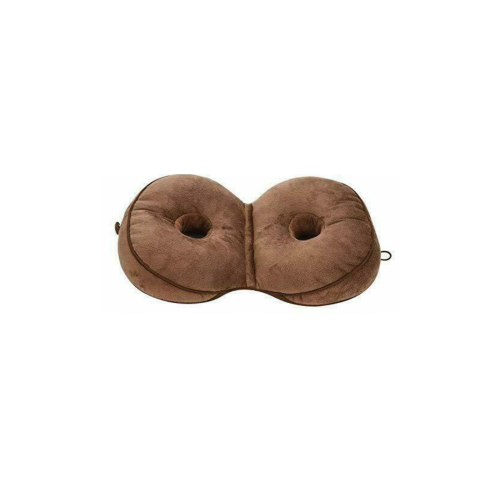 Your price for this item is $90
-
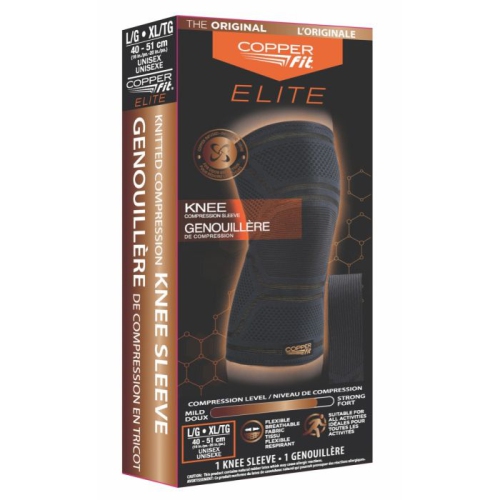 Your price for this item is $24.95
-
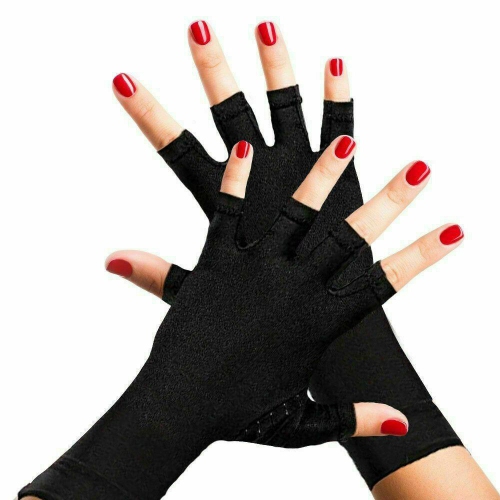 Your price for this item is $20
-
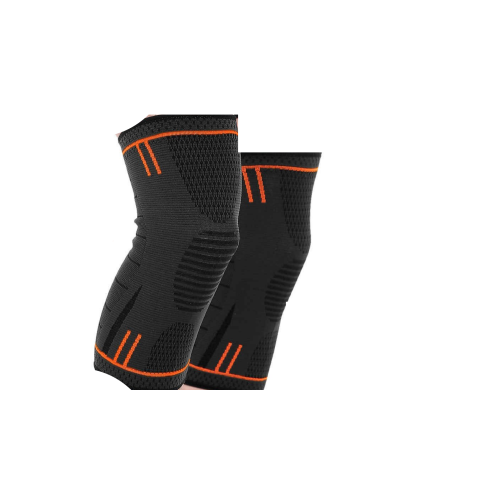 Your price for this item is $20
-
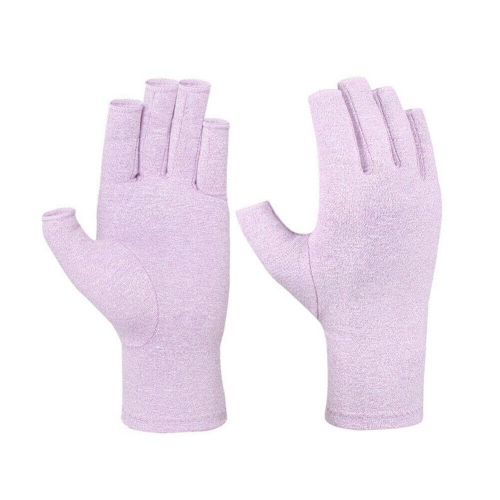 Your price for this item is $24
Discover more categories related to Knee Sleeves

Top Collections:
Pokemon Centers, Best Cameras for Sports Photography, Kindle Devices, Samsung Galaxy Phones, Canon G7X Cameras, Pokémon 30th Celebration Cards, Refurbished Apple Laptops, iPhone 15 Apple, Laptops for Students, Budget Smartphones
Some products may be subject to Environmental Handling Fees
(EHF) depending on your province.
Learn more about EHFs.