Compression Sleeves
Compression sleeves are a versatile and popular accessory for anyone looking to enhance their athletic performance, aid in recovery, or simply improve circulation during daily activities. Designed to provide targeted compression to specific areas of the body, these sleeves come in various styles and sizes to cater to different needs. Whether you're an avid runner seeking extra support for your calves, or someone looking to alleviate discomfort in your elbows or knees, compression sleeves offer a non-invasive solution that can help you stay active and comfortable throughout the day. Discover the benefits of compression sleeves and find the perfect pair to complement your lifestyle and fitness goals.
Sort
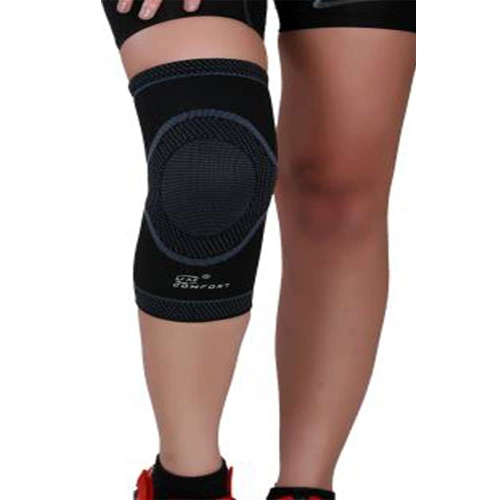
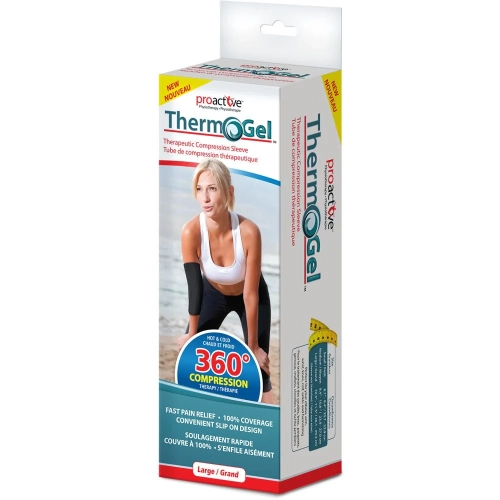
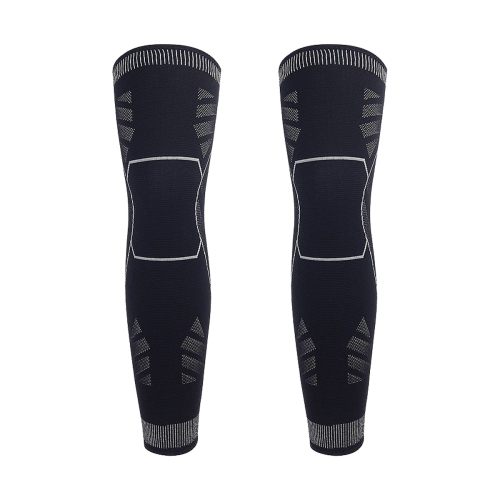
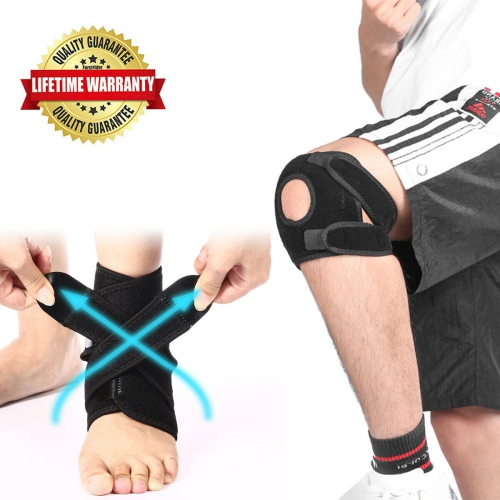
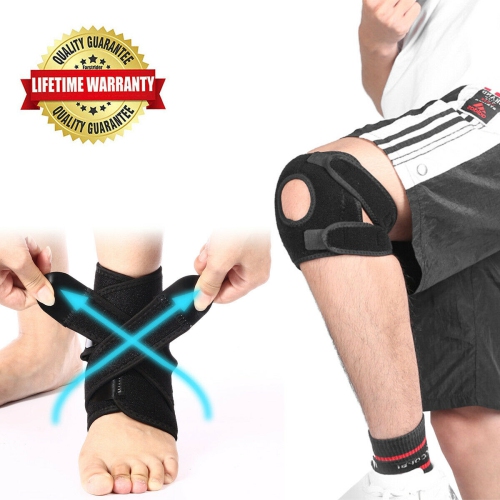
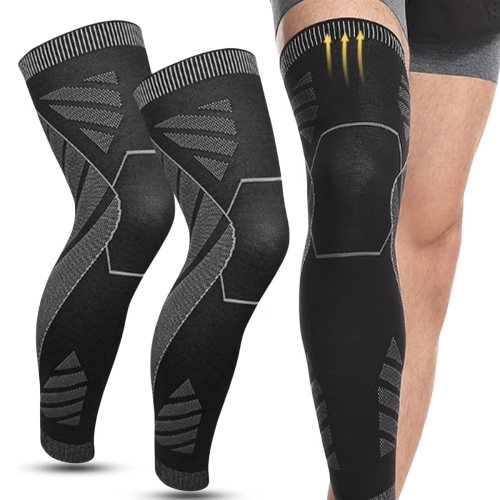
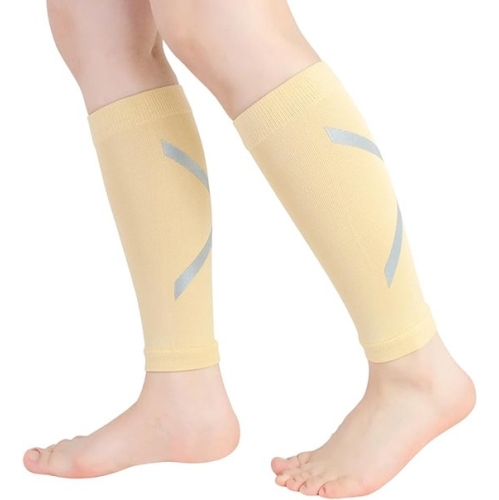
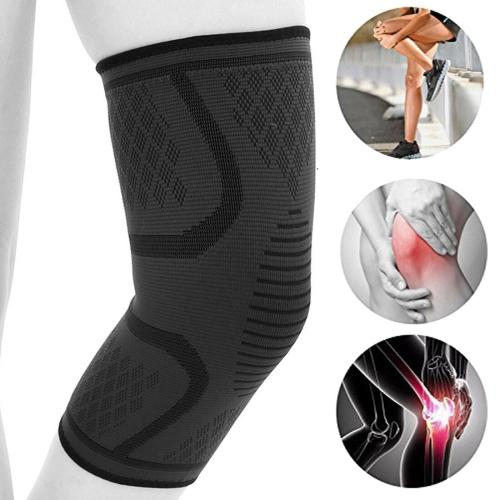

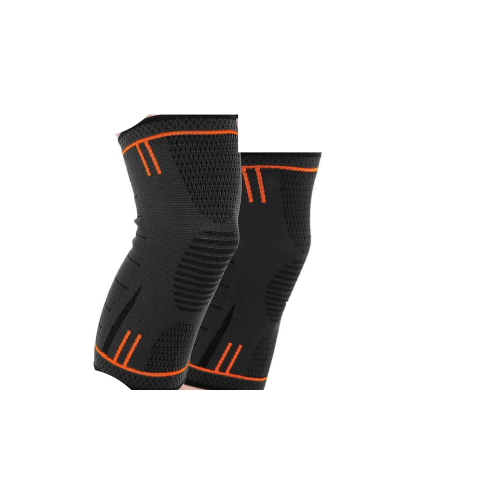

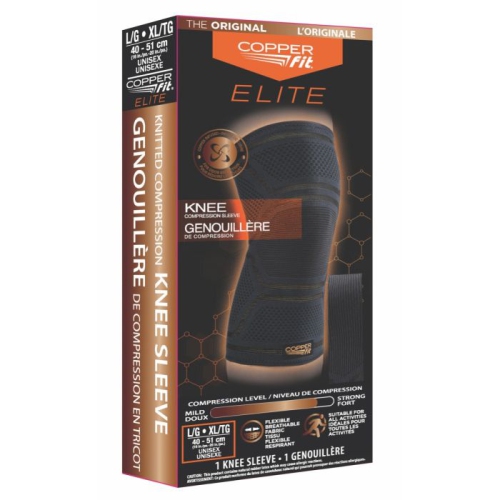
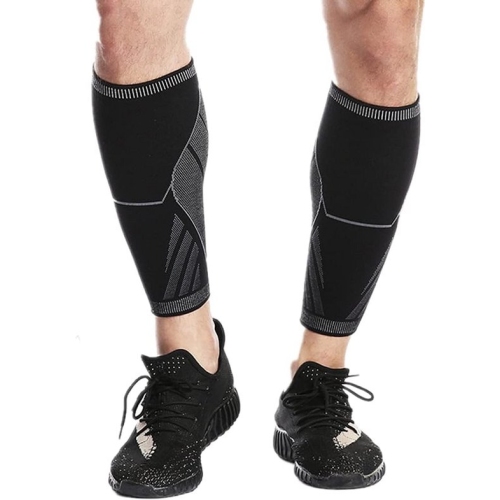


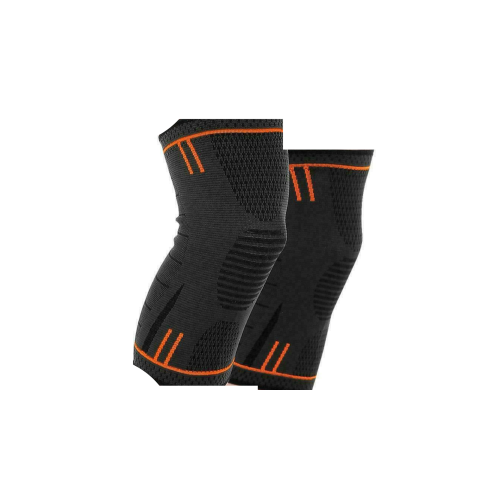
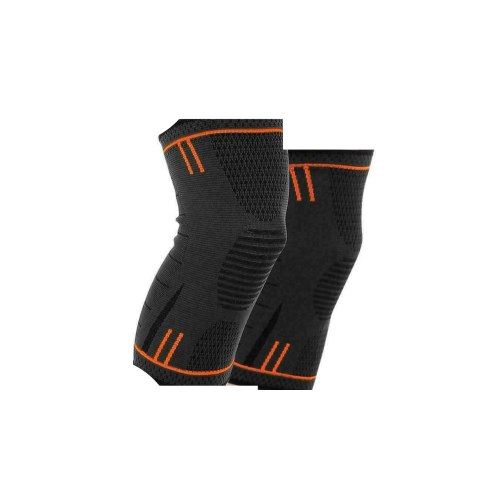
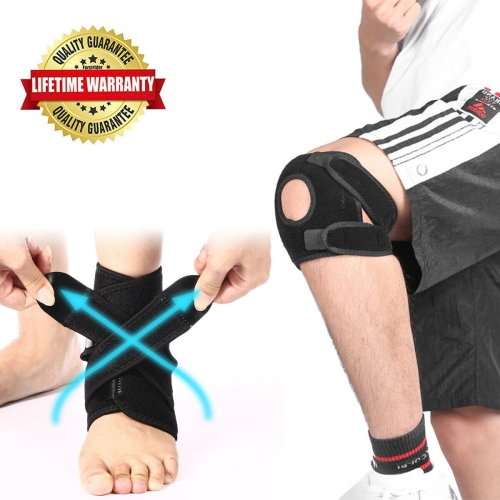
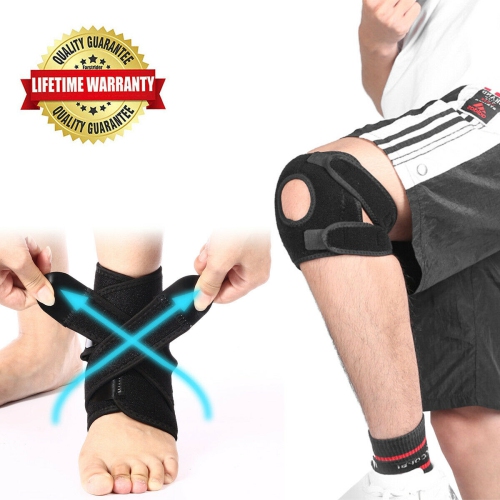

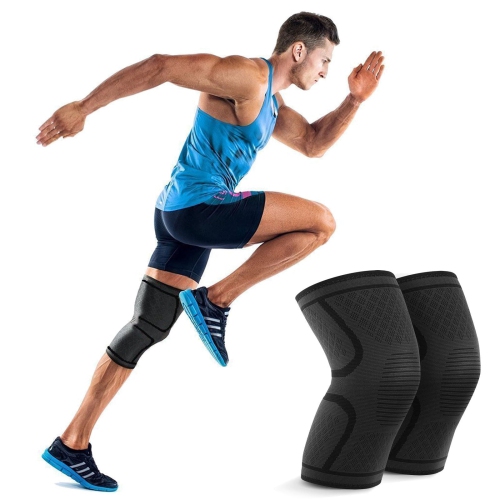
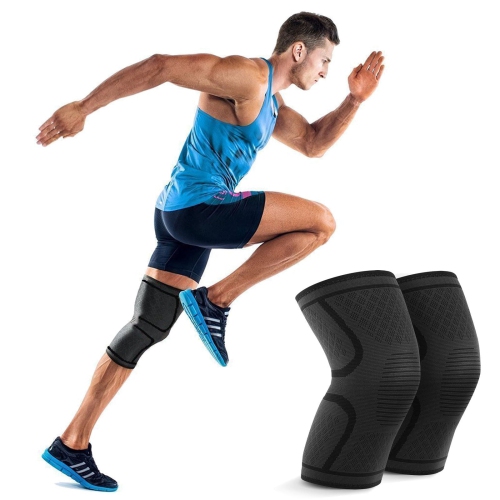
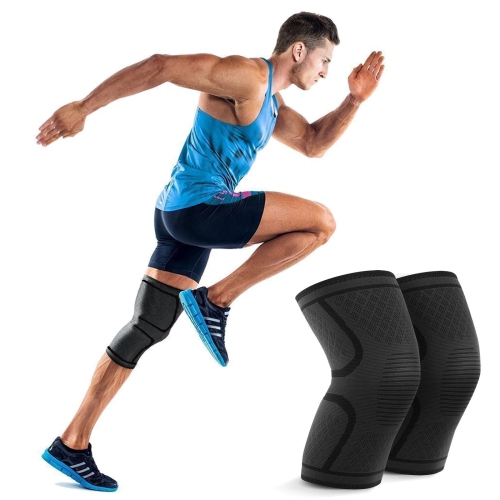
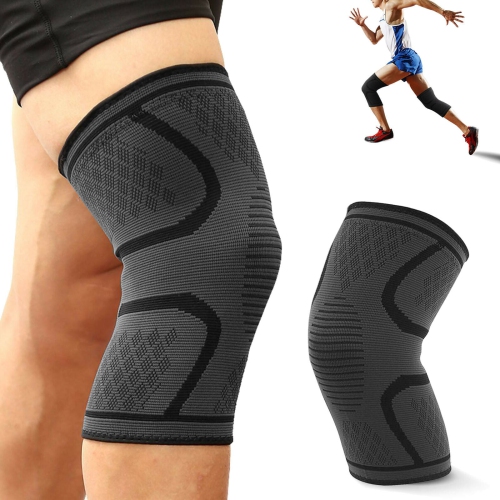
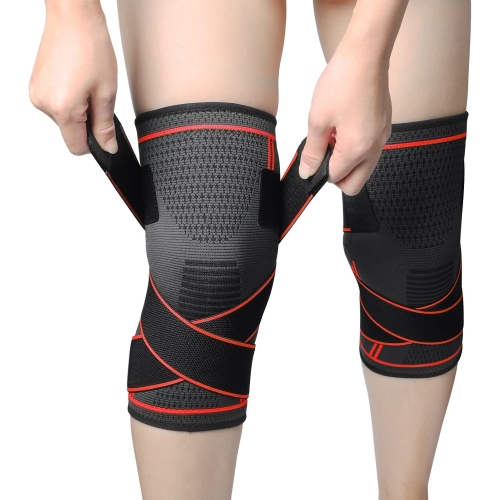
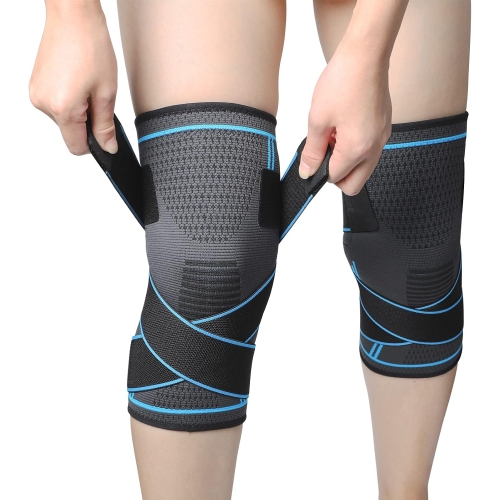
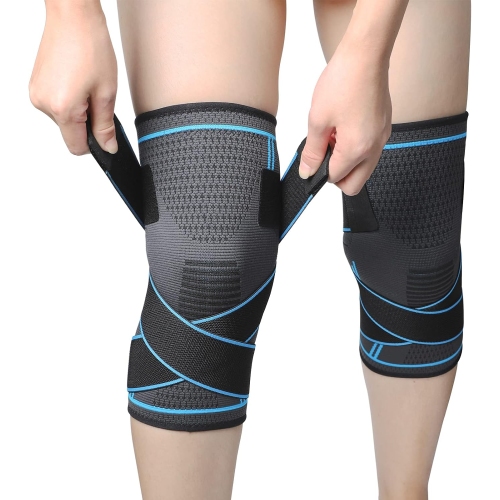

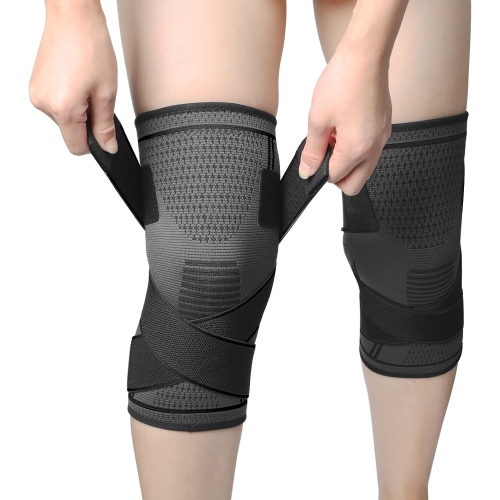
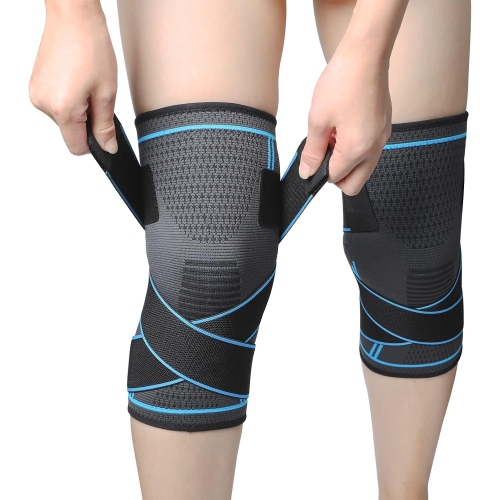
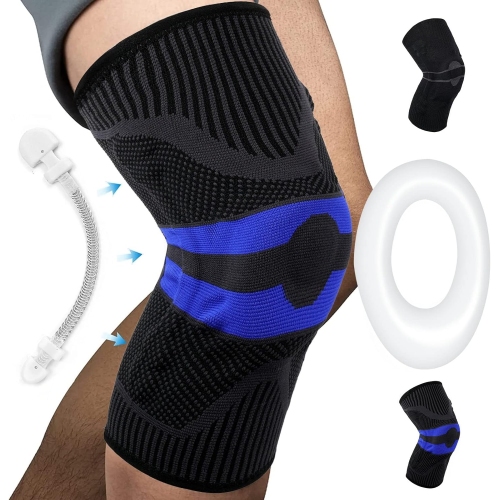
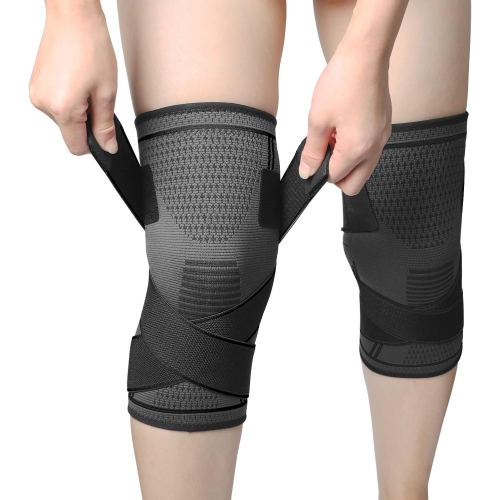

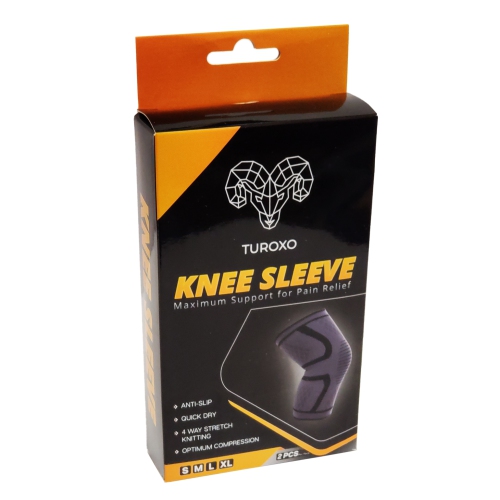
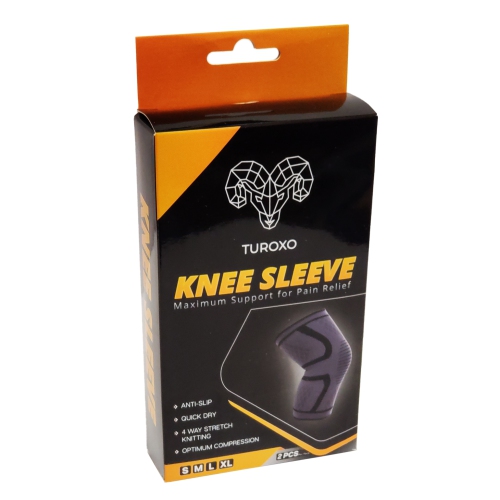


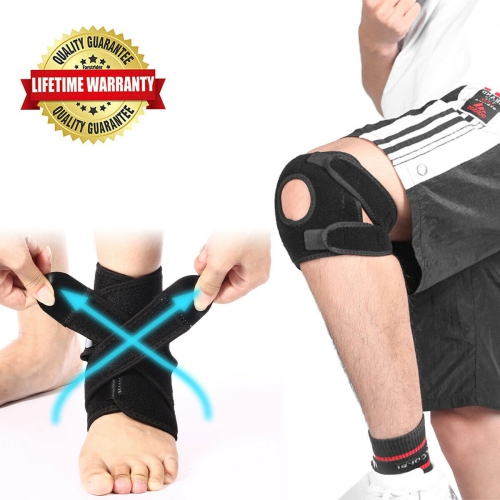

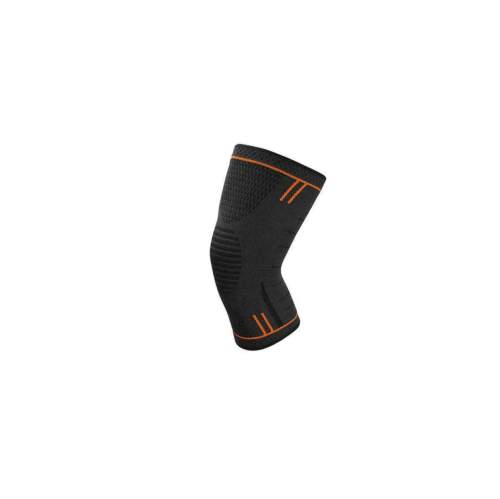

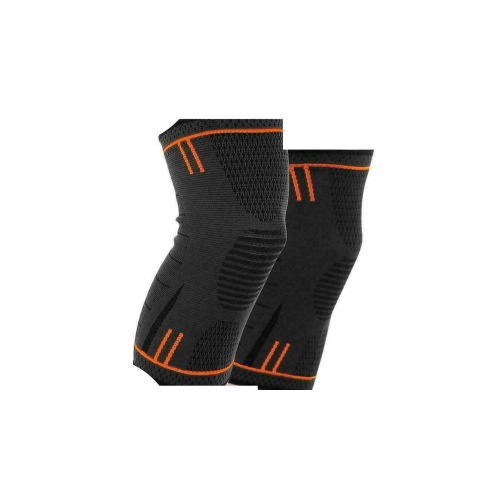
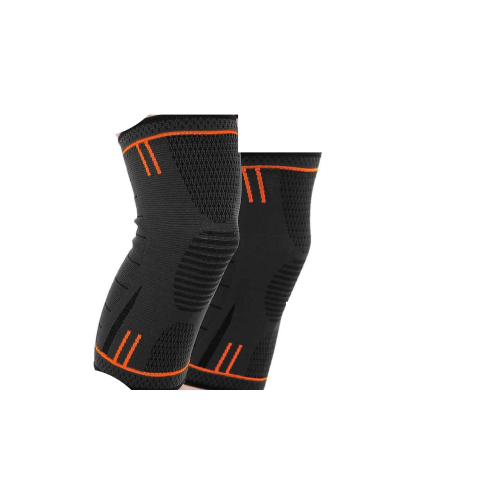
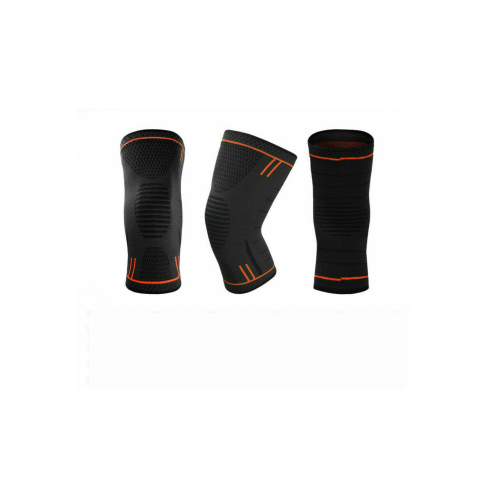
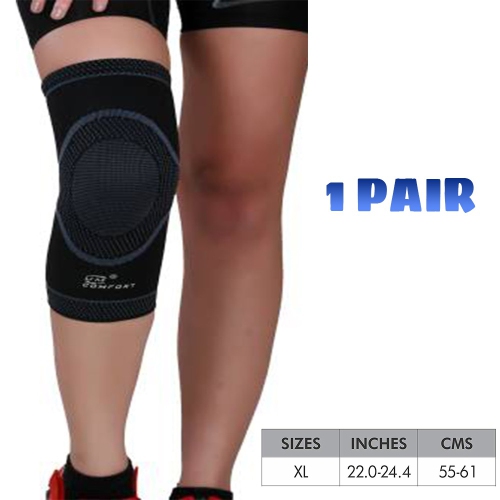
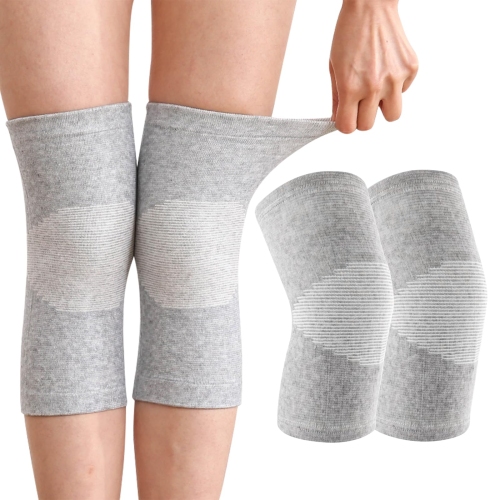
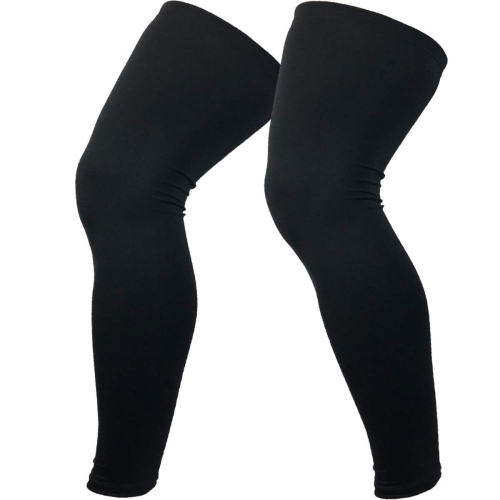

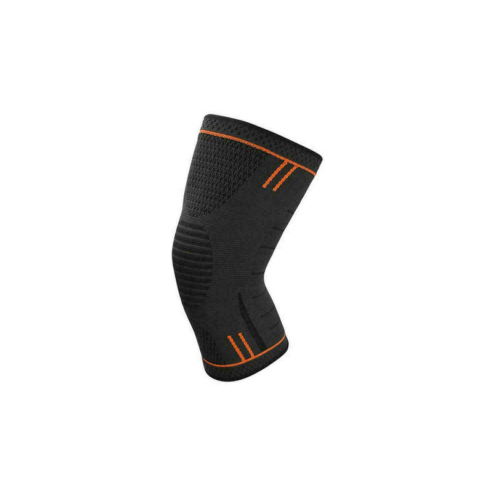

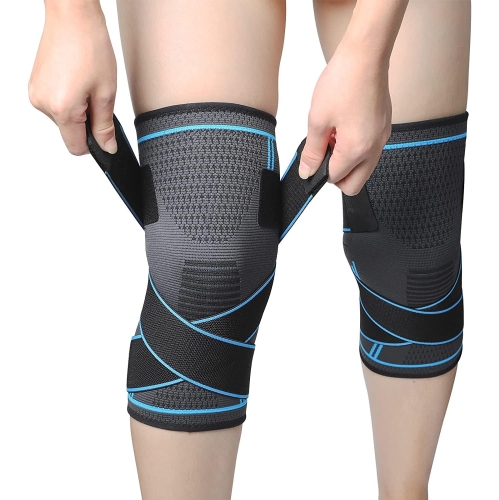
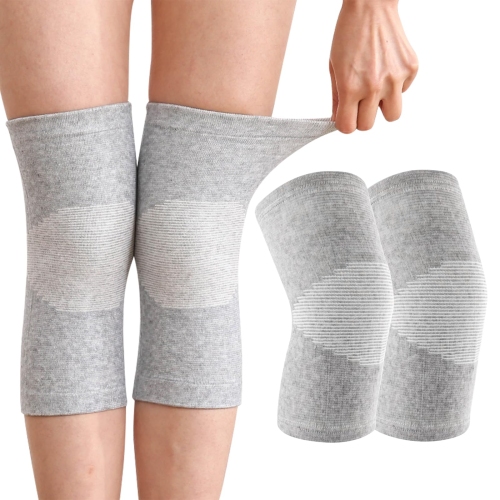
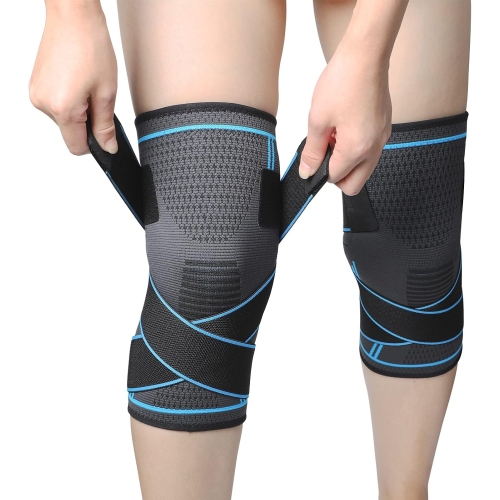

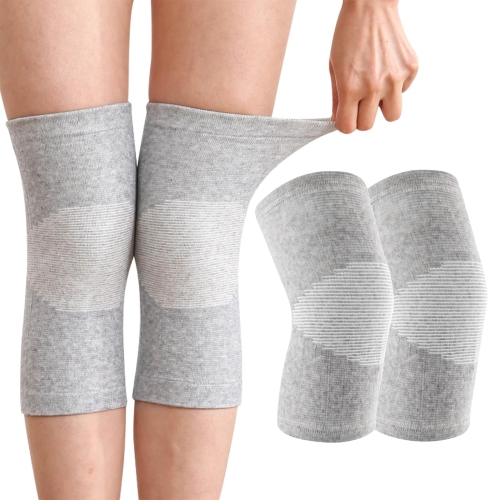
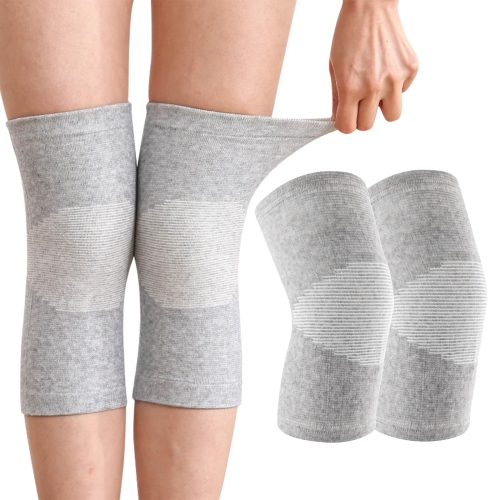
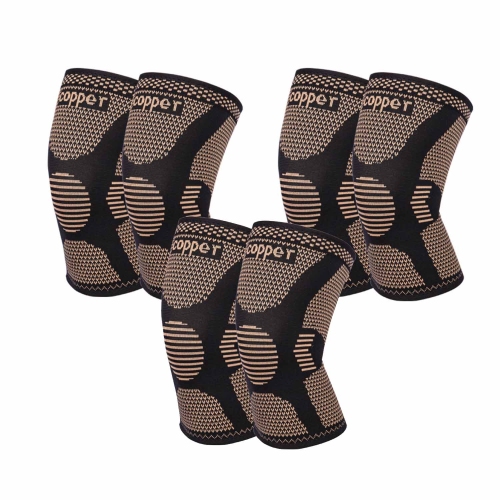
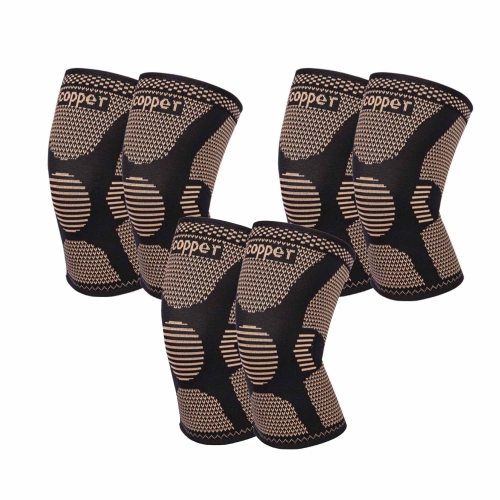
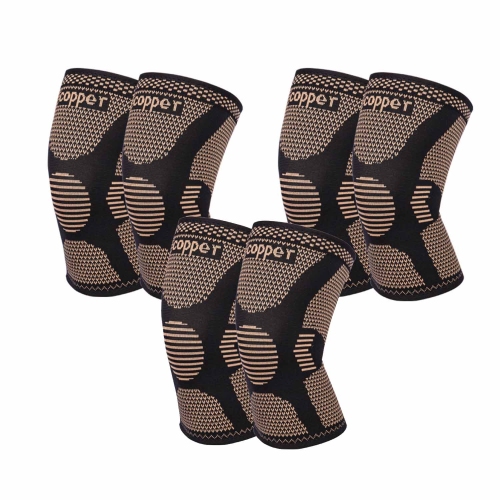
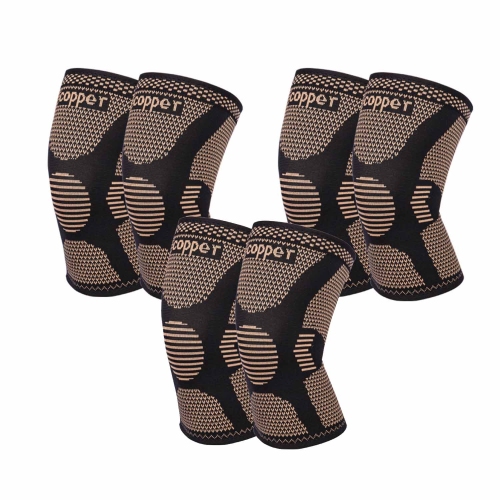
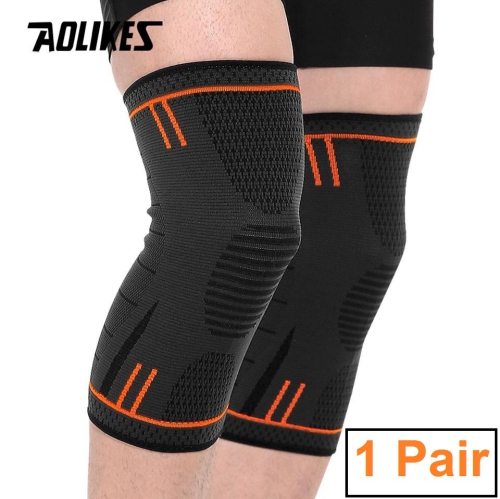
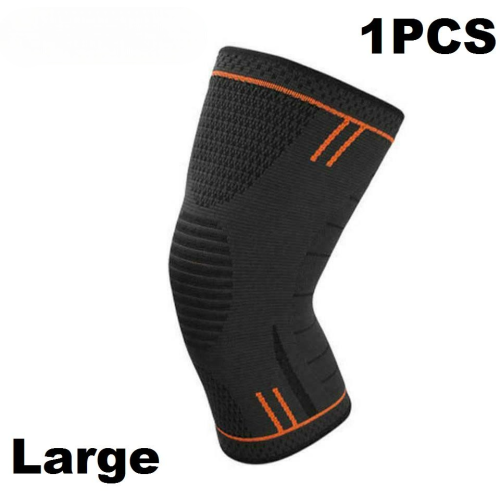
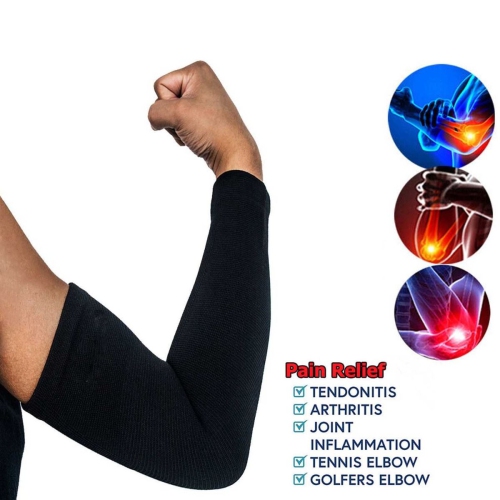
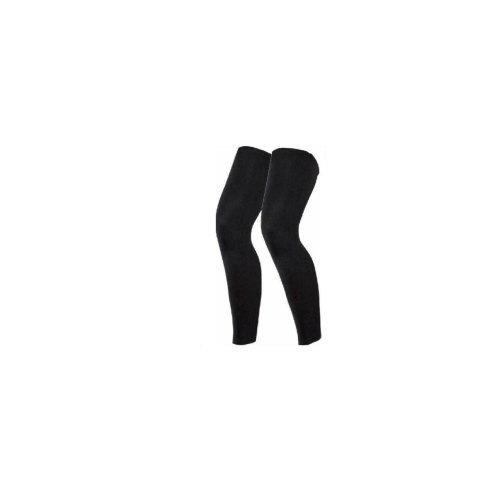
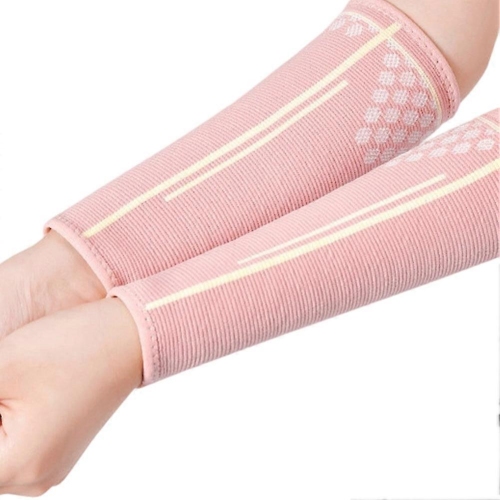
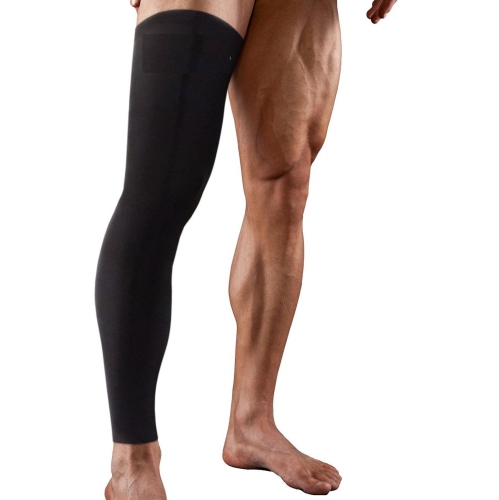
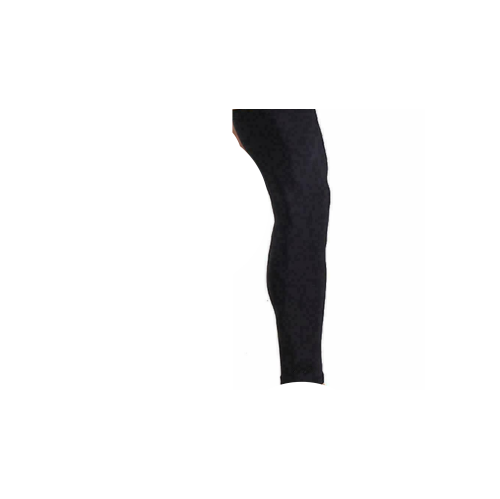

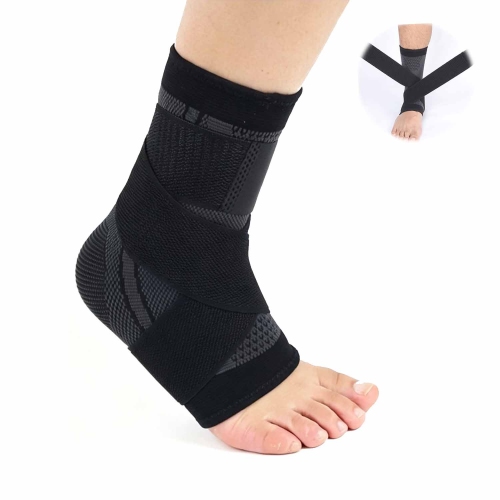
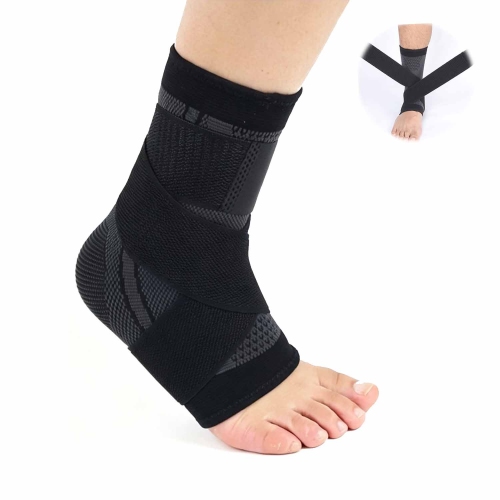
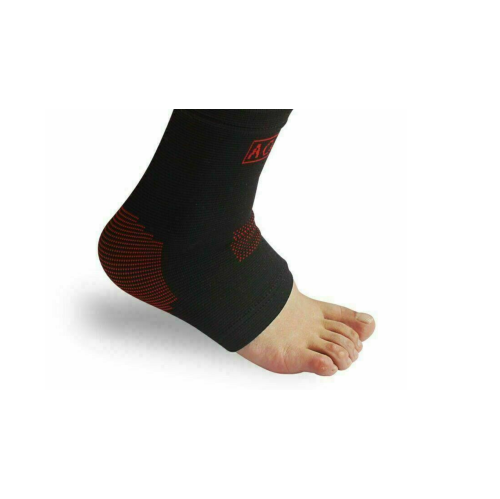
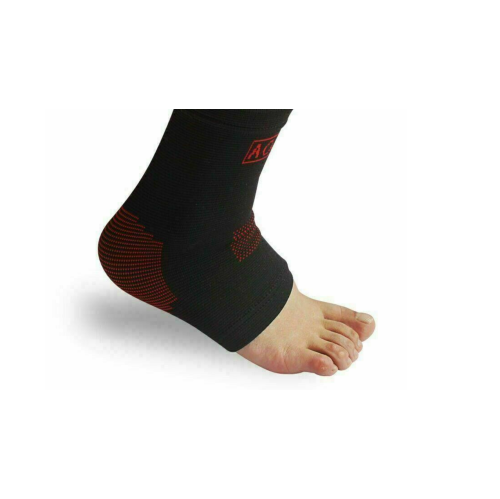
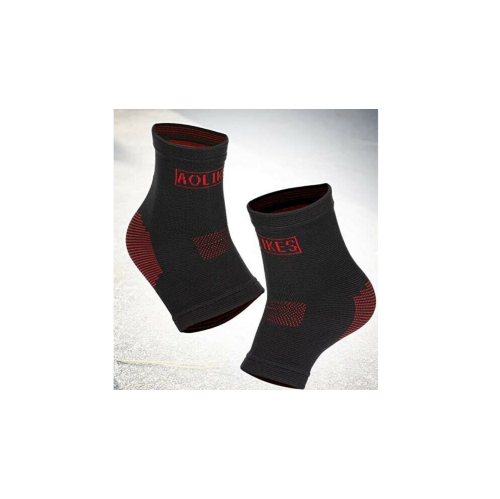
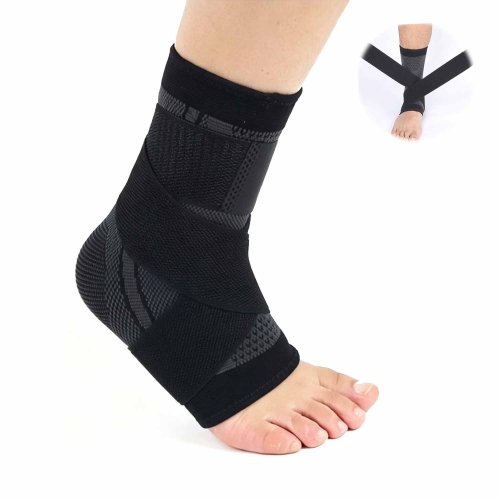


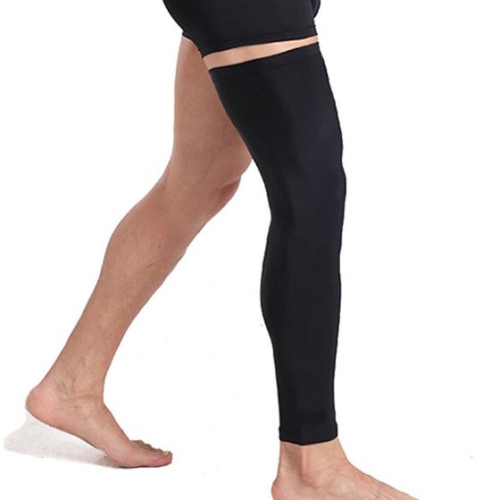

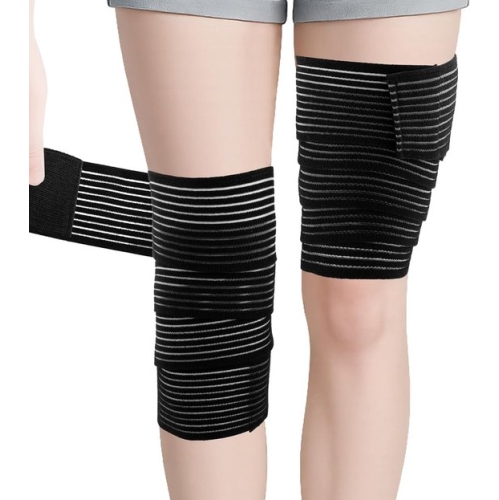

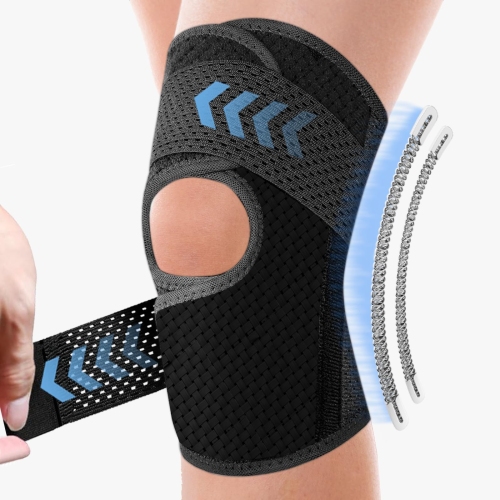
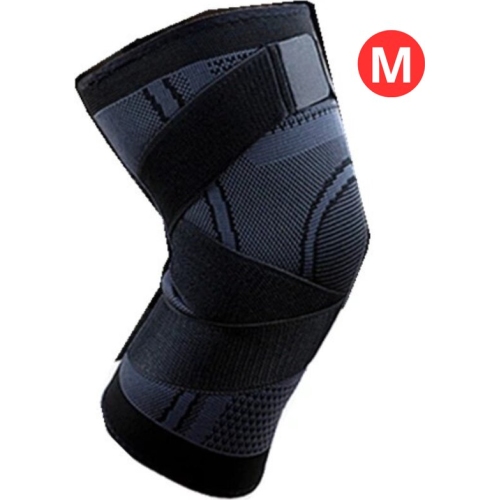
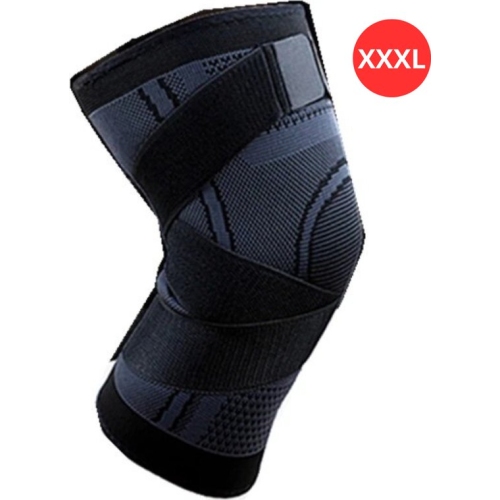
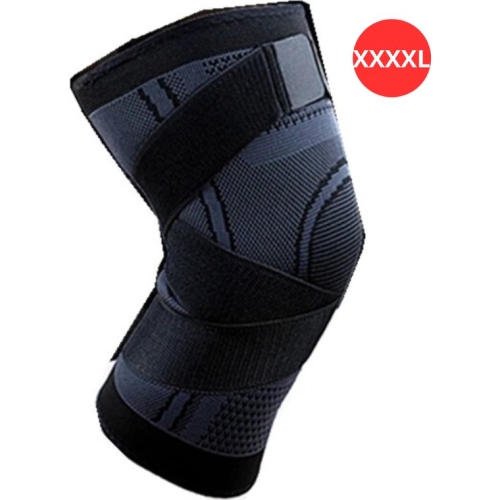
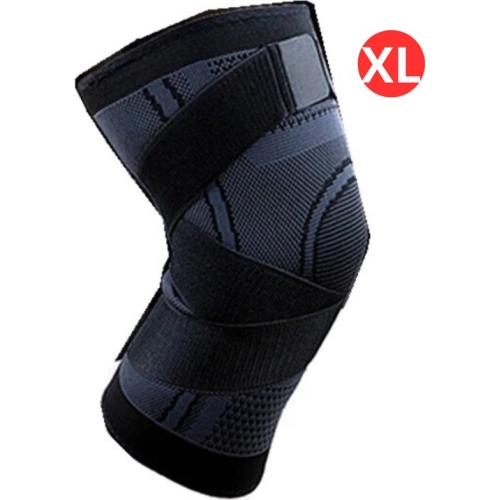
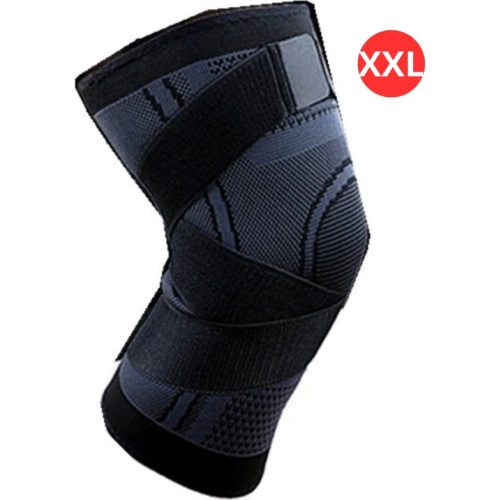
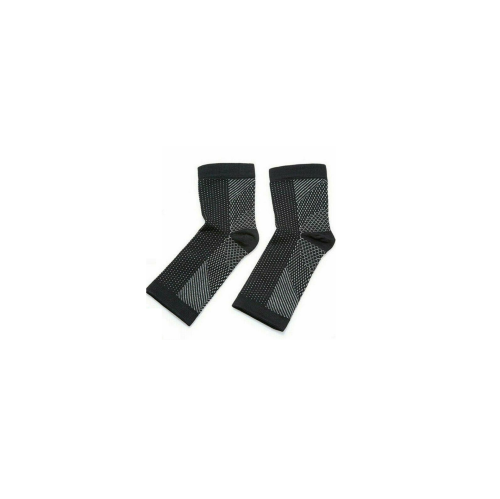


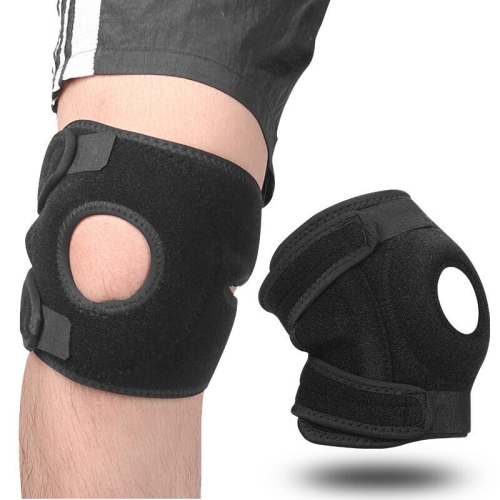
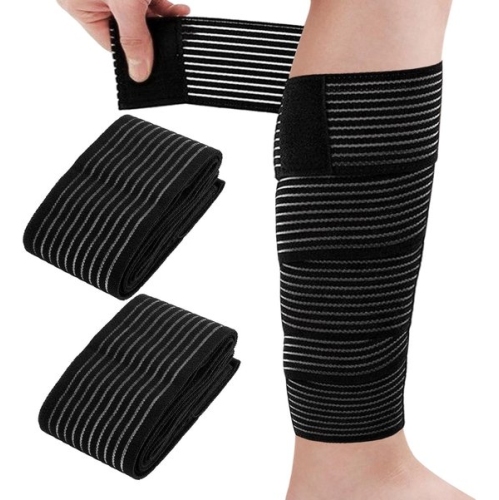
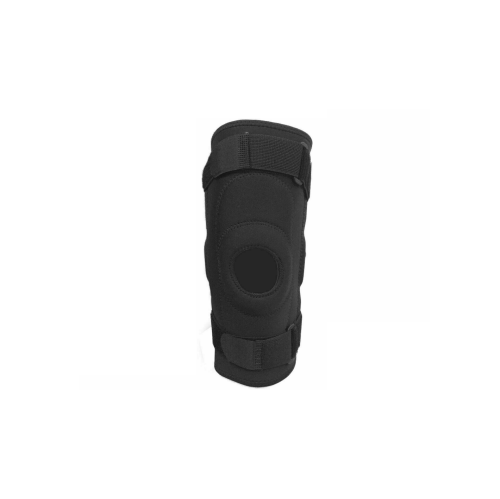
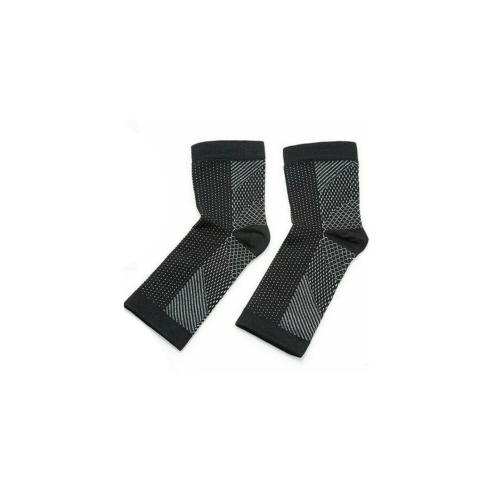
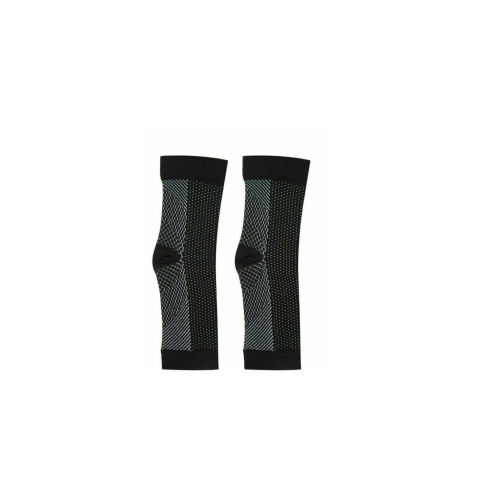
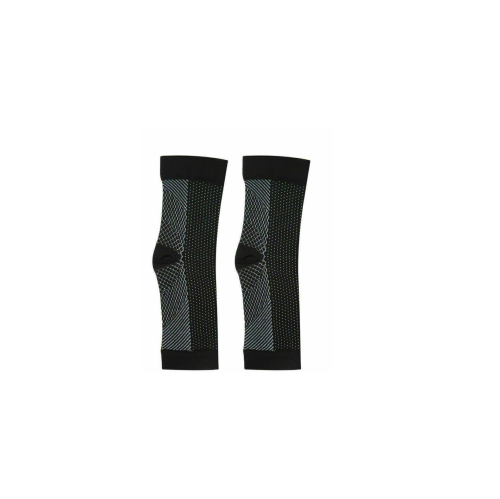
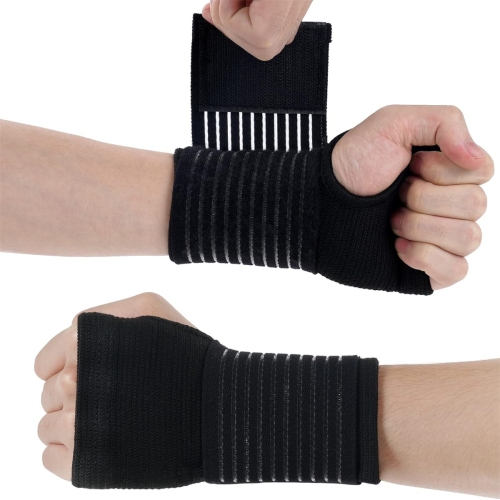
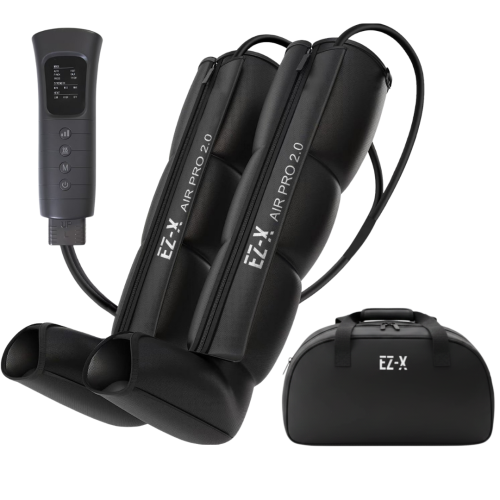
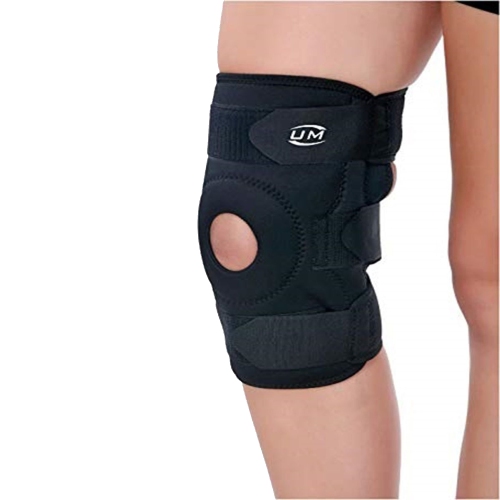
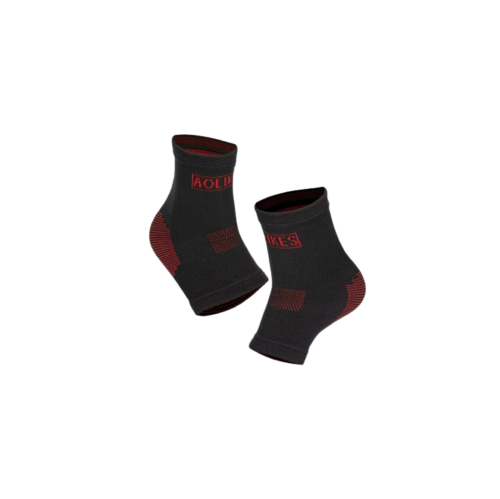
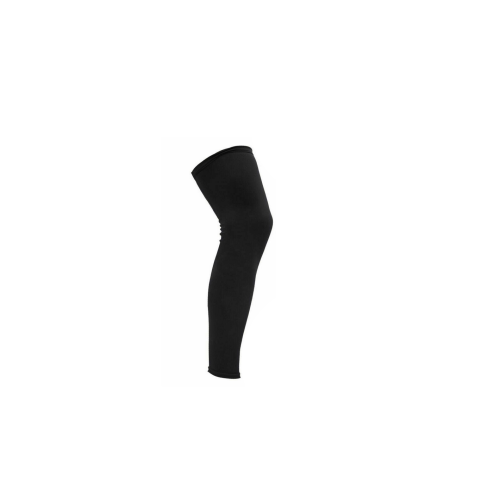
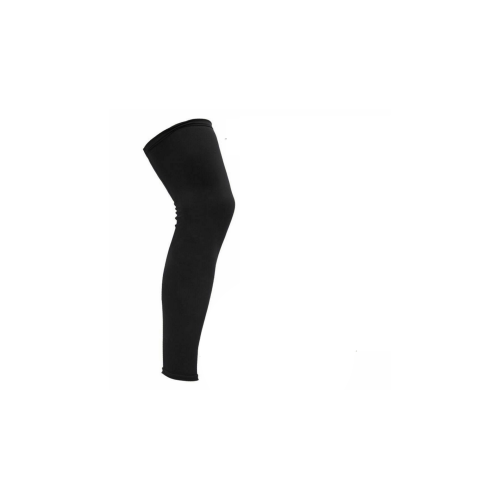
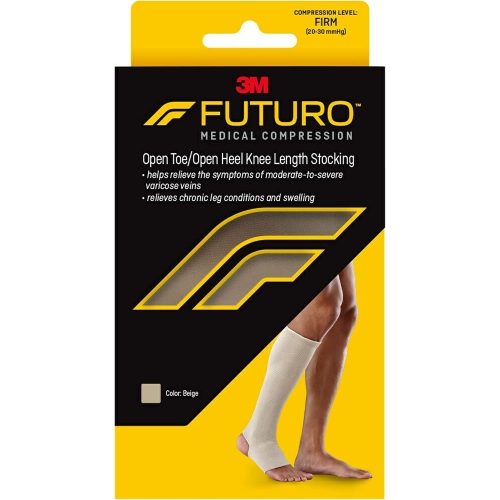
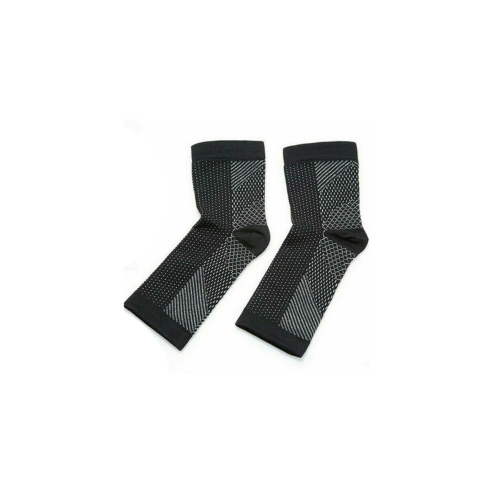
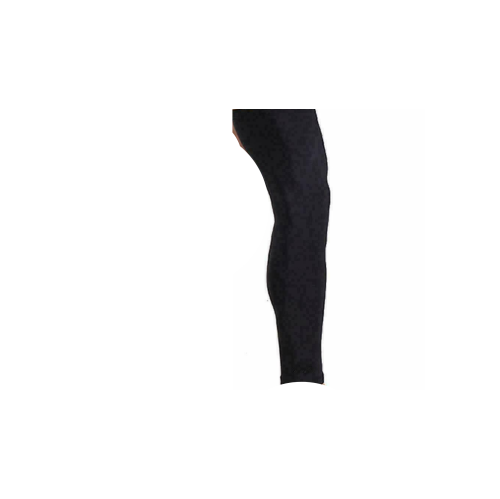
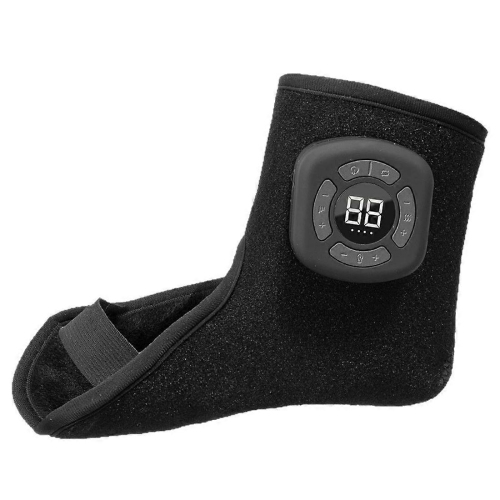
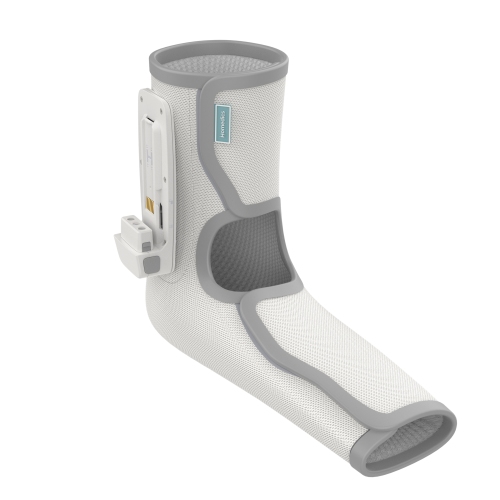
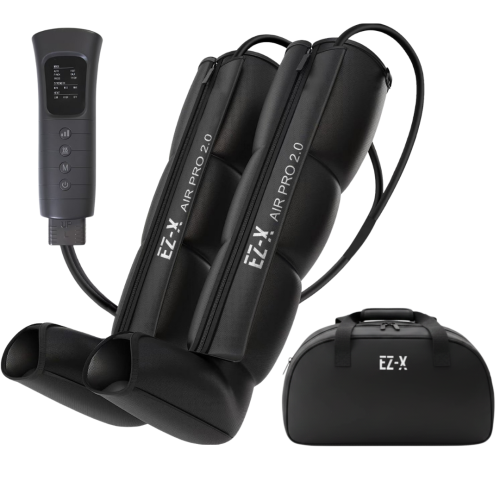
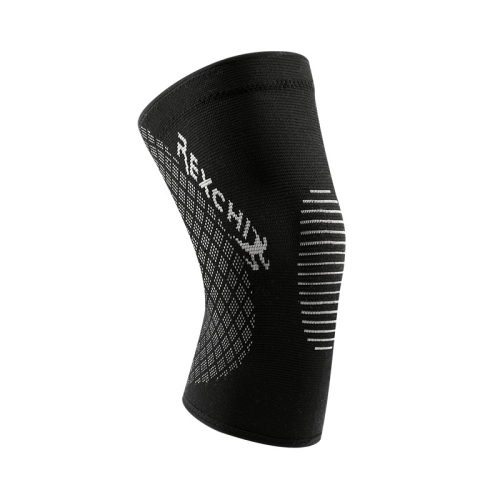
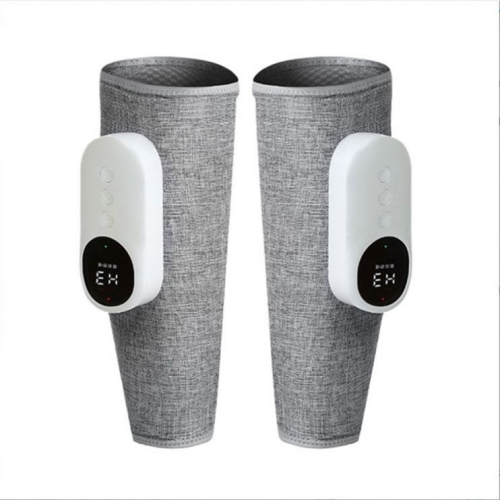
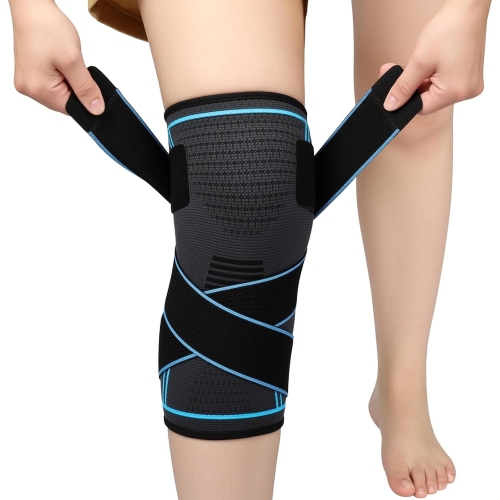
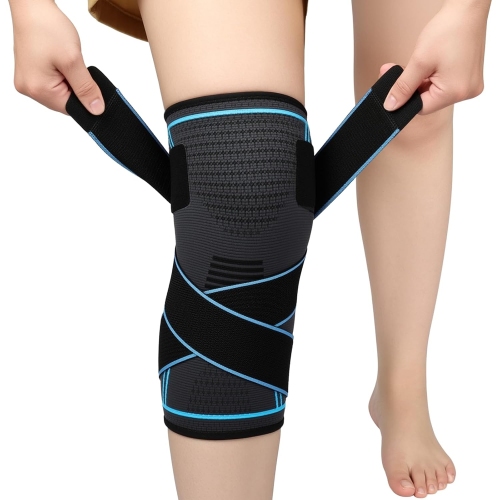
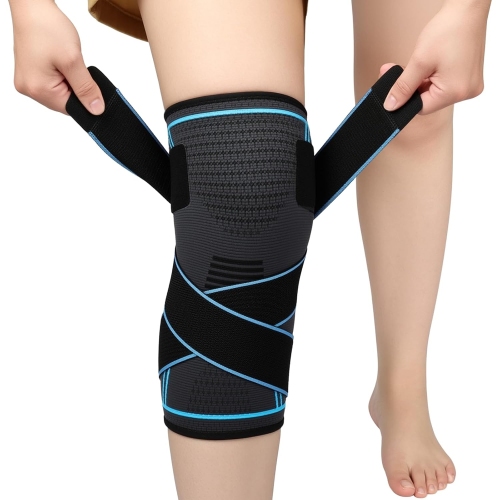

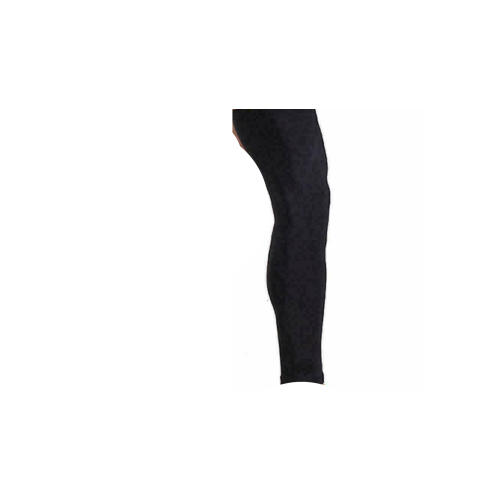
How the right fit supports movement and recovery
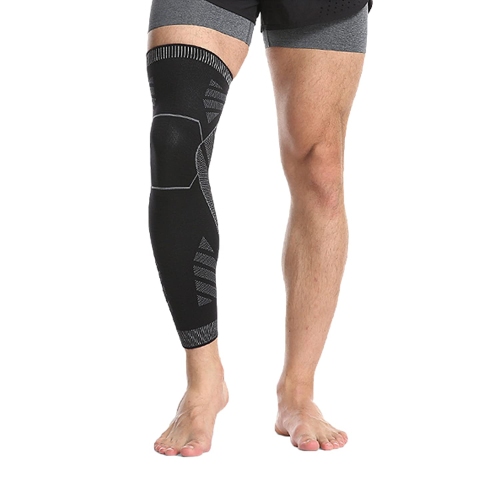
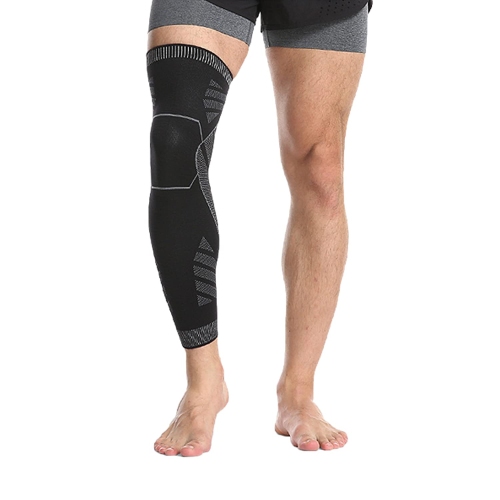
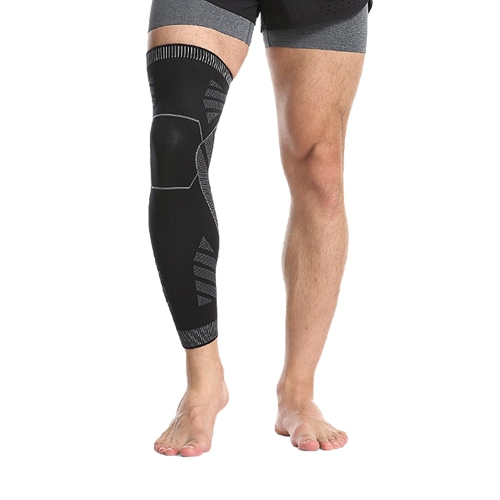
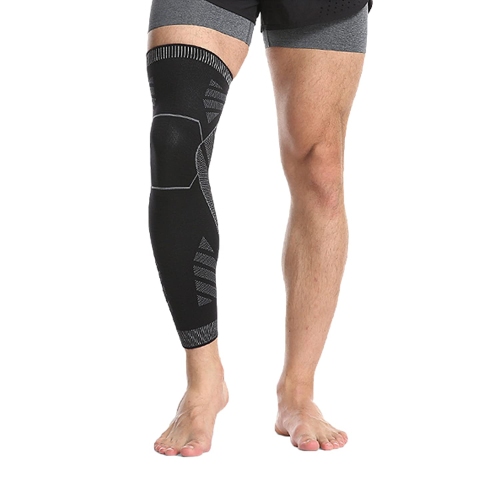
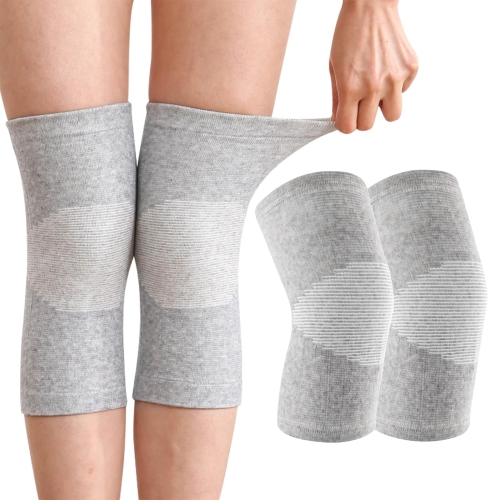
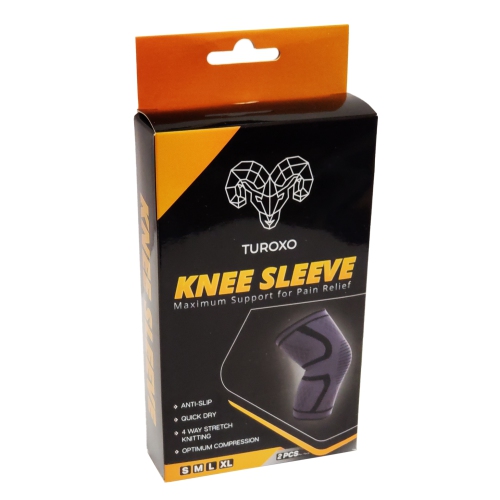
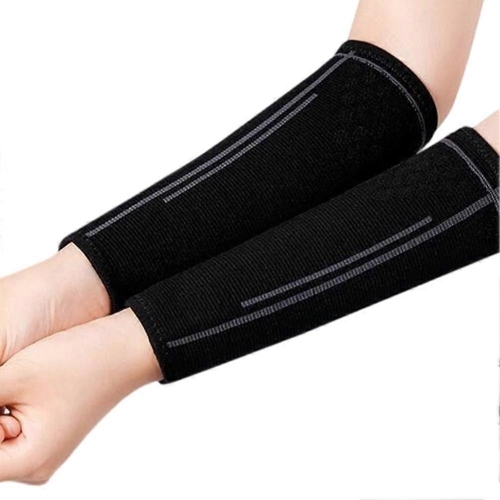
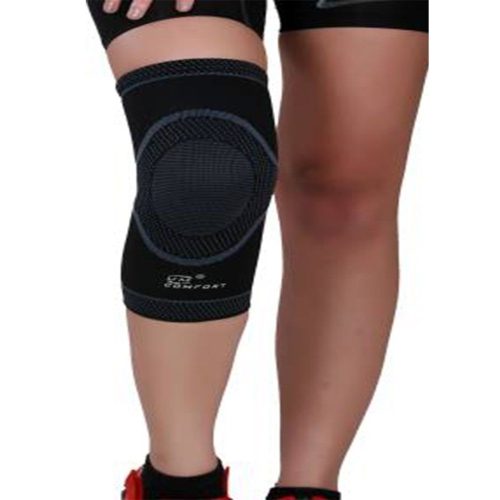
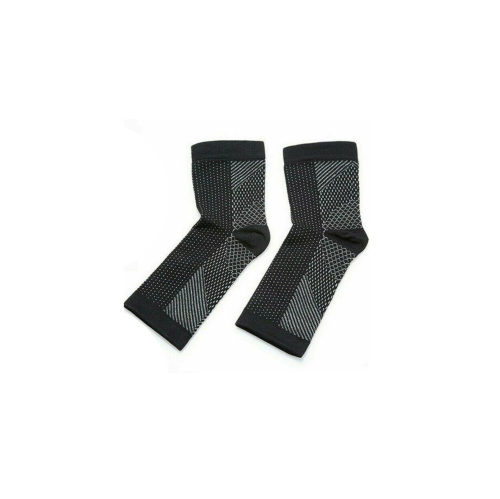
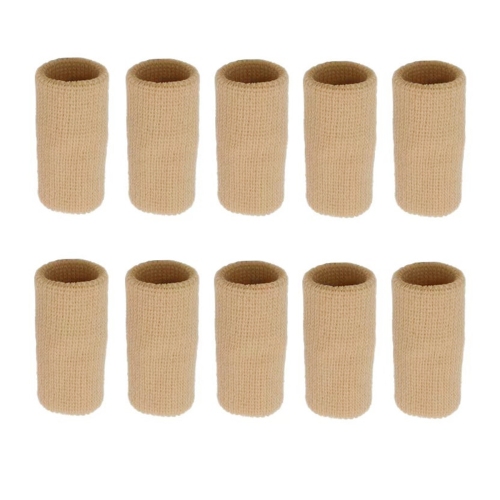
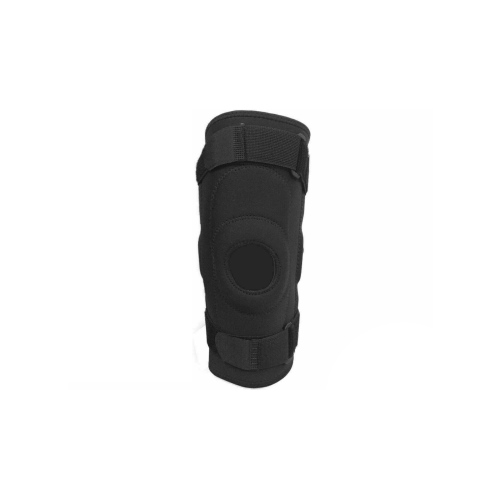
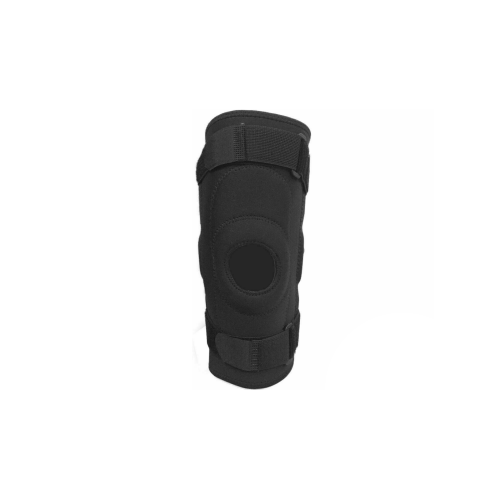
Compression sleeves are close-fitting garments designed to apply targeted pressure around an arm or leg. They are commonly worn by runners, cyclists, team-sport athletes, hikers, fitness enthusiasts and people who spend long periods on their feet. A sleeve may cover the calf, thigh, knee, forearm or upper arm, depending on the intended use, and its snug construction helps provide a feeling of stability without the bulk of a brace. Many athletic compression sleeves use graduated pressure, with firmer support farther from the heart and a gradual reduction higher up the limb. This design can help encourage blood to move back toward the heart, while the close fit may reduce muscle movement and vibration during running, jumping or other repetitive activity. Some people wear them during exercise for a supported, secure feel; others put them on after a workout as part of a recovery routine. A runner may pull on calf sleeves before heading out on a cool morning, while a volleyball player may choose arm sleeves that stay smooth beneath a jersey and help manage perspiration during a long match. Lightweight fabrics are often selected for their stretch, breathability and sweat-wicking properties, and some outdoor styles include coverage that helps shield skin from the sun. During the cooler months, sleeves can also add a useful layer of warmth without requiring a heavy jacket or bulky clothing. Since compression garments vary considerably, it is important to choose a style made for the activity and body area involved. A calf sleeve is not a substitute for a knee support, and an arm sleeve intended for sport may not provide the same level of compression as a medical garment.
When comparing compression sleeves, start with the fit. The sleeve should feel firm and supportive, but it should not cause sharp discomfort, numbness, tingling, unusual coldness or a change in skin colour. Measure the relevant part of the body according to the sizing instructions, since a sleeve that is too loose may slide down and bunch behind the knee or elbow, while one that is too tight may be difficult to put on and wear comfortably. Look for flat seams, smooth edges and flexible stretch that allows a full range of motion. A runner may prefer a streamlined calf sleeve that stays in place over several kilometres, while someone training indoors may prioritize breathable fabric and quick-drying performance. For outdoor sports, consider sleeves with moisture management, ventilation panels or added sun coverage. For travel, work or everyday wear, a simpler design that is easy to put on and remove may be more practical. Care instructions also matter: some sleeves require gentle washing and air drying to help preserve their elasticity. Compression levels are usually described in millimetres of mercury, or mmHg. Light athletic compression can be appropriate for comfort, movement and recovery, while stronger graduated compression may be selected for specific circulation or swelling concerns. Anyone considering compression sleeves for a diagnosed medical condition, persistent swelling, varicose veins, circulation problems or recovery after an injury should speak with a doctor, physiotherapist or other qualified health professional before choosing a level of compression. Medical advice is especially important for people with arterial disease, diabetes-related circulation concerns or unexplained pain. A sleeve should complement professional care, not replace an assessment or treatment plan. For shoppers comparing different snug-fitting support options, Neoprene Sleeves may also be worth exploring when the material, thickness or intended application is a better match for their needs.
Compression sleeves can be useful for building a comfortable routine around movement, recovery and everyday activity. An athlete might keep a pair in a gym bag to wear during warm-ups, training sessions or the drive home after practice. A person who walks frequently may appreciate the gentle, secure feeling of a calf sleeve on a long outing, while someone working at a standing desk or serving customers may choose a sleeve that fits discreetly under clothing. They can also make a thoughtful gift for a runner, cyclist, recreational athlete, new fitness enthusiast or traveller who values compact gear that is easy to pack. Before giving a pair as a gift, check sizing carefully and consider the recipient’s activity, preferred fit and whether they need an arm or leg style. The best sleeve is one that stays in place, feels comfortable through the intended activity and suits the wearer’s clothing and routine. Look for clear information about the body area covered, compression level, fabric composition, sizing range and care requirements. It is also helpful to think about when the sleeve will be used: a breathable, sweat-wicking option may be ideal for a warm indoor workout, whereas a thicker style may feel more comfortable during early-morning walks or cooler outdoor practices. Compression sleeves should be put on gradually and evenly, smoothing out wrinkles rather than allowing the fabric to fold into a narrow band. After use, inspect the material for stretching, thinning or loss of elasticity, as worn fabric may no longer deliver the same fit. With the right size and purpose in mind, compression sleeves can offer practical support for active days, post-workout comfort and seasonal outdoor routines, from the first brisk outings of early fall through the colder weeks of winter.
Top selling and popular products
-
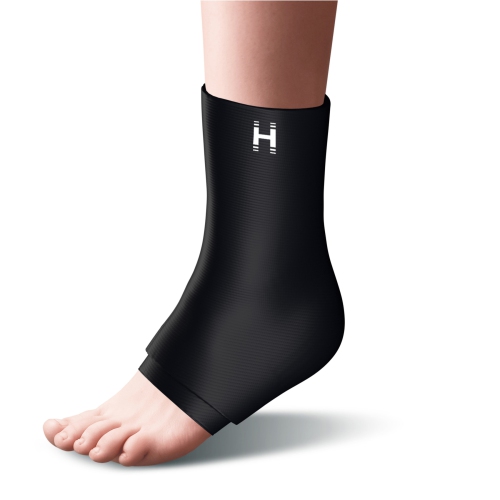 Your price for this item is $39.99
-
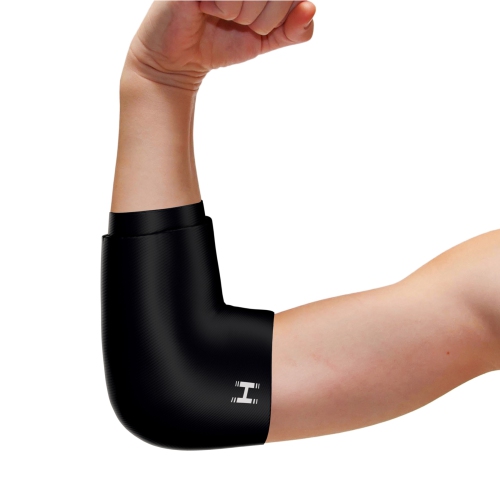 Your price for this item is $39.99
-
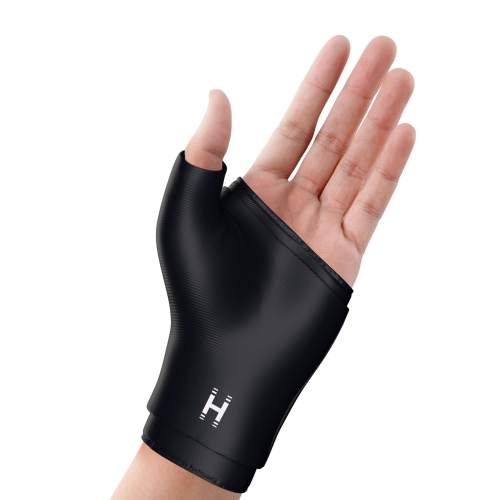 Your price for this item is $29.99
-
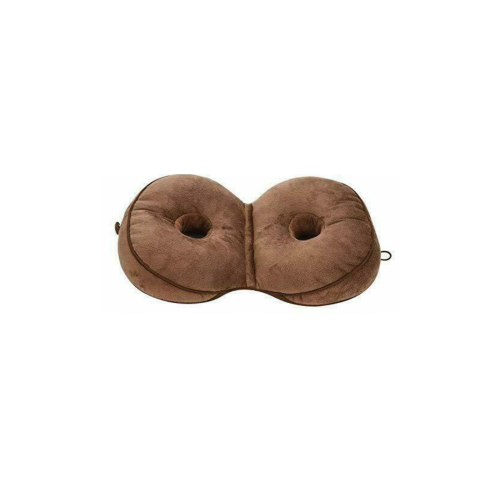 Your price for this item is $90
-
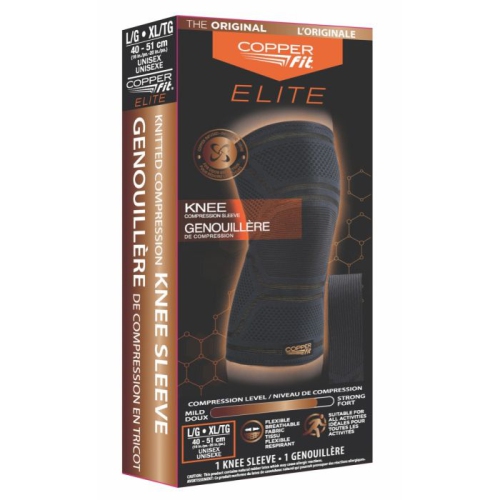 Your price for this item is $24.95
-
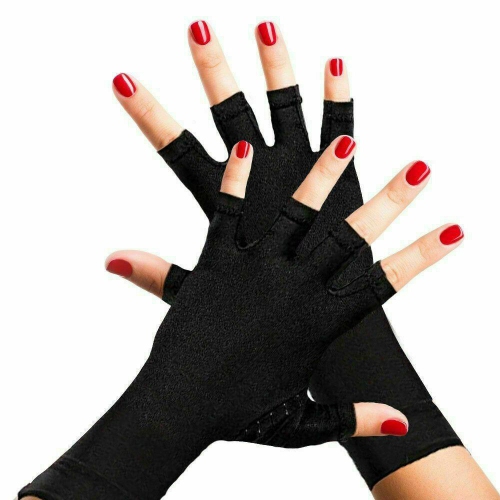 Your price for this item is $20
-
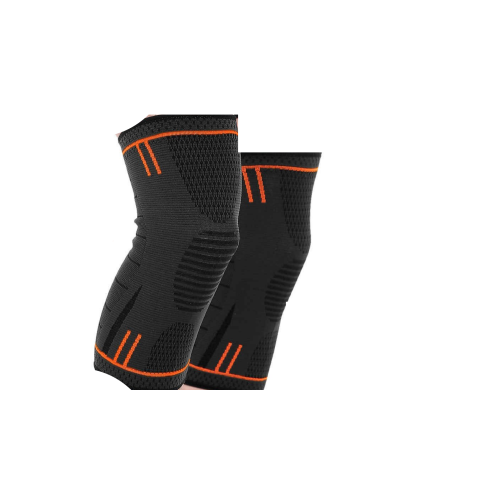 Your price for this item is $20
-
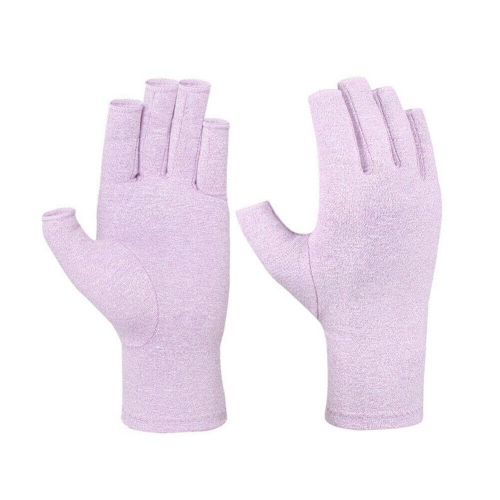 Your price for this item is $24
Discover more categories related to Compression Sleeves


Top Collections:
Pokemon Centers, Best Cameras for Sports Photography, Kindle Devices, Samsung Galaxy Phones, Canon G7X Cameras, Pokémon 30th Celebration Cards, Refurbished Apple Laptops, iPhone 15 Apple, Laptops for Students, Budget Smartphones
Some products may be subject to Environmental Handling Fees
(EHF) depending on your province.
Learn more about EHFs.