Compression Sock
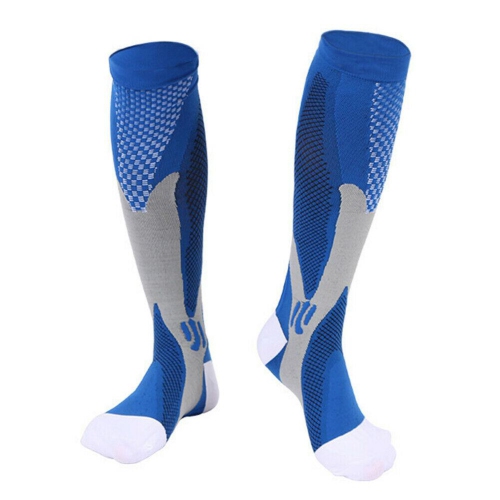
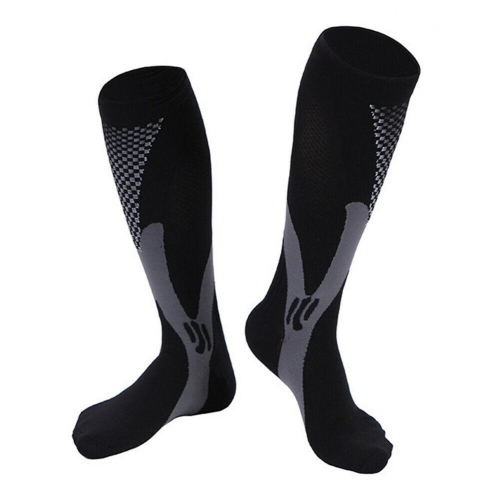
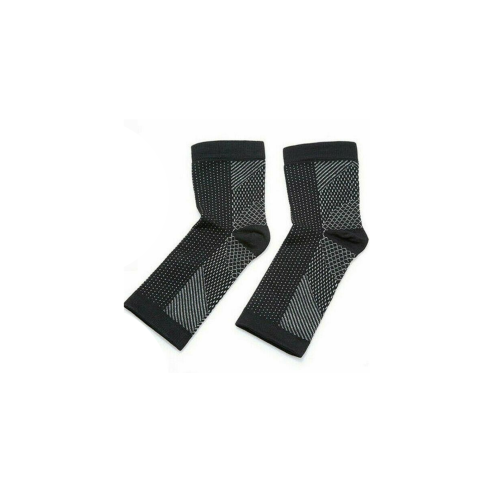
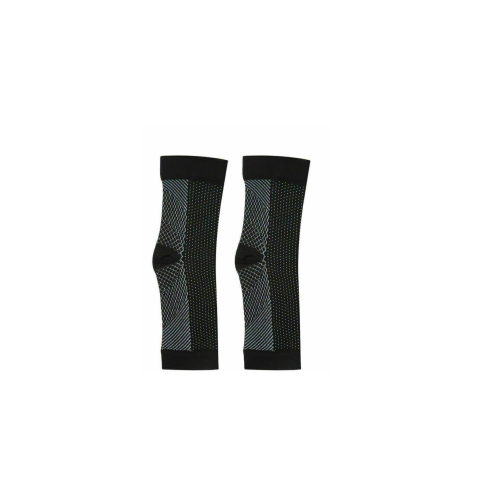
Compression socks are a must-have accessory for anyone looking to improve circulation, reduce swelling, and alleviate discomfort in their legs and feet. Whether you're an athlete seeking better performance or someone who spends long hours on their feet, compression socks offer the perfect blend of style and functionality. Designed to provide gentle pressure to your legs, these socks can help enhance blood flow and prevent fatigue, making them ideal for both work and play. Discover our wide selection of compression socks in various styles, colors, and sizes to find the perfect pair to support your active lifestyle.
Sort

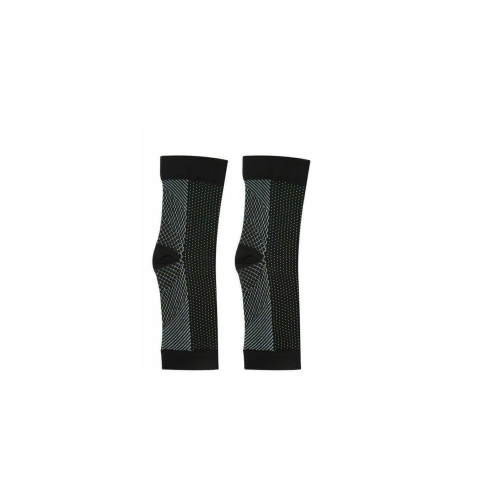
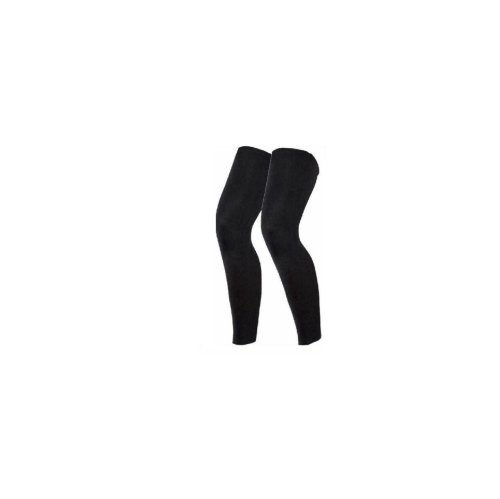
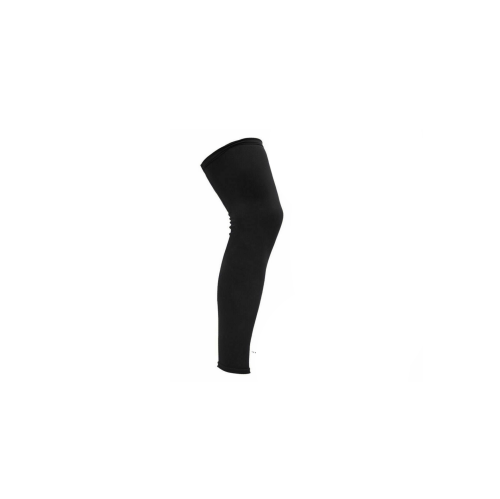
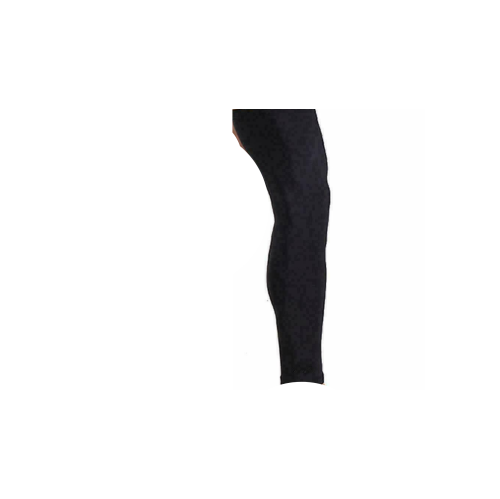
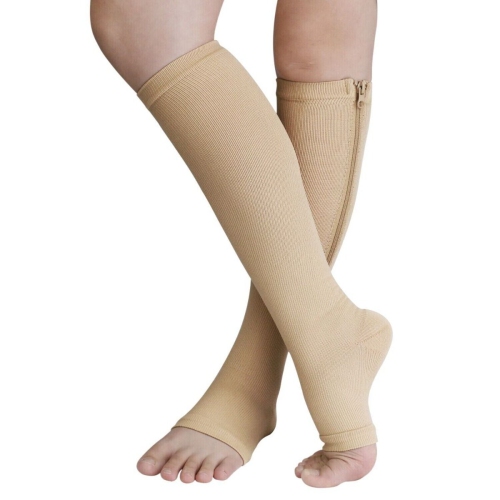
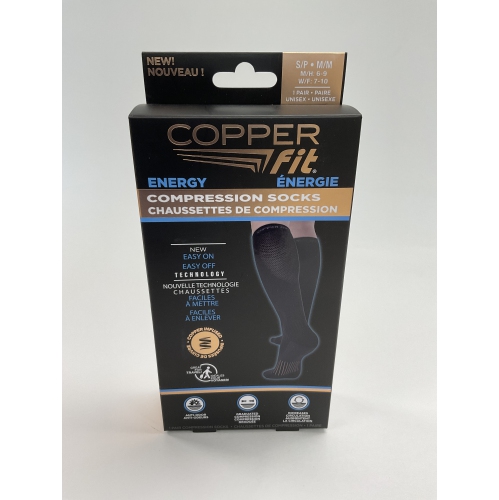
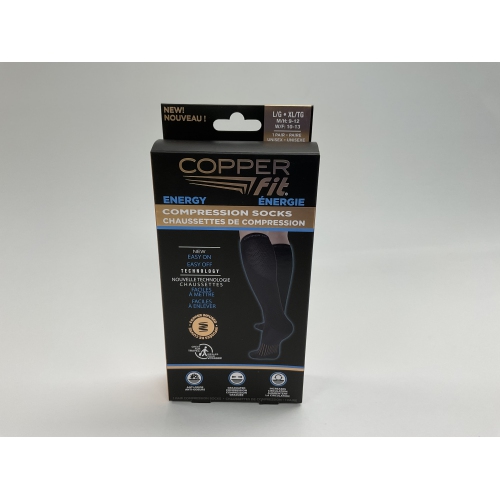
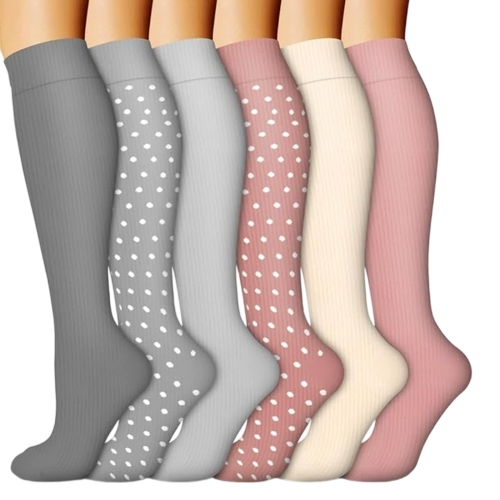
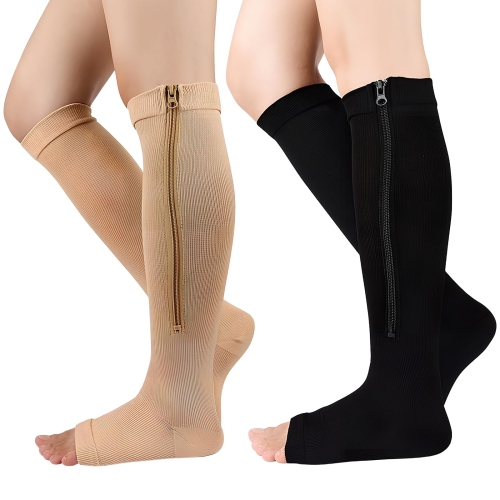
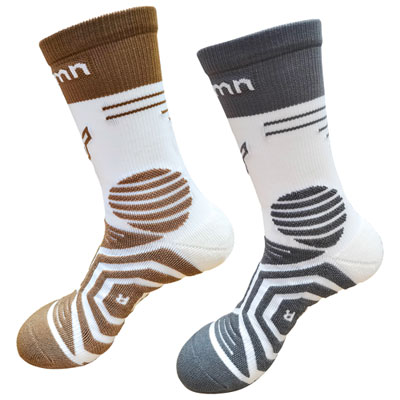
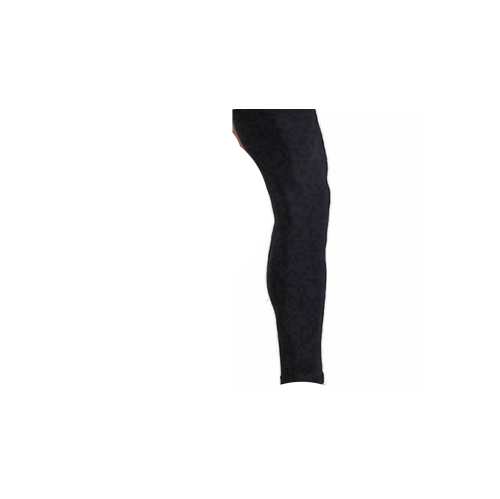
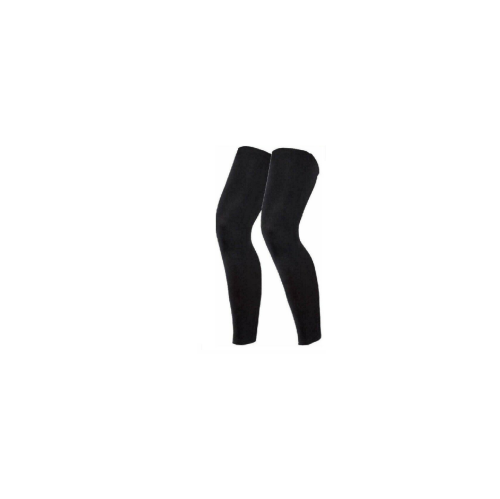
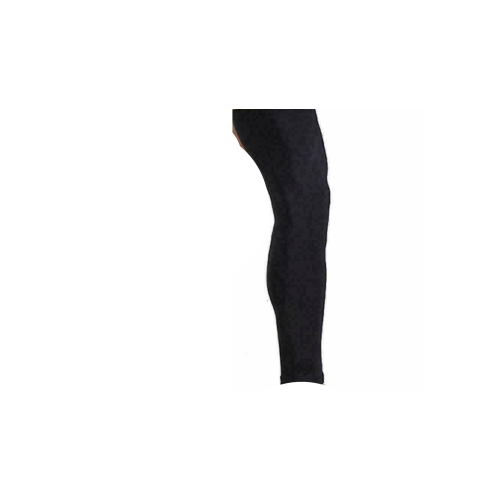

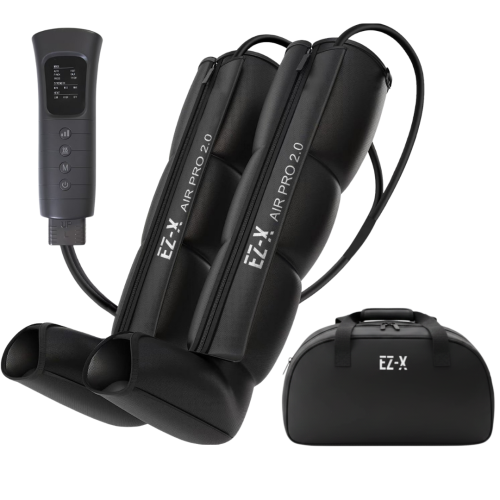
![EZ-X Premium Air Compression Leg Sleeves With Knee Heat - Adjustable Size [With Carrying Bag]- In Grey](https://multimedia.bbycastatic.ca/multimedia/products/500x500/198/19869/19869488.jpeg)
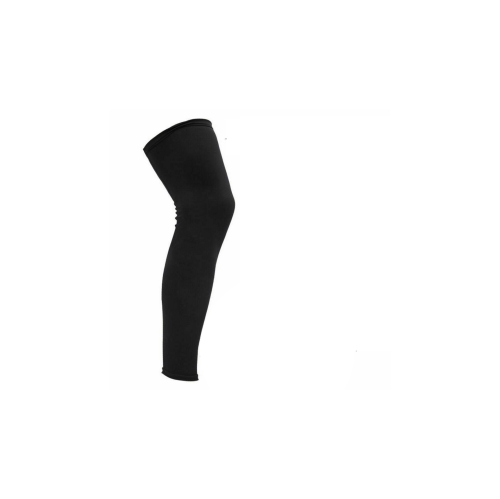
![EZ-X Premium Air Compression Leg Sleeves With Knee Heat - Adjustable Size [With Carrying Bag]- In Black Love it!](https://multimedia.bbycastatic.ca/multimedia/products/500x500/159/15913/15913016.jpeg)
How graduated pressure supports comfort throughout busy days
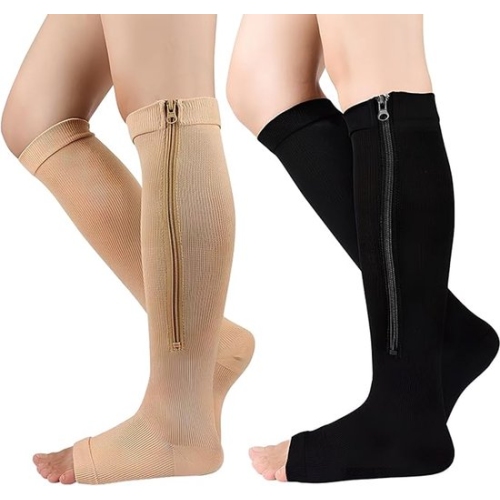
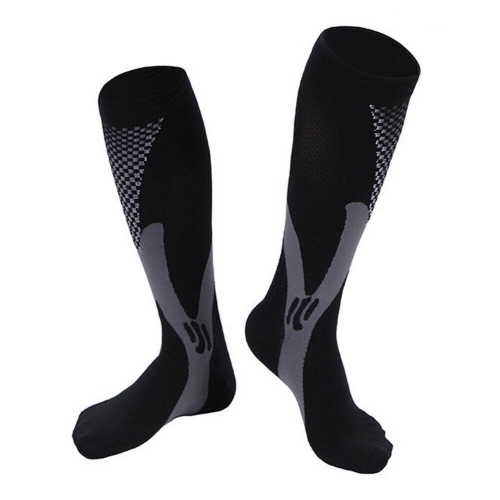
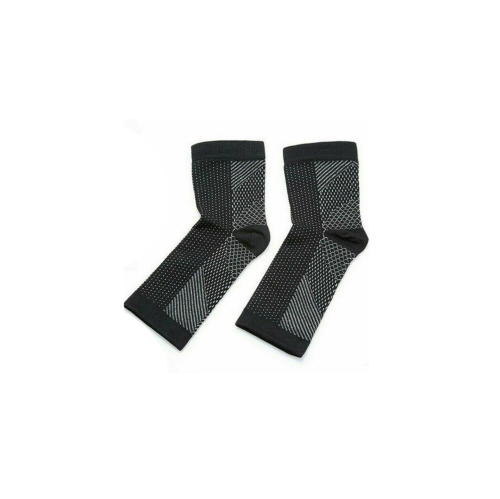
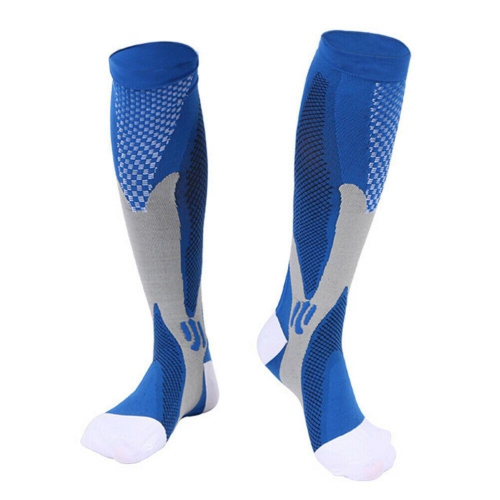
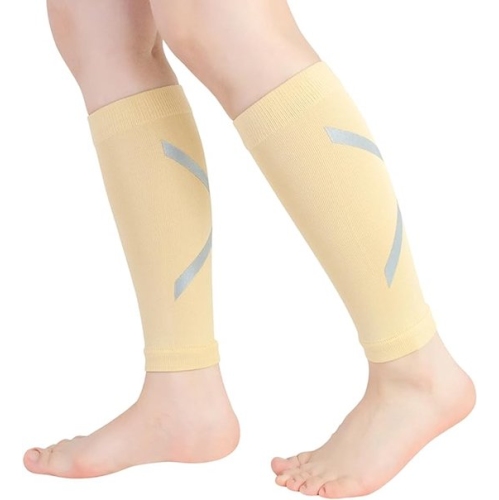
Compression socks are designed to provide graduated compression, meaning they feel snugger around the ankle and gradually loosen as they move up the leg. This gentle, even pressure can help support circulation, reduce the feeling of heaviness, and limit fluid from pooling around the feet and lower legs. They can be useful during long periods of sitting, such as on an aeroplane, train, or road trip, when the legs may feel stiff and swollen by the time you arrive. They are also popular with people whose routines keep them on their feet for hours, including healthcare workers, teachers, retail employees, hospitality staff, and anyone moving between meetings, errands, and daily tasks. Some people wear compression socks during exercise or recovery, while others prefer them for everyday comfort when their lower legs feel tired at the end of the day. As the weather warms, they can be especially convenient for travel and active days; during the cooler months, they can add a comfortable layer beneath trousers, workwear, or casual clothing. Since compression socks come in a range of lengths, fabrics, colours, and levels of pressure, the best choice depends on how and when they will be worn. A crew-length style may suit everyday use, while a knee-high design offers coverage where swelling or fatigue is most noticeable. Look for breathable materials, smooth seams, and a stretch level that allows the sock to stay in place without bunching behind the knee or slipping down into the shoe.
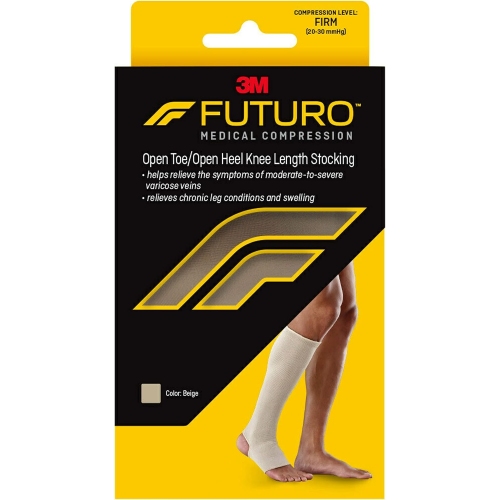
Pressure is commonly measured in millimetres of mercury, written as mmHg, and different levels are intended for different needs. Mild compression, often around 15–20 mmHg, is commonly selected for travel, daily wear, light swelling, or general leg comfort. Moderate compression, often around 20–30 mmHg, may be recommended for more pronounced swelling, varicose veins, or recovery after certain procedures. Firm compression, including levels of 30–40 mmHg or higher, is generally best chosen with guidance from a healthcare professional, particularly when it is being used for a diagnosed condition. Compression socks should feel supportive rather than painfully tight, numb, itchy, or restrictive. Correct sizing is just as important as pressure: check the manufacturer’s measurements for foot size, ankle circumference, calf circumference, and, where applicable, leg length. Measuring in the morning, before swelling has had time to build, may provide a more consistent fit. Put them on with care, smoothing the fabric from the ankle upward rather than pulling hard on the top band. Avoid rolling them down, as this can create an uncomfortable band of concentrated pressure. People with circulation disorders, diabetes, reduced sensation, skin problems, unexplained leg pain, or a history of blood clots should speak with a doctor or other qualified healthcare professional before choosing compression wear. Sudden one-sided swelling, warmth, redness, or significant pain requires prompt medical attention rather than self-treatment. Compression socks are not a substitute for medical care, and the appropriate pressure level should be confirmed when they are being used for pregnancy-related swelling, post-surgery recovery, varicose veins, lymphedema, or another health concern.
For many shoppers, compression socks are a practical addition to a travel bag, work wardrobe, gym kit, or bedside drawer. They can make a thoughtful gift for someone who spends long shifts standing, takes frequent trips, enjoys walking, or appreciates small comforts that support a busy routine. A pair may be useful for a new parent, an active older adult, a frequent flyer, or someone preparing for a long drive, although medical needs and sizing should always be considered before giving compression wear. When comparing options, think about the recipient’s usual footwear and clothing, whether they prefer ankle, crew, or knee-high coverage, and whether they need a lightweight knit for warmer conditions or a warmer fabric for cooler days. Some designs are made for discreet everyday wear, while others provide extra stretch or cushioning for active use. A reinforced heel and toe can be helpful for regular wear, and a wide, comfortable top band may make it easier to wear the socks through a full workday. It is also worth checking care instructions, since washing and drying methods can affect elasticity over time. For shoppers exploring other approaches to compression and circulation support, Compression Therapy Devices offers another category to consider. Whether they are used on a flight, during a long shift, after a walk, or as part of a carefully planned care routine, well-fitted compression socks can offer steady, comfortable support while helping legs feel less tired at the end of the day.
Pressure is commonly measured in millimetres of mercury, written as mmHg, and different levels are intended for different needs. Mild compression, often around 15–20 mmHg, is commonly selected for travel, daily wear, light swelling, or general leg comfort. Moderate compression, often around 20–30 mmHg, may be recommended for more pronounced swelling, varicose veins, or recovery after certain procedures. Firm compression, including levels of 30–40 mmHg or higher, is generally best chosen with guidance from a healthcare professional, particularly when it is being used for a diagnosed condition. Compression socks should feel supportive rather than painfully tight, numb, itchy, or restrictive. Correct sizing is just as important as pressure: check the manufacturer’s measurements for foot size, ankle circumference, calf circumference, and, where applicable, leg length. Measuring in the morning, before swelling has had time to build, may provide a more consistent fit. Put them on with care, smoothing the fabric from the ankle upward rather than pulling hard on the top band. Avoid rolling them down, as this can create an uncomfortable band of concentrated pressure. People with circulation disorders, diabetes, reduced sensation, skin problems, unexplained leg pain, or a history of blood clots should speak with a doctor or other qualified healthcare professional before choosing compression wear. Sudden one-sided swelling, warmth, redness, or significant pain requires prompt medical attention rather than self-treatment. Compression socks are not a substitute for medical care, and the appropriate pressure level should be confirmed when they are being used for pregnancy-related swelling, post-surgery recovery, varicose veins, lymphedema, or another health concern.
For many shoppers, compression socks are a practical addition to a travel bag, work wardrobe, gym kit, or bedside drawer. They can make a thoughtful gift for someone who spends long shifts standing, takes frequent trips, enjoys walking, or appreciates small comforts that support a busy routine. A pair may be useful for a new parent, an active older adult, a frequent flyer, or someone preparing for a long drive, although medical needs and sizing should always be considered before giving compression wear. When comparing options, think about the recipient’s usual footwear and clothing, whether they prefer ankle, crew, or knee-high coverage, and whether they need a lightweight knit for warmer conditions or a warmer fabric for cooler days. Some designs are made for discreet everyday wear, while others provide extra stretch or cushioning for active use. A reinforced heel and toe can be helpful for regular wear, and a wide, comfortable top band may make it easier to wear the socks through a full workday. It is also worth checking care instructions, since washing and drying methods can affect elasticity over time. For shoppers exploring other approaches to compression and circulation support, Compression Therapy Devices offers another category to consider. Whether they are used on a flight, during a long shift, after a walk, or as part of a carefully planned care routine, well-fitted compression socks can offer steady, comfortable support while helping legs feel less tired at the end of the day.
Top selling and popular products
-
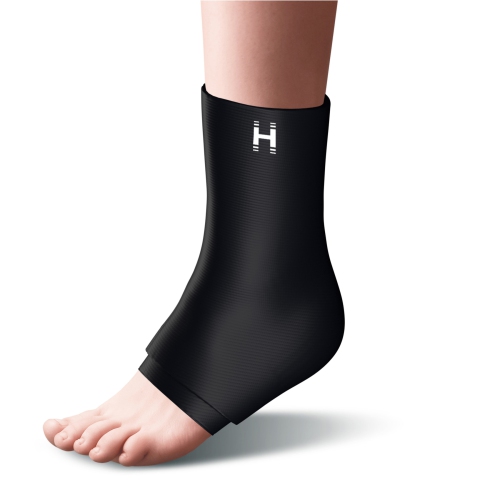 Your price for this item is $39.99
 -
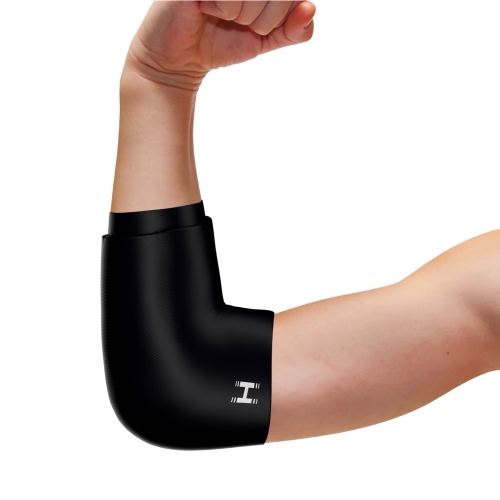 Your price for this item is $39.99
 -
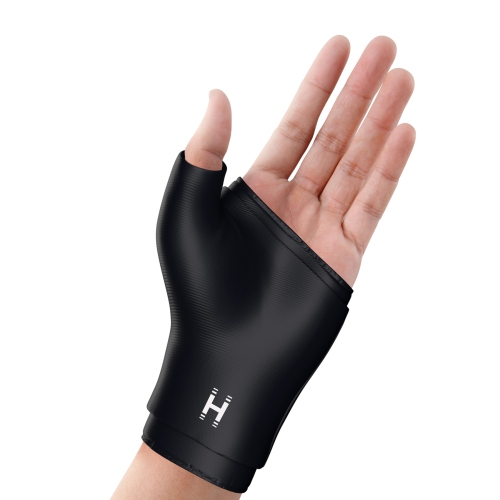 Your price for this item is $29.99
 -
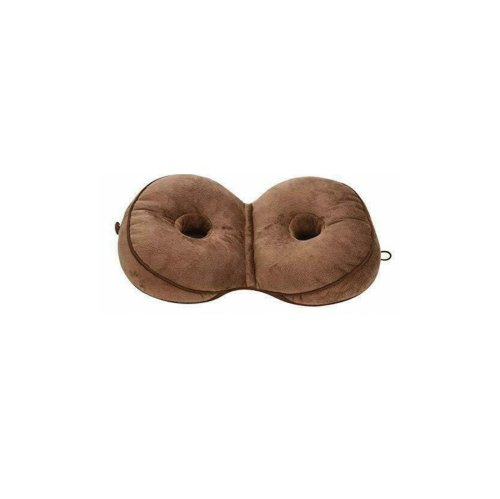 Your price for this item is $90
 -
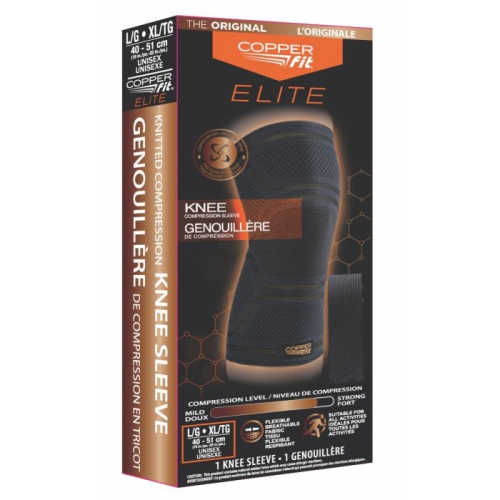 Your price for this item is $24.95
 -
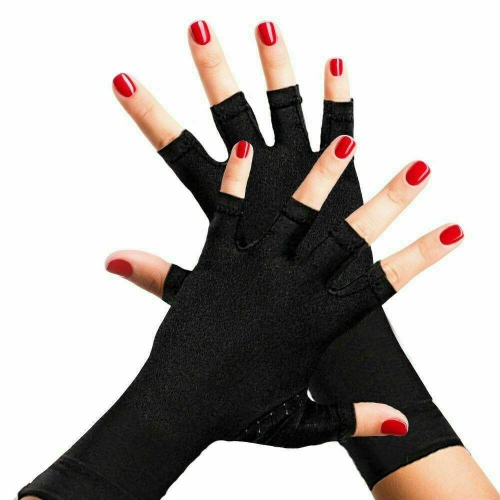 Your price for this item is $20
 -
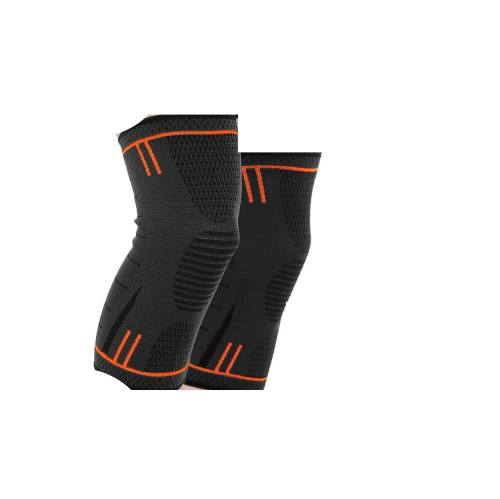 Your price for this item is $20
 -
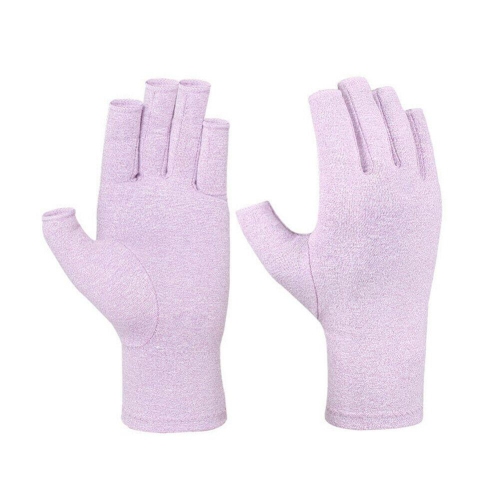 Your price for this item is $24
Discover more categories related to Compression Sock
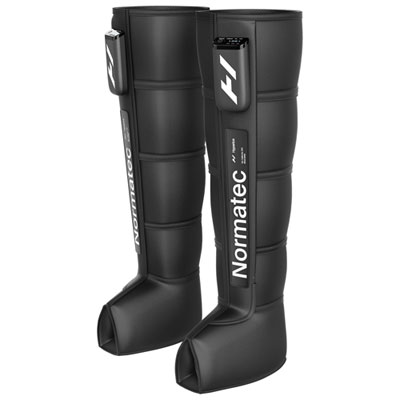
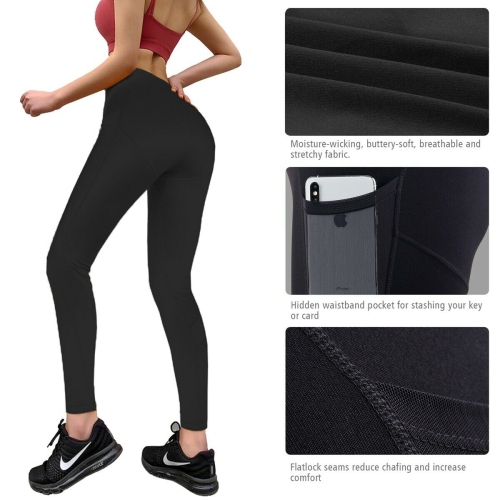
Top Collections:
Pokemon Centers, Best Cameras for Sports Photography, Kindle Devices, Samsung Galaxy Phones, Canon G7X Cameras, Pokémon 30th Celebration Cards, Refurbished Apple Laptops, iPhone 15 Apple, Laptops for Students, Budget Smartphones
Some products may be subject to Environmental Handling Fees
(EHF) depending on your province.
Learn more about EHFs.