Dance Barres
Enhance your dance practice with our collection of high-quality dance barres designed to elevate your performance and technique. Whether you're a seasoned dancer or just starting, having a sturdy and reliable barre is essential for perfecting your moves and achieving graceful lines. Explore our range of dance barres that are suitable for home studios, dance schools, or fitness centers, providing you with the support you need to reach your full potential in every routine.
Sort
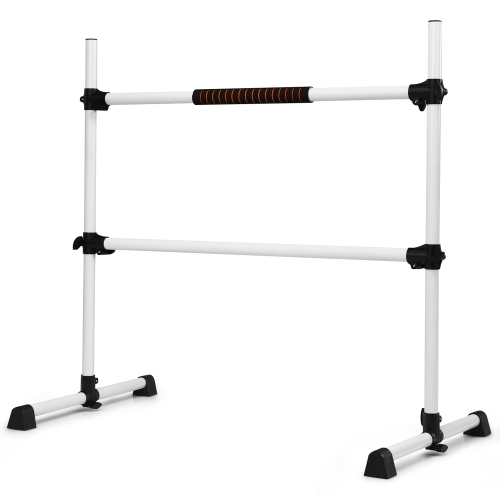
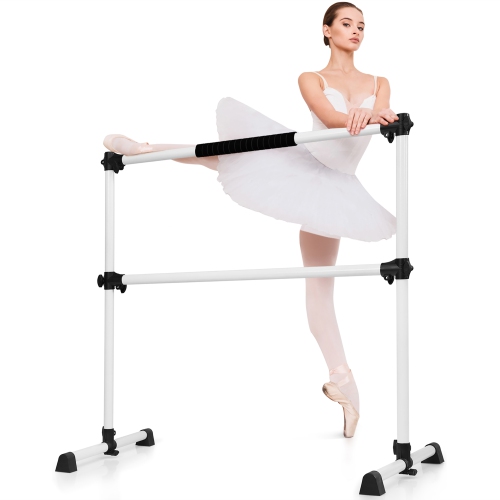
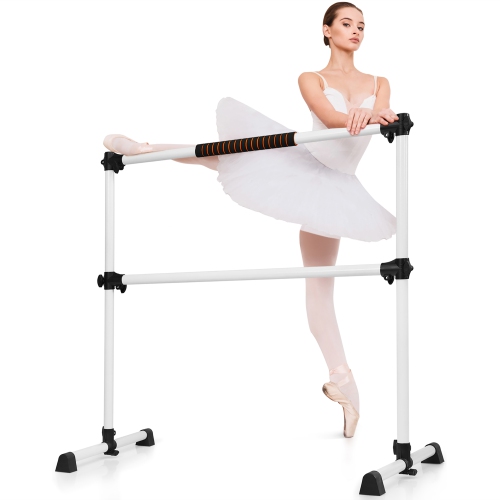
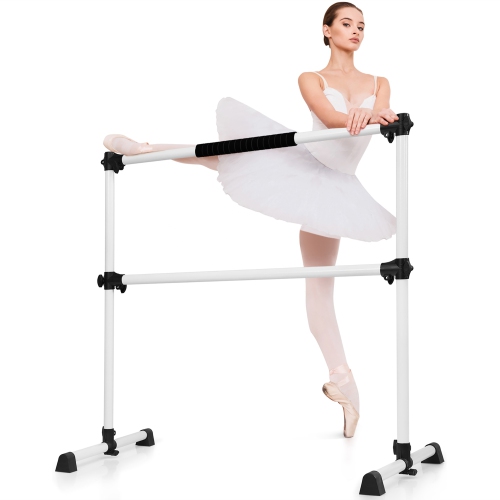
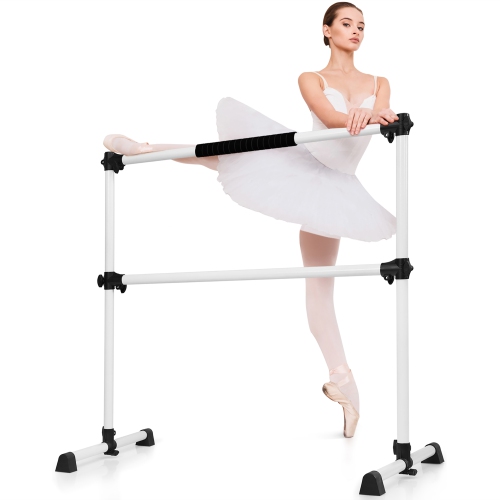
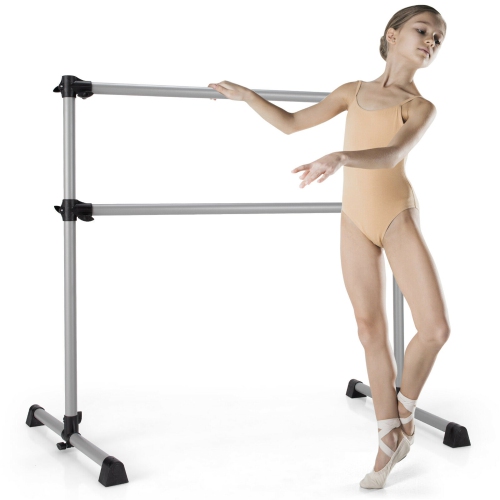
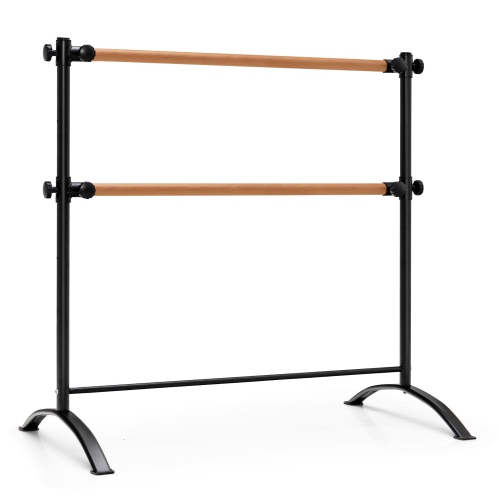
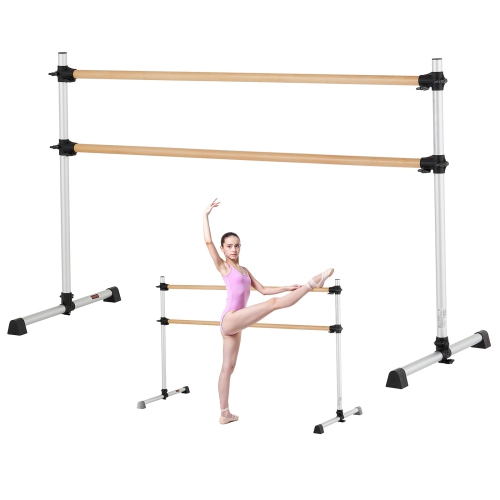
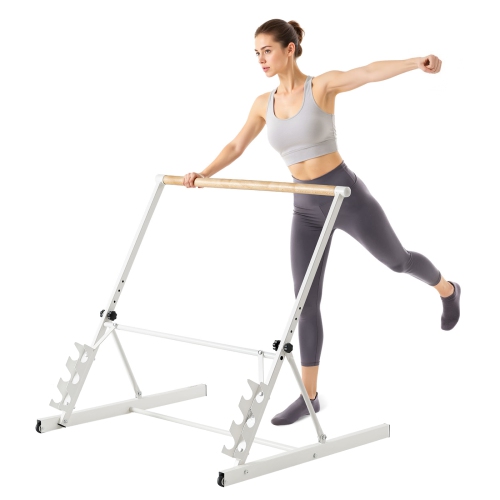
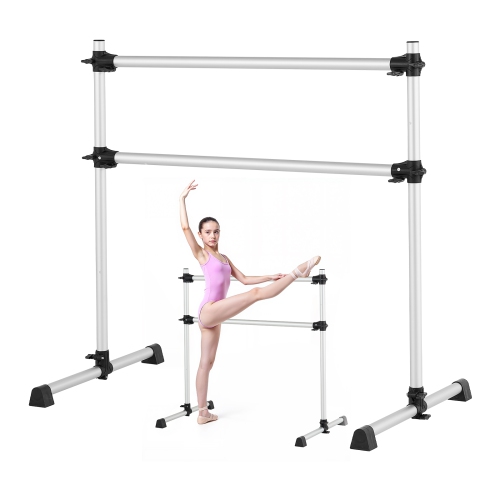
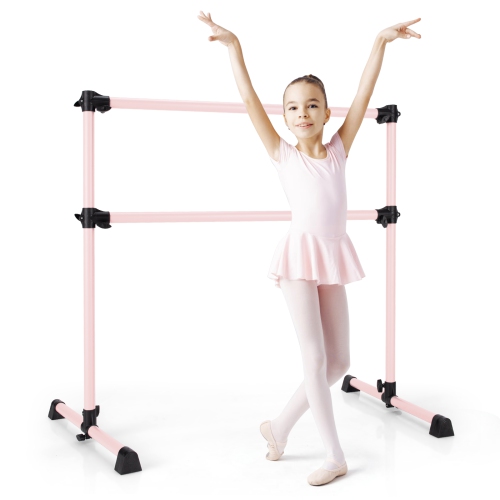
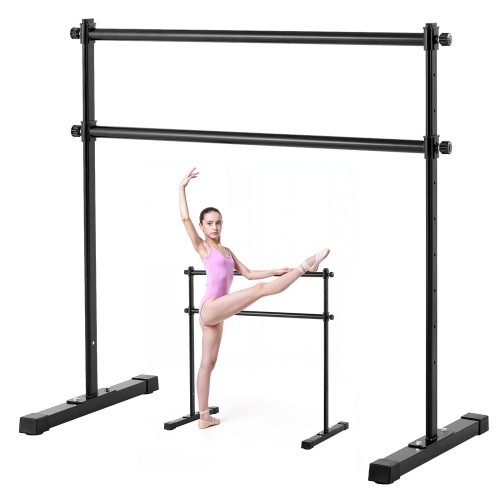
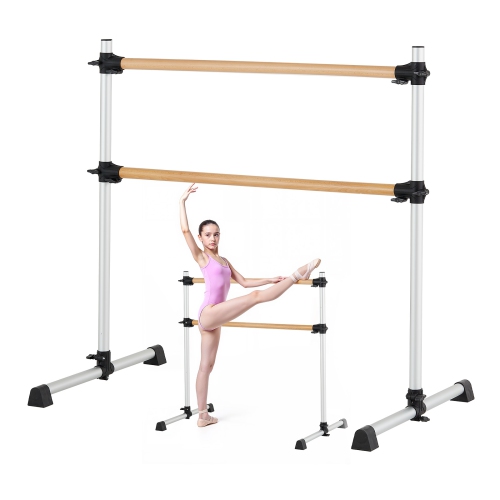
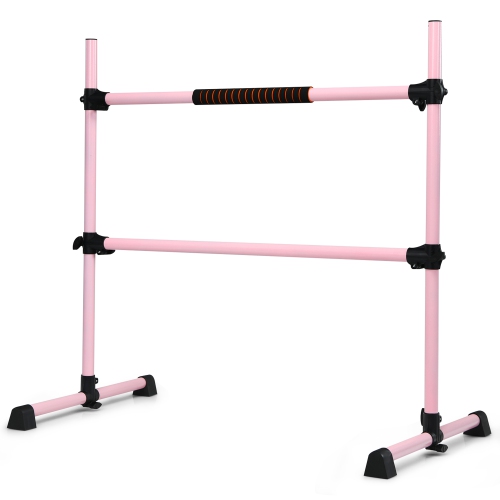
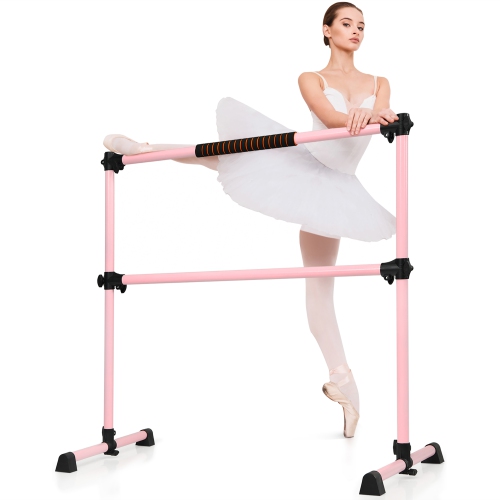
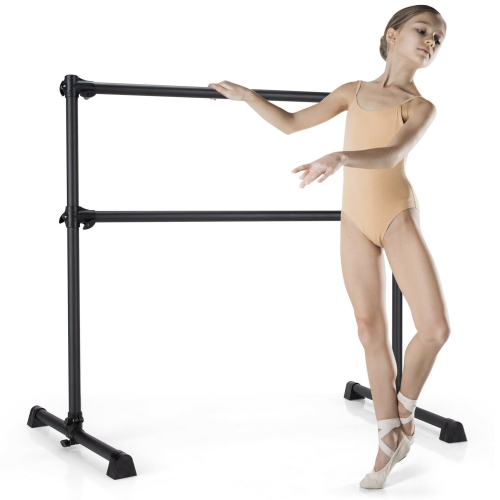
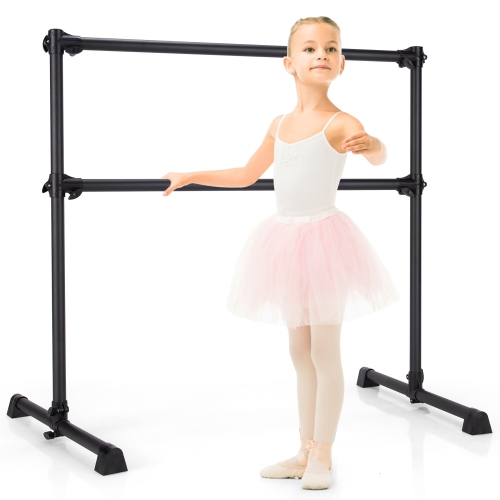
Supportive setups for technique, stretching and home practice
Dance barres provide a steady handhold for ballet, dance conditioning, stretching and movement practice. They are designed to support balance while the dancer focuses on posture, alignment, leg placement and controlled motion, making them useful for beginners, experienced performers, fitness enthusiasts and students working through lessons at home. A barre can help create a familiar studio-style setup in a spare room, bedroom, basement or home studio, while also offering a practical aid for warm-ups before dance classes, rehearsals or performances. Common exercises include pliés, which involve bending the knees while keeping the heels grounded; tendus, which involve sliding one foot along the floor until the toes point; and relevés, which involve rising onto the balls of the feet or toes to build ankle and calf strength. These movements are often performed slowly and repeatedly, with the barre used for balance rather than to pull the body into position. The result is a more focused practice area where dancers can work on smooth transitions, stable alignment and deliberate movement without needing a large amount of specialised equipment. Dance barres can also be useful for low-impact mobility routines, gentle stretching and strength exercises, although users should follow instruction appropriate to their age, ability and physical condition. A sturdy barre should feel stable under normal use, and the surrounding area should be clear of furniture, loose rugs and other obstacles that could cause a trip or fall.
The main choice is between a wall-mounted barre and a portable, freestanding design. Wall-mounted barres are secured to the wall, usually with brackets attached to wall studs, and can provide a consistent practice station in a dedicated room. They are well suited to dancers who practise regularly and want a clean, permanent arrangement that is ready whenever training begins. Before selecting one, measure the available wall length, check the mounting requirements and confirm that the wall structure can support the installation. A professional installation or suitable hardware may be needed, particularly when the wall surface is drywall, plaster or another material that requires careful anchoring. Adjustable wall brackets can make it easier to set a comfortable height, while fixed-height designs may suit a space with a clearly defined user. Freestanding options offer more flexibility for apartments, multipurpose rooms, rented homes and shared family spaces. They can generally be assembled, moved and stored when the room needs to be used for another purpose, and many dancers appreciate being able to position the barre away from a wall for exercises that require access from both sides. Browse Portable Ballet Barres for options suited to practice spaces where storage and placement matter. When comparing portable dance barres, consider the footprint of the base, the overall weight, the ease of assembly and how securely the structure stays in place during ordinary exercises. A lighter frame may be convenient to carry, while a heavier base can offer added stability. Look for a finish that is comfortable to hold, a rail length that matches the available room and construction that feels solid when gentle pressure is applied. Portable designs may be especially helpful for instructors who need to adapt a room for different classes, performers preparing in temporary spaces or families whose children practise in a living area and put the equipment away afterwards.
Height is another important consideration because the correct position supports comfortable technique and helps the dancer maintain a natural posture. As a general reference, adult barres are commonly installed or positioned around 40 to 46 inches from the floor, while children’s barres are often placed around 32 to 34 inches. These ranges are starting points rather than universal rules, since arm length, body proportions, training style and the type of movement being practised can all affect the ideal height. The dancer should be able to rest one hand on the barre without lifting the shoulder, leaning sideways or bending awkwardly at the waist. If the barre is intended for more than one person, an adjustable model or a two-level setup may offer greater versatility. Families shopping for a young dancer may appreciate a portable barre that can move as the child grows, while a dedicated student, instructor or performer may prefer a durable arrangement that suits frequent practice. Dance barres can make thoughtful gifts for children beginning ballet, teens preparing for auditions, adults returning to dance or anyone creating a home fitness corner inspired by studio training. They can also be a practical addition to a recreation room during the cooler months, when indoor practice becomes more appealing, or to a bright home space as the weather warms and regular routines continue. Regardless of the design, the barre should be used on a level surface with sufficient clearance around it, and users should inspect connections, brackets and feet periodically for signs of loosening or wear. A kitchen counter or high-backed chair may provide temporary support for a very basic beginner exercise, but household furniture is not designed as a dance barre and may shift or tip; purpose-built equipment is the more dependable choice for regular practice. With the right size, height and installation style, dance barres can help turn an open area into a comfortable place for warm-ups, technique work, stretching and steady progress.
The main choice is between a wall-mounted barre and a portable, freestanding design. Wall-mounted barres are secured to the wall, usually with brackets attached to wall studs, and can provide a consistent practice station in a dedicated room. They are well suited to dancers who practise regularly and want a clean, permanent arrangement that is ready whenever training begins. Before selecting one, measure the available wall length, check the mounting requirements and confirm that the wall structure can support the installation. A professional installation or suitable hardware may be needed, particularly when the wall surface is drywall, plaster or another material that requires careful anchoring. Adjustable wall brackets can make it easier to set a comfortable height, while fixed-height designs may suit a space with a clearly defined user. Freestanding options offer more flexibility for apartments, multipurpose rooms, rented homes and shared family spaces. They can generally be assembled, moved and stored when the room needs to be used for another purpose, and many dancers appreciate being able to position the barre away from a wall for exercises that require access from both sides. Browse Portable Ballet Barres for options suited to practice spaces where storage and placement matter. When comparing portable dance barres, consider the footprint of the base, the overall weight, the ease of assembly and how securely the structure stays in place during ordinary exercises. A lighter frame may be convenient to carry, while a heavier base can offer added stability. Look for a finish that is comfortable to hold, a rail length that matches the available room and construction that feels solid when gentle pressure is applied. Portable designs may be especially helpful for instructors who need to adapt a room for different classes, performers preparing in temporary spaces or families whose children practise in a living area and put the equipment away afterwards.
Height is another important consideration because the correct position supports comfortable technique and helps the dancer maintain a natural posture. As a general reference, adult barres are commonly installed or positioned around 40 to 46 inches from the floor, while children’s barres are often placed around 32 to 34 inches. These ranges are starting points rather than universal rules, since arm length, body proportions, training style and the type of movement being practised can all affect the ideal height. The dancer should be able to rest one hand on the barre without lifting the shoulder, leaning sideways or bending awkwardly at the waist. If the barre is intended for more than one person, an adjustable model or a two-level setup may offer greater versatility. Families shopping for a young dancer may appreciate a portable barre that can move as the child grows, while a dedicated student, instructor or performer may prefer a durable arrangement that suits frequent practice. Dance barres can make thoughtful gifts for children beginning ballet, teens preparing for auditions, adults returning to dance or anyone creating a home fitness corner inspired by studio training. They can also be a practical addition to a recreation room during the cooler months, when indoor practice becomes more appealing, or to a bright home space as the weather warms and regular routines continue. Regardless of the design, the barre should be used on a level surface with sufficient clearance around it, and users should inspect connections, brackets and feet periodically for signs of loosening or wear. A kitchen counter or high-backed chair may provide temporary support for a very basic beginner exercise, but household furniture is not designed as a dance barre and may shift or tip; purpose-built equipment is the more dependable choice for regular practice. With the right size, height and installation style, dance barres can help turn an open area into a comfortable place for warm-ups, technique work, stretching and steady progress.
Top selling and popular products
-
 Your price for this item is $200
 -
 Your price for this item is $399.99
 -
 Your price for this item is $99.99
 -
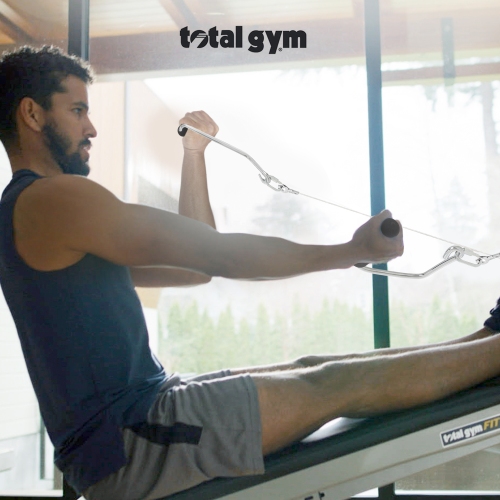 Your price for this item is $100.99
 -
 Your price for this item is $84.99
 -
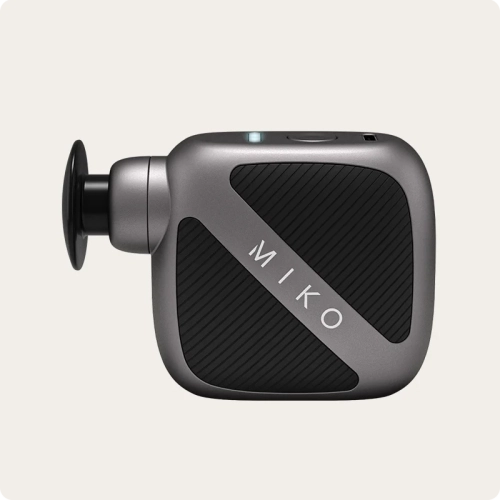 Your price for this item is $199.99
 -
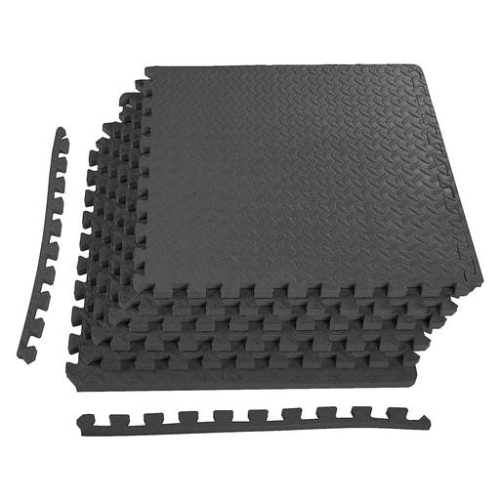 Your price for this item is $97.99
 -
![STARZ / ANCHOR BAY Weight Watchers: 15-Minute Boot Camp Series - [DVD]](https://multimedia.bbycastatic.ca/multimedia/products/500x500/155/15593/15593684.jpeg) Your price for this item is $8.99
Your price for this item is $8.99
Discover more categories related to Dance Barres
Top Collections:
Pokemon Centers, Kindle Devices, Best Budget Office Chairs, Apple iPhones 16, Canon G7X Cameras, iPhone 15 Apple, Alarm Clock, Refurbished Apple Laptops, Flip Phones, Best Laptops for Writers
Some products may be subject to Environmental Handling Fees
(EHF) depending on your province.
Learn more about EHFs.