Portable Ballet Barres
Looking to perfect your pliés or master your pirouettes? Look no further than our collection of portable ballet barres. Designed with convenience and flexibility in mind, these ballet barres allow you to practice your dance moves anytime, anywhere. Whether you're a seasoned dancer or just starting out, our selection of portable ballet barres offers stability and support to help you achieve your dance goals. From adjustable heights to durable construction, these barres are the perfect addition to any dance studio, home gym, or even for on-the-go practice sessions. Get ready to elevate your dance routine with our selection of portable ballet barres.
Sort
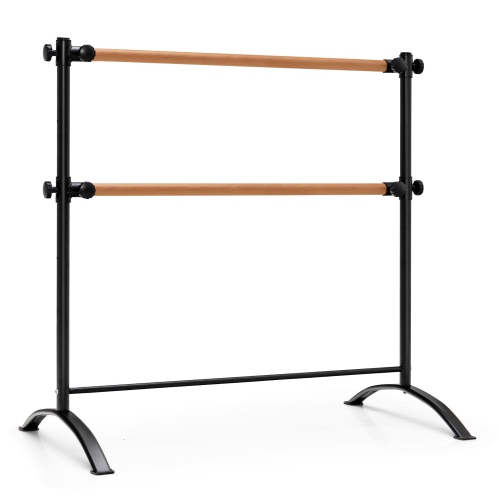
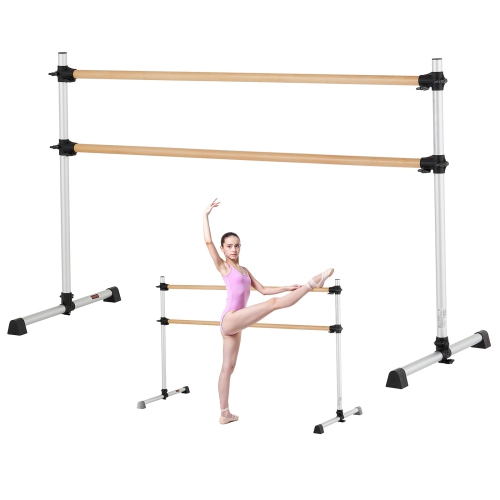
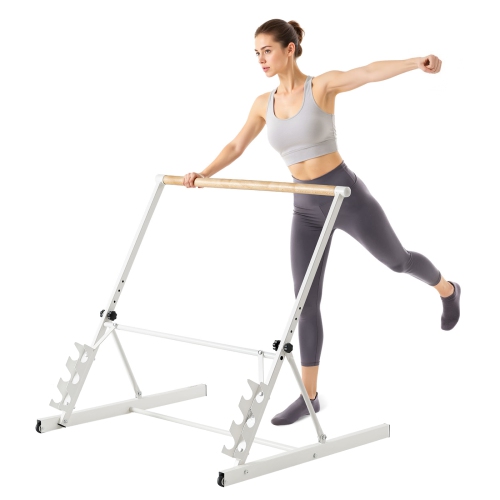
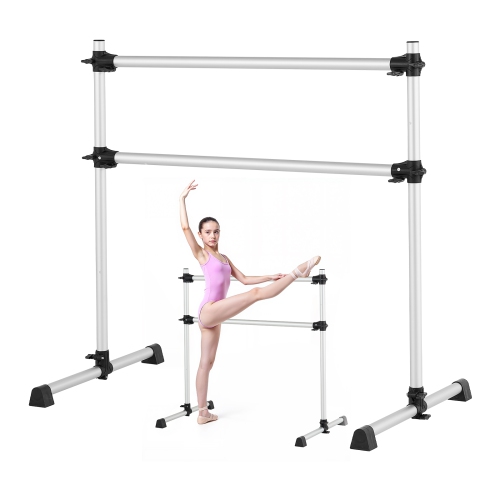
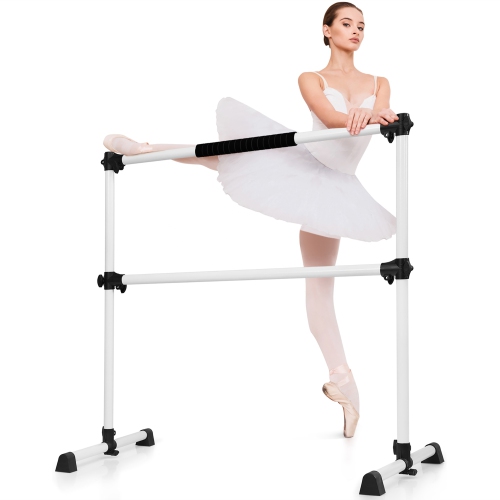
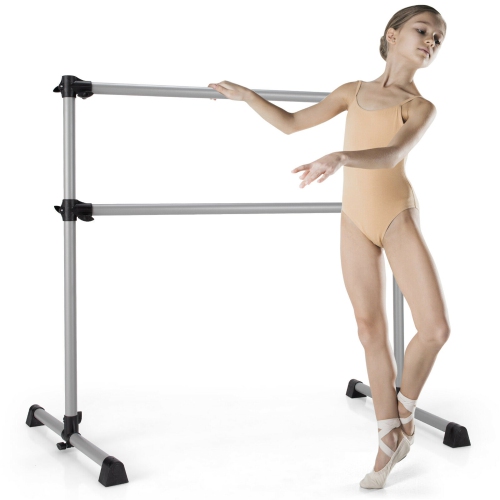
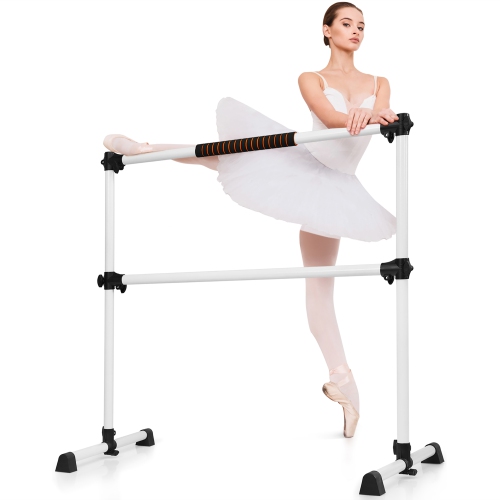
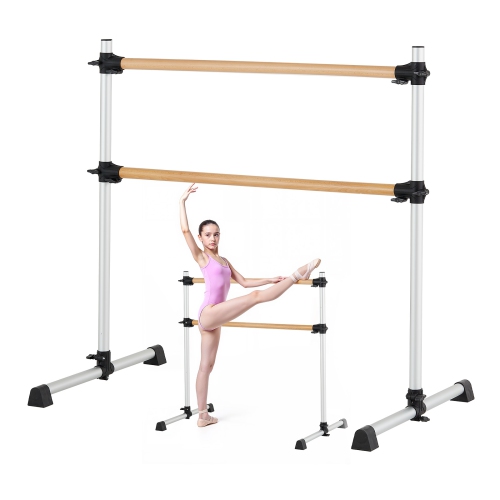
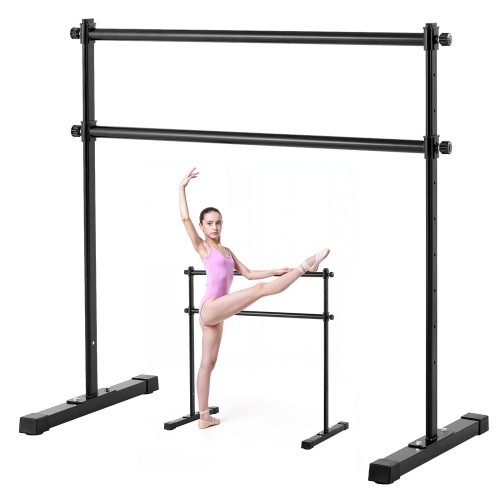
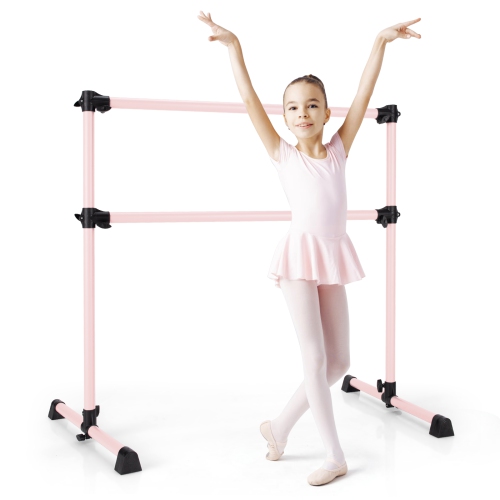
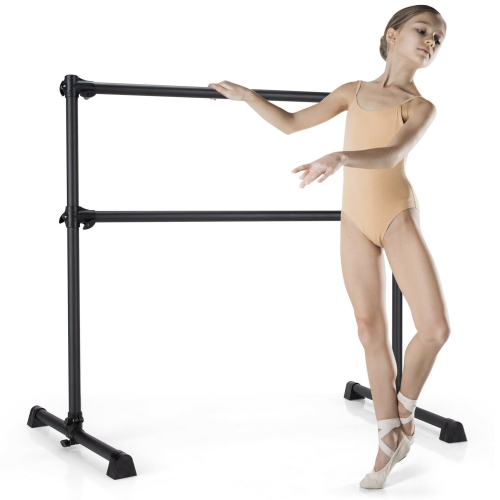
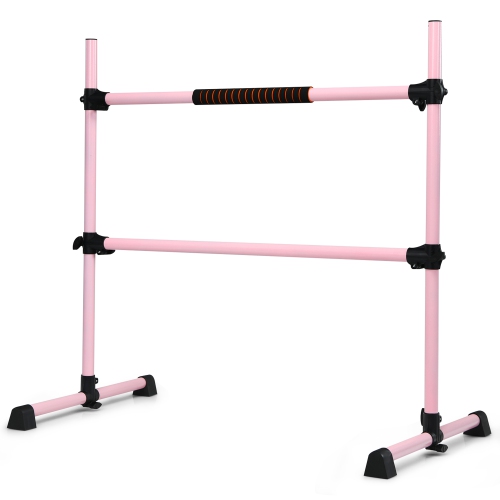
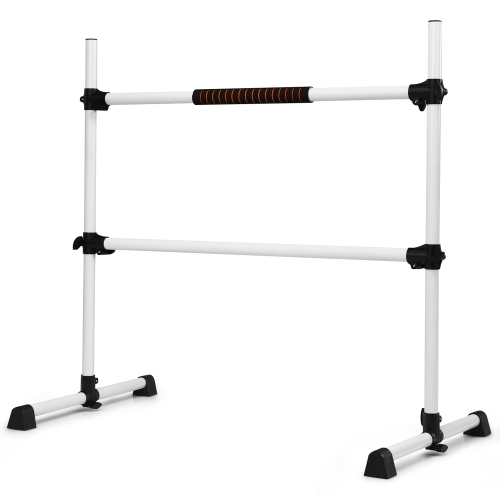
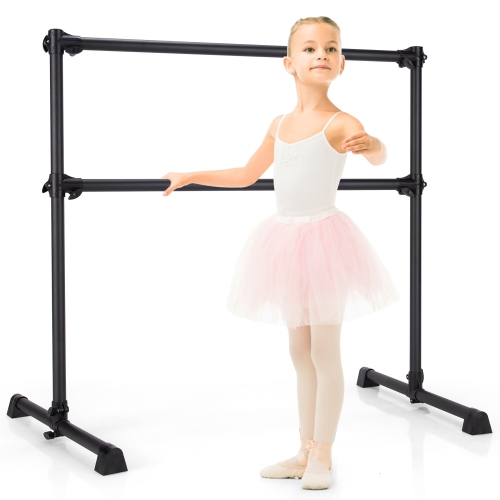
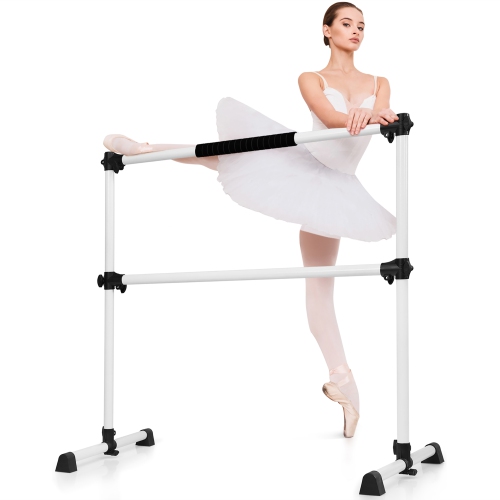
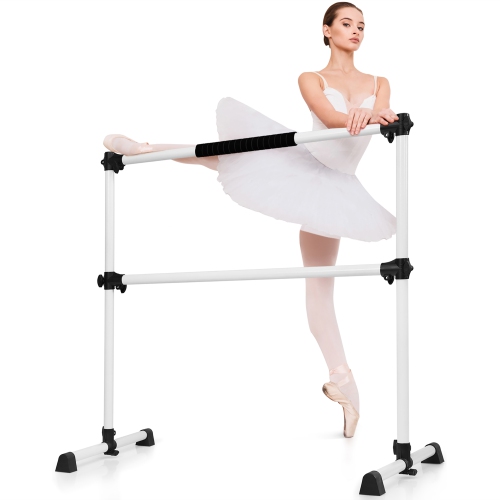
Studio-style support for practice in any room
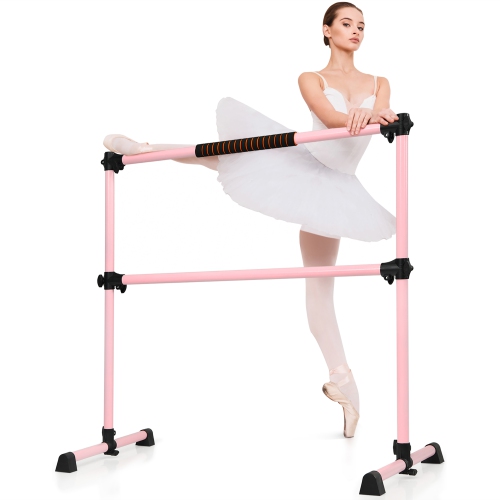
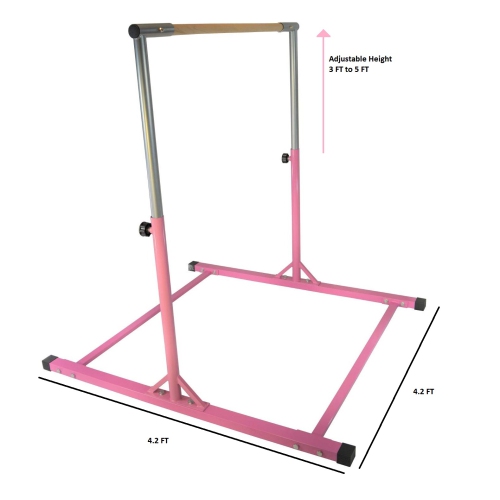
Portable ballet barres bring the structure of a dance studio into a home, rehearsal space, classroom, or fitness area without requiring permanent wall or floor installation. A freestanding barre can support ballet practice, stretching, balance exercises, mobility work, warm-ups, and selected barre-inspired fitness routines, making it useful for children learning their first positions as well as adult dancers refining technique. Unlike a wall-mounted barre, a portable model can be moved when a room needs to serve another purpose, making it a practical choice for bedrooms, multipurpose rooms, basements, community spaces, and smaller studios. It can be set up in an open area for practice, then placed against a wall or stored away when the floor is needed for another activity. Many designs use a wooden rail, such as ash, maple, or beechwood, for a familiar feel under the hands, while others use aluminium for a lightweight, easy-to-carry format. Frames are commonly made from steel or aluminium, with the overall design balancing weight, stability, portability, and ease of handling. Single-bar models offer a straightforward practice surface and can suit one dancer or a focused home routine. Double-bar models provide two heights, which can be helpful for households with growing children, dancers of different heights, or exercises that alternate between lower and higher hand positions. A double configuration may also allow a younger dancer to use the lower rail while an adult uses the upper rail, helping one portable barre serve more than one person. When choosing among portable ballet barres, consider who will use it, how often it will be moved, and where it will be positioned. A young beginner may appreciate a lighter unit that is simple for a parent to reposition, while an advanced dancer or instructor may prefer a heavier frame with a broader footprint and a more substantial rail. For group practice, check the length and the amount of usable space around the barre so dancers can move safely without brushing against furniture, walls, or other equipment. A home user should also measure the intended storage area before ordering, particularly if the barre needs to fit beneath a bed, inside a wardrobe, or behind a door.
Stability is one of the most important purchase considerations because a portable ballet barre should feel dependable during controlled movement, stretching, and balance work. Look for a well-designed base, secure joints, and feet that sit evenly on the floor. A wider or heavier frame may provide a steadier feel, while a lighter design can be more convenient for carrying between rooms or taking to rehearsals. The best choice depends on the space and the dancer’s routine: a compact unit may be ideal for occasional home practice, while frequent training can justify a more robust construction. Adjustable height is another useful feature, especially when the barre will be shared by children and adults or used for several kinds of exercises. It can help a growing dancer maintain a comfortable hand position and allow the same equipment to adapt as their technique develops. Follow the manufacturer’s instructions for height adjustment, assembly, and maximum recommended use, and check all locking points before every session. Assembly is often designed to be uncomplicated, with sections that connect using minimal hardware or no specialised tools, but every joint should be fitted correctly before the barre is used. Some portable units include pivoting or swing-away feet that fold or rotate for storage, reducing the amount of space needed when the barre is not in use. A carrying case can be especially helpful for dancers who travel to lessons, auditions, workshops, or performances, while a unit with a simpler folding design may suit someone who only moves it around the home. Consider the surface beneath the barre as well. A level, solid floor generally provides a more consistent foundation than thick carpet, an uneven mat, or a slippery surface. Leave sufficient clearance on all sides, keep the practice area free from clutter, and use the barre for supported movement rather than as a substitute for a handrail or climbing equipment. A mirror, dance flooring, and comfortable clothing can complement a home practice area, but the portable barre itself remains the central piece for exercises that require a stable hand position.
Portable ballet barres can be a thoughtful gift for a child enrolled in dance lessons, a teenager preparing for examinations, an adult returning to ballet, or someone building a dedicated home fitness space. They can also be useful for dance teachers who need a flexible teaching aid, accompanists and performers who practise in different locations, or families who want equipment that can be shared across age groups. A portable barre may turn an unused corner into a small rehearsal space: a sunlit living room can become a place for gentle stretches before the day begins, while a clear basement area can provide room for regular practice during the cooler months. It is also useful when dancers cannot attend a studio, are working on posture and alignment between classes, or want to repeat foundational exercises at their own pace. Buyers comparing this category may also encounter related fitness equipment, including Body Bars, but a ballet barre is designed around the supported standing positions, hand placement, and balance needs associated with barre work. Before selecting a model, review its dimensions, weight, rail material, height range, base design, folding method, and any included storage accessories. Think about whether the barre will remain in one room or travel regularly, whether more than one height is needed, and whether the user prefers the tactile warmth of wood or the lighter handling of metal. Keeping the equipment clean and dry, tightening hardware as recommended, and inspecting the rail and feet periodically can help maintain a secure practice setup. With the right size and construction, portable ballet barres offer a practical way to make consistent movement part of everyday life while keeping the flexibility to reclaim the room when practice is finished.
Stability is one of the most important purchase considerations because a portable ballet barre should feel dependable during controlled movement, stretching, and balance work. Look for a well-designed base, secure joints, and feet that sit evenly on the floor. A wider or heavier frame may provide a steadier feel, while a lighter design can be more convenient for carrying between rooms or taking to rehearsals. The best choice depends on the space and the dancer’s routine: a compact unit may be ideal for occasional home practice, while frequent training can justify a more robust construction. Adjustable height is another useful feature, especially when the barre will be shared by children and adults or used for several kinds of exercises. It can help a growing dancer maintain a comfortable hand position and allow the same equipment to adapt as their technique develops. Follow the manufacturer’s instructions for height adjustment, assembly, and maximum recommended use, and check all locking points before every session. Assembly is often designed to be uncomplicated, with sections that connect using minimal hardware or no specialised tools, but every joint should be fitted correctly before the barre is used. Some portable units include pivoting or swing-away feet that fold or rotate for storage, reducing the amount of space needed when the barre is not in use. A carrying case can be especially helpful for dancers who travel to lessons, auditions, workshops, or performances, while a unit with a simpler folding design may suit someone who only moves it around the home. Consider the surface beneath the barre as well. A level, solid floor generally provides a more consistent foundation than thick carpet, an uneven mat, or a slippery surface. Leave sufficient clearance on all sides, keep the practice area free from clutter, and use the barre for supported movement rather than as a substitute for a handrail or climbing equipment. A mirror, dance flooring, and comfortable clothing can complement a home practice area, but the portable barre itself remains the central piece for exercises that require a stable hand position.
Portable ballet barres can be a thoughtful gift for a child enrolled in dance lessons, a teenager preparing for examinations, an adult returning to ballet, or someone building a dedicated home fitness space. They can also be useful for dance teachers who need a flexible teaching aid, accompanists and performers who practise in different locations, or families who want equipment that can be shared across age groups. A portable barre may turn an unused corner into a small rehearsal space: a sunlit living room can become a place for gentle stretches before the day begins, while a clear basement area can provide room for regular practice during the cooler months. It is also useful when dancers cannot attend a studio, are working on posture and alignment between classes, or want to repeat foundational exercises at their own pace. Buyers comparing this category may also encounter related fitness equipment, including Body Bars, but a ballet barre is designed around the supported standing positions, hand placement, and balance needs associated with barre work. Before selecting a model, review its dimensions, weight, rail material, height range, base design, folding method, and any included storage accessories. Think about whether the barre will remain in one room or travel regularly, whether more than one height is needed, and whether the user prefers the tactile warmth of wood or the lighter handling of metal. Keeping the equipment clean and dry, tightening hardware as recommended, and inspecting the rail and feet periodically can help maintain a secure practice setup. With the right size and construction, portable ballet barres offer a practical way to make consistent movement part of everyday life while keeping the flexibility to reclaim the room when practice is finished.
Top selling and popular products
-
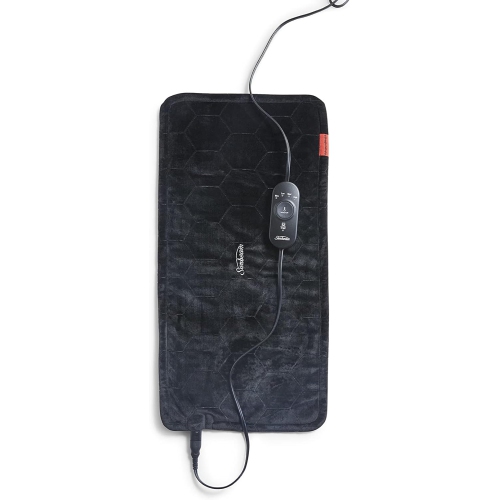 Your price for this item is $200
 -
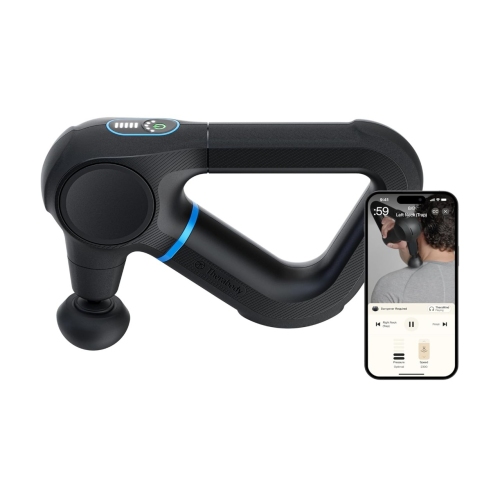 Your price for this item is $399.99
 -
 Your price for this item is $99.99
 -
 Your price for this item is $100.99
 -
 Your price for this item is $84.99
 -
 Your price for this item is $199.99
 -
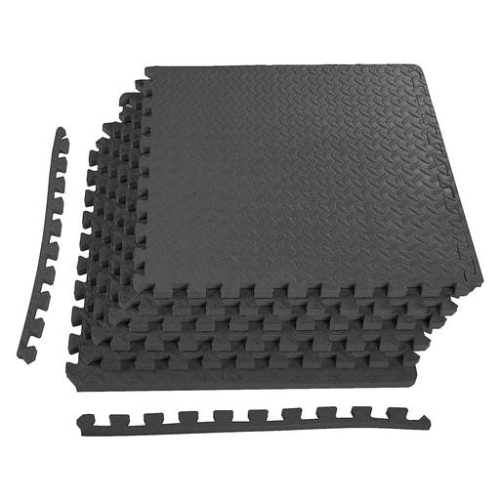 Your price for this item is $97.99
 -
![STARZ / ANCHOR BAY Weight Watchers: 15-Minute Boot Camp Series - [DVD]](https://multimedia.bbycastatic.ca/multimedia/products/500x500/155/15593/15593684.jpeg) Your price for this item is $8.99
Your price for this item is $8.99
Discover more categories related to Portable Ballet Barres
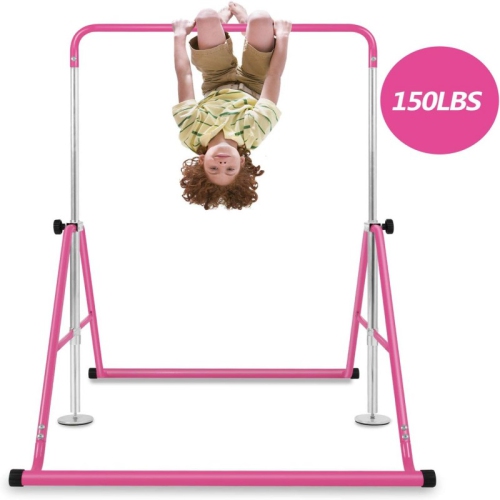
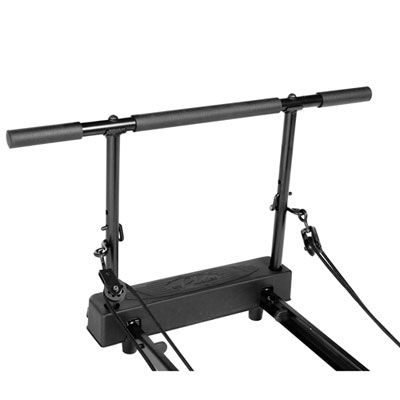
Top Collections:
Pokemon Centers, Kindle Devices, Best Budget Office Chairs, Apple iPhones 16, Canon G7X Cameras, iPhone 15 Apple, Alarm Clock, Refurbished Apple Laptops, Flip Phones, Best Laptops for Writers
Some products may be subject to Environmental Handling Fees
(EHF) depending on your province.
Learn more about EHFs.