Electric Cart
Explore a wide selection of electric cart options designed to suit various needs and preferences. Whether you're looking for enhanced mobility, convenience for transporting goods, or a reliable way to navigate larger spaces, the electric cart collection offers versatile solutions for both personal and professional use. Discover models with different capacities, styles, and configurations to find the perfect fit for your daily tasks or recreational activities. Shop electric cart choices that combine modern design with user-friendly features for an effortless experience every time.
Sort
Why carrying capacity depends on more than motor power
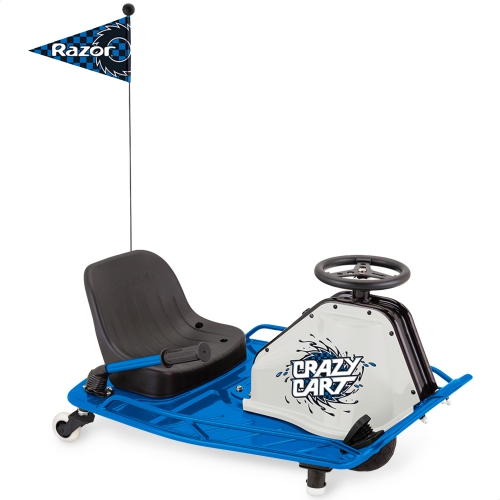
Electric carts use battery-powered motors to help transport golf equipment, supplies, luggage, or passengers, depending on their design. The term covers several distinct product types: motorized golf caddies that carry a golf bag while the golfer walks, powered utility wagons that move cargo, and passenger carts built for seated travel. Their shared purpose is to reduce the physical effort of moving a load, but their controls, dimensions, and carrying limits can differ considerably. A golf caddie needs to hold a tall bag securely and track steadily along a fairway; a utility cart needs a practical load bed and manageable steering when carrying tools or boxes. A passenger cart requires seating and a chassis specifically designed to transport people. These categories are not interchangeable, and a cargo wagon should never be used to carry passengers unless its manufacturer expressly permits it. For everyday carrying tasks, the most useful details often involve the route itself. A cart that travels easily across a wide paved path may be awkward through a narrow gate, around a tight storage-room corner, or over a raised doorway threshold. Overall width, wheel size, turning space, and handle adjustment all affect how comfortably it fits into a routine. Battery range also needs context: load weight, slopes, surface resistance, speed, and repeated stops can all influence how far a cart travels between charges. Published range figures are best treated as estimates under stated test conditions rather than a promise for every outing. Motor power alone does not establish carrying ability, either; the frame, axles, brakes, and load platform must also support the task. For someone moving groceries from a parking area, transporting supplies around a large property, or walking a golf course with a full bag, the right electric cart combines useful carrying capacity with controls that feel straightforward and predictable.
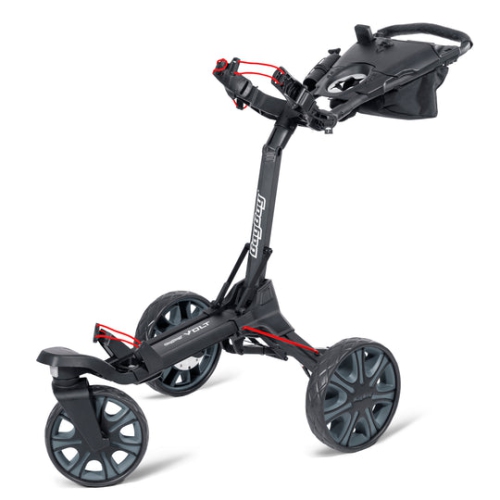
Motorized golf caddies are designed around the experience of walking a course without repeatedly pushing or pulling a loaded bag. Bag supports, adjustable straps, and a stable wheel layout help keep clubs secure as the cart moves between shots. Compatibility matters because a lightweight carry bag and a larger cart bag can sit differently against the same supports. A snug fit should prevent the bag from twisting while leaving pockets and club openings accessible. Control systems vary: some caddies use handle-mounted speed controls, some accept commands from a handheld remote, and some offer follow functions where specified. These features deserve separate attention rather than being treated as equivalent. Remote operation lets the golfer steer from a distance, while a follow function is intended to maintain a relationship to a paired controller or tracking device within its operating limits. Neither removes the need to watch the cart, leave space around other players, and keep clear of bunkers, water hazards, and steep edges. Braking behaviour is particularly relevant on sloping routes; downhill speed control and a parking brake serve different purposes and should be checked individually in the product specifications. Shoppers comparing this category can explore Electric Golf Cart options with those distinctions in mind. Folded dimensions and lifting weight are equally important once the round ends. A caddie may fold compactly yet still require a substantial lift into a vehicle, particularly with its battery attached. Removable wheels, a detachable battery, and a secure folding latch can make storage and transport more manageable when those features are included. For a golfer who enjoys walking, a powered caddie can be a thoughtful gift, but bag compatibility, preferred controls, and available storage space are worth confirming first. The best fit is not necessarily the design with the most functions; it is the one that suits the golfer’s pace, typical course, and ability to handle it before and after play.
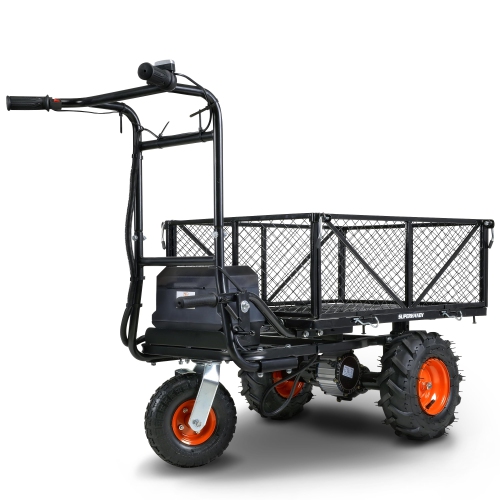
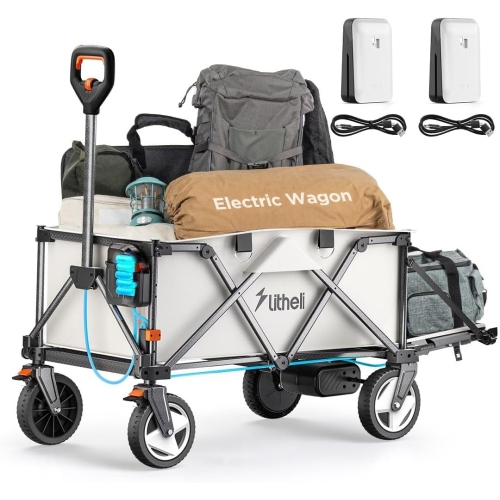
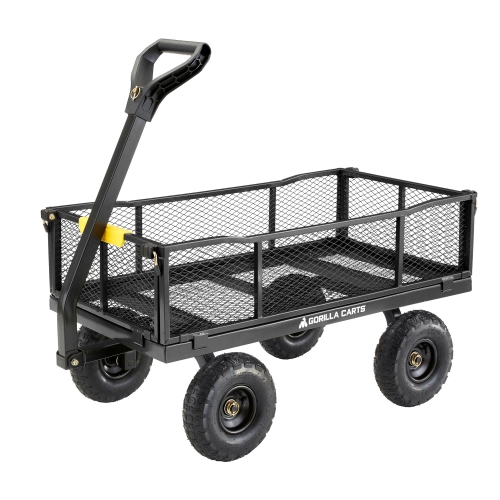
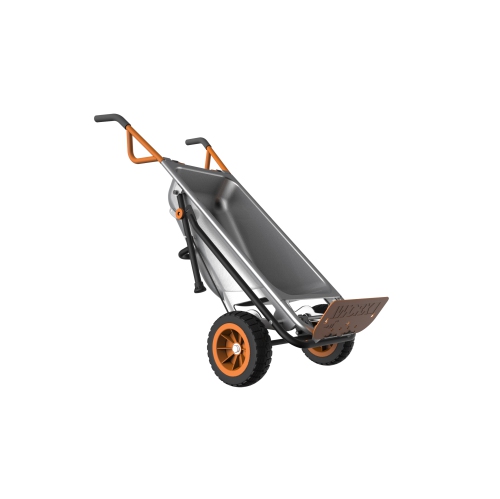
Powered utility carts put more emphasis on cargo space, loading access, and durability. A flat platform can accommodate bulky containers, while raised sides or a fabric basket help contain loose belongings. Stated load capacity should include everything carried, and weight should be distributed as directed rather than concentrated at one end. Dense supplies can reach a cart’s weight limit well before the load area looks full. Frame and body materials influence both handling and care: steel can provide a sturdy structure but needs attention where its protective finish is scratched, while aluminium can help reduce frame weight and does not develop iron rust. Fabric compartments are useful for containing smaller belongings, though seams, attachment points, and cleaning requirements deserve a close look. Rigid cargo beds offer a different loading surface and may be easier to wipe clean after carrying dusty tools or containers. Wheel construction also changes the experience. Pneumatic tyres can cushion travel over uneven ground but require pressure checks; solid tyres avoid punctures but may transmit more vibration to the load and handle. A comfortable grip, accessible speed control, and clearly described stopping system matter when manoeuvring a loaded cart beside a parked vehicle or through a storage area. Passenger-carrying electric carts bring additional considerations, including seating capacity, restraints where fitted, access for getting in and out, and the manufacturer’s stated operating conditions. A passenger cart is not automatically permitted on public roads. Low-speed vehicles form a distinct regulated category, and road use depends on vehicle compliance and applicable provincial and municipal rules; lights and seat belts alone do not establish permission. Across cart types, routine care helps preserve dependable operation. Follow the supplied charging instructions, use the specified compatible charger, and inspect cables, fasteners, folding joints, and brakes regularly. Remove debris from wheels and moving parts, and follow the stated water-resistance limits rather than assuming the motor or battery housing can be rinsed. Storage space should accommodate the cart without putting strain on cables or controls. These practical details help an electric cart remain easy to load, comfortable to operate, and suited to its intended work.
Motorized golf caddies are designed around the experience of walking a course without repeatedly pushing or pulling a loaded bag. Bag supports, adjustable straps, and a stable wheel layout help keep clubs secure as the cart moves between shots. Compatibility matters because a lightweight carry bag and a larger cart bag can sit differently against the same supports. A snug fit should prevent the bag from twisting while leaving pockets and club openings accessible. Control systems vary: some caddies use handle-mounted speed controls, some accept commands from a handheld remote, and some offer follow functions where specified. These features deserve separate attention rather than being treated as equivalent. Remote operation lets the golfer steer from a distance, while a follow function is intended to maintain a relationship to a paired controller or tracking device within its operating limits. Neither removes the need to watch the cart, leave space around other players, and keep clear of bunkers, water hazards, and steep edges. Braking behaviour is particularly relevant on sloping routes; downhill speed control and a parking brake serve different purposes and should be checked individually in the product specifications. Shoppers comparing this category can explore Electric Golf Cart options with those distinctions in mind. Folded dimensions and lifting weight are equally important once the round ends. A caddie may fold compactly yet still require a substantial lift into a vehicle, particularly with its battery attached. Removable wheels, a detachable battery, and a secure folding latch can make storage and transport more manageable when those features are included. For a golfer who enjoys walking, a powered caddie can be a thoughtful gift, but bag compatibility, preferred controls, and available storage space are worth confirming first. The best fit is not necessarily the design with the most functions; it is the one that suits the golfer’s pace, typical course, and ability to handle it before and after play.
Powered utility carts put more emphasis on cargo space, loading access, and durability. A flat platform can accommodate bulky containers, while raised sides or a fabric basket help contain loose belongings. Stated load capacity should include everything carried, and weight should be distributed as directed rather than concentrated at one end. Dense supplies can reach a cart’s weight limit well before the load area looks full. Frame and body materials influence both handling and care: steel can provide a sturdy structure but needs attention where its protective finish is scratched, while aluminium can help reduce frame weight and does not develop iron rust. Fabric compartments are useful for containing smaller belongings, though seams, attachment points, and cleaning requirements deserve a close look. Rigid cargo beds offer a different loading surface and may be easier to wipe clean after carrying dusty tools or containers. Wheel construction also changes the experience. Pneumatic tyres can cushion travel over uneven ground but require pressure checks; solid tyres avoid punctures but may transmit more vibration to the load and handle. A comfortable grip, accessible speed control, and clearly described stopping system matter when manoeuvring a loaded cart beside a parked vehicle or through a storage area. Passenger-carrying electric carts bring additional considerations, including seating capacity, restraints where fitted, access for getting in and out, and the manufacturer’s stated operating conditions. A passenger cart is not automatically permitted on public roads. Low-speed vehicles form a distinct regulated category, and road use depends on vehicle compliance and applicable provincial and municipal rules; lights and seat belts alone do not establish permission. Across cart types, routine care helps preserve dependable operation. Follow the supplied charging instructions, use the specified compatible charger, and inspect cables, fasteners, folding joints, and brakes regularly. Remove debris from wheels and moving parts, and follow the stated water-resistance limits rather than assuming the motor or battery housing can be rinsed. Storage space should accommodate the cart without putting strain on cables or controls. These practical details help an electric cart remain easy to load, comfortable to operate, and suited to its intended work.
Top selling and popular products
-
 Your price for this item is $3000
 -
 Your price for this item is $124.45
 -
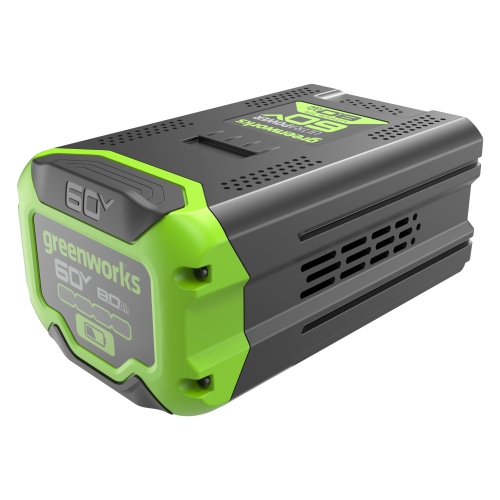 Your price for this item is $329.99
 -
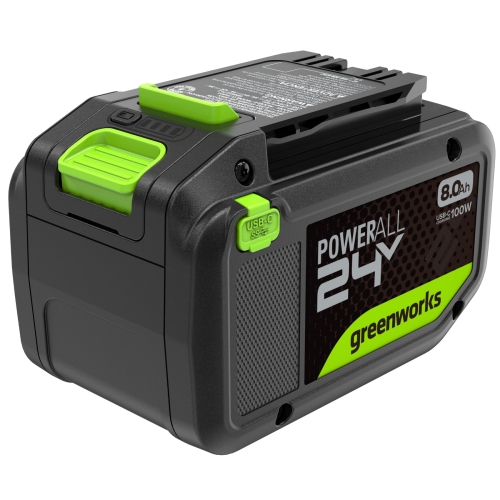 Your price for this item is $139.99
 -
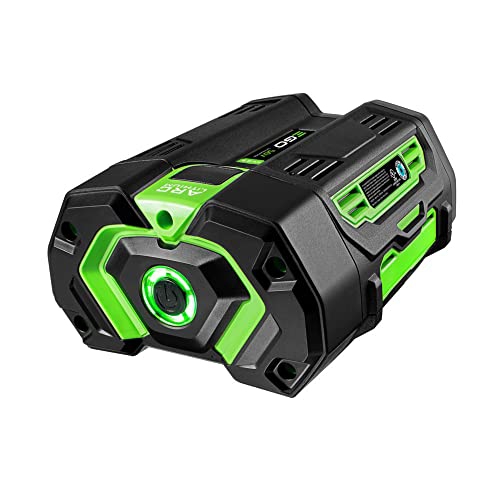 Your price for this item is $264
 -
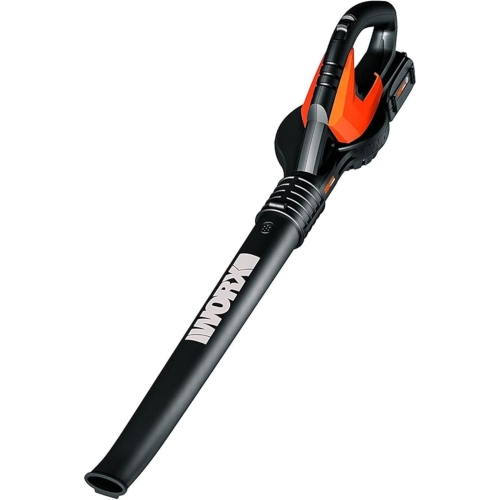 Your price for this item is $217.55
 -
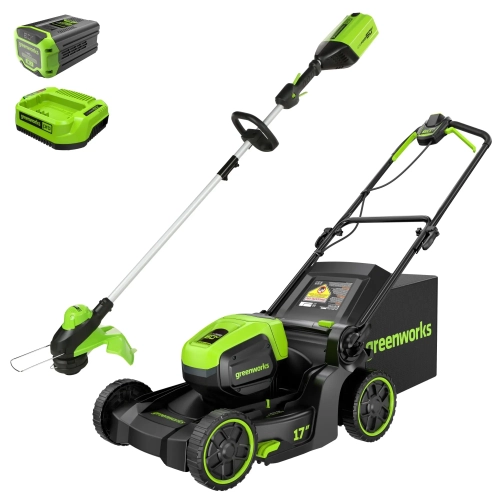 Your price for this item is $739.99
 -
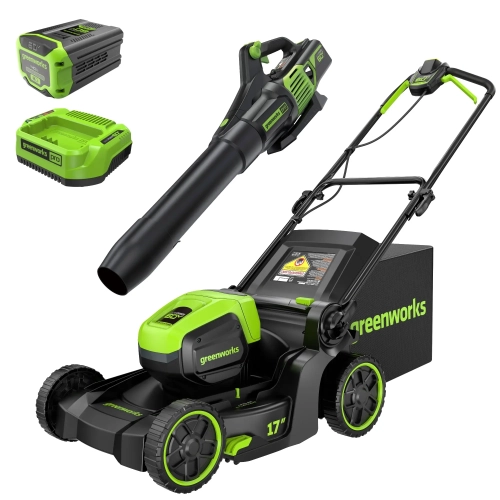 Your price for this item is $599.99
Discover more categories related to Electric Cart
Top Collections:
Pokemon Centers, Kindle Devices, Best Budget Office Chairs, Apple iPhones 16, Best Laptops for Writers, iPhone 15 Apple, Canon G7X Cameras, Refurbished Apple Laptops, Alarm Clock, Motorola Razr Phones
Some products may be subject to Environmental Handling Fees
(EHF) depending on your province.
Learn more about EHFs.