Push Cart
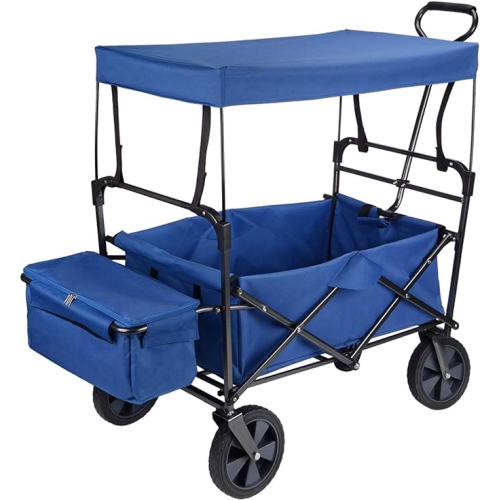
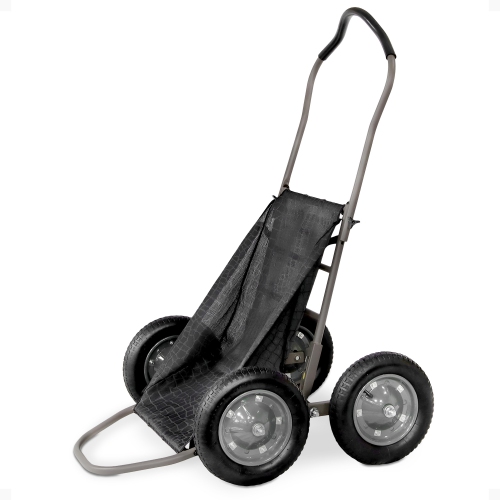
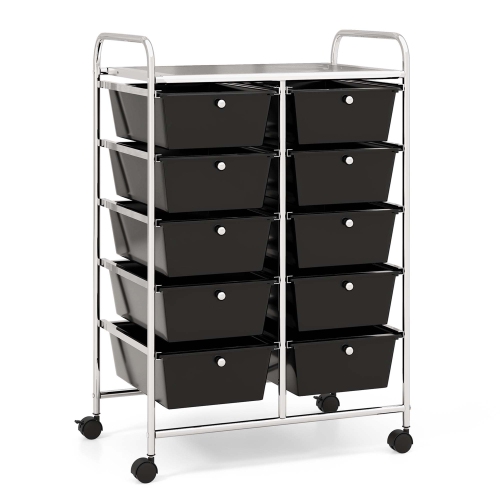
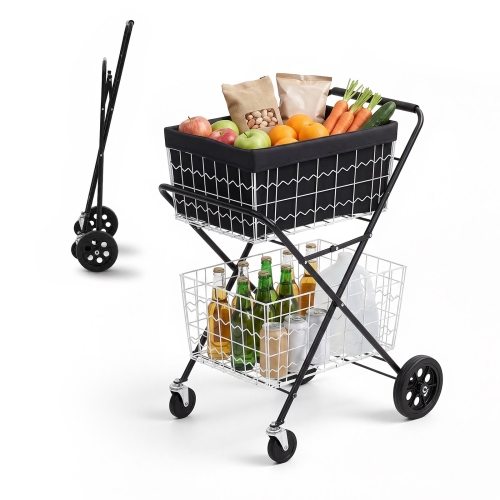
Looking for a convenient way to transport your belongings with ease? Our selection of push carts offers a practical solution for moving items effortlessly. Whether you need to haul groceries, luggage, or heavy boxes, these versatile push carts are designed to make your tasks simpler and more efficient. With sturdy construction and ergonomic handles, our push carts are perfect for both indoor and outdoor use. Browse our range of push carts to find the ideal option for your needs.
Sort
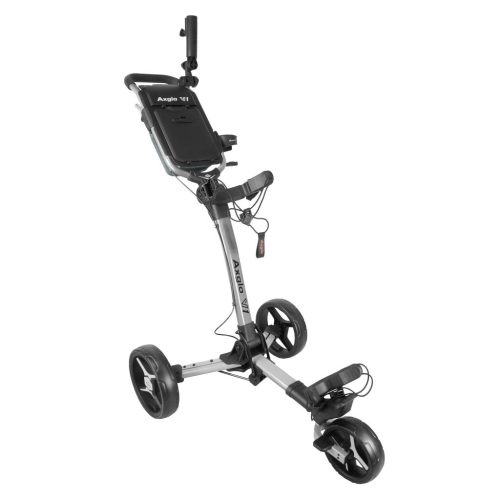
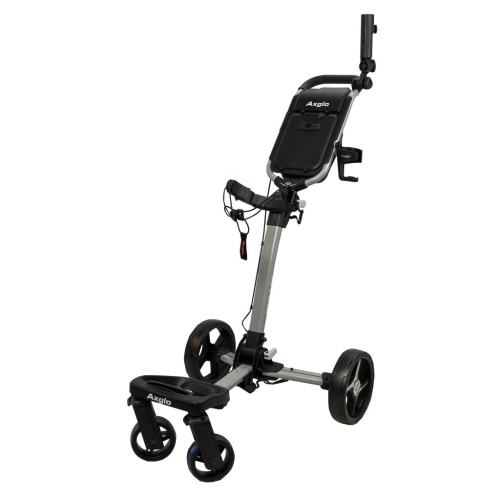
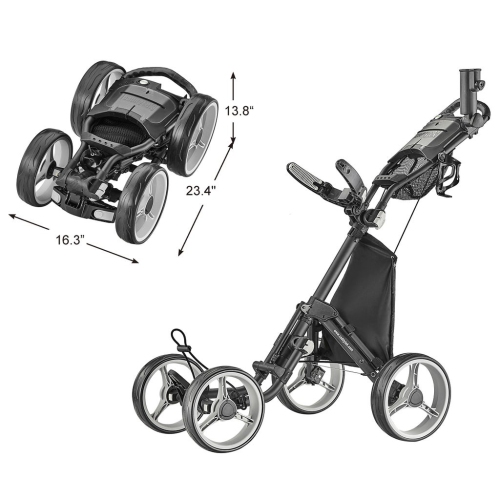
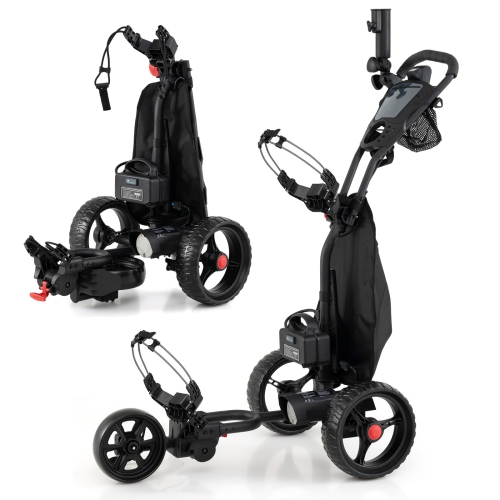
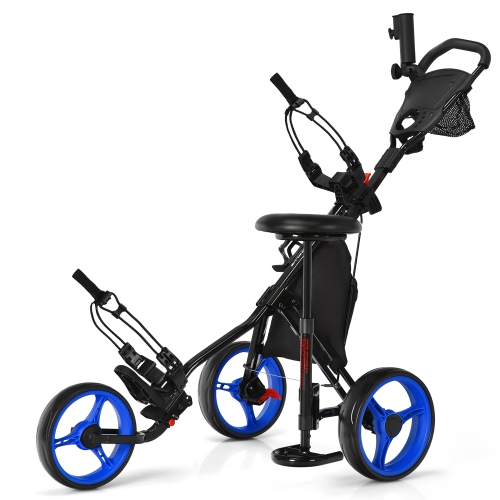
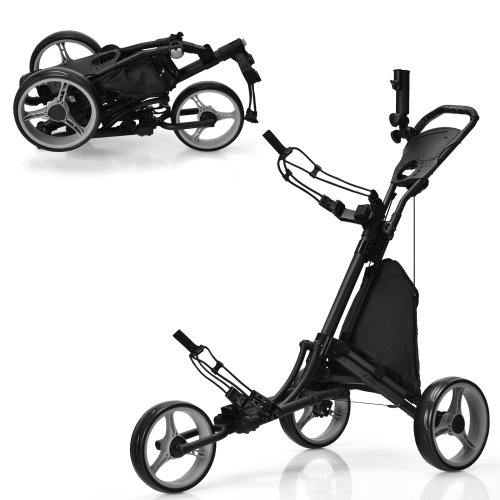

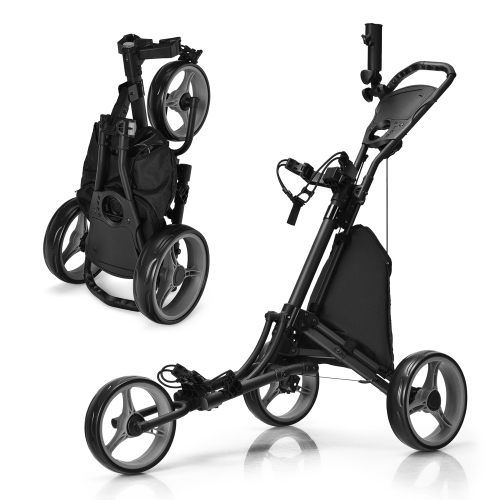
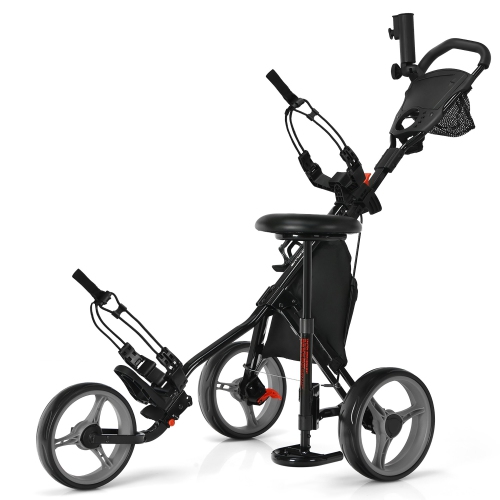
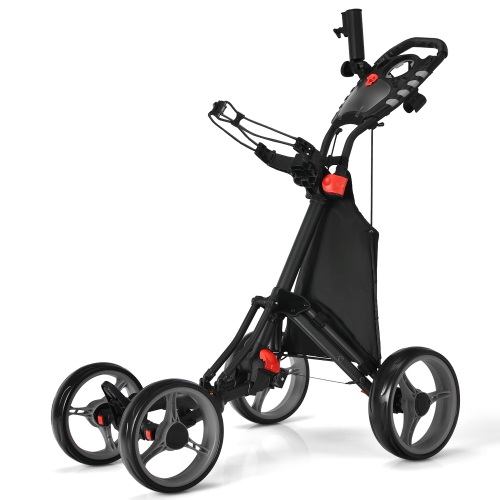

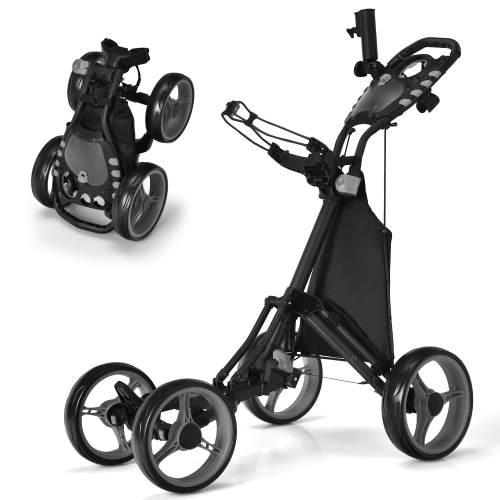
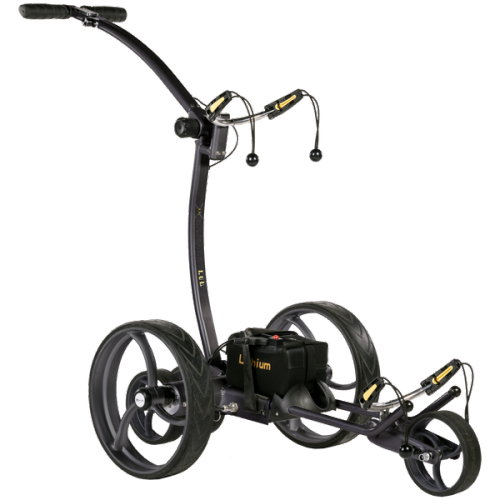
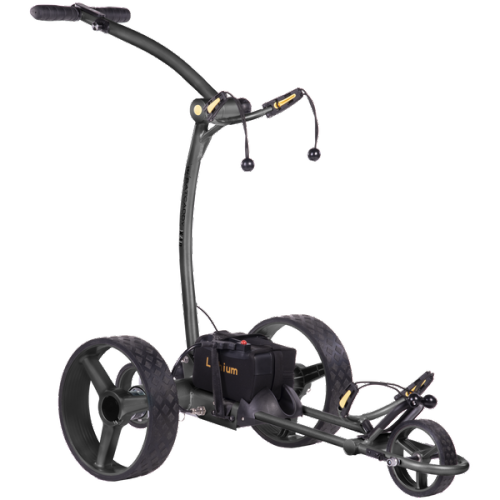
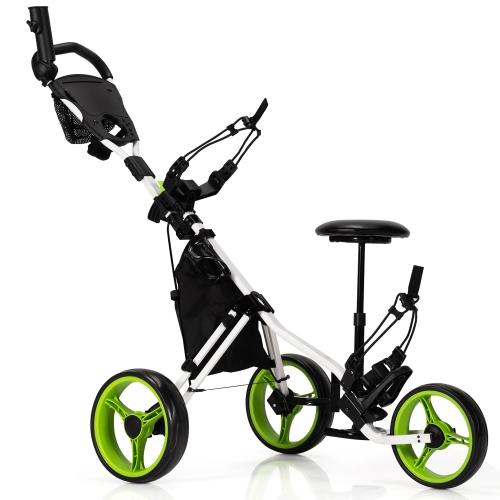
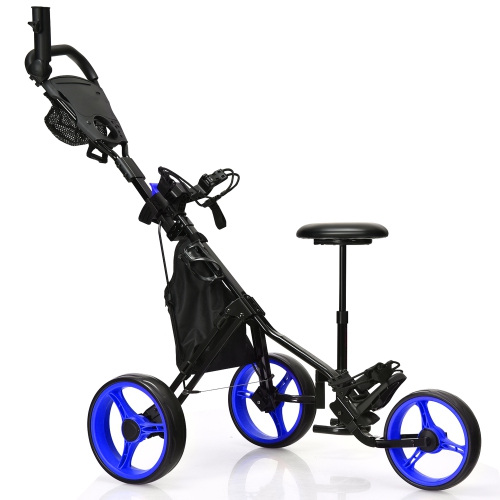

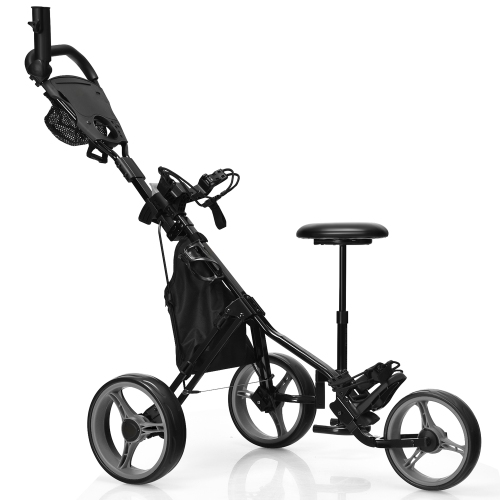
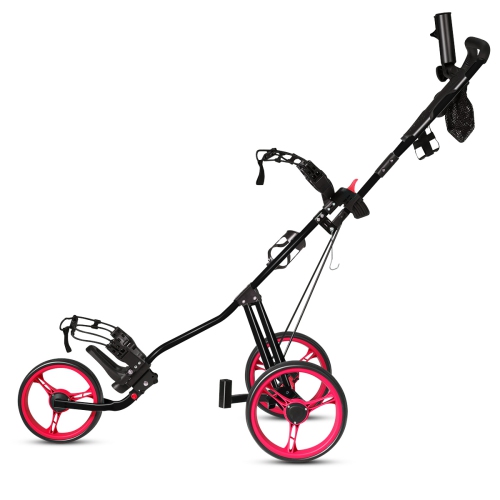
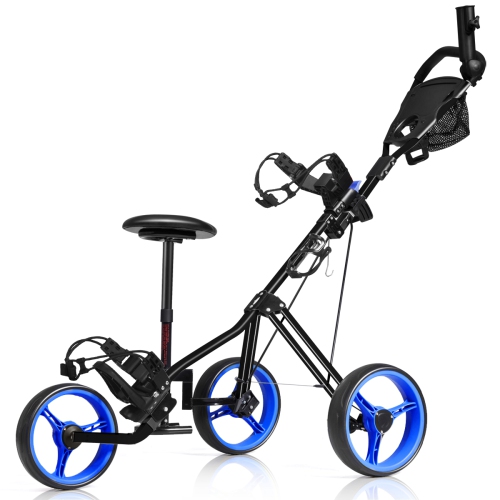
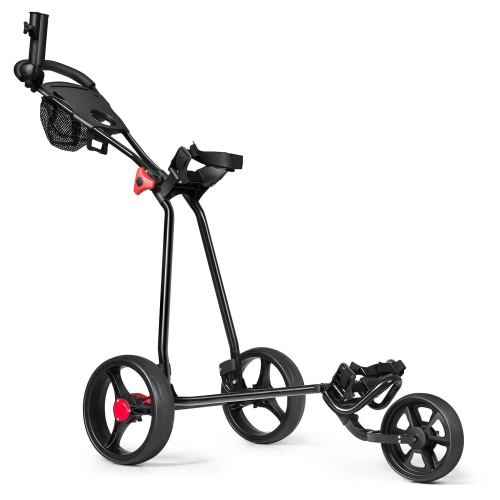
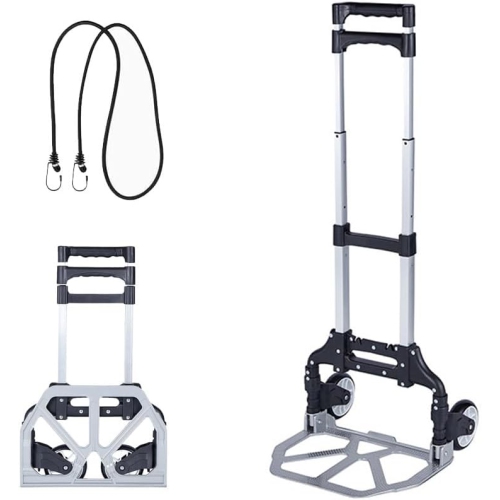
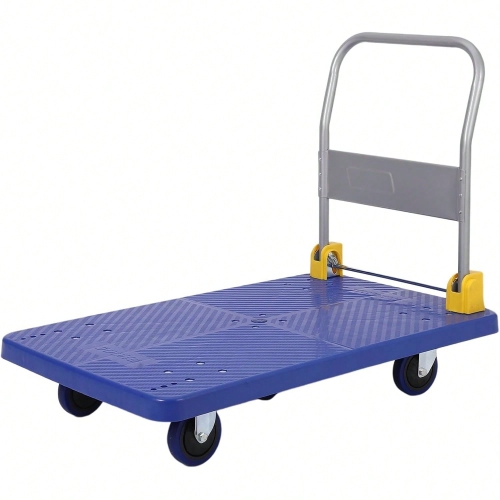


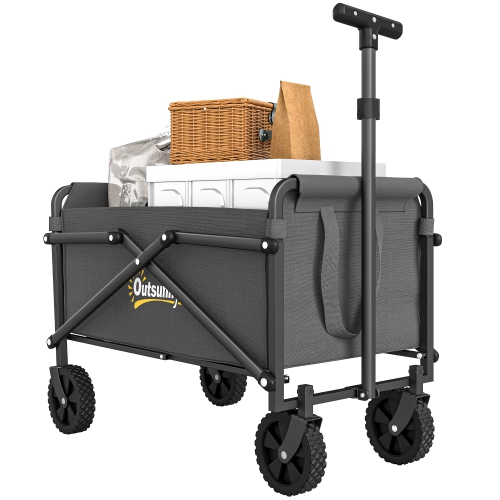
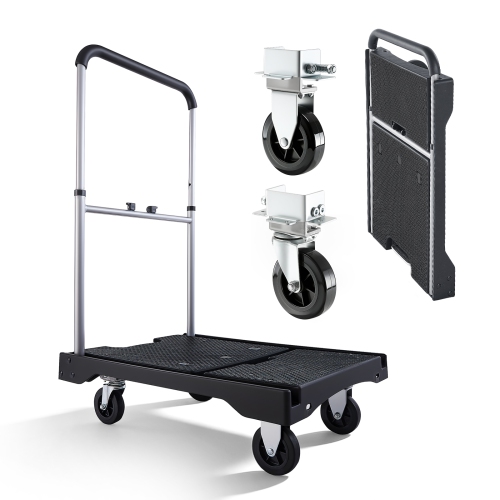
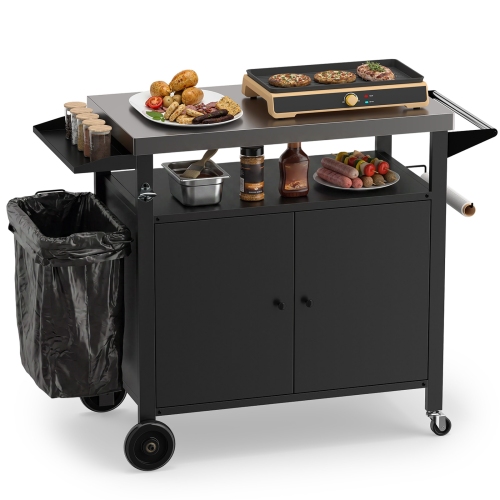

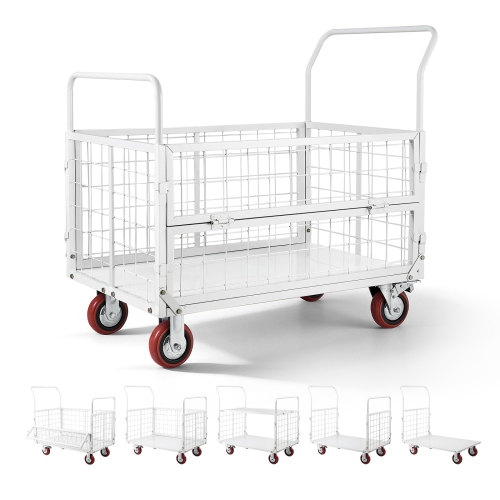


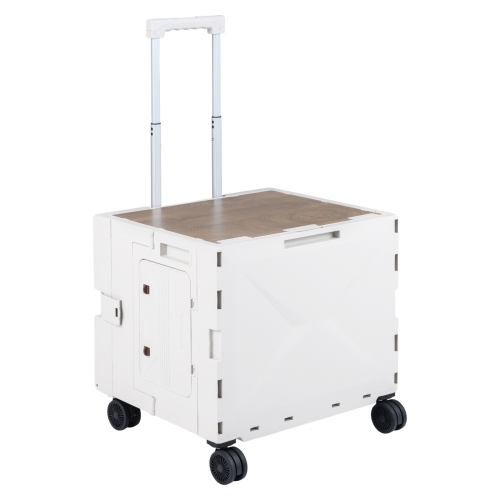
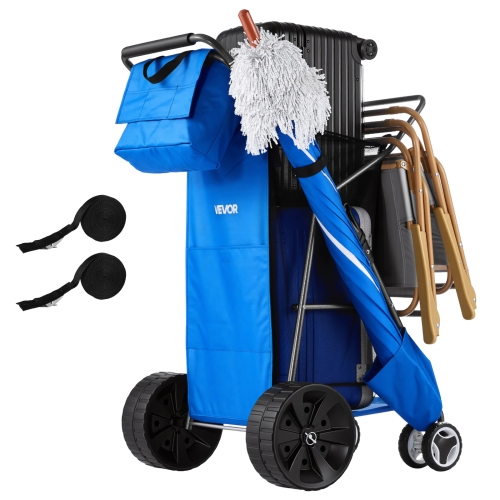
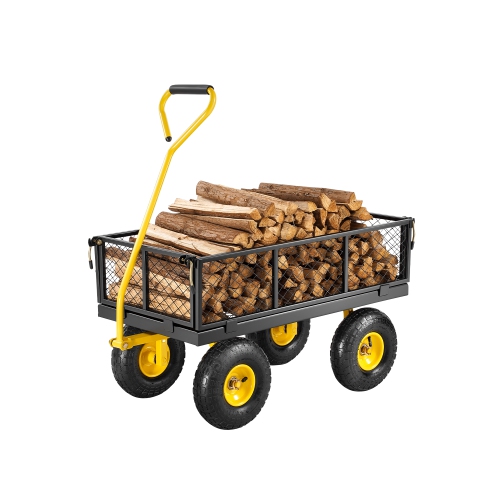
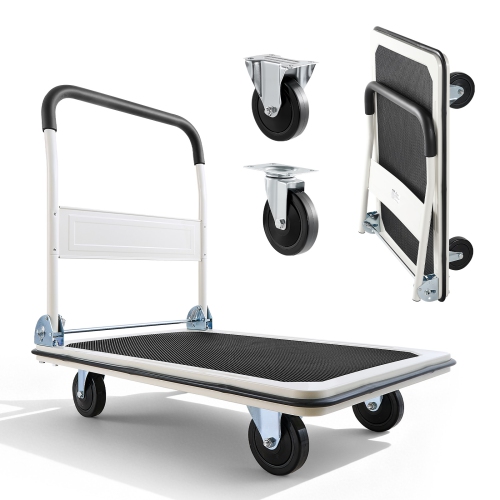


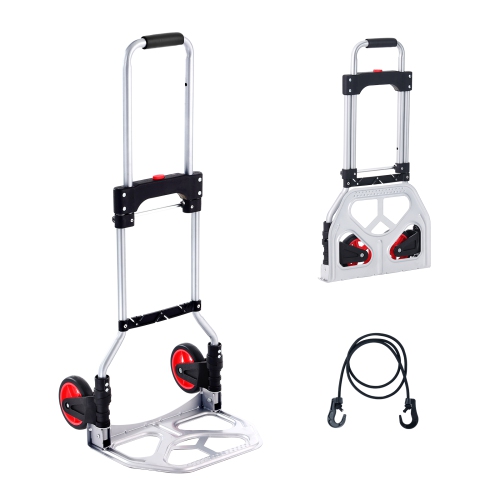
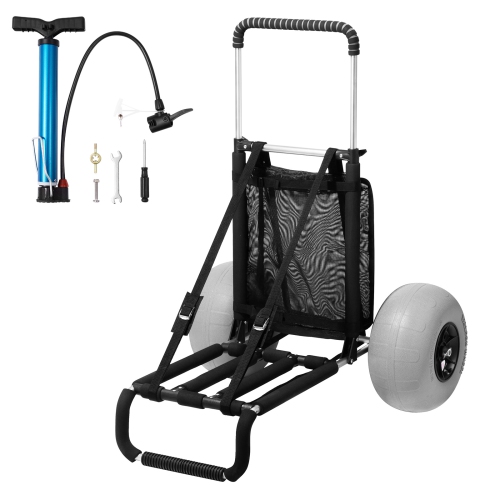

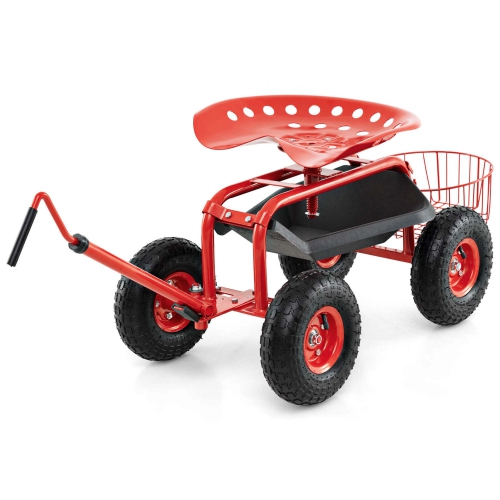
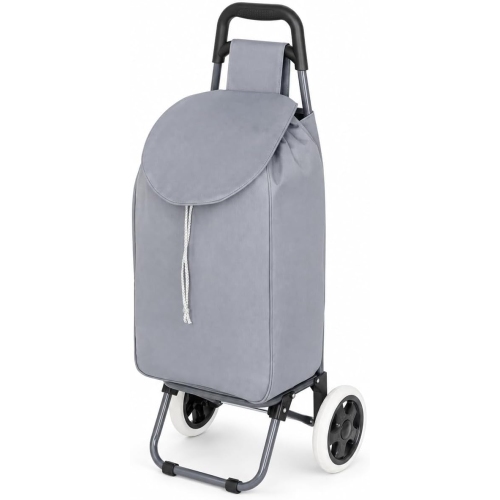
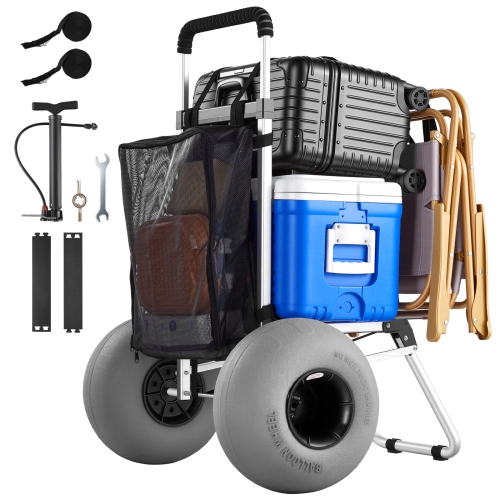
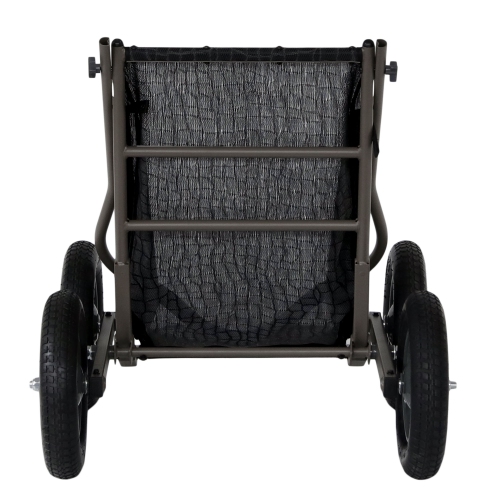
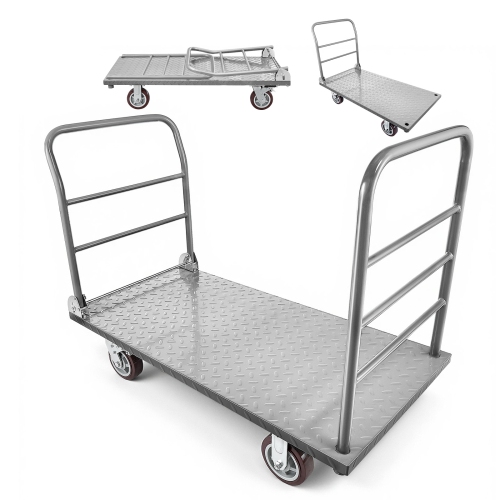
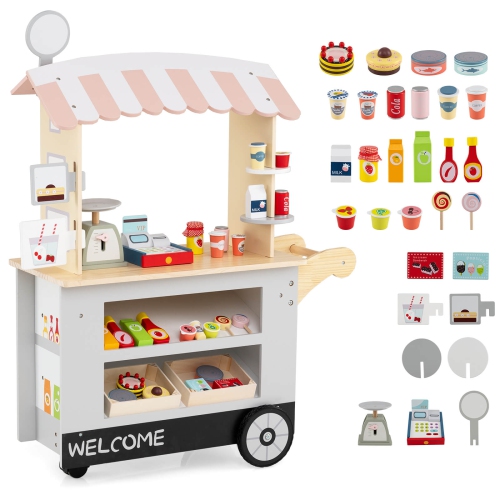
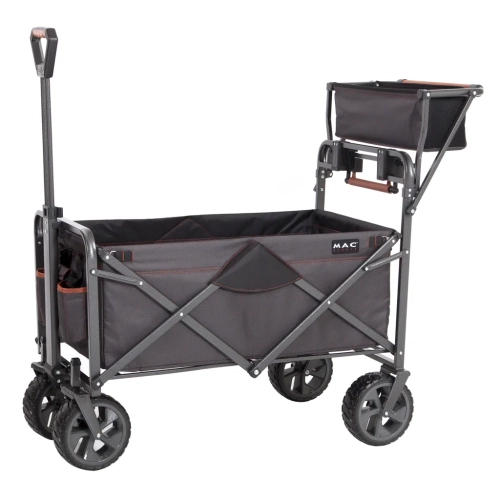
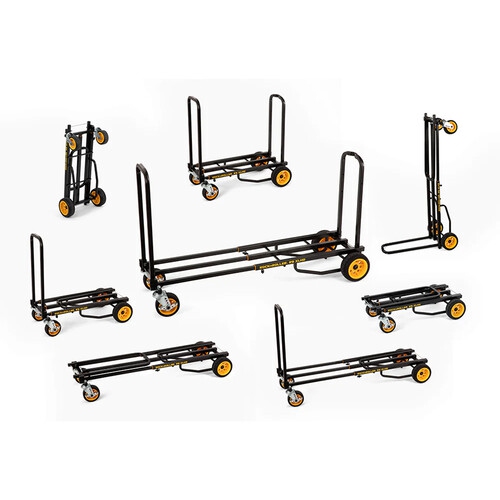
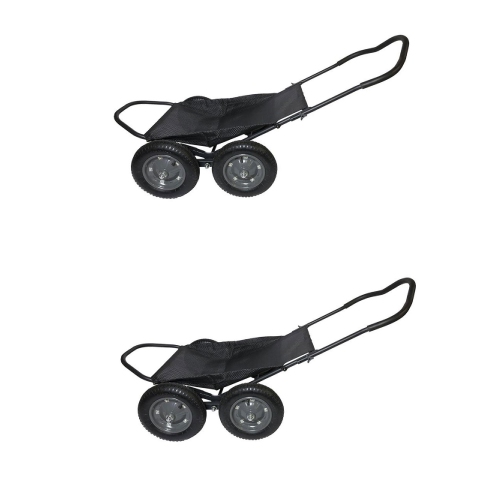
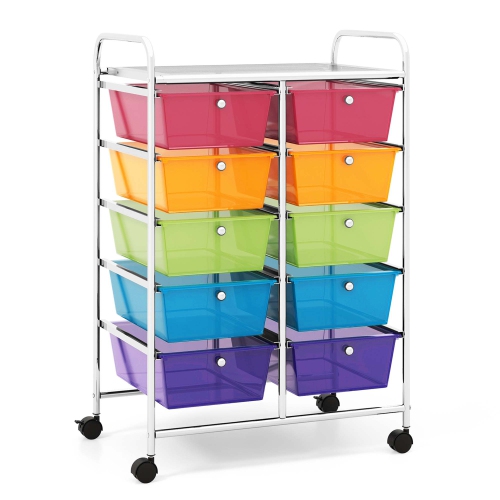

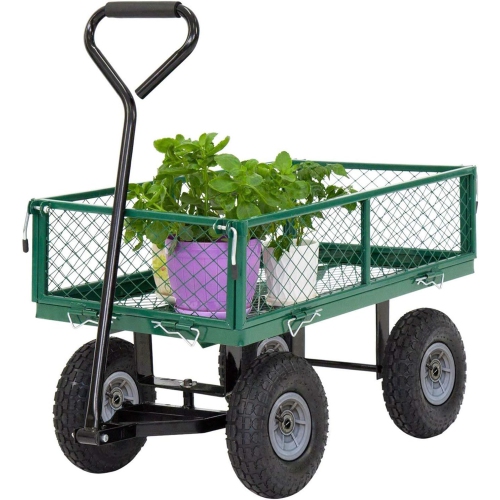
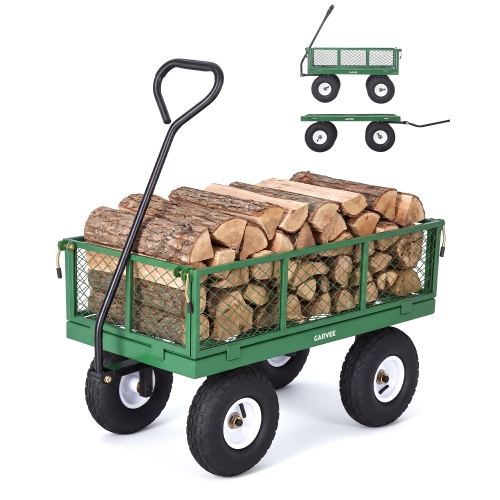
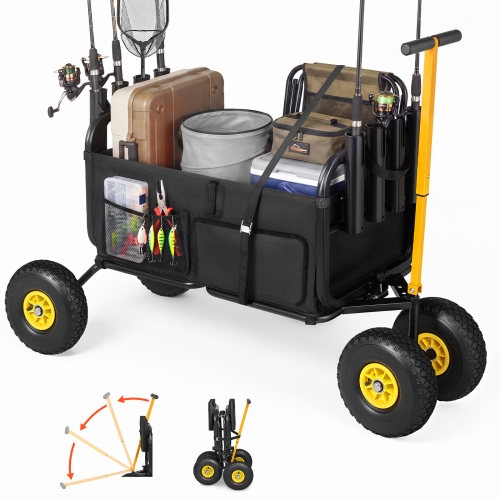
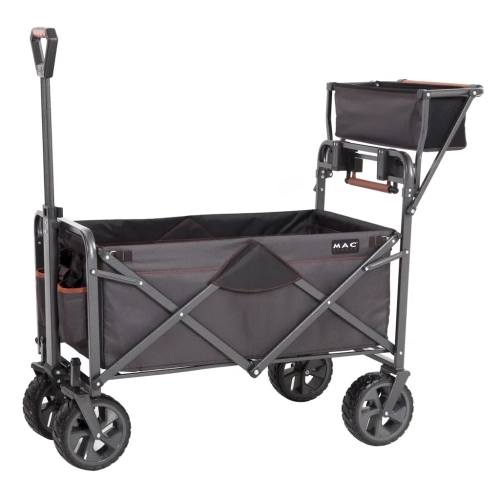
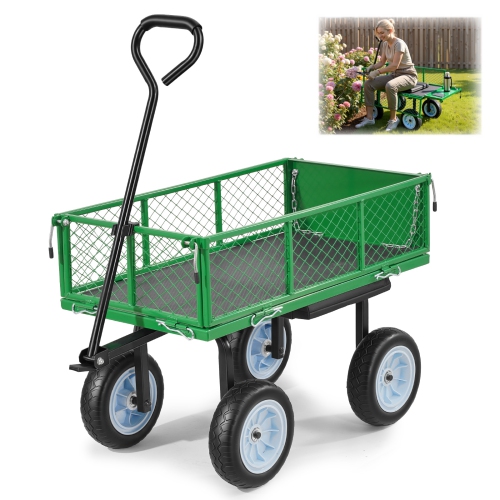
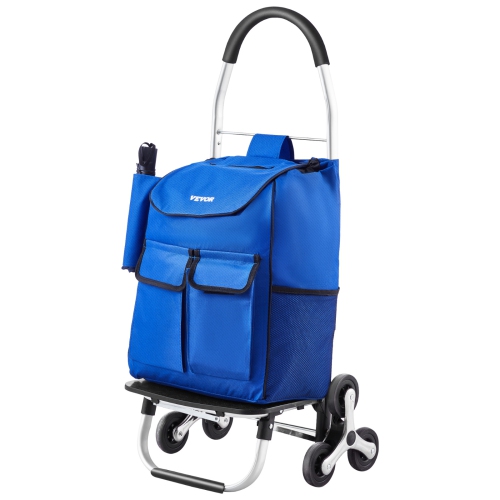
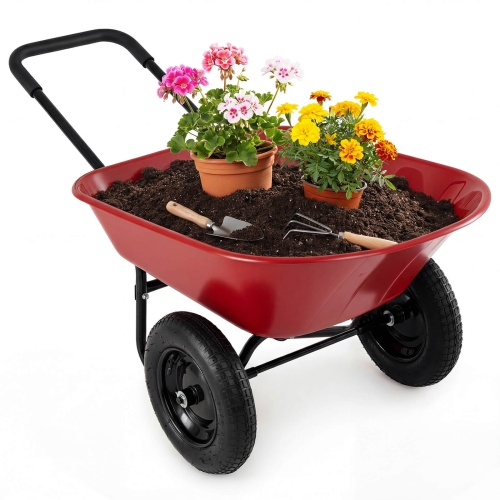
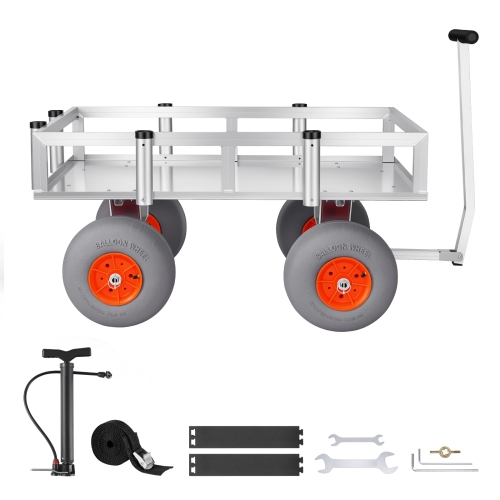


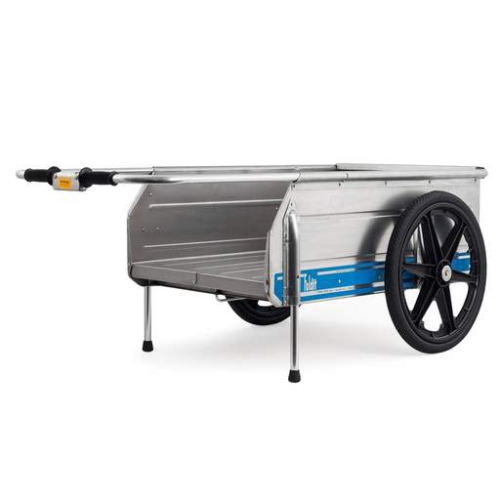
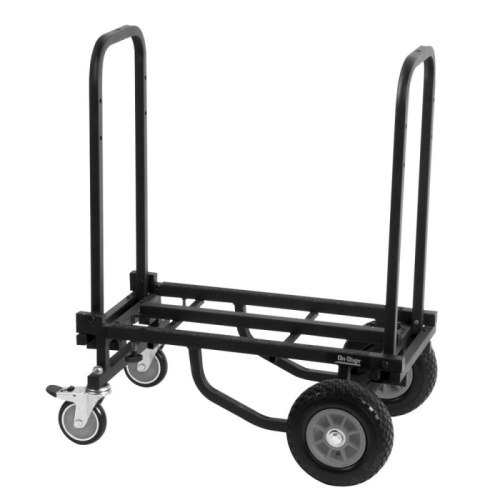

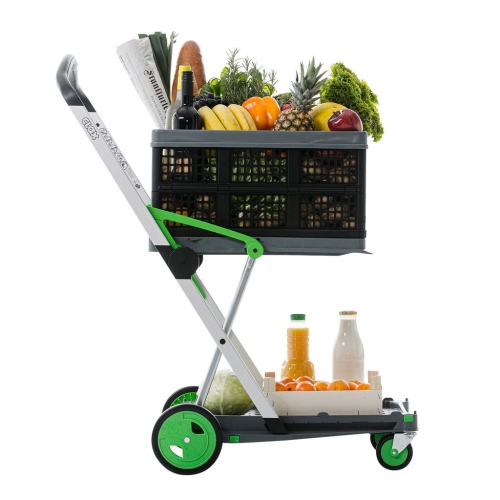
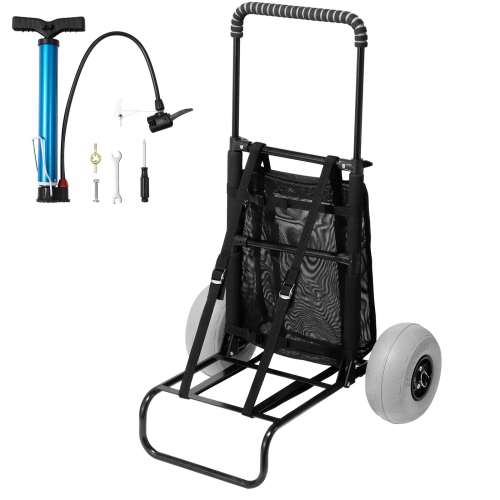
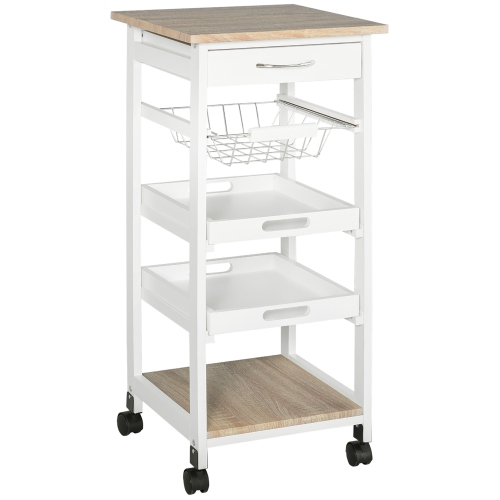
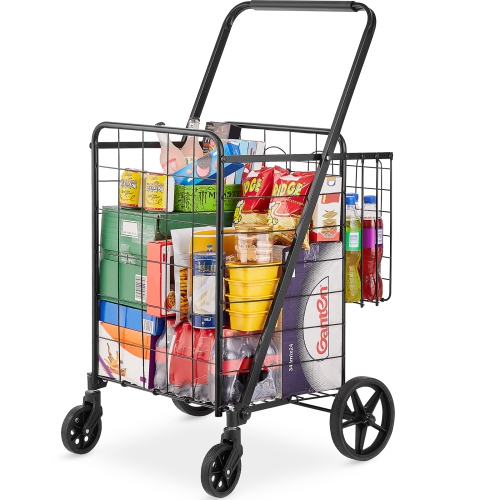
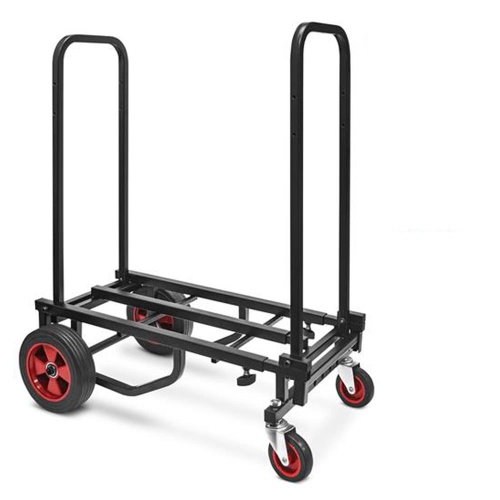
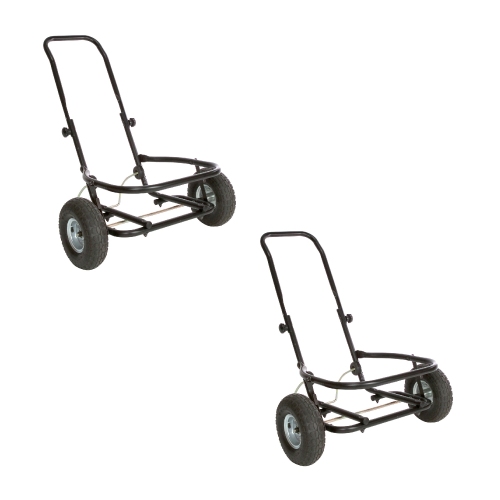



Less carrying and more comfort between golf shots
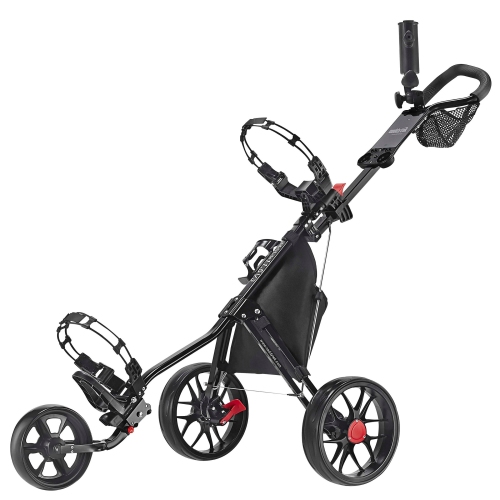
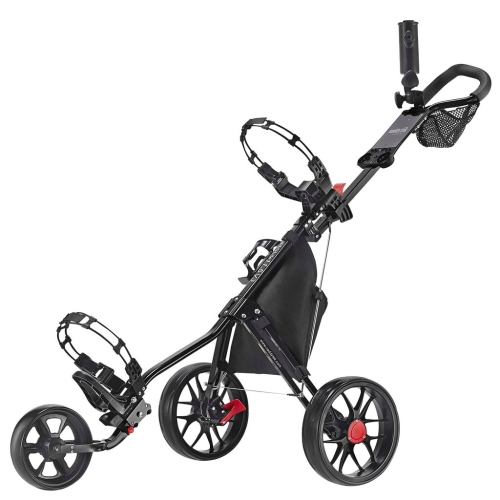
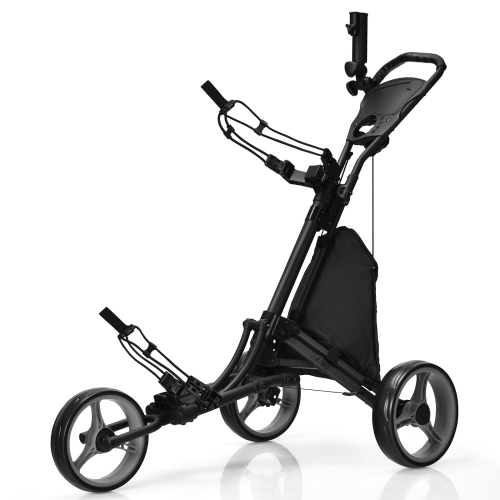
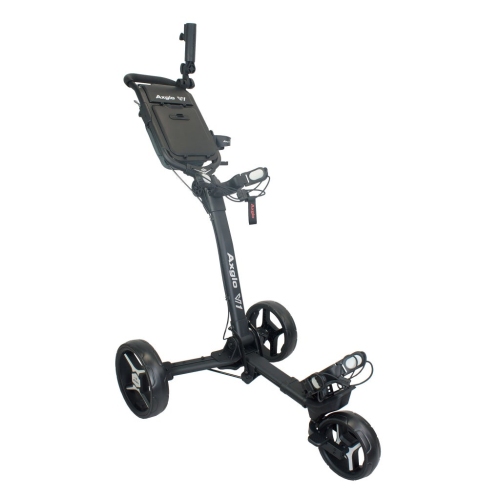
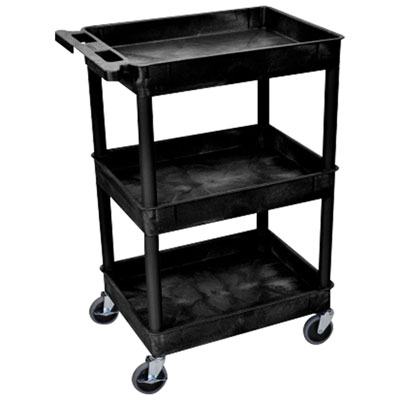
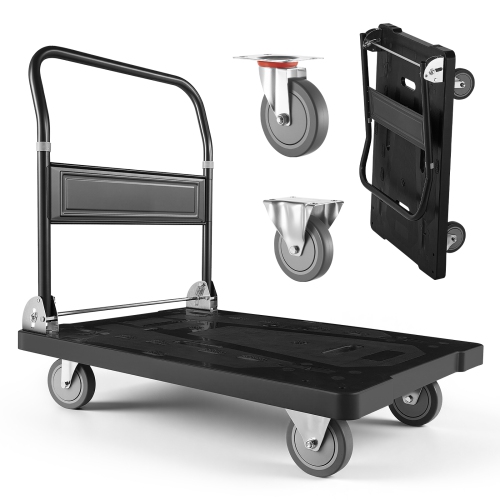
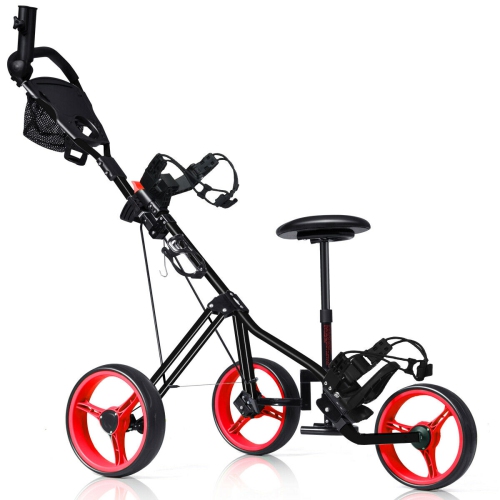
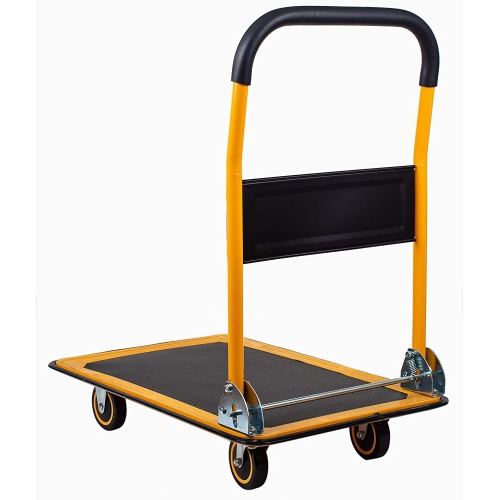
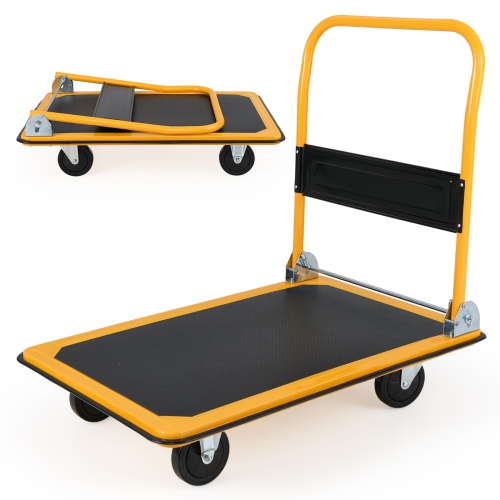
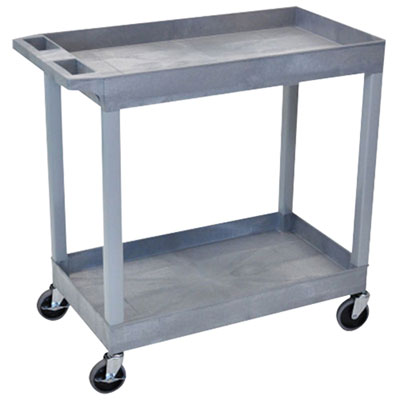
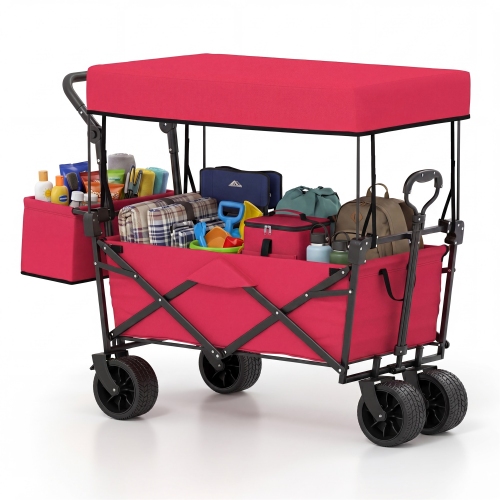
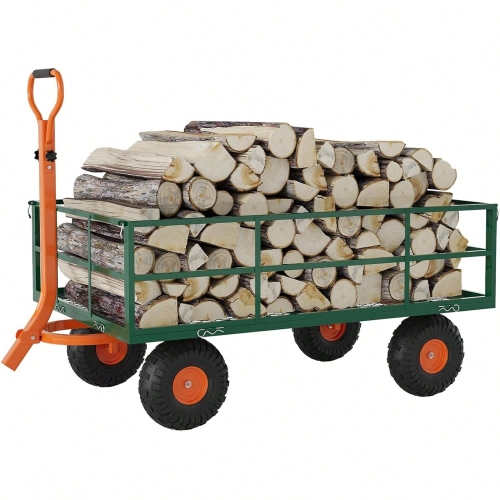
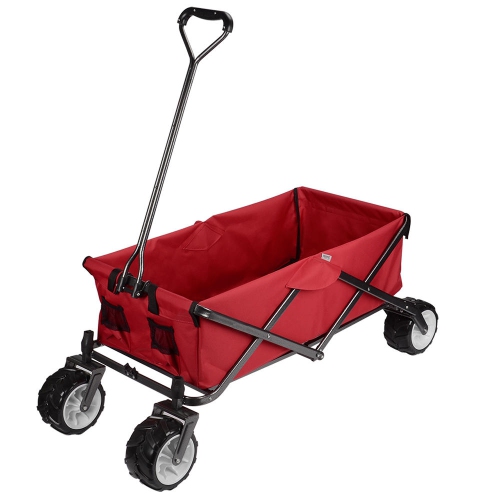
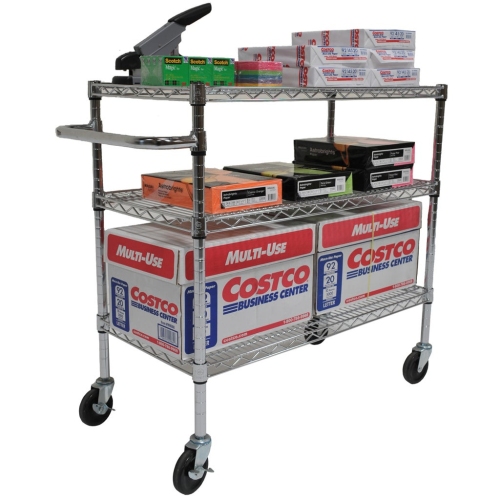
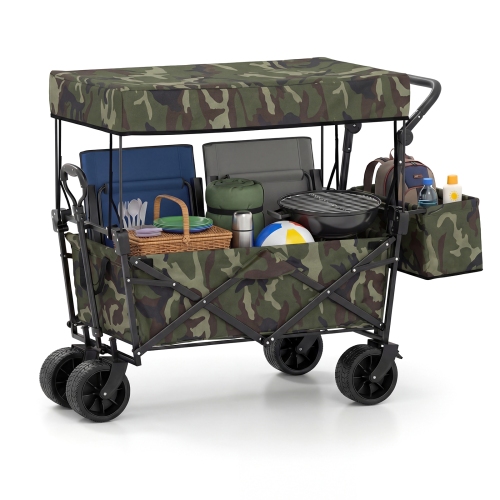
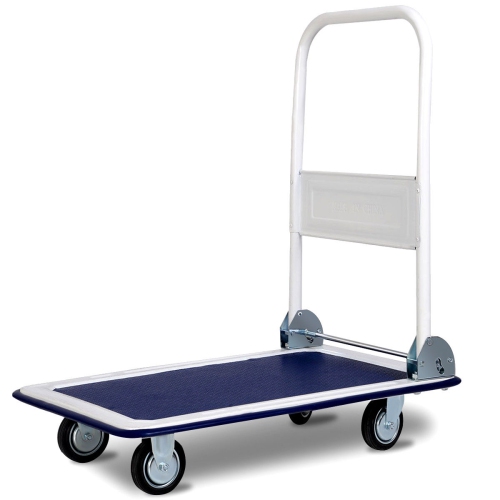
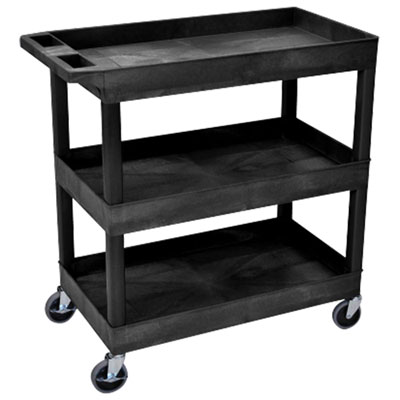
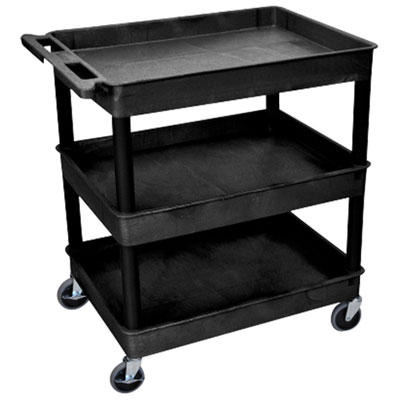
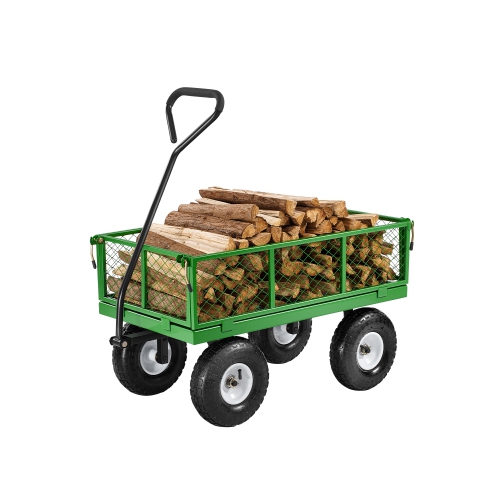
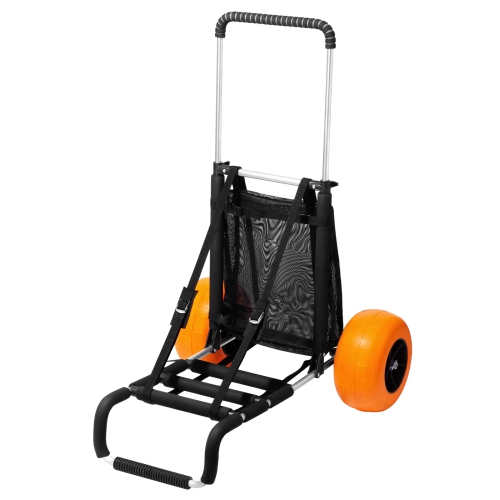
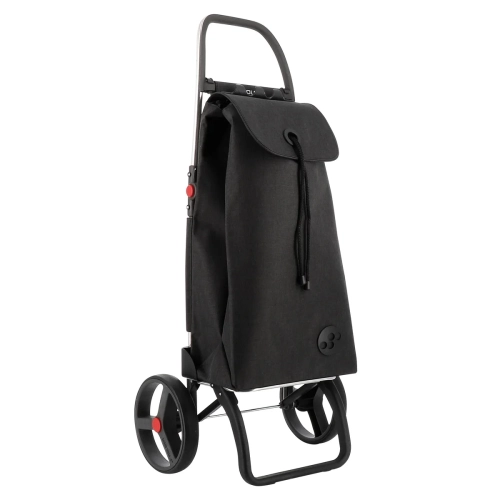
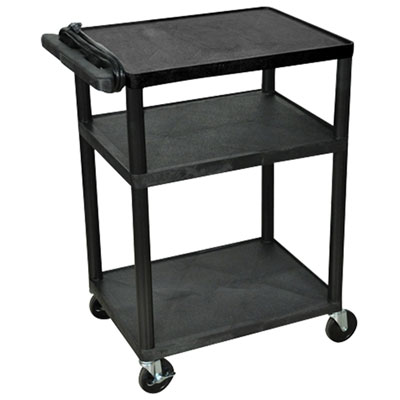
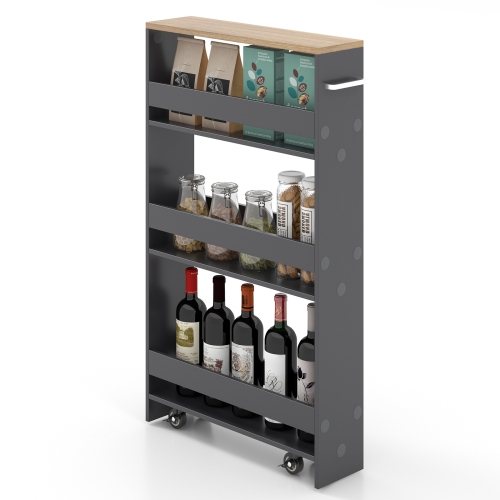
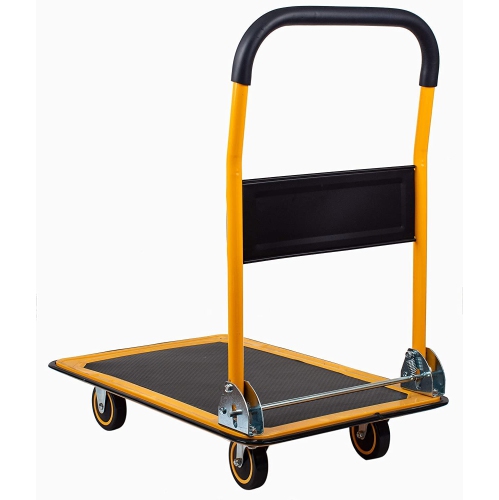
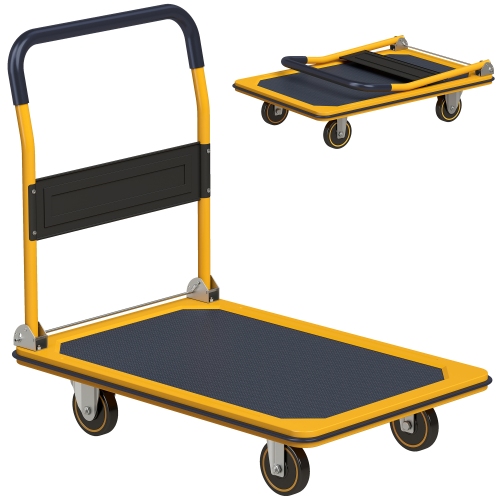
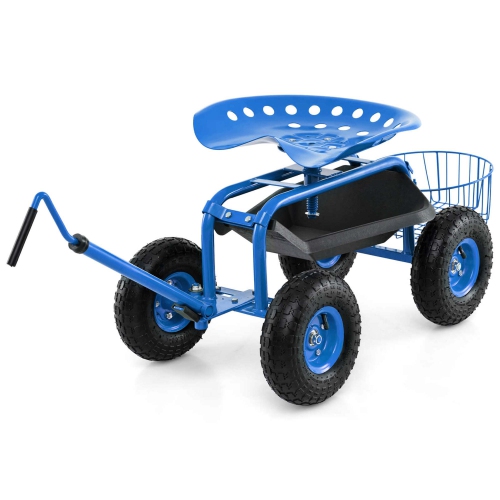
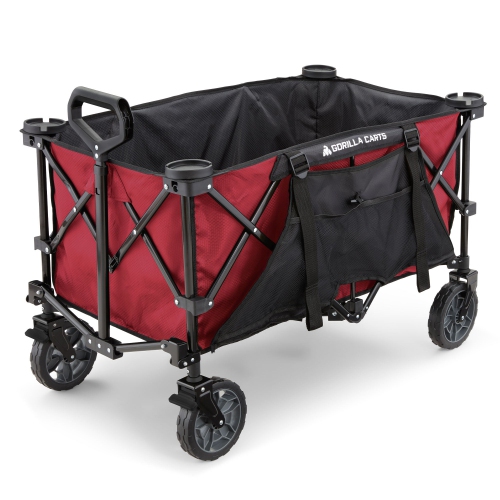
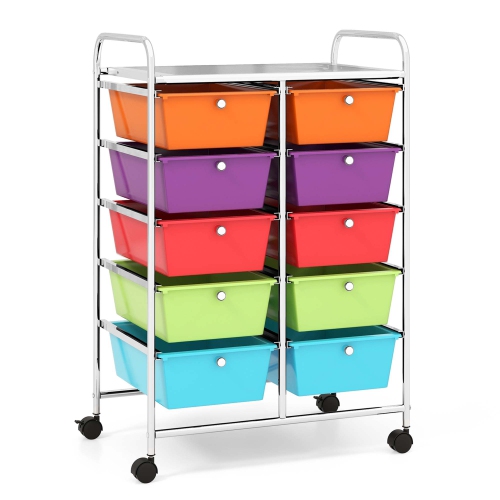
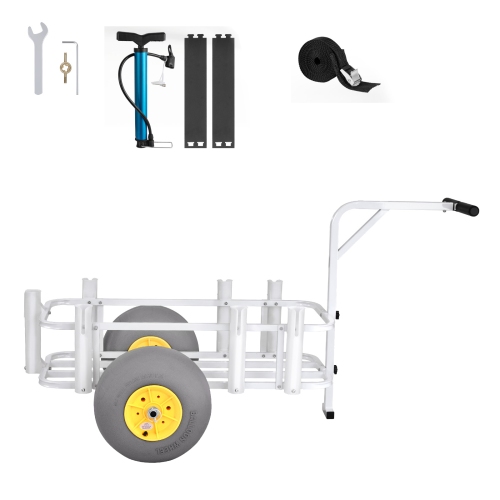
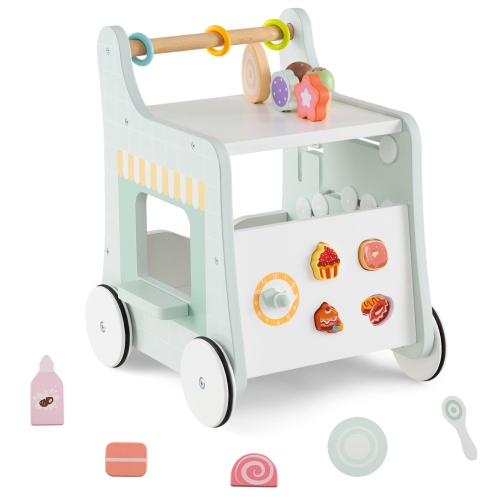
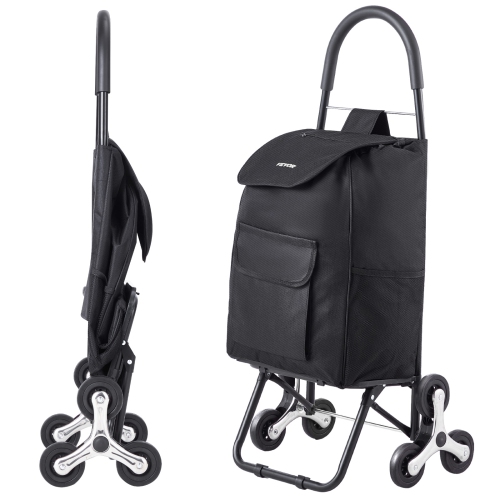
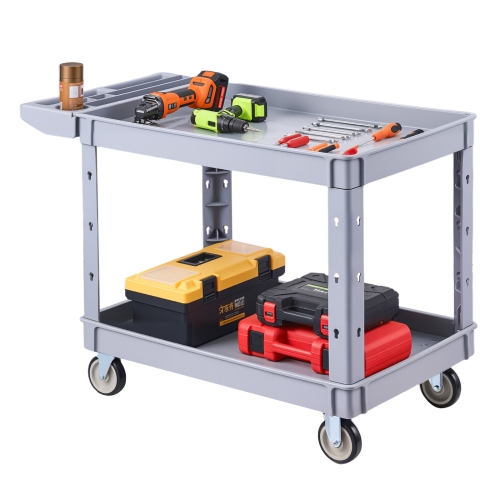
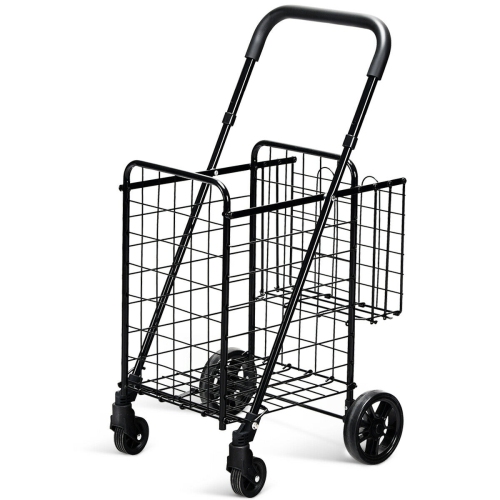
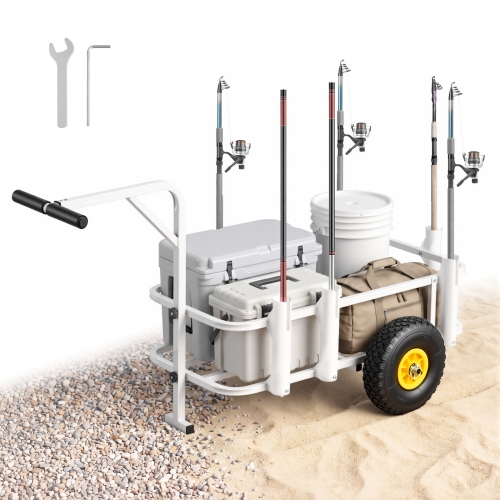
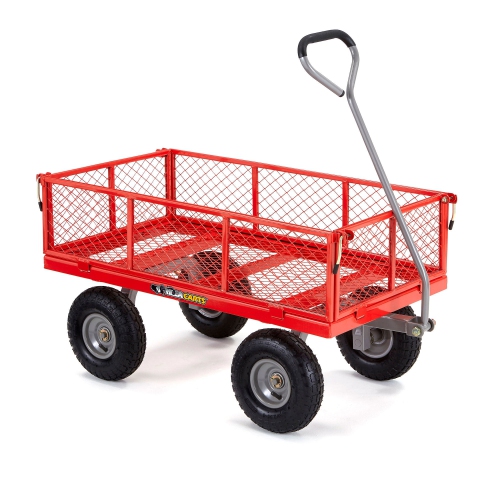
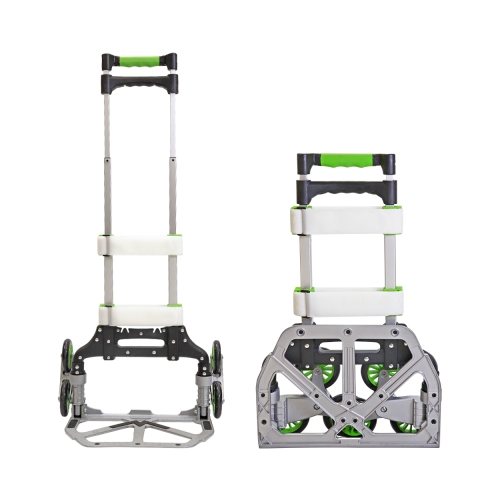
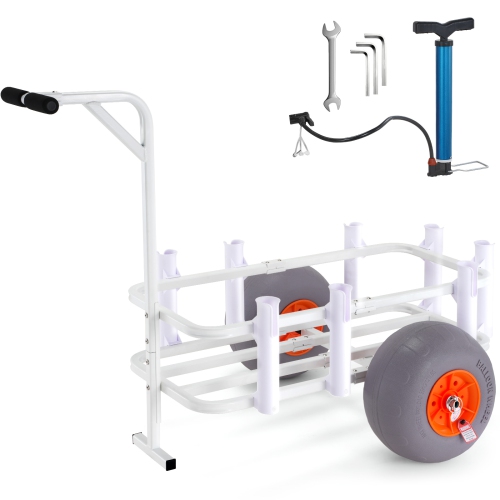
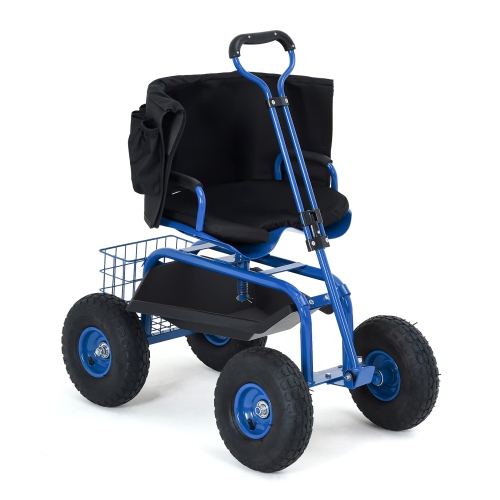
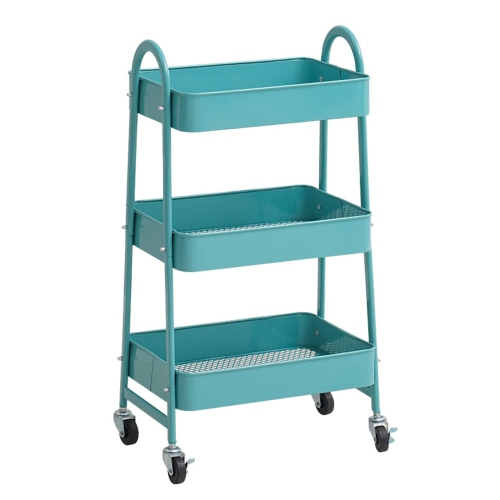
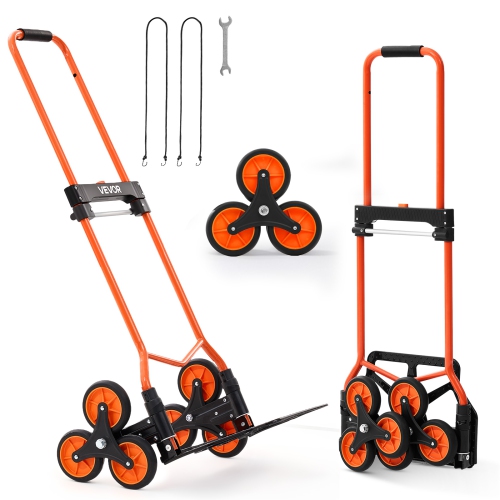
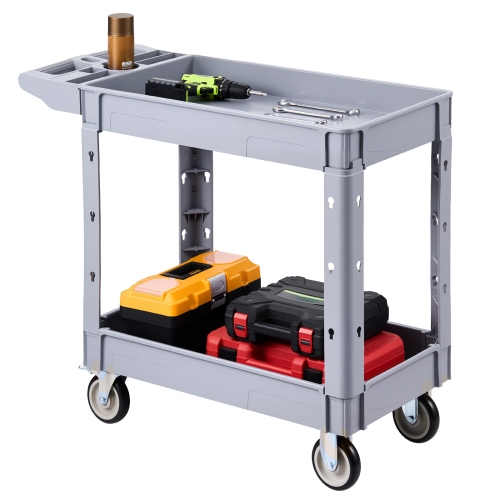
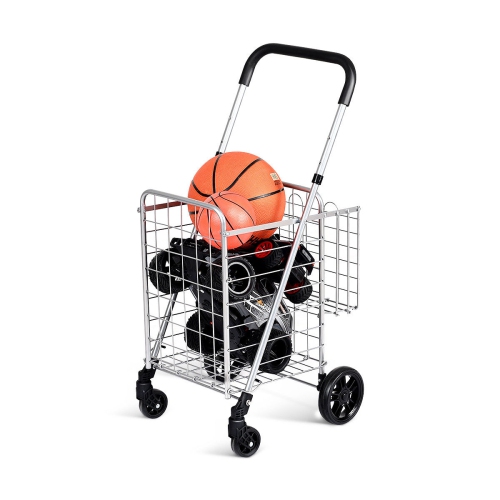
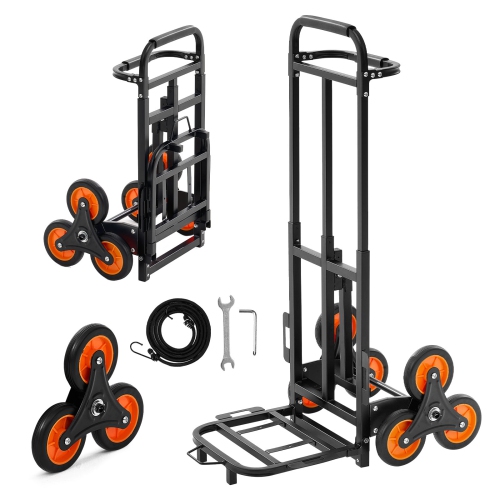
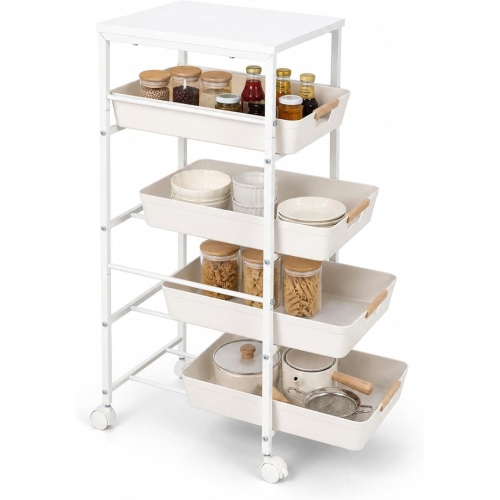
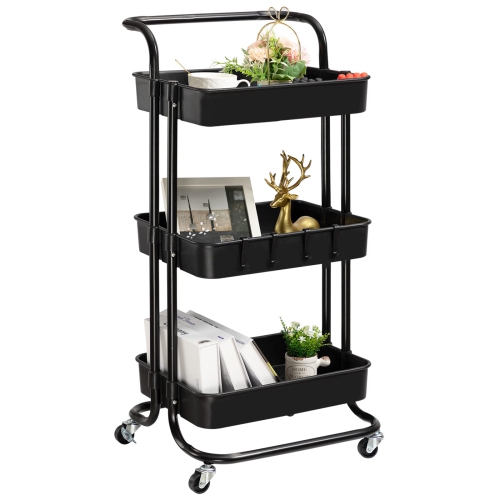
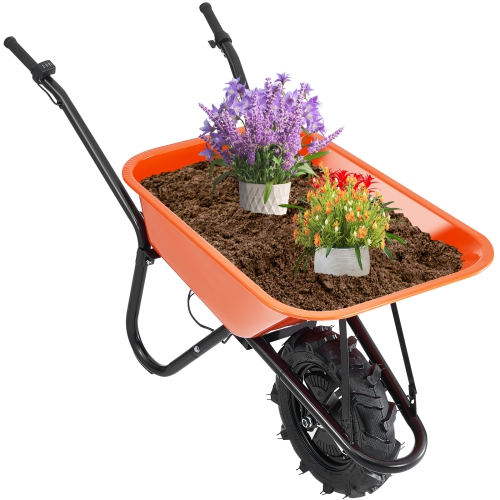
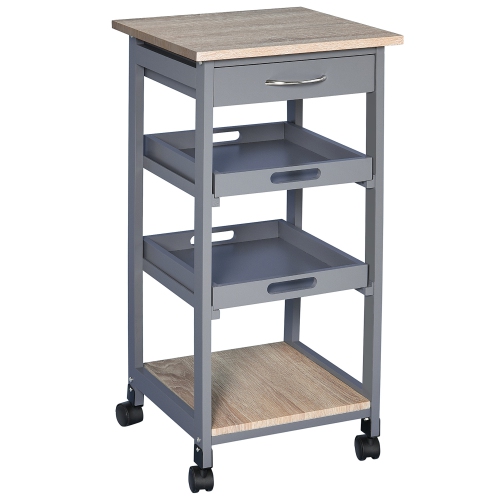
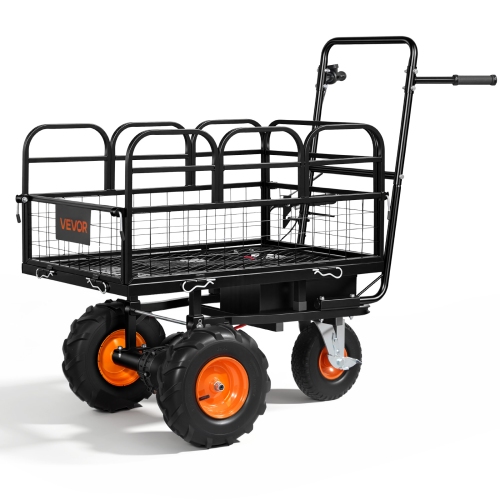
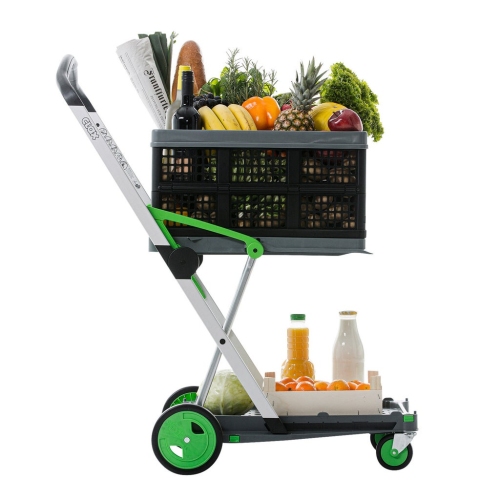
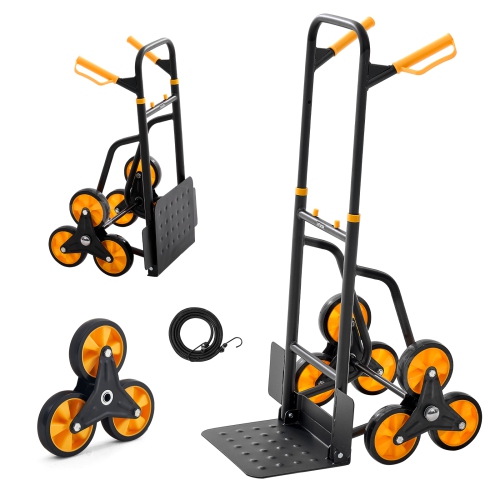
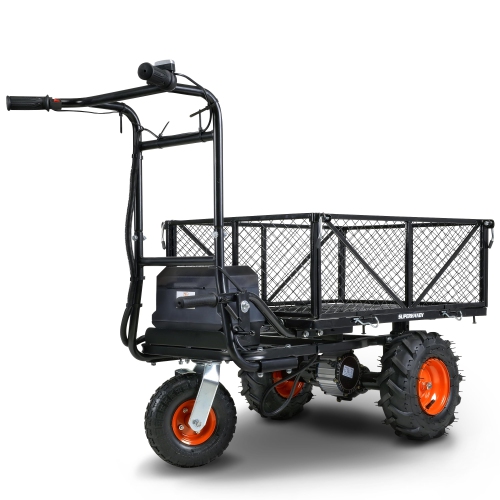
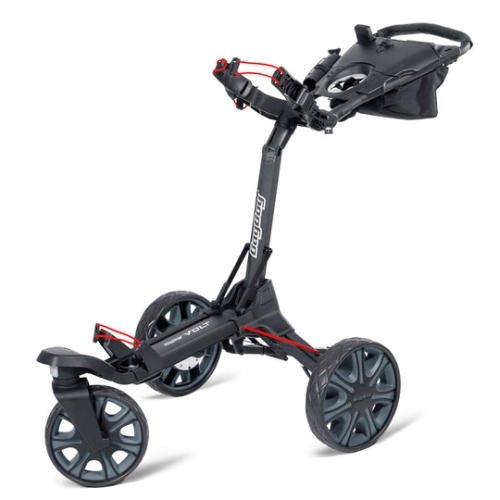
A push cart is a wheeled trolley with a handle that allows a person to move equipment or goods without carrying the full load. Commonly associated with golf, push carts hold a golf bag upright or at an angle so clubs, balls, and accessories remain accessible while the golfer walks the course. Utility versions serve a similar purpose for groceries, boxes, supplies, and other loads, with baskets, shelves, or flat platforms suited to different tasks. The defining feature is straightforward: the cart supports the weight while the person steers and pushes. For golfers who prefer walking, that can mean less time carrying a bag on one shoulder and more freedom to settle into a comfortable pace between shots. Golf push carts often have three or four wheels, a folding frame, and upper and lower bag supports. Three-wheel layouts generally pair two rear wheels with a single front wheel, while four-wheel layouts provide a broader arrangement of contact points. Handling depends on the complete design, including wheel spacing, weight distribution, and whether the front wheels swivel or remain fixed. A swivelling front wheel can make direction changes easier, while a fixed wheel creates a different steering feel and may require a slight lift at the handle for tighter turns. Neither arrangement suits every golfer or every course. A narrow route between a bench and a tee marker, an open fairway, and a winding path each place different demands on steering. Utility push carts are shaped around their own tasks: an open platform accommodates larger loads, while a basket or enclosed compartment helps contain smaller belongings. Across these styles, the most useful design is one that matches the load, the route, and the space available for storage. A cart intended for a golf bag has different support points from one designed to move stacked boxes, making intended use more important than a similar-looking frame.
For golf push carts, fit starts with the relationship between the bag and the frame. The lower cradle needs to support the base securely, while the upper bracket and adjustable straps help prevent side-to-side movement. A stand bag may need clearance for its legs and hinge mechanism; a larger cart bag may require wider supports and longer straps. When the fit is right, the bag stays centred without blocking access to its pockets or allowing the clubs to interfere with the handle. Handle height matters just as much during a full round. An adjustable handle can accommodate different heights and help maintain a relaxed arm position, with enough room behind the rear wheels for a natural walking stride. Wheel diameter and tread also influence the experience. Larger wheels can roll over small bumps with less interruption, while tread design affects traction and rolling resistance on grass and paved paths. A parking brake helps hold the cart when stopped, although it should not be treated as a substitute for placing the cart securely on suitable ground. Foot-operated and hand-operated brakes offer different points of access, and the control should remain easy to reach with a bag attached. Frame materials contribute to both handling and durability. Aluminum is commonly used where lower carrying weight is a priority, while steel can provide a sturdy structure with a different weight trade-off. Plastic components may appear in brackets, hinges, storage trays, and wheel assemblies, where their shape and construction matter as much as the material itself. Small conveniences become noticeable over several hours: a covered compartment can keep loose accessories together, a scorecard holder leaves information visible, and a drink holder keeps a bottle within reach. Folded dimensions deserve equal attention, especially when the cart shares a vehicle trunk with a golf bag. The difference between a compact fold and a longer folded frame can determine whether loading feels simple or requires rearranging everything around it.
Durability depends on how well the moving parts continue to work together, not just how substantial a push cart looks when unfolded. Hinges, locking mechanisms, wheel mounts, and bag straps all experience repeated use, so accessible connections and a positive frame lock are practical details. A folding mechanism should hold the frame securely in its working position and collapse without forcing parts past their intended range. Removable wheels can make storage more manageable, particularly where a cart needs to fit on a shelf or into a shallow storage space. Routine care is usually straightforward: removing grass, grit, and other debris from the wheels and frame helps prevent buildup around joints and brakes. Cleaning methods should suit the materials and follow the manufacturer’s directions, with the cart dry before storage and folding points kept clear of trapped fabric or straps. Tyre construction affects upkeep, too. Air-filled tyres require pressure checks, while solid or foam-filled designs avoid inflation but have their own ride characteristics. For utility push carts, load capacity, platform dimensions, and the way cargo is secured are central considerations. A tall stack of boxes behaves differently from a low, evenly distributed load, and a cart that rolls easily along a corridor may be less convenient around tight corners or across raised thresholds. Loads should remain within the stated capacity and leave a clear view of the route ahead. Manual and powered designs also serve different preferences. An Electric Cart can provide powered movement, whereas a manual push cart relies on the person to propel and steer the load. For a golfer who enjoys walking, a push cart can make a thoughtful gift when bag compatibility, handle adjustment, and storage needs are known. The same practical thinking applies to shared household or workplace use: a comfortable handle, secure load support, and manageable folded size tend to matter more in everyday use than extra attachments that rarely leave the storage tray.
Top selling and popular products
-
 Your price for this item is $1576.99
-
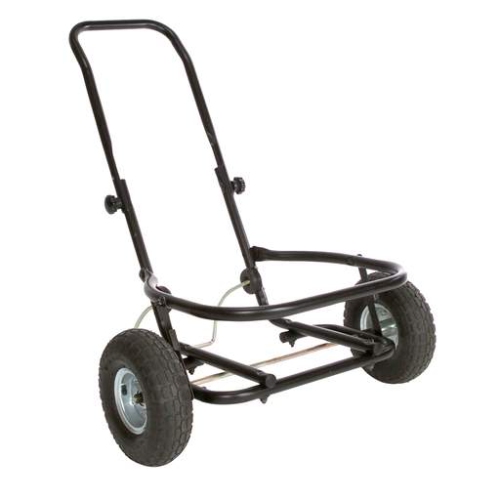 Your price for this item is $258.99
-
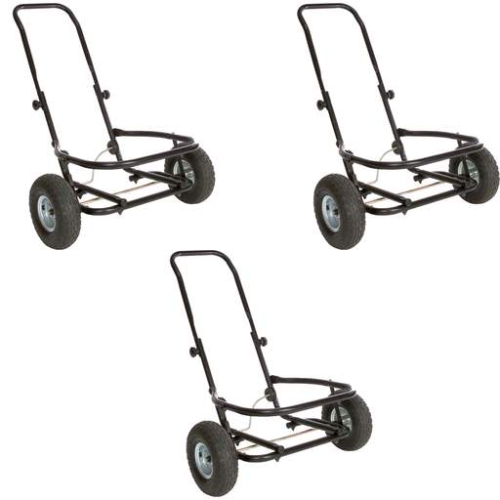 Your price for this item is $764.99
-
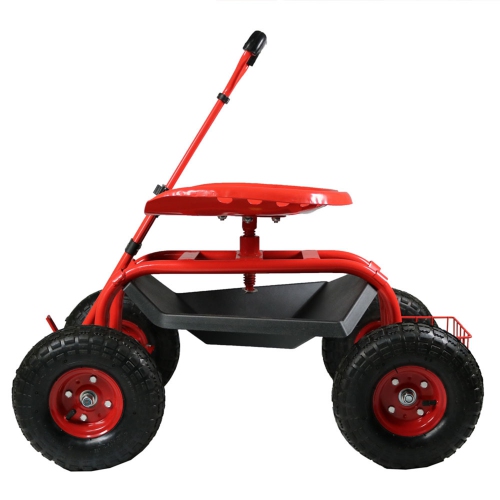 Your price for this item is $247.35
-
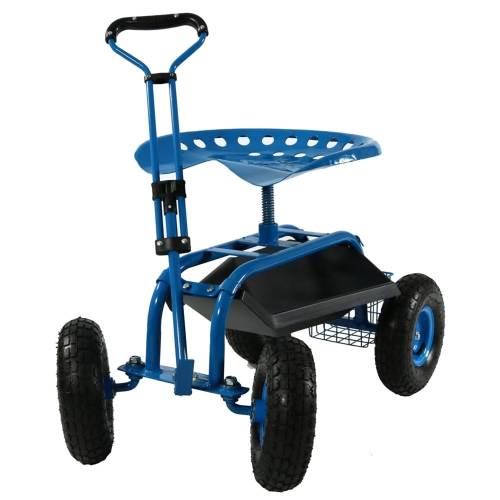 Your price for this item is $247.35
-
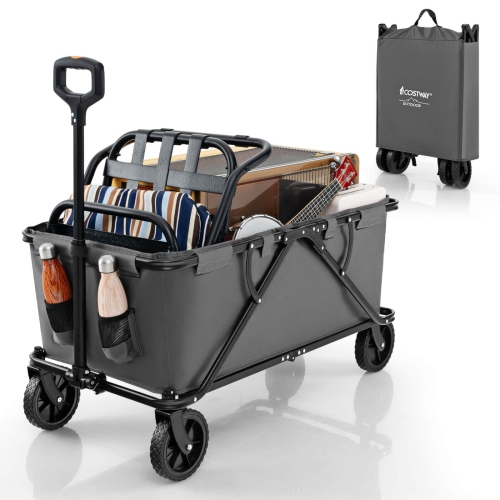 Your price for this item is $177.99
-
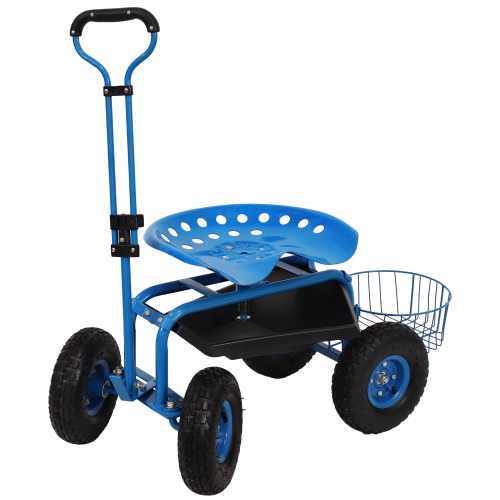 Your price for this item is $261.95
-
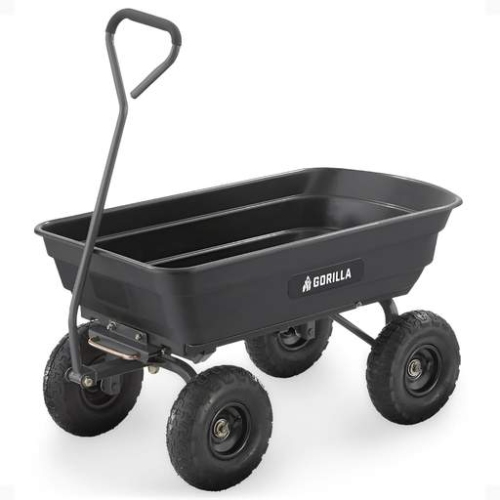 Your price for this item is $308.99
Discover more categories related to Push Cart
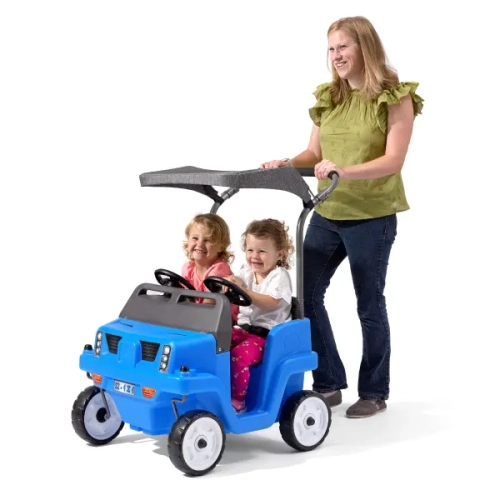
Top Collections:
Best Black Friday Deals This Year, Best Black Friday Deals On Electronics, Kindle Devices, Dyson Airwrap, Best Cameras for Sports Photography, Best Budget Office Chairs, Canon G7X Cameras, PS5 Pro Consoles, Best Black Friday Deals On Apple Products, XBOX One S Consoles
Some products may be subject to Environmental Handling Fees
(EHF) depending on your province.
Learn more about EHFs.