Electric Push Cart
Effortlessly transport your gear with an electric push cart, designed to make moving items smoother and more convenient. Perfect for a variety of settings, these carts offer a practical solution for anyone looking to reduce manual effort while handling loads. Whether you’re organizing equipment or managing supplies, an electric push cart can help streamline your tasks and keep you on the move. Explore a wide selection to find the ideal fit for your needs, and enjoy added convenience every step of the way.
Sort
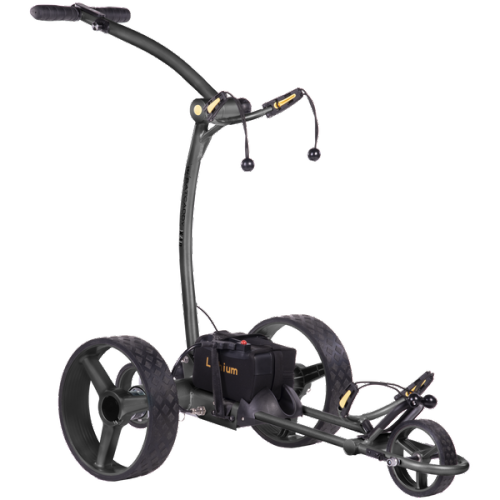
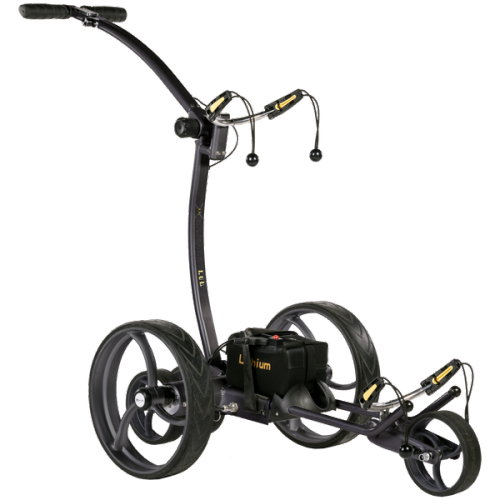
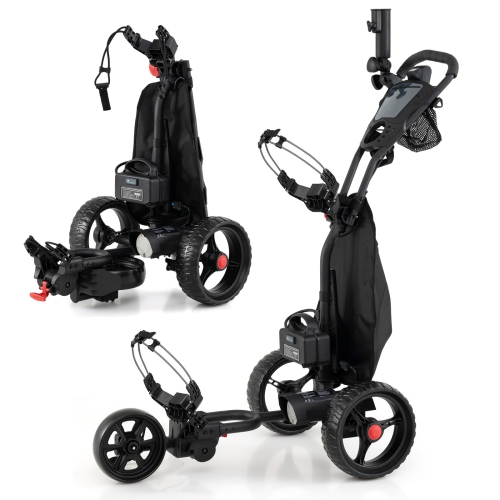
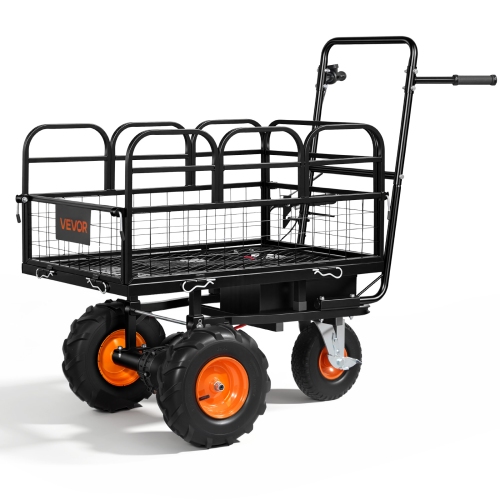
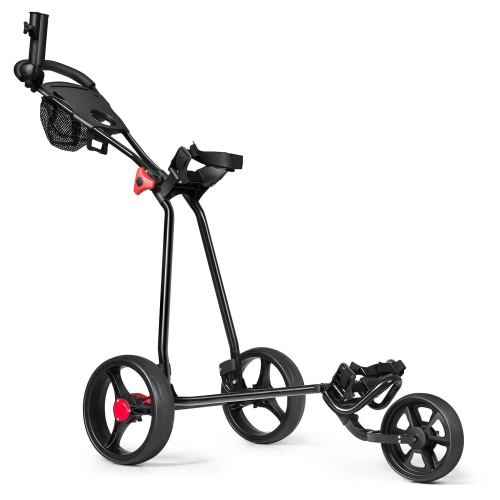
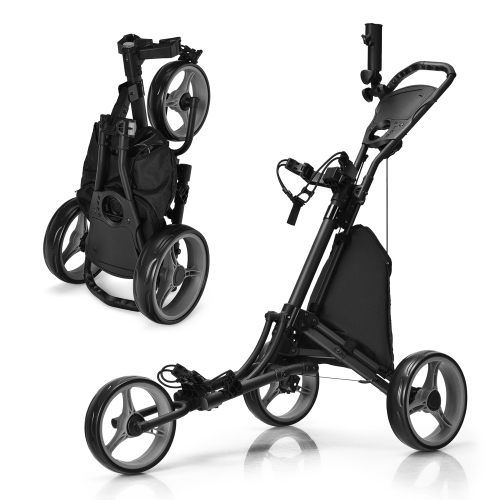
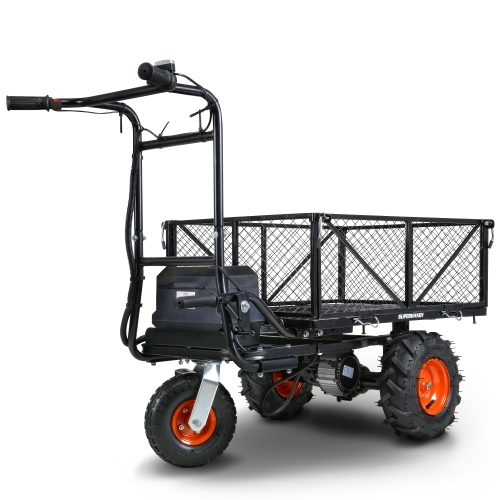
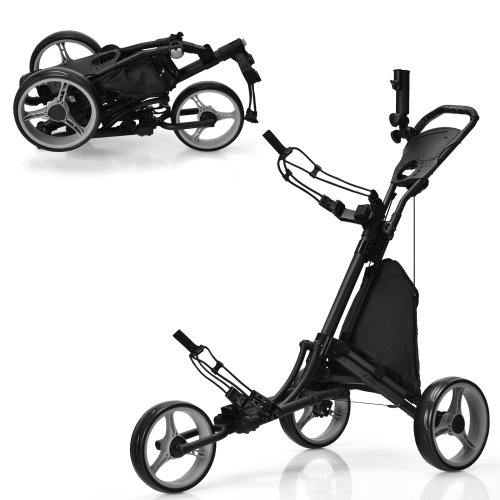
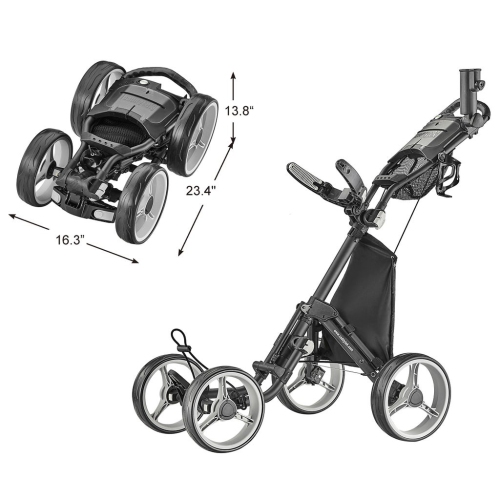
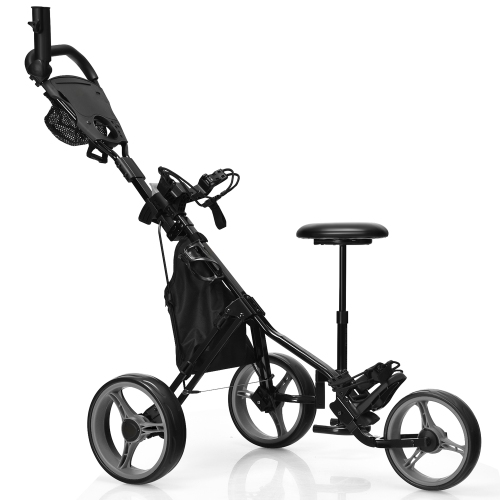
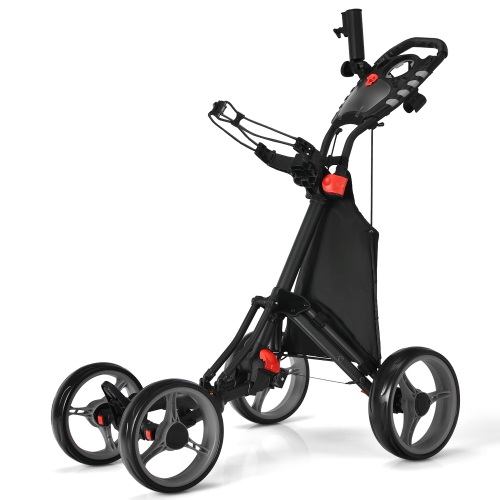
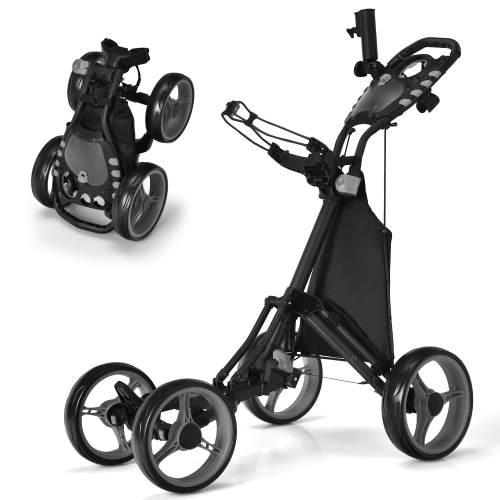
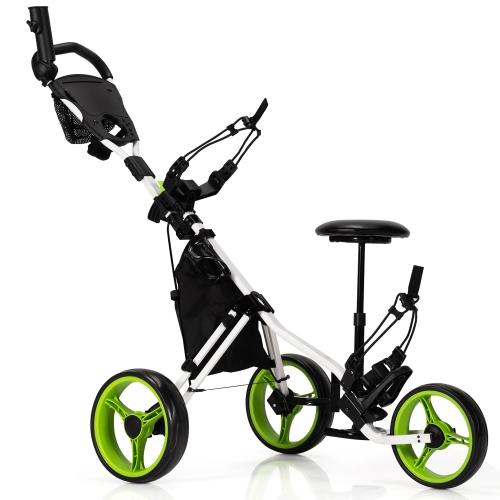

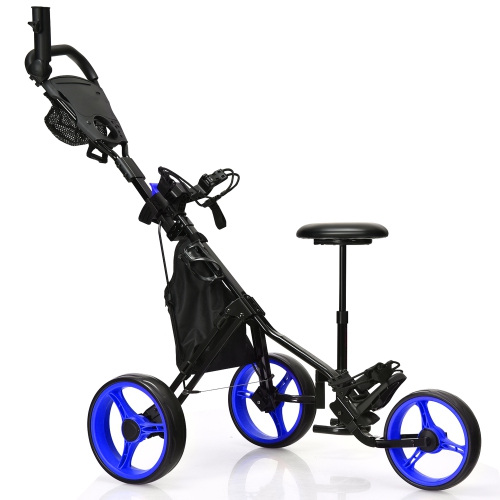
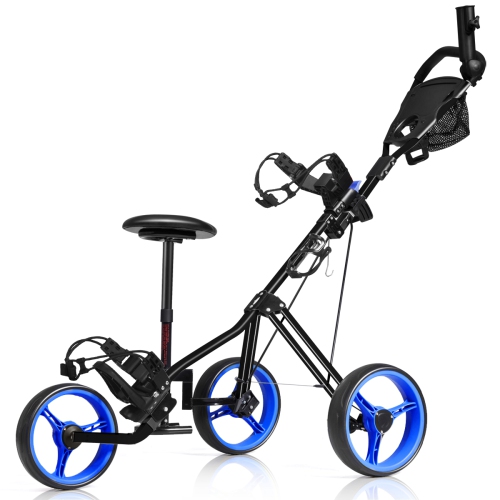
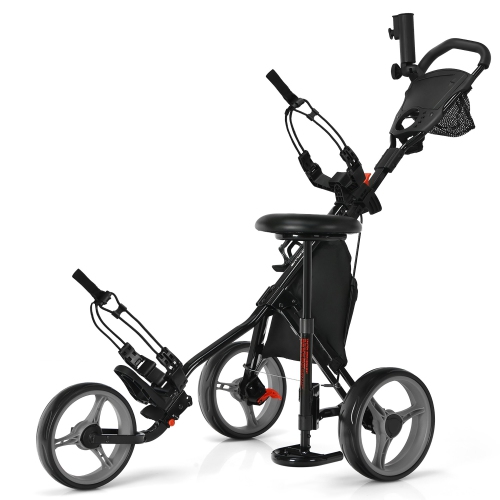
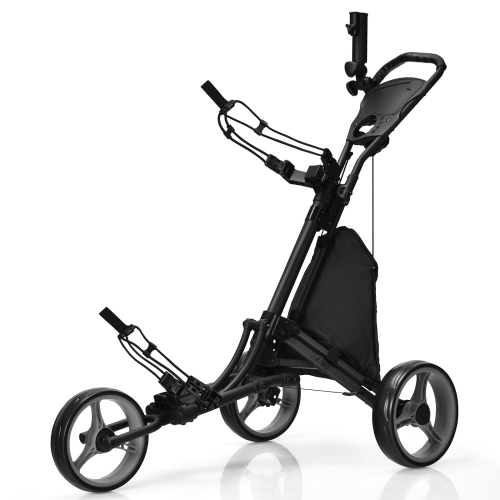
Walking the course without the weight of your clubs
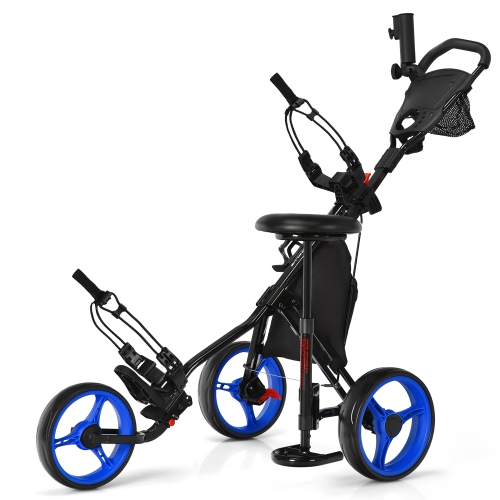
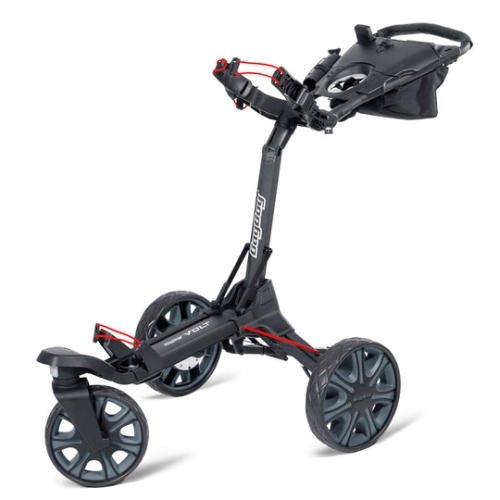
An electric push cart is a battery-powered golf trolley that carries a golf bag while the golfer walks the course. Unlike a ride-on golf cart, it is designed to move clubs and equipment rather than transport a person. Its motor supplies the effort that would otherwise go into pushing a manual trolley or carrying a loaded bag, leaving the golfer free to walk without that extra load. Within the broader Push Cart category, electric golf trolleys suit players who enjoy walking their rounds but want less effort between shots. The difference can be especially noticeable on a long stretch between greens and tees, or when a bag holds a full set of clubs, golf balls, drinks, and other essentials. Control styles range from handle-operated designs with adjustable speed to remote-controlled carts that can travel ahead of the golfer. Some designs also offer a follow function, using a compatible device or sensor to track the golfer’s movement. These functions are not interchangeable: a remote-controlled cart still needs directional input unless it specifically includes follow capability. Handle controls keep operation close at hand, while a remote can provide more freedom to walk beside or behind the cart within its stated operating range. Smooth starts, predictable steering, and easy-to-reach stop controls all contribute to comfortable use. A clear display can make speed settings and battery status easier to check at a glance, while a secure remote attachment helps keep the controller accessible between shots. Electric assistance can appeal to frequent walkers, players who find a fully loaded manual cart tiring, and golfers returning to a walking routine within their own physical capabilities. It can also make a thoughtful gift for a golfer whose preferred round includes walking the fairways, provided the cart’s controls, size, and bag compatibility suit the recipient’s habits. The best fit is less about having every possible feature and more about making a familiar round feel manageable from the first tee to the final green.
Battery capacity, handling, and stability shape how an electric golf push cart performs over a full round. Some batteries carry manufacturer ratings for 18 holes, while others are rated for 36 holes or more, but actual running time depends on the load, terrain, speed, battery condition, and frequency of use. A rating based on typical conditions is not a promise of identical performance on every course. A route with repeated climbs places different demands on the motor and battery than a mostly level layout, particularly with a heavily packed golf bag. Battery weight, removal method, charging time, and the position of the charging port also affect everyday convenience. A removable battery may be easier to bring to a suitable charging location without moving the whole trolley, while a charge indicator helps make remaining capacity more visible. The correct charger and the manufacturer’s charging and storage directions remain important for battery care. On the course, downhill speed control and parking brakes serve different purposes. Where included, downhill control helps regulate travel speed on a descent; a parking brake is intended to hold a stopped cart in place within its specified limits. Neither feature should be assumed simply because a cart is motorized. Wheel layout matters as well. A broad rear stance can support stability, a swivelling front wheel can make turns easier, and a fixed or lockable front wheel can help maintain direction, depending on the design. Some carts include an additional anti-tip wheel for support on inclines, though all have limits on slopes and safe operating conditions. Adjustable speed is useful when moving from a short walk beside a green to a longer journey along a fairway, particularly when the lowest settings allow an unhurried pace. Remote range, response, and stop behaviour deserve as much attention as maximum speed. Built-in distance functions or GPS features, when included, can add convenience, but they do not replace attention to nearby players, pathways, hazards, and course rules. A well-matched cart should move predictably at a comfortable walking pace rather than require constant correction.
Frame construction, bag support, and folding dimensions determine how easily an electric push cart fits into life beyond the course. Aluminum frames are common for their balance of weight and strength, while reinforced joints, secure hinges, and durable wheel assemblies help the trolley withstand repeated unfolding, loading, and travel. The total lifting weight matters even when the motor does the work during a round: the folded cart still needs to move into a vehicle, through a doorway, or onto a storage shelf. Folded measurements are more useful than a general description such as compact, especially when a golf bag must share the boot with the trolley. Removable wheels can reduce the space needed for transport, although they also add another task before and after play. Bag fit is equally practical. Upper and lower supports should hold the intended bag securely without interfering with its pockets, legs, or club openings, and adjustable straps help accommodate differences in bag shape. A cart bag often sits differently from a stand bag, so compatibility depends on the support design rather than bag size alone. Handle height and grip position can affect comfort when steering manually, particularly for golfers of different heights. Accessible storage for a scorecard, drink, or small personal belongings can keep frequently used essentials close, provided accessories do not obstruct controls or exceed the cart’s load limit. Routine care centres on removing grass and dirt from wheels and frame joints, checking straps and fasteners, and inspecting electrical connections according to the manufacturer’s directions. Cleaning methods matter around motors, displays, and battery contacts; a high-pressure spray can force water into places not designed for it. A clean, dry storage space, protected charging connections, and careful handling during transport support long-term reliability. For shared households or gift recipients, straightforward folding, readable controls, and manageable component weights can be more useful than extra electronic functions. Together, these details help an electric golf trolley become a practical companion for regular walking rounds, with room for the clubs and essentials that make each golfer’s setup their own.
Top selling and popular products
-
 Your price for this item is $549.99
-
 Your price for this item is $6299.99
-
 Your price for this item is $1376.55
-
 Your price for this item is $2249.95
-
 Your price for this item is $250
-
 Your price for this item is $300
-
 Your price for this item is $649.98
-
 Your price for this item is $381.99
Discover more categories related to Electric Push Cart
Top Collections:
Best Black Friday Deals This Year, Best Black Friday Deals On Electronics, Kindle Devices, Dyson Airwrap, Best Cameras for Sports Photography, Best Budget Office Chairs, Canon G7X Cameras, PS5 Pro Consoles, Best Black Friday Deals On Apple Products, XBOX One S Consoles
Some products may be subject to Environmental Handling Fees
(EHF) depending on your province.
Learn more about EHFs.