Exercise Balls
Exercise balls are versatile fitness tools that can enhance your workout routine by targeting various muscle groups and improving balance and stability. Whether you're looking to strengthen your core, improve posture, or increase flexibility, exercise balls offer a fun and effective way to achieve your fitness goals. With different sizes and materials available, finding the right exercise ball to suit your needs has never been easier. Incorporate these multipurpose fitness accessories into your daily exercise regimen and experience the benefits of a challenging and engaging workout session.
Sort
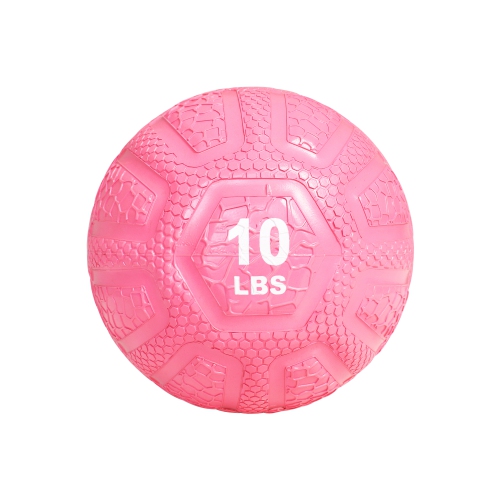
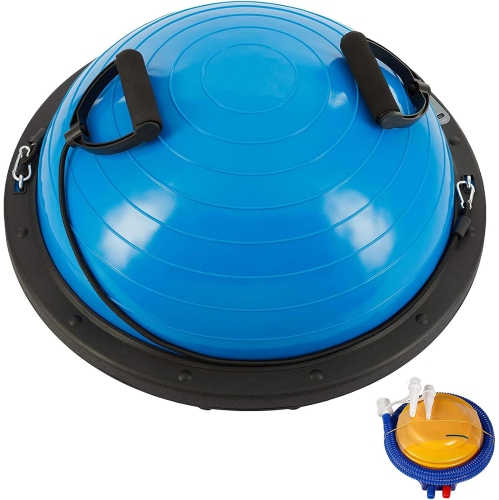
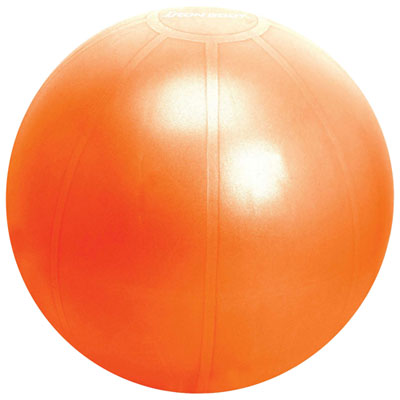
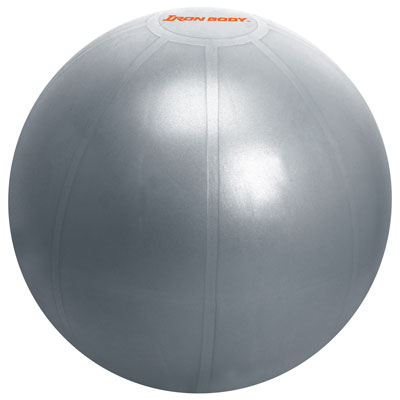
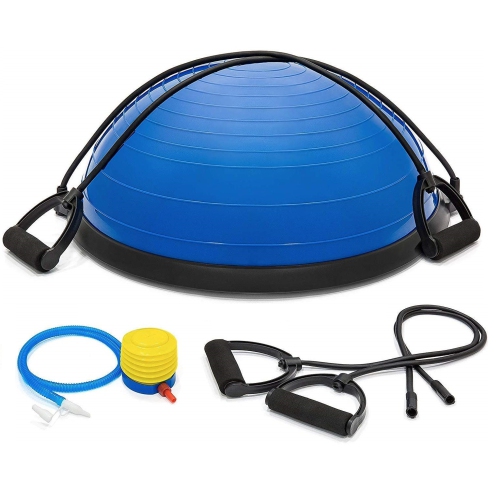
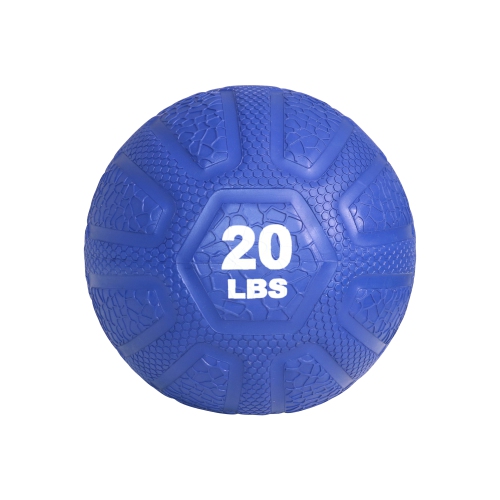
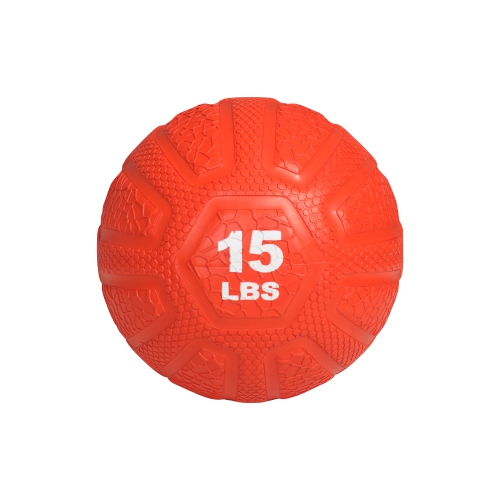
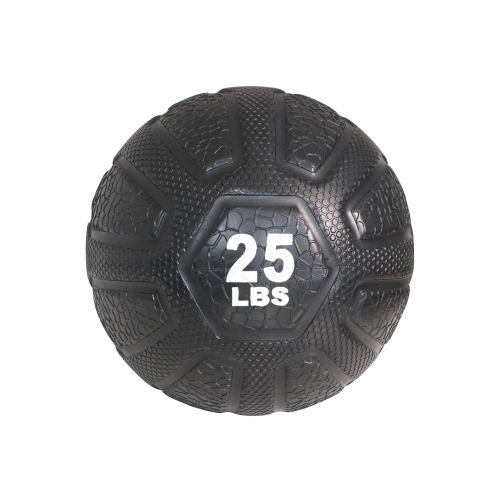
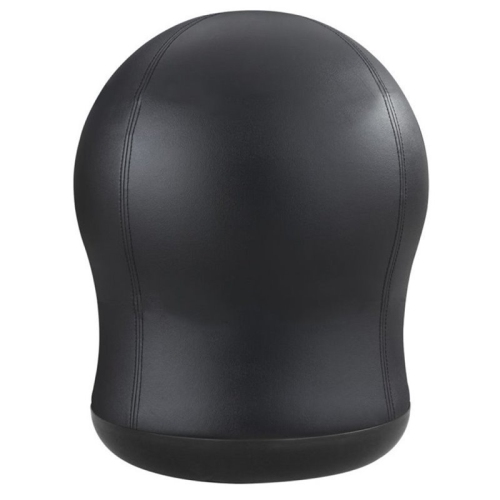
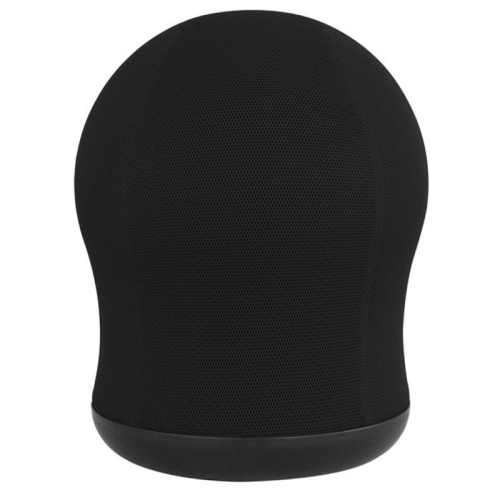
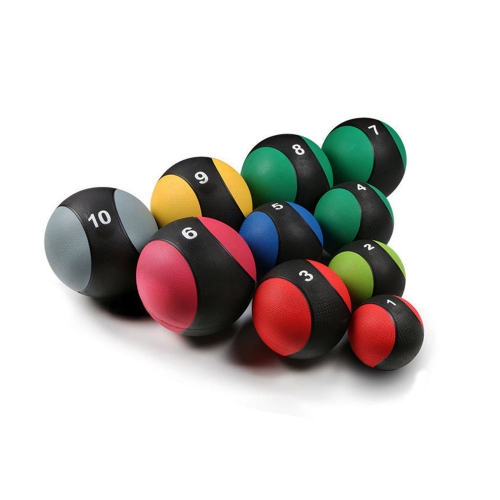
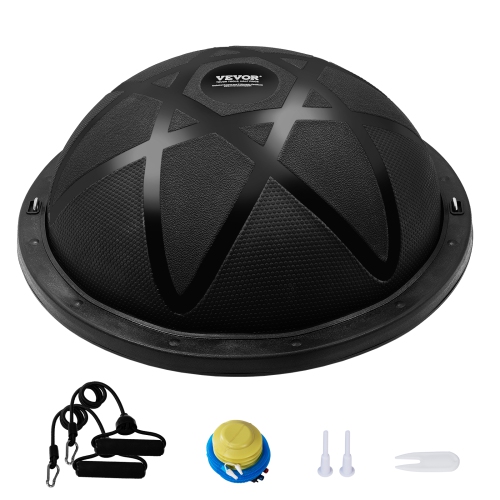
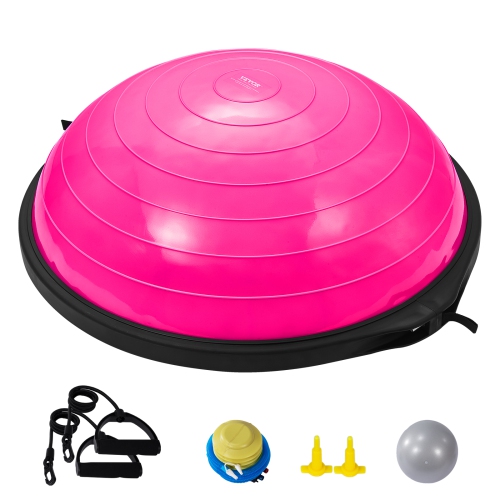
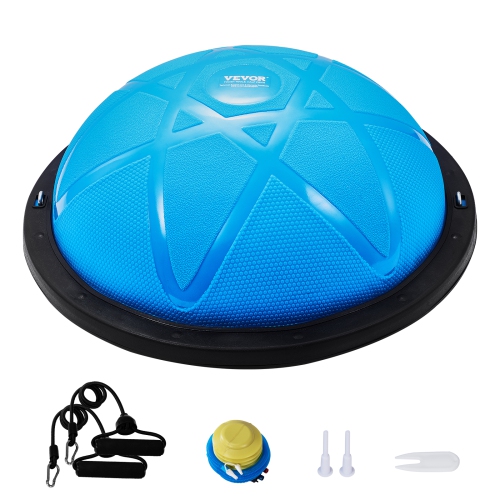
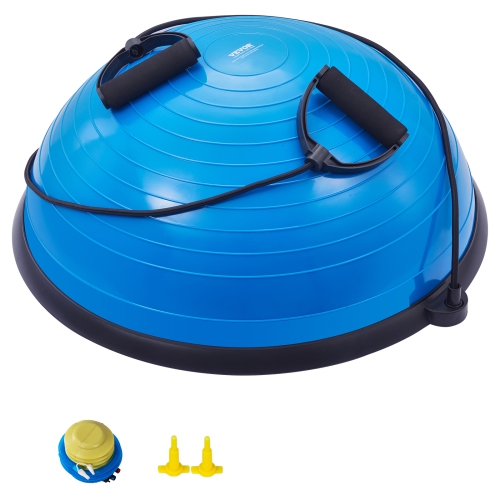
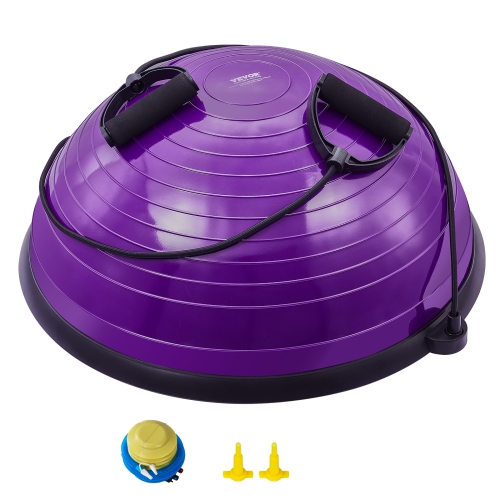

How the right size supports strength, flexibility and balance
Exercise balls, also called stability balls or Swiss balls, are versatile additions to a home gym, stretching area or daily movement routine. Their air-filled design creates an unstable surface, encouraging the core, hips and smaller stabilizing muscles to work as you move, balance and hold different positions. They can be used for seated mobility exercises, abdominal work, back extensions, bridges, wall squats, gentle stretching and balance training, while smaller versions are well suited to Pilates, targeted core exercises and placing between the knees or under the hands. Some people use a full-size ball as an occasional alternative to a standard chair, helping them become more aware of their posture while working or watching television, although it is best to alternate sitting positions rather than relying on one seat all day. A ball can also make a familiar routine feel more engaging: a basic bridge becomes a balance challenge when the feet rest on its rounded surface, and a plank can be adjusted by changing where the hands or shins meet the ball. During the cooler months, when outdoor walks and activities may be less convenient, an exercise ball can provide a simple way to add movement indoors without filling a room with large equipment. It is useful for beginners building confidence, experienced fitness enthusiasts adding instability to familiar exercises, and anyone looking for a compact piece of equipment that can support strength, flexibility and balance work in a limited space.
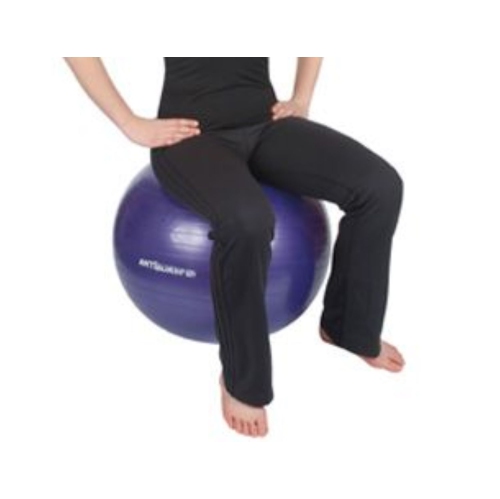
Choosing the right size is one of the most important considerations. When seated on an inflated ball, the hips should generally be level with, or slightly higher than, the knees, with the feet resting flat on the floor and the knees positioned at about a 90-degree angle. A common size guide places a 45-centimetre ball with shorter users, a 55-centimetre ball with people around 5 feet 1 inch to 5 feet 8 inches, a 65-centimetre ball with people around 5 feet 9 inches to 6 feet 2 inches, and a 75-centimetre ball with taller users. These ranges are only starting points, since leg length, intended exercise and personal comfort also matter; always check the manufacturer’s sizing recommendations before inflating. A smaller ball is often easier to control for Pilates and focused floor exercises, while a larger ball may provide the surface area needed for seated work, supported stretching and more advanced strength movements. If your interests include oversized options for stretching, posture work or broader full-body exercises, explore Large Yoga Balls. Also consider the ball’s weight capacity, inflation range and intended use. An anti-burst construction is a valuable safety feature because the ball is designed to deflate gradually if punctured rather than suddenly rupturing. This does not make it puncture-proof, so keep it away from sharp edges, rough flooring, pets’ claws and heat sources, and inspect the surface regularly for cuts, deep scuffs or unusual bulges. Inflate it on a clean, level surface and give the material time to settle before checking the firmness again. A ball that is too soft may feel unstable and make alignment difficult, while one that is overinflated can feel hard and less forgiving during seated or floor-based movements.
Details beyond size can make a noticeable difference in everyday use. A lightly textured or non-slip surface may provide more dependable grip when palms, feet or clothing contact the ball, particularly during planks, bridges and balance exercises. Smooth surfaces can be comfortable for seated use and easy to wipe clean, while textured finishes may offer additional control during active training. Check whether a pump is included and consider how quickly it fills the ball, how easily it stores and whether the valve can be removed without damaging the material. A separate hand or foot pump may be helpful for regular adjustments, since temperature changes and frequent use can affect firmness over time. For cleaning, follow the care instructions and use a soft cloth with mild soap and water, allowing the surface to dry completely before storage. Keep the ball partially deflated or fully inflated according to the manufacturer’s recommendations, and store it somewhere cool and dry where it will not be pressed against furniture or exposed to direct sunlight. Exercise balls can be thoughtful gifts for someone setting up a first home workout space, returning to regular movement, enjoying Pilates or looking for gentle balance activities. They are also practical for households that prefer equipment with several uses: one ball can support a short morning stretch, a core session after work or a few mobility exercises while waiting for dinner. With the right size, secure surface and suitable firmness, an exercise ball can fit naturally into routines for a wide range of ages and ability levels. Begin with controlled movements, keep a stable support nearby when learning new exercises, and stop if an activity causes pain rather than ordinary muscular effort.
Choosing the right size is one of the most important considerations. When seated on an inflated ball, the hips should generally be level with, or slightly higher than, the knees, with the feet resting flat on the floor and the knees positioned at about a 90-degree angle. A common size guide places a 45-centimetre ball with shorter users, a 55-centimetre ball with people around 5 feet 1 inch to 5 feet 8 inches, a 65-centimetre ball with people around 5 feet 9 inches to 6 feet 2 inches, and a 75-centimetre ball with taller users. These ranges are only starting points, since leg length, intended exercise and personal comfort also matter; always check the manufacturer’s sizing recommendations before inflating. A smaller ball is often easier to control for Pilates and focused floor exercises, while a larger ball may provide the surface area needed for seated work, supported stretching and more advanced strength movements. If your interests include oversized options for stretching, posture work or broader full-body exercises, explore Large Yoga Balls. Also consider the ball’s weight capacity, inflation range and intended use. An anti-burst construction is a valuable safety feature because the ball is designed to deflate gradually if punctured rather than suddenly rupturing. This does not make it puncture-proof, so keep it away from sharp edges, rough flooring, pets’ claws and heat sources, and inspect the surface regularly for cuts, deep scuffs or unusual bulges. Inflate it on a clean, level surface and give the material time to settle before checking the firmness again. A ball that is too soft may feel unstable and make alignment difficult, while one that is overinflated can feel hard and less forgiving during seated or floor-based movements.
Details beyond size can make a noticeable difference in everyday use. A lightly textured or non-slip surface may provide more dependable grip when palms, feet or clothing contact the ball, particularly during planks, bridges and balance exercises. Smooth surfaces can be comfortable for seated use and easy to wipe clean, while textured finishes may offer additional control during active training. Check whether a pump is included and consider how quickly it fills the ball, how easily it stores and whether the valve can be removed without damaging the material. A separate hand or foot pump may be helpful for regular adjustments, since temperature changes and frequent use can affect firmness over time. For cleaning, follow the care instructions and use a soft cloth with mild soap and water, allowing the surface to dry completely before storage. Keep the ball partially deflated or fully inflated according to the manufacturer’s recommendations, and store it somewhere cool and dry where it will not be pressed against furniture or exposed to direct sunlight. Exercise balls can be thoughtful gifts for someone setting up a first home workout space, returning to regular movement, enjoying Pilates or looking for gentle balance activities. They are also practical for households that prefer equipment with several uses: one ball can support a short morning stretch, a core session after work or a few mobility exercises while waiting for dinner. With the right size, secure surface and suitable firmness, an exercise ball can fit naturally into routines for a wide range of ages and ability levels. Begin with controlled movements, keep a stable support nearby when learning new exercises, and stop if an activity causes pain rather than ordinary muscular effort.
Top selling and popular products
-
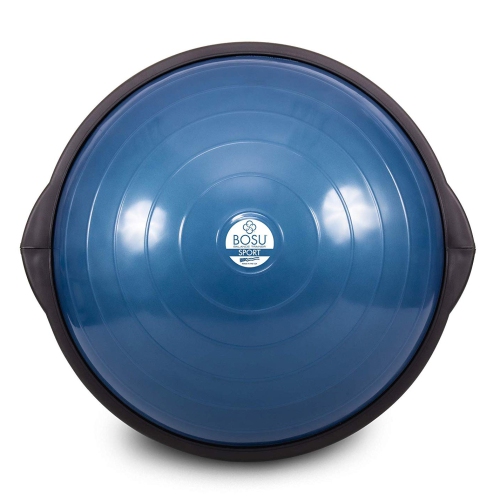 Your price for this item is $483.99
 -
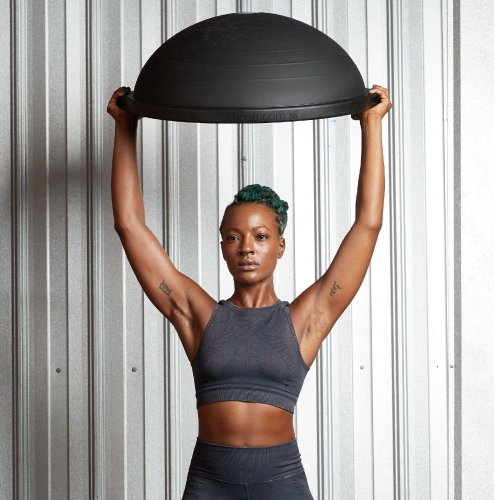 Your price for this item is $703.99
 -
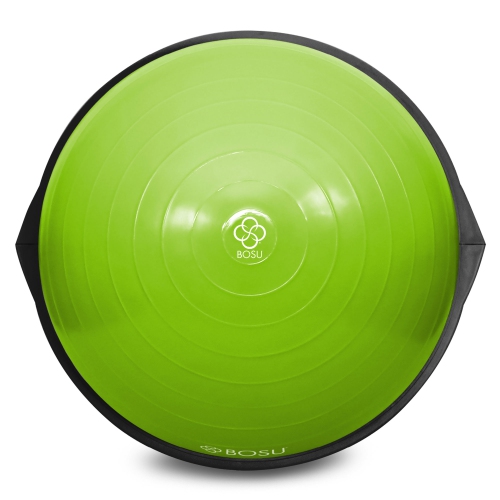 Your price for this item is $291.99
 -
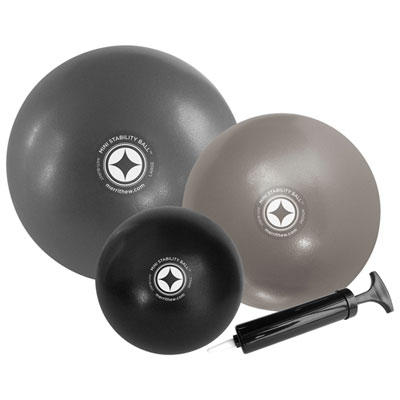 Your price for this item is $38.98
 -
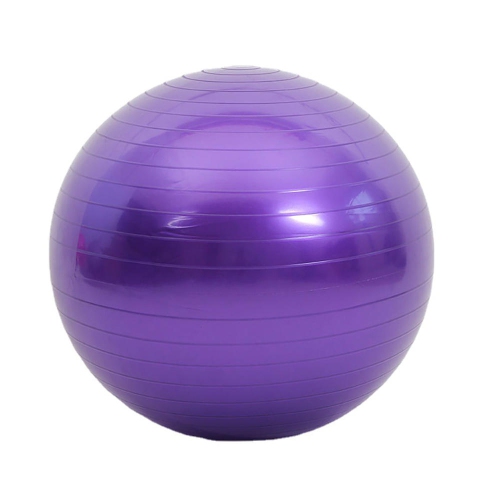 Your price for this item is $25.99
 -
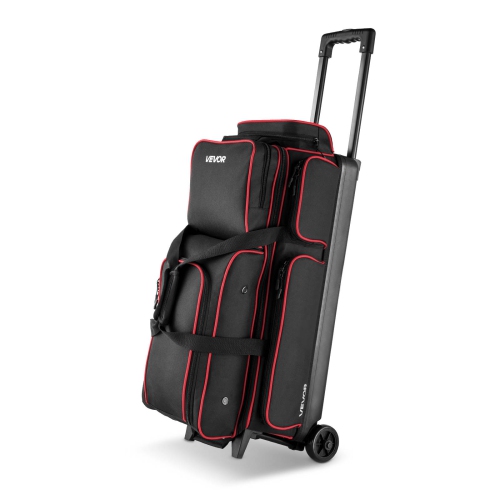 Your price for this item is $145.9
 -
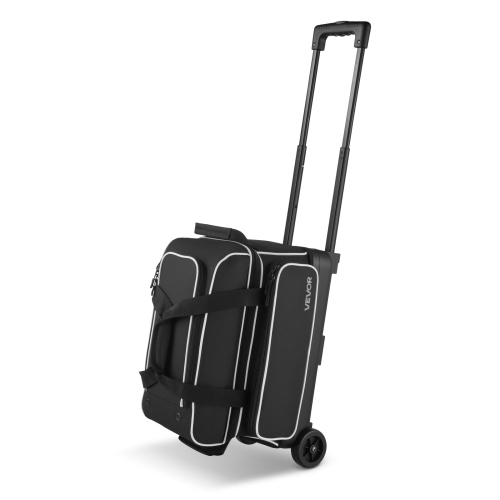 Your price for this item is $74.9
 -
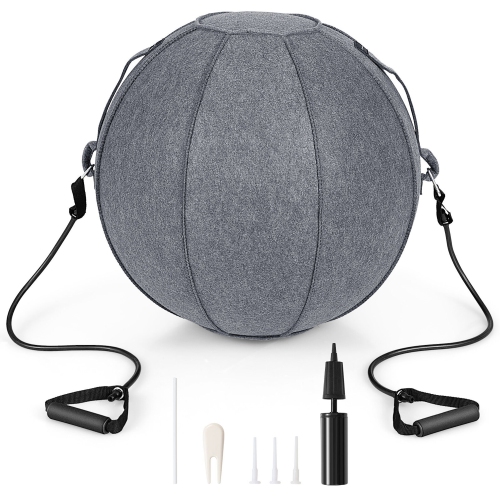 Your price for this item is $55.99
Discover more categories related to Exercise Balls
Top Collections:
Pokemon Centers, Kindle Devices, Best Budget Office Chairs, Apple iPhones 16, Best Laptops for Writers, iPhone 15 Apple, Canon G7X Cameras, Refurbished Apple Laptops, Alarm Clock, Motorola Razr Phones
Some products may be subject to Environmental Handling Fees
(EHF) depending on your province.
Learn more about EHFs.