Exercise Flooring
If you're looking to create a comfortable and safe workout space at home or in your gym, this exercise flooring selection offers a variety of options to suit your needs. From interlocking foam tiles to durable rubber mats, you can find the perfect solution to protect your floors, reduce noise, and provide cushioning for your exercises. Whether you're into yoga, weightlifting, cardio workouts, or high-intensity interval training, these exercise flooring products are designed to support your fitness routine while keeping your floors in top condition.
Sort
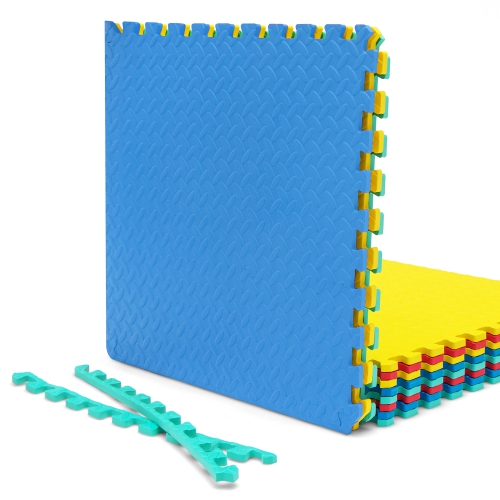
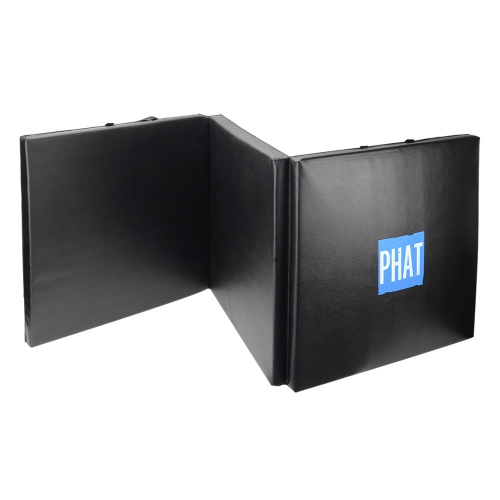
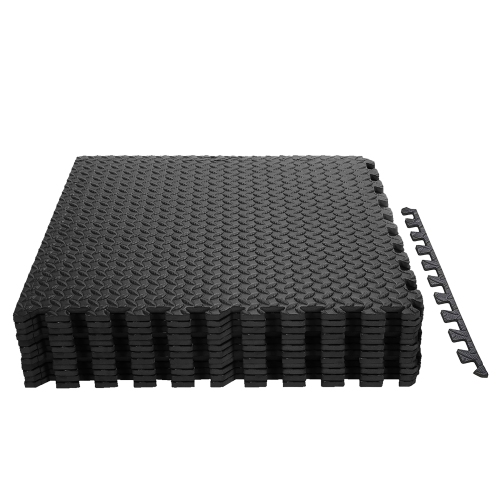
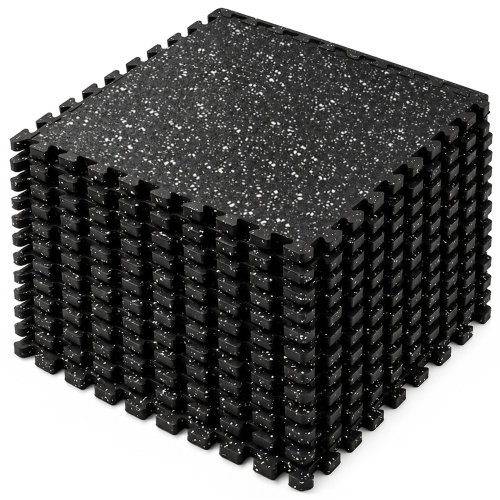











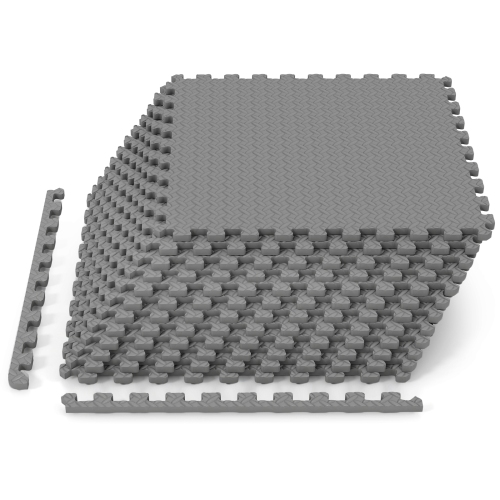
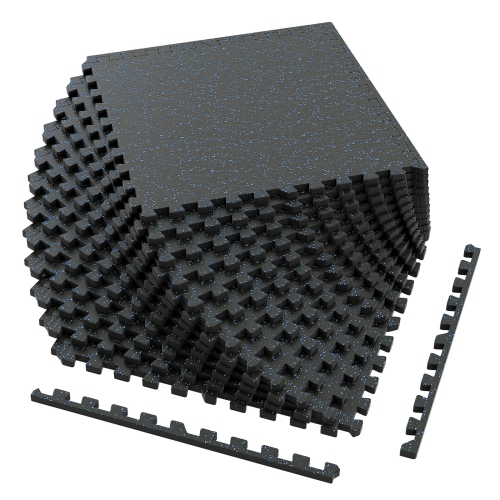
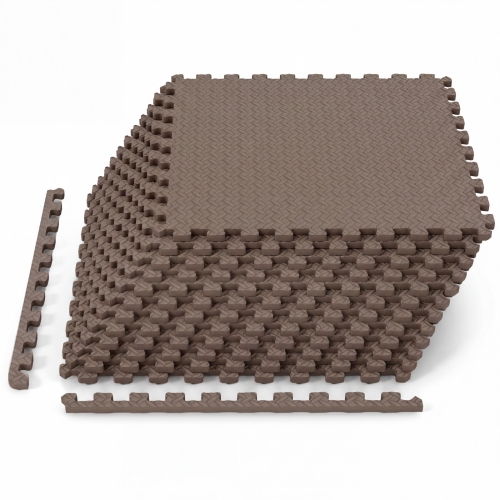
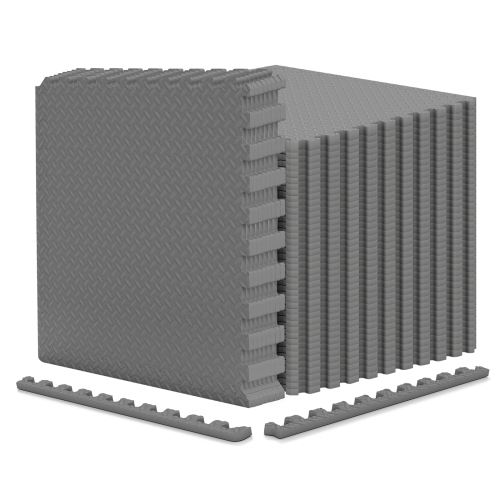

















The right surface depends on how you train
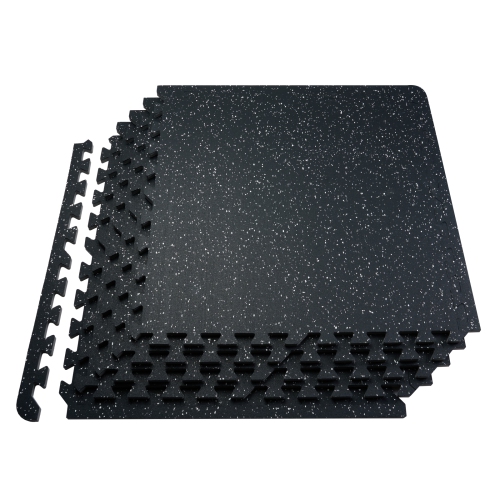
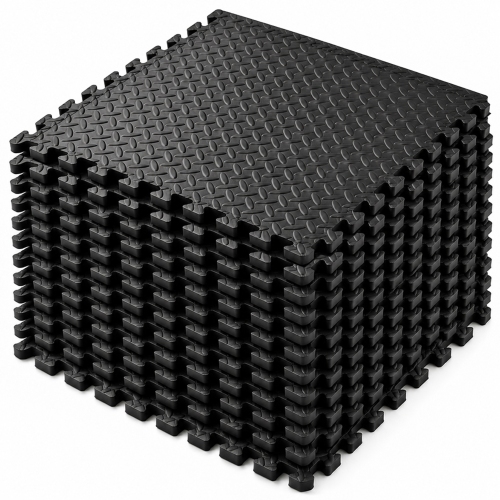
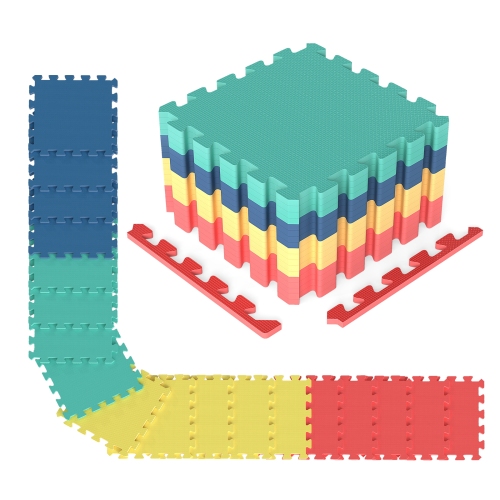
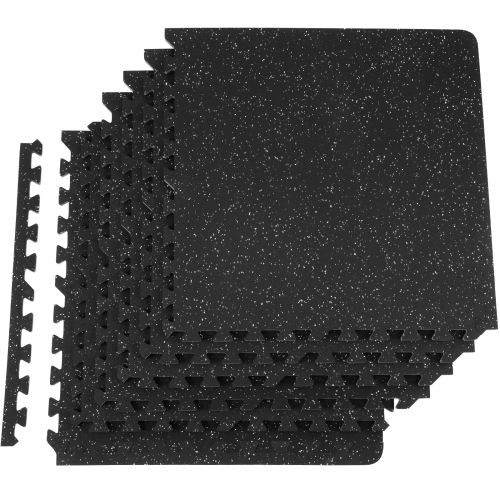
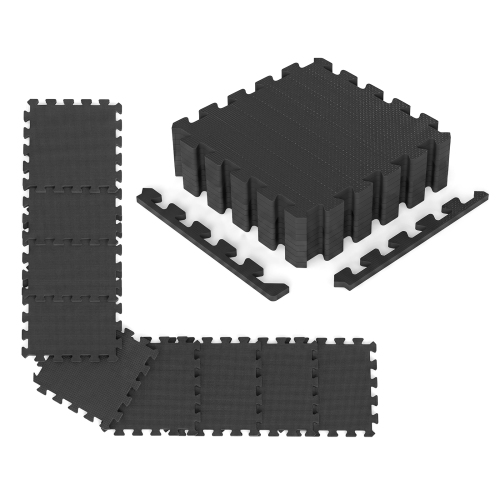
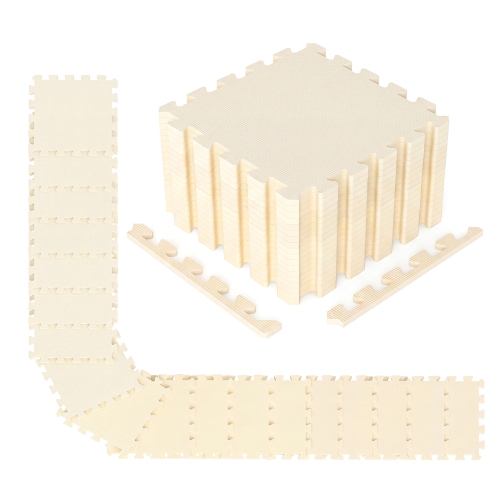
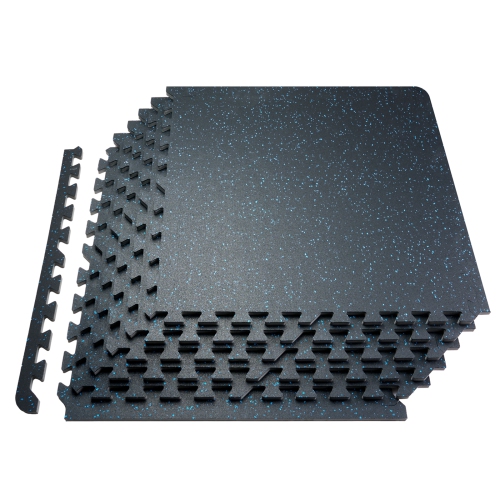
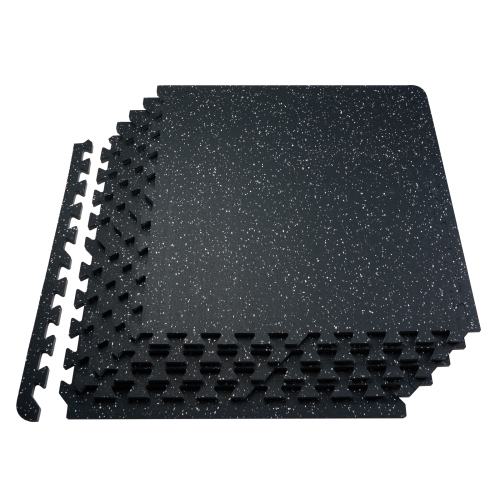
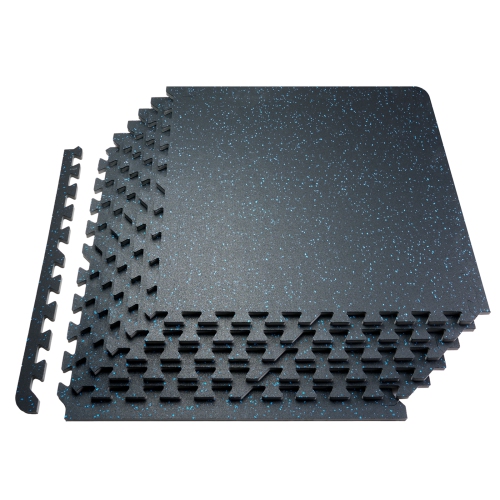
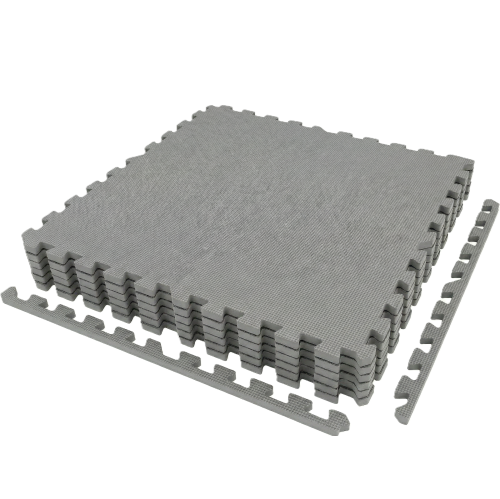
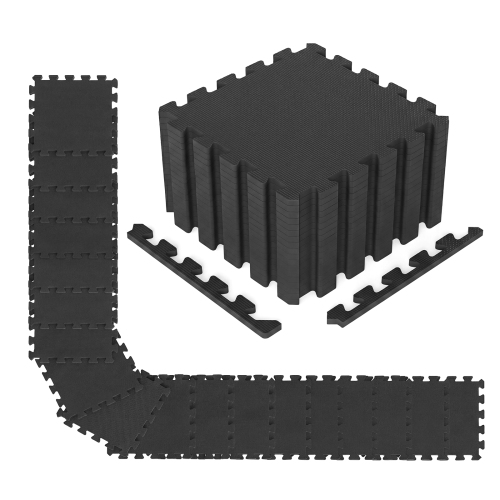
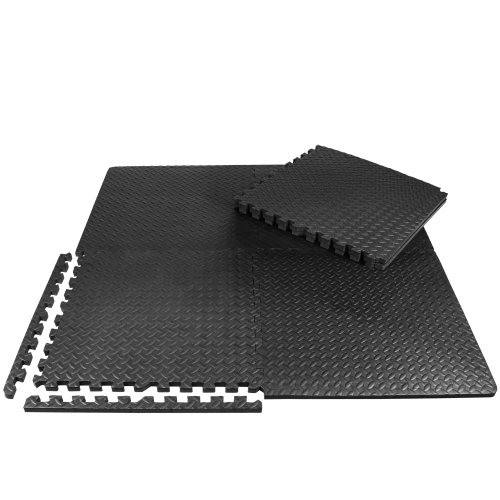
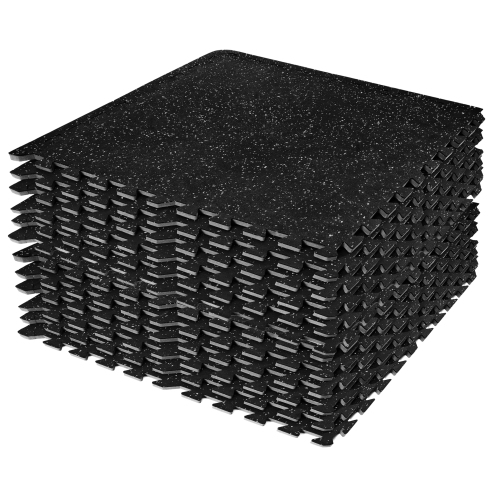
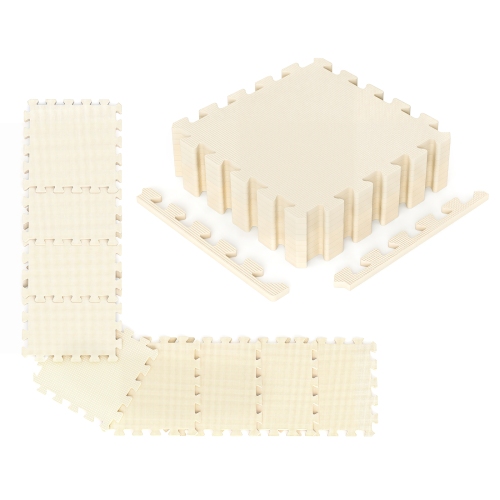
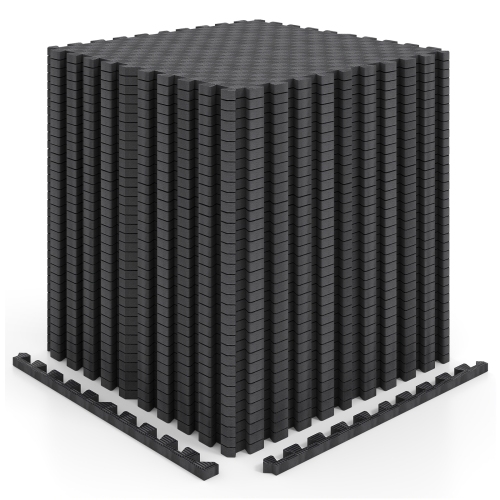
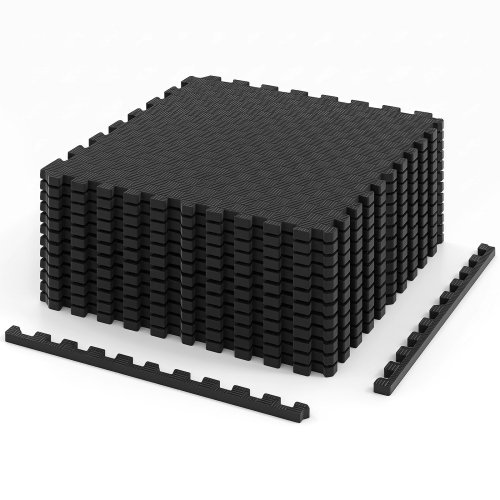
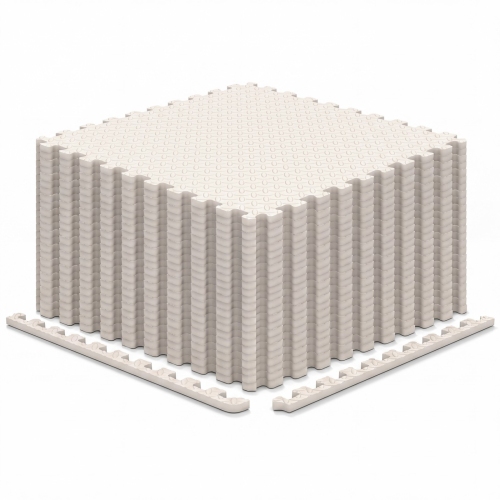
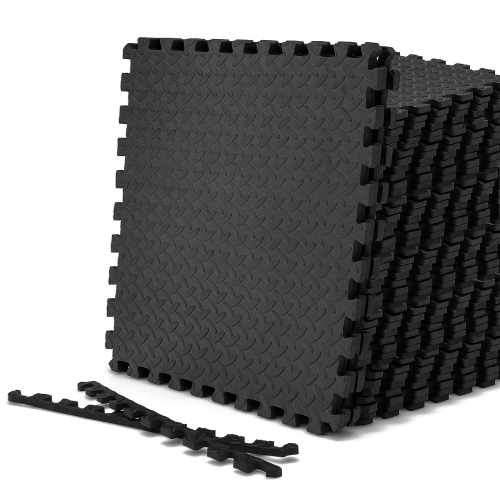
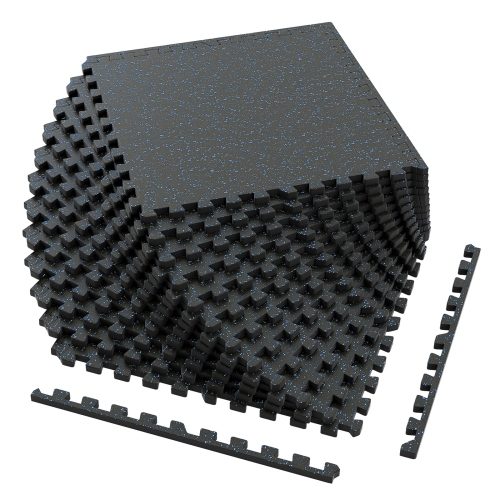
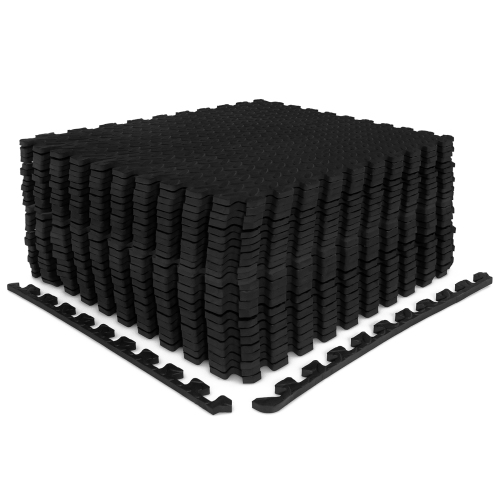
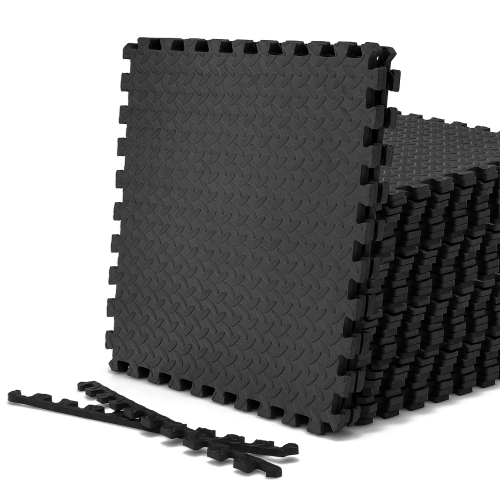
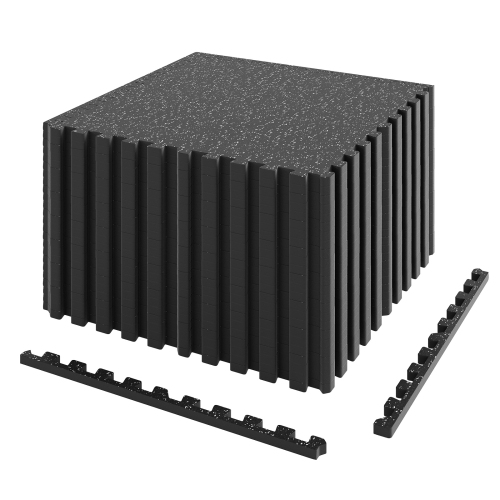
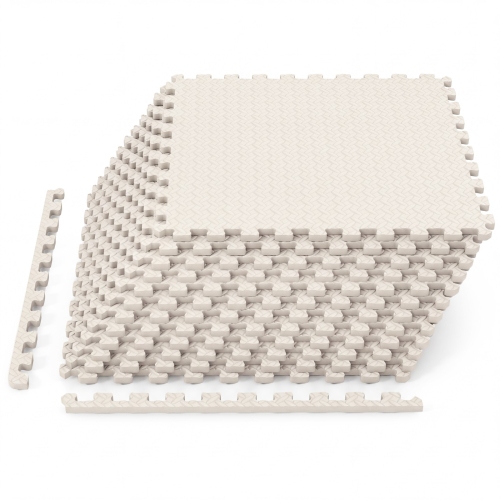
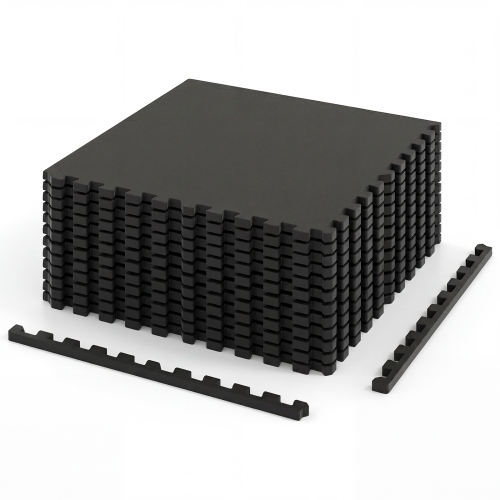
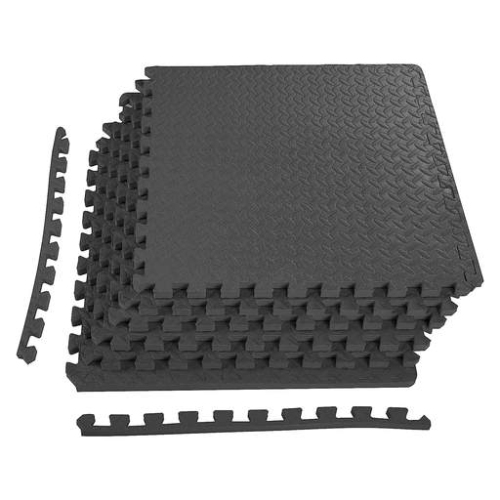
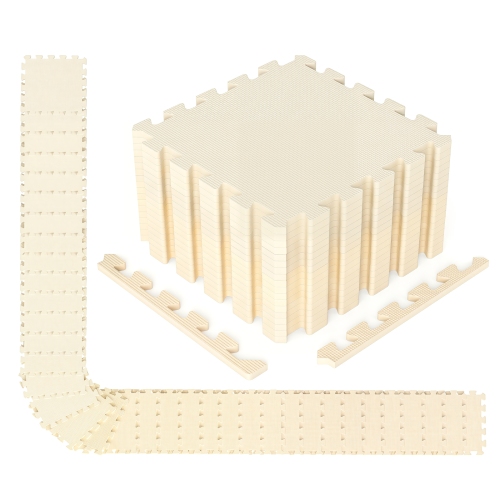
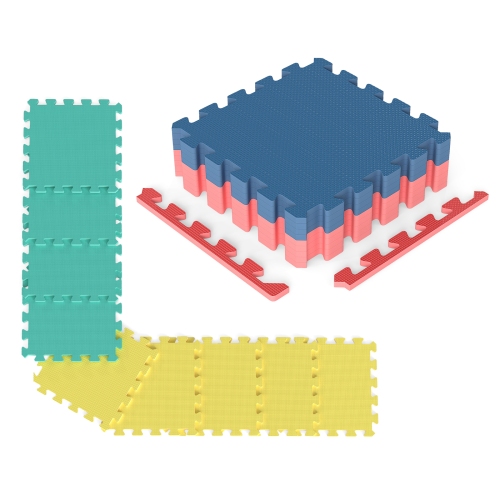
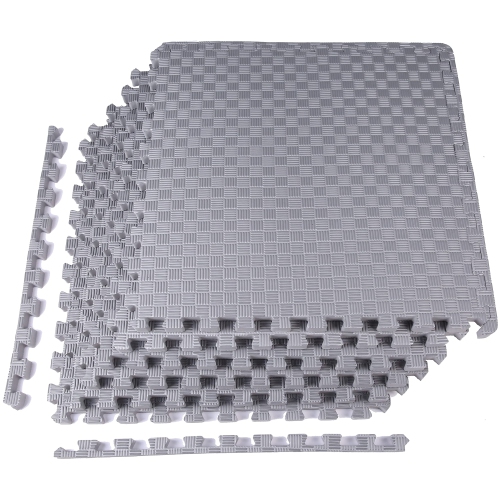
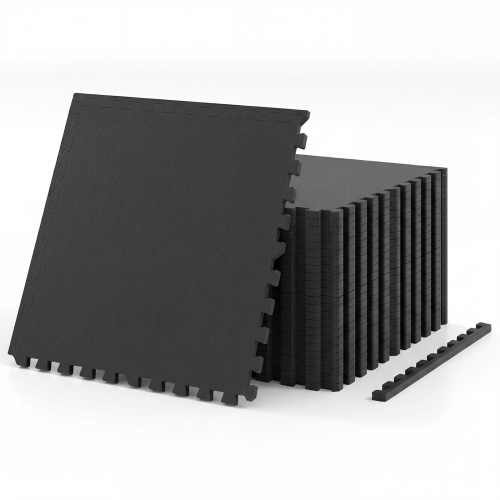
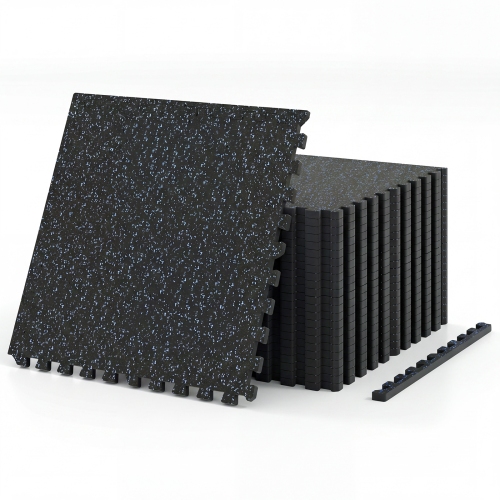
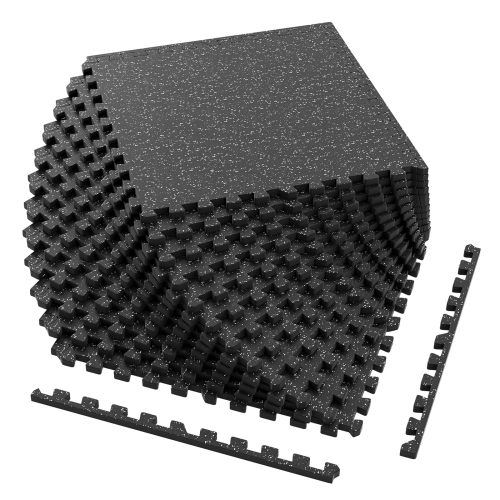
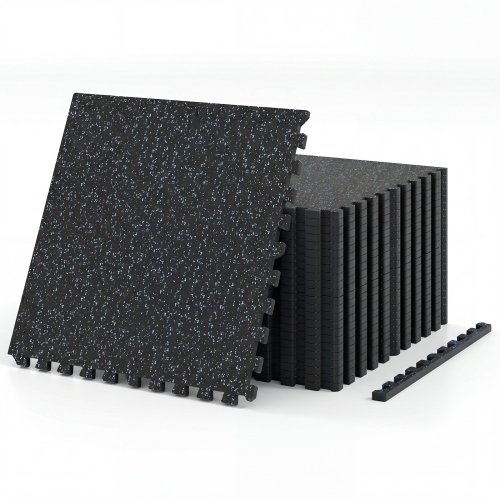
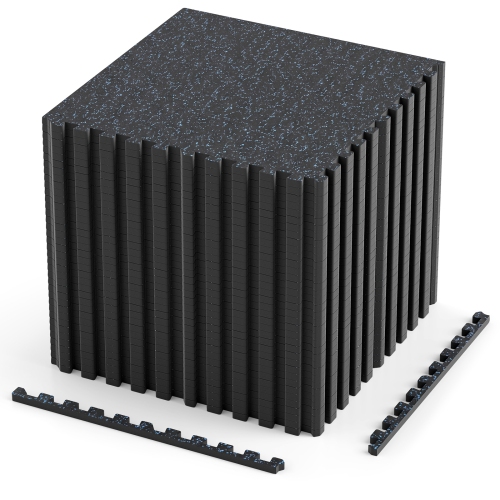
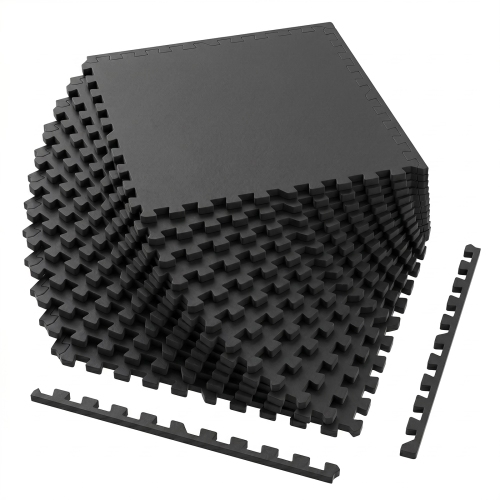
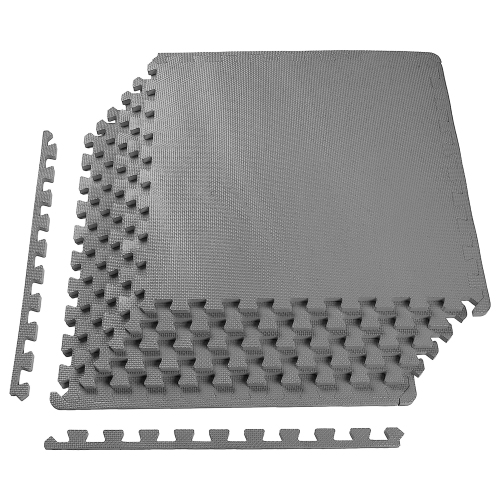
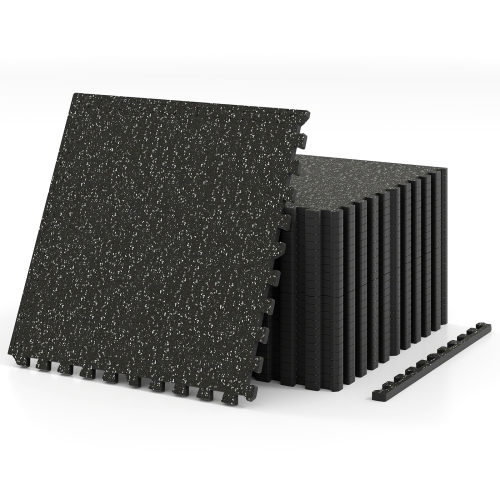
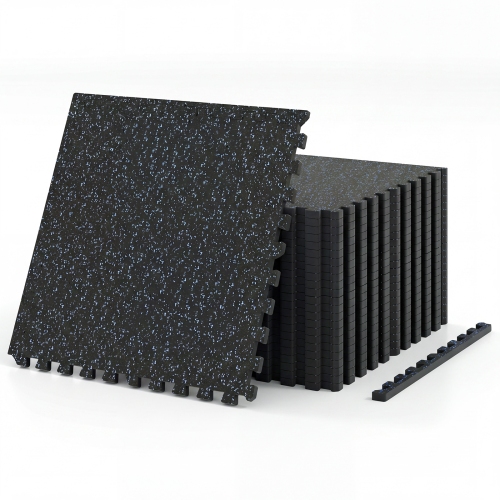
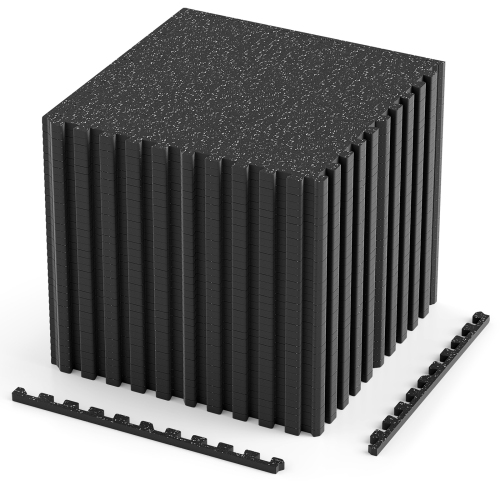
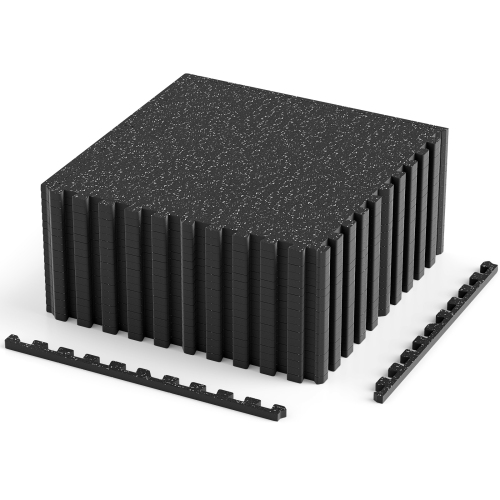
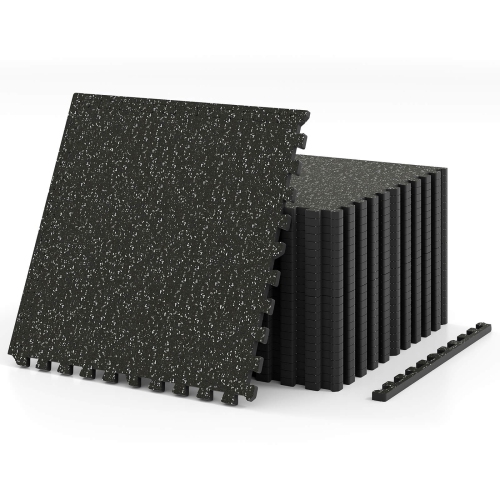
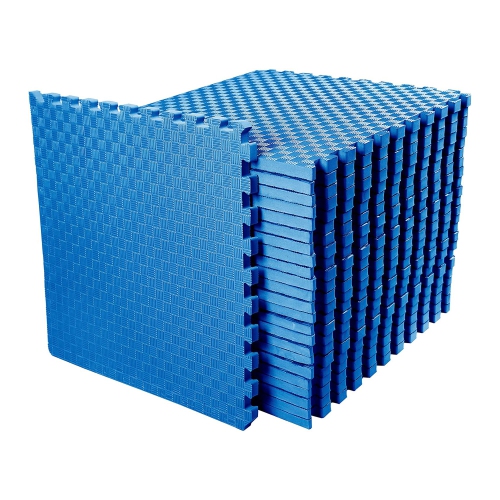
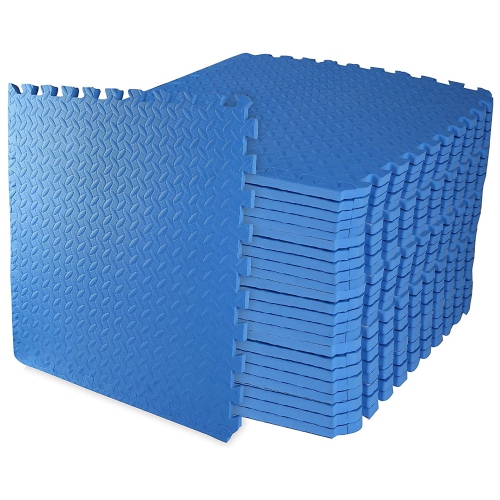
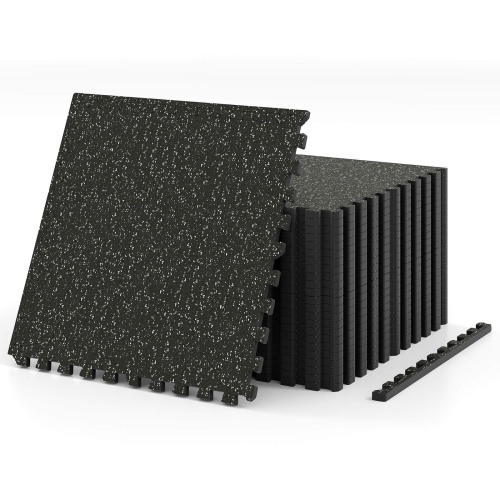
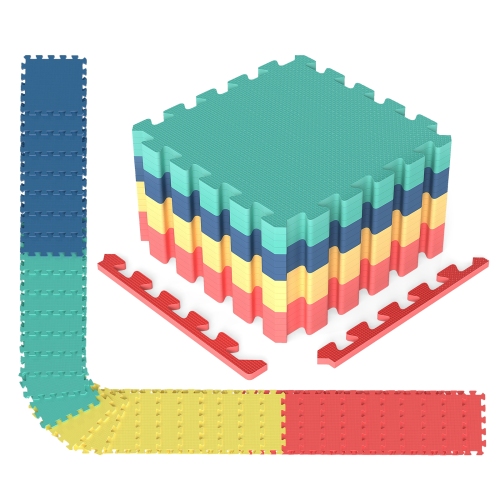
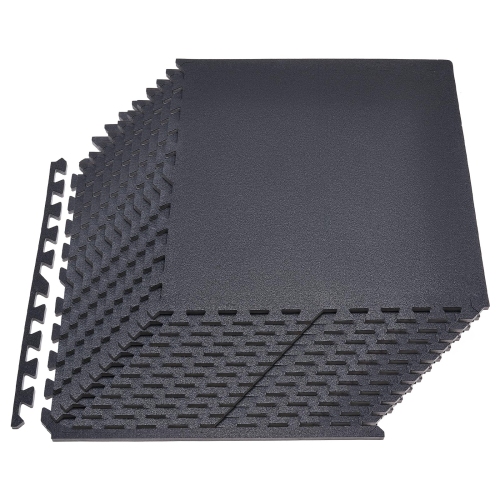
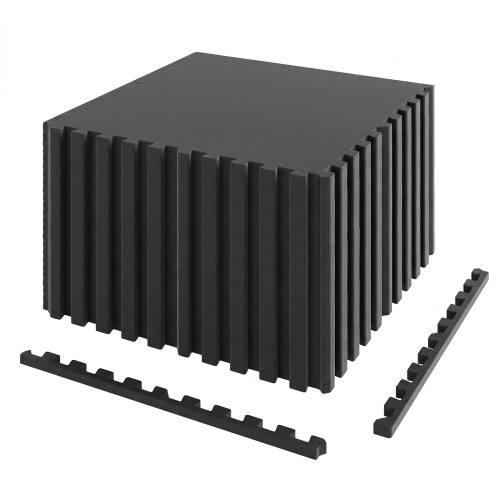
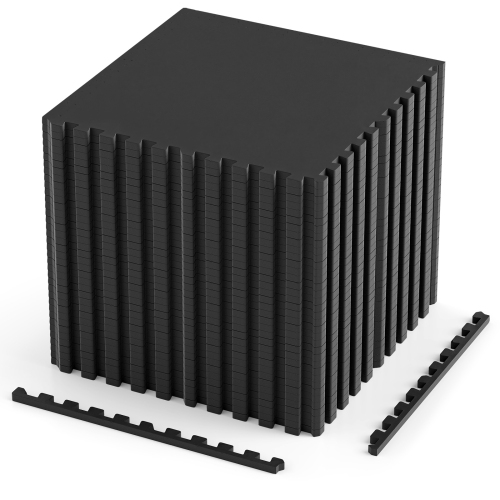
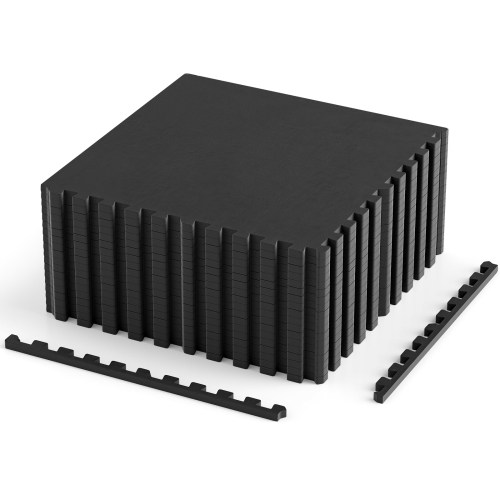
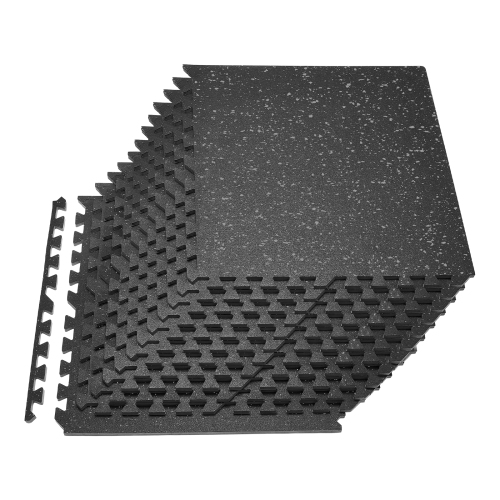
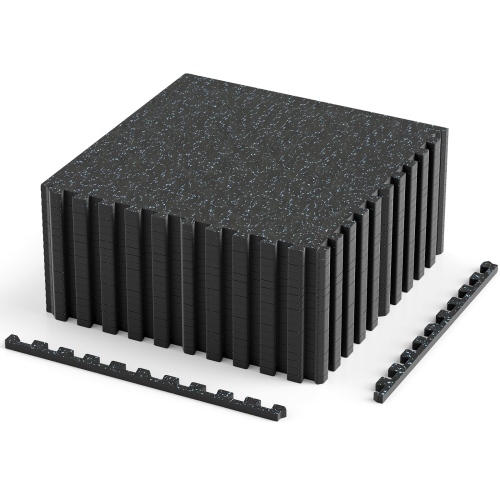
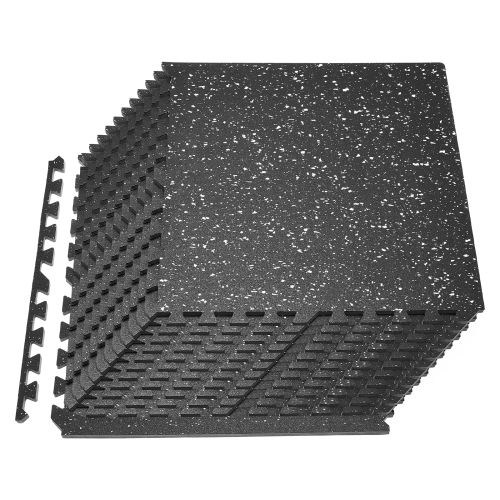
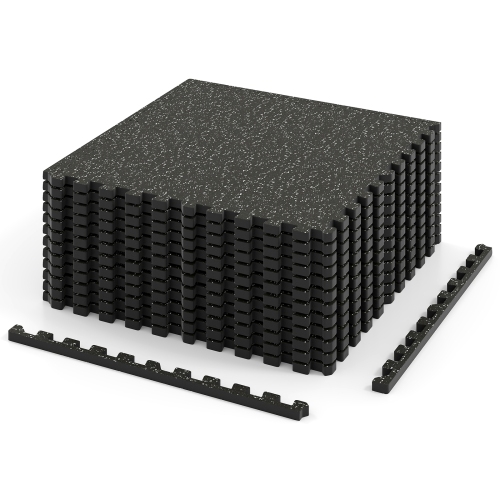
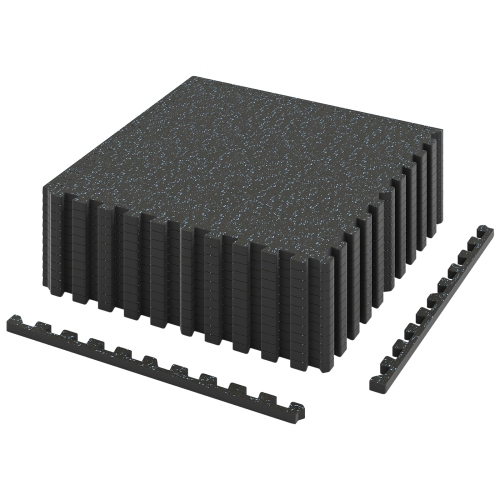
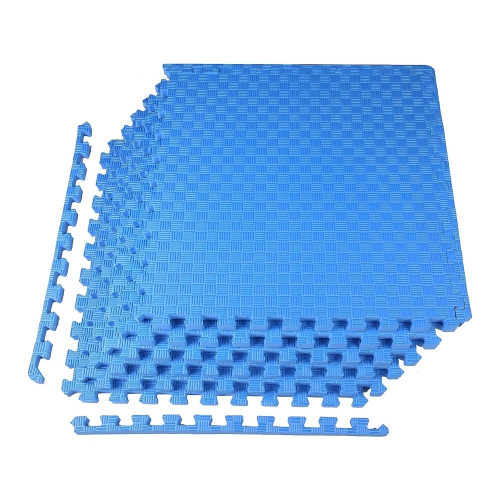
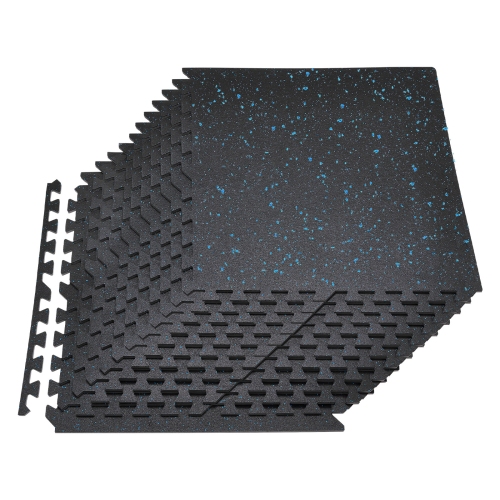
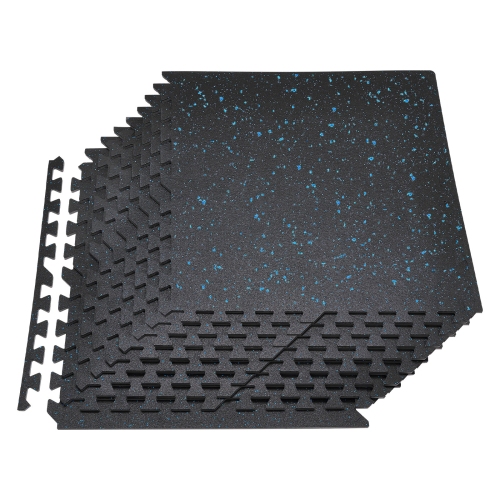
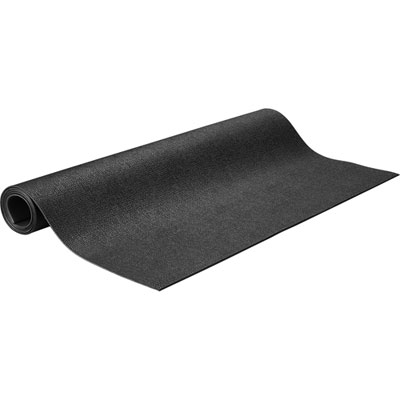
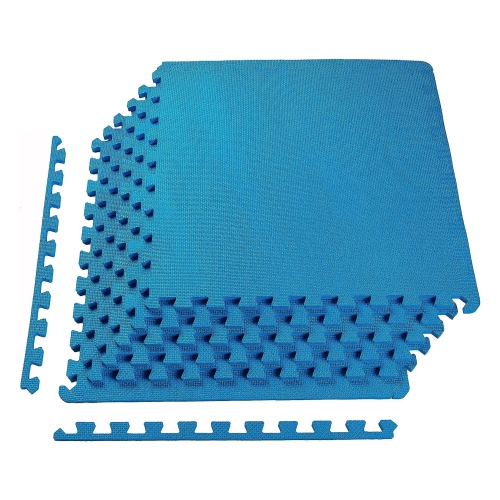
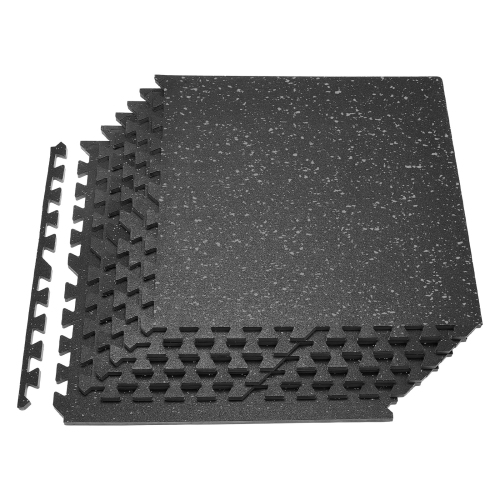
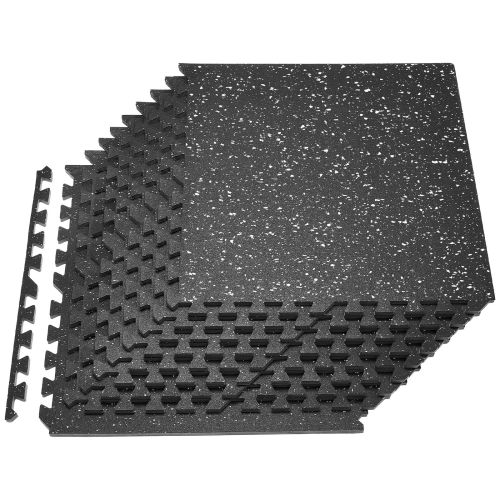
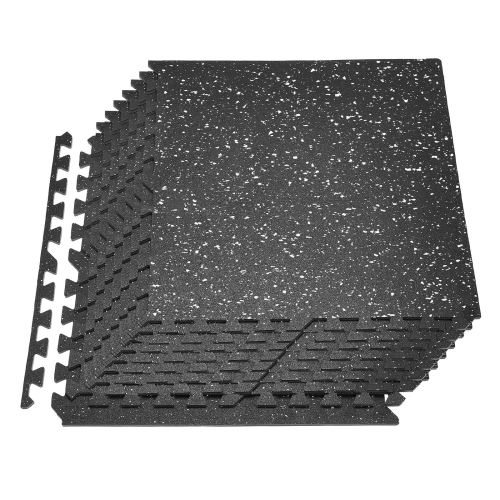
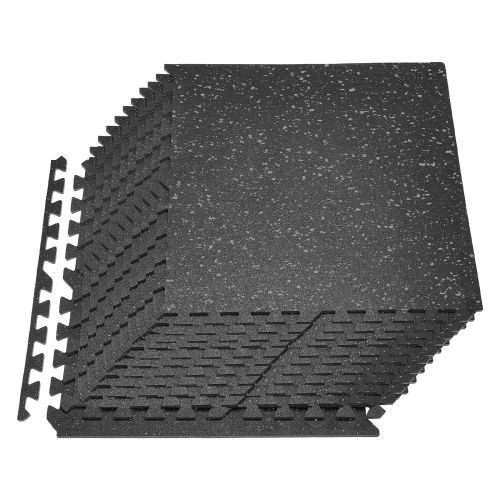
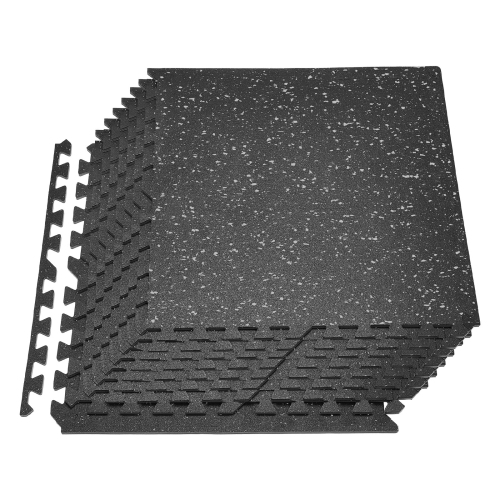
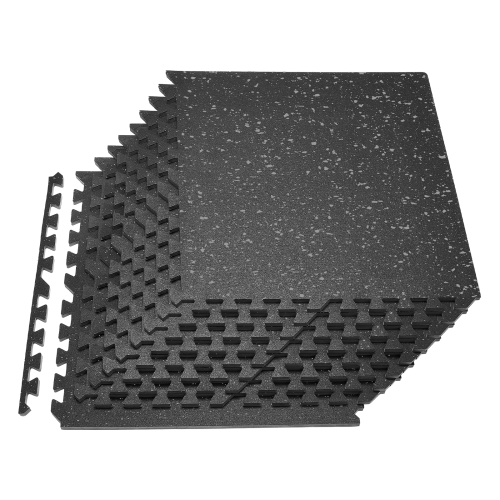
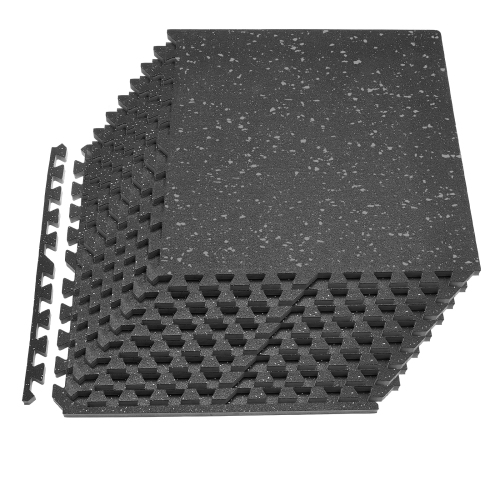
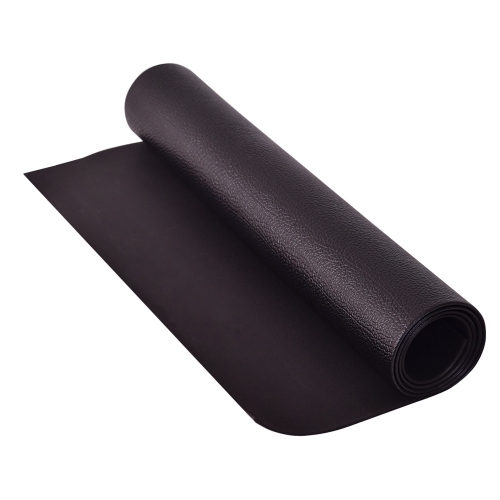
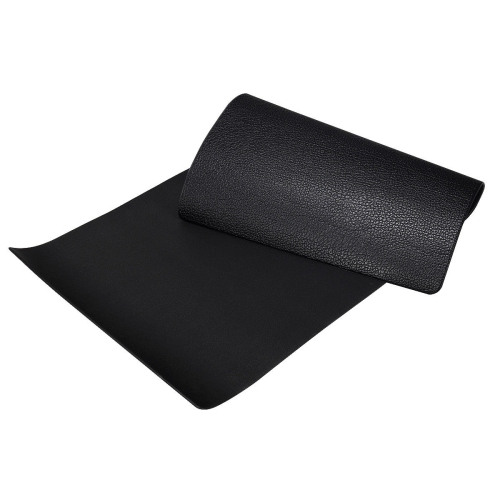
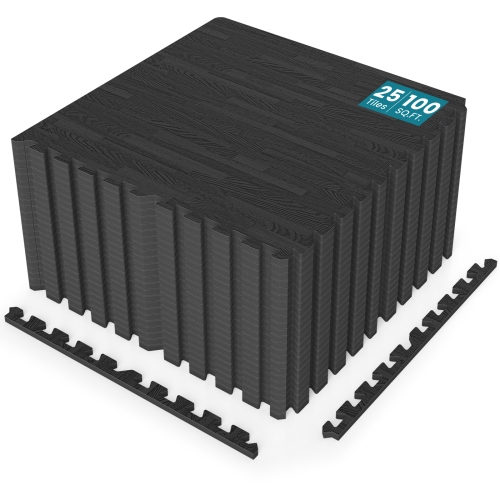
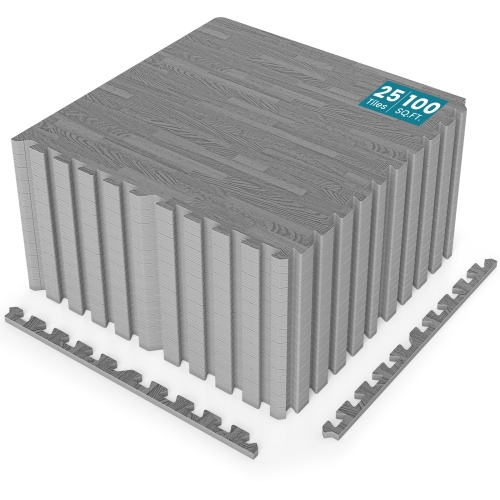
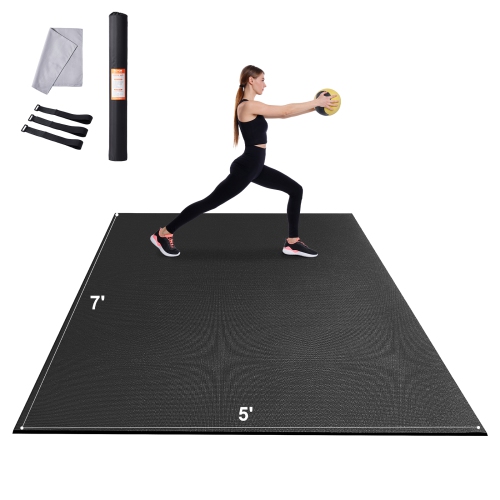
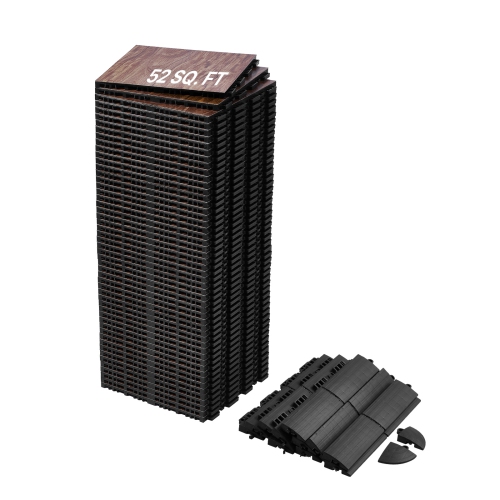
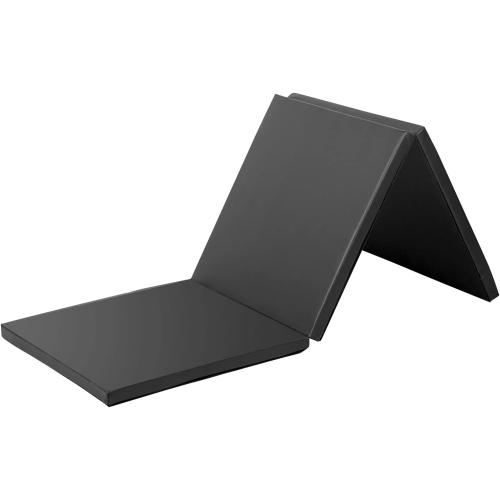
Exercise flooring creates a dedicated surface for movement, helping protect the floor beneath a workout area while providing cushioning or firm support suited to the activity. Rubber flooring is generally a strong choice for strength training and equipment zones, while high-density EVA foam is often better suited to stretching, floor exercises, and lighter bodyweight workouts. The difference is not simply how soft a surface feels underfoot: its density, thickness, texture, and construction all affect how it behaves during exercise. Dense rubber can support a stable stance for lifting and withstand repeated contact with equipment, although its suitability for dropped weights depends on the flooring specifications, the load, and the structure underneath. Rubber thicknesses around 3/8 inch to 3/4 inch are common considerations for weight-training areas, with thicker options offering more material to absorb impact. Thickness alone does not establish a safe weight-dropping zone or guarantee protection against damage. EVA foam offers a lighter, more cushioned surface that can make kneeling exercises, seated stretches, and bodyweight routines more comfortable. Foam tiles around 1/2 inch thick are a common option for these uses, but density matters as much as thickness, especially when maintaining balance or moving quickly between positions. A very soft surface can feel pleasant during stretching yet compress too much beneath a heavy machine or an uneven load. Sharp equipment edges and concentrated pressure can also mark or tear foam. For functional training, suitable indoor turf can provide a textured surface for drills and sled work when it is designed and installed for that purpose. Vinyl can offer a smooth, easy-to-clean finish in a multipurpose exercise room, though ordinary vinyl is not a substitute for impact-rated flooring beneath weights. A mixed workout space may benefit from different surfaces: firm rubber around a lifting station and a cushioned area nearby for mobility exercises. Matching the material to the movement helps make the space practical, whether the routine centres on dumbbells, resistance bands, stretching, or cardio equipment.
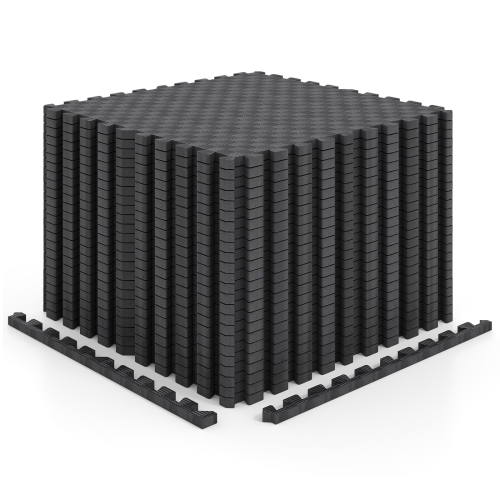
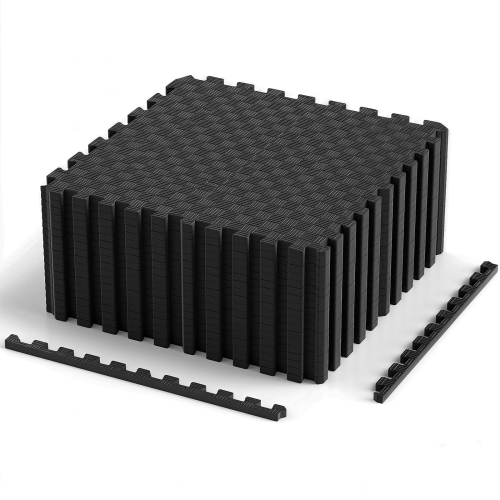
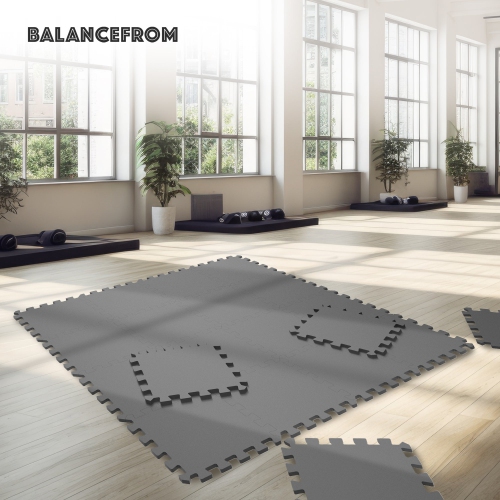
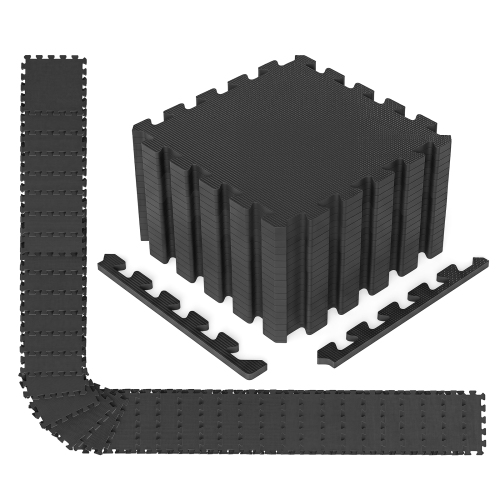
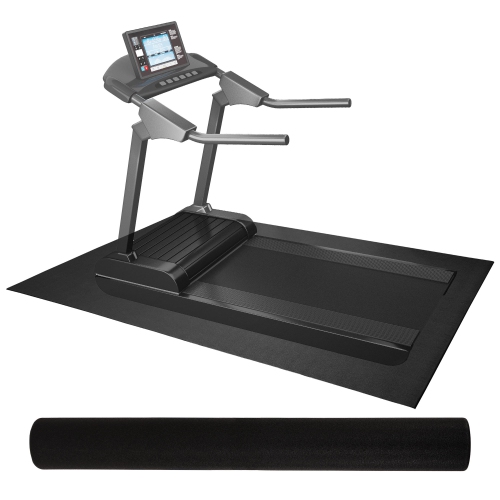
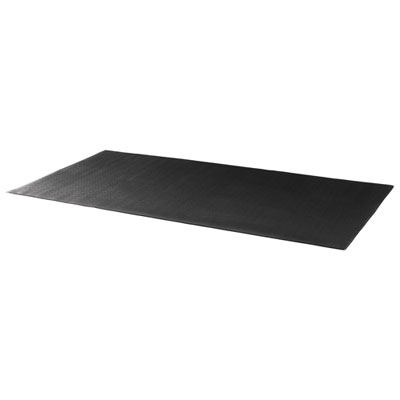
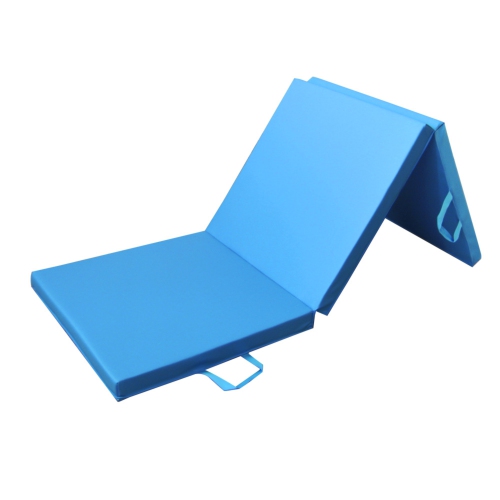
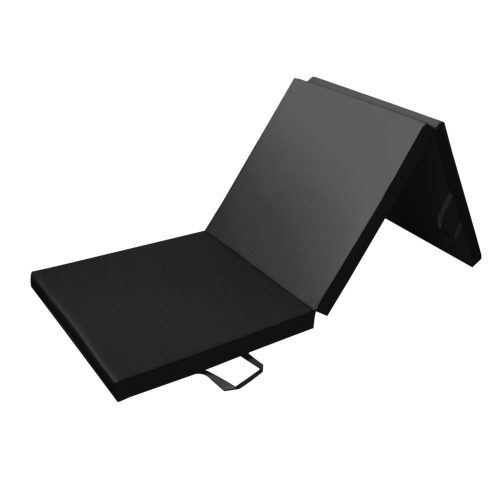
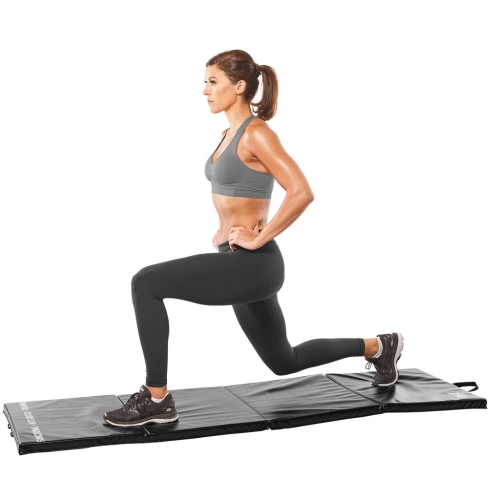
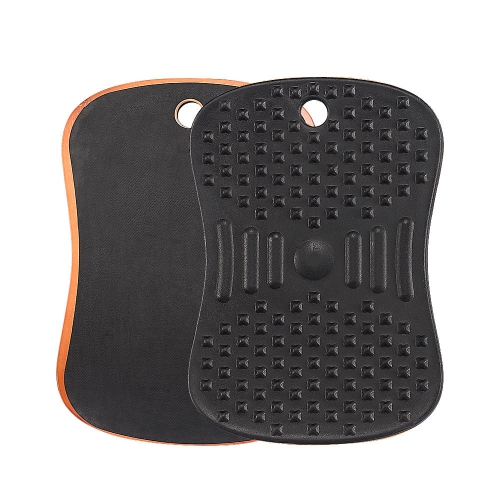
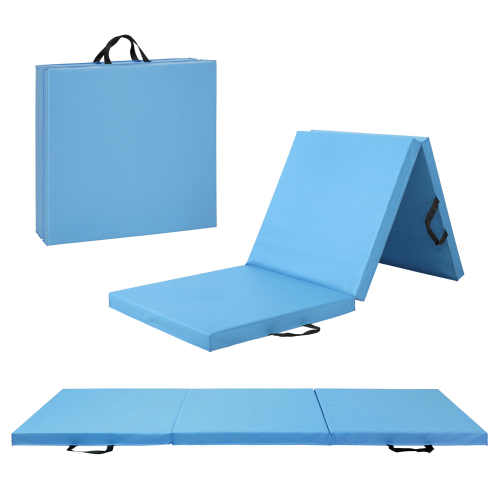
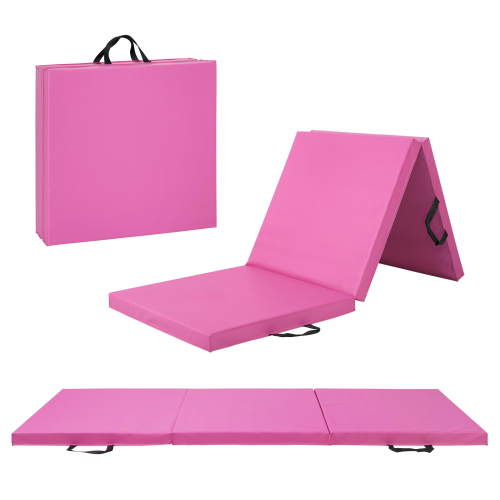
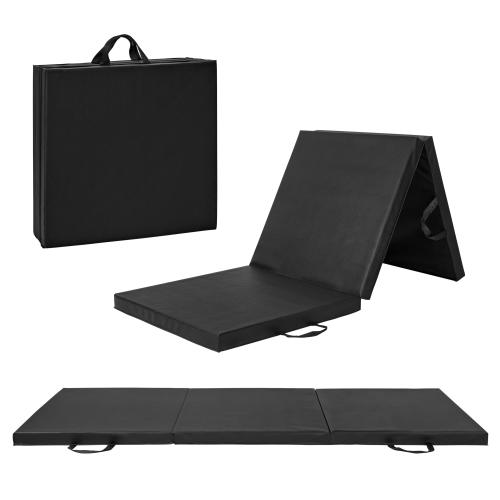
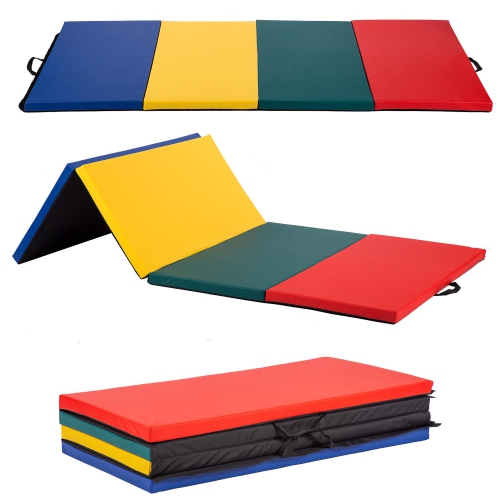
The layout of an exercise area influences flooring choices just as much as the workout itself. Interlocking tiles can define a compact corner, fit around an existing room arrangement, or form a larger surface using repeating sections. Their edges need to connect securely and remain flat, particularly where a foot lands during a lunge or a quick change of direction. Rolls can create broad coverage with fewer joins, while individual mats provide targeted coverage beneath equipment or across a smaller exercise zone. For a focused setup, Fitness Floor Mats can help define a place for floor exercises or provide a protective layer beneath a machine, depending on their intended use. Coverage needs to account for movement beyond the footprint of the equipment. A bench may occupy only a narrow strip of floor, but stepping around it, setting down dumbbells, and extending the arms during exercise all require additional room. Similarly, a stretching area needs enough clear space for the full length of the body rather than just enough surface to stand on. Flooring thickness also affects transitions at doorways, clearance beneath doors, and the height difference between the workout area and the surrounding floor. Finished or bevelled edges can make those transitions less abrupt where the flooring design allows them. The surface below matters, too: exercise flooring performs best on a clean, level base that meets the installation requirements. Uneven sections, loose tiles, and gaps can interfere with stability rather than improve it. In a shared room, a low-profile, neutral-coloured surface may blend more easily with furniture, while clearly defined sections can separate exercise space from a desk or seating area. Under a treadmill or stationary bike, flooring should be rated to carry the machine and user without excessive compression. Some materials can reduce transmitted vibration and soften equipment noise, but they do not eliminate sound or increase a building’s load capacity. Heavy equipment and repeated impacts still require consideration of the supporting floor, especially in an upper-level room or shared building.
Day-to-day care helps exercise flooring remain comfortable, tidy, and dependable through repeated use. Dust, grit, and small debris can collect in textured surfaces and tile joins, so routine cleaning matters even in a workout area used only a few times a week. Sweat and spills are easier to manage when they are removed promptly rather than left along seams or beneath equipment. Cleaning methods vary by material: some surfaces tolerate a damp mop and a mild cleaner, while others require more limited moisture or specific cleaning products. Manufacturer care directions are important because harsh chemicals, abrasive tools, and unsuitable treatments can affect texture, colour, or grip. Water-resistant flooring is not necessarily waterproof as a complete installation, since liquid can pass through joins and become trapped underneath. Removable sections may allow occasional inspection of the base floor, provided lifting and replacing them is consistent with the installation method. Compatibility with the original floor is another consideration. Some rubber materials, backing compounds, or adhesives can discolour certain finishes, making the specified installation method and any approved barrier layer worth checking before placement. Durability shows up in ordinary details: edges that stay aligned, a surface that resists permanent dents, and material that holds its shape beneath the intended load. A chair rolling across foam, equipment dragged into position, or narrow machine feet pressing into a soft tile can cause wear that the surface was not designed to handle. Rubber may also have an initial odour, with intensity and duration varying by formulation; ventilation and the manufacturer’s preparation guidance can help when setting up the space. A person building a strength-training area will usually value firmness and resistance to wear, while someone practising gentle mobility exercises may place more emphasis on cushioning and comfortable floor contact. Households sharing one exercise space often need a balance of both. Well-matched exercise flooring supports those everyday routines without asking one material to serve every purpose, creating a clearly defined surface for movement that fits the room, the equipment, and the way it will be used.
Top selling and popular products
-
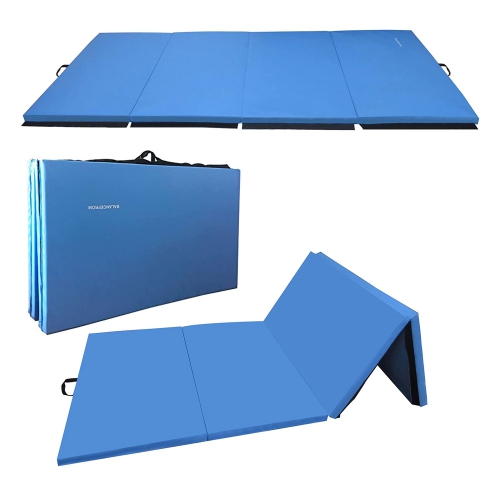 Your price for this item is $212.99
-
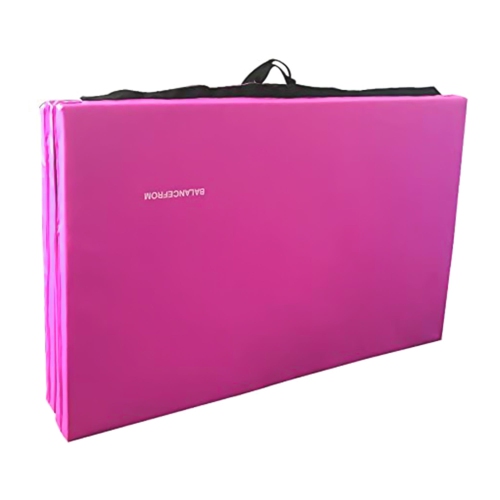 Your price for this item is $225.99
-
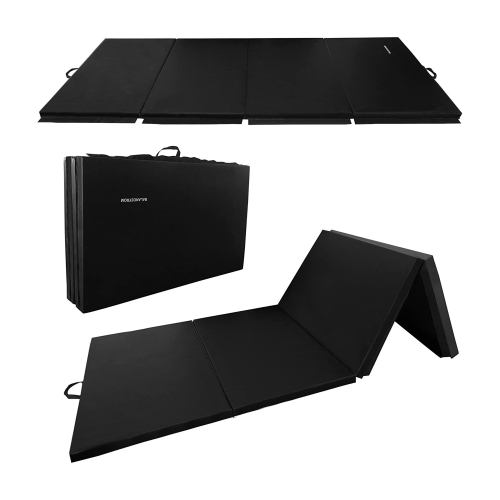 Your price for this item is $251.99
-
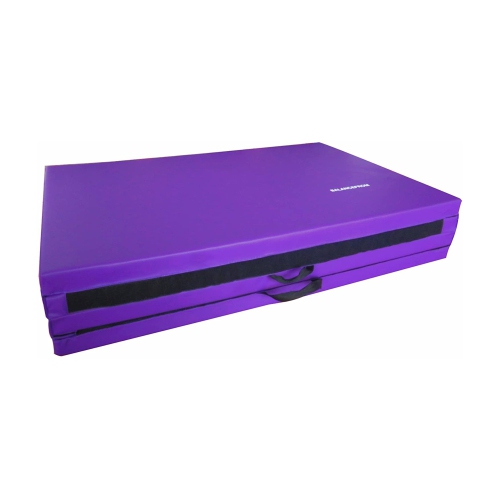 Your price for this item is $220.99
-
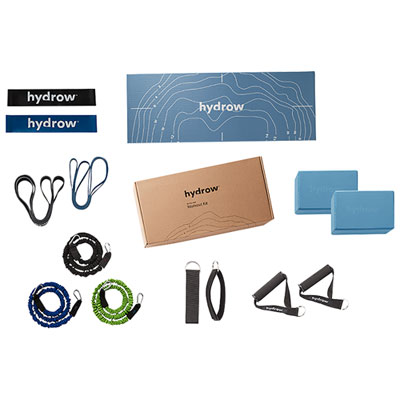 Your price for this item is $229.99
-
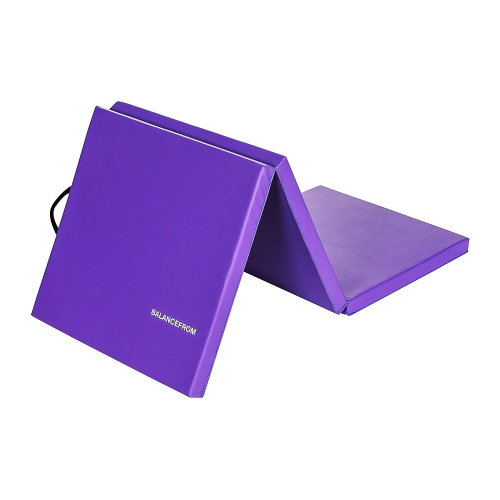 Your price for this item is $84.99
-
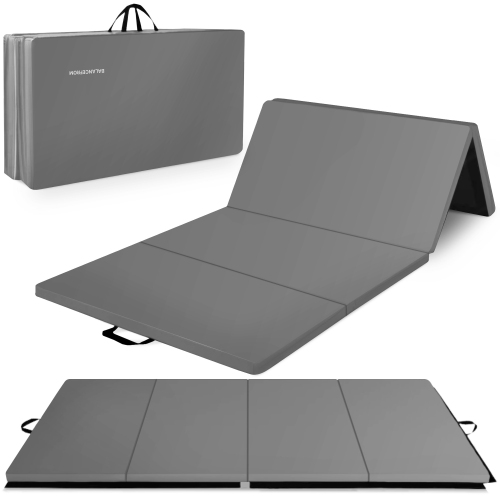 Your price for this item is $227.99
-
 Your price for this item is $259.99
Discover more categories related to Exercise Flooring
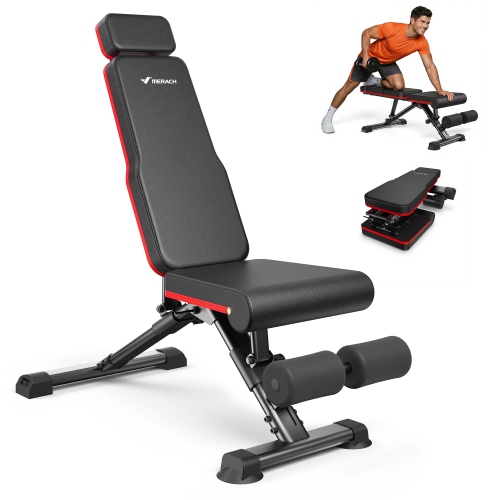

Top Collections:
Pokemon Centers, Kindle Devices, Best Budget Office Chairs, Canon G7X Cameras, Apple iPhones 16, Samsung Galaxy Phones, Refurbished Apple Laptops, Laptops for Students, iPhone 15 Apple, Budget Smartphones
Some products may be subject to Environmental Handling Fees
(EHF) depending on your province.
Learn more about EHFs.