Family Fitness Equipment
Family fitness equipment makes it easy to bring everyone together for active fun and healthy routines at home. With a variety of options designed for all ages and skill levels, you can create a convenient workout space that fits your family's needs. Explore family fitness equipment to find the perfect additions for group exercise, playful challenges, or daily activity, supporting an energetic lifestyle right in your own living room or home gym.
Sort
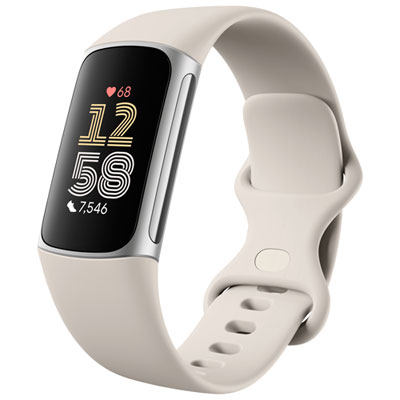
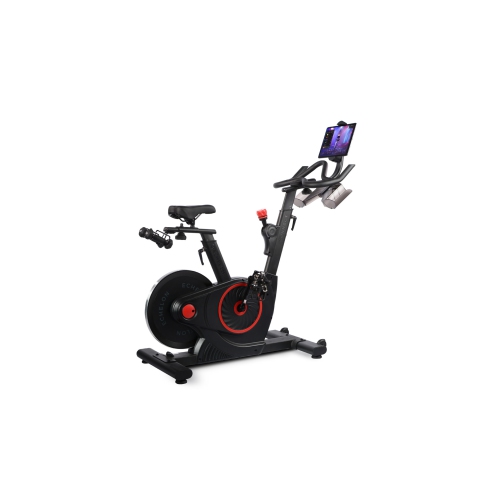
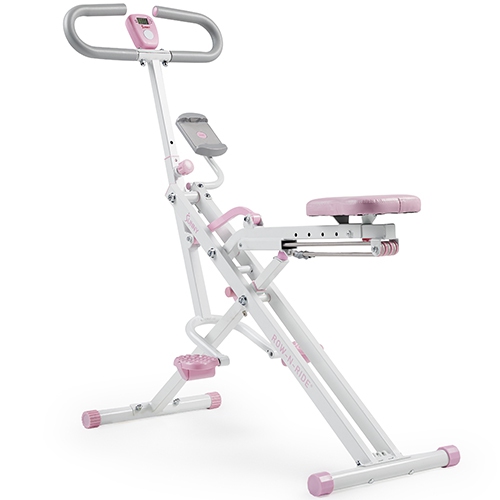
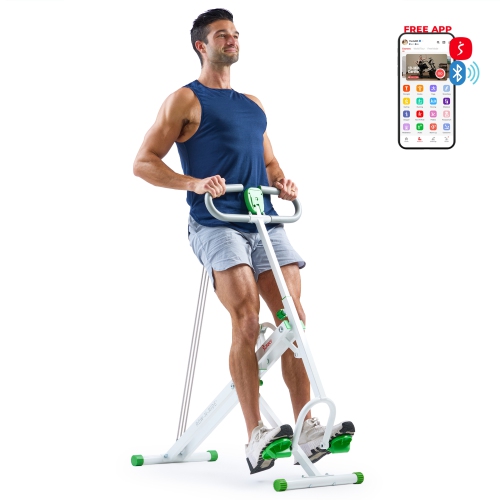


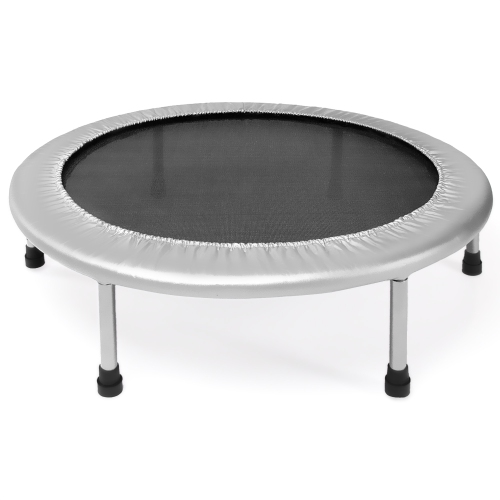

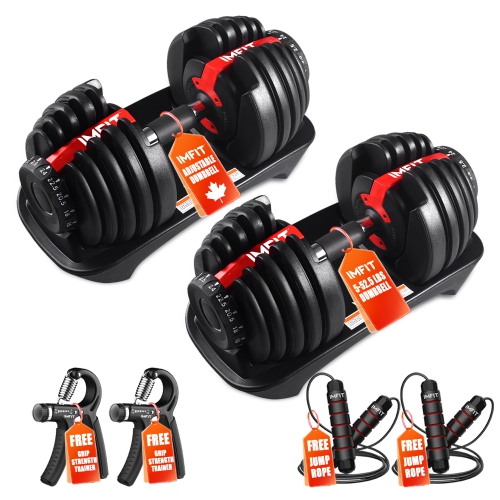
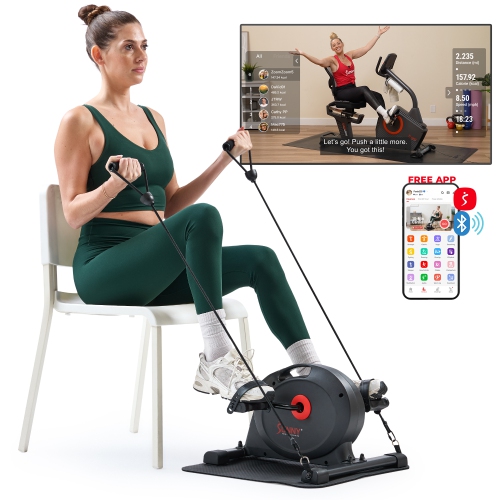
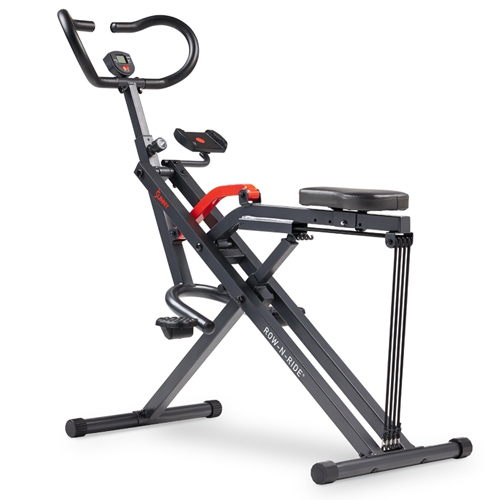


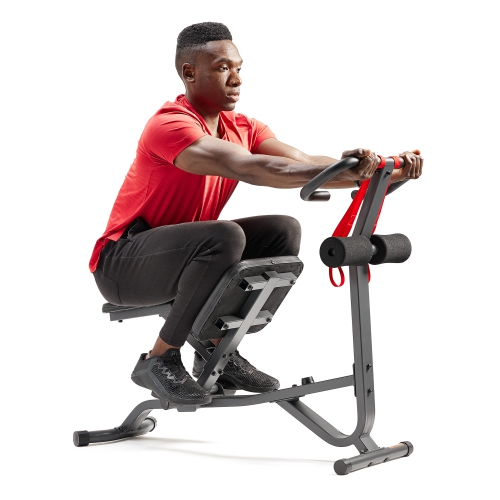

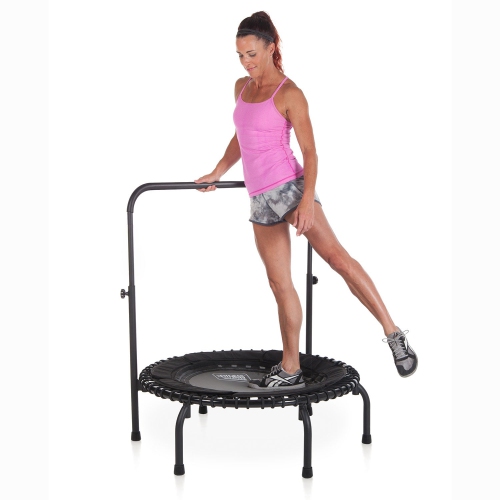
A shared workout space with room for different routines
Family fitness equipment supports a shared approach to movement at home, with room for different goals, abilities, and routines. A useful family setup is not necessarily a room filled with large machines; it can be a flexible collection of equipment for strength training, cardiovascular exercise, stretching, and floor-based movement. Resistance bands, exercise mats, and adjustable weights offer different ways to train without dedicating the entire room to one activity, while a cardio machine can provide a consistent place for an adult’s regular workouts. Versatility matters because household members rarely need exactly the same resistance, seating position, or exercise pace. One person might want a short strength session between work and dinner, while another prefers a longer cardio workout or a comfortable surface for stretching. Equipment with clearly marked adjustments and manageable resistance changes can make those transitions less cumbersome. Fit is particularly important for shared machines: seat height, handle reach, pedal position, and the distance between moving parts all affect whether a user can exercise comfortably within the equipment’s intended range. A machine that suits a tall adult may not adjust sufficiently for a shorter household member. Easy-to-read controls, accessible stop functions, and straightforward mounting and dismounting also deserve attention. The word “family” does not mean every piece of equipment is appropriate for every age. Adult fitness machines, heavy weights, and tensioned resistance systems should only be used by people who meet the manufacturer’s age, size, and ability requirements. Children need age-appropriate activities and supervision, rather than access to adult equipment simply because it is in a shared room. Older teenagers may be able to use suitable equipment with appropriate instruction and supervision, depending on the stated requirements. For adults returning to exercise or household members with mobility limitations, comfortable positioning and modest adjustment increments can be more relevant than a high maximum resistance. A shared fitness space works best when each person has suitable options, rather than an expectation that everyone will use the same equipment in the same way.
The practical appeal of family fitness equipment depends as much on its footprint, construction, and storage as on the exercises it supports. In a living room that doubles as a workout area, compact equipment needs a reliable place to go when the session ends. Mats that roll neatly, accessories that fit on an appropriate rack, and machines with manufacturer-designed folding mechanisms can help keep the room usable for other activities. Foldable equipment still needs its full operating space, including any required clearance around moving parts, and locking mechanisms must be secured as directed. In a dedicated basement room, ceiling height and access routes matter alongside floor area: an overhead movement, raised machine deck, or extended handle can require more space than the stored dimensions suggest. Heavy equipment may also need an assessment of floor suitability and a clear delivery and assembly route. Materials influence both the feel of a workout and the amount of care involved. Metal frames can provide a sturdy structure, but joint quality, fasteners, and the equipment’s rated limits matter more than a substantial appearance alone. Textured handles may improve grip, while padded contact points can make seated or supported movements more comfortable. Exercise mats vary in thickness and firmness; a softer surface may feel comfortable during floor exercises, whereas standing movements need stable footing rather than excessive cushioning. Protective flooring should be suitable for the machine or activity, since a soft exercise mat is not automatically an appropriate base for heavy equipment. Shared use also makes cleaning and inspection part of everyday ownership. Sweat should be removed from contact surfaces using methods approved for the material, and equipment should be allowed to dry before storage. Resistance bands need checks for cracks, tears, and other damage; cables, upholstery, and fasteners also benefit from routine inspection according to the manufacturer’s instructions. Storage is a safety consideration, not just a tidiness preference. Weights should sit securely on suitable supports, cords should not cross walkways, and small accessories should remain out of reach of young children when not in use.
Durability becomes especially noticeable when several household members use the same equipment throughout the week. A comfortable grip, stable adjustment mechanism, and readable position markings can matter more in daily use than an extensive list of features that rarely gets used. Weight capacities, resistance ranges, maintenance requirements, and the manufacturer’s intended usage help distinguish equipment suited to a particular household’s routine. A high stated capacity does not, by itself, confirm that a machine is designed for prolonged or continuous use, and household equipment should not be assumed to have commercial-use ratings. For families considering a dedicated training room, the related Professional Fitness Equipment collection offers another selection to explore, with individual specifications remaining central to suitability. Connected features can add convenience when they support the way people actually exercise. Separate user profiles may help household members keep their settings and activity records apart, while straightforward manual controls can suit anyone who prefers to begin without signing into an account. Where connected functions are included, compatibility, Wi-Fi requirements, and whether essential controls work independently are useful considerations. Noise also affects shared use: motor sound, moving components, and the impact of exercise can carry into nearby rooms, especially when one person trains while another studies or works. Appropriate placement and flooring may help manage vibration, but they do not make every machine quiet. As a gift, fitness equipment is most meaningful when it reflects the recipient’s interests and available space, rather than suggesting a fitness goal they have not chosen. Compact accessories can suit someone who already enjoys home workouts, while larger equipment calls for agreement about dimensions, assembly, and who will use it. Across a household, the lasting value of family fitness equipment comes from comfortable fit, dependable construction, sensible care, and a place in routines people genuinely enjoy. A thoughtfully arranged space can accommodate individual sessions and time spent exercising together without requiring everyone to follow an identical workout.
Top selling and popular products
-
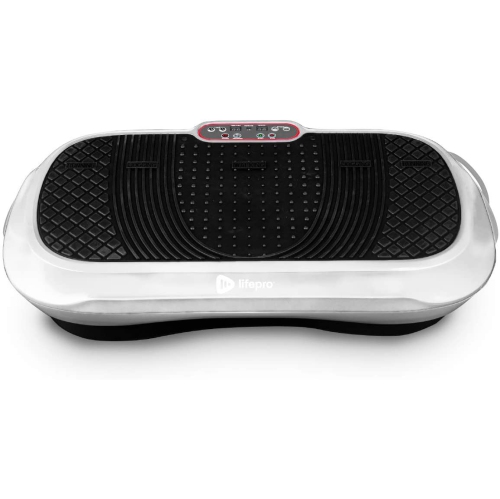 Your price for this item is $233.99
-
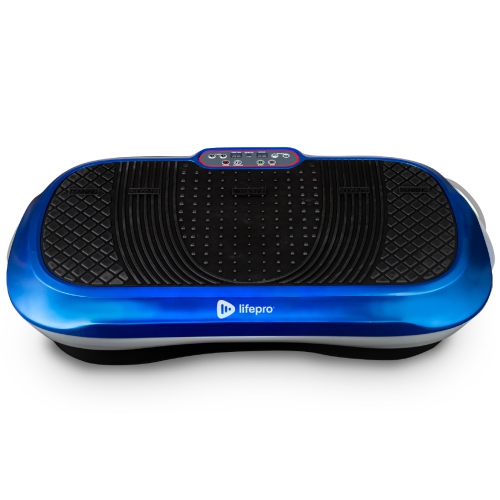 Your price for this item is $207.99
-
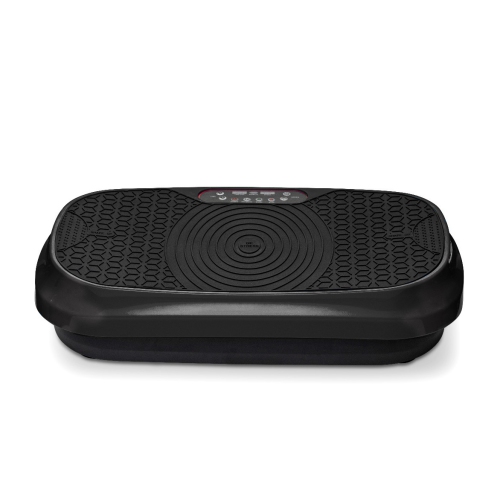 Your price for this item is $169.99
-
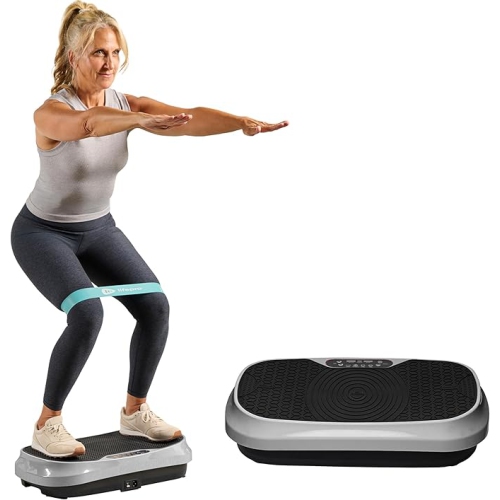 Your price for this item is $179.99
-
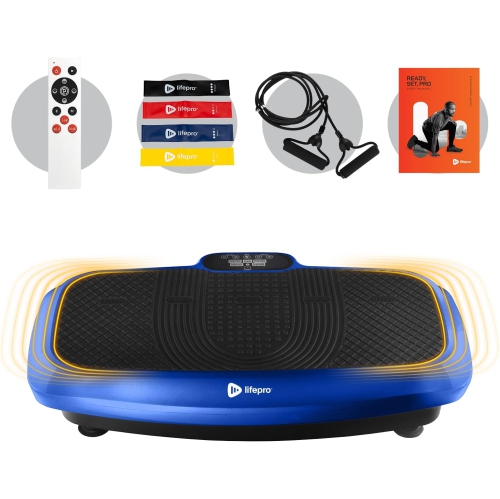 Your price for this item is $288
-
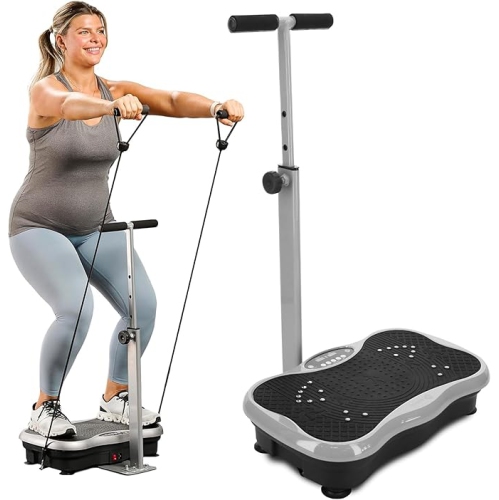 Your price for this item is $151.99
-
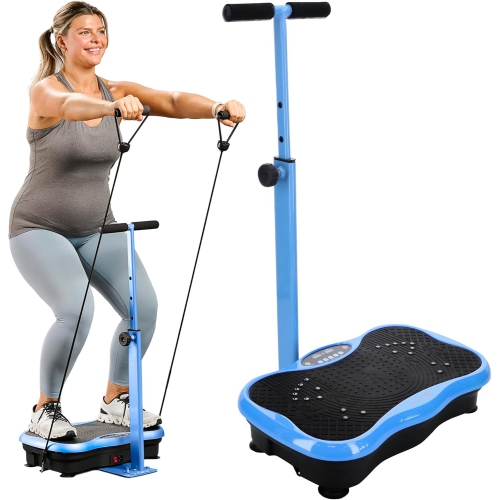 Your price for this item is $161.49
-
 Your price for this item is $119.99
Discover more categories related to Family Fitness Equipment

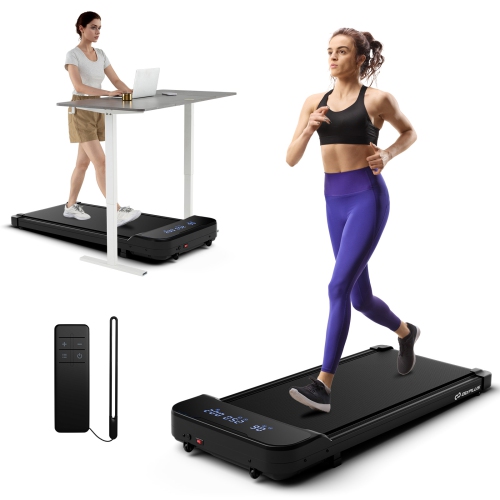
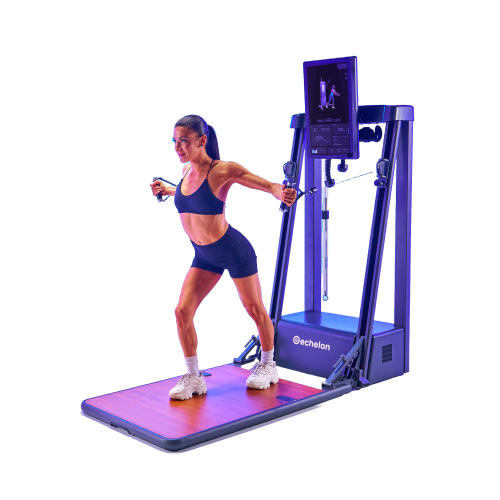
Top Collections:
Pokemon Centers, Kindle Devices, Best Budget Office Chairs, Canon G7X Cameras, Apple iPhones 16, Samsung Galaxy Phones, Refurbished Apple Laptops, Laptops for Students, iPhone 15 Apple, Budget Smartphones
Some products may be subject to Environmental Handling Fees
(EHF) depending on your province.
Learn more about EHFs.