Home Fitness Equipment
Achieve your workout goals from the comfort of your own space with home fitness equipment designed to fit your lifestyle. Whether you're looking to set up a dedicated gym or add a few key pieces to your routine, discover a wide selection of options to help you stay active and motivated. Find everything you need to support strength training, cardio, flexibility and more, all in one convenient place. Explore the latest in home fitness equipment and take the next step toward building your ideal workout environment.
Sort
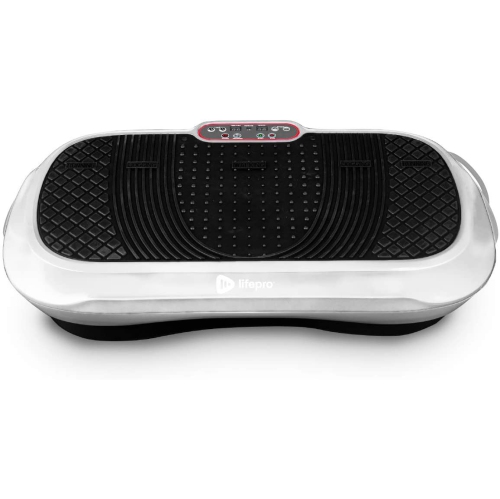
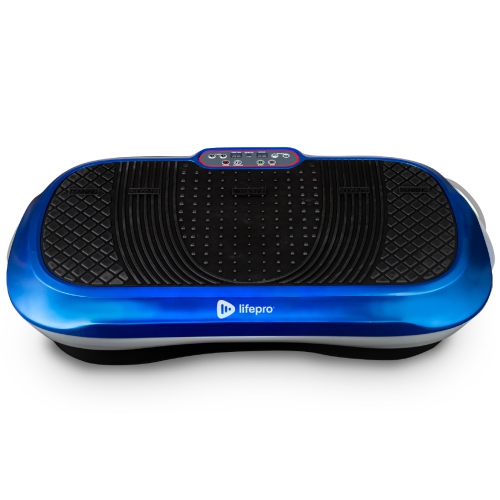


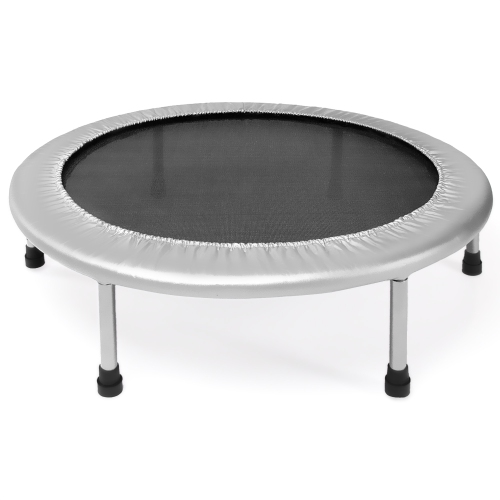

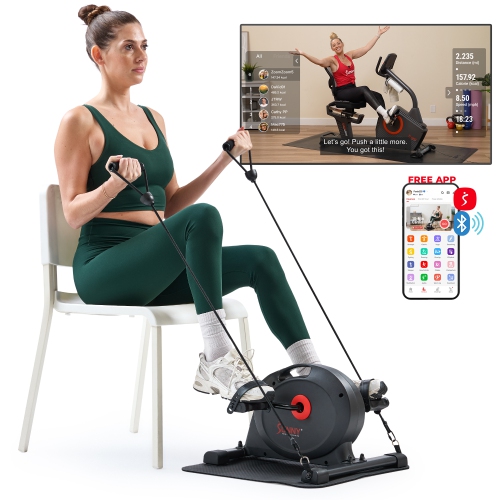
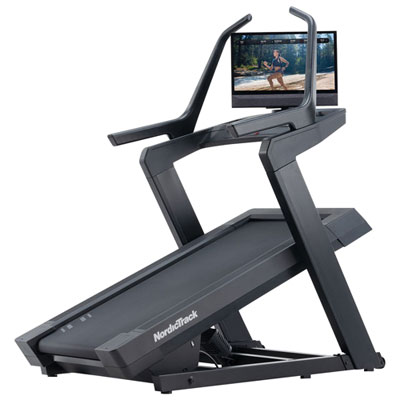

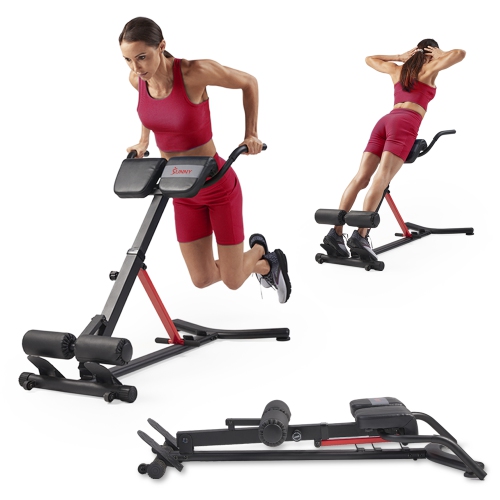
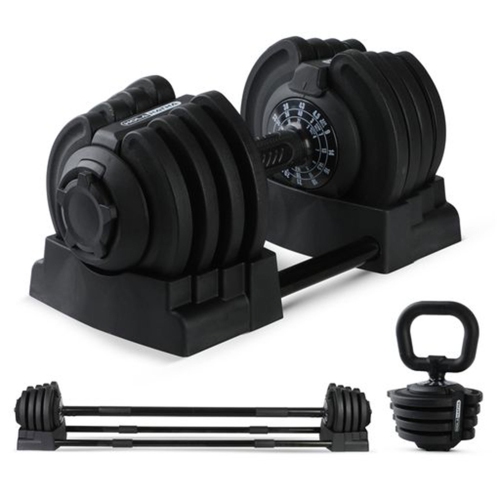

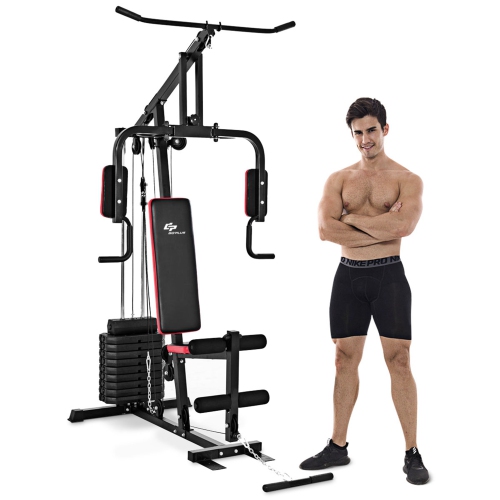
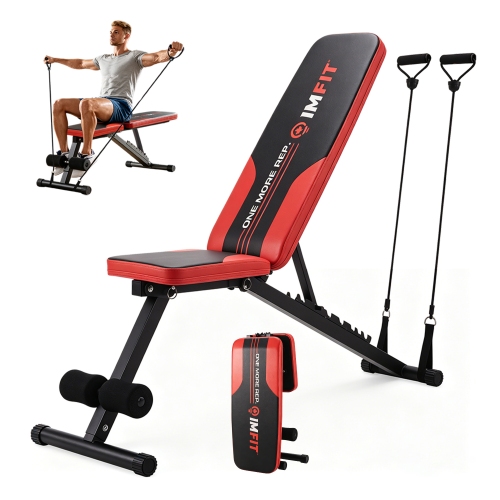
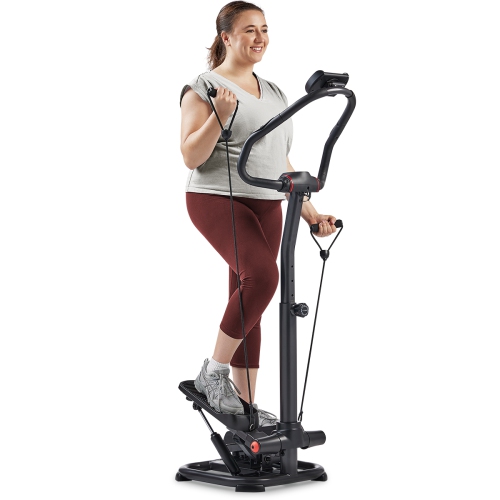

A workout setup that fits your space and routine
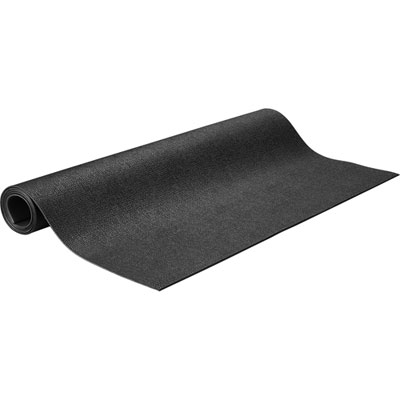
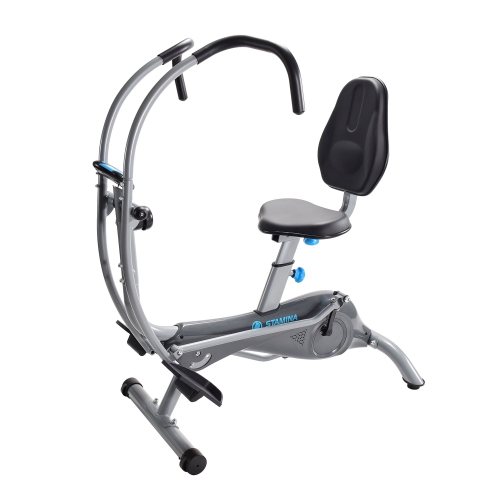
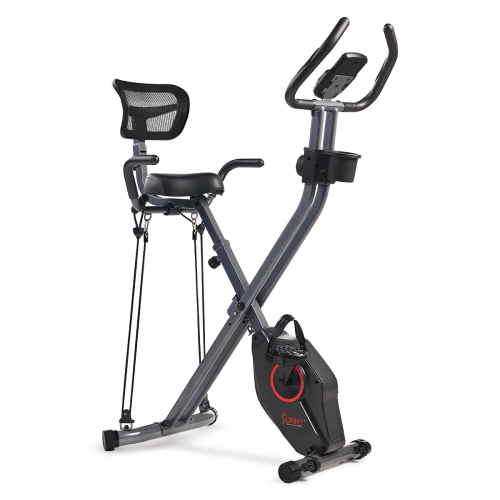
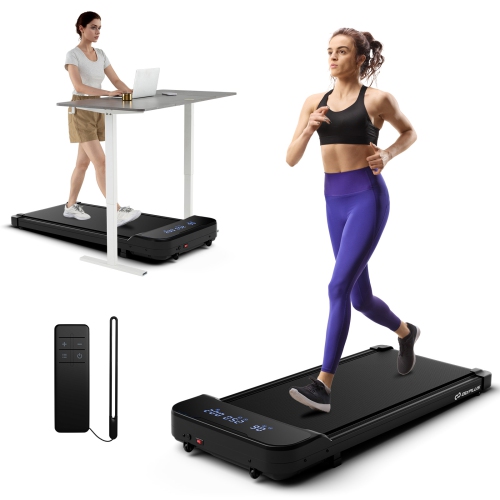
Home fitness equipment supports cardio, strength training, mobility, and everyday movement without requiring a dedicated gym room. A useful setup can be as simple as an exercise mat and resistance bands, or as substantial as a treadmill, exercise bike, and strength-training station. The right combination depends on the activities you enjoy, the space you can use comfortably, and whether the equipment will serve one person or several members of a household. Cardio equipment offers different ways to keep moving: treadmills support walking and running, stationary bikes provide seated pedalling, ellipticals use a guided striding motion, and rowing machines combine a seated leg drive with pulling movements. How a machine fits your body matters as much as its footprint. Adjustable seats and handlebars can help different users find a comfortable position, while a treadmill’s belt dimensions should accommodate the intended walking or running stride. Maximum user weight, adjustment ranges, and the manufacturer’s intended use are important details when comparing equipment for shared use. Space planning also extends beyond the dimensions shown for the machine itself. Moving pedals, a rowing seat that slides backwards, and room to get on and off all require clearance. Ceiling height matters for equipment that raises the user above floor level, especially when standing or reaching overhead. In an apartment or shared home, motor sound, foot strikes, and vibration can affect nearby rooms; a suitable equipment mat may help protect flooring and reduce some vibration, but it cannot make every workout silent. Folding designs and transport wheels can make a multipurpose room easier to use, although the folded dimensions and the effort needed to move the equipment deserve attention. A machine that folds vertically may still be heavy or awkward to manoeuvre through a doorway. Keeping the workout area clear of furniture, cords, and loose objects helps make regular sessions more practical, whether that means a short walk between tasks or a longer training session.
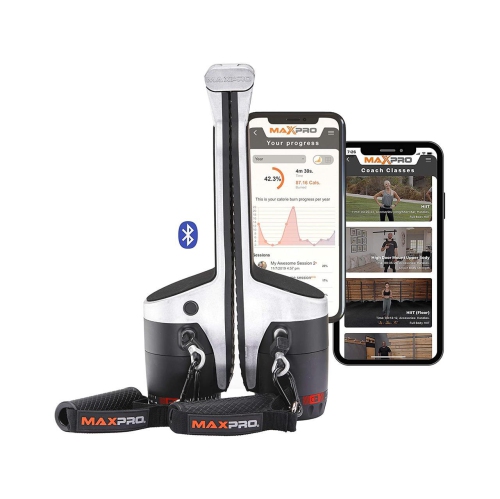
Strength-training equipment ranges from compact free weights and resistance bands to benches, racks, and multi-station home gyms. Each format suits a different style of exercise. Dumbbells and kettlebells allow a wide variety of movements with relatively little setup, while an adjustable bench adds support for seated, inclined, and lying exercises. Resistance bands are easy to store and can provide different levels of tension, though their resistance changes as they stretch and is not directly interchangeable with a fixed weight. Larger home gyms may combine several exercises within one frame, using a weight stack, cables, or another resistance system. Their convenience depends partly on how easily the seat, handles, and resistance can be adjusted between exercises or users. For progressive strength training, manageable increments are useful: a large jump between resistance levels can make it harder to increase the challenge gradually. Materials and construction affect both feel and upkeep. Steel frames, secure fasteners, stable bases, and smooth adjustment mechanisms contribute to a solid training surface. Rubber-coated weights can soften contact with some surfaces, but they still require careful handling and appropriate floor protection. Textured metal handles provide grip, while padded handles offer a different feel; comfort depends on hand size, grip preference, and the exercise. Bench upholstery should be easy to wipe down, with supportive padding and seams that stand up to repeated use. Weight ratings need to be read carefully because a bench’s stated capacity may include both the user and the weight being lifted. Storage is another practical consideration, particularly where children or pets share the space. A stable rack or designated storage area keeps weights out of walkways, and wall-mounted storage or anchored equipment must be installed according to the manufacturer’s requirements. Bands, cables, clips, and adjustment pins also need regular inspection for wear or damage. A frayed cable, cracked band, or loose fastener is a reason to stop using the affected equipment until it has been addressed, rather than trying to work around it.
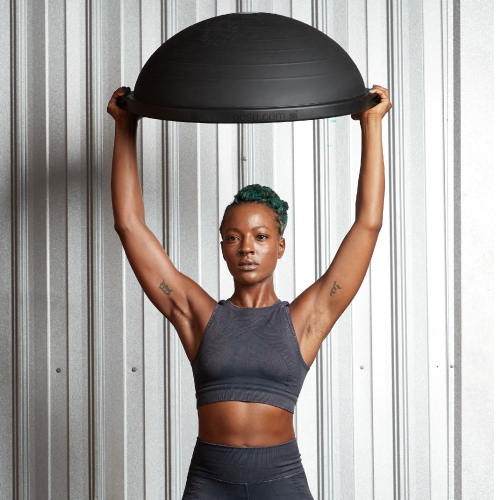
Exercise mats, balance equipment, and mobility accessories can round out a home workout area without dominating the room. Mat thickness and surface texture influence comfort and stability: extra cushioning may feel better beneath knees and elbows during floor exercises, while a firmer surface can feel steadier for standing movements. The mat should suit both the activity and the flooring beneath it, with enough room to extend arms and legs without catching nearby furniture. Compact equipment can be especially useful for people fitting movement around work, caregiving, or limited living space. For a workspace, Office Fitness Equipment includes options suited to adding movement near a desk, where leg clearance, desk height, and a stable working position are particularly relevant. Connected home fitness equipment adds another set of considerations, such as display readability, compatible devices, connection requirements, and whether core functions work without a companion app. Built-in workout programmes and activity tracking may appeal to someone who enjoys structure, while straightforward controls may be preferable for a user who wants to start exercising without navigating several screens. Equipment intended for several people benefits from simple adjustments and clearly readable settings. For someone returning to exercise or managing an injury, a qualified health professional can help identify suitable activities before equipment is chosen. Fitness equipment can also make a thoughtful gift when the recipient has expressed an interest in a particular activity, especially when the size, fit, and intended use are already understood. Long-term care is usually straightforward but should follow the manufacturer’s directions: wipe contact surfaces with an appropriate cleaner, allow mats and upholstery to dry, and keep moving parts free of dust and debris. Motorized equipment may require scheduled maintenance and disconnection from power before cleaning or servicing. A tidy, accessible setup with equipment that feels comfortable to use is more inviting than a crowded room of machines that rarely leave their storage position.
Top selling and popular products
-
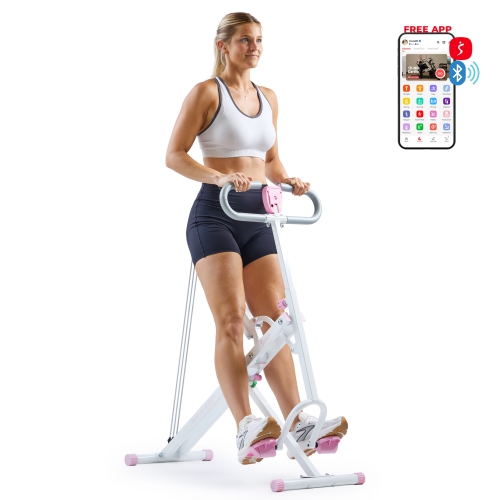 Your price for this item is $179.95
-
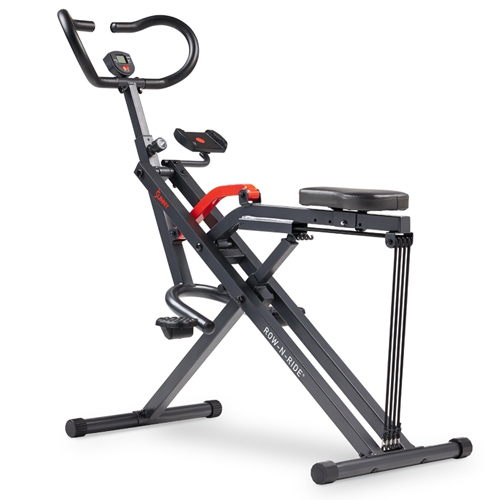 Your price for this item is $249.95
-
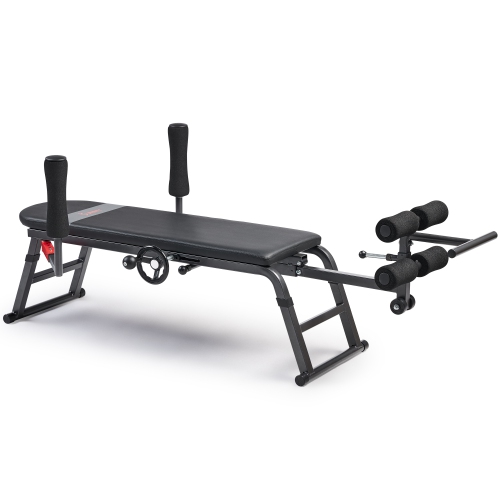 Your price for this item is $419.99
-
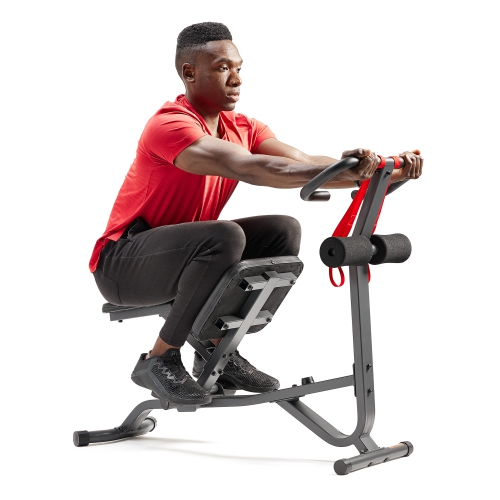 Your price for this item is $419.99
-
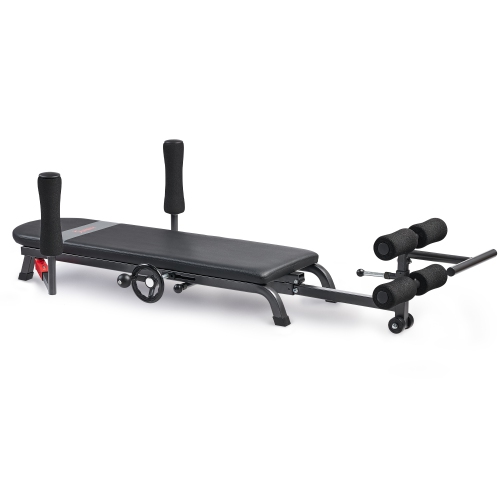 Your price for this item is $369.99
-
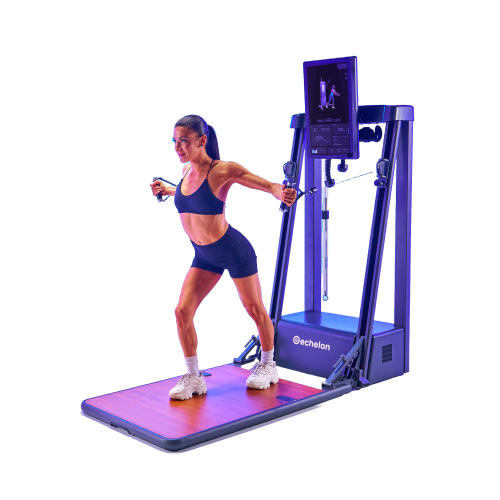 Your price for this item is $4109.99
-
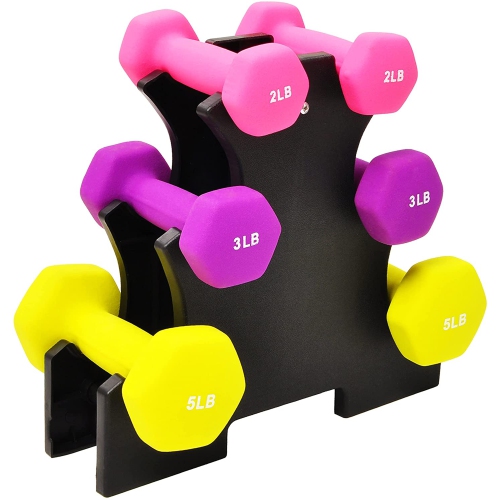 Your price for this item is $90.99
-
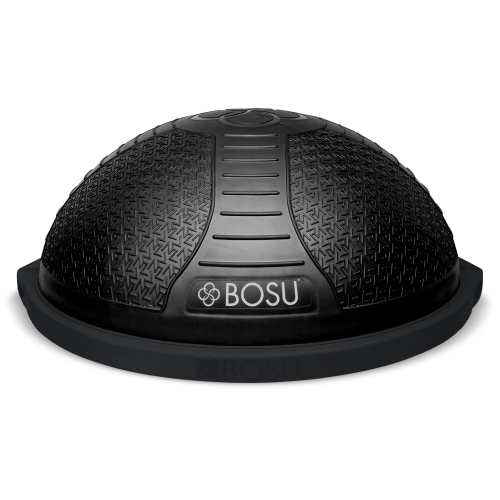 Your price for this item is $481.99
Discover more categories related to Home Fitness Equipment
Top Collections:
Pokemon Centers, Kindle Devices, Best Budget Office Chairs, Canon G7X Cameras, Apple iPhones 16, Samsung Galaxy Phones, Refurbished Apple Laptops, Laptops for Students, iPhone 15 Apple, Budget Smartphones
Some products may be subject to Environmental Handling Fees
(EHF) depending on your province.
Learn more about EHFs.