Fitness Gifts for Weight Training
Fitness gifts for weight training are the perfect way to inspire and support anyone on their strength journey. Whether shopping for a dedicated athlete or someone just starting out, these thoughtful options help elevate every workout routine. From versatile training accessories to essential gear, discover fitness gifts for weight training that encourage motivation and progress in the gym or at home. Give the gift of strength and confidence with choices designed to fit every level and goal.
Sort




The right lifting gifts fit their routine
Fitness gifts for weight training include strength equipment, lifting accessories, gym bags, and tools for post-workout comfort. The most useful options suit the recipient’s routine, whether that means a few carefully planned sessions at home, regular visits to a gym, or strength work alongside another sport. Someone building a first workout space may appreciate versatile equipment that supports several movements, while an experienced lifter may get more use from an accessory that improves the feel or organization of an established routine. Free weights support exercises ranging from presses and rows to squats and loaded carries, but their suitability depends on the person’s strength, technique, and training goals. Adjustable designs can bring several resistance levels into a smaller footprint, while fixed-weight designs offer straightforward handling without settings to change between sets. Comfortable handles, secure locking mechanisms, and clearly marked weight increments are practical details that matter through repeated use. Metal construction provides a solid feel, while rubber or urethane coatings can help reduce contact noise and protect equipment surfaces; coated weights still need careful placement rather than dropping. Where bars and weight plates are involved, matching dimensions and compatible collars are essential, since not every plate fits every bar. A training bench introduces another set of considerations: a stable base, supportive padding, secure adjustment points, and a stated capacity that accounts for both the user and the load. Home training also calls for enough clear space to move, lift, and put equipment down safely. Protective flooring can soften contact and help define a workout area, although it does not replace checking whether the underlying floor is suitable for the intended load. For shared rooms, compact storage and equipment that can be moved safely make everyday use more manageable. Durable finishes, accessible surfaces for wiping down, and storage away from moisture help keep frequently handled equipment in good condition. A gift that fits the room as well as the routine is more likely to become part of regular training.
Smaller lifting accessories make personal gifts because their usefulness often comes down to fit, feel, and the movements a person already practises. Lifting belts, wrist wraps, and lifting straps serve different purposes rather than acting as interchangeable forms of support. A lifting belt gives the wearer a surface to brace against during certain loaded movements; it is not a substitute for learning technique or selecting a manageable weight. Leather designs tend to feel firm and may need time to soften, while padded fabric designs can feel more flexible against the body. Belt width, thickness, closure style, and the manufacturer’s sizing method all influence comfort, particularly when moving between standing and bent positions. Wrist wraps provide adjustable compression around the wrist for some pressing movements, whereas lifting straps connect the hands to a bar or handle to help when grip becomes a limiting factor during pulling exercises. Their value depends on the exercise and the lifter’s goals, since developing grip strength may also be part of the routine. Soft woven straps, reinforced stitching, and smooth edges can make a noticeable difference during repeated sets. Training gloves offer another approach to hand comfort, with palm coverage and padding that vary by design. A close fit helps prevent bunching, but fingers and wrists still need room to move naturally. Breathable panels and materials that can be cleaned according to the care label are helpful for accessories worn against sweaty skin. Chalk can improve contact on some lifting surfaces, although gym rules and cleanup requirements differ, making it a more routine-specific gift. Hand-training accessories may suit someone who wants dedicated grip practice, provided the resistance matches their ability rather than forcing uncomfortable repetitions. For any wearable accessory, measurements are more dependable than assumptions based on clothing size. After use, allowing fabric and leather pieces to dry fully before storage helps manage odour and wear. Stitching, closures, and contact surfaces also deserve regular checks, especially where an accessory carries tension during a lift.
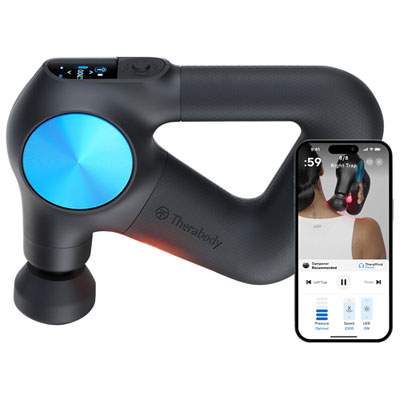
Gifts that support the time before and after a workout can be just as relevant as equipment used during a set. A gym bag with separate areas for footwear, clothing, and small accessories helps someone move between work and training without having to empty the entire bag to find a wrist wrap. Wide openings, comfortable straps, reinforced seams, and a wipeable lining are useful details for a bag that regularly meets locker-room floors and busy change rooms. Ventilated sections can help separate damp clothing during the trip home, though unpacking and drying the contents remains important. Drink containers with secure lids and openings that are easy to clean suit regular gym use, while washable towels add a practical touch without requiring knowledge of someone’s lifting numbers. For post-workout comfort, foam rollers and handheld massage tools offer different sensations and levels of control. A broad, smooth roller generally distributes pressure differently from a deeply textured surface, and a handheld tool allows more targeted use. Comfort is individual, so the firmest texture or strongest setting is not automatically the best match. These accessories are intended for general comfort and do not replace assessment of persistent pain or an injury. Simple workout logs can also suit strength training, giving the recipient a place to record exercises, repetitions, loads, and how a session felt. Someone who enjoys seeing steady progress may value that record as much as another piece of equipment. The Gifts for Weightlifters collection offers another way to explore this gift theme, with the recipient’s habits providing a useful starting point. For a person who carries everything to a gym, portability and washable materials matter; for someone with a dedicated training space, storage dimensions and compatibility may carry more weight. A birthday, personal milestone, or simple gesture of encouragement can all be fitting occasions. The strongest connection comes from recognizing what the person already enjoys, whether that is a neatly organized workout corner, the familiar rhythm of barbell sessions, or a short strength routine that fits into a busy day.
Top selling and popular products
-
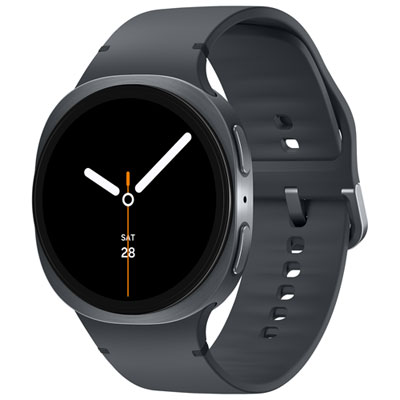 Your price for this item is $399.99
-
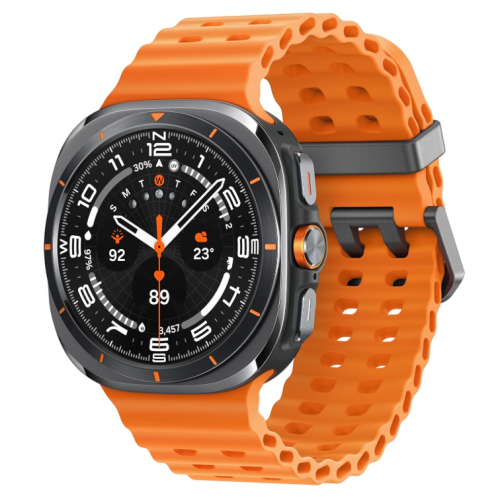 Your price for this item is $579.99
-
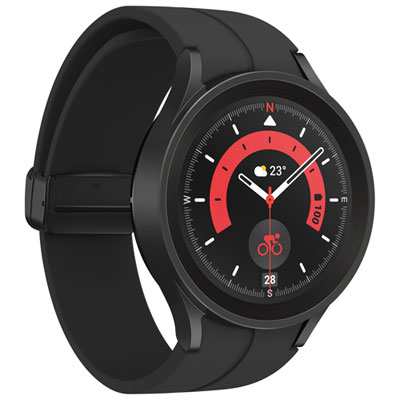 Your price for this item is $629.97
-
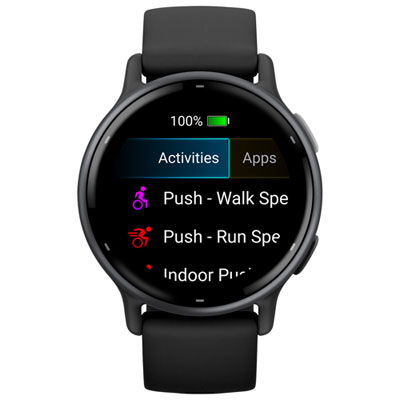 Your price for this item is $349.99
-
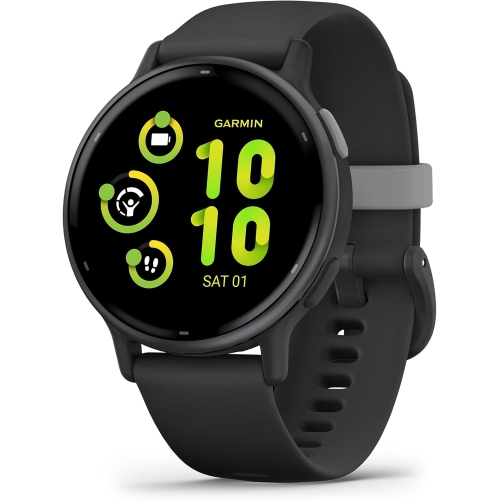 Your price for this item is $371.79
-
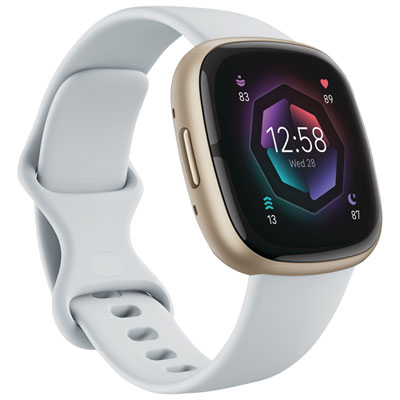 Your price for this item is $329.99
-
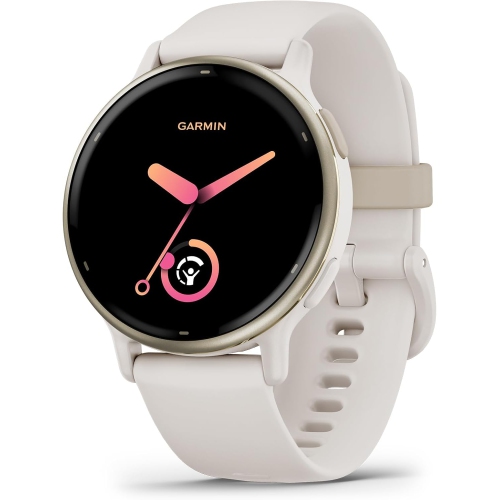 Your price for this item is $323
-
 Your price for this item is $659.99
Discover more categories related to Fitness Gifts for Weight Training


Top Collections:
Pokemon Centers, Best Cameras for Sports Photography, Kindle Devices, Samsung Galaxy Phones, Canon G7X Cameras, Pokémon 30th Celebration Cards, Refurbished Apple Laptops, iPhone 15 Apple, Laptops for Students, Budget Smartphones
Some products may be subject to Environmental Handling Fees
(EHF) depending on your province.
Learn more about EHFs.