Full Spectrum Light Therapy Lamps
Full Spectrum Light Therapy Lamps offer a convenient way to bring bright, balanced light into your home or workspace. Designed to enhance your environment, these lamps provide an easy solution for those seeking more vibrant lighting throughout the day. Explore a wide selection of Full Spectrum Light Therapy Lamps to find the perfect fit for your needs, whether you're looking to brighten up a room or create a focused area for reading and working. Discover options with various styles and settings to complement any space and support your daily routine.
Sort






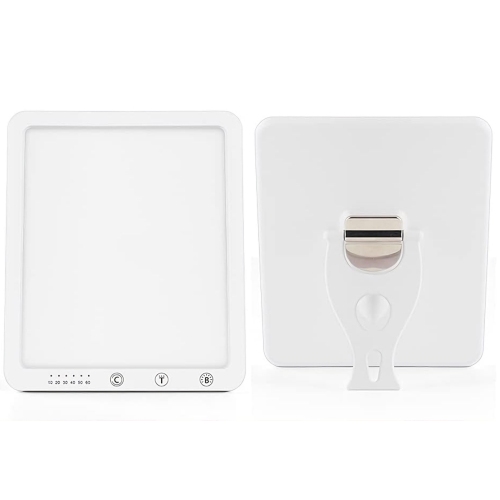
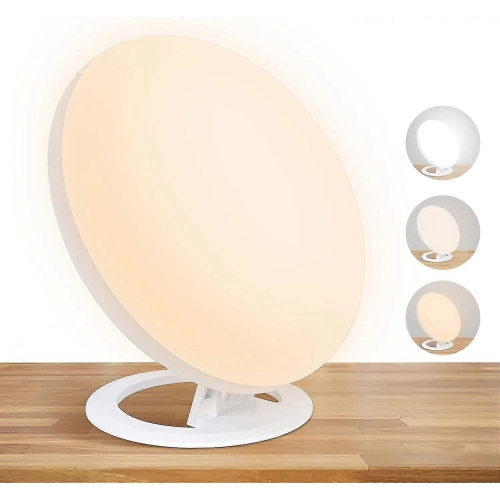


Why brightness and distance matter for light therapy
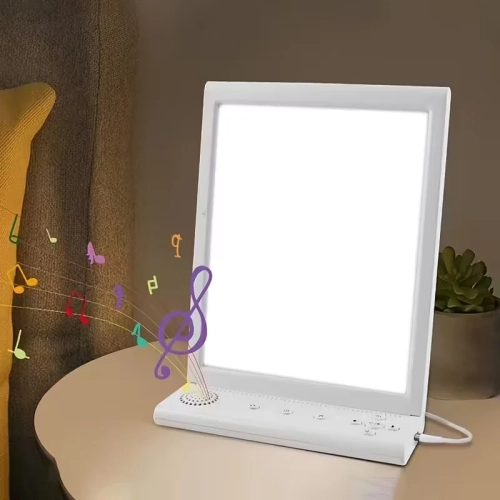
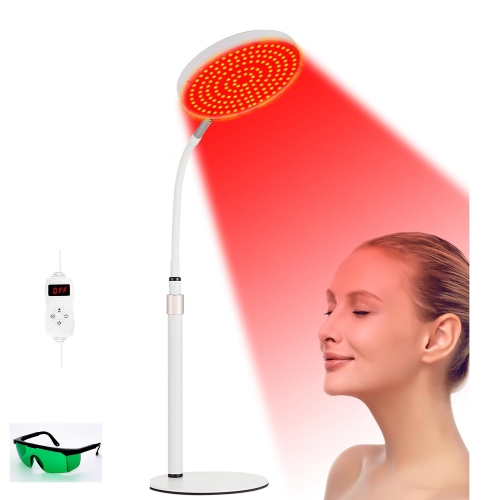
Full-spectrum light therapy lamps provide bright visible light for planned light exposure at home or in a workspace. Bright-light therapy may help improve symptoms of seasonal affective disorder (SAD) and support sleep–wake timing when used appropriately, although the effect depends on the lamp’s output, exposure distance, timing, and individual needs. These lamps are often considered when reduced daylight affects daily routines, but they are distinct from ordinary desk lamps and decorative lighting. The term “full spectrum” generally describes light spanning a broad range of visible wavelengths; it does not, by itself, establish that a lamp delivers an effective light therapy session. For therapeutic use, clearly stated light intensity and ultraviolet (UV) filtration are more useful details than a daylight-inspired appearance alone. Many light therapy lamps specify an output of 10,000 lux at a particular distance. Lux measures the amount of light reaching a surface, so that distance matters: moving farther away can substantially reduce the light reaching the eyes. A compact lamp rated at close range may suit a small breakfast table, while a larger panel may offer more flexibility beside a desk. Colour temperature is a separate characteristic, describing whether the light looks warmer or cooler rather than how much reaches the user. Cooler-looking light is not automatically more effective, and full-spectrum light is not required for every form of bright-light therapy. For someone reading over breakfast or sorting paperwork at a table, the practical goal is a comfortable setup that allows the lamp to be used as directed without disrupting the activity. The eyes generally remain open during use, but there is no need to stare directly into the light. Light therapy lamps do not provide vitamin D and should not be confused with tanning lamps, heat lamps, or red-light therapy devices, which have different purposes and operating requirements.
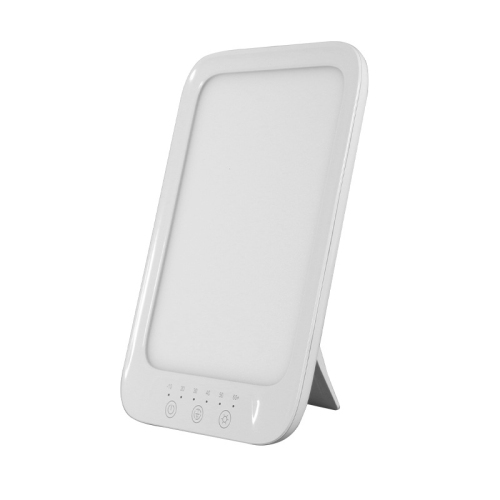
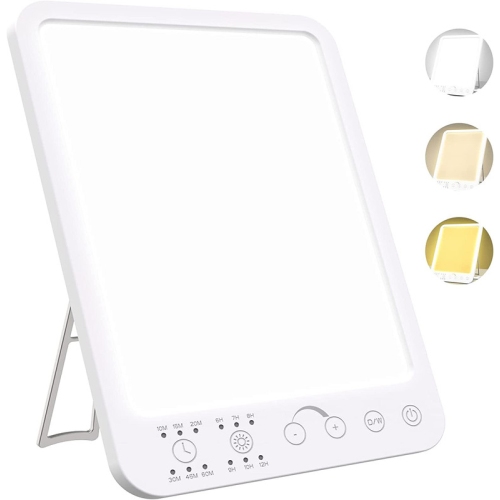
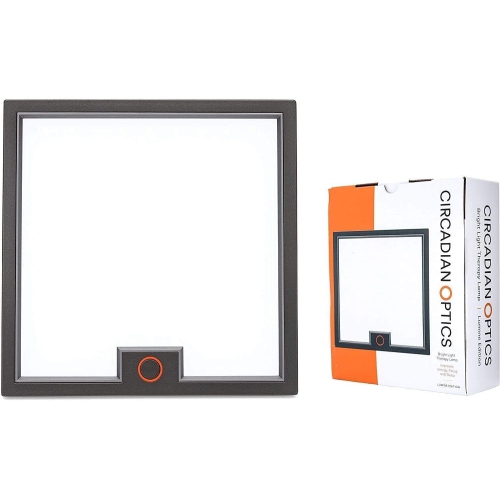
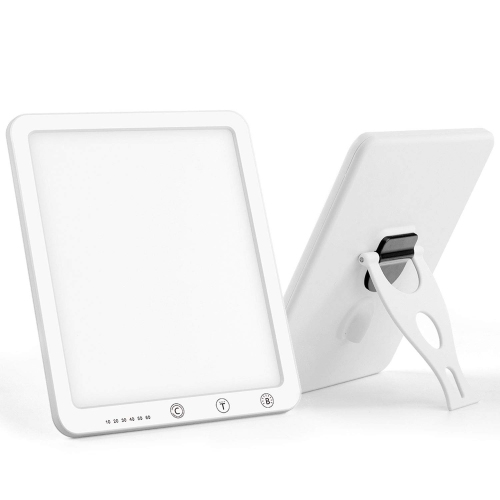
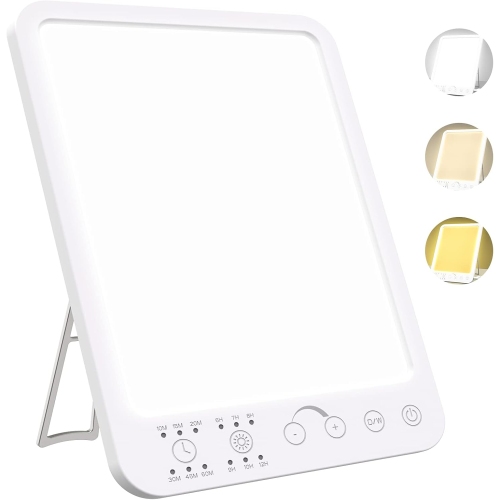
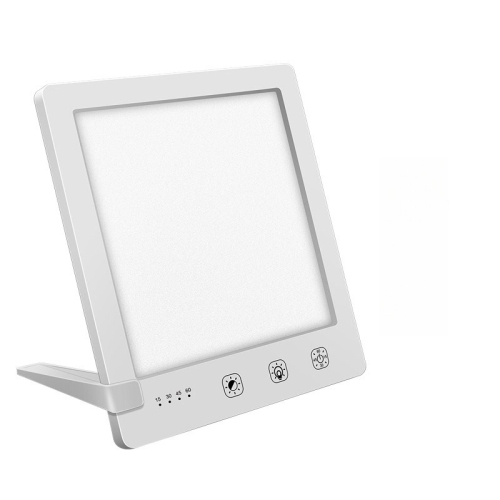
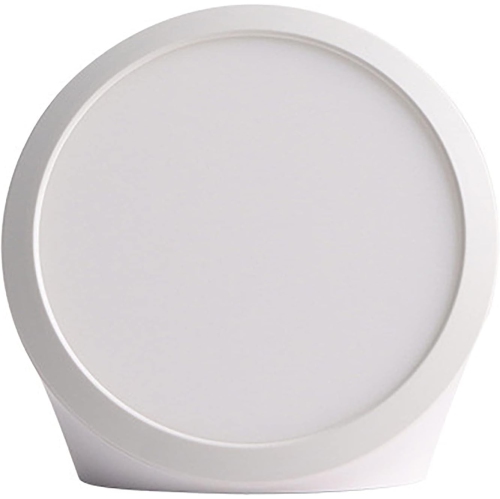
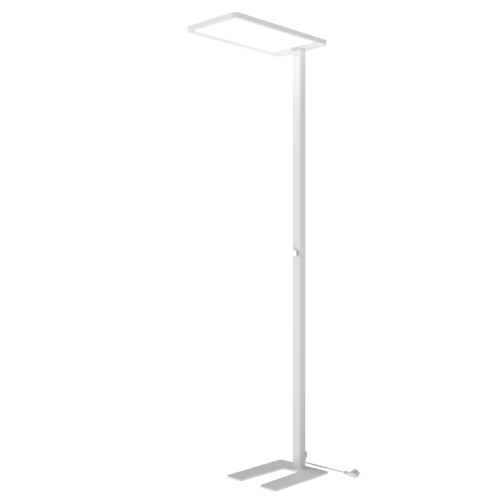
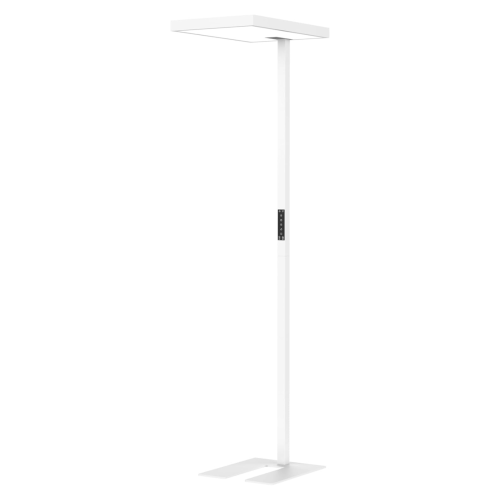
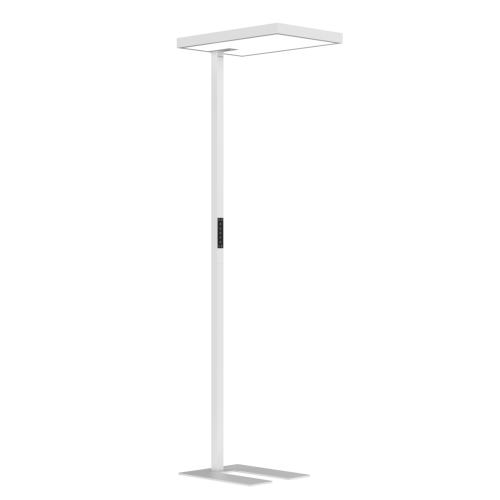
The shape and construction of a full-spectrum light therapy lamp influence how naturally it fits into a daily routine. Flat panels can sit neatly beside a monitor or notebook, while freestanding designs may provide more positioning options around a chair or table. A generous illuminated surface can make placement less restrictive, but overall dimensions, the recommended exposure distance, and the direction of the light still need to work together. A lamp that looks compact in isolation may require more usable desk space once its stand and viewing distance are taken into account. Adjustable tilt, a stable base, and controls that are easy to reach can make a noticeable difference during repeated use. Someone sharing a home office may appreciate a design that directs light towards one seating position rather than across the entire room. For a bedside table or narrow counter, base depth and cord placement may matter more than the panel’s height. Plastic housings are often lightweight and easy to move, while metal components can add rigidity; neither material alone guarantees durability. Secure hinges, a stand that holds its angle, and a smooth, firmly fitted diffuser are useful construction details to assess. The diffuser helps spread the light across the panel, although perceived comfort will still vary between users. Dimming controls can make a lamp more adaptable, but reducing brightness also changes exposure, so the selected setting should match the manufacturer’s directions for the intended use. Built-in timers can help keep sessions consistent without relying on memory, and straightforward buttons may be preferable to complicated menus for someone who values a simple routine. Power arrangements also deserve attention: cord length, adapter size, and access to a suitable outlet affect where the lamp can sit safely. A portable design can be convenient for moving between rooms, provided each location allows the specified positioning and a stable, uncluttered surface.
Full-spectrum light therapy lamps may appeal to adults seeking a structured bright-light routine, including people whose mood or sleep patterns are affected by shorter daylight hours. They can also be a thoughtful gift for someone who has already expressed an interest in light therapy, particularly when the design suits that person’s reading corner, breakfast spot, or work area. Personal comfort and health needs make this a more considered gift than an ordinary accent lamp, so a recipient’s preferences matter. Bright-light therapy is not suitable for everyone, and anyone considering it for persistent low mood, significant sleep changes, or suspected SAD should speak with a qualified health professional rather than relying on a lamp alone. Advice is especially important for people with bipolar disorder, eye conditions, or medicines that increase sensitivity to light. Headache, eyestrain, nausea, or changes in sleep can occur, and new or worsening symptoms warrant professional advice. Timing is important because bright light can shift the body’s sleep–wake rhythm; an evening session is not interchangeable with a morning session. The manufacturer’s instructions and any personalized clinical recommendations should determine positioning and use. For shoppers comparing the broader category of Full Spectrum Lights, the intended purpose remains an important distinction: general illumination and a lamp designed for bright-light therapy are not necessarily equivalent. Everyday care is usually straightforward, but it should follow the lamp’s own directions. Switching off and unplugging the unit before cleaning, keeping moisture away from electrical parts, and using an approved soft cloth can help protect the housing and light surface. Abrasive cleaners may scratch a diffuser, while placing objects against the panel can interfere with normal operation. Ventilation openings should remain clear, and cords should be routed away from chair legs and walking paths. A well-chosen lamp combines documented light output, suitable UV filtration, comfortable placement, and manageable care with a design that feels easy to incorporate into ordinary daily activities.
Top selling and popular products
-
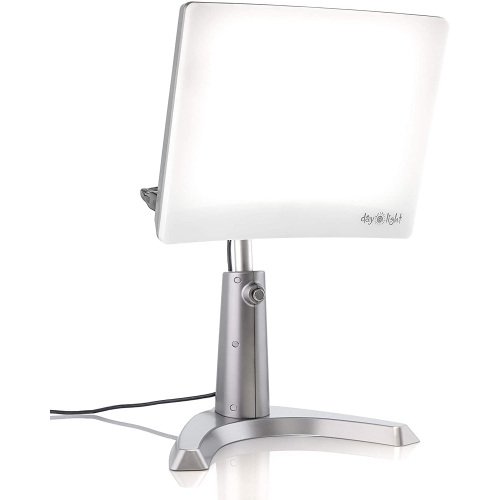 Your price for this item is $194.99
-
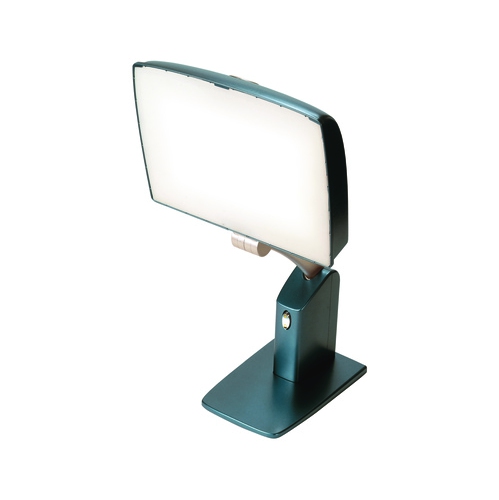 Your price for this item is $166.99
-
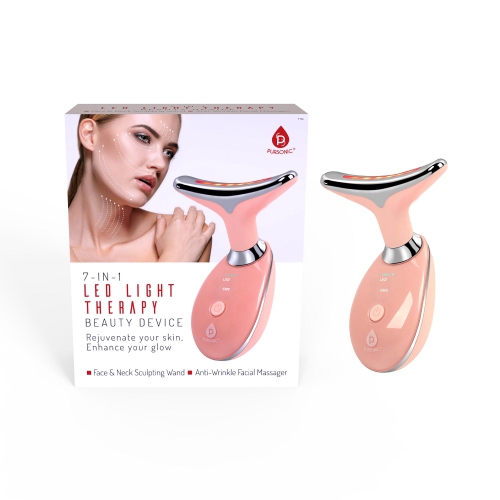 Your price for this item is $54.99
-
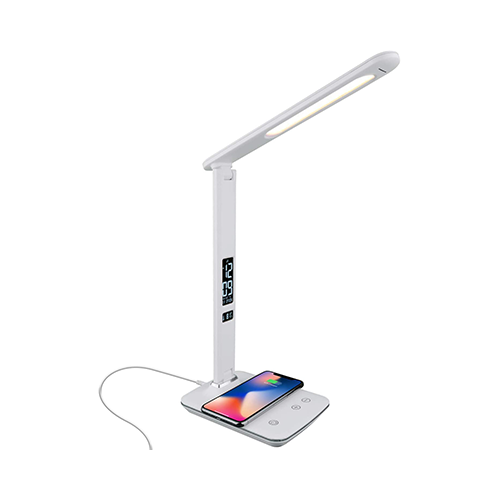 Your price for this item is $72.99
-
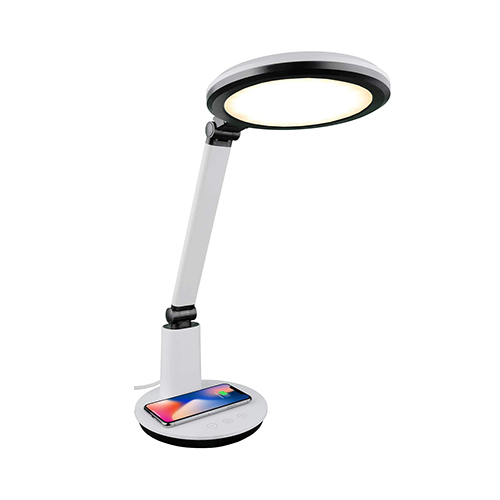 Your price for this item is $109.99
-
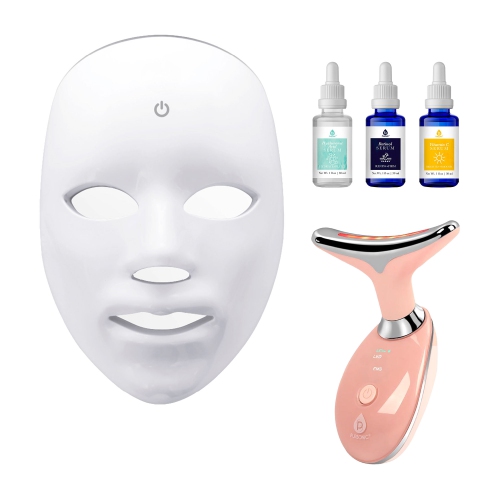 Your price for this item is $149.99
-
 Your price for this item is $102.99
-
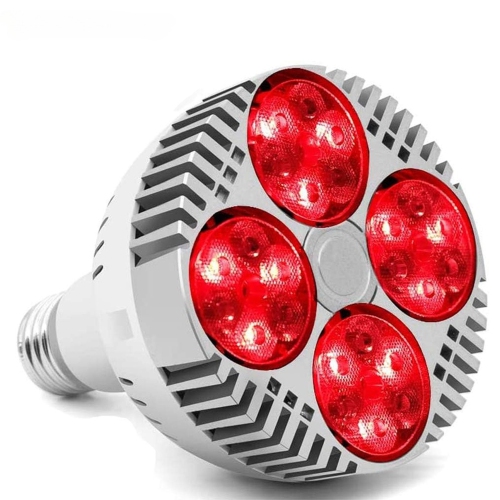 Your price for this item is $56.99
Discover more categories related to Full Spectrum Light Therapy Lamps
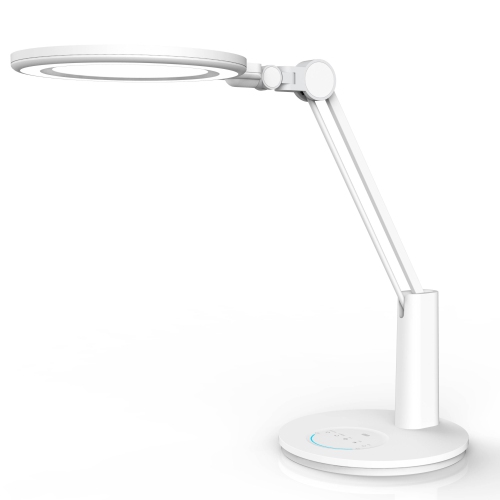
Top Collections:
Pokemon Centers, Kindle Devices, Best Cameras for Sports Photography, Samsung Galaxy Phones, Laptops for Business Work, Canon G7X Cameras, Pokémon 30th Celebration Cards, Refurbished Apple Laptops, iPhone 15 Apple, Cordless Dyson Vacuums
Some products may be subject to Environmental Handling Fees
(EHF) depending on your province.
Learn more about EHFs.