Full Spectrum Lights
If you're looking to brighten up your space with a full spectrum light, dive into a world of vibrant illumination that mimics natural sunlight, perfect for enhancing your mood and boosting productivity. Whether you're looking to combat the winter blues or create a well-lit environment for your work or relaxation, these full spectrum lights are a versatile addition to almost any room. Explore this selection of Full Spectrum Lights to find the perfect match for your needs and brighten up your day with the flick of a switch.
Sort
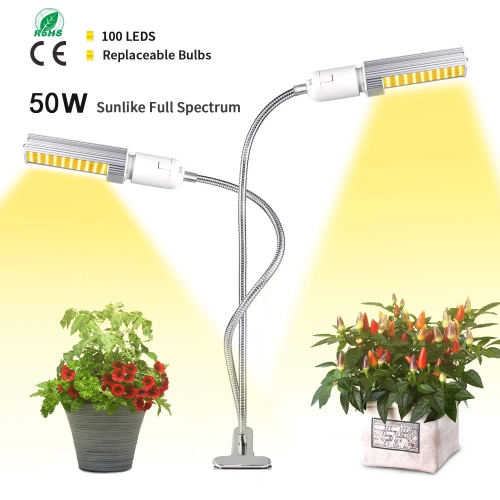
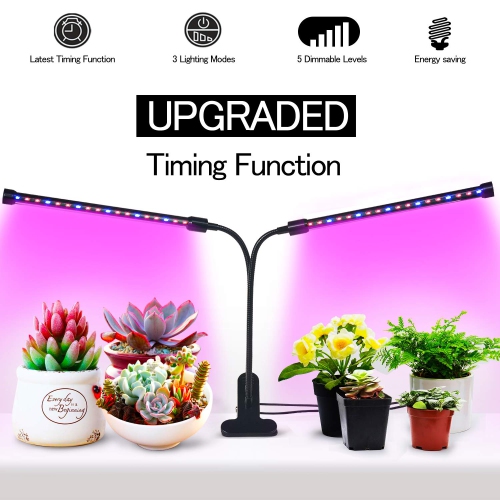
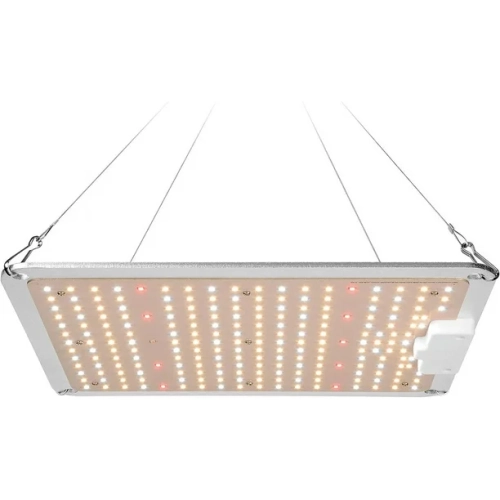
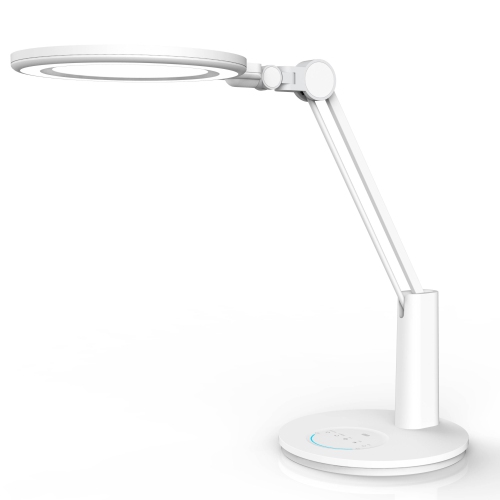







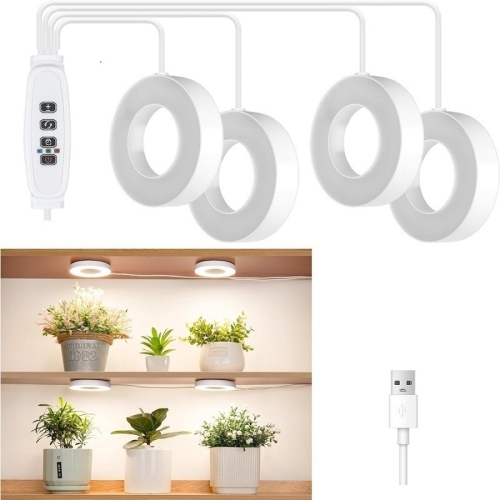

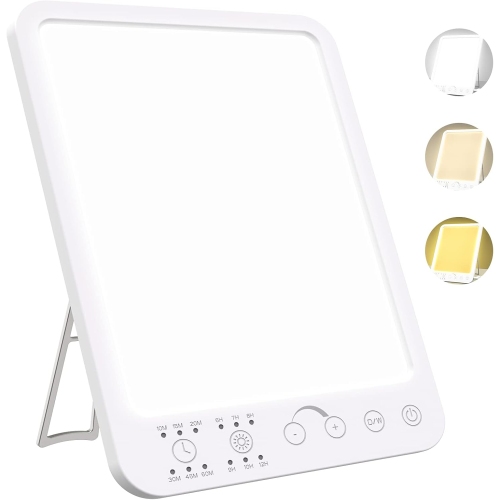


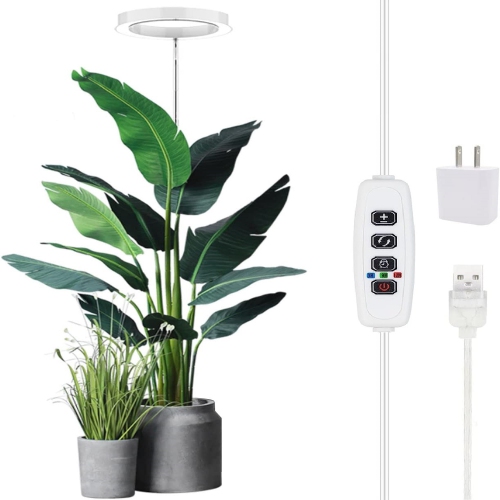

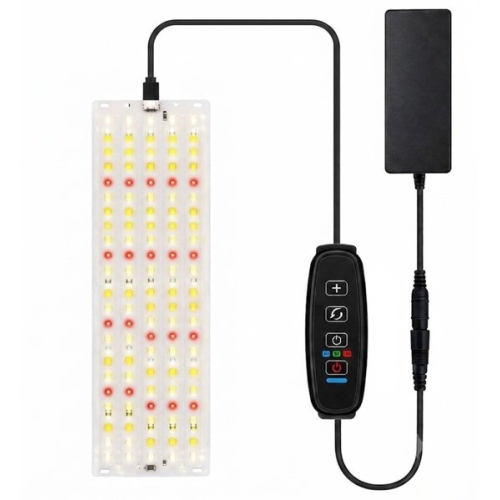





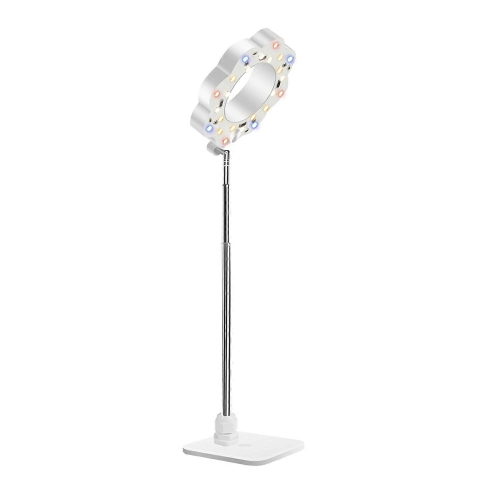
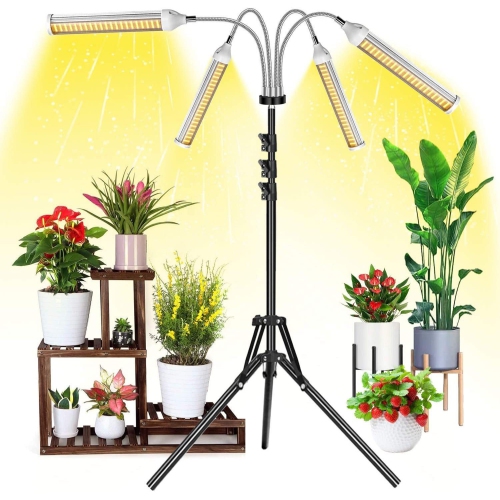

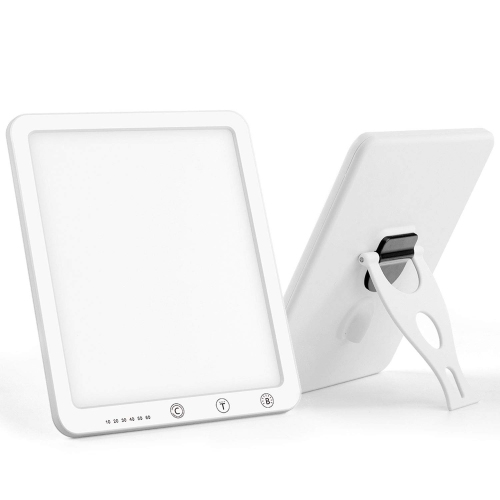
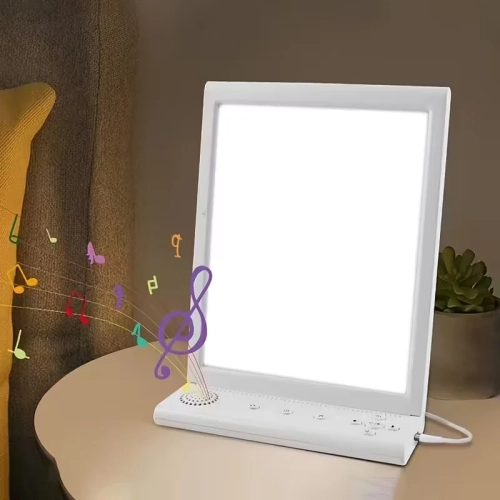




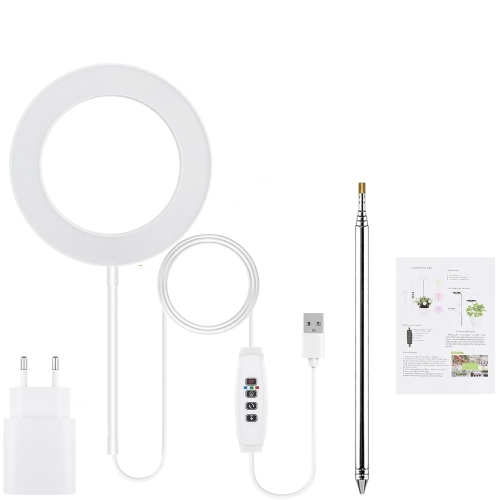
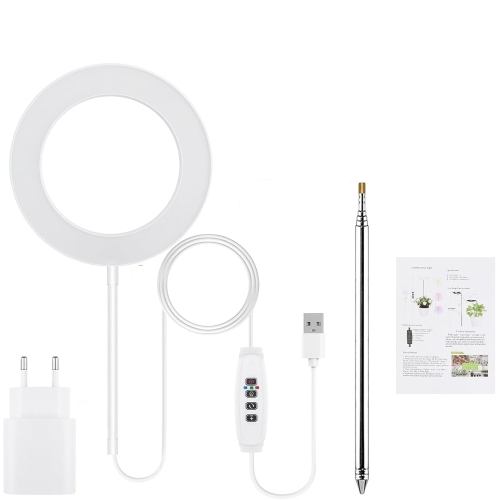


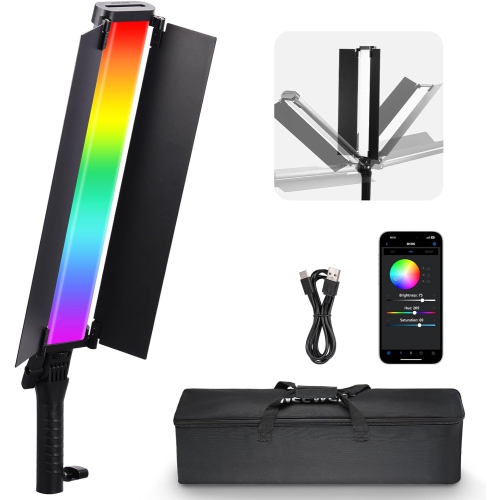

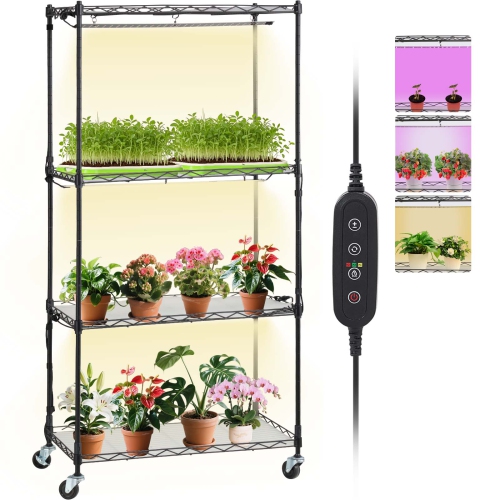














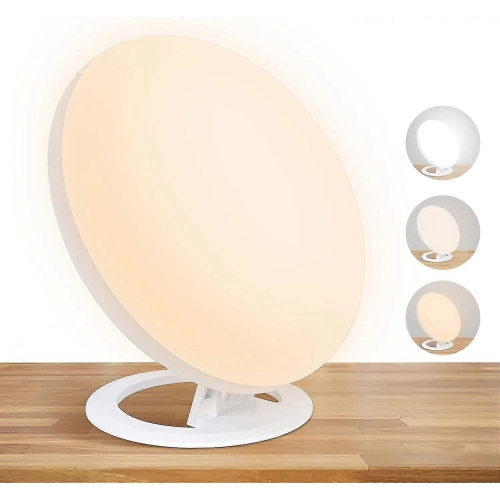
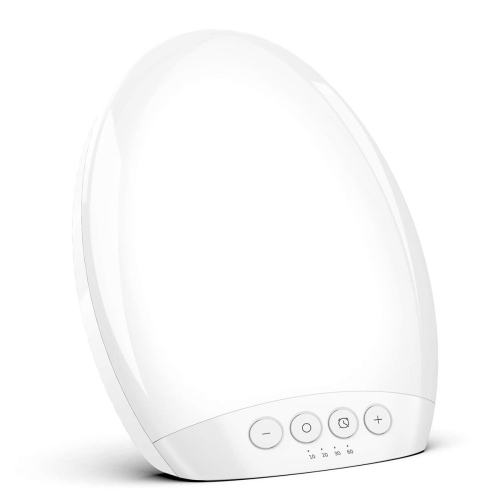
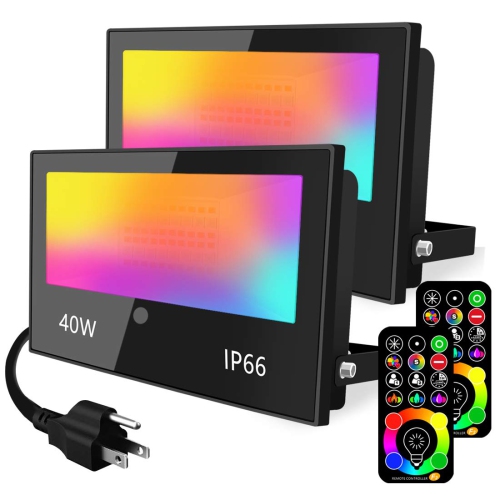


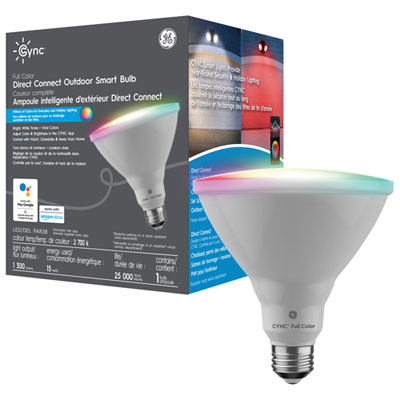
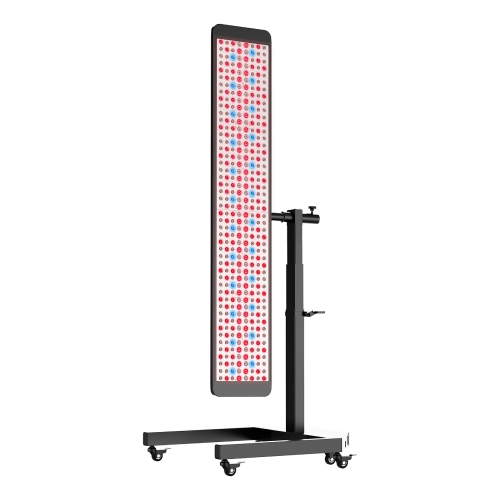


Why natural-looking light means more than a daylight tone
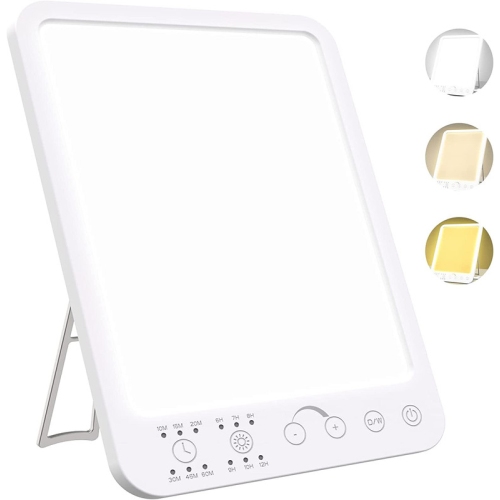
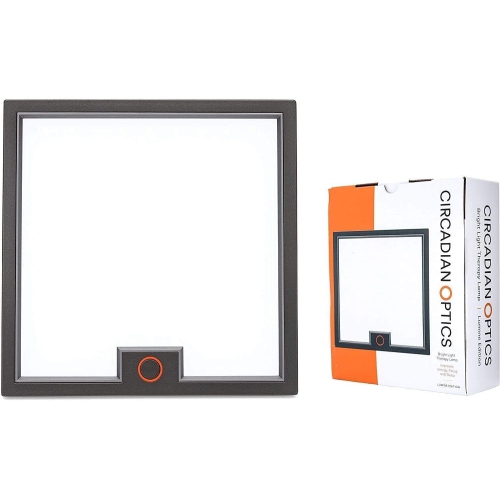
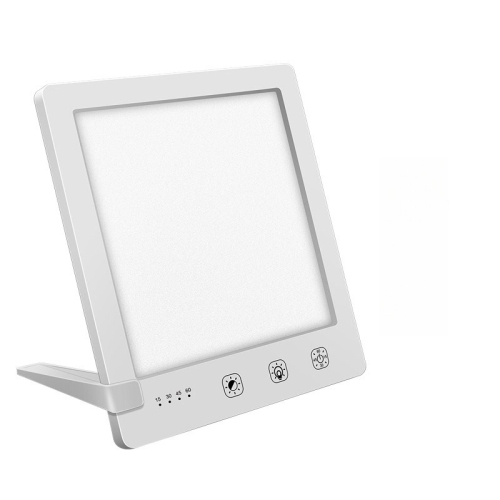
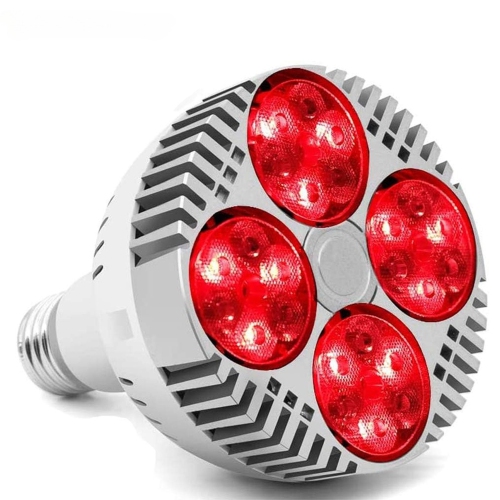
Full spectrum lights are artificial lights designed to produce a broad range of visible wavelengths, creating illumination that can resemble the balanced light of natural daylight. They are used for tasks where clear visibility and natural-looking colour matter, as well as for indoor plant lighting when the fixture is designed for that purpose. The term “full spectrum” does not describe a single, universally standardized lighting specification, so it is helpful to look beyond the label to understand how a light will perform. Brightness, colour rendering, light distribution, and the intended application all contribute to the result. For a desk, craft table, or reading chair, a broad, evenly lit area can be more useful than a concentrated spot that leaves the surrounding surface in shadow. Someone matching embroidery thread, painting a miniature, or comparing fabric swatches may value strong colour rendering because subtle differences are easier to distinguish under suitable illumination. The colour rendering index, usually shortened to CRI, indicates how faithfully a light source displays colours compared with a reference source; a higher rating generally supports more accurate colour appearance. However, CRI alone does not establish whether a light has a spectrum similar to daylight. Colour temperature, measured in kelvins, describes whether white light looks warmer or cooler, rather than how much light a lamp produces. A daylight-toned bulb is therefore not automatically a full spectrum bulb, and two lights with similar white tones can render colours differently. Lumens describe visible brightness for people, while watts describe power consumption, so wattage alone is not a reliable way to compare the brightness of different lighting technologies. Full spectrum lighting also does not automatically include ultraviolet light or provide the same effects as sunlight. These distinctions help separate everyday task lighting, specialized plant lighting, and light therapy devices, which may share similar descriptive language but serve different needs. The most suitable choice starts with what the light needs to illuminate, how large that area is, and how comfortably the fixture fits into everyday use.
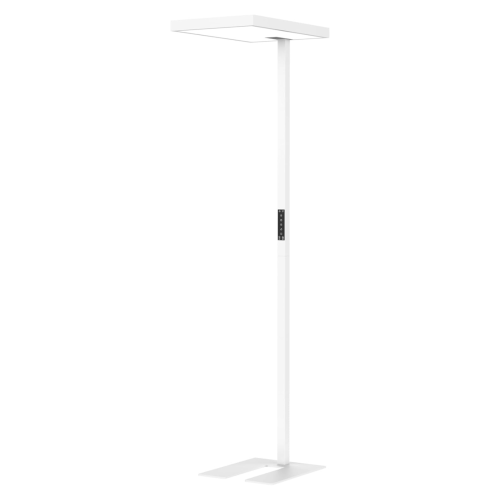
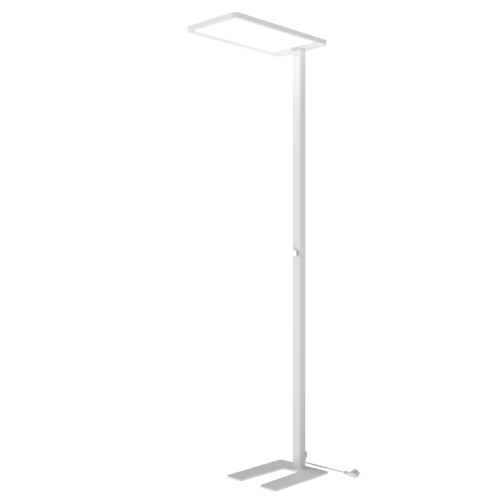
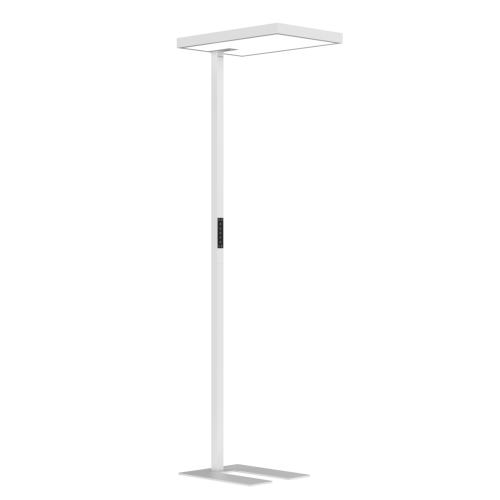
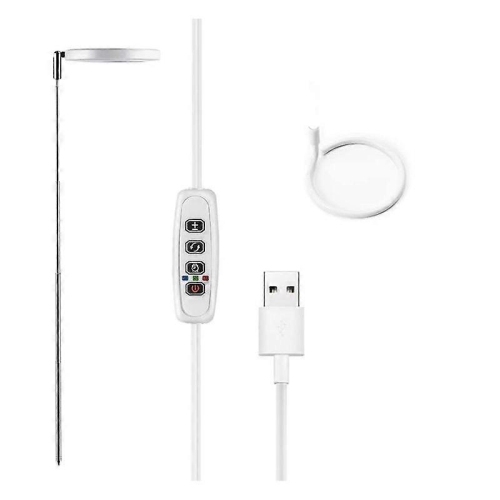
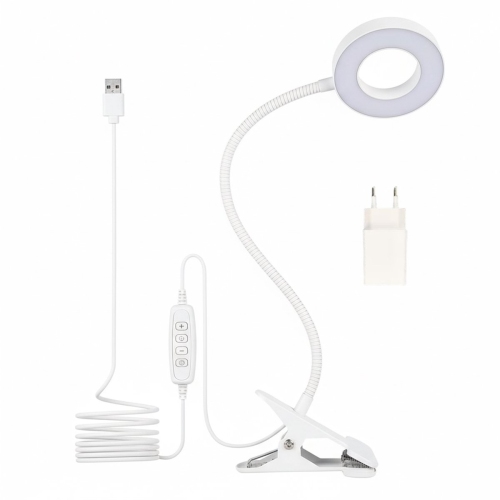
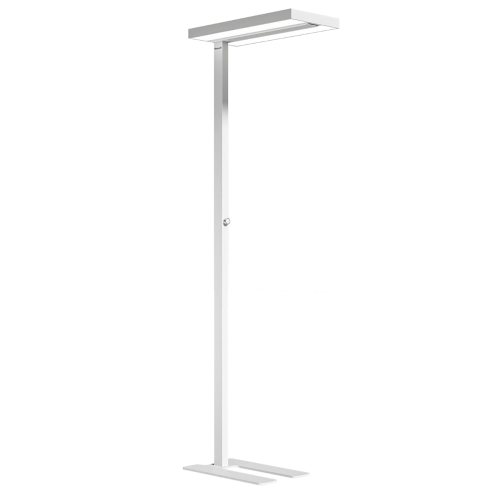
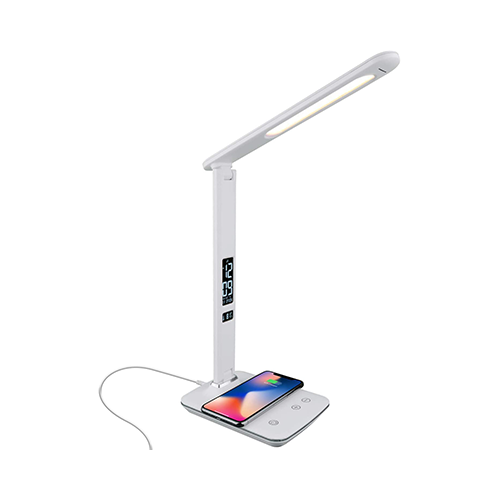
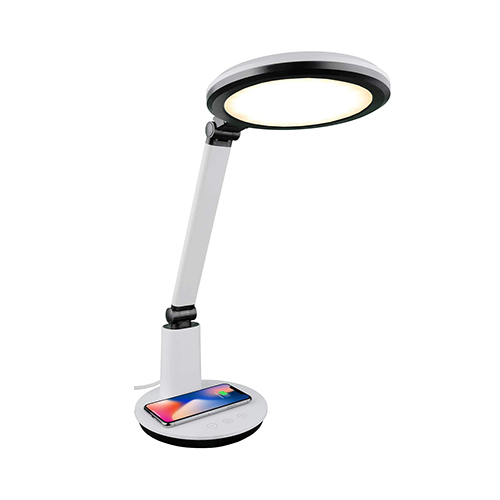
For household and workspace use, full spectrum lights can take the form of replaceable bulbs, adjustable desk lamps, floor lamps, or fixtures that illuminate a wider working surface. Fit involves more than the overall dimensions: a bulb must match its socket and fixture requirements, while a desk lamp needs enough reach to place light over the task without occupying the space needed for a keyboard, notebook, or cutting mat. An articulated arm can bring illumination close to detailed work, and a swivelling head makes it easier to redirect light between a book and a nearby project. At a shared table, a shade or diffuser can soften the appearance of bright LEDs and help limit glare for the person sitting opposite. Positioning matters, too. Light placed to the side of a writing hand can reduce the shadow cast across the page, while careful angling can keep reflections off a glossy screen. Dimming offers flexibility when moving between close-up work and general room lighting, but any replaceable bulb, fixture, and external dimmer must be compatible. Materials and construction affect how well a lamp stands up to repeated adjustment. Metal arms, secure joints, and a stable base are useful features for frequently moved task lights; lightweight plastic housings can be practical where portability matters. A clamp-mounted design needs a surface of suitable thickness and strength, with enough clearance beneath the edge for secure attachment. Cord length and switch placement deserve attention when the nearest outlet is behind furniture or the lamp will be used from a seated position. For care, disconnect power and allow the light to cool before wiping accessible surfaces according to the manufacturer’s directions. Dust on a diffuser can interfere with light output, and joints should be adjusted gently rather than forced beyond their range. Replaceable light sources can simplify maintenance, while integrated LED designs should be assessed for their stated service life and warranty. These practical details make full spectrum task lighting a thoughtful option for readers, hobbyists, students, and anyone setting up a dedicated space for precise, hands-on work.
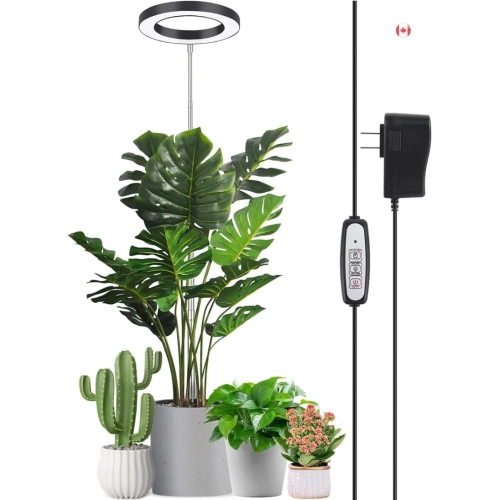
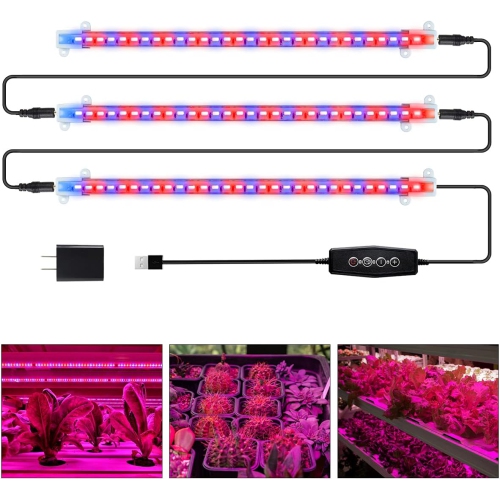
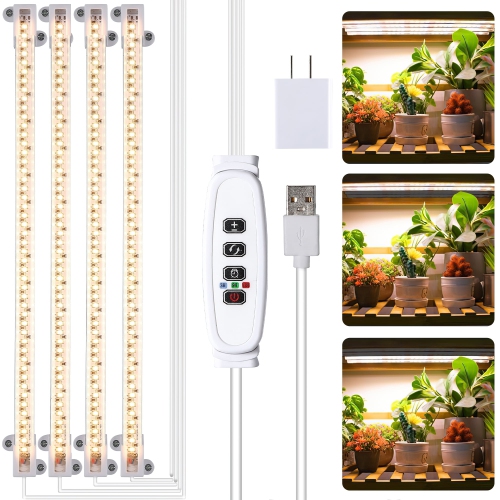
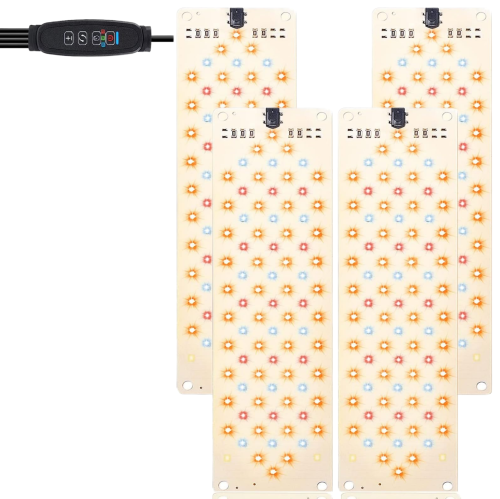
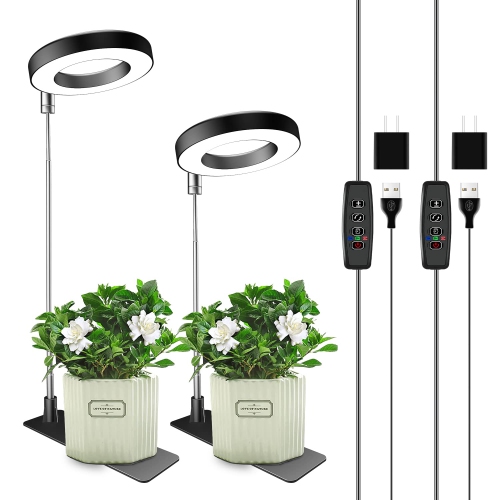
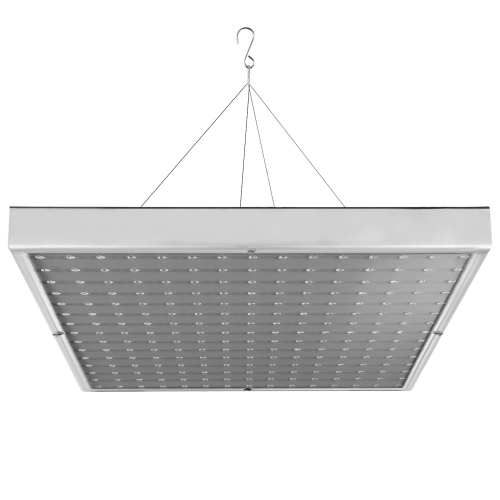
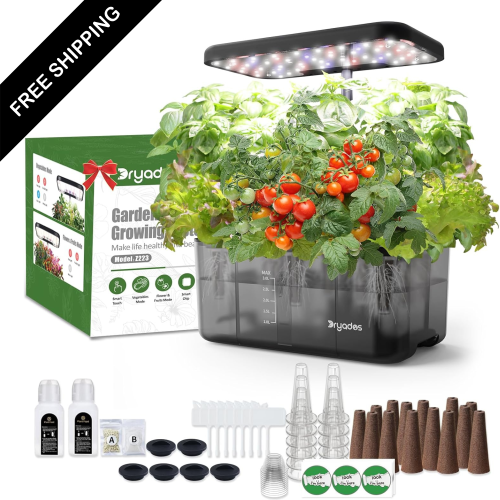
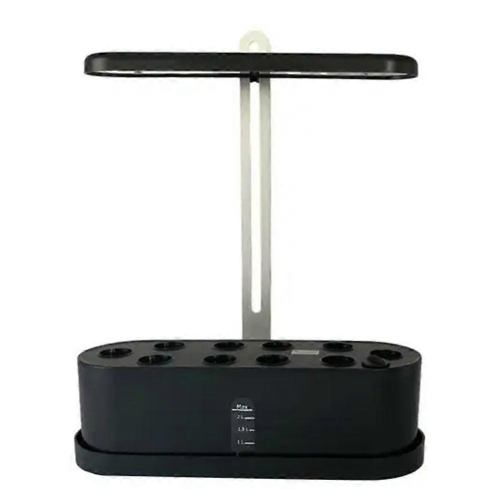
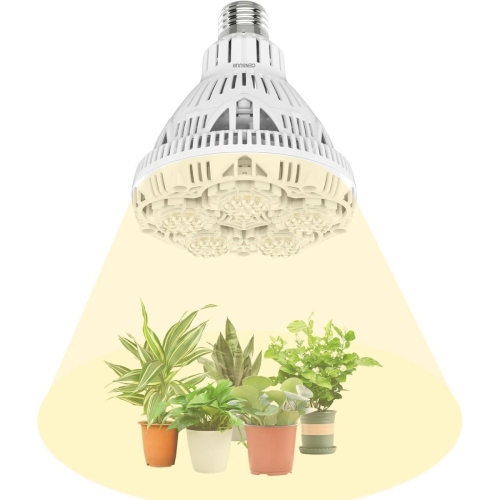
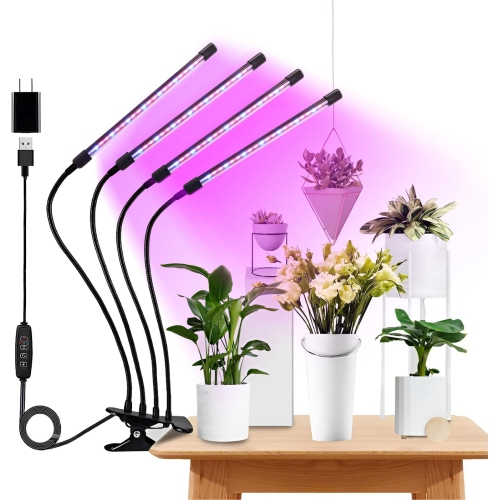
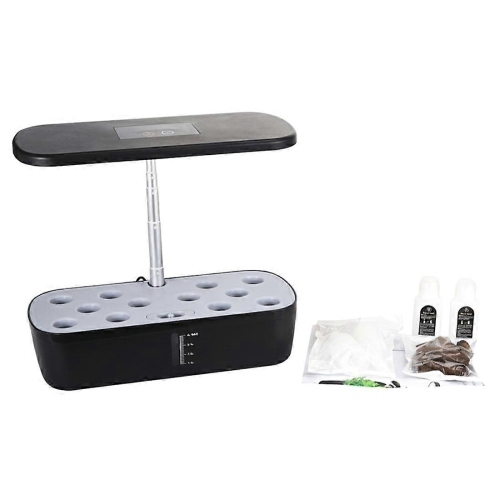
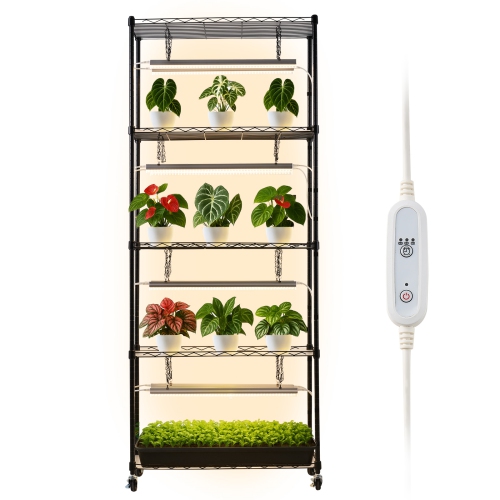
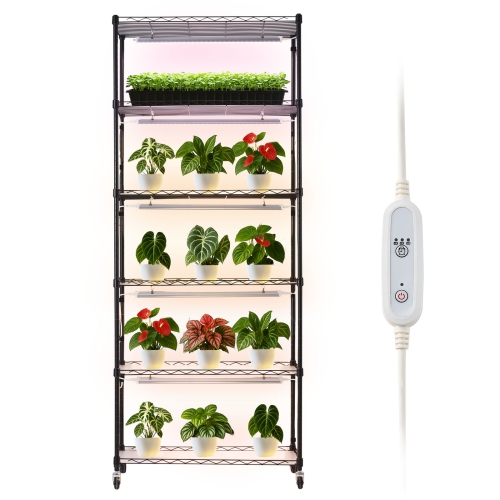
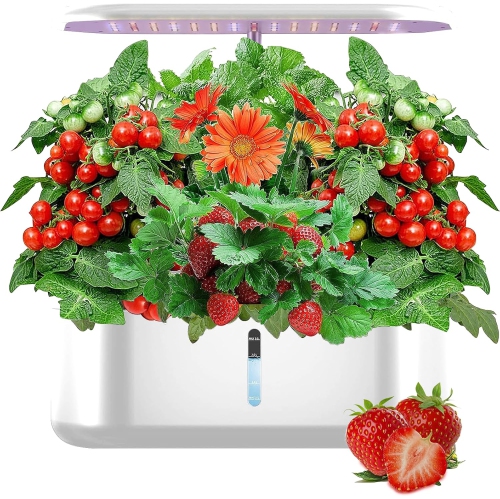
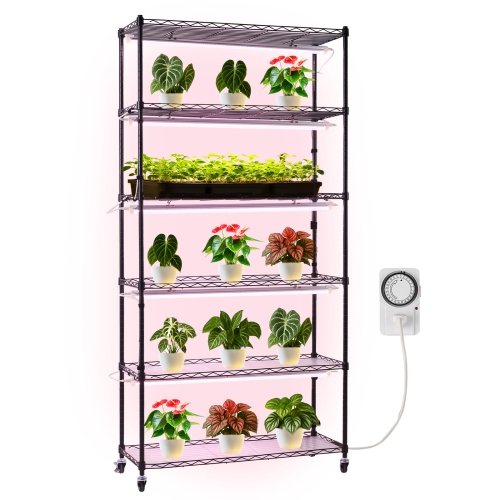
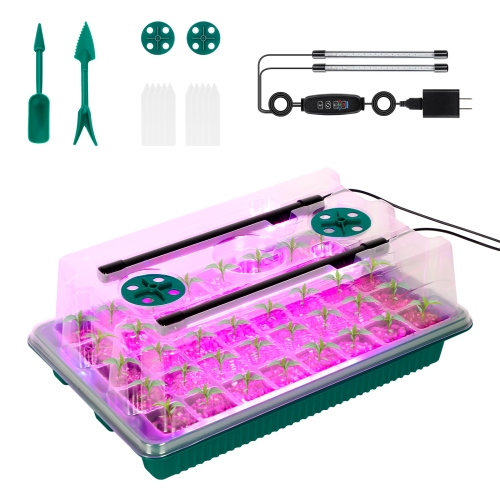
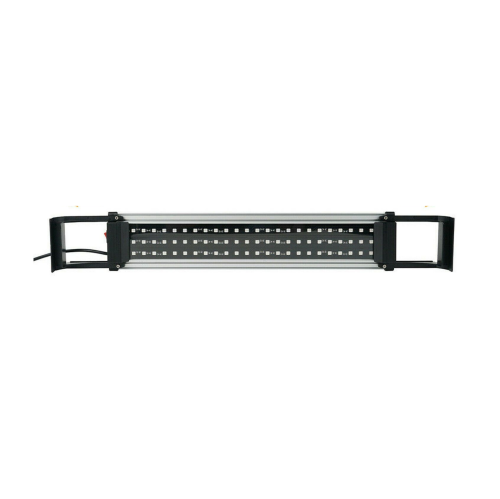
Plant lighting calls for a different set of considerations because human perceptions of brightness do not fully describe the light available for photosynthesis. Full spectrum grow lights typically supply a broad mix of wavelengths intended to support plant growth, often producing white or white-tinted illumination that also makes foliage easier to inspect. Their suitability depends on the plants being grown, the size of the growing area, and the amount of light reaching the leaves. Seedlings on a narrow shelf, a collection of leafy houseplants, and fruiting plants with higher light requirements do not necessarily need the same fixture or operating schedule. Photosynthetic photon flux density, or PPFD, describes the amount of light within the photosynthetically active range reaching a given area each second. When supplied with a measurement distance and coverage map, it offers a more useful basis for evaluating plant illumination than lumens alone. Shoppers focused on this application can explore Full Spectrum Grow Lamps for lighting intended specifically for indoor growing. Fixture dimensions and mounting options should suit the growing space: a linear light may distribute illumination along a shelf, while an overhead panel may cover a broader grouping of pots. Adjustable suspension or mounting height helps maintain an appropriate distance as plants grow, following the fixture manufacturer’s guidance and the needs of the plant. A timer can maintain a consistent daily schedule, including the dark period plants require, without relying on manual switching. Watering arrangements also matter. Fixtures, connectors, and cords should be positioned away from splashes unless their ratings explicitly permit that exposure, and mounting hardware must safely support the fixture’s weight. Leaves that stretch towards the light, fade, or develop damaged patches can signal a need to reassess intensity, distance, duration, or other growing conditions rather than simply leaving the light on longer. For plant enthusiasts, a suitable grow light can help make a propagation shelf or indoor growing corner more functional. Across both plant and household applications, the value of full spectrum lighting lies in matching measurable performance and practical construction to the task, rather than relying on the spectrum label alone.
Top selling and popular products
-
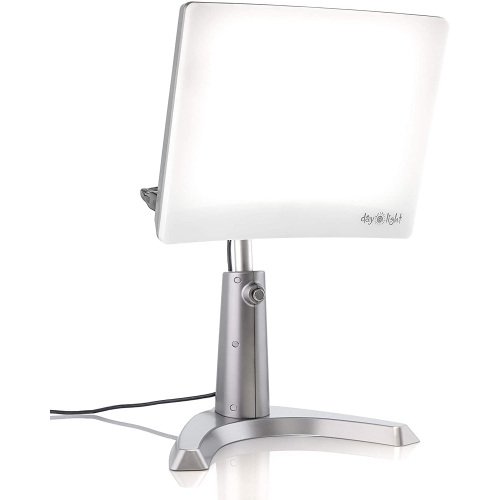 Your price for this item is $194.99
-
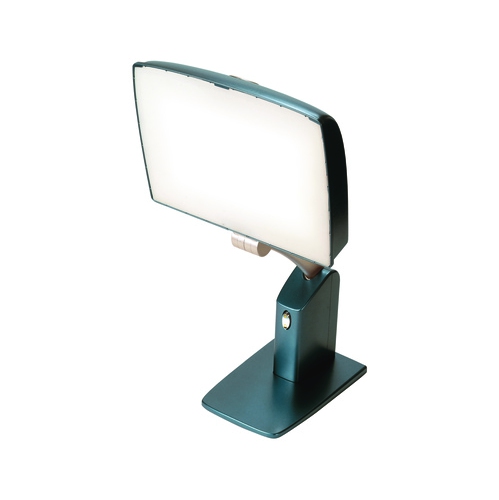 Your price for this item is $166.99
-
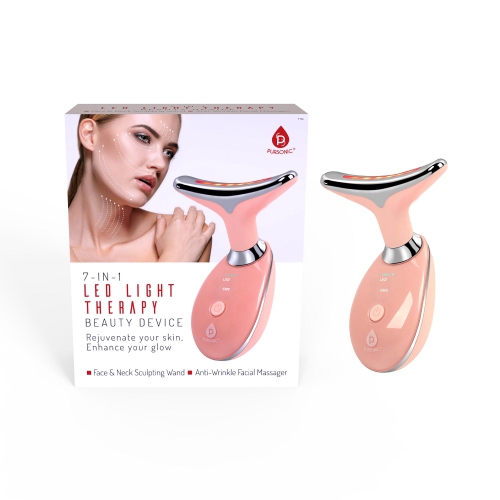 Your price for this item is $54.99
-
 Your price for this item is $72.99
-
 Your price for this item is $109.99
-
 Your price for this item is $149.99
-
 Your price for this item is $102.99
-
 Your price for this item is $56.99
Discover more categories related to Full Spectrum Lights
Top Collections:
Pokemon Centers, Kindle Devices, Best Cameras for Sports Photography, Samsung Galaxy Phones, Laptops for Business Work, Canon G7X Cameras, Pokémon 30th Celebration Cards, Refurbished Apple Laptops, iPhone 15 Apple, Cordless Dyson Vacuums
Some products may be subject to Environmental Handling Fees
(EHF) depending on your province.
Learn more about EHFs.