Glute Exercise Machines
Looking to tone and strengthen your glutes at home or in the gym? Our selection of glute exercise machines offers a variety of options to help you achieve your fitness goals. From hip thrusters to glute bridges, these machines are designed to target and engage your glute muscles effectively. Whether you're a beginner looking to start your fitness journey or a seasoned athlete wanting to take your workouts to the next level, these machines are a great addition to any home gym or commercial fitness facility. Discover the perfect glute exercise machine for your needs and start sculpting those glutes today!
Sort
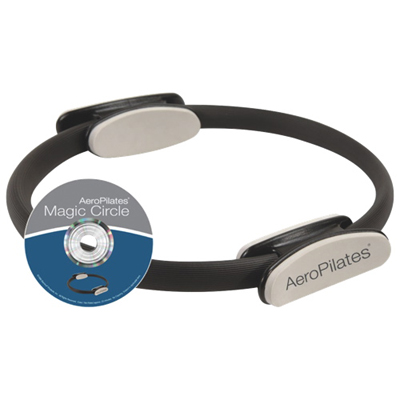
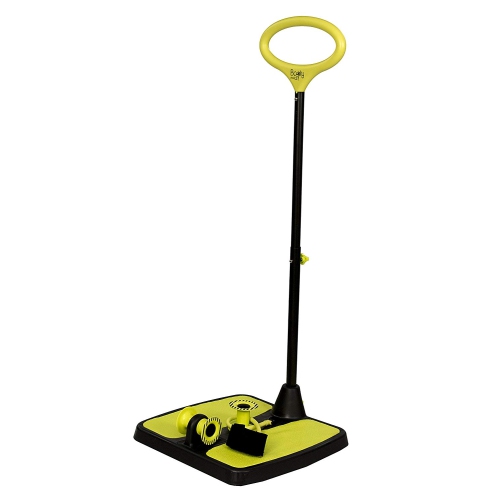
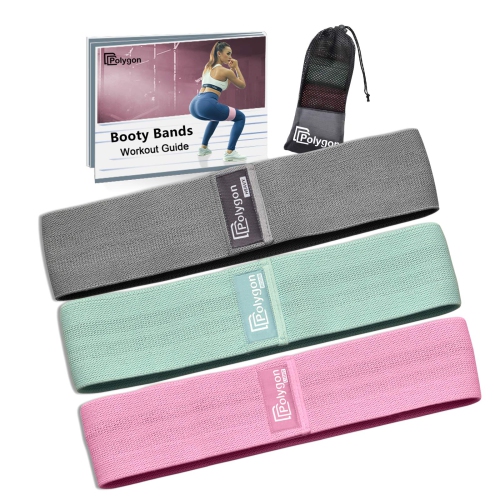
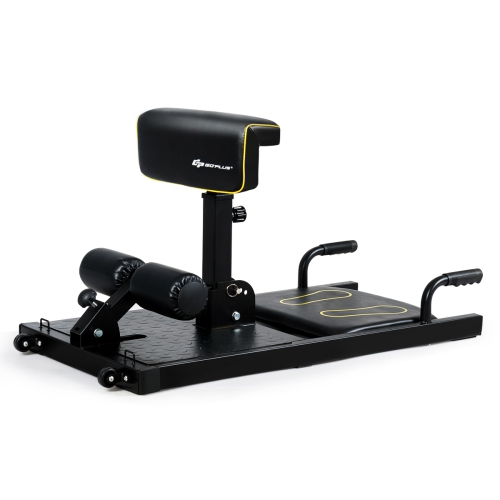
How to compare resistance, support, and space requirements
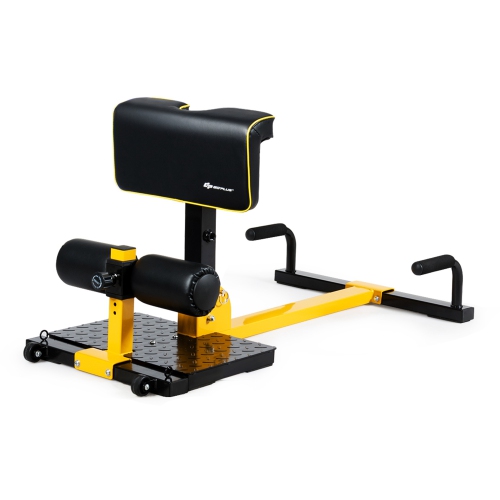
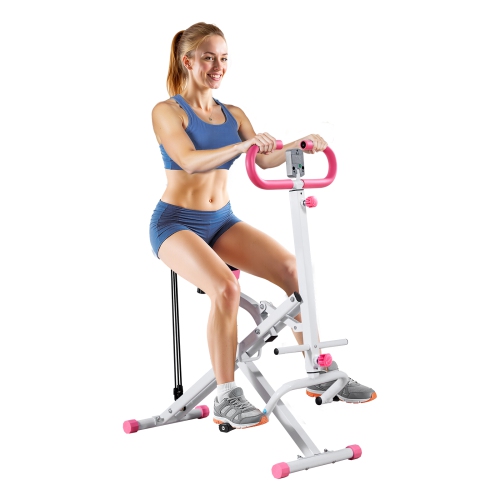
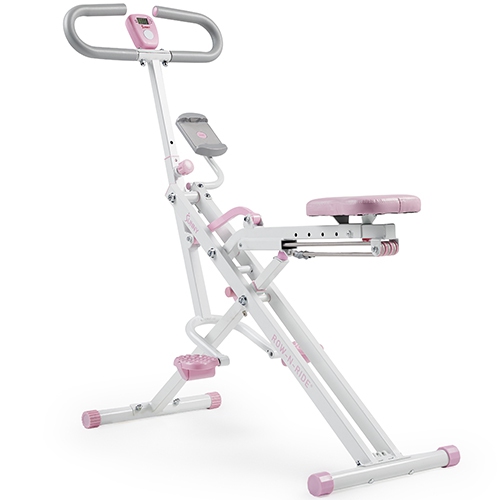
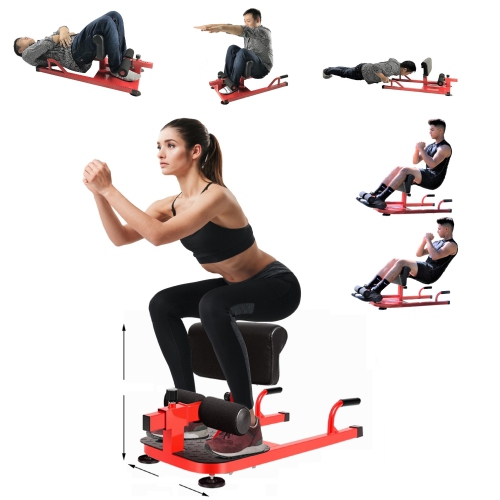
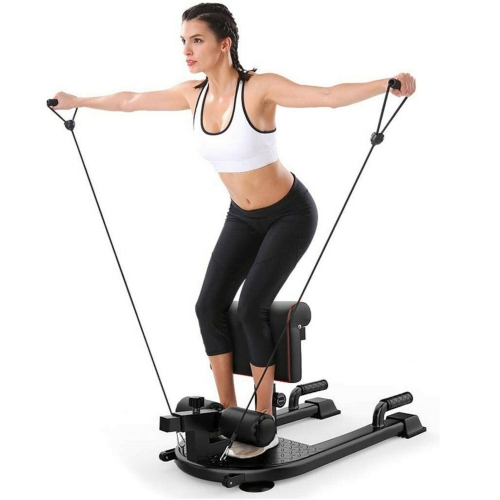
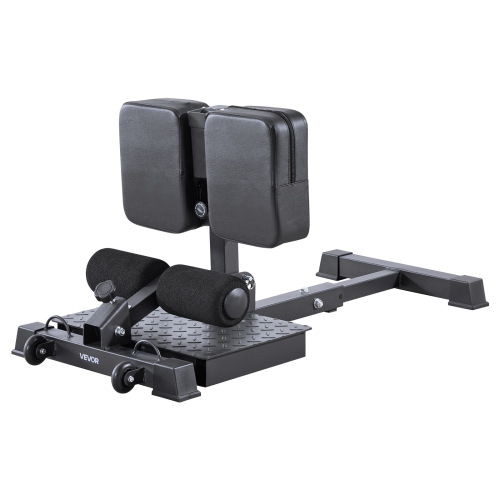
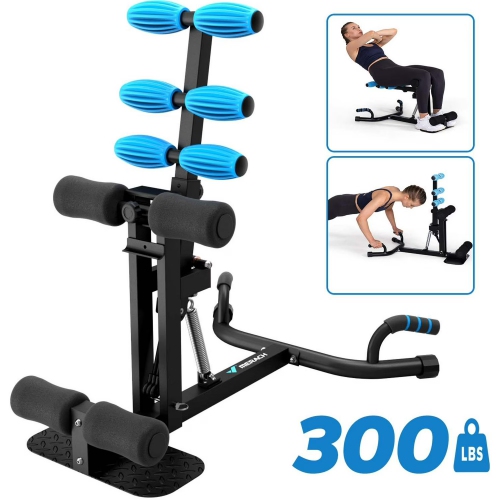
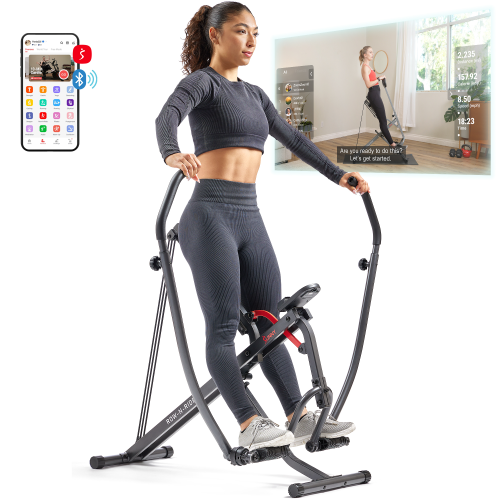
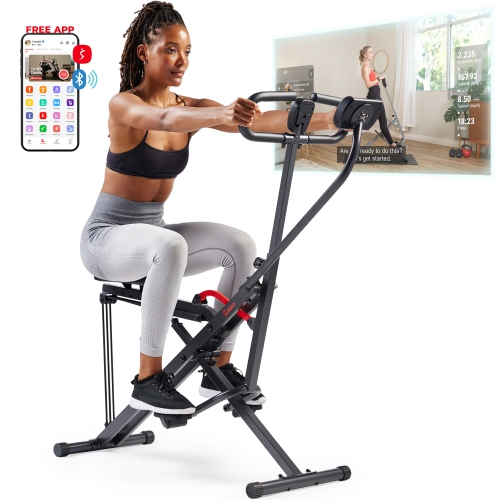
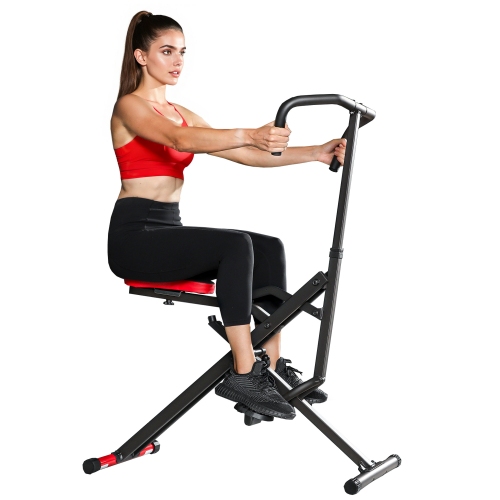
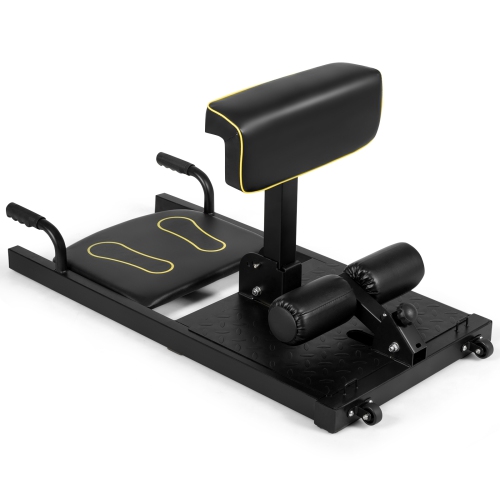
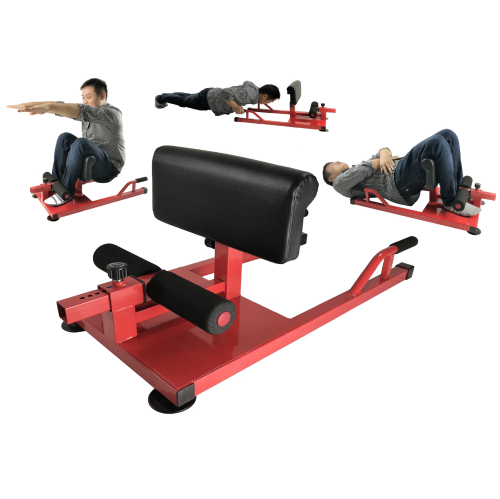
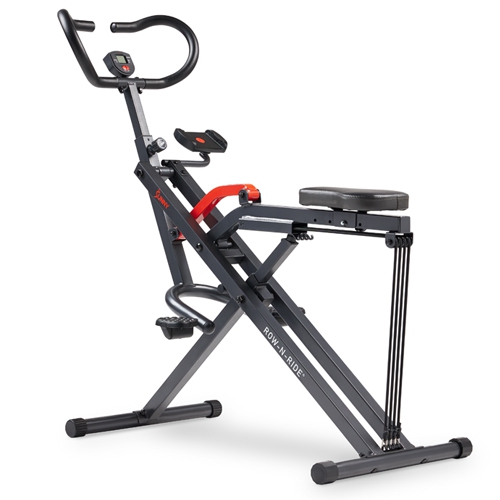
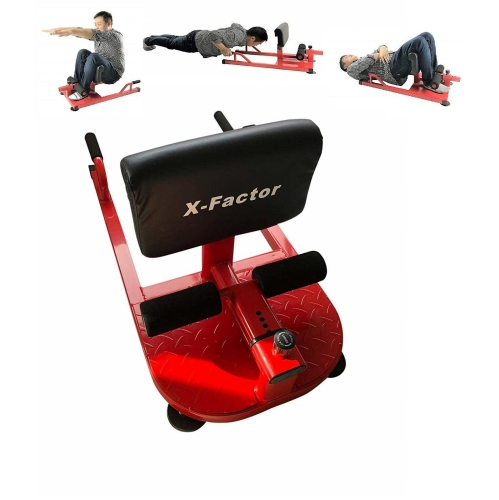
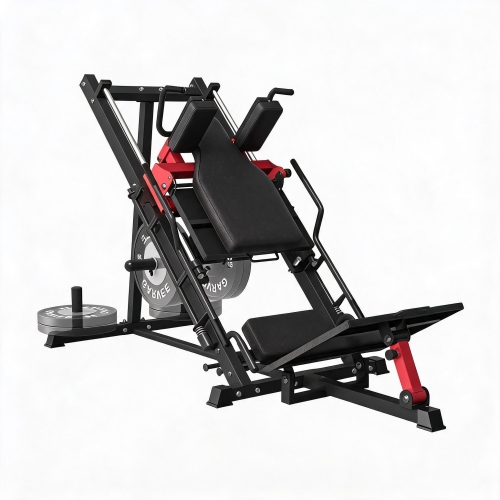
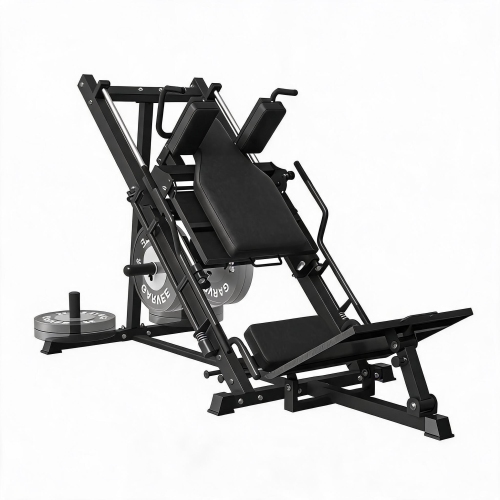
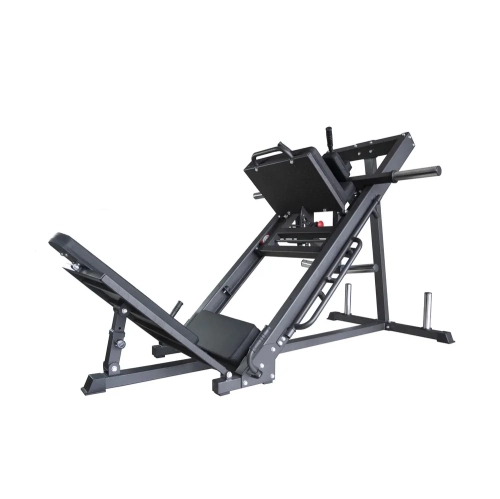
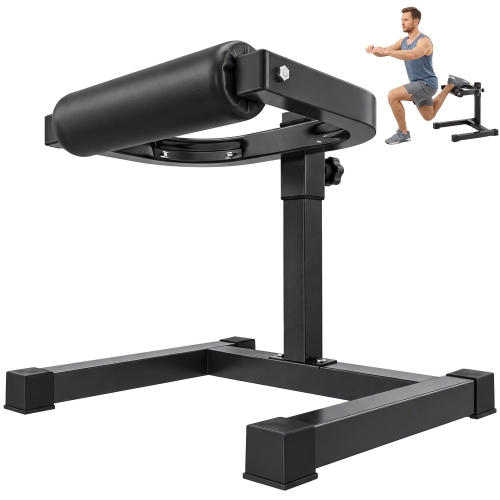
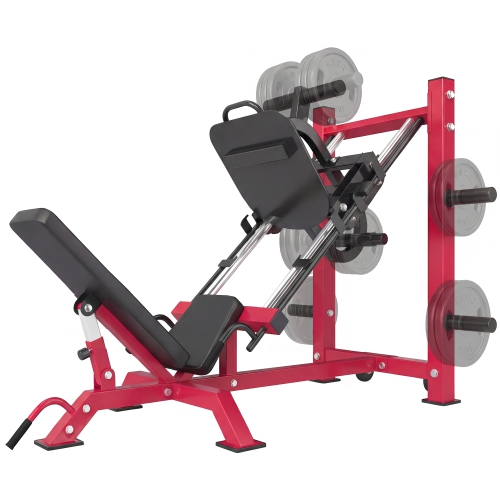
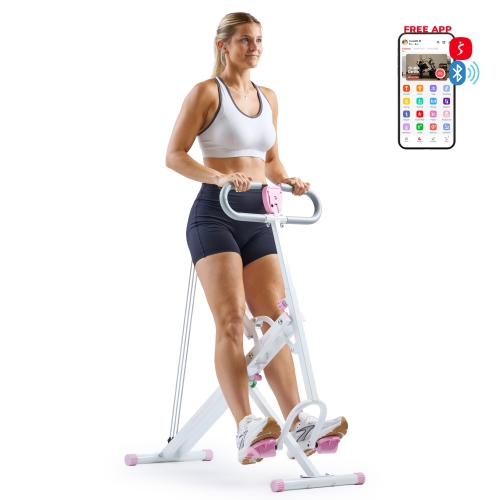
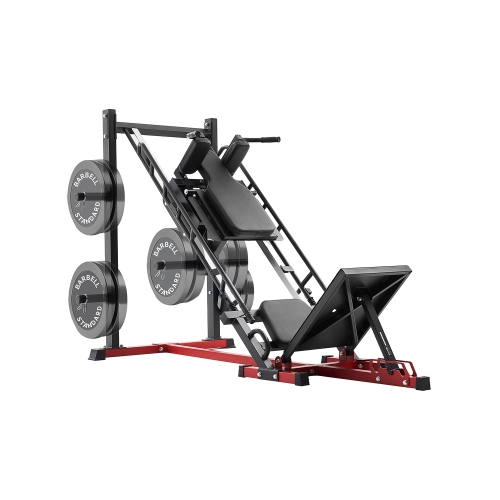
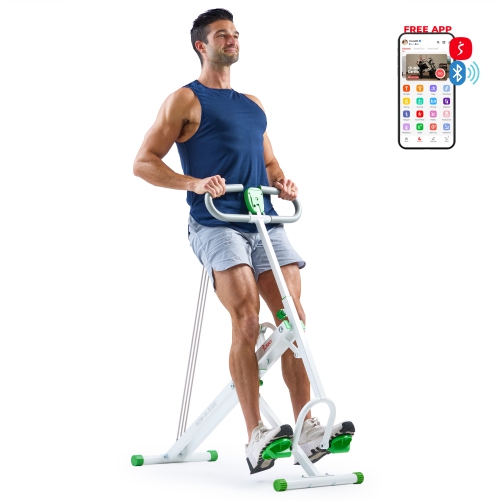
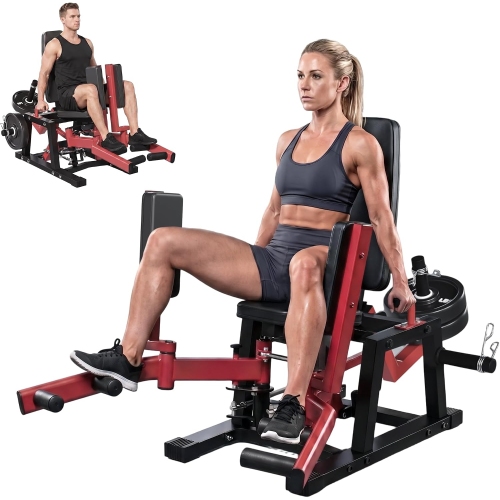
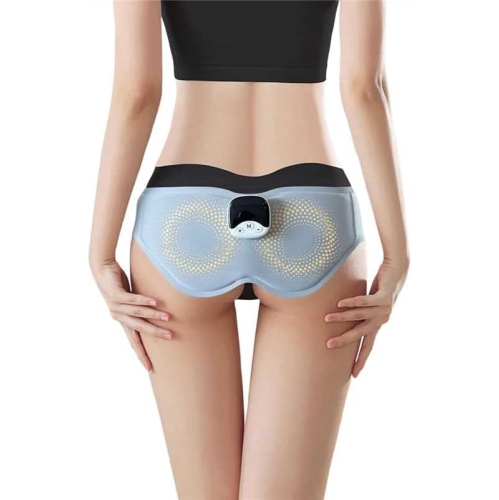
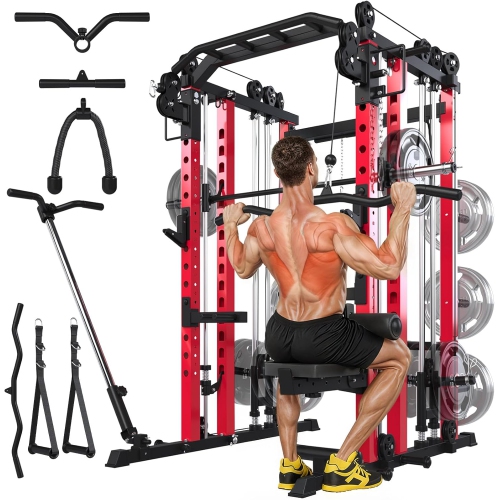
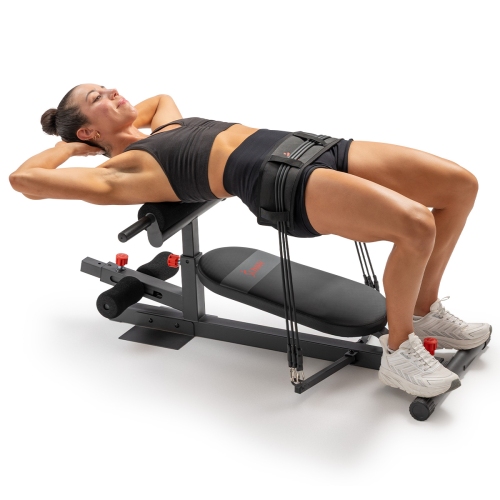
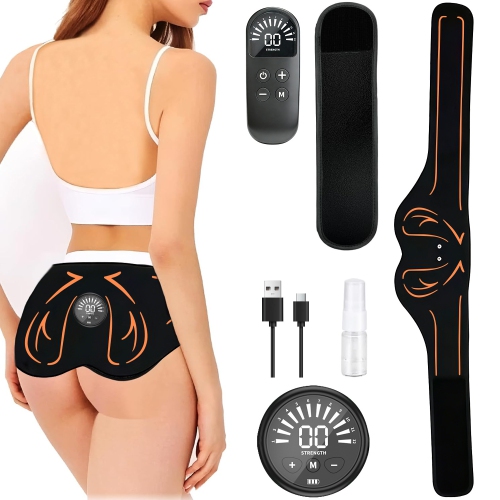
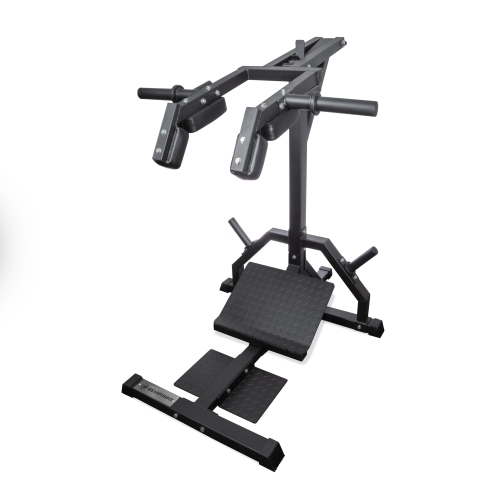
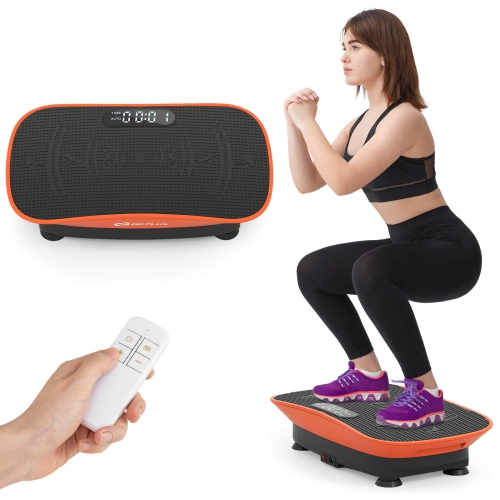
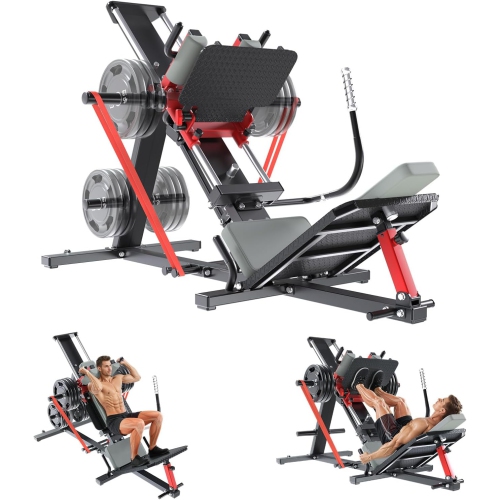
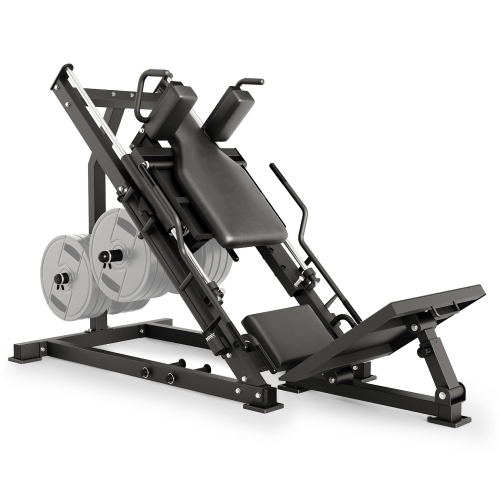
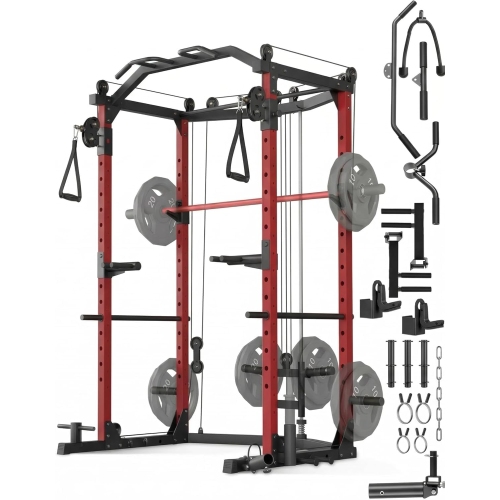
Glute exercise machines can make lower-body training more structured by providing a stable setup, guided range of motion, and resistance that can be adjusted as strength develops. They are designed to work the gluteus maximus, gluteus medius, and supporting muscles in the hips and legs, although the exact emphasis depends on the machine and how it is used. A hip thrust or glute drive machine is often the most direct choice for isolating the gluteus maximus. It supports the upper back and positions a padded belt or resistance point across the hips, allowing the user to drive through the feet and extend the hips without balancing a barbell across the body. Some models use weight plates, while others use a weight stack, so it is helpful to consider whether the preferred workout style involves quick pin adjustments or loading plates manually. The padding should feel secure without pressing uncomfortably into the hips, and the bench height should allow a full, controlled movement. A leg press can also provide effective glute training, particularly when the feet are positioned higher and somewhat wider on the footplate, provided that the machine allows comfortable alignment and the user maintains control throughout each repetition. Cable pulley stations offer more versatility, with options such as cable kickbacks, pull-throughs, standing hip abductions, and other exercises using an ankle cuff or rope attachment. They can be useful for someone who wants to train the glutes from several angles while also working the core and improving control. A donkey kick or butt-blaster machine supports the torso and lets the user press a padded lever backwards with one leg at a time, making it easier to focus on hip extension without worrying about balance. For broader posterior-chain training, a glute-ham developer or reverse hyper machine can involve the glutes, hamstrings, and lower back through extension movements. These machines are generally better suited to users who already understand bracing and hip-hinge technique, since positioning and controlled tempo matter as much as the amount of resistance.
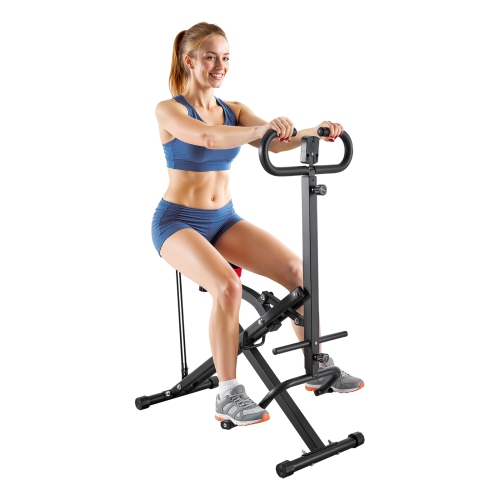
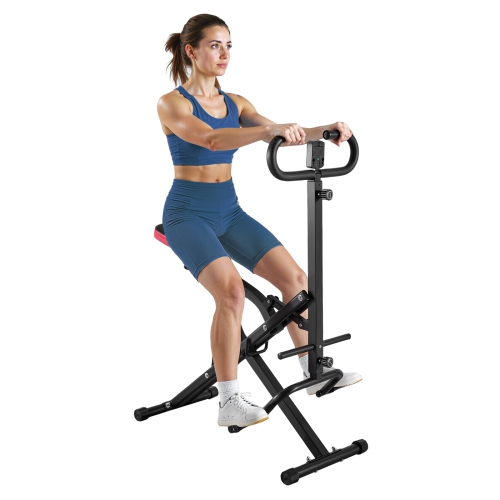
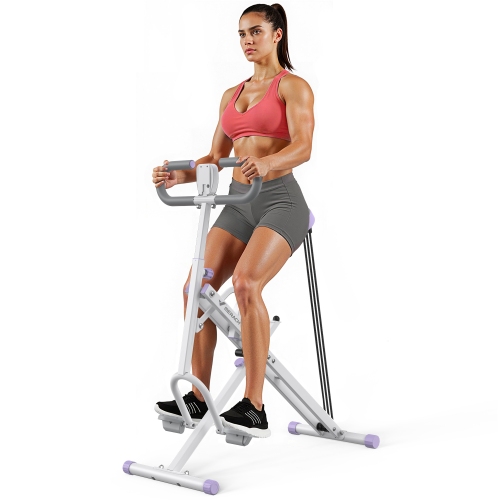
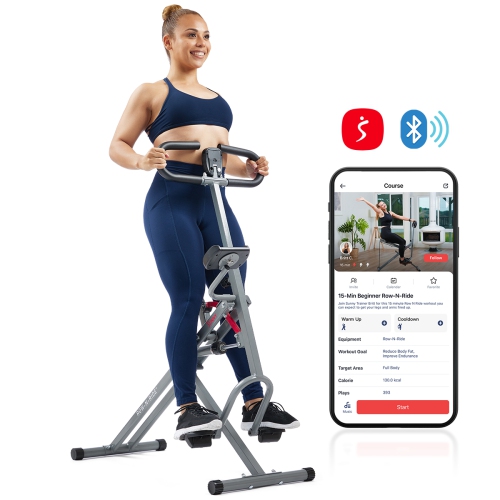
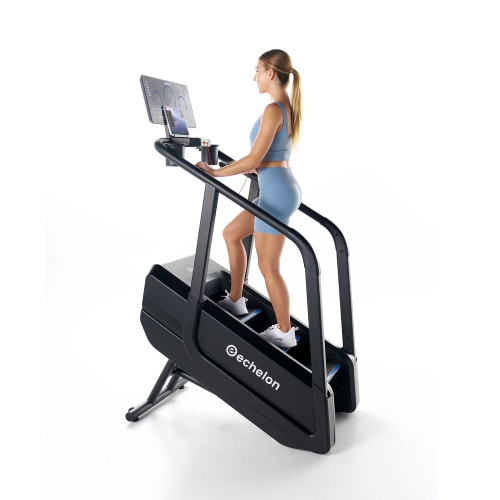
Choosing among glute exercise machines starts with the space available and the type of training that feels practical enough to repeat. A large hip thrust machine, leg press, or glute-ham developer may be a strong fit for a dedicated home gym, basement workout area, or shared training space with sufficient ceiling height and clear floor space. A cable station can take up a similar footprint but may replace several separate pieces of equipment, making it appealing for someone who wants to perform glute exercises along with upper-body, arm, and core movements. More compact options can work well in a multipurpose room, especially when the equipment can be moved or stored between sessions. Check the machine’s assembled dimensions, user weight capacity, adjustment points, resistance system, and required accessories before making a decision. Smooth movement is important: the pads should remain stable, the handles should be easy to reach, and the adjustment mechanism should not force the body into an awkward position. Beginners may prefer a machine with a guided path and straightforward resistance changes, while experienced lifters may look for a wider resistance range, heavier loading capacity, or more adjustment options. A comfortable setup can make a noticeable difference on a busy morning when there is limited time for training; spending a few minutes adjusting the seat, belt, footplate, or pad can help the movement feel natural and keep attention on the working muscles. Start with a manageable resistance, keep the ribs and pelvis controlled, and use a deliberate pace rather than relying on momentum. The glutes are involved in powerful movements such as standing, climbing, running, jumping, and lifting, but they also work alongside the hamstrings, quadriceps, calves, and core. For balanced training, pair isolated glute exercises with movements that develop the rest of the lower body. A stair stepper can add a steady climbing pattern and may complement a strength-focused routine; explore Stair Steppers For Strengthening Glutes for another way to include the hips and legs in a home workout.
These machines can suit a wide range of users, from someone building a first home gym to an experienced athlete looking for a more focused accessory movement. They may be useful for people who prefer guided resistance, want to train without balancing free weights, or need equipment that makes it easier to repeat the same movement pattern from one session to the next. They can also be a thoughtful gift for a fitness-minded family member, a new homeowner setting up a workout room, or someone returning to regular exercise during the cooler months when outdoor routines become less convenient. The best choice depends on the recipient’s available space, training experience, and preferred exercises rather than on appearance alone. Someone who enjoys progressive strength work may appreciate a hip thrust machine or leg press with ample loading capacity, while a person who likes variety may get more use from a cable pulley station. A beginner may feel more comfortable with clear foot and torso support, while a more advanced user may value adjustable angles, multiple attachment points, or the ability to train one side at a time. It is worth checking whether the machine needs separate weight plates, a particular type of flooring, assembly assistance, or enough room around the frame for safe entry and exit. During each session, the feet should remain planted, the knees should track in line with the toes, and the range of motion should stay within a comfortable limit. Avoid adding resistance simply to move a heavier load; a controlled contraction and consistent technique are usually more useful than rushed repetitions. Allow time for recovery between demanding lower-body sessions, and stop if an exercise produces sharp pain rather than ordinary muscular effort. With the right setup, glute exercise machines can support short, focused workouts or form part of a fuller routine that includes mobility work, cardiovascular exercise, and upper-body strength. Their main advantage is the ability to create a dependable training environment at home, helping users build a routine that feels convenient, comfortable, and easy to maintain through changing daily schedules.
Choosing among glute exercise machines starts with the space available and the type of training that feels practical enough to repeat. A large hip thrust machine, leg press, or glute-ham developer may be a strong fit for a dedicated home gym, basement workout area, or shared training space with sufficient ceiling height and clear floor space. A cable station can take up a similar footprint but may replace several separate pieces of equipment, making it appealing for someone who wants to perform glute exercises along with upper-body, arm, and core movements. More compact options can work well in a multipurpose room, especially when the equipment can be moved or stored between sessions. Check the machine’s assembled dimensions, user weight capacity, adjustment points, resistance system, and required accessories before making a decision. Smooth movement is important: the pads should remain stable, the handles should be easy to reach, and the adjustment mechanism should not force the body into an awkward position. Beginners may prefer a machine with a guided path and straightforward resistance changes, while experienced lifters may look for a wider resistance range, heavier loading capacity, or more adjustment options. A comfortable setup can make a noticeable difference on a busy morning when there is limited time for training; spending a few minutes adjusting the seat, belt, footplate, or pad can help the movement feel natural and keep attention on the working muscles. Start with a manageable resistance, keep the ribs and pelvis controlled, and use a deliberate pace rather than relying on momentum. The glutes are involved in powerful movements such as standing, climbing, running, jumping, and lifting, but they also work alongside the hamstrings, quadriceps, calves, and core. For balanced training, pair isolated glute exercises with movements that develop the rest of the lower body. A stair stepper can add a steady climbing pattern and may complement a strength-focused routine; explore Stair Steppers For Strengthening Glutes for another way to include the hips and legs in a home workout.
These machines can suit a wide range of users, from someone building a first home gym to an experienced athlete looking for a more focused accessory movement. They may be useful for people who prefer guided resistance, want to train without balancing free weights, or need equipment that makes it easier to repeat the same movement pattern from one session to the next. They can also be a thoughtful gift for a fitness-minded family member, a new homeowner setting up a workout room, or someone returning to regular exercise during the cooler months when outdoor routines become less convenient. The best choice depends on the recipient’s available space, training experience, and preferred exercises rather than on appearance alone. Someone who enjoys progressive strength work may appreciate a hip thrust machine or leg press with ample loading capacity, while a person who likes variety may get more use from a cable pulley station. A beginner may feel more comfortable with clear foot and torso support, while a more advanced user may value adjustable angles, multiple attachment points, or the ability to train one side at a time. It is worth checking whether the machine needs separate weight plates, a particular type of flooring, assembly assistance, or enough room around the frame for safe entry and exit. During each session, the feet should remain planted, the knees should track in line with the toes, and the range of motion should stay within a comfortable limit. Avoid adding resistance simply to move a heavier load; a controlled contraction and consistent technique are usually more useful than rushed repetitions. Allow time for recovery between demanding lower-body sessions, and stop if an exercise produces sharp pain rather than ordinary muscular effort. With the right setup, glute exercise machines can support short, focused workouts or form part of a fuller routine that includes mobility work, cardiovascular exercise, and upper-body strength. Their main advantage is the ability to create a dependable training environment at home, helping users build a routine that feels convenient, comfortable, and easy to maintain through changing daily schedules.
Top selling and popular products
-
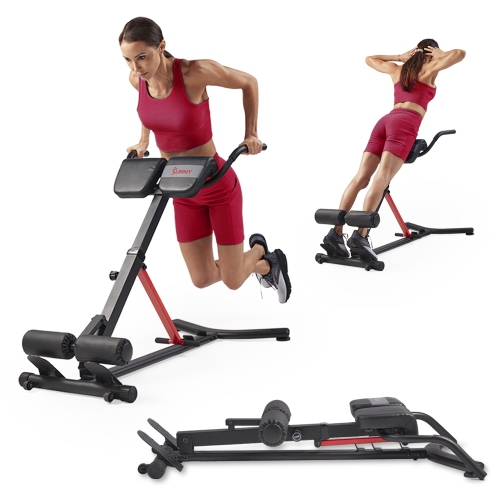 Your price for this item is $259.95
 -
 Your price for this item is $199.99
 -
 Your price for this item is $129.99
 -
 Your price for this item is $329.99
 -
 Your price for this item is $290.99
 -
 Your price for this item is $234.99
 -
 Your price for this item is $319.99
 -
 Your price for this item is $69.99
Discover more categories related to Glute Exercise Machines
Top Collections:
Pokemon Centers, Best Cameras for Sports Photography, Kindle Devices, Samsung Galaxy Phones, Canon G7X Cameras, Pokémon 30th Celebration Cards, Refurbished Apple Laptops, iPhone 15 Apple, Laptops for Students, Budget Smartphones
Some products may be subject to Environmental Handling Fees
(EHF) depending on your province.
Learn more about EHFs.